

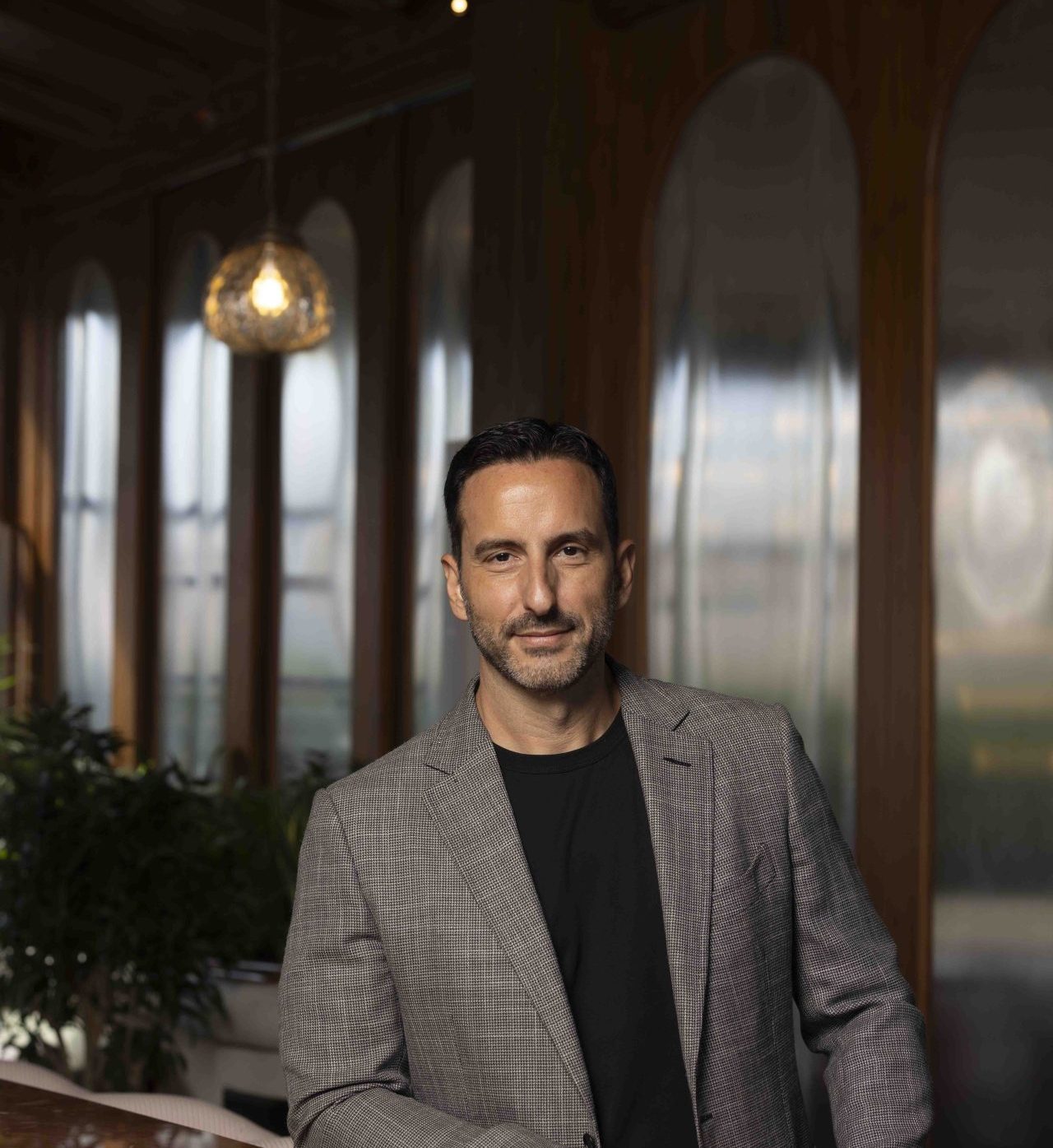
Antonio Gonzalez on Turning Hotels into Platforms for Connection
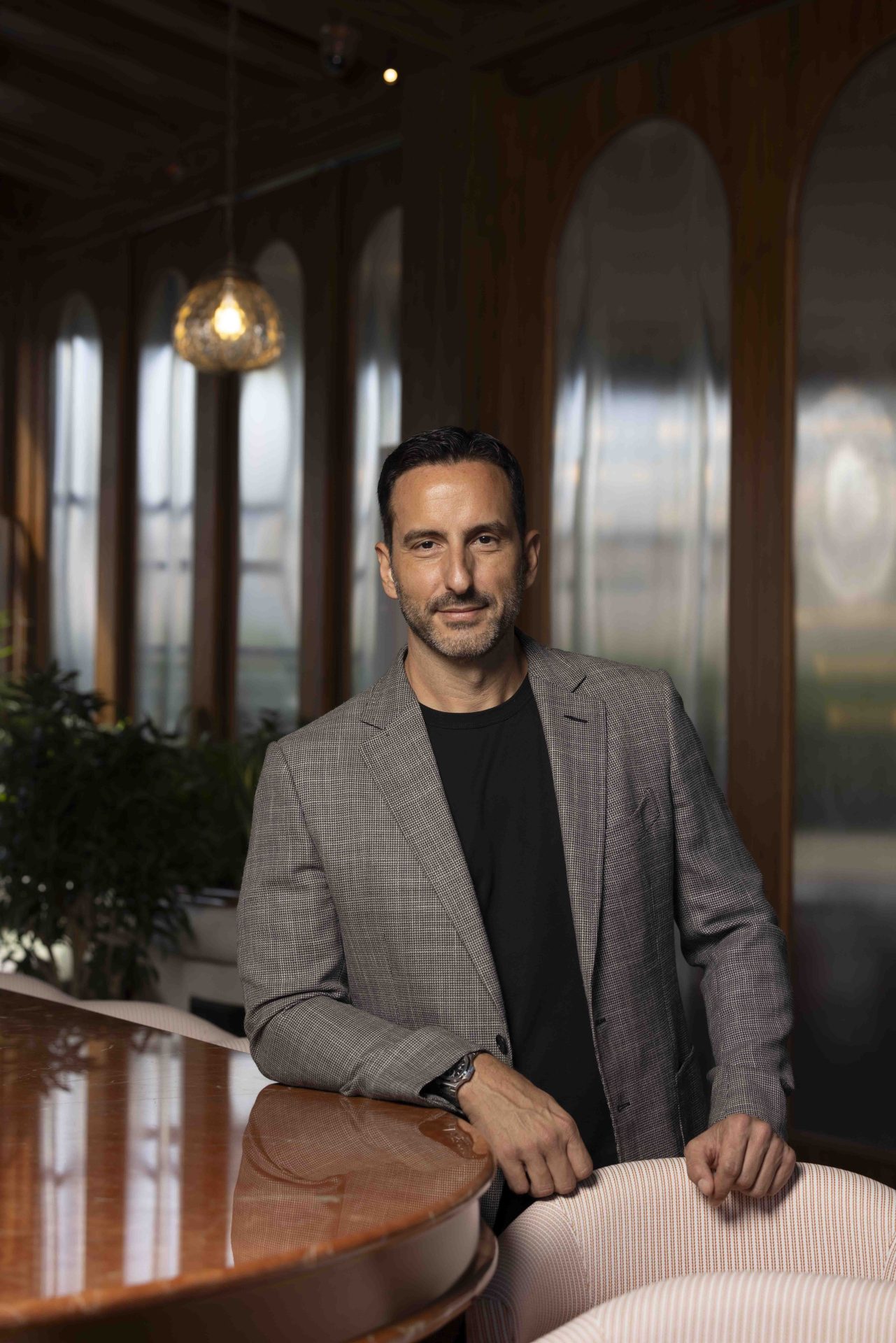
Interview: Antonio Gonzalez, Sunset Hospitality Group
As lifestyle hospitality continues to redefine the contours of luxury travel, few leaders are shaping the conversation as decisively as Antonio Gonzalez, Co-founder, Chairman and Group CEO of Sunset Hospitality Group. Under his direction, the group has expanded beyond traditional hotel models to create integrated destinations that blend design, dining, entertainment and community.
One of the clearest expressions of this vision is METT Marbella Estepona, a property that has rapidly emerged as a standout on the Costa del Sol. Conceived as more than just a place to stay, it reflects a broader shift toward experience-led, socially driven hospitality - where storytelling, brand identity and guest connection take centre stage.
In this interview, Antonio discusses the thinking behind METT Marbella Estepona, how his background in marketing continues to shape SHG’s growth strategy, and why Spain, and Marbella in particular, is poised to become a global benchmark for next-generation luxury hospitality.
Q: METT Marbella Estepona has quickly positioned itself as a standout lifestyle destination on the Costa del Sol - what was your vision for the property, and how does it reflect Sunset Hospitality Group’s broader brand philosophy?
I wanted METT Marbella-Estepona to be more than a hotel; it’s a lifestyle hub. It's relaxed, experiential luxury for those who want space to reset and for groups of friends who want to come together and celebrate, just the right place for the people who matter to you. Exactly what Sunset Hospitality Group stands for.
Q: You transitioned into hospitality after an early career in marketing and advertising - how has that background influenced the way you build and scale businesses and how you drive brands today?
My foundation in marketing stemmed a fundamentally client and brand-first mindset. I don’t see a hotel as a real estate asset, I see it as a platform for storytelling, engagement and long-term value creation. Every element - from design and music to service and programming - has to reinforce a clear and differentiated identity.
At METT Marbella-Estepona, we’ve defined that identity as relaxed luxury with social energy. That clarity gives us the ability to scale without losing edge. As Sunset Hospitality Group expands further into hotels, with several new openings planned across Spain and around the world, we’re scaling a brand ecosystem.
We’re also moving beyond traditional hospitality into adjacent markets like social gaming and members clubs. These concepts deepen engagement, extend dwell time and create recurring communities around the brand. It’s a more integrated, lifestyle-driven model, and is central to how we’re building for the future.
Q: You often speak about “bringing people together” through hospitality - how is this philosophy evolving in today’s market, where guest expectations are rapidly changing?
Bringing people together’ today is about relevance and intent. Guests are no longer satisfied with passive experiences, they want connection, energy and something that feels real.
We’re designing environments that naturally create interaction. Food, music, wellness and experiences, these are the anchors, but the real value is in how they come together to create a social dynamic.
This is driving our expansion into concepts where the focus is on community and repeat engagement rather than one-off visits. In our hotels, we’re creating spaces that evolve throughout the day, from wellness and relaxation to high-energy social environments at night. It’s about building a continuous experience that reflects how people live now. Hospitality has become more fluid, more social and more experience-led.
Q: Having been recognised among the most influential leaders shaping Spanish tourism, what opportunities do you see for Spain, specifically Marbella, as a global luxury hospitality hub in the coming years?
Spain, and Marbella in particular, is entering a very strong growth phase. The fundamentals of climate, connectivity, lifestyle and international demand are already there. What’s changing is the type of product the market is ready for.
There is a clear shift toward lifestyle-led luxury, and that’s where Marbella has a competitive advantage. It offers a more relaxed, experience-driven alternative to traditional luxury destinations.
We see significant opportunity, which is why Sunset Hospitality Group is actively expanding its hotel footprint in Spain, with multiple projects in the pipeline. The goal is not just to add rooms, but to introduce fully integrated concepts that combine hospitality, dining, entertainment and community.
Marbella is well positioned to become a benchmark for this next generation of luxury. It has the flexibility to evolve without losing its identity, and that makes it one of the most exciting markets in Europe right now.

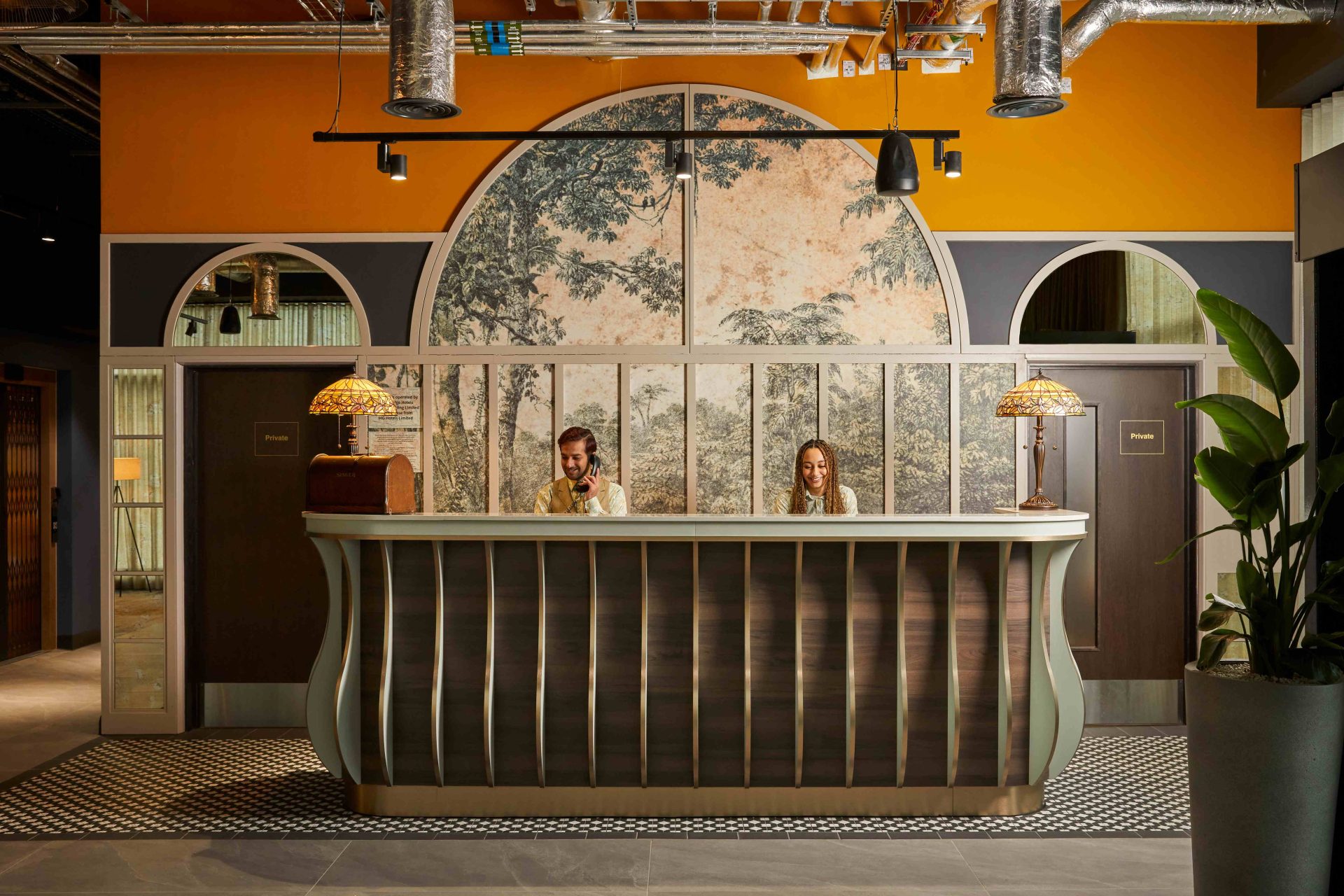
A Bold Sense of Place
In this exclusive interview, Helen Woodley, Reception Manager at Hotel Indigo Coventry, reveals how the boutique brand’s strong neighbourhood ethos is brought vividly to life - from cycle heritage and motor city legends to reimagined local icons - while still delivering the polish of an international name. She shares how front-of-house teams personalise every stay, how brand standards empower creativity rather than limit it, and how thoughtful technology and sustainability initiatives are helping the hotel stand out in an increasingly competitive city market.
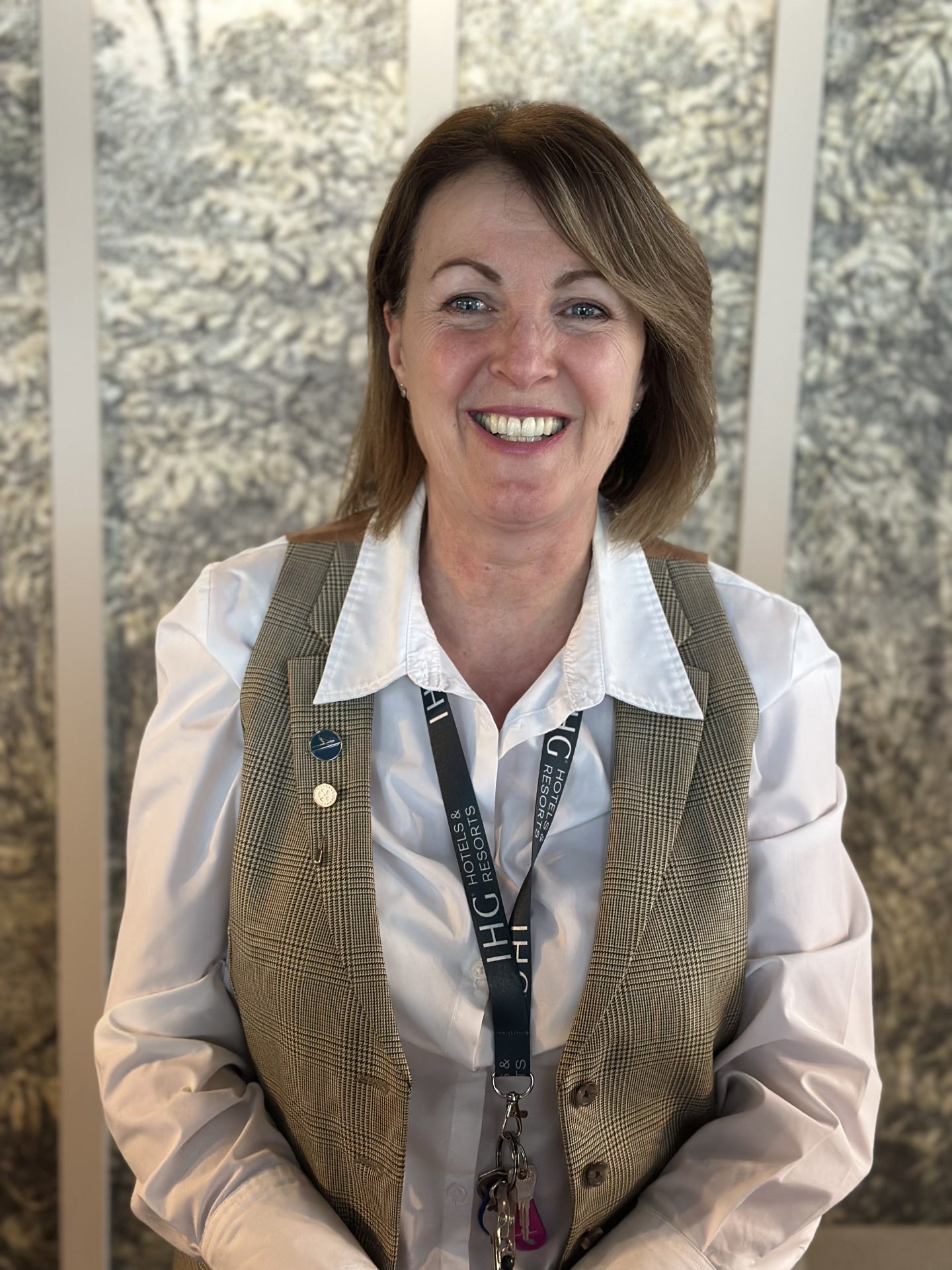
Hotel Indigo is known for its strong neighbourhood identity. How does the Coventry property bring local character and culture into the guest experience while still meeting the expectations of an international brand?
At Hotel Indigo Coventry, our neighbourhood story is woven into the very fabric of the hotel through three distinct themed bedroom concepts, each celebrating a defining chapter of Coventry’s heritage.
Our Spinning Wheels rooms pay tribute to Coventry’s role as the birthplace of the British cycle industry in the 1860s, when Penny Farthings were manufactured locally. This story extends into our public spaces, where a Penny Farthing - on loan from the Coventry Transport Museum - is suspended as a statement feature in the bar.
The Motor City rooms celebrate Coventry’s global influence on the motor industry, highlighting iconic brands such as Jaguar, Land Rover, and Triumph. Guests also discover that the very first Daimler was manufactured in Coventry in 1897, reinforcing the city’s pioneering spirit.
Our Rejuvenation & Re-Imagination rooms focus on Coventry’s resilience and reinvention. They feature the powerful contrast between the ruins of the old Cathedral - destroyed during the Blitz - and the modern Cathedral that stands today. This theme also reinterprets the legend of Lady Godiva, presenting a contemporary artistic depiction that blends heritage with modern identity.
Together, these themes allow us to deliver an authentic local experience while maintaining the elevated design, comfort, and service standards expected of an international boutique brand.
As part of a larger hotel group, what freedoms do you and your team have at a front-office level to personalise service and create memorable moments for guests?
Our brand framework gives us the confidence and flexibility to personalise the guest journey in meaningful ways. At front office level, the team regularly creates handwritten welcome cards and personalised plates for new IHG One Rewards Club members, VIPs, and “Guest of the Day” recognitions.
We also decorate reception areas and guest bedrooms for special occasions and take pride in sharing our neighbourhood stories - recommending local places to explore and helping guests connect with Coventry beyond the hotel walls. These thoughtful, human touches are what truly elevate the stay.
The hotel market is increasingly competitive, especially in city locations. What do you believe genuinely sets Hotel Indigo Coventry apart from both independent hotels and other branded properties nearby?
Our strongest differentiator is authenticity. Rather than simply referencing Coventry, we actively bring its story to life throughout the hotel and in every guest interaction. From design details to conversations at check-in, the neighbourhood narrative is consistent, immersive, and genuine - something that sets us apart from both independent operators and more generic branded hotels.
From an operational perspective, how do brand standards support your team rather than restrict them when it comes to innovation and guest interaction?
Brand standards provide clarity and consistency, ensuring we meet guest expectations while giving us the creative freedom to innovate locally. They act as a foundation rather than a limitation, allowing us to add individual touches and share successful initiatives through the brand’s internal “champions corner,” where ideas can inspire other hotels across the portfolio.
Looking ahead, how do you see the role of technology in hospitality evolving in helping Hotel Indigo Coventry stand out in a crowded market?
For a boutique brand like Hotel Indigo, technology isn’t about adding features for the sake of it - it’s about enhancing personalisation, neighbourhood connection, and convenience. Sustainability is also increasingly important to our guests, and we’re proud to have recently been awarded the Green Key Award, reflecting our commitment to responsible operations.
We’ve introduced digital receipts and paperless processes, implemented Canary guest messaging for instant, WhatsApp-style communication, and launched QR-based room service menus accessible directly via in-room TVs. These innovations streamline the guest experience while allowing our team to focus on what matters most: genuine, memorable hospitality rooted in our neighbourhood story.
In Her Words: Stephanie Lee on Growth, Golf and Global Markets
As Seaton House approaches its first anniversary, Director of Sales and Marketing Stephanie Lee reflects on the momentum behind one of St Andrews’ most anticipated openings. From pre-opening strategy to joining Small Luxury Hotels of the World, she shares insights on seasonality, storytelling and leadership - and, in the spirit of International Women’s Day, the power of connection, mentorship and championing women across the hospitality industry.
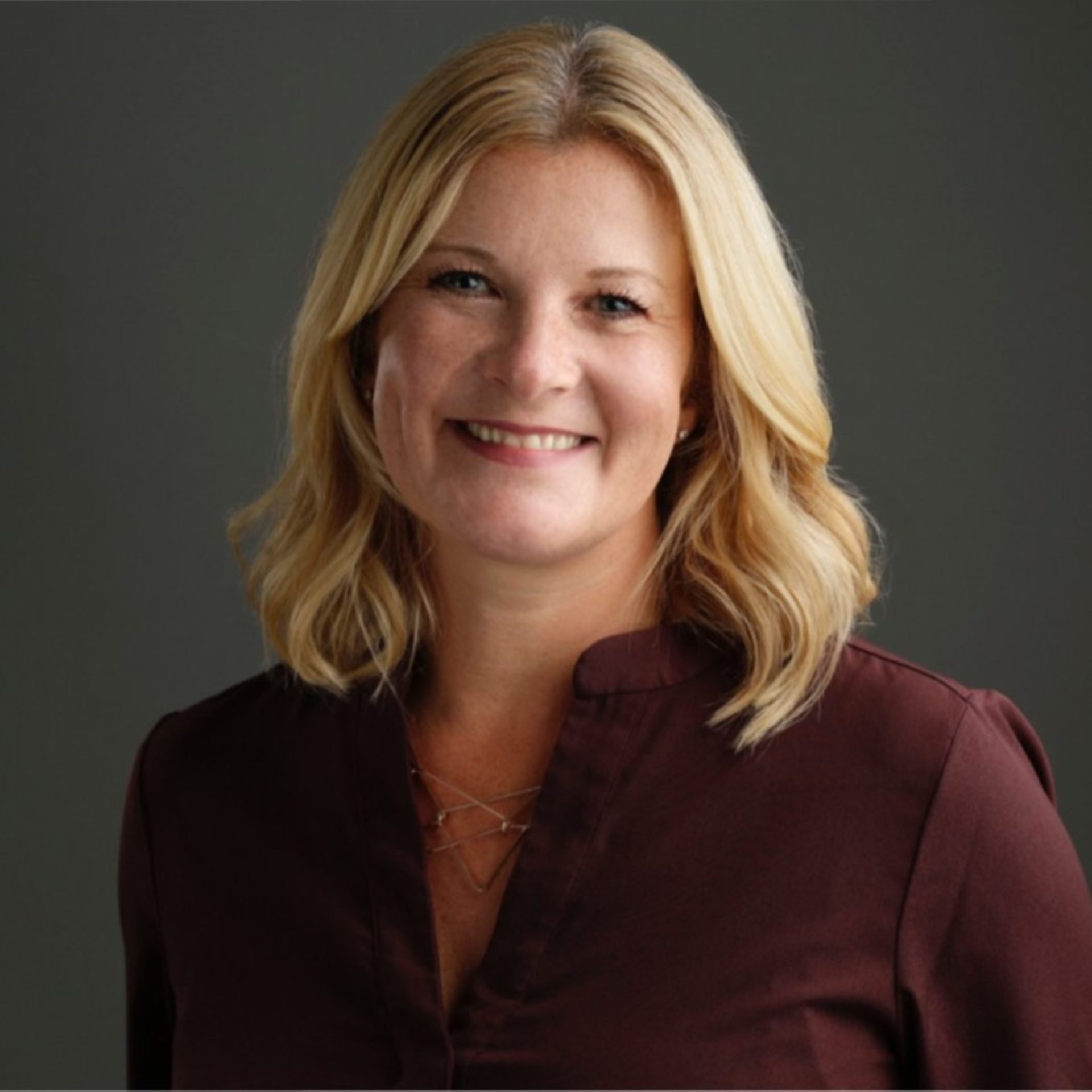
Stephanie, as Director of Sales and Marketing at Seaton House, what does a typical day look like for you, and how do you balance strategic planning with the fast-paced realities of a luxury hospitality operation?
No two days are alike, which is one of the things I love most about this role. It’s a small team (me!) covering all sales and marketing for hotel rooms as well as food and beverage. I like to plan my day during the drive to the office, and if you saw my desk, there is always a notepad on the go for me to jot down the many additional things I’m asked about throughout the day. With a small senior leadership team at the hotel, there is always someone asking a question, and we work very closely together.
There really is no such thing as a typical day. I could be meeting with suppliers or agents, speaking to photographers about content creation, working with our PR team on upcoming visits, or chatting with our wider Valor Hospitality team about new projects.
As the hotel approaches its first anniversary, what have been the most important lessons from your first year in business, and which moments stand out as defining milestones for you and the team?
I started with Valor Hospitality six months before we opened the doors to prepare. It was a very busy time, working on website structure and development, and creating all collateral. It’s been a fascinating experience to be part of the pre-opening team, and I can see why this is such an important tool to have in my kit bag.
I feel very lucky to have seen the building and its refurbishment come together. The investment and craftsmanship in the overall finish of the building truly shine through. It’s a privilege to see the spaces now and be one of the few who remember what it looked like during the refurbishment. Seaton House has been transformed into a space befitting its prime location in St Andrews, and it’s a joy to see.
Getting the doors open in March 2025 was, of course, a milestone. I remember fondly our launch event in April with our key investors, their families, and our wider support team from Valor Hospitality, along with specially invited guests, all coming together to celebrate the opening. There was a lot of champagne drunk and oysters shucked that night, as our chef team can testify!
St Andrews is a highly seasonal destination, and the biggest lesson has been watching and responding to the demands this brings. We are more international during the peak summer months, with lots of golfers, and then we turn to a more domestic market in the off-season. Both come with their own special markers and moments. I will never tire of seeing golfers realise how close the hotel is to the iconic Old Course, or conversely, seeing guests enjoy a walk along West Sands beach before retiring to the bar. St Andrews truly has something for everyone.
Opening a new hotel in a destination as established as St Andrews comes with both opportunity and pressure - how have you worked to position Seaton House in the market while staying true to its identity?
We did a lot of work pre-opening on the storytelling and unique elements of Seaton House, and I think we’ve done a good job of keeping this alive. This is a very special refurbished property, bringing a locally loved landmark into the 21st century with a softly Scottish feel. I am very proud of how Seaton House sits within the local and Scottish landscape.
We have been fortunate to have a team of wonderful people join us over the last year, and we try to maintain a strong representation of local people within the team. Guests want to meet and engage with people who have great stories, and I love that we have a diverse mix throughout the team. It all brings the passion of Seaton House together in an authentic way.
Within six months of opening, we joined Small Luxury Hotels of the World, and this has been a strong and genuine partnership so far. Their unique portfolio - and the fact that we joined alongside our sister hotel, Dunluce Lodge in Portrush - is a testament to what makes both properties just that bit special.
Looking ahead to 2026, what plans or priorities are you most excited about from a sales and marketing perspective, whether that’s new markets, partnerships, or evolving guest expectations?
We will continue to build momentum with Small Luxury Hotels to promote to international leisure markets, and of course, golf tour operators remain an important part of the business mix in St Andrews. It will be key to see how the global environment impacts travel, but we do know that St Andrews is fortunate to have a strong and diverse business mix, with the University of St Andrews, the global home of golf, and leisure tourism all contributing.
In the spirit of International Women’s Day, how has your experience as a woman in a senior leadership role shaped your approach to team building, mentorship, and company culture?
I have been truly blessed in my career to work with some outstanding leaders. My current General Manager, Michael Davern, is something else. Apart from the natural Irish blarney and some of the very best stories I’ve heard, he has a background and reputation that are second to none. When I speak at our orientation for new employees, I tell them to soak up his experience, as they will most likely never work with someone again in their careers who has the CV he does - and he wears it lightly.
When I look at the central sales team at Valor Hospitality, there are so many incredible female leaders to look up to. It’s genuinely inspiring to see so many women in leadership roles across the UK division, including sales, HR, operations, and finance. Valor has strong workplace policies and is a company that does what it says it will do -it’s incredibly empowering.
Finally, for readers of Hotel Magazine who are early in their hospitality careers, what advice would you give to women aspiring to senior commercial or leadership roles in the industry?
Connect, reach out, and make yourself heard. Across the industry, the move to remote working can make it harder to connect and meet the people who will inspire you. Hospitality offers a wonderful platform to work and network in a way that many industries miss.
When I look back over my career, my next role was often influenced more by the people I wanted to work with than by the role itself. I have always wanted to work with awesome people who are at the top of their game.
I sit on the board of SITE Scotland alongside volunteers from across the incentive travel industry. It’s an all-female board, and it’s heartening to see younger colleagues at the start of their careers recognising the importance of networks and the impact they can have.
Interview with David Hart
Why operational agility is crucial to guest experience in the luxury hotel market
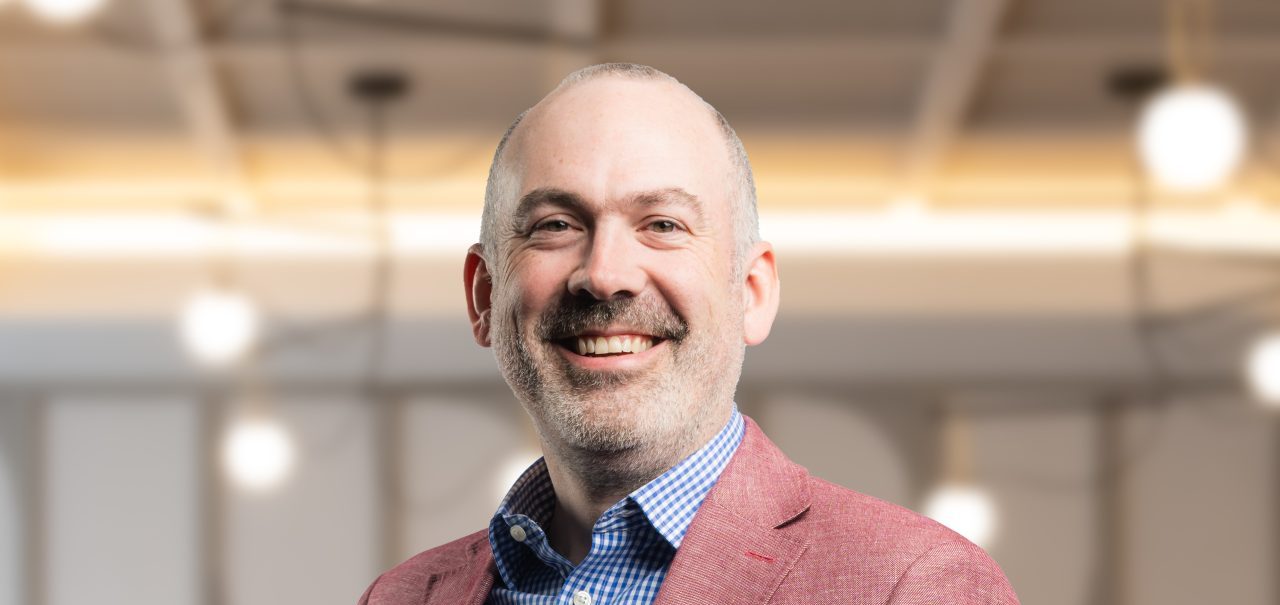
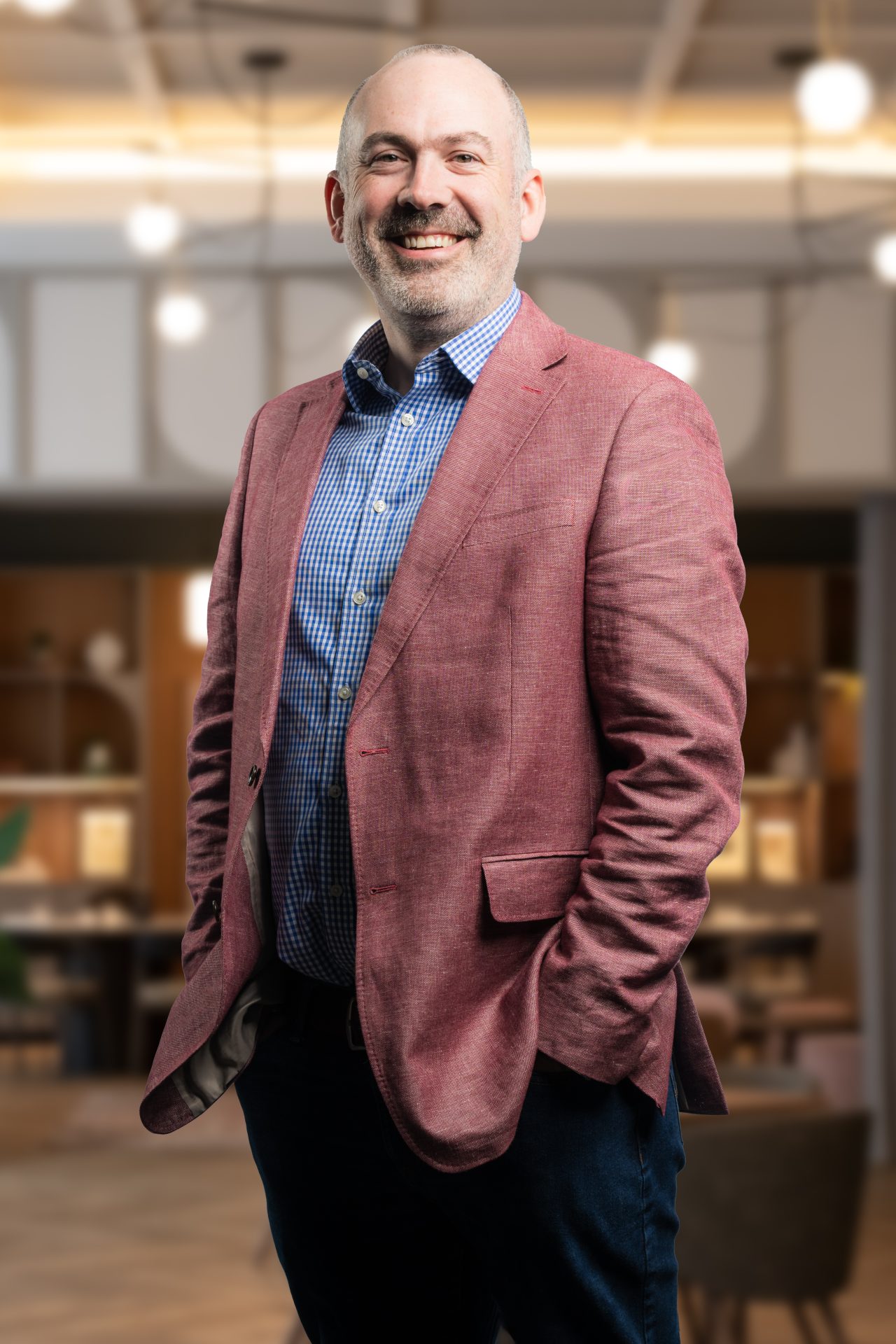
As the CEO of RBH Hospitality Management, David Hart is leading one of the UK’s largest independent hotel management companies through a defining moment for the luxury sector. In 2026, the rules of high-end hospitality are being rewritten: traditional formality is giving way to personality-led service, brand frameworks are flexing to accommodate local character, and owners are increasingly turning to specialist operators to unlock performance and long-term value.
Against a backdrop of rapid expansion across global collection brands and independent properties alike, David offers a candid perspective on how the meaning of luxury has evolved — and what that means in practice for hotel teams, operating models and guest expectations. From empowering colleagues to create genuine human connection, to balancing brand consistency with the individuality of boutique assets, he explores how management companies can deliver both reassurance and distinctiveness at scale.
In this interview with Hotel Magazine, David shares how RBH’s growing luxury portfolio reflects broader shifts in franchising, ownership and service design — and why the future of luxury will be defined not by opulence alone, but by hyper-personalisation, effortless experiences, local authenticity and sustainability as standard.
In 2026, luxury hospitality is moving away from traditional formality toward more personality-led experiences. From a management perspective, what does this shift look like in practice, and how is it changing the way hotels are run day to day?
The definition of luxury has evolved significantly over the last few years, and that evolution is continuing to shape how we think about our operations at every level. Led by our Managing Director Louisa Green, we’ve been focused on ensuring our culture and service approach reflect what luxury means to today’s guest.
Luxury now is less about formality and more about genuine human connection. Guests want to feel like their experience with a luxury hotel is unique. This shift means that it is crucial to really understand who the modern luxury traveller is, what motivates them, what they value, and what kind of special experiences will make their stay feel truly personal.
It’s no longer enough to just deliver great service. Hotel teams need the skills and confidence to create emotional connections and deliver authentic experiences. That requires a deep understanding of the guest and an ability to recognise what will make their stay memorable. This means investing in developing emotional intelligence, cultural awareness and active listening so our teams can recognise those moments of opportunity.
Operationally, it means reducing unnecessary processes and giving colleagues more time to be guest-facing, as well as giving teams more autonomy. When teams are empowered and equipped with the insight and training they need, they can shape stays that go beyond guest expectations, creating those personalised experiences that define modern luxury.
How do management companies like RBH strike the balance between delivering the consistency expected from global brands while still preserving the individuality and heritage of boutique and independent luxury properties?
It starts with recognising that consistency and individuality aren’t opposites, they complement each other to deliver high-quality hospitality.
Our brand partners begin by providing a strong framework: brand standards, systems and reliability that guests expect from the world’s leading brands, and within that there’s always significant room for local expression, which is actively encouraged by our partners.
At RBH, we also take a ‘brand-plus-identity’ approach, which means ensuring core standards are impeccably delivered as well as working closely with our partners, owners and on-property teams to hone in on what makes their specific hotel unique.
This means having a deep understanding of the hotel’s history, its design, its F&B personality and particularly when we’re talking about individuality, bringing in local influences from the area.
We encourage teams to bring those elements forward, so the hotel feels distinctive and reflective of its location, while still delivering the consistency that drives trust and loyalty. This approach works particularly well in luxury. Guests feel the value of the reassurance of a strong brand alongside a unique local experience that the hotels bring to life and which the brand can't define on its own.
RBH has recently expanded its luxury portfolio, from Marriott collection properties in Edinburgh to boutique and independent hotels. What has driven this growth, and what does it reveal about where the luxury market is heading?
The luxury hotel market is continuing to shift. Historically, the major franchisors tended to refrain from permitting franchising of their luxury brands and instead retained management themselves. Over the last few years, this requirement has been relaxed and, in order to aid their own growth, franchisors have opened up their luxury brands to franchising, which has in turn allowed third-party operators such as ourselves to expand into this area.
Our focus as a business has always been to manage a diverse range of hotel brands, so this shift has enabled us to expand our presence into the luxury market and to grow our portfolio across the hotel chain scale.
Luxury is becoming a very widely-defined segment encompassing a variety of brands, offerings and audiences, so it seems inevitable that operating models will become more flexible and develop over time to align with this shift.
We’re seeing more independent operators being appointed to manage high-profile collection brands as well as unbranded luxury hotels. Why do you think owners are increasingly choosing specialist management companies for these types of properties?
Specialist management companies are focused primarily on the sustainable performance and asset value of a hotel, which is aligned with the objectives of hotel owners. For example, management companies’ fee income tends to be correlated to revenue and profitability of the hotel (with some even going further and connecting to asset value returns). In addition, specialist operators with scale can employ specialists in all areas of hotel operation as well as develop extensive and efficient systems and processes, all of which can be expensive for an owner to employ themselves.
As a result, management companies can often be of interest for owners because brands themselves can naturally be conflicted, as they have to be focused on the performance of the brand itself rather than the specific hotel. Owner operators also often do not have the scale to be able to have the best expertise available to operate a hotel in an efficient and cost-effective manner.
How are service models evolving to meet the expectations of the modern luxury guest, and what do you think will define a truly “luxury” experience over the next few years?
I’ve spoken a bit already on the importance of personalisation and delivering authentic experiences that go deeper than material indulgence. This really is key when we’re talking about modern luxury. Guests want an experience that feels personal, relevant and effortless.
Service models are evolving to meet the needs of the modern traveller. High-touch hospitality is being blended with technology that is allowing teams to focus on what matters – having meaningful interactions with guests.
The definition of luxury means something different to everyone but there are four key areas that will define the segment over the next few years:
- Hyper‑personalisation: Luxury starts with really understanding the guest as an individual. It’s about combining insight, intuition and genuine curiosity to shape experiences that feel uniquely theirs, not something that could be given to just anyone.
- Effortless experiences: Luxury should feel easy. The best service removes the noise behind the scenes, so the guest simply feels calm and there is a seamless flow from check-in to check-out. Technology also plays a big part here, giving teams more time and space for human connection.
- Local relevance: Guests increasingly want to feel connected to where they are. This means creating moments that reflect the culture and character of the destination in a way that feels thoughtful and authentic, rather than manufactured.
- Sustainability as standard: Responsible operations are now expected, not optional. It is something reflected in the everyday choices we make in how our hotels are run.
Ultimately, the luxury hotels that stand out will be those that make guests feel understood as individuals, where service feels natural rather than scripted, and where touchpoints reflect both brand excellence and a sense that you’re truly part of the place you are visiting.
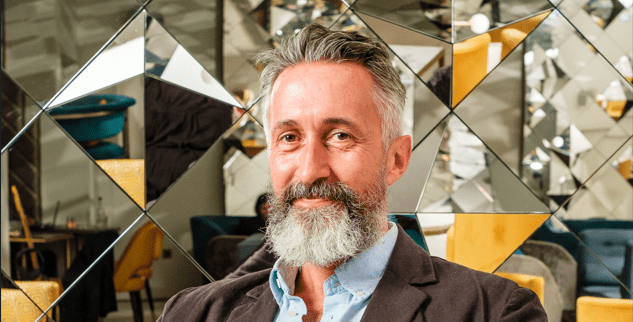
Redefining London Hospitality
Clermont Hotel Group CEO Gavin Taylor shares how his journey from CFO to chief executive is shaping a bold new chapter for the business — from the landmark redevelopment of the Tower Suite to a portfolio-wide push for modern, inclusive and experience-led hospitality.
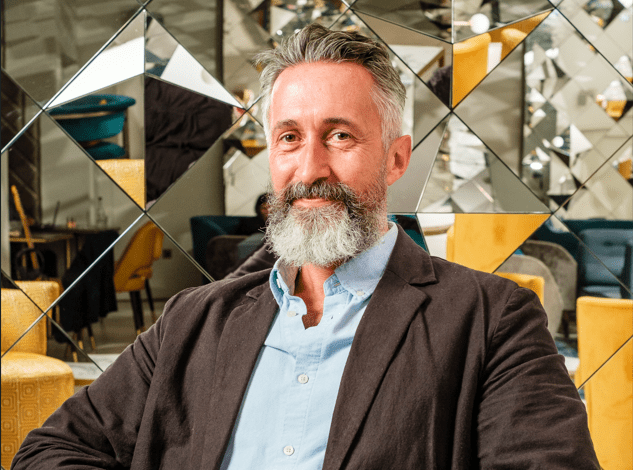
Introduce yourself to our readers and tell us about how you got to your current role
I became CEO of CHG in February 2023, having previously served as the Group’s CFO since 2019, which gave me a deep understanding of the business and its potential.
Before joining Clermont Hotel Group, I held several senior leadership roles across hospitality, and property. These included CFO for Jupiter Hotel Group, CFO for the development company behind the Bulgari Hotel & Residences in Knightsbridge, and before that, CFO for Queen’s Park Rangers FC during the Briatore, Ecclestone and Mittal ownership. Each role gave me valuable insight into managing complex, high-profile assets, which continues to shape my approach today.
Clermont Hotel Group is one of London’s largest owner-operator hotel groups, with more than 4,000 rooms and 120 event spaces across 14 properties.
The Tower Suite has long been considered an iconic events venue in London. What was the driving vision behind its redevelopment, and how do you see it redefining the city’s meetings and events landscape when it reopens in 2026?
The Tower Suite is a remarkable space, our largest venue, with sweeping views across the London skyline and Tower Bridge. Its location and setting really does make it one of the city’s premier event destinations.
The Tower Suite sits within our elevated ‘by Thistle’ brand, designed to offer location-led experiences for today’s traveller. The redevelopment is centred around offering a modernised space that sits in the heart of the city, alongside strengthening our position in a competitive market. It also forms part of a broader investment strategy across our rooms, restaurants, bars and event spaces as we strive to be London’s leading hotel operator.
As the industry increasingly prioritises distinctive, high-quality experiences, we see the Tower Suite going far beyond the traditional event venue. When it reopens, it will offer a versatile, beautifully modernised space equipped with the latest technology, in the heart of one of London’s most desirable areas.
Clermont Hotel Group has spoken about investing in ‘Spaces for All’ across the capital. Could you tell us what that philosophy means in practice and how it’s shaping the way your hotels are evolving to meet modern guest and business needs?
Creating ‘Spaces for All’ underpins our investment approach. We want each of our hotels to offer something for everyone, whether that’s exceptional accommodation, innovative and destination-led dining, or standout meetings and events spaces.
The Tower Suite redevelopment perfectly reflects this philosophy, offering flexible spaces capable of hosting large-scale conferences, intimate meetings or private dining. At The Cumberland, we have recently reopened the Arena event space following a major refurbishment, adding further strength to our offer.
We have also entered into a long-term partnership with the Gordon Ramsay Restaurant Group, which will bring super premium dining and the first Hell’s Kitchen in the UK to The Cumberland in spring 2026. As part of this exciting chapter for the hotel, we will launch a new Spanish tapas concept called Lirica, ensuring that there is a variety of offerings for all our guests.
London’s hospitality sector has seen significant shifts in recent years. How is Clermont Hotel Group adapting its portfolio to respond to these evolving trends?
London has seen a notable transformation, particularly the rise in super-luxury hotels, but the definition of luxury itself is also shifting. Today, guests prioritise experience, personalisation and inclusivity over visible signs of material wealth and exclusivity. Values such as sustainability and ethics are now integral, and social media has provided greater access to brands, making luxury more accessible.
In many ways, the traditional boundaries between upscale, lifestyle and luxury properties have blurred. Today, a brand offering that will secure guest loyalty is one that meets the need of emotional fulfilment, not material value. Our properties aim to have something for everyone with a focus on modern comfort, design and meaningful experiences.
Our Clermont hotels for example can offer affordable “quiet luxury”, a focus away from ostentatious displays to sophistication and quality. I think this ethos sets us apart from our competitors. Location and a sense of historical place also feeds into what luxury is all about. We are extremely well placed to continue to capture demand with our hotels in key London destinations and a curation of experiences that are aligned to our rich building heritage.
With a major redevelopment like The Tower Suite, how is technology being integrated into the design and operations to future-proof the venue for the next generation of events?
Technology is central to the Tower Suite’s transformation. The redesigned space will accommodate up to 500 guests and has been conceived to support everything from gala dinners and product launches to major conferences.
It will feature advanced AV capabilities including integrated digital signage, HD projection, flexible connectivity and high-quality music systems. Retractable ceiling rigging will also give organisers full event customisation. Ultimately, the goal is to create a high-quality contemporary and flexible space that pushes the standard boundaries of a traditional events venue.
Beyond The Tower Suite, what’s next for Clermont Hotel Group?
Our ambition remains to become London’s leading hotel operator. To that end, we continue to invest heavily across our portfolio, evolving our offer to align with what guests’ value most; authentic, memorable and meaningful experiences.
In addition to M&E, food and beverage will also play a crucial role in this evolution. The opening of the UK’s first Hell’s Kitchen at The Cumberland in 2026 is a particularly exciting milestone and will be a significant addition to our wider offering. And this is only the beginning, there is much more to come as we continue to elevate our properties and create exceptional spaces across the capital. This is just the start!
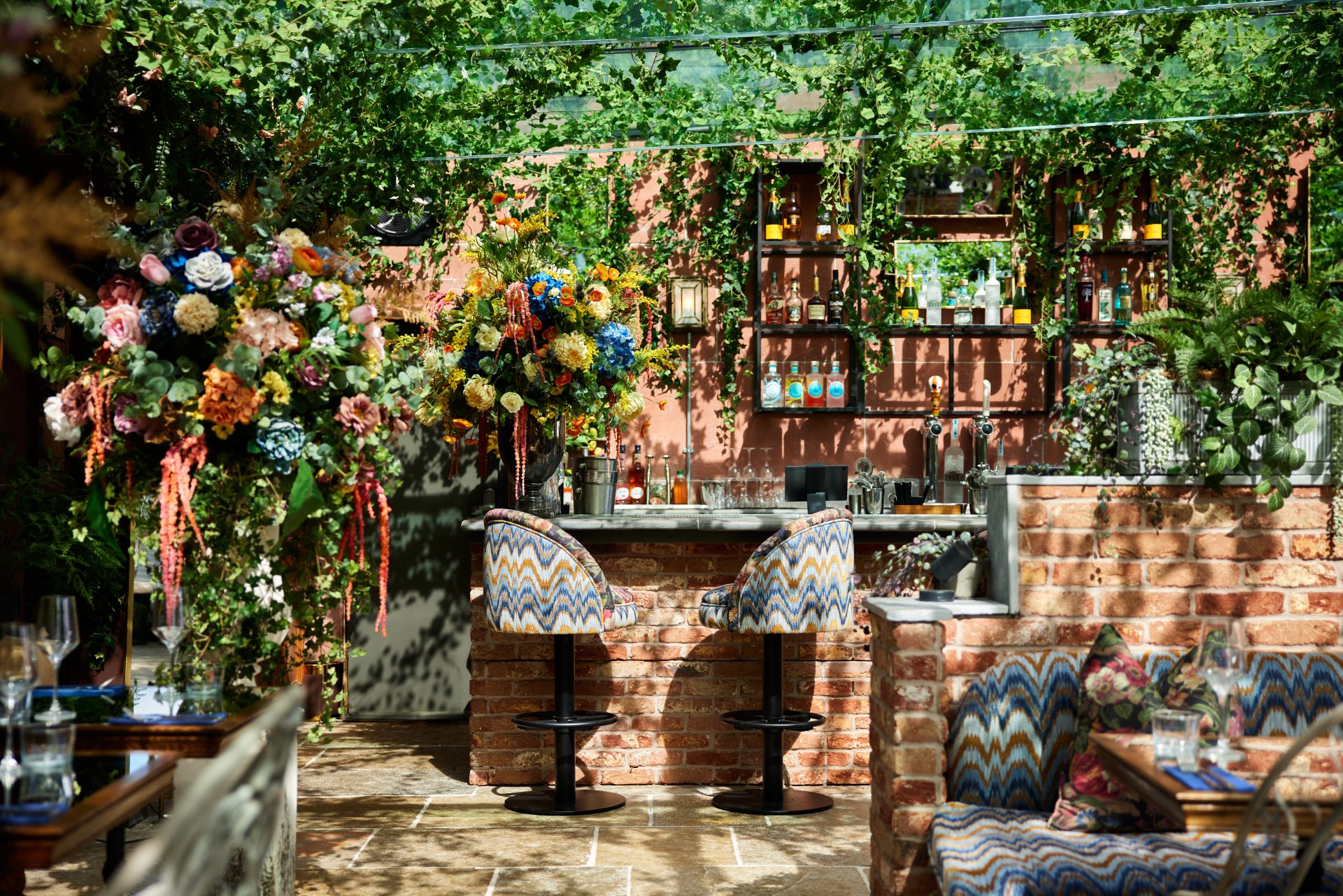
In the Hot Seat
Mike Baxter sits in the ‘Hot Seat’ this May. From his humble beginnings as a schoolboy hustling nightclubs in Edinburgh, to creating a ground-breaking new hotel brand, Mike’s story is a testament to the power of reinvention, creativity, and a refusal to follow the conventional path. In an exclusive interview with Hotel Magazine, Mike reflects on his early days in hospitality, the evolution of House of Gods, and what the future holds for the growing brand.
Mike’s journey to the forefront of the boutique hotel industry wasn’t a traditional one as he explained that hospitality has been a part of his life for “as long as I can remember”. Revealing how he’s always had an entrepreneurial spirit, even as a teenager, Mike explained, “Growing up in Edinburgh, I found my first taste of hospitality by organising events.
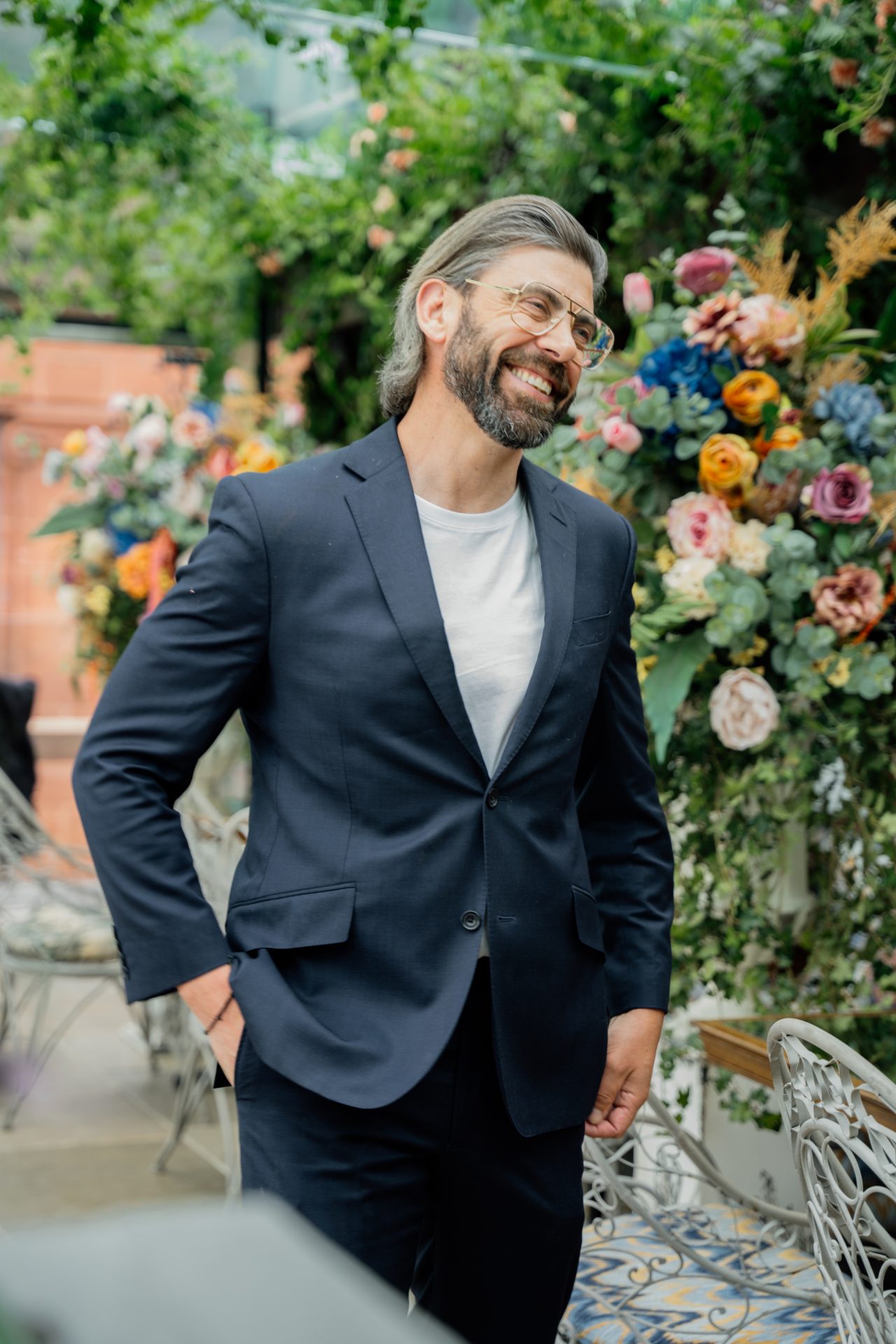
“I’d approach nightclubs claiming to be 18 and representing a university rowing club, even though I was just a schoolboy. I’d negotiate deals to rent their venues mid-week for events and make money from ticket sales, with the clubs taking the bar revenue. It was a hustle that I didn’t fully realise was shaping my future at the time.”
As he got older, Mike continued organising events while studying at university in Aberdeen. By the time he was 22, he had saved enough to purchase his first bar, which eventually led to nightclubs, more venues, and large-scale events. Mike said, “It was a fantastic experience, but after a few years, I realised that managing nightlife wasn’t a sustainable career for me in the long run.”
This led him to transition into property development, running a real estate business. While it was successful and provided ample learning opportunities, Mike realised that he missed the energy and customer interaction of hospitality. Following this, an opportunity arose to buy a building in Edinburgh, which Mike initially planned to convert it into apartments. However, due to planning restrictions related to an existing backpacker’s hostel above, Mike decided to turn it into a hostel instead which led to the creation of Edinburgh’s first boutique hostel, a decision that would change the course of Mike’s career.
Speaking on how the concept of his first hostel evolved, Mike said, “At the time, Edinburgh’s hostels were mostly budget-focused, catering to long-term travellers and stag parties. However, I had seen an emerging trend, especially in Portugal, where the "flashpacker" concept was taking off—hostels that had the style and aesthetic of a boutique hotel but maintained the social atmosphere of a hostel. We embraced this trend, and our hostel was a hit from day one.”
Mike admitted that himself and his brother had no in experience running a hostel, and it showed. “We didn’t even know what a property management system was,” he added. During the first weekend open, Mike recalls being so overwhelmed that when guests asked which bed was theirs, he just told them to pick one—leading to some hilarious moments at 3 am when people found others sleeping in their spots! Reflecting on those humble beginnings, Mike spoke about more funny moments with housekeeping – he said, “A few days after opening, I noticed that some guests didn’t have pillows, and when I asked about it, they replied, ‘Oh, do we get pillows?’ That was when I realised just how low the expectations were for hostels at the time.”
Despite these challenges, Mike and his brother’s hostel became a success. It set the stage for their future ventures in hospitality and enabled them to learn a lot from the experience, especially how to balance the social energy of a hostel with the higher expectations of design and service that Mike had started to appreciate.
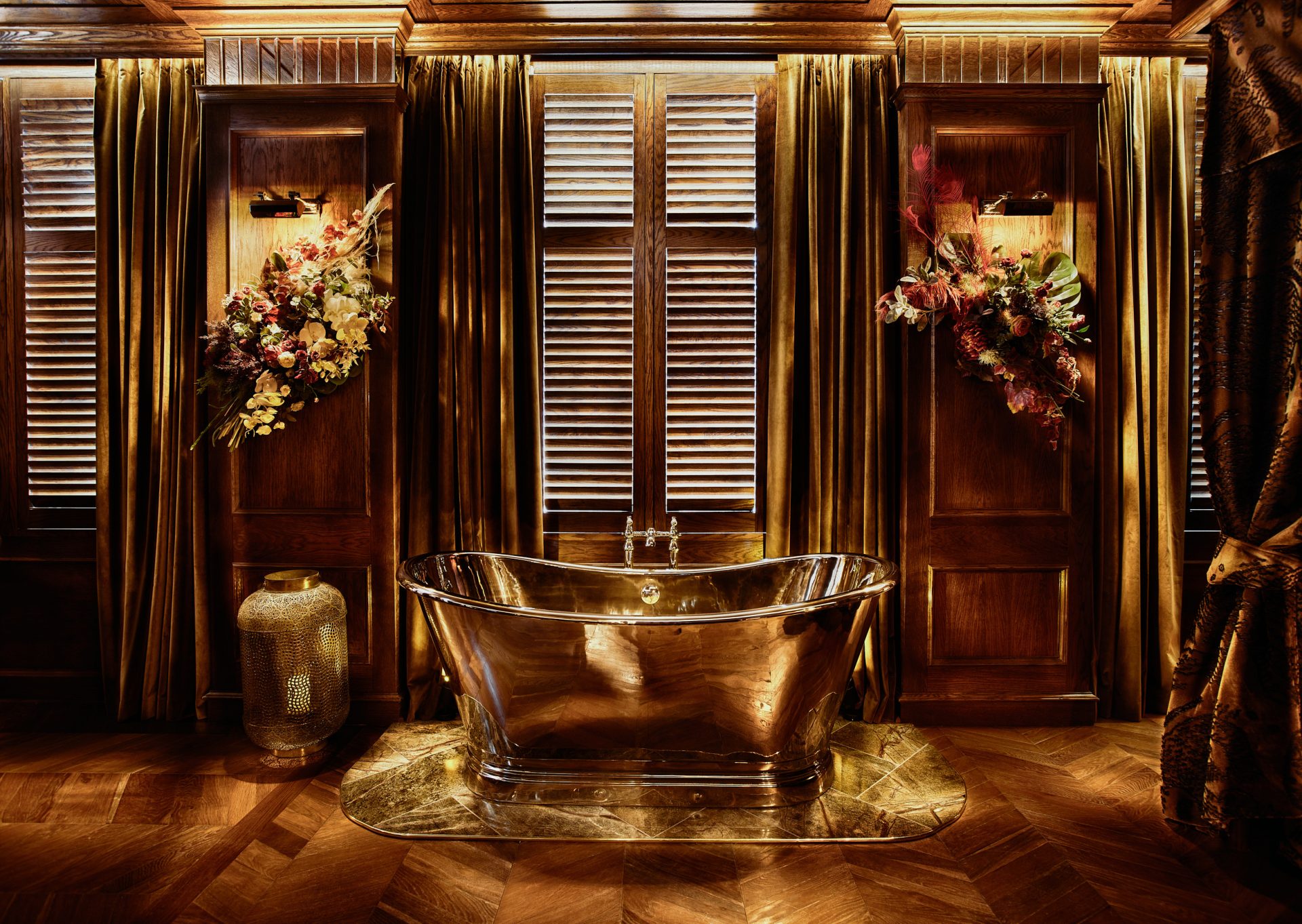 Mike explained that his passion for aesthetics and design began in his early days running bars and nightclubs. “I became fascinated by how spaces could impact the emotions and experiences of the people within them. When I entered property development, I was frustrated by the conventional wisdom in design—everything had to be neutral, beige walls and cream kitchens, all to appeal to the broadest audience. I wanted to create spaces that reflected my personal vision, not just follow the norm,” he said.
Mike recalled when he opened The Baxter hostel, and the freedom to experiment that came with it. It was the early days of the industrial-chic look, with exposed light bulbs and brick walls. “I loved the aesthetic of places like Shoreditch House in London—raw, New York loft-style living with worn floors and character-filled furniture. That inspiration would become the foundation for House of Gods,” added Mike.
Securing their first building in Edinburgh was a huge opportunity. Mike told us how he envisioned a cool, intimate space with a Shoreditch vibe and great Negronis. But, after attending the opening of Annabel’s in London, an extravagant, immersive venue, he had a pivotal moment. “The next day, I wandered into a Spar convenience store in Dalston, which had the same exposed light bulbs and distressed floors that I had been planning for House of Gods. That was my wake-up call—the industrial aesthetic had become ubiquitous. It no longer evoked anything special.”
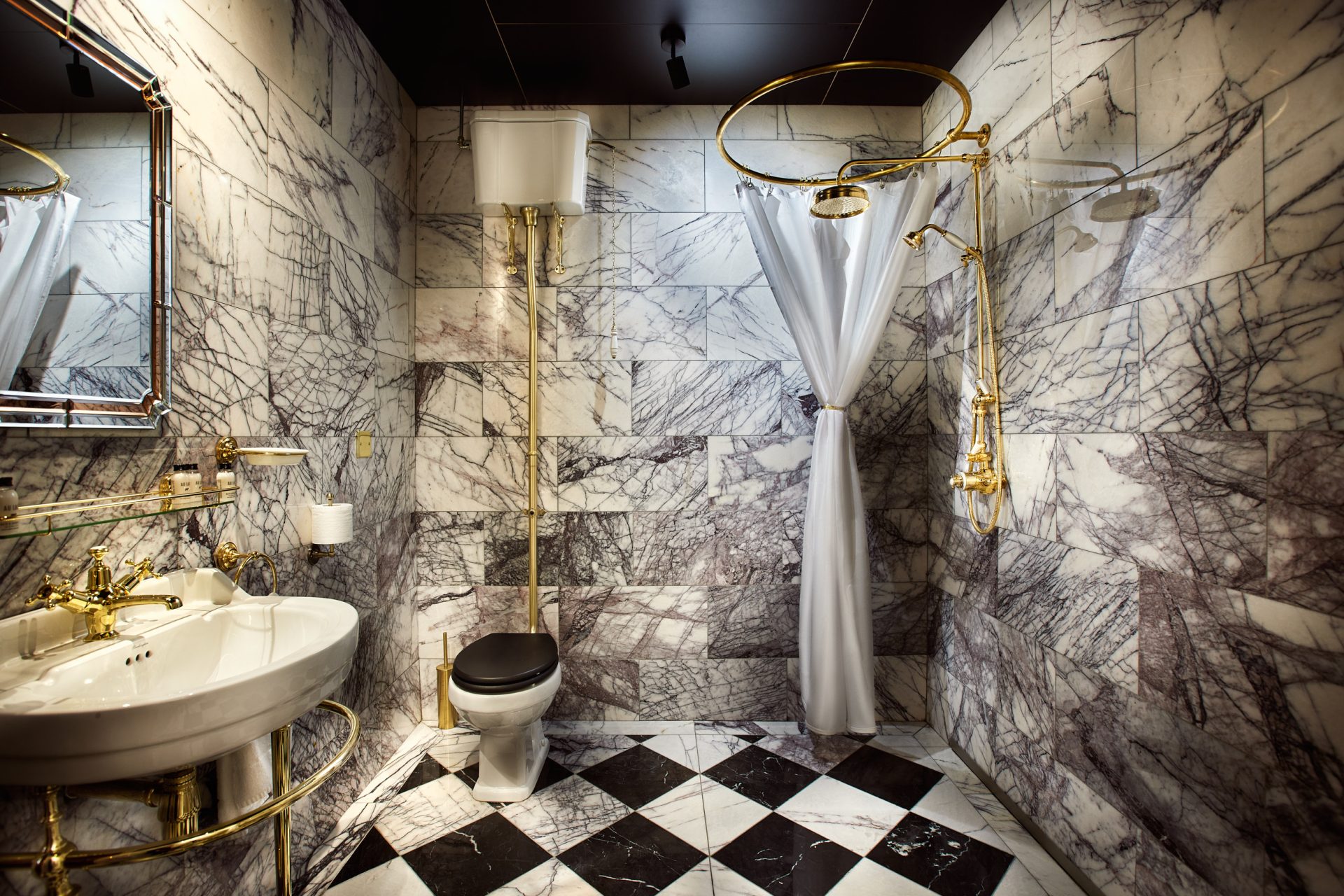 So, Mike rethought his approach. Instead of chasing trends, he asked himself: what makes the greatest hotels truly iconic? Places like The Savoy and The Dorchester had timeless appeal—they weren’t trying to be trendy; they had heritage, craftsmanship, and an air of exclusivity. This is when Mike realised that wanted to blend that sense of old-world luxury with something more unpretentious, fun, and modern.
The result was House of Gods—a place where opulence meets rock-and-roll decadence. Neon lights, rich paneling, intimate spaces where guests can let loose—because a great hotel isn’t just about where you sleep. It’s about how it makes you feel.
So, why London as the next location for expansion? Mike explained that Edinburgh is home, and it was the ideal place to launch House of Gods. He said, “If you can make a hotel work in Edinburgh, it’s a great proving ground for your concept.
“When we expanded to Glasgow, it made sense geographically—just a 45-minute drive away, with strong brand recognition and market crossover. Glasgow was a step up for us, allowing us to scale up from a 6,000-square-foot space to 20,000 square feet, adding a rooftop glass box, restaurant, and more rooms.”
London, though, was always the next logical step for Mike and his team, admitting he’s always had big ambitions for House of Gods, and saw a fantastic opportunity in Canary Wharf. The site, originally built for the Arts Club Mayfair, became available, and Mike was approached. Major hotel groups had shown interest, but Mike believes that Canary Wharf saw something different in The House of Gods brad—“our creativity, personality, and immersive spaces. We’re not a cookie-cutter brand, and they recognised that,” Mike explained.
House of Gods London, set to open in October, will be the brand’s largest hotel yet, with 89 rooms, many suites with waterfront balconies, and a rooftop bar—the Sacred Garden—similar to Glasgow’s, but on a larger scale. Mike acknowledged the fact that it represents an evolution for the brand, allowing them to cater to both leisure and business travellers. Canary Wharf has transformed into a nightlife and entertainment hub, and Mike sees that the new hotel will cater to both sides of the market.
Looking to the future House of Gods, Mike revealed that further expansion is definitely on the horizon. He said, “We’re actively seeking development partners who share our vision for House of Gods. We’ve built a brand that outperforms the market and delivers incredible results with a bold, infectious marketing strategy and a unique guest experience. Now, we want to take House of Gods everywhere—because we believe it belongs in more places than just one.”
Mike and his team’s focus is on staying true to their identity, offering spaces that are immersive, full of character, and offer a fun, unforgettable atmosphere for their guests. He finished with, “We’re excited for the future and the opportunity to share House of Gods with more people around the world.”
Unlocking Hidden Potential
In today’s competitive hospitality landscape, maximising every square metre of a property is more essential than ever—especially when it comes to event revenue. In this exclusive guest column, The Hotel Magazine speaks with Tamara Radisic, Director of Marketing at Hyatt Regency Kotor Bay Resort, to explore how hotels can think beyond the ballroom.
With an innovative approach to reimagining rooftops, lobbies, patios, and even storage areas, Tamara shares how her team is turning overlooked corners of their stunning coastal resort into immersive, revenue-generating event experiences. From panoramic rooftop concerts to private beachside weddings, discover how strategic creativity and local charm can transform underused spaces into unforgettable guest moments—and powerful business assets.

What are the most commonly underutilised spaces in hotels, and how can they be transformed into revenue-generating event venues?
Event spaces need not be confined to traditional conference halls and meeting rooms. With strategic creativity, even the most unexpected areas can be transformed into dynamic, revenue-generating venues – in fact, some of the most captivating event spaces are often hidden in plain sight.
While Hyatt Regency Kotor Bay Resort boasts a magnificent new ballroom and conference centre with expertly designed MICE facilities, we also embrace the potential of unconventional spaces.
Over the past year, we’ve hosted a wide variety of events—including parties, concerts, pop-ups, weddings, brand activations, and networking gatherings—in some truly unique locations.
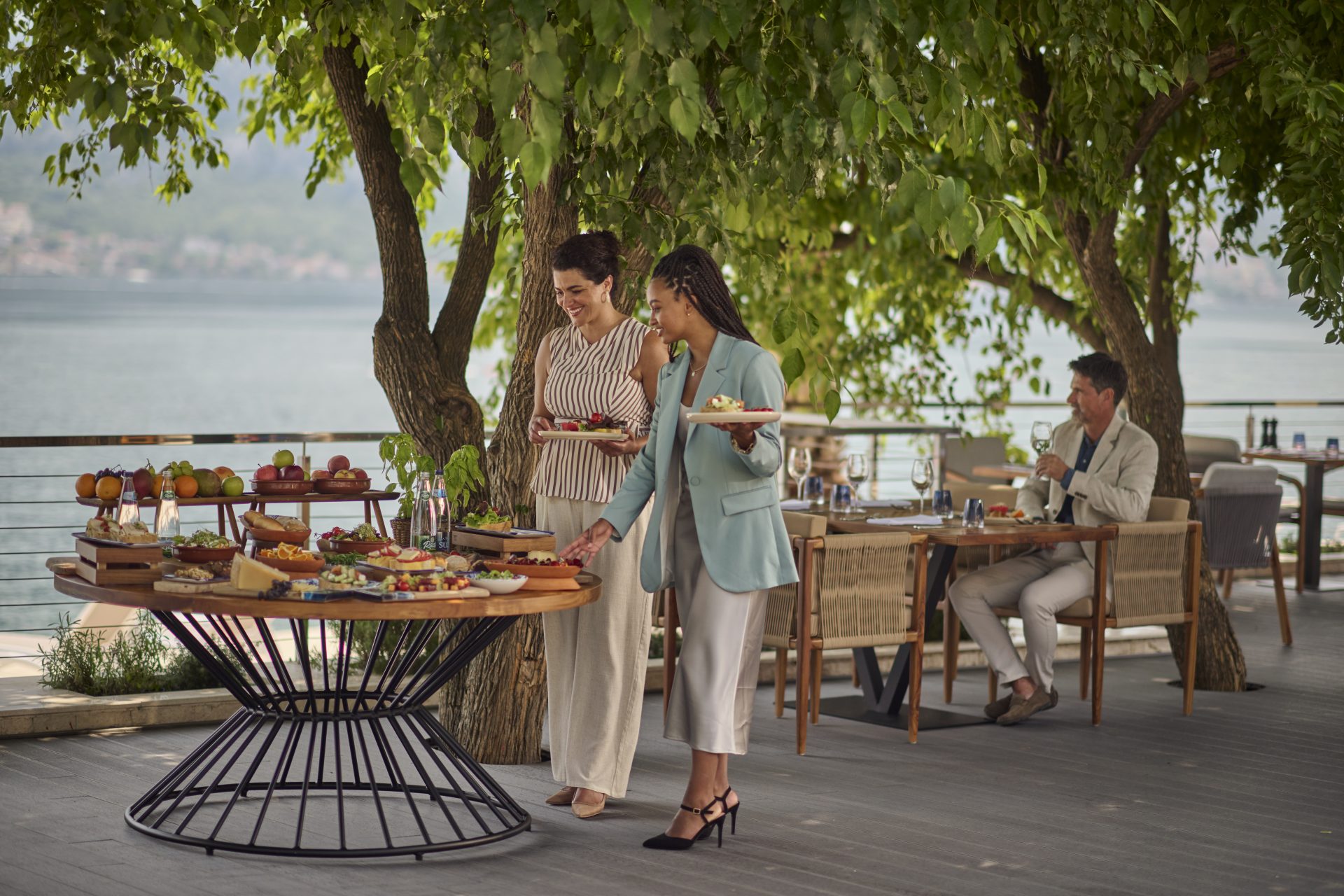
We’re fast becoming famous for hosting poolside and rooftop concerts, and we love to be creative with our bar terraces, lobbies, beachside patios, spas, pool areas, and restaurant balconies, transforming every corner of our resort into a memorable, eye-catching setting.
How can hotels assess the potential of non-traditional spaces for events?
Start by seeing the hotel through the eyes of a first-time visitor—imagine, or better yet, witness a guests’ sense of awe as they step inside for the very first time.
We move through our hotel spaces every day, and it’s easy to become accustomed to their beauty. But when you pause and take it all in as if for the first time, the breath-taking locations and stunning views reveal their magic all over again.
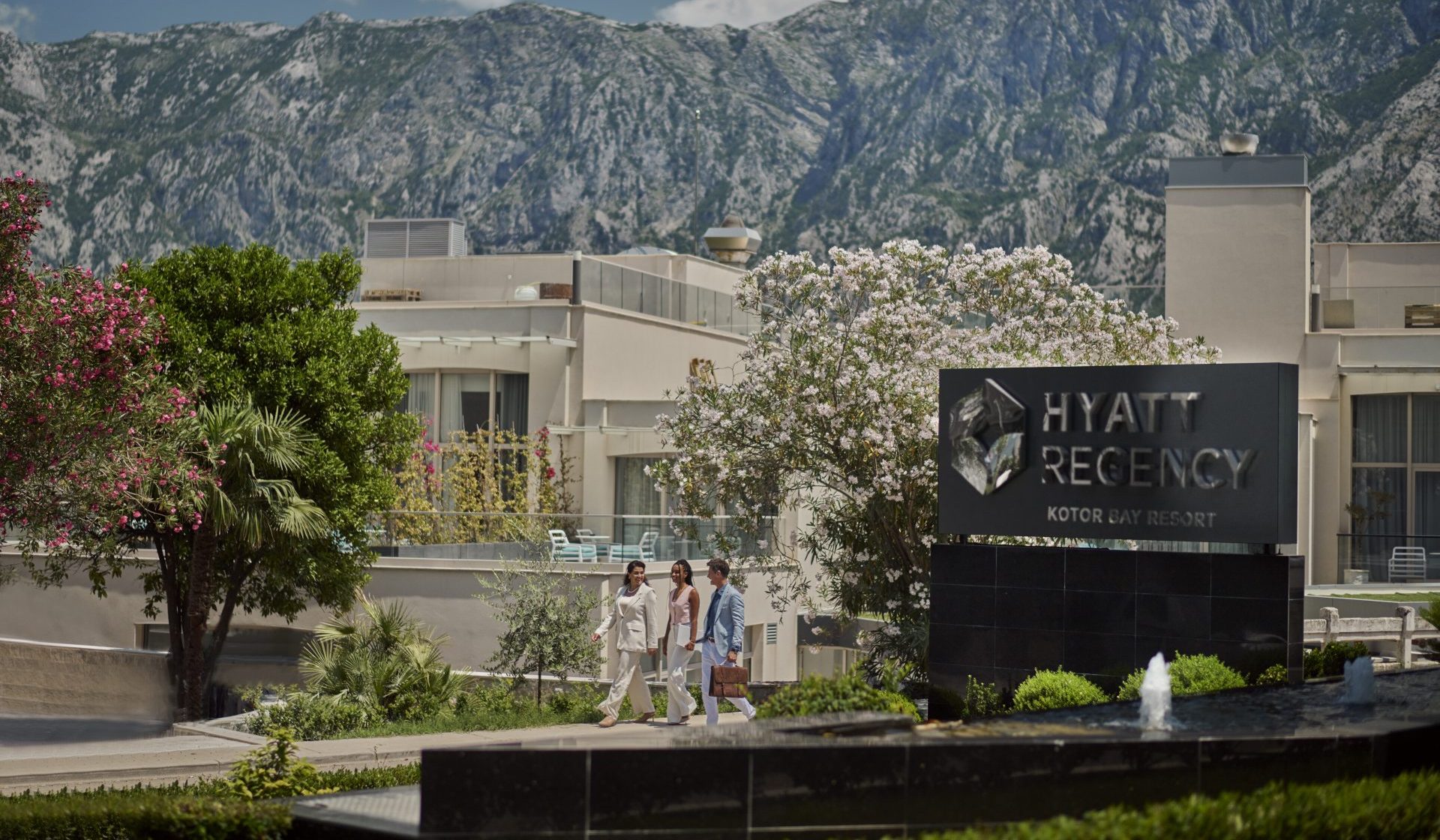
Hyatt Regency Kotor Bay Resort lies next to the beautiful bay of Kotor, hidden amongst some of the country’s most magnificent, fjord-like mountains. Initially, our rooftops went unused—until we realised the incredible panoramic views they offered of the bay.
Potential lies everywhere, even in the smallest hotels. For example, empty rooms with beautiful views can make wonderful spaces for private networking events, and underused dining spaces, like breakfast restaurants, can be repurposed for revenue-generating mixology classes or private chef experiences.
With a bit of creativity and careful planning, even the most underutilised spaces—such as a spare guest room, a small meeting room, or even an unused storage area—can be transformed into valuable, revenue-generating spaces.
A bedroom could become a private spa pop-up or personalized wellness retreat, a small meeting room could be repurposed into a flexible hot-desking workspace, and a former storage area could evolve into a boutique yoga studio. By integrating technology and thoughtful design, these spaces could even serve as hybrid work hubs, connecting professionals to similar setups across the country, offering both convenience and exclusivity.
Tell us about your approach to events at Hyatt Regency Kotor Bay and the event spaces you boast and how do you, as a venue, differentiate your event offerings from competitors to attract more clients?
In February 2025, we proudly unveiled the new Ballroom and the breath-taking Ballroom Rooftop, seamlessly complementing our three purpose-built, mountain-inspired venues—ORJEN, RUMIJA, and LOVĆEN. These exceptional spaces, designed for world-class meetings and events, are just the beginning of what our resort has to offer.
Nestled within the dramatic, fjord-like coastal mountains of the Bay of Kotor—a UNESCO World Heritage Site since 1979—our resort provides a truly unparalleled setting for unforgettable gatherings. Across our four conference halls, six restaurants, and the expansive ballroom rooftop, guests are treated to awe-inspiring views of Kotor Bay, where history, culture, and nature converge in spectacular harmony.
Beyond our dedicated event spaces, the resort's vast waterfront grounds offer endless possibilities for bespoke celebrations.
Something that truly sets us apart is how we bring the true essence of our location into every aspect of the hospitality we offer. Of course, our menus are carefully created for each event, and feature wonderful local wines, and great cuisine. But more than that - our guests have exchanged vows on our pristine beachfront, and within the local ancient floating church, we’ve hosted grand galas under the stars on our panoramic rooftop and arranged intimate gatherings within Kotor’s historic city walls. From elegant waterfront dining experiences framed by towering mountains and sea-kissed breezes to peaceful spaces for creative thinking that perfectly reflect the natural idyl of the locale, every event we arrange is as extraordinary as its surroundings.
We take immense pride in celebrating our local heritage, weaving the rich culture of Kotor Bay into every detail of our hospitality. And for those seeking an unforgettable arrival, our exclusive speedboat transfers to the marina offer a touch of adventure, ensuring every guest feels truly special. At Hyatt Regency Kotor Bay Resort, we don’t just host events—we create extraordinary experiences that leave a lasting impression.
What are the key factors to consider when repurposing underused areas for events?
Spaces such as rooftops and pool areas offer stunning event settings but require stringent safety measures. Installing secure barriers, proper lighting, and non-slip flooring is essential, and extra staff should be on hand to manage crowds and monitor guest safety.
While transforming spaces into dynamic venues, it is crucial to minimise disruption to other hotel guests. Thoughtful event scheduling, soundproofing measures, and providing alternative relaxation areas ensure that all guests continue to enjoy their stay without inconvenience.
Underutilised areas may lack essential infrastructure, such as power sources, seating, and accessibility features. Thoughtful planning, including temporary staging, mobile bars, and additional seating arrangements, enhances the event experience while maintaining smooth hotel operations.
By balancing innovation with practicality, hotels can successfully transform underused areas into unique, revenue-generating event venues while maintaining a safe, comfortable, and enjoyable atmosphere for all guests.
What types of events are currently in high demand, and how are you tailoring your spaces to capitalise on these trends?
Wedding takeovers and the growing influx of tourism to Montenegro are driving high demand for unique, immersive event experiences.
We’ve noticed that couples are increasingly seeking exclusive, multi-day wedding experiences. We offer resort-wide buyouts, allowing wedding parties to fully immerse themselves in the celebration. From ceremonies on our pristine beachfront to receptions on our rooftop overlooking the Bay of Kotor, we provide a variety of stunning locations to create an unforgettable wedding journey.
Montenegro is less familiar to many UK travellers, guests appreciate our help in exploring its unique culture and heritage. At Hyatt Regency Kotor Bay Resort, we take great pride in personally guiding them through these rich experiences, ensuring they feel welcomed, informed, and immersed in everything that makes Montenegro so special.
Our venues are designed to offer immersive experiences. Their design and décor reflect our beautiful coastal surroundings, and as mentioned before, where the opportunity dictates, we go the extra mile to engage our clients in the local culture, heritage and spaces.
By adapting our spaces to meet these demands—whether through personalised wedding packages or tailor-made event experiences that highlight Montenegro’s natural beauty—we ensure that every event is as extraordinary as its setting.

IN THE HOT SEAT - Abigail Tan
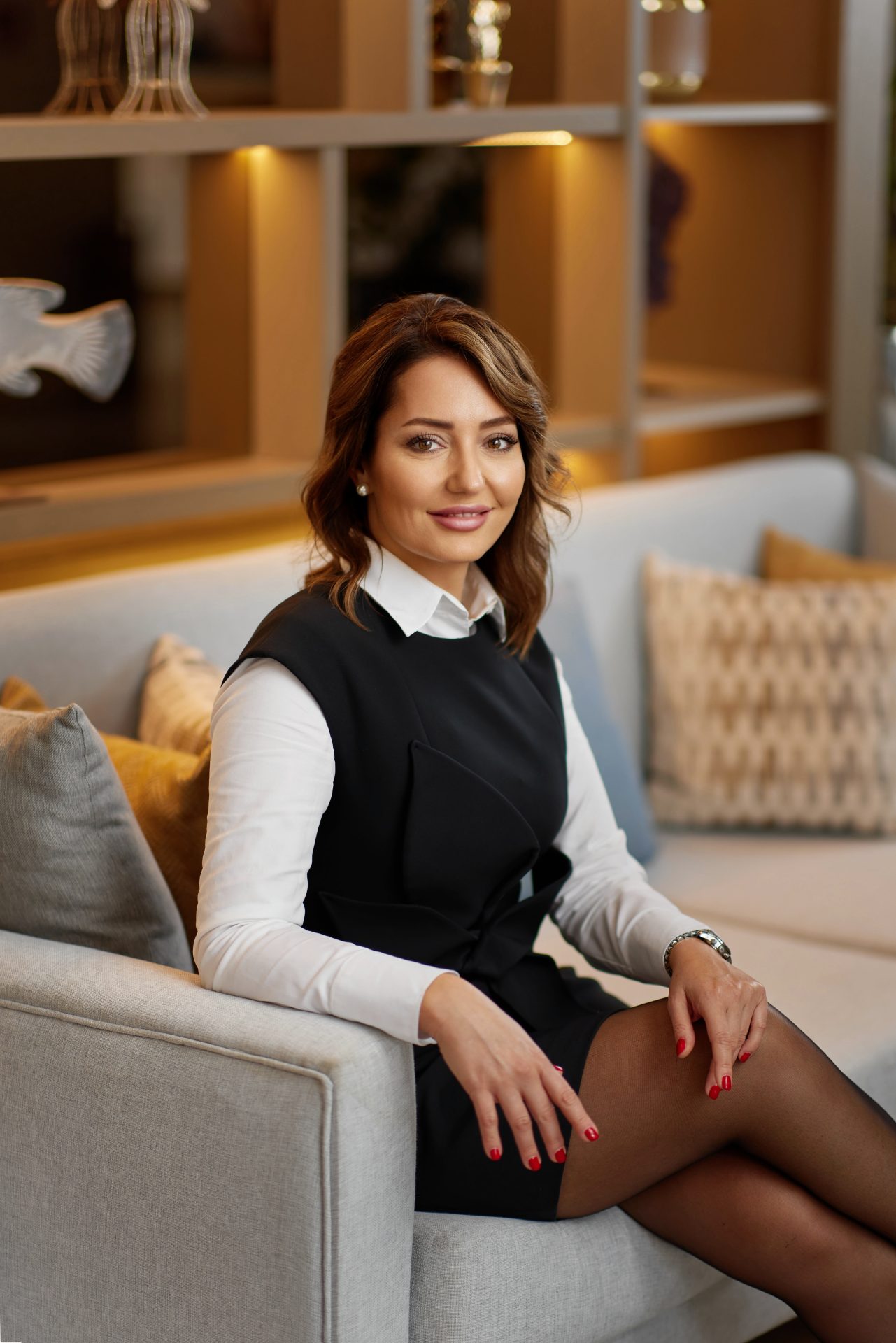
In the Hot Seat this month is Abigail Tan, CEO of St Giles Hotels and Founder of Hotels with Heart. In this intimate conversation, Abigail shares details on her unique route into hospitality, along with the strategies she has implemented to ensure her venues maintain a competitive edge in the fast-paced hotel sector.
Abigail Tan, has long been fascinated by the world of hospitality. From childhood, she marvelled at the details that make each hotel unique, down to the choice of toiletries. With her family deeply rooted in the hospitality industry for over 30 years, Abigail’s career choice felt almost predestined as she said, “One could say I was born to pursue a career in hospitality.”
After earning her Master’s degree in the UK, Tan began her professional journey as an apprentice to the then COO of St Giles Hotels in London. Immersed in the daily operations and strategic planning of the business, she quickly fell in love with the industry. “No two days are ever the same,” she said. “Hotels have the ability to transport you, build relationships, and bring people together.”
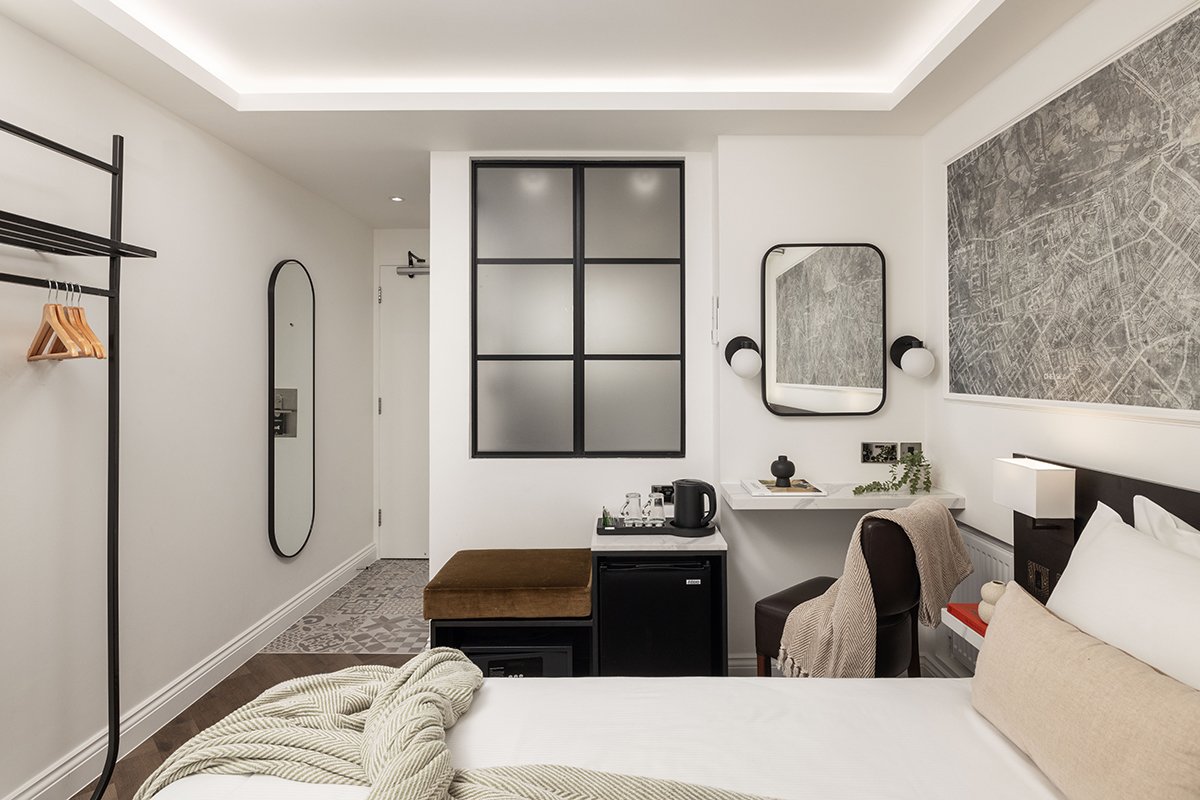
Abigail’s career has been shaped by personal and professional milestones. Her apprenticeship under the mentorship of the COO—affectionately referred to as Uncle Steve—gave her invaluable insights into hotel operations, leadership, and team building.
The acquisition and rebranding of St Giles’ New York hotels was another pivotal moment for Abigail. Thrust into the challenges of managing a new executive team and navigating cultural differences, Abigail developed resilience, trust, and leadership acumen, she added, “The journey, with its good and bad, helped me develop strength and a thicker skin, a better understanding of working environments and how I, as a leader, could impact the health of a team. It also taught me an important lesson on trust, judgement, and growing through the pain of being bullied, subject to bias, and discriminated against.”
A deeply personal and professional turning point came when her mentor suffered a stroke, which she said, “Threw me into a state of chaos.” This crisis forced Abigail to step up, assume greater responsibility, and reflect on her values as a leader. “It taught me lessons in integrity, respect, and love while showing me who I could rely on,” she shared.
Realising “the show had to go on”, Abigail pushed the fears aside and was determined to try to be the leader that was needed.

Abigail’s leadership style is influenced by her family’s legacy of hard work, determination, and compassion. She strives to foster a culture of mindfulness, inclusivity, and mutual understanding. “Make compassion, inclusion, and mutual understanding the pillars of your leadership,” she advised.
Her leadership philosophy is centred around curiosity—about herself, her team, and continuous improvement. She values empathy, attentive listening, and leveraging diverse talents to create a healthy work environment. “My team is my family,” she emphasised, “and their wellbeing and growth are integral to our success.”
For Abigail, empowering her team is the cornerstone of innovation and maintaining a competitive edge. She believes passionate employees drive the business, creating a home-away-from-home experience for guests – “A highly passionate team who believe in the common goal are what give us the competitive edge, they believe in the difference that they can make and strive to provide a level of service and hotel experience that exceeds expectations of what a ’normal’ hotel would be.
St Giles Hotels prioritises team engagement through wellness activities, workshops, and brainstorming sessions. “We highlight individuality,” said Abigail Tan. “It’s the people, not the places, that define our hotels.”
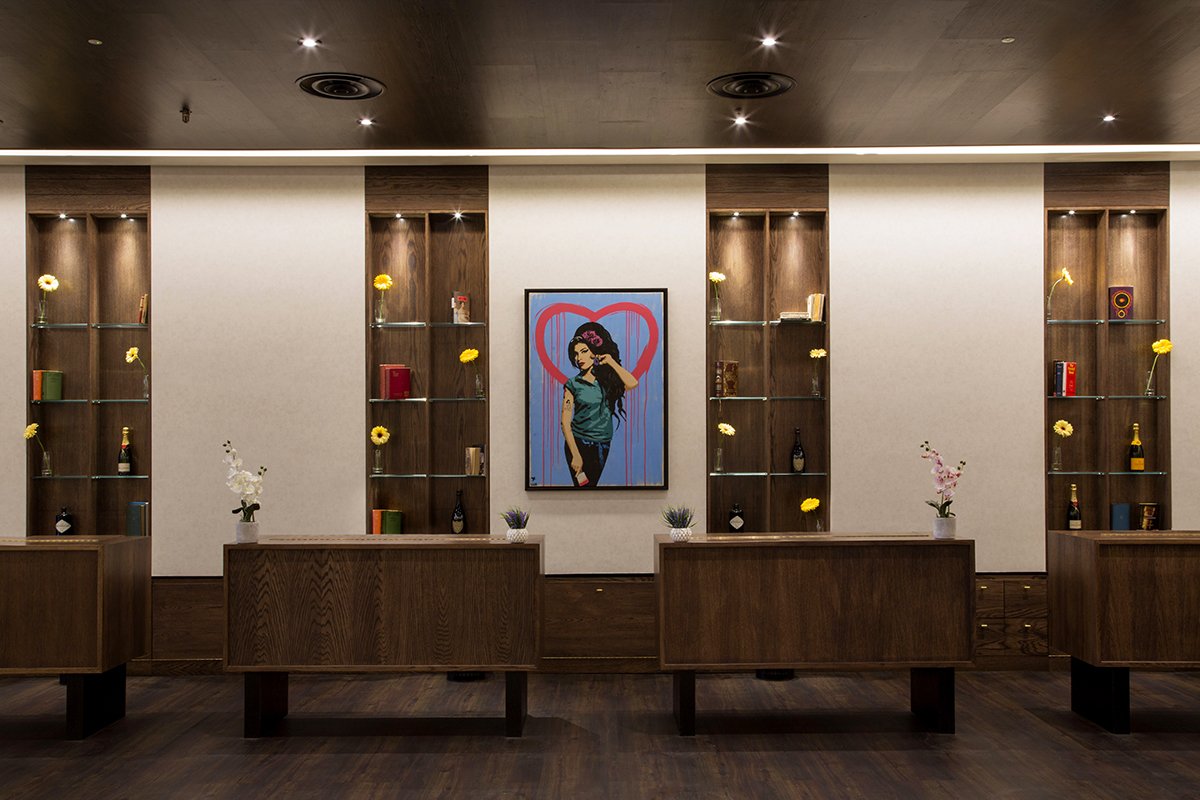
Speaking on balancing brand identity with regional diversity, Abigail ensures the St Giles brand maintains consistency through listening to guests and understanding cultural contexts, recognising that this allows each hotel to reflect its surroundings while offering a welcoming, familiar experience. Staying attuned to industry trends by “keeping a finger on the pulse of the ever-changing industry” is also needed so that her team can stay ahead and adapt their service levels quickly as guest expectations change.
Looking ahead, Abigail envisions growth driven by guest satisfaction and impactful initiatives like Hotels with Heart. This charity program supports homeless youth, underprivileged families, and troubled individuals. “We aim to be part of the solution, equipping people with tools to avoid future hardships,” she said.
Her goals include building strategic partnerships, creating inspiring guest experiences, and continuing to exceed expectations.
Mentors like Kent Allen, who emphasised sticking to values and boundaries, have shaped Abigail’s approach to business as she said, “This has been my guiding light and a constant inspiration when I approach business.”
“Seeing my team grow, resolve challenges, and respect one another keeps me grounded,” she said. “They inspire me to do better every day.”
Abigail Tan’s journey exemplifies resilience, vision, and heart. From her early fascination with hotels to her transformative leadership at St Giles, she continues to inspire and innovate, staying true to her values while shaping the future of hospitality.
