

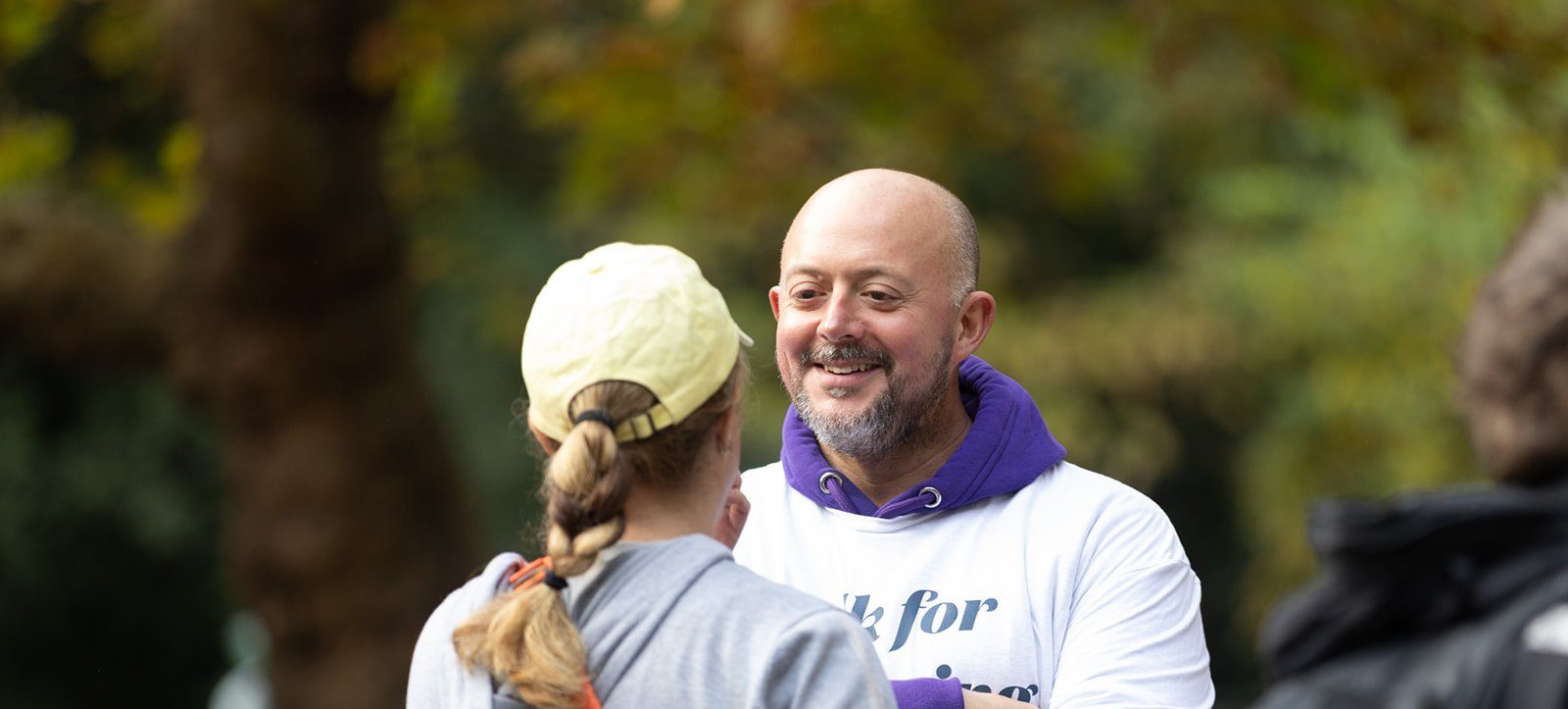
WALK FOR WELLBEING: BRINGING HOSPITALITY TOGETHER FOR MENTAL HEALTH
Craig Prentice, Founder and Director, mum | Creator, Walk for Wellbeing | Patron, Hospitality Action
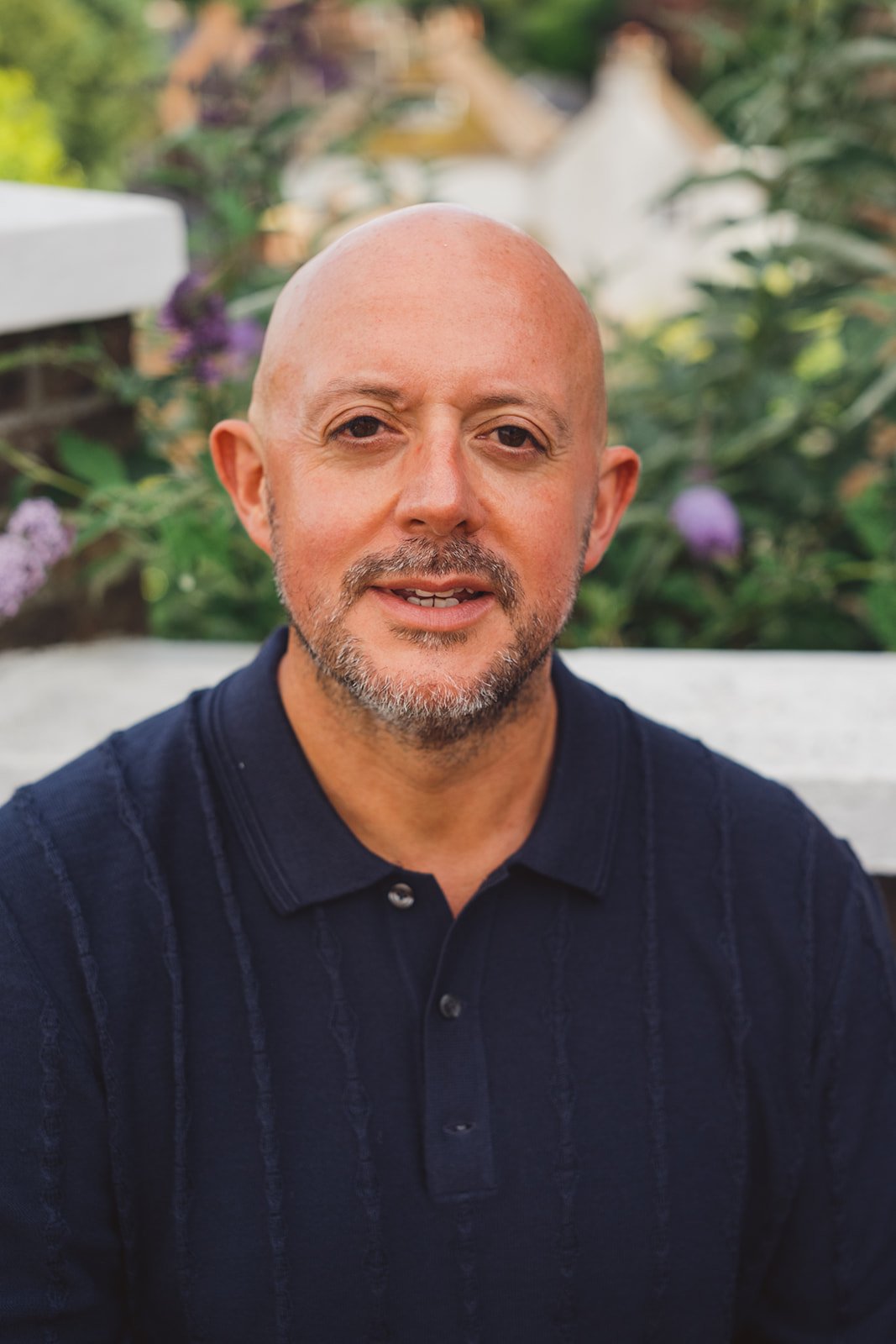 What gave you the idea for Walk for Wellbeing, and how has it grown since you first launched it?
Walk for Wellbeing started back in 2020, at a time when the hospitality industry, like so many others, was facing enormous uncertainty. The pandemic had turned our world upside down, and for an industry built around bringing people together, suddenly finding ourselves disconnected from one another was incredibly difficult.
I wanted to create something positive, something that would bring people together, encourage conversations around mental health and wellbeing, and remind everyone that they weren't alone.
Walking felt like such a natural fit. It's accessible, doesn't require any special equipment or experience, and offers a wonderful opportunity to connect with others, get outdoors and take some time for yourself.
What started as a relatively simple idea has grown into something far bigger than I could ever have imagined. Now in it’s 7th year, Walk for Wellbeing has become a nationwide initiative, bringing together thousands of people from across hospitality and beyond, while raising more than £500,000 for Hospitality Action.
One of the things I'm most proud of is that it has never been about one person or one business. It's about a community of people showing up for each other. From our wonderful volunteers and walk hosts to the sponsors, supporters and everyone who has taken part, it's their generosity, enthusiasm and commitment that have made Walk for Wellbeing what it is today.
And seeing the initiative continue to grow under the stewardship of Hospitality Action is something I'm incredibly proud of.
Walk for Wellbeing has raised more than £500,000 for Hospitality Action. Can you explain how that money helps people working in hospitality who are struggling?
Reaching the £500,000 milestone was quite emotional, actually. When we launched Walk for Wellbeing, I don't think any of us could have imagined the impact it would go on to have.
Hospitality Action is an extraordinary charity, providing a lifeline to people working in our industry when they need it most.
The money raised helps fund essential services, including financial assistance for those facing hardship, mental health and wellbeing support, counselling and practical advice for people navigating some incredibly difficult circumstances.
And importantly, that support extends beyond the workplace. We all know that the challenges people face in their personal lives don't simply disappear when they arrive for a shift.
For me, that's what makes Hospitality Action so special. It understands the people behind the job titles and the uniforms and recognises that sometimes life can take an unexpected turn and any one of us might need a helping hand.
Every donation, however big or small, contributes to that support. It's wonderful to celebrate the fundraising milestones, but what really matters is the difference that money can make to someone's life.
Mental health and wellbeing are still big issues across hospitality. From your experience, where does the industry need to do more to support its people?
I think we've made some positive progress as an industry, particularly in how openly we're now talking about mental health and wellbeing. Conversations that perhaps wouldn't have happened a few years ago are becoming much more commonplace, and that's something we should recognise.
But there's still plenty of work to do.Hospitality can be an incredibly rewarding industry to work in, but it can also be demanding. Long hours, unpredictable schedules, financial pressures and the expectation to always be 'on' can take their toll.
I think one of the biggest opportunities is to move beyond simply talking about wellbeing and make sure it's genuinely reflected in how we lead, manage and support our people.
That means creating workplaces where people feel comfortable speaking up, where managers have the confidence and skills to recognise when someone might be struggling, and where looking after people's wellbeing is seen as part of running a successful business, rather than an additional initiative.
We also need to recognise that wellbeing isn't one-size-fits-all. People have different circumstances, responsibilities and challenges, and what support looks like for one person may be very different for another.
And perhaps most importantly, we need to keep listening.
Working in recruitment, I have the privilege of speaking to people across hospitality every day, and it's clear that culture, leadership, flexibility and feeling valued are hugely important.
For me, a healthy and happy hospitality industry is one where looking after people isn't just something we talk about, but something we demonstrate through our actions and behaviours every single day.
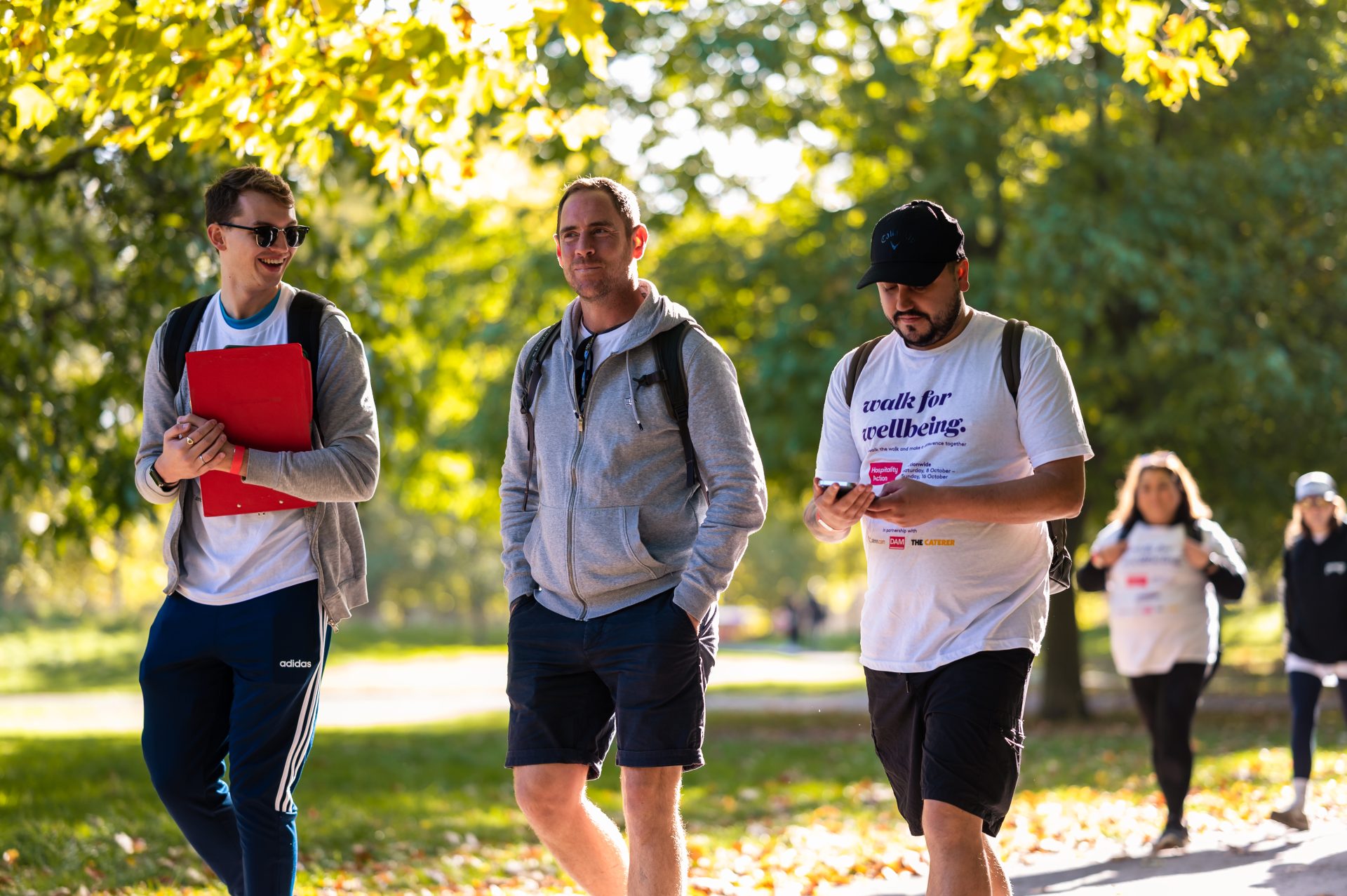
What can people expect from this year's Walk for Wellbeing, and how can hotels and hospitality businesses get involved?
More of what makes Walk for Wellbeing so special: wonderful people, great conversations, a sense of community and plenty of fresh air!
This year's initiative launched on World Mental Health Day, Saturday 10 October, with organised walks taking place across the UK until Sunday 25 October.
The beauty of Walk for Wellbeing is its simplicity. It's not a race, there's no pressure to achieve a particular distance or time, and you certainly don't need to be particularly fit to get involved.
It's about coming together, taking some time away from the demands of everyday life, connecting with others and supporting an incredibly important cause.
For hotels and hospitality businesses, there are so many ways to participate. Teams can sign up for an organised walk, encourage colleagues to get involved, organise their own walks, fundraise, donate or simply help spread the word.
It's also a lovely opportunity for businesses to bring their teams together outside of the workplace, away from the usual routines and pressures.
One thing I'd really encourage employers to do is make participation as accessible as possible. Hospitality operates seven days a week, and we know that not everyone can take time away from work on a particular day.
Whether it's supporting a team to join a hosted walk or organising something locally that works around shifts, every bit of involvement makes a difference.
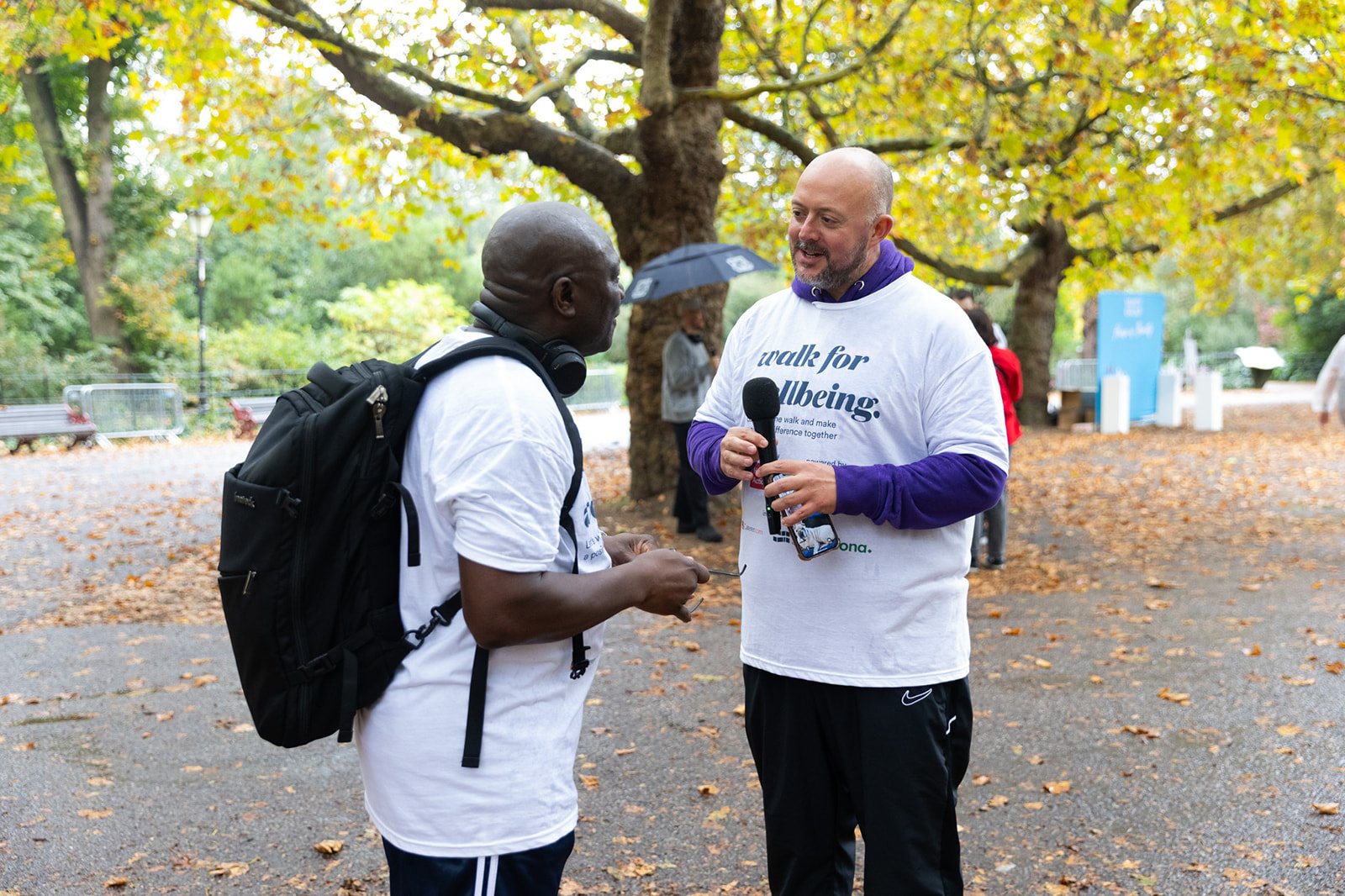
For anyone who can't make one of the organised walks, they can still take part in their own way. How does that work, and what would you say to someone thinking about getting involved for the first time?
Through Walk It Your Way, people can get involved wherever they are, whenever works for them. Whether that's a lunchtime walk with colleagues, taking the dog out, meeting a friend for a stroll or simply enjoying some time outdoors, there's no set distance, pace or expectation.
I've been thinking a lot recently about the difference between what we can do and what we will do. We're all busy, with competing priorities and pressures, but Walk for Wellbeing is about showing up and doing what you can, when you can.
And if walking isn't possible, donating, sharing our message or encouraging others to get involved can make just as much of a difference.
To anyone thinking about taking part for the first time, I'd simply say give it a go! You'll meet some wonderful people, support an incredible cause and hopefully do your own wellbeing some good along the way.
GET INVOLVED: WALK FOR WELLBEING 2026
Find out more about Walk for Wellbeing 2026 and get involved here:
https://uk.emma-live.com/WFW2026

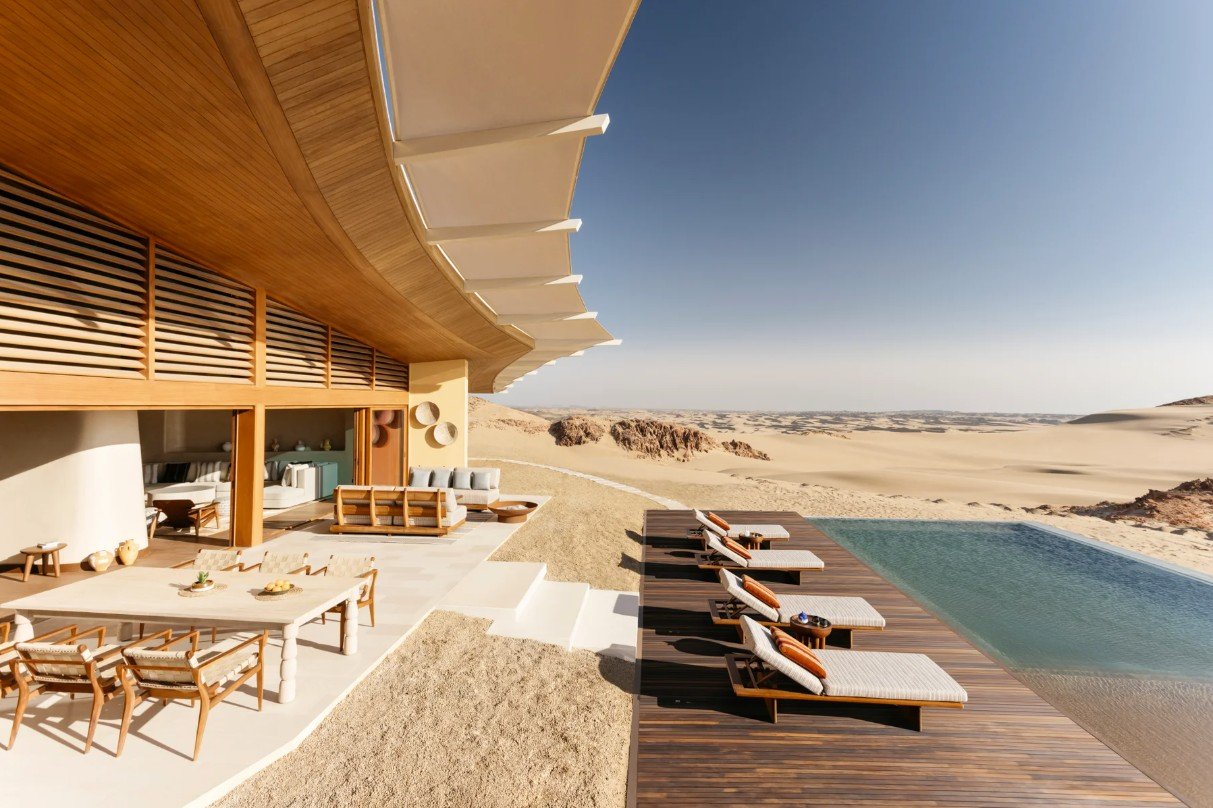
SAMANTHA VAN EXTER ON HER NEW VENTURE
After 11 years in London, Samantha Van Exter has embarked on a new chapter as General Manager of Six Senses Southern Dunes, The Red Sea. In this exclusive interview with Hotel Magazineama, she discusses the appeal of Saudi Arabia’s emerging tourism landscape, the importance of wellness and sustainability, and her ambitions to develop local talent while delivering meaningful guest experiences rooted in the destination’s culture and natural surroundings.
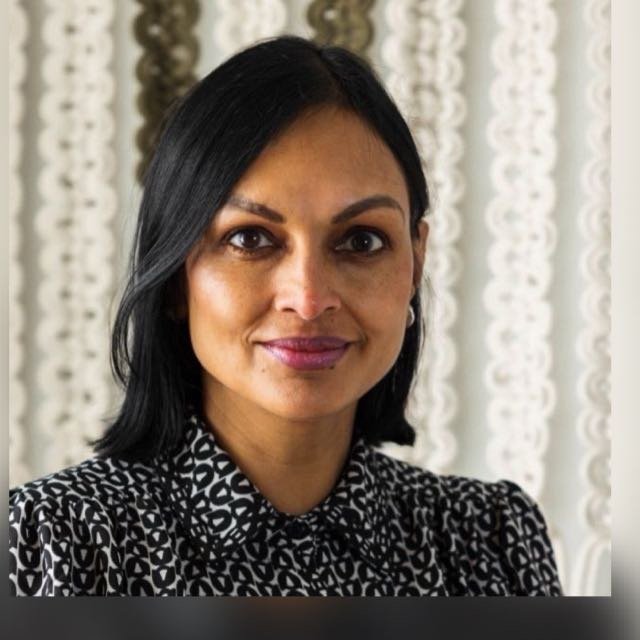 What attracted you to Six Senses Southern Dunes, and why was it the right next step in your career?
After 11 years in London, I was ready for a new chapter. Six Senses appealed to me because its philosophy reflects my own values: meaningful connections, wellness, living in harmony with nature, and genuine care for people and the planet. Saudi Arabia's Vision 2030 ambition to develop world-class tourism while celebrating its heritage and empowering its people strongly resonates with me. On a personal level, I love both the desert and the sea. Driving through the dunes to work, stopping to let camels cross the road, and sleeping just minutes from the Red Sea make this experience truly special. It reminds me, every day of the extraordinary destination we have the privilege of sharing with the world.
What excites you about the Red Sea, and how does it differ from an established city hotel?
Saudi Arabia is writing an exciting chapter in global tourism, and The Red Sea is at the heart of that story. We have an opportunity to introduce the world to the Kingdom's extraordinary landscapes, rich cultural heritage, and renowned hospitality. At Six Senses Southern Dunes, the desert is central to the experience, offering tranquility, connection with nature and opportunities to discover local traditions and stories. By working with local communities and developing Saudi talent, we can create authentic experiences that celebrate the destination and contribute to Vision 2030.
How are you approaching wellness, sustainability and personalised guest experiences?
At Six Senses, these pillars are interconnected. Wellness extends beyond the spa to sleep, nutrition, movement, and reconnecting with nature. Our desert setting offers guests an opportunity to slow down, find balance, and reconnect with themselves and their surroundings. Living in harmony with nature means caring for this remarkable environment, making thoughtful choices and supporting the communities around us. Our hosts bring the Six Senses philosophy to life through genuine care and intuitive service. Saudi culture is equally central, from the warmth of Saudi coffee and the generosity of a shared table to local flavours, traditions and desert experiences. We want every guest to leave feeling restored, inspired and genuinely connected to the people and place they have discovered.
What leadership principles have you brought to this role?
I believe hospitality starts with people. My leadership style is grounded in leading by example, being visible and approachable, and empowering our hosts to deliver exceptional experiences. Developing Saudi talent is particularly important to me. Our colleagues are not only the heart of the resort; they are ambassadors for their culture and the destination. I want to create opportunities for them to grow, build rewarding careers and become future leaders in hospitality. Strong relationships with local communities are equally important. By listening, collaborating and celebrating local knowledge and traditions, we can create experiences that are authentic, meaningful and beneficial to the wider destination.
What are your priorities over the next 12–18 months, and what would success look like?
I feel very fortunate to have joined such a talented and dedicated team at Six Senses Southern Dunes and across the wider Six Senses portfolio. We already have a strong foundation, and my focus is on building on that success and elevating the experience to the next level. Having achieved Two Michelin Keys for the second consecutive year, we are proud of the recognition the resort has received. Our ambition is to continue raising the bar while staying true to the Six Senses philosophy through personalised hospitality, wellness, care for nature and a genuine connection to Saudi culture and the desert landscape. I also want to deepen our relationships with local communities, support Saudi talent and create even more meaningful experiences that celebrate the destination. Success means empowering our exceptional team to reach new heights, inspiring guests to return, strengthening commercial performance and making a positive contribution to the destination. Ultimately, it is about continually elevating Six Senses Southern Dunes while preserving what makes it so special.
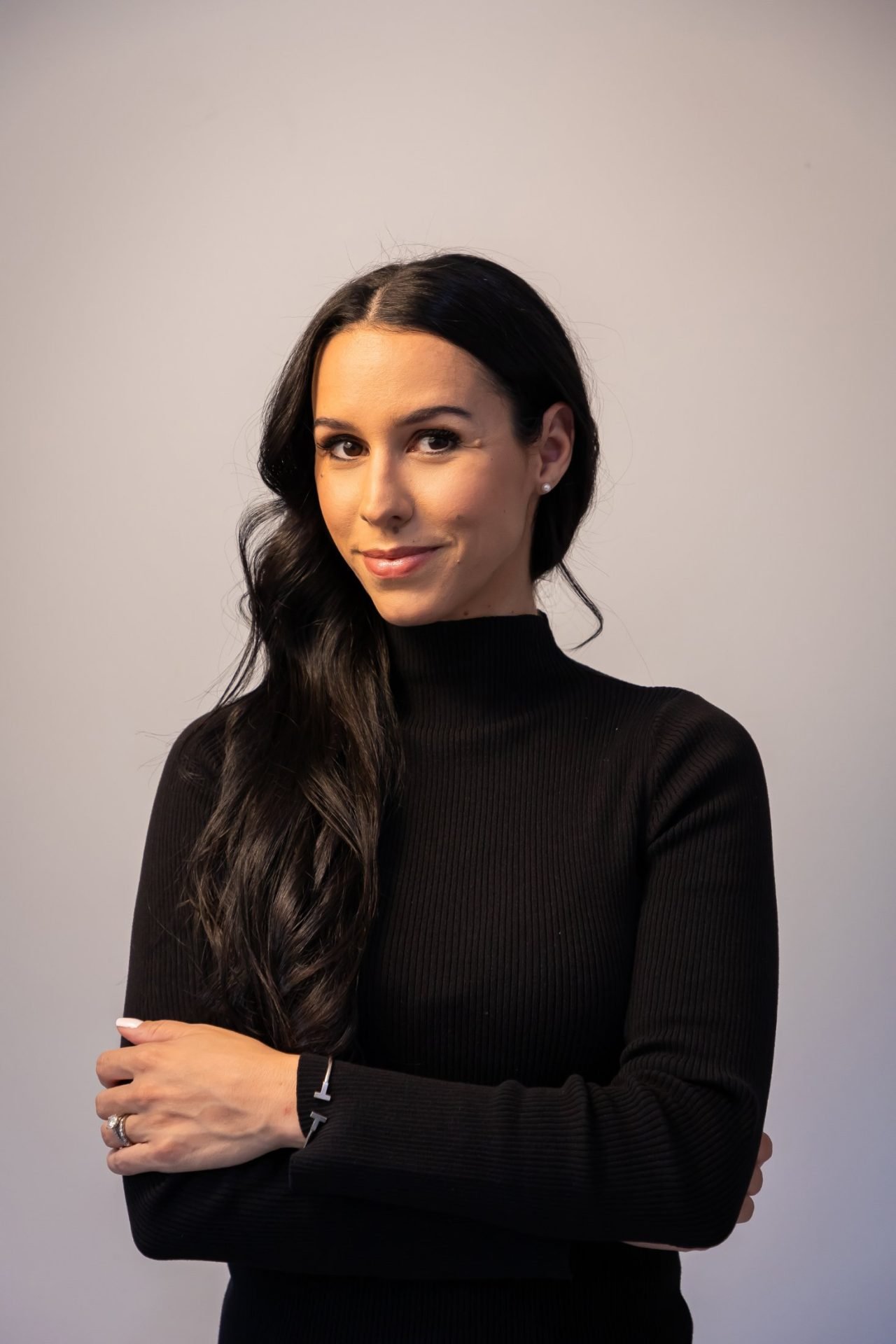
TRAINING FOR BETTER HOSPITALITY
Rachel Dias-Cohen, Director of Training Programmes at Impact London, explains how honesty, role-play and a deeply human approach can transform the way hospitality teams communicate, lead and connect with guests.
You didn’t start in training. You came through hotel marketing and earlier work teaching English. How did that path lead you to Impact London?
Teaching had always been on the cards for me. My mother is a retired language and literature teacher, and I followed in her footsteps, teaching ESL to toddlers and adults at a language school in Brazil.
After my bachelor’s, I worked in digital marketing for a magazine in Brazil before moving into hotel marketing in London. I also had experience in hotel F&B, having worked as a casual waitress during my gap year in the UK, where I was mentored by inspiring leaders at Corbin & King.
That combination primed me for a career where teaching skills and a hospitality mindset are indispensable. Like so many people in London hospitality, I was also trained by John Baker. Little did I know I would end up working with him. I set out to make him my first freelance marketing client; instead, the training work persuaded me to leave marketing behind.
Your own story crosses the Atlantic, bringing you from Brazil to England. How does that personal journey show up in how you train people?
There is a lot about the Brazilian ‘spirit’ that can be adopted in hospitality to create genuinely positive and memorable interactions. Brazilians have a ‘lightness’ to how they live and face challenges. We can be creative, fun and sometimes a little goofy. Those characteristics come in handy on difficult, long days and with demanding guests.
I remember that joie de vivre helping me enjoy working double-shift functions: polishing hundreds of glasses, serving and clearing dozens of plates, dealing with drunk guests and a scorching hot kitchen. If I can bring a little of that Brazilian seasoning to help new talent see that hospitality can be a rewarding and fun career, and help established professionals rediscover their love for the job, then I have ‘won’.
Colleagues from other cultures helped me become more direct — not a common Brazilian trait. And it was the English who taught me how to say almost anything I needed to say while still remaining elegant. Those exchanges made me more aware, forgiving and empathetic — essential skills in a multicultural environment.
John describes your sessions as relaxed and highly participative rather than corporate. What do you personally protect and value?
Being direct and honest with my feedback is what I value and protect the most. When I am trusted with training guest-facing teams or managers, I have a responsibility to drive change in mindset, communication and behaviour. I cannot do that if I am only telling people what they want to hear.
Evolution lies in uncomfortable truths, and sometimes in painful transformation. I owe part of who I am today to people who were truthful with me. They respected me enough to tell me where I was wrong and what I needed to do to get better. I aim to bring that level of truth to the table.
Role-play is central to how Impact trains. How do you make it work without turning the session into theatre?
Without a doubt, this is the hardest skill to ‘master’ in my training journey. It is not easy to go from presenting ideas to playing a demanding guest, a drunk diner or a challenging employee realistically.
What helps is that I have always been good at observation. I am naturally introspective and shy, so I had endless opportunities to watch people and notice how they behave and communicate. I close my eyes, put myself in the mood of the role-play, and then improvise as I go.
This is where attendees retain the most value and technique. So crying on cue, or being deliberately rude, has become part of my training arsenal.
You now design and deliver management programmes as well as guest-facing workshops. How does your early career support you when training managers?
When I first started in hospitality, I was exposed to a wide range of management styles as an agency casual in fine dining.
I watched harsh, disconnected managers get superficial obedience, then lose respect the moment they left the room. I watched people-pleasing managers struggle to get things done and command a room. They had the friendship of their teams, but not genuine respect.
In the middle of that spectrum, I met exceptional managers and F&B directors who had a balanced measure of assertiveness and genuine kindness. Their yes meant yes and their no meant no. They commanded the room from a place of respect and had the support of their teams, while knowing when to step in and be hands-on with commitment and humility.
Balance is everything. When I train managers, I speak as someone who has been managed by many styles. My aim is to help people-pleasers become more assertive, and support managers who struggle to communicate so they can be assertive while still delivering the message with genuine kindness.
Training workshops have a terrible reputation for being boring and generic. What we deliver is the opposite. In the era of AI, Impact is going more human than ever. We do not train individuals to all speak the same way. We train them to read people closely and fine-tune each interaction in pursuit of positive emotion and earned trust.
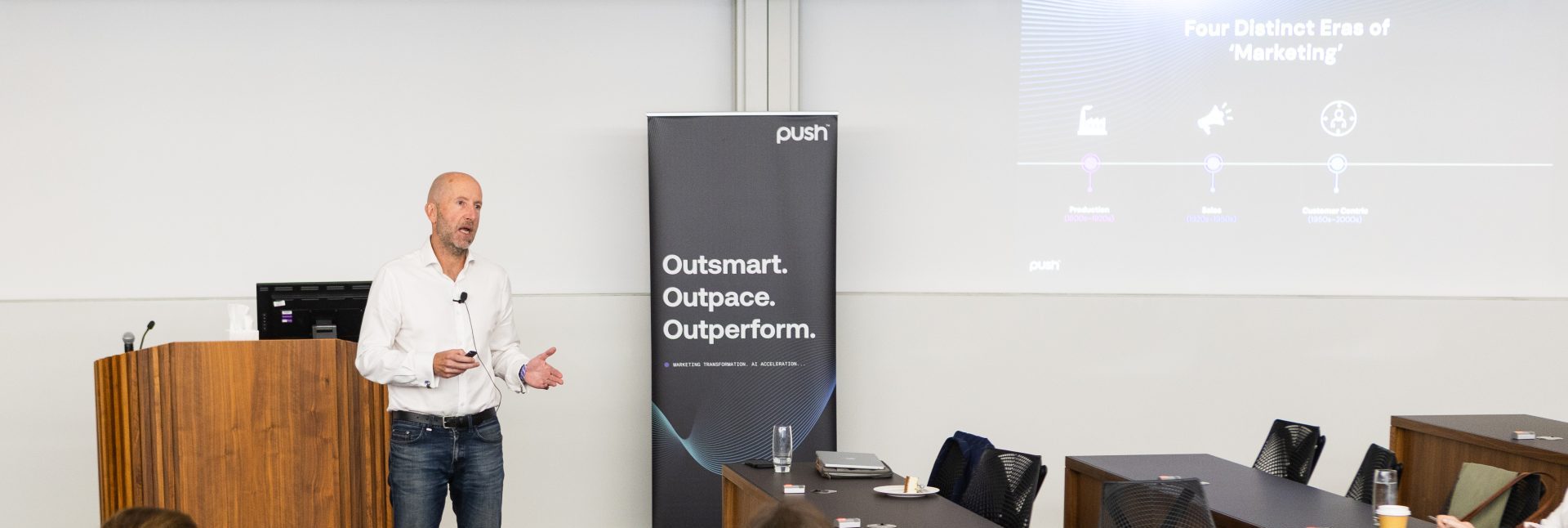
INTERVIEW WITH STEVE HYDE
AI search, content quality and how hotels get found
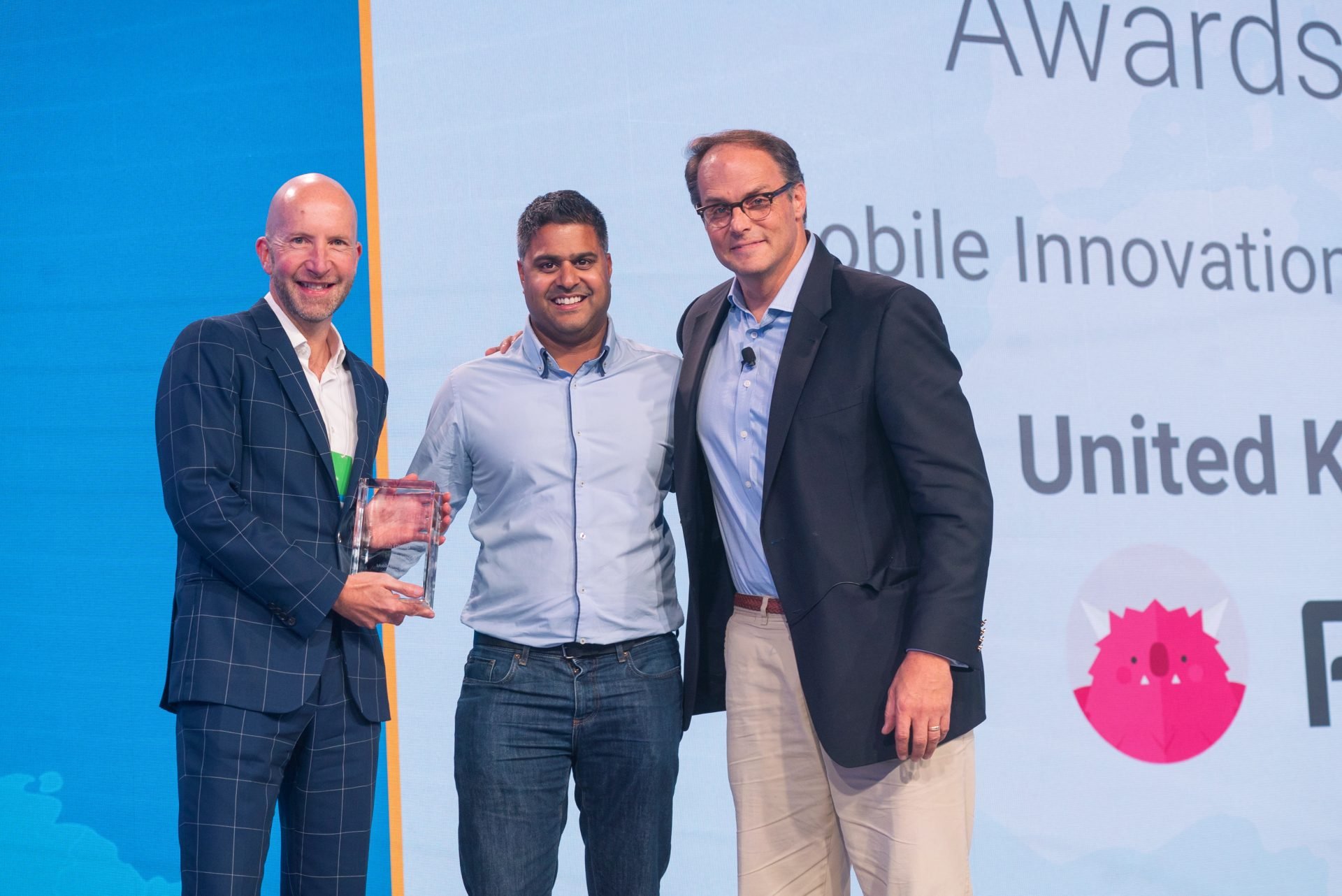
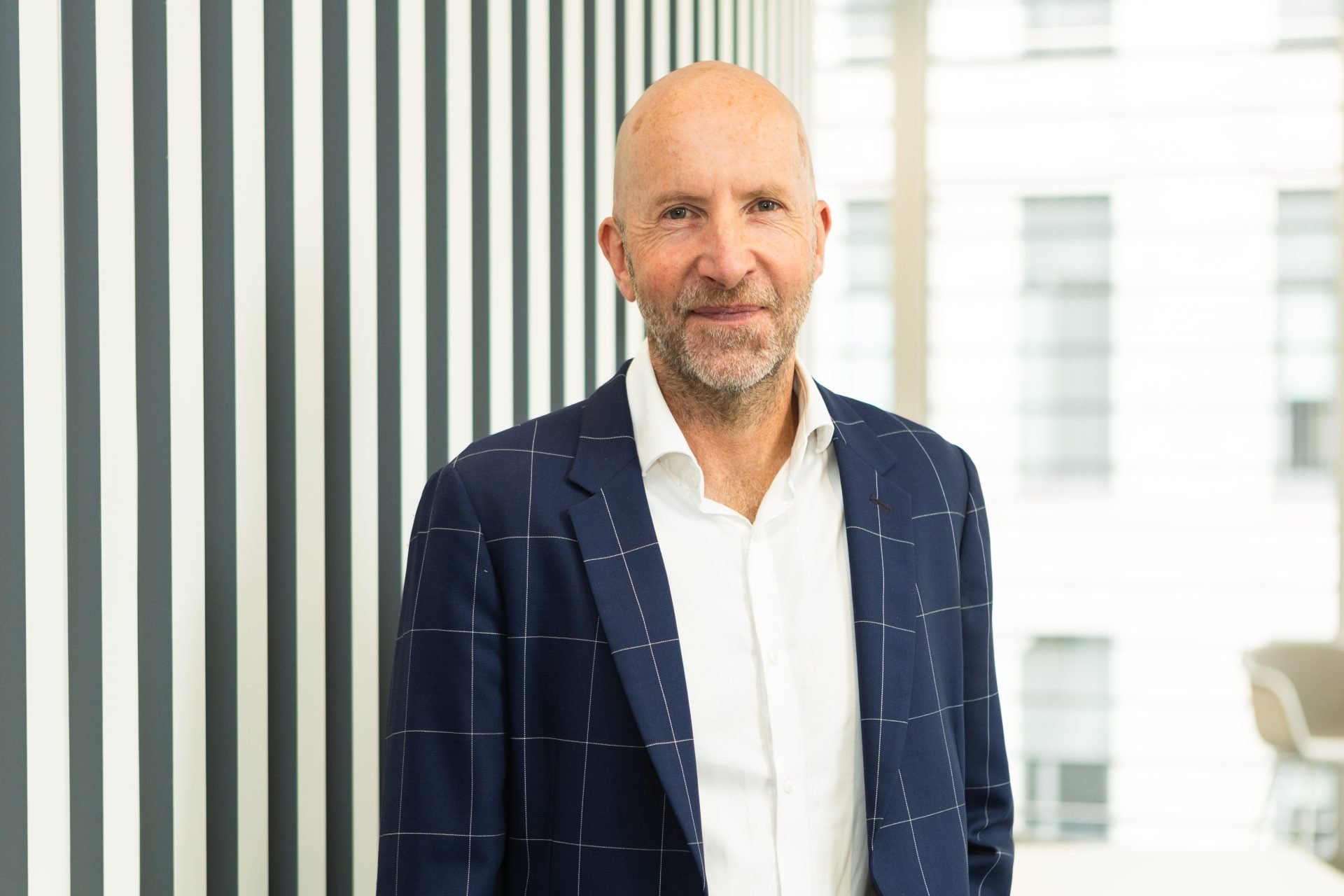 Following the inaugural Hospitality Social Media Summit, held in London on 3–4 September 2026, we spoke with Steve Hyde, a member of the summit faculty and one of the UK's most recognised voices on AI in marketing.
Steve is the co-founder of Push, the digital marketing agency he started in 2007 after senior marketing roles at Kraft, PepsiCo and Disney. Push made the decision to become an AI-first business early, and is the only agency recognised by both Google and Microsoft six years running, with multiple Best Use of AI awards to its name. Steve now spends most of his time on the question of how brands stay visible as search moves from a page of results to a generated answer.
In this interview, Steve explains what AI-first means in practice rather than in language, why generative search is changing the way guests discover and choose hotels, what actually decides whether a brand appears in an AI recommendation, and where AI genuinely saves hotel teams hours rather than adding noise. He also looks back at the Day 2 lab he co-led with his Push colleagues Jai Khan and Cim Dahir, where delegates assessed their own brand's visibility in AI search and built the quality controls that keep AI content on-brand. His central argument is a direct one: AI is not another channel to add to the plan; it is a change in how guests find you, and the brands acting on that now will be the ones recommended later.
- You spent the first part of your career in senior marketing roles at Kraft, PepsiCo and Disney before co-founding PUSH in 2007. You have seen major shifts in how brands reach and influence consumers, from search and social to mobile and programmatic. Hospitality is a very different environment: demand is seasonal, the customer journey is fragmented, distribution can involve multiple intermediaries, and reputation has an immediate commercial impact. When you look at AI through that lens, what makes this shift structurally different from everything that came before it?
Yes, I spent most of my decade in corporate in FMCG, although I was always in touch with hospitality. My first job out of university with Mondelez International propelled me into travelling round the Middle East, spending two weeks in every month in the Gulf States, becoming very familiar with the developing hotel infrastructure in the 1990s. In PepsiCo (Walkers Snack Foods), I was responsible for food service sectors, and my final job at Disney gave me even more insight into the wider hospitality sector.
Looking purely at marketing, I have been fortunate to witness one big shift already, as I was at the heart of the digital wave in the mid 2000s. There are some striking similarities with what we are going through now. Many marketers were in denial and even hostile towards digital. Bigger brands often found it harder to shift. Those willing to try out new approaches benefited the most.
This wave (AI, of course) will be much bigger in its impact on business and society than digital. I say that with conviction looking at what it is already capable of doing. The tougher question is "how fast" it has an impact. At PUSH we have been on this journey since 2022. We have seen how the interest in AI has changed over the years. In 2023, we were hearing, "It's a tool my kids might use". In 2024, we were hearing, "You guys talk too much about AI". By 2025, we were starting to get Innovators buying in, and now in 2026, the same brands that were telling us that we were too obsessed with AI in 2023/24 are saying, "We were wrong; we need to move NOW".
There's still some resistance at the moment, but as businesses like ours start to publish more case studies showing impact, then more and more will get on board. I would not be surprised if we reach a tipping point very soon. If we do, then the demand for AI implementation knowledge and expertise will massively outstrip the supply.
AI isn't just another channel or optimisation layer, as it rewires how demand is generated, qualified, converted and retained. We are going to see entirely new business models develop just as we did in the previous wave. Go back to the early 2000s, and there was no Uber, Deliveroo or Rightmove. In hospitality, there was no Booking.com, Airbnb, Tripadvisor, and the list goes on.
The internet allowed entirely new business models, often from players outside the sector who had almost no experience in a market. AI will do the same; we'll see entrepreneurs rewrite the rules for multiple hospitality sectors.
A personal favourite of mine from the past was a guy in the Lake District who had a few properties of his own and started up Lakes Cottage Holidays. David Hogarth, whilst a tough businessman, was always willing to try out new approaches. Consequently, we worked with him and were the first brand to introduce remarketing adverts back in 2008, way ahead of his competition.
He was first on Meta as well, and before you knew it had built up over 1,000 cottages on his site. He later sold his business, and we remain good friends after a decade of working with one another. Moving fast pays off.
- PUSH made the decision to become AI-first relatively early. What does an AI-first business actually mean in practice? Which processes did you have to redesign, rather than simply giving existing teams access to new AI tools?
Some important context here. We have been very close to Google for over a decade as part of their Executive Circle. Their head of EMEA joined PUSH as an NED in 2020, for example. As a business, Google switched their mantra from "Mobile First" to "AI First" in 2016, so for the entire time we have been close partners with them, we have been made very aware of their intensive efforts to lead with AI.
A trip to a marketing conference in Chicago in the spring of 2023 was the catalyst for us to go all in on AI. Ricky Solanki (co-founder of PUSH) and I returned from that trip and brought the senior team together within a week at an off-site meeting in London. Within a month we had appointed a Director of AI implementation.
The first thing we had to do was to run a survey for existing staff to understand how they felt about AI. We took the output from this to build an AI manifesto in 2023.
Being AI-first is not "we bought licences". It means redesigning workflows, data and decision rights so AI is native to how value is created. One of the biggest mistakes we have seen businesses make is simply bolting on AI to existing processes rather than fundamentally reviewing the entire business model. We made heads of department responsible for recommending which internal processes to review first.
Some of the first processes to be reviewed included generating content for all of our social media channels, developing personalised email sequences for different brackets of prospects and customers, and industry, audience and competitor research for both the sales and marketing teams.
- Many hospitality marketing teams already use AI every day: ChatGPT or Claude for copy, image generators for creative, AI inside their advertising platforms. Yet the way the team plans, produces and approves work looks exactly as it did two years ago. What separates a team that has simply added AI tools from one that has genuinely changed how it works, and what does that difference show up as commercially?
The short answer is that "just" adding AI speeds up yesterday's process; becoming AI-first changes the process entirely. We learned that the hard way.
Teams that simply add tools still run calendar-first marketing. They brief, create, approve and publish just a bit faster. Output increases, but performance barely moves because the work remains detached from inventory, pricing and live demand signals.
The teams that change how they operate switch from campaigns to event-driven workflows. Occupancy dips, weather shifts, flight prices and local events become triggers that generate creative offers and targeting automatically within clearly defined guidelines.
Additionally, performance signals feed asset iteration and concept design. AI loves data, and leveraging it means feeding your engine with as many signals as possible.
Low-risk variants move through automated checks and go live; high-risk assets route to humans with clear SLAs. The centre of gravity shifts from opinions to data. Prompts become products, grounded in a shared source of truth, a brand voice library, compliance lines and fresh FAQs. That's when content stops being merely eloquent and starts converting.
Commercially, this shows up as hours to market rather than weeks, fewer dark gaps in demand, higher conversion from like-for-like traffic because pages, emails and ads reflect what is actually available, and sustained improvements in CPA, ROAS and direct bookings rather than a temporary novelty bump.
- There is enormous pressure on hospitality leaders to "do something with AI". Where do you currently see AI creating genuine commercial value, not simply saving somebody 20 minutes writing a caption, but improving acquisition, conversion, personalisation, creative performance, productivity or revenue?
The first point I would make on "leaders" is that this absolutely needs leader-level buy-in. The resistance we see today mirrors what happened with digital marketing around 2006. The technology moved. The businesses that hesitated paid for it later.
I would focus on five areas that repay the effort quickly.
First, acquisition tied to live reality: search and social creative that pulls directly from real rates, packages and live availability, so what you promote is genuinely bookable now. When ads and landing pages reflect actual inventory, CPAs fall and refund friction drops.
Second, conversion on site: a bounded assistant trained on property data, menus, policies and local FAQs. One that can say "I don't know" and escalate. That reduces abandonment on the blockers that kill bookings: parking, pet policies, adjoining rooms, dietary requirements.
Third, CRM, merchandising and the repeat guest relationship. Journeys that adapt to stay history, party type and local events, with intelligent bundling of add-ons like parking, late checkout or spa treatments to move revenue per booking without discounting the room. And beyond that first stay, AI that builds a memory of the guest: their preferences, their requests, the details that make a return visit feel personal rather than transactional. That is where loyalty actually gets built.
Fourth, connecting forecasting, pricing and creative in a single loop. When revenue management signals feed your automations, you stop promoting sold-out dates and shift effort to shoulder nights or sister properties.
Fifth, reporting and guest intelligence. Hospitality businesses need to know which channels drive bookings, not just traffic, and what type of booking each channel delivers. AI makes it possible to analyse that at a level of granularity that was previously impractical, and to build genuine guest personas from the data. Those personas should be shaping your marketing comms, your content, your channel mix. Most hospitality brands are sitting on that intelligence already. They are just not using it.
- And where is the hype furthest ahead of reality? What are hospitality businesses currently being encouraged to invest in or automate that you would approach with much more caution?
There are a few areas where caution is sensible. Fully autonomous publishing is one; without a single source of truth and a QA step, letting a model write live room pages or menus invites hallucinated amenities and outdated offers, which are reputational grenades.
Another is the idea of a single agent running the hotel end-to-end. It sounds elegant, but it breaks on integrations, latency and liability. We are not there yet. It will happen one day, but not 2026.
Start with narrow, high-value use cases like pre-stay FAQs or review drafting with human approval.
Personalisation without permission is another trap. Without consented first-party data and identity resolution, most "personalisation" is just guesswork with risk attached.
Hyper-reactive pricing without aligned messaging creates guest whiplash; if you flex price, explain the value or you'll pay in reviews.
- There is a particular trust issue in hospitality. Generative AI can create a beautiful room that does not exist, embellish a restaurant experience, misrepresent a view or use outdated information about an amenity or offer. How should hospitality businesses build AI into content production without allowing efficiency to undermine the credibility of the brand or the guest promise?
Trust is the product, so we set five non-negotiables.
Start with a single source of truth: rooms, amenities, floorplans, menus, images and accessibility features must be structured, owned and timestamped, and generators should read from this, not from memory.
Make "unknown" acceptable: write prompts and policies that force the model to decline if the data isn't present, because a blank is better than a broken promise.
Prioritise proof over polish: never fabricate views, square footage or inclusions, and be open about renovations or constraints; accurate expectation-setting reduces bad reviews.
Time-bound everything: offers and amenity details should expire unless re-verified, because outdated content is the most common trust failure.
Finally, make content auditable: every published item should have provenance, the data inputs, the prompt, the model version and the human approver, so that if something slips, you can fix the system and not just the sentence.
This discussion around trust is really interesting. We haven't found the balance yet. Brands across all industries use actors to represent them. Sometimes it is obvious to the consumer (David Beckham hunting Walkers Crisps, for example). On other occasions it is more subtle, but still worth a conversation. I'm a huge snowboarding fan, for example. Should I care whether the riders and ambassadors really use the gear they are promoting?
A hypothetical question to your readers: what is worse? An AI-generated image of a family by the pool, or the same pool setting with paid actors who have nothing in common with one another?
- Does that require hospitality businesses to start treating AI governance as a real marketing discipline? Should teams now have defined source data, brand rules, approval processes, human review and clear accountability for what AI is allowed to produce and publish?
Yes. Governance here is brand safety with new plumbing. In practice that means clear data ownership and refresh cadences. For example, if no one owns the pet policy, it will be wrong. It means brand rules that machines can read: tone, banned phrases, claims thresholds, disclosures and accessibility standards. It means risk tiers, where low-risk variants pass automated checks and high-risk content such as offers, policies and pricing requires human sign-off. It means humans in the loop for novelty and edge cases. And it means logs and incident playbooks so that when something goes wrong, you correct the root cause rather than merely patching the copy.
Banned phrases at PUSH include "pivot", "game changer". I used to despair in Covid with the number of emails I would get about the "new normal" or "in these uncertain times". If I were working in the property sector, I would ban the use of "stunning" or "contemporary".
- Perhaps the biggest change is happening even earlier in the customer journey. People can now ask ChatGPT, Gemini or other AI platforms where to stay, eat or visit rather than starting with a conventional search engine or social feed. How significant is that change for hospitality customer acquisition?
It is already very significant and growing fast. We started exploring this at PUSH in 2023. At the time, internally we were calling it LLMO (large language model optimisation), later on AIO, but the term the industry has settled on is GEO: Generative Engine Optimisation.
All the evidence so far suggests that consumers are using the LLMs like ChatGPT, Gemini and Claude to build their travel experiences more than other verticals or sectors. Itinerary planning is absolutely enormous, and the habits are forming fast. Sectors like "fashion" are less likely to be an area for consumer "research" on the LLMs.
Assistants compress a long, multi-tab research process into a single recommendation moment. The practical implication is that assistant visibility becomes as critical as SEO. If you are not in the shortlist an assistant proposes, you are not in the running. Big brands are already dropping behind faster moving independents.
Authority beats virality in this environment: structured, consistent and recent data, combined with strong review signals, matter more than keyword tricks. Independents can win if they present cleaner signals than OTAs, though the OTAs will fight hard for this surface, so your direct channel needs real reasons and real data to compete.
- We understand traditional search reasonably well. AI recommendations are much less transparent. From what you are seeing, what determines whether a hospitality brand, property or restaurant is surfaced, trusted and ultimately recommended by an AI system?
Across clients, we see a consistent pattern. Structure and freshness come first: correct schema, accurate Google Business profiles, up-to-date amenities and consistent hours and prices across your site, OTAs and socials.
Reputation signals matter. Stuff like recent review volume, sentiment and timely owner responses, especially when issues are acknowledged and fixed.
Content coverage is vital too. Assistants answer intent-rich questions using authoritative FAQs, accessibility information, family and pet policies, and practical details like parking and transport.
Local context, with clear distances and times rather than generic adjectives, helps assistants match recommendations to the brief.
And finally, post-click success counts: fast pages, transparent fees and frictionless checkout lead to acceptance and booking; if users bounce or reject, assistants learn not to recommend you.
- If a hospitality marketing team came to you tomorrow and said, "We want to become more visible when consumers use AI to decide where to stay, eat or travel", what are the first practical things you would tell them to change over the next six months?
We would give them a six-month plan focused on foundations and fast feedback. Build a proper source of truth for rooms, amenities, menus, policies, images and FAQs with ownership, versioning and timestamps.
Make that data machine-readable by fixing schema, Google Business and OTA consistency, and by aligning naming conventions, alt text and captions. Strengthen reputation operations with polite, automated post-stay review requests, fast and empathetic responses, and visible fixes for recurring issues.
Publish assistant-friendly content such as clear FAQs, local guides tied to real events, accessibility details and transparent fees.
Deploy a bounded on-site assistant that retrieves answers only from verified content, is willing to say "I don't know", and escalates to humans. Measure and iterate by tracking assistant-origin sessions where possible, on-site task completion and conversion, and by running controlled tests on AI-generated variants.
- Hospitality groups also face a scale problem. A business might have dozens or hundreds of locations, multiple brands, different audiences, languages, offers and seasonal priorities. AI potentially makes localisation and personalisation dramatically easier. How would you design that process without creating huge volumes of generic, inconsistent or inaccurate content?
We treat content like Lego rather than brochures. Break everything into reusable atoms: room descriptors, amenity blurbs, policies, USPs and local points of interest. Tagged by brand, locale, audience and season.
Use generation templates with guardrails that assemble those atoms with locale rules for spellings, units, holidays and legal lines, with hard limits on claims.
Tier your markets so that key languages and geographies receive human-edited AI while others use AI plus QA or on-request production, and maintain translation memories and glossaries to preserve brand voice.
Make the system inventory-aware so it never promotes sold-out packages and can switch automatically to shoulder nights or sister properties.
Build automated QA for links, facts and dates, and sample a fixed percentage with human reviewers each week.
Finally, version and expire assets so that every item has an owner, a version and a review date; that prevents errors from fossilising.
- That raises an important question about competitive advantage. If every hospitality brand eventually has access to similar AI tools, what actually differentiates the winners? Is it proprietary data, stronger creative, better processes, faster decision-making, better brand thinking, stronger first-party relationships, or something else?
There's a simple answer to this that sounds a little trite. Move fast, stay ahead. This space is constantly evolving. The best practice we are advocating in this article will be less valuable one year from now. It won't all "age well".
Operating cadence matters: faster tests, tighter feedback loops and clear kill rules compound advantage.
On-property delivery still wins hearts and reviews, which feed the next cycle of discovery.
The tools will converge, so the edge comes from how you use them. Depth and cleanliness of consented first-party data, coupled with the trust to use it well, is a major differentiator.
Distinctive brand systems encoded into your generators, voice, visuals and values, ensure your outputs are recognisably yours.
- If you look two or three years ahead, where do you think AI will most fundamentally change the hospitality customer journey: inspiration, discovery, comparison, booking, the on-property experience, reputation or loyalty?
The biggest shifts will be in inspiration, discovery, comparison and on-property experience. Assistants will shortlist options based on clean, recent data and strong reviews, so visibility depends on data quality.
Comparison becomes conversational, with clear trade-offs explained.
On property, service gets proactive and profile-aware, anticipating needs and resolving issues faster.
Booking turns into a smoother handoff from assistant to direct checkout with clearer inclusions and fewer clicks.
- And turning that around, what parts of hospitality marketing do you believe will remain stubbornly human? Where would you actively resist the temptation to automate?
Brand judgement and storytelling will remain human, because deciding what a brand means and how it makes people feel is not a commodity task.
Partnerships and community require local relationships and taste that no model can fake. And the ethical lines of truth, privacy and fairness need human leadership, not blind automation.
- Finally, at the Hospitality Social Media Summit, you and the PUSH team led a practical AI lab rather than giving delegates another presentation about the future of AI. What did people work through, build and test in the room, and what did you want them to take back into their businesses afterwards?
Most conferences give you a keynote and a slide deck. You leave with ideas and no idea what to do with them on Monday morning. That is exactly what we are not doing.
We start with prompting. That is deliberate. Prompting is the foundation. If you cannot construct a clear, well-structured prompt, you cannot build an assistant. You cannot design a workflow. You cannot get reliable output from any AI system at any level of complexity. So we start there, in the room, hands on, building and testing prompts against real scenarios from the hospitality industry.
The exercises are all built around tasks and bottlenecks we actually see across hospitality businesses. Every one of them is something a delegate can take back and apply the same week. The room worked on real problems, not hypotheticals.
What I want people to leave with is a shift in how they see what is possible. Not AI as a writing assistant. AI as the engine of an entire process. Delegates saw first-hand what it looks like to automate a process from start to finish, not save ten minutes on a task.
The difference between a team that has added AI tools and a team that has genuinely changed how it works is that one has done the work at process level. That is what the lab is for.
KEEPING THE MAGIC ALIVE
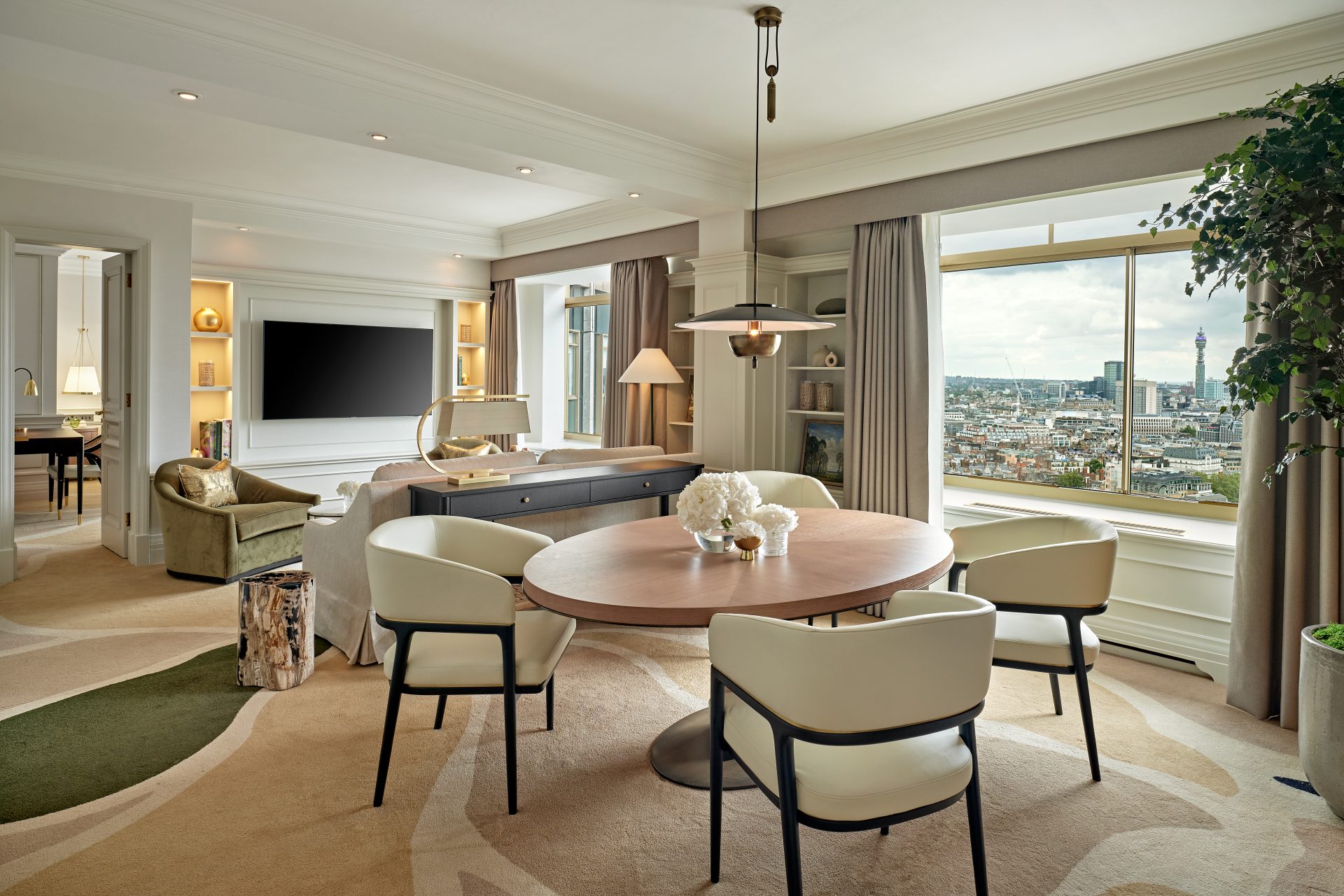
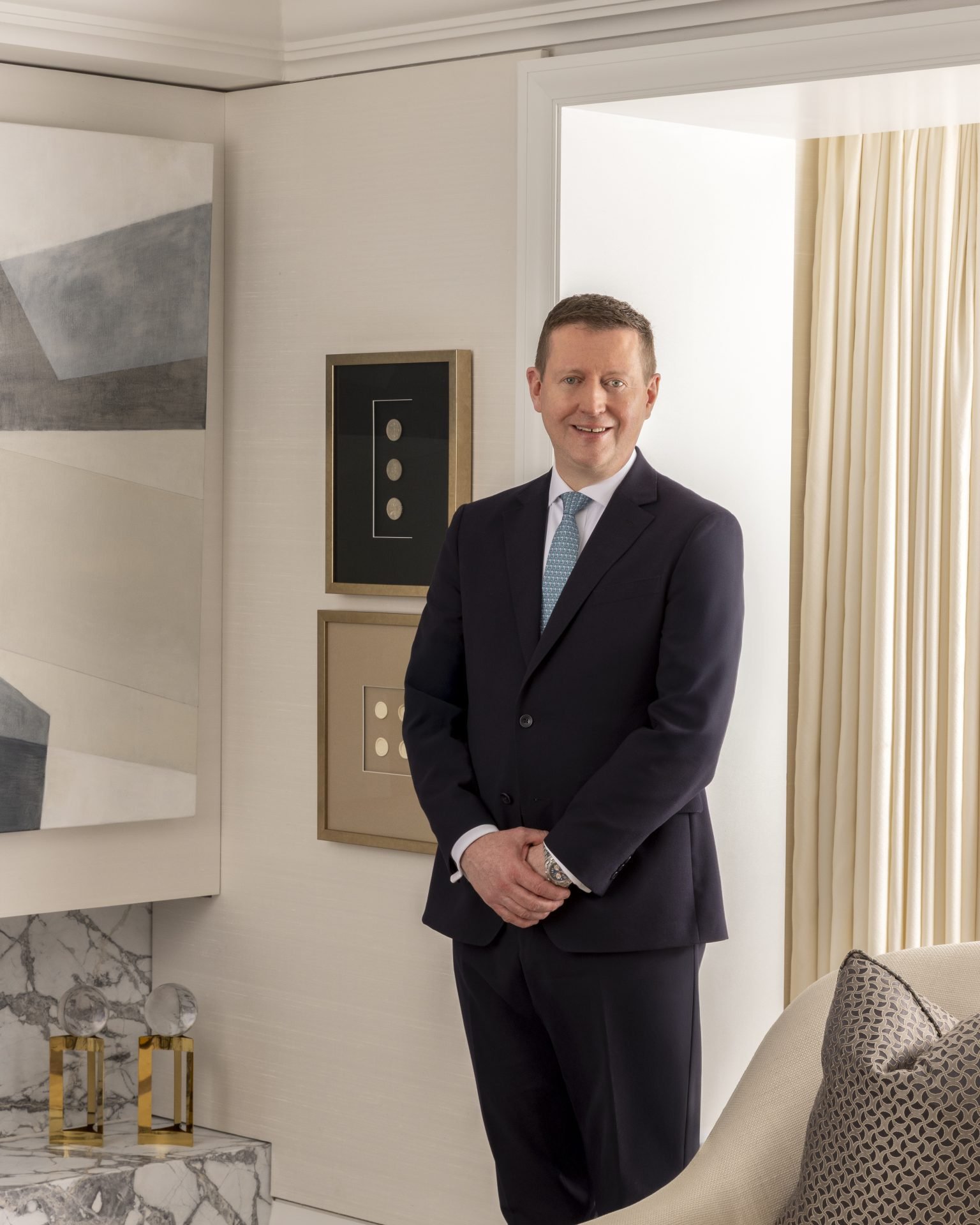
We spoke to James B. Clarke, General Manager at London Hilton on Park Lane to find out more about his views on modernising an iconic property, evolving guest expectations and why authenticity, adaptability and exceptional people will define the future of luxury hospitality.
 With flight disruptions, wildfires and geopolitical uncertainty affecting international travel, are you seeing a meaningful shift towards London staycations this summer? What are luxury hotel guests looking for when they choose to holiday closer to home?
Certainty has certainly become a genuine luxury in itself this year.
What is interesting is what guests are actually looking for when they do stay closer to home. Given the weather we have had this year, location and comfort have become the real draws. We are fortunate to sit right on Park Lane, moments from hotspots like Hyde Park, Green Park and Buckingham Palace - so guests get the feeling of a proper escape, with green space and skyline views, without ever really leaving London. It is that combination of a strong sense of place and comfort that is driving the staycation guest right now.
You’ve run luxury properties across the US, Caribbean and UK. What have those experiences taught you about how guest expectations differ from market to market and what do London guests expect that might surprise you?
The biggest lesson I have learned is that hospitality is never one-size-fits-all, even though the principle remains the same: people taking care of people. Alabama taught me the value of genuine warmth and connection, California the importance of relaxed yet professional service, and the Bahamas and Puerto Rico how local culture and team personality can shape the guest experience. New York, meanwhile, taught me pace, precision and anticipation - recognising what a guest needs before they have to ask.
London has brought all of those lessons together. I have learned to lead teams serving an international mix of guests while maintaining the character that makes a London hotel special. My biggest learning has been the importance of listening and adapting. Guests want recognition, authenticity and effortless service; while the fundamentals must be flawless, what they remember most is how you made them feel. With every guest wanting something different - from privacy to local knowledge or personalisation - the real luxury is having a team that can recognise those differences and adapt naturally.
You first joined London Hilton on Park Lane as Director of Operations a decade ago and have now returned as General Manager. What has changed most about the hotel, and how do you modernise an iconic property without losing the character and heritage that made it successful in the first place?
It has been a fascinating journey coming back to this hotel a decade on. So much has evolved; the multimillion-pound renovation completed in 2024 has transformed the guest experience, from the rooms and suites to our dining and drinking offerings. But what has not changed, and what I am most passionate about protecting, is the heritage.
This hotel has some extraordinary stories woven into its walls. The Beatles passed through the lobby on their way to meet Maharishi Mahesh Yogi. Princess Diana delivered one of her most defining public speeches in our ballroom. Keith Richards is said to have woken up here with the beginnings of the riff that became ‘Satisfaction.’ Those are not just anecdotes to me; they are part of the fabric of the building, and I see it as my job to make sure that history is never lost as we move forward.
Just as important are our people. Many of our team members have a deep connection to the hotel and are the custodians of its character, culture, and traditions. My ambition is to take that culture to the next level: empowering our team, creating opportunities for them to grow, and ensuring the warmth of our service evolves alongside the property's physical transformation.
The reality is that the modern guest is changing, and we have to keep evolving to meet them, whether through our dining concepts, our suites, or the way we think about service. But modernising does not mean starting from scratch. It means finding ways to bring new energy to the hotel while staying true to what made it iconic in the first place. That balance, timeless heritage meeting the energy of now, is really at the heart of everything we do.
Following the hotel’s multimillion-pound renovation, what were the biggest opportunities and challenges in deciding what to change, what to preserve and what to completely rethink?
I have to be honest that I was not part of the hotel during the renovation itself, so I cannot take credit for those decisions, but I can say the team behind it had strong reasoning for every choice they made.
The ambition was to bring the hotel back to its glory days, but reimagined in a setting that feels entirely of today. And I think that is the real achievement of the renovation. That feeling you get walking in: iconic, glamorous, a real sense of occasion, has never been lost. If anything, it has been sharpened and brought into the modern day. That is a difficult balance to strike, because it would have been much easier to either preserve everything as it was or to strip it all out and start again. Instead, the team found a way to honour that original spirit while making the hotel feel completely current.
What does “luxury” mean to today’s hotel guests compared with when you first entered the industry more than 35 years ago? Are guests becoming more demanding, or are they simply looking for different things?
Luxury has changed enormously over the 35-plus years I have been in this industry, but I would not say guests have become more demanding - I would say they want more to show for what they are spending. With the cost of living continuing to rise, guests are far more discerning about where their money goes, and rightly so. A stay must earn its place.
It is just as much about the experience as it is about the day-to-day details—the people you meet, the warmth of the welcome from our team, the heart they bring to every interaction, and the small, thoughtful touches in the room that make you feel genuinely looked after.
When I started out, luxury was often measured in marble and chandeliers. Today, it is measured by whether a guest feels that every touchpoint of their stay, however small, was considered with them in mind. That is a much higher bar, in some ways, than simply providing opulence.
You’ve served as Chair of the Master Innholders. What do you think distinguishes an exceptional hotel leader today, particularly at a time when the industry is dealing with changing guest expectations, recruitment challenges and rising costs?
For me, that is exactly what defines an exceptional leader today: anticipating that guest expectations, spending patterns, and challenges will shift, rather than waiting to react once they have. The industry is dealing with recruitment pressures, rising costs, and a guest who is rethinking how they spend, and the leaders who do well are those who identify these shifts early and address them head-on, rather than being caught off guard by them.
But leadership also starts with taking care of people. We have to look after our team, play a meaningful role in our community and, in turn, enable our team to take exceptional care of our guests. There is a great saying that culture eats strategy for breakfast, and I believe that. You can have the strongest strategy in the world, but if the culture is not right, people, and ultimately our guests, will feel it. Hospitality has to be sincere. When people know they are valued, that sincerity comes through in every interaction.
We know that people still want to travel - they are just being more thoughtful about how they do it. Whether that is the type of trip, the length of stay, or what they prioritise once they are there, guests are making more considered choices. My job, and I would say the job of any hotel leader right now, is to read those changes and make sure the experience we deliver is the best it can possibly be, whatever form that travel takes.
Looking ahead, what do you think will define the next era of luxury hospitality in London, and what role do you want London Hilton on Park Lane to play in it?
I think the next era of luxury hospitality in London will be defined by authenticity over spectacle. Guests now have access to beautifully designed hotels all over the world, so the differentiator is not who has the newest marble or the flashiest lobby; it is who can offer a genuine sense of place, real heritage, and an experience that actually means something. London has an advantage: a depth of history and culture that cannot be replicated or fast-tracked.
I would also say the next era will be shaped by flexibility: in who we welcome and how. We have seen this summer just how quickly travel patterns can shift, whether guests choose to stay closer to home or long-haul visitors rethink their plans. Hotels that thrive will be the ones built on breadth rather than reliance on any single guest segment or market, and that can flex with confidence as the world around them changes.
As for London Hilton on Park Lane, I want us to be a hotel that proves heritage and modernity are not in tension with each other. We have more than 60 years of stories in these walls, an address that is genuinely part of London's fabric, and now a renovation that has brought all of that into the present day. My ambition is for this hotel to keep setting the standard for what it means to be an iconic London address - somewhere that feels unmistakably of this city, whilst never standing still.
But none of this happens without our team members and everything they do. I often say that if we can make a guest feel as though they are floating on a magic carpet, they will always want to come back. What they may not see is the extraordinary care, teamwork, and attention to detail behind that experience, and that is the real magic of hospitality.
INSIDE THE NED’S EXPERIENCE-LED COLLABORATIONS
From fashion takeovers to chef residencies and immersive brand activations, The Ned has built a reputation for partnerships that go far beyond the expected.
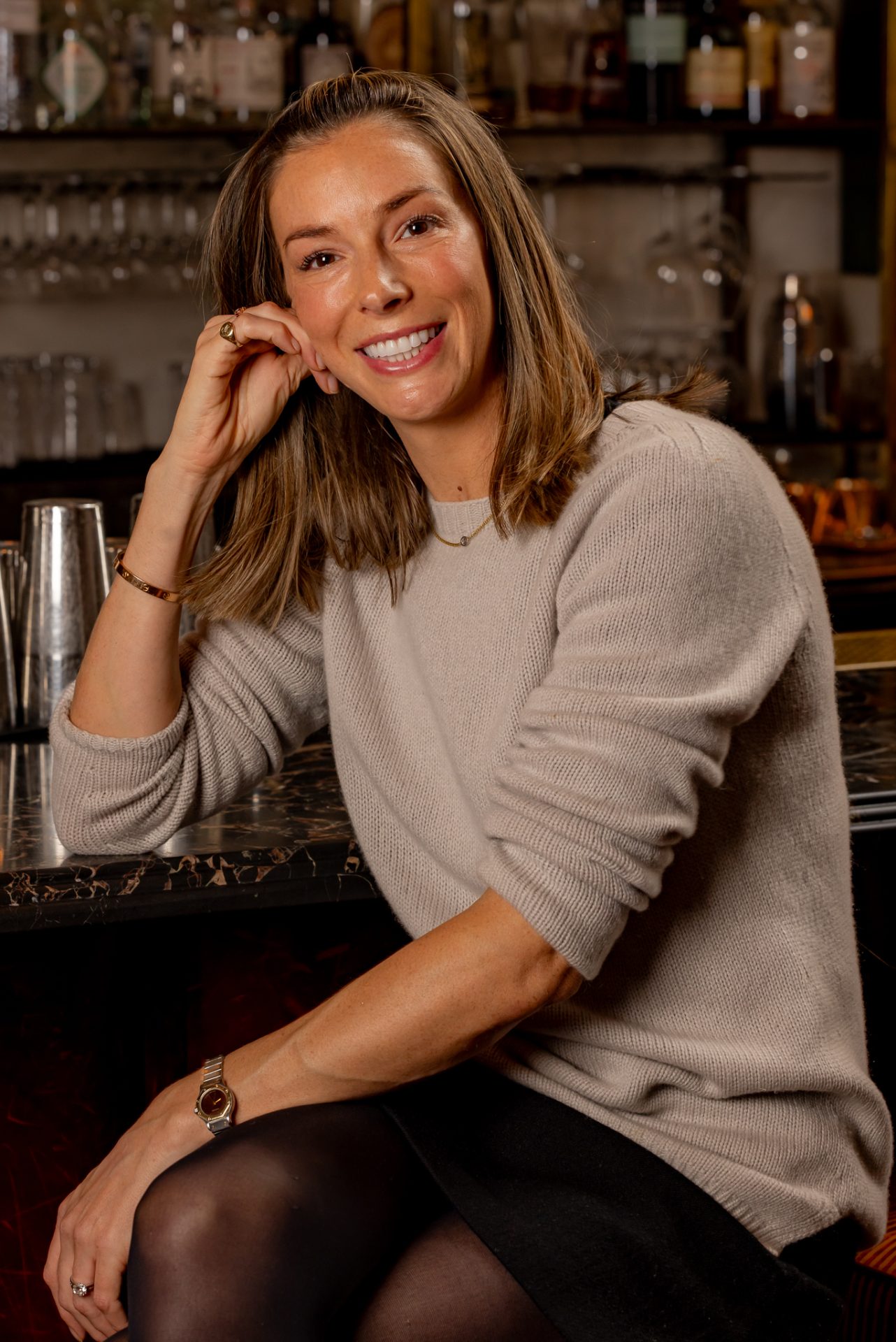
Georgia Howie, Global Head of Commercial Partnerships, reveals how a focus on creativity, authenticity and experience is shaping a dynamic programme that keeps guests engaged, surprised and always coming back for more.
The Ned has become known for collaborating with a wide range of brands, artists and creators. How important are partnerships to your overall brand strategy, and what role do they play in shaping the guest experience?
Partnerships are a hugely important part of The Ned experience. At their best, they allow us to introduce our members and guests to brands, creators and experiences they may not otherwise discover, while also bringing something new and unexpected into our spaces.
Our approach is always experience led rather than purely commercial. Whether it’s an in-room collaboration, a fashion activation, a chef residency, a wellness experience or a cultural event, we look for opportunities that add genuine value and enhance what makes The Ned special. For our members in particular, partnerships help create a constantly evolving calendar of experiences, ensuring there is always something new to discover, while maintaining the sense of quality, creativity and exclusivity that people associate with The Ned.
Can you tell us about some of your most recent, successful collaborations?
We’ve been fortunate to work with an incredible range of partners across hospitality, fashion, food and drink, wellness and culture.
Recent highlights include our Christmas partnership with The Macallan, which saw the brand take centre stage throughout our festive programming with the co-designed tree a particular highlight, alongside larger-scale activations such as the Guinness Bar pop-up. In fashion, collaborations including Balmain’s rooftop summer celebration and our Paul Smith Sunset Session transformed our spaces in a way that felt both immersive and true to the character of the brands.
In our hotels, we’ve enjoyed creating thoughtful in-room experiences, including collaborations with Net-A-Porter across both London and New York, bringing an additional layer of discovery directly into guest rooms.
Across our US properties, we’ve continued to build a varied programme of events, from intimate member experiences with brands such as Mulberry, featuring on-site monogramming, and luxury cashmere house Falconeri, through to larger hospitality and sporting moments. This week, for example, we hosted a FIFA Club World Cup yacht experience in partnership with Don Julio, bringing together sport, entertainment and hospitality in a uniquely Ned way.
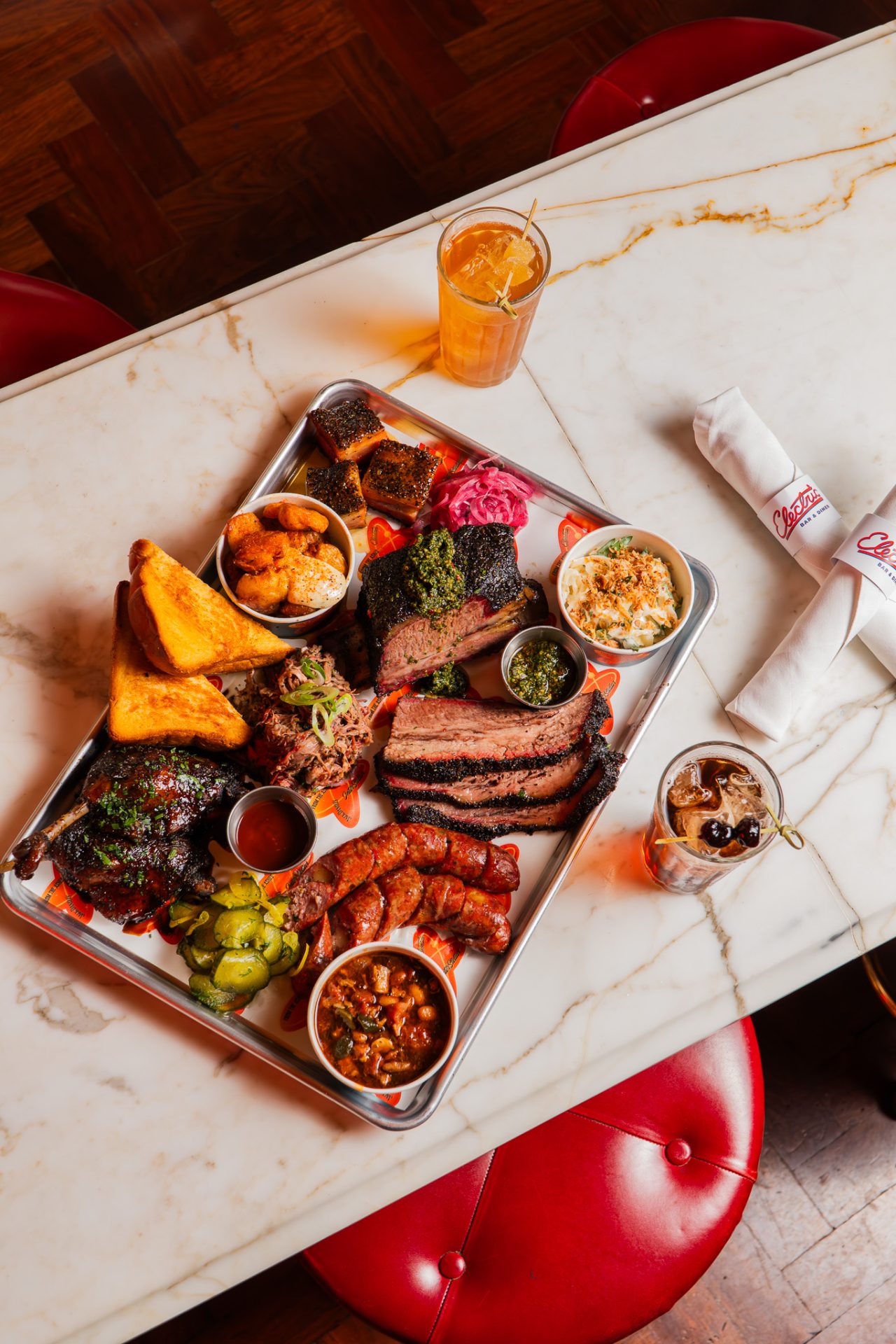
We’ve also seen great success with chef collaborations and dining experiences. InterStellar, a 1 MICHELIN BBQ chef from Austin, Texas is a recent example that generated significant excitement among both members and the wider hospitality community, demonstrating the appetite for experiences that combine exceptional food with cultural relevance. It was such a huge success that we’re bringing it back again this year.
With so many potential collaboration opportunities available, what criteria do you use when deciding whether a partnership is the right fit for The Ned?
The first question we ask is whether the partnership will genuinely resonate with our members and guests. We look for brands that share our values around quality, creativity, craftsmanship and experience.
We also consider whether the collaboration brings something new to our audience. The most successful partnerships feel natural rather than forced; they should enhance an existing aspect of The Ned experience or introduce a compelling new one. Finally, we look at the long-term relationship potential. Some of our strongest partnerships have evolved over several years, allowing us to continually innovate together and create increasingly meaningful experiences for our community.
How do you strike the balance between working with exciting, high-profile brands while ensuring every collaboration still feels authentic to The Ned’s identity?
Authenticity is essential. While we are fortunate to work with globally recognised brands, profile alone is never enough. Every collaboration has to feel relevant to The Ned, our spaces and our audience. We achieve this by focusing on shared values and ensuring there is a strong creative narrative behind every activation and always work closely with our partners and our internal teams from Marketing and comms to operations across our hotel, to create experiences that feel bespoke to The Ned rather than simply transplanting an existing campaign into our venues.
Ultimately, we want guests to feel that the collaboration enhances their experience of The Ned, rather than distracting from it. We find that when that balance is achieved, the result is pure magic.
Many of your partnerships extend beyond traditional hospitality offerings. How do collaborations across areas such as wellness, retail, food and beverage, or culture help create more memorable and engaging experiences for guests?
Today’s guests are increasingly looking for experiences that extend beyond traditional hospitality. They want discovery, access and a sense of connection to our brand with brands that are shaping culture.
That is why our partnerships span everything from member perks within our app and wellness experiences, through to retail pop-ups, in-room collaborations, cultural programming and large-scale food and beverage activations. By bringing together different worlds under one roof, we’re able to create experiences that feel richer, more immersive and more personal.
The breadth of our partnership programme means a guest could discover a new fashion brand through an event, enjoy a chef collaboration at dinner, experience a wellness activation the following morning and receive a curated in-room experience during their stay. That variety keeps the experience fresh and helps ensure there is always something new and unexpected for members and guests to engage with.
SCAN, ORDER, SPEND
Patience Tucker, CEO at wi-Q shares how they are helping hotels deliver seamless, contactless experiences while boosting F&B revenue and ancillary spend - all without the need for an app download.
For those unfamiliar with wi-Q, can you explain what the platform does and how it integrates into a hotel's existing operations?
wi-Q is a solutions provider for hospitality, offering mobile ordering and payments, a digital Guest Directory, and self-service kiosks.
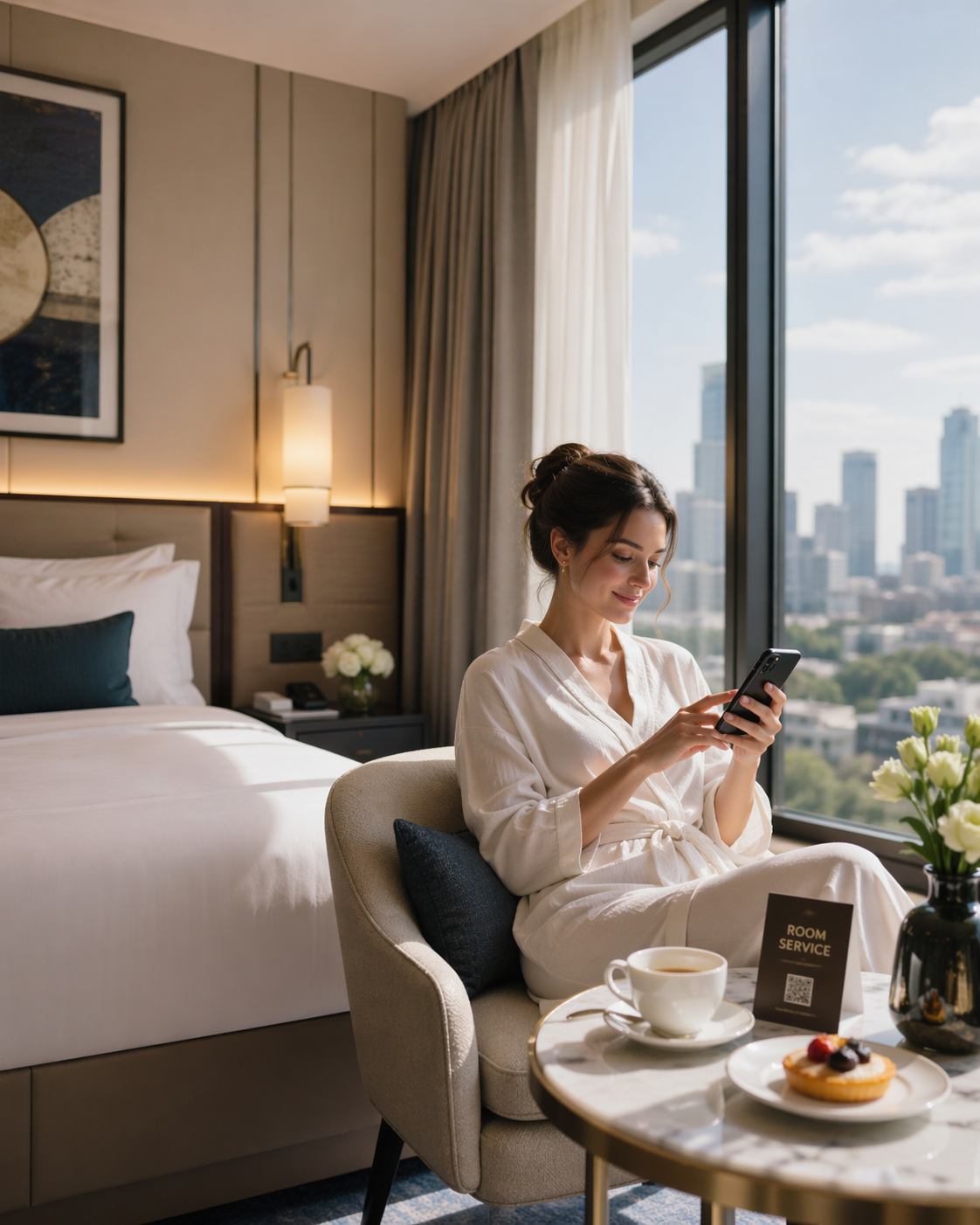
Hotels using wi-Q can invite their guests to scan a QR code to access F&B menus and to find out all the information they might need about their stay (along with bookings links for spa services, restaurant reservations and activities, etc).
Because wi-Q integrates with the POS and major payment providers, the guest can browse, filter, customise, order, and pay via their preferred method, or charge to their room.
The Guest Directory can also integrate with the hotel's housekeeping management system, enabling guests to request free items - like an extra towel or a toothbrush - without needing to make a call.
What's more, if your hotel hosts meetings and events, through wi-Q you can invite guests to preorder drinks and food in advance, enabling your team to be fully prepared and avoid any on-the-day disappointments.
Guest expectations around convenience and contactless service have evolved rapidly - how does wi-Q help hotels meet these demands while enhancing the overall guest experience?
It's true that guests are so used to contactless service in every aspect of their lives that they expect that to continue when they stay in a hotel. So being able to scan a QR code in their room to order room service, or on the table in the bar or restaurant to order food and drink, gives them the fast, frictionless service they're looking for. In hotels with bars and restaurants in outside areas, digital ordering can remove one of the biggest pain points for guests - trying to flag down a server at the pool/beach/in the garden.
From a commercial perspective, how can wi-Q support hotels in driving incremental revenue, whether through F&B, room service or ancillary spend?
There are many ways in which wi-Q helps hotels to drive guest spend.
For a start, our clients report an average increase in order volume of 35% purely by switching from printed menus to wi-Q.
When a guest is ordering food via wi-Q, the platform can suggest extra items that they may wish to add to their order, such as a side or a matching wine.
According to our clients, these contextual upsells lead to a rise in average order value of up to 30%. Also, the booking links provided in our digital Guest Directory prompt guests to arrange activities during their stay, further driving up spend.
What sets wi-Q apart from other digital ordering and guest engagement platforms currently on the market?
Firstly, because wi-Q is web-based, there's no need for guests to download an app or endure the tedium of filling in lots of personal details to access a hotel's F&B menus on their phone: they simply scan a QR code, browse, order, pay - and they're done.
wi-Q can provide digital menus and the Guest Directory in over 27 languages, enabling hotels to truly meet the needs of their international guests.
Also, through our intuitive software, it's extremely quick and easy for the hotel operator to make changes - whether it's adding a special dish, or altering the pricing - anytime they want in the wi-Q back office.
FEEDING THE FRONTLINE
In an industry built on delivering exceptional guest experiences, Michael Rapacioli, Founder & Managing Director of Sands Catering, argues that success starts behind the scenes. From boosting morale and productivity to supporting recruitment and retention, he explains why investing in quality staff dining is no longer a nice-to-have, but a strategic priority for modern hotels.
 Staff dining is often overlooked in hospitality. How does investing in quality staff meals directly impact productivity, morale and ultimately the guest experience?
People often say that hospitality is all about looking after guests, and that's absolutely true. But the guest experience starts long before someone checks in or sits down to dinner. It starts with the people delivering that experience every day.
A good staff meal isn't just about feeding people. It's a chance for colleagues to pause, recharge and spend time together during what can be demanding shifts. When people feel valued, they're more engaged and that naturally carries through into the way they look after guests
We've seen a real shift in recent years. More hotels are recognising that staff dining is increasingly being recognised as part of the employee experience, rather than simply an operational necessity. That's a positive change because investing in your team almost always has a positive impact on the experience they create for guests.
How does Sands tailor its staff dining for hotels, and what makes your approach different?
Every hotel is different. Some need breakfast, lunch and dinner across multiple shifts, while others need flexibility around seasonal occupancy or changing staffing levels.
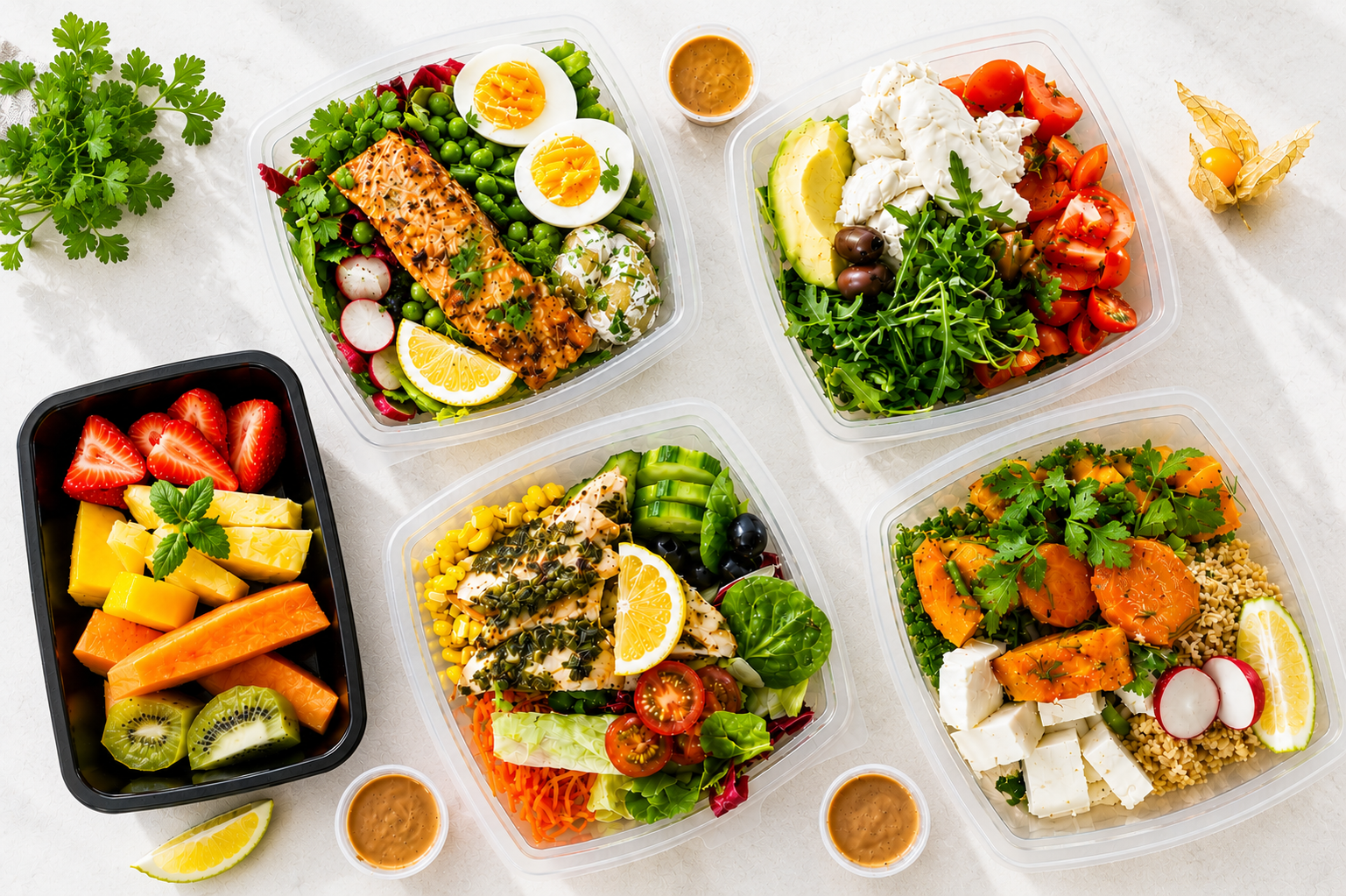
Our role is to make staff dining easy to manage while delivering food that people genuinely enjoy. We create varied, nutritious menus that can be adapted around dietary needs, cultural preferences and different working patterns.
The important thing is that we work alongside hotel teams rather than replacing them. Hotel chefs should be focused on creating exceptional guest experiences. By supporting staff dining, we help free up valuable time and resources while making sure employees continue to receive high-quality meals every day.
Recruitment and retention remain major challenges. What role does staff dining play?
Hospitality has always been a people business. Salary will always matter, but employees increasingly look at the whole package. Feeling looked after during a long shift, having access to fresh food and knowing their wellbeing is valued all contribute to how people feel about their employer.
Good staff dining sends a simple message: your people matter. While it's never the only factor in retention, it plays an important role in creating a positive working environment where people feel respected and supported. This reflects a wider trend of the industry putting people first.
What trends are you seeing?
Expectations have changed considerably. Today's teams want choice, variety and healthier options alongside familiar favourites. They're also much more aware of nutrition, allergens and sustainability than they were even a few years ago.
Hotels are recognising that staff dining should reflect the same care and standards they apply to guest dining. It doesn't need to be extravagant, but it should be fresh, balanced and thoughtfully prepared.
Ultimately, staff dining has become another reflection of how a hotel looks after its people. The best employers recognise that it's worth getting right.
THE FUTURE OF FOODSERVICE
Labour challenges, evolving guest demands and smarter menus are reshaping hospitality. Jon Morley, Head of UK Foodservice Channel at Kellogg Company, discusses the trends driving change and what operators can expect next.
 What major shifts do you expect to see in foodservice in hospitality over the next 3–5 years?
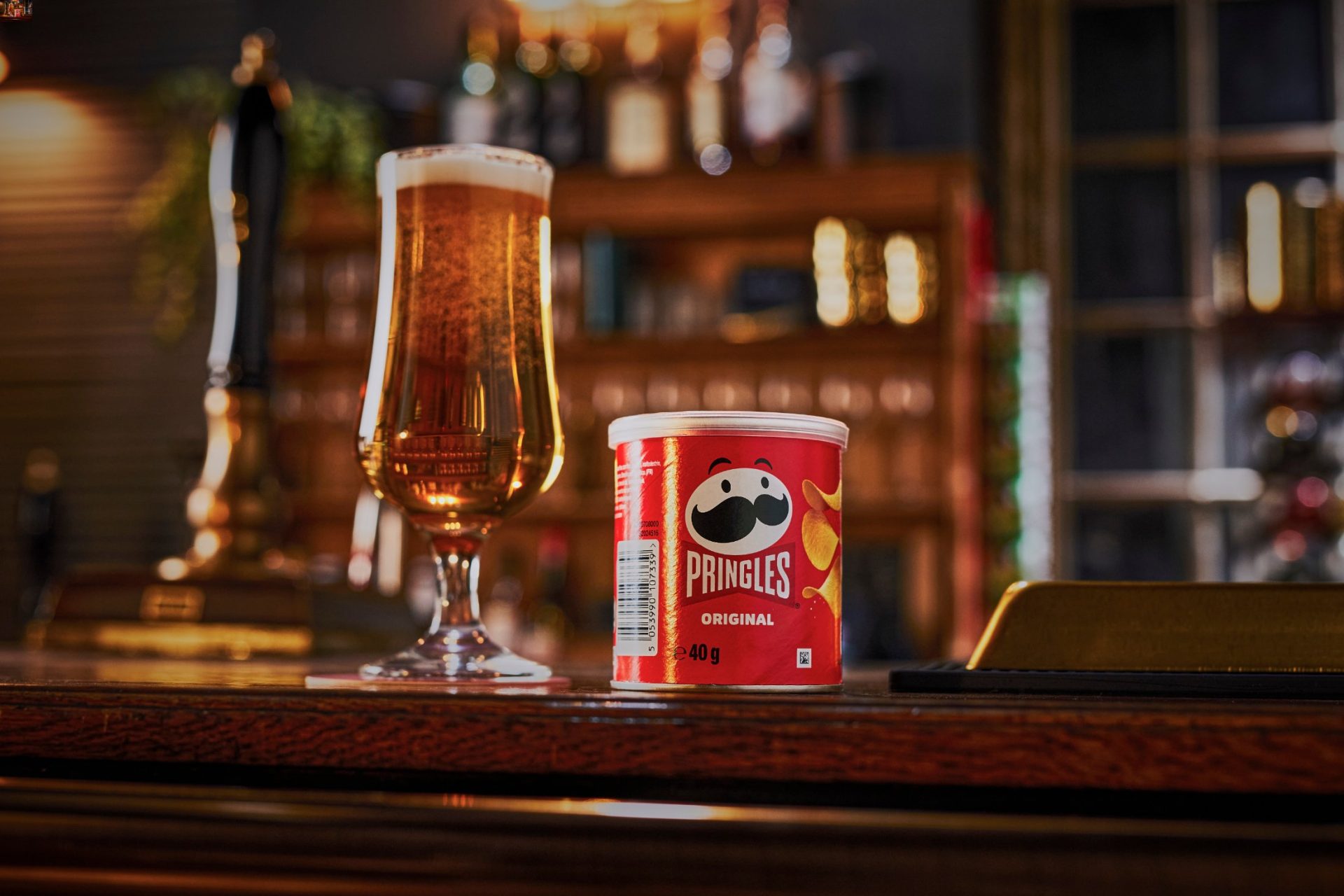
We’re already seeing menus get tighter, and that’s only going to continue. Fewer dishes, fewer ingredients, but each one working harder. At the same time, snacking and sharing will continue to grow, particularly around social occasions where food complements the drink rather than dominates it.
Another big shift is consistency. Guests expect the same experience whether they’re visiting one site or another, which puts pressure on operators to standardise without losing personality. And finally, premiumisation isn’t going away - but it has to feel earned. Quality, brand and format all need to justify the price.
How are guest expectations around convenience, health and premiumisation shaping your innovation pipeline?
Guests are a lot more discerning than they used to be. Convenience is expected, but not at the expense of quality. Health means different things to different people, but transparency and portion control matter. And premiumisation is about cues - texture, flavour, format and brand story - rather than just cost.
So, when we look at innovation, we ask a simple question: does this help an operator serve something guests feel good about choosing, without adding complexity behind the bar or in the kitchen?
What innovations are you bringing that reduce prep time or waste?
That’s a huge focus for us. Labour remains the biggest constraint in hospitality, so products need to be intuitive and forgiving. We’re investing heavily in formats that have long shelf life, minimal prep and clear portioning.
Frozen and ambient solutions are playing a bigger role, as are products that can be used across multiple occasions rather than sitting on a menu for one purpose. Reducing waste isn’t just about sustainability, it’s about margin, and operators feel that every day.
How do you support consistency across multi-site hotel groups?
Consistency is where strong partnerships really matter. Multi-site operators need confidence that what works in one venue will work in another, without constant retraining or adaptation.
We support that through standardised specifications, reliable nationwide supply and practical tools that help teams execute consistently. It’s not just about the product itself - it’s about how it’s communicated to guests. The easier we make that, the more value we add.
What should hotel managers and operators expect to see from you in the next 12–24 months?
They should expect us to stay very focused on licensed trade realities. More foodservice specific formats, more solutions designed around snacking and sharing, and more collaboration on how menus actually perform in real venues.
We’ll continue to invest in innovation, but equally in insight and support, helping operators understand which occasions are growing and how to unlock them profitably. It’s about being a partner, not just a supplier.
If you could solve one major pain point in hospitality foodservice overnight, what would it be?
Without hesitation, labour. If we can genuinely help operators do more with fewer people, without compromising guest experience, everything else becomes easier.
That’s why we focus so much on simplicity, consistency and flexible formats. If food can be easier to execute, easier to manage and easier to love, it takes some pressure off teams and lets operators focus on what they do best: hospitality.

IN THE HOT SEAT: NUNO CÉSAR DE SÁ
Since taking the helm at Grantley Hall in 2023, Nuno César de Sá has set about redefining luxury through people, passion and constant evolution. In this In the Hot Seat interview, he shares his leadership philosophy, the power of emotional connection in hospitality, and his vision for the future of one of the UK’s most ambitious luxury estates.

Since taking the helm at Grantley Hall in 2023, Nuno César de Sá has brought with him a wealth of experience from some of the world’s most prestigious luxury hotels. Yet for Nuno, the move to the North Yorkshire estate was never simply about adding another name to an already impressive CV; it was about ambition, energy and the opportunity to build something truly special.
He reflected:
I've been very lucky to work in some exceptional hotels throughout my career, but what drew me to Grantley Hall wasn't just the property itself, it was the ambition behind it.
That ambition, he explained, is what sets the hotel apart.
It's rare to find a hotel that combines such a beautiful estate with a genuine desire to keep evolving. There is a real entrepreneurial spirit here. The team isn't satisfied with just maintaining standards, they're constantly looking at how we can raise the bar.
At the heart of that drive is a simple belief: luxury hospitality is defined not by bricks and mortar, but by people. He said:
Most importantly, I saw a team with enormous passion. Luxury hotels are never defined by their buildings but they're defined by the people who bring them to life.

We asked Nuno to distil Grantley Hall into just three words, and his answer was immediate: “People. Experience. Magic.” It’s a succinct summary, but one that underpins every aspect of his leadership approach.
Balancing world-class standards with authentic, human service is a challenge many luxury hoteliers grapple with, but for Nuno, the solution lies in empowering individuality. He explained:
Standards should provide confidence but they shouldn't remove personality. Our teams are trained to deliver consistency, but luxury hospitality is never about following a script.
Instead, he champions emotional intelligence over rigid process.
I've always believed that guests remember how you made them feel far more than what the room looked like. The marble, the chandeliers and the facilities are important, but emotional connection is what creates lasting memories.
This philosophy extends naturally into how he builds and leads his team.
Culture always comes first. We look for people who genuinely enjoy making others happy, who are curious and who want to learn.

For Nuno, technical ability alone is not enough. He added:
Kindness, humility and a positive mindset are equally valuable. Retention comes from creating an environment where people feel respected, supported and able to build a career rather than simply do a job. When people feel valued, they deliver extraordinary experiences naturally.
Looking ahead, Nuno is particularly energised by the estate’s ongoing evolution. He said:
What excites me most is the continual evolution of Grantley Hall. We're continuing to invest in experiences across the estate and have recently acquired the neighbouring 44-acre estate which has an abundance of potential for the future growth of our hotel.
It’s a long-term vision rooted in constant improvement. That momentum has also been captured in a new TV series documenting the hotel’s rise to global luxury status.
The best luxury hotels are never finished. They're constantly refining, improving and finding new ways to exceed expectations.
Leadership, too, is something Nuno approaches with clarity and humility. The best advice he’s received remains the simplest:
Treat everyone the way you'd want to be treated, no matter who they are or the situation.
It’s a principle that informs everything from guest interactions to team culture. He noted:
People might forget what you said, but they'll always remember how you made them feel. If you lead with empathy and treat people well, you'll build trust, loyalty, and a culture where everyone can do their best work.
As for the future of luxury hospitality, Nuno sees personalisation as the defining opportunity.
Guests have always expected beautiful surroundings and exceptional service as the baseline. Increasingly, they're looking for experiences that feel personal, meaningful and memorable.
Technology will undoubtedly play a role, but only as an enabler. He stressed:
It should never replace the human connection. The opportunity is using technology to remove friction while allowing our teams to spend more time doing what hospitality has always been about: building genuine relationships.
Ultimately, Nuno believes the winners in luxury hospitality will be those who understand this balance. He concluded:
The hotels that succeed won't just be the most luxurious. They'll be the ones that make every guest feel recognised, understood and genuinely cared for.