

Tracy Lowy
Tracy created the Living Rooms concept in the 1990’s and has since opened a variety of properties in London’s thriving neighbourhoods along with the celebrated Laslett Hotel.

As the driving force behind Living Rooms and the acclaimed Notting Hill hotel The Laslett, Tracy Lowy has built a career on understanding not just how people travel, but how they want to live when they’re away from home. Her deep-rooted connection to hospitality began early. “Having grown up in the hotel business, I became fascinated by how people really want to live when they’re away from home,” she reflected. By the 1990s, she sensed London was ready for a new kind of hospitality experience - “somewhere that offered the comfort, ease and individuality of a home, paired with the service and refinement of a five-star hotel.” That vision shaped the first Living Rooms property in 1999 and continues to inform the brand’s approach today.
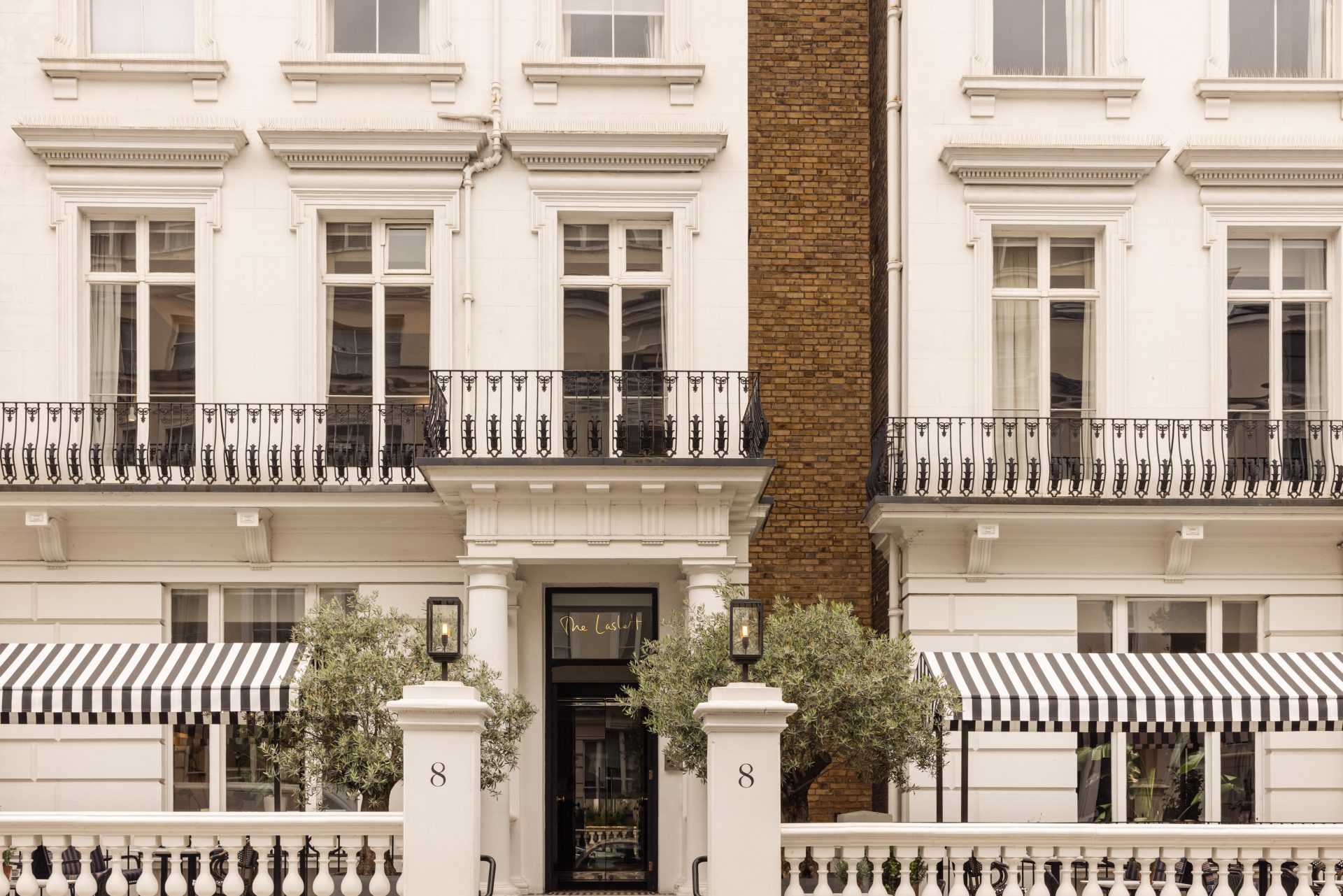
The Laslett, perhaps her most celebrated project, is a testament to this philosophy. Its identity is rooted firmly in the character of Notting Hill. “The vision was to capture the cultural heritage of Notting Hill… a place shaped by the neighbourhood’s history, culture and spirit,” she said. Even its name pays homage to community pioneers: Rhaune Laslett, a founder of the Notting Hill Carnival, and Russell Henderson, the Carnival musician whose legacy lives on in the hotel’s Henderson Bar. Set within five Victorian Grade II listed buildings, the property combines elegant heritage with contemporary creativity. Tracy credits the long-standing collaboration with designer Tom Bartlett of Waldo Works for achieving this balance: “The five Victorian Grade II listed buildings gave us a wonderful backdrop, and we layered in modern creativity to bring it to life. Our long-term collaboration with Tom Bartlett… was key.”
Art, culture and design collaborations have been central to The Laslett’s identity. One of the most meaningful, Tracy noted, was with the late Barry Kamen: “He had that rare ability to capture the energy of London through art, fashion, and youth culture, and bringing his work into The Laslett gave the hotel a distinct creative heartbeat.” Every guest room features an original Kamen piece, a lasting tribute to his influence. The hotel’s creative family extends further, to Bartlett, to antique curator Jerome Dodd of Les Couilles du Chien, and to artist Harland Miller, whose unmistakable Penguin Classics piece, I AM THE ONE I’VE BEEN WAITING FOR, dominates the reception. “His work is being celebrated in a recently opened Design Museum exhibition,” Tracy added with pride.
At the core of all these ventures is Living Rooms, her London-based collection of design-led hotel apartments. The concept grew from a simple but powerful ambition: “to create places that feel lived in and personal.” Comfort, privacy and individuality are the hallmarks, with each property expressing its own character. “The aim has always been the same: to make guests feel instantly at ease, as if they have arrived somewhere familiar.”
As hospitality evolves, Tracy sees guests increasingly seeking authenticity, comfort and a strong sense of place. “They value good design, but they also want comfort and ease. Technology helps behind the scenes, but the human touch matters most,” she explained. That philosophy has resulted in remarkable loyalty: “Many of our guests feel so at home in our properties they end up staying for years!”
Asked what advice she offers to those building a career in hospitality, Tracy emphasised curiosity and empathy. “Stay curious, work hard and stay close to the guest experience… hospitality is built on people skills.”
As for what lies ahead, Living Rooms will continue to grow organically rather than through aggressive expansion. “What’s next is always evolving… We are actively exploring ways to expand our apartment collection, particularly in Notting Hill, where the neighbourhood continues to inspire us.”
With a philosophy anchored in personality, place and genuine human connection, Tracy’s Living Rooms and The Laslett remain defining examples of how hospitality can feel both stylish and sincerely warm - homes not just for nights away, but for life’s many ways of living.

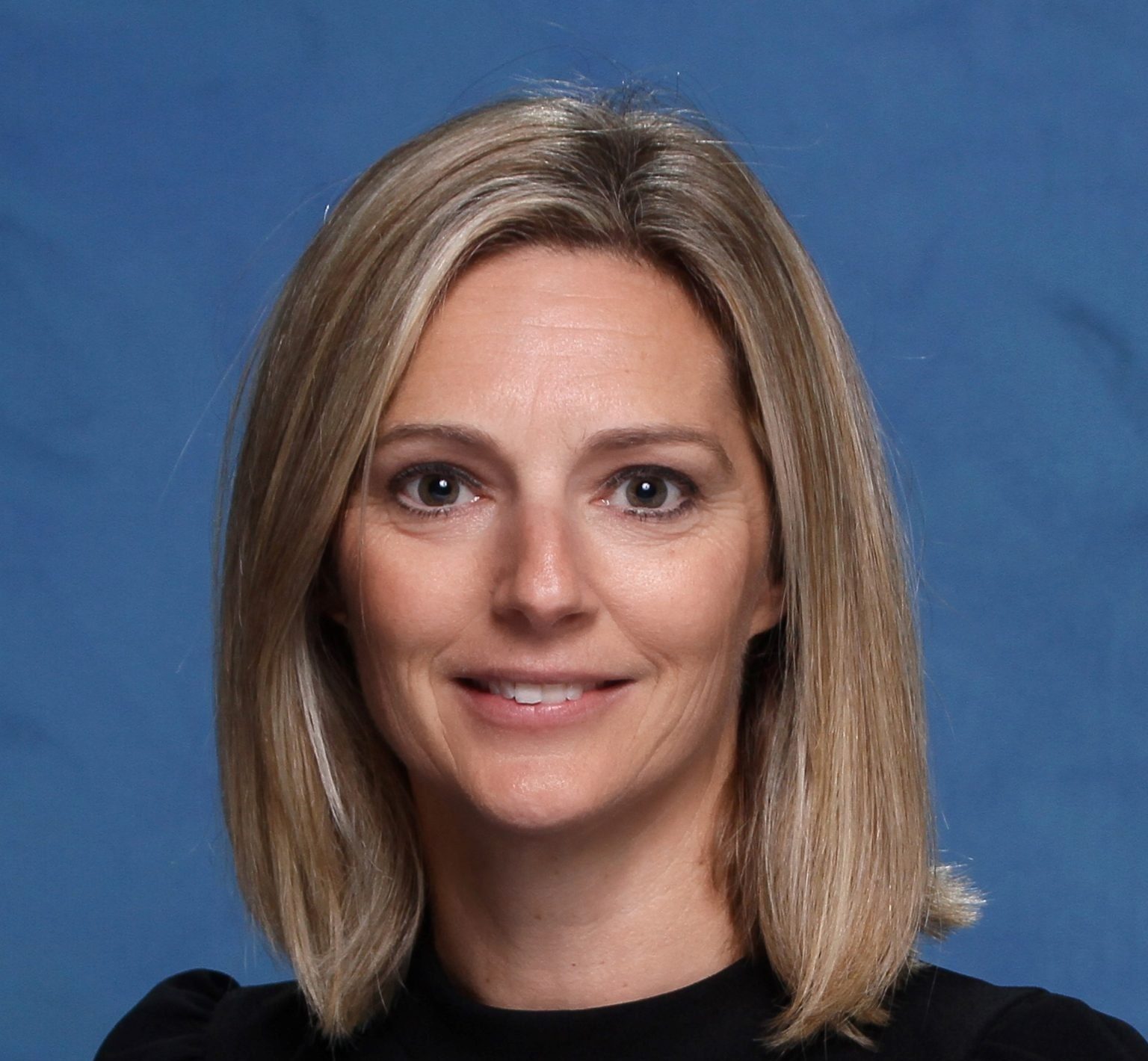
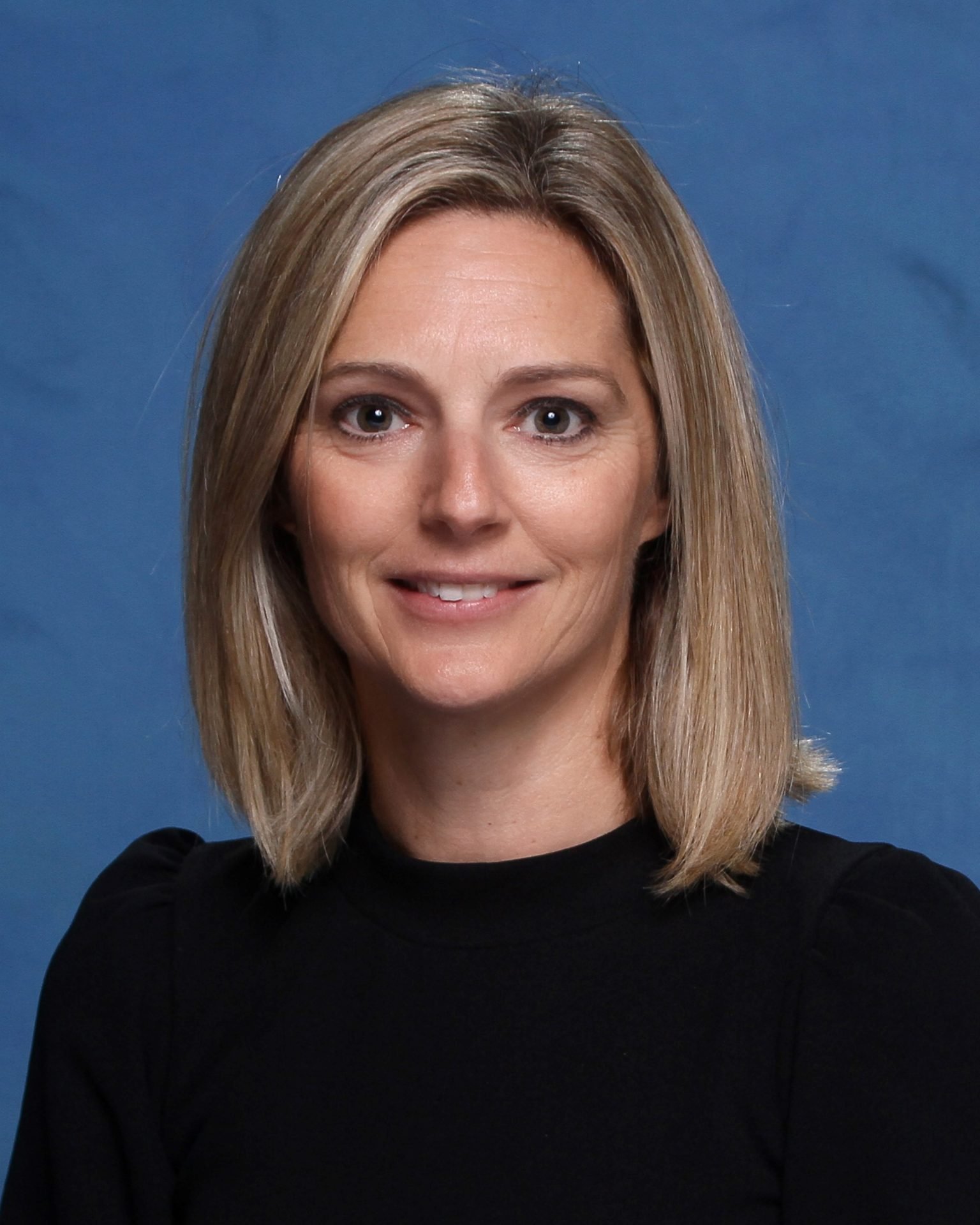
Anna Moore
Global perspective, local soul: as Regional Director – Northern Europe at Preferred Travel Group, Anna Moore champions individuality, emotional intelligence and authentic luxury in an industry moving beyond “beigification.” She shares the experiences that shaped her career, her vision of exceptional hospitality, and why Europe’s independent hotels are perfectly placed to thrive by being unmistakably themselves.
With a career shaped by global experience and a passion for independent hospitality, Anna Moore brings both strategic vision and emotional intelligence to her role as Regional Director – Northern Europe at Preferred Travel Group. From championing individuality in a world of “beigification” to redefining what luxury really means, Anna sits at the intersection of tradition, innovation and authenticity.
Here, she shares the experiences that shaped her career, her definition of exceptional hospitality, and what she believes lies ahead for Europe’s independent hotels.
Rather than a single defining leap, Anna describes her career as a steady progression.
“Rather than one pivotal moment, my path has been shaped by a gradual evolution built on experience across multiple international markets,” she said. “I’ve been fortunate to travel extensively throughout my career and to experience a wide range of hotels and cultures, which has deepened my appreciation for the diversity and complexity of our industry.”
Hospitality, she added, has always been more than a job. “It’s not just a profession for me – it is a genuine passion, and one that has only strengthened over time.”
What excites her most about her current role is its scope. “I enjoy the breadth of the role and the opportunity to engage with every aspect of the hotel ecosystem,” she explained. “From matching travellers with the right hotel experience, to working closely with member hotels to help them optimise their partnership with Preferred Hotels & Resorts, it is incredibly rewarding to see each property’s individuality truly shine.”
That individuality is at the heart of Preferred’s soft brand model. “The strength of Preferred lies in the fact that no two hotels are the same,” Anna said. “Every conversation, challenge and solution is tailored to the specific needs of each business. That variety makes the role highly entrepreneurial, dynamic and continuously stimulating.”
She describes the brand’s philosophy simply: “As a soft brand, Preferred Hotels & Resorts offers a powerful balance of flexibility and support. Our members retain the autonomy to express their unique identity and vision, while benefiting from a strong global infrastructure that supports distribution, marketing and loyalty objectives.”
For Anna, true hospitality is almost invisible. “Exceptional hospitality, to me, is when a guest’s needs are anticipated and seamlessly met before they even realise they exist,” she said. “It lives in the details, the small, thoughtful touches delivered with consistency and authenticity, and it also relies on hotel teams truly understanding who their guests are.”
When it works, the result is emotional rather than transactional. “When teams get this right, hospitality feels effortless, personal and genuinely memorable, creating an experience that resonates long after the stay has ended.”
She has watched the industry transform during her career. “We have moved away from a one-size-fits-all approach towards highly tailored experiences designed around individual preferences, expectations and lifestyles,” she noted.
Luxury, in particular, is changing. “As the definition of luxury continues to shift and become increasingly personal, and competition in the market intensifies, it is more important than ever for hotels to deliver experiences that feel relevant and meaningful to each guest.”
The winners, she believes, will be those who understand both people and purpose. “Those that succeed are the ones that combine intuitive service, emotional intelligence and a deep understanding of their brand promise to create truly exceptional hospitality.”
Europe’s diversity is both its strength and its challenge. Anna sees huge potential for independent hotels willing to embrace who they really are.
“The European market’s diversity creates strong opportunities for independent hotels, particularly as travellers increasingly seek authenticity, individuality and a sense of place,” she said.
She points to the industry’s move away from sameness. “As the industry moves away from ‘beigification’ – as identified by our Luxury Travel Report in 2025 – independents can differentiate by leaning into their unique identities through local storytelling, bespoke design, distinctive culinary offerings and highly personalised service.”
Technology and partnerships will also play a role. “By combining these strengths with smart use of data, loyalty platforms and strategic partnerships, independent hotels can expand their reach and compete effectively while preserving their independence.”
But challenges remain. “Ongoing cost pressures, rising labour expenses and staffing shortages continue to affect hotels across Europe,” Anna said.
In the Nordic region, there is an added layer of difficulty. “There is a complexity in balancing luxury with sustainability. The opportunity lies in redefining luxury to focus on quality, meaning and experience rather than excess, allowing independent hotels to meet evolving guest expectations without compromising their values.”
Anna’s leadership style is shaped by trust and authenticity. “It is rooted in trust, empowerment, and authenticity,” she said. “I believe the best results come when team members feel confident to be themselves, bring their unique perspectives, and take ownership of their work.”
Working across borders has made listening essential. “Working across multiple countries, I’m continually listening to and learning from my colleagues all over the world.”
For her, leadership is less about control and more about creating space for others to succeed.
Constant travel comes with its own routines. For Anna, staying grounded starts with fitness.
“A good gym when I’m travelling is a must!” she laughed. “My gym kit is the first thing I pack for any trip, even if it’s just a quick 30-minute workout, it’s an important part of my daily routine that I value.”
And what makes a hotel truly special in her eyes? It’s not just design or luxury, but how it makes her feel – the details, the atmosphere, and the sense that someone has really thought about the guest experience.
In an industry increasingly pulled between scale and individuality, Anna Moore is firmly on the side of character, connection and authenticity – and she believes that’s exactly where the future of hospitality lies.
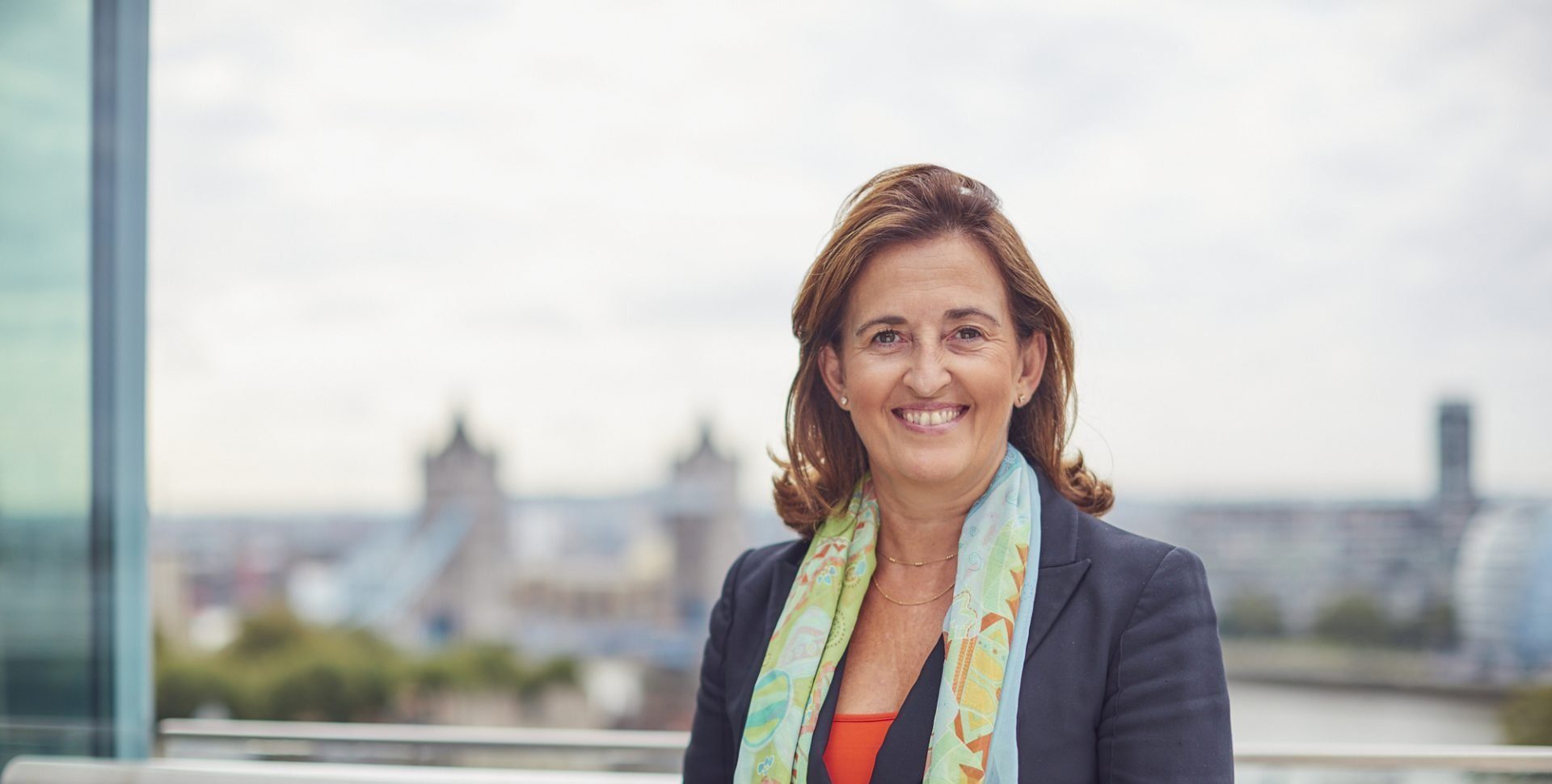
Marie Laure-Fleury
From pastry-shop beginnings in Geneva to leading Four Seasons Hotel London at Tower Bridge, Marie-Laure Fleury’s career has been shaped by curiosity, courage and a love of people. In the Hot Seat, she reflects on global moves, redefining a landmark hotel, and what modern leadership in hospitality really means.
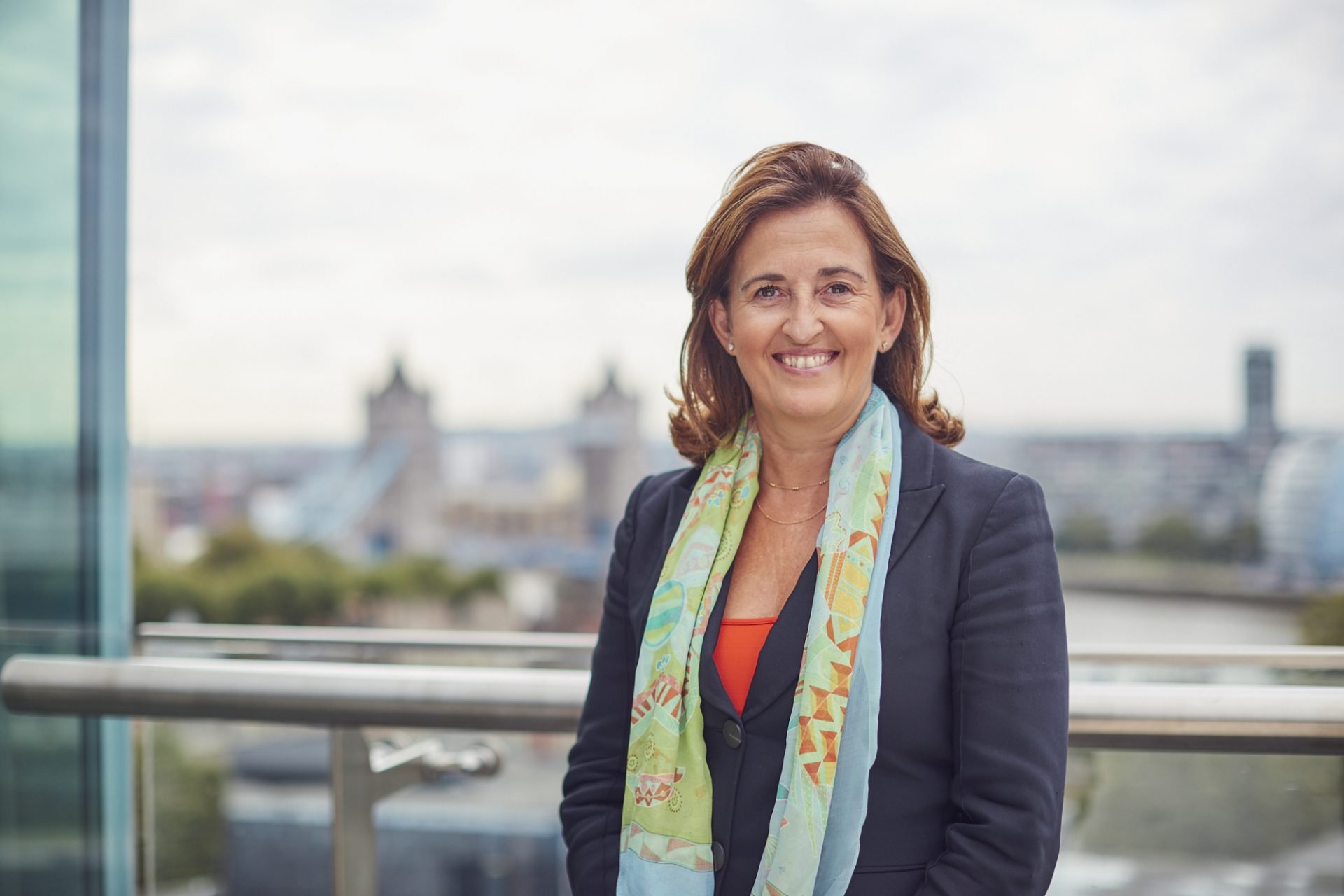
When Marie-Laure Fleury talks about hospitality, she speaks with the energy of someone who has never lost her sense of wonder. Now at the helm of Four Seasons Hotel London at Tower Bridge, she leads one of the capital’s most distinctive luxury addresses - but her journey began with a simple desire to see the world.
“To be honest, I always knew I wanted to do something that wasn’t geographically static,” she said. “I have always loved travelling and seeing the world through different lenses. The idea of staying in one place forever just didn’t sit with me.” Hospitality, for Marie, was not initially a career plan, but a feeling: “I have also always loved what hospitality is all about; the thought of making individuals happy, creating experiences, and working in an industry where you can have a real impact on people.”
Her first real exposure came through family. Her uncle was a pastry chef in Geneva, and time spent working in his patisserie changed everything. “One day he said, ‘Have you thought about hospitality school?’ and suggested I look into it. I took that on board – and never looked back.” That advice led her to Lausanne Hotel School, a turning point she still speaks about with gratitude. “I absolutely fell in love with the campus and the school. For me, it was certainly a sacrifice on my parents’ part to support me, and that really drove me to make the most of the opportunity.”
Marie’s career has been defined by movement, challenge, and ambition. A major milestone came in 2017 when she joined Four Seasons after working with brands including Shangri-La and Peninsula. “My first role with the brand was taking on the pre-opening of Four Seasons Resort in Tunis. That was a huge milestone – building something from the ground up, leading a team through all the chaos and excitement of an opening.”
From there, her career became a global journey. “Each move – whether it was Hong Kong, Bangkok, Phuket, or Sydney – shaped me in different ways.” But London stood out. “Taking the helm at Tower Bridge, in such a historic building; the old Port of London Authority for those that don’t know! - felt like both an honour and a huge responsibility.”
In October 2024, the property was repositioned and renamed Four Seasons Hotel London at Tower Bridge, marking the start of a new chapter. “That moment was the start of a transformative journey: redefining our identity, building awareness, and putting this hotel firmly on the map through activations, partnerships, and new initiatives. What you’ve seen so far is just the beginning, and there’s so much more to come.”
Leadership, for Marie, is deeply personal. She draws inspiration from women who have shown that ambition and family life can coexist. “I’ve always been very inspired by success stories from women in leadership - people like Sheryl Sandberg. It’s not just about ambition, but about proving that you can be a parent, a partner, and a General Manager at the same time.”
She is proud of the culture she helps shape at Tower Bridge. “Within the brand, I am incredibly proud to be part of a company where women are increasingly represented at the highest levels - from general managers to department heads. I feel lucky to have several women in senior leadership positions in this hotel, and their voices, perspectives, and leadership styles help shape our culture every day.”
Behind every leader, she believes, is a support system. “I’ve been fortunate to have people around me who believed in me, and that makes all the difference. My husband has been incredibly supportive too. You really do need someone in your corner when you’re chasing big dreams.”
Her leadership style has evolved with experience. “I’ve learnt that leadership isn’t about a simple figurehead telling people what to do; it’s about creating an environment where people can thrive, feel supported, and surprise themselves with what they can achieve.” She added, “I am also constantly learning, and that’s the true magic of being a leader. You grow with the people around you.”
At Tower Bridge, that philosophy translates into energy and innovation. “My philosophy is about empowerment and momentum. When you’ve got a young, dynamic, hungry team, and we certainly do here, the trick is to keep that energy flowing and never let it stagnate.” In a fiercely competitive city, standing still is not an option. “Competition in London is fierce, so we have to be bold and innovative; whether that’s through partnerships, like the Afternoon Tea we launched last year with Lily Vanilli, an East London celebrity baker, or by showcasing the talents of our incredible team.”
Looking ahead, Marie sees Tower Bridge carving out a strong and distinctive identity. “This location is special and unique. We are in the heart of the City and East London, and therefore we have our own story to tell, different to that of a Central London hotel.” Her ambition is clear: “I want more and more people to come here and recognise it for the incredible product it is.”
In the next five to ten years, she imagines the hotel as a place people fall in love with. “I see us as a destination that guests not only choose, but fall in love with - a place where the local community feels welcome and international visitors see the best of what that part of London can offer.”
At the core of everything she does is family and purpose. “For me, inspiration comes from two places: family and ambition. My parents and my husband and children have made big sacrifices so I could chase my dreams, and I’ll always pay homage to that by giving my all in what I do.”
Ultimately, her philosophy returns to people. “Hospitality is about people - caring for them, believing in them, and helping them create memories. That’s what inspires me, and that’s what I try to bring into the way I run this hotel every single day.”
Katie Niland
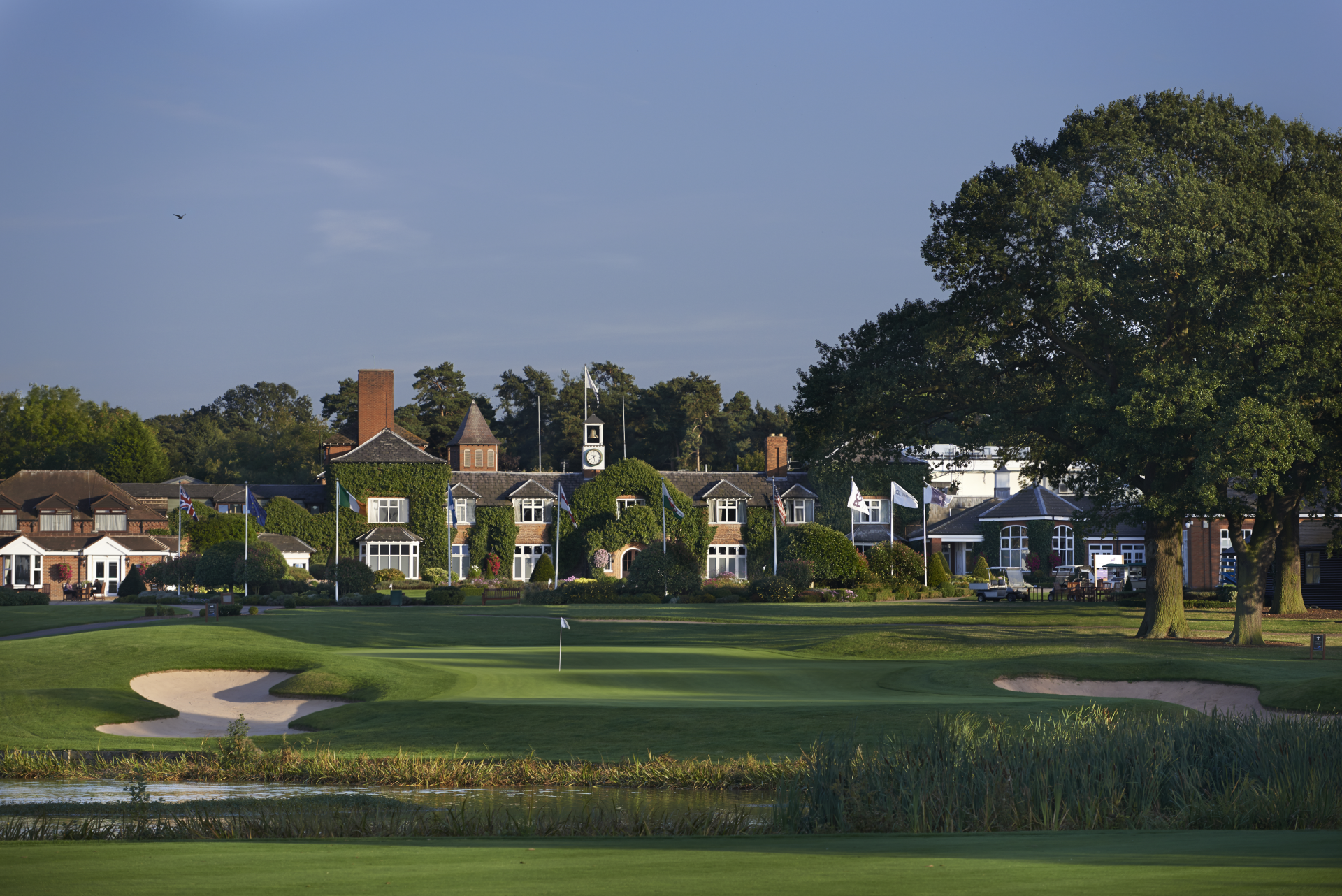
From competing to be heard in a bustling Irish household to leading the commercial strategy of The Belfry, Katie Niland has built her career on instinct, resilience and results. As Commercial Director, she is balancing heritage with bold growth, steering a £90m expansion while championing collaboration, internal progression and greater gender equality across hospitality leadership.
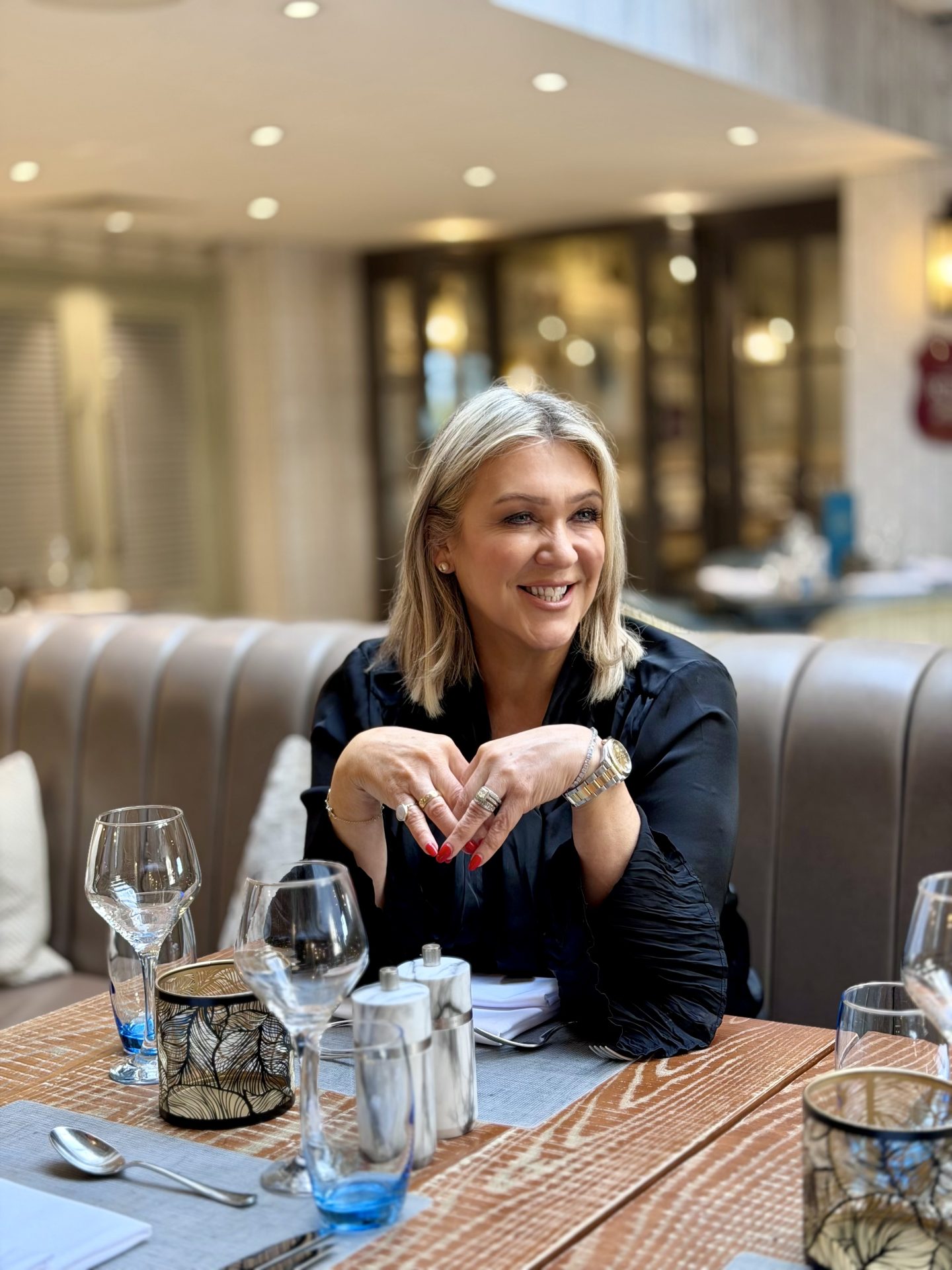
Growing up in the west of Ireland as the middle child of six, Katie Niland learned early how to make her voice heard. “You learn to compete, to earn your place, and to stand your ground,” she reflected. “Those lessons have shaped my entire career.”
Katie joined hospitality in her early twenties, cutting her teeth with global names including Hilton, Marriott International and Malmaison. It was here she developed her commercial instinct - understanding how markets behave, how to drive sales performance and, crucially, how to translate strategy into tangible results.
“I’ve been lucky to build and lead incredible sales teams,” she said. “I’ve had leaders who truly championed me - and others who didn’t. Both experiences were valuable. They forced me to trust myself, rise above challenges and seize every opportunity.”
Her leadership style is direct and decisive. “I’m not afraid to challenge the status quo if I can see a better way to deliver results,” she added. That confidence was sharpened further when she took a career break to live in Canada, where she had her twin daughters. Returning to the industry at a higher level than when she left, Katie described the experience as transformative. “It gave me perspective, resilience and a greater maturity as a leader.”
Twelve years ago, she joined The Belfry as Sales Director - an opportunity she still describes as pivotal. Over time, her remit expanded across revenue management, marketing and operations, working collaboratively with departments while constructively challenging performance. When the resort’s £90m development programme demanded a cohesive, resort-wide commercial strategy, stepping into the Commercial Director role felt like a natural progression. “It’s a position I’m incredibly proud to hold,” she said.
Few UK resorts carry the heritage of The Belfry. Protecting that legacy while ensuring the brand remains commercially relevant requires a careful balance.
“Heritage only matters if it resonates with guests and strengthens the brand,” Katie explained. “We listen closely to guest insight and turn that into commercially impactful decisions. It’s about preserving what makes us distinctive while evolving with expectations.”
A full rebrand last year ensured the resort feels contemporary while honouring its roots. But for Katie, protecting legacy does not mean standing still. “We don’t rely on history to carry us. We work to keep The Belfry iconic for future generations.”
Her strategy is grounded in collaboration. Departmental commercial meetings bring together insights from across every outlet, ensuring ideas are operationally informed and collectively owned. “When the team is as passionate about the brand as you are, strategy doesn’t sit on paper - it’s executed with energy and commitment.”
Commercial leadership often sits at the intersection of analytics and intuition. For Katie, instinct is not guesswork, it is experience distilled. “Instinct is honed over years of understanding market shifts, learning from wins and setbacks,” she said. “I trust it, especially when decisions need to be made quickly. But if something doesn’t feel right, I interrogate it.”
The launch of the resort’s Masters Suite, its largest event space, tested that balance. With no precedent to follow, the team had to make critical decisions around pricing, positioning and target markets. “We modelled scenarios and stress-tested the numbers, but conviction ultimately came from insight and experience.”
The result? More than £10m of confirmed business secured following launch - a validation of carefully considered instinct backed by data and collaboration. Katie is realistic, however. Not every decision lands immediately. “Sometimes teams need time to align and understand the rationale. My role is to provide clarity and ensure we move forward with confidence. When data and instinct don’t align, that’s often where the strongest decisions are forged.”
Despite her commercial remit, Katie is clear: hospitality is, first and foremost, about people. “Commercial teams thrive when they feel empowered, accountable and inspired,” she said. “My job is to create clarity so they can innovate confidently and see the impact of their decisions.”
Succession planning is central to that philosophy. Over the past 18 months, The Belfry has achieved ten internal promotions across its commercial departments, supported by clearly defined career pathways.
“In hospitality, relationships matter. Guests value consistency in their contacts, and strong internal progression reinforces that trust,” she explained. “Continuity motivates the team and protects long-term performance.”
For Katie, strong leadership is about fostering ownership and guiding with purpose. “You build a culture where people grow, stay and deliver sustained results.”
Ultimately, her responsibility comes down to numbers - revenue, profit and budget commitments. “There’s immense satisfaction in seeing strategy translate into measurable performance,” she said. “Delivering against plan in a competitive, constantly evolving market is what it comes down to.”
Yet beyond the spreadsheets, her greatest pride lies in watching teams embed commercial thinking across departments. “When people understand how their decisions impact revenue, performance becomes sustainable rather than reactive.”
Operating in an independent environment offers agility; a quality Katie values deeply. “When we identify an opportunity, we can implement, test and adjust quickly. That speed is a genuine commercial advantage.”
Still, the pace never slows. The recent £90m expansion, including 149 additional bedrooms, a new leisure club and the Masters Suite, significantly raised the bar. “You’re always competing with your previous best,” she reflected. “The benchmark keeps moving.”
Katie is particularly passionate about gender equality in hospitality leadership. While women represent a significant portion of the industry’s workforce, executive representation remains disproportionately low.
“I’m proud that our commercial senior leadership team is 70% female,” she said. “The diversity that brings strengthens both our commercial and creative outcomes.” With her own daughter now entering the industry, the issue feels personal. “I want her, and all women, to have equal access to opportunities, fair recognition and clear pathways to leadership.”
She also calls for stronger, informed government support for the sector. “Hospitality is a major employer, a community anchor and a driver of regional growth. That contribution deserves proper recognition.”
With leaders like Katie Niland at the helm, the future looks commercially sharp, and confidently ambitious.
At the Heart of Olympia's Next Chapter
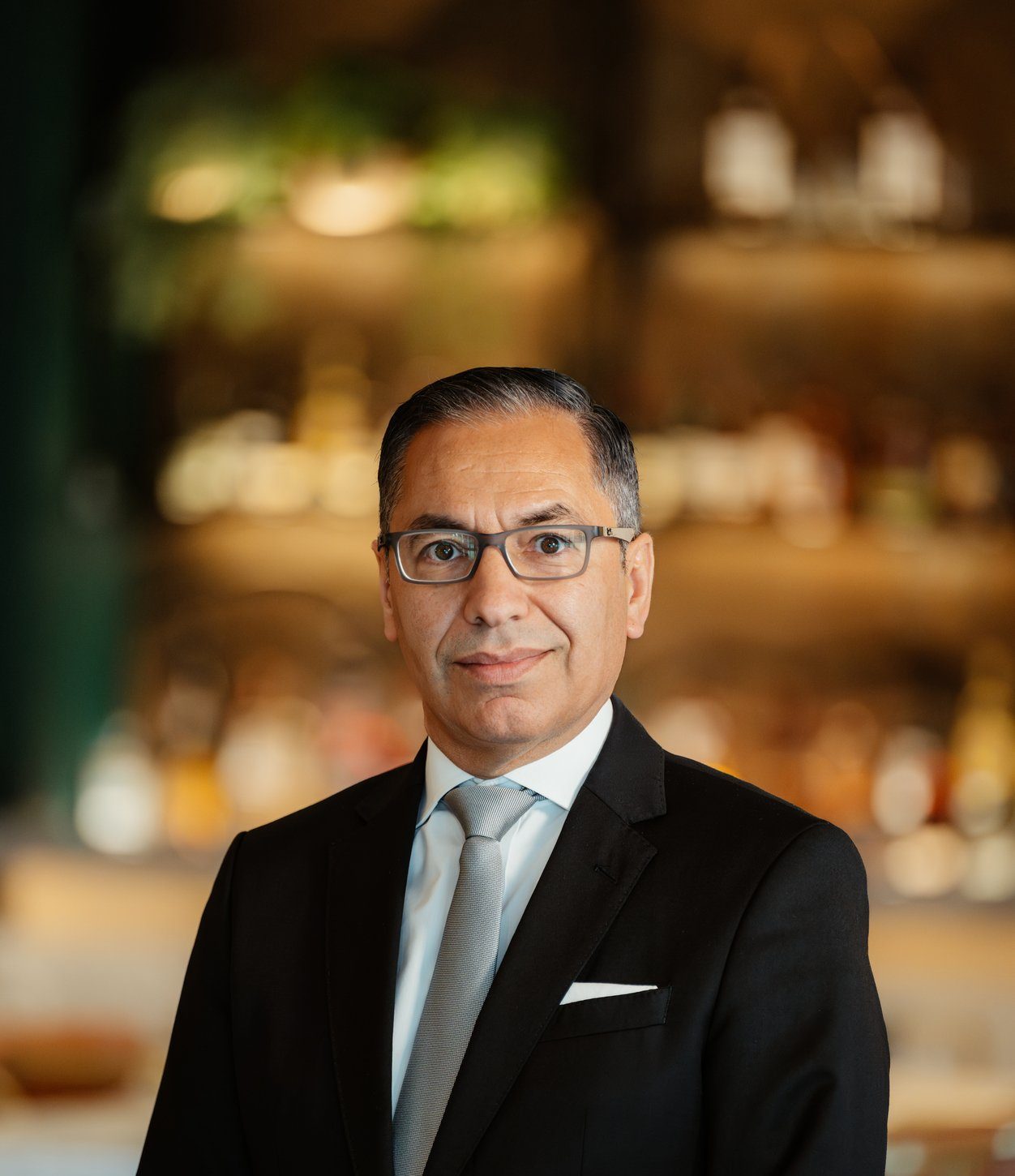
As General Manager of Hyatt Regency London Olympia, Georges Moura is preparing to launch a hotel at the centre of one of London's most ambitious regeneration projects. Drawing on extensive international experience, we spoke with him to discuss creating a people-first culture, building strong community connections and establishing the property as a welcoming hub for visitors and locals alike.
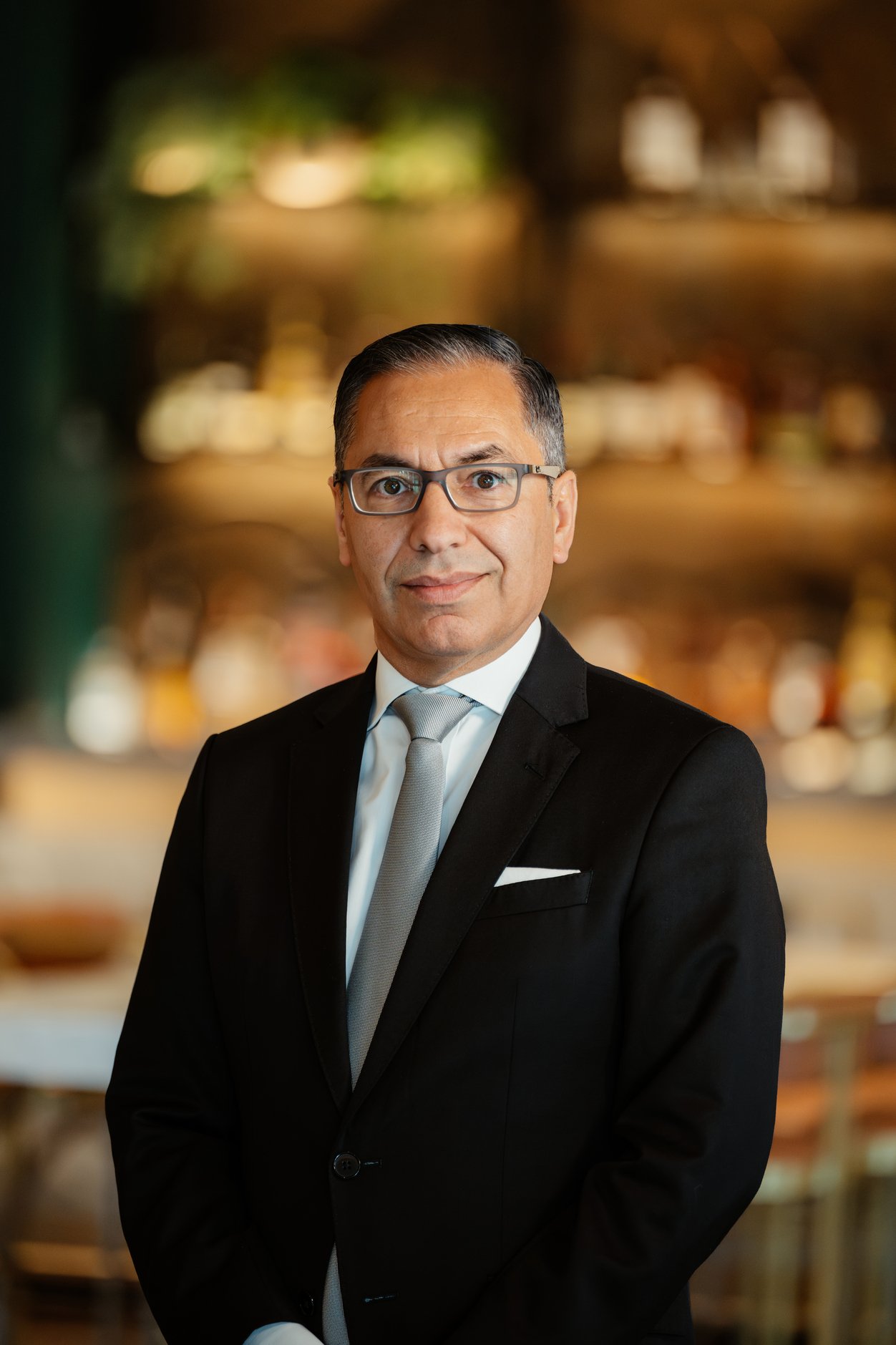
Olympia is undergoing one of London’s most significant regeneration projects in recent years. How do you see Olympia London evolving as a hospitality destination, and what role will Hyatt Regency London Olympia play within that transformation?
Olympia has always had a strong place in London’s story, but the scale of this next chapter is remarkable. It is becoming a true destination, with entertainment, culture, hospitality and business sitting together in a way that feels very relevant to how people want to spend time in the city today.
For Hyatt Regency London Olympia, the opportunity is to be more than a hotel beside major venues. We want to be a warm and trusted base at the heart of the destination. A place people arrive before a concert, a conference, an exhibition or a night in West London, and a place they want to return to because the team made them feel genuinely looked after.
That is the role I see us playing. We will welcome international travelers, event guests, business visitors and local neighbors with the same care. Olympia will bring people together at scale. Our job is to make those moments feel personal.
You’ve led and repositioned hotels across Europe, the UK and North Africa. Which experiences from previous roles have most influenced your vision for Hyatt Regency London Olympia ahead of its opening in 2026?
The biggest lesson I have taken with me is simple. Hotels are built by people.
A good location matters. Design matters. The product matters. But the feeling guests remember almost always comes back to the people they meet and the care they receive. That has shaped how I think about every opening and every repositioning.
For Hyatt Regency London Olympia, my focus is on building a team that believes in the purpose of the hotel before we open the doors. We need colleagues who feel confident, supported and proud of the place they are helping to create. When that culture is strong, guests feel it immediately.
I have also learned the value of listening closely to the destination around you. A hotel should not sit apart. It should understand its neighbors, its partners and its community. Olympia has an incredible mix of venues, restaurants, offices, cultural partners and public spaces. Our success will depend on how well we connect with that wider ecosystem, not just how well we run the building.
The hotel is set to combine contemporary design with flexible food, beverage and meeting spaces. What type of guest experience are you hoping to create, particularly for both international travellers and the local London community?
I want the hotel to feel easy to use and good to spend time in. That sounds simple, but it is very important.
For international travelers, we will offer the reassurance of a Hyatt Regency experience, with the warmth and energy of West London around it. Guests should feel they can arrive, settle quickly, work efficiently, meet people, eat something they enjoy and then step straight into everything Olympia and the surrounding area has to offer.
For the local community, the hotel will feel open and relevant. Not somewhere reserved only for overnight guests. The food, beverage and meeting spaces will give people reasons to come in during the day, meet a colleague, celebrate, host a conversation or pause before an evening event.
The best hotels create a sense of belonging without forcing it. That is what we are aiming for. A place that works well, feels welcoming and gives people a reason to come back.
With the hospitality industry continuing to evolve rapidly, especially in London’s competitive market, what do you believe today’s guests value most, and how is Hyatt Regency London Olympia responding to those expectations?
Today’s guests value ease, but they also value care. They want things to work smoothly, but they do not want the experience to feel cold or anonymous.
Technology has an important role to play. Flexibility matters too. People travel for business, leisure, events and often a mix of all three. Their plans shift. Their expectations are higher. They want spaces that adapt to them, not the other way around.
At Hyatt Regency London Olympia, we are responding with thoughtful design, flexible spaces and a service culture built around attention. The aim is not to overcomplicate the experience. It is to notice what matters to each guest and make their stay feel effortless.
The wider Olympia destination also gives us something very special. Guests will have access to live music, theatre, exhibitions, conferences, restaurants, public spaces and strong transport links. Our role is to help them make the most of that, with a team that cares enough to guide, connect and anticipate.
Opening a hotel as part of a major regeneration scheme comes with both opportunities and challenges. What excites you most about launching the property, and what are your key priorities in the months leading up to opening?
What excites me most is the chance to help shape a new hospitality experience at Olympia right at the beginning of its next chapter. Openings are intense, but they are also very special because you are building the culture, the habits and the standards that will stay with the hotel for years.
I tend to look at challenges as opportunities, part of the learning process. With a project of this scale, you have to stay close to the detail, keep listening and keep adjusting. You test, learn, refine and adapt. That is how strong openings are built.
In the months ahead, my priorities are clear. First, we need to build the right team and create a culture where colleagues feel cared for, prepared and proud. Second, we need to deliver operational excellence, because guests should feel confidence in every part of the experience. Third, we need to build meaningful relationships with the Olympia partners and the local community.
A memorable opening is important, of course. But the real goal is longer term. We want to create a hotel that earns trust, adds value to Olympia and becomes a place people are genuinely happy to return to.
Henrik Muehle
Henrik Muehle, Managing Director of Flemings Mayfair, discusses accountability, consistency and the realities of modern hospitality leadership - as well as why discipline, authenticity and community responsibility remain at the heart of everything he does.
At the helm of Flemings Mayfair, one of London’s most distinguished luxury hotels, Henrik Muehle is a hotelier who values discipline, clarity and consistency above all else. As Managing Director, his leadership style is direct and uncompromising, shaped by decades in hospitality and a belief that great hotels are built not on gimmicks, but on delivering the basics exceptionally well - every single day.
Unlike many industry leaders who found their way into hospitality by chance, Henrik said there was never another path for him. “There was no alternative path. I started in hospitality and stayed in it,” he explained. “What has kept me in this industry is its clarity and accountability. You either deliver or you don’t, and the results are always visible. There is nowhere to hide.”
That sense of accountability became embedded in his leadership philosophy early in his career, after recognising that guests never experience a hotel in isolated departments. Instead, every interaction contributes to one seamless impression. “Guests don’t experience a hotel in parts. They experience one thing,” Henrik said. “Something goes wrong in one area and the impact shows up somewhere else. That’s when it becomes clear there are no silos from a guest point of view.”
It was a lesson that fundamentally changed the way he approached operations and management. “You stop managing departments and start managing the outcome,” he added. “If the experience breaks anywhere, it all breaks. That stays with you.”
Today, Henrik sees his role at Flemings Mayfair as being far more about direction than micromanagement. His focus is on maintaining standards, preserving the hotel’s identity and ensuring consistency across every touchpoint. “Control and direction. That’s it,” he said. “I’m not there to get involved in everything, I’m there to make sure everything is done properly and stays consistent. The key is clarity and if you’re not clear on what the hotel is, it drifts. That’s what I don’t allow.”
In an industry often driven by trends and reinvention, Henrik remains steadfastly focused on operational excellence. For him, hospitality is compelling because of its immediacy and transparency. “It’s a results business,” he explained. “Immediate. You make a decision and you see the consequence straight away - good or bad. That level of accountability is rare, it forces focus and there’s no room for excuses.”
Looking ahead, Henrik’s vision for both Flemings and the wider business is rooted in simplicity and authenticity. Alongside Flemings, the group’s sister property, Down Hall Hotel, plays a central role in that strategy through its two-acre eco-friendly kitchen garden, which supplies produce to both Flemings and Ormer Mayfair.
“No distractions and no unnecessary reinvention,” Henrik said. “Flemings is about doing the basics properly and doing them every day; consistency is the strategy.”
He believes this direct connection between production and plate keeps the operation grounded and transparent for guests. “The two-acre eco-friendly kitchen garden is not a concept, it’s production,” he explained. “It feeds Flemings and it feeds Ormer Mayfair. That removes anything artificial from the operation. It keeps it real. Guests see that immediately.”
For Henrik, the future is about scaling that disciplined approach without losing its integrity. “Keep building hotels that are stable, disciplined and commercially strong,” he said. “What hasn’t been done yet is scaling that approach further without compromising it. That’s the focus.”
Beyond hotel operations, Henrik is also deeply committed to charitable and community initiatives across London. His approach to philanthropy mirrors the same practical, results-oriented mindset that defines his leadership style. “It’s responsibility,” he said. “If you run a hotel in London, you’re part of the city, you don’t sit outside of it.”
His charitable work focuses particularly on homelessness, food insecurity and creating opportunities for those often excluded from them. Flemings’ partnership with Charity Begins at Home sees chefs at Ormer Mayfair prepare more than 60 hot meals every week for vulnerable people across the capital.
“We are proud and committed to supporting local communities and those less fortunate,” Henrik said. “That isn’t branding, it’s how we operate.”
The hotel also holds the Positive Luxury Butterfly Mark accreditation, recognising its work across sustainability, sourcing, waste reduction and people practices. But for Henrik, recognition alone is never the goal. “What matters is what sits behind it,” he said. “Standards, not statements.”
Another initiative close to his heart is the CEO Sleepout, which raises awareness and funds for homelessness charities by having business leaders spend a night sleeping rough. Henrik has participated for five consecutive years and raised more than £120,000 to date.
“It’s not symbolic,” he said. “It’s a reminder of what the issue actually looks like on the cold concrete ground.”
Ultimately, whether inside the hotel or beyond its walls, Henrik believes the same principles must always apply. “If you expect discipline inside the hotel,” he concluded, “it has to exist outside it as well.”

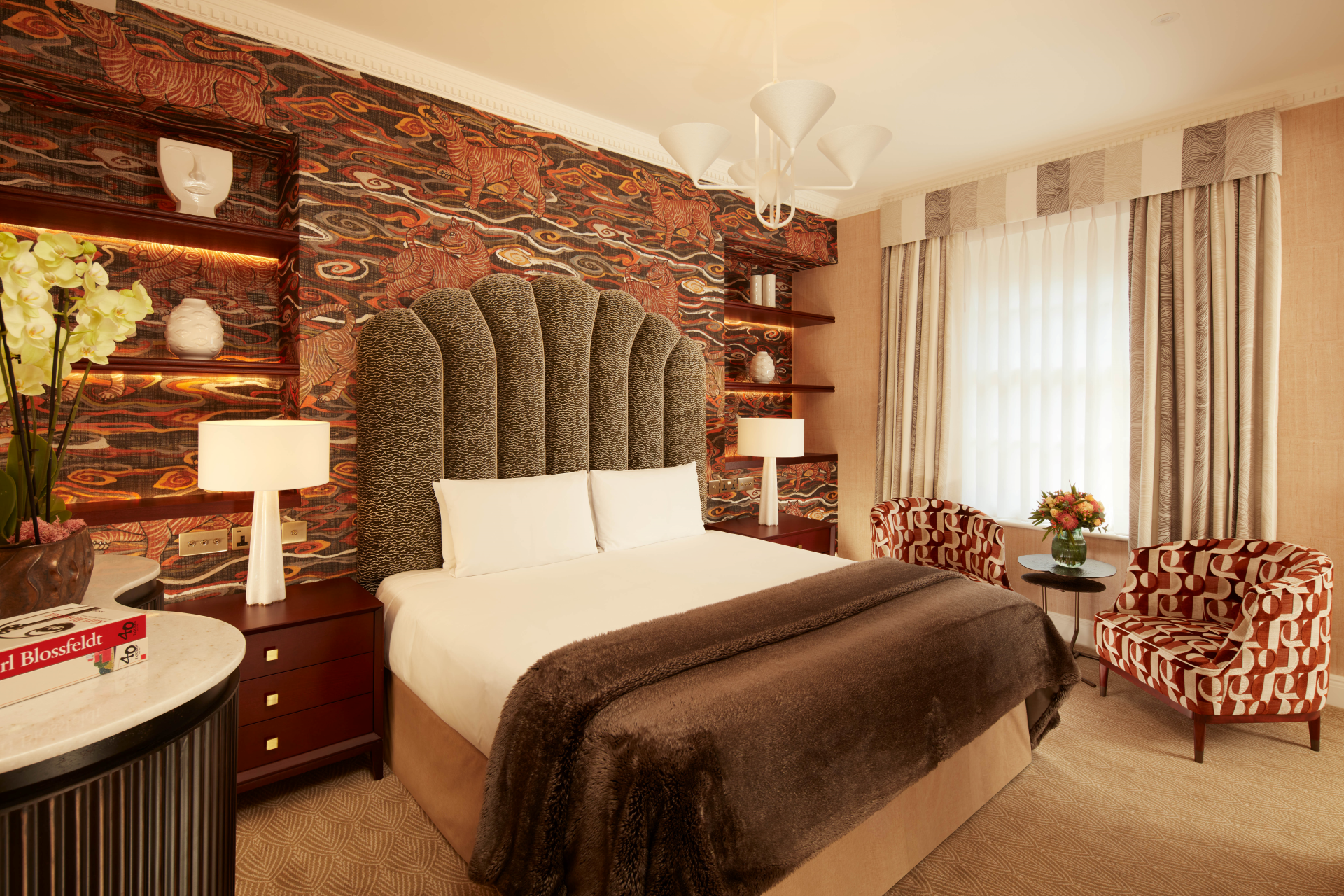
Building on Bankside
As Hilton London Bankside unveils a 76-room extension, we spoke with General Manager, Raoul de Souza, to explore the leadership that outlines how design, wellness, and sustainability are reshaping the guest experience - while strengthening the property’s position as a major player in London’s meetings and events landscape.
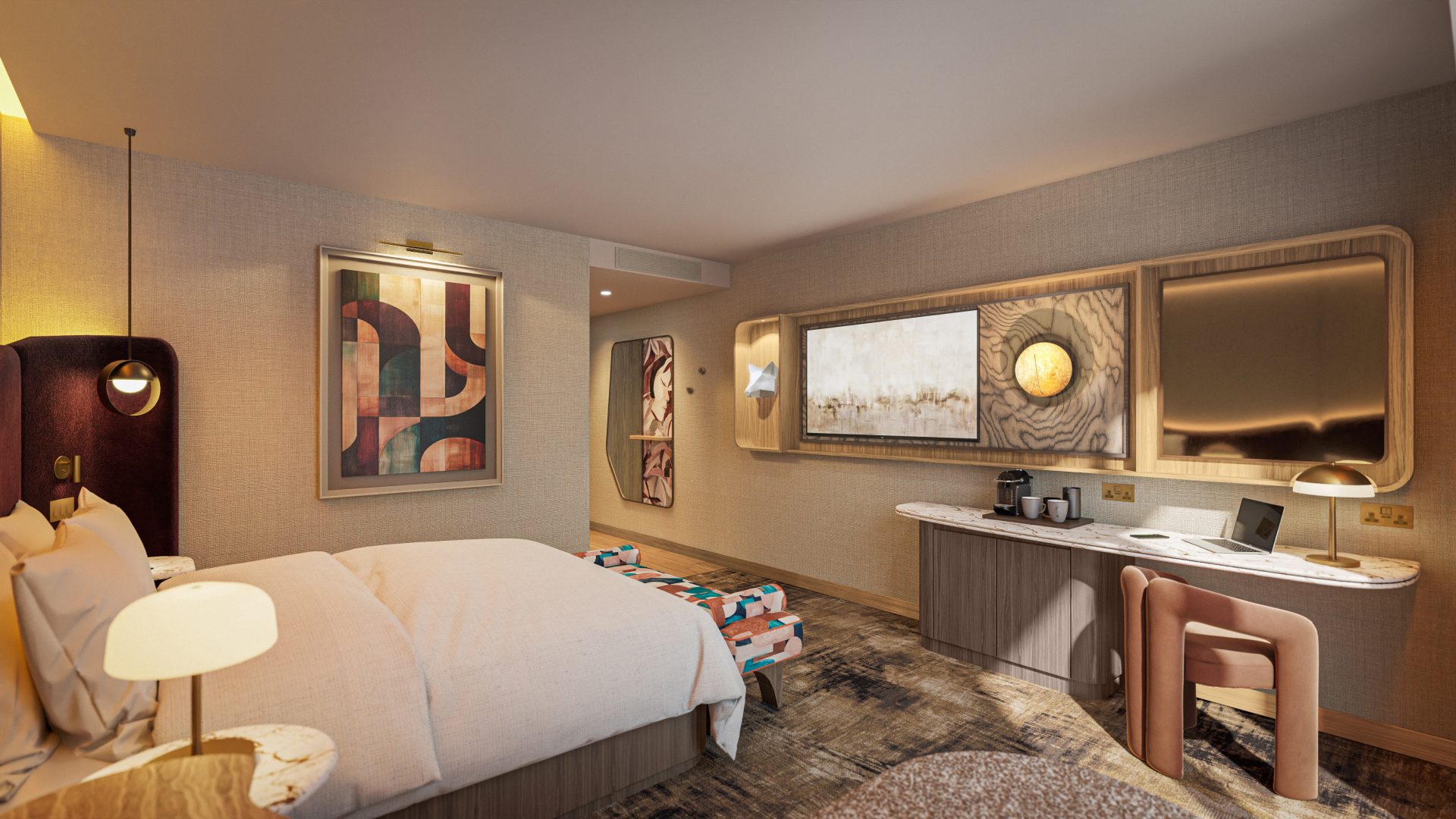
Hilton London Bankside has long positioned itself as a design-led, culturally connected hotel - how does the new 76-room extension build on that identity and further reflect the creative energy of the Bankside neighbourhood?
The 76-room extension has been thoughtfully designed to build on our identity as a design-led, culturally connected hotel, drawing strong inspiration from the vibrant creative community that defines Bankside. The interiors reflect the area’s industrial heritage alongside its contemporary artistic energy, incorporating bold design elements and carefully curated finishes. This ensures the extension feels like a natural evolution of the hotel, while continuing to celebrate the neighbourhood’s dynamic cultural landscape.
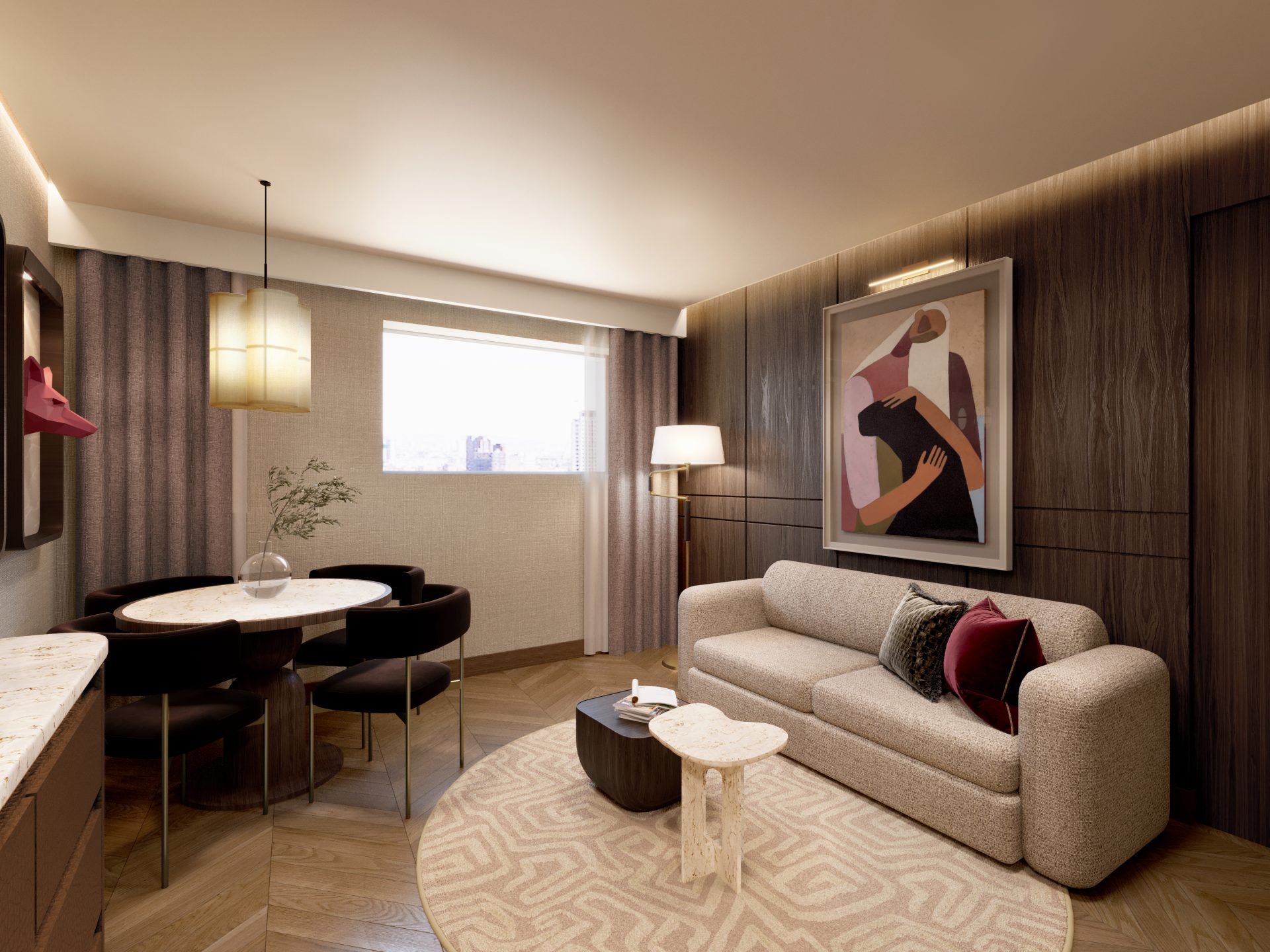
The expansion introduces 12 new room and suite categories, including wellness-focused and family-friendly options - how do these additions respond to evolving guest expectations in both leisure and business travel?
Today’s travellers are seeking more personalised and flexible experiences, whether travelling for business or leisure. The introduction of 12 new room and suite categories allows us to better cater to these evolving expectations, from wellness-focused rooms that support health and wellbeing, to spacious family-friendly options designed for comfort and convenience. This variety enables us to offer tailored stays that meet the needs of modern guests, whether they are visiting for a short business trip, an extended stay, or a family getaway.
From Peloton-equipped rooms to suites with private wellness zones and skyline views, the new offering is notably experience-driven - how important is experiential design in differentiating the venue within London’s competitive meetings and events market?
Experiential design is increasingly important in setting venues apart, particularly in a competitive market like London. Guests are no longer just looking for a place to stay or meet, they are seeking memorable, meaningful experiences. By integrating features such as Peloton-equipped rooms, private wellness zones, and striking skyline views, we are able to offer something truly distinctive. This enhances not only the guest stay, but also the overall event experience, helping organisers create more engaging and impactful programmes.
Sustainability continues to be a key focus for the property - how has the extension allowed you to push this agenda further, and what should event planners and guests understand about your environmental commitments?
Sustainability remains central to our operations, and the extension has provided an opportunity to further embed environmentally conscious practices throughout the property. From energy-efficient systems and responsible sourcing of materials to waste reduction initiatives, every aspect has been considered with sustainability in mind. Event planners and guests can be confident that we are committed to reducing our environmental impact while maintaining the highest standards of service and experience.
With increased capacity and enhanced accommodation, how does the expansion strengthen Hilton London Bankside’s appeal as a venue for large-scale events, conferences, and group stays in the capital?
The expansion significantly enhances our ability to host large-scale events, conferences, and group stays by increasing both our accommodation capacity and the diversity of our offering. With more rooms, including a wider range of categories, we can accommodate larger groups while providing a more tailored experience for delegates and organisers. This strengthens our position as a leading venue in London, offering the scale, flexibility, and quality required to deliver seamless and impactful events.
@hiltonbankside
The Power of Personality
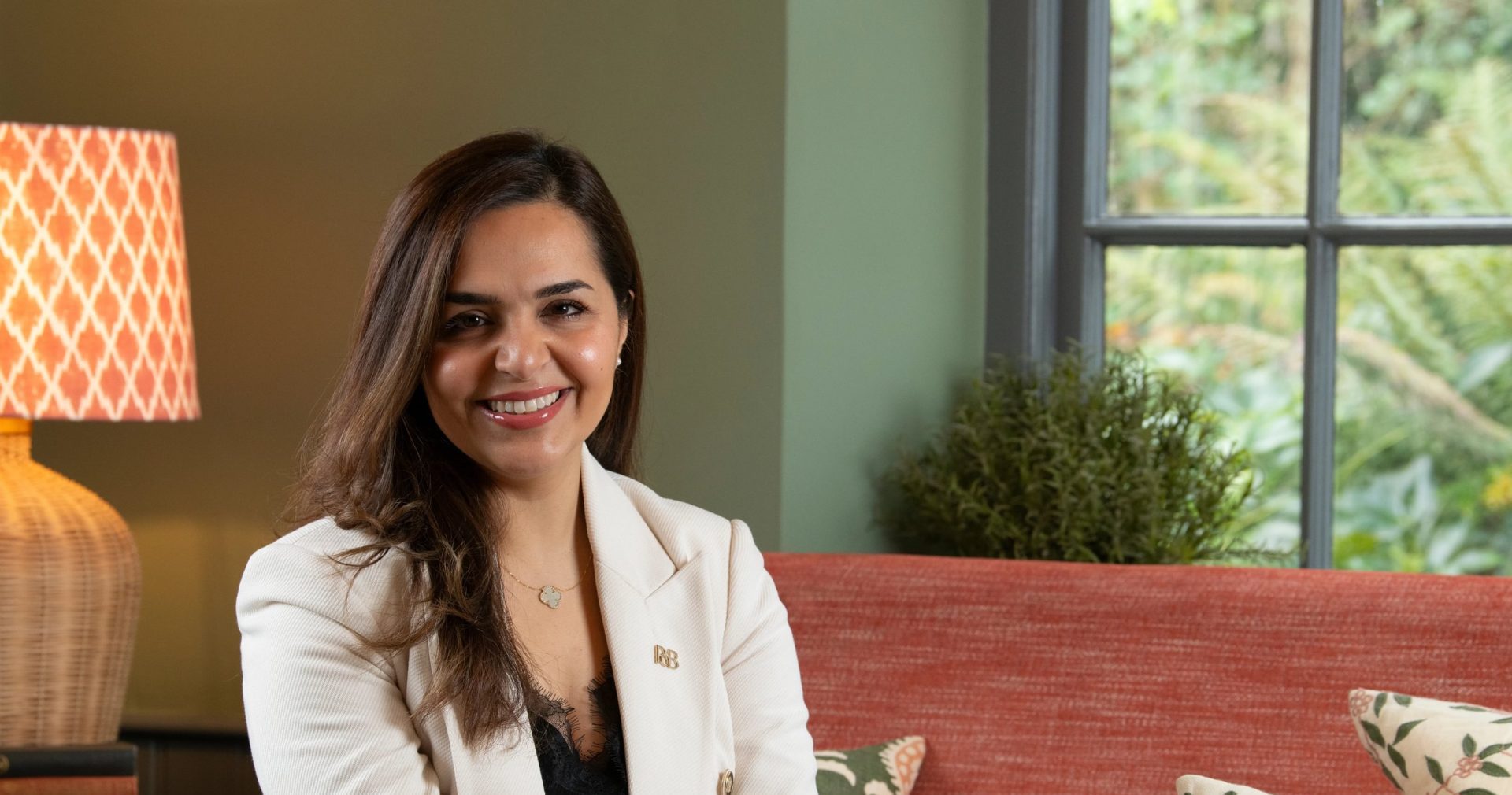
As CEO of PoB Hotels, Kalindi Juneja is championing a collection of independently owned luxury properties at a time of profound change in hospitality. From shifting guest expectations and rising operational pressures to the growing dominance of global brands, she explains why authenticity, agility and collaboration have become the defining strengths of independent hotels, and how PoB is helping its members not only adapt, but thrive in a rapidly evolving luxury landscape.
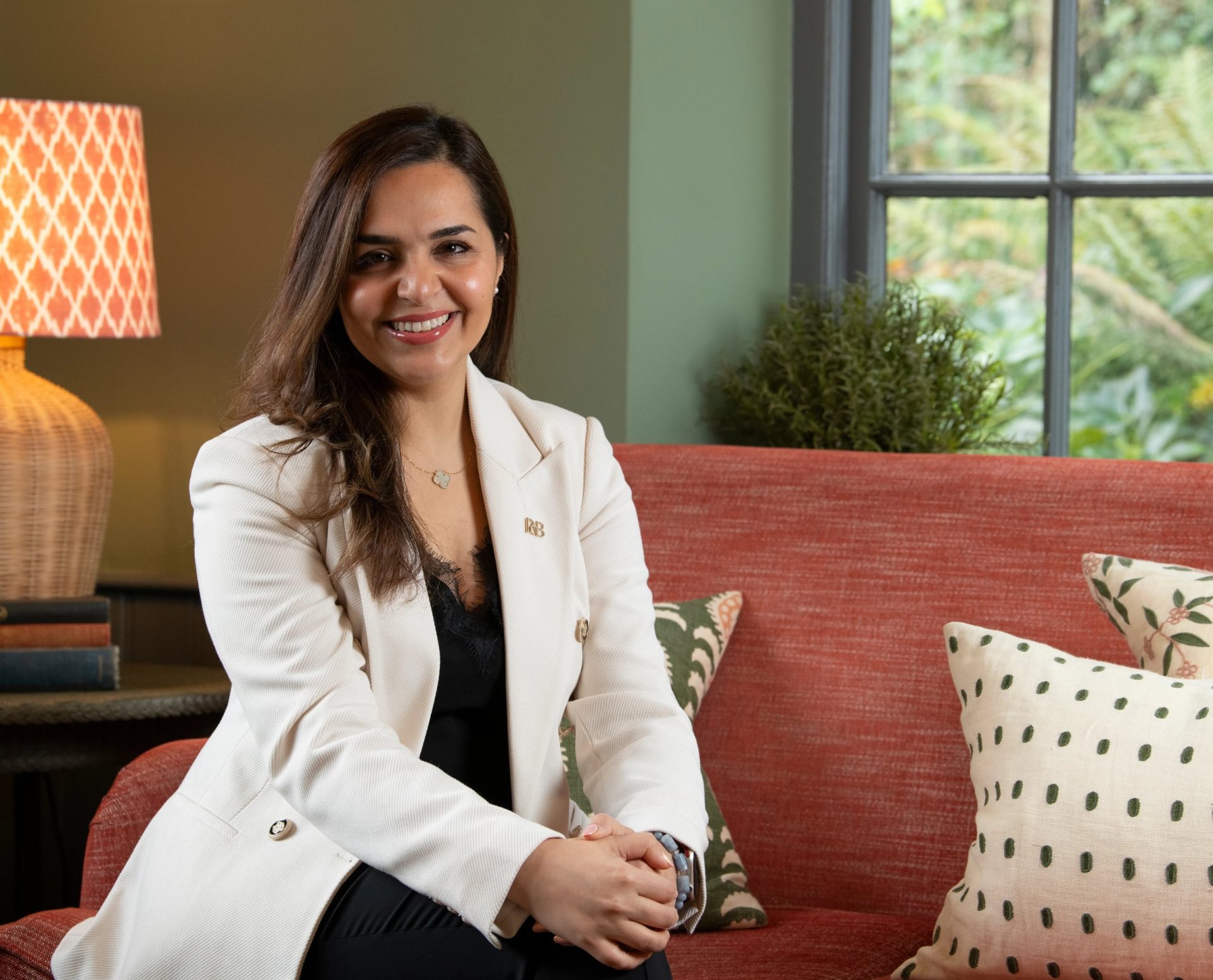
You lead a distinguished collection of independent luxury properties across the UK. How would you describe your role as CEO of PoB Hotels today - and how has it evolved as the expectations of luxury travellers continue to shift?
My role as CEO of PoB Hotels has evolved considerably over the past few years. At its heart, it remains about championing a remarkable collection of independently owned hotels and ensuring they thrive collectively while retaining their individuality. But the landscape in which we operate has become far more dynamic. Today, luxury travellers are looking for something deeper than simply beautiful accommodation. They are seeking meaningful experiences, strong connections to place, thoughtful sustainability and genuine service. My role therefore increasingly sits at the intersection of brand stewardship, strategic direction and collaboration, ensuring we are constantly evolving the proposition for modern travellers, while protecting what makes independent hotels so special. It also means helping our members navigate change, whether that is in technology, distribution, sustainability or guest expectations. In many ways, the role has become as much about guiding collective progress (through initiatives like our whitepaper) as it is about representing the brand.
The current hotel landscape is marked by economic uncertainty, rising operating costs and changing guest behaviours. What do you see as the most pressing challenges facing independent hoteliers right now, and how is PoB Hotels supporting its members through them?
The challenges facing independent hoteliers today are significant. Rising operating costs, particularly around labour, energy and supply chains, are putting real pressure on margins. At the same time, guest booking behaviour has shifted dramatically, with much shorter booking windows and an increased expectation for flexibility and value. Independent hotels also have to compete in a marketplace increasingly dominated by global brands and large distribution platforms. That is where a consortium such as PoB Hotels can play an important role. Our focus is on supporting members through strong collective marketing, meaningful partnerships and shared insights. We invest heavily in brand storytelling, media relationships and digital marketing to drive demand directly to our hotels. At the same time, we facilitate collaboration and knowledge sharing between members, because one of the great strengths of our collection is the willingness of hoteliers to learn from one another.
Ultimately, our aim is to ensure that independent hotels remain commercially strong while continuing to deliver the exceptional experiences that guests expect.
With such a diverse and geographically spread portfolio, how do you balance maintaining a cohesive brand identity while preserving the individuality that defines each property?
That balance is central to the philosophy of PoB Hotels. Our brand is built on the idea that true luxury today is about character and individuality rather than uniformity. Each of our hotels has its own story, history and personality, from grand country houses and coastal retreats to city townhouses. Our role is not to standardise those experiences but to curate them under a shared set of values. We focus on a few core pillars that unite the collection: exceptional hospitality, strong sense of place, independent ownership and a commitment to quality. Within that framework, each hotel is free to express its own identity. In fact, it is this diversity that makes the collection compelling for travellers. Guests can move from one PoB hotel to another and enjoy a completely different experience each time, while still having confidence in the level of quality and service they will receive.
In a market increasingly influenced by global brands and consolidation, what do you believe is the enduring competitive advantage of independently owned luxury hotels - and how should hoteliers be leaning into that advantage?
The great strength of independently owned hotels is personality. Unlike large global brands, independent hotels have the freedom to reflect the character of their owners, the heritage of their buildings and the culture of their surroundings. That authenticity resonates strongly with modern luxury travellers, who increasingly seek experiences that feel personal, distinctive and rooted in place. Independent hotels can also be incredibly agile. They can innovate more quickly, respond to guest feedback in real time and create experiences that feel genuinely bespoke. My advice to hoteliers is to lean into those strengths rather than trying to replicate the model of larger chains. Celebrate your individuality, invest in storytelling and create experiences that guests simply cannot find anywhere else. When done well, that personality becomes a powerful competitive advantage.
On a personal level, what leadership lessons have shaped your approach to steering a large portfolio of properties, and what advice would you offer to hoteliers aspiring to lead collections or multi-property operations in today’s climate?
One of the most important lessons I have learned is the value of listening. When you work with a collection of independent hoteliers, each property has its own perspective, challenges and ambitions. Taking the time to understand those viewpoints is essential in building trust and alignment. Another lesson is the importance of clarity of purpose. A brand or collection must stand for something meaningful, otherwise it becomes very difficult to unite people behind a common vision. Finally, I believe strongly in collaboration. The hospitality industry is incredibly generous in its willingness to share knowledge and support one another, and that spirit of collaboration is one of the reasons PoB Hotels has remained so strong. For anyone aspiring to lead a collection, we must remain curious, adaptable and focused on the long term.
A New Era
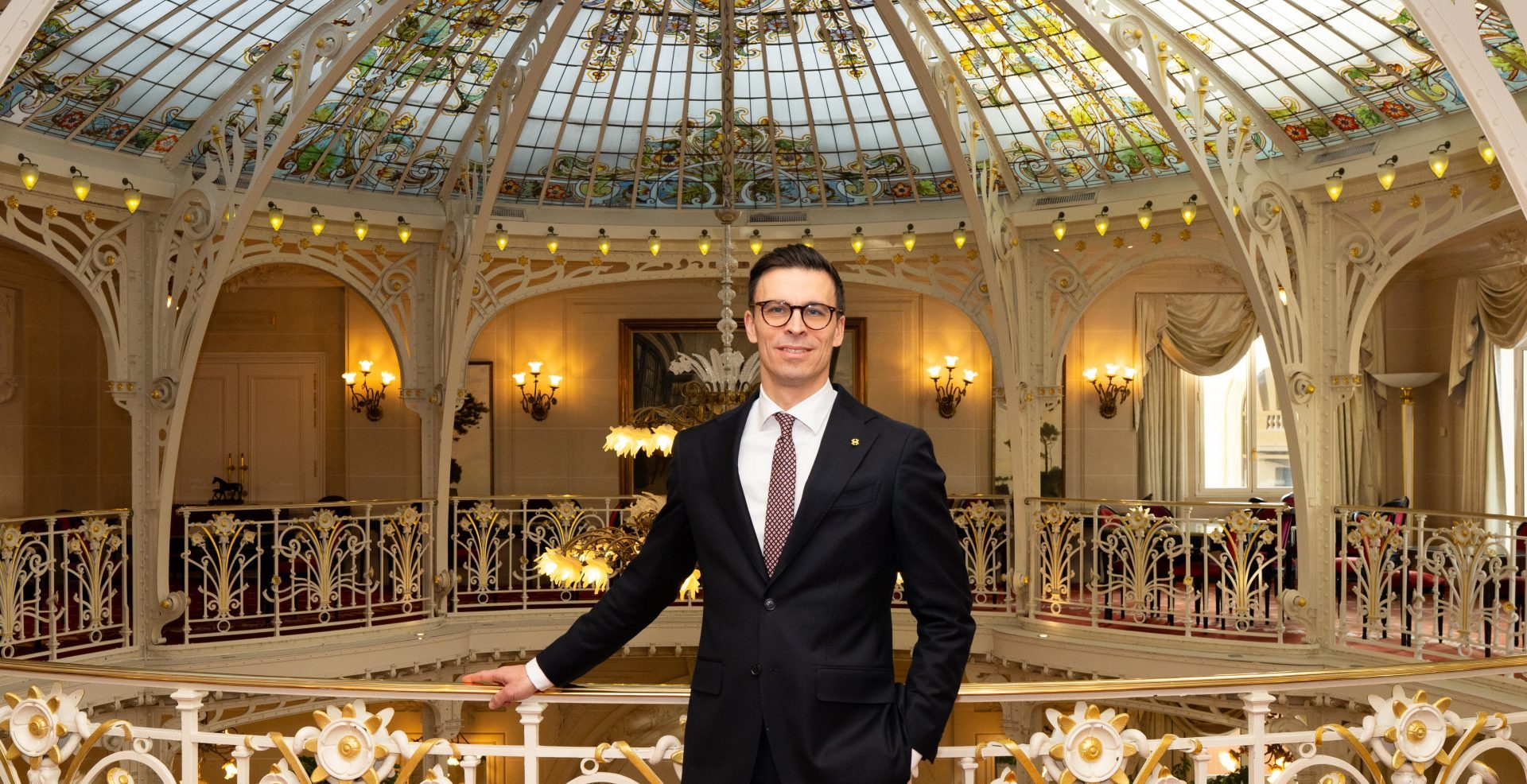
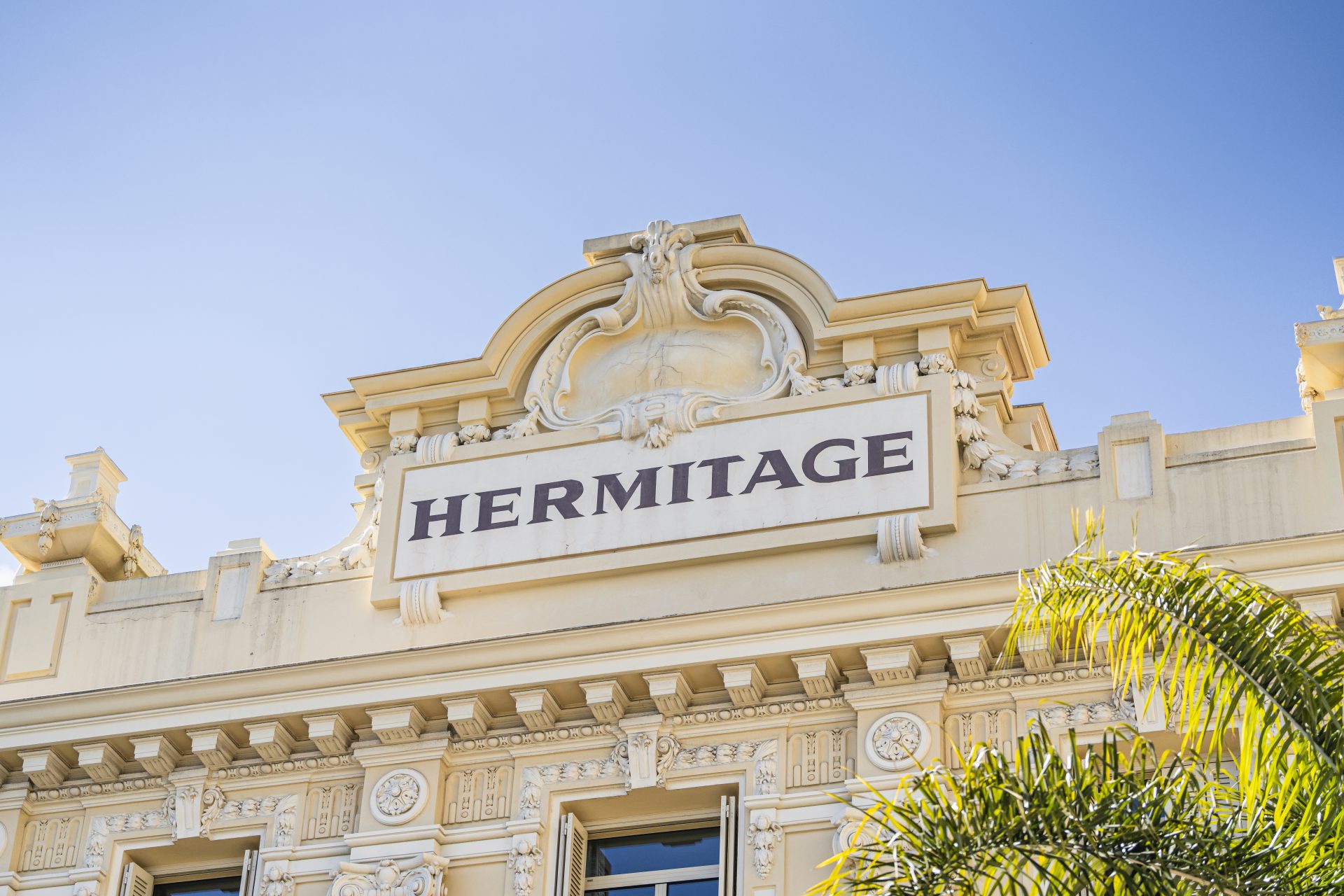
Newly appointed General Manager Guillaume Ranvier outlines a disciplined vision for Hôtel Hermitage Monte-Carlo - one that balances meticulous restoration with modern luxury, redefines its “House of Connoisseurs” identity, and positions the Belle Époque landmark for a new generation of global tastemakers.
You take on this role as Hôtel Hermitage Monte-Carlo enters a new phase of transformation. What is your vision for balancing thoughtful renovation with preserving the hotel’s Belle Époque soul and status as a “House of Connoisseurs”?
Taking the helm of the Hôtel Hermitage Monte-Carlo at this moment of transformation is both a strategic and cultural responsibility. This property is not simply a luxury hotel; it is a Belle Époque landmark and a reference point for European grand hospitality. My vision is disciplined: restore, refine, and future-proof.
We will preserve the architectural DNA, the volumes, the light, the historic details, the iconic Eiffel-designed glass dome, while integrating contemporary comfort standards expected by today’s ultra-high, net-worth travelers. Renovation here is not about aesthetic disruption. It is about elevating the experience of our guests.
The “House of Connoisseurs” positioning remains central. Our guests are highly knowledgeable; they value authenticity over ostentation. The transformation must therefore enhance subtlety, craftsmanship and discretion - not replace them.
Your career has spanned major renovations and repositioning projects, from Park Hyatt Paris-Vendôme to Hyatt Regency Nice Palais de la Méditerranée. Which past experience will most directly influence how you approach the upcoming new suites and the launch of Bar Gustave?
At Park Hyatt Paris–Vendôme, I learned that during renovation, commercial clarity is as important as design excellence. Every suite category must have a clear market purpose: the new suites will be residential in feel, generous in scale, and designed for extended stays and privacy, a key demand driver in Monaco.
At Hyatt Regency Nice Palais de la Méditerranée, repositioning required us to activate F&B as a destination. That experience directly informs the launch of our brand new upcoming cocktail bar: Bar Gustave. Strong mixology identity and a defined narrative connected to Monaco’s heritage.
In both cases, the lesson is simple: renovation must translate into measurable repositioning, not cosmetic change.
Team culture and wellbeing are highlighted as central to your leadership style. How do you plan to engage and inspire the long-standing teams at Hôtel Hermitage Monte-Carlo while leading the property into its next chapter?
The Hôtel Hermitage Monte-Carlo benefits from extraordinary employee loyalty. Some team members have been here for decades. That continuity is a competitive advantage, but only if we invest in it.
My approach is structured around three pillars: transparency, skill elevation and wellbeing as performance strategy.
When teams understand the vision and see their role within it, engagement follows naturally.
The hotel has a strong gastronomic identity, with venues such as Pavyllon Monte-Carlo by Yannick Alléno and L’Abysse Monte-Carlo. How do you see gastronomy contributing to the hotel’s overall guest experience and international appeal under your leadership?
At Hotel Hermitage Monte-Carlo, gastronomy is a signature. With Pavyllon Monte-Carlo by Yannick Alléno and L’Abysse Monte-Carlo, the hotel already operates at a Michelin-recognized level, with a total of 3 Michelin stars.
Fine dining must permeate the entire guest journey: breakfast refinement, in-suite dining precision, event gastronomy, curated wine experiences, chef-led storytelling. International visibility increasingly depends on culinary reputation. Global travelers often select destinations based on dining credentials.
By aligning culinary excellence with our residential luxury positioning, we reinforce the Hermitage as a destination in itself - not merely accommodation within Monaco.
As part of the Monte-Carlo Société des Bains de Mer resort, how will you ensure Hôtel Hermitage Monte-Carlo continues to stand apart while contributing to the broader “Grand Art de Vivre Monte-Carlo” vision championed by the Group?
Being part of Monte-Carlo Société des Bains de Mer is a strategic asset. The Group’s ecosystem - gaming, entertainment, gastronomy, retail - strengthens international appeal.
However, differentiation is essential. Within the portfolio, the Hotel Hermitage Monte-Carlo represents intimacy, discretion, and cultivated elegance. Where other properties express glamour and glitz, we embody serenity and refinement.
Our contribution to the “Grand Art de Vivre Monte-Carlo” lies in contrast. We offer the quiet counterpart to Monaco’s vibrancy - a sanctuary with intellectual depth and historic gravitas.
In practical terms, this means: curated cross-property experiences for guests, shared loyalty and data strategy across the resort, clear narrative positioning in international markets.
The Hôtel Hermitage Monte-Carlo will evolve - but it will remain what it has always been at its best: a discreet icon for those who know.
montecarlosbm.com
Ian Taylor
With a deliberately small portfolio and a philosophy rooted in individuality, Ian Taylor is redefining what “boutique” really means. From heritage-led design to people-first hospitality, he explains how Kaleidoscope Hotels is building characterful stays that genuinely break from the ordinary.
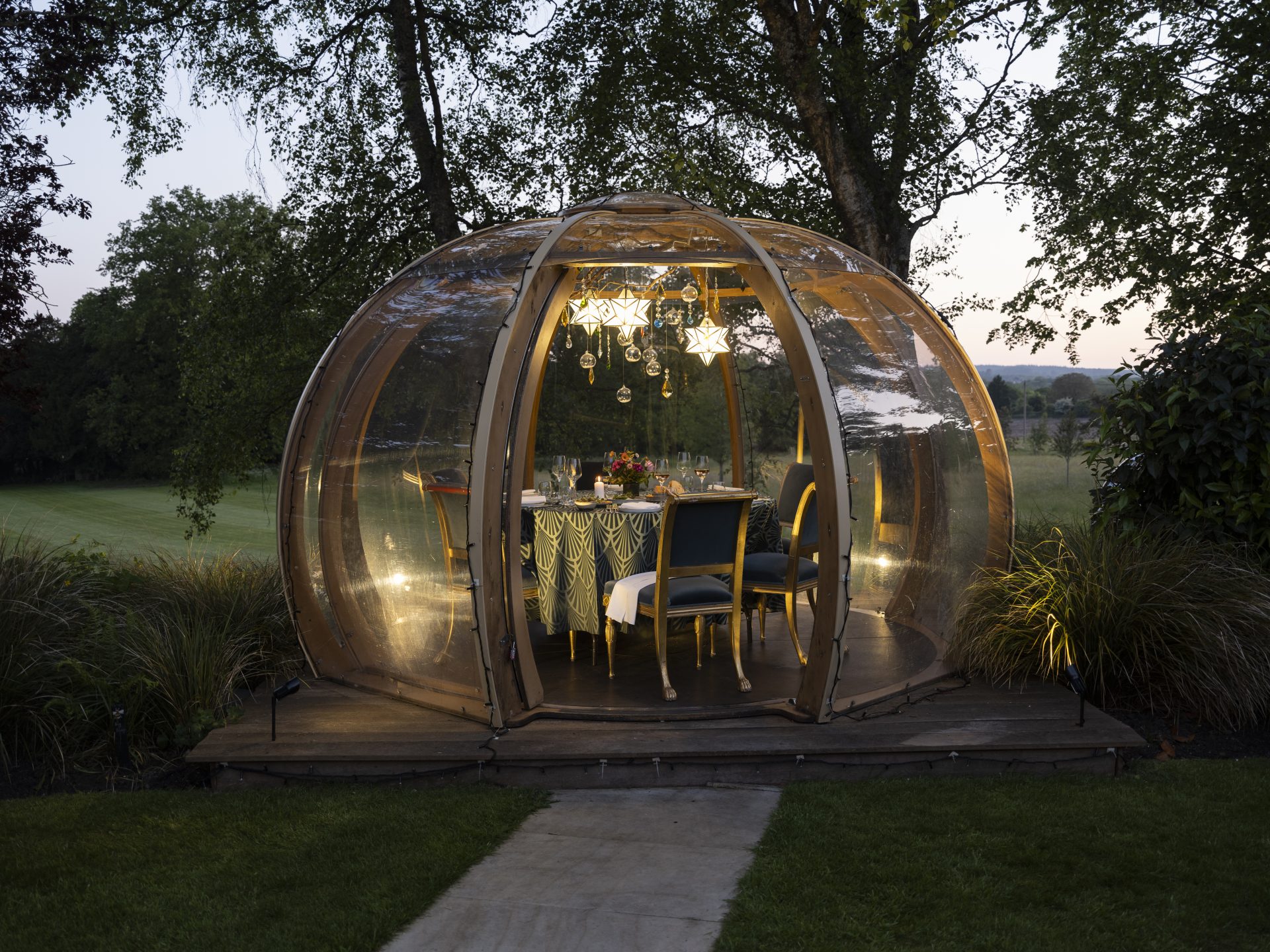
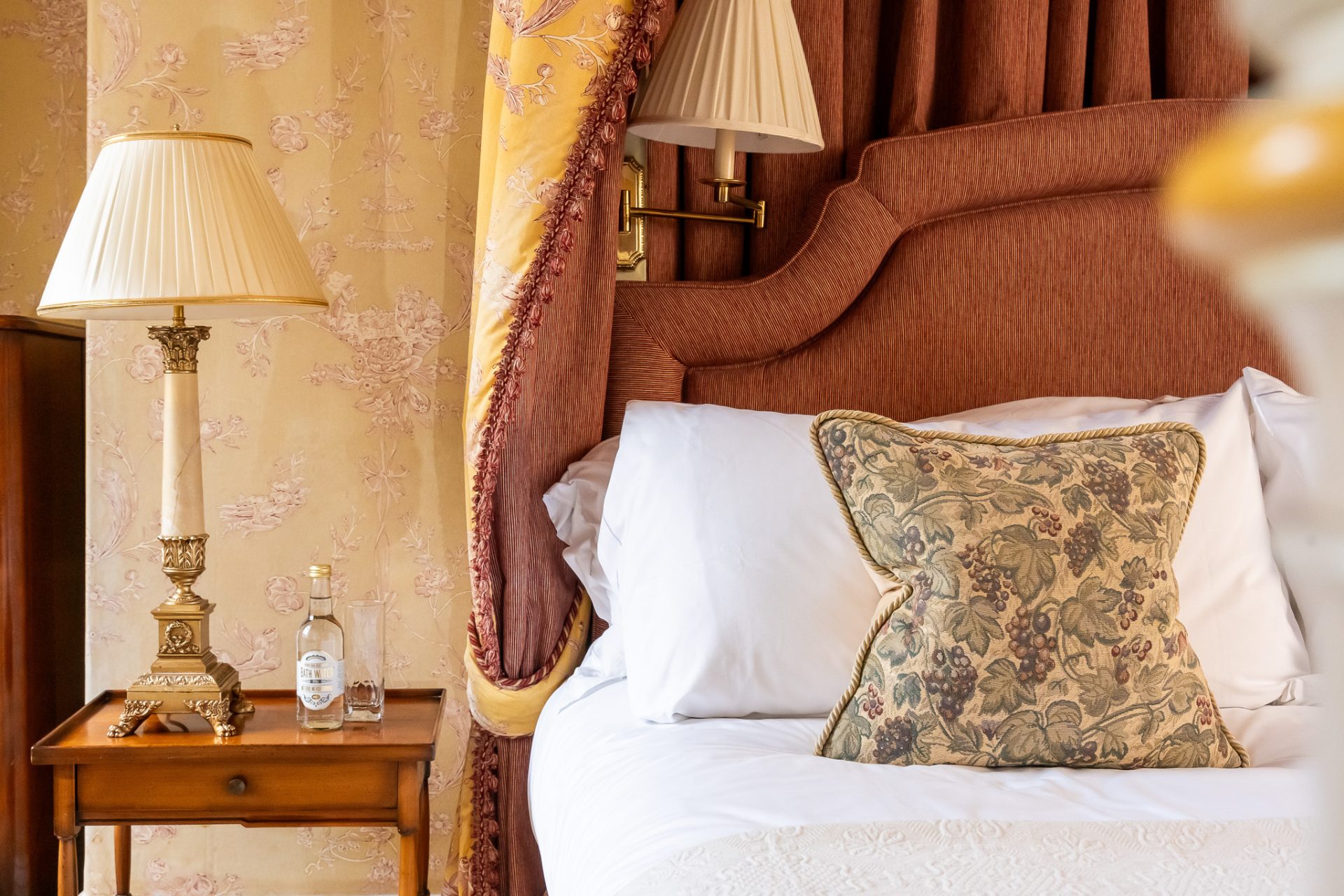
After years in the corporate hotel world, Ian Taylor felt something was missing. Alongside wife and co-founder Christa, he set out to create a different kind of hospitality brand, one that prioritised personality over polish and authenticity over uniformity. The result was Kaleidoscope Hotels, a collection that now includes Homewood Hotel & Spa, Bishopstrow Hotel & Spa, Dukes Bath and The Bird.
“Following a successful career in the corporate hotel world, Christa and I saw the opportunity to do things differently,”
“We founded Kaleidoscope Hotels with the view of creating spaces with real individual personalities that felt genuinely lived in.”
That sense of individuality, Ian explained, goes far deeper than interiors.
“Beyond an eclectic and colourful design, our hotels… are wholly individual. This individuality goes beyond design. It’s embedded in how we run the business and how our teams show up every day.”
“We actively encourage our people to bring their own personalities to work, because that’s what ultimately shapes the guest experience and makes each stay feel different,” he said, adding: “I’ve always been a people person so for me, a career in hospitality was a no brainer. Our team means everything to us as people are at the heart of true hospitality.”
That ethos feeds directly into Kaleidoscope’s positioning as offering “a break from the ordinary” - a phrase that could easily blur into industry cliché were it not backed by a clear philosophy. In a crowded boutique market, Ian is keen to distinguish substance from style.
“The phrase ‘boutique’ has certainly become widely used in our industry,” he reflected. “It’s amazing that more individual businesses have been able to shine under this umbrella but equally it can lose its meaning.”
For Kaleidoscope, personality isn’t something layered on at the end. “It can’t simply be added at the end of the design process. It has to start with the hotel and the people behind it,”
“Our process involved spending time understanding the character of the building, as well as the local culture and history surrounding each property and built the hotel experience around that.”
Authenticity, he argued, is what guests respond to most. “Ultimately, personality stems from authenticity. Guests feel the energy immediately. This is what we mean by offering ‘a break from the ordinary’. Rather than just hopping on the ‘boutique’ trend, we create stays that are full of character and true to their heritage.”
That commitment to individuality is one reason Kaleidoscope has resisted rapid expansion. Instead, the group has adopted what Ian calls a “small but mighty” approach - one that prioritises depth over scale.
“We’ve always been deliberate about keeping our portfolio small, allowing us to protect what makes each hotel so special in line with our individual approach,” he explained. “Because we’re ‘small but mighty’, we can be more hands on and creative across all areas and focus on evolving the properties.”
That evolution includes significant investment. “For example, we’re investing in a £2.5M luxury spa refurbishment at Bishopstrow which we’re excited to open this summer,” he added - evidence that growth, for Kaleidoscope, is as much about enhancement as expansion.
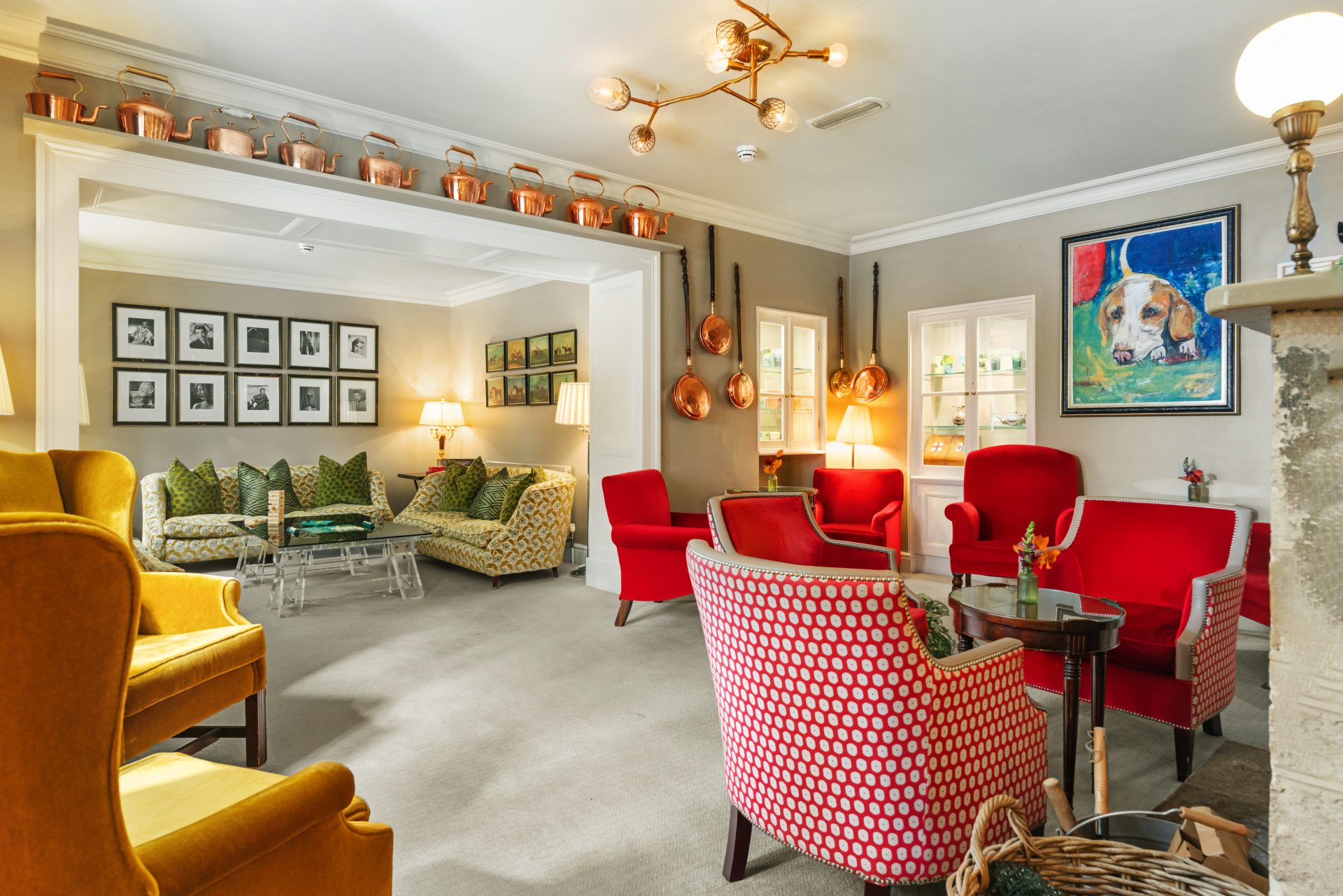
Working with heritage properties presents its own challenges, particularly when balancing preservation with modern expectations. It’s an area where Ian believes restraint is key.
“Working with heritage buildings is always a fine balance of respecting the historical integrity of the building while incorporating thoughtful, modern design in a natural way,”
Across the portfolio, from city-centre Bath properties to countryside spa retreats, guest motivations may differ, but Ian insists there is a unifying thread.
“While each hotel has its own identity, they share a sense of personality and warmth,” he explained. “They’re further connected by how our teams bring them to life through a relaxed approach to hospitality.”
Looking ahead, growth remains a possibility - but only on Kaleidoscope’s terms.
“Growth is something we’re open to but only if it feels right,” Ian said. “Our priority is to continue deepening what we already have. If we ever did expand, any new addition would need to bring its own character to align with the bold Kaleidoscope Hotels aesthetic.”
In an industry often driven by scale and standardisation, Kaleidoscope Hotels is taking a different path - one where individuality isn’t just a design choice, but a defining principle.