


AMEX GBT ACCELERATES HOTEL SOURCING CYCLE WITH AGENTIC AI
Hotel Lobby automates the data-intensive work, so teams can focus on strategy and negotiation to improve savings and program performance
American Express Global Business Travel (Amex GBT), a leading software and services company for travel, expense, and meetings & events, today announced the launch of Hotel Lobby, an agentic AI capability within its hotel sourcing consulting service. It is designed to shorten sourcing cycles and support continuous, year-round program optimization.
Hotel Lobby uses specialized AI agents for coverage, negotiation, and sourcing that can help automate time-intensive tasks including data cleansing, wish rate calculation, and RFP validation. Unlike conversational AI copilots that simply respond to questions, the multi-agent system automates the sourcing workflow, freeing our team to focus on the moments where human judgment makes the real difference. It draws on negotiated rate benchmarks across thousands of global properties, supplier performance metrics from more than $5 billion in managed hotel spend, and compliance trends across Amex GBT’s client portfolio.
Amex GBT's established hotel sourcing methodology delivers 28.8% average savings off the Best Available Rate and a 96% property response rate across more than 80,000 hotels sourced annually. Hotel Lobby runs that same process with AI automation and human judgment working side-by-side. While the AI agents do the heavy data lifting, experienced hotel-sourcing consultants retain responsibility for strategy, negotiations and exceptions.
“Hotel Lobby gives you the rigor of a full sourcing cycle and the speed to spend more time negotiating,” said Sara Andell, Director of Consulting Strategy, Amex GBT. “Our AI agents now handle the data work, compress sourcing cycles, and free our consultants to focus on what actually drives savings, backed by rich proprietary travel data and years of consulting experience.”
Hotel pricing, demand, and traveler behavior shift constantly, yet many travel programs still run a single annual sourcing cycle. This creates coverage gaps, compliance drift, and missed savings between RFPs. Because Hotel Lobby takes care of the data prep and cuts the time it takes, teams can start the sourcing cycle with richer data available and complete it faster. It also lays the groundwork for continuous, year-round monitoring that protects negotiated value long after the RFP closes.
Hotel Lobby is built on the same principles of trusted data, governance, and transparency as Amex GBT's broader agent-to-agent (A2A) architecture, which is already live across its travel servicing and booking products. It is the first in a series of AI-powered upgrades planned for Amex GBT Consulting in the coming months. Together, these capabilities are intended to support proactive, ongoing management of travel program spend. The company is also looking to integrate them further with its existing reporting and intelligence tools, giving clients a more connected view of their programs.
The wider opportunity for more coordinated travel management is reflected in independent research commissioned by Amex GBT and conducted by Forrester earlier this year. Only 3% of organizations surveyed described travel as part of a fully orchestrated enterprise workflow, while 92% of IT decision makers agreed that AI will transform travel into continuously optimized systems.
Hotel Lobby is available today to Amex GBT Consulting clients and enterprise programs worldwide. Learn more about Amex GBT Consulting here.

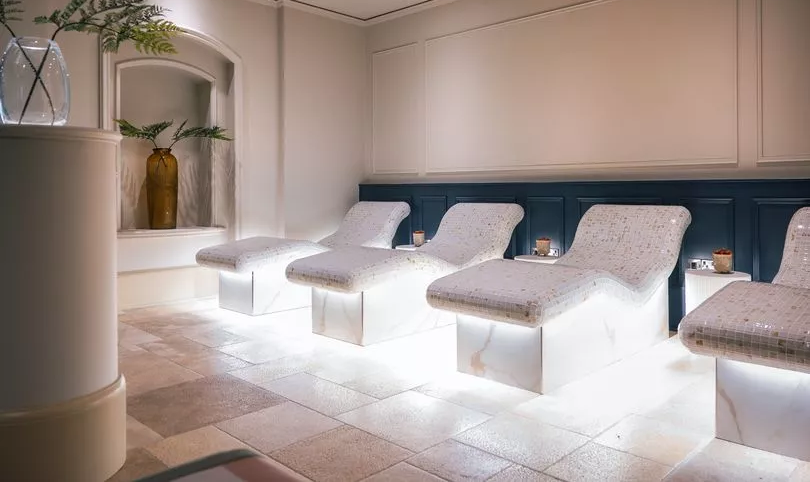
THWAITES CONTINUES TO INVEST ACROSS ALL OF ITS SPA HOTELS NATIONWIDE
Hospitality group Thwaites has revealed that it’s invested again in all of its spas in six locations around the country.
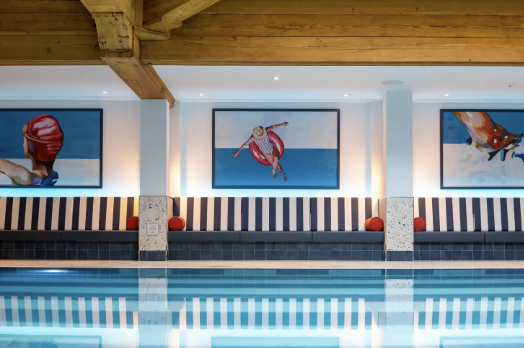
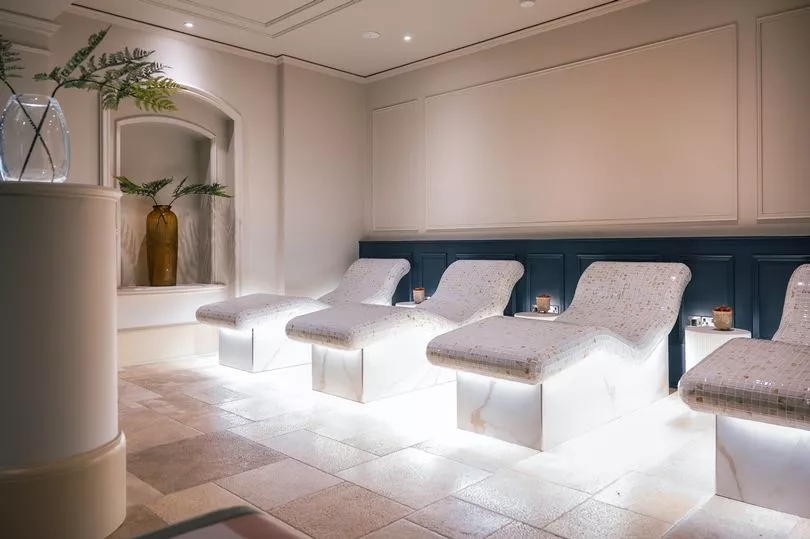
This latest investment comes in three strands, which includes a new primary spa partner – Templespa - the addition of Harpar Grace Deesse Pro LED face masks, and installation of wave touch massage beds.
Gemma Barratt, group spa director at Thwaites said: “To be able to keep providing the best wellness and spa experience we possibly can, we have to keep investing, learning and growing. It’s so important for us to bolster our spa… everyone deserves a taste of luxury wellness, and it’s our job to make sure we keep that fresh and exciting.”
The partnership with Templespa will be rolled out in all of the group’s spa hotels and means the wellness brand will be the group’s primary spa partner, bringing a complete spa menu of Templespa treatments, as well as a brand-new retail offering and thorough, expert-led staff training.
Gemma added: “We’re big on quality at Thwaites, so it was really important for us to partner with a brand which shares that value.
“Templespa will now be our core spa partner throughout all of our spa hotels across England - meaning whether you need a full body massage to repair tired muscles after a long hike in the Lake District, or a replenishing facial after a long day exploring the city of Bristol… we’ve got a place nearby for you to relax and recharge. We’re really excited about our future with Templespa.”
Alongside the existing Templespa treatments on offer at Thwaites’ spa hotels, there will be four new ones added thanks to the partnership – including experiences like ‘Champagne and Truffles Facial’ (a truffle infused oil treatment, rounded off with chocolates and Champagne) and a facial treatment collaboration with a high-tech LED facial mask.
As an ethically conscious brand, Templespa prioritise feel-good experiences, with their moto being to create a “spa wherever you are.”
Liz Warom, co-founder and managing director at Templespa added: “We have absolutely loved the wonderful partnership we have shared with Thwaites and look forward to continuing our journey together, through all of their spa hotels”. We are thrilled that we will now be the primary brand that will bring a clear, elevated approach to wellness for both their business and their guests”.
A fantastic addition, are The Harpar Grace Deesse Pro LED face masks are brand-new skincare technology, built from over 30-years of clinical research and NASA-accredited principles. Coupled with precision Koreon engineering, Harpar Grace delivers results-driven, purposeful innovations for visible skin solutions and longevity. Red and near-infrared wavelengths penetrate deeply into the skin's dermis, giving cells a boost of energy and promoting the production of collagen, elastin and hyaluronic acid.
Guests staying at Thwaites spa hotels can now choose a Templespa treatment which uses the LED face masks – they’re designed to treat a variety of skin types, including aged and scarred.
Commenting on the Harpar Grace Deesse Pro LED face masks, Gemma added: “This new offering is a fantastic addition to our brilliant line-up of wellness experiences, and we’re really pleased to have it on board. We’re big on accessible and inclusive wellness, so it’s always important for us to keep re-inventing the ways we can provide spa experiences.”
The third and final strand of investment announced by Thwaites is JK Group’s wellsystem Wave Touch massage bed, introduced in multiple properties, these are; Kettering Park Hotel and Spa in Kettering, Cottons Hotel and Spa in Knutsford, and Aztec Hotel and Spa in Bristol. North Lakes Hotel and Spa in Penrith introduced the beds last year, which proved a major success.
These massage beds are designed to provide guests with a contactless massage experience using adjustable water pressure and jets. Guests can enjoy this fully clothed, suiting those who prefer an isolated experience rather than a hands-on approach.
Thwaites has been continually investing in its spa hotels over the last 12 months, with individual properties receiving their own investment too.
Solent Hotel and Spa saw a complete refurbishment of its pool hall last year. After a six-figure renovation, the space now boasts a brand-new pool area, as well as a salt sauna, steam room, jacuzzi and storm shower.
Also last year, Thorpe Park Hotel and Spa in Leeds saw a brand-new adults only Relax Lounge, including heated beds, guided meditation experiences, and refreshments station.
Gemma concluded: “We genuinely care about the wellness of everyone… and our commitment to investment only proves that. We’re so excited to treat our guests from head to toe, making memorable, feel-good experiences every time.”
THE EXPLORERS’ TABLE DINING EXPERIENCE RETURNS TO THE LOVAT LOCH NESS
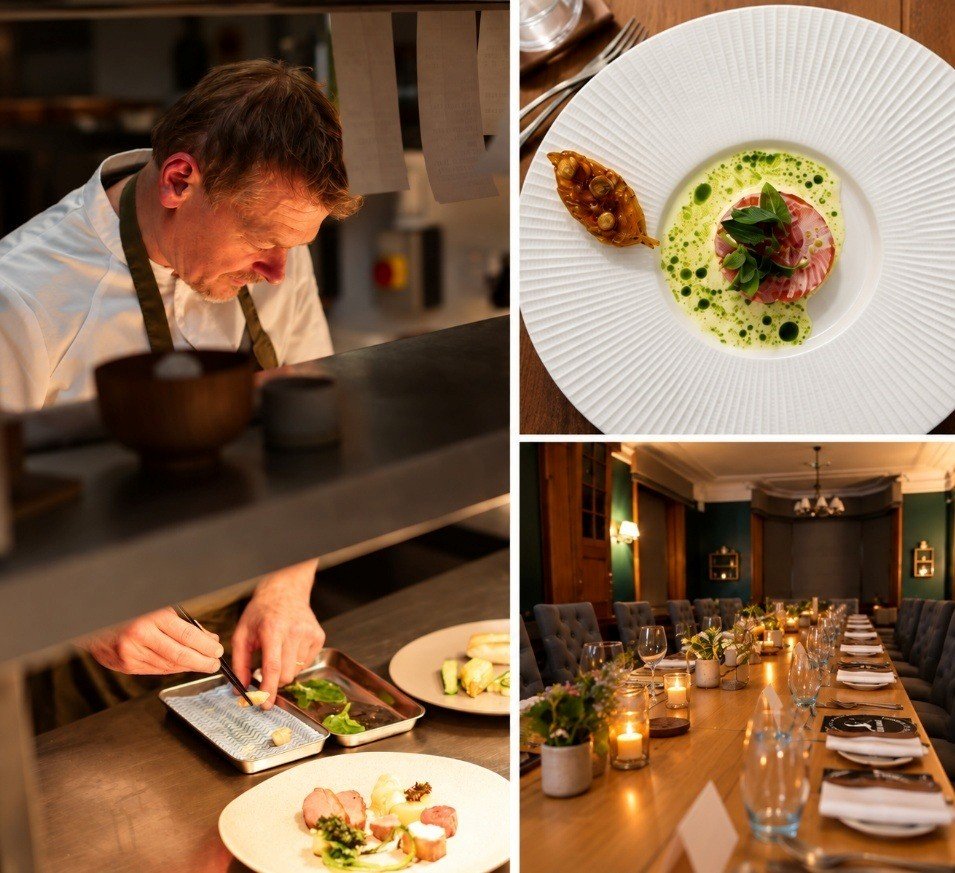
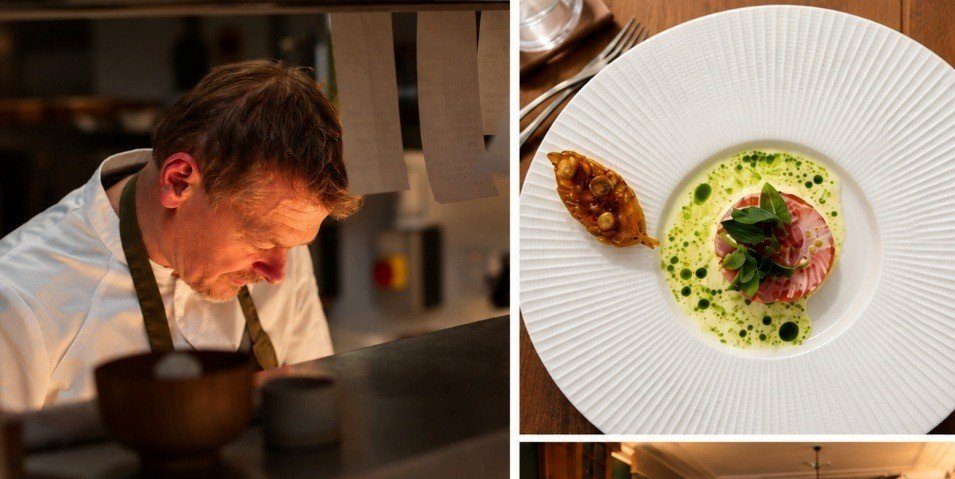
The Lovat at Fort Augustus in the Scottish Highlands is gearing up for the return of The Explorers’ Table this November, an intimate dining experience pairing epic feasting at its much-loved Station Road restaurant with extraordinary first-hand stories from the world of polar exploration.
Taking place on Saturday, 28 November 2026, The Explorers’ Table will bring together renowned polar explorer and Ice Warrior founder Jim McNeill and hotel co-owner and Station Road head chef Sean Kelly for an evening exploring the incredible relationship between food, survival and adventure in some of the most extreme environments on Earth.
Renowned locally for its elevated, seasonal cooking and Highland flavours, Station Road will welcome an intimate group of guests for the experience. Sean will create a specially curated menu inspired by Arctic and cold-climate ingredients, including ingredients found in the northern landscapes closer to home, while Jim shares stories gathered over more than four decades operating at the edge of human endurance.
Over dinner, guests will discover how food and drink have sustained explorers through months of darkness and sub-zero temperatures, from historic ship’s provisions such as pemmican (a historic mix of dried meat and berries, designed to release energy slowly) to modern expedition fuel – and why a hot meal, and an even hotter cup of tea, can mean the difference between morale and misery at -40°C.
This November’s event will also delve into the story of Scottish polar explorer William Speirs Bruce and the Scottish National Antarctic Expedition of 1902–1904. Jim previously followed in Bruce’s footsteps for the BBC Scotland series The Last Explorers, bringing a personal perspective to the story of one of Scotland’s often-overlooked pioneers.
Jim McNeill said: “Food has always played a vital role on expedition, not simply as fuel, but in maintaining morale and bringing people together in the most challenging circumstances. The Explorers’ Table gives us the chance to bring those stories to life while celebrating Scotland’s remarkable legacy of discovery and considering what these extraordinary environments can teach us today.”
Rather than recreating traditional expedition rations, Sean’s menu will take inspiration from ingredients associated with cold and wild landscapes, using food as a starting point for conversations about how explorers sustained themselves in the past, how we eat today and the fragile environments from which our food comes.
Sean Kelly, Head Chef at Station Road, said: “For me, the most exciting part of The Explorers’ Table is being able to tell part of that story through the food. Each course has been created to complement Jim’s stories and hopefully spark conversation around the table.”
To extend your visit and make the most of all the Highlands has to offer, overnight stays at The Lovat are also available. To book, or to find out more, visit The Lovat website or call 01456 459250.
PEAK EDGE HOTEL CELEBRATES TRIPLE AWARDS SHORTLISTING AS IMPRESSIVE RUN OF RECOGNITION CONTINUES
One of Derbyshire's most decorated independent hotels has secured three further awards nominations, adding to a remarkable collection of national and regional accolades achieved over the past year.
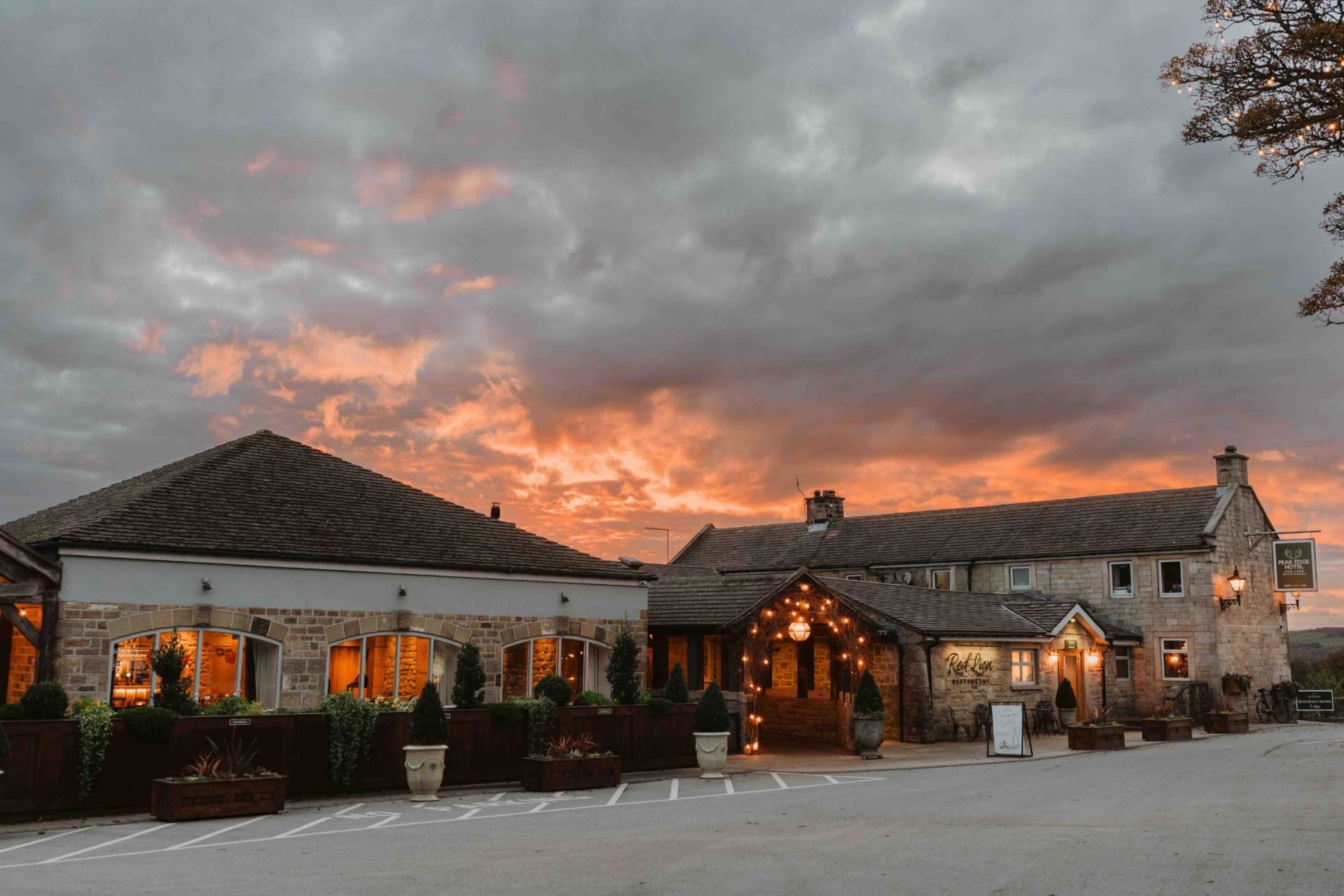
Peak Edge Hotel is celebrating a triple awards shortlisting, continuing an extraordinary year of national and regional recognition for the family-owned hotel on the edge of the Peak District.
The four-star hotel has been named a finalist in the Accessible and Inclusive Tourism Award at the 2027 Visit East Midlands Tourism Awards - Derbyshire, while its 2 AA Rosette Red Lion Restaurant is shortlisted for Taste of Derbyshire - Restaurant. Peak Edge has also reached the regional finals of The Wedding Industry Awards 2027 in the Venue (Hotel) category, with the regional awards ceremony taking place in November.
The three nominations come just four months after Peak Edge was awarded Silver in the Small Hotel of the Year category at the prestigious VisitEngland Awards for Excellence 2026, placing it among the finest hotels in England.
That national achievement followed Gold in the Hotel of the Year category and Bronze in Accessible and Inclusive Tourism at the 2026 Peak District, Derbyshire & Derby Tourism Awards. The hotel has also been admitted to the Michelin Guide, achieved an AA Quality Score of 85% and received Bronze accreditation from Green Tourism.
For owner and entrepreneur Steve Perez, the latest recognition reflects the continued investment in a business with deep family roots.
Steve said:
To receive three nominations across two prestigious awards programmes, especially after everything we've achieved over the past year, is absolutely fantastic.
What's pleasing is that they recognise three very different aspects of our business. Whether someone is joining us for dinner, staying overnight or trusting us with one of the most important days of their lives, we want them to have the best experience. We've invested enormously in Peak Edge, but it's our people who really make the difference. These nominations are a wonderful reflection of their hard work and dedication.
The Accessible and Inclusive Tourism nomination reflects Peak Edge's commitment to ensuring that guests with different needs can enjoy everything the hotel has to offer.
While the modern hotel was designed with accessibility in mind, the adjoining Red Lion Restaurant dates back to 1788, presenting the challenges associated with adapting a historic building. Rather than allowing its heritage to become a barrier, Peak Edge has invested in practical solutions, including accessible bedrooms with spacious layouts and wet rooms, dedicated parking, step-free access throughout the hotel and lifts serving all floors.
A particularly innovative feature is a discreet platform lift connecting the hotel with the historic Red Lion Restaurant, helping guests with mobility requirements move more easily between the two buildings without compromising the character of the original coaching inn.
The hotel's approach extends beyond physical facilities, with flexible dining arrangements, personalised assistance and detailed accessibility information available online to help guests plan their visits with confidence.
Mark Thurman, Managing Director of Peak Edge Hotel, said:
Accessibility isn't simply about ticking boxes or meeting a set of minimum requirements. It's about understanding that every guest is different and making sure people feel welcome, comfortable and supported. With a historic property like ours, there are inevitably challenges, but we've worked hard to find solutions that preserve the character of the building while making it easier for more people to enjoy.
Having previously received Bronze for Accessible and Inclusive Tourism, we're so pleased to be shortlisted again. It reflects our commitment to continually improving the experience we offer.
The Red Lion Restaurant's nomination for Taste of Derbyshire - Restaurant celebrates a dining experience built around exceptional British food, warm hospitality and a genuine connection between farm and plate. Unlike many restaurants, The Red Lion benefits from its close relationship with Walton Lodge Farm, the Perez family's 360-acre, Red Tractor-certified working farm just a few minutes away. The estate supplies beef, pork, lamb, free-range eggs, honey and seasonal produce directly to the restaurant, allowing chefs to create menus with provenance while reducing food miles.
The restaurant, which welcomes approximately 38,000 diners annually, has continued to develop its offering with the introduction of a daily brunch menu, expanded afternoon teas, seasonal dining experiences and a bespoke walk-in wine cellar designed by Sorrells, whose previous work includes The Ritz and The Dorchester. Its commitment to quality has already earned two AA Rosettes, admission to the Michelin Guide and Silver in the Taste of the Peak District, Derbyshire and Derby Award – Restaurants in 2026.
The latest nomination coincides with a significant milestone in The Red Lion's history. Steve's father, Santiago Perez, purchased and restored The Red Lion in 1966, and Steve returned the property to family ownership in 2017.
To mark 60 years since Santiago first reopened the historic coaching inn, Peak Edge is hosting a special anniversary celebration on Saturday 31 October 2026, bringing together guests past and present for an evening of food, music and nostalgia.
The event, entitled Celebrate Six Decades of Exceptional Hospitality, will begin with arrival drinks and canapés, followed by a three-course dinner inspired by classic flavours and live music from The Beat 45's, performing hits from the 1960s and 1970s. Tickets are priced at £60 per person, with guests encouraged to embrace a touch of 1960s style for the occasion.
Steve added:
The Red Lion has been part of our family story for 60 years, so to see it named among Derbyshire's best restaurants means a tremendous amount. My father first brought the pub into the family in 1966, and to be celebrating that anniversary alongside this latest achievement makes it all the more meaningful.
Our farm-to-fork approach is something we're incredibly passionate about. We know exactly where so much of our produce comes from because we rear and grow it ourselves, just a few minutes down the road. That connection between the farm, the kitchen and the plate is what makes The Red Lion special, and it's wonderful to see the team's dedication recognised.
Peak Edge's third nomination, in The Wedding Industry Awards' Venue (Hotel) category, recognises another important part of the hotel's offering. Set against the backdrop of the Derbyshire countryside, Peak Edge has established itself as a sought-after wedding destination, combining its historic setting, elegant accommodation and award-winning dining with a personalised approach to celebrations.
The regional winners of The Wedding Industry Awards will be announced in November, while the Visit East Midlands Tourism Awards ceremony takes place on 10th March 2027 at Crowne Plaza Nottingham. The tourism awards celebrate outstanding businesses across Derbyshire and Nottinghamshire, with finalists progressing through further independent judging, including mystery visits. Gold winners in eligible categories will have the opportunity to compete at the national VisitEngland Awards for Excellence.
Mark concluded:
It's been an amazing year for Peak Edge, and these latest nominations are another wonderful boost for the whole team. We're immensely proud of what we've achieved, but we're certainly not standing still. There's always more we can do, whether that's improving our facilities, developing our menus or finding new ways to make guests feel welcome.
For a family-owned Derbyshire hotel to be competing at this level across three very different categories is something we're all incredibly proud of.
TURNING UP THE HEAT: THE TRENDS RESHAPING KITCHEN LEADERSHIP IN 2026
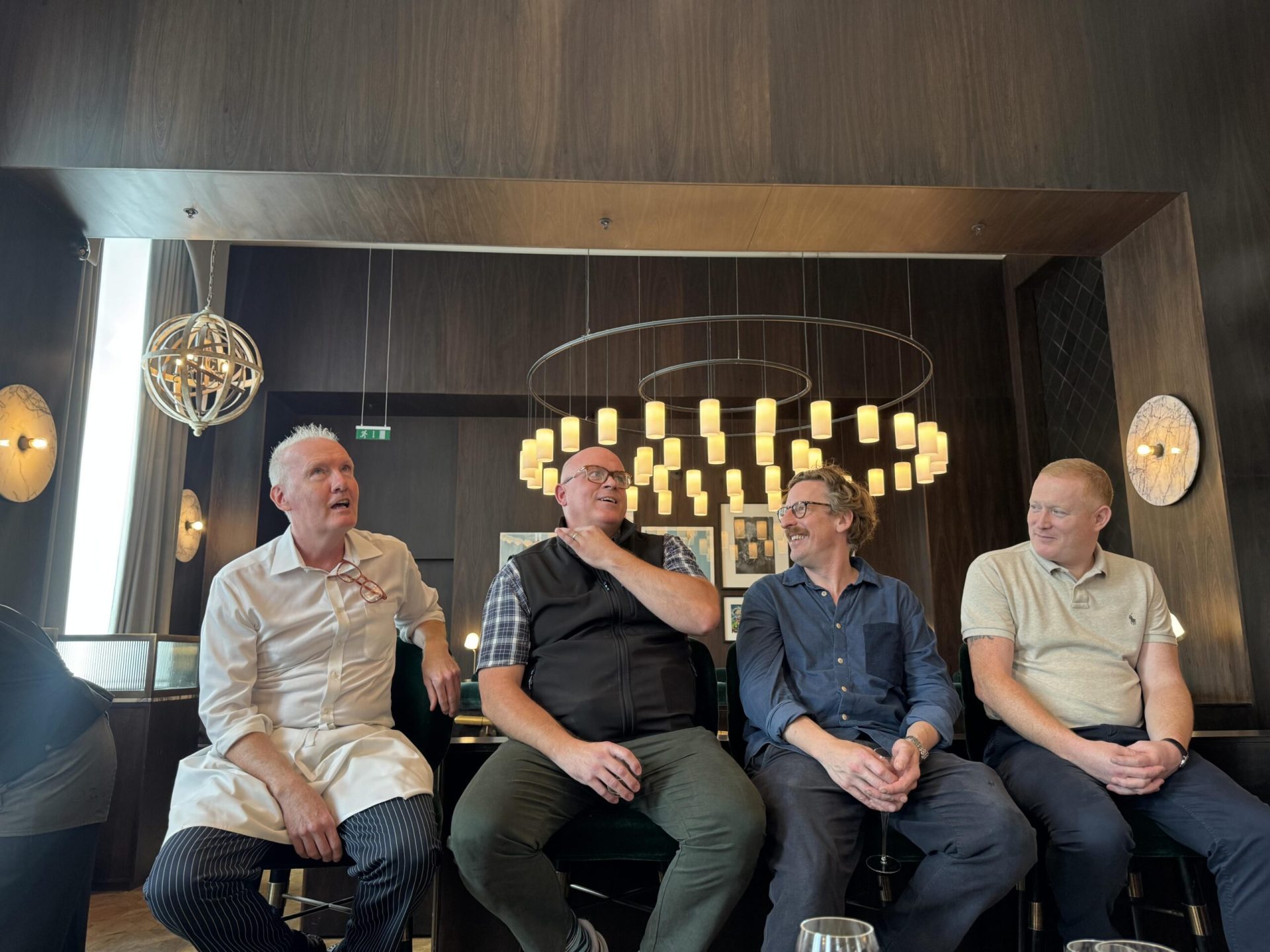
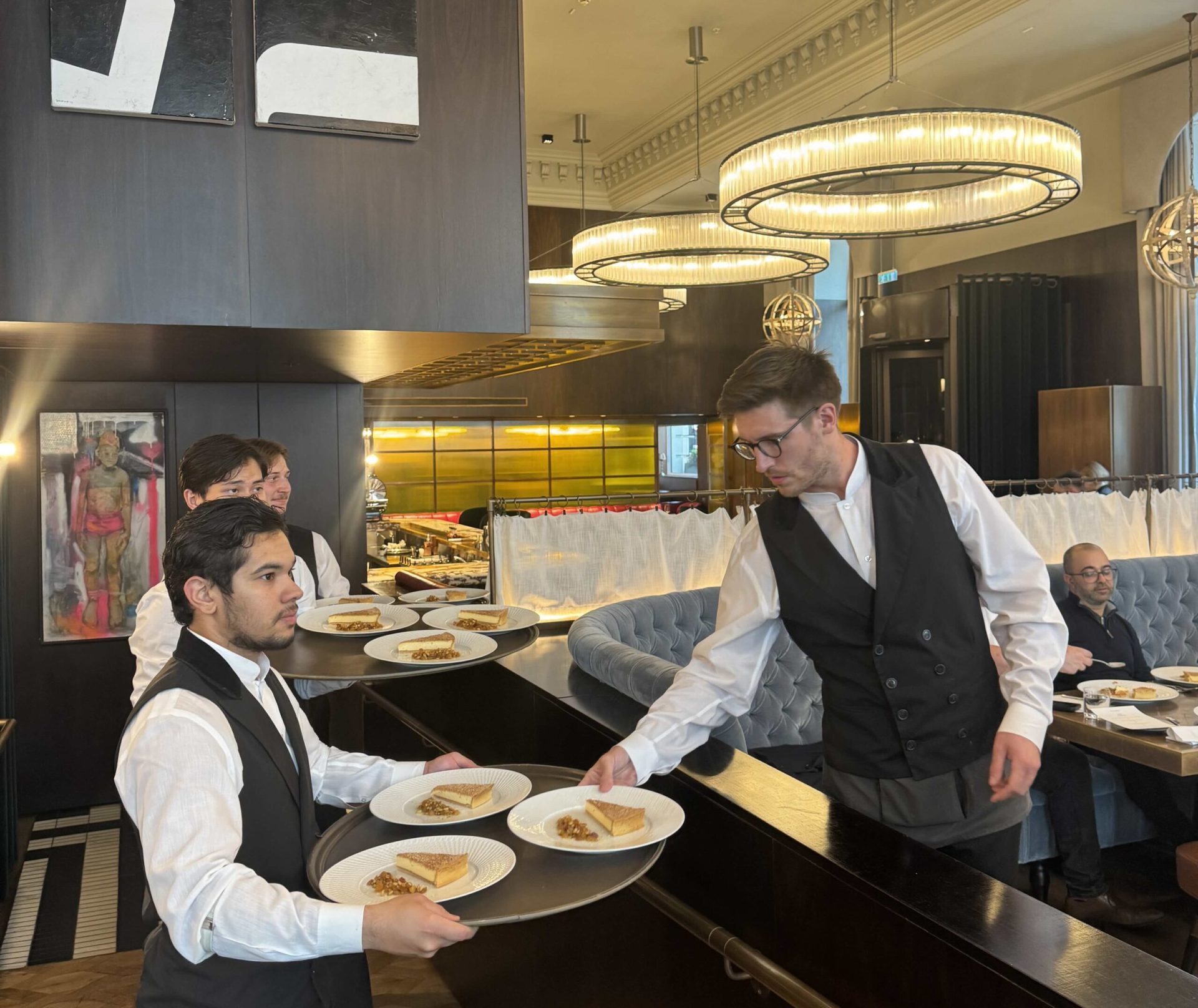
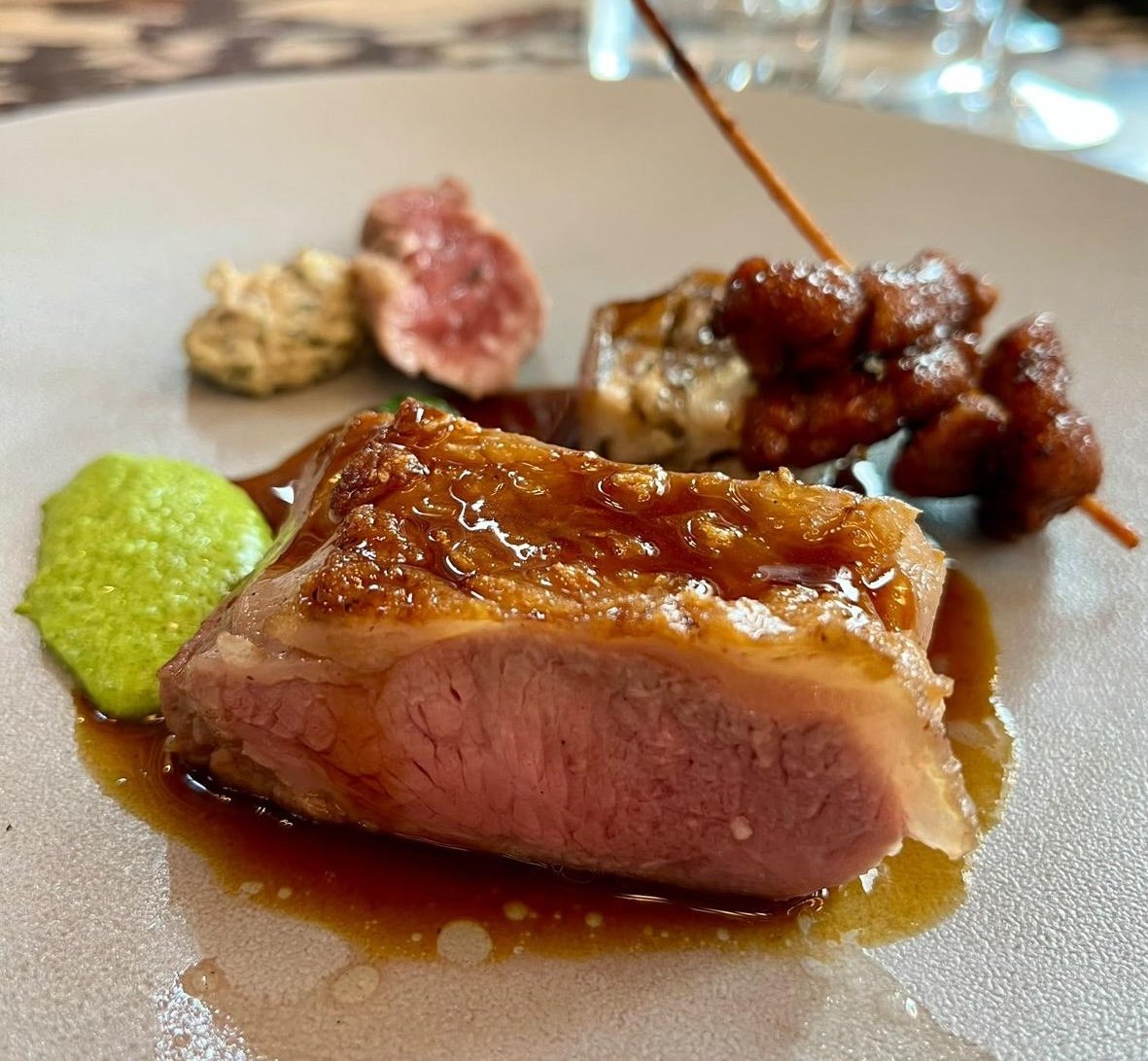
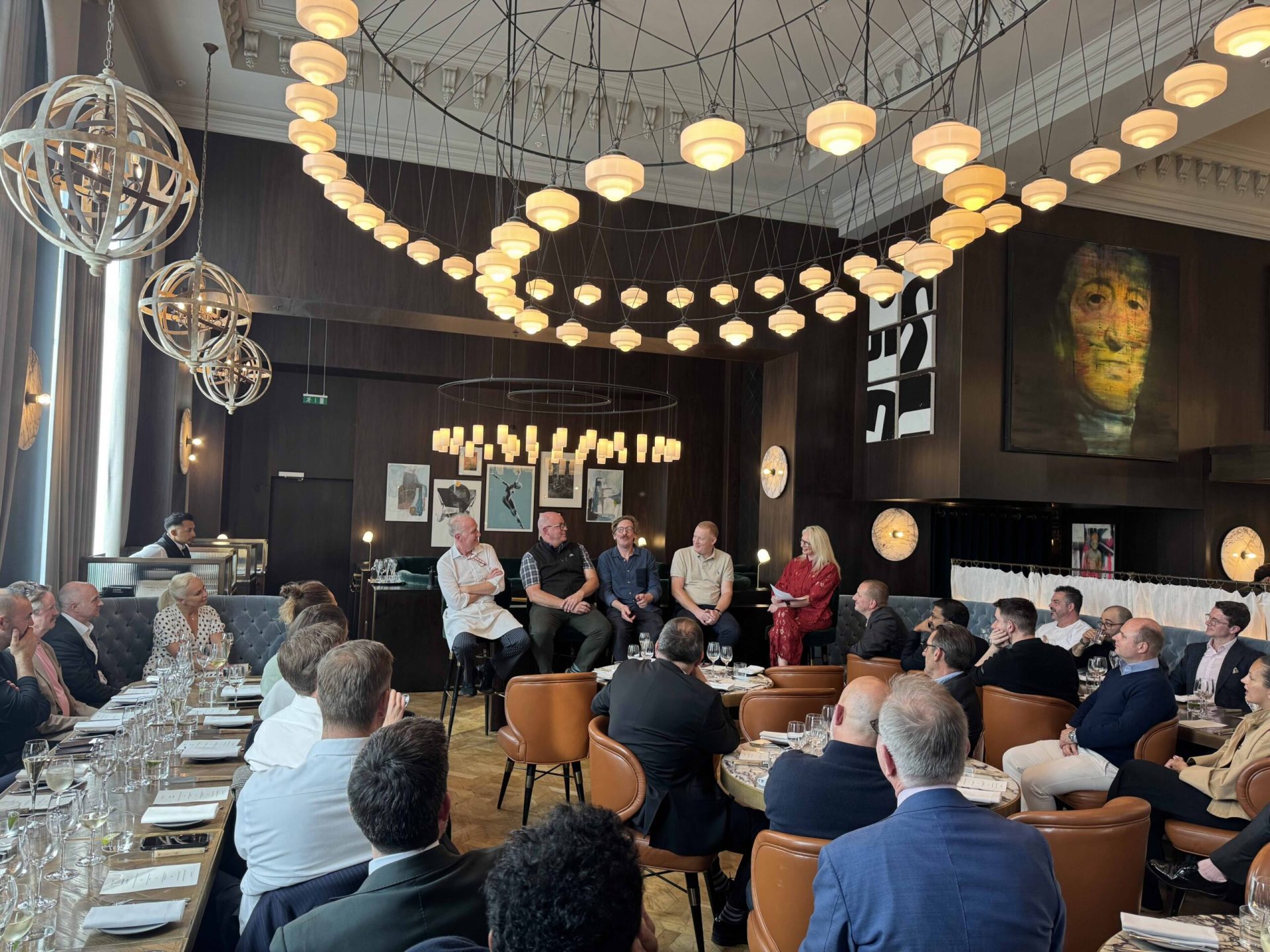
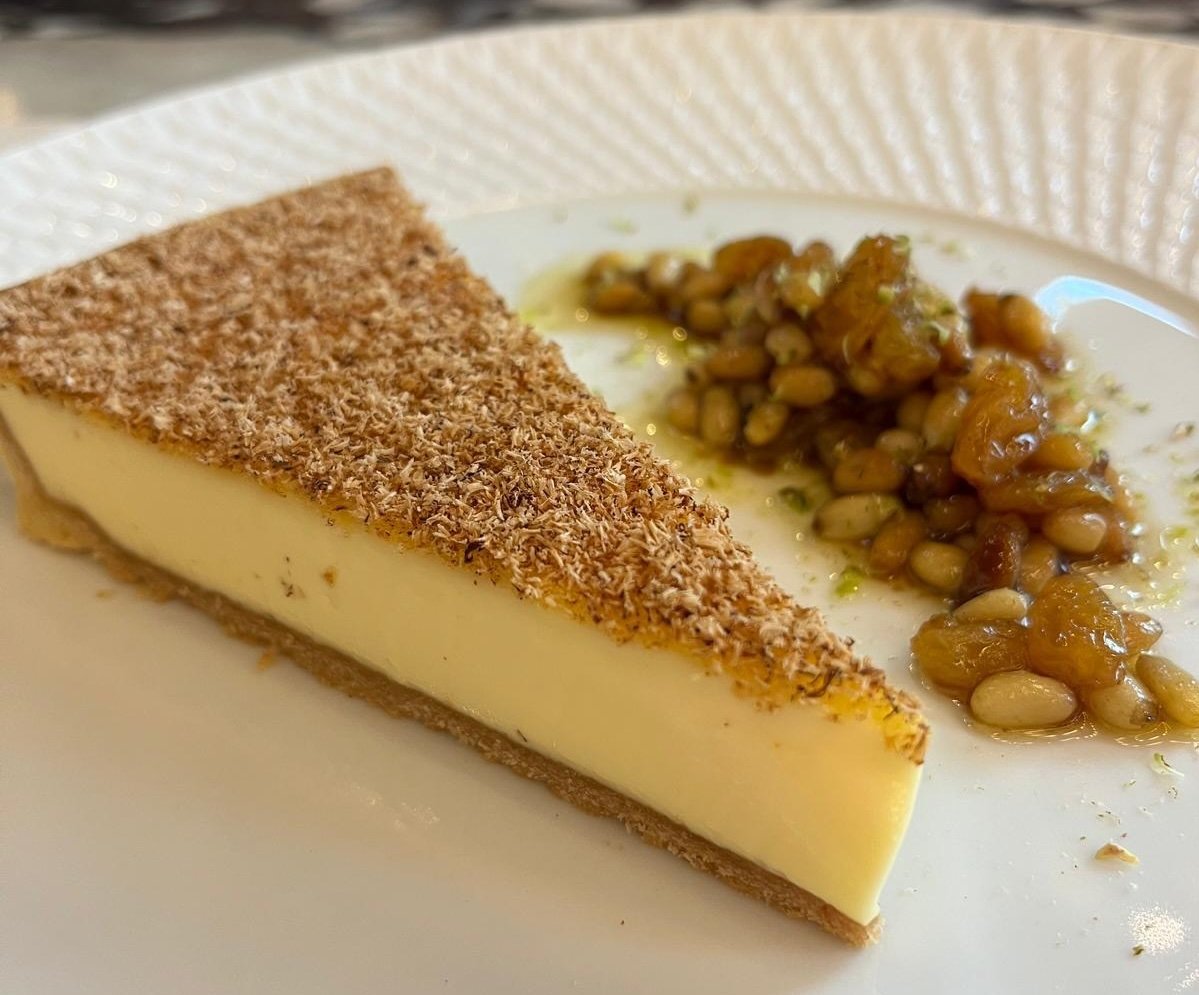
At our first Chefs’ Lunch, Turning Up the Heat, four London Chefs were asked a simple question: what keeps you awake at night?
The panel, hosted by Bronwyn Groves at Michelin-starred Wild Honey St James, brought together Chef Anthony Demetre of Wild Honey, Chef David Stevens, Executive Chef at Simpson’s in the Strand, Chef Neil Borthwick, Head Chef at The French House, and Chef Andrew Sawyer, Executive Chef at Brown’s Hotel.
Their answers kept returning to four things: who you hire and how you keep them, who you buy from, how the seasons are changing, and how much of a chef’s day is still spent away from the kitchen.
Before any of that, though, each chef was asked about the best part of the job.
Neil’s answer set the tone: when a customer leaves happy, having eaten something delicious and been well looked after. “It doesn’t have to be fancy,” he said. And as he reminded the room, the best menu in the world is worthless without everyone behind it, from the pot wash up.
ALOK DIXIT APPOINTED GENERAL MANAGER OF W MANCHESTER AND W RESIDENCES
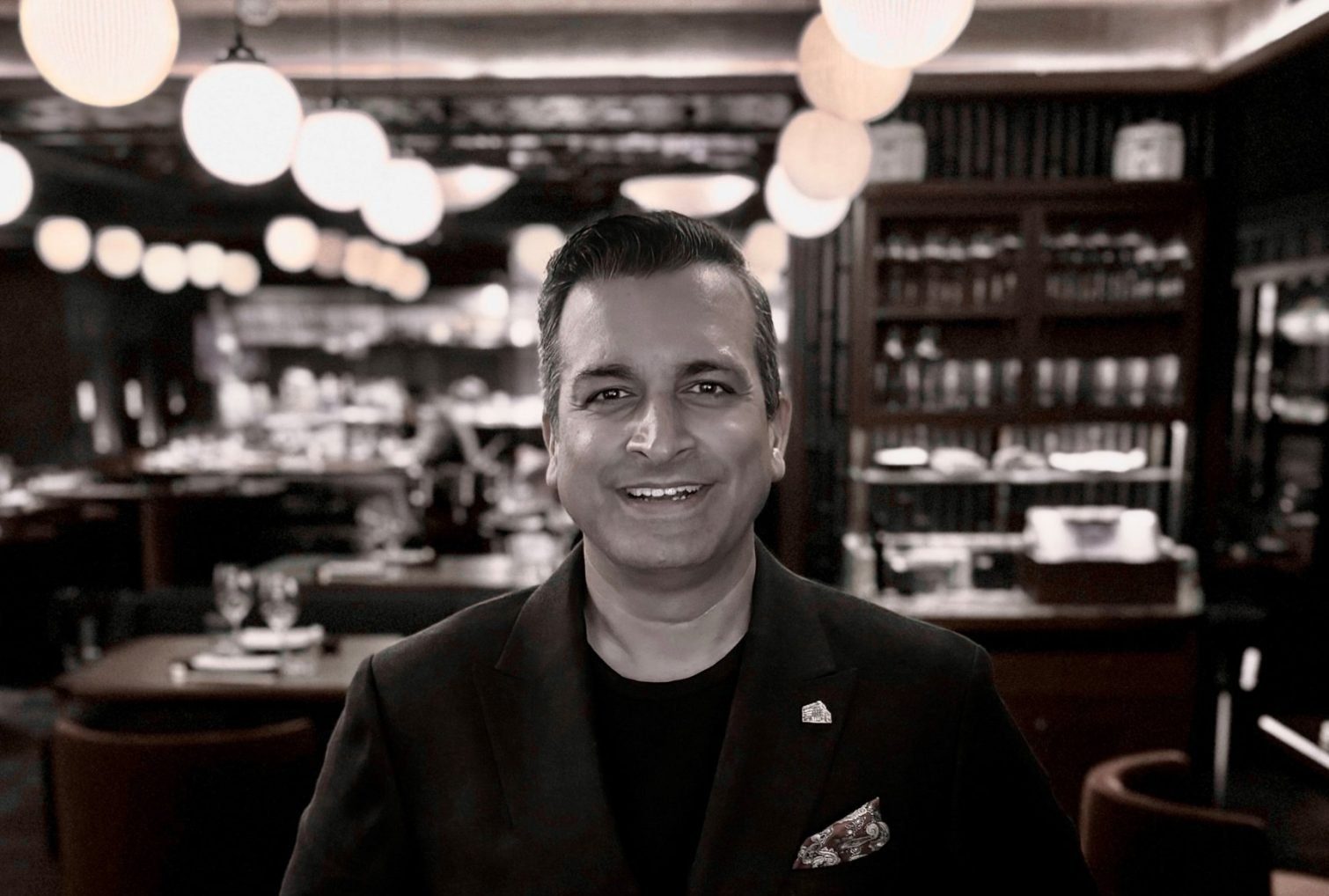
As preparations continue for the opening of W Manchester and W Residences in 2027, Marriott International has appointed Alok Dixit as General Manager, bringing more than 26 years of hospitality leadership experience to the project.
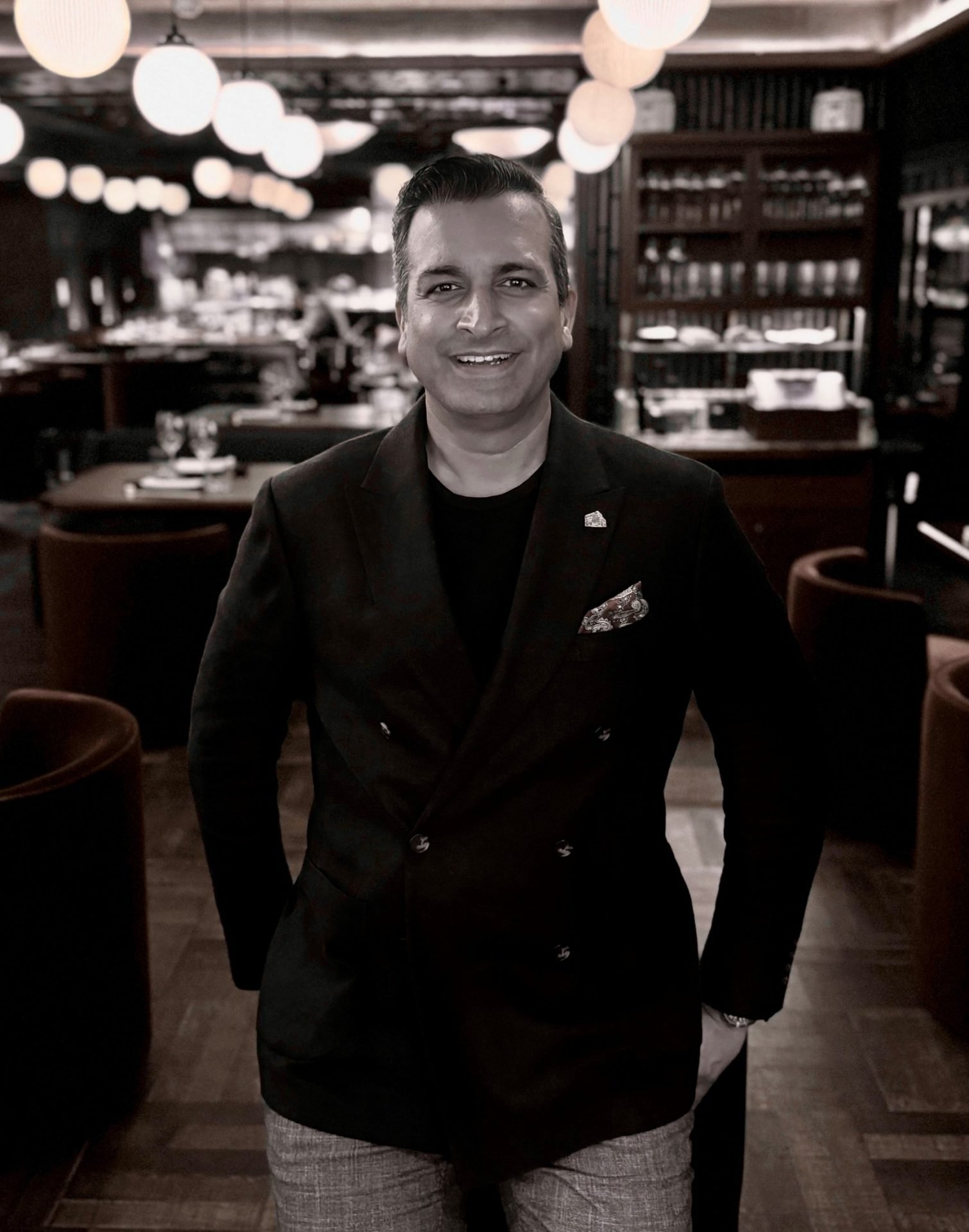 Alok joins the project from London Marriott Hotel Grosvenor Square, where he successfully led a significant transformation of the property, strengthening its position within Mayfair’s upmarket hospitality market.
Throughout his career, Alok has built a strong reputation for developing high-performing teams, driving sustained business growth and delivering exceptional guest experiences. His leadership experience spans several prominent hotels, including London Marriott Regents Park and The London EDITION, alongside senior commercial roles within Marriott.
A passionate advocate for people development and hospitality excellence, Alok combines operational expertise with a deep commitment to creating strong cultures and memorable guest experiences. His appointment comes at an exciting stage in the development of W Manchester and W Residences as the project progresses towards its highly anticipated opening.
Alok commented:
I am thrilled to be joining W Manchester and W Residences and to be part of bringing such an exciting new destination to life. W is a brand that has continually evolved the luxury hospitality landscape through its distinct sense of style, culture and connection. Manchester is one of the UK's most dynamic cities, and I look forward to working with our team and partners to create a destination that reflects its energy, creativity and global appeal.
Set to open in 2027, W Manchester and W Residences is located within the 43-storey tower of Relentless Developments’ St Michael’s scheme in the city centre. Their arrival marks the introduction of the W Hotels brand in Manchester, further expanding Marriott International's luxury portfolio in the UK. Bringing together bold design, elevated hospitality and branded residences, the development will offer a distinctive new luxury experience for both visitors and local residents, reinforcing Manchester's growing reputation as a world-class destination for business, culture and leisure.
Located within one of the UK's fastest-growing and most influential cities, W Manchester and W Residences is poised to become a landmark addition to the city's hospitality landscape. Reflecting W's evolution as a luxury lifestyle brand at the intersection of design, culture and hospitality, the development will create a new destination for guests, residents and locals alike while supporting Manchester's continued growth as an internationally recognised destination, with other brands such as Aloft by Marriott opening its UK flagship in Manchester. W Manchester will mark the brand’s third property in the UK, following W London and W Edinburgh.
WALK FOR WELLBEING: BRINGING HOSPITALITY TOGETHER FOR MENTAL HEALTH
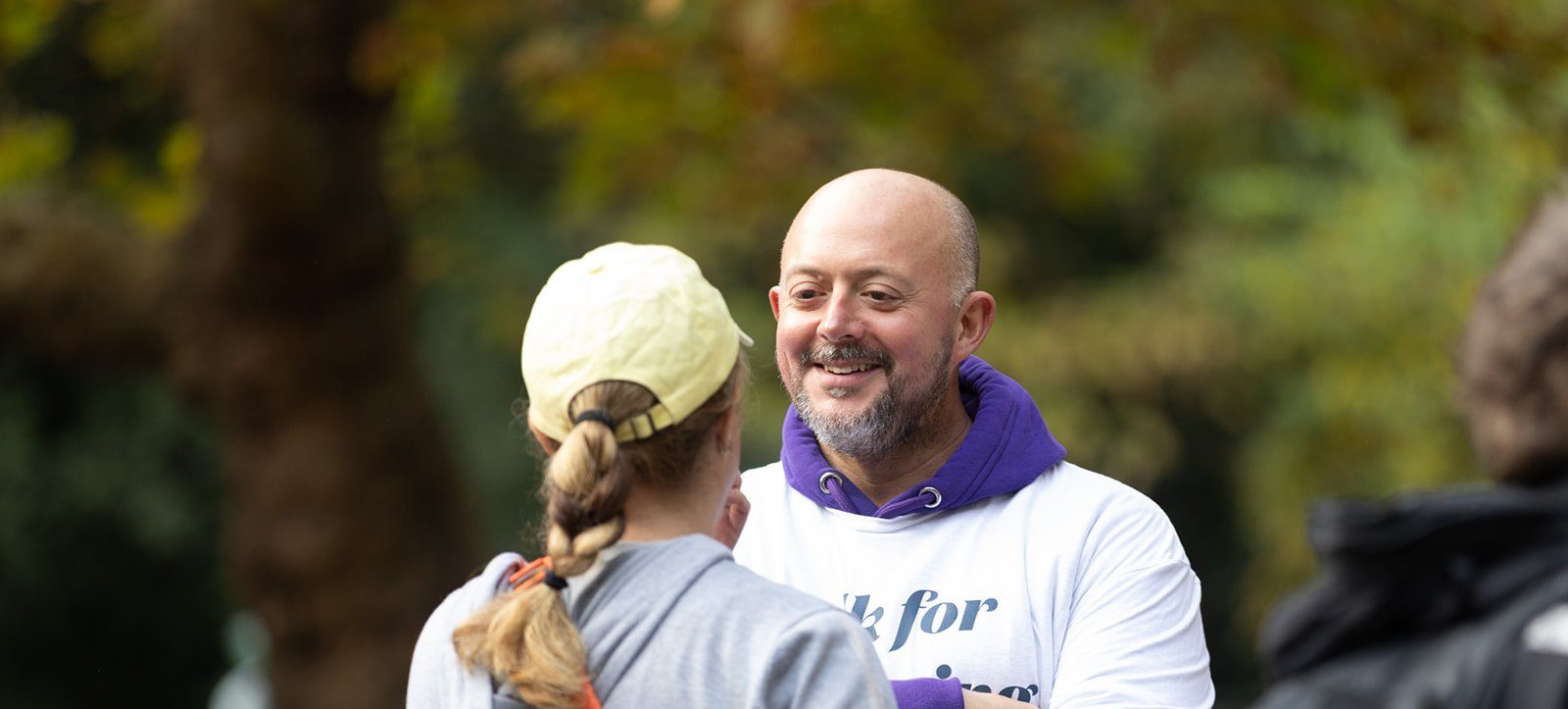
Craig Prentice, Founder and Director, mum | Creator, Walk for Wellbeing | Patron, Hospitality Action
 What gave you the idea for Walk for Wellbeing, and how has it grown since you first launched it?
Walk for Wellbeing started back in 2020, at a time when the hospitality industry, like so many others, was facing enormous uncertainty. The pandemic had turned our world upside down, and for an industry built around bringing people together, suddenly finding ourselves disconnected from one another was incredibly difficult.
I wanted to create something positive, something that would bring people together, encourage conversations around mental health and wellbeing, and remind everyone that they weren't alone.
Walking felt like such a natural fit. It's accessible, doesn't require any special equipment or experience, and offers a wonderful opportunity to connect with others, get outdoors and take some time for yourself.
What started as a relatively simple idea has grown into something far bigger than I could ever have imagined. Now in it’s 7th year, Walk for Wellbeing has become a nationwide initiative, bringing together thousands of people from across hospitality and beyond, while raising more than £500,000 for Hospitality Action.
One of the things I'm most proud of is that it has never been about one person or one business. It's about a community of people showing up for each other. From our wonderful volunteers and walk hosts to the sponsors, supporters and everyone who has taken part, it's their generosity, enthusiasm and commitment that have made Walk for Wellbeing what it is today.
And seeing the initiative continue to grow under the stewardship of Hospitality Action is something I'm incredibly proud of.
Walk for Wellbeing has raised more than £500,000 for Hospitality Action. Can you explain how that money helps people working in hospitality who are struggling?
Reaching the £500,000 milestone was quite emotional, actually. When we launched Walk for Wellbeing, I don't think any of us could have imagined the impact it would go on to have.
Hospitality Action is an extraordinary charity, providing a lifeline to people working in our industry when they need it most.
The money raised helps fund essential services, including financial assistance for those facing hardship, mental health and wellbeing support, counselling and practical advice for people navigating some incredibly difficult circumstances.
And importantly, that support extends beyond the workplace. We all know that the challenges people face in their personal lives don't simply disappear when they arrive for a shift.
For me, that's what makes Hospitality Action so special. It understands the people behind the job titles and the uniforms and recognises that sometimes life can take an unexpected turn and any one of us might need a helping hand.
Every donation, however big or small, contributes to that support. It's wonderful to celebrate the fundraising milestones, but what really matters is the difference that money can make to someone's life.
Mental health and wellbeing are still big issues across hospitality. From your experience, where does the industry need to do more to support its people?
I think we've made some positive progress as an industry, particularly in how openly we're now talking about mental health and wellbeing. Conversations that perhaps wouldn't have happened a few years ago are becoming much more commonplace, and that's something we should recognise.
But there's still plenty of work to do.Hospitality can be an incredibly rewarding industry to work in, but it can also be demanding. Long hours, unpredictable schedules, financial pressures and the expectation to always be 'on' can take their toll.
I think one of the biggest opportunities is to move beyond simply talking about wellbeing and make sure it's genuinely reflected in how we lead, manage and support our people.
That means creating workplaces where people feel comfortable speaking up, where managers have the confidence and skills to recognise when someone might be struggling, and where looking after people's wellbeing is seen as part of running a successful business, rather than an additional initiative.
We also need to recognise that wellbeing isn't one-size-fits-all. People have different circumstances, responsibilities and challenges, and what support looks like for one person may be very different for another.
And perhaps most importantly, we need to keep listening.
Working in recruitment, I have the privilege of speaking to people across hospitality every day, and it's clear that culture, leadership, flexibility and feeling valued are hugely important.
For me, a healthy and happy hospitality industry is one where looking after people isn't just something we talk about, but something we demonstrate through our actions and behaviours every single day.
What can people expect from this year's Walk for Wellbeing, and how can hotels and hospitality businesses get involved?
More of what makes Walk for Wellbeing so special: wonderful people, great conversations, a sense of community and plenty of fresh air!
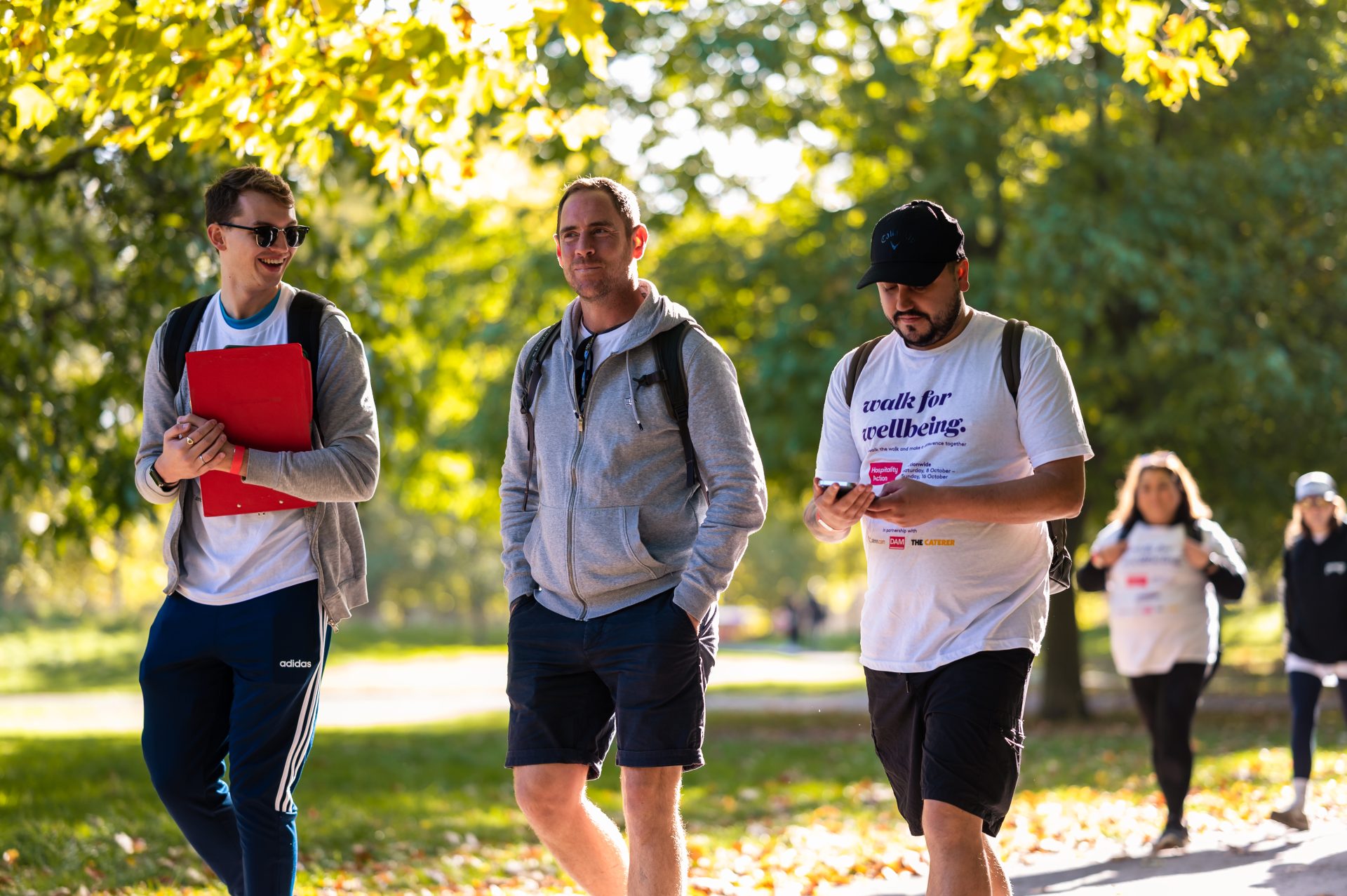
This year's initiative launched on World Mental Health Day, Saturday 10 October, with organised walks taking place across the UK until Sunday 25 October.
The beauty of Walk for Wellbeing is its simplicity. It's not a race, there's no pressure to achieve a particular distance or time, and you certainly don't need to be particularly fit to get involved.
It's about coming together, taking some time away from the demands of everyday life, connecting with others and supporting an incredibly important cause.
For hotels and hospitality businesses, there are so many ways to participate. Teams can sign up for an organised walk, encourage colleagues to get involved, organise their own walks, fundraise, donate or simply help spread the word.
It's also a lovely opportunity for businesses to bring their teams together outside of the workplace, away from the usual routines and pressures.
One thing I'd really encourage employers to do is make participation as accessible as possible. Hospitality operates seven days a week, and we know that not everyone can take time away from work on a particular day.
Whether it's supporting a team to join a hosted walk or organising something locally that works around shifts, every bit of involvement makes a difference.
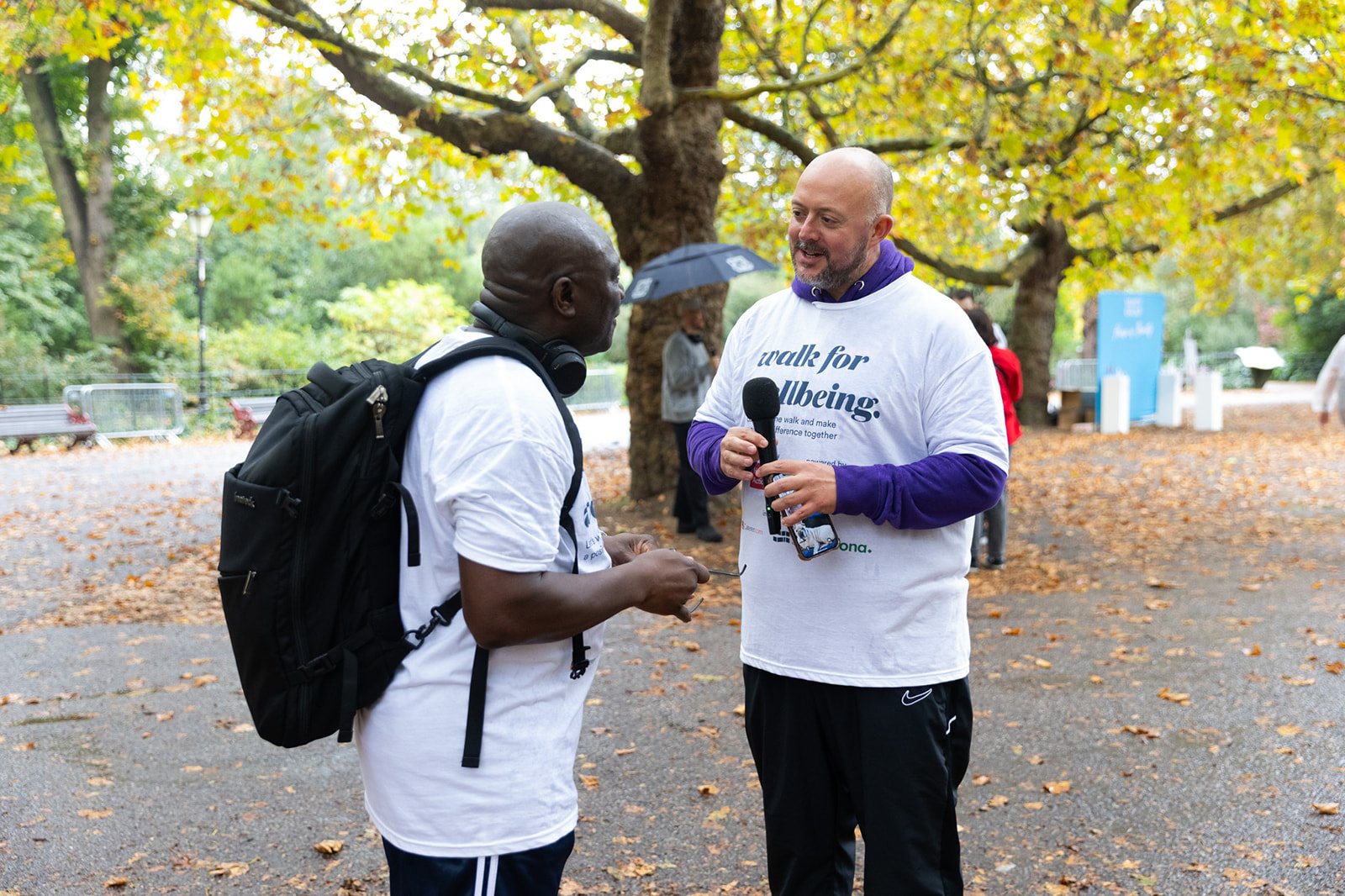
For anyone who can't make one of the organised walks, they can still take part in their own way. How does that work, and what would you say to someone thinking about getting involved for the first time?
Through Walk It Your Way, people can get involved wherever they are, whenever works for them. Whether that's a lunchtime walk with colleagues, taking the dog out, meeting a friend for a stroll or simply enjoying some time outdoors, there's no set distance, pace or expectation.
I've been thinking a lot recently about the difference between what we can do and what we will do. We're all busy, with competing priorities and pressures, but Walk for Wellbeing is about showing up and doing what you can, when you can.
And if walking isn't possible, donating, sharing our message or encouraging others to get involved can make just as much of a difference.
To anyone thinking about taking part for the first time, I'd simply say give it a go! You'll meet some wonderful people, support an incredible cause and hopefully do your own wellbeing some good along the way.
GET INVOLVED: WALK FOR WELLBEING 2026
Find out more about Walk for Wellbeing 2026 and get involved here:
https://uk.emma-live.com/WFW2026
FROM A MICHELIN-STARRED RESTAURANT TO MIGHTY INDEPENDENTS AND RISING STARS: BIH SPOTLIGHT AWARDS REVEAL 2026 WINNERS
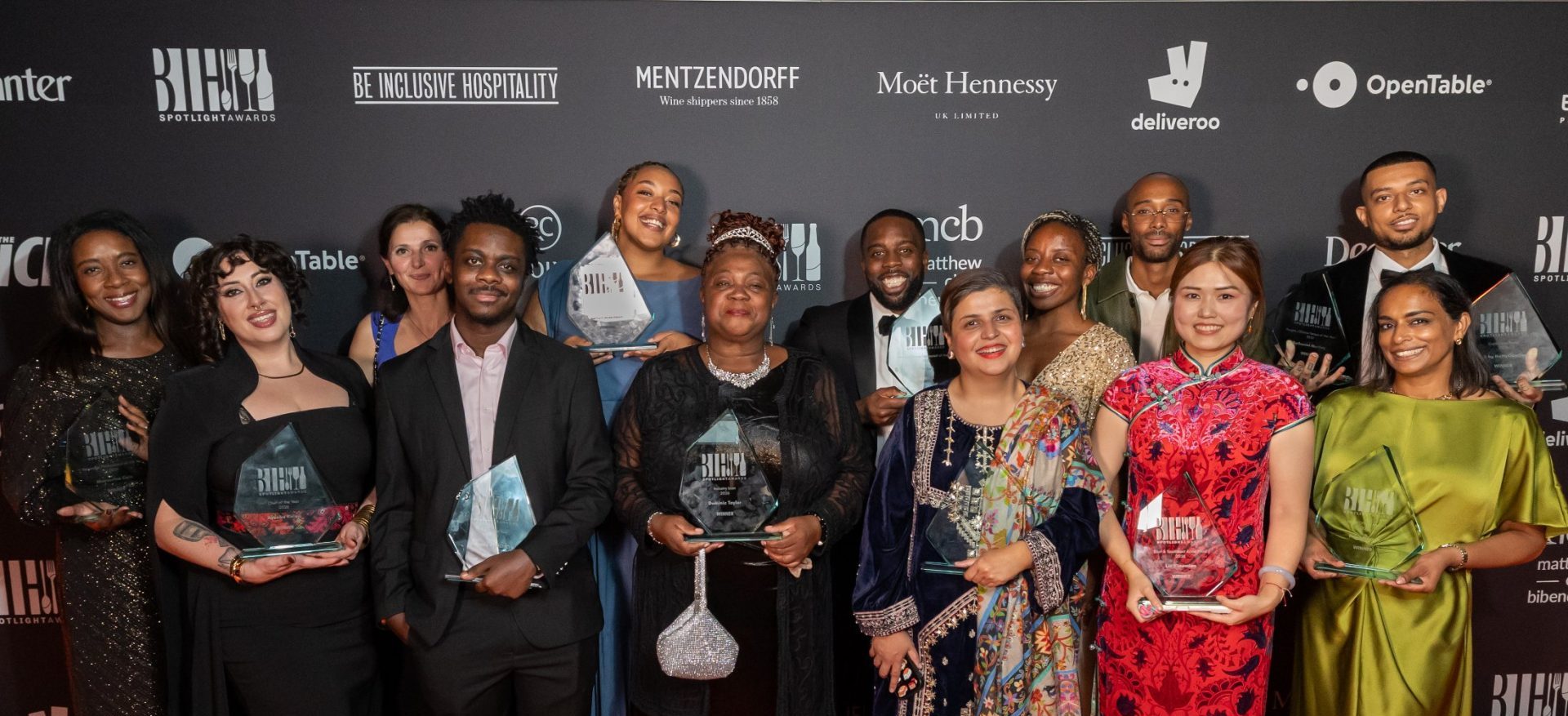
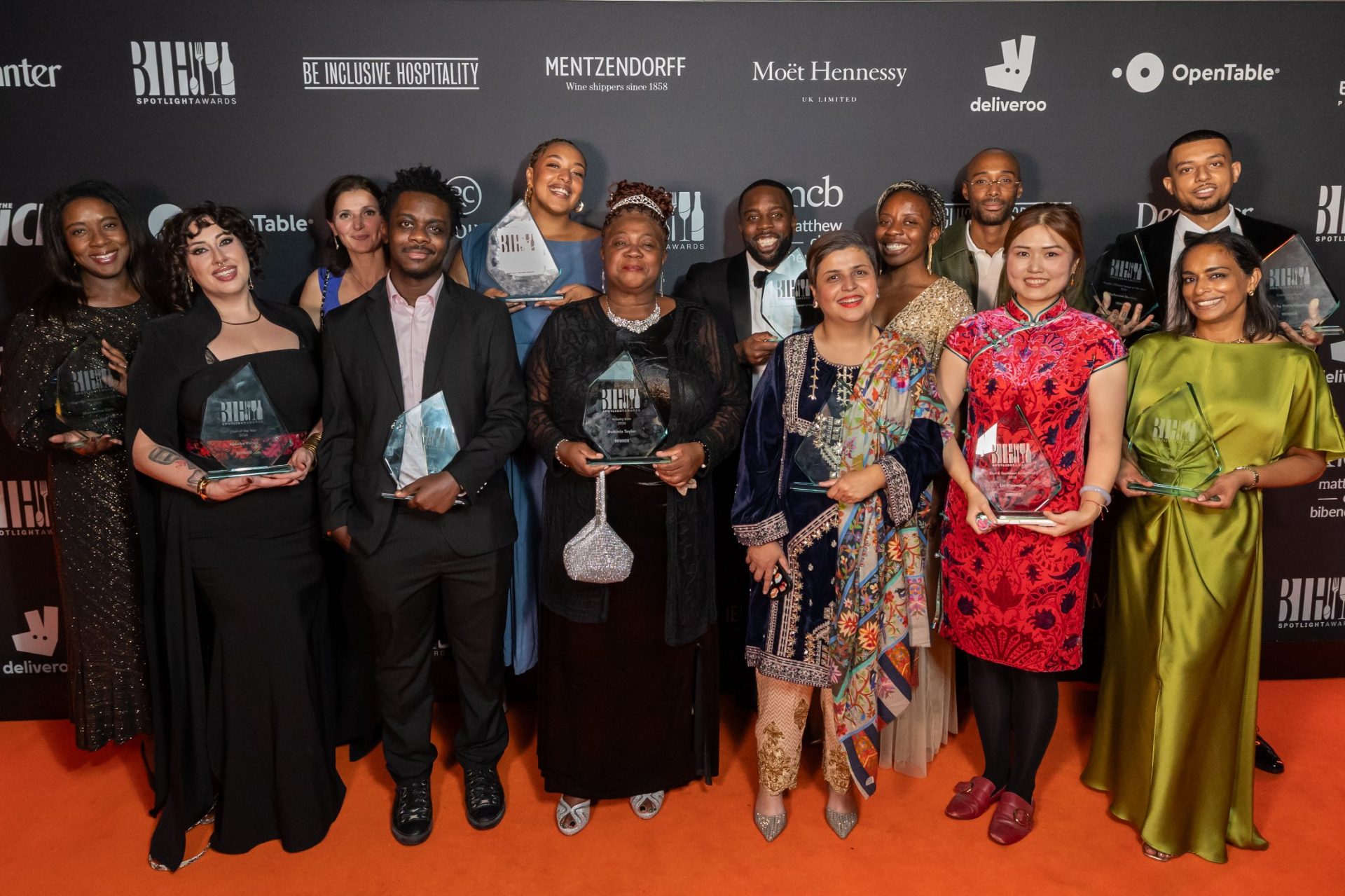
Be Inclusive Hospitality (BIH) has announced the winners of its BIH Spotlight Awards 2026, showcasing the exceptional people and businesses making a stir in the UK's hospitality sector.
Among the winners are:
- A double-gong for Nathaniel Mortley (NattyCanCook) - one of the most powerful redemption stories in hospitality, SE London chef Nathaniel rebuilt his life through food after a prison sentence. He has been recognised for raising the profile of Caribbean cuisine, winning both the People's Choice Person of the Year Award and the Best Caribbean Food category.
- The world's first Nigerian tapas restaurant - Chuku's voted People's Choice Restaurant of the Year, with Tottenham sibling duo Emeka and Ifeyinwa Frederick celebrated for their innovative concept and authentic cuisine
- One of the UK's first accredited female beer sommeliers - Birmingham beer writer, journalist and broadcaster Marverine Cole wins Beverage Professional of the Year
- Glastonbury's 'Queen' crowned Chef of the Year - Welsh-Jordanian Ayesha Kalaji has been recognised for her unique style of Middle Eastern cuisine at Queen of Cups
- Gluten-free chef founder named Rising Star - self-taught Londoner Dijön Bascombe has built one of the UK's most respected gluten-free brands with his 100% coeliac-safe pizza Good F'ing Pizza
- Chef changing how Britain sees Pakistani food and flavours - Saliha Khan has won the South Asian Award, celebrated for championing modern Pakistani cooking through her unique storytelling and culinary offerings
Now in their fifth year, with OpenTable as returning Headline Sponsor, the awards on Monday 12 October brought together 300 industry professionals at Quaglino's in London to celebrate the achievements of the sector's Black and ethnic minority talent. The award winners were announced across 16 categories, spanning chefs, restaurants, pubs, drinks professionals, brands, cuisines, people leaders and writers.
The awards recognise talent at every stage of their journey, from emerging individuals and independent operators to established experts, brands and businesses; with the 2026 finalists representing seven regions of the UK and more than 10 cuisines. This breadth truly highlights the diversity, passion, creativity and ambition driving the industry forward today.
Lorraine Copes, Founder and CEO of Be Inclusive Hospitality, said:
Every year, these awards bring new stories, journeys and ambitions from 60 finalists. What has remained constant over the past five years is the exhilaration, celebration and connections forged between our community and partners, a reminder of hospitality's bright future.
Recognition and visibility for deserving people and businesses matter more than ever. Hospitality is a tough industry to navigate, and my hope is that these awards continue to give our finalists the encouragement and momentum to keep moving forward.
Laure Bornet, SVP International Growth at OpenTable, said:
Five years in, these awards keep proving a crucial point: hospitality's future is as diverse as it is talented. This year's finalists represent seven UK regions and more than 10 cuisines, reflecting the creativity, ambition and breadth that make the industry so exciting. We're proud to continue to partner with Be Inclusive Hospitality in celebrating their achievements.
The winners of the 2026 BIH Spotlight Awards are:
INDIVIDUAL CATEGORIES
Chef of the Year - Sponsored by Caterer.com
- Ayesha Kalaji - Queen of Cups
Rising Star - Sponsored by Matthew Clark Bibendum
- Dijön Bascombe, Chef & Founder - Dijön Cafe, London
Writer of the Year - Sponsored by Mentzendorff
- Safiya Robinson - Sisterwoman
Wine Professional of the Year - Sponsored by Decanter
- Emmanuel Mireku - Manny Does Wine
Beverage Professional of the Year - Sponsored by Moët Hennessy U.K
- Marverine Cole - Accredited Beer Sommelier
Head Office Impact - Sponsored by Unox
- Priya Narain, Head of Purpose & Programmes - KERB+
CUISINE CATEGORIES
African Food - Sponsored by The Voice
- Chishuru
Caribbean Food - Sponsored by The Voice
- 2210 by NattyCanCook
East and Southeast Asian Food
- Liu Xiaomian
South Asian Food
- Third Culture Kat
Middle Eastern Food
- Mouna's Kitchen
PEOPLE'S CHOICE CATEGORIES
People's Choice Person of the Year - Sponsored by Deliveroo
- Nathaniel Mortley - 2210 by NattyCanCook
People's Choice Restaurant of the Year - Sponsored by OpenTable
- Chuku's
BUSINESS CATEGORIES
Bar/Pub of the Year - Sponsored by OpenTable
- House of MOBO
Brand of the Year - Sponsored by Electrolux Professional
- Flake Bake
This year's BIH Spotlight Icon Award was awarded to the late chef Dominic Taylor, who sadly passed away earlier this year. Honouring his outstanding talent and contribution to hospitality and Caribbean fine dining, entrepreneur, celebrity chef and musician Levi Roots presented the award to Dominic's family on the night. Dominic's creativity, skill and ambition brought the richness of Caribbean flavours to a wider audience, and his culinary legacy will live on.
The BIH Spotlight Awards were established to recognise outstanding Black and ethnic minority talent across hospitality, food and drink, while creating opportunities to connect, inspire and help shape the future of the industry.
This year's winners were selected following a rigorous judging process by an independent panel of leading hospitality figures, with judges including Shereen Ritchie, Managing Director of Kuvi Hospitality; Clement Ogbonnaya MBE, Founder of the Village People Pub Company; Laure Bornet, SVP of International Growth at OpenTable; and Junior Lewis, Global Hospitality Client Consultant at Caterer.com.
The People's Choice awards were voted for by the public, allowing them to champion their favourite restaurant and hospitality professional from the shortlisted finalists.
UK HOTELS HAVE A DIRECT BOOKING PROBLEM HIDING IN GOOGLE SEARCH
The UK is the fifth most-targeted hotel market in the world for third-party booking sites bidding on hotel names.
New analysis of the Google Ads Transparency Center found that hotels were targeted by an average of nine predatory OTAs bidding on their brand name1. These are third-party booking sites that pay to appear when someone searches for a specific hotel, despite having no direct relationship with the property.
For an industry already focused on growing direct bookings and reducing the cost of distribution, that creates a significant blind spot. A guest can search for a hotel by its exact name and still be directed towards a third-party booking site before they ever reach the hotel's website.
These sites can source rooms through bed banks or affiliate networks, allowing them to sell a hotel's inventory without working directly with the property. Across the full study, around 204,000 hotels were targeted by roughly 1.1 million ads in just 31 days.
The result is that a hotel can spend years building its brand and generating demand, only to pay commission when someone else captures that guest at the final stage of their search.
A direct booking can be lost before the guest reaches your website
Hotels invest heavily in increasing direct bookings. That includes their websites, search visibility, marketing and the guest experience that generates recommendations and repeat stays.
Someone searching for a hotel by name is particularly valuable. They have already narrowed down their choice enough to seek out that specific property.
Yet the competition for that booking is still happening on the Google results page.
The ads can feature the property's name and lead to booking pages containing its imagery, room types and availability. From the guest's perspective, the journey can feel completely normal. They search for the hotel, click on a prominent booking result and complete the reservation.
The hotel sees a booking that could have arrived directly, but enters through a third party instead.
Why hotels may never see it happening
The problem is difficult to measure because searching for your own property does not necessarily show you what a guest sees.
Google results can vary according to factors including location and device. A GM sitting at the property may see its own website prominently displayed, while a guest searching from Manchester or Edinburgh could see a third-party advert above it.
The booking itself may provide few clues.
When one of these sites sources inventory through an intermediary, the reservation can arrive in the PMS as an ordinary third-party booking. The hotel can see where the reservation ultimately came from, but that does not reveal that the guest began by searching specifically for the property and could otherwise have booked direct.
This creates a gap in the way hotels understand distribution. Direct booking share shows how many guests eventually booked through owned channels. It cannot show every guest who intended to book direct but was diverted before reaching the hotel's website.
The hotel can end up paying for demand it created
Established OTAs give hotels access to huge audiences of travellers who may otherwise never discover them, with commission forming part of the cost of that distribution.
A guest typing a hotel's exact name into Google is already much further along the booking journey. The property's reputation, marketing, reviews or previous guest experience has generated the interest behind that search.
When one of these third parties captures the booking, the hotel can end up paying distribution costs on demand it created itself.
Operto's analysis indicates that between 5% and 25% of bookings at affected hotels were coming through predatory OTAs. Even at the lower end of that range, the potential impact makes branded search worth monitoring alongside other distribution metrics.
The cost goes beyond commission
There is also a guest experience problem.
If travellers believe they have booked with the hotel, they are likely to hold the hotel responsible for the experience. Unexpected fees, restrictive cancellation conditions or problems locating a reservation can therefore become an issue for the front desk to resolve.
Hotels may also receive limited guest information through a third party. That can make pre-arrival communication harder and reduce the opportunity to turn that guest into a direct repeat customer.
For independent properties in particular, owning that relationship matters. Repeat guests and direct bookings can reduce reliance on paid acquisition and third-party distribution over time.
Branded search belongs in the distribution conversation
Ranking fifth globally gives hoteliers in the UK good reason to look more closely at what happens when guests search for their property by name.
A simple starting point is to see what prospective guests actually see. Ask colleagues, friends or partners in different locations to search for the hotel by name on mobile and desktop and record which booking sites appear.
If an unfamiliar third party is advertising against the property, the Google Ads Transparency Center can be used to investigate its advertising activity. Hotels can also look for signals in their own data, including changes in direct booking share, unfamiliar booking sources and guest complaints involving unexpected fees, cancellation terms or missing reservations.
One search only provides a snapshot. Advertisers can change domains and targeting, while results vary between users and locations.
Hotels already monitor rate parity, channel performance and direct conversion closely. The UK data suggests branded search deserves a place in that conversation too. For properties investing heavily in driving direct business, understanding who appears when a guest searches their name is a relatively simple way to see whether some of that demand is being diverted before it reaches them.
Notes to editors:
1Based on Operto research data: Predatory OTAs Are Stealing Hotel Direct Bookings One Ad at a Time
FLEX LEGENDS: PAUL GILLEY TAKES ON 30 SHIFTS, 30 HOTELS, 30 DAYS FUNDRAISING CHALLENGE FOR ROOM TO REWARD
Paul Gilley - the man behind the London Hospitality Festival – is taking on 30 hotel shifts across London in 30 days raise money for Room to Reward and support the volunteers who make a difference in communities across the UK.
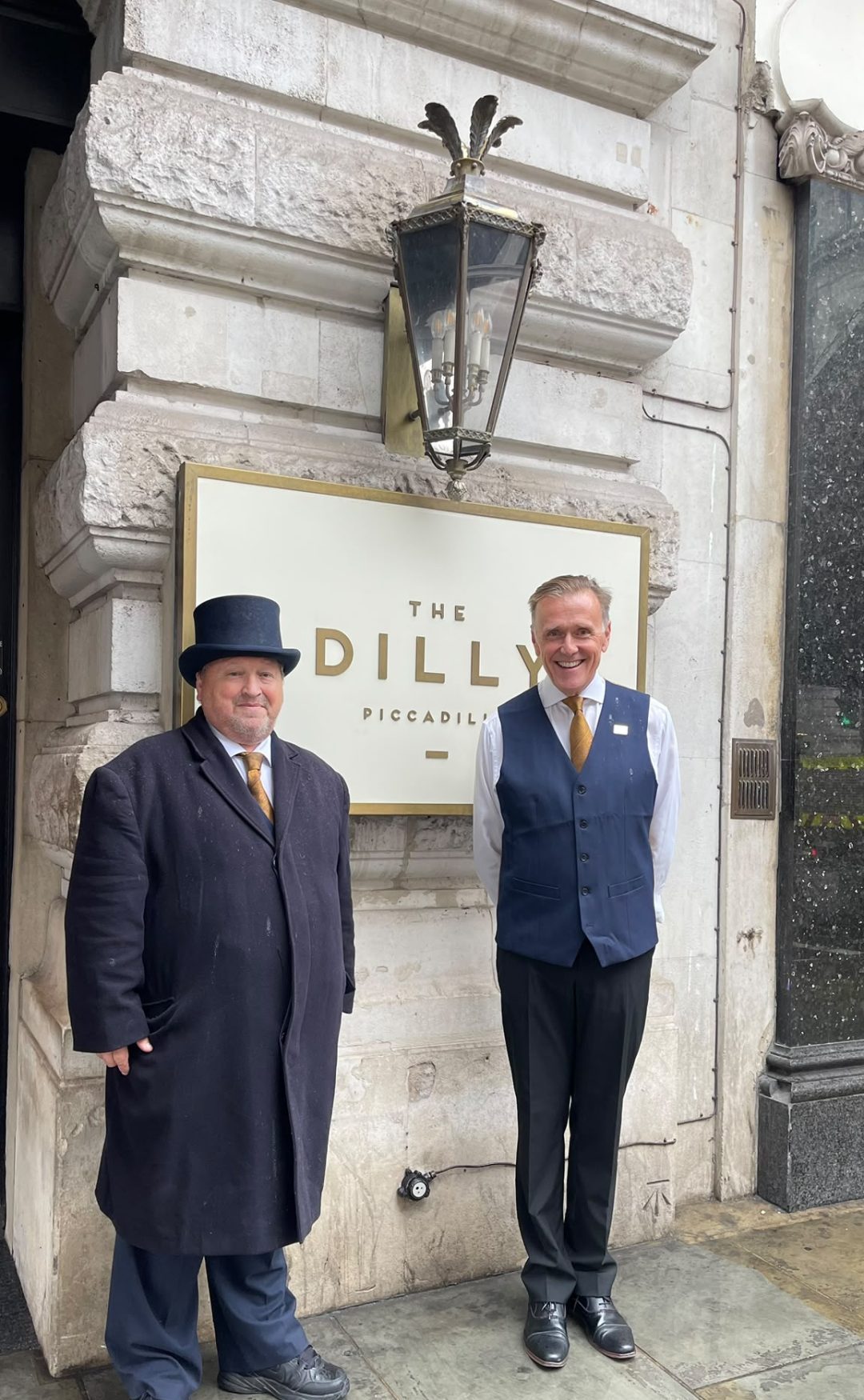
The campaign kicked off at The Royal Garden, where Gilley started his career in the industry, on 28th September. Shifts across London in the likes of The Athaneum, The Goring, The Dilly, Kimpton Fitzroy, The Imperial, The Adria and Sunborn London have followed, while over £7,500 has already been raised. The challenge culminates in a final shift and wrap party at St Ermin’s Hotel on 27th October.
Sponsored and made possible by Indeed Flex, the campaign celebrates the generosity of the hospitality industry, with Paul also encouraging other industry legends to get out there and do a shift.
Paul said:
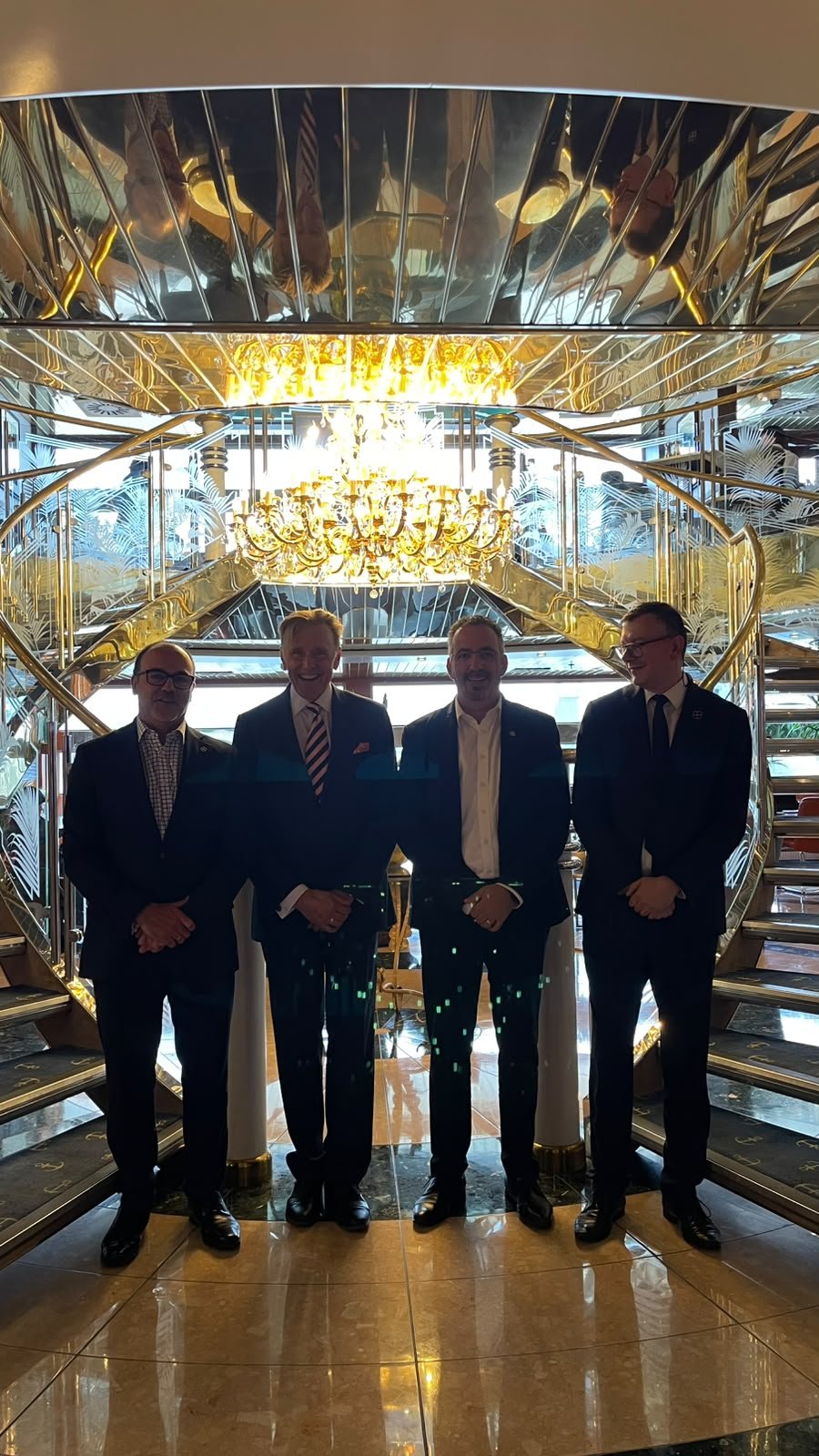
It’s been an amazing journey so far. I have to say it’s exhausting but I’ve loved every minute. The hotels and teams have been amazing. It’s really struck me how everywhere does things a little bit differently to ensure they create a memorable experience for guests. I’ve loved it, and a big thank you to everybody who has donated.
Hospitality giving back
Room to Reward thanks Hidden Heroes — volunteers nominated by charities and community organisations — with short breaks in donated, unsold hotel rooms. This year, the charity will arrange over 1,000 breaks for volunteers from the NHS, charities, grassroots sports, communities and charities across the UK.
Many hotels welcoming Paul for a shift as part of the campaign have also welcomed volunteers for a well-earned break in 2026. Sunborn London had Kerry, who has volunteered with Breast Cancer Now for over 20 years, on her break in September.
Joe Langtree, Room to Reward’s Operations Director, said:
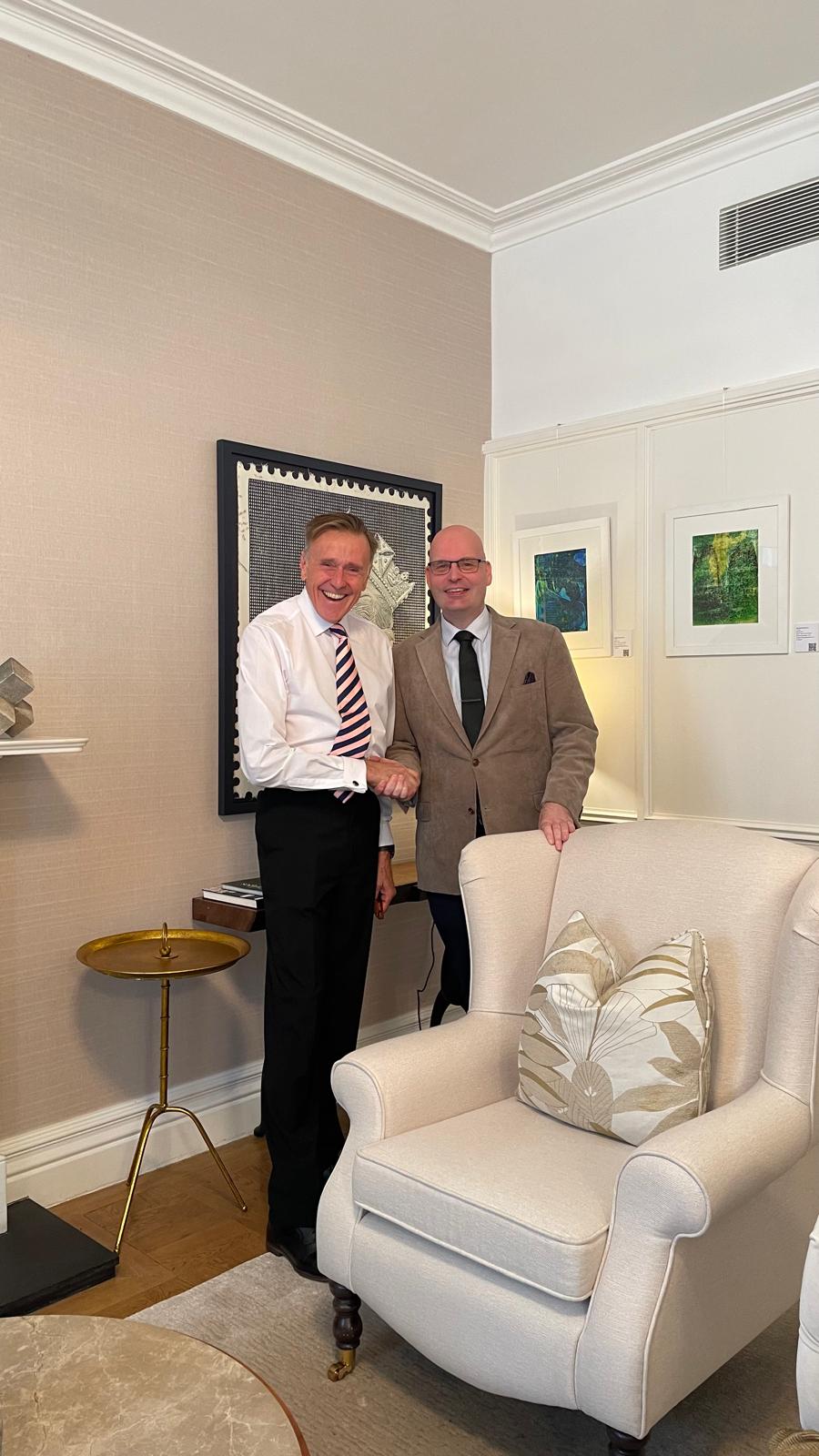
It’s difficult to put into words just how much this means to us. Paul has been an incredible supporter of R2R for a number of years, came up with this wonderful idea and it’s been amazing to see so many hotels jump in. I must give a special thank you to the Room to Reward partners who have arranged shifts and taken their support to the next level and we hope to welcome the other hotels to our journey soon. Huge thanks also to Indeed Flex, who have made the logistics of this challenge possible and supported every step of the way.
Room to Reward is a small charity making a truly significant impact. Every penny raised makes a real difference to charities, communities and the Hidden Heroes who do so much for them.
Other hospitality leaders continue to champion the cause too, with Marriott Hotels joining Room to Reward and pledging breaks for UK volunteers and Harbour Hotels delivering 21 breaks for volunteers and raising over £47,000 for Room to Reward.
Keep up to date with Paul’s progress on the Room to Reward and Indeed Flex LinkedIn pages. You can also donate to the challenge here: zeffy.com/en-GB/donation-form/flex-legends-paul-gilley
Support the challenge
To donate and help Room to Reward recognise more Hidden Heroes, visit:
Donate to Paul Gilley’s Flex Legends challenge