

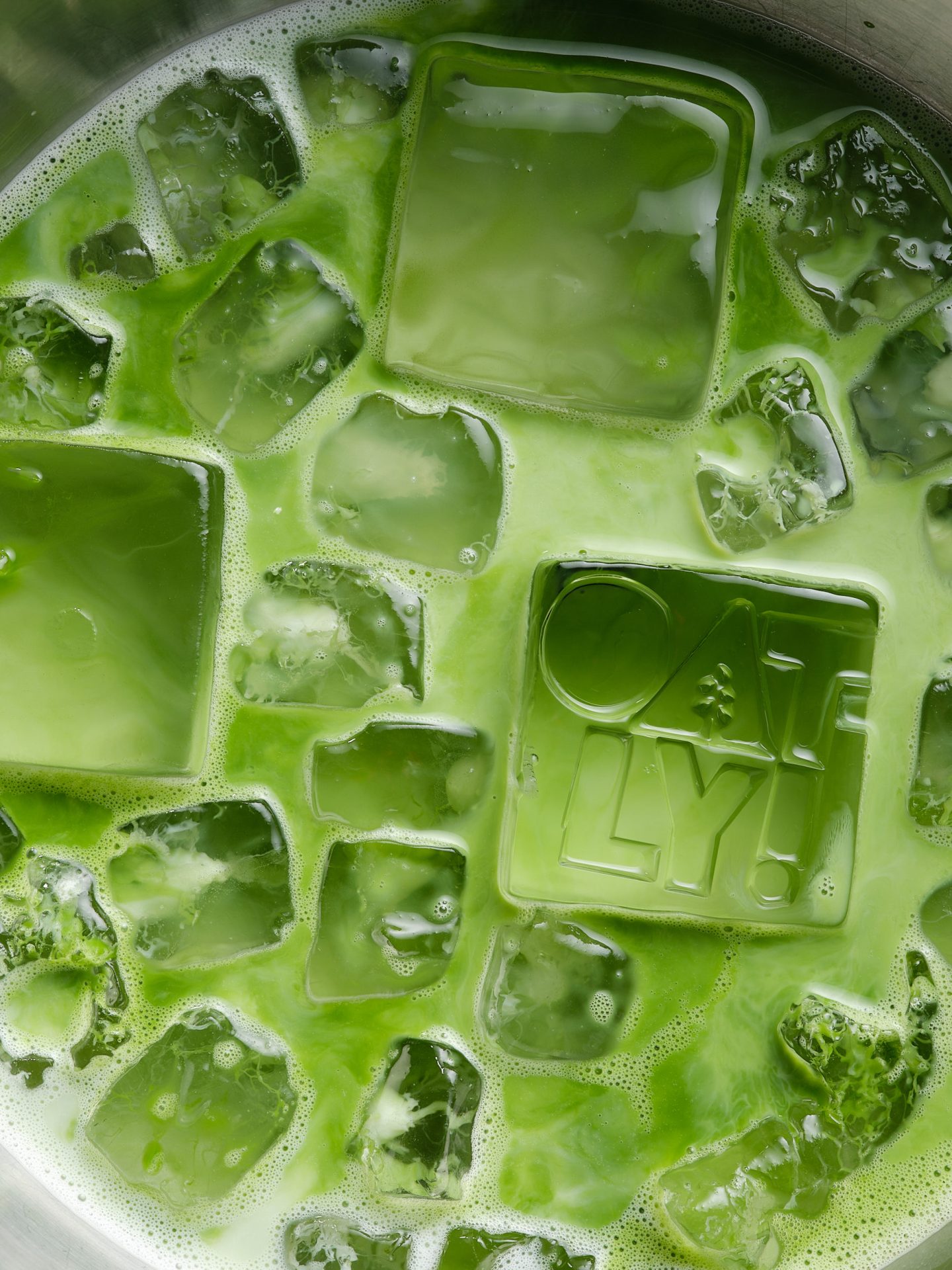
Staying Ahead
The team at Oatly share tips on how hotels can tap into the ever-present ‘matcha mania’.
There is no doubt that Matcha is the drink of the moment. The vibrant Japanese tea-based beverage has boomed in popularity over the past year and it’s not showing signs of slowing. In fact, according to the Financial Times, British matcha revenue hit around £46 million in 2025, more than doubling year-on-year, with sales forecast to continue growing through the next decade.
For hotels, matcha’s rise presents a timely opportunity. As guest expectations shift toward drinks that balance wellness, indulgence and visual appeal, matcha offers a simple way to refresh menus across multiple settings.
A Gateway Flavour
Matcha’s popularity is no longer just about novelty. In Oatly’s Future of Taste report, we highlighted that matcha represents a wider shift in global beverage culture. One driven by curiosity, cross‑cultural exchange and changing attitudes to health and enjoyment. What began as “matcha mania” has opened the door to a broader appetite for East and Southeast Asian flavours, with ingredients such as hojicha, ube and pandan increasingly influencing Western menus.
In this evolving landscape, matcha’s future lies in adaptability. Consumers are still drawn to its heritage, colour and perceived benefits, but they are less interested in rigid ceremony. Instead, they want drinks that feel intuitive and flexible - something that can be iced, flavoured, personalised or enjoyed as part of an everyday routine.
For hotels, this shift is significant. Matcha no longer needs to be positioned as a specialist offering; it can sit comfortably alongside coffee classics, juices and smoothies, appealing to a wide spectrum of guests.
Bringing Matcha into Everyday Service
Despite its growing popularity, matcha can still present challenges operationally. Traditional preparation methods require time, training and consistency which is difficult to maintain in high‑volume hospitality environments.
Making matcha accessible is therefore crucial to scaling it across hospitality spaces. Ready‑to‑use or ready‑to‑drink formats allow teams to deliver consistent quality quickly, removing complexity without compromising flavour. This approach makes it easier to introduce matcha beyond the café counter and into breakfast service, lounges, bars and even in‑room dining.
Accessibility also encourages experimentation. When preparation is simple, teams are more likely to explore matcha’s potential across different menus and settings, rather than treating it as a niche add‑on.
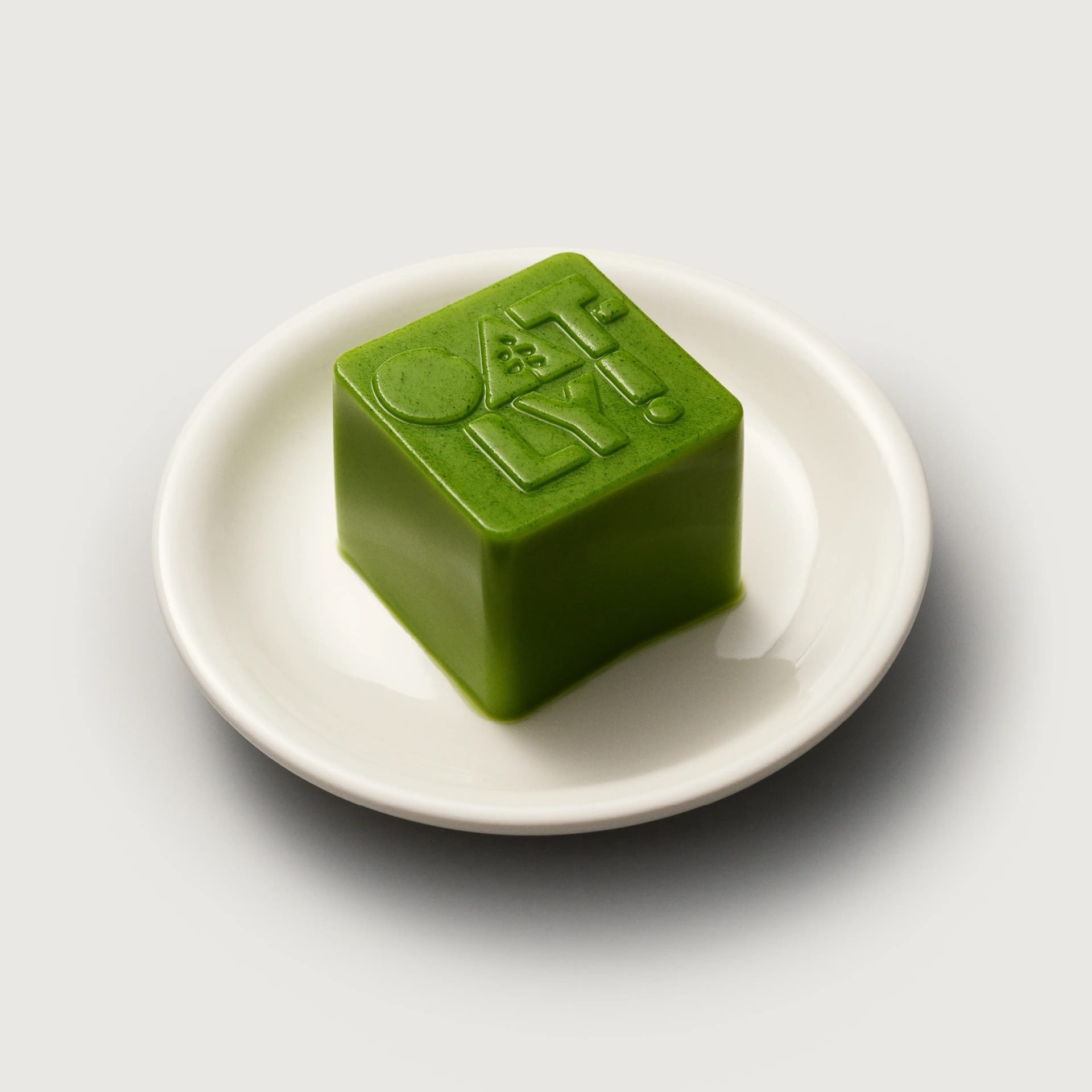
Introducing Oatly Matcha Latte
Oatly Matcha Latte Oat Drink was developed with this new reality in mind. Made with finely ground matcha and blended with Oatly’s smooth oat base, it delivers a gently sweet green tea flavour with a hint of vanilla - all in a fully plant‑based, dairy‑free format.
Designed to be served hot or cold, frothed or poured over ice, it offers hotels flexibility without added training or equipment. It also lowers the barrier for guests who may be curious about matcha but unsure where to begin, providing a familiar, approachable entry point.
In a post‑matcha mania world, this balance is essential. As the Future of Taste report highlights, today’s drink choices are increasingly shaped by a desire for conscious indulgence - experiences that feel good without feeling restrictive. Matcha, when presented accessibly, delivers exactly that.
Suggested image: Oatly Matcha Latte 1L pack shot
One Ingredient, Multiple Opportunities
Matcha’s real strength lies in its versatility. Hotels are uniquely positioned to maximise this, using a single ingredient across multiple touchpoints.
In the morning, matcha offers a lighter alternative to coffee - particularly appealing to guests moderating caffeine intake. By day, iced matcha drinks and lattes add colour and interest to café menus and photograph beautifully for social sharing. In the evening, matcha can be reimagined as part of a premium non‑alcoholic serve or as an unexpected twist in cocktails, aligning with growing interest in moderation.
This flexibility allows hotels to refresh menus without constant reinvention, while maintaining a strong through‑line of flavour and identity.
Personalisation Is Key
Personalisation continues to define modern drink culture, and matcha lends itself naturally to this. Different sweetness levels, flavour infusions or seasonal additions allow guests to shape their own experience.
For hotels, this adds perceived value while reinforcing attention to detail. A short menu explainer or staff‑led recommendation can help demystify matcha for newcomers, while still appealing to more knowledgeable drinkers.
A Green Opportunity
Matcha’s future is not about replacing coffee or chasing fleeting trends. It’s carving out a permanent place on menus as a drink that reflects how tastes are changing - globally connected, visually engaging and adaptable to different moods and moments.
By making matcha accessible - for both teams and guests - hotels can tap into its growth while staying ahead of where beverage culture is heading.
Check out our favourite matcha recipes and more here…


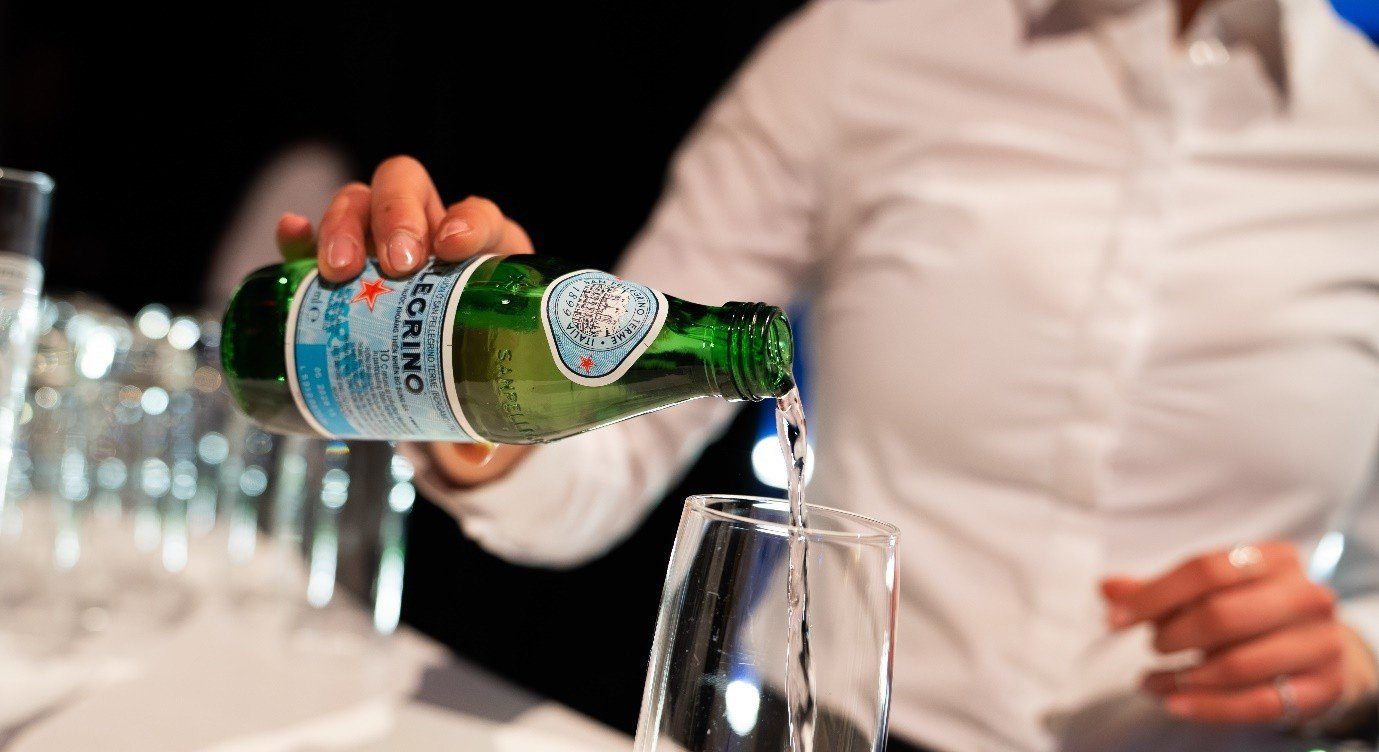
The Full Experience
How S.Pellegrino and Acqua Panna are elevating food and drinks hospitality.
In modern hospitality, excellence is no longer defined solely by what appears on the plate. It is increasingly shaped by the full guest experience - where food, drinks, service, storytelling, and atmosphere come together to create something cohesive, refined, and memorable. Within this evolving landscape, S.Pellegrino and Acqua Panna have become defining forces, consistently supporting the world’s most influential hospitality platforms and elevating standards across both gastronomy and drinks culture. Through their partnerships with the Michelin Guide, Obsession and The World’s 50 Best, the two iconic water brands are helping to shape a more connected, more sophisticated vision of hospitality.
Long associated with fine dining, S.Pellegrino and Acqua Panna have moved far beyond their role as premium table waters. Today, they are recognised as essential contributors to the hospitality experience - trusted by chefs, sommeliers, and bartenders for their ability to complement, balance, and elevate flavour. Their involvement in leading global events reflects a deeper commitment: not just supporting excellence, but actively helping redefine it.
Michelin Guide Awards - Elevating the Art of Fine Dining
The Michelin Guide Awards remain one of the most prestigious celebrations in global gastronomy, recognising restaurants and chefs who set the highest standards of creativity, precision, and consistency. As partners of the 2026 Michelin Guide Awards in Dublin, S.Pellegrino and Acqua Panna reinforced their position at the heart of culinary excellence.
Present at the awards ceremony, S.Pellegrino and Acqua Panna enhanced the guest experience through carefully curated water pairings designed to complement Michelin-level cuisine. Guests experienced how S.Pellegrino’s vibrant effervescence and Acqua Panna’s smooth, still elegance could elevate premium ingredients such as caviar, Parmigiano Reggiano, and dark chocolate. These pairings highlighted an often-overlooked truth: water plays a fundamental role in shaping flavour perception and refining the overall dining experience.
By integrating seamlessly into the Michelin journey, the brands demonstrated that drinks are not secondary to food, but an essential part of its expression. Their presence helped elevate the entire sensory experience, reinforcing water’s place within fine dining culture.
Obsession 2026 – A Celebration of Culinary Collaboration
Obsession at Northcote is one of the UK’s most iconic fine dining festivals, known for bringing together some of the world’s most talented chefs for a multi-night celebration of creativity and innovation. The 2026 edition once again showcased the very best of global gastronomy, with 20 world-class chefs - holding a combined 27 Michelin stars - each presenting unique menus that reflected their individual culinary identity.
Across 17 nights, guests experienced an ever-changing expression of fine dining, where each service offered a new interpretation of excellence. Within this environment, S.Pellegrino and Acqua Panna played a crucial, integrated role. Present throughout every stage of the guest journey, the brands supported not only the service of food, but the orchestration of the entire dining experience. From the restaurant bar to the final course, they ensured consistency, balance, and refinement across every touchpoint.
The waters enhanced pairings, softened transitions between courses, and elevated the rhythm of each menu. In doing so, they demonstrated that true hospitality excellence is built through collaboration - between chefs, service teams, and beverage partners working in harmony.
The World’s 50 Best - Shaping a Global Hospitality Ecosystem
S.Pellegrino’s partnership with The World’s 50 Best reflects its commitment to elevating hospitality beyond fine dining alone. The platform not only honours the world’s best restaurants, but also celebrates bars, bartenders, sommeliers, and drinks professionals who are redefining global beverage culture.
Through initiatives such as The World’s 50 Best Bars, the brands continue to support the innovation in cocktails, spirits, wine, and service, giving visibility to a fast-evolving drinks industry that is now central to modern hospitality.
By supporting 50 Best, S.Pellegrino reinforces the idea that food and drinks are inseparable elements of the same experience. Restaurants and bars are no longer viewed in isolation; instead, they form part of a unified hospitality ecosystem where chefs and bartenders inspire and influence one another.
Driving Hospitality Forward
From Michelin-starred celebrations in Dublin to immersive culinary showcases at Obsession and the global influence of The World’s 50 Best, S.Pellegrino and Acqua Panna continue to define what it means to support modern hospitality. Their role extends beyond presence or sponsorship; they actively contribute to shaping the standards, experiences, and expectations of the food and drink industry.
Lasting Impressions
Why hotel bars are rethinking glass care and wine storage, as told by Ela Hedges, Business Development Manager at Miele Professional.
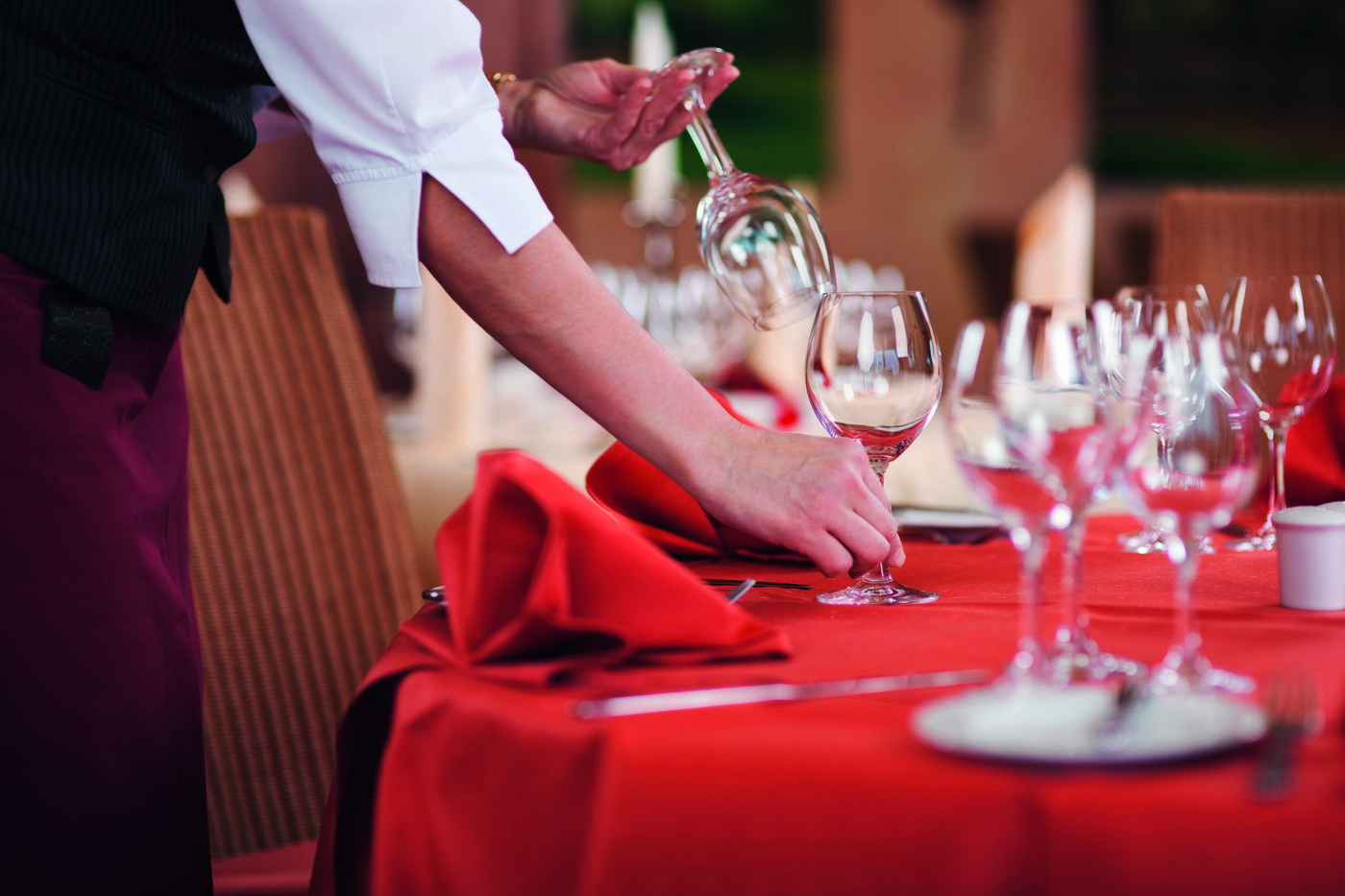
Hotel bars and restaurants play a growing role in shaping how guests perceive their stay. Whether it’s a welcome drink on arrival, a pre-dinner cocktail or a late-night glass of wine, these moments often leave a lasting impression, and one that should be positive. While certain aesthetics such as menus and interior design absolutely play their part, the foundations of a smooth, confident service are built behind the bar, well out of guests’ sight.
In busy hotels, where bars can potentially serve residents, conference visitors, walk-ins and even guests all in the same day, consistency must be there throughout. Clean glassware and correctly stored drinks might seem like the basics, but they actually have a direct influence on pace of your service, the confidence of your staff and the overall guest experience.
Glass care under hotel pressures
Unlike standalone bars and venues, hotel bars very rarely operate in isolation. A single property may run multiple service areas, whether that be lobby lounges and cocktail bars or even restaurants and room service, all drawing on the same glassware. And during peak periods, especially in the evening, the pressure on back-bar systems can start to show.
Handwashing and polishing still exist in some hotel operations, but these approaches rely heavily on time. Cloth quality, surface cleanliness and human fatigue all introduce variables.
This has led more hotels to reassess their dishwashing technology. Freshwater commercial dishwashers offer a dependable alternative, particularly where hygiene and repeatability are most needed. By using clean water for every wash cycle and flushing it completely before the next load, freshwater systems remove the risk of debris or odours carrying over. For hotels running continuous cycles across long service windows, that reassurance matters.
Miele Professional’s freshwater dishwashers, for example, are designed for demanding environments where speed and reliability are essential. Short cycles allow glassware to return to service quickly, while consistent wash results reduce the need for manual intervention behind the bar. The result is a calmer workflow, even when demand spikes unexpectedly.
Why clean glassware protects brand perception
Hotel guests may not consciously inspect every glass, but they notice when something feels off. Lingering odours, fingerprints or lipstick traces undermine an otherwise polished experience, particularly in premium settings. For wine and cocktails, where aroma and presentation are part of the appeal, the condition of the glass mustbe inseparable from the drink itself.
Standardising glass care through commercial dishwashing also helps hotels manage staffing challenges. Seasonal teams, agency staff and rotating roles are common across hospitality. So having equipment that delivers consistent outcomes regardless of who is operating it helps maintain standards across shifts, protecting brand reputation without placing additional strain on managers.
Wine storage in multi‑outlet hotels
Alongside glassware, drinks storage has become another area of focus for hotel operators. Wine, in particular, demands stability. Temperature fluctuations, exposure to light and vibration can all affect flavour, structure and aroma, turning a carefully chosen bottle into a missed opportunity.
Hotel bars and restaurants often carry diverse wine selections, serving everything from sparkling wines to premium reds. This variety requires flexibility. Modern wine conditioning units now offer multiple temperature zones within a single footprint, allowing different styles to be stored appropriately without compromise.
The Miele MasterCool wine conditioning unit is one example of how design supports practicality. With three independent temperature zones, flexible shelving and subtle interior lighting, it allows staff to access bottles easily without disturbing storage conditions. This ensures that a wine opened during afternoon service tastes exactly as intended later that evening.
Reducing friction during service
Behind‑the‑bar decisions have a noticeable impact during high‑pressure periods, especially on the bar team. When staff trust that glassware is ready to use and that drinks are stored correctly, service flows more smoothly. There’s less hesitation, fewer last‑minute checks and greater confidence across the team.
In hotel environments, this reliability is especially valuable. Bars often operate alongside restaurant service, events and room service, all competing for attention and resources. Equipment that removes uncertainty helps staff focus on guests rather than firefighting operational issues.
Supporting the wider guest journey
Investment in back‑bar infrastructure rarely grabs headlines, but it quietly reinforces every guest touchpoint. Clean glassware supports presentation. Correctly stored wine protects quality. Together, they help ensure that hotel bars and restaurants deliver the same standard on a quiet weekday afternoon as they do on a fully booked Friday night.
For hotels aiming to offer memorable stays, these details matter. Guests may never see what happens behind the bar, but they feel the difference when service runs seamlessly and every drink arrives exactly as it should.
Discover how Miele Professional’s commercial dishwashing and wine storage solutions can support hotel bar and restaurant operations at https://www.miele.co.uk/p/hotels-guesthouses-4113.htm
Mezcal’s Moment
Mezcal, Reimagined for Modern Luxury: A Commercial Opportunity for UK Hospitality.
Agave is now outperforming every major spirits category in the UK on value growth, with +6.2% growth in 2025 and a further +6.1% forecast for 2026, clear evidence of a category gaining real commercial momentum. Within this, mezcal is emerging as a standout premium segment, offering depth, authenticity and a more elevated drinking experience.
Reinforcing this momentum, Mezcal Reina’s Ensamble Espadín Tobasiche has just been awarded Gold and named Mezcal of the Year 2026 at the London Spirits Competition, firmly establishing the brand among the finest mezcals now emerging in the UK market.
Against this backdrop, Mezcal Reina, a female-founded and female-led mezcal house, enters the UK market with a proposition that unites authentic Mexican provenance, sustainability-led production, and a commercially versatile portfolio designed for modern hospitality.
For UK hospitality operators, this presents a timely opportunity to introduce a category that delivers premium margin potential and meaningful differentiation.
Provenance, Craft and a Modern Perspective
Founded by Mexican-born entrepreneurs Susana Franyutti and Monica Torroella, Mezcal Reina bridges generations of traditional mezcal craftsmanship with the expectations of today’s premium consumer. Having lived in the UK for over two decades, the founders bring a dual perspective combining cultural authenticity with a clear understanding of the modern hospitality landscape.
Each expression is crafted in Oaxaca by fourth- and fifth-generation maestros mezcaleros using time-honoured artisanal and ancestral techniques. Mature agaves are slowly roasted in underground pits, naturally fermented, and distilled with precision to preserve depth, complexity and a true sense of place. The result is a portfolio that delivers authentic provenance, credible craft and a refined luxury sipping experience, qualities that resonate with discerning guests and premium venues.
Responsible Luxury as a Commercial Advantage
Increasingly, premium spirits are judged not only by quality, but by the values behind them. Mezcal Reina places sustainability at the core of its ethos, working to regenerate agave ecosystems and support the communities that sustain this craft.
By prioritising seed-grown agaves and traditional milpa-style agriculture, the brand promotes biodiversity, protects long-term supply and supports rural livelihoods across Oaxaca. For hospitality operators, this becomes a meaningful point of differentiation, aligning with guest expectations around transparency, authenticity and responsible consumption, while supporting premium pricing.
Built for Hospitality: Versatility, Depth and Ease of Serve
Mezcal Reina is designed not only to tell a compelling story, but to work effectively across a range of hospitality environments.
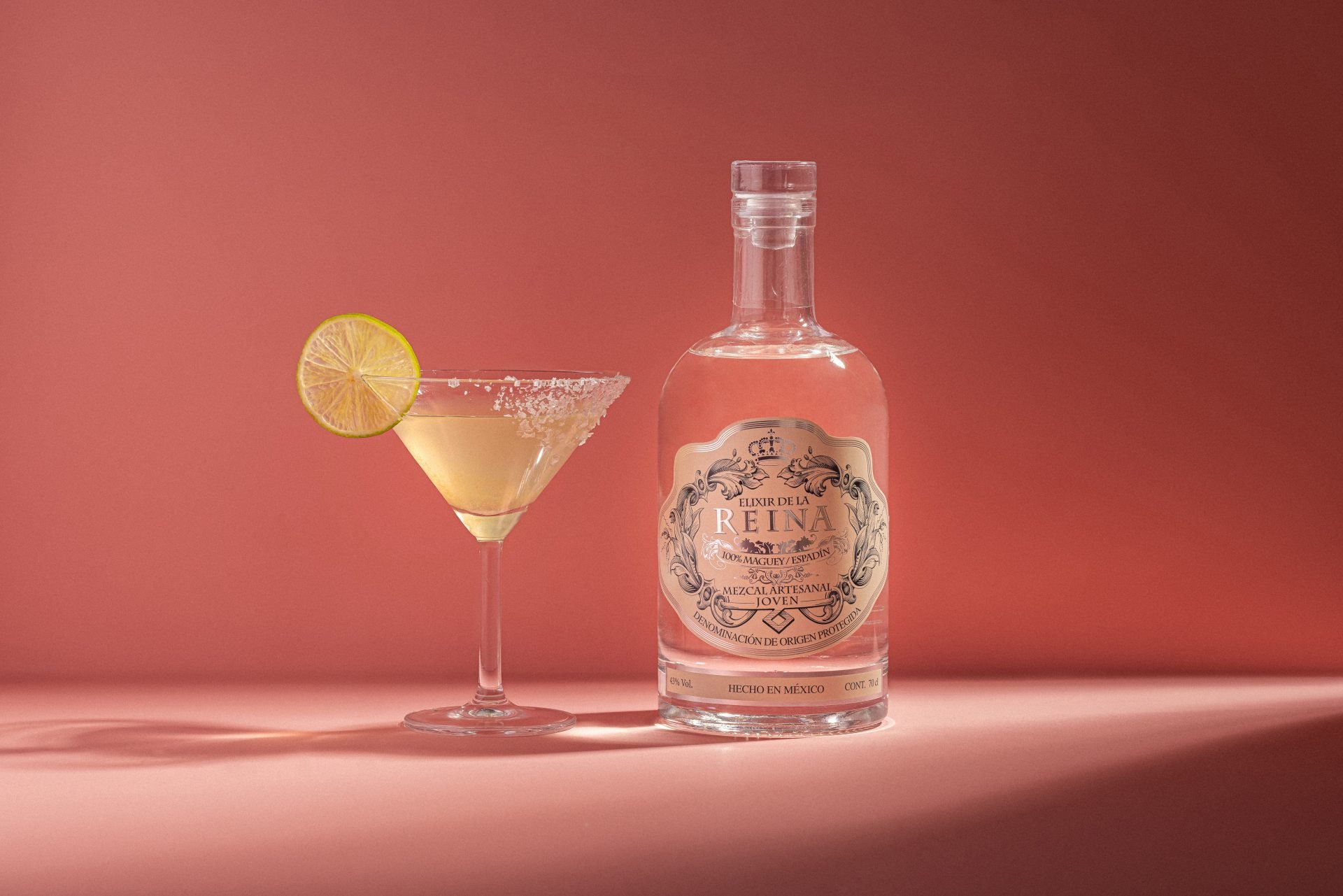
The portfolio supports luxury sipping, elevated mixology and curated tasting experiences, enabling operators to introduce mezcal in a way that feels both accessible and distinctive. The flagship Espadín, crafted using artisanal methods, offers versatility and approachability, making it equally suited to premium cocktails and refined sipping serves. Its quality has recently been recognised with a gold medal at the Global Tequila & Mezcal Masters 2026, reinforcing its credentials as a leading expression within the category.
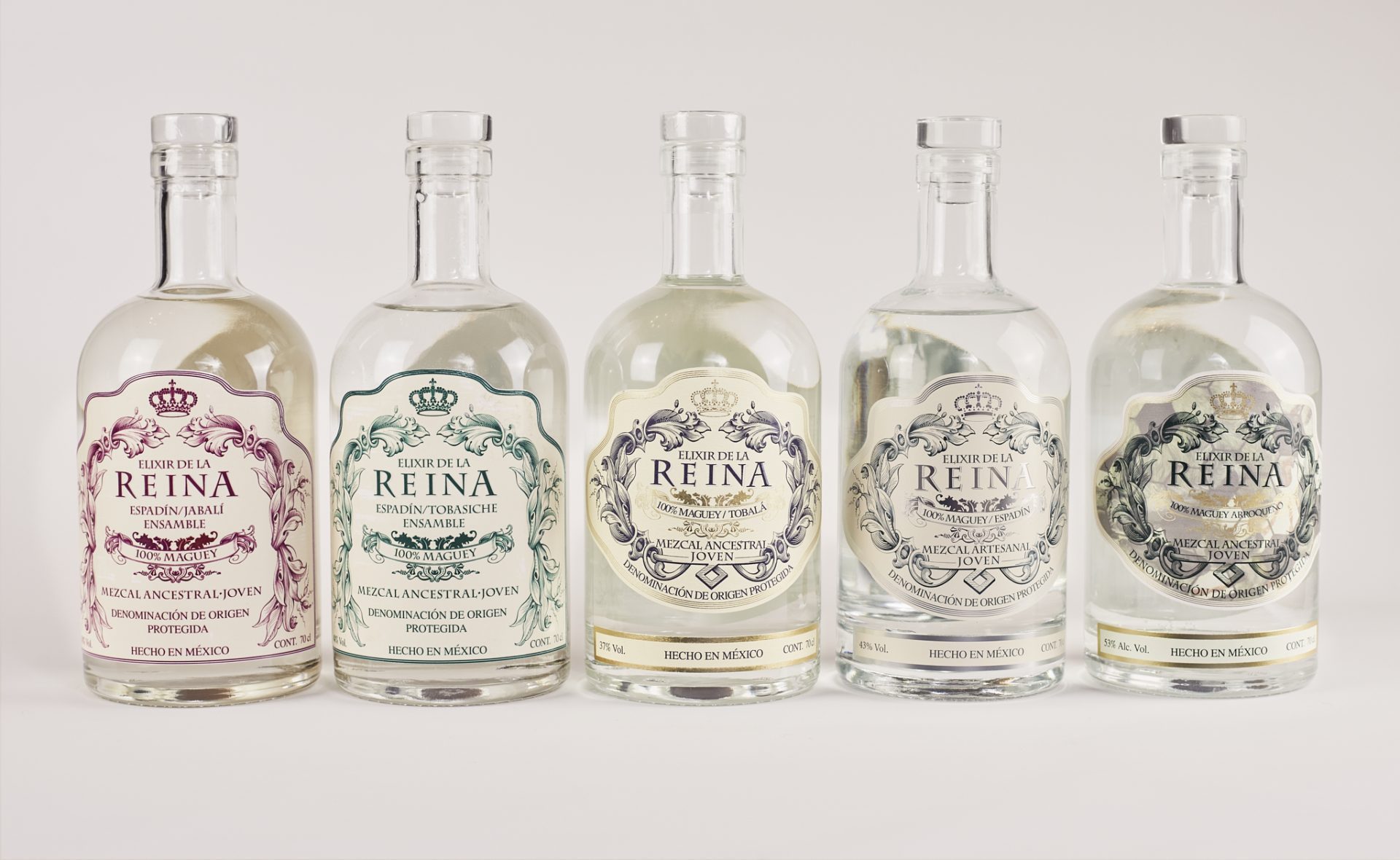
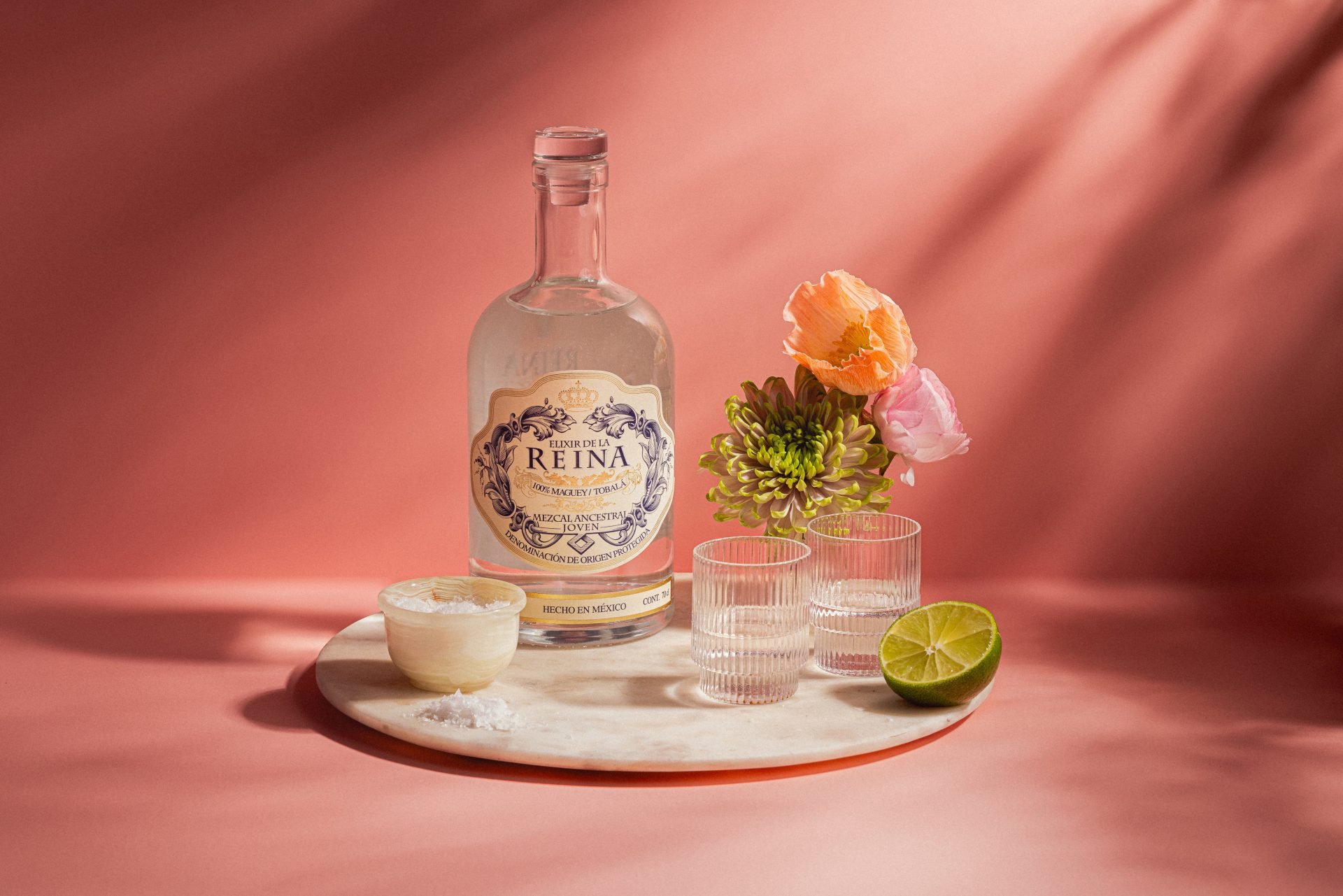
Alongside this, the range includes expressions produced using ancestral methods, including the Ensamble Espadín Tobasiche, Tobalá and Arroqueño. These ancestral mezcals, handcrafted and distilled in clay, offer greater depth, texture and terroir expression. This craftsmanship has been consistently recognised at the highest level.
Importantly, the range has been curated to offer both versatility and depth across a range of serve styles and occasions. The Tobasiche and Tobalá provide accessible entry points into ancestral mezcal, while the Arroqueño sits at the more limited, collectible end of the spectrum, allowing operators to build a considered offering across different price points and guest occasions.
Premium, Bar-Quality Cocktails, Ready to Enjoy
The brand also addresses a key operational need with its ready-to-drink range, delivering premium experiences without added complexity. The recently launched Mezcal Reina Paloma, crafted from 100% Espadín agave, offers a bar-quality cocktail in a convenient format, combining light smoky character with fresh grapefruit and lime for a refined serve.
Serves such as the Paloma and Margarita are now firmly established in the UK market, providing a familiar foundation that mezcal can elevate into more premium propositions. Building on this momentum, a second expression, the Mezcal Reina Mezcalita, launches in May, expanding the range into a two SKU RTD portfolio designed for versatility across multiple occasions.
From in-room minibars and terrace service to events and high-footfall environments, this format unlocks incremental revenue opportunities while maintaining brand integrity. With RTDs continuing to outperform many traditional alcohol categories, it offers a compelling route to growth aligned with both consumer demand and operational efficiency.
A Timely Opportunity to Lead
While mezcal’s global momentum continues to build, the UK market remains relatively underdeveloped, creating a clear opportunity for early adopters to establish leadership within the category.
By integrating Mezcal Reina, operators can enhance premium positioning, introduce a category with strong growth credentials and deliver a more engaging, story-led guest experience, while unlocking new revenue streams across both traditional and ready-to-drink formats.
Already available through specialist partners including Master of Malt, Mezcal Reina is gaining traction among those seeking to elevate their drinks programmes with credibility and impact.
Enquiries and Listings
For hospitality groups, buyers and operators interested in listing opportunities or collaborations, please contact:
Susana Franyutti
Co-Founder & CEO, Mezcal Reina
susana@mezcalreina.com
Digitising Compliance
Sean Larsen, Co-Founder of Labl.it, explains how digital food labelling is helping hotel F&B teams streamline compliance, reduce risk, and improve both efficiency and guest confidence in an increasingly regulated landscape.
For readers who may not yet be familiar with Labl.it, can you explain what your system does and the role it plays within the food and beverage space?
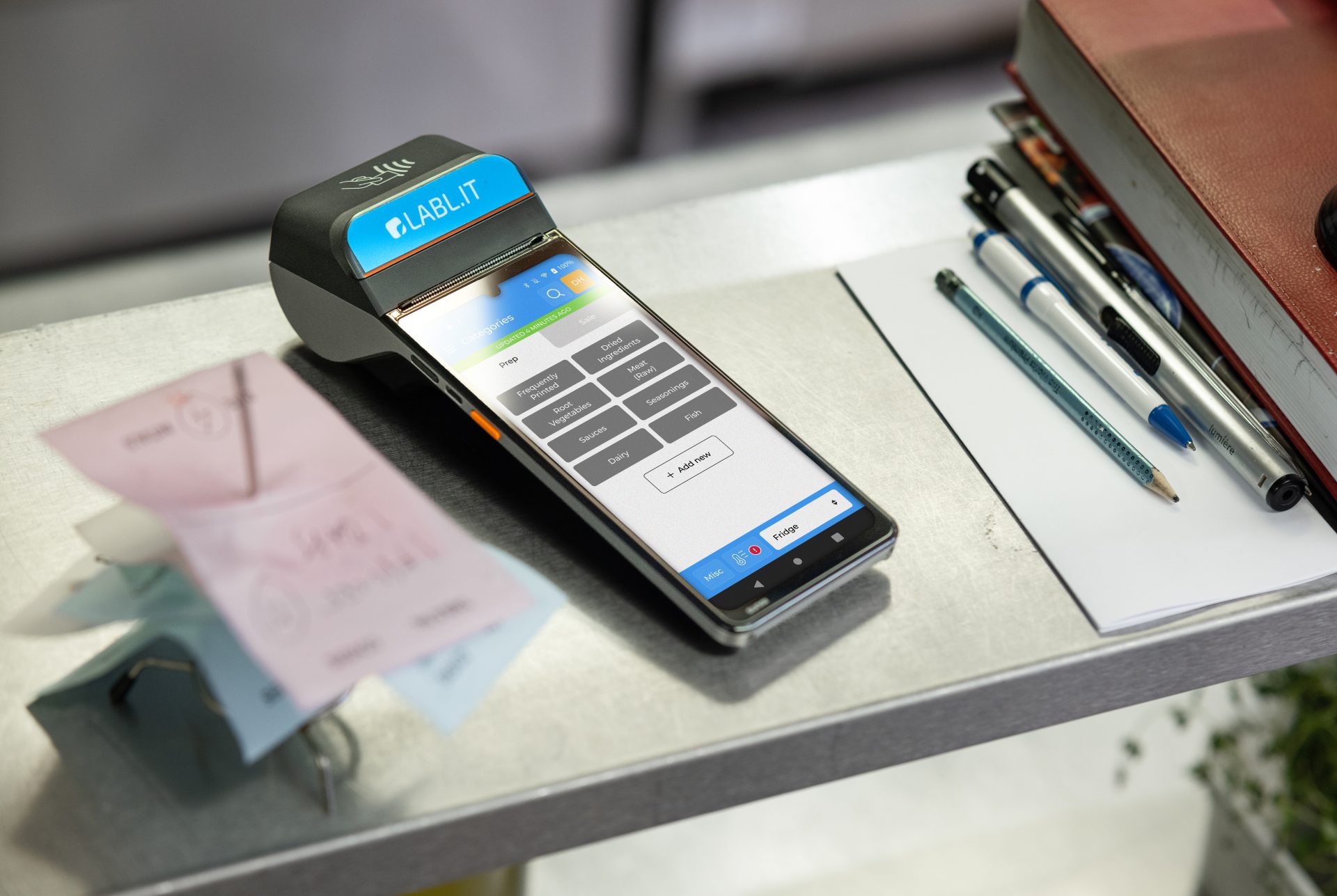
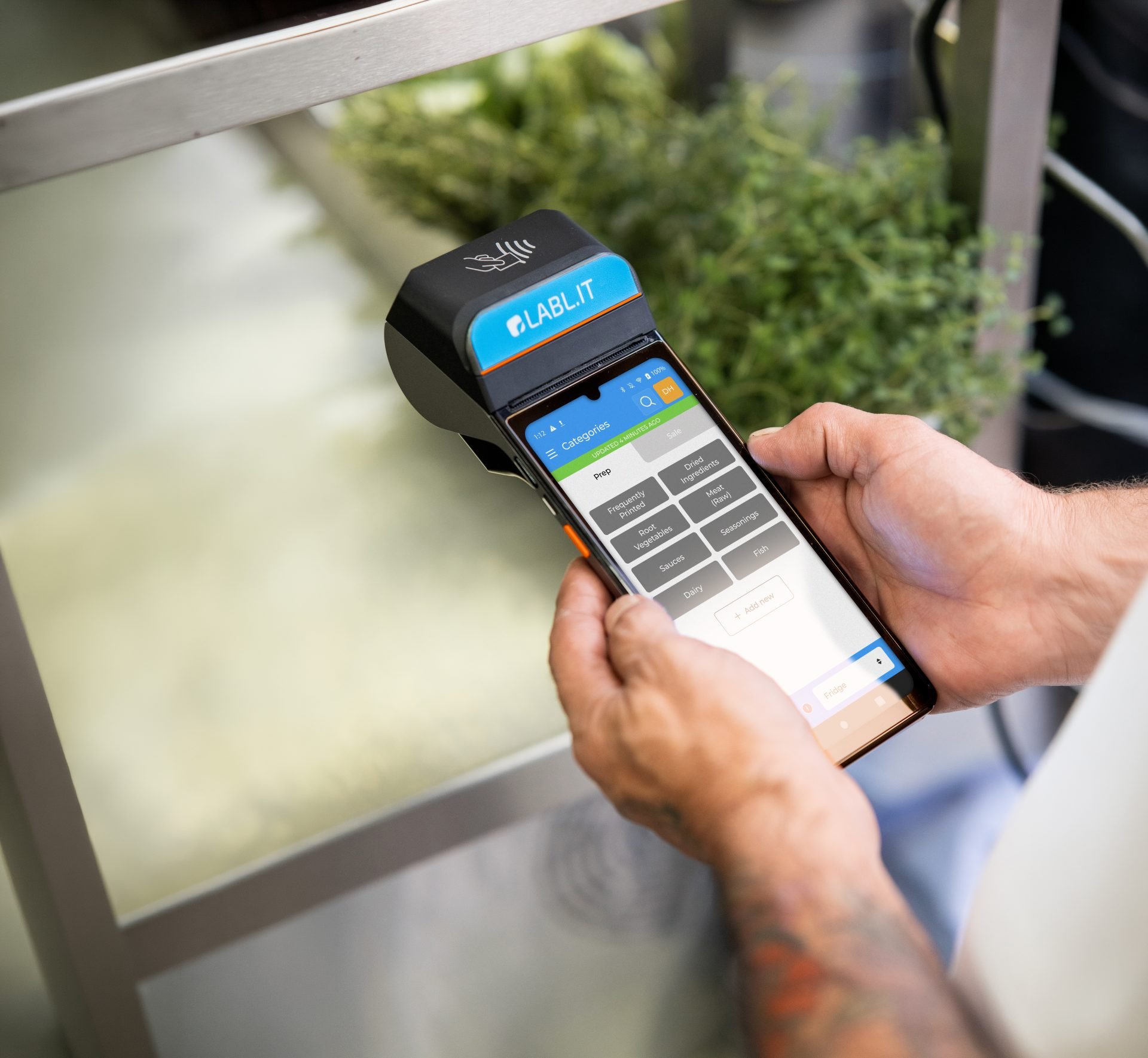
Labl.it is the UK's leading all-in-one food labelling system for commercial kitchens. Already trusted by some of the biggest names in hotel F&B, including Hilton, Sofitel, Novotel, Holiday Inn, Exclusive Collection, Harbour Hotels, Accor, Aurora Group, and more, our system replaces handwritten food labels with a fast, reliable digital solution built around intuitive handheld hardware and cloud-based software, covering everything from prep dates and use-by information to the allergen data every commercial kitchen is legally required to produce.
We were founded in 2021 by former restaurateurs who had lived the daily frustration of compliant kitchen labelling first-hand. The pen-and-paper approach is slow, error-prone, and critically, it poses real food safety risks to consumers with allergies. We set out to solve that problem properly, and the result is a system that any kitchen team member can operate from day one, with no training required. Labels print in three clicks, in seconds.
Today, Labl.it is trusted by over 3,000 food businesses across the UK - from independent cafés and award-winning restaurant groups through to care homes, contract caterers, and hotel kitchens. The role we play is simple: we help kitchens move faster, stay compliant, and trust every label.
What are the biggest compliance challenges currently facing hotel F&B departments, and how does Labl.it help address these issues?
Hotel F&B operations face a particularly complex compliance landscape. You have high-volume, multi-outlet kitchens: restaurants, room service, banqueting, grab-and-go, all running simultaneously, often with large and frequently changing teams. Every item of prepped food must be accurately labelled with preparation date, use-by information, and full allergen data. Getting that consistently right across an entire hotel operation, every single service, every single day, is genuinely challenging.
The biggest risks we see are around allergen accuracy and consistency. Since Natasha's Law came into force, pre-packed-for-direct-sale food must carry a full ingredients list with allergens clearly emphasised. For hotel kitchens producing grab-and-go items, sandwiches, buffet food, or packaged amenities, the compliance burden is significant, and the stakes are high. Errors aren't just an EHO concern; they're a guest safety issue.
Labl.it addresses this directly. Our system provides EHO and Natasha's Law compliant label formats, with the ability to add allergen data with the legally required bolding and underlining, alongside prep dates, use-by times, and batch numbers. Centralised management means head chefs or F&B managers can control the product database across all outlets, with user permission controls to ensure consistency. The result is that compliance becomes built into the workflow rather than dependent on individual staff knowledge - which matters enormously in an industry with high staff turnover.
Transparency and traceability are becoming increasingly important to consumers - how does Labl.it support hotels in meeting these expectations?
Consumer expectations around food information have shifted significantly, and rightly so. Guests today, particularly those managing allergies or dietary requirements, want to know exactly what is in their food. For hotels, which serve an incredibly diverse range of guests, the ability to provide clear, accurate food information is no longer a differentiator; it's a baseline expectation.
Labl.it supports this in a tangible way. Every label produced through our system carries verified, consistent allergen and ingredient information drawn from a centralised product database. There's no ambiguity, no reliance on a team member recalling what went into a dish - the data is accurate and traceable back to the original product record.
Our TempLog® add-ons take this a step further, and importantly, they do it differently to what's already on the market. Many temperature monitoring solutions are expensive, complex to implement, and require significant setup time. TempLog® accessories are a fraction of the cost of comparable solutions, significantly more robust hardware built for the realities of a busy kitchen environment, and simple to set up with just a few taps. Hotel kitchens can record temperature checks alongside labelling activity within a single connected system, creating a comprehensive digital compliance record that supports full EHO audit-readiness - without the price tag or complexity that has made other solutions a hard sell for F&B teams.
In a competitive hospitality landscape, how can leveraging your solution enhance a hotel's guest experience and drive revenue within F&B operations?
The connection between back-of-house compliance and front-of-house experience is more direct than people often realise. When kitchen teams spend less time on labelling admin, and our customers report time saving of up to 75%, that time is freed up for what actually drives guest experience: quality of preparation, consistency of execution, and the ability to handle volume without dropping standards.
For hotels with grab-and-go offerings, retail food operations, or packaged guest amenities, clear and professional labelling also has a direct impact on guest confidence and revenue. Guests are more likely to purchase packaged food when allergen and ingredient information is clearly displayed. A label that looks professional, accurate, and trustworthy is a small but meaningful part of how guests perceive a hotel's food offer.
There's also a direct cost saving case. Labl.it's improved date management capabilities, as well as the expiry and wastage report features help kitchens reduce food waste, one of the hospitality sector's most significant cost challenges. For a busy hotel kitchen, better stock rotation translates directly to reduced wastage and improved margins.
Looking ahead, what trends do you see shaping the future of food and drink in hotels, and how is Labl.it positioning itself to support these developments?
A few themes stand out to us. The first is the continued tightening of food safety regulation and scrutiny. Natasha's Law was a significant step, but the direction of travel - toward greater transparency, digital record-keeping, and demonstrable compliance - is clear. Hotels that invest now in digital compliance infrastructure will be better positioned as expectations and requirements continue to evolve.
The second is the growing demand for integrated, connected kitchen management. Hotels are increasingly looking for systems that talk to each other, that reduce the number of disconnected processes and paper-based records their teams have to manage. That is precisely the direction Labl.it is heading. Over the next three years, we are evolving from a labelling solution into a fully integrated back-of-house food safety and compliance system. Our upcoming TempLog® temperature monitoring accessories are the first step in that journey, enabling kitchens to manage labelling and temperature recording within a single connected platform.
The third trend, and one we feel strongly about, is sustainability. Food waste remains one of hospitality's most pressing environmental challenges. As hotels face increasing scrutiny - from guests, from ESG reporting requirements, and from their own sustainability commitments - tools that demonstrably reduce waste and support responsible kitchen management will become more important. Labl.it helps on both fronts: in-app features that help to cut and manage waste, and our partnership with Ecologi, planting 19 trees for every tree's worth of paper used in label production.
The ambition for Labl.it is to become the definitive compliance system for commercial kitchens across the UK, and hotel F&B is a sector we're particularly excited to grow within.
From Amenity to Asset
The rise of revenue-led F&B: how to enhance every guest touchpoint with mobile ordering.
For years, hotel F&B has lived in the shadow of rooms revenue -viewed as an amenity or a brand enhancer, but rarely taking centre stage in commercial strategy. But this mindset is rapidly changing.
As hoteliers navigate a landscape defined by rising costs, labour constraints, and slowing ADR growth, the industry is turning its attention to F&B - not as a complementary service, but as a powerful revenue driver.
At IRIS, we’re seeing this shift play out globally. Hotels are recognising that every guest interaction is an opportunity to drive both satisfaction and F&B spend - from coffees in the lobby and poolside cocktails, to lunch on the terrace and late-night room service.
Yet many of these moments remain under-optimised, often due to operational friction or outdated service models.
So, what are the most effective ways to increase F&B performance without adding any extra burden to your teams?
Reducing friction, unlocking guest spend
One of the biggest barriers to F&B revenue is friction. Long wait times, limited service coverage, busy staff, or unclear menus can all deter guests from ordering altogether. Every abandoned order is lost revenue and, in many cases, it’s entirely avoidable.
Today’s guests are accustomed to seamless, on-demand experiences in almost every aspect of their lives. Whether ordering food, booking a taxi, or shopping online, convenience is no longer a differentiator, it’s an expectation. Hospitality is now catching up.
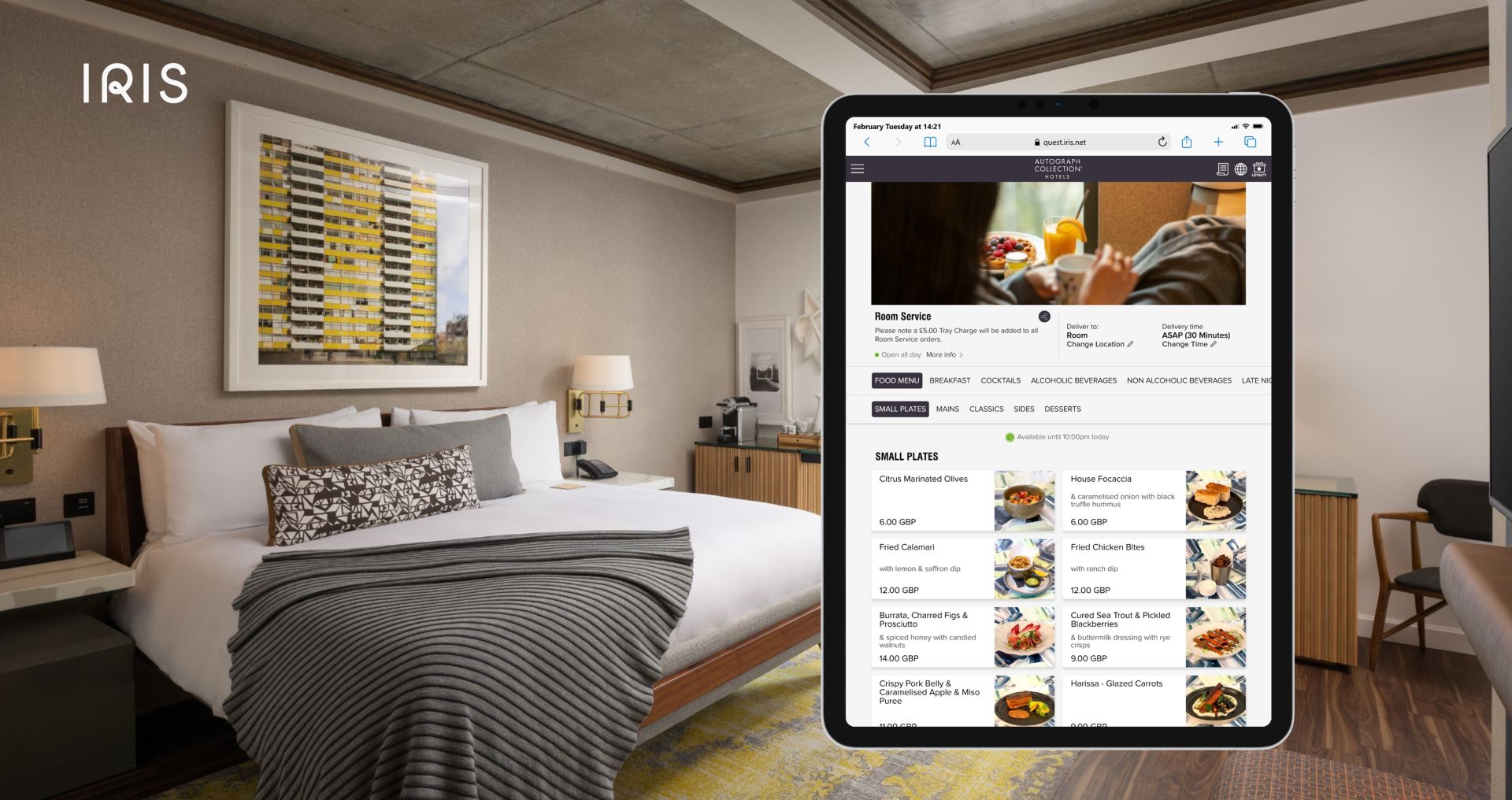
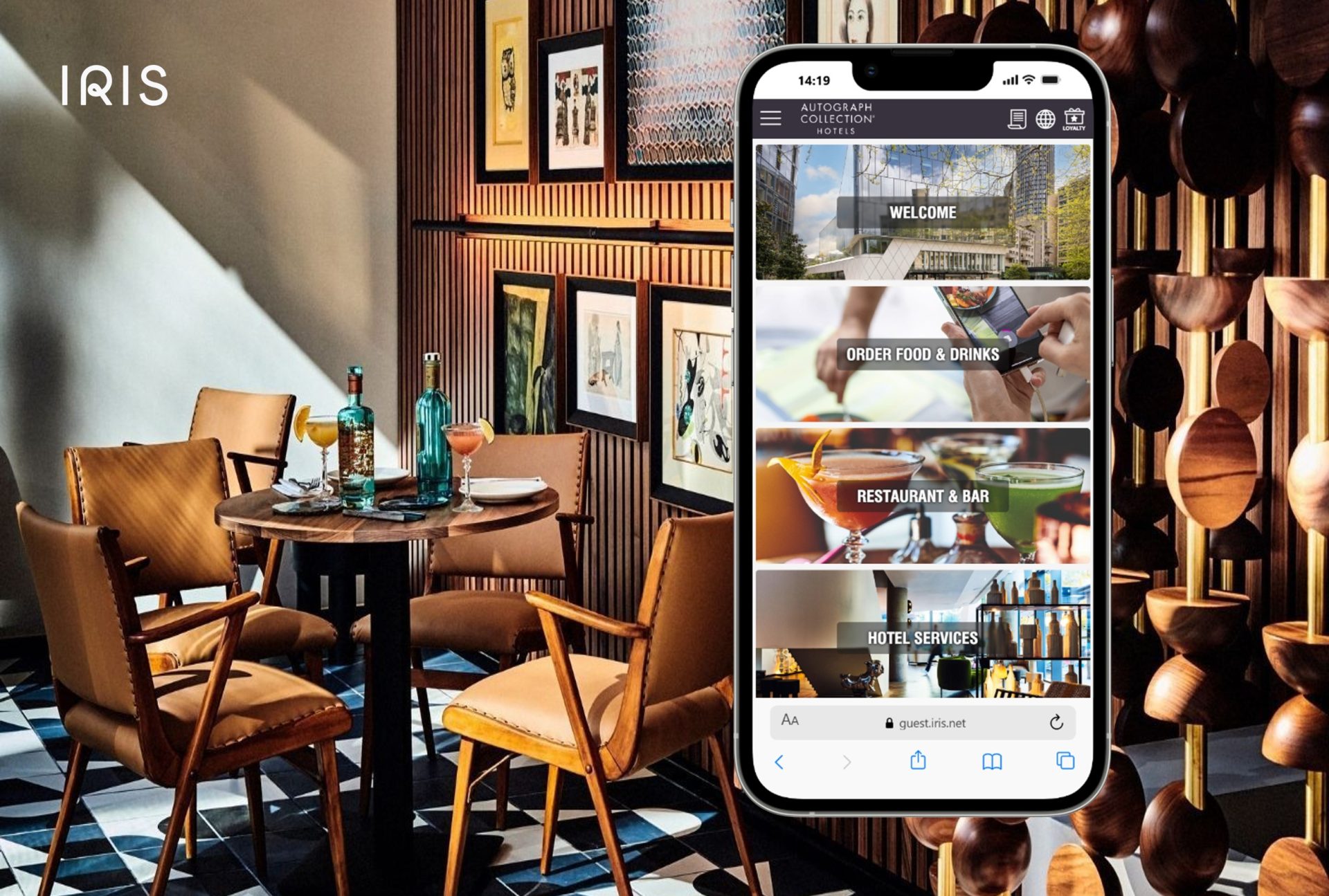
Mobile ordering has emerged as a powerful solution to this challenge, transforming the way guests interact with F&B services. By enabling guests to browse menus, customise orders, and pay directly from their own device, hotels can remove many of the traditional pain points associated with ordering.
The results are compelling. Across IRIS-powered properties, we consistently see a significant uplift in both order volume and average transaction value following the introduction of mobile ordering.
When guests can order anytime, anywhere, without waiting or needing staff intervention, they are far more likely to engage.
Turning menus into revenue tools
Digital ordering does more than streamline the process, it fundamentally changes how menus function.
In a traditional setting, menus are static. In a digital environment, they become dynamic, responsive, and revenue-generating.
Features such as high-quality imagery, dietary filters, and multi-language support help guests make faster, more confident decisions.
Additionally, we’ve seen firsthand how promotions and intelligent upsells, such as suggesting a drink pairing or highlighting a popular add-on, can deliver meaningful increases in guest spend. These are incremental gains that add up quickly, particularly across high-volume environments.
Supporting leaner teams
In today’s labour market, operational efficiency is just as critical as revenue growth.
Mobile ordering enables hotels to do more with less by guests to self-serve. Orders are placed accurately, sent directly to the kitchen via POS integration, and fulfilled with greater speed and consistency.
This not only reduces the risk of errors and delays but also alleviates pressure on front-of-house teams. Crucially, it allows staff to focus on delivering higher-value, personalised service.
At IRIS, we view this as a win-win: improved operational performance alongside enhanced guest experience.
Unlocking the entire property
In many hotels, large areas of the property - such as pool decks, spas, lobbies, and meeting spaces - remain underutilised from a revenue perspective. These spaces often lack dedicated staff or operate with inconsistent service, limiting their commercial potential.
Mobile ordering changes this dynamic entirely.
By enabling guests to order from anywhere on the property, hotels can effectively turn every space into a revenue-generating zone. A guest relaxing by the pool, attending a conference, or working in the lobby can all access the same seamless ordering experience, without the need for additional staffing.
This not only drives incremental revenue but also enhances the overall guest experience, creating a sense of ease and continuity throughout the stay.
A new strategic mindset
Hoteliers must move away from viewing F&B as a support function and start recognising it as a strategic driver of growth. This means rethinking menus, service models, and guest journeys through a commercial lens, while still maintaining the core principles of hospitality.
The good news is that deployment does not need to be complex. Many properties begin with a single outlet (such as room service or tableside ordering) and expand from there as they see results.
Looking ahead
As the industry continues to evolve, the role of F&B will only become more central to overall performance.
Hotels that succeed will be those that recognise the value of every guest touchpoint and invest in making each one as seamless and compelling as possible.
At IRIS, we believe the future of F&B lies in empowering both guests and operators - combining intuitive technology with thoughtful service design to unlock new levels of efficiency, satisfaction, and profitability.
Because ultimately, when you make it easy for guests to engage, they do more than just order.
They spend.
To learn more about IRIS or arrange a free consultation, please visit www.iris.net/demo
Re-thinking Uniforms
From long-term cost savings to fast, flexible supply and thoughtful personalisation, The Work Uniform Company share how modern uniform programmes are less about garments and more about how hotels operate, present themselves, and support their teams.
Balancing affordability with quality
Affordability and quality are often framed as a trade-off, but in practice they tend to support each other. Well-made garments are usually the more economical choice over time: a reception blazer that keeps its shape and colour through extended daily wear will outlast cheaper versions that need replacing twice a year. Our focus is on making that level of durability accessible, especially for hotels without large procurement budgets or dedicated uniform buyers. By removing barriers like minimum orders and offering straightforward delivery options, quality becomes a realistic option rather than a premium luxury.

Helping hoteliers choose the right style
We always begin with the guest experience rather than the garment itself. Different types of properties tell different stories, and uniforms should reflect that from the moment a guest arrives. The key questions are about first impressions and function: what message should the team convey, and what will they actually be doing in the clothing? Roles vary - from front desk to restaurant floor to spa - so comfort, movement and practicality are essential. A uniform needs to look polished at the end of a long shift, not just at the start. With a range spanning tailored suiting to more relaxed smart-casual options, the aim is to build a cohesive look that aligns with the brand while working for the people wearing it.
Same-day and next-day drop shipping
Speed and flexibility are where we’ve made the biggest operational impact. Hotels don’t work on long lead times - staff join at short notice, garments need replacing quickly, and new properties often work to tight launch deadlines. Traditional ordering models can’t keep up with that pace. Holding stock and offering rapid dispatch allows hotels to respond immediately rather than plan months in advance. For multi-site groups, it also means individuals can be equipped as needed without bulk ordering or storage concerns. What seems like a logistical detail ends up reshaping how uniforms are managed - making the process responsive instead of rigid.
Personalisation and in-house embroidery
Personalisation plays a larger role than many expect. A well-fitted, clearly branded uniform can influence both staff confidence and guest perception. There’s a psychological effect: when employees feel well-presented, it often shows in how they carry themselves. For guests, clear branding removes uncertainty and reinforces professionalism from the outset. Managing embroidery in-house ensures consistent quality and faster turnaround, with greater control over details and the ability to correct issues before dispatch. This is particularly valuable for groups with multiple branding elements, where consistency matters.
Supplier partnerships and what to look for
Reliable supplier partnerships come down to consistency, availability and service. For hoteliers, the real test isn’t just the upfront price, it’s how a supplier performs day to day. Key considerations include turnaround times for replacements, stock availability, minimum order requirements, and how branding is handled. The most useful questions are practical ones about how the supplier operates in real situations. Ultimately, the right partner should adapt to the needs of the hotel, not the other way around.
workuniformcompany.co.uk/collections/hospitality-uniforms
Game On
While the 2026 FIFA World Cup will be staged across North America, its ripple effects will reach UK shores, reshaping hotel demand, guest behaviour and operational planning. From late-night screenings to upgraded communal spaces, British hotels have a clear opportunity to turn a global sporting moment into commercial gain, if they prepare ahead.
The upcoming 2026 FIFA World Cup, hosted across the United States, Canada and Mexico, is set to be the largest tournament in the competition’s history. While the UK is not a host nation, the event will still have a notable impact on British hotels - presenting both opportunities and operational challenges.
One of the most immediate effects will be shifts in travel patterns. With matches taking place across multiple time zones, UK-based football fans may opt to travel abroad for the experience, potentially reducing inbound leisure demand during peak match periods. However, this may be offset by domestic “stay-and-watch” behaviour, where guests choose hotels offering premium viewing experiences, particularly in urban centres such as London, Manchester and Glasgow.
Hotels can capitalise on this by enhancing communal viewing areas. Bars, lounges and conference rooms can be repositioned as match-day hubs, driving incremental food and beverage revenue. Packages that combine overnight stays with match screenings, themed menus and extended bar hours are likely to appeal to both domestic guests and international visitors transiting through the UK.
Leading hotel supplier Hotel Buyer is already seeing hotels making such preparations. Jon Shepherd of Hotel Buyer told us, “We are seeing demand for additional ice machines, outdoor furniture and additional folding beds leading the way, as well as stocking up on the usual glassware and toiletries ahead of the World Cup in June”.
Operationally, hotels will need to adapt to irregular peak times. Late-night and early-morning kick-offs - due to time differences - could place pressure on staffing, particularly in food service and front-of-house roles. Forward planning around rotas, security and licensing will be essential, especially for properties expecting high footfall during key fixtures.
There is also a broader branding opportunity. Hotels that align themselves with the excitement of the tournament - through décor, promotions or partnerships - can strengthen guest engagement and differentiate themselves in a competitive market. Even small touches, such as international breakfast options or football-themed welcome amenities, can enhance the guest experience.
In summary, while the 2026 World Cup will take place thousands of miles away, its influence will be felt across the UK hospitality sector. Hotels that proactively adapt, both operationally and commercially, stand to benefit from a global event that continues to unite audiences worldwide.
Hotel Buyer is currently running a finance lease promotion on any equipment purchases, where hotels can receive equipment now and not pay anything until the goals start flying in in the knock out stages in July.
Brewing Expectations
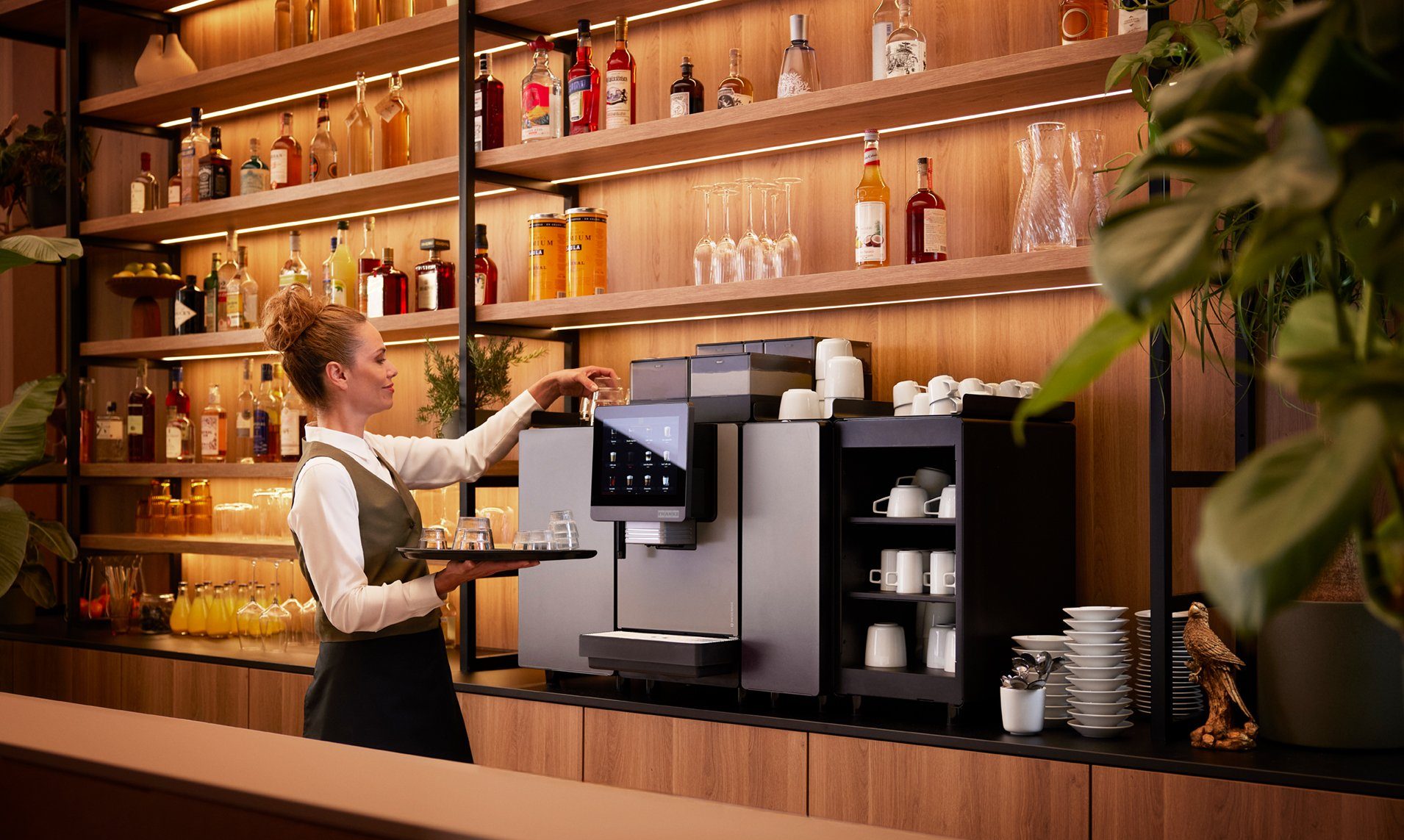
As guest expectations rise, coffee is no longer an afterthought but a defining touchpoint in hospitality. Jon Hargreaves of Franke Coffee Systems UK&I explains how premium, consistent, and innovative coffee programmes are helping hotels elevate satisfaction, drive dwell time, and strengthen their overall food and beverage offering.

Coffee has evolved from a simple offering to a key part of the guest experience – how are hotels rethinking their coffee menus to meet rising expectations?
Hotel guests today are far savvier when it comes to coffee and the overall beverage experience. Many people now start each day with premium coffee at home or from a specialty café around the corner – and these expectations don’t disappear when staying in a hotel.
To keep up with guest expectations, hotels are actively rethinking, reshaping, and diversifying their beverage menus. It means opting for high-quality beans and barista-grade foam, alongside the customisable ‘must-haves’: plant‑based alternatives, syrup flavours, matcha, and chai (to name a few from a long, growing list!).
In what ways can a premium coffee programme influence guest satisfaction, dwell time, and overall food and beverage perception?
Hotel operators are rapidly acknowledging the truth about coffee: it may be ‘just’ a drink, but it’s often the small detail guests remember most.
Even after a perfect stay, from the staff service to the evening meals, a disappointing final coffee at breakfast can influence lasting impressions (and in turn, impact guest reviews and feedback scores). On the other hand, consistently great coffee reinforces perceptions of quality and care. It encourages guests to stay longer in lounges, bars and breakfast areas, leading to increased repeat purchases, and perhaps even repeat stays.
Bringing coffee up to a high standard reflects positively on the wider food and beverage offering, elevates the overall guest experience, and helps strengthen brand image – three key advantages for success in today’s competitive hospitality landscape.
With increasing demand for consistency and quality, how can hotels balance artisan-level coffee with operational efficiency across different service areas?
Consistency is one of the hotel sector’s biggest challenges, especially without trained baristas employed at every site or on each shift.
This is where automatic coffee machines come in, featuring the latest innovation in pre-set recipes, coffee extraction technology, and automated milk systems and steam wands. These high-capacity machine solutions make it easy to achieve consistent, high‑quality drinks across breakfast, lobby, bar and self‑serve areas – within seconds, at the press of a button.
Franke recently introduced its New A Line range - how does this innovation support hotels in elevating their coffee offering while adapting to evolving guest trends?
With the New A Line coffee machine range, Franke is redefining what automated coffee systems can deliver.
Technologies like FoamMaster ensure barista‑grade foam texture in every milk-based drink, while iQFlow™ guarantees stable taste and flavour profiles, cup after cup. The intuitive touchscreen interface makes the equipment equally effective when placed behind the bar or in self‑serve environments – think espresso martinis at night, followed by busy breakfast sessions.
The New A Line is also supported by modular add-ons, each carefully designed to meet trends spanning alternative milks, syrup and flavours, and hot chocolate and matcha powders. After all, it’s no longer about offering coffee on the menu – but using quality beverages to deliver a consistent, memorable experience at every guest touchpoint.
Email Jonathan.Hargreaves@franke.com to learn more today.
Great Coffee, a Kettle Away
Because the right coffee leaves a lasting impression.
With 79% of hotel guests expecting tea and coffee facilities as standard, rising to 85% in premium properties, in-room coffee isn't a nice touch. It's a baseline. But expectations and reality don't always align. Only 25% of adults currently rate hotel coffee as good quality - a significant gap between what guests hope for and what they actually find. The good news? Closing it is simpler than you might think.
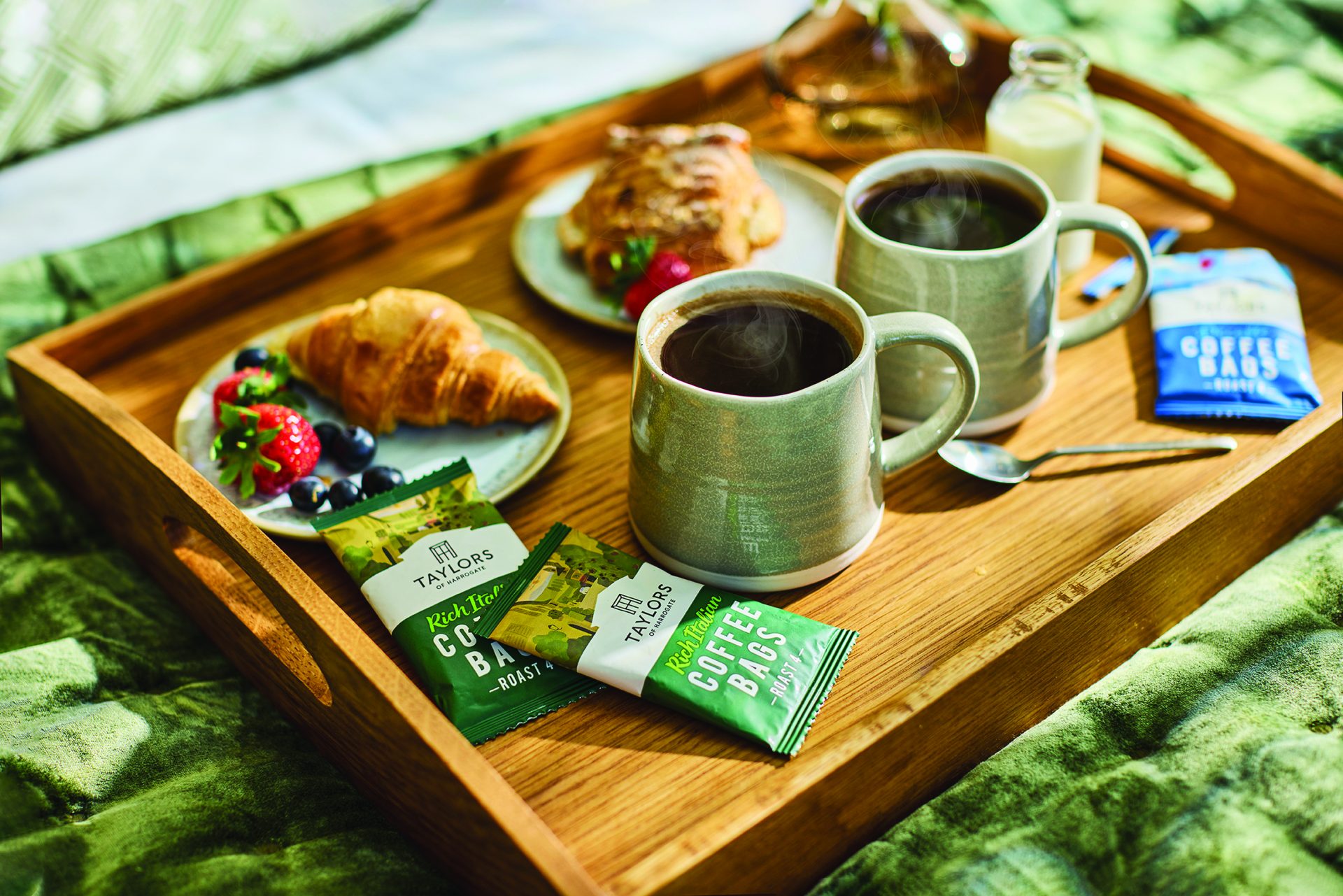
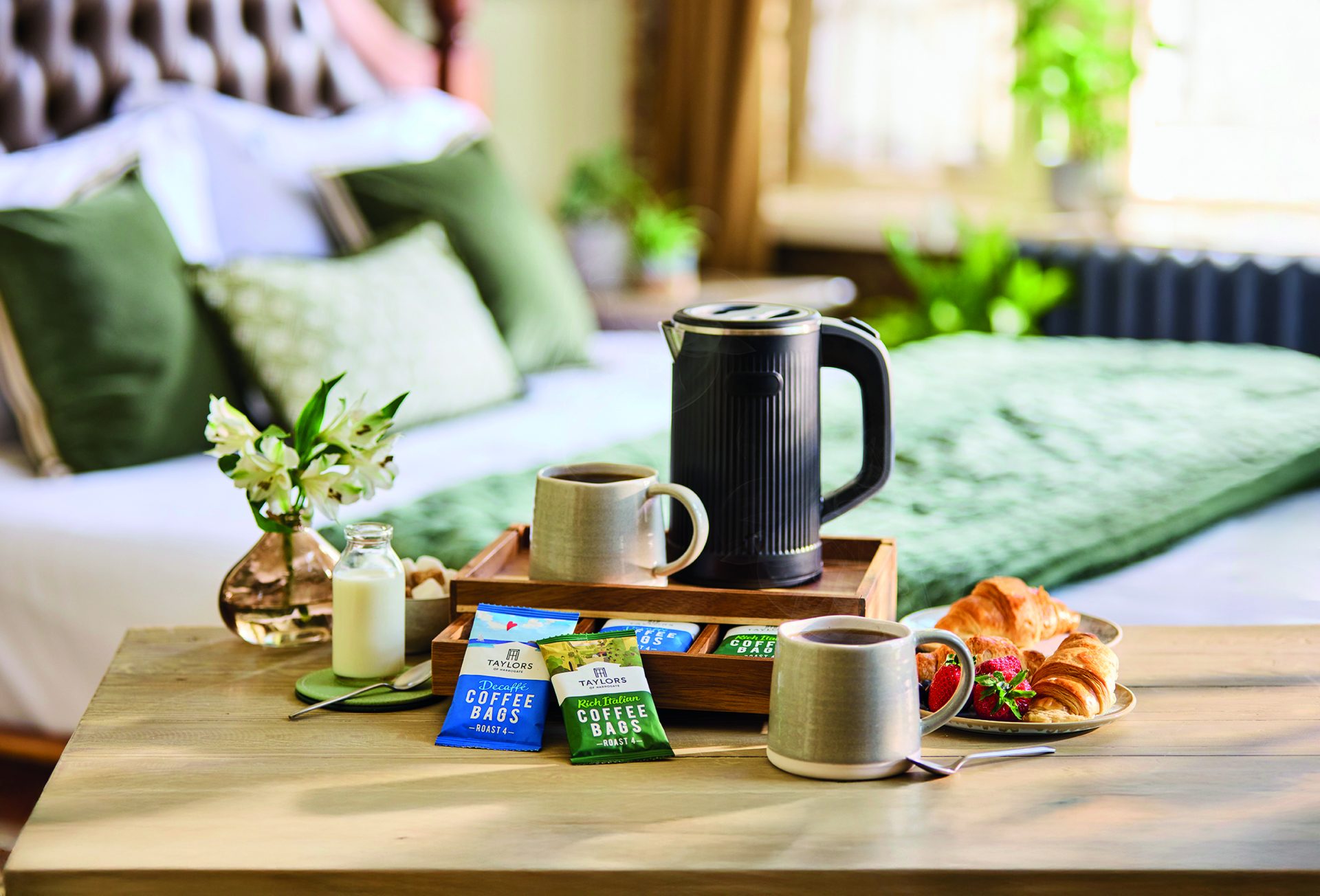
Taylors of Harrogate Coffee Bags, the UK's No.1 Coffee Bags brand³, make it easy to serve something guests will genuinely enjoy. Each bag is packed with 100% speciality-grade Arabica, sourced with care and roasted to deliver the best possible flavour in every cup. Guests brew them in minutes with nothing more than a kettle, mug and spoon. No machines, no training, nothing to maintain. Just delicious coffee, made in 5 simple steps.
The Five Simple Steps:
- Drop your bag in a mug
- Fill your mug with boiled water
- Swirl the bag around
- Give it four minutes to brew
- Take out the bag and enjoy
Three moments worth getting right
The moments that shape a guest's stay are often smaller than you'd expect.
In-room, a quality coffee can set the tone for an entire visit. Taylors Rich Italian Coffee Bags offer a full-bodied, aromatic cup that guests will actually look forward to. A straightforward upgrade with a real impact on satisfaction, reviews and return visits.
At breakfast, expectations tend to be at their highest. Upgrading to Taylors Coffee Bags is the kind of detail guests notice and remember when they're deciding where to book next.
In conference and event spaces, Taylors Coffee Bags deliver quality without complexity. Quick to prepare, easy to serve, no equipment required. Great coffee, ready when it's needed.
So good you'll want to take it home
Northcote Hotel has served Taylors Coffee Bags in-room for some time now. Managing Director Craig Bancroft says it simply: "I buy them at home now because of Northcote. It's got so much more quality and depth than instant coffee. The taste is smooth, rich and round." When one of the UK's leading hoteliers makes Taylors his personal choice, it tells you something about what's in the cup.
A blend for every guest
Taylors Rich Italian is the full-bodied, aromatic everyday essential. Taylors Decaffé delivers the same smooth, rounded quality without the caffeine. Both are individually wrapped for freshness. With 87% of hotel guests willing to pay more for premium options during their stay¹, the appetite is there. The only question is whether your coffee is keeping up.
Find out what your guests are missing
See it for yourself. Scan to request your free samples of Taylors Rich Italian and Taylors Decaffé Coffee Bags and find out why hotels across the UK are making the switch.