

While the 2026 FIFA World Cup will be staged across North America, its ripple effects will reach UK shores, reshaping hotel demand, guest behaviour and operational planning. From late-night screenings to upgraded communal spaces, British hotels have a clear opportunity to turn a global sporting moment into commercial gain, if they prepare ahead.
The upcoming 2026 FIFA World Cup, hosted across the United States, Canada and Mexico, is set to be the largest tournament in the competition’s history. While the UK is not a host nation, the event will still have a notable impact on British hotels – presenting both opportunities and operational challenges.
One of the most immediate effects will be shifts in travel patterns. With matches taking place across multiple time zones, UK-based football fans may opt to travel abroad for the experience, potentially reducing inbound leisure demand during peak match periods. However, this may be offset by domestic “stay-and-watch” behaviour, where guests choose hotels offering premium viewing experiences, particularly in urban centres such as London, Manchester and Glasgow.
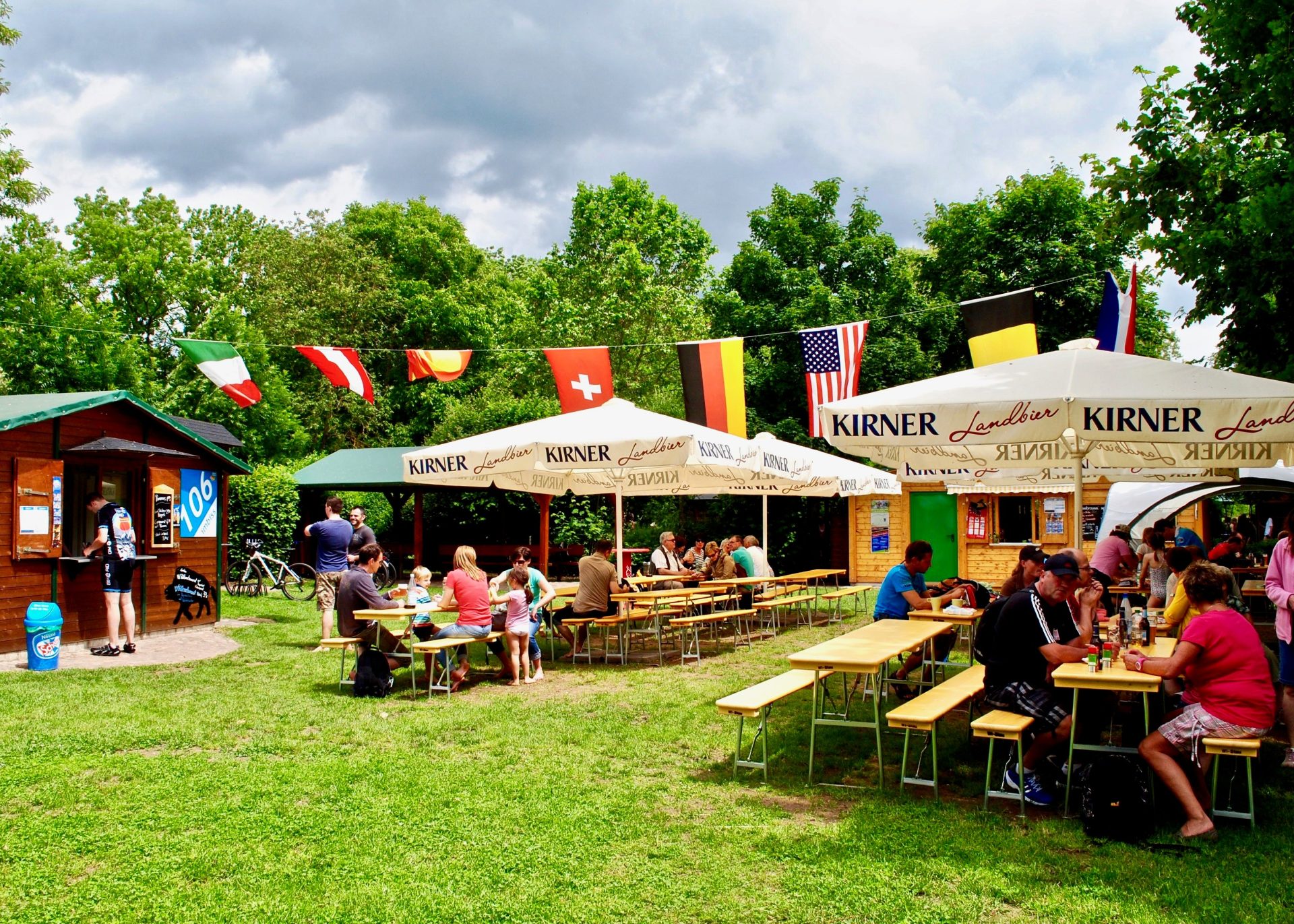
Hotels can capitalise on this by enhancing communal viewing areas. Bars, lounges and conference rooms can be repositioned as match-day hubs, driving incremental food and beverage revenue. Packages that combine overnight stays with match screenings, themed menus and extended bar hours are likely to appeal to both domestic guests and international visitors transiting through the UK.
Leading hotel supplier Hotel Buyer is already seeing hotels making such preparations. Jon Shepherd of Hotel Buyer told us, “We are seeing demand for additional ice machines, outdoor furniture and additional folding beds leading the way, as well as stocking up on the usual glassware and toiletries ahead of the World Cup in June”.
Operationally, hotels will need to adapt to irregular peak times. Late-night and early-morning kick-offs – due to time differences – could place pressure on staffing, particularly in food service and front-of-house roles. Forward planning around rotas, security and licensing will be essential, especially for properties expecting high footfall during key fixtures.

There is also a broader branding opportunity. Hotels that align themselves with the excitement of the tournament – through décor, promotions or partnerships – can strengthen guest engagement and differentiate themselves in a competitive market. Even small touches, such as international breakfast options or football-themed welcome amenities, can enhance the guest experience.
In summary, while the 2026 World Cup will take place thousands of miles away, its influence will be felt across the UK hospitality sector. Hotels that proactively adapt, both operationally and commercially, stand to benefit from a global event that continues to unite audiences worldwide.
Hotel Buyer is currently running a finance lease promotion on any equipment purchases, where hotels can receive equipment now and not pay anything until the goals start flying in in the knock out stages in July.