


AMEX GBT ACCELERATES HOTEL SOURCING CYCLE WITH AGENTIC AI
Hotel Lobby automates the data-intensive work, so teams can focus on strategy and negotiation to improve savings and program performance
American Express Global Business Travel (Amex GBT), a leading software and services company for travel, expense, and meetings & events, today announced the launch of Hotel Lobby, an agentic AI capability within its hotel sourcing consulting service. It is designed to shorten sourcing cycles and support continuous, year-round program optimization.
Hotel Lobby uses specialized AI agents for coverage, negotiation, and sourcing that can help automate time-intensive tasks including data cleansing, wish rate calculation, and RFP validation. Unlike conversational AI copilots that simply respond to questions, the multi-agent system automates the sourcing workflow, freeing our team to focus on the moments where human judgment makes the real difference. It draws on negotiated rate benchmarks across thousands of global properties, supplier performance metrics from more than $5 billion in managed hotel spend, and compliance trends across Amex GBT’s client portfolio.
Amex GBT's established hotel sourcing methodology delivers 28.8% average savings off the Best Available Rate and a 96% property response rate across more than 80,000 hotels sourced annually. Hotel Lobby runs that same process with AI automation and human judgment working side-by-side. While the AI agents do the heavy data lifting, experienced hotel-sourcing consultants retain responsibility for strategy, negotiations and exceptions.
“Hotel Lobby gives you the rigor of a full sourcing cycle and the speed to spend more time negotiating,” said Sara Andell, Director of Consulting Strategy, Amex GBT. “Our AI agents now handle the data work, compress sourcing cycles, and free our consultants to focus on what actually drives savings, backed by rich proprietary travel data and years of consulting experience.”
Hotel pricing, demand, and traveler behavior shift constantly, yet many travel programs still run a single annual sourcing cycle. This creates coverage gaps, compliance drift, and missed savings between RFPs. Because Hotel Lobby takes care of the data prep and cuts the time it takes, teams can start the sourcing cycle with richer data available and complete it faster. It also lays the groundwork for continuous, year-round monitoring that protects negotiated value long after the RFP closes.
Hotel Lobby is built on the same principles of trusted data, governance, and transparency as Amex GBT's broader agent-to-agent (A2A) architecture, which is already live across its travel servicing and booking products. It is the first in a series of AI-powered upgrades planned for Amex GBT Consulting in the coming months. Together, these capabilities are intended to support proactive, ongoing management of travel program spend. The company is also looking to integrate them further with its existing reporting and intelligence tools, giving clients a more connected view of their programs.
The wider opportunity for more coordinated travel management is reflected in independent research commissioned by Amex GBT and conducted by Forrester earlier this year. Only 3% of organizations surveyed described travel as part of a fully orchestrated enterprise workflow, while 92% of IT decision makers agreed that AI will transform travel into continuously optimized systems.
Hotel Lobby is available today to Amex GBT Consulting clients and enterprise programs worldwide. Learn more about Amex GBT Consulting here.

TURNING UP THE HEAT: THE TRENDS RESHAPING KITCHEN LEADERSHIP IN 2026
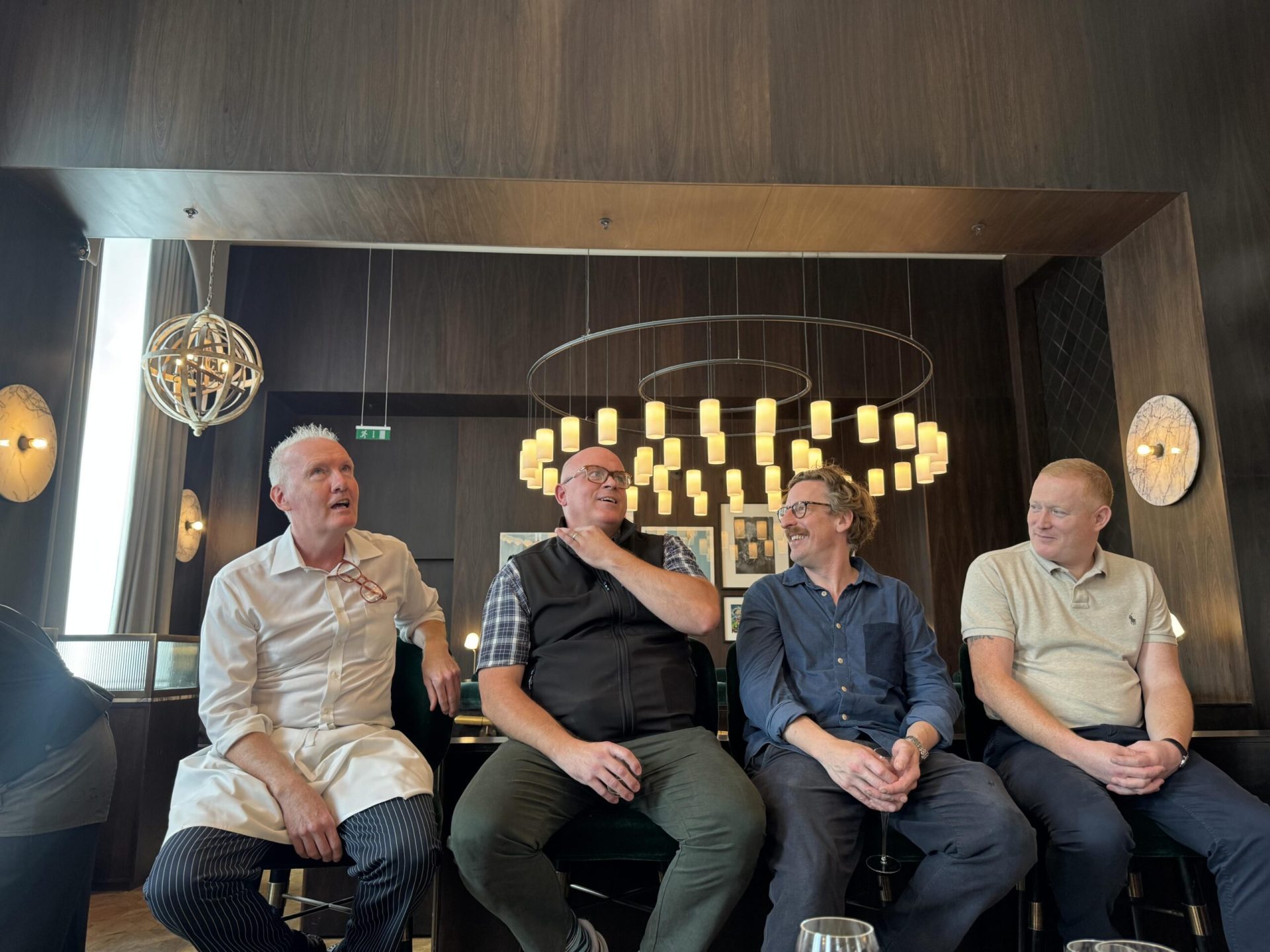
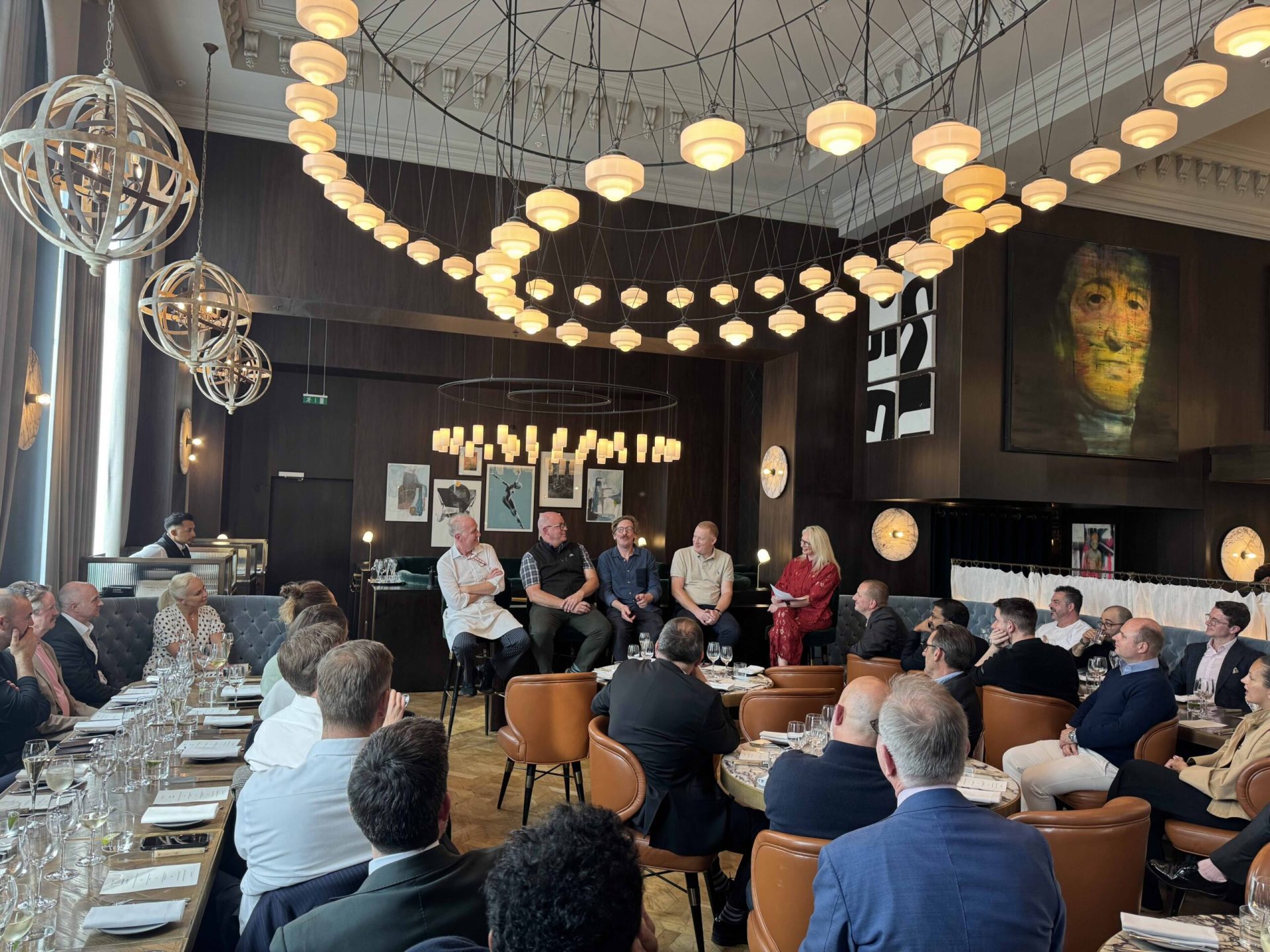
At our first Chefs’ Lunch, Turning Up the Heat, four London Chefs were asked a simple question: what keeps you awake at night?
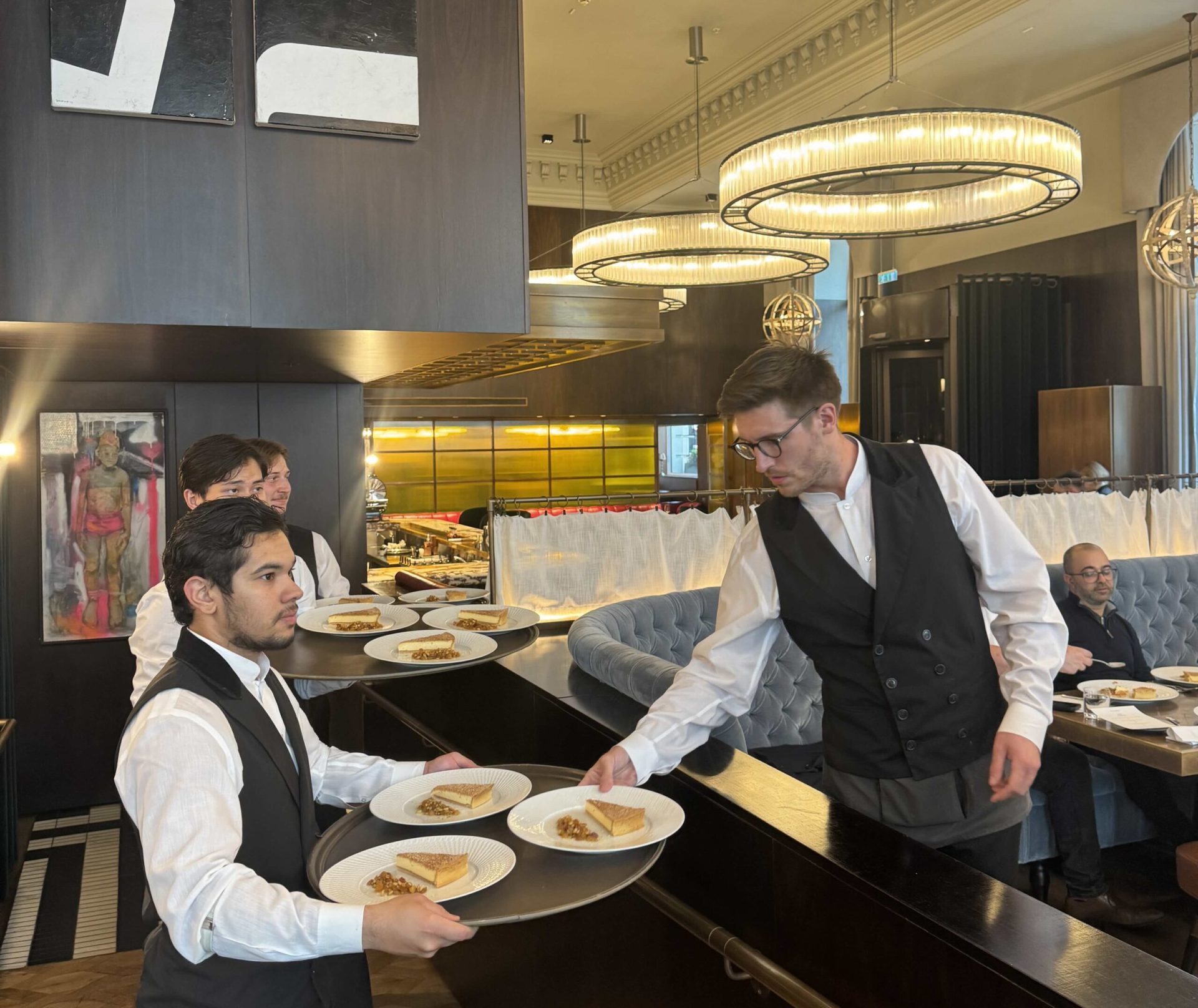
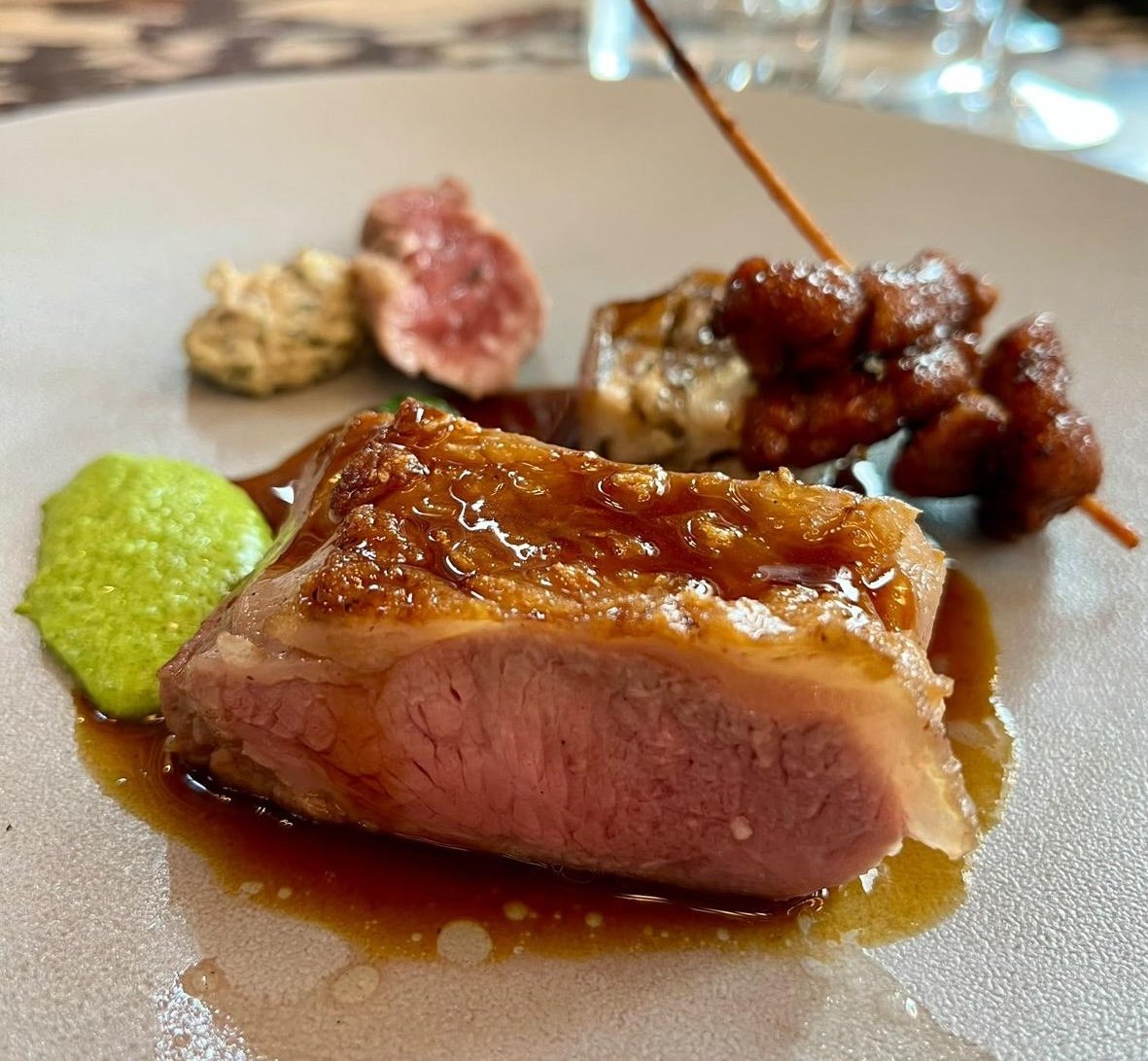
The panel, hosted by Bronwyn Groves at Michelin-starred Wild Honey St James, brought together Chef Anthony Demetre of Wild Honey, Chef David Stevens, Executive Chef at Simpson’s in the Strand, Chef Neil Borthwick, Head Chef at The French House, and Chef Andrew Sawyer, Executive Chef at Brown’s Hotel.
Their answers kept returning to four things: who you hire and how you keep them, who you buy from, how the seasons are changing, and how much of a chef’s day is still spent away from the kitchen.
Before any of that, though, each chef was asked about the best part of the job.
Neil’s answer set the tone: when a customer leaves happy, having eaten something delicious and been well looked after. “It doesn’t have to be fancy,” he said. And as he reminded the room, the best menu in the world is worthless without everyone behind it, from the pot wash up.
UK HOTELS HAVE A DIRECT BOOKING PROBLEM HIDING IN GOOGLE SEARCH
The UK is the fifth most-targeted hotel market in the world for third-party booking sites bidding on hotel names.
New analysis of the Google Ads Transparency Center found that hotels were targeted by an average of nine predatory OTAs bidding on their brand name1. These are third-party booking sites that pay to appear when someone searches for a specific hotel, despite having no direct relationship with the property.
For an industry already focused on growing direct bookings and reducing the cost of distribution, that creates a significant blind spot. A guest can search for a hotel by its exact name and still be directed towards a third-party booking site before they ever reach the hotel's website.
These sites can source rooms through bed banks or affiliate networks, allowing them to sell a hotel's inventory without working directly with the property. Across the full study, around 204,000 hotels were targeted by roughly 1.1 million ads in just 31 days.
The result is that a hotel can spend years building its brand and generating demand, only to pay commission when someone else captures that guest at the final stage of their search.
A direct booking can be lost before the guest reaches your website
Hotels invest heavily in increasing direct bookings. That includes their websites, search visibility, marketing and the guest experience that generates recommendations and repeat stays.
Someone searching for a hotel by name is particularly valuable. They have already narrowed down their choice enough to seek out that specific property.
Yet the competition for that booking is still happening on the Google results page.
The ads can feature the property's name and lead to booking pages containing its imagery, room types and availability. From the guest's perspective, the journey can feel completely normal. They search for the hotel, click on a prominent booking result and complete the reservation.
The hotel sees a booking that could have arrived directly, but enters through a third party instead.
Why hotels may never see it happening
The problem is difficult to measure because searching for your own property does not necessarily show you what a guest sees.
Google results can vary according to factors including location and device. A GM sitting at the property may see its own website prominently displayed, while a guest searching from Manchester or Edinburgh could see a third-party advert above it.
The booking itself may provide few clues.
When one of these sites sources inventory through an intermediary, the reservation can arrive in the PMS as an ordinary third-party booking. The hotel can see where the reservation ultimately came from, but that does not reveal that the guest began by searching specifically for the property and could otherwise have booked direct.
This creates a gap in the way hotels understand distribution. Direct booking share shows how many guests eventually booked through owned channels. It cannot show every guest who intended to book direct but was diverted before reaching the hotel's website.
The hotel can end up paying for demand it created
Established OTAs give hotels access to huge audiences of travellers who may otherwise never discover them, with commission forming part of the cost of that distribution.
A guest typing a hotel's exact name into Google is already much further along the booking journey. The property's reputation, marketing, reviews or previous guest experience has generated the interest behind that search.
When one of these third parties captures the booking, the hotel can end up paying distribution costs on demand it created itself.
Operto's analysis indicates that between 5% and 25% of bookings at affected hotels were coming through predatory OTAs. Even at the lower end of that range, the potential impact makes branded search worth monitoring alongside other distribution metrics.
The cost goes beyond commission
There is also a guest experience problem.
If travellers believe they have booked with the hotel, they are likely to hold the hotel responsible for the experience. Unexpected fees, restrictive cancellation conditions or problems locating a reservation can therefore become an issue for the front desk to resolve.
Hotels may also receive limited guest information through a third party. That can make pre-arrival communication harder and reduce the opportunity to turn that guest into a direct repeat customer.
For independent properties in particular, owning that relationship matters. Repeat guests and direct bookings can reduce reliance on paid acquisition and third-party distribution over time.
Branded search belongs in the distribution conversation
Ranking fifth globally gives hoteliers in the UK good reason to look more closely at what happens when guests search for their property by name.
A simple starting point is to see what prospective guests actually see. Ask colleagues, friends or partners in different locations to search for the hotel by name on mobile and desktop and record which booking sites appear.
If an unfamiliar third party is advertising against the property, the Google Ads Transparency Center can be used to investigate its advertising activity. Hotels can also look for signals in their own data, including changes in direct booking share, unfamiliar booking sources and guest complaints involving unexpected fees, cancellation terms or missing reservations.
One search only provides a snapshot. Advertisers can change domains and targeting, while results vary between users and locations.
Hotels already monitor rate parity, channel performance and direct conversion closely. The UK data suggests branded search deserves a place in that conversation too. For properties investing heavily in driving direct business, understanding who appears when a guest searches their name is a relatively simple way to see whether some of that demand is being diverted before it reaches them.
Notes to editors:
1Based on Operto research data: Predatory OTAs Are Stealing Hotel Direct Bookings One Ad at a Time
RECLAIMING HOTEL F&B REVENUE FROM DELIVERY APPS: ARE YOUR GUESTS ORDERING FROM DOORDASH & DELIVEROO INSTEAD OF FROM YOU?
Every time a hotel guest opens a food delivery app instead of ordering room service, it's a missed revenue opportunity.
Third-party delivery platforms have transformed the way people order food, making it quick, convenient and accessible at the touch of a button. As such, hotels risk losing a valuable share of their guests' F&B spend to external restaurants.
However, all is not lost. Hotels already have many of the ingredients needed to compete: quality food, professional kitchens, experienced service teams and the convenience of on-site dining.
What's often missing is the digital ordering experience to match.
Here, IRIS, the global market leader in digital F&B ordering and guest experience solutions for hotels, explores how mobile ordering can help hoteliers win back guest spend, increase F&B revenue and deliver the convenience today's travellers expect.
Convenience is king - and delivery apps know it
The success of Uber Eats, Deliveroo and DoorDash isn't just about the food. It's about making ordering effortless.
Guests can browse tempting menus, view images, customise dishes, add extras and pay in seconds, all without speaking to anyone.
Now compare that with traditional hotel room service: printed menus, outdated information, busy phone lines and waiting on hold to place an order.
It's little wonder that some guests choose the path of least resistance, even when there's a perfectly good restaurant just a few floors below.
The challenge for hotels isn't necessarily the quality of their F&B offering. It's making it just as easy to discover, order and enjoy.
Hotels have a better product. Now make it easier to order.
Hotels have a significant competitive advantage over third-party delivery services: their kitchens, chefs and service teams are already on-site.
There's no need to wait for a driver to collect food from across town, navigate traffic or find the hotel entrance.
With the right processes in place, hotels can deliver freshly prepared meals directly to guestrooms, often with greater control over food quality, presentation and service.
Hotels just need to remove the barriers that discourage guests from ordering in-house and that's where mobile ordering comes in.
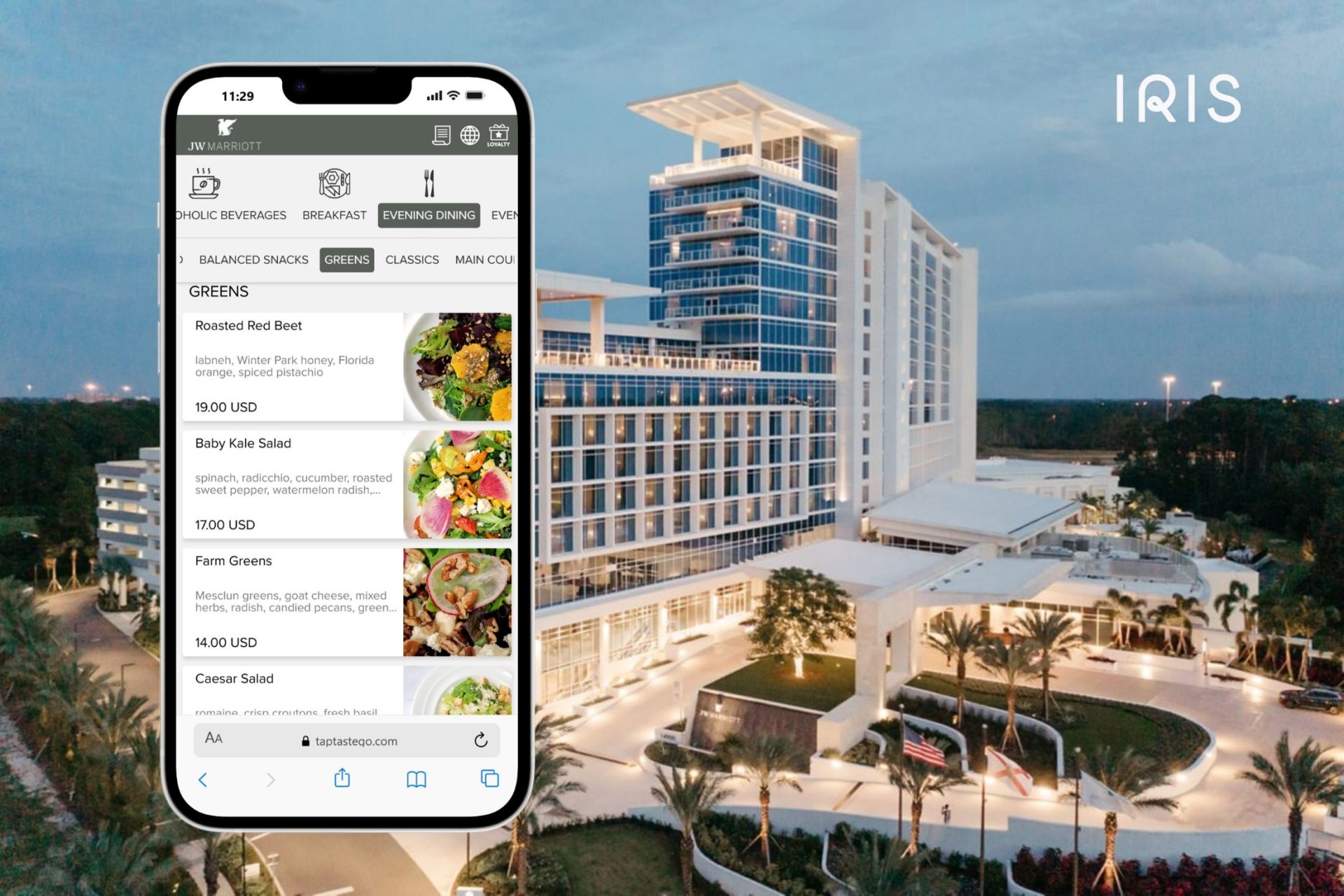
With Mobile Ordering, hotels can offer guests the same familiar, frictionless digital experience they enjoy with delivery apps, while keeping the ordering journey firmly within the hotel's own brand.
Guests simply scan a QR code, click a link or access the service through the hotel's app or loyalty programme to browse menus and place an order directly from their own device.
On a hotel digital ordering platform, guests can:
- Explore visually appealing menus with images and descriptions.
- Personalise dishes and select their preferences.
- Discover recommended extras, drinks and upgrades.
- Order and pay securely in just a few taps.
- Pre-order breakfast or schedule delivery for later.
- Order from their guestroom, poolside, lobby or other hotel outlets.
No app downloads. No paper menus. No waiting on hold.
And with orders flowing directly into the hotel's integrated POS system, there's no need for staff to manually re-enter orders or manage unnecessary paperwork.
Manual administration is reduced, printing costs are minimised and there’s fewer order errors. It's a win for guests, hotel teams and the bottom line.
The hidden cost of losing orders to delivery apps
When a guest orders externally, it’s also a missed opportunity to upsell drinks, sides, desserts and premium menu items, encourage guests to explore other hotel outlets and gain valuable insights into their dining preferences.
And there's another cost that's harder to quantify: the loss of control over the guest experience.
Hotels invest heavily in delivering exceptional hospitality, yet an external delivery driver, restaurant or platform can become part of the guest's stay without the hotel having any influence over the quality of that experience.
Every order placed outside the hotel is potential revenue, guest engagement and loyalty that could have stayed within the property.
Turning convenience into measurable F&B revenue
Mobile ordering doesn't just help hotels compete with delivery apps. It drives more revenue from existing guests while making operations more efficient.
Hotels using digital ordering have achieved impressive results, demonstrating the commercial potential of making F&B easier to access.
1. Increase F&B revenue by 30%+
Digital menus encourage guests to browse, discover and spend. With tempting imagery, suggested extras and upsells built into the ordering journey, hotels can increase average transaction values without adding pressure to service teams.
2. Capture orders that might otherwise go elsewhere
When room service is as easy to access as a delivery app, guests have fewer reasons to look outside the hotel.
And by extending mobile ordering beyond guestrooms to pools, terraces, bars, lobbies and other outlets, hotels can drive more F&B spend and give guests a convenient ordering platform, irrespective of location.
3. Reduce manual processes and free up staff
Direct POS integration means orders reach the relevant teams without lengthy phone calls, manual order entry or unnecessary administration.
This helps reduce errors, streamline fulfilment and free up staff to focus on preparing, delivering and enhancing the guest experience.
4. Deliver a better guest experience
Guests can order at their own pace, browse the full menu and customise their choices without feeling rushed.
They enjoy the convenience and control of digital ordering, combined with the quality and personal service of the hotel's own F&B team.
5. Strengthen guest engagement and loyalty
By keeping the dining experience within the hotel's own digital environment, hotels retain greater control over branding, guest interactions and ordering insights.
And when guests enjoy an effortless dining experience, there's every reason for them to choose the hotel's F&B offering again.
Real-world results: InterContinental New Orleans
The 484-room InterContinental New Orleans demonstrates how digital ordering can transform the room service experience and helps them compete against third-party delivery apps.
By introducing IRIS Mobile Ordering, guests can browse menus and order directly from their own devices, with orders flowing into the hotel's existing operational systems.
Matthew Rogers, Assistant General Manager, InterContinental New Orleans adds,
Guests appreciate the convenience, speed, and ease of digital ordering and it helps us compete with Uber Eats and DoorDash by offering a seamless, in-house room service experience. This helps retain F&B revenue within the hotel (and provide guests with a fresher, quicker culinary experience), even in a highly competitive local dining market.
It's a compelling example of how hotels can modernise room service and provide guests with more efficient ordering.
Don't let delivery apps own your guest relationship
As hoteliers look to maximise F&B profitability, the opportunity is clear: make ordering directly from the hotel just as convenient, appealing and accessible as ordering from a third-party app.
Hotels already have the kitchens, the menus, the teams and the guest relationships. With Mobile Ordering, they can connect these strengths through a seamless digital ordering experience that helps capture more revenue, improve efficiency and keep guests engaged.
If you're unsure where to start, these 10 signs your hotel needs F&B mobile ordering now can help you identify the gaps.
The question is no longer whether your guests want digital ordering. It's whether they'll order from you - or someone else.
Ready to reclaim your F&B revenue?
Discover how IRIS Mobile Ordering can help your hotel compete with delivery apps, increase guest spend and turn more dining opportunities into revenue.
THE BROMLEY COURT HOTEL UPGRADES EV CHARGING WITH FIVE NEW CHARGERS POWERED BY VOLTSHARE
Local EV charging company replaces the hotel’s former BP chargers with five 22 kW chargers and contactless payment
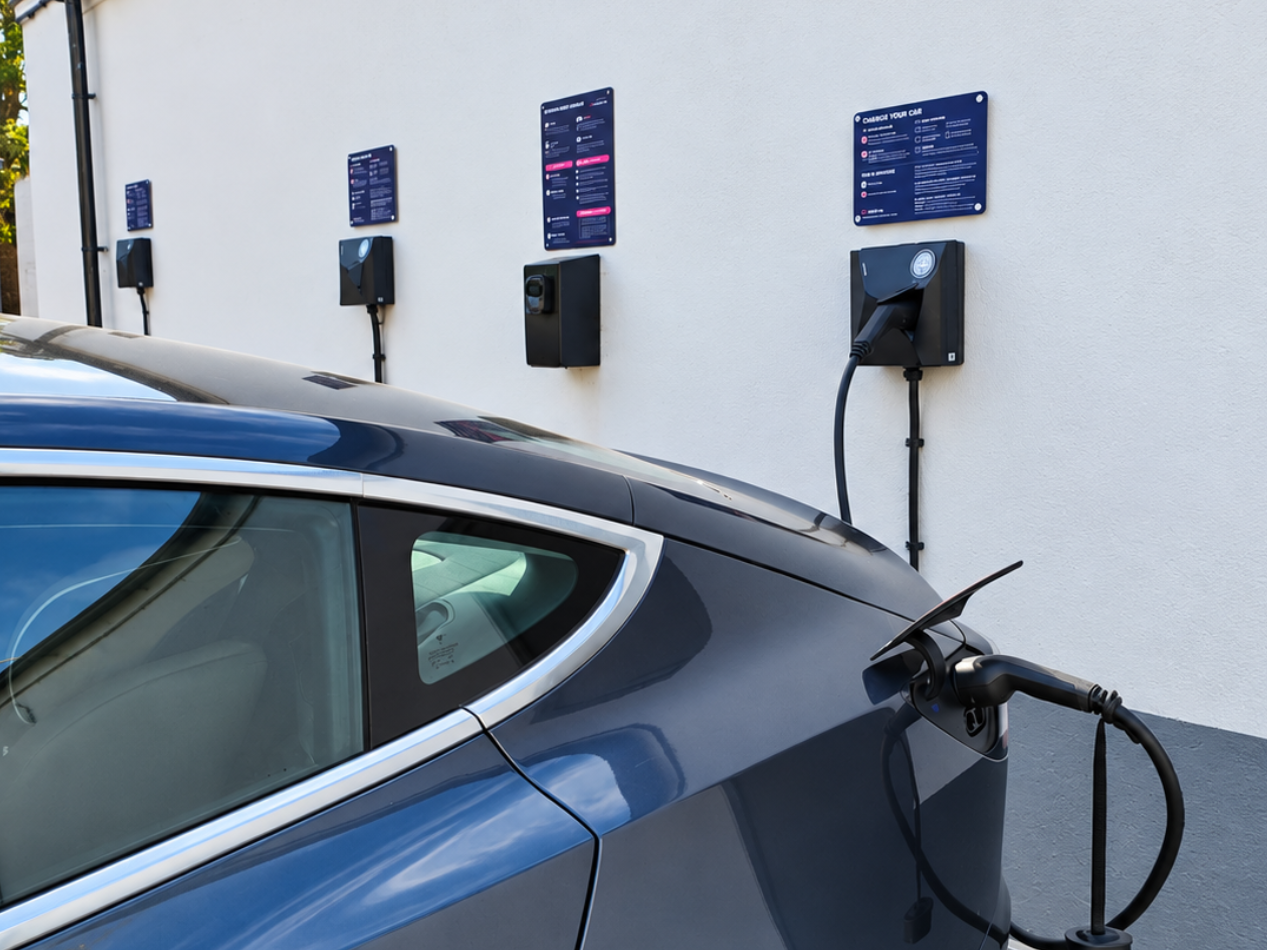
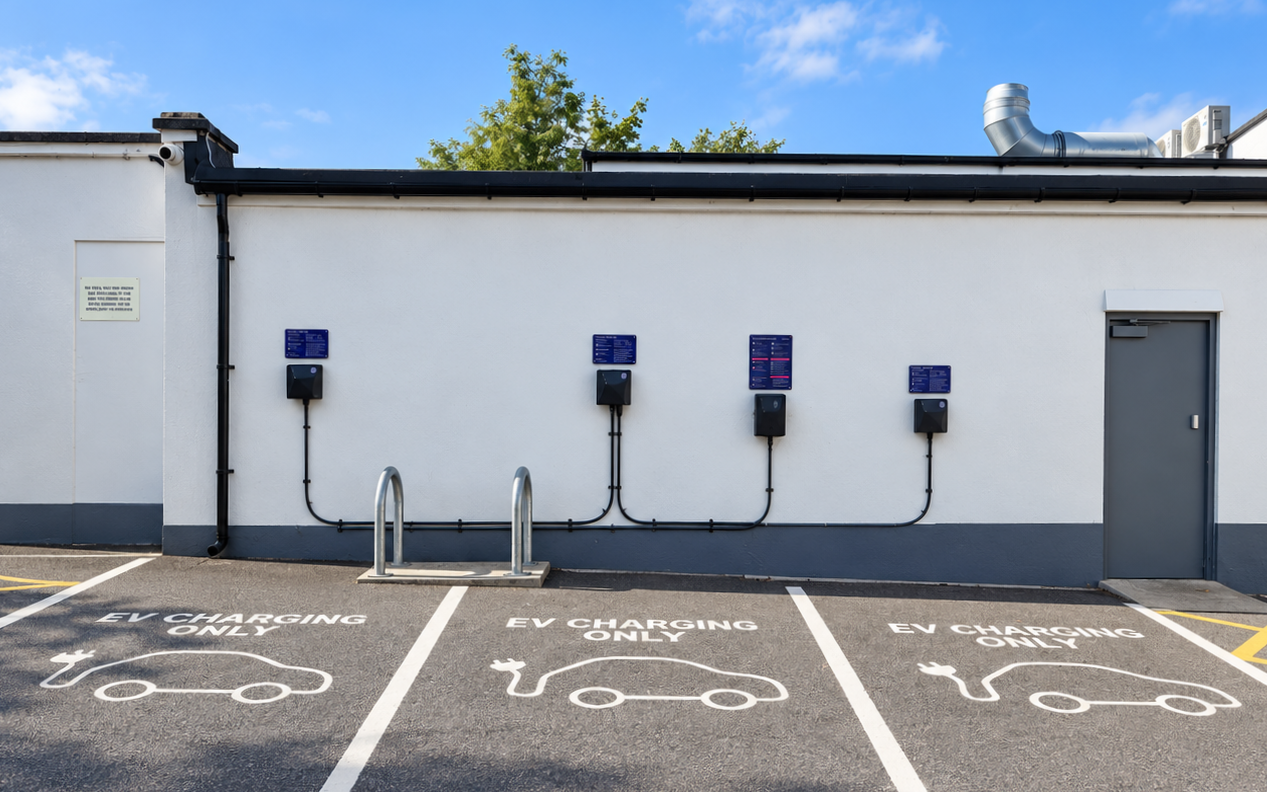
Guests and visitors at The Bromley Court Hotel can now use five new 22 kW EV chargers following an installation by Bromley-based voltshare.
The chargers replace the hotel’s previous BP charging equipment. Drivers can pay at the contactless terminal, scan a QR code for app-free charging, or use the voltshare app.
For voltshare, the project is close to home. The company’s head office is in Bromley, making The Bromley Court Hotel a particularly local addition to its growing network of hospitality charging locations.
Giles Thomas, General Manager at The Bromley Court Hotel, said: “We want guests to have everything they need for a comfortable visit, and that increasingly includes somewhere to charge their car. Our previous chargers needed replacing, so this was an opportunity to update the facilities and make payment straightforward for guests and visitors. It’s great to have worked with a company based here in Bromley to get the new chargers up and running.”
The five chargers give drivers the opportunity to charge while they are staying at the hotel or visiting its facilities. For the hotel, the installation provides a way to accommodate EV drivers without taking on the day-to-day administration of charging sessions. Voltshare’s system handles payments and billing, with support available to drivers around the clock.
Sheng Liu, CEO of voltshare, said: “The Bromley Court Hotel is right on our doorstep, so we’re especially pleased to see these chargers go live. Replacing older equipment is an important part of making EV charging more useful and dependable for drivers. The hotel now has five 22 kW chargers and a contactless payment option ready for guests and visitors as well as the public, and we look forward to supporting the team as people start using them.”
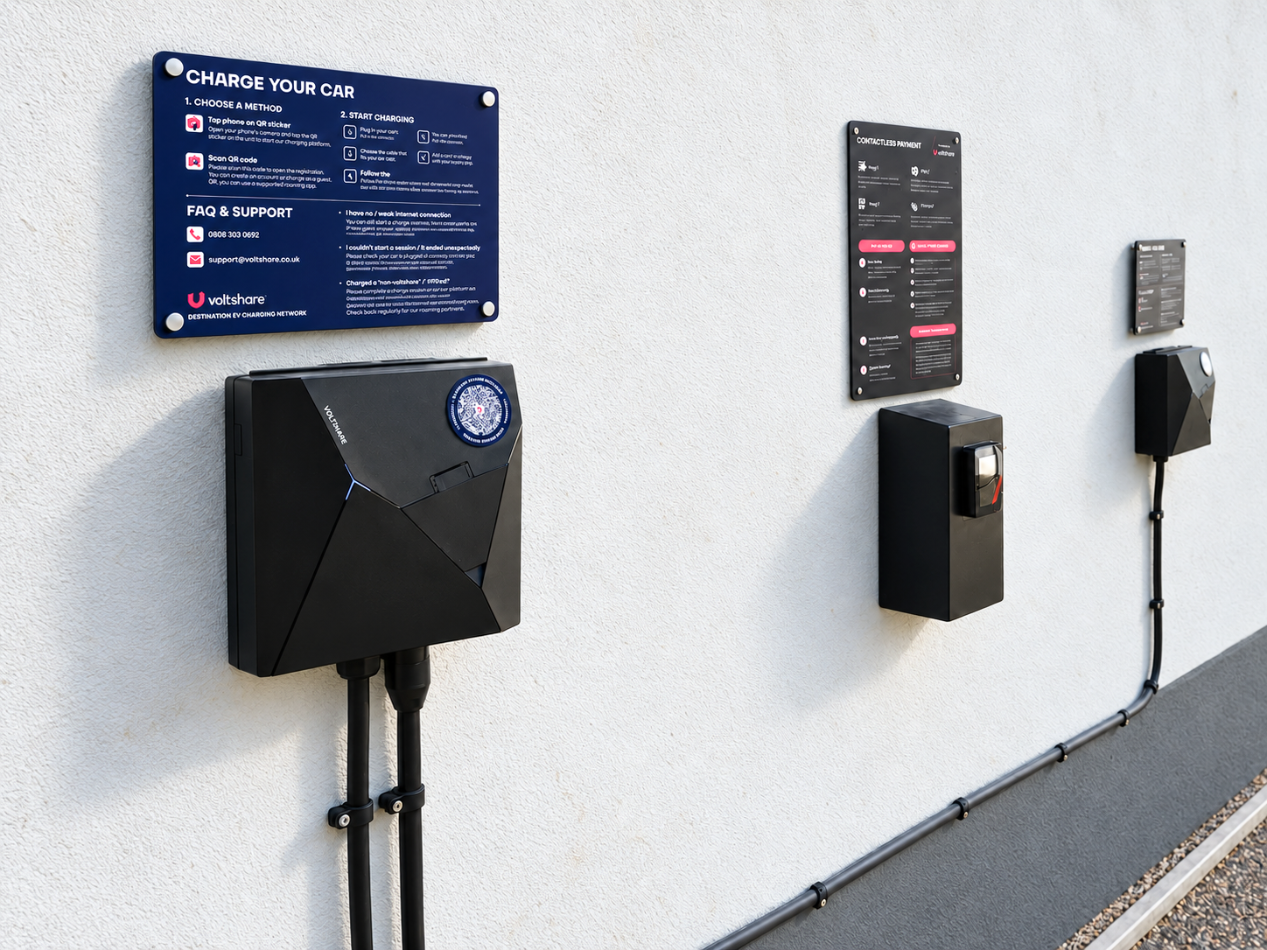
The chargers and contactless payment terminal are live now at The Bromley Court Hotel.

1.1 MILLION PREDATORY ADS ARE TARGETING HOTEL-BRANDED SEARCHES WORLDWIDE, NEW OPERTO RESEARCH FINDS
Hotels worldwide are being targeted by roughly 1.1 million ads from Predatory online travel agencies (OTAs) running against searches for their own brand names, potentially diverting guests who were already searching for a specific property away from its direct booking channel, according to new research published today by hospitality technology company Operto.
First-of-its-kind analysis finds approximately 204,000 hotels affected across 205 countries, as operators warn third-party sites are intercepting guests already searching for a specific property.
The analysis found approximately 204,000 hotels across 205 countries and territories were targeted during the study period, with the average affected hotel facing 3.9 competing ads against searches for its own brand.
The findings come from an independent analysis of the Google Ads Transparency Center covering May 22 to June 21, 2026. Operto says it is the first analysis to quantify the scale of Predatory OTA advertising globally.
Predatory OTAs are third-party booking sites that bid on a hotel's own name in paid search and direct prospective guests to their own booking pages. Unlike traditional distribution partners which can generate new demand for a property, these sites hold no direct contractual relationship with the properties they advertise. They source inventory through bed banks and affiliate networks, then reproduce a hotel's name, photos, and branding on booking pages that can leave guests believing they are dealing directly with the property.
US hotels carry the heaviest concentration
The United States accounts for 33% of all properties targeted globally, equivalent to approximately 66,900 hotels. North American hotels are targeted by an average of 6.6 predatory ads each, compared with a global average of 3.9. The US also recorded the highest volume of advertising activity in the analysis, with approximately 575,000 ads identified during the 31-day study window.
Nearly half of measured activity traces to one operator
GuestReservations.com accounted for approximately 540,000 ads during the study period, close to half of all predatory hotel advertising identified by the research. ReservationDesk.com followed with around 240,000 ads and BookOnline.com with around 90,000. In total, just nine domains accounted for the activity identified in the analysis.
Guests report booking confusion, cancellation issues and unexpected fees
The impact extends beyond the search results. Operto reviewed 232 published Better Business Bureau complaints filed against GuestReservations.com between July 2023 and May 2026. Among those reviewed, 46% referenced cancellation policies the complainant described as deceptive or false, 38% came from guests who said they believed they had booked directly with the hotel, and 34% referenced hidden or undisclosed fees. A further 5% involved guests arriving at a property that had no record of their reservation.
Hotels can lose the direct booking and inherit the problem
For hotels, the commercial impact can continue after the booking is made. A property can lose a direct booking to an intermediary despite already having won the guest's consideration, while complaints over fees, cancellations or missing reservations can ultimately reach hotel staff.
Among Operto's own customer base, affected hotels saw between 5% and 25% of bookings arriving through a Predatory OTA before adopting brand protection, with an average of nine Predatory OTAs bidding on a single hotel's name.
That can mean paying distribution costs on demand the hotel had already generated itself, while also leaving front desk and reservations teams to resolve issues created elsewhere in the booking journey.
Tim Major, CEO of Operto said:
A guest typing a hotel's name into Google is one of the strongest signals of direct booking intent a hotel can get. Our research shows that, on average, nine sites can be waiting to intercept that guest before they reach the hotel's website.
The challenge for hoteliers is visibility. A GM can search the property from the front desk, see nothing unusual and reasonably assume there isn't a problem, while a guest hundreds of miles away is being shown a completely different set of results. Hotels need to understand who is advertising against their brand, how much direct demand may be leaking through those channels, and what that is costing them.
BRIDOR ELEVATES PREMIUM VIENNOISERIE WITH THE LAUNCH OF ITS ARTY RANGE IN READY-TO-BAKE FORMAT
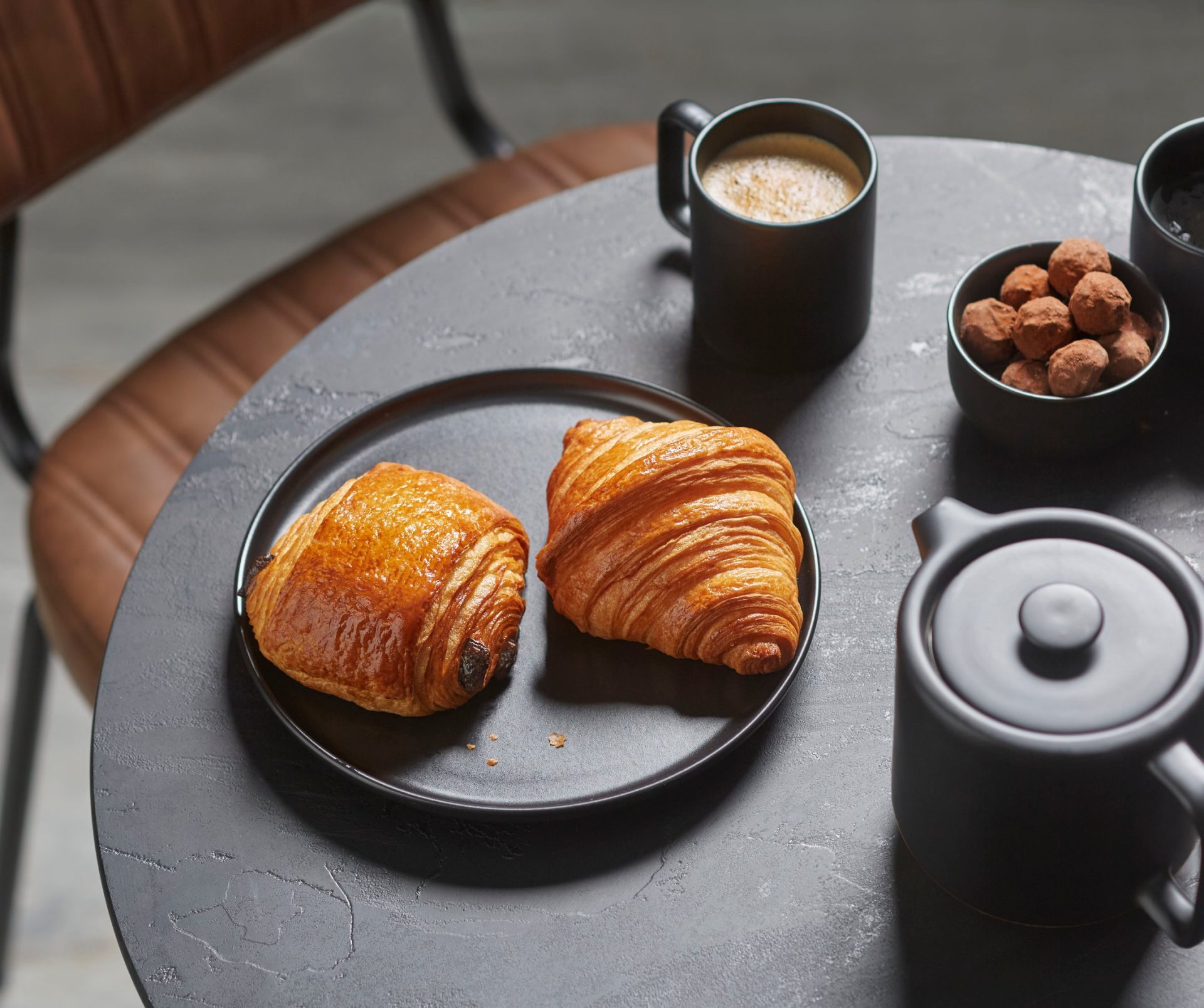
Bridor has expanded its signature ARTY range into a fully proofed, frozen ready‑to‑bake format, enabling operators from luxury hotels to boutique coffee shops to offer high‑impact, premium Viennoiserie without the need for specialist equipment.
In a competitive market where visual appeal and guest experience directly drive commercial success, Viennoiserie has become a powerful tool for menu differentiation. Today's consumer is no longer just looking for a tasty product but an attractive offering with carefully crafted shapes that catch the eye at first glance in the display case.
The launch is backed by new research conducted by Bridor among 1,000 regular pastry consumers in the UK, which highlights the strong commercial potential of visually striking Viennoiserie. The research found that UK consumers consider ARTY's design to be 59% more appealing, 69% more modern, and 58% higher in quality than standard traditional pastry options.
Furthermore, 84% of UK respondents indicated that establishments that offer this style of pastry are perceived as more refined and upmarket.
The innovation allows operators across all foodservice channels to trade up their bakery offer, supporting premium price points while keeping production simple and consistent.
Part of Bridor's prestigious Éclat du Terroir collection, which celebrates its 20th anniversary this year, the ARTY range bridges classic French pastry heritage with modern architectural geometry. Previously available only in raw dough, the range has been reinvented to adapt to the needs of modern foodservice environments through two flagship products:
- The ARTY Croissant (80g): Defined by a distinctive pyramid shape with sharp, clean lines. A specialised dough-cutting and slow-laminating technique allows the delicate puff pastry layers to expand during baking, creating a crisp exterior, airy crumb, and a rich butter profile with caramel notes.
- The ARTY Pain au Chocolat (90g): Features a bold, plump, straight silhouette for maximum visual impact. Formulated with at least 20% more chocolate than Bridor's standard Éclat du Terroir pain au chocolat, it delivers a generous cocoa hit balanced with crisp, buttery pastry.
The launch also aligns with the UK's thriving café and brunch culture, where topped and customised pastries continue to drive revenue. According to Bridor's broader European consumer research, 70% of consumers are significantly more attracted to pastries featuring premium toppings or decorative finishes.
Erwan Inizan, Northern Europe Sales Director at Bridor, said:
ARTY has earned a strong following in high‑end hotels and bakeries because it combines classic French pastry‑making with a striking, contemporary look. Until now, however, the range has required a certain level of bakery expertise and equipment. By introducing a fully proofed, ready‑to‑bake format, we are opening ARTY up to operators who want outstanding visual impact but with a very simple and reliable baking process.
The new ready‑to‑bake format removes the proofing stage entirely. Delivered fully proofed and deep‑frozen at their optimum volume, ARTY pastries can be prepared in two simple steps, without a retarder‑prover or specialist bakery skills:
- Defrost: 30–45 minutes at room temperature.
- Bake: 15–18 minutes in a fan oven at 165–170°C.
This approach allows hotels, cafés and caterers to bake little and often in line with footfall, keeping cabinets looking full and fresh while cutting waste and freeing staff to focus on service.
PAULIG PRO HELPS OPERATORS TAP INTO BOOMING EASTERN MEDITERRANEAN TREND WITH THREE NEW PRODUCTS
With 86% of UK consumers wanting to eat more Eastern Mediterranean food when dining out(1), the appetite for the cuisine continues to grow.
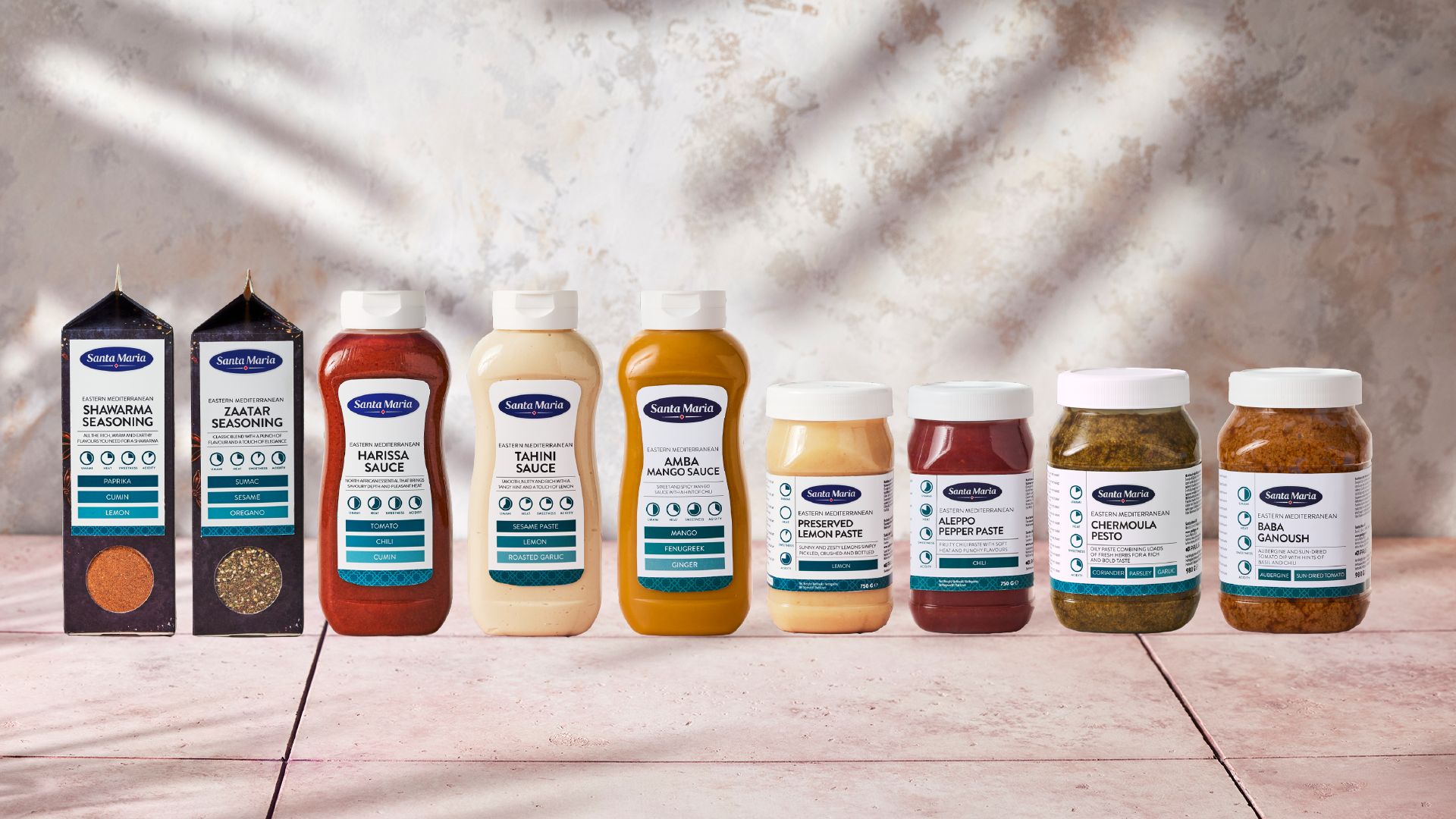
Responding to this demand, Paulig PRO is extending its Eastern Mediterranean range with three new Santa Maria products, giving operators an easy way to bring vibrant, trend-led flavours to menus.
The launch of Santa Maria Amba Mango Sauce, Aleppo Pepper Paste and Baba Ganoush enables operators across QSR, casual dining, food-to-go, pubs & bars and contract catering to refresh menus with exciting Eastern Mediterranean flavours, without increasing labour costs, specialist skills or ingredient complexity.
With 74% of diners looking for new flavours when dining out(2) and 89% finding Eastern Mediterranean flavours appealing(3), the opportunity for operators is clear. The three ready-to-use products allow chefs to introduce flavour discovery while keeping dishes accessible and operationally simple.
The products are designed to help operators drive trial, repeat visits and incremental sales, while delivering the quality and flavour profile of chef-led dishes without the additional preparation. From adding a new sauce to a familiar dish to creating an entirely new menu item, the range offers flexibility across dayparts and menu formats.
The three new, easy-to-use and versatile Santa Maria products are:
- Amba Mango Sauce – made with 4-5 mangos per bottle, this vibrant Eastern Mediterranean sauce combines fruity sweetness with fresh acidity. Ideal with fried chicken, falafel and wraps, it can also be used as a dressing, glaze or mixed into mayonnaise.
- Aleppo Pepper Paste – inspired by Syria and southeastern Turkey, this rich tomato and chilli paste delivers fruity depth with soft, controlled heat. A versatile alternative to harissa or gochujang, it is ideal for bowls, grilled meats, seafood and vegetables.
- Baba Ganoush – a smooth, earthy aubergine dip with sun-dried tomato, basil and a subtle chilli kick. Perfect for falafel pitas, shawarma wraps or as a versatile mezze dip alongside hummus and guacamole.
Premium quality, zero prep burden
For operators, the appeal goes beyond flavour. Each product is ready to use, providing kitchens with a premium, chef-crafted result without increased labour, specialist skills or preparation time. This means menu development at speed and consistent quality across every site, from a QSR counter to a multi-site contract catering operation.
Plant-based by design
Many traditional Eastern Mediterranean dishes are plant-based by nature, making this launch a natural fit for operators responding to demand for vegan options. As all three products are ready to use, kitchens can build vegan-friendly dishes into everyday service without special orders or extra preparation.
Barnaby MacAdam, Development Chef at Paulig PRO, said:
We’re really proud of our latest innovations, which bring accessible, exciting flavours to the kitchen to empower chefs and operators to unlock a world of flavour and create exceptional dining experiences. The high mango content, at 54%, brings vibrancy to our ready-to-serve Amba Mango Sauce, working particularly well as a topping for shawarmas and open flatbreads. The ruby-red Aleppo Pepper Paste can be spread directly onto pita for an easy snack or used to add a punchy flavour to any dish, from marinades to dressings. Baba Ganoush, our hero dip of Eastern Mediterranean cuisine, works beautifully alongside a sandwich or burger as it does on a mezze platter, where it’s the star of the show.
To explore the full range and discover how the products can enhance your menu offerings, please download Paulig PRO’s Eastern Mediterranean Playbook.

CLEARCOURSE STRENGTHENS HOSPITALITY TECHNOLOGY OFFERING WITH ACQUISITIONS OF SK CHASE AND ELINA PMS
Two more acquisitions in 2026 bring ClearCourse's hospitality and payments capability to new customers across the UK and beyond
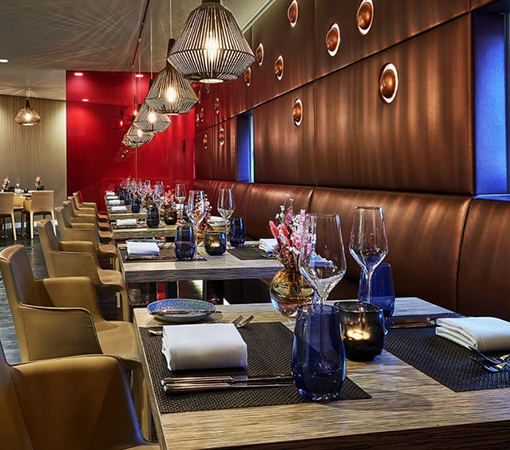
ClearCourse, the provider of industry-specific software and embedded payment solutions for SMEs, today announces the acquisitions of two hospitality brands: SK Chase, a leading digital voucher platform, and Elina PMS, a cloud-based reservation management software platform.
The deals take ClearCourse’s total acquisitions in 2026 to four, and reflect the group's continued strategy of backing specialist software businesses with the resources and expertise to help them grow.
Founded in Edinburgh in 2003, SK Chase built one of the first platforms to enable luxury hotels to package and sell gift experiences. Today, the business serves hundreds of the world’s most prestigious hotels, restaurants, and resorts with an all-in-one e-commerce platform that makes it simple to sell gift vouchers, event tickets, retail items and guest add-ons.
Elina PMS was established in London in 2007 to help hospitality businesses boost direct bookings. Today, its cloud-based platform serves hotels, serviced apartments and rentals globally, unifying reservation management, invoicing, guest experience, data storage, and payments in one system.
ClearCourse already has an established reputation in the hospitality space through brands including Giftpro, which is trusted by hundreds of restaurants across the UK, and its hotel management software Rezcontrol. SK Chase and Elina PMS expand the choice available to ClearCourse hospitality customers.
Both businesses will benefit from ClearCourse's embedded payment platform, ClearAccept. At a challenging time for hospitality businesses across the UK, software that offers connected technology, spanning guest data, bookings and payments, is increasingly what operators need to protect margins and build lasting relationships with their guests. These acquisitions significantly strengthen ClearCourse’s offering to the hospitality sector by bringing together the expertise of some of the most established brands in the market to give customers more choice and a stronger platform to build on.
Christina Hamilton, CEO of ClearCourse, said: “We are delighted to welcome both SK Chase and Elina PMS into the ClearCourse Group. By combining SK Chase’s luxury gifting expertise and Elina PMS’s deep sector understanding with our existing sector expertise and embedded payments, we are building an unmatched capability for the hospitality sector. Above all, this is about helping our customers build deeper relationships with their guests through faster innovation and a genuinely connected technology experience.”
Steph Wilson, Co-Founder and CEO of SK Chase, commented: “I believe this is the right time for SK Chase to enter its next phase of growth, and I’m incredibly excited for that journey to be within ClearCourse. Joining ClearCourse will provide the scale, resources, and expertise to help us build on the strong foundations we’ve established over the past 23 years. From new payment technology that can help our clients generate additional revenue to enhanced specialist support for our team and customers, the group will afford us opportunities to innovate more quickly and create even greater value for our clients.”
Christopher Lovold, Founder and CEO of Elina PMS, commented: “This is an exciting new chapter for our customers and for us. Delivering solutions is something we are passionate about, and the opportunity to be a part of a larger ecosystem and team in ClearCourse enables us to take this to the next level. Our customers will now benefit ClearCourse’s wider ecosystem of hospitality tools, deeper technical expertise as we grow the product, and embedded payments built directly into the platform.”
About ClearCourse
Established in London in 2018 and backed by Aquiline (www.aquiline.com), ClearCourse is a software and embedded payment specialist headquartered in London, UK. The group’s vertical software solutions provide essential, industry-specific technology to help their 20,000+ customers manage and scale their businesses. Since inception, the company has undergone rapid growth through the acquisition of more than 40 leading software and payments solutions in its core verticals, all of which are well served by ClearCourse’s embedded card and direct debit payment solutions. ClearCourse’s ambition is to be a leading engine powering small and mid-sized businesses in the UK and Ireland by 2030.
About SK Chase
Founded in Edinburgh in 2003, SK Chase makes it easy for hospitality providers to sell gift vouchers, event tickets, retail items and guest add-ons through its all-in-one e-commerce platform, backed by a dedicated service that helps clients drive growth. As pioneers in the industry, SK Chase was, for many years, the only solution available to hospitality businesses looking to package and sell gift experiences. Today, it serves over 550 of the world's most luxurious hotels, restaurants and resorts, and is known for its passionate, client-focused service.
About Elina PMS
Elina PMS is a cloud-based, API-driven reservations and property management system for serviced apartments, hotels, aparthotels and short lets. Established in 2008, Elina combines channel management, a booking engine, guest experience tools, invoicing and payments handling in one platform. With 2,000+ distribution channels, 50+ reports and 70+ integrations, Elina helps operators manage multi-location portfolios, reduce manual work and make faster, data-driven decisions. Full support and structured onboarding are included for all customers.
ROYAL GARDEN HOTEL MODERNISES REVENUE STRATEGY TO NAVIGATE SHIFTING INTERNATIONAL DEMAND
Royal Garden Hotel, one of London’s leading independently owned five-star hotels, has selected IDeaS G3 Revenue Management System (RMS) as part of a wider effort to modernise its revenue strategy, respond more quickly to changing international demand and support long-term growth.
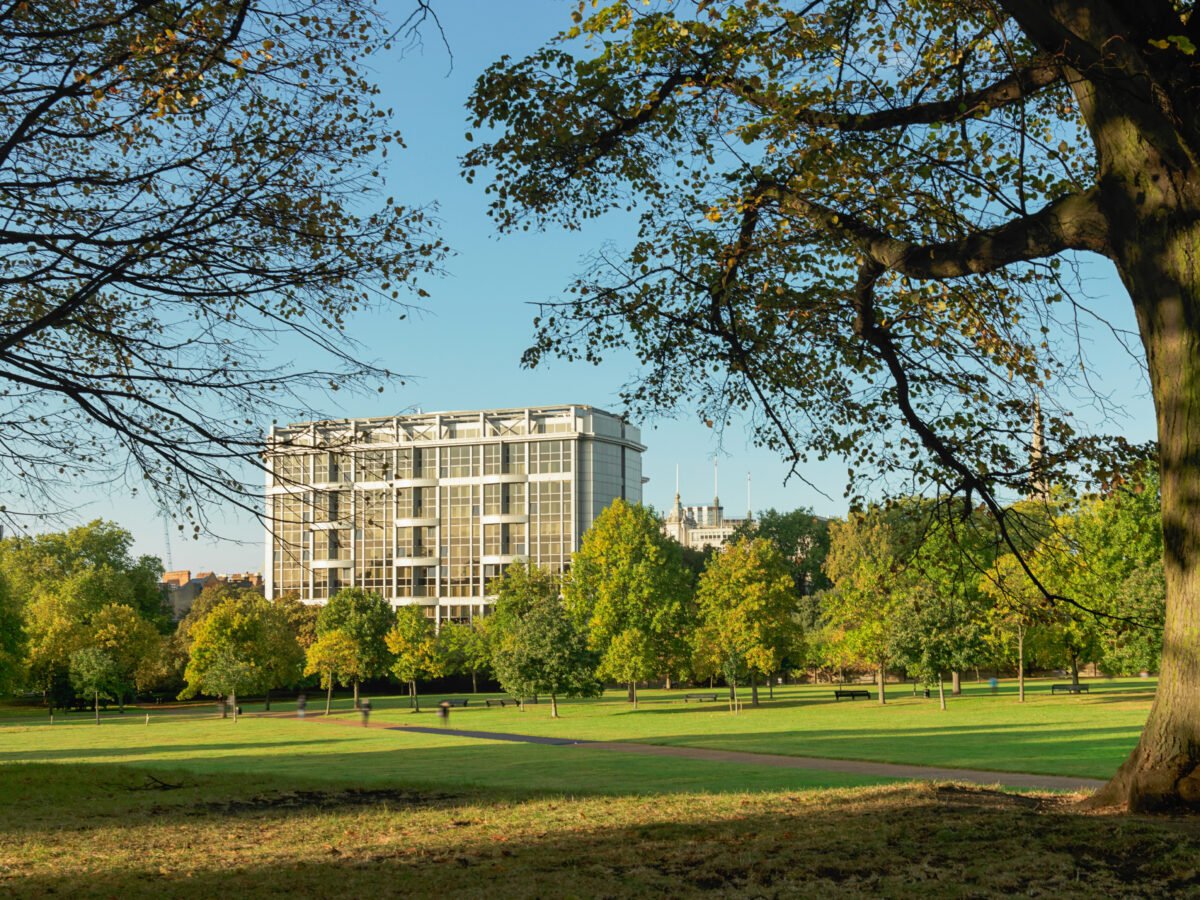
Located beside Kensington Gardens and overlooking Kensington Palace, the 396-room hotel welcomes international leisure travellers, corporate guests, entertainment clients, sporting teams and group business. This diverse business mix creates a complex commercial environment where success requires the team to balance different booking behaviours, room-type requirements and revenue opportunities in one of Europe’s most competitive hospitality markets.
In a year marked by changes in international travel patterns, Royal Garden Hotel recognised the need for more responsive forecasting and a clearer view of how demand develops across key source markets. Royal Garden Hotel traditionally attracts strong summer business from the Middle East, alongside guests from the United States and other international markets.
As booking behaviour becomes less predictable, the hotel is seeking greater confidence around when demand is building, how far in advance it is booking and where other segments can support a more balanced strategy.
Following an upgrade to its cloud-based property management system, the hotel reviewed its revenue management capabilities and selected IDeaS to improve forecasting, reduce the manual effort involved in routine pricing activity and support more consistent evaluation of group business.
Gareth Quin, commercial director at Royal Garden Hotel, said: “Royal Garden Hotel has a varied business mix, from international leisure and corporate guests to groups, entertainment clients and sporting teams, and each behaves differently. Recent shifts in international demand have reinforced how important it is for us to understand when demand is building, how far in advance guests are booking and where the strongest opportunities lie.”
“With better visibility into those patterns, alongside more detailed insight into segment and room-type performance and pricing recommendations, our team can spend less time making day-to-day adjustments and reacting to changes, and more time focusing on the wider commercial decisions that support long-term growth.”
The new approach will help the hotel manage pricing and availability more dynamically across its room categories and the booking horizon. G3 RMS will analyse evolving demand and booking patterns to provide forecasting and pricing optimisation recommendations, combining advanced analytics and intelligent automation with the team’s knowledge of the hotel, upcoming events and changing market conditions.
Group business is another important priority. Royal Garden Hotel regularly welcomes sporting teams, corporate events and entertainment-related business, where the total value of an opportunity can extend beyond bedrooms to include food, beverage and event spend. IDeaS’ group evaluation capabilities will help the team assess these opportunities against potential transient demand and make more consistent decisions.
Warren Mandelbaum, Principal Sales Director EMEA, at IDeaS, said: “Royal Garden Hotel is one of London’s most distinctive independent luxury properties, with a business mix that demands both agility and precision. The team has a clear vision for how it wants to evolve its commercial strategy and we’re proud to support that journey. By giving the team greater confidence in how demand is developing and where the strongest opportunities exist, IDeaS will help play a key role in helping the team make informed decisions that support long-term, sustainable growth.”
The collaboration forms part of Royal Garden Hotel’s broader commitment to modernising its commercial operations and supporting sustainable, long-term revenue growth.