

VENICE HEAD SPA
We explore the evolution of the multisensory treatment.
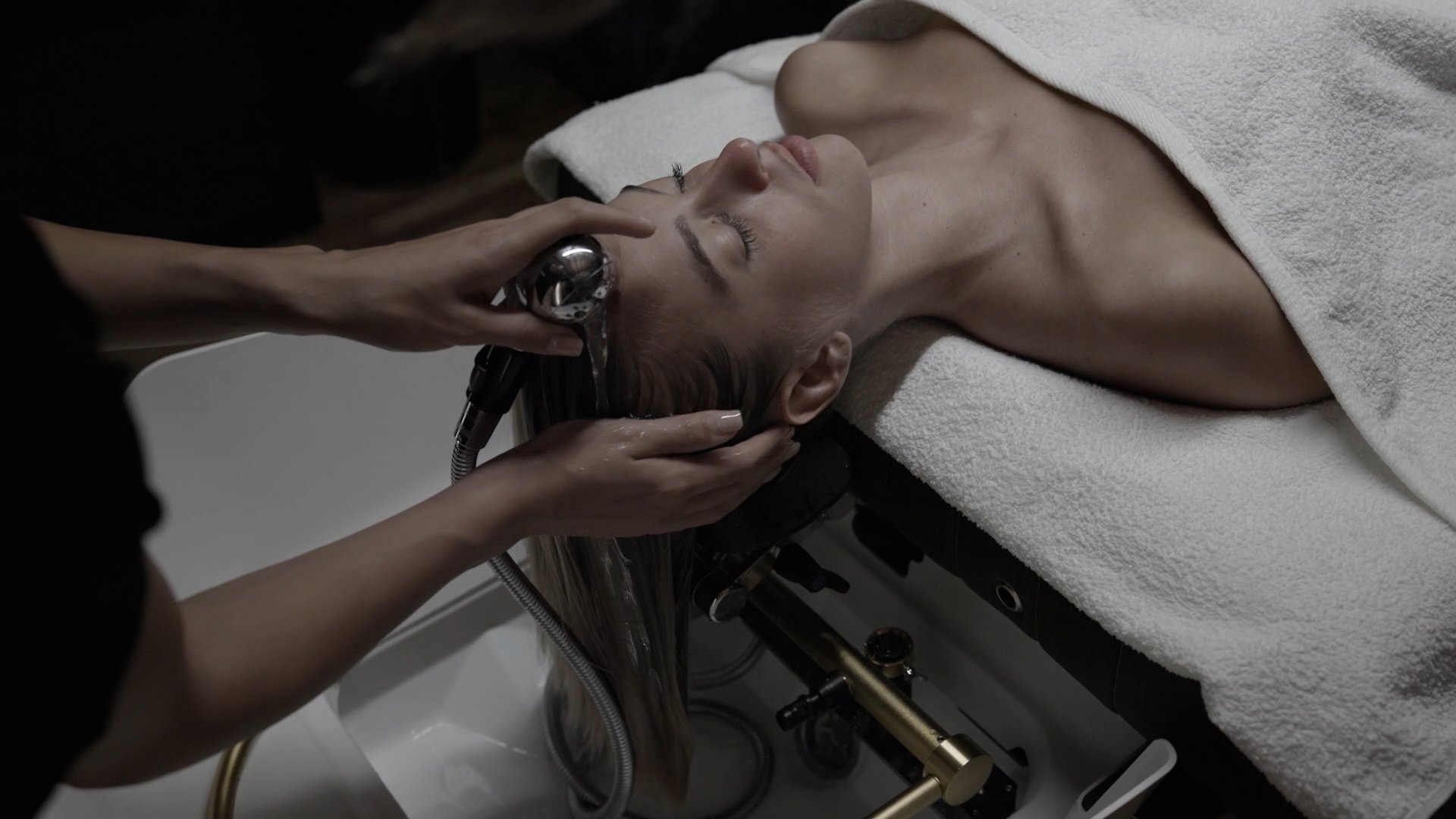
In today’s wellness landscape, where the line between ritual and technology is increasingly subtle, Venice Head Spa emerges: the multifunctional massage table by LEMI that redefines the treatment experience. Not just a working tool, but a true multisensory station designed for the most exclusive spas, able to combine refined aesthetics, functionality, and ergonomics.
Its strength lies in versatility: three functions – massage, manicure/pedicure, and Japanese Head Spa – coexist in a single station. This approach allows spas and beauty centres to optimise space without compromising on excellence, turning every treatment into a moment of complete care.
At the heart of the project is the retractable wash basin, an exclusive feature inspired by the Japanese Head Spa tradition. Thanks to a delicate and continuous water arch, the treatment is elevated into a ritual: the head is gently caressed by a steady flow that stimulates circulation, relaxes the muscles, and guides the mind into a state of deep balance. Adding to this is the pipeless pedicure tub, designed to ensure impeccable hygiene and maximum comfort, transforming every gesture into a moment of total care.
Comfort is guaranteed by a memory foam mattress developed by LEMI, antibacterial and fire-resistant, with a removable horseshoe headrest. Every adjustment – height, backrest, and leg rest – is fully electric, allowing the therapist to adapt the position to the millimeter and work in complete ergonomics. Smart functions, such as the memory setting for the ideal hair-wash position or the END function that automatically returns the table to its resting position, further simplify the operator’s work.
Yet technical innovation does not exclude aesthetic elegance. Venice Head Spa is also a design piece: compact, refined lines, premium materials, and complete customisation options make it a valuable furnishing for the most exclusive spas. The range of eco-sustainable VITA upholstery and FSC-certified wood finishes with refined metallic inserts represent the perfect synthesis of sustainability, style, and functionality.
In Venice Head Spa, technology, ergonomics, and Italian craftsmanship coexist. Every detail is conceived to turn treatment into a sensory narrative, where aesthetics, functionality, and ritual merge into an unprecedented experience. Not just a work tool, but a manifesto of intent: an invitation to rediscover the value of time, slowness, and deep care of body and mind.
With this creation, LEMI reaffirms its leadership in the sector, once again proving how innovation and tradition can come together to rewrite the codes of wellness. Venice Head Spa is not only the future of treatment, it is the promise of a new art of care.

THE ULTIMATE IN-ROOM SANCTUARY
In luxury hospitality, true distinction is rarely about grand gestures alone; it is defined by the quality of intimate, private moments.
A guest may be welcomed by an architectural atrium, curated fine dining, and intuitive concierge service, yet their lasting emotional connection to a property often forms behind closed doors. Within the privacy of a suite, every object, texture, and ritual undergoes quiet scrutiny.
For decades, the in-room coffee experience has remained an unconsidered element within the luxury suite. While five-star hotels invest heavily in bespoke linens, marble bathrooms, and rare spirits for the mini-bar, the coffee setup has too often remained a functional compromise.
In today’s experience-led market, treating in-room coffee as a secondary amenity creates a noticeable disconnect in the guest journey.
The Evolution of Guest Expectations: Elevating the Private Ritual
Modern hotel guests bring sophisticated beverage standards directly from their daily routines into their accommodation choices. Data from the Allegra Project Café UK 2026 report reveals that over 63% of UK consumers drink coffee on a daily basis, making high-quality extraction an essential fixture of modern life rather than an occasional luxury.
When a guest wakes up in a premier suite, their morning espresso is not merely a functional caffeine hit; it is the foundational ritual of their day.
Elevating this moment from routine preparation to an artisanal experience requires treating the in-room beverage station as a design-led credenza. The ritual must deliver aesthetic harmony, bespoke tactile presentation, and barista-grade coffee without demanding complex technical effort from the guest.
Case Study: Claridge’s — The Gold Standard of In-Room Curation
A benchmark execution of the in-room sanctuary is found at London’s iconic Art Deco landmark, Claridge’s in Mayfair. Rather than treating in-room coffee as a utility, the hotel has integrated the morning serve directly into its celebrated design heritage.
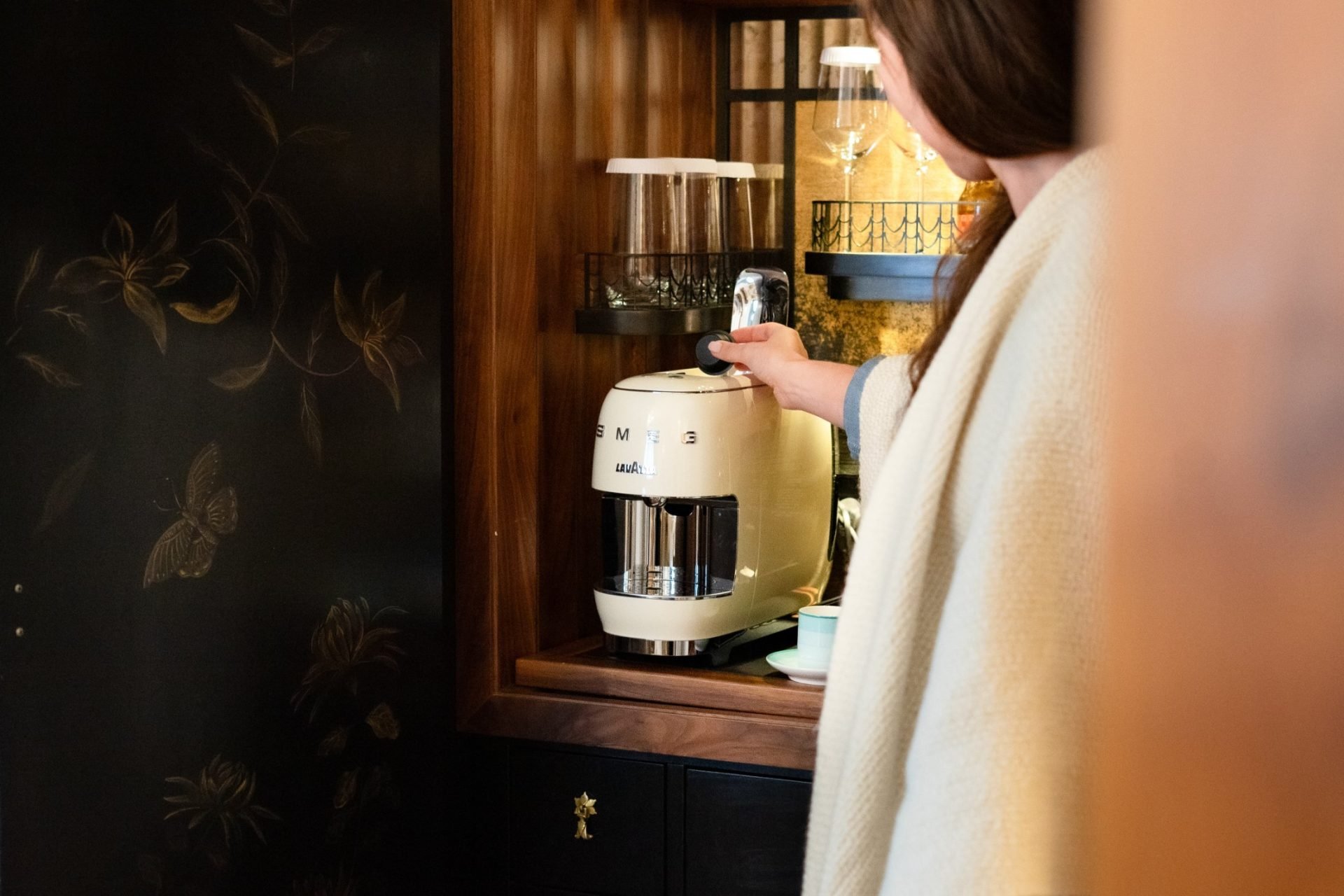
Featuring Lavazza’s A Modo Mio capsule system, Claridge’s transforms the suite beverage station into an elegant focal point:
- Design Integration with Smeg: The setup pairs high-performance capsule machinery engineered with Smeg with Claridge’s signature aesthetic. Soft curves, premium metallic finishes, and curated porcelain ensure each element complements the room's interior architecture rather than disrupting it.
- Bespoke Presentation & Packaging: Custom-designed presentation boxes display a curated selection of A Modo Mio capsules, introducing guests to distinct roast profiles ranging from intense, chocolate-forward blends to lighter, aromatic coffees.
- An Effortless, Artisanal Ritual: By combining intuitive, single-touch extraction with premium Italian coffee blends, guests achieve an authentic espresso or lungo effortlessly in the comfort of their bath robe.
This seamless alignment of iconic Italian equipment design and exceptional coffee ensures that the first five minutes of a guest's morning mirror the elegance of the wider property.
Designing the First-Class In-Room Experience
For luxury hoteliers seeking to elevate their private sanctuary spaces, success relies on three foundational elements:
- Aesthetic Cohesion: Select equipment and serving vessels that match the interior design narrative. Sleek lines, tactile materials, and fine bone china transform a countertop into an elegant hospitality bar.
- Curated Profile Variety: Provide a structured menu of roast styles. Offering distinct options—from an intense, velvet-crema Italian dark roast to a smooth, sweet medium roast—ensures varied international guest preferences are effortlessly met.
- Sensory Storytelling: Accompany the capsule collection with concise, beautifully printed tasting cards detailing roast profiles and tasting notes, inviting guests to engage with the craft behind each cup.
The Commercial Return of Subtle Luxury
Upgrading in-room coffee delivers tangible commercial advantages for luxury hoteliers. A carefully considered private coffee ritual increases guest satisfaction scores, drives repeat suite bookings, and reinforces room rate premiums. It also sets the tone for subsequent food and beverage spend across on-site restaurants and lounges.
By matching exceptional coffee quality with bespoke design theatre, forward-thinking hotels can turn the quietest in-room moment into an enduring hallmark of first-class hospitality.
THE DETAILS THAT DEFINE LUXURY
From tactile details to bespoke design, La Bottega Collective explores how a fully curated ecosystem of products, materials and sensory touchpoints can transform the guest journey, creating distinctive hotel experiences that are designed to be felt, remembered and connected to a property’s sense of place.
The most memorable hotel stays are often defined by atmosphere, detail and an immediate sense of connection from the moment a guest arrives. Creating a truly immersive stay means giving guests a tactile connection to their surroundings – from the first touch of the bed linen and the fragrance in the bathroom, to the objects placed throughout the room and the textiles experience by the pool.
Each individual detail contributes to the overall identity of the property and, when considered collectively, creates an experience that feels intentional and distinctive. Delivering this kind of guest experience requires hotels to move beyond procurement-led thinking towards a more design led approach every touchpoint, enlisting the support of intentional curators, not just suppliers.
La Bottega Collective enables this shift for some of the world’s most renowned hospitality names, including Four Seasons and Aman Resorts through a unique, multidisciplinary approach. Bringing together specialist expertise La Bottega Collective includes La Bottega and Vanity Group for beauty essentials, Palatino for OS&E and bespoke accessories, Beltrami for luxury bed and bath linens, and White Privé for merchandising. Together, these pillars allow La Bottega Collective to consider the whole guest experience, creating meaningful connections between product, design, storytelling and a true sense of place.
At the heart of this approach is Palatino, specialising in bespoke OS&E and design solutions for luxury hospitality. Combining craftsmanship with forward-thinking innovation, Palatino transforms everyday hotel touchpoints into considered objects and experiences that that balance design with operational excellence. Its distinction lies in the ability to tell stories through objects and tactile experiences, beginning with the story a hotel wants to tell and, most importantly, how it wants its guests to feel.
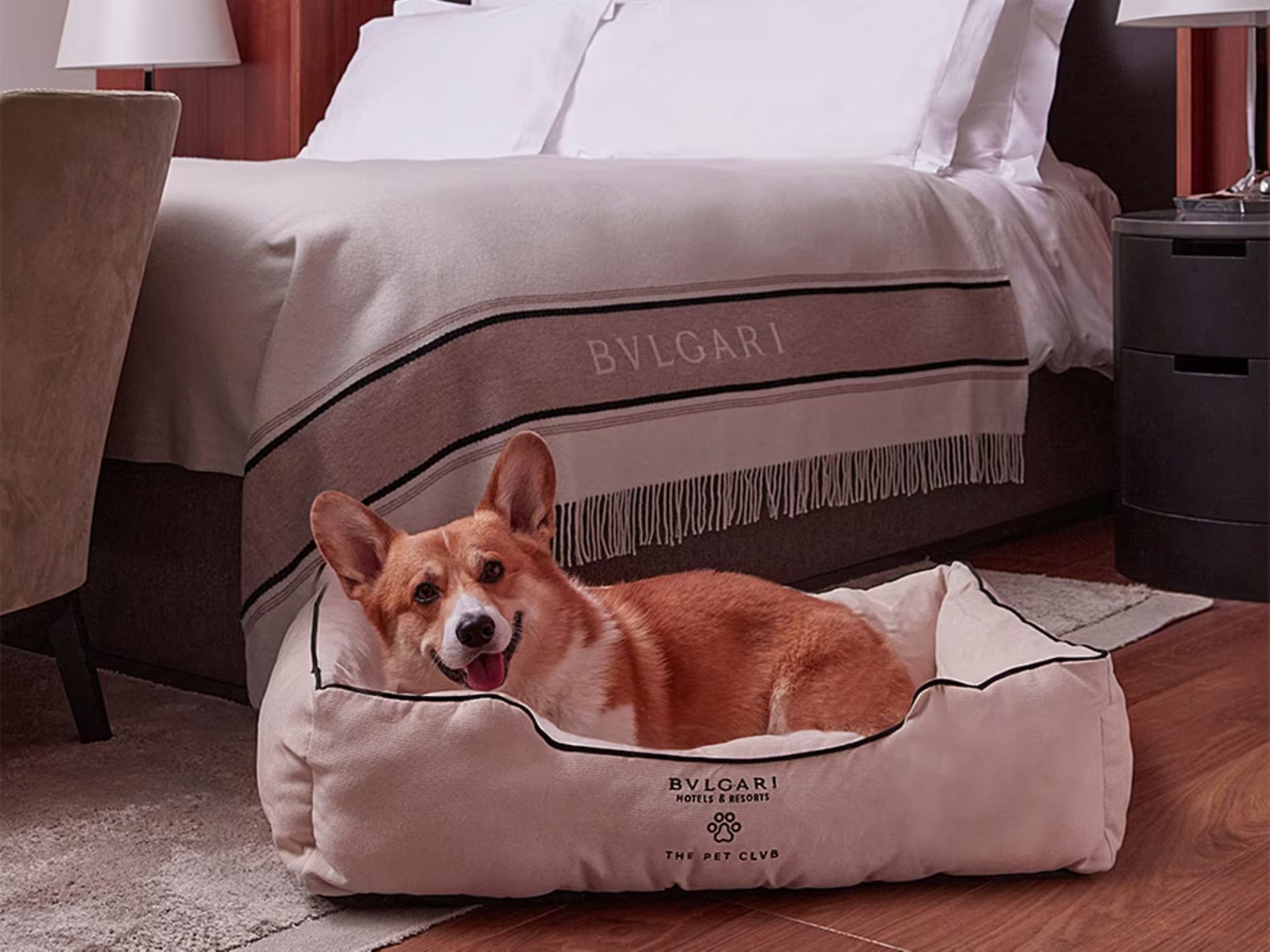
This philosophy can be seen through Palatino’s work with Bvlgari Hotels & Resorts. From F&B packaging crafted in signature paper stocks to bespoke OS&E and gifting, every element is designed to reflect the visual language and luxury positioning of the brand. Palatino has also helped curate the hotel’s pet programme, demonstrating how considered design can extend beyond traditional room accessories to create a more personal experience, where even a guests’ pet becomes part of the journey, rather than an afterthought.
For younger travellers, the same philosophy transforms children’s amenities into opportunities for discovery and storytelling. At Badrutt’s Palace in St Mortiz, young guest travellers will discover beautifully curated recipe books, combining child-friendly recipes, playful activities and vibrant illustrations, designed to be enjoyed during their stay and treasured afterwards. The same thinking is also reflected in Palatino’s work with The Ritz-Carlton on its global Ritz Kids programme, including the creation of Leo, the Ritz Kids mascot. Designed to build a meaningful connection with younger travellers, the programme goes far beyond the conventions of a traditional children’s amenity.
Beyond in room accessories, the strength of La Bottega Collective lies in its ability to consider a property in its entirety. How the La Bottega Collective ecosystem comes together across the guest journey can be seen at Villa Franca, Positano. Hand-crafted Beltrami linens establish the tone for the stay, while in the bathroom, a bespoke Villa Franca beauty essentials collection by La Bottega, blends bright grapefruit with earthy vetiver reflecting the natural beauty of the property’s surroundings. Throughout the room, Palatino designed pieces provide thoughtful finishing touches, while White Privé textiles carry the experience beyond the bedroom and out to the pool. Each element has its own purpose, but together they create a considered expression of the hotel. Nothing exists simply for function; every object contributes to the property’s story and how it is experienced throughout the guest journey.
The future of luxury hospitality is moving beyond individual products towards a fully curated ecosystem of guest touchpoints. While guests may not consciously notice every individual detail, they do recognise when an experience has been carefully and thoughtfully curated. While personalisation in hospitality is often expressed through service, its physical expression can be just as powerful. The materials, objects, textures and sensory details that surround a guest all contribute to how a property is experienced and, ultimately, remembered. These aspects of the guest journey work in harmony to create thoughtfully designed environments, drawing on the ecosystem of La Bottega Collective.

RECRUITING FOR THE LUXURY MINDSET
In luxury hospitality, the strongest candidates are not always the ones with the most impressive CVs. Human One Global explores the qualities that define the “luxury mindset” – from emotional intelligence and discretion to cultural awareness, resilience and a natural instinct for exceptional service.
What sets someone apart in luxury hospitality? It’s something we consider every day in recruitment, and experience has taught us that the answer isn’t always obvious from a CV.
Of course, experience matters. If somebody has spent several years working within a respected five-star hotel or luxury brand, they will understand the standards and expectations that come with that environment. But over the years, we have also met candidates with exceptional CVs who, when you meet them, don't necessarily have the natural qualities you are looking for. Equally, you meet people whose experience may be less obvious on paper, but who immediately understand what great service is about.
That is what I think of as the “luxury mindset”.
Luxury hospitality has changed considerably. For many guests, luxury today isn't necessarily about formality or being surrounded by the most expensive things. Increasingly, it is about how personal and effortless an experience feels. Often, the things a guest remembers are quite small: somebody remembering their name or preference, noticing they need something before they ask, or simply recognising when they would rather be left alone.
That requires a very particular type of person, and recruiting those qualities means looking beyond someone's previous employers and job titles.
We can establish fairly quickly from a CV whether somebody has the technical experience to do a role. The more interesting part of an interview is understanding how they operate. We spend a lot of time talking to candidates about real situations they have encountered, particularly when something hasn't gone to plan.
If someone tells you about a difficult guest interaction, for example, the outcome is important, but so is everything that happened before it. Did they really listen to the guest? Did they understand what was upsetting them? Did they take responsibility for finding a solution? How did they involve the rest of the team?
You learn a great deal about someone's emotional intelligence through those conversations without ever needing to ask them directly whether they have it.
Discretion is another good example. It is absolutely fundamental within luxury hospitality and even more so when recruiting for private households, family offices or positions involving high-profile individuals. But discretion is difficult to assess from a CV.
Sometimes you see it during the interview itself. The way somebody talks about a previous employer or guest can tell you a lot. There is a significant difference between explaining a challenging situation professionally and sharing details that were never really theirs to share. For us, discretion is as much about judgement and understanding boundaries as it is about confidentiality.
Cultural awareness has also become increasingly important. Luxury hospitality is incredibly international, both in terms of the people working within it and the guests they look after. You may be dealing with several different cultures and nationalities in the space of one shift, and being able to adapt your approach matters.
That doesn't mean expecting somebody to understand every culture or tradition. It is more about curiosity and awareness. The best people don't make assumptions. They recognise that the way one guest wants to communicate or be looked after may be completely different from the next.
Then there is resilience. Luxury service should feel effortless from the guest's perspective, but anyone who has worked in hospitality knows there can be a huge amount happening behind the scenes. Last-minute requests, busy services, changing priorities and high expectations are all part of the job.
We look for people who can remain composed when that happens, but also people who understand how to work as part of a team. Resilience shouldn't mean simply putting up with pressure. It is about being able to adapt, prioritise and continue delivering a great experience when circumstances change.
Perhaps the hardest thing to recruit for, though, is genuine service instinct. We see it in the smallest things. Someone who notices what a guest needs before they have to ask, remembers a preference from a previous stay or instinctively knows when a guest wants conversation and when they would rather have privacy. Those things can sound insignificant on paper, but in luxury hospitality they make an enormous difference.
Technical skills can be developed and brand standards can be taught. That natural awareness of other people is much harder to train.
This doesn't mean we should disregard experience. Far from it. But I do think the industry can sometimes become too focused on whether somebody has worked for the “right” brands. If we recruit purely by CV, we risk overlooking people who have exactly the qualities luxury hospitality needs.
Ultimately, recruiting for the luxury mindset is about understanding the person behind the experience. It takes better conversations, good behavioural interviewing and sometimes a willingness to look beyond the obvious candidate.
Because when guests think about truly exceptional service, they rarely remember whether somebody followed every step of a process perfectly. They remember the person who understood what they needed, often before they had to ask. And perhaps that is the real luxury mindset: understanding people and having the judgement and instinct to make exceptional service feel effortless.
PRE-ARRIVAL RETAIL
Hanga Founder and CEO Nathaniel Milner explains how pre-arrival retail can help hotels personalise the guest experience, unlock new revenue and stay relevant as travellers increasingly expect their preferences to follow them.
For readers discovering Hanga for the first time, what is the platform and what problem does it solve?
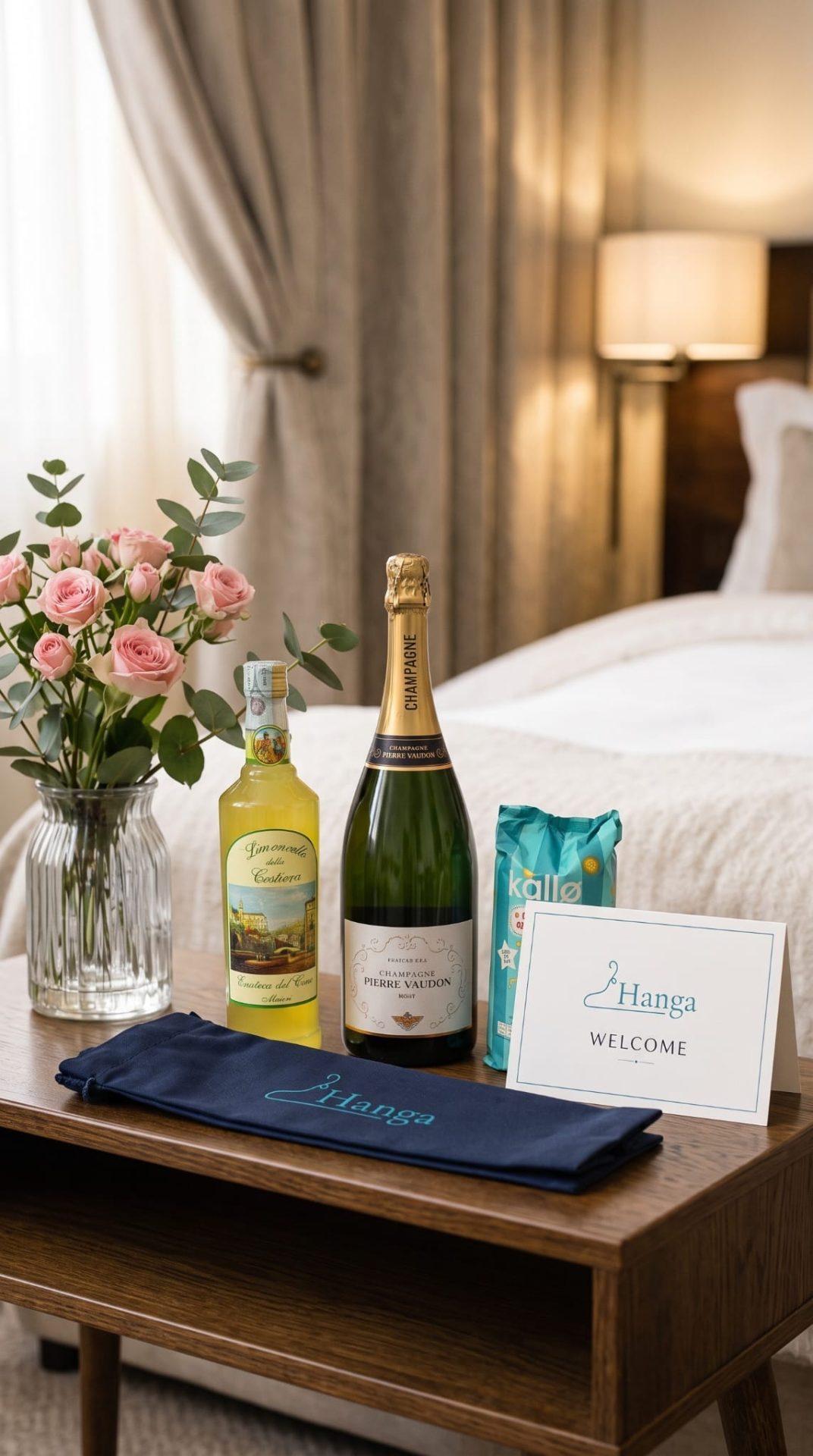
Hanga is a pre-arrival retail platform that allows hotel guests to choose what they want waiting for them when they arrive. From stocking the fridge around dietary preferences to having toiletries, wellness or beauty products ready, guests can personalise their stay before they even travel. For hotels, Hanga removes the guesswork from hospitality. No two guests have the same preferences, and hotels cannot realistically cater to everyone. Hanga allows them to offer greater choice without the additional procurement, storage, logistics and waste.
Why do you see pre-arrival retail as such a significant opportunity for hotels?
Research shows that three-quarters of UK consumers who had booked a summer holiday planned to buy new items before travelling, yet hotels currently participate in very little of that spending.
Wellness is a good example of changing expectations. It doesn’t necessarily mean a spa treatment; for many travellers, it is simply maintaining their routine, whether that means electrolytes after a flight, protein bars, vitamins, supplements or beauty and personal care products. Guests have more choice than ever about where they spend, so if a hotel doesn’t offer what they need, they can easily buy elsewhere. Hanga gives hotels a way to offer greater choice at familiar retail prices while participating in that spend.
How does Hanga create both a better guest experience and an additional revenue opportunity?
Hanga allows hotels to become part of the guest’s preparation for their trip, rather than that relationship beginning when they arrive. Guests know what can be waiting for them, instead of buying and travelling with products just in case.
There is also a clear commercial opportunity. Hanga shares revenue with the hotel, allowing it to participate in pre-travel spending that would otherwise go elsewhere, including spending increasingly moving to third-party delivery apps. Rather than being bypassed by those transactions, the hotel remains part of the guest experience and benefits from the revenue.
What does the Hanga experience look like from the guest’s perspective?
Hanga is live today and can be downloaded from the App Store and Google Play, while guests can also discover it through their hotel’s pre-arrival communications. They choose their destination and shop for their trip in advance, with Hanga built around where you are going rather than where you are now.
Core sections include wellness, beauty and personal care, minibar, travel essentials and gifts. If a guest cannot find something they want, they can message us and we will do our best to add it to the inventory. Everything is delivered directly to the hotel ready for arrival, so guests can enjoy the welcome they have chosen for themselves.
Looking ahead, how do you see pre-arrival retail evolving?
I think pre-arrival retail will become a normal part of travel. We already plan almost every aspect of a trip before leaving home, yet the products and preferences that make a stay personal are still largely an afterthought. In time, your preferences should travel with you.
Hanga is live in London today, but the model is designed to expand internationally. We see it becoming infrastructure for pre-arrival retail, integrated into hotel websites, airlines and travel-booking platforms. That could enable airlines to extend hospitality beyond the airport, corporate travel bookers to create personalised arrivals, and hotels to recognise the preferences of frequent guests.
Longer term, AI makes this even more interesting. A traveller should be able to say,
I’m staying in Paris next week, have my usual products waiting for me.
Hanga can provide the inventory, hotel relationships and fulfilment network to make that request a reality.
CRAFTING EXPERIENCES
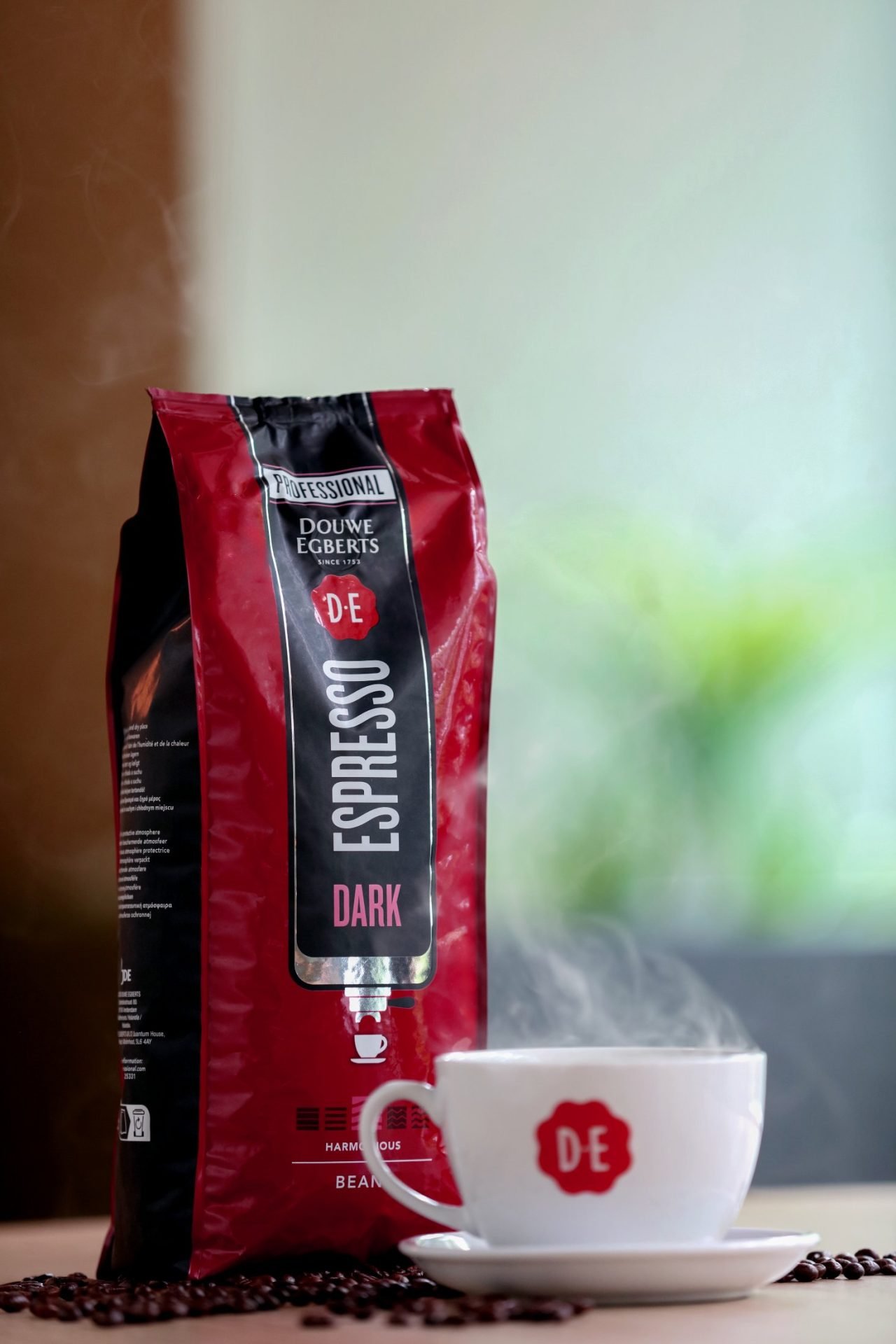
Elevate your coffee offering with Douwe Egberts Espresso Dark Beans.
Bean coffee remains one of the fastest-growing segments and is expected to become the largest coffee format in OOH by 2029, increasing its share of total coffee volume from 33% to 39%. This is why we launched Douwe Egberts Espresso Dark Beans this year, consisting of Arabica beans as well as high-quality Robusta. With its long roasting time and blend composition, Espresso Dark delivers a medium-dark profile that is well balanced with subtle spiced notes and an intense, sophisticated flavour. Designed for maximum versatility, it allows hotel operators to consistently serve a range of coffees, from full-bodied espressos to velvety cappuccinos, from a trusted brand.
Our recent consumer research found that a staggering 90% of consumers say they can distinguish between a standard/poor coffee and a good quality coffee. Furthermore, brand recognition is becoming more critical, with research revealing that showing consumers the origin and brand of the coffee bean increases overall venue trust for 65% of consumers. Leveraging a recognised name like Douwe Egberts, which is backed by over 270 years of coffee-crafting heritage, allows hotel operators to instantly reassure those quality-conscious consumers of the premium standard of their brew.
The Douwe Egberts Espresso Dark beans are available to order now and are suitable for use in all commercial and domestic bean-to-cup systems, as well as espresso machines, French presses, Chemex, and filter coffee makers.
MAKING AMENITIES MEMORABLE
Amanda Connock, founder of Connock England, discusses the brand’s fragrance heritage, its new hotel amenities collection and why scent, sustainability and thoughtful design can turn everyday toiletries into a memorable part of the guest experience.
For readers discovering Connock England for the first time, could you introduce the brand and its story – what inspired its creation, and what principles have shaped its approach to luxury fragrance, bath and body products?
Connock England is a British fragrance and beauty brand built on deep-rooted industry knowledge. My family has been at the heart of the global fragrance and cosmetic ingredients world for more than 50 years through A & E Connock, supplying leading beauty and fragrance houses around the world. That heritage, together with decades of formulation expertise and long-standing supplier relationships, shapes the way we approach everything we create.
Fragrance has always been central to Connock, but equally important is what sits behind it: ingredient quality, formulation and provenance. Our relationships let us work close to source, giving us real visibility over quality and traceability. A more direct supply chain also means we can invest where it matters most – fragrance, ingredients and formulation – while offering genuine value to our partners.
Our products are made and manufactured in the UK, and we source locally wherever it makes sense to. Ultimately, we want everything we create to feel considered and pleasurable to use.
You are now launching a new amenities collection for the hotel sector. What was the thinking behind the collection, and how have you translated the wider Connock England brand into an offering designed specifically for hotels and their guests?
We wanted to take everything that matters to Connock – fragrance, ingredient quality, formulation expertise, presentation – and translate it properly for hospitality.
Working closely with hospitality teams gave us a clear picture of the balance hotels need. The experience has to feel memorable for the guest, while behind the scenes the collection needs to be practical and straightforward for housekeeping and operations teams to manage every day.
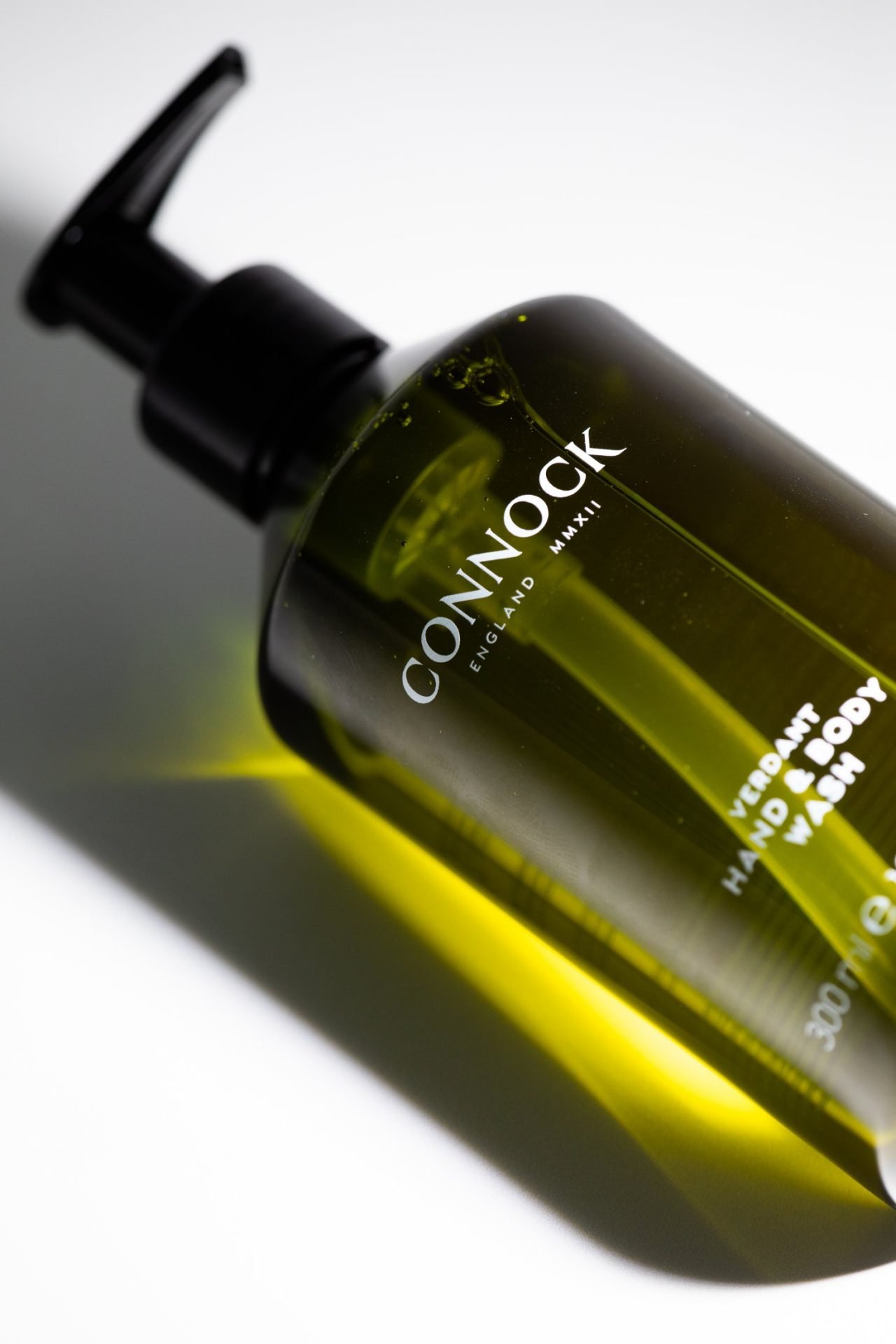
That thinking runs through the whole collection: three fragrance choices – Kukui, Verdant and Pelago – each available in 300ml refillable, recyclable bottles with 5 litre refill options, plus a range of presentation choices so properties have flexibility both aesthetically and operationally.
Most importantly, we wanted something that feels recognisably Connock: distinctive fragrance and formulation, the best ingredients, and real attention to detail.
What sets the new Connock England amenities collection apart from other products available to hotels today – whether that is the fragrances, formulations, presentation, sustainability credentials or the overall guest experience it is designed to create?
For me, it's how those elements come together rather than any one of them in isolation.
The three fragrances are intentionally different in character, so hotels can choose an atmosphere that fits their property. Kukui is warm and refined, with bergamot, jasmine, gardenia, sandalwood, amber and soft vanilla. Verdant is fresh and green, combining peppermint and eucalyptus with fig, geranium, rose, sandalwood and amber. Pelago is radiant and citrus-led, bringing together orange, bergamot and lemon with rosemary, neroli, petitgrain, amber and vetiver.
The formulations behind them matter just as much: Kukui Oil, Shea Butter and Macadamia Oil; English Borage Oil, Aloe Vera and Vitamin E; Sweet Almond and Rosehip Oils. Our sourcing and formulation heritage means we think as much about how a product performs and feels as about how it smells.
We've also designed around the practical realities of hospitality. Bottles are made from 100% recycled Prevented Ocean Plastic and are refillable, with 5 litre refills available – designed to be refilled, not replaced. Properties can choose black or white pumps or disc-top caps, and single, double or triple wall brackets in a choice of finishes.
Beyond simply providing toiletries, what opportunity do you see for hotels in using amenities as a way to strengthen their brand identity and create a more memorable experience for guests?
Scent is one of the most powerful tools a hotel has for shaping how a space feels, almost instantly, and it has a strong pull on memory. So amenities can do far more than fulfil a practical function in the bathroom.
We see fragrance as another layer of a property's identity. A hotel might choose one fragrance and use it consistently so it becomes part of its signature, or build a layered fragrance journey across different areas.
That's the thinking behind our Scent Mapping service. We work with a property on how different spaces should feel – restorative in a spa, warm and inviting in bedrooms, distinctive enough in an arrival space to leave a first impression.
The fragrances can also extend beyond core bathroom amenities into reed diffusers, candles, room and linen mists and scented ceramics, so a property can build a cohesive sensory identity across the guest journey.
Looking ahead, what do you hope Connock can bring to hotel properties and their guests, and why is now the right time for hotels to consider a more considered approach to their in-room amenities?
We'd like Connock to be seen as a fragrance and amenities partner, not simply a product supplier.
Hotels are increasingly thoughtful about every touchpoint of the guest journey, and amenities sit at an interesting intersection of experience, design, sustainability and operational practicality. Guests notice the details – something that smells good, feels good to use, and fits the wider environment it sits in.
We've already seen properties choose us because the collection lets them shape the guest experience on their own terms, rather than take whatever a generic supplier hands them. Those details still have to work commercially and operationally, though, which is why refillable formats and flexible presentation sit alongside the fragrance and formulation work, not apart from it.
Ultimately, we want to bring hotels a collection that combines strong fragrance and formulation expertise with the flexibility to choose an amenities experience that fits their property and their guests.
WHAT 15 YEARS OF PARTNERSHIP AND PURPOSE LOOKS LIKE
Belu explores how hotels can turn an everyday essential into a force for good, using water to drive positive change for people, communities and the planet.
For Belu, water has always been about more than what is in the bottle. Since we were founded in 2002, our ambition has been simple: to use business as a force for good, creating positive change for people and the planet through the choices we make every day.
Our purpose, ‘to change the way the world sees water’ guides everything we do. From the products we create and the packaging we use, to the way we work with our collective and communities, we are constantly looking for ways to make a positive difference. Our work is aligned with the UN Sustainable Development Goals, with a particular focus on Goal 6, clean water and sanitation, Goal 12, responsible consumption and production, and Goal 13, climate action.
One of the most important milestones on our journey came in 2011, when we began our partnership with WaterAid, the world’s largest international water charity. From the beginning, we committed to investing 100% of our net profits with WaterAid. It means they can support communities facing the greatest challenges and respond quickly when circumstances change. In May 2024, for example, WaterAid used unrestricted funding to provide clean drinking water to communities affected by Cyclone Remal and flooding in Patuakhali district, Bangladesh.
Fifteen years on, our partnership has become something we are incredibly proud of. Together with our Belu collective, we have given £6.5 million to WaterAid, which could help more than 435,000 people gain access to clean water. Behind every one of those numbers is a person, a family and a community with the potential to build a healthier and more hopeful future.
One of those people is Margaret, a mother of four from Ntchisi District in Malawi. Margaret has delivered all of her children at Chinguluwe Health Centre, a facility serving almost 26,000 people and seeing more than 250 patients each day.
Previously, the health centre faced severe water shortages. Staff, patients and the surrounding community relied on a single borehole with an inconsistent water supply. This made practicing everyday good hygiene and infection prevention extremely difficult, particularly for women giving birth.
Working with the community and local partners, WaterAid helped install a solar-powered water supply system, providing a consistent source of clean water across the health centre, including in the delivery rooms.
For Margaret, the difference is significant for her, and for her children:
Imagine how it would feel to have to carry water on your head when you are very heavily pregnant and you're tired [...] But now..., there is a tap in the delivery room. So, nobody had to draw me water from anywhere.
If I’m here with my child and my child is sick, I know that I can go to the tap and give my child a drink. So, it’s not that much of a worry. If I were to bring my children to the hospital now, I don’t worry about access to water.
It is stories like Margaret’s that remind us why our partnership with WaterAid matters. They show what is possible when purpose is built into the way a business operates, and when businesses, customers and communities work together, something bigger can be achieved
For the hospitality industry, water is at the heart of everyday life. It is served to guests, used in kitchens, restaurants, bedrooms, laundry and across hotel operations. This gives hotels an exciting opportunity to rethink how they value water and the difference their choices can make.
Looking ahead to the next 15 years, that opportunity is only becoming even more important. As climate change is intensifying pressure on water resources, millions of people around the world still lack access to clean water, decent toilets and good hygiene.
Our purpose is to change the way the world sees water. By 2030, we will continue to invest 100% of our net profits with WaterAid, while investing in nature-based solutions and taking action across our own environmental impact. But we cannot do this alone.
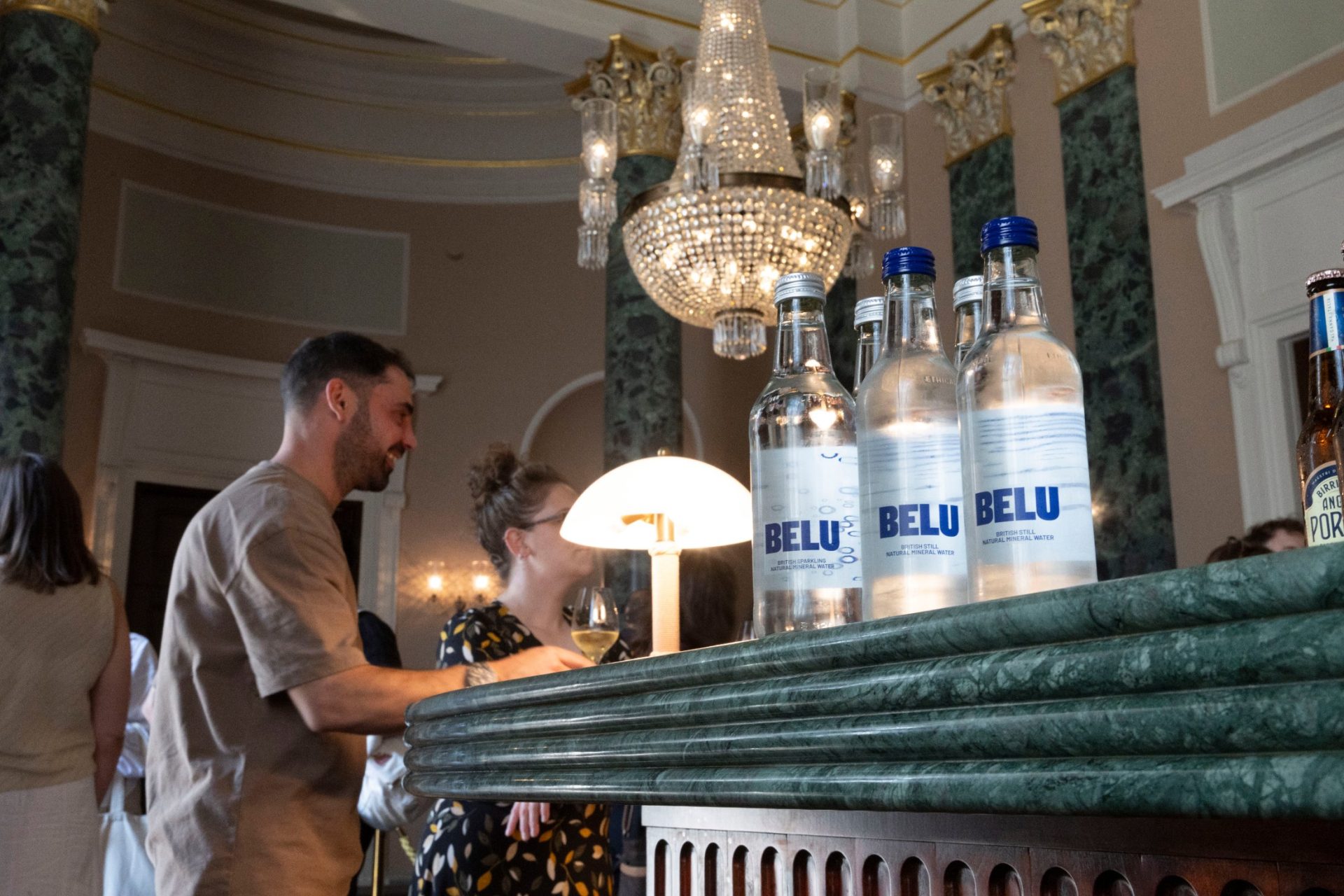
Every hotel that chooses Belu becomes part of something bigger. By serving Belu, you can offer your guests great water while helping communities around the world access something we believe everyone should have: clean water.
Fifteen years has shown us the power of serving with purpose. Now, we are looking forward to the next chapter and inviting more hotels to join us.
AT THE HEART OF WELLNESS
For today’s luxury hotel guests, wellness has moved on from an occasional treat to become a daily expectation.
As we approach the end of the year, every hotelier needs to be leaning into this shift, thinking about how they incorporate wellness into their offering. This mean looking beyond traditional spa offerings and weaving wellness into every part of the stay, from check-in to turndown.
Few brands understand this better than BC SoftWear. As the UK’s leading supplier of towels, robes and spa linens to luxury hotels, BC SoftWear sits at the heart of wellness. Its towels and robes are often a guest’s first physical touchpoint in their room, and its spa linens are also the first thing that touches a client’s skin as their spa treatment begins.
Nothing kills a moment of luxury faster than a robe that has gone rough from over-drying or an oil-stained towel. With wellness now sitting at the forefront of every guest’s mind during their getaway, those seemingly small issues can undercut everything else a hotel has invested in. Performance matters as much as presentation; our tried-and-tested fabrics, used in our SupremeSoft robes and treatment towels, hold their softness wash after wash, as well as our oil-resistant spa towels, safeguard that luxury feeling.
Said BC SoftWear’s CEO and founder, Barbara Cooke.
Wellness beyond the spa
Although wellness in hotels is often viewed through the lens of the spa, increasingly the industry is placing equal emphasis on our most universal wellness need – sleep. BC SoftWear is turning its attention to helping guests sleep better, working alongside sound specialists Myndstream to build its wellness portfolio.
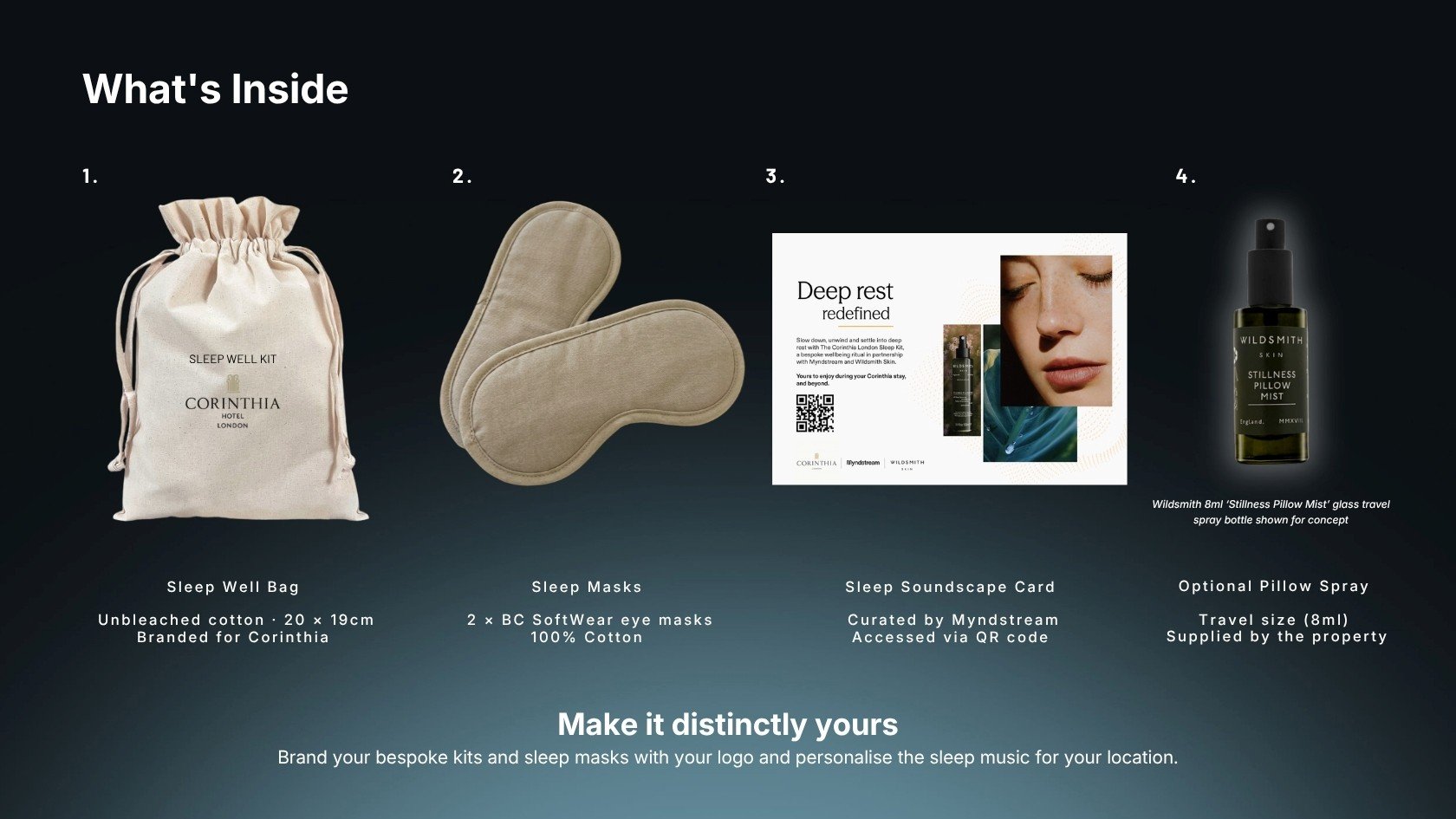
The brand's new and improved Sleep Well Kit brings together the softest textiles, sound and scent in one in-room offering. While BC SoftWear supplies a 100 per cent cotton drawstring bag and an eye mask, the property can then make the kit bespoke with its own branded room spray and logos on the masks. Myndstream contributes a curated sleepscape playlist, personalised for their location.
Sleep is arguably the most universal wellness need. Creating our on-of-a-kind Sleep Well Kits felt like the natural next step for us, building products that support how guests rest and recover, allowing every hotelier to improve their wellness offer, regardless of whether they have a spa.
Barbara explained.
Your guests leave with the sound of their stay and a portable sleep kit for wherever their travels take them, keeping your brand in mind long after checkout. This is where the wellness category is heading: beyond the traditional treatment room, permeating a guest’s entire stay.
GIFTING THAT LASTS
The festive season asks a great deal of everyone. Guests arrive at your spa carrying an exhaustion that builds through the final months of the year: the accumulation of commitments, deadlines, late nights and the relentless pace of a season that is supposed to feel joyful.
For hotel spas, this is one of the most significant windows of the calendar. How it is used, and what it communicates about a property's relationship with guest wellbeing has never mattered more.
Something has shifted in how people think about giving. The most considered gifts this season are those that tell a story beyond the unwrapping. Guests arriving at your spa are increasingly looking for something that will make the person who receives it feel better, not just on Christmas morning, but in the weeks that follow. There is a growing understanding, felt across the hospitality industry, that the purpose of a gift is to give someone something they will actually return to. A ritual. A moment of care they might not have chosen for themselves.
For hotel spas, this shift represents a real opportunity. When a guest leaves a treatment room feeling restored, the gift they purchase on the way out carries that feeling with them. It becomes a continuation of the experience rather than a separate transaction. The connection between treatment and retail, when it is handled well, feels natural to the guest and valuable to the spa.
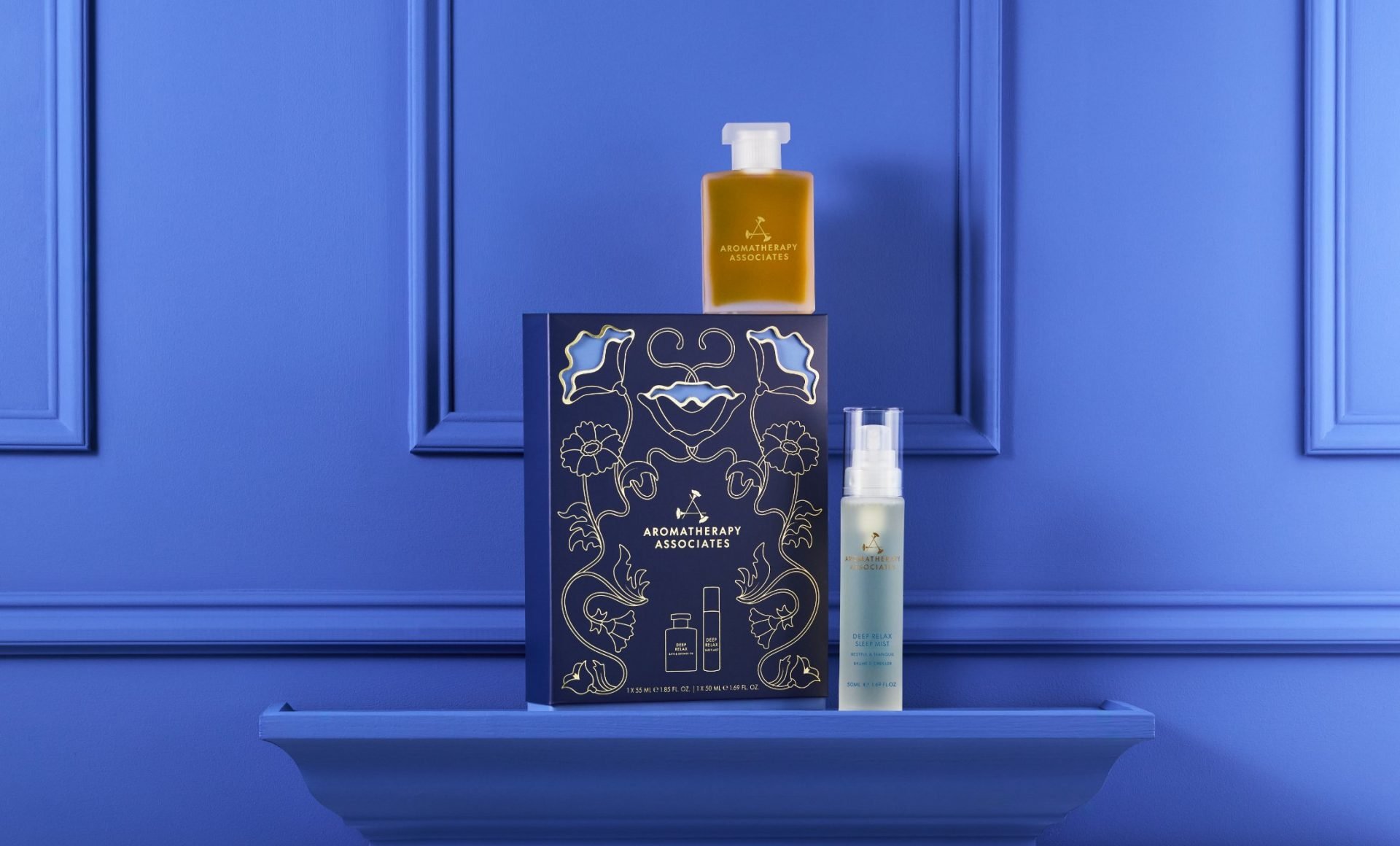
This is the thinking behind the Aromatherapy Associates Flourish Into a New Year festive collection for 2026. Rather than building a range around occasion or price point, the collection is structured around wellbeing need. Each gift set is designed to address a specific state: sleep, energy, calm or recovery. A guest who has just experienced a Deep Relax treatment can take home a Gift of Sleep, built around the same Vetivert, Camomile and Sandalwood blend that their therapist used. A guest who mentioned fatigue in their consultation might leave with a Gift of Energy, anchored in the Revive Morning blend of Grapefruit, Juniper Berry and Rosemary. The Gift of Wellbeing brings three blends together, offering a full wellbeing wardrobe for the person who carries different needs through different parts of their day.
Structuring a collection this way changes the nature of the conversation between therapist and guest. When a range is organised by need rather than product type, the recommendation becomes an act of care. It reflects a genuine understanding of what the guest came in for, and what they might benefit from taking home. That kind of purposeful retail is what separates a memorable guest experience from a transactional one.
The collection has also been designed with the moment of gifting in mind. Each box is brought to life with hand-drawn gold foil illustrations showcasing the key ingredients within. Colour-matched inner trays, revealed through a delicate floral cut-out, make the unwrapping as considered as the gift itself. For hotel spas where every detail of the environment is intentional, packaging of this quality communicates something important: that the product has been crafted with the same level of care as the space surrounding it.
At the heart of every gift set are Aromatherapy Associates blends, each 100% natural, ethically sourced and hand-crafted in their London laboratory over more than four decades of expertise. These are not products formulated for occasion. They are blends designed to work, to be returned to, and to become part of the daily rituals that help people feel balanced and restored over time. Used with intention, a gift from this collection has the potential to outlast the season entirely.
For hotel spa directors thinking carefully about how to approach the festive retail window, the most valuable shift is perhaps a conceptual one. A gift chosen to support someone's sleep, restore their energy or help them manage the particular pressures of this time of year carries real meaning. Presented well, recommended with knowledge, and connected clearly to the treatments your guests have already experienced, it becomes part of the reason they return to you.
The festive season will pass. The rituals it inspires don't have to.
The Aromatherapy Associates Flourish Into a New Year collection is available now.