


An Uneven Summer
How uncertainty is reshaping summer demand, as told by Jane Pendlebury, CEO of HOSPA.
Hospitality has always been shaped by the world around it. Weather, politics, economics, consumer confidence, transport and technology all influence how, when and where people travel. Sometimes those forces create immediate shifts. More often, they create a patchwork of behaviours that operators must read carefully.
That is certainly the case this summer.
There has been plenty of discussion around whether uncertainty overseas is creating another “staycation boom” for the UK. The reality is more nuanced. While domestic leisure demand is strengthening in certain parts of the market, hotels more exposed to inbound or airport-linked business are seeing a more mixed picture.
The appeal of a UK break is easy to understand. When overseas travel feels more expensive or uncertain, a domestic stay feels easier and more predictable. For families in particular, a UK hotel may seem costly compared with some European alternatives, but once flights, transfers, insurance, airport parking and other costs are included, the value equation begins to change.
That is coming through most clearly in leisure-led destinations. Coastal hotels, countryside retreats, spa properties, golf resorts and experience-led destinations are especially well placed. Operators are reporting stronger forward bookings, increased demand from couples taking shorter premium breaks and interest from guests who may previously have travelled overseas.
The Headland in Cornwall, for example, reported March and April bookings up 15%, with some guests switching to a Cornish break after overseas plans involving Dubai were disrupted. Grantley Hall has also seen shorter lead times, increased length of stay and guests changing or cancelling international plans in favour of staying closer to home. The Belfry has reported rising demand for spa, golf and family breaks, with bookings for three nights or more increasing in recent weeks.
However, it would be a mistake to call this a universal uplift. Some internationally exposed hotels are feeling the opposite effect. Properties reliant on long-haul inbound markets, tour groups or airport-adjacent business are seeing softer demand in some areas. In London, the picture is similarly mixed, with some softening from long-haul markets offset by steadier domestic demand and increased European travel.
One of the clearest themes is not just where people are booking, but how they are booking. Lead times are shortening. Guests are taking longer to commit, comparing options and booking closer to arrival. At Rudding Park, for instance, more than half of transient room nights for the first seven days of April over the Easter holidays were booked within the two weeks prior. That points to caution and a need for reassurance.
This doesn’t mean hotels need to rewrite cancellation policies across the board. But flexibility has become a more important part of the booking decision. Guests want clear terms and confidence that, if circumstances change, they will be treated fairly. When interest exists but confidence is wobbling, transparent communication can make a real commercial difference.
There’s also a wider value point. People still want to travel. They still want experiences and quality time away. But many are being more considered in how they spend. That places greater pressure on hotels to explain why a stay is worth the investment. Packages, dining, spa, golf, family activities and local partnerships all have a role to play in helping guests feel they’re choosing more than just a room.
For domestic leisure destinations, the opportunity is real. The challenge is converting demand within a shorter booking window while maintaining rate integrity and communicating value clearly. For internationally exposed hotels, the priority may be different: diversifying source markets, protecting group business and staying alert to shifts in inbound demand.
What this moment reinforces is that agility remains one of hospitality’s most important commercial qualities. The market can change quickly, and operators need the systems, data and confidence to respond. Revenue strategy, marketing, distribution and operations cannot sit in silos when guest behaviour is shifting this rapidly.
There’s cautious optimism to be found, particularly for strong UK leisure destinations. But this isn’t a blanket boom. It’s an uneven and behaviour-led shift, shaped by international uncertainty, cost sensitivity and perhaps a renewed appreciation for what the UK can offer.
For hoteliers, the task is to read those signals carefully. The winners this summer will be those who understand not only that guests are looking closer to home, but why they’re doing so - and what they need to feel confident enough to book.
Jane Pendlebury is CEO of HOSPA – the Hospitality Professionals Association. For more information on HOSPA and its offering, please visit www.hospa.org.

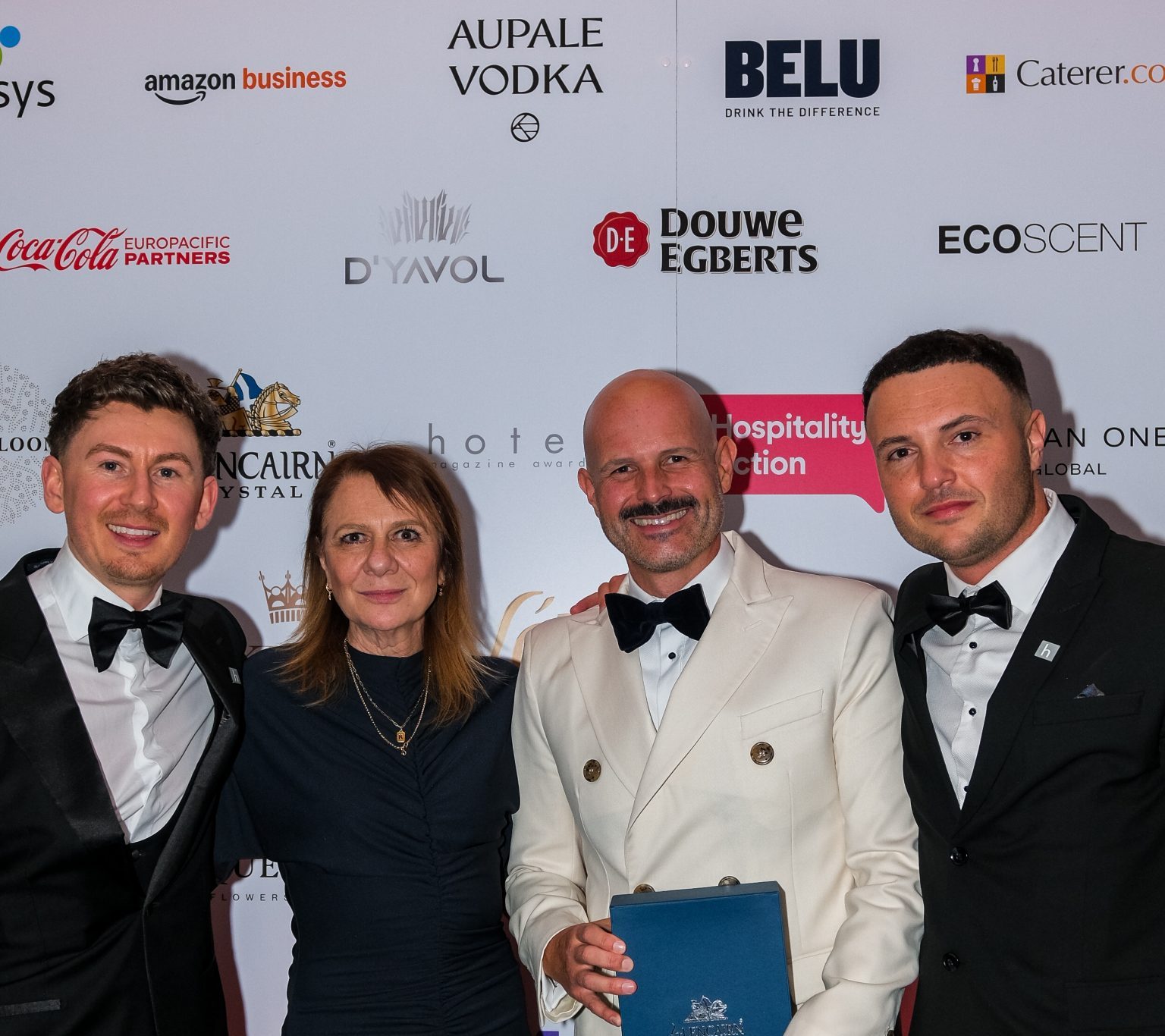
Hotel Bar of the Year
Following the recent win at the Hotel Magazine Awards 2026, Flute at Broadwick Soho has cemented its place as one of the capital’s most compelling hotel bar destinations. Executive Director Joshua Gardner reflects on what set the venue apart, the importance of personality and programming, and how the team plans to build on this momentum while staying true to its distinctive identity.
Winning at this year’s Hotel Magazine Awards is a major achievement – what do you think set your property apart from the competition?
Winning Best Hotel Bar for Flute comes down to its unique personality. The space is visually striking, but it is not just about design. It is the combination of considered interiors, a confident cocktail offer, and a strong atmosphere. We have invested heavily in programming, with DJs and a cultural rhythm that gives the bar energy and relevance beyond a typical hotel setting. Just as important is the consistency of the team. The service is attentive without being overbearing, and we have built a loyal base of regulars who give the space its character. That balance between style, substance, and community is what set Flute apart.
What does it mean to you, personally, to have scooped the win amidst such tough levels of competition?
On a personal level, it is very rewarding. There is a huge amount of strong competition in this category, so to be recognised in that context means a lot. It reflects the work of a very talented team who have been focused on getting the details right while also creating something that feels current and distinctive. It is a proud moment, but also one that reinforces that we are on the right track.
Awards often reflect past performance – how are you planning to build on this momentum moving forward?
In terms of what comes next, the focus is simple. We stay true to what makes Broadwick Soho work. That means continuing to deliver a high standard across the board, while also keeping things fresh through programming and partnerships. We pay close attention to our guests and how they use the space, and we evolve accordingly. There is no interest in becoming formulaic. The goal is to keep the energy, keep the relevance, and continue to build something that people want to return to and feels welcoming to everyone.
The hospitality industry is evolving rapidly, what trends do you see shaping the future, and how are you positioning yourselves to stay ahead?
Looking more broadly at the industry, there is a clear shift towards experience led hospitality. Guests are less interested in traditional markers of luxury and more interested in places that feel culturally engaged and specific. There is also a growing expectation for versatility, spaces that can move from day to night and appeal to different audiences without losing identity. We are positioning ourselves around that by focusing on programming, atmosphere, and quality of product.
What would you say to anyone thinking of applying next year?
For anyone considering applying next year, our advice would be to be very clear on what you stand for. The strongest concepts are always the most focused. Invest in your team, as they are ultimately what defines the guest experience, and do not underestimate the importance of consistency. Awards are not won on a single good night; they come from delivering something considered and compelling every day.
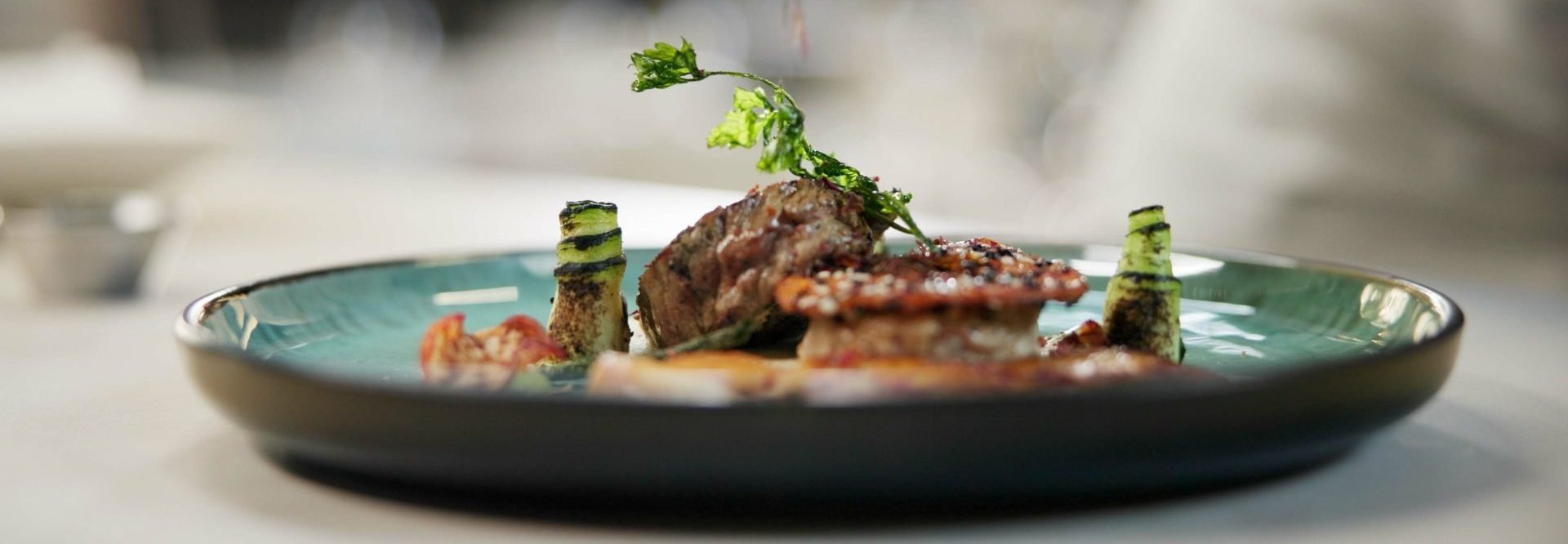
Smart Kitchens
From predictive ordering to carbon-scored menus, artificial intelligence is quietly transforming hotel kitchens. But while the technology promises sharper margins and less waste, leading chefs insist its true value lies in supporting - not supplanting - culinary craft.
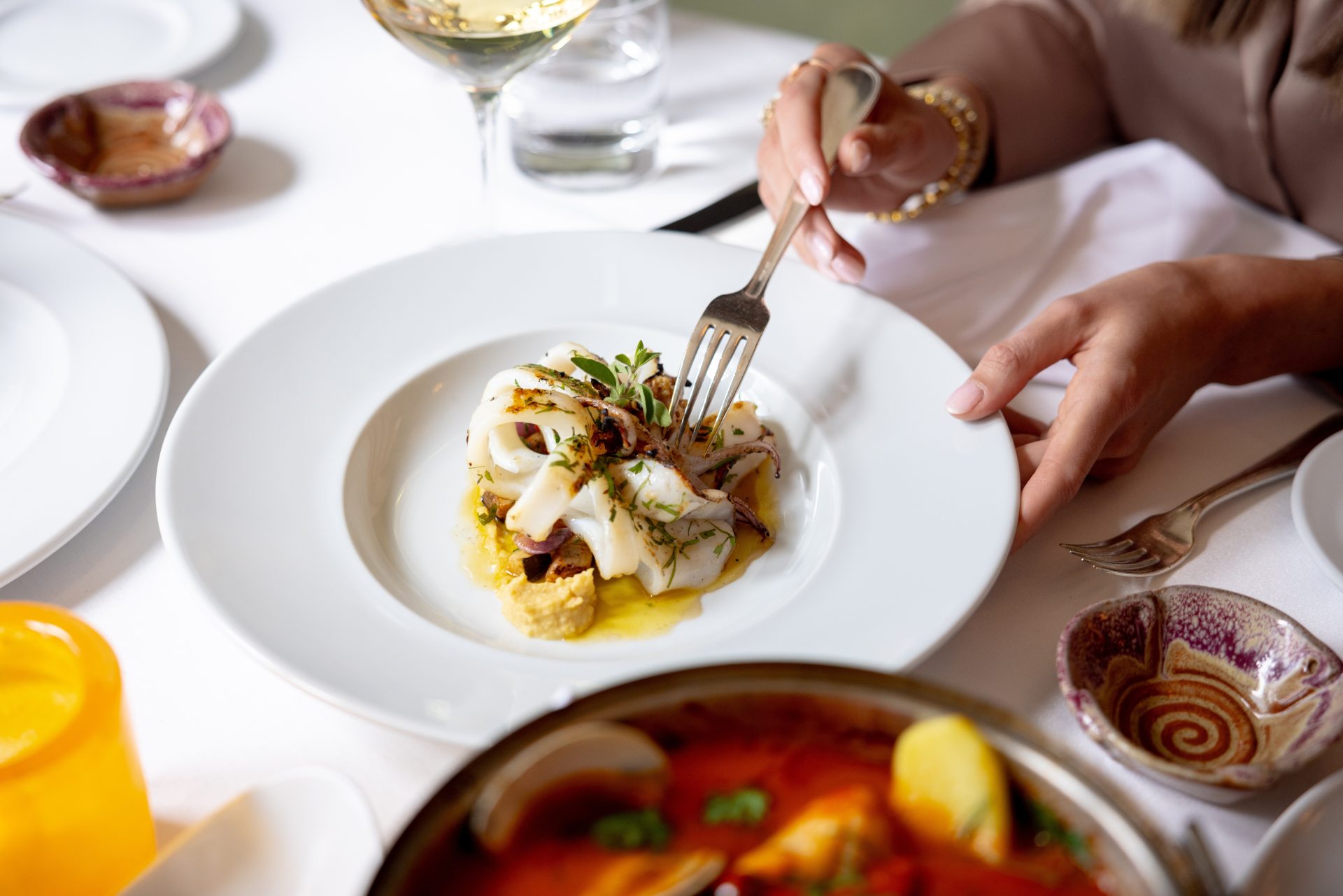
Artificial intelligence has become one of hospitality’s most talked-about disruptors, but in hotel kitchens its influence is unfolding in a more measured, pragmatic way. Rather than replacing chefs or revolutionising creativity overnight, AI is embedding itself into the operational backbone of food and beverage (F&B) departments - refining forecasting, tightening inventory control, and offering new ways to think about sustainability and profitability.
For many hoteliers, the shift is less about futuristic automation and more about solving longstanding inefficiencies. Food waste, fluctuating demand, labour pressures and rising costs have always challenged kitchen operations. AI, increasingly, is being positioned as the connective tissue that can bring clarity to these moving parts.
Yet, as this technology gains traction, a consistent theme emerges among industry leaders: AI works best when it augments human expertise, not when it attempts to replace it.
The most immediate and tangible impact of AI in hotel kitchens is being felt in forecasting and stock management. These are areas where even small improvements can yield significant financial and environmental returns.
Kasun Jayasooriya, Head Chef at Sopwell House, sees this as the current frontier. “At the moment, I think AI is starting to have the biggest impact around forecasting and stock control rather than direct cooking or menu creation,” he explained. “It helps kitchens plan more precisely and reduces unnecessary ordering, which is very important in maintaining balance and minimising waste.”
Traditionally, forecasting demand has relied heavily on historical data, intuition, and experience. While seasoned chefs and F&B managers develop a strong sense of patterns, weekend peaks, seasonal shifts, event-driven surges, these judgments are still vulnerable to external variables such as weather, travel trends or last-minute booking changes.
AI systems can process vast datasets in real time, incorporating variables that would be impossible to track manually. The result is a more dynamic and responsive approach to purchasing and production.
For kitchens operating on tight margins, this precision is transformative. Over-ordering leads to waste; under-ordering risks disappointing guests and losing revenue. AI narrows that gap and beyond cost control, AI is also addressing a less visible but equally pressing issue: the administrative burden placed on chefs.
“The biggest benefit is that AI tools can save a lot of time for chefs,” Kasun noted. “These days, chefs often spend too much time on administrative work, but with the right systems, this can be reduced.”
Inventory tracking, supplier coordination, compliance documentation and reporting can consume hours of a chef’s day - time that would otherwise be spent mentoring teams, refining dishes or ensuring consistency on the pass; a benefit to all involved.
By automating routine processes, AI allows chefs to return their focus to the craft itself. “This gives chefs more freedom to be present in the kitchen,” he added, “focusing on the food, the team, and consistency in every dish.”
This rebalancing of time is emerging as one of AI’s most understated benefits. In an industry where labour shortages and burnout are ongoing concerns, tools that streamline workflows without diminishing standards are particularly valuable.
Menu planning is often alluded to as the next horizon for AI, with systems capable of analysing consumer trends, ingredient costs, and even social media sentiment to suggest dishes or optimise pricing. But, with this being said, many chefs remain cautious about handing over too much creative control.
“In terms of menu planning, I still believe this comes from the chef’s experience, seasonality, and respect for ingredients,” said Kasun. “Data can support decisions, but it should not take away from this philosophy.”
This sentiment is echoed at The Savoy, where Food & Beverage Director Nicolas Schell acknowledges AI’s analytical power while maintaining a clear boundary around its role. “AI is most impactful where it can integrate multiple factors and translate them into practical advice,” he explained. “In menu design, for example, it can analyse micro and macro trends, climate factors, elements of price positioning and even support optimisation of mise-en-place.”
Although, its use remains selective. “We don't currently use AI systematically,” Nicolas said, “rather it is applied on an ad hoc basis to support specific analysis or decision-making.”
The distinction is important. Rather than dictating menus, AI is being used to provide an additional layer of insight, helping chefs and F&B leaders make more informed choices without diluting their culinary identity.
If forecasting and efficiency represent AI’s operational strengths, sustainability is where its impact becomes most visible to guests. At The Savoy, technology is playing a key role in translating environmental commitments into measurable action. “We are seeing value from specialised monitoring tools such as Klimato,” Nicolas noted. Introduced in 2024, the system assesses the carbon footprint of dishes and assigns a sustainability score to menu items.
This kind of transparency reflects a broader shift in guest expectations. Diners are increasingly interested not just in what they eat, but in how it is sourced and produced - AI enables hotels to quantify and communicate these factors in a credible way.
At the same time, tools like Orbisk are tackling one of hospitality’s most persistent challenges: food waste. “In January 2024, we introduced Orbisk, an AI food waste monitoring system which helps to identify, track and reduce food waste,” Nicolas explained. The results have been significant, contributing to “a 30% waste reduction year-on-year.”
Such systems use image recognition and data analysis to record what is being discarded, when, and why. Over time, patterns emerge - overproduction of certain dishes, inefficient prep processes, or misaligned portion sizes - allowing kitchens to make targeted adjustments.
Combined with initiatives such as recycling kitchen oil into renewable energy and transitioning to digital ticketing systems, these technologies are helping hotels align operational efficiency with environmental responsibility.
The payoff is not only ecological but reputational. These efforts contributed to The Savoy achieving Green Key UK Certification in 2024, underlining how sustainability and technology are becoming increasingly intertwined.
Despite these advances, both chefs emphasise that technology must remain in service of a broader culinary philosophy. At Sopwell House, this philosophy is rooted in discipline and respect for ingredients. “Food waste is something we take very seriously,” Kasun said. “While we are not currently using specific AI tools, we follow a disciplined approach in the kitchen, using ingredients carefully and respectfully.”
In this context, AI is seen as a natural extension of existing practices rather than a radical departure. “Any technology that helps improve forecasting and reduce excess would naturally support this way of working,” he added.
At The Savoy, the approach is similarly grounded in strong sourcing principles. Partnerships with producers and a commitment to seasonal, local ingredients remain central to menu development.
“AI could integrate seasonality, guests’ profiles, financials, climate conditions, and even geopolitical factors,” Nicolas explained. “However, our philosophy remains firmly rooted in using local, seasonal produce sourced from responsible suppliers.”
This alignment between technology and tradition is critical. Without it, there is a risk that AI-driven optimisation could lead to homogenised menus or a loss of culinary authenticity. One of the most debated questions around AI in hospitality is whether it enhances or diminishes creativity, and for both Kasun and Nicolas, the answer lies in how the technology is used.
“From a chef’s perspective, AI should support creativity, not replace it,” Kasun said. “Cooking is about intuition, craftsmanship, and attention to detail.”
Nicolas agreed, warning that over-reliance could lead to standardisation. “I don't believe that any AI can replace human flair and creativity,” he said. “At its best, it acts as a tool to enhance and inform creative thinking, rather than dictate it.”
In practice, this means using AI to handle the analytical heavy lifting - costings, demand forecasting, sustainability metrics - while leaving the sensory and emotional aspects of cooking firmly in human hands.
The dining experience, after all, is not just about efficiency. It is about storytelling, memory and connection; elements that remain beyond the reach of algorithms.
Looking ahead, both experts anticipate a steady expansion of AI’s role in kitchen operations, particularly in planning and workflow optimisation.
“I believe AI will become more present in areas such as ordering, forecasting, and kitchen organisation,” Kasun said. “It will help kitchens run more smoothly, while allowing chefs to focus on what truly matters.”
Nicolas similarly sees AI evolving into a strategic tool. “I anticipate AI becoming an increasingly valuable tool for planning and analysis, providing an additional ‘point of view’ that will help teams to anticipate trends and refine decision-making.”
Crucially, neither expects AI to replace human judgment. Instead, it will act as a complementary force, enhancing visibility, reducing uncertainty, and enabling more agile responses to a rapidly changing market.
As AI continues to embed itself in hotel kitchens, its success will ultimately depend on balance. Used well, it offers a powerful means of addressing some of the industry’s most pressing challenges: reducing waste, improving margins, and delivering more sustainable operations. It can free chefs from administrative burdens, sharpen decision-making, and provide new insights into guest behaviour.
But its value is not in replacing the human element - it is in reinforcing it. The most effective kitchens of the future are unlikely to be fully automated or data-driven. Instead, they will be places where technology and craftsmanship coexist: where AI handles complexity behind the scenes, allowing chefs to focus on creativity, quality and experience.
In that sense, the rise of AI in hotel F&B is not a story of disruption, but of refinement. A smarter kitchen, yes… but one that still beats at a very human heart.
Graham Squire
At one of London’s most storied hotels, Executive Chef Graham Squire is quietly redefining what modern British luxury tastes like - honouring heritage while embracing creativity, seasonality and a touch of daring.
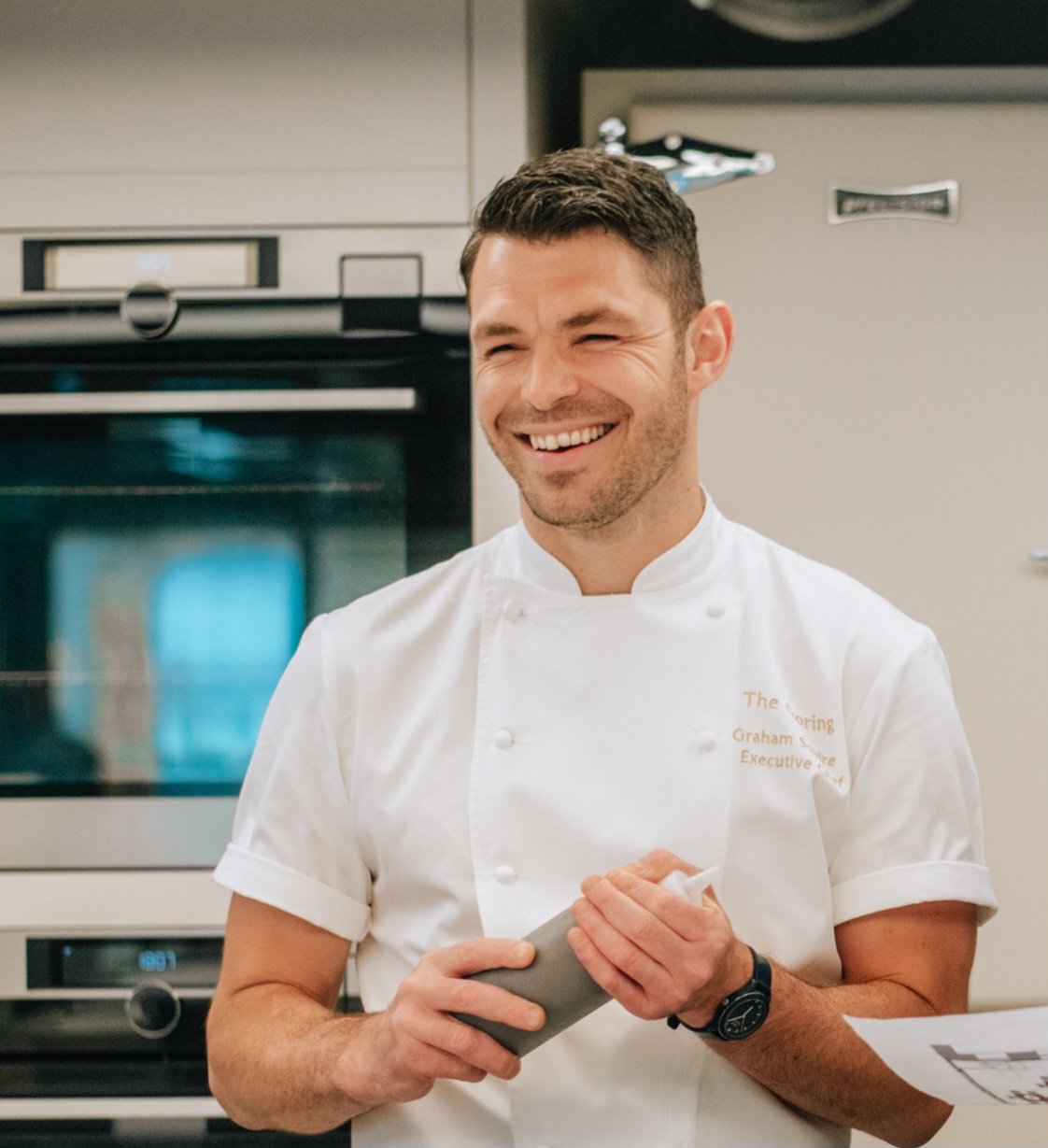
Graham Squire’s culinary journey reads like a masterclass in refined British gastronomy. Having honed his craft in the Michelin-starred kitchens of Claridge’s and Le Manoir aux Quat'Saisons, Squire developed not only technical precision but also a deep respect for produce-led cooking. Today, as Executive Chef at The Goring’s Dining Room, he brings that experience to bear in a setting synonymous with timeless elegance and tradition.
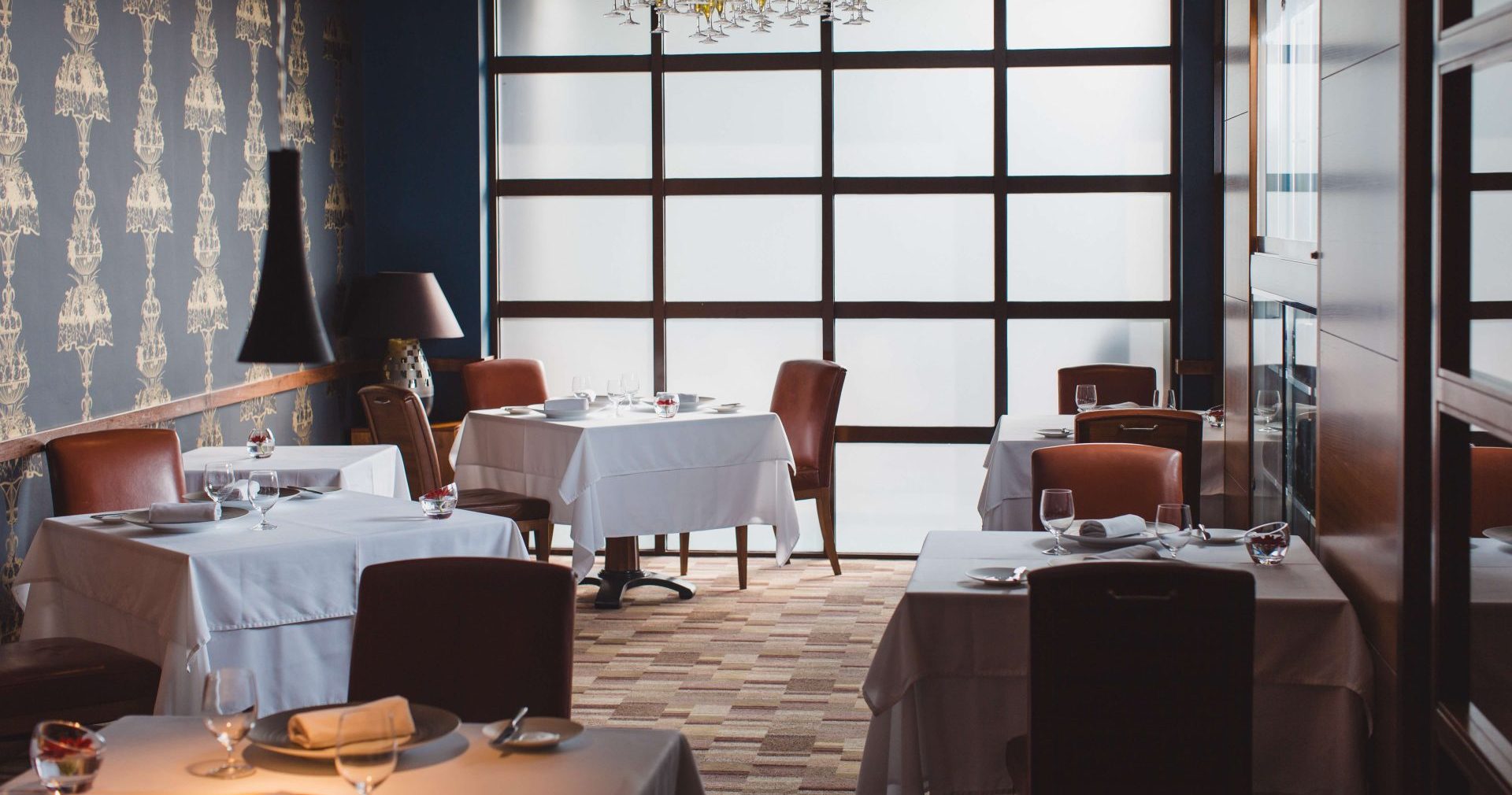
Since taking the helm in 2019, Squire has continued to build on The Dining Room’s already formidable reputation. The restaurant has held its Michelin star consistently since 2016 and boasts three AA Rosettes, alongside a Forbes Five-Star Rating maintained into 2025. Further recognition, from the Michelin Guide to Condé Nast Traveller and The Independent, cements its place among London’s most celebrated dining destinations. Yet for Squire, accolades are secondary to the guest experience.
“The most important thing for us is to give our guests an unforgettable experience,” he explained. “We want them to feel comfortable, relaxed, and to enjoy a few culinary surprises.”
That philosophy underpins his approach to balancing The Goring’s deep-rooted British identity with the expectations of modern diners. While the hotel is unapologetically traditional, Graham is not afraid to reinterpret classics or introduce unexpected elements. “We are very British at The Goring, however we are not scared to re-invent the classics as well as be risky at times,” he says. “Tradition can come from how a dish is served as much as the dish itself.”
At the heart of his cooking is a commitment to exceptional British produce. Seasonality is the starting point for every new dish, guiding both flavour combinations and creative direction. “The best place to start is what’s in season,” Graham noted. “Then it’s about what I like to eat with it, what flavours work well, and what the team enjoys. If you create something you genuinely want to eat, the guest will feel that.”
Graham’s signature dishes:
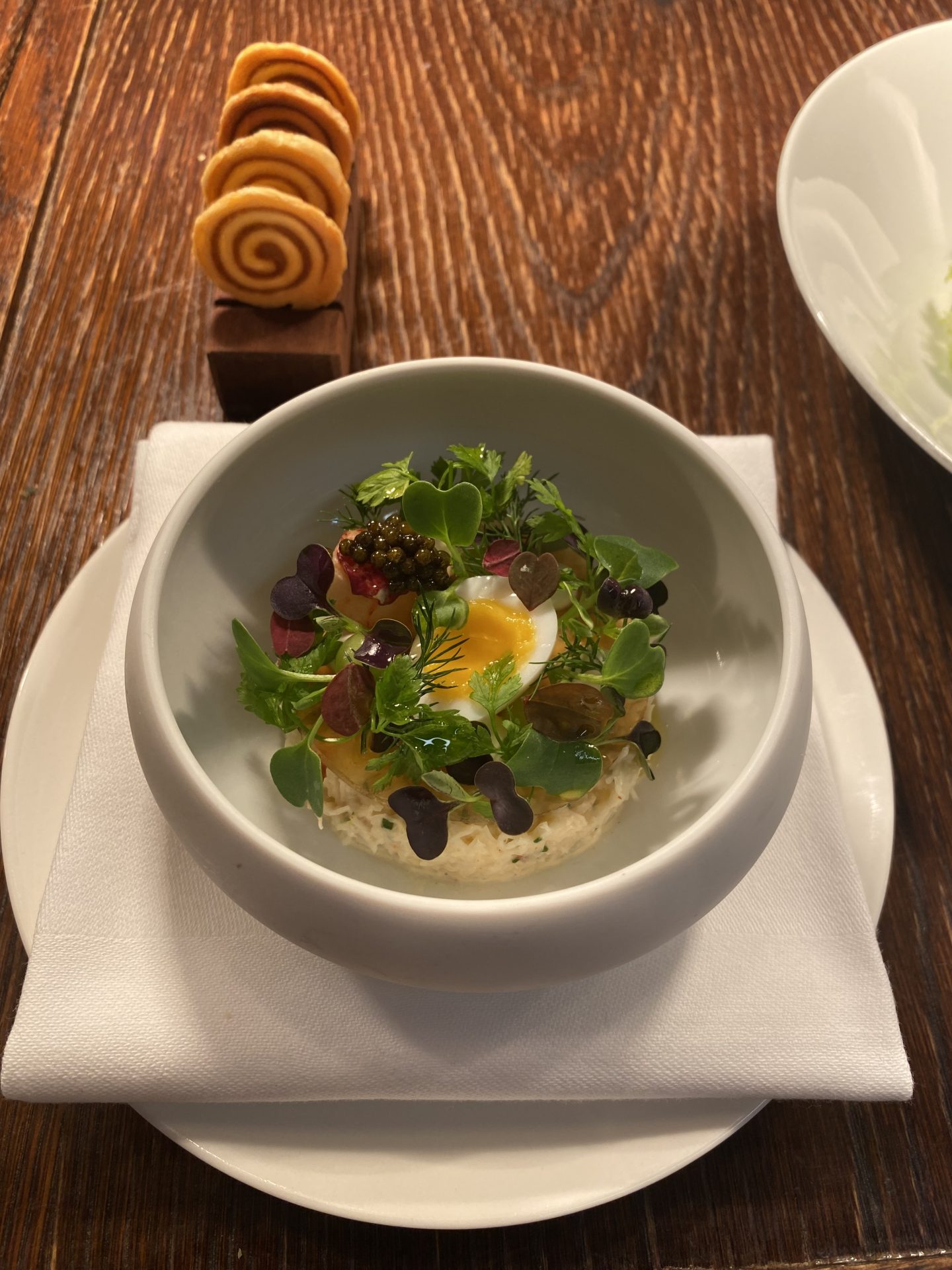
The Goring Drumkilbo - created in the late 1930’s in honour of the late queen, a beautiful Portland crab salad with lobster, caviar and an impeccably English brown crab meat crumpet.
The autumn scallop - Orkney scallop with whey sauce, all things pumpkin and vadouvan spice, showcasing the best of autumn and the sweetness of squash pairing with the delicate scallop.
Welsh lamb - sand carrot puree, roast lamb loin and lamb sweetbread, balsamic and onion suet dumpling.
This instinctive, collaborative approach is evident across his menu, particularly in his signature dishes. The Goring Drumkilbo, for instance, is a nod to history - originally created in the 1930s in honour of the late Queen Mother. Squire’s version elevates the classic with Portland crab, lobster and caviar, paired with an impeccably English brown crab crumpet. It is both a tribute and a refinement, encapsulating his ability to honour legacy while enhancing it.
Elsewhere, the Autumn Scallop celebrates the fleeting beauty of the season. Orkney scallops are paired with a delicate whey sauce, pumpkin and warming vadouvan spice, creating a dish that balances sweetness, spice and texture. It reflects Squire’s sensitivity to ingredients at their peak, allowing them to shine without unnecessary embellishment.
Perhaps most illustrative of his process is the Welsh lamb dish - a deeply personal creation born from a simple conversation about comfort food. “We were talking about how I like suet pudding,” he recalled. “So, I created a lighter version of a lamb suet pudding to go with lamb that had just come into season, alongside beautiful sand-grown carrots.” The result is a dish that combines nostalgia with refinement, featuring roast lamb loin, sweetbread and a balsamic and onion suet dumpling.
Attention to detail extends beyond flavour. Graham and his team dry-age their meat to maximise both taste and texture, demonstrating a commitment to craftsmanship at every stage. It’s a reminder that excellence in the kitchen often lies in the unseen processes as much as the final presentation.
Despite his impressive résumé, including previous roles as Head Chef at Michelin-starred Trinity and The Lickford Inn, Graham remains grounded in a simple ethos: hospitality comes first. “We are here to make people happy through food,” he said. “If you treat guests as you want to be treated, that’s the perfect starting point.”
In an industry that often chases novelty, Graham Squire’s approach feels both reassuring and quietly progressive. By anchoring his cooking in British tradition while allowing room for evolution, he ensures that The Goring’s Dining Room remains not only relevant, but exceptional.
@thegoring
Michelin Momentum
Bohemia, Jersey: A Benchmark for Destination Dining in the British Isles.
As the hospitality industry looks ahead to the summer trading period, Jersey continues to strengthen its position as a high-value culinary destination. With more annual sunshine hours than any other part of the UK and a compact, easily navigable landscape, the island offers operators a compelling case study in how food-led tourism can elevate regional appeal.
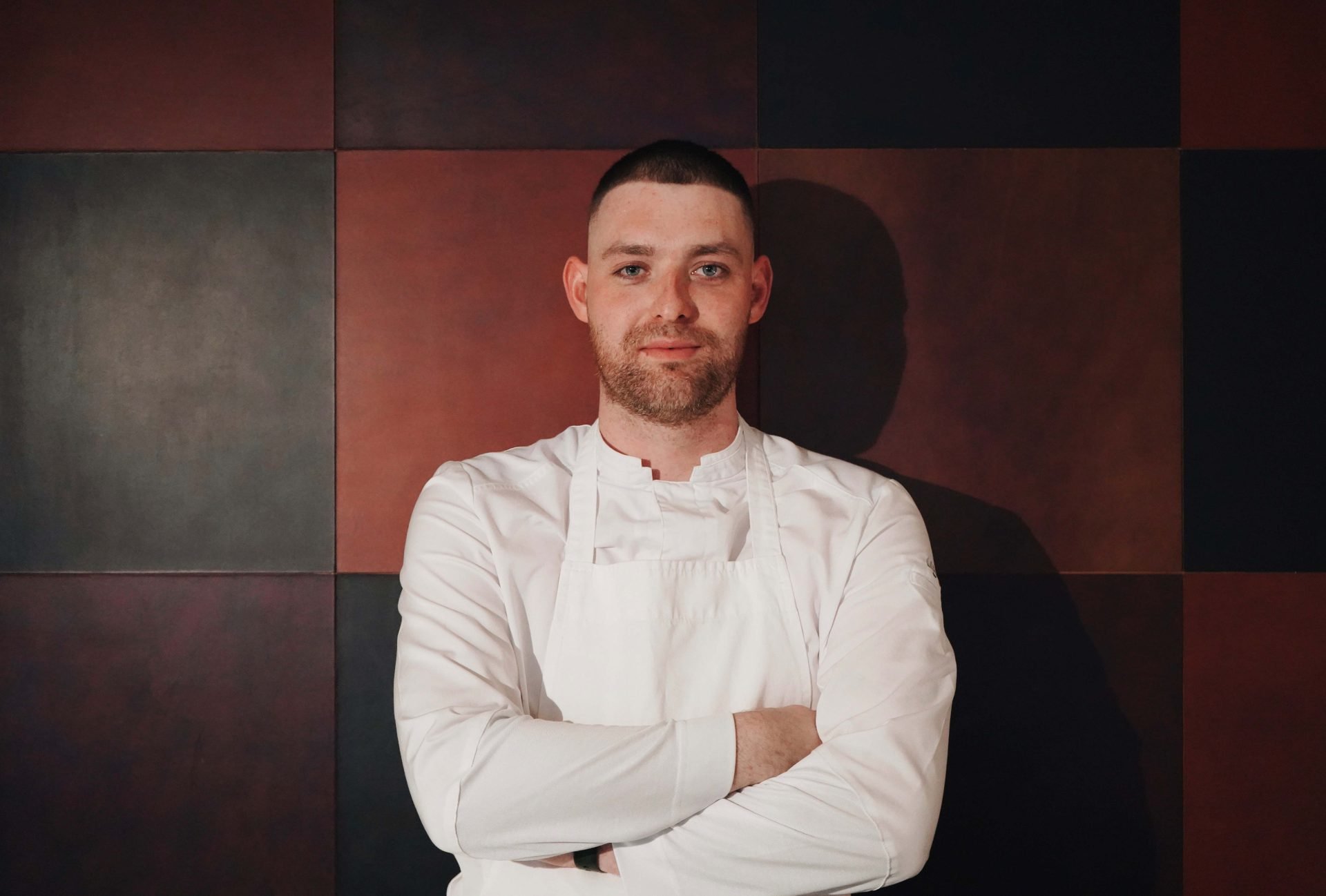
At the centre of this proposition is Bohemia, the island’s only Michelin-starred restaurant, located within The Club Hotel & Spa. The restaurant has recently gained further industry attention following Head Chef Tom Earnshaw being named Michelin Guide’s 2026 Young Chef of the Year, a significant accolade that underscores both individual talent and the strength of the wider operation.
Tom’s leadership marks a clear evolution in Bohemia’s positioning. His menus demonstrate a confident balance between technical precision and creative expression, underpinned by a strong sense of place. Drawing on over a decade of experience in leading UK kitchens, alongside international influences from Japan, North Africa and the Mediterranean, his approach reflects a broader industry shift towards globally informed yet locally grounded cuisine.
For hospitality professionals, Bohemia’s model offers several points of interest. The kitchen places a strong emphasis on hyper-local sourcing - from Jersey Royal potatoes and local oysters to dairy products that are intrinsic to the island’s identity - while intelligently integrating premium British and international ingredients. This layered sourcing strategy allows the restaurant to maintain both authenticity and aspirational appeal.
Menu structuring is equally deliberate, with tiered offerings that cater to a range of guest expectations while maintaining a consistent level of culinary ambition. Dishes highlight both provenance and technique, pairing ingredients such as Herdwick lamb, Loire Valley asparagus and Kagoshima A5 Wagyu with nuanced, often unexpected flavour combinations. This reflects a growing trend within fine dining towards storytelling through ingredient sourcing and dish composition.
Beyond the restaurant, the integration with The Club Hotel & Spa reinforces the commercial advantage of a cohesive food-led proposition within a boutique hotel setting. The property’s accommodation offering, featuring high-spec finishes and a strong design identity, complements the dining experience, encouraging longer stays and higher overall guest spend.
From an industry perspective, Bohemia illustrates how a single, high-performing restaurant can act as a destination driver, elevating both property performance and regional reputation. Tom’s recent Michelin recognition not only enhances the restaurant’s profile but also contributes to Jersey’s positioning as a serious contender in the UK’s competitive culinary landscape.
For hoteliers and operators seeking to refine their own food and beverage strategies, the Bohemia model highlights the value of clear culinary leadership, strong supplier relationships and the ability to translate local identity into a premium, internationally relevant guest experience.
Wellness Beyond the Spa
As wellness becomes increasingly embedded across the guest journey, the hotel room is emerging as a vital sanctuary for rest, ritual and self-care. Through its collective portfolio of brands, La Bottega Collective is redefining hospitality wellness with immersive, design-led experiences that seamlessly connect amenities, comfort and wellbeing at every touchpoint.
Wellness has traditionally been rooted in the spa, however the in-room environment has become a vital wellness touchpoint - offering privacy, convenience, and the opportunity to unwind on one’s own terms. Wellness has evolved into a seamless, multi-sensory journey woven through every touchpoint within a hotel. From check-in to check-out, every interaction should be intentionally designed to evoke balance, comfort, and care - an approach made possible through La Bottega Collective’s portfolio of brands, including La Bottega, Vanity Group, Palatino, Beltrami, and White Privé.
Thoughtfully curated amenities are no longer just functional; they are an extension of the hotel’s wellness philosophy, shaping first impressions and reinforcing brand identity throughout the stay. Through La Bottega Collective’s Beauty Essentials pillar, led by La Bottega and Vanity Group, they are redefining what in-room wellness can look like. By curating elevated, design-led amenities and experiences, this pillar ensures that wellbeing is seamlessly integrated into the guest room, transforming it into a personalised space for relaxation and self-care.
For example at Laceby Manor, this approach is brought to life through in-room amenities by Vanity Group, featuring VOYA’s Invigorating range. This creates a seamless transition from room to spa, where guests can continue their wellness journey with VOYA’s signature treatments. By aligning the in-room and spa offering, the experience feels cohesive and immersive. However, guest expectations now go even further - wellness is no longer confined to the spa or the brand, but should be thoughtfully integrated into every stage of the stay.
La Bottega Collective leads the way in this by creating further innovations such as Perricone MD TV - an in-room facial channel offering guided, step-by-step treatments using curated products. This bespoke channel is exclusive to Perricone MD partners, offering guests a distinctive and engaging way to connect with the brand. Similarly, art’otel introduced an exclusive in-room hair styling channel in collaboration with Australian haircare brand KEVIN.MURPHY, made possible through their amenity partnership. These kinds of personalised, in-room activations elevate the experience, positioning the guests’ room as a private wellness sanctuary.
More recently, La Bottega announced its partnership with Dr. Barbara Sturm to launch a fragrance-free hotel essentials designed for the modern wellness-conscious traveller seeking purity and performance. The formulations mirror the brand’s medical roots while being adapted for the hospitality environment, a pioneering move that positions wellness and skin health at the forefront of the guest experience.
Beyond products and treatments, wellness is also deeply rooted in touch and comfort. Beltrami, La Bottega Collective’s textile house, exemplifies this through its exceptional linens. By being the creators of Autentica di Legno - a natural fibre derived from birch wood -Beltrami elevates the sensory quality of sleep and relaxation. Featured in leading destinations such as The Arts Club London and Corinthia London, these textiles highlight the critical role comfort plays in overall wellbeing, particularly for frequent travellers.
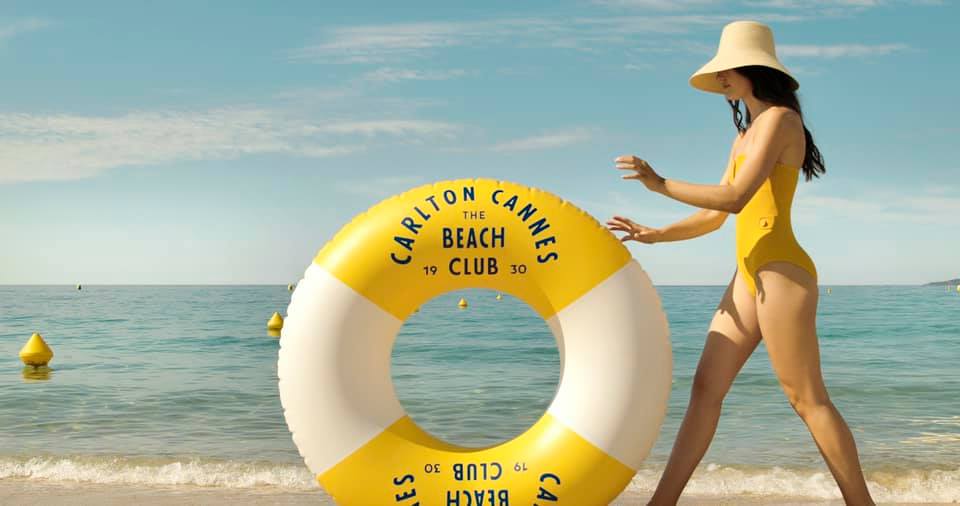
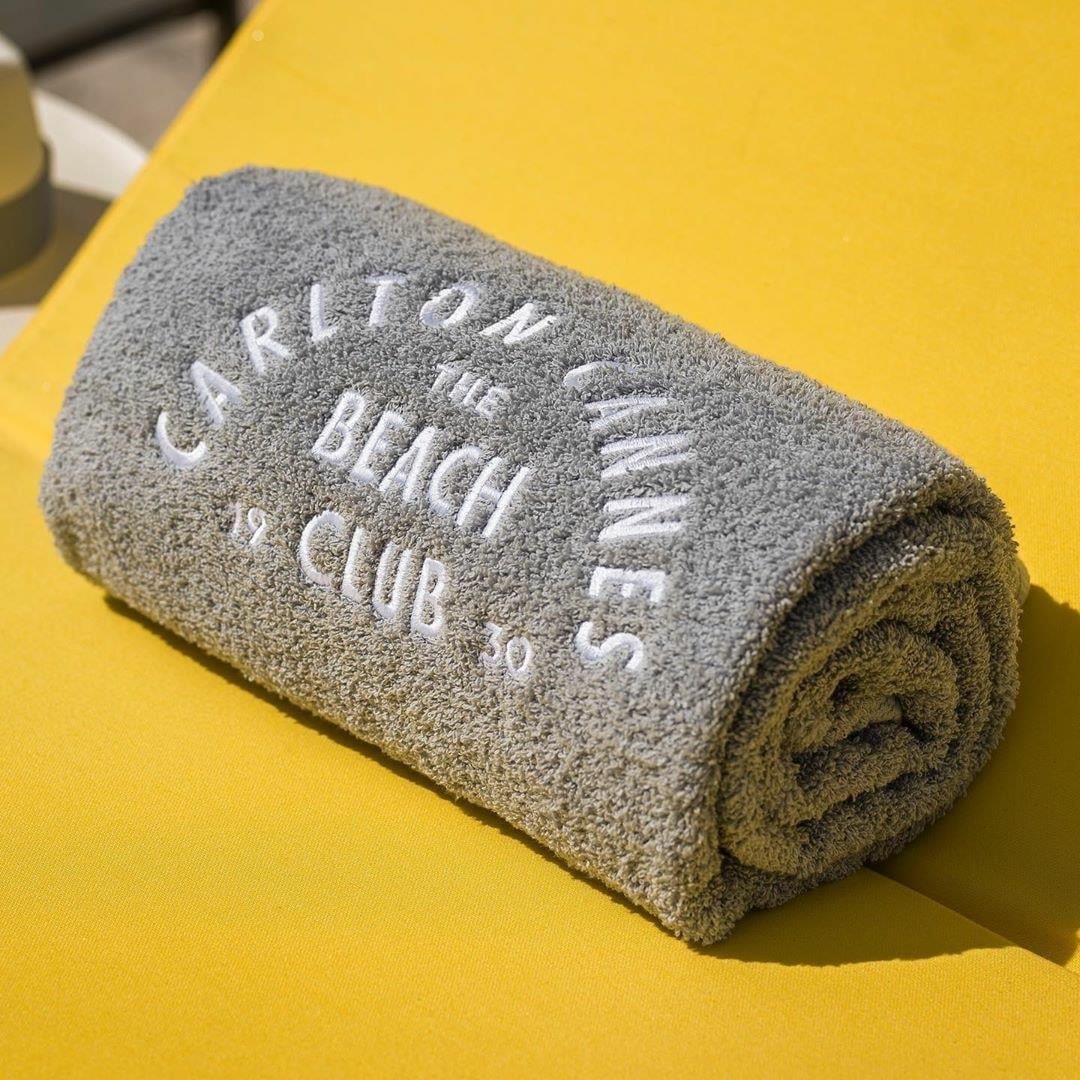
Wellness is also brought to life through Palatino, La Bottega Collective’s OS&E pillar. Everyday objects are reimagined as thoughtful design pieces, showing how small details can enhance a guest’s comfort and enjoyment. Palatino has showcased this with its work at the Carlton Cannes Beach Club, where bespoke-designed accessories - from umbrellas to beach bags - extend the hotel experience beyond its interiors. Paired with a custom amenity line by La Bottega, the result is a cohesive, story-driven environment that connects design, place, and wellbeing. This an example of La Bottega Collectives 360 degree approach curating hotels from design, textiles, accessories and amenity products.
As guest expectations evolve, it’s clear that wellness can no longer exist as a standalone offering. It is a holistic, immersive experience - and increasingly, the foundation of modern hospitality. In response, La Bottega Collective positions wellness not as a single destination within a hotel, but as a priority embedded throughout every stage of the guest journey.
Discover www.labottegacollective.com

Spa Wherever You Are
Redefining the guest experience with TempleSpa.
In today’s hospitality landscape, guest experience is defined by how a stay makes people feel. The most memorable hotels create moments of calm, comfort and connection that guests remember long after checkout. Wellness is no longer confined to the spa. It now shapes every touchpoint of the guest journey.
This is where TEMPLESPA brings something different.
Blending advanced skincare innovation with the restorative power of the Mediterranean, TEMPLESPA creates experiences that nurture both skin and soul. Built on more than 25 years of formulation expertise, the brand combines cutting-edge science with botanicals, vitamins and active ingredients to deliver visible results alongside emotional wellbeing.
This is Science with Soul.
More than a skincare brand, TEMPLESPA is built around the idea of creating a spa wherever you are. From hotel suites and treatment rooms to bars and shared spaces, every experience is designed to awaken the senses and help guests truly switch off.
Five Hero Products, Five Sensory Rituals
At the heart of the experience are five hero products that transform everyday moments into meaningful wellbeing rituals.
REPOSE
Described as “a good night’s sleep in a jar”, REPOSE has become the bestselling sleep ritual at TEMPLESPA. This comforting balm helps guests unwind at the end of a busy day, creating a calming bedtime experience that encourages deep, restorative sleep.
 AAAHHH!
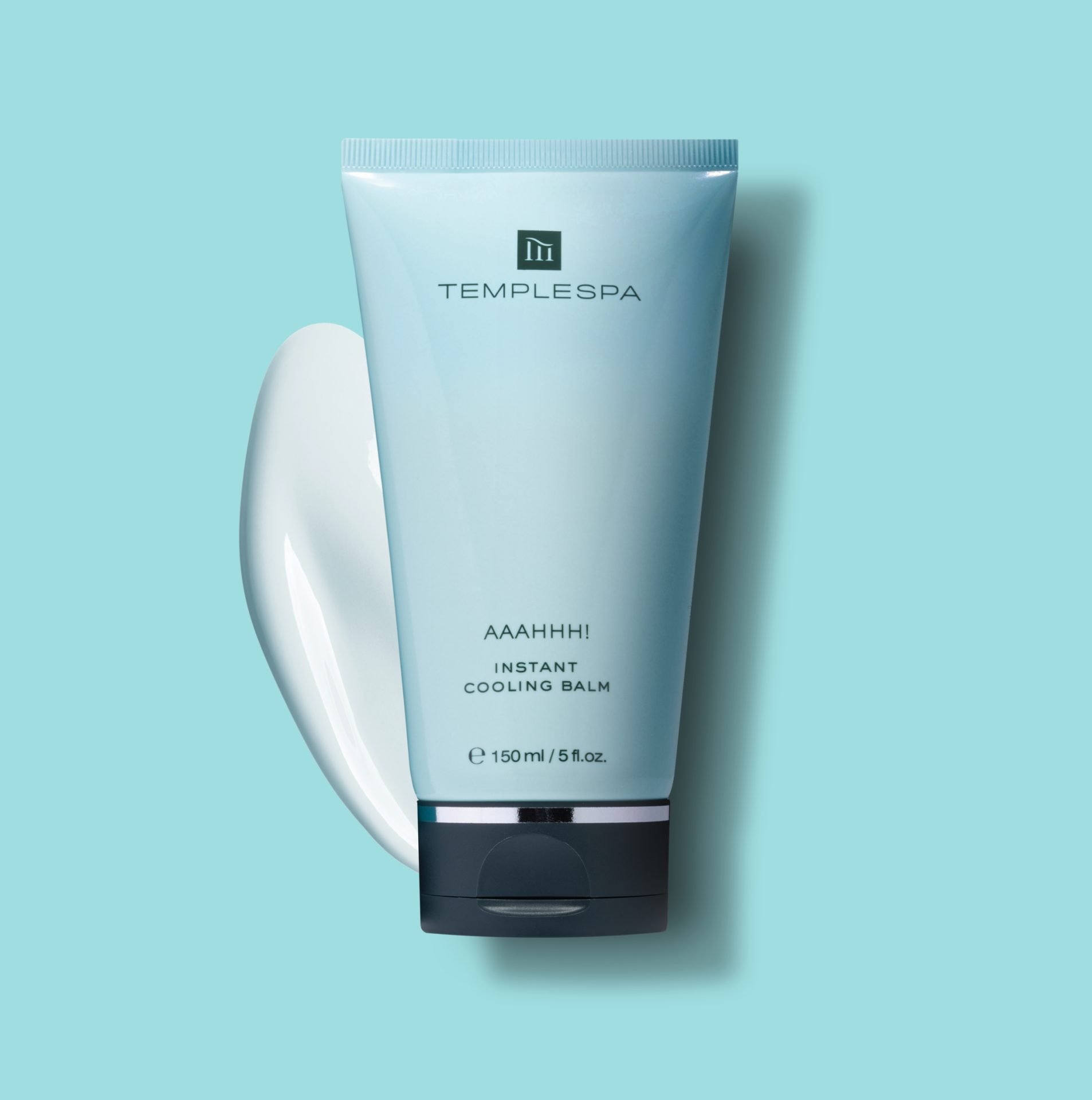
Used in the opening ritual of every TEMPLESPA treatment, AAAHHH! instantly cools, revives and refreshes tired muscles and travel-weary legs. Enriched with Mediterranean botanicals and five fermented minerals including magnesium, zinc and iron, it delivers that immediate sense of relief guests can both feel and remember.
DRIFT AWAY
DRIFT AWAY is a deeply relaxing aromatherapy oil designed to ease tension and quiet the mind. Blending patchouli, lavender, geranium, frankincense and chamomile with nourishing plant oils, it creates a moment of stillness whether used in treatments or as part of an in-room wellness ritual.
QUIETUDE
Designed to instantly transform the atmosphere of a space, QUIETUDE is a calming body and room fragrance layered with cedarwood, lavender, vetiver and frankincense. It allows hotels to extend the spa experience beyond the treatment room and into suites, wellness areas and evening rituals.
KEEP THE PEACE
Ambience plays a powerful role in how guests feel, and KEEP THE PEACE helps create an immediate sense of calm. With soothing notes of lavender, geranium, chamomile and patchouli, this aromatic diffuser transforms bedrooms and shared spaces into peaceful retreats.
Beyond Treatments
The approach at TEMPLESPA goes far beyond traditional spa offerings. The focus is on creating experiences that surprise, delight and connect with guests in memorable ways.
Spa at the Bar reimagines the guest journey through spa-inspired cocktails paired with TEMPLESPA products. Playful, immersive and unexpected, it blends indulgence with wellbeing while creating a strong talking point for guests.
The Spa Pantry extends the sensory experience further through edible aromatherapy and curated treats inspired by ingredients found within TEMPLESPA formulations. Designed to complement treatments, it creates a more holistic approach to wellbeing that guests can taste as well as feel.
Spa’rties and Masterclasses offer interactive experiences that bring guests together through wellbeing, skincare and self-care education. Fully supported for in-house teams, these events help drive engagement while naturally encouraging retail discovery.
A Partnership in Experience
For hotel owners and spa managers, differentiation lies in the details. In an increasingly competitive market, thoughtful wellbeing experiences can transform how guests connect with a property.
TEMPLESPA offers more than products. It offers a complete sensory ecosystem designed to elevate every stage of the guest journey. From a calming bedside balm to a signature room fragrance, each touchpoint becomes an opportunity to create emotional connection, comfort and lasting memory.
In a hospitality landscape increasingly shaped by wellbeing and experience, TEMPLESPA helps transform a stay into something guests genuinely feel.
A spa, wherever they are.
Smarter Uniforms
Clubclass Options offers hotels a cost-effective way to customise staff uniforms using ready-to-wear designs enhanced with bespoke trims and details - delivering brand consistency, flexibility, and fast turnaround without compromising on fit or quality.
In the world of hospitality, presentation is everything. From the moment a guest arrives, every detail contributes to their experience - including the appearance of your team. Clubclass Options offers a smart, flexible way for hotels to elevate their uniform styling while maintaining consistency, quality, and efficiency.
At the heart of Clubclass Options is a simple yet powerful concept: select an existing style from the Clubclass ready to wear collections and then add trim or buttons to the garment to reflect your hotel brand identity.
Rather than developing tailored uniforms from scratch which can be costly and time consuming, hotels can select from a range of expertly crafted, stock-supported garments and enhance them with carefully chosen trims and buttons. This approach ensures a polished, cohesive look while allowing for subtle but impactful customisation.
“Starting with a proven base design, you can personalise key details to reflect your individual style, selecting alternative trims and buttons to elevate and refine the overall look. The beauty of selecting an existing style from the catalogue is that it allows your team to choose a fit they are comfortable with, with all options readily available in a wide range of lengths and sizes. It’s this balance of structure and creativity that makes the service particularly appealing to the hospitality sector, where both style and practicality are essential.”
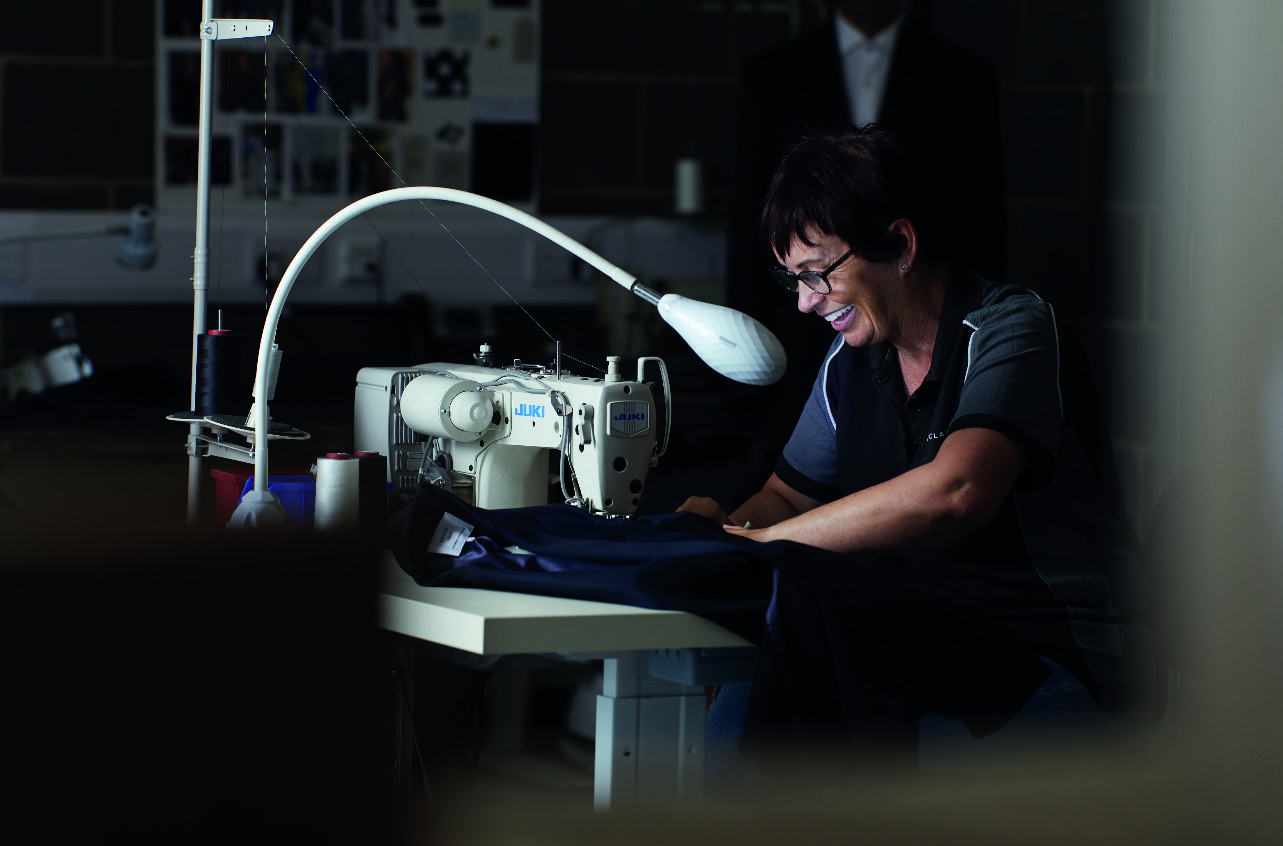
One of the key advantages of Clubclass Options is that personalisation does not come at the expense of fit, availability, or lead times. All bespoke adjustments are carried out in-house by an experienced Yorkshire-based team, ensuring exceptional attention to detail and consistent quality control. Because the process builds on existing designs, production remains efficient, allowing hotels to benefit from customised garments without lengthy delays.
Flexibility is another major benefit. With no minimum order quantities, hotels can order exactly what they need - whether outfitting a large team or updating a smaller department. This makes it an ideal solution for businesses of all sizes, as well as for those needing to respond quickly to seasonal staffing changes or rebranding initiatives.
Ultimately, Clubclass Options provides a quick, easy, and cost-effective way to introduce personality and distinction into your uniforms. For hotels looking to enhance their brand image through refined, personalised tailoring, it offers a seamless blend of style, reliability, and convenience.
To find out how you can begin creating your own tailored look, visit the Clubclass Options page or contact the team directly:
Website: https://clubclasscorporatewear.co.uk/clubclass-options
Email: nikki.mckinley@stuncroft.co.uk
Telephone: +44 (0)7551 621279
Don’t Sleep on It
The team at Silentnight reveal why rest is now central to your wellness strategy.
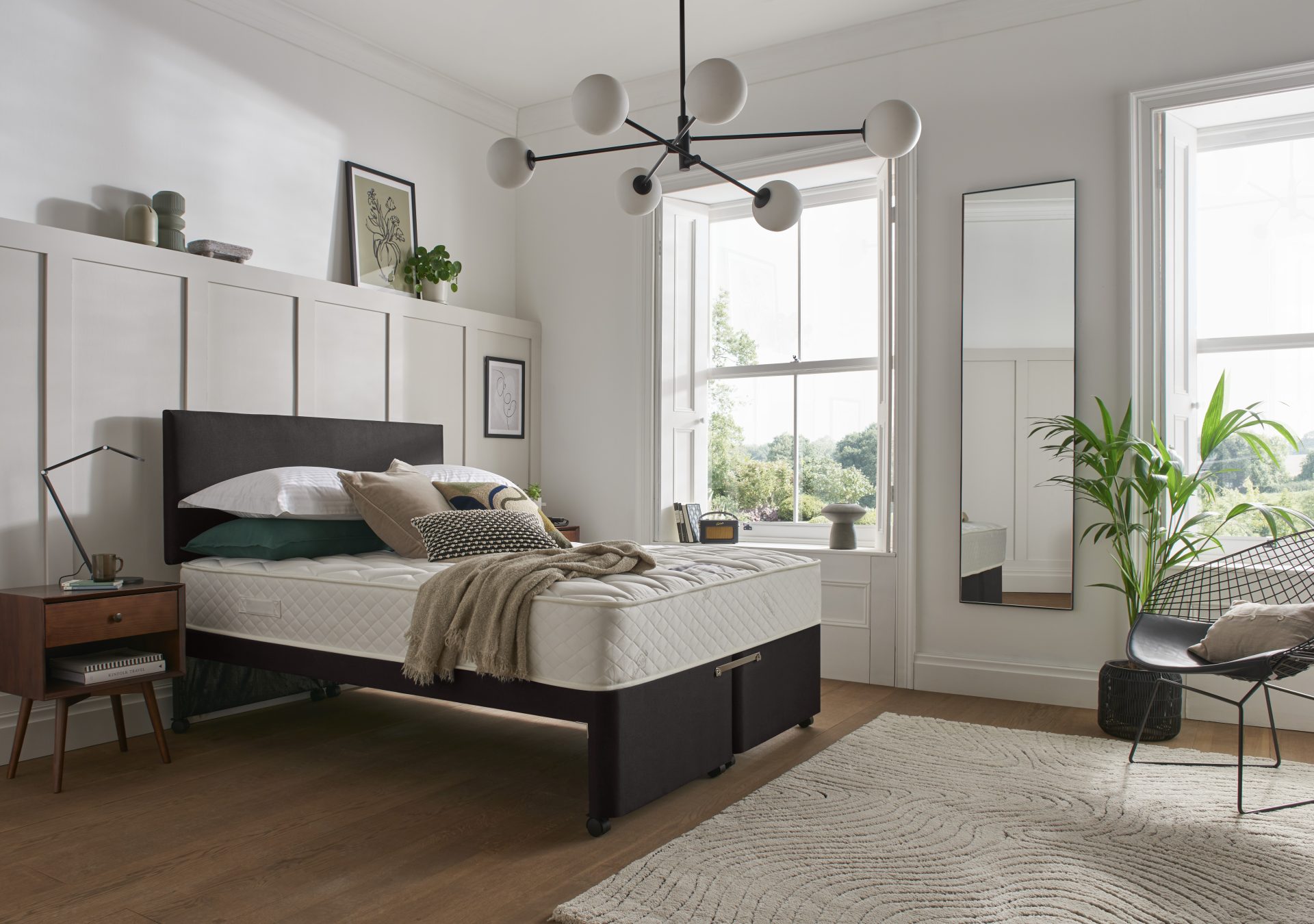
The modern hotel guest has changed. Increasingly health-conscious and time-poor, they are no longer satisfied by a comfortable pillow and a blackout blind. They arrive with expectations shaped by a growing awareness of sleep's role in physical and mental wellbeing, and they leave reviews that reflect exactly how well those expectations were met.
For hoteliers, this shift is both a challenge and a commercial opportunity. Sleep tourism - the trend of guests actively choosing properties based on the quality of R&R they promise - is accelerating. And at its core is a simple truth: guests who sleep well come back.
Wellness is evolving — and sleep is leading the way
Wellness has long been a cornerstone of the premium hotel experience. Spas, fitness facilities and mindful dining have all had their moment. But rest is emerging as the next frontier, and arguably the most democratic one. Not every guest books a massage or visits the gym. Every guest sleeps.
Forward-thinking operators are responding accordingly. Investing in circadian lighting, acoustic design and temperature control, and treating the sleep environment with the same care as any other guest-facing touchpoint. The bed, however, remains the foundation. No amount of ambient design compensates for a mattress that fails to deliver.
The business case is in the bedding
Guest reviews consistently reveal that mattress quality is one of the most frequently cited factors in a stay. The link between sleep satisfaction and loyalty is well established: a well-rested guest is more likely to return, more likely to recommend, and more forgiving of minor operational shortfalls elsewhere.
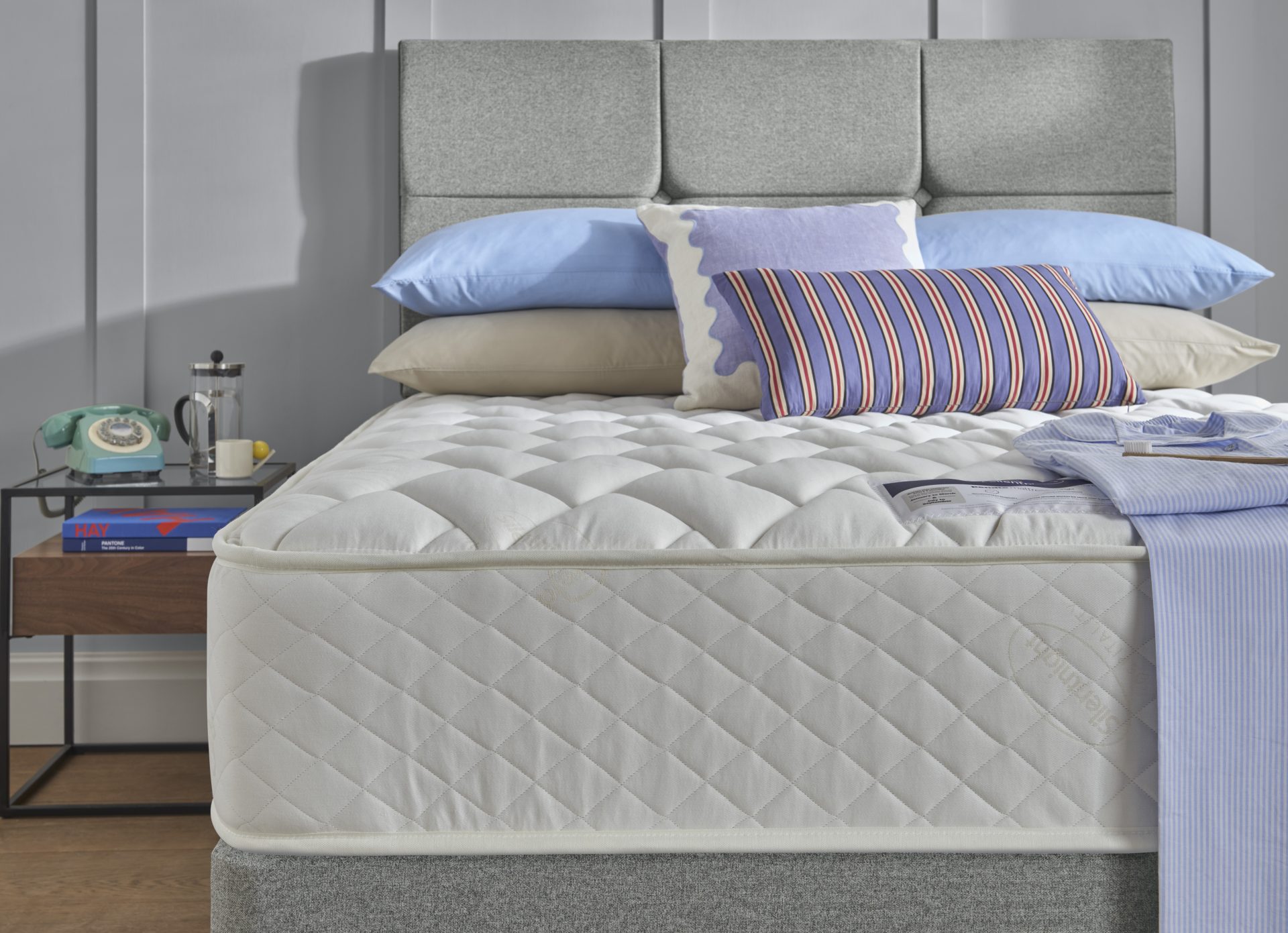
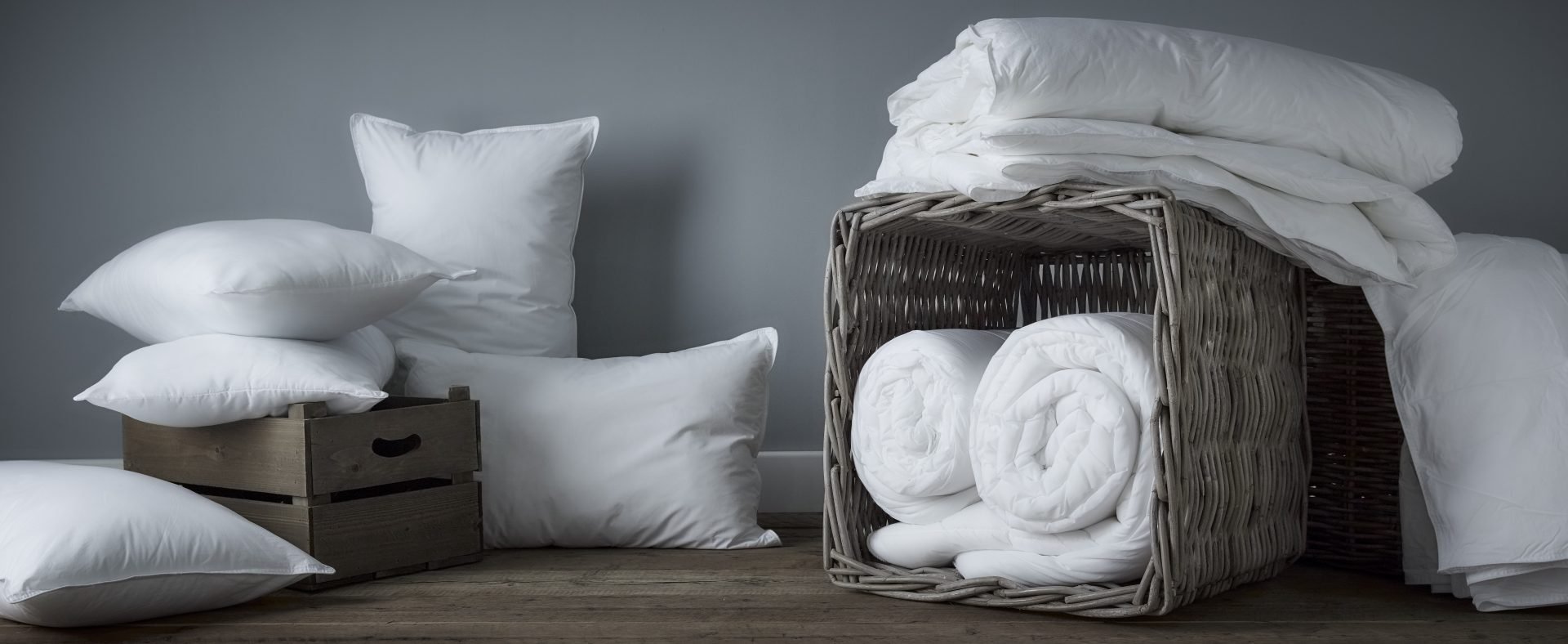
This is why hotel bed specifications deserve serious commercial consideration. Hospitality-grade mattresses must balance genuine comfort with the durability demands of high occupancy, fire safety compliance and housekeeping efficiency. Silentnight Contract, partnering with hotels across the UK and Europe for decades, designs specifically for these requirements - combining scientifically tested comfort layers with reinforced construction and sustainable materials.
Making the investment count
Investing in sleep is only half the equation. Communicating it is the other. Guests cannot value what they cannot see, and a hotel that has invested in its sleep environment should say so, in pre-arrival messaging, in-room collateral and across digital channels.
“Sleep is no longer the backdrop to a hotel stay - it's the reason for it. We're seeing operators across the UK invest seriously in their sleep environments, and the results speak for themselves: better reviews, stronger loyalty and guests who return."
Treat rest as a pillar of your wellness offering, back it with the right investment, and tell that story with confidence. The guests who sleep well will make sure others know it.
The Full Package
Rested, refreshed, revitalised. What do you expect from a hotel stay?
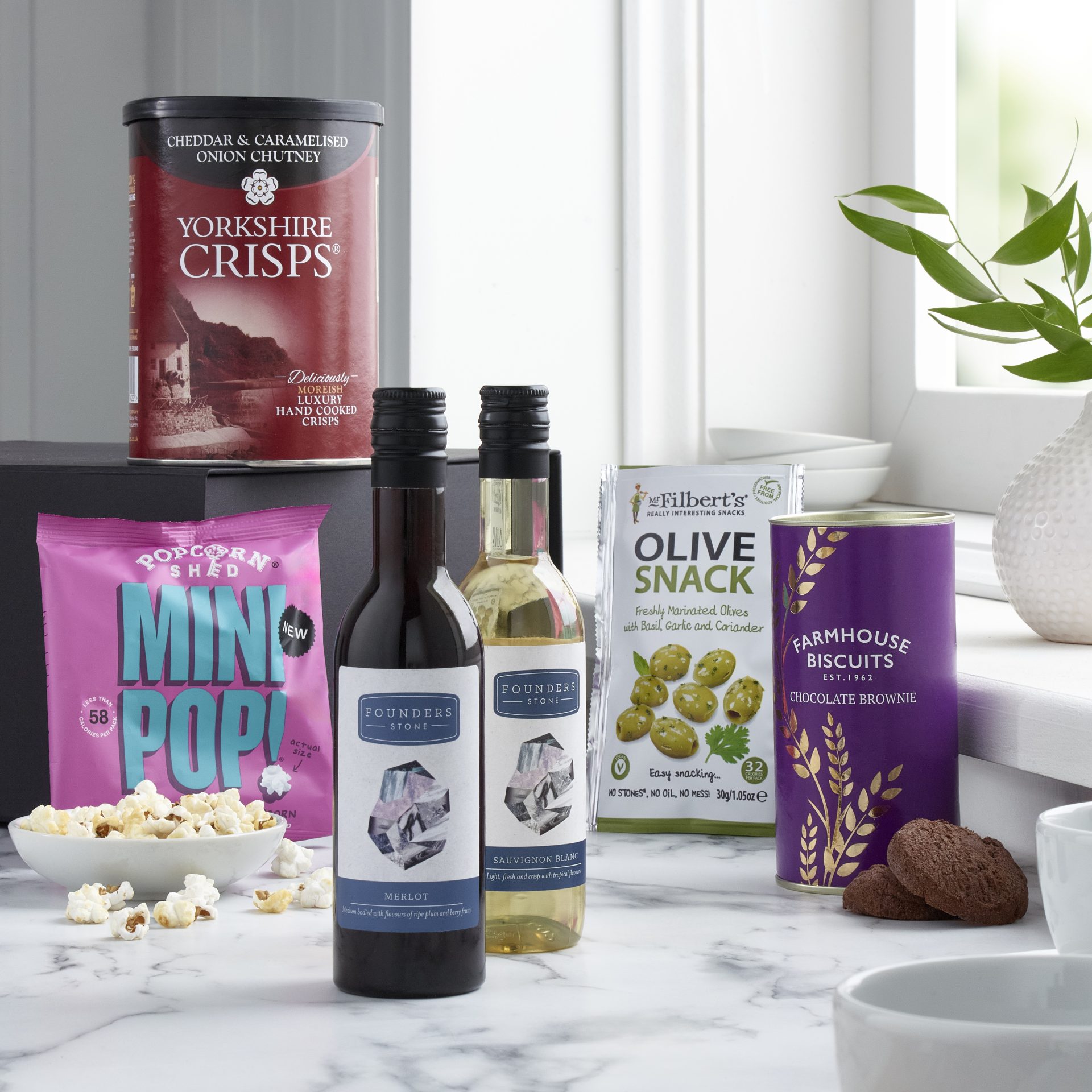
Wellness in hotels doesn’t always have to mean spas, treatment rooms, and pools. Sometimes it’s the simple act of closing a hotel bedroom door to the outside world and slipping into a luxury robe and some cosy slippers. Maybe it’s having time to curl up with a good book while the aroma of a freshly brewed speciality coffee or herbal tea fills the hotel bedroom. Or perhaps it’s relaxing into a deep bubble-filled bath with a glass of something sparkling. Wellness is taking the time to look after the mind and body.
For over 33 years, Out of Eden has built a UK-wide customer base of over 20,000, supplying an always growing range of more than 2,000 hotel room products to make guests feel special, valued, and excited to book their next stay. From luxury toiletries and refreshments, including artisan and regional treats from independent producers, to top quality bedding carefully designed and tested to stimulate the ultimate in sleep hygiene.
Sleep retreats might be booming, but hotels only need to introduce a few added extras to help guests achieve the very best night’s sleep. Think eye masks, ear plugs, and sleep sprays for a pillow menu with a wellness slant after indulging your skin with UK-made luxury creams rich in essential oils like musky black pepper, star anise, and cumin to evoke dreams of exotic lands. A hint of Koh Samui in Kensington?
If you’re keen to know more, try some samples, and find wellness products to spoil your guests, Out of Eden’s dedication to providing the very best personal customer service to hoteliers is being further strengthened in 2026. In response to customer demand for more ‘in-person’ service, the UK’s largest specialist hotel supplier has appointed six new Regional Sales Representatives covering London, the Southwest, the Midlands, the Northwest, the Northeast, and Scotland.
Wilson Digby, the new Sales Representative for London and the Southeast is relishing the opportunity to visit the capital’s best hotels to showcase Out of Eden’s products. He said:
“We have a number of longstanding customers in the Greater London area who now have a dedicated person ‘on the ground’ to reacquaint them with our new and improved product range or chat about how we can help meet more of their needs. I’m excited to visit some stunning places and see how many other boxes we can be ticking for hoteliers when it comes to providing the optimum guest experience.”
For more information on Out of Eden, visit https://www.outofeden.co.uk or call 01768 372939. Samples of products can be provided by our Sales Representatives on hotel visits.