

WHY RAIL CONNECTIVITY IS BECOMING A KEY SELLING POINT FOR CITY HOTELS
Whether it’s a business trip, a romantic weekend away, or just a lavish night out, choosing a hotel in the city centre is typically influenced by a number of factors. However, one that has become increasingly important in recent years is a hotel’s proximity to a major railway station.
With that in mind, let’s take a look at why rail connectivity has become a prominent selling point for city hotels.
Increased Convenience
The biggest advantage to having a train station nearby is convenience. The transition from transport to hotel and vice versa is quick and easy when there is a nearby railway station. You’re less likely to get lost, you don’t need to navigate local buses or trams or stress about what stops to get off at, and your journey time is significantly reduced.
Reduced Costs
If you’re looking for a cheap hotel in Leeds city centre, for example, then chances are you’re also hoping to keep costs down elsewhere. A hotel near a train station is ideal for keeping your trip expenses on the low side, as you won’t need to get to the station via a taxi or another form of pricey transport.
Easier Onward Transport
If you’re on a multi-destination trip or you’re looking to head out of the city for the day, having a railway station close by makes it almost effortless to move from one destination to another. Plus, if you’re getting a train to the airport for example, you’ll have one less transport delay to worry about.
Location is Everything
When it comes to choosing a hotel, it’s not just about the style, comfort, and amenities. Especially in cities, which are often packed with plenty of excellent accommodation options, it’s often the location that helps people make their final decision.
A comfortable and aesthetically pleasing hotel that is also conveniently located will likely win over one that looks nicer but has a less than ideal location that could make the journey longer and more stressful, and increase the cost of the trip.
Hotels located close to a major railway station typically offer more convenience, keep costs down, and make it easier to take day trips, get home, or move onto your next destination. Because of these benefits, more and more people are looking at proximity to a railway station as a major factor when choosing a place to stay.

How Better Product Visuals Help Hotels Choose Furniture, Fixtures, and Guest-Room Details More Confidently
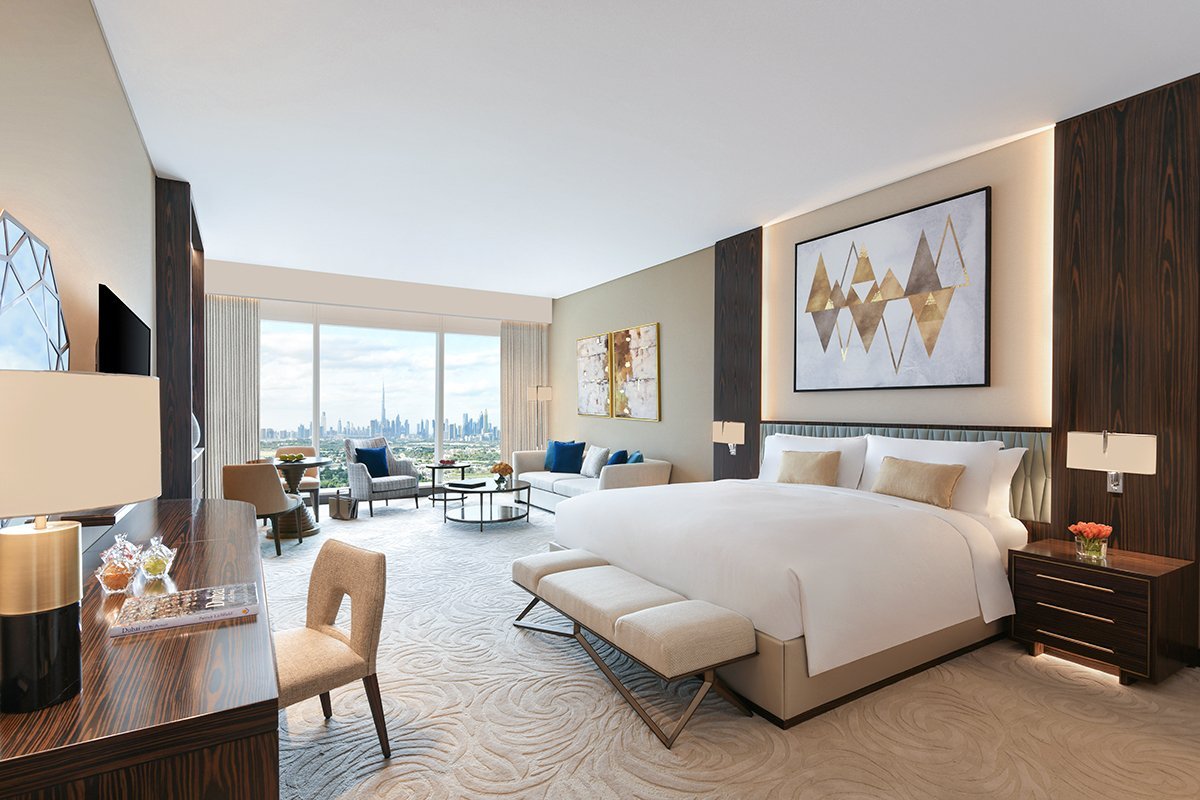
Walk into a hotel bedroom and the impression forms before the conscious evaluation begins. Whether the room feels considered or generic, expensive or merely adequate — this registers within seconds, driven not by any single element but by the combined effect of upholstery, lighting quality, material palette, and the spatial relationship between the furniture pieces. Guests cannot always articulate what they are responding to. They simply know whether the room feels right.
The difficulty for procurement and design teams is that those product decisions are made long before the room exists. They are made from samples on a board, catalogue images shot in manufacturer showrooms, and technical drawings that communicate dimensions accurately and atmosphere not at all.
The Coordination Problem in Hotel Product Specification
A guest room involves more individual product decisions than most people outside hospitality appreciate. Bed frame, headboard, mattress platform, bedside tables, seating, desk, desk chair, flooring, wall finish, window treatment, bathroom fittings, vanity lighting, mirror, accessories — each of these decisions is made separately, often by different people or teams, and each has to work within a coordinated whole.
The approval process for a significant hotel project typically runs through multiple stakeholder groups. A general manager sees the room concept differently from a procurement director, who sees it differently from the brand team, who sees it differently from the property owner. Each of these people is forming an opinion about the same specification, often from different visual materials.
When those visual materials are inadequate — when the upholstery option was approved from a small swatch, when the furniture scale was judged from a floor plan, when the headboard profile was confirmed from a catalogue image that bore no resemblance to the room proportions it would eventually occupy — the misalignments that result are usually discovered at the installation stage, when they are expensive to address.
What Decisions Are Actually Being Made
Scale is almost never correctly understood from a product photograph. A bedside table in a manufacturer's showroom, styled against neutral backgrounds with sympathetic lighting, communicates form and finish reasonably well. It says nothing useful about whether the table height will work alongside the bed that has been specified, whether the visual weight of the piece will read correctly against the wall finish behind it, or whether the drawer pull sits at the right position for a guest reaching from the bed.
Material behaviour in operating conditions is similarly difficult to assess from samples. A fabric that reads as warm and rich on a specification board may look flat under the artificial lighting of an internal room with no natural light source. A hard surface finish that appears refined in a showroom may reveal texture variation at the scale of a full wall installation that was not apparent in a sample tile. These are not abstract concerns — they are the specific kinds of surprises that appear in the snagging lists of hospitality projects that were specified from inadequate visual information.
And then there is the question of how products sit together. The headboard, the reading chair, the desk lamp, the bathroom vanity — each of these might individually pass approval while collectively producing a room that feels misaligned. The inconsistency is rarely in any single piece. It is in the combination.
Where Digital Product Visuals Change the Process
For hospitality teams comparing digital room and product previews, understanding what is 3d product rendering can make it easier to judge how those visuals are used in procurement and presentation. A rendered product image places the piece at the correct scale, in the intended finish, in an environment that approximates the actual room conditions — giving reviewers something meaningfully different from a catalogue photograph for assessing how the product will behave in practice.
For hotel groups specifying guest-room furniture packages across multiple properties, this kind of visual supports the structured approval processes that large organisations require. A rendered room scheme showing a complete furniture package in context, at full scale, with the actual wall and floor finishes present, communicates design intent in a way that technical drawings cannot and that verbal specification descriptions certainly cannot.
It also changes who can participate usefully in the approval process. A general manager reviewing a rendered room scheme can form a genuine opinion about whether it meets the brand's standard. The same manager reviewing a specification document and a product swatch board is being asked to make a visual judgment from non-visual information.
Guest Rooms and Brand Consistency
Guest-room furniture packages are where the visual gap between specification and reality tends to be largest. When comparing competing suppliers for a rollout, seeing each option placed within the same rendered room environment — rather than in each manufacturer's own photography context — allows proportional and stylistic comparison on equal terms.
Bathroom and accessory details receive less visual attention than furniture in most specification processes, despite being among the most immediately noticed aspects of a guest room. Door hardware, lighting fittings, mirror frames, vanity accessories — these accumulate into an impression of quality or its absence that guests register acutely. Visualising accessory packages within a complete room scheme rather than as isolated product selections allows their cumulative effect to be evaluated before the specification is finalised.
When hotel brands or suppliers need consistent digital assets for multiple finishes, layouts, or guest-room concepts, product 3d rendering can help communicate those choices more clearly. Showing the same headboard in three fabric options within the same room, rather than as three separate swatches, produces a comparison that is legible to non-designers and useful to the entire approval chain.
What Better Specification Produces
Fewer revision cycles during installation. Finished rooms that more closely reflect what the design team intended when they developed the concept. Procurement decisions that can be made with genuine confidence rather than with the provisional certainty that often turns out to be wrong at the snagging stage.
Hotel guest rooms are experienced by many people, every day, for the life of the refurbishment cycle. The quality of the design choices embedded in those rooms shapes guest satisfaction across the entire period. Taking the time to make those choices from adequate visual information — rather than from materials that leave too much to interpretation — is not a luxury in that context. It is the appropriate standard for decisions that significant.
Brown’s Hotel Unveils ‘The Brown’s Season’ in Partnership with Laurent-Perrier
Mayfair’s most storied address becomes the definitive base for the social season with a curated programme of stays and experiences
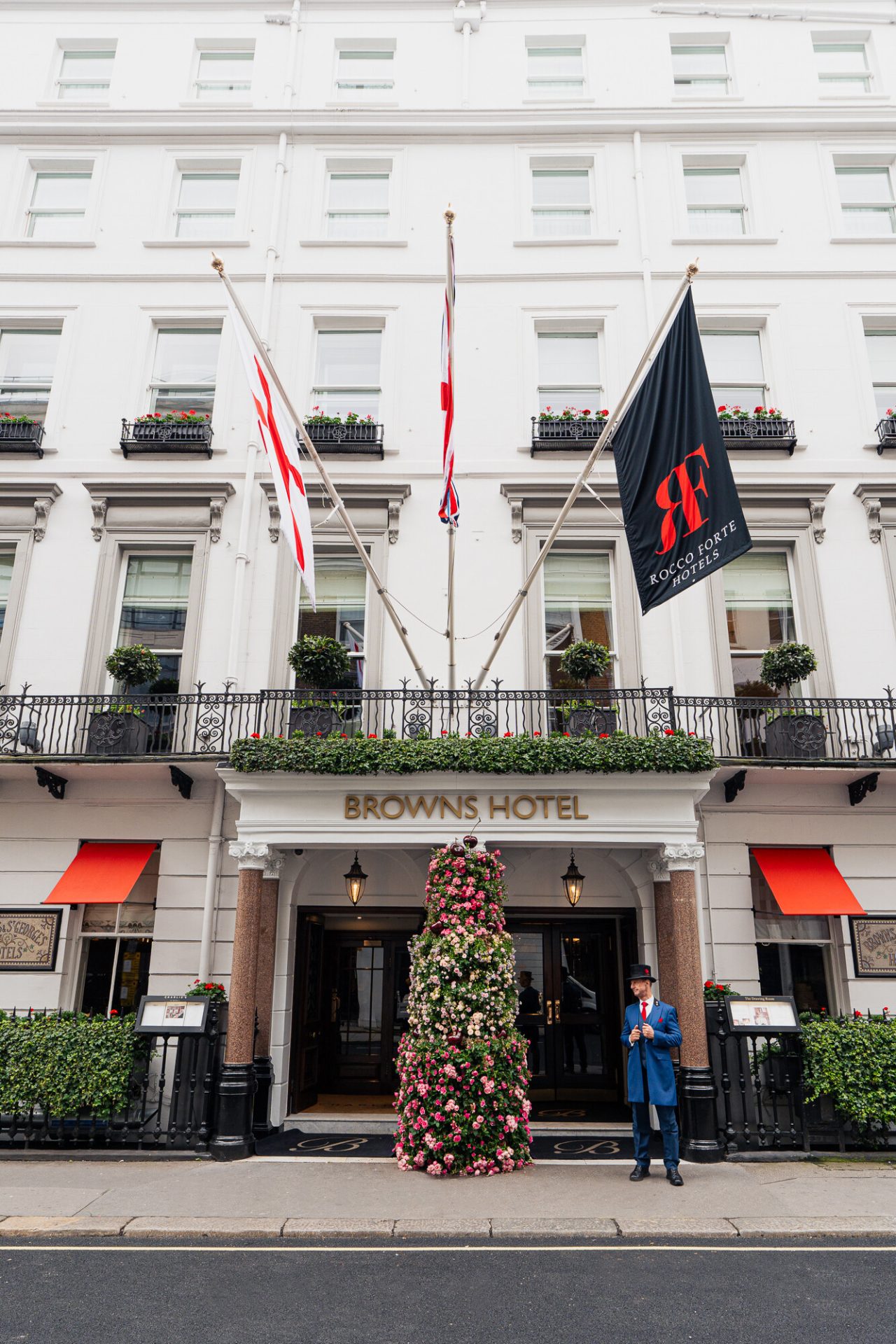
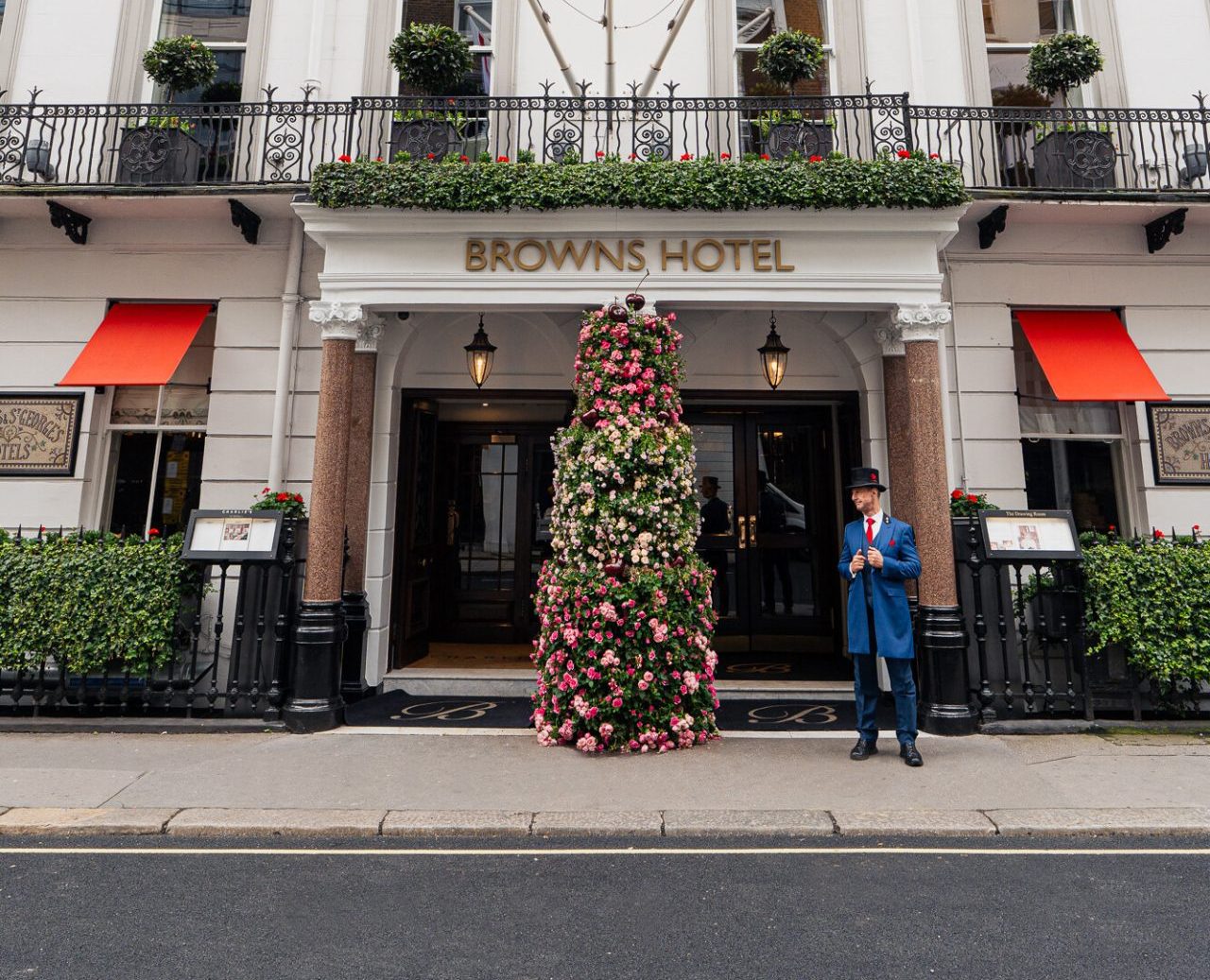
This summer, Brown’s Hotel unveils The Brown’s Season, a curated programme of stays and experiences developed in partnership with Champagne Laurent-Perrier.
Brown’s Hotel brings together the very best of London’s iconic summer events curating everything from VIP tickets and transport to fine dining and exclusive experiences. The programme covers some of the city’s most in-demand experiences including the Chelsea Flower Show, Royal Ascot, Wimbledon, and cultural experiences including Photo London and a headline concert at Wembley, with the hotel’s concierge team handling all arrangements.
The programme begins with the Estival Season (May to August), derived from the Latin aestivalis, meaning ‘of or belonging to summer’. The season is structured around four themes
- The Lawn, The Garden, The Stage and The Gallery - reflecting the key moments of the British social calendar, from sporting fixtures and horticultural showcases to cultural performances and the international art world. From centre court and racecourse to gallery previews and opera houses, Brown’s acts as both gateway and guide, with each experience designed to be fully-bookable and tailored through the hotel’s concierge team.
A Season of Exclusive Experiences
Throughout the season, Brown’s offers a series of tailored experiences linked to specific events, with each one fully organised by the hotel, including:
- Boodles Botanical Afternoon Tea: From 19th to 23rd May, The Drawing Room at Brown’s is transformed for the Boodles Botanical Afternoon Tea, its tiered stands laden with pistachio and rose tartlets, macarons with exotic fruits and strawberry choux, inspired by the Chelsea Flower Show.
- For Royal Ascot: Mornings begin with a sumptuous yet leisurely breakfast, served either in-suite or in The Drawing Room. The menu includes caviar from King’s Fine Foods, alongside Brown's favourites such as beef fat brioche brunch slice or Cooke’s Kedgeree with a poached Laurent-Perrier Champagne is served tableside, setting the tone before guests are transported to Ascot with pre-arranged tickets and travel arrangements expertly handled by the concierge.
- Concerts at Wembley: Guests attending major performances including Harry Styles’ much anticipated return to Wembley Stadium, benefit from a complete package that includes private car transfers to and from the venue, premium tickets and hospitality where available, and a seamless return to the hotel. After the event, the experience continues with the Watermelon Pop cocktail, an informal afterparty in the Donovan Bar and a special in-suite amenity.
- Tennis events: For memorable experiences including The Giorgio Armani Tennis Classic at the Hurlingham Club, Brown’s VIP access includes a Champagne reception, a Michelin-starred lunch and reserved centre court seating within the private members
- For culture: Guests may enjoy VIP access to Photo London with curated tours, talks, preview day and more. In Mayfair, special art walks led by Maeve Doyle, VIP private views at the Colnaghi Gallery, history and literary walks led by Brown’s historian Andy
Across all experiences, Brown’s concierge and guest relations teams oversee the full itinerary, from sourcing sought-after tickets and extraordinary hospitality to arranging luxury transport, restaurant reservations and personalised touches, to ensure its guests can relax and enjoy the events.
For those looking to extend their stay, Brown’s also offers a ‘Town and Country’ package. This combines a curated stay in the heart of Mayfair with a stay at The Star in Alfriston, Olga Polizzi’s Sussex hotel, where guests can attend performances at Glyndebourne (a special VIP package), visit local vineyards and explore the South Downs, with all travel and planning arranged as part of a single, joined-up itinerary.
Enjoy a complimentary fourth night as part of Brown’s in Love with Mayfair and prolong the pleasures of The Season with one more day at the races, cricket or tennis championships. Available 13 July–1 September.
At the Centre of the Season Since 1832
Founded in 1832, Brown’s Hotel positions itself as a long-standing part of London life, Alexander Graham Bell made the first telephone call in the United Kingdom here; Charles de Gaulle drafted the Free French appeal within its walls and, when Winston Churchill was asked which London hotel he favoured, he is said to have replied: ‘I don’t stay in a hotel. I stay in Brown’s. With The Brown’s Season, the hotel is formalising this role by offering a structured, concierge-led way for guests to experience the city’s most popular and exclusive summer events.
The Brown’s Season with Laurent-Perrier is a collaboration between two houses that have remained, through every change of generation, family concerns. Brown’s has occupied this corner of Mayfair since 1832 – from the day James Brown opened its doors to the Forte family who are its custodians today. Laurent-Perrier has made Champagne in Tours-sur-Marne since 1812, and to this day is now in its fourth generation of custodianship of the de Nonancourt family.

Michael Clitheroe FIH appointed to Institute of Hospitality Board of Trustees

The Institute of Hospitality has announced the appointment of Michael Clitheroe
FIH CMgr MCMI, to its Board of Trustees for a three-year term, running from 2026 to 2029.
A highly respected hospitality professional and Fellow of the Institute, Michael brings significant industry experience and leadership insight to the Board at a time of continued growth and global engagement for the organisation.
Commenting on his appointment, Michael said:
“Over the past 27 years working in the hospitality industry, I have seen first-hand the impact that professionalism, education and strong leadership can have on individuals, businesses and the wider sector. Having been a Chartered Manager and Fellow of the Institute of Hospitality for the past six years, I am delighted and honoured to now support the Institute as a Trustee.
“I look forward to working alongside my fellow Trustees, Robert and the wider team as we continue to champion the profession and support the Institute’s ambition to achieve Chartered Status — an important milestone for hospitality and for those who choose hospitality as a profession of skill, leadership and lifelong opportunity."
Welcoming the appointment, Institute of Hospitality CEO Robert Richardson FIH MI said:
“Michael’s appointment reflects both his depth of experience and his commitment to professional standards within hospitality. His insight and perspective will be invaluable as we continue to strengthen the Institute’s global position, deliver greater value for our members, and advance the profession worldwide.”
Supervisory Board Chair, Martin Traynor OBE FIH MIoD, added:
“Michael is a welcome addition to our board where I look forward to working closely with him and other board members to deliver on key objectives and to secure Chartered Status"
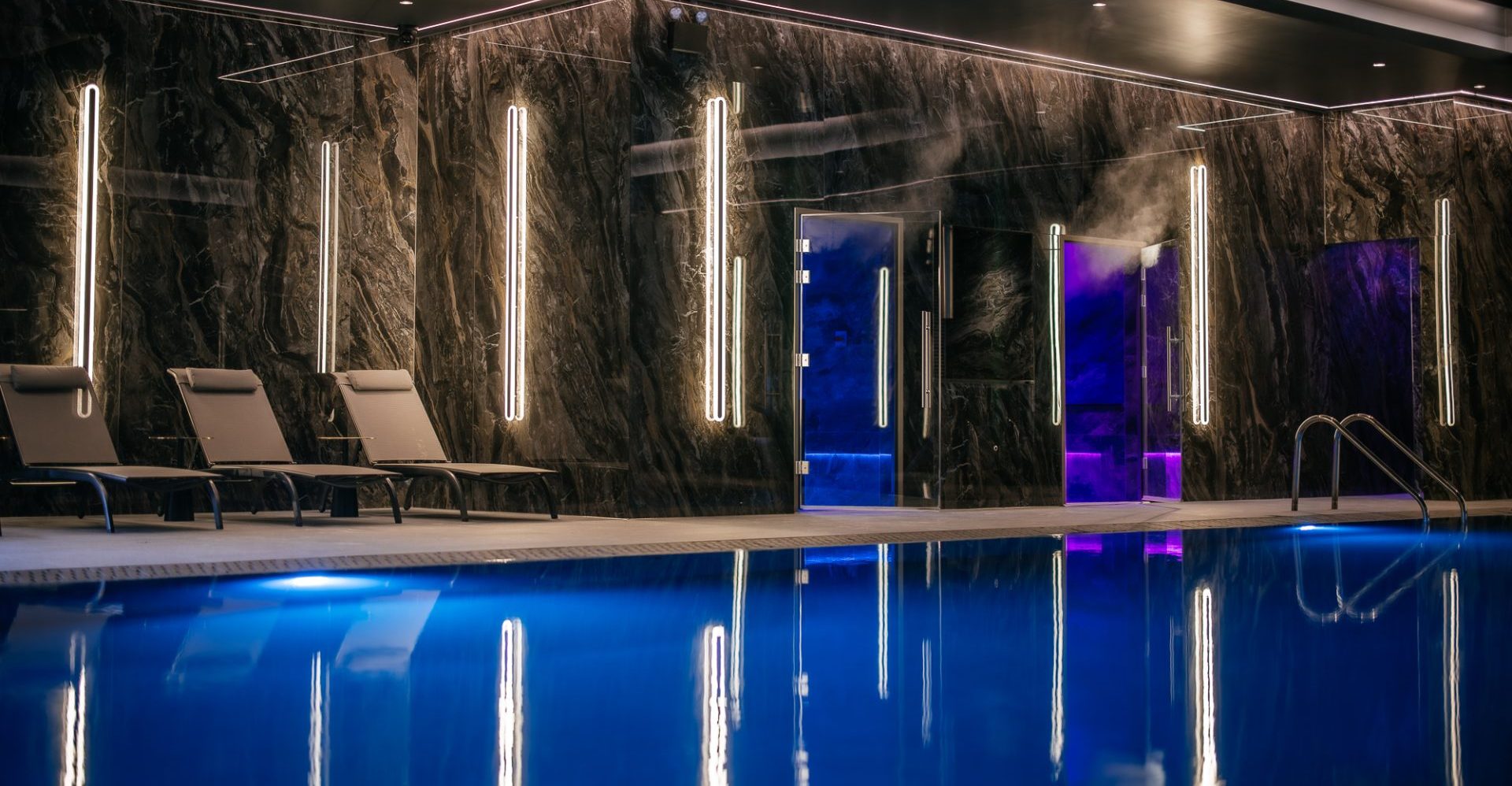
The Imperia Spa at Gleddoch Golf & Spa Resort Nominated for Scotland’s Best Hotel Spa 2026
Gleddoch Golf & Spa Resort, one of Scotland’s most iconic privately owned estates, is proud to announce that the Imperia Spa has been nominated for “Scotland’s Best Hotel Spa 2026” at the World Spa Awards.
This marks a significant milestone for the resort, as it is the first time the Imperia Spa has received this prestigious nomination following its multi-million-pound transformation, which officially opened in June 2025.
Voting opens on 27th May and runs until 4th August 2026, during which time industry professionals, media and consumers will cast their votes to determine the very best in the spa and wellness sector.
Commenting on the nomination, James Anderson, General Manager at Gleddoch Golf & Spa Resort, said: "The team at Imperia Spa are absolutely delighted to be nominated for Scotland’s Best Hotel Spa 2026. Following the launch of our newly transformed spa, this recognition is a testament to the passion and dedication of our team in delivering an exceptional guest experience."
Designed for indulgence and total relaxation, the Imperia Spa is home to what is believed to be the UK’s largest outdoor sauna, offering breathtaking panoramic views across the Clyde Estuary and the rolling Renfrewshire hills towards Ben Lomond. Guests can also enjoy an extensive range of thermal facilities, including a Pink Himalayan Salt Sauna, Aroma Steam Room, Salt Steam Room, Ice Fountain, heated loungers, Hydrotherapy Pool, and Cold Plunge.
The experience is further elevated with a tranquil Spa Restaurant, Wellbeing Studio, state-of-the-art Fitness Suite, seven luxurious treatment rooms, and dedicated relaxation spaces for pre- and post-treatment unwinding.
Signature treatments are delivered in partnership with world-renowned brands including Natura Bissé, Elemis, Temple Spa, and Ayurvedic specialists Tri-Dosha, ensuring a holistic and results-driven spa journey.
Rooted in Scottish heritage and elevated by global standards, the Imperia Spa at Gleddoch is redefining luxury wellness, setting a new benchmark not only for Scotland, but for the international spa industry.
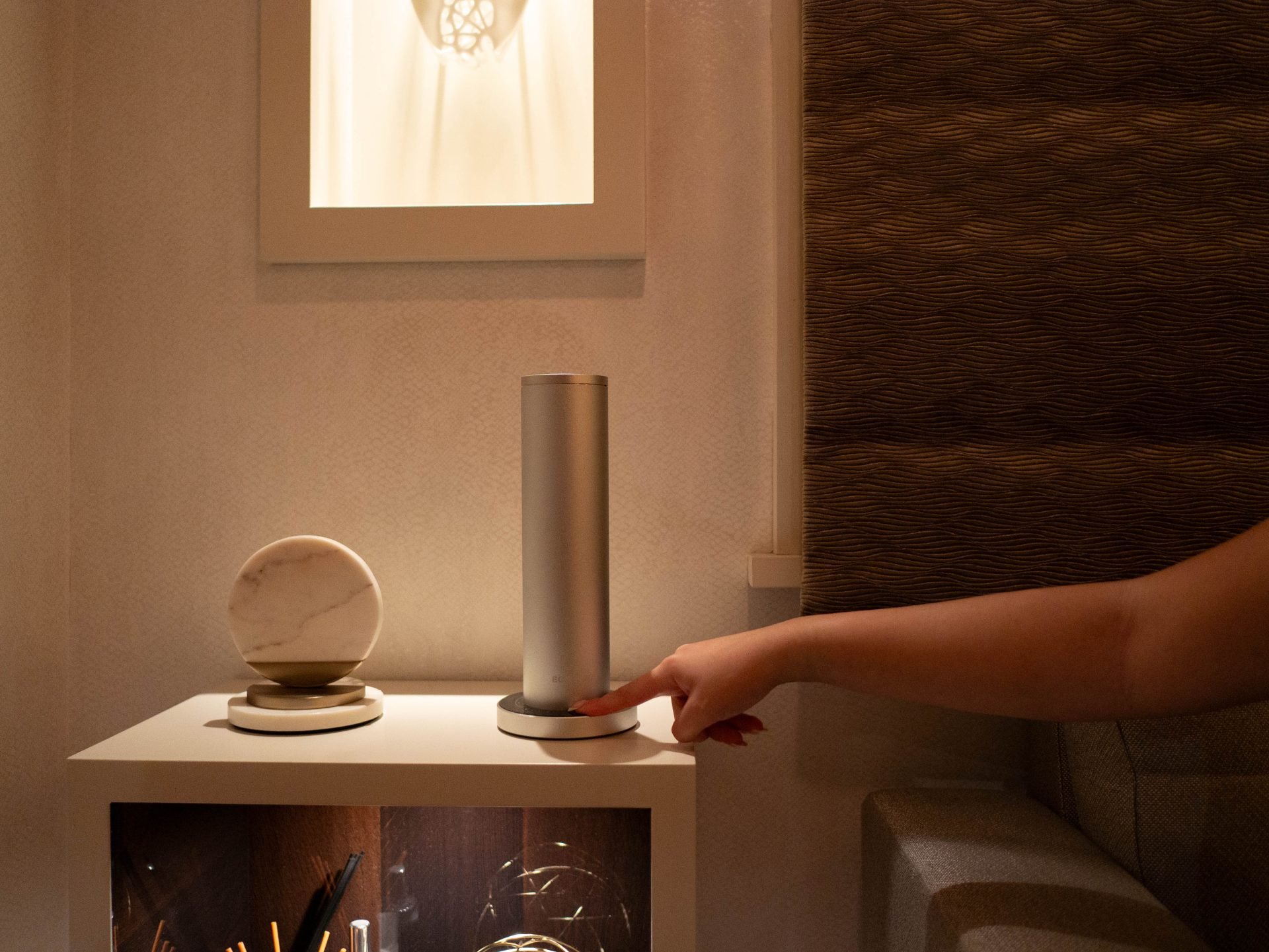
The Power of Scent
What do guests remember most about a hotel? It isn’t what you think… EcoScent reveal all.
Before a guest notices the design, they notice the feeling. And increasingly, that feeling is scent.
In 2026, the definition of a perfect hotel stay has moved well beyond thread count and check-in efficiency. Today’s traveller is seeking something more immersive, more emotive, and ultimately more memorable. Guests are no longer satisfied with simply staying somewhere; they expect an experience that lingers long after departure.
From the moment a guest steps into a lobby, before they register the marble floors or curated lighting, their perception is already being shaped. Scent is processed faster than any other sense, giving it a powerful advantage in forming first impressions. This invisible layer of hospitality is rapidly becoming one of the most influential differentiators within the hotel industry, particularly across luxury and boutique spaces.
Companies such as EcoScent, a scent marketing specialist working with hotels to create bespoke fragrance experiences, have seen this shift accelerate as hospitality becomes increasingly experience-led.
The Rise of Signature Scenting
As competition intensifies at the premium end of the market, hotels are recognising that visual identity alone is no longer enough. In 2026, a signature scent is becoming as integral to brand identity as a logo or interior design scheme.
This shift is grounded in behavioural science. Studies suggest that scent memory can be recalled with around 65% accuracy after a year, compared to just 50% for visual cues after only three months.
The impact on guest perception is clear:
• 91% of hotel guests say a pleasant scent positively influences their experience
• 69% report an improved perception of the brand
• 67% feel more relaxed and comfortable in scented environments
In an era where guest reviews and repeat bookings carry significant weight, these figures are difficult to ignore. According to EcoScent, hotels are increasingly treating scent as a core part of brand identity, something guests recognise and return to.
For luxury travellers, familiarity is as important as indulgence. Scent becomes the invisible thread connecting multiple locations, reinforcing consistency and recognition from the moment guests arrive.
Scent as a Driver of Experience and Revenue
Beyond ambience, scent is proving to have measurable commercial value. Ambient fragrance has been shown to increase customer satisfaction scores and boost brand recognition.
There are also clear revenue implications. Across the hospitality sector, case studies show increased dwell time, higher guest spend, and improved loyalty when scent strategies are implemented effectively. In one example, a luxury hotel spa reported a 20% increase in revenue after introducing a signature scent.
EcoScent notes that this impact is often driven by subtle behavioural shifts, guests staying longer, feeling more relaxed, and forming stronger emotional connections with a space.
Scent works on a subconscious level, influencing mood and reducing stress without requiring active attention. In an industry increasingly shaped by experience-led travel, this emotional layer is invaluable.
Transforming Spaces: From Memorable to Unforgettable
For many hotels, the challenge is no longer delivering a good experience but avoiding a forgettable one.
One mid-sized hotel, despite strong design and service, found feedback repeatedly describing the atmosphere as “pleasant but indistinct”. The space lacked a defining sensory cue.
After introducing a bespoke signature scent in collaboration with EcoScent, the shift was immediate. A blend of warm woods, soft florals and subtle citrus notes added depth and emotional warmth.
Within months, the hotel reported:
• Improved guest satisfaction scores
• More vivid mentions of atmosphere in online reviews
• A clear uplift in repeat bookings
The scent became part of the hotel’s identity, not an addition, but a signature.
In another case, a large urban hotel worked with EcoScent to implement zoned scenting. Energising notes enhanced arrival areas, softer accords calmed transitional spaces, and richer fragrances elevated wellness zones.
The result was a more intuitive, immersive environment that guided guests through the space without the need for explanation. As EcoScent highlights, this approach, treating scent as part of a wider sensory narrative, is becoming standard among leading hotel groups.
Why Scent Strategy Now Matters More Than Ever
As scent becomes central to modern hospitality, the expertise behind it is increasingly important. Effective scenting requires precision, consistency, and alignment with brand identity.
Providers such as EcoScent focus on controlled diffusion, ensuring consistent coverage across complex spaces while maintaining a subtle, refined presence. There is also growing emphasis on sustainability, with high-quality fragrance oils designed to meet modern environmental expectations.
According to EcoScent, the most effective strategies are bespoke, tailored to reflect a hotel’s positioning and the emotional response it aims to create.
The Future of the Perfect Stay
The perfect hotel stay is no longer defined by a single feature but by how seamlessly every element works together. Guests are seeking immersion, an experience that engages all the senses and leaves a lasting impression.
Scent is no longer an afterthought. It is a strategic tool, a branding asset, and increasingly, an expectation.
As more hotels adopt signature scenting, it will move from a competitive advantage to an industry standard. The question is no longer whether to invest, but how to do so effectively.
For hotels aiming to stand out in an increasingly saturated market, the answer may lie in something guests cannot see but are unlikely to forget.
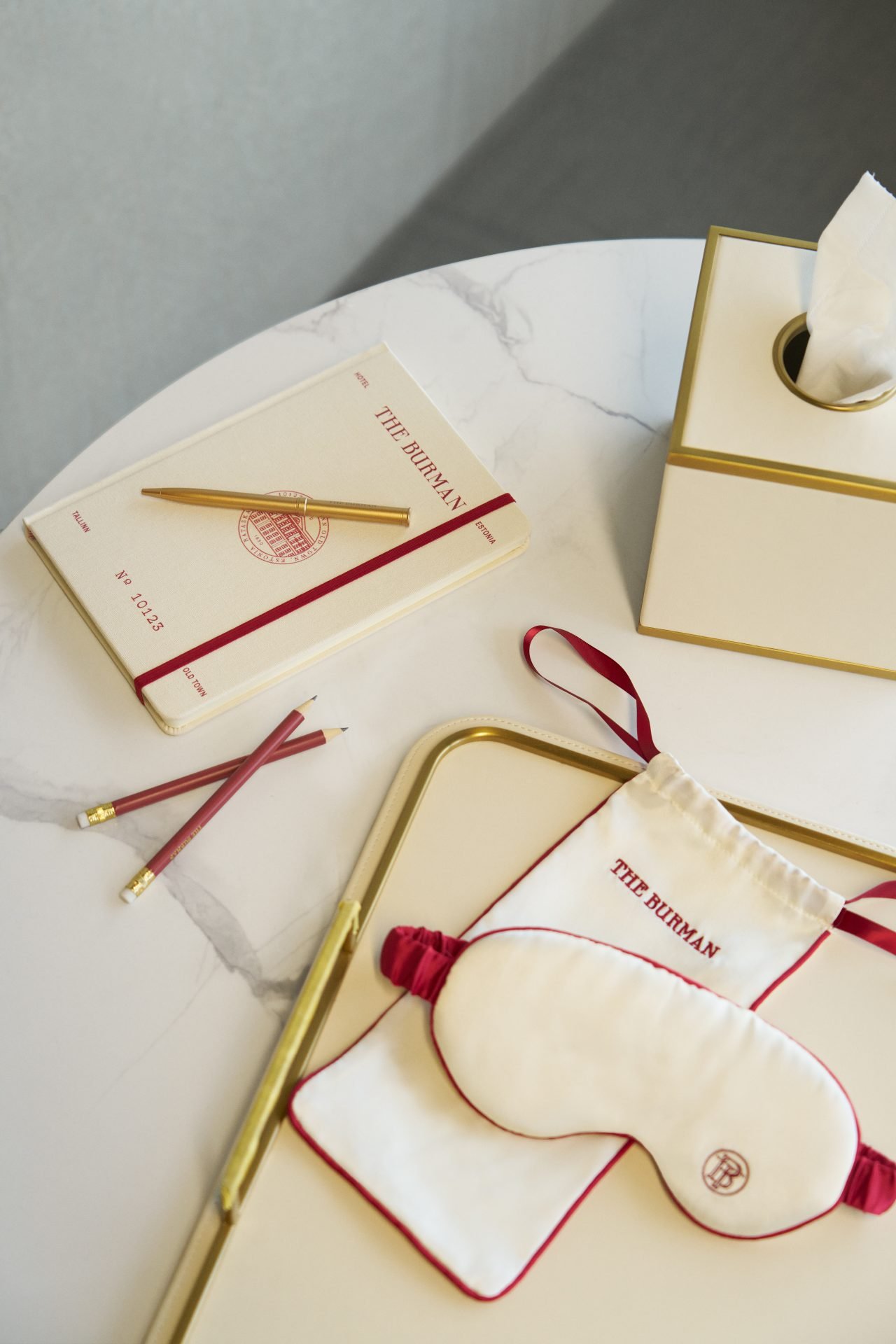
Meaningful Moments
Why hoteliers need curators, not suppliers: the power of cohesive in-room storytelling.
The most memorable hotel stays are defined by atmosphere, detail, and an immediate sense of connection from the moment a guest arrives. As hospitality has evolved, differentiation has gone beyond offering and is focused on orchestration of how every element within a space works together to create a cohesive experience.
This is where curation becomes critical. According to McKinsey & Company (2024), over 70% of guests report more positive experiences when hotels create personalised environments. This shift signals a fundamental change: hotels must move beyond procurement-led thinking and have a more considered, design-led approach when creating these unique touchpoints. In short, the future belongs to curators, not suppliers.
Palatino, a member of La Bottega Collective, enables this shift by specialising in luxury OS&E and accessory collections, partnering with design-led properties around the world. Palatino moves beyond standalone products towards a cohesive, design-led language that elevates the guest experience as a whole.
At The Burman Hotel in Estonia, Palatino played a pivotal role in bringing the property to life - contributing to its naming and visual identity, while also designing and producing bespoke OS&E such as notebooks, pens and umbrellas and developing the F&B concepts, ensuring a consistent identity throughout the property. Beltrami, the luxury textile maison within La Bottega Collective also partnered with The Burman for their designer linens and textiles. This end-to-end ecosystem supported The Burman being named the winner of the MICHELIN Inspectors’ 2025 Opening of the Year Award as well as holding two Michelin Keys for an ‘exceptional stay’.
These are the details that transform a stay into a five-star experience. Palatino approached this through a 360 design process, combining concept development with production. By bringing together designers and consultants, they create products that not only elevate brand identity but also form a carefully orchestrated environment where every detail feels intentional.
Consistency across portfolios
For luxury and lifestyle hotels, consistency is key - not just within a single property, but across an entire portfolio. Guests expect a brand to feel familiar, yet distinctive, wherever they encounter it. Palatino’s recent collaboration with Fairmont demonstrates this approach through the creation of comprehensive OS&E brand guidelines, designed for implementation across the portfolio. The framework allows each hotel to reflect its location while staying true to Fairmont’s global identity through thoughtful design and a curated palette.
For example, mountain properties use warm, insulating slippers, while resorts opt for lighter, breathable materials like linen. Design details also vary, such as natural wooden umbrella handles in resort settings and leather handles in urban locations, to enhance a sense of place. Fairmont Hanoi is the first of the group to implement these guidelines resulting in a guest experience that feels both consistent and genuinely authentic, shaped through thoughtful details and considered design.
A fully curated guest journey
At the newly opened W Sardinia and W Riyadh, Palatino delivered a fully curated guest experience. The project spanned every touchpoint - from closet collections such as suit bags to in-room details like luggage tags and jewellery trays, as well as bespoke bathroom amenities and even W-branded accessories for their pet program. The result is a seamless journey through the room and beyond, where every detail reinforces the hotel’s identity. Palatino’s distinction lies in its curatorial and narrative approach. Rather than simply designing products, they craft experiences that connect guests to place. Each collaboration begins with listening - understanding the emotion a hotel wants to create - and translating it into materials, and thoughtful detail.
Palatino helps hotels tell meaningful stories through thoughtfully designed objects - tactile, memorable, and enduring - that act as subtle yet powerful touchpoints within the guest experience. A pioneer in the industry, Palatino designs, produces, and curates collections, brand concepts, and guest rituals, guided by a philosophy that brings together artistry, sustainability, and storytelling.
La Bottega Collective curates meaningful moments through a considered portfolio - La Bottega and Vanity Group for beauty essentials, Palatino for OS&E accessories, and Beltrami and White Privé for linens and textiles. Together, offering partners a seamless ecosystem of brands, designed to create distinctive touchpoints that resonate with guests, positioning them as not just a supplier, but a storyteller.
Find out more
Emotional Luxury
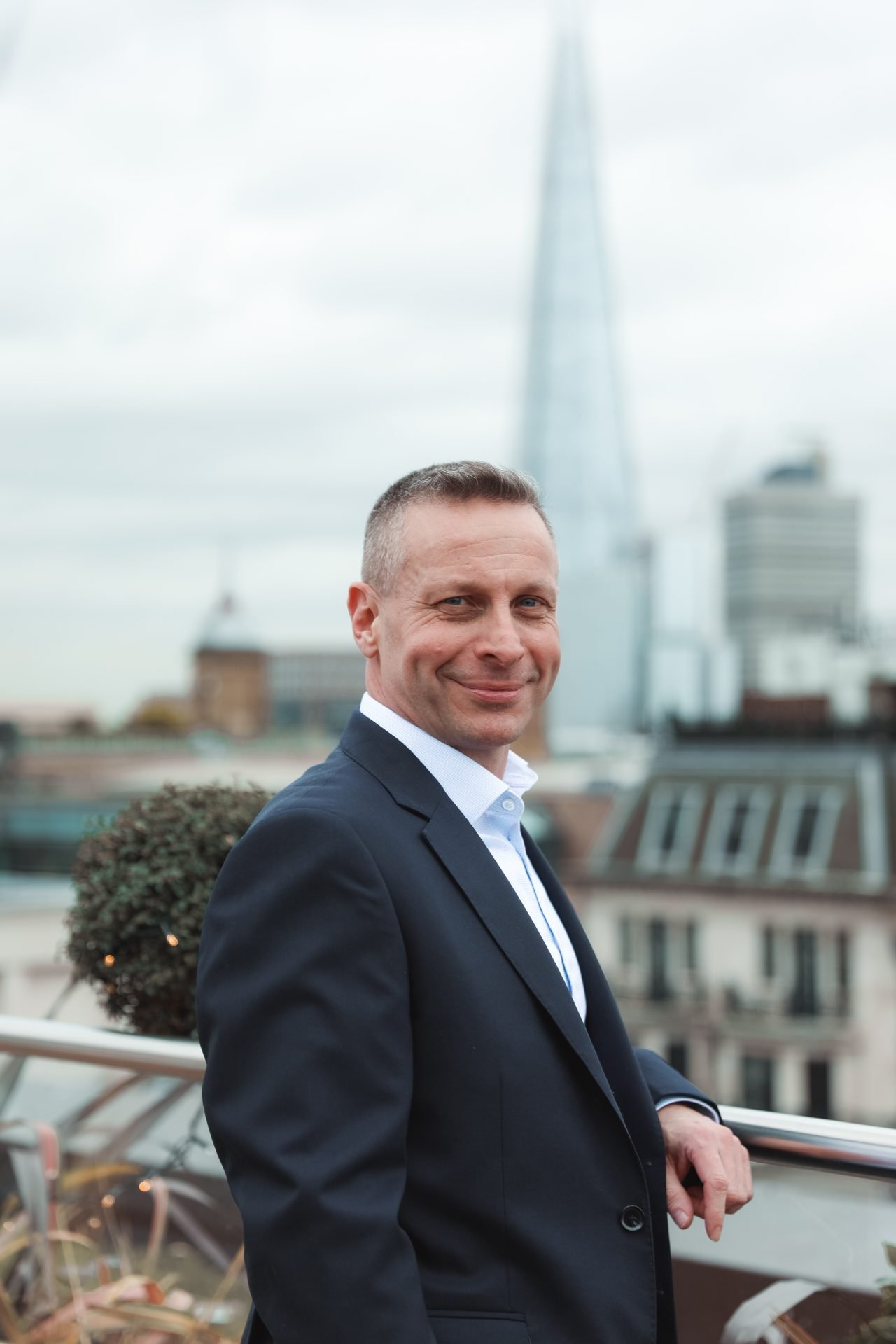
From its origins in the early 2000s to its position in 2026 as a trusted partner to some of Europe’s leading luxury hotels, Impact has carved out a distinctive niche in hospitality training. In this interview, founder John Baker reflects on how his early experiences on the front line shaped a people-first philosophy and why authentic, emotionally intelligent communication remains the defining factor in modern luxury service.
Before founding Impact London, you spent around a decade working in bar and restaurant management in cities such as London and Sydney. How has your own hands-on hospitality experience shaped the way you view the industry today?
My days working in the industry opened my eyes to the harsher side of hospitality; back when I was on the floor, it was a world of painfully long hours and very little compassion when it came to the staff. I will readily admit I started as an ‘old-school’ manager: charm the guests but don’t worry too much about the team. I quickly realised this wasn’t the way forward; to get the best from people you need them to actually want to work for you, and this needed just as much empathy and positive engagement as I was showing to the guests. See everyone as an individual and treat all of your team well; then they will repay you with loyalty and a willingness to go above and beyond.
You have been delivering hospitality communication training since 2001. Can you take us back to the early days of Impact London and share the story behind how the brand first came to life?
In 1998 I was decided it was time for a change and started travelling the world teaching English. After a decade in hospitality management, I was a little burnt out and in need of a break; so, I packed a bag and headed first to Mexico, where I taught kids in remote Yucatan villages, then on the Barcelona, where it became Business English for bank executives.
After a few years it was time to head home, and it dawned on me I should combine the two parts of my mixed experience – London hospitality was a melting pot of nationalities, and it was clear there was an unmet need for English specifically designed for the luxury industry. A little self-promotion and I was fortunate enough to charm my way into a couple of the top hotels in Mayfair, and from there the progression was organic: everything we do today to train the teams in luxury communication stems from those early days; I had found my niche.
Your workshops are known for their relaxed, highly participative style rather than a rigid classroom format. Why was it important for you to create a training environment that feels engaging, practical, and even fun for hospitality teams?
I think it happened in a natural way; I’ve never been one for overly rigid or corporate style training – my English teaching taught me that people respond best to an energised, fun and relaxed environment, where they learn by doing not being lectured by me.
I also believe the way we train people has a lot to do with personality; despite our extensive luxury client list, I keep the team small on purpose. It's mostly Rachel and I running the sessions and we're remarkably similar in our communication style and how we engage with the trainees. It just wouldn't feel genuine to me to be extremely prescriptive and formal when it comes to our training – leave them feeling like they really enjoyed their session and they will naturally remember the training topics. We want the teams to communicate in a way that is genuine and engaging, adapting to every guest in an individual and memorable way, and our aim is to do exactly the same with our training.
Impact London works with some of the most recognisable names in luxury hospitality across London and Europe. How do you ensure that every session remains true to each hotel’s style?
Luxury can mean many things, and every brand and property have its own unique style - the key to our training is that we truly understand the difference in each brand’s persona and how they aim to be seen in the market. By blending our expertise in luxury hospitality with our marketing and PR experience, we can tailor every single communication workshop to go hand in hand with the property’s tone of voice.
Even within the same group, for example, Maybourne, we work with their different types of ‘luxury’ (such as the Berkeley versus the Connaught) and we will always adapt the sessions to meet those discreet variations in brand identity and guest engagement styles. We understand the subtle differences and we flex our approach accordingly – this means every client gets the training that is bespoke to them, and it also makes our lives more interesting – it’s never the same session twice!
Communication and interpersonal skills are at the heart of your programmes. In today’s fast-evolving luxury hospitality landscape, why do you believe these human skills are more important than ever for hotel teams?
There are a couple of really important factors here; firstly, the aftermath of COVID lockdowns means many of the new junior team members joining the hotels nowadays haven't really had the opportunity to fully develop those people skills in the crucial formative years in school. Our mission is to help them cultivate their ability to communicate confidently, and to empower their managers to understand that challenge while being able to train their own teams with genuine compassion.
In addition to this, exceptional practical luxury (the beautiful rooms, the incredible food etc) is almost a given now – guests at this level expect the absolute best. What makes a property truly stand out in today’s competitive market is those genuine and memorable human interactions with them team – this ‘emotional luxury’ is where our expertise lies, and we truly believe this is what makes the difference in modern hospitality.
Block Out the Noise
Defining new standards in acoustic comfort for multi-occupancy buildings.
GF is redefining standards in acoustic comfort with its innovative Silenta range of acoustic drainage pipes, engineered to significantly reduce noise while delivering outstanding reliability and performance.
Designed to create quieter, more comfortable buildings, the Silenta range, which features Silenta Premium, Silenta 3A and Silenta FR drainage systems, delivers up to a 50 percent reduction in drainage noise. Suitable for installation both above and below ground, the Silenta high-performance acoustic drainage system provides a reliable solution for demanding multi-occupancy environments, such as high-rise apartments, hospitals, hotels, workplaces and care facilities.
Proven in projects across the globe to significantly enhance occupant wellbeing and comfort, Silenta is the preferred choice for specifiers seeking to exceed conventional building standards and deliver truly high-quality, acoustically controlled spaces.
James Griffiths, Head of Projects UK & Ireland at GF, explained why acoustic drainage systems like the Silenta range are critical to maintaining a healthy, comfortable, high-performing building.
Silence is golden
“In multi-occupancy buildings, shared drainage systems are the norm. Because these systems are in near-constant use, large volumes of waste water move through the drainage system at any given time. As a result, this flow of water inevitably generates noise and vibrations throughout the building.
“An acoustic drainage system, such as the Silenta Premium range, can reduce the noise pollution produced by running water to a whisper, helping to create a peaceful, uninterrupted environment for residents.”
Silenta’s superior soundproof performance is achieved through its innovative three-layer construction. The inner layer delivers optimal flow performance while offering excellent chemical and hot water resistance, protecting it against corrosion and abrasion. The middle layer is engineered to absorb sound waves and prevent noise transmission, whilst the outer layer provides outstanding resistance to external heat and impacts.
Together, these layers create a sound insulated pipe that ensures reliable drainage performance, exceptional structural durability and significantly reduced noise emissions.
James added: “You never think about drainage systems until you hear them. Occupants should never hear water movement from neighbouring apartments, rooms, or offices. Silenta was specifically designed and engineered to make that possible.”
From concept to construction
GF believes increasing acoustic comfort standards and providing better living standards should be a non-negotiable criterion when designing multi occupancy buildings, as James continued: “Incorporating into concepts and designs from the outset results in a more unified, fit-for-purpose piping system.”
Acoustic drainage can be integrated with cast drainage to provide a seamless drainage solution. Likewise, early project engagement allows key considerations - such as low-flow buildings, carbon usage, water consumption reduction and operational lifespan – to be addressed from the very beginning. Taking these factors into account at the earliest stage of development will help to mitigate potential issues later in the project lifecycle.
James concluded: “Silenta represents a step change in acoustic comfort for multi-occupancy buildings. Successfully used in a variety of building applications around the world, it creates noticeably quieter, more comfortable spaces. At GF, our ambition is clear: to ensure the drainage system of every multi-occupancy building operates silently in the background”
Find out more
Visit our website to explore our range or get in touch with our projects specification team to discuss your next project.
https://www.uponor.com/en-gb/products/waste-water-drainage/silenta
Consistency is Key

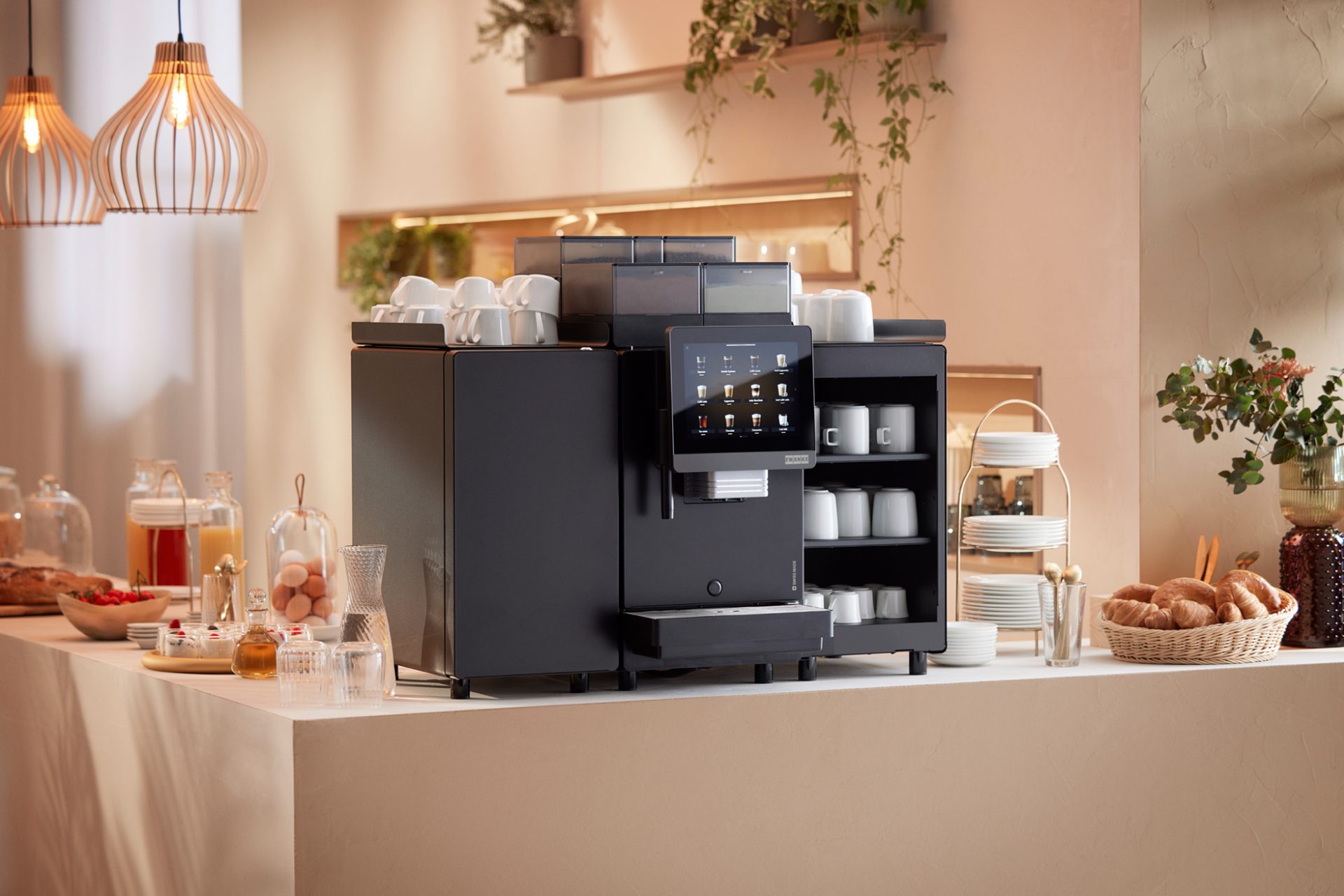
From breakfast consistency to barista-quality foam at the touch of a button, Jon Hargreaves of Franke Coffee Systems UK&I explains how next-generation automation is elevating hotel coffee - delivering precision, flexibility and premium guest experiences without the need for specialist skills.
How is Franke redefining the role of automated coffee systems in delivering premium guest experiences?
Consumers are extremely savvy these days, particularly when it comes to their expectations. Having worked with hotel operators throughout my career, I’ve seen and heard about the following scenario play out plenty of times: guests have an impeccable stay, from the evening meals to the concierge and room service. During the final breakfast before checkout, however, the coffee served doesn’t meet the hotel’s usual standard. No matter the overall positive experience, this seemingly minor incident shapes guests’ lasting impression of the hotel – and in many cases, gets reflected in the site’s feedback score.
This inconsistency is what often drives hotels to automatic coffee machines as the solution. Coffee machine technology has come leaps and bounds over the years, with automation making it possible to create consistency and quality at the touch of a button.
In hotel environments, where you don’t necessarily have baristas – and therefore the skillset to ensure consistency – Franke’s automatic coffee machines really shine. The number and variety of drinks available to guests grows exponentially as soon as the equipment is installed, with each drink following an exact, pre-set recipe to guarantee taste and flavour as the coffee roaster intended. Combine this with other automated functions such as FoamMaster, our barista-grade foam technology, and hotels achieve the taste profile their guests expect – and remember.
How do the latest advancements in foam technology help operators achieve barista-quality beverages with minimal training or effort?
Milk quality plays a big part in distinguishing an average drink from an exceptional one – and not just from a taste perspective, but visual appeal as well. Franke’s FoamMaster technology creates a foam texture that many hotel operators assume can only be achieved by baristas and manual milk-steaming techniques. Of course, our automatic equipment can’t quite compete against baristas when it comes to intricate latte art – but in terms of foam texture and quality, the results are on a whole different level compared to other automatic coffee machines on the market.
As for hotels that invest in barista skills and training, Franke coffee machines offer flexibility. Our equipment can be fitted with a steam wand to allow both automatic foam creation and manual milk steaming – ideal for latte art, alongside separating dairy and alternative milks to avoid cross-contamination.
Consistency is key in hospitality - can you explain how iQFlow technology ensures every cup meets the same high standard?
Consistently great-tasting coffee is only possible with consistent extraction.
Coffee beans naturally lose freshness over time – and as they become stale, they grind more coarsely. Most coffee machines compensate by automatically tightening the grinder, though this can lead to inconsistencies in extraction (and therefore the final product’s taste and flavour), alongside machine wear.
Franke takes a different approach with iQFlow, our patented coffee extraction technology designed to keep flavour profiles stable throughout the day. Instead of adjusting the grind, it controls the flow rate of water through the coffee puck. So, if a coffee is programmed to extract in 18 seconds, iQFlow keeps it within a one second window – no matter how fresh or oxidised the beans are. This means no taste or quality variances, just consistently great taste.
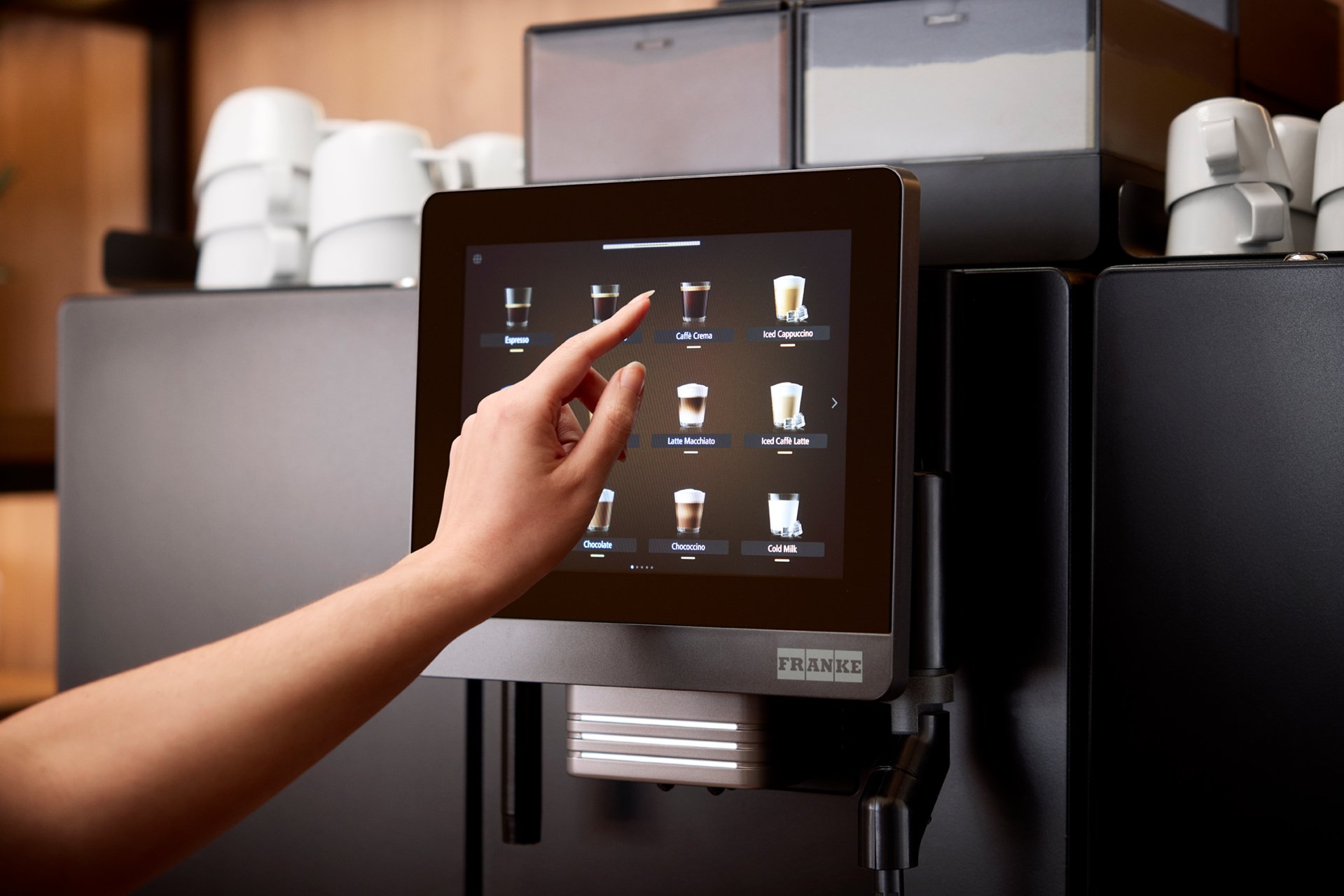
How does the intuitive touchscreen interface improve speed of service and ease of use in both staff-served and self-serve environments?
Franke’s automatic coffee machines thrive in all hotel environments, from staff-operated behind the bar to self-serve for guests at breakfast. The touchscreen operator panel, available in a range of sizes up to 12.1”, keeps things simple through customisable menus, clear visuals, and minimal steps to create the perfect drink.
Drinks can be positioned strategically on the menu, with popular guest options on the top row or front page, followed by seasonal and specialty choices that aren’t ordered as frequently. The touchscreen can also play adverts during drink preparation, promoting the hotel brand’s message while reducing the perception of wait time.
As for machine maintenance, the touchscreen operator panel removes any guesswork. Visual alerts appear on-screen to keep staff in the loop, from refilling the bean hopper to emptying the grounds container.
In what ways does the system support evolving drink trends, such as plant-based options, syrups, and matcha, through its modular add-ons?
Consumer trends are always on the move, requiring hotel operators – and their equipment providers – to be flexible and adapt. It’s why Franke’s automatic coffee machines are modular by design, compatible with different add-on units to meet guest preferences.
Take plant-based milks, now firmly mainstream and an expectation among many hotel guests. Franke coffee machines are available with dual-milk fridges, instantly doubling the number of options from a single piece of equipment.
As for the growing demand for flavoured lattes, alongside matcha and chai? Our add-on range features flavour stations and extra powder units, making any type of drink possible – no matter how bespoke it might be.
The perfect automatic coffee machine awaits
Email Jonathan.Hargreaves@franke.com to learn more.