

Luxury Travel Trends in China White Paper
DONG Luxury Collection and Dragon Trail International have published the Luxury Travel Trends in China White Paper, a unique and in-depth analysis of the Chinese high-net-worth individual (HNWI) travel market. The white paper was first released at the 9th edition of DONG Connection Event on 16 April 2026 in Sanya, China. Dragon Trail will hold a webinar to introduce the report’s key findings on Tuesday, 12 May 2026 at 9am BST (register here).
───────────────
This first-of-its-kind white paper is based on surveys of more than 200 Chinese HNWIs, 200 luxury travel agents, and 200 luxury hospitality partners – primarily from hotels and resorts, with additional representation from the cruise industry and tourism organizations. Survey data was enriched with in-depth interviews with senior executives from the hotel and cruise sectors.
━━━━━━━━━━━━━━━━━━━━
The white paper introduces the Chinese high-net-worth traveler segment, with an overview of the market and in-depth exploration of who these travelers are, what they value the most, their preferences, their motivations, and their desires for the travel experience. We see where they are going, when, for what purpose, and how they book their trips.
Analyzing the key decision factors behind Chinese HNWIs’ travel, the white paper offers insights on how to build brand reputation, balance personalization with privacy, adapt services to cater specifically to the Chinese market, and deliver the full travel and hospitality experience these travelers are seeking now – including cultural experiences, destination trends, and wellness products.
Our research also shines a light on how to navigate new developments for the market, including the best ways to deploy new technologies like AI, and how to increase sustainability in a way that enhances rather than diminishes the luxury travel experience.
With a focus on the hotel and cruise landscapes, the white paper offers particular value to the hospitality industry, but provides timely insights for anyone hoping to effectively and successfully engage the valuable and highly competitive Chinese luxury travel market.
━━━━━━━━━━━━━━━━━━━━
10 Key Findings from the White Paper
━━━━━━━━━━━━━━━━━━━━
1) Travel is a major spending priority
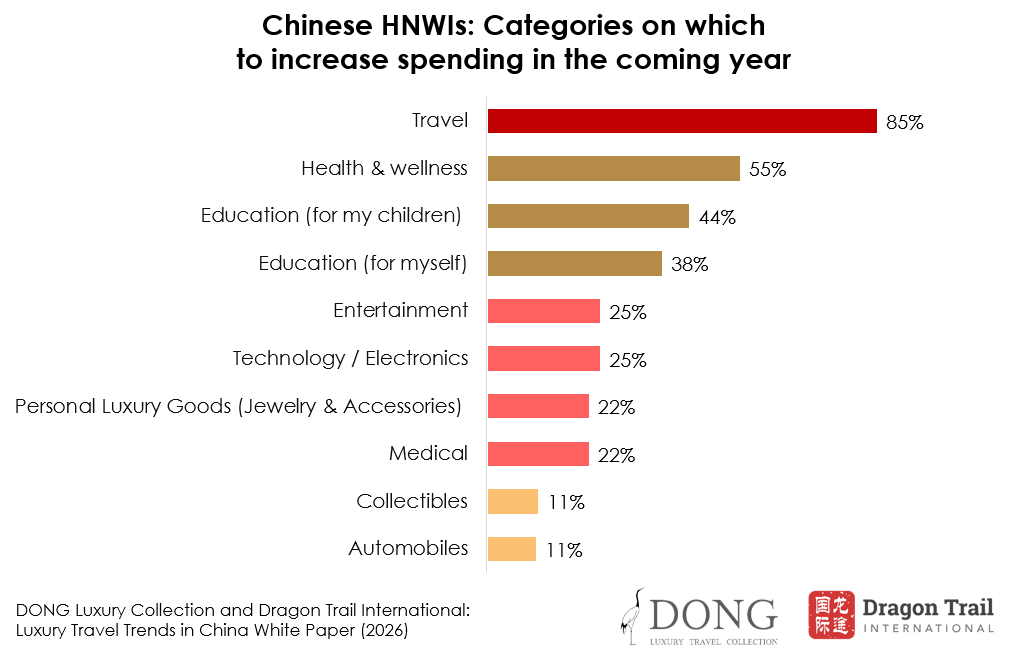
Travel is currently a significant spending priority for Chinese HNWIs. 85% of our HNWI survey respondents said they planned to increase their spending on travel in the coming year, followed by health and wellness – chosen by 55%, and children’s education – chosen by 44%.
───────────────
2) Strong demand for international travel
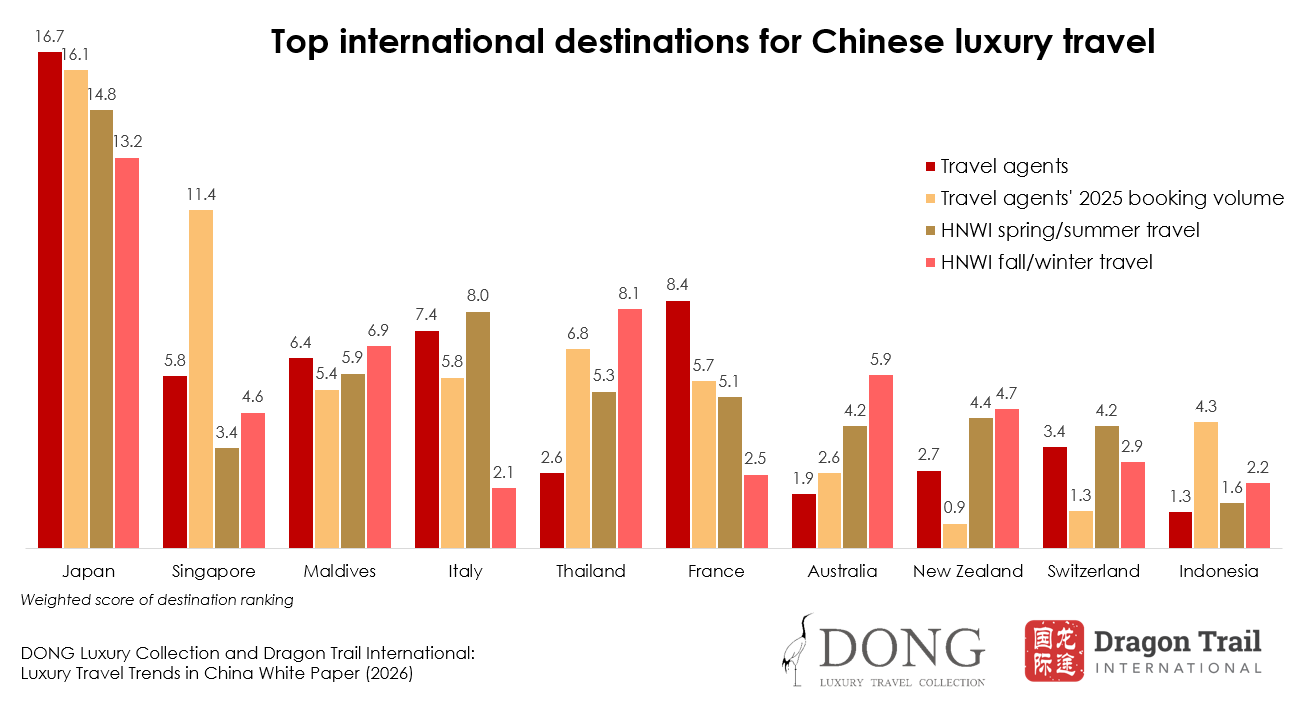
Chinese HNWIs exhibit strong demand for international travel, with nearly half (49%) saying they prefer it over domestic travel, and just 8% saying they would rather travel domestically. Ranking international destinations based on survey responses from both HNWIs and luxury travel agents, Japan is the stand-out leader, followed by Singapore, the Maldives, Italy, Thailand, France, Australia, New Zealand, Switzerland, and Indonesia.
───────────────
3) Authenticity and cultural experiences matter
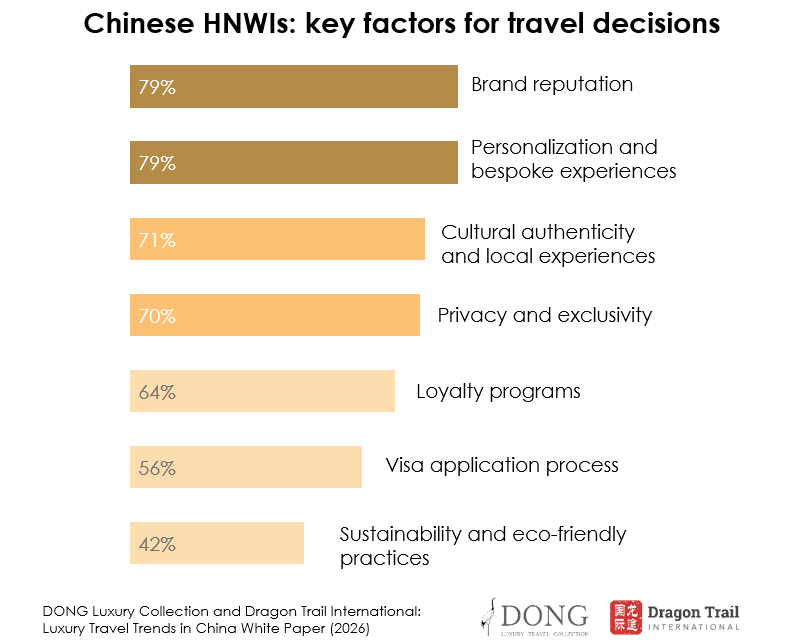
Authenticity has been a major buzzword for young Chinese travelers in the post-pandemic era, while demand for in-depth cultural experiences has also risen as the market looks beyond traditional sightseeing and shopping-focused itineraries. 71% of HNWIs in our survey said that authentic cultural experiences were important to them when traveling. An even greater proportion (77%) said they were willing to pay a premium for unique, once-in-a-lifetime experiences. Luxury hospitality partners mentioned experiences such as hot air balloon rides, private yacht and catamaran excursions, and Vespa sidecar tours, alongside curated local tours and unique photoshoots as highlights of what they offered.
───────────────
4) Personalization is essential
Personalization is one of the elements of travel most valued by Chinese HNWIs, with 79% saying they value personalized experiences while traveling. Luxury hospitality partners were most likely to highlight personalized amenities as the most effective personalization strategy for their Chinese HNW guests, followed by customized itineraries and bespoke activities and excursions.
───────────────
5) Privacy and exclusivity are crucial
Another majority priority for Chinese HWNI travelers is privacy and exclusivity. 70% say that privacy and exclusivity are crucial factors in their travel choices, and 75% say they value access to exclusive experiences during their travels. Privacy is particularly important for HWNIs traveling with their children or as multi-generational family groups. VIPs may choose to check in under an alias or buy out a whole floor or property. They also value private villas and private entrances, and closed-door, exclusive visits to cultural attractions as well as to shops.
───────────────
6) Human service still matters most
Attentive, warm, human service is essential for Chinese HNWI travelers, and this service needs to be localized to the Chinese market, both linguistically and culturally. Although these are experienced travelers and many will be comfortable communicating in English if needed, more than half of luxury travel agents and hospitality partners say that having Mandarin-speaking staff is either critical or very important for Chinese HNW guests, with only 5% saying this is not important.
───────────────
7) Sustainability needs stronger positioning
Our research shows that sustainable travel is a lower priority for Chinese HNWIs, and that there is work to do to communicate the value of sustainability to this market. Just 42% of HNW travelers said they prioritized sustainability and eco-friendly practices when choosing travel options, and 60% of hospitality partners said Chinese guests were only somewhat interested or not interested at all in their sustainability practices. Sourcing is the initiative that hospitality partners say resonates best, particularly with farm-to-table initiatives including on-site organic farms, gardens, and even beehives. The Chinese luxury market will want to see how sustainability enhances their stay and adds value, rather than diminishing the luxury experience or coming across as a cost-cutting measure.
───────────────
8) Wellness is an emerging growth area
Wellness is an emerging trend with potential for future growth, but Chinese HNWIs are looking for long-term wellbeing and longevity, not just relaxing spa treatments. Hotels in turn are offering “bespoke wellness journeys” and holistic approaches to wellbeing that draw upon traditional techniques and the latest wellness health tech, as well as dedicated wellness coaches. Wellness programs are created to address common concerns of HNW guests – including stress, insomnia, anxiety, and emotional fatigue – and provide solutions that they can implement into their daily lives after leaving the hotel.
───────────────
9) AI adoption remains cautious
While most Chinese HNW travelers are digitally savvy, they are still sceptical when it comes to AI. Just 30% say they are comfortable using AI-powered chatbots for travel inquiries and support, with 39% saying they are not comfortable using this technology. Many survey respondents have deep misgivings about AI and its ability to provide the warmth of human service, and see developments like chatbots and robot room service as low-budget. However, others predicted that AI will help them in the future to save time, increase customization, and potentially even arrange travel schedules and recommend destinations better than a person could. Travelers also expect that advances in technology will remove barriers from communication across languages while traveling, and make niche destinations more accessible.
───────────────
10) Continued market growth expected
There is general consensus within the travel industry that China’s luxury travel market will continue to grow. 60% of luxury travel agents expect the Chinese luxury travel market to see moderate growth over the next five years, with another 19% forecasting significant growth. Just 9% of travel agents forecast a decline in the market, with most of these (8%) predicting only a moderate decline. Luxury hospitality partners were even more optimistic. A total of 78% forecast growth, and less than 4% foresaw any decline in the market during the next five years.
━━━━━━━━━━━━━━━━━━━━
Industry Commentary
━━━━━━━━━━━━━━━━━━━━
“This research and analysis from DONG Luxury Collection and Dragon Trail is a guide for the travel industry. It goes far beyond merely understanding Chinese HNWI travelers in theory, by providing concrete examples and directions as to how to balance personalization with privacy, make sustainability luxurious, and benefit from the newest technologies. It also outlines how to best approach the Chinese luxury market through both B2C and B2B channels, with experienced and detailed advice on creating effective social media content strategies and navigating vital relationships with the Chinese travel trade,” said Sienna Parulis-Cook, Director of Marketing and Communications at Dragon Trail International and the report’s lead author.
───────────────
“Luxury travel transcends destinations – it is a pursuit of unforgettable experiences, emotions, and perspectives that stay with us. Similarly, this white paper seeks to deliver enduring value. It is the culmination of extensive research, thoughtful analysis, and valuable sources – offered as a tool to provide clear insights and actionable guidance for those interacting with Greater China, highlighting months of research and collaborative efforts to analyze trends driving the luxury travel leisure segment in this high-potential region, viewed through three key lenses: Suppliers, who redefine innovation and excellence in their offerings; Luxury travel agencies within Greater China, delivering curated experiences tailored to elite travelers; and High-net-worth individuals (HNWIs), whose evolving aspirations and preferences continue to reshape the travel landscape,” said May Wong, Co-Founder, DONG Connection Event and CEO, DONG Luxury Travel Collection.
━━━━━━━━━━━━━━━━━━━━
The Luxury Travel Trends in China White Paper is available (for free) to the public at https://www.dragontrail.com/resources/blog/china-luxury-travel-white-paper-2026.


IRIS partners with Global Hotel Alliance to bring Mobile Ordering and Digital Guest Experiences to hotel brands worldwide
World’s leading alliance of independent hotel brands to offer global portfolio access to market leading digital ordering and guest directory solutions
IRIS, the global market leader in digital F&B and guest experience solutions for hotels, today announces its strategic partnership with Global Hotel Alliance (GHA), the world’s largest alliance of hotel brands representing over 50 brands in 100 countries.
Under the new agreement, GHA hotel brands will have access to IRIS’ digital F&B ordering, Guest Directory and Mobile Concierge platform that enables hotels of all sizes to increase ancillary revenue, enhance the guest experience and improve operational efficiency.
As guest demand for mobile ordering accelerates, IRIS’s offer to GHA’s member hotels is a flexible and convenient 24/7 digital experience for guests and staff, whilst empowering operators to unlock new revenue streams without increasing labour demands or operational complexity.
With the ability to scale on demand and implement a unified, multi-lingual platform across groups and multi-brand portfolios, IRIS makes it easier and faster for guests to browse, order and pay for items and services across multiple outlets. Its suite of solutions addresses the current challenges of low F&B spend, time-consuming manual ordering, staff constraints and service friction, as well as increasing guest expectations for a contactless experience.
As part of the new partnership, which is effective immediately, IRIS’s platform is available for integration with GHA’s global portfolio, providing the framework for member hotels to execute and deploy these digital solutions within their own operations.
Commenting on the partnership, Folker Heim, COO, Global Hotel Alliance, said, "We are seeing a steady rise in demand from our hotel operators for mobile technology that improves both guest satisfaction and revenue. As the hospitality industry changes rapidly, it is vital that the tools we provide serve guests effectively while meeting operational and financial goals. Our partnership with IRIS is central to our strategy of giving our member hotels access to the advanced digital solutions they need to scale and succeed."
Graham Rushin, VP Sales and Marketing at IRIS added, “GHA is a dynamic organisation with a growing portfolio of independent hotel brands. Being selected as a strategic partner not only validates the importance of mobile ordering in terms of both operations and commercial performance, but also recognises the valuable role IRIS can play in providing a consistent, seamless guest experience across a hotel group.
“We look forward to working closely with the GHA team and their member hotel brands to support them achieving their ambitions for growth.”
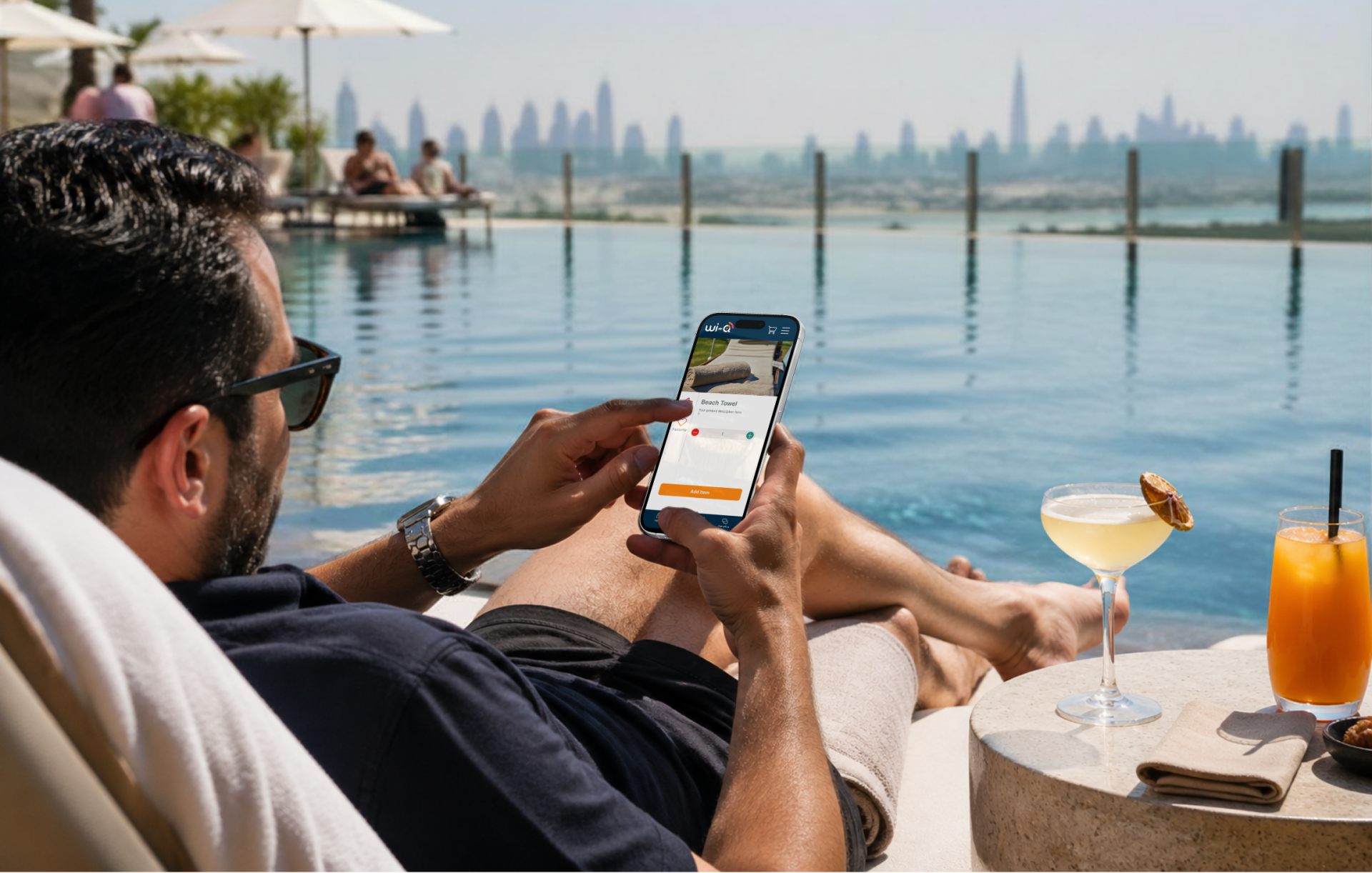
Turning Down the Heat
Summer is just around the corner, bringing with it a big influx of guests all looking for an impeccable stay at your hotel.
From reception to food & beverage, housekeeping and spa, in just a couple of months’ time the pressure will really be on to deliver a seamless hospitality experience.
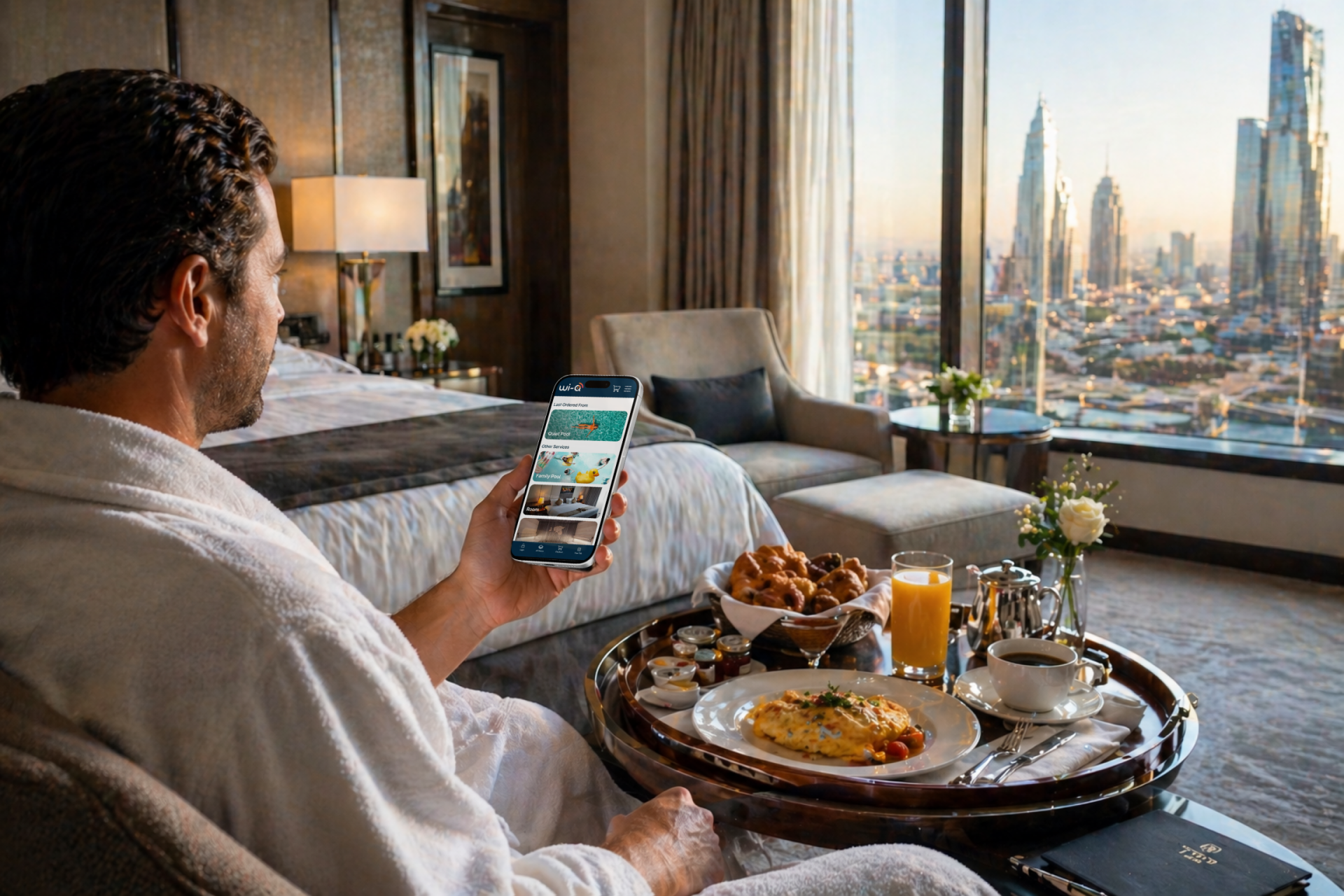
Partnering with wi-Q in readiness for the season is one way of taking the pressure off teams and ensuring a happy summer for guests and staff alike.
Using wi-Q mobile ordering and payments across a hotel venue has proven to result in a 35% increase in average order volume, as guests enjoy the convenience of having everything available at the touch of a button on their own device.
For example, when it comes to using our room service solution, guests simply use their phone to scan a QR code in the room, which then takes them to the food and beverage menus.
Because wi-Q integrates with the PoS, they can then order their food and drink and pay for it straight away using their preferred method, or charge it to their room.
As well as being able to view all the menus in their chosen language (27 are available) - and even see detailed information about each dish such as spice level and calories - they can filter by dietary requirement or food preference (such as ‘fish only’), and make requests such as ‘cook medium-rare’ or ‘without sauce’.
Using mobile ordering for room service often leads to a higher spend per head (wi-Q’s data shows an increased average order value of up to 30%) as subtle upsells are offered at various points along the customer journey.
And it’s not only F&B menus that guests can view by scanning the QR code in their room: wi-Q has recently added a Guest Directory feature, enabling hotels to present information like check-out times, Wi-Fi codes, gym and spa details, meetings and events information, and even include links for bookings (leading to further upsells), and ‘contact us’.
The Guest Directory can also be linked to the hotel’s housekeeping management system, enabling guests to easily order free items like extra towels or a toothbrush.
Experience shows that the more mobile ordering is deployed across a venue - such as in restaurants, bars, poolside and beach - the more guests become used to it and, therefore, the spend per head rises.
Guest satisfaction scores also see a rise, particularly in areas like the pool and beach where the pain point of trying to track down a server while relaxing on a lounger is eliminated through mobile ordering.
Of course, not only does this create a more pleasant experience for guests, but it saves teams having to walk great distances in the summer heat to take people’s orders; it also saves operators money, with wi-Q clients reporting savings of 40% in staff costs due to the reduction in time spent taking and processing orders.
At wi-Q we’re all about enabling hotels to improve operational efficiency while increasing average order value: by achieving both of those aims, you can make sure guests and staff keep their cool this summer.
For more information or to arrange a demo visit: https://www.wi-q.com/
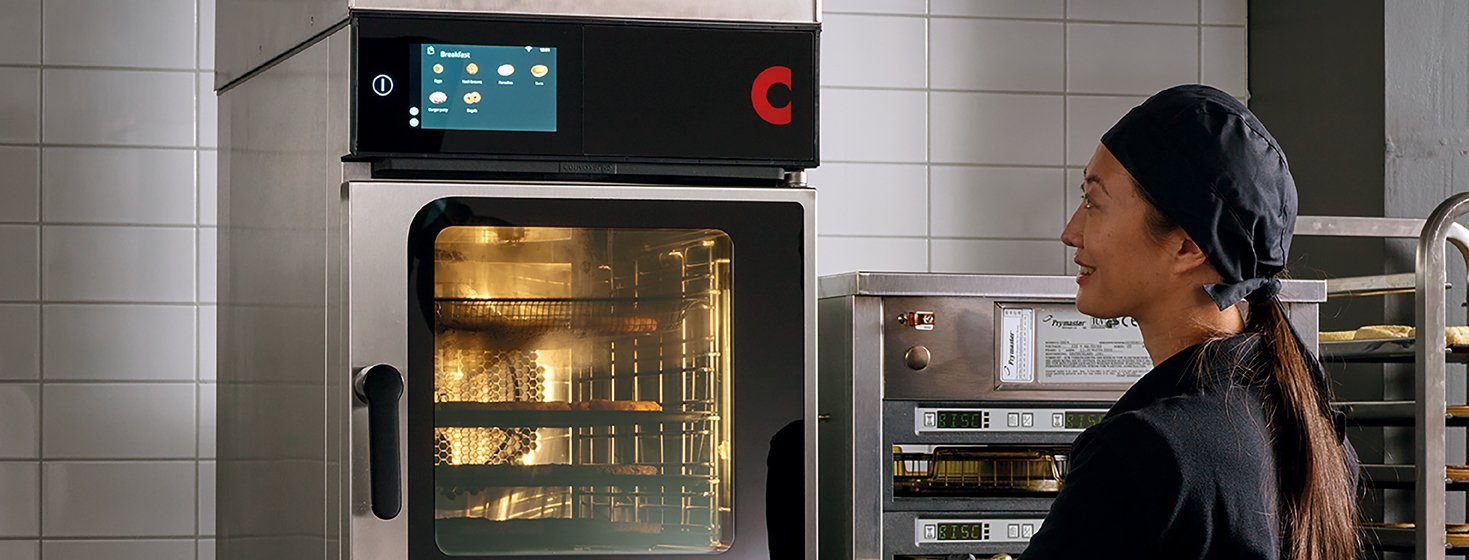
Checking in on Hotel labour challenges – how the right kitchen equipment can be the solution
As labour shortages, skills gaps and rising costs continue to reshape hotel operations, foodservice teams are under increasing pressure to deliver more with less. In this article, Jake Hewison, National Accounts Executive, Hotels at Welbilt UK, explores how intuitive equipment, smarter kitchen design and simplified menu strategies can help wet led hotels maintain consistency, expand service opportunities and support multifunctional teams across every daypart.
Labour challenges continue to shape decision-making across the UK hotel sector. From recruitment and retention pressures to skills gaps and rising wage costs, operators are being forced to rethink how food is delivered across increasingly complex operations while still meeting guest expectations.
The challenge is not just a shortage of people. Many hotel operations are still set up around a pre-COVID model that relied on having more skilled chefs across each service. That is no longer the reality, and in many cases there has been limited forward planning to adapt to the way teams now operate.
The focus must shift towards supporting those teams with the right equipment, processes and operational design so food delivery becomes more achievable and consistent.
Hotels also face a unique challenge in that food does not sit within one clearly defined department. Breakfast, bar, night and events teams can all be involved at different points in the day, often with very different levels of experience. That makes simplicity, consistency and safety critical if standards are to be maintained.
In reality, multifunctional teams are now the norm across many hotel groups. That brings opportunity, but also pressure. Where systems are not set up properly, it can lead to inconsistency, slower service and increased stress on individuals who may not have formal culinary training. As guest expectations continue to rise, often driven by social media, that gap becomes more visible.
There is also a wider wellbeing consideration here. Through my work with The Burnt Chef Project, it is clear that pressure on hospitality teams has shifted. More people are now involved in food service without formal training, often alongside other responsibilities. When systems are not set up to support them, that pressure builds quickly. Strong processes, intuitive equipment and clear training all play a role in reducing stress and building confidence.
The role of equipment here is not just about output, it is about removing complexity from the operation. When solutions are intuitive and programmed correctly, they reduce reliance on individual skill levels and allow more team members to deliver food consistently.
Space is another key factor. Many hotel kitchens were never designed to support modern, multi-daypart food offers, and back of house space is often extremely limited. It is not uncommon to see kitchens under 15 square metres expected to deliver across breakfast, bar and evening service.
This is being driven by the growth of budget and limited-service hotels, which now make up around 55% of UK rooms. These environments demand compact, high-output solutions that deliver consistently without increasing labour requirements or requiring major refurbishment.
In many cases, new equipment is simply replacing old without stepping back to review how the operation has changed. That is where opportunities are missed to simplify processes and reduce reliance on skilled labour.
When equipment is aligned to the menu and the way the kitchen actually operates, hotels can deliver the same output with fewer, better utilised pieces of kit. That might mean improving breakfast efficiency, introducing a low-complexity evening offer, or supporting room service and bar food from the same footprint.
Solutions like high-speed ovens and compact combi ovens, such as the Merrychef conneX 12 and Convotherm Mini Pro, allow teams to deliver a wide range of menu items from a small footprint with consistent results, even with limited training. The focus should always be on ease of use and repeatability.
Menu strategy plays a huge role. Hotels do not need to do everything. A smaller, well-executed menu built around repeatable, high-margin dishes will often outperform a more complex offer that slows service and increases pressure on the team.
Training will always remain important, but it becomes far more effective when supported by the right systems. When equipment removes guesswork, onboarding is quicker and standards are easier to maintain across different teams and dayparts. Suppliers also have a role to play beyond simply providing equipment, through training, menu support and helping operators adapt their offer over time.
Ultimately, the goal is to create food operations that support people, not stretch them. The most effective hotel kitchens are not the biggest or most complex, they are the ones designed around simplicity, consistency and the realities of the teams delivering the food day to day.
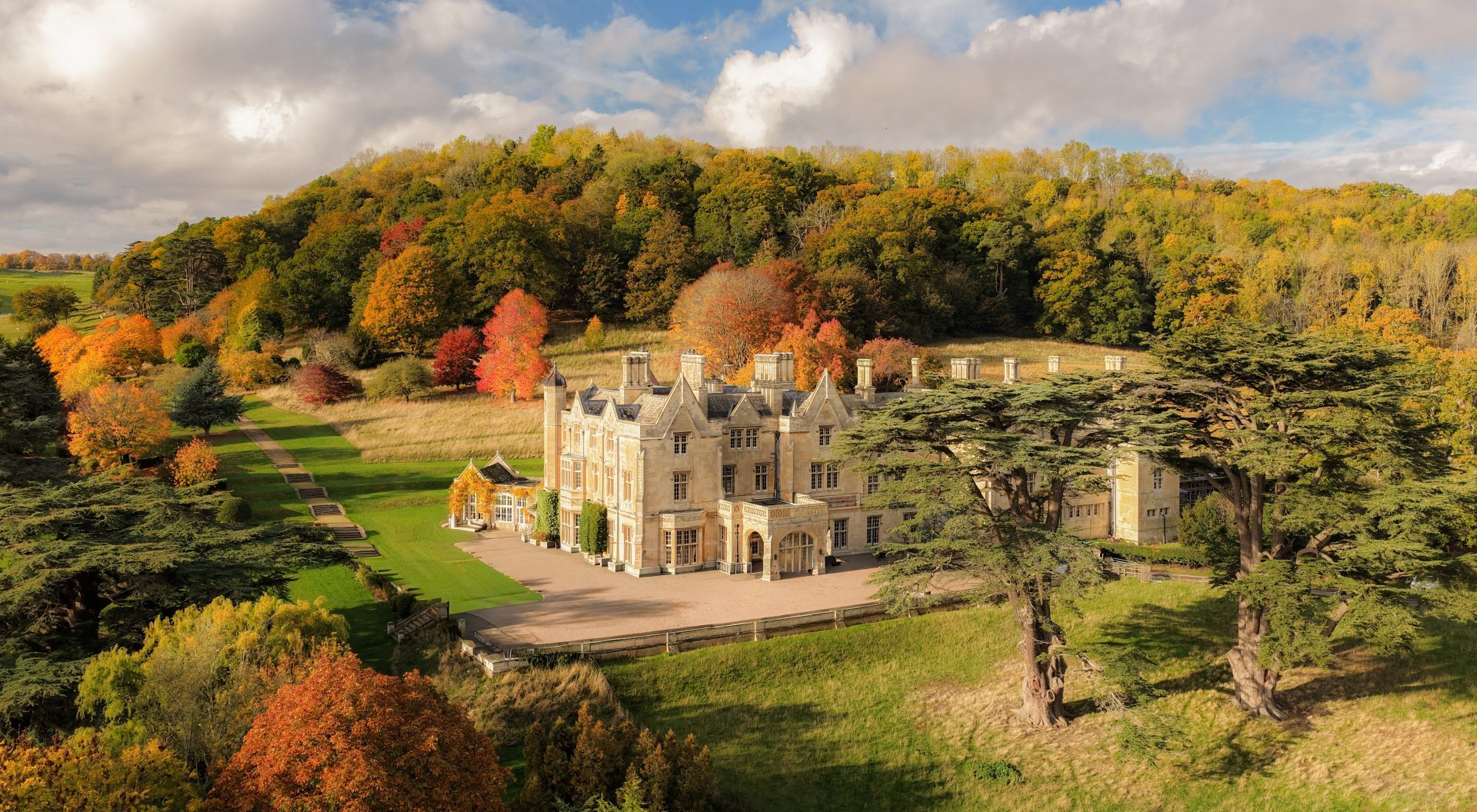
Dumbleton Hall: A Return to Life Lived Grand

A new chapter for the Cotswolds hotel as it unveils an extensive refurbishment
Dumbleton Hall opens its doors following a meticulous two-year restoration under new ownership, returning the historic Grade II* building to its former glory as an elegant country manor. With interiors shaped by its storied past, locally sourced food and an inviting and convivial atmosphere, the newly refurbished hotel offers guests a quintessential English countryside stay.
Located in North Cotswolds, Dumbleton Hall sits within a beautiful 16-acre estate, framed by ancient cedar trees and overlooking a tranquil lake, walled gardens, rolling hills and sweeping woodland. Broadway and Winchcombe are just minutes away, whilst a network of ancient footpaths link to numerous charming Cotswold villages.
The Design: A Tribute to Its Past
Built in 1830, Dumbleton Hall has long flourished as a salon of intellect and creativity, animated by conversation, conviviality and laughter. Founded by the Holland family, it welcomed renowned figures such as Elizabeth Gaskell, Charles Darwin and Charles Dickens. Under the Eyres-Monsell family, it continued to attract notable guests including the Mitford sisters, John Betjeman and Patrick Leigh Fermor, while Eyres-Monsell himself, later First Lord of the Admiralty, hosted influential politicians and diplomats. During the Second World War, it housed the Women’s Land Army before later becoming a hotel.
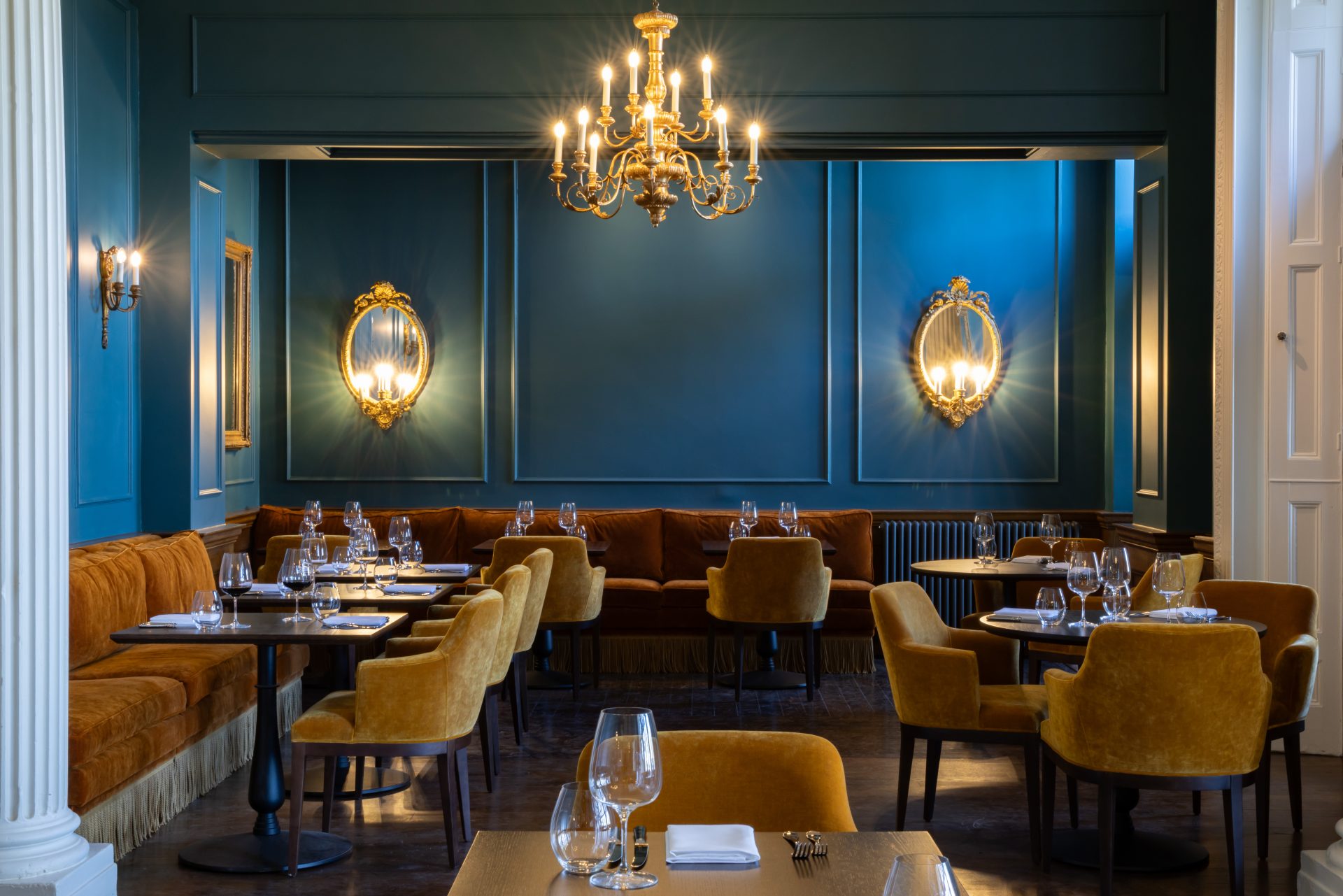
In homage to its historic grandeur, Dumbleton Hall has been thoughtfully restored, blending heritage with a renewed sense of English elegance. The design draws on the refinement of the Belle Époque and the spirited glamour of the Roaring Twenties, inviting the surrounding landscape indoors at every turn. Throughout, soaring ceilings with ornate Neoclassical cornicing, expansive countryside-facing windows, and carefully reimagined antique furnishings create a sense of timeless sophistication.
Honouring William Morris and his deep ties to the Cotswolds, iconic Morris prints sit within a palette of rich, opulent hues, layered with plush velvets and bold patterns to evoke warmth and character. Animal prints, leafy palms, and antique chinoiserie pieces pay tribute to the Eyres-Monsell family’s exotic travels, while playful curiosities and black-and-white prints lend a sense of narrative and intrigue.
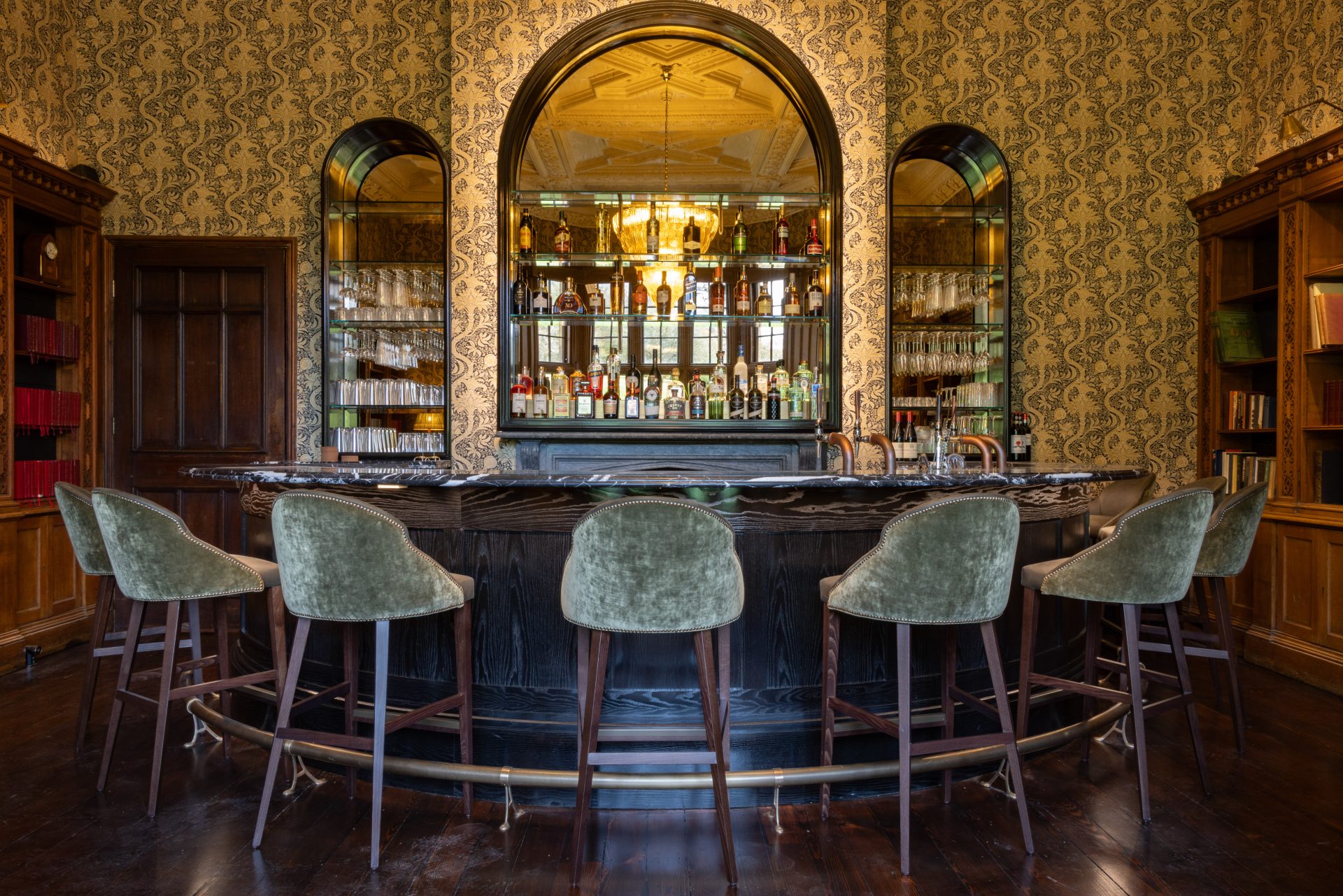
Influences of Frederic Leighton can be felt in the Library Bar, inspired by the Arab Hall of his London home, and in the presence of Flaming June, displayed in Cedar 1905 restaurant. The Drawing Room, Library Bar, and Pheasant Lounge are defined by original log-burning fireplaces and inviting corners for quiet moments. Much like a private country home, each of the 34 bedrooms and suites has been individually designed. Much like a private country home, each of the 34 bedrooms and suites has been individually designed. Floral wallpapers, soft greens, warm earthy tones, and framed bird illustrations come together to create a restful ambience.
Paul Vezolles, Proprietor, comments:
“Dumbleton Hall has been carefully restored to embody the charm of quintessential English elegance. Guests are invited to step back into the golden age of the manor house and become part of its unfolding story. We hope they feel inspired by the hall’s rich heritage while enjoying exceptional Cotswolds cuisine and the beauty of the surrounding countryside.”
 A Culinary Revival
The cuisine at Dumbleton Hall is overseen by Executive Chef, Dean Westcar and reflects the traditions of a well-run country house, rooted in the land and its seasons. Working closely with the finest Cotswolds produce, the kitchens create menus that celebrate contemporary British food, where quality ingredients are the star of the show.
The hotel’s main restaurant, Cedar 1905 serves classic British fare in elegant surroundings, framed by views of the estate’s cedar trees. Open for breakfast, lunch and dinner, the menu showcases seasonal favourites, from Cacklebean Eggs for a hearty breakfast to day-boat fresh fish and estate-sourced game. A traditional afternoon tea is also served in the Drawing Room, featuring dainty sandwiches, homemade scones and an array of sweet-treats, enjoyed with views of the glorious gardens unfolding onto a charming terrace.
Styled with moody lighting, plush velvets and open fireplaces, The Pheasant Lounge exudes the glamour of the 1920s, whilst the Library Bar is a cosy salon for lively conversation, classic cocktails, fine spirits and nightcaps.
The Orangerie, set to open in August, will complete the dining offering. The intimate fine-dining restaurant will serve an innovative tasting menu, from the open kitchen.
The Gem of the Cotswolds
Set within an estate surrounded by the gentle rolling hills of the Cotswolds, Dumbleton Hall offers unrivalled access to nature, allowing guests to restore a sense of wellbeing. The surrounding gardens have been designed to reflect traditional manor house landscaping, featuring manicured parterres, topiary, and sun-drenched terraces, as well as a walled kitchen garden and orchards.
Within close proximity to Stratford-upon-Avon and Cheltenham, Dumbleton Hall is well positioned for those looking to enjoy both country pursuits and culture alike. Guests can embark on walking routes along the Winchcombe Way which passes beside the hall linking to the Cotswolds Way, browse Broadway’s boutiques, take part in horse-riding, discover the Cotswolds Lavender fields or visit Hawkstone Brewery for a tour and tasting.
Rates: from £380 per night based on a B&B basis for two people including taxes & fees

Evac+Chair pledges support for premises preparing for Martyn’s Law
As the Terrorism (Protection of Premises) Act 2025 approaches implementation, Evac+Chair, the original manufacturer and global leader in emergency evacuation chairs, has pledged its support to help organisations meet their legal obligations under Martyn’s Law.
Headquartered in Solihull, Evac+Chair was established in 1982 and has become synonymous with accessibility and life safety for all. Trusted across sectors including care, healthcare, education, retail, stadiums, hospitality, government and transport, Evac+Chair’s reliable evacuation chairs are used by leading organisations including Google, Amazon, HSBC, TikTok and many more.
Driven by Figen Murray, mother of Martyn Hett, who was tragically killed in the 2017 Manchester Arena attack, Martyn’s Law received Royal Assent on Thursday 3 April 2025. It has been introduced to strengthen protective security and organisational preparedness across the UK and requires those responsible for certain premises and events to consider and plan how they would respond to a terrorist attack.
Since Section 27 came into force in April 2026, the Home Office has published statutory guidance under the Act. This clarifies which organisations fall within its scope and clearly outlines their responsibilities in the event of a threat. When Martyn’s Law comes into force in April 2027, public premises and events with a capacity greater than 200 will have to meet defined security requirements, including measures relating to safe entry, ticketing and evacuation.
As organisations prepare to comply with Martyn’s Law, Evac+Chair will play a vital role in helping organisations strengthen their emergency response plans by supporting them with evacuation and invacuation solutions, training, and ongoing maintenance.
Claire Blakemore, Managing Director of Evac+Chair said:
“Martyn’s Law places a renewed focus on preparedness, and supports our mission to ensure that everyone has a safe route to escape in an emergency.
From delivering complimentary evacuation assessments to supporting premises to understand the right evacuation equipment for their needs, we are committed to helping organisations prepare with confidence as they strengthen their security and resilience.”
In addition to Martyn’s Law, Evac+Chair helps organisations meet their legal obligations under the Regulatory Reform (Fire Safety) Order 2005, as amended by the Fire Safety Act 2021 and the Equality Act 2010.
For more information, visit:
Victory Group Acquires Iconic Cameron House on Loch Lomond
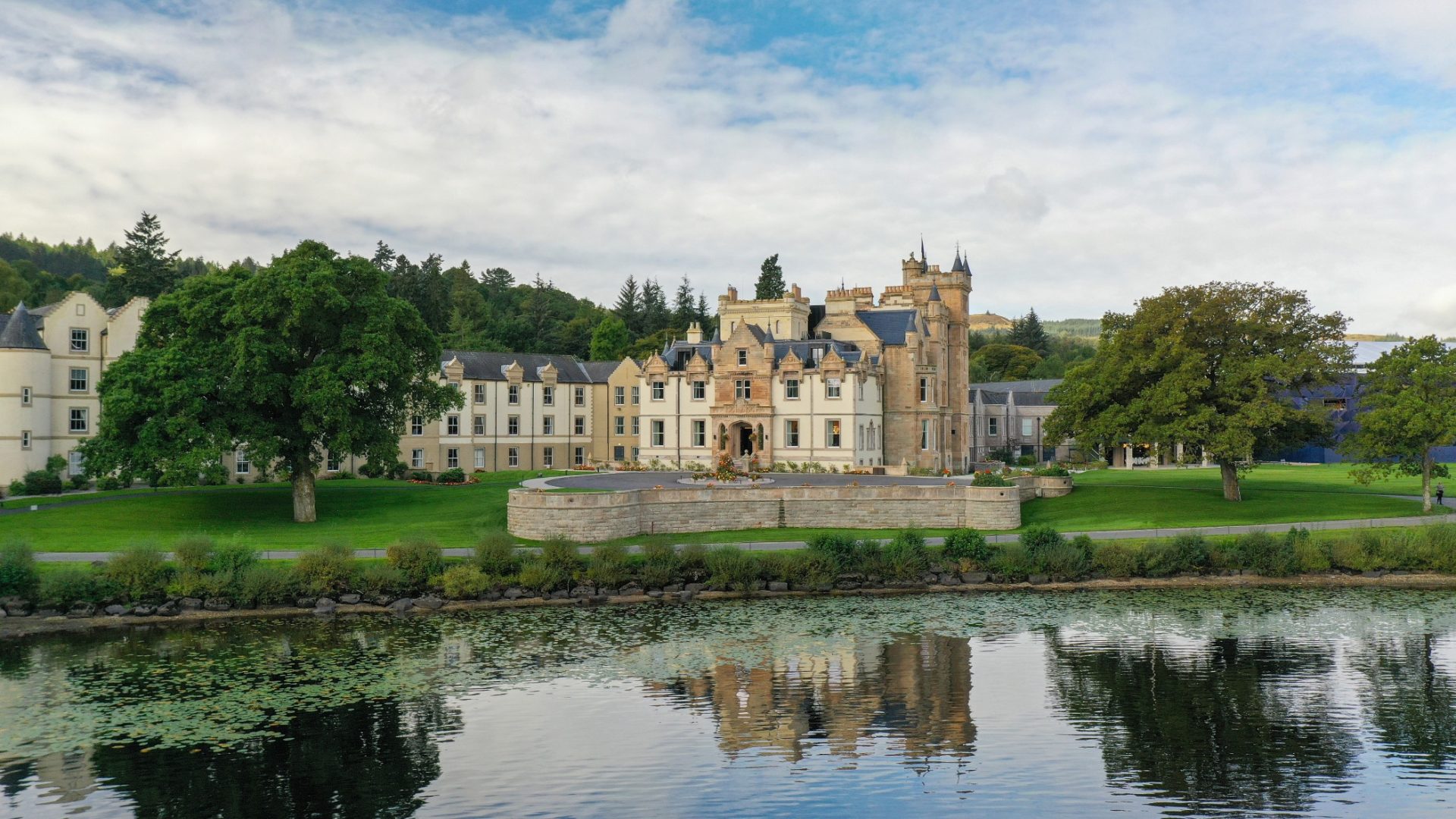
Victory Group today announced that they have acquired Cameron House, Loch Lomond, Scotland, the iconic luxury resort on the banks of Loch Lomond.
The purchase will further develop their portfolio in prime hospitality and real estate, marking their first acquisition in Scotland. Cameron House is a historic 17th‑century estate set within an exceptional natural landscape at the gateway to the Highlands, with a long‑standing international reputation for luxury and legendary Scottish hospitality. It was recently recognised as the 5th best resort in Europe by the Condé Nast Traveller UK Readers’ Choice Awards 2025.
It joins Victory Group’s growing collection of world‑class hospitality assets across Western Europe, including the Fairmont Grand Hotel Geneva, the largest five‑star hotel in Switzerland, reinforcing the brand’s conviction in exceptional hotels in globally significant locations and their commitment to long‑term stewardship and active management of landmark assets.
Victory Group founder Erik Moresco commented:
“Cameron House combines breathtaking beauty, heritage and luxury. We are excited to be entering the Scottish market and continue to see the UK as a compelling environment for long‑term investment.”
PRESENTING NOW & THEN: A CURATED CELEBRATION OF BRITAIN’S HERITAGE AND MODERN CRAFT
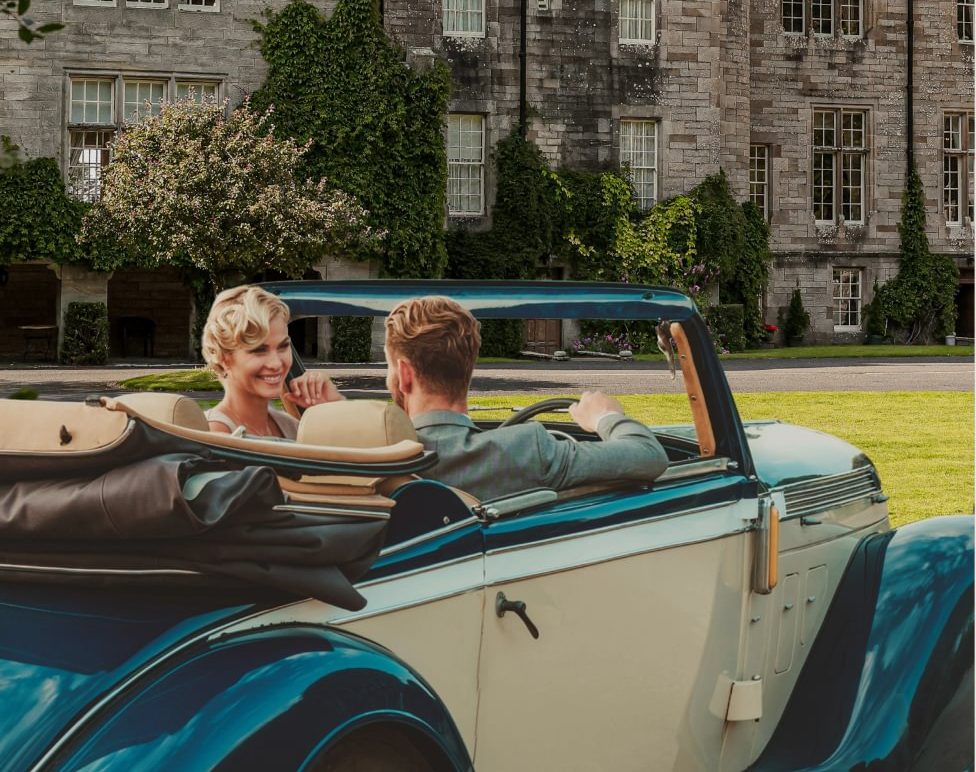
PoB Hotels, the collection of Britain’s finest independent hotels, presents its 2026 ‘Handle’ theme, Now & Then: a delightful journey through history, with a twist. Here, the past is more than a memory; it’s a feeling, vividly brought to life in the present.
Now & Then creates a dialogue between eras, where timeless stories and contemporary moments intertwine. At PoB Hotels, history isn’t simply preserved - it’s lived. From ancient tales and striking architecture to enduring traditions and masterful craftsmanship, every detail reflects a rich heritage.
In celebration of Now & Then, PoB Hotels presents Meet the Makers, a collection of intimate, immersive experiences running throughout the year, where craftsmanship and storytelling come together.
The inaugural gathering on 21 May features renowned chef Tom Brown, whose eponymous restaurant at The Capital Hotel in Knightsbridge earned its coveted Michelin star in February, less than a year after opening. Tom and his team will host alongside guest speaker Paul Beavis, CEO of Wild Idol, producers of hand-crafted, naturally alcohol-free wine, for an intimate afternoon of food, conversation and discovery.
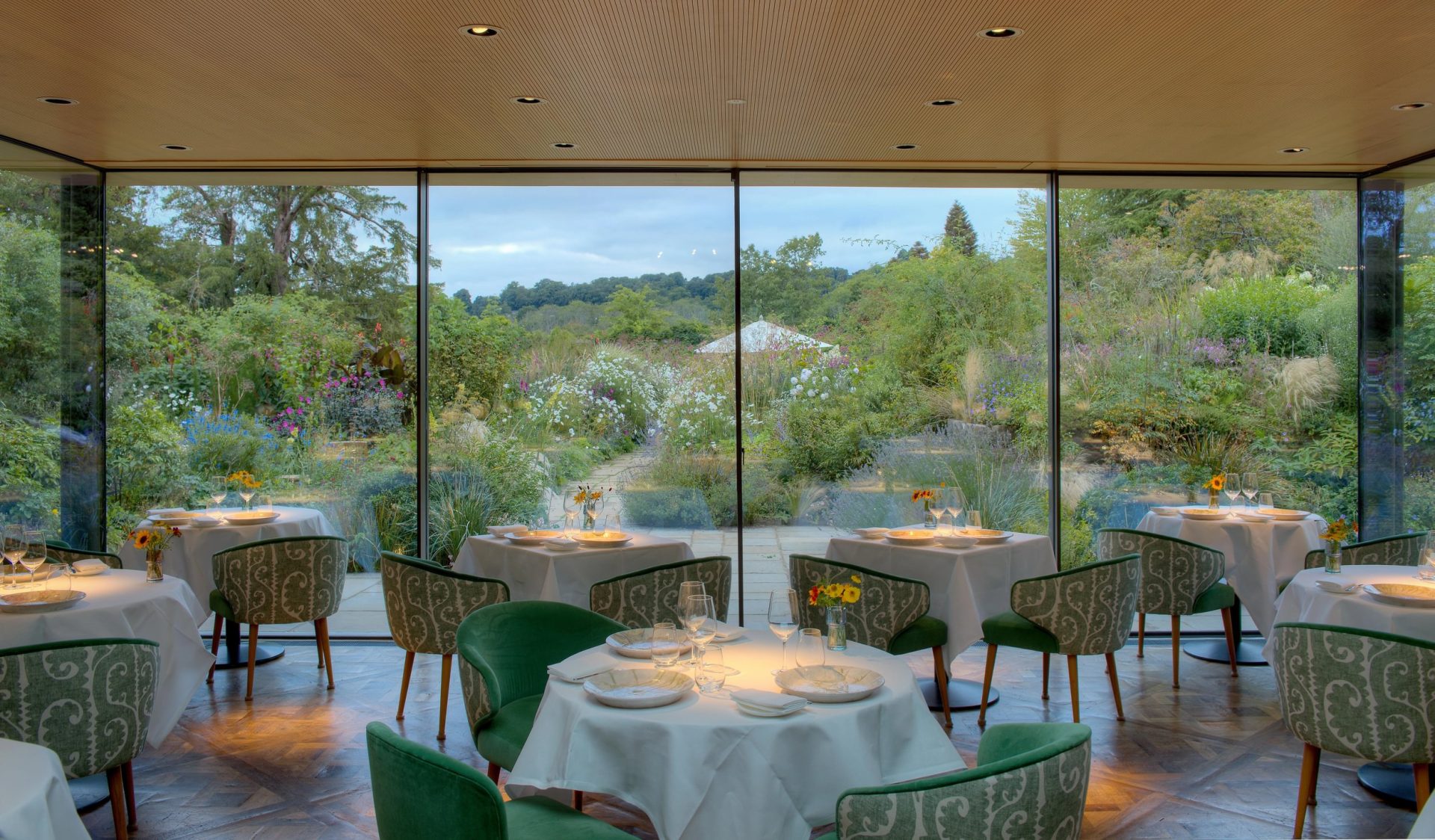
With capacity limited to just 26, Tom Brown at The Capital will be reserved exclusively for the occasion, creating a relaxed and immersive setting where guests can, quite literally, ‘meet the makers’.
For the lunch, Brown will create a three-course menu reflecting his signature style: precise, produce-led cooking with seafood at its heart. Dishes will be paired with Wild Idol’s alcohol-free sparkling wines, including its elegant White and delicate Rosé. Crafted using traditional winemaking methods from carefully selected grapes such as Müller-Thurgau and Merlot, these offer a sophisticated alternative to traditional sparkling wine.
Attendees will receive a specially curated goody bag, offering a thoughtful takeaway from the day, including an exclusive stay offer for guests wishing to extend their experience overnight at the hotel.
Taking place during the week of the Chelsea Flower Show, the lunch is well timed for those visiting the city for the globally renowned horticultural event, held just a short distance from the hotel. It also reflects The Capital’s long-standing appeal among the exhibition’s attendees.
This gathering marks the beginning of a wider Meet the Makers programme across PoB Hotels, bringing a calendar of thoughtfully curated occasions to some of the collection’s most characterful settings.
On 8 September, Gravetye Manor will host Ettinger, the distinguished British leather goods maker renowned for its craftsmanship and timeless style. Present at the lunch will be a live embossing machine, while an Ettinger expert will be present to share insights into the brand’s heritage, production processes and evolution since its founding in 1934.
24 September will see Northcote welcome Lock & Co. Hatters, the historic London hatter, founded in 1676, whose heritage and sense of occasion promise a standout autumn event. Guests will have the chance to explore the craft up close with their Master Milliner, including an original Victorian head-measuring device available for those wishing to purchase on the day. The event will also include a sit-down lunch prepared by Lisa Goodwin-Allen, Executive Chef of Northcote’s Michelin-starred restaurant.
Interest in both can be registered here. Full details of further events in the series will be announced in due course, with additional updates shared on the PoB Hotels’ Now & Then page throughout the year. Tickets will also be listed here as soon as they become available,
Comments Kalindi Juneja, PoB Hotels’ Chief Executive:
“PoB Hotels has always been about character, individuality and a true sense of place, and Meet the Makers brings that to life in a wonderfully authentic way. By partnering with like-minded British brands who share our passion for craftsmanship, heritage and quality, we’re creating something that feels both meaningful and genuinely special for our guests.
“It’s an opportunity to connect more deeply with the people, stories and talent behind these brands, while experiencing them within the setting of our hotels. As part of our Now & Then series, it’s a natural expression of that balance between heritage and modern creativity, celebrating where we’ve come from, while keeping things fresh, relevant and inspiring today.”
Read the full Now & Then story in ‘The Handle’. Complimentary copies can also be ordered here.
Tickets for Meet the Makers: Tom Brown at The Capital are priced at £65 per person and are available to purchase here

SuitePad Launches Free Room Service Benchmarking Tool for Hotels - Backed by Data from 200,000+ Real Orders
New analyzer benchmarks any hotel menu against 500+ properties in two minutes. The research behind it shows a 2.6x revenue gap between top and bottom performers.
SuitePad has launched a free Room Service Menu Analyzer, a tool that allows hotel operators to upload their menu and receive a personalised, 10-category performance scorecard in under two minutes. The tool is benchmarked against first-party order data from more than 500 hotels and 200,000+ digital room service transactions collected between January 2024 and early 2026.
The analyzer is available at no cost, requires no account, and produces a specific ranked scorecard covering menu depth, revenue architecture, upsell mechanics, pricing, and five other performance dimensions. Results are delivered instantly after a hotel submits their email address.
The tool is based on SuitePad’s Room Service Benchmark Report 2026. Its key finding is simple: the top 25% of hotels generate €257 per room annually from room service, while the median reaches €99. This gap isn’t driven by location, brand, or star rating, but by the decisions hotels make around menus, pricing, and operations.
The data behind each scoring category is clear.
- Hotels that add photos to main courses see 27% more
- Including modifiers like sides and add-ons increases average order value by 29%, yet most hotels don’t use this feature.
- While 91% of hotels offering a burger receive orders for it, 29% don’t list one at
The report, and the tool, include many more insights like these.
"Most hotels have no idea where their room service operation actually stands. We built this tool because the data exists, the gaps are fixable, and hotels should not need a consultant to find them. Two minutes and you know exactly what to change."
— Moritz von Petersdorff-Campen, CEO, SuitePad
The analyzer is the fastest way to apply the benchmark data to a specific property. The full report provides the research behind each scoring category and is available for free download for hotels that want the complete picture.
*Room Service Menu Analyzer: https://room-service-analyzer-production.up.railway.app/
*Room Service Benchmark Report: https://www.suitepad.de/en/room-service-benchmark-report-2026

Andrew Stembridge to Step Down as Executive Director of Iconic Hotels & Resorts
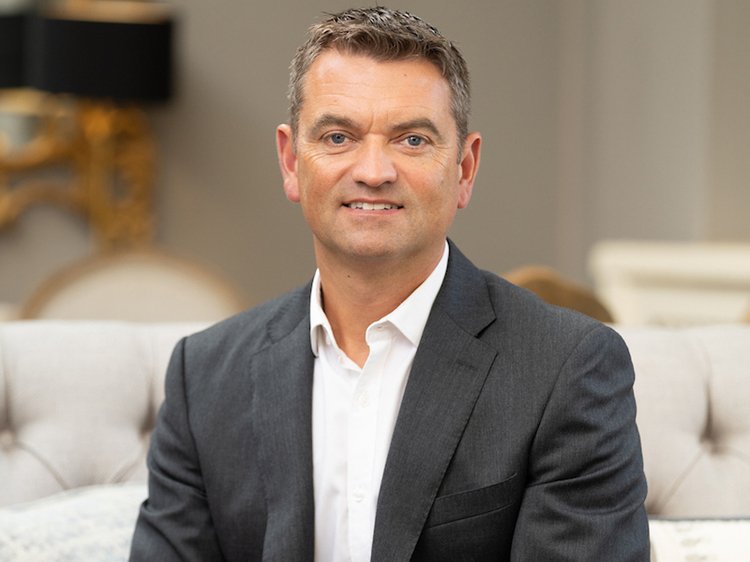
Iconic Hotels & Resorts announces that Andrew Stembridge, Executive Director, will be leaving the business late May 2026.
Andrew joined the group in 2003 and has played an instrumental role in building one of the UK’s most respected luxury hotel collections. Earlier this year, the business marked a significant milestone with the introduction of Iconic Hotels & Resorts, evolving from Iconic Luxury Hotels to reflect the group’s continued growth and ambition as a broader portfolio of distinctive properties across the UK and beyond.
Over the course of his tenure, Andrew oversaw the acquisition and repositioning of landmark properties including Cliveden House and The Lygon Arms, led the creation of the celebrated Treehouses at Chewton Glen, opened The Mayfair Townhouse and expanded the portfolio through management contracts such as 11 Cadogan Gardens and The Chelsea Townhouse.
Recognised as one of the leading figures in the UK hospitality industry, including being named Hotelier of the Year, Andrew also led the business to significant industry recognition, including the HAMA Europe Asset Management Achievement Award for The Mayfair Townhouse. Throughout his career with the group, he has been an exceptional steward of some of Britain’s most loved hotels, combining commercial discipline with a deep respect for place, people and heritage.
Cody Bradshaw, Group CEO Hotels, Iconic Hotels & Resorts said: "Andrew has been instrumental in creating something we are all enormously proud of. His passion, vision and commitment to quality have defined this collection, and his contribution to British luxury hospitality is without equal. We wish him every success in what comes next."
Andrew Stembridge, Executive Director, Iconic Hotels & Resorts: "It has been the privilege of a lifetime to work with so many exceptional people across this collection. I am enormously proud of what we have built together and of the character, quality and ambition that defines these hotels. I leave the business at an exciting moment and I look forward to seeing Iconic Hotels & Resorts go from strength to strength."