


BC SoftWear becomes a Certified B Corporation
Since April 2021, the brand has eliminated 111 tonnes of plastic across 19.2 million products, weighing more than 79 double-decker buses
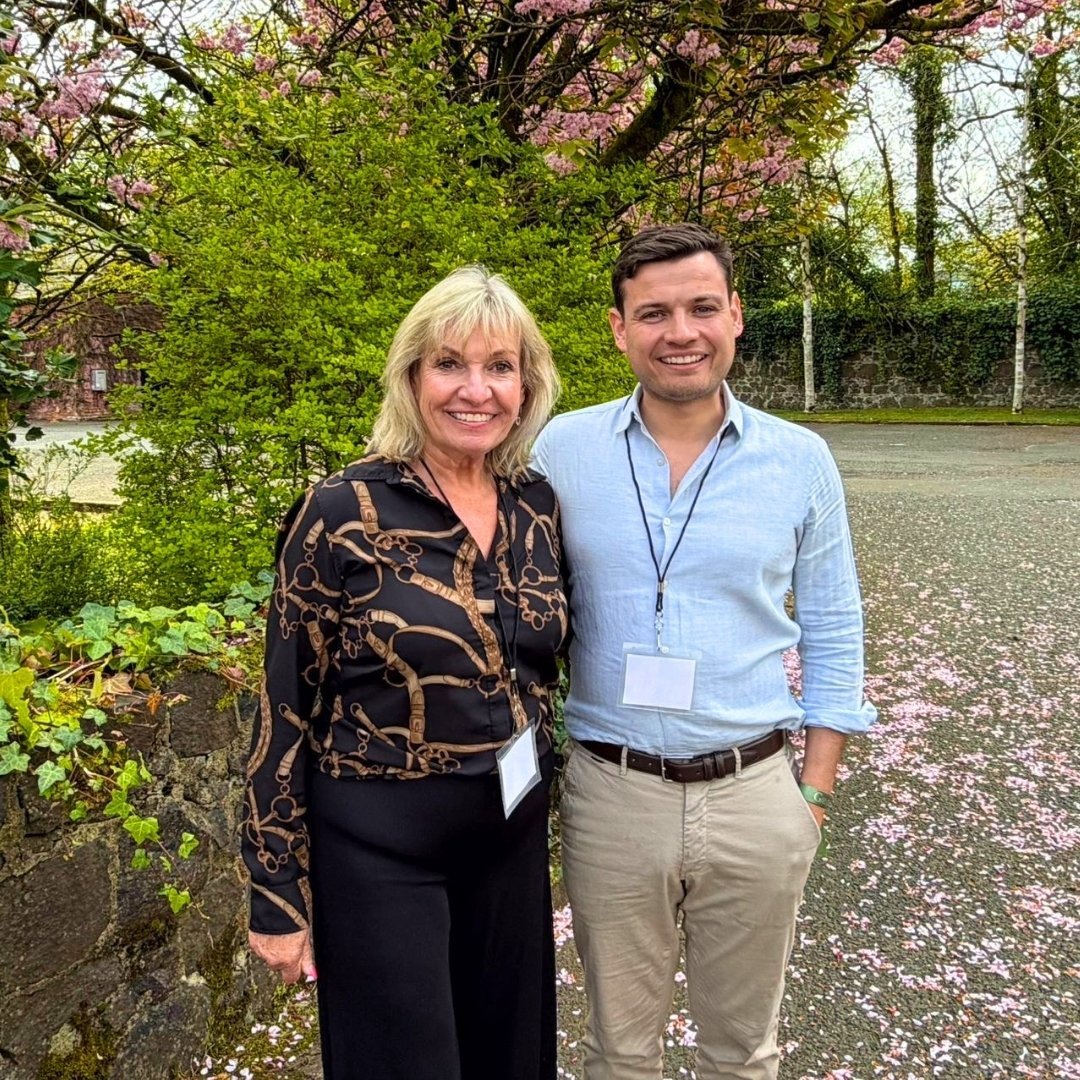
The leading UK-based textiles supplier, BC SoftWear, is now a Certified B Corp , joining the global community of more than 10,300 businesses across 103 countries, each using their influence to drive positive change.
B Corp certification recognises business that meet high standards of environmental impact, social responsibility and governance. B Corps are counted among the businesses leading a global movement for an inclusive, equitable and regenerative economy.
“When I started this business over 20 years ago, my goal was simply to create products that genuinely made a difference to the hotels, spas and teams who rely on them.
Sustainability wasn’t a trend then: our choices were about making things well, making them last and doing the right thing by taking responsibility for the impact we have along the way,” says Barbara Cooke, CEO and founder of BC SoftWear. “For us, this milestone formalises the work that’s been part of our business for years. Sustainability is central to every decision we’ve made, from creating long‑lasting, high‑performance textiles and reducing waste across our supply chain to investing in responsible manufacturing with our long‑standing production partners.”
As part of the B Corp certification process, every aspect of BC SoftWear has been assessed, from how its products are made to how the company supports its team and the customers it serves across hospitality and spa. A score of 80 qualifies a company for B Corp Certification; BC SoftWear achieved a record high of 118 points.
With a long history of considering the environmental impact of everything it does, BC SoftWear’s sustainability achievements include:
- Using corn starch or paper wraps for all footwear packaging, saving 50 tonnes of single-use plastic every year
- Removing polybags from every towel and robe supplied, saving a further 40 tonnes per year
- Replacing plastic shrink wrapping with rubber bands in the warehouse, saving a tonne of plastic per annum
- Shipping 19,164,615 individual products ‘naked’ since April 2021, eliminating 111 tonnes of plastic. Laid end to end, this alone would stretch over 6,683km and weigh more than 79 double-decker buses
- Saving 202 tonnes of cardboard thanks to a 90% cardboard box reuse rate on inbound shipments
- Saving 417 tonnes of CO₂e thanks to reduced gas consumption year-on-year (20%) plus reduced lighting energy consumption. To absorb this amount of carbon emissions naturally would require 19 hectares of mature UK woodland growing for one year – the size of approximately 27 FA-sized football pitches
- BC SoftWear is just ~13.4 t CO₂e a year from achieving Net
Cooke continues: “The B Corp process challenged us to measure our work, strengthen it and hold ourselves accountable as we grow. While the work is never finished, B Corp provides a clear framework to help us keep improving – in how we design, how we operate and how we support the industry we’re part of. This certification isn’t an endpoint; it’s a commitment to keep improving, to keep asking more of ourselves and to continue building a business that stands for something.”

Summer Above The Clouds at Shangri-La The Shard, London
Wellness, indulgence and elevated experiences in the heart of the capital
This summer, Shangri-La The Shard, London invites guests to embrace a slower, more restorative rhythm high above the city with a curated season of wellness, culinary experiences and sky-high relaxation.
From revitalising stays and restorative spa treatments to leisurely afternoon teas and swimming above the skyline, the hotel unveils a collection of experiences designed to balance vitality, exploration and indulgence throughout the warmer months.
Summer In Motion
Running from 11 May to 31 August 2026, Shangri-La Hotels & Resorts presents Summer In Motion — a global campaign celebrating a more dynamic style of travel where movement, restoration and meaningful connection exist in harmony.
At London’s highest hotel, guests are invited to stay four nights for the price of three whilst embracing wellness through a slower pace in the sky, towering above the bustling energy below.
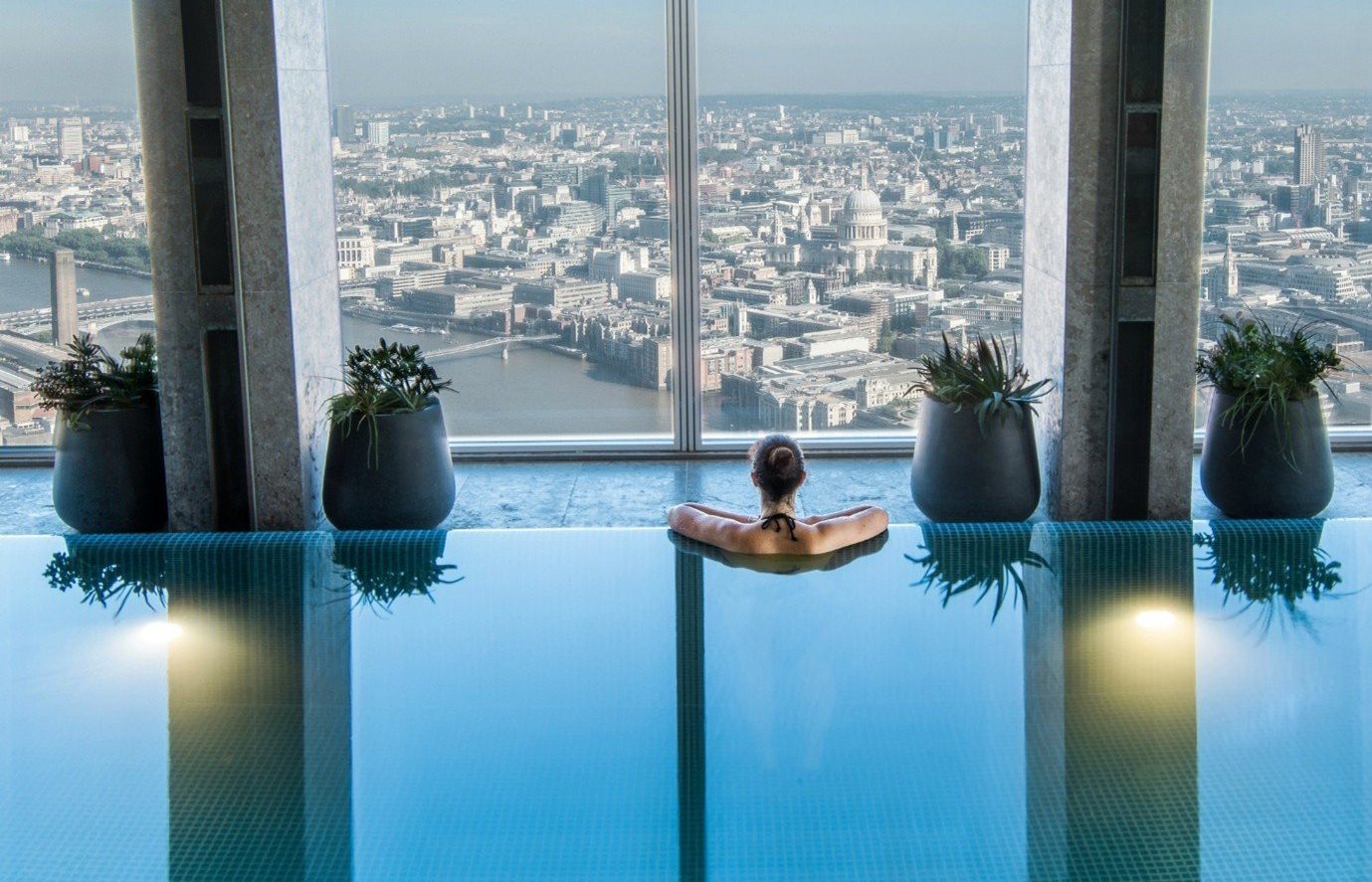
Experiences include unrestricted access to the Level 52 wellness floor, home to Western Europe’s highest infinity pool and Sky Sauna, where guests can swim overlooking iconic landmarks including St Paul's Cathedral and Tower of London.
To continue movement through the metropolis, guests can enjoy scenic Thames-side running routes and in-room guided yoga flows, while restorative Elemis treatments and personal training sessions in the Sky Gym are available to book.
Each evening concludes with a signature iced tea ritual infused with Dragonwell green tea and citrus botanicals during turndown, leaving guests refreshed and ready to embrace a new day of discovery in one of Europe’s most exciting cities.
Rates start from USD 2,832 for four nights.
A Floral Escape With St-Germain Afternoon Tea
This spring and summer, the hotel also welcomes the return of leisurely afternoons with the launch of the new St-Germain Afternoon Tea at TĪNG.
The seasonal collaboration with St-Germain captures the romance of longer days and golden-hour moments high above London’s skyline.
Served on Level 35 at TĪNG, the experience combines delicate pâtisserie and refined savouries with vibrant elderflower cocktails inspired by the freshness of the season. Floral notes, bright citrus, ripe berries and soft herbal accents are woven throughout the menu, creating an elegant celebration of spring and summer in the city.
Designed for lingering conversations and unhurried indulgence, the afternoon tea invites guests to pause, raise a glass and savour the joy of the season above the clouds.
Restorative Wellness In The Sky
For those seeking deeper relaxation, the hotel’s wellness offering includes a selection of restorative and relaxing spa experiences from Elemis.
Available to book throughout the season, treatments are designed to soothe both body and mind, providing a moment of calm above the energy of the capital. From tension-releasing massages to rejuvenating facials, the wellness experiences complement the hotel’s wider focus on mindful luxury and wellbeing-led travel.
Sky-High Swimming On Level 52
Perched high above the capital on Level 52, the hotel’s iconic infinity-edge Sky Pool offers one of London’s most extraordinary swimming experiences.
Framed by panoramic views stretching across the city skyline, guests can glide above the clouds while taking in landmarks that define the capital. Combined with the adjoining Sky Sauna and wellness facilities, the experience delivers a rare sense of serenity in the centre of the city.
Room Reservations can be made via email at reservations.slln@shangri-la.com
Dining and spa reservations can be made via london@shangri-la.com
For more information or to make reservations by phone please call the hotel on (44 20) 7234 8000 or visit the Shangri-La The Shard, London’s website here.

WOOLLEY GRANGE UNVEILS FINAL STAGES OF RENOVATIONS WITH NEW WALLED GARDEN ROOMS AND OUTDOOR SWIMMING POOL
Luxury Family Hotels is proud to announce the completion of a multi-phase restoration of Woolley Grange, the beloved Jacobean manor located 20 minutes drive from Bath. Following the initial refurbishment completed in October 2025, this final milestone sees the unveiling of the redesigned Walled Garden and the much anticipated Walled Garden Rooms, in addition to the debut of the property’s redesigned outdoor swimming pool.
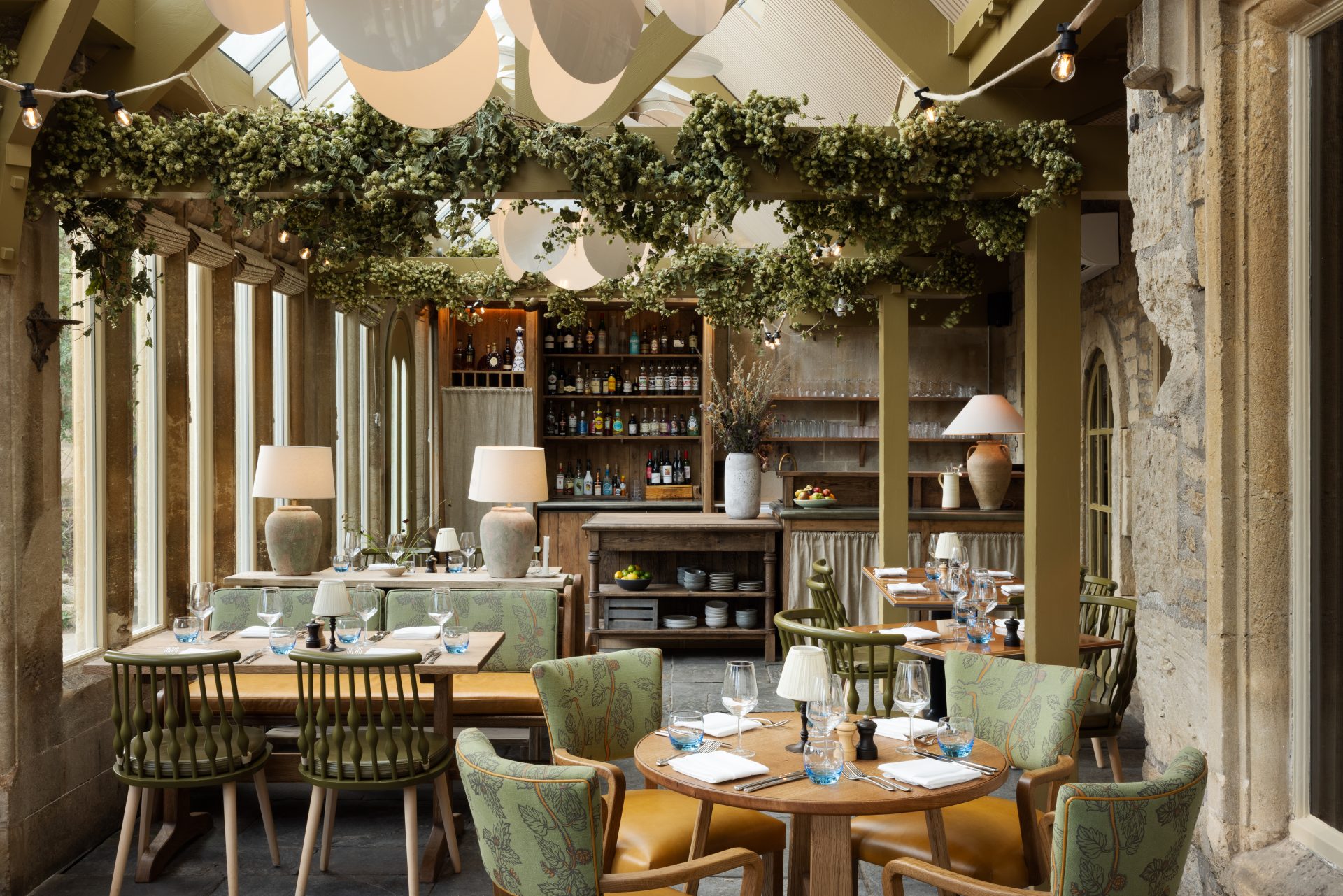
Set within the peaceful Walled Garden just a short stroll from the main hotel, the brand new Walled Garden Rooms offer a sophisticated retreat tucked within the hotel’s historic grounds. Both the Walled Garden Family Rooms and Walled Garden Double Rooms step into a fresh chapter of design, where interiors feel as considered and characterful as the landscape that surrounds them. The rooms carefully reflect the Wiltshire landscape with a palette of grounding greens, warm timbers, and rustic stone and are designed specifically with families in mind. Walled Garden Family Rooms feature cosy sleeping corners for children alongside separated grown-up spaces, striking a perfect balance between family togetherness and much needed relaxation.
Most significantly, the new Walled Garden Rooms seamlessly sit within Woolley Grange’s beautifully serene Walled Garden, which has been reimagined through the careful replanting of the beautiful flowers, plants and thoughtful landscape gardening by Woolley Grange’s dedicated horticultural team. Guests are invited to step from the privacy of their rooms into the greenery, stone pathways and the quiet charm of this enclosed space.
‘“With the growing trend of multigenerational stays and UK staycations, we’re seeing more families seeking luxury experiences closer to home” Teresa Kingston, Group Commercial Director at Luxury Family Hotels, shared. “Travel is increasingly about bringing generations together, grandparents, parents and children and that’s shaped how we design our spaces. At Woolley Grange, we’ve adapted to offer more flexibility, comfort and privacy, so families can connect while still enjoying their own space.”
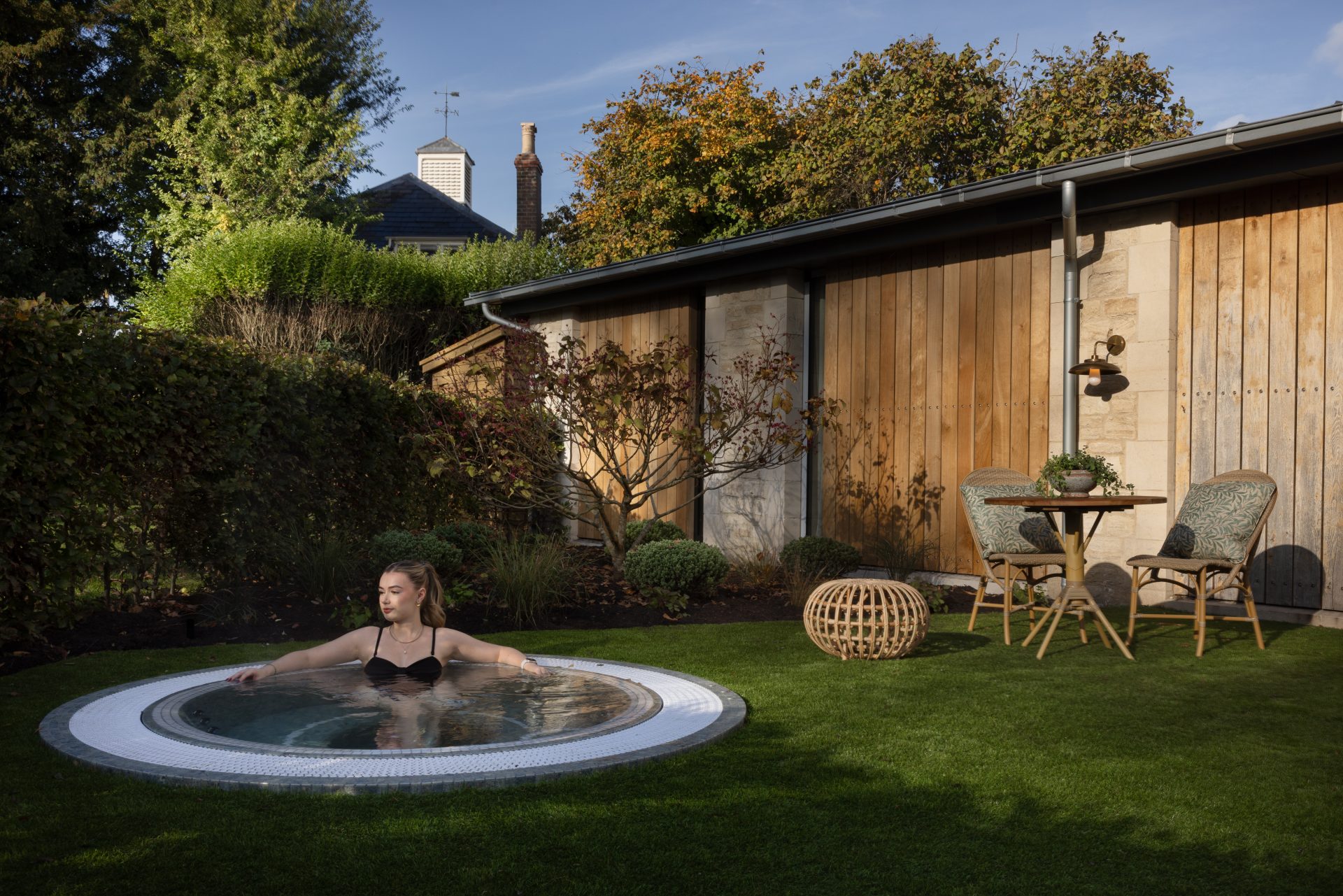
Further enhancing its summer appeal, Woolley Grange introduces the newly revitalised heated outdoor pool and lounge area, adding a sophisticated layer of leisure to the beautifully transformed gardens. Further expanding the hotel's wellness offerings to both guests and spa members, this seasonal retreat serves as an enhancement to the hotel’s spa, which already boasts a sauna, steam room and an indoor pool overlooking the historic Walled Garden. The outdoor pool creates a vibrant oasis for both outdoor activity and quiet restoration, adding a dimension of luxury to the hotel’s storied charm.
From Manhattan to Mayfair
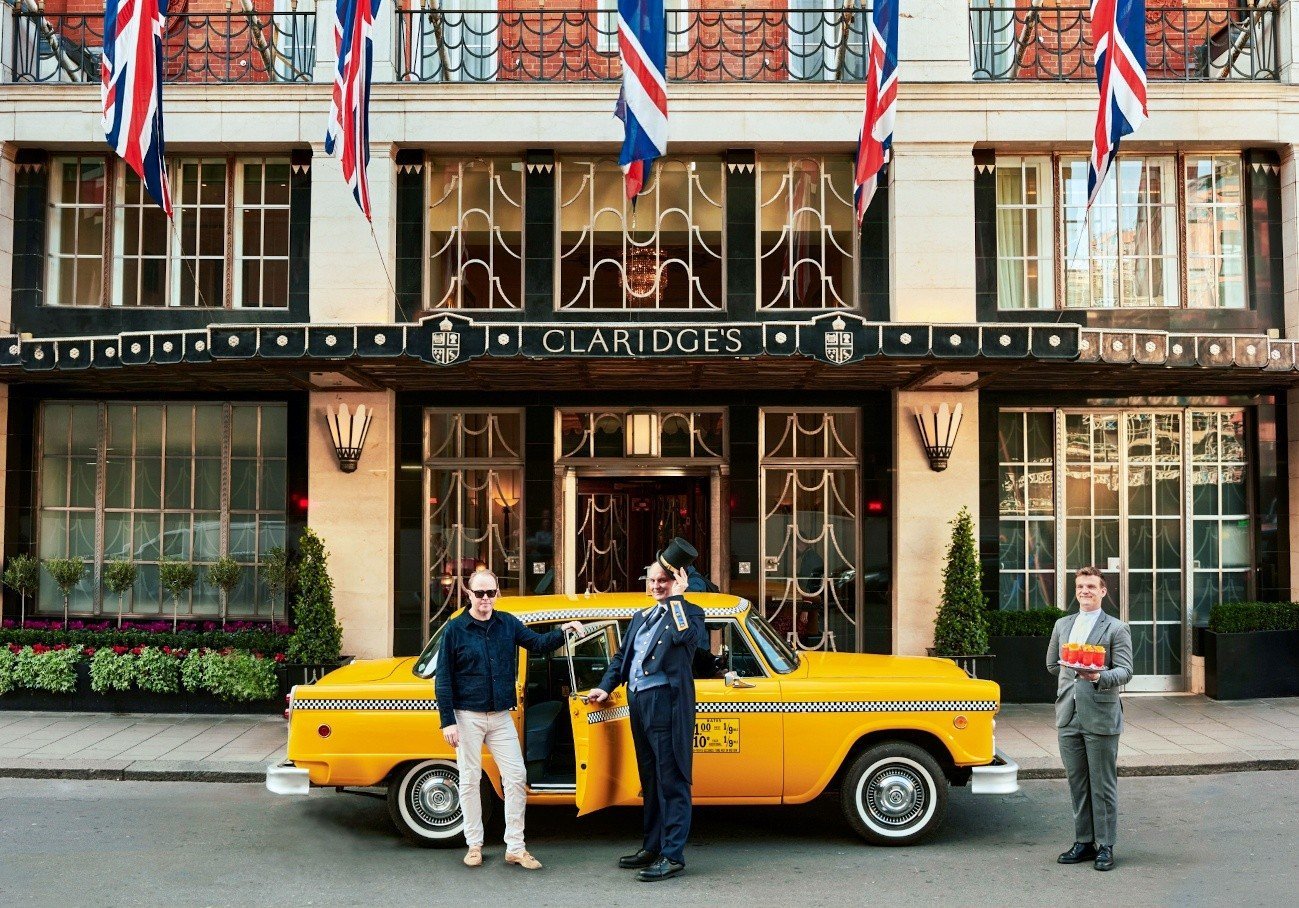
Claridge’s announces Dante Mayfair as permanent restaurant at the hotel officially opening this Summer 2026
Due to popular demand and critical acclaim, New York institution Dante - which has been in residence at Claridge’s since last year - will open a permanent restaurant and bar at the hotel this Summer. Claridge’s Restaurant closed for final service on Sunday 10th May 2026 until the middle of June when the doors will reopen, reimagined as Dante Mayfair, fully operated by legendary New York restaurateurs Linden Pride and Nathalie Hudson.
Commenting on this significant move, Claridge’s Managing Director Thomas Kochs said, “We have loved seeing the energy the team at Dante have brought to Claridge’s, and bringing the magic of Manhattan to Mayfair has truly resonated with Londoners. The goal is to make this restaurant the living room of Mayfair, a relaxed spot with great food, wonderful people and, of course, a buzzing atmosphere thanks to Dante’s signature Martini hour, and soulful live music.”
Dante co-founder Linden Pride said, “We are so proud to call Claridge’s, and London, our new home. At Dante Mayfair, we will amp up the volume on our New York roots across design, menu, and music, aiming to bring an impish sense of fun to Davies Street. That sense of a neighbourhood that Dante’s created for decades in New York? Mayfair’s about to feel it!”
The Shift From Curiosity to Urgency in Hospitality
AI is now delivering measurable operational gains across hotels, from faster guest service to higher revenue and leaner operations, and those not adopting it risk falling behind as the industry moves from experimentation to scaled implementation, said Canary Technologies President and Co-founder SJ Sawhney – we caught up with him to find out more.
Your recent report suggests AI has moved from “curiosity to urgency,” with over 60% of hoteliers saying it’s already impacting the industry or will within a year. What has fundamentally changed in the past 12–18 months to accelerate this shift, and what are hotels most at risk of missing if they don’t act now?
The most significant shift is that hoteliers now see measurable, day-to-day operational benefits from AI.
AI solutions aren’t necessarily new to hospitality — tools like Canary’s AI Guest Messaging have been on the market for several years. What’s changed over the past 12–18 months is the convergence of three trends.
First, the technology has improved significantly. AI has evolved from generating responses to agentically executing workflows end-to-end. Second, the benefits are becoming clearer. Hotels that have adopted AI are seeing tangible impacts, like faster service, more efficient operations and increased ancillary revenue.
Third, early adopters are proving what’s possible. As more hotels using AI demonstrate real ROI, adoption is accelerating across the industry. This is what’s driving the shift from curiosity to urgency. AI isn’t notional — it’s delivering results at scale.
For hotels that don’t act, the risk is broader than any single use case. The competitive risk alone is significant. AI allows hotels to operate with a level of scale and personalisation and quick responses that wasn’t previously possible. Hotels that delay adoption risk falling further behind peers that are already seeing measurable results.
Additionally, there’s margin pressure. AI is driving efficiency gains across labor, operations and revenue generation. Hotels that aren’t adopting AI miss out on these gains, the gap between adopters and non-adopters continues to widen. There’s also the risk of missed revenue opportunities, which ultimately puts pressure on profitability.
With 77% of hoteliers planning to allocate between 5% and 50% of their IT budgets to AI, how should hotel leaders be thinking about ROI - what are the most immediate wins versus the longer-term strategic payoffs?
In the near term, hoteliers realise returns from automating high-volume, routine tasks, such as answering repetitive questions like “what time is check-in”. This can lead to both higher guest satisfaction as well as operational gains. AI can help free up staff from administrative work so they can focus on in-person guest interactions. AI is connecting the dots across teams and systems as well. It can proactively prompt relevant upsells or analyse troves of data points to optimise pricing.
Over the longer-term AI investment is building the intelligence layer into the hotel tech stack. This approach extends value beyond individual use cases. The orchestration across the organisation can create net new value. The strongest implementations aren’t point solutions — they’re unlocking revenue opportunities, reducing operational friction and improving service consistency in parallel.
As AI becomes more embedded in guest communication and operations, how do you see the balance evolving between automation and the “human touch” that defines hospitality - and where should hotels draw the line?
Hospitality is inherently a people business. AI doesn’t change that. Instead, it can actually make hospitality more human.
Today, with the systems that have been built to manage and operate a hotel, much of staff’s time is spent behind screens on administrative work. Much of that work can be automated. When it is, wait times are shorter, every call gets answered, check-ins happen in seconds, the towels are delivered to room 105 in minutes. Then, staff are no longer stuck behind screens clicking between systems. Instead, they’re engaging with guests, handling complex matters, and ultimately elevating service and hospitality.
We talk a lot about this concept of when to augment workflows with AI versus when to escalate interactions to staff members and, importantly, how to make sure that hand-off is seamless from the guests perspective. Getting that dynamic right is the sweet spot for hoteliers.
The report highlights that hotel brands and management groups are thinking about how to scale AI across properties. What are the biggest operational or cultural challenges when rolling out AI at scale, and how can multi-property groups avoid fragmented adoption?
The biggest challenge in scaling AI is consistency across systems. Many hotel groups still operate with fragmented tech stacks and varying systems across properties, which creates challenges.
There’s also a cultural component. Hospitality is nuanced. Workflows and systems are specific to the needs of hotels. Operational intricacies can pose challenges, especially across a portfolio of properties.
To manage this, multi-property groups should take a hospitality-specific platform approach. Adopt solutions that are built specifically for hotel operations, rather than individual tools that are high-level or generic. Who you partner with matters for rolling out AI at scale. For example, Canary has learned so much in our deployments across brands, regions, and classes that helps us in guiding hoteliers we work with.
With 73% of hoteliers believing AI will be transformative, what will separate the AI leaders from the laggards over the next three years - and what does a truly “AI-native” hotel experience look like to you?
Leaders will treat AI as a core operational layer, not a standalone tool. They may start with high-impact use cases and expand into workflows that automate end-to-end processes. Laggards, by contrast, may get stuck in pilot mode — getting caught in cycles of review or adopting in isolated areas without scaling more broadly.
A truly AI-native hotel experience is one where systems and workflows operate autonomously and staff are no longer stuck behind screens, but rather focused on hospitality. They’re not distracted by constant notifications or repetitive tasks so they have the bandwidth to deliver personalised, thoughtful service.
Guests aren’t stuck waiting in lines or on hold, but instead get personalised responses no matter their preferred channel of communication. AI-native hotels aren’t necessarily tech or AI forward, though. The AI layer may be mostly invisible to the guest. Instead, what guests experience is a faster, smoother and more personalised service.
Bidfood’s Caterers Campus reaches 10,000 users as operators prioritise training and efficiency
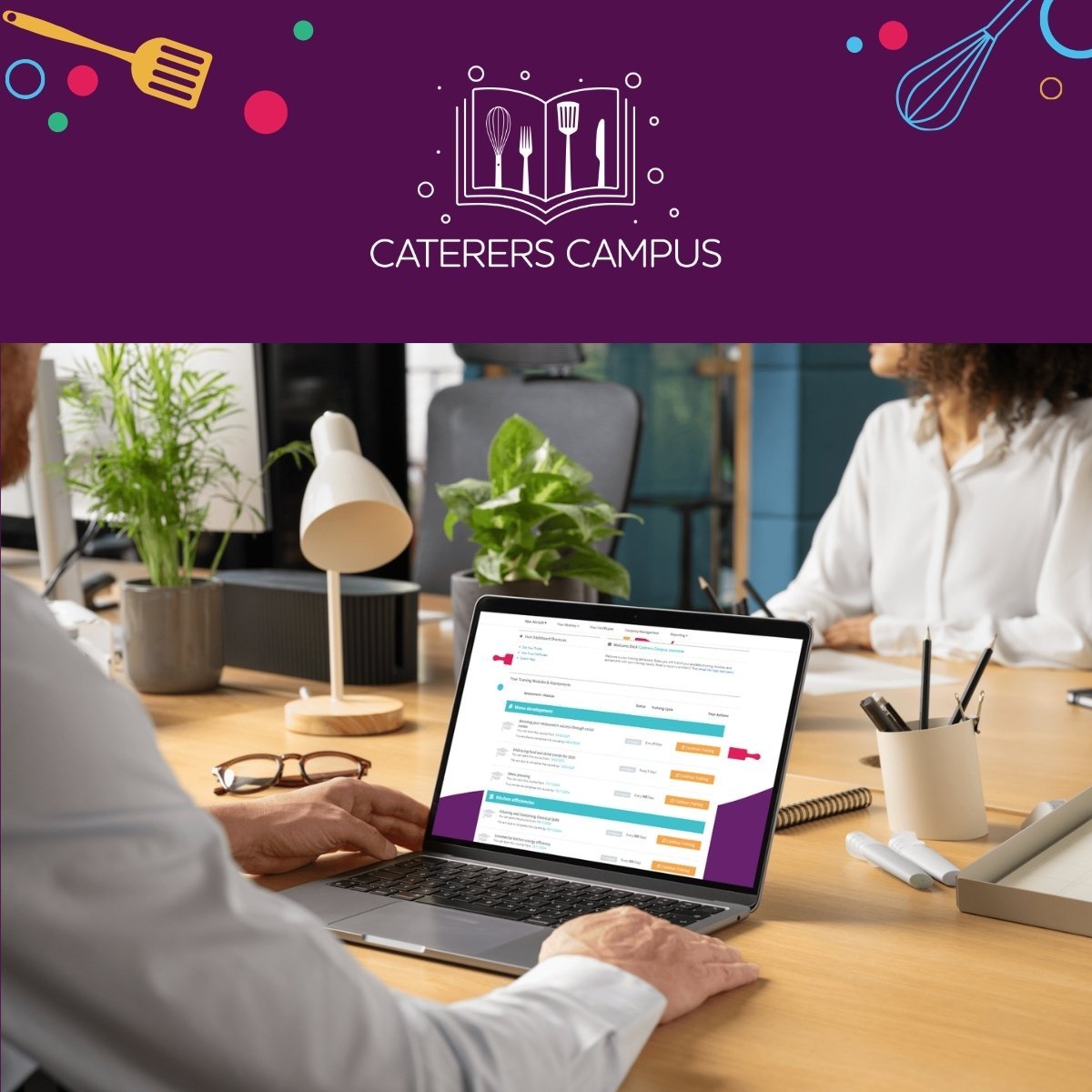
Bidfood is celebrating a major milestone for its free e-learning and development platform, Caterers Campus, which has now surpassed 10,000 users as operators increasingly invest in workforce development and efficiency to help manage rising costs and ongoing staffing pressures.
According to the latest Lumina Intelligence Top of Mind Business Leaders Survey, there’s a growing concern across the foodservice sector, with 58% of businesses worried about declining consumer confidence and 47% citing reduced spend and footfall as key challenges[1]. At the same time, rising labour and operational costs are driving greater focus on productivity and workforce development, with 50% of operators investing in training as a top priority[2].
Created to support customers across the hospitality and public sector with engaging and flexible training, Caterers Campus launched in 2020 for the care sector during the Covid-19 pandemic to ensure learning could continue when face-to-face training was no longer possible. The platform has since expanded across 12 sectors and now features 35 specialist modules, covering food safety, cost control, sustainability, leadership and mental wellbeing.
Free, fully trackable and available on any device, Caterers Campus has become an essential resource for businesses under the pressure of rising costs, helping customers save an estimated £15.9 million annually in training costs and offering potential savings of up to £1,590 per employee per year[3].
Designed to fit around busy catering operations, it supports kitchens with essential training such as HACCP, allergen awareness and food hygiene, alongside modules covering menu planning, sustainability, leadership, stress management and cost control.
Modules have been developed by Bidfood’s in-house specialists, including Development Chefs, registered Nutritionists, sustainability experts and compliance professionals; ensuring training is practical, relevant and immediately applicable in real kitchen environments.
Joe Angliss, Customer Marketing Controller at Bidfood, said:
“Reaching 10,000 users is a fantastic achievement for Caterers Campus and a reflection of how much the hospitality industry values flexible learning and development. We know our customers are under pressure balancing rising costs, staffing challenges and changing consumer behaviour while continuing to deliver high standards.
“What sets Caterers Campus apart is the expertise behind the content. Caterers Campus was created to remove barriers to learning by making training flexible, engaging and completely free for our customers. We’re proud to see so many businesses using the platform to invest in their people, strengthen operational performance and support their long-term growth.”
Find out more about Caterers Campus here: www.bidfood.co.uk/caterers-campus/
[1] Lumina Intelligence Top of Mind Business Leaders Survey Q7 Sept 2025
[2] Lumina Intelligence Top of Mind Business Leaders Survey Q7 Sept 2025
[3] UKCES: Employer Investment in Training
Have your say in Hospitality Action’s 2026 Mental Health & Wellbeing Survey
This Mental Health Awareness Week, Hospitality Action has launched its 2026 Taking the Temperature survey, the annual benchmark for understanding mental health and wellbeing across the hospitality industry.
Behind every call and request for support is a different story. To ensure we’re responding in the right way, we need to understand what people across the industry are facing right now. This survey is how we build that understanding.
It’s quick, confidential and open until 12 June. Every response helps us shape our support services, influence industry conversations and ensure we’re focusing our efforts where they are needed most.
As a thank you, participants can opt in to receive a copy of the final report and will be entered into a prize draw with a chance to win a £150 Amazon voucher.
Please take the survey here.
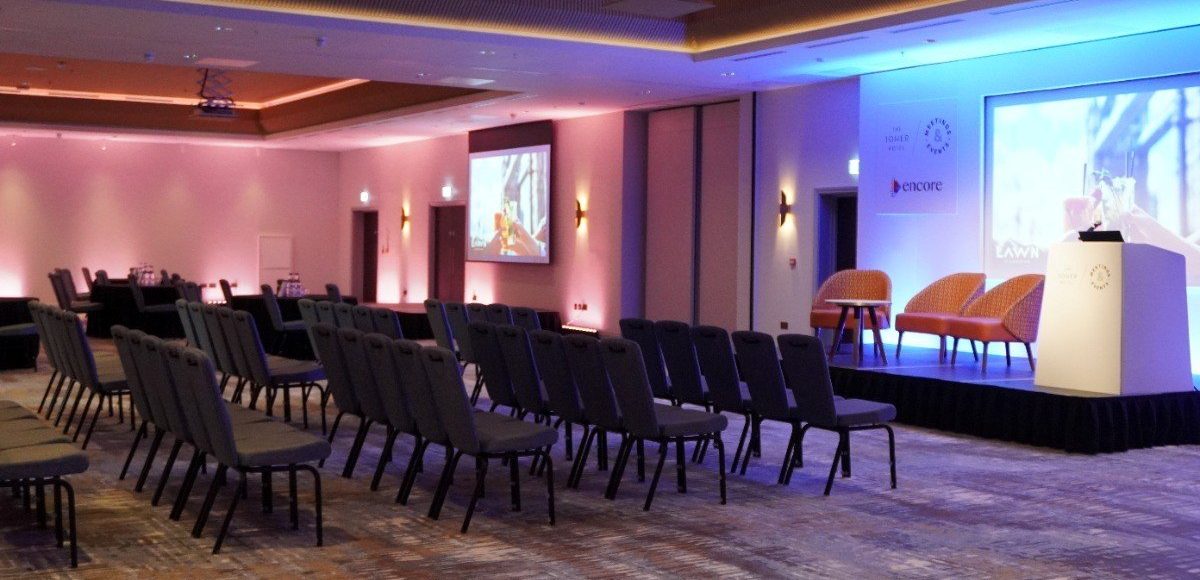
Clermont Hotel Group’s Iconic London Event Space Reopens at The Tower Hotel by Thistle
The venue sits within CHG’s elevated ‘by Thistle’ brand, which offers location-led experiences for today’s traveller. The space is CHG’s largest venue, with the refurbishment bringing fresh and modern design, advanced AV technology featuring integrated digital signage, HD projection, flexible connectivity and music systems, with retractable ceiling rigging systems for full event customisation.
Further refurbishment is also planned at The Tower Hotel by Thistle across the entire guest journey. This includes investment into the reception area as well as plans for a lobby bar, and external terrace. CHG will also be modernising the hotel’s bedroom offering as well as introducing a further new F&B concept.
The multi-million-pound investment project forms part of wider plans across CHG’s portfolio to continue to meet the needs of the modern traveller and create ‘Spaces for All’ across all of their hotels, ranging from exceptional accommodation, innovative and destination-led dining, to standout meetings and event spaces.
Gavin Taylor, CEO of Clermont Hotel Group said: “The Tower Suite offers a versatile and modernised space in the heart of one of the city’s most desirable areas. Our teams have worked hard to bring this iconic venue back to market and I have no doubt that this premier space will lead the way in London’s event scene. The re-opening plays an important part in what we’re building at CHG and forms part of our continued investment across our rooms, restaurants, bars and venues, as we strengthen our position in a competitive market."
Richard O’Riordan, General Manager of The Tower Hotel by Thistle added: “It’s fantastic to see The Tower Suite open its doors after this transformation. It’s been a privilege to have been a part of this journey and congratulations to the teams involved in making this a reality. The Tower Suite has always been a significant part of our identity and I look forward to seeing this landmark venue become a sought after London event space once again.”
The Tower Hotel by Thistle offers 801 bedrooms for residential events and 16 flexible further meeting spaces with 12th floor panoramic views of the capital.
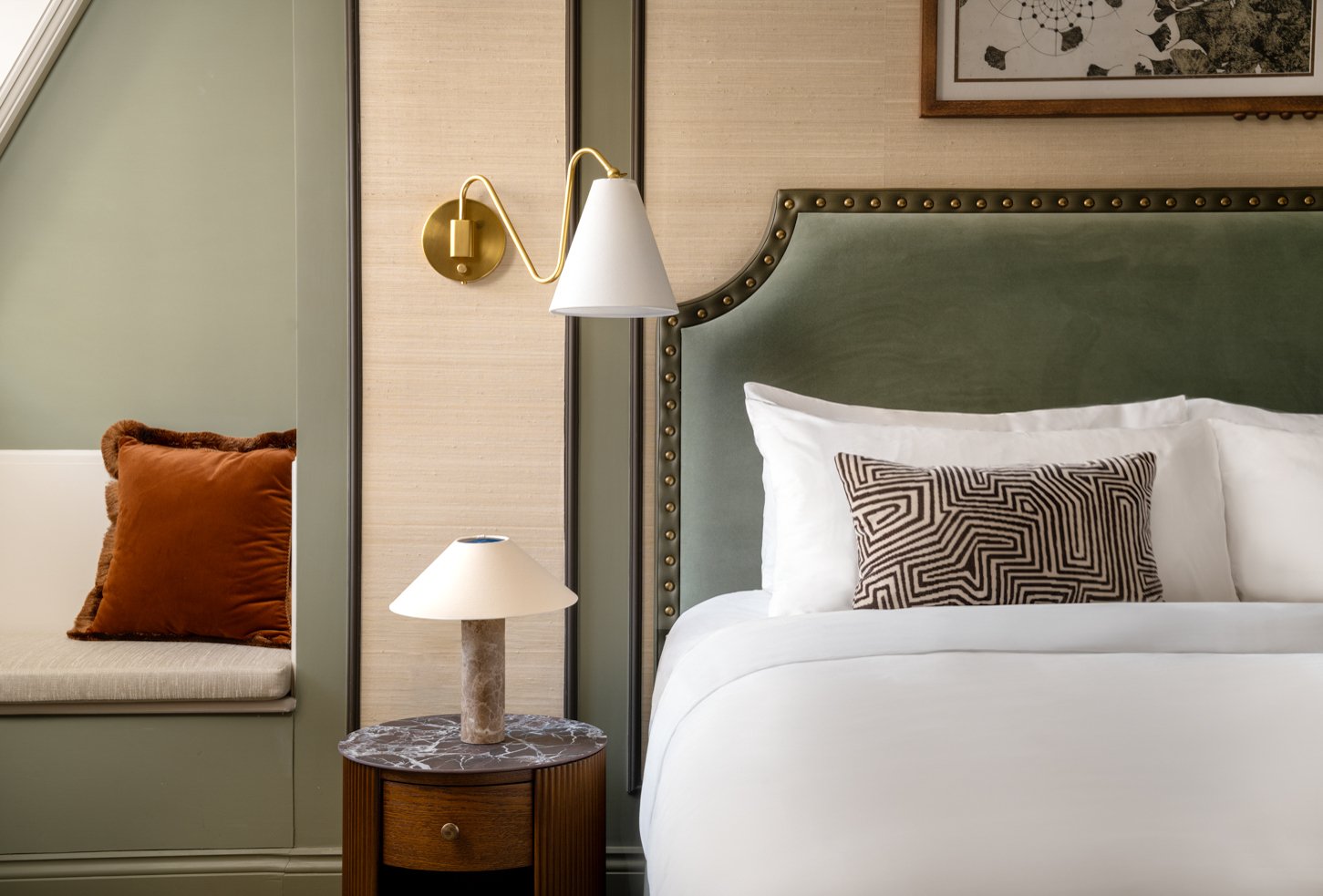
KING STREET TOWNHOUSE UNVEILS ELEVATED DESIGN REFRESH
The iconic Manchester hotel introduces ten reimagined guestrooms and refined event spaces, further enhancing its signature guest experience.
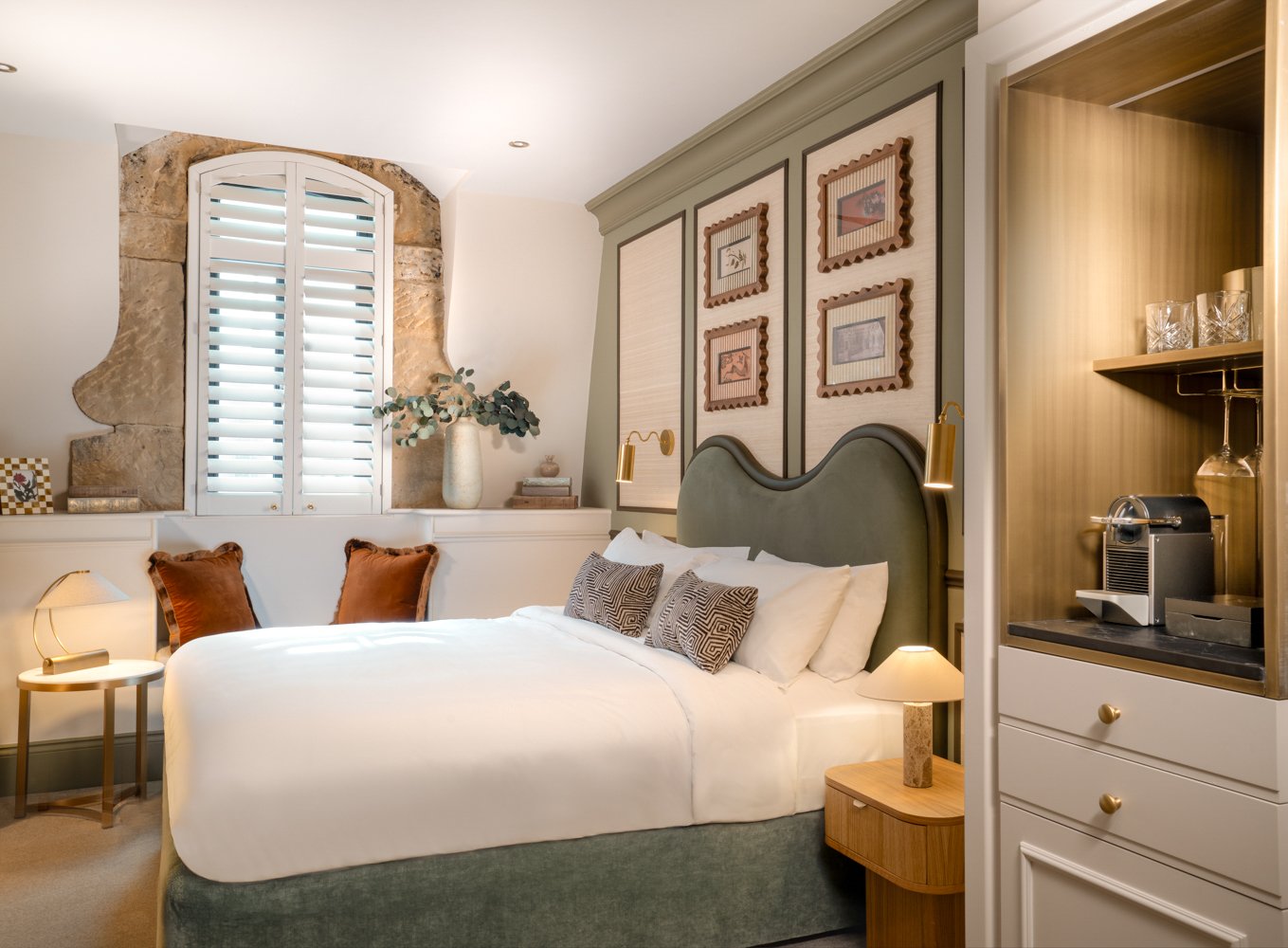
King Street Townhouse, Manchester’s iconic luxury hotel, unveils a considered design refresh, introducing newly reimagined event spaces and a collection of Signature Guestrooms, while honouring the building’s Grade II-listed heritage. The transformation reflects a continued evolution of the hotel’s distinctive character, as it enters a new chapter having recently celebrated its tenth anniversary.
The hotel’s South Terrace and Lounge, long admired for its panoramic skyline views, has been thoughtfully redefined as one of the city’s most sought-after destinations for weddings, conferences and private events. Interiors now flow seamlessly onto the terrace, creating a refined indoor-outdoor experience. A sculptural feature bar anchors the space, while discreet, flexible partitions allow it to transition effortlessly to a range of occasions.
For more private engagements, the Mezzanine Lounge has been restyled as an elegant city hideaway. With the addition of bespoke seating and a dedicated bar, the space offers a heightened sense of privacy and exclusivity, ideal for intimate celebrations and discreet business engagements.
Ten guestrooms have been redesigned as new Signature Guestrooms, each with its own unique character. Rich textures and curated art create a warm, inviting space that feels like a true home away from home. Designed as a sanctuary from the city, they offer enhanced comfort with a quiet sense of luxury.
Viki Tahmasebi, CEO, THG Experience, said:
“This marks an exciting new chapter for King Street Townhouse. Our vision has always been to create guest experiences that feel deeply personal and intuitively luxurious, and these enhancements further bring this to life. We’ve reimagined our spaces to reflect how our guests want to live, gather and unwind — building on what has long been cherished.”
Amelia by Paulo Airaudo Opens Its Doors at Hotel María Cristina, a Luxury Collection Hotel, San Sebastián
Paulo Airaudo’s two-Michelin-starred restaurant begins a new chapter in San Sebastián within the iconic Hotel María Cristina

Amelia by Paulo Airaudo has officially opened its doors at Hotel María Cristina, a Luxury Collection Hotel, in San Sebastian, marking a new chapter for one of Spain’s most highly regarded contemporary restaurants.
Built by the San Sebastián Development Society and inaugurated on July 9, 1912, Hotel María Cristina was named in honor of Queen María Cristina of Habsburg‑Lorraine, a devoted admirer of the city who was appointed its honorary mayor in 1926. Municipally owned through the Development Society and managed by Marriott International under its The Luxury Collection brand, the hotel has stood for over a century as a symbol of elegance and hospitality.
With the opening of Amelia, Hotel María Cristina completes its gastronomic offering and reinforces its status as one of Europe’s leading references in luxury hospitality and fine dining.
The arrival of Amelia represents the meeting point between the hotel’s timeless elegance and the culinary vision of Paulo Airaudo, an Argentine chef of Italian heritage who has made San Sebastián his home since 2017. With eight Michelin stars across his career and restaurants in cities such as Barcelona, Hong Kong, Florence, and Bangkok, Airaudo is today one of the most influential figures on the international gastronomic scene.
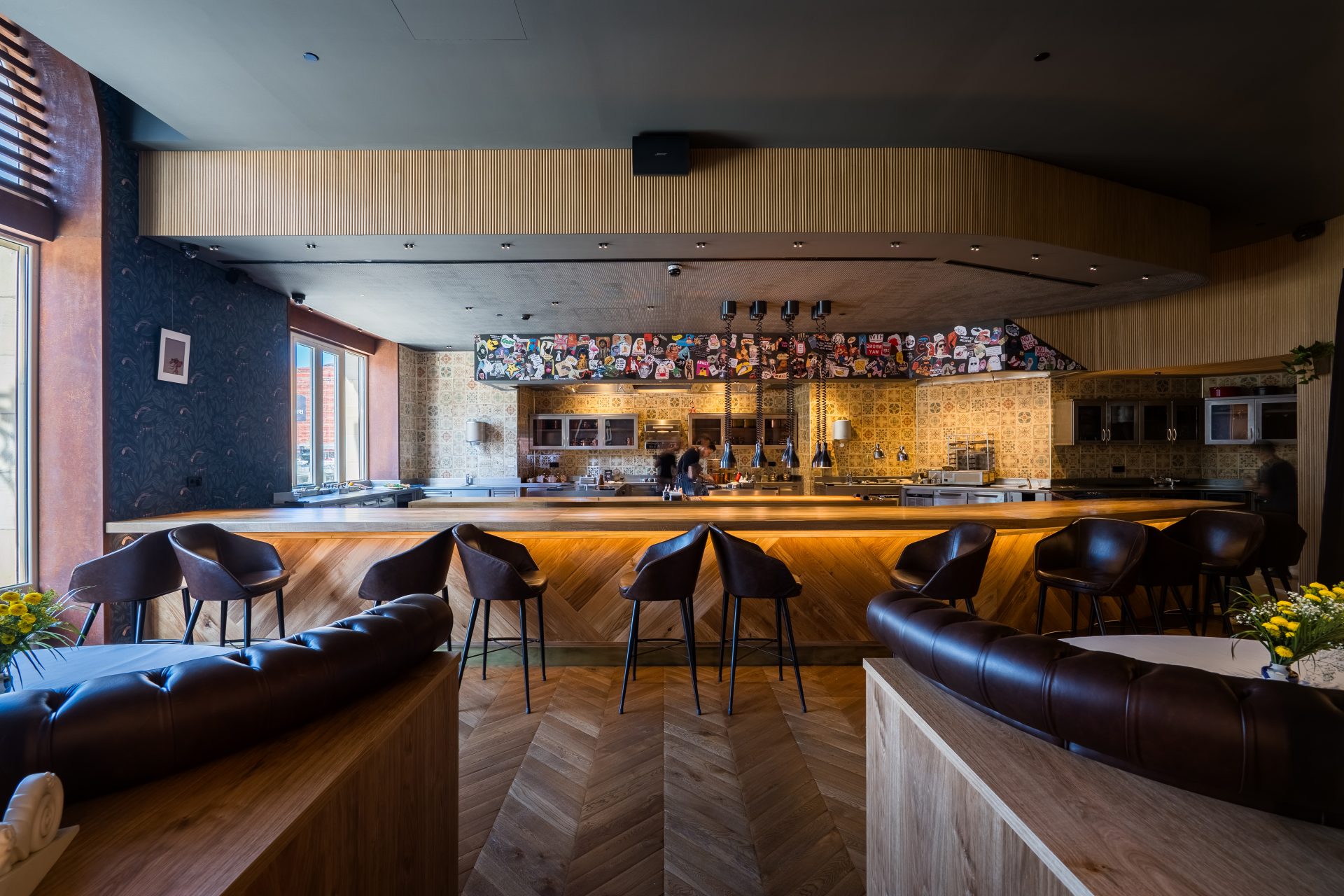
The restaurant occupies a space designed by architect Javier Orduña, of Biarkio Arquitectura, conceived as an elegant, sophisticated, and highly private environment. The layout centers around an open kitchen surrounded by a counter accommodating twelve guests, complemented by two additional tables, creating an intimate and direct interaction between kitchen and dining room.
The gastronomic proposal is based on the concept of “Italian omakase,” inviting guests to place their trust entirely in the chef and his team for a one‑of‑a‑kind culinary journey. Airaudo presents a deeply personal cuisine rooted in his Italian background and shaped by a contemporary, open‑minded approach, with a strong emphasis on seafood and a carefully curated selection of ingredients aligned with his philosophy, free from geographical constraints. The result is an ever‑evolving menu that combines technical precision, elegance, and emotion.
This opening forms part of the collaboration between Paulo Airaudo Group and Hotel María Cristina, with the support of the San Sebastián Development Society, within a broader strategy to promote gastronomy as a key sector for the city. Amelia is among the projects selected for the EKINN+ Gastro acceleration program, aimed at fostering talent, generational renewal, and the international projection of Donostia / San Sebastián as a global gastronomic capital.
About Hotel María Cristina, a Luxury Collection Hotel, San Sebastián
Inaugurated on July 9, 1912, and named in honor of Queen María Cristina—who spent long holiday stays in San Sebastián—Hotel María Cristina is a true icon of the city. Managed by Marriott International under its luxury brand The Luxury Collection, the hotel has, over its 113‑year history, had the privilege of hosting some of the most outstanding personalities of the 20th century, from members of royalty and aristocracy to leading figures from culture and cinema, thanks in part to its close connection with the San Sebastián International Film Festival.
Each year since 1953, the hotel has served as the home and headquarters for some of the most renowned national and international stars, including Elizabeth Taylor, Gregory Peck, Alfred Hitchcock, Steven Spielberg, Sophia Loren, and Bette Davis, as well as Susan Sarandon, Mel Gibson, Pedro Almodóvar, Woody Allen, and Brad Pitt. A landmark venue for social and family events among the city’s residents, Hotel María Cristina plays a central role in San Sebastián’s vibrant social life.
About Chef Paulo Airaudo
Born in Argentina into a family of Italian heritage, and a citizen of Donostia / San Sebastián since 2016, Paulo Airaudo is the founder of Paulo Airaudo Group, headquartered in the city. The group encompasses ten restaurants, eight Michelin stars, and operations across Spain, Italy, Hong Kong, and Thailand. Airaudo’s projects range from fine‑dining restaurants to casual concepts and traditional taverns.
He settled in Donostia / San Sebastián in 2016 to open Amelia in 2017—his most personal project—which now holds two Michelin stars. Since 2019, he has expanded his gastronomic universe with venues such as IBAI (one Michelin star), the trattoria and pizzeria La Bottega de Filippo, and Egosari, a pintxos bar and traditional Basque restaurant located in the city’s Old Town; Aleia in Barcelona (two Michelin stars); NOI at the Four Seasons Hotel Hong Kong (two Michelin stars); and Luca’s at Hotel La Gemma in Florence (one Michelin star).
Over the past year, Airaudo has opened three new fine‑dining restaurants internationally: Sartoria at Empire Tower in Bangkok; Da Lorenzo at NH Collection Venezia Grand Hotel Palazzo dei Dogi in Venice; and Belén at the InterContinental Hotel in Chiang Mai, northern Thailand.