

THE MONTELEONE NOW OPEN IN RURAL UMBRIA
A Boutique Retreat Where Contemporary Design Meets Slow Living
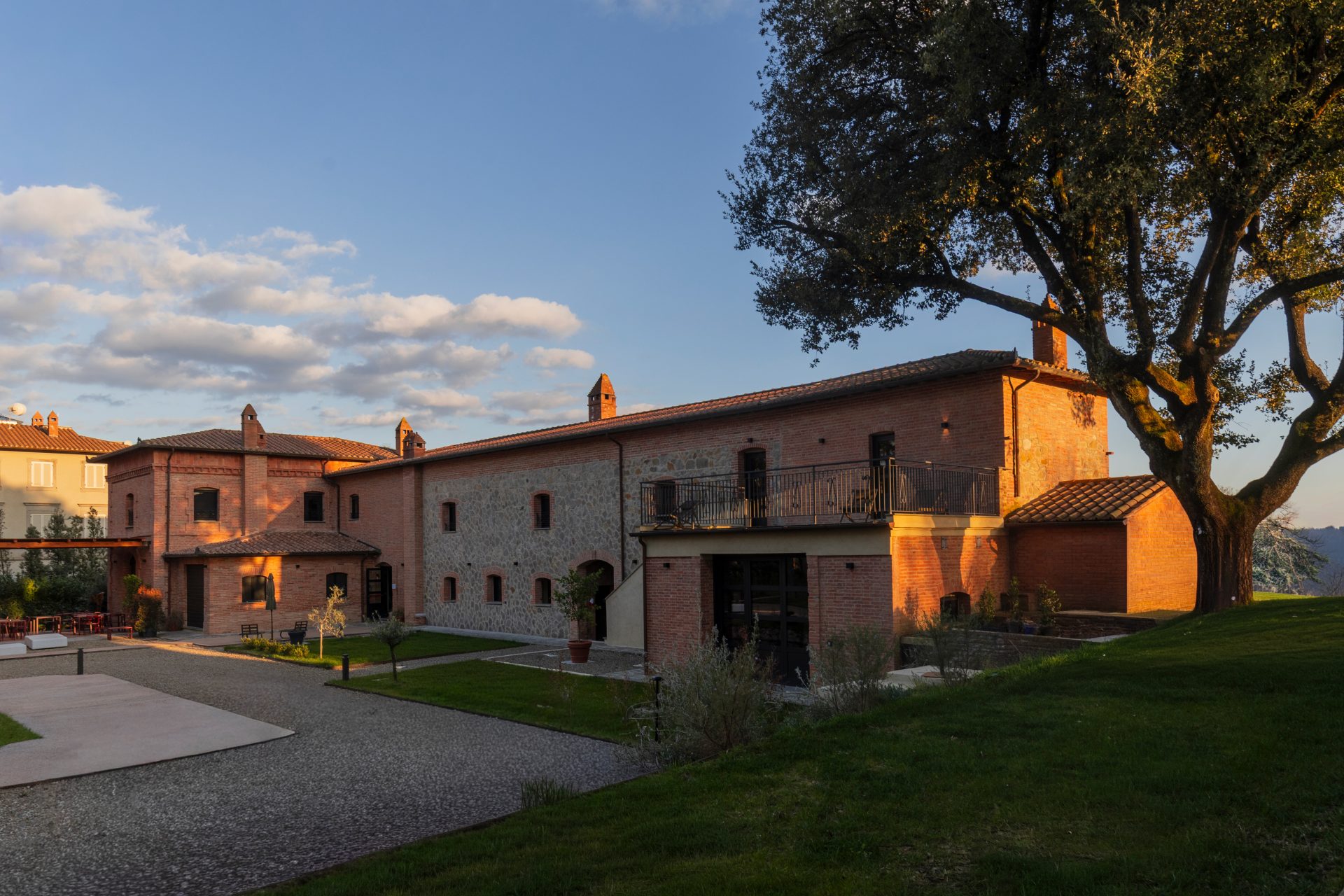
The Monteleone, a new boutique hotel located on the border of rural Umbria and Tuscany has officially opened its doors. Set among the rolling hills of Monteleone d’Orvieto, one of Italy’s most evocative hilltop villages, framed by medieval walls, olive groves and verdant countryside, the 17-room retreat promises intentional slow living, offering a timeless sanctuary rooted in its surroundings, where guests are invited to pause and rediscover the beauty of simplicity.
The Monteleone occupies a carefully restored 19th century home which preserves the architectural legacy of the original rural residence, guided by a deep respect for the heritage and traditions of its ancient village. As well as its spacious guest rooms and suites, guests can take advantage of the hotel’s outdoor pool, taking in breath-taking panoramic views across the Umbrian hills, relax in its open-air spa, or partake in a scenic workout in its fully-equipped gym. Celebrating the rich culinary heritage of the region and its award-winning produce, The Monteleone’s Bistro and Pool Bar serves up a curated menu of local Umbrian delicacies and wines throughout the day.
RESTORATIVE DESIGN
Intentionally minimalist and harmonious, The Monteleone’s aesthetic is defined by balance, understated comfort, and timeless elegance, with light playing a central role throughout.
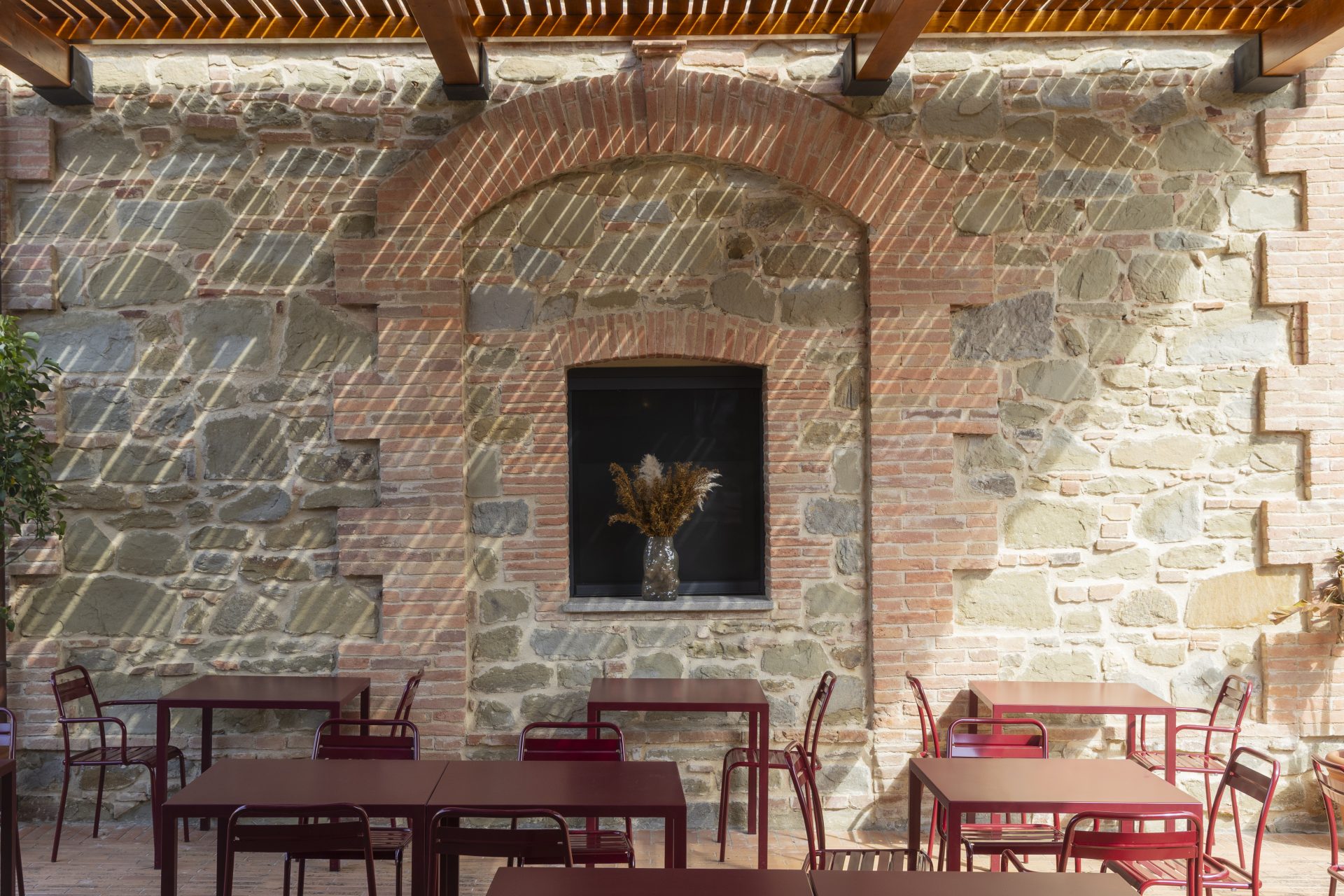
Its conservative restoration embraces the authenticity of its origins while infusing the space with contemporary sensibility – introducing modernity through refined, clean lines and pared-back pieces, juxtaposed against materials such as weathered stone, ‘cotto Toscano’, raw plaster, tactile fabrics, and iron and wood crafted by Umbrian artisans, allowing traces of time to remain visible while creating a fresh, multi-layered aesthetic that mirrors the Umbrian landscape.
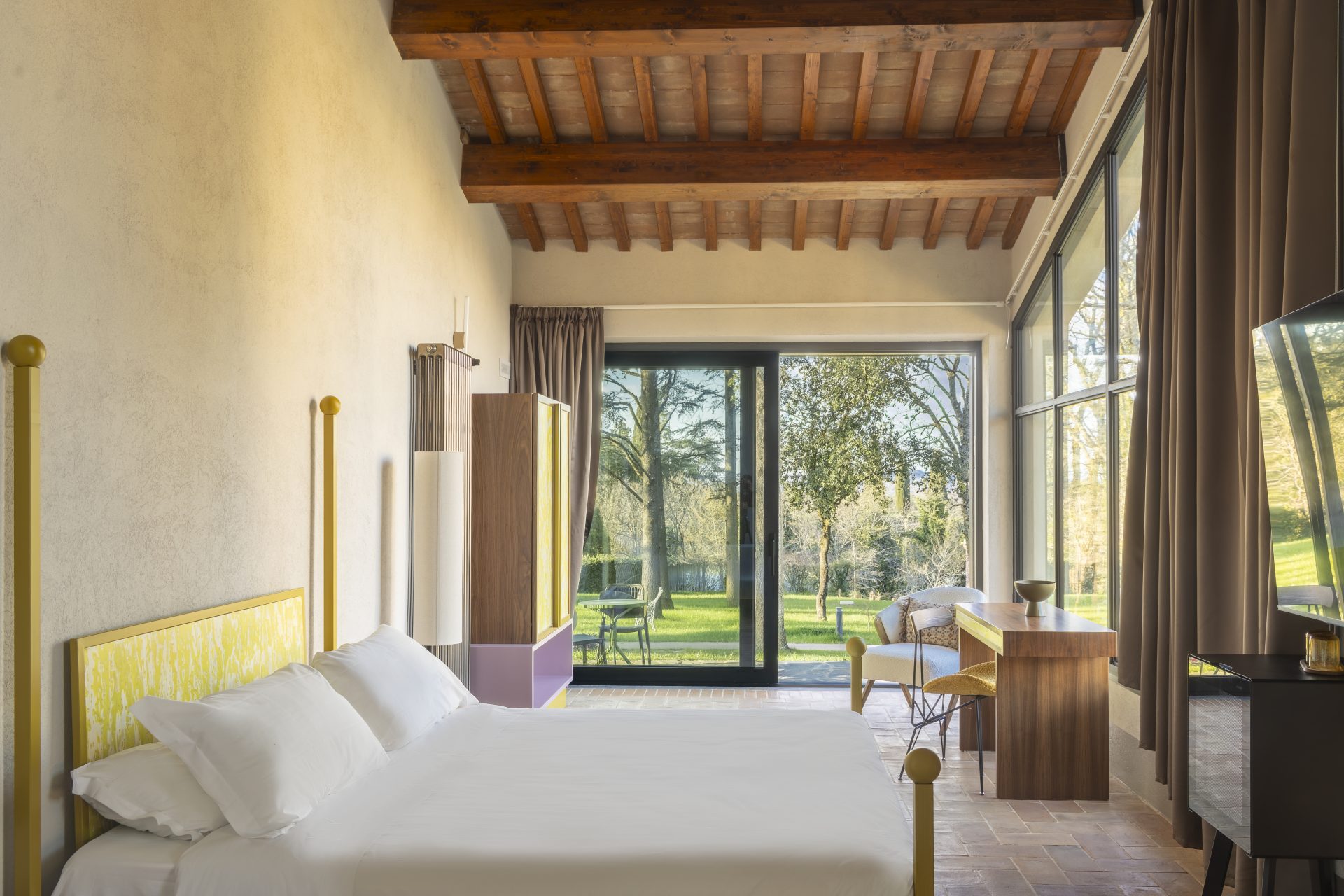
Guests of The Monteleone can stay in one of six room categories - from Superior Room to Suite. Six of The Monteleone’s 17 rooms come complete with their own private garden featuring sun loungers and a table for al fresco snacks and aperitivo, while its Signature Suite includes a dedicated relaxation area featuring a standalone bathtub. Each telling its own unique story, the rooms have been designed to invite calm and a sense of wellbeing, combining purposeful pieces that focus on form and function with a soft, neutral palette to offer a relaxed, uncluttered environment.
A defining chapter of The Monteleone’s identity is its collaboration with Rome-based architecture and design firm, STUDIOTAMAT, who curated four of the retreat’s signature suites – including the Superior Garden Suite and the Deluxe Serra Suite – each conceived as an intimate micro-environment that balance craftsmanship, proportion, and emotional resonance, creating a collection of spaces that are serene, tactile, and quietly luxurious.
WELLNESS ROOTED IN SLOW LIVING
Wellness at The Monteleone is grounded in the outdoors and shaped by seasonality. Here, wellness is not in performance but presence. The Monteleone invites guests to experience a slower rhythm and to reconnect through simple pleasures such as a morning coffee overlooking the hills, walks among olive trees, aperitif at golden hour, and immersive countryside moments shaped by the seasons. The retreat champions an approach to luxury that is never imposed, but quietly discovered.
Guests can unwind beside its seasonal outdoor swimming pool and take in the sweeping panoramic views across the landscape, or retreat to its open-air spa to make use of the sauna and jacuzzi. Guests can also walk across the spa’s unique, sensory barefoot path, composed of natural, textural elements that are designed to stimulate circulation and encourage the practice of grounding.
A Technogym-equipped fitness room allows guests to maintain wellness rituals while taking in the views and tranquillity of the setting.
DINING AT THE MONTELEONE
Breakfast at The Monteleone reflects Umbrian familial traditions with produce that tells the story of the land. Offering both a la carte and continental breakfast, expect a curated selection of sweet and savoury items featuring zero-mile ingredients from small, Umbrian producers – homemade pastries and cakes, such as The Monteleone’s classic “ciambellone”, freshly baked bread, seasonal jams, cheeses, cured meats, yoghurt, and fruit – alongside farm eggs and international, cooked classics.
From May, The Bistrot at The Monteleone will offer an elegant selection of composed platters and refined, understated dishes, crafted with exceptional ingredients sourced from local farms and vineyards that share its commitment to sustainability, provenance, and quality. Available from 11am through to aperitivo time, The Bistrot will also serve a variety of ‘piattini’, small plates that can be enjoyed all throughout the day, available also to order directly to your suite.
Operating seasonally in the summer months, the hotel’s Pool Bar will be open daily, serving refreshments and light snacks. The beverage selection celebrates local Umbrian and Tuscan suppliers including a wine list with a strong selection of regional wines sourced from smaller producers in the area, offering guests an authentic taste of the surrounding terroir.
The Monteleone’s summer programme will include a series of convivial, recurring dining events for guests to enjoy. From June through to the end of August, guests can dine al fresco at The Monteleone’s weekly BBQ, tuck into freshly baked pizzas at its weekly pizza night or sample a local delicacy at its monthly porchetta night. In addition, The Monteleone will introduce a weekly open-air cinema in the courtyard, featuring English-language screenings after sunset, and a menu of popcorn, snacks and beverages.
Phase two of the opening in autumn 2026 will see the Bistrot introduce a dedicated dinner service, featuring a menu of seasonal, local classics, rooted in simplicity and quality. The Monteleone works closely with a selection of favoured restaurants nearby, such as Seven - which was notably featured in Stanley Tucci’s ‘Tucci in Italy’ TV series - and Poggiovalle and can offer tailored dining recommendations and secure reservations for guests.
BEYOND THE RETREAT
The Monteleone invites guests to explore the surrounding area through curated, bookable experiences developed in collaboration with local producers and artisans, allowing them to discover the unspoiled beauty beyond its walls – enchanting woodlands, olive groves, abundant vineyards, and picturesque villages. Experiences include:
Culinary discovery
Through close collaborations with nearby wineries and olive mills, guests can discover first-hand the flavours that define this region. Guided tastings of Orvieto and Montefalco wines, as well as Umbrian extra virgin olive oils — from robust Moraiolo and Frantoio to the delicate Leccino — each tasting led by the producers themselves, amid the scents of wood & must, while learning about the harvest. Bespoke food and wine itineraries, including visits to producers of local cheeses, honey, and cured meats, can also be arranged.
Truffle Hunting
The leading Italian region for the much-loved black truffle, the timeless Umbrian ritual of truffle hunting is a must when visiting the area. Accompanied by expert truffle hunters and their specially trained breed of truffle hunting dogs, Lagotto Romagnolo, guests will venture into the surrounding woods in search of black truffles as well as the revered Umbrian white truffle, which is also abundant in the land. The experience concludes with a private tasting, where the delicate truffle is celebrated through simple, expressive dishes paired with local wines.
Golfing in Umbria
A sport that invites mindfulness, Umbria offers the ideal setting for the meditative game of golf. The hills that connect Umbria and Tuscany are home to some of Italy’s most compelling golf courses. Set among forests and medieval castles, the striking Antognolla Golf – designed by Robert Trent Jones Jr is a favourite among visitors, alongside the vineyard and olive grove framed Golf Club Lamborghini, loved for its rustic charm, and the historic city course of Golf Club Perugia, where technical play meets natural beauty.
Art & Historic Villages
Perfectly positioned for exploration, The Monteleone offers access to some of Central Italy’s most evocative villages, which are just minutes away. Orvieto, with its cathedral and underground city, the red bricked town of Città della Pieve or Panicale, Paciano, and Castiglione del Lago, which overlook the serenity of Lake Trasimeno. Just beyond the border you can find the stunning Tuscan villages of Cetona, Chiusi, Cortona, and famed wine region, Montepulciano.
Craftsmanship & Living Traditions
Umbrian craftsmanship remains a living language. Visits to ceramic studios, carpentry workshops, and weaving ateliers reveal raw materials shaped by hand and heritage — intimate encounters that honour gestures passed down through generations.
Nature Trails
Panoramic paths wind directly from The Monteleone through olive groves, vineyards, and wooded hills – ideal for exploring by foot or bike. Guided excursions, countryside picnics, and visits to small farms can be arranged, with each experience an invitation to slow down and follow the quiet rhythm of the land.
THE OLIVE GROVE AT THE MONTELEONE
The Monteleone has recently acquired the olive grove adjacent to the property, which will become a natural extension of the retreat. Playing host to intimate events and experiences, here guests will be able to enjoy a series of culinary encounters, all framed by the village’s ancient, medieval walls. Guests will also be invited to take part in the annual olive harvest, becoming part of The Monteleone’s history through this storied tradition.

Gisborough Hall Appoints New Spa Director Ahead of Sakura Spa Launch
The Nature-Inspired Spa Retreat Will Open Its Doors in Summer 2026

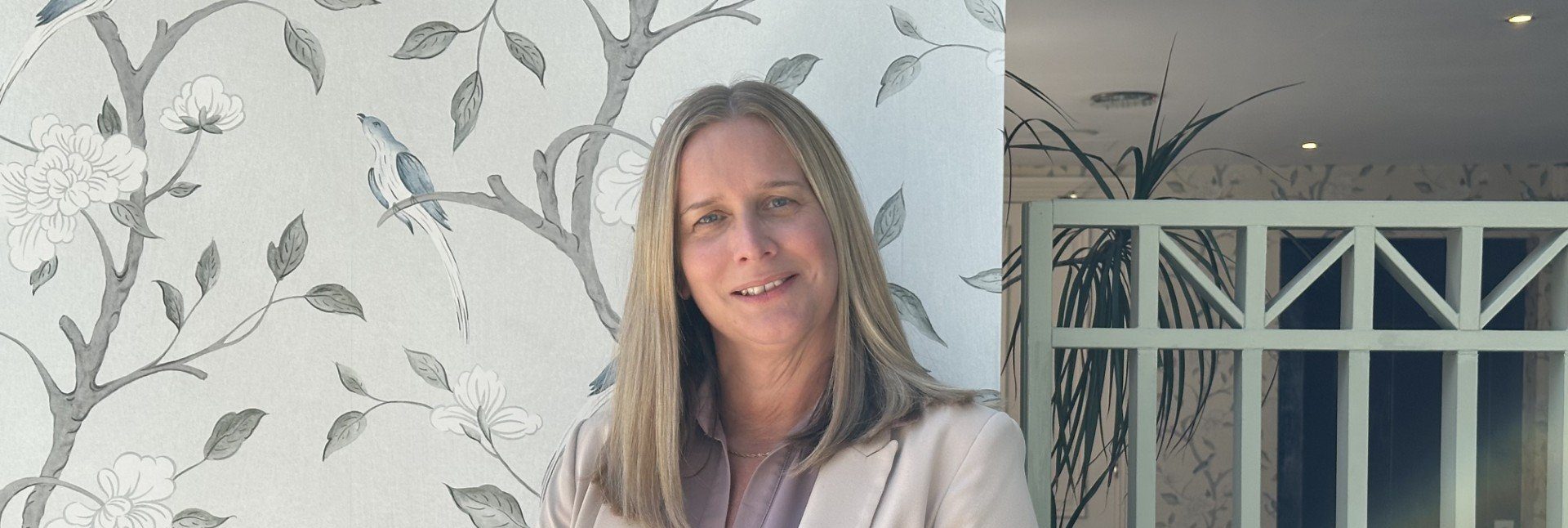
North Yorkshire’s beloved privately owned country house hotel, Gisborough Hall, has announced the appointment of Vicki Jackson as Spa Director.
Vicki has been part of the Gisborough Hall team since 2017, beginning her journey as Business Development Manager before progressing to Deputy Hotel Manager. In her new role, she will oversee the strategic direction and day-to-day operations of the hotel’s spa and wellness facilities, ensuring an exceptional, enjoyable and commercially successful guest experience.
With extensive hospitality industry expertise and a strong passion for wellbeing, Vicki is now preparing for the highly anticipated launch of the new spa this summer.
Vicki Jackson, Spa Director, said: “Sakura Spa is such an exciting vision to be bringing to life, and I’m absolutely thrilled to step into this new role. From the treatments to the thermal journey and dining, every detail has been so thoughtfully designed, and I can’t wait to welcome guests through the doors this summer.”
The launch of Sakura Spa marks a significant milestone for Gisborough Hall, further enhancing its reputation as a leading destination for luxury countryside escapes in North Yorkshire.
The new spa garden will feature a range of impressive facilities with scenic woodland and countryside views, including a vitality pool, herbal sauna, salt steam room, Finnish sauna and cold plunge.
The treatment offering includes six dedicated rooms, featuring a couples’ room, and a specialised Japanese head spa, all thoughtfully designed to encourage deep relaxation and holistic wellbeing.
At the heart of the spa offering is Koyo, the on-site dining experience named after the Japanese term for “autumn leaves.” Inspired by the tradition of viewing seasonal leaves, symbolising change and the passing seasons, Koyo reflects a sense of calm, balance and connection to nature.
In line with this ethos, the restaurant will serve a menu of light, nourishing dishes, including fresh seasonal salads, brunch options and revitalising juices, thoughtfully designed to complement the spa’s holistic wellbeing experience.
Online and telephone booking will open on 19th May 2026, with initial availability running from mid-August onwards.
To book, visit: https://gisborough-hall.com/
Why the “Your Own House” Format Breaks Market Stereotypes
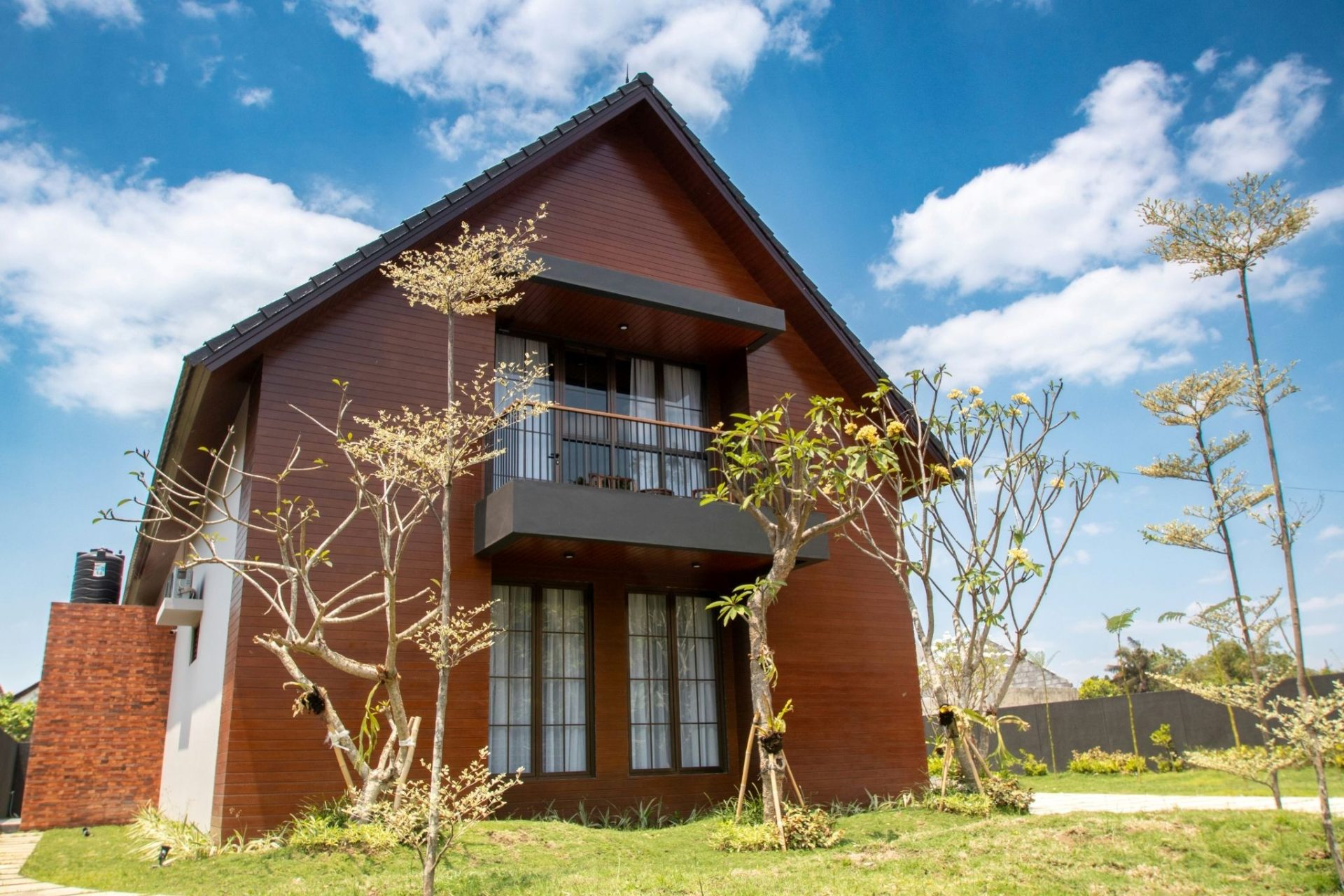
The hotel business has always been known for its conservatism, but generational change is setting completely new rules of the game. People no longer want to bump shoulders with neighbours by the elevator, especially when they pay for a premium vacation and expect a complete reset. Investors quickly realized that buying or building private houses on resort grounds is a real gold mine. You are selling guests not just a bed and breakfast, but a full experience where they can peacefully grill ribeye steaks in their own backyard.
Boutique hotel owners understand perfectly well that privacy today is worth more than gold, as guests are willing to pay extra for a private yard and the absence of prying eyes. If you are planning a large-scale upgrade of such properties, smart financing windows and doors will allow you to carry out renovations without brutal cash flow gaps. Major market players are actively adapting old residential buildings for these needs, converting them to five-star service standards. We are not urging you to demolish your hotel tomorrow and build a village, but ignoring the trend toward independent housing is already dangerous for your profits.
Cottage Reconstruction: Where the Main Budgets Go
Converting an ordinary private house to meet the needs of demanding guests is no easy task, and simply replacing the wallpaper will not cut it. One way or another, you will have to open up the floors, replace outdated engineering systems, and seriously redesign the building’s facades. A particular headache is glazing, which must simultaneously retain heat, block street noise, and look as aesthetically pleasing as possible.
There is nothing worse for a hotel than when an expensive guest says that his or her room with a thousand-dollar tariff is too drafty or too cold. Excellent thermal insulation helps save money on heating or cooling right away, and this will pay off very soon after the construction works.
The Main Enemies of Old Glazing: What You Will Have to Fight
Replacing entire structures solves lots of major issues, making it unnecessary for the maintenance team to paint, sand, and seal openings before the season starts. However, it is necessary to be aware of the danger that awaits you if you decide to save money and risk the comfort of your guests. The basic indicators that it is time to take your windows to the dump:
- Constant condensation and freezing on the glass pane inside the premises;
- Cold air, even with all sashes and locks closed tightly;
- Appearance of persistent black mold on slopes due to lack of airtightness.
Turning a blind eye to these warning signs is equivalent to sentencing your guesthouse to failure. One negative comment about freezing or moldy odors may scare off several dozen customers who have read about the issue on a famous website.
Why Vinyl Mercilessly Outperforms Wood
Since today’s PVC profiles have a very high resistance to moisture, intense heat, and drastic temperature changes, they can easily beat any other profile on the market when it comes to durability.
| Feature comparison metric | Vinyl frames (uPVC) | Wooden frames | Aluminum frames |
| Average lifespan before full replacement | 25-30 years | 15-20 years (with care) | 30-40 years |
| Sound transmission class (STC) rating | High (excellent noise reduction) | Medium to high | Low (prone to noise transfer) |
| Resistance to coastal salt air and moisture | Extremely high (no corrosion) | Low (requires constant sealing) | Low (prone to pitting) |
| Initial installation timeframe per unit | 2-3 hours | 4-5 hours | 2-4 hours |
| Manufacturer warranty coverage length | Often lifetime | Typically 5-10 years | Usually 10-15 years |
Practical polymers are simply more cost‑effective from the standpoint of long‑term financial planning and relieve the management company from unnecessary hassle. Hotels also gain loyal clients who sleep in warmth and silence, and electricity bills stop punching critical holes in the balance sheet.
And although the initial costs of proper insulation, roof replacement, and a designer interior may intimidate inexperienced entrepreneurs, the final margin more than compensates for all risks. This is exactly why major hotel chains prefer not to erect giant concrete boxes from scratch but to buy existing small buildings and turn them into highly sought‑after, exclusive retreats.
Final Thoughts Before Starting the Project
The future of a successful hotel business has long since moved beyond cramped shared corridors and noisy breakfast halls. Investments in private guest houses open up an entirely new level of interaction with clients who genuinely value their personal space. We hope this information helps you rethink your current projects and create truly unique places for relaxation.

Payment Failures Put £1.7 Billion in UK Retail & Hospitality Sales at Risk Each Year
Over half of UK retail and hospitality managers report experiencing verbal abuse or confrontational behaviour from customers during payment failures.
Now in its second year, a new study released today reveals that payment system failures place up to £1.7 billion in annual retail and hospitality sales at risk across the UK.
Conducted by FreedomPay in partnership with Retail Economics, the research exposes the ongoing vulnerabilities at the heart of UK commerce. It draws on two nationally representative surveys of 2,000 UK consumers and 200 retail and hospitality managers, conducted in February 2026, quantifying the frequency, speed and compounding impact of payment disruptions.
UK businesses report an average of just over five (5.2) major payment disruptions per year, with 72% concentrated during peak trading windows when financial and reputational exposure is highest. Retail risks the most - accounting for £1.2 Billion of total at-risk revenue. Hospitality and leisure contribute a further £494 million.
The study highlights a critical blind spot. While UK businesses recognise the threat of payment disruption, many underestimate how rapidly revenue is exposed once systems fail. Actual revenue at risk builds far more rapidly in the early minutes of an outage than businesses perceive, creating a significant gap between expectation and reality.
The research also reveals the human cost of payment failure on frontline staff. Over half (52%) of UK retail and hospitality managers report experiencing verbal abuse or confrontational behaviour from customers during payment failures — a direct consequence of systems going down at the moments consumers are least willing to wait. With fewer than half of businesses having alternative network solutions in place and only 40% offering offline card processing, staff are left without the tools to resolve situations quickly, prolonging frustration and increasing the likelihood of confrontation. The consequences reach beyond individual incidents, threatening staff wellbeing, morale and retention in ways that extend well beyond the revenue lost during the outage itself.
"The UK’s relationship with payment resilience is unique in that businesses are beginning to truly understand," says Chris Kronenthal, President, FreedomPay. "Our research confirms that retailers and hospitality operators across the country are worried about more than just lost sales, it’s the lost trust that remains their biggest focus. As it should be in a market that is increasingly impacted by reputation. Payment failures are key confirmations of credibility, over and above being an operational mistake. Investing in resilience is the best defence to keep that customer loyalty.”
Key findings from the study include:
- Younger consumers are least prepared and most frustrated by disruption: Compared to 33% of over-45s, only 18% of under-45s consumers say they always carry cash when visiting shops and venues. This means younger shoppers are least likely to have an alternative when digital payments fail. As the most likely age group to share negative experiences online, these consumers are the most capable of turning local incidents into negative reputational events, creating compounding risk for businesses.
- Resilience gaps leave staff exposed: As noted above, over half of UK retail and hospitality managers have experienced verbal abuse during payment failures. Yet the infrastructure to prevent these situations remains insufficient — only 40% of businesses offer offline card processing and fewer than half have alternative network solutions in place, leaving frontline teams without the means to resolve disruptions quickly and repeatedly exposed when systems fail.
- Consumer patience running thin: Most consumers say they can tolerate payment delays of up to 7 minutes before frustration sets in, with 13 minutes the maximum wait time before abandonment However, the average UK outage lasts over ten times longer at 79 minutes, far longer than consumers are willing to wait. This resulted in one in five (19%) customers walking away from their intended purchase, translating directly into revenue leakage through abandonment or diversion to competitors.
- Time is money for businesses: Restoring payment systems within the first five minutes can prevent more than 90% of potential losses, with the research showing that between minutes 8 and 13 of a disruption, industry losses can exceed £50 million per minute as customer abandonment accelerates. This makes the speed of detection and recovery crucial.
- Cash is becoming a less reliable backup:Fewer consumers now carry cash as a fallback than a year ago, leaving businesses more exposed when payment systems fail. The primary concern around moving away from cash is the risk of being unable to pay, with 72% of consumers citing this as their main concern during a disruption, highlighting the growing need for more resilient payment infrastructure.
“When payment systems fail, the impact is immediate and unforgiving,” states Richard Lim, CEO, Retail Economics. “The data shows that customer tolerance is measured in minutes, not hours, with abandonment accelerating quickly once delays extend beyond that point. But the impact goes beyond the lost transaction, placing pressure on frontline staff and eroding customer trust. As digital dependency increases and fallback options become more limited, resilience is becoming a core capability, not just an operational safeguard.”
About FreedomPay
FreedomPay is the global leader in Next Level Commerce™—transforming the way businesses power payments and experiences across the world. More than a payment solution, FreedomPay is a world-class independent payment gateway engineered to simplify complexity, break down the barriers of legacy systems, and revolutionize every point of interaction—whether in-store, online, or mobile. Chosen by the leading brands across retail, hospitality, sports and entertainment, food service, healthcare and higher education, FreedomPay delivers technology strength, integration breadth, and deep expertise in global payments innovation.
As one of the first solutions in North America validated by the PCI Security Standards Council for P2PE, FreedomPay sets the gold standard for payment security, trust, and performance. With a unified technology stack, lightning-fast APIs, and integrated solutions across payments, FreedomPay gives businesses total peace of mind plus the freedom to choose any hardware provider. Move faster, act smarter, and lead markets—not chase them. www.freedompay.com
About Retail Economics
Retail Economics is an independent economics research consultancy focused on B2B thought leadership in the consumer and retail industry. We analyse the complex retail economic landscape and draw out actionable insight for our clients. Leveraging our own proprietary retail data and applying rigorous economic analysis, we transform information into points of action.
Retail Economics provides unbiased research and analysis on the key economic and social drivers behind the retail sector, helping to inform critical business decisions, giving you a competitive edge through deeper insights.
Introducing YOPO Zaytoun
Eastern Mediterranean Dining Comes to The Mandrake
London’s five-star luxury hotel, The Mandrake, announces the relaunch of its signature restaurant, YOPO, reintroduced as YOPO Zaytoun, named after the word Olive. YOPO Zaytoun will open on 14 May, alongside the reopening of Jurema Terrace.
Under the leadership of Eljesa Saciri, with creative vision and direction from founder Rami Fustok, this relaunch signifies a new chapter in the hotel's culinary evolution.
Director of F&B Tim Lang, alongside Head Chef Viktor Yordanov, formerly of Mazi in Notting Hill, will lead the restaurant’s new direction. With flavours inspired by the Levant, his approach centres on seasonality, locality and ingredient-led dishes designed for sharing.
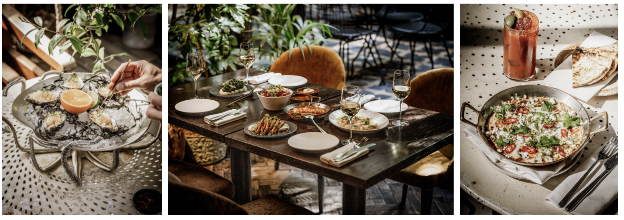
Menu highlights will include harissa glazed ribeye; yellowtail, preserved lemon, green chilli and olive oil; Mandrake shakshuka; Native oysters and citrus gremolata followed by desserts such as pistachio mille-feuille and olive oil ice cream.
Flavour will be balanced with freshness, richness and spice, supported by carefully sourced ingredients such as Manahi olive oil from Cyprus. A newly curated wine list will complement the menu, featuring producers including Bruno Paillard, Pontet-Canet, and Château de Beaucastel.
The wider concept is complemented by a design collaboration with London-based fashion designer Leo Prothmann, a LCF graduate known for his dark, equestrian-inspired aesthetic. A London-based leather house operating at the intersection of sculptural construction and equestrian discipline, what Prothmann defines as “Stable Glam.” The brand explores tensions between protection and sensuality, control and instinct, and rural heritage and urban precision. To complement the new direction, YOPO Zaytoun has curated a soundscape to add to the exotic atmosphere.
YOPO Zaytoun will also introduce a weekend brunch, offering a relaxed, sociable dining experience rooted in generosity, honesty, and seasonality. The menu will move between familiar favourites and more distinctive dishes, including (watermelon with mint, pistachio and halloumi; date pancakes with sesame caramel,) and the brunch staple, shakshuka.
Reopening in May, the award-winning Jurema Terrace returns as a tranquil outdoor sanctuary in the heart of Fitzrovia. Set within a lush hanging garden of jasmine and passionflower, the space transitions seamlessly from intimate retreat to vibrant open-air destination. A curated menu of ethnobotanical cocktails, created by Head of Bars and Mixology Anas El Bahhaj, anchors the experience. Highlights include the new signature Zaytoun Martini, a blend of olive oil-washed Bombay Gin, fortified bergamot, preserved lemon brine, and bespoke vermouth.
YOPO Zaytoun will reopen on Thursday 14 May 2026. Bookings can be made HERE.

DOWN HALL HOTEL, SPA & ESTATE UNVEILS NEW OUTDOOR WEDDING DESTINATION THE CHARLES GARDEN
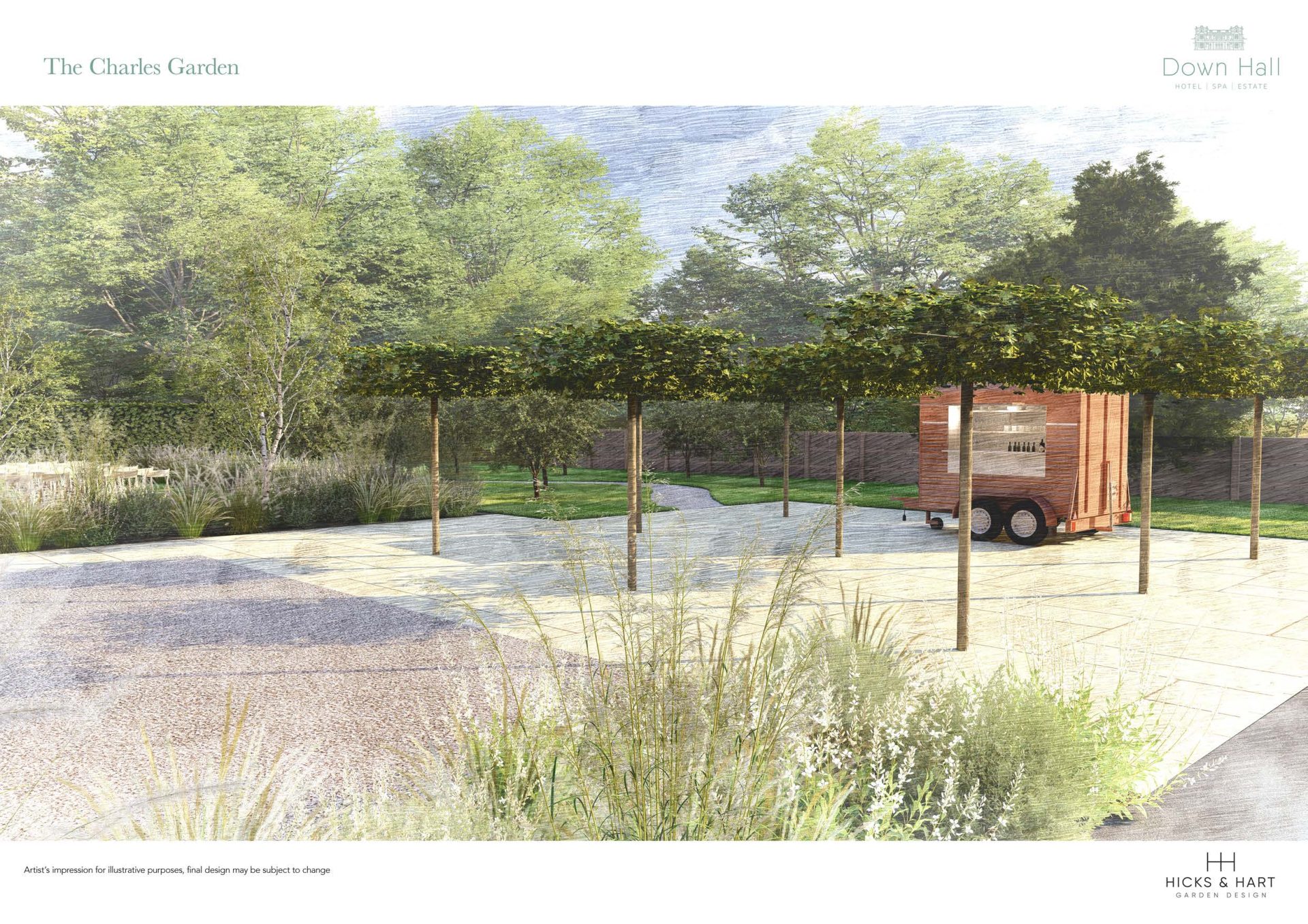
Down Hall, the 110-acre country house hotel, spa and estate in Essex, has announced the Spring launch of The Charles Garden, a significant half-acre development expanding the property’s outdoor events and wedding capacity.
Designed by renowned landscape architects Hicks & Hart, The Charles Garden is a permanent outdoor venue comprising a manicured lawn with seated capacity for 180 guests, supported by bespoke event infrastructure. Key features include Jasmine arches as ceremonial focal points, a two-metre-wide central aisle and a permanent bar and drinks terrace shaded by parasol trees, complemented by a separate lounge garden for drinks receptions.
The development also includes significant horticultural enhancements, with over 50 new trees, formal hedging, ornamental grasses and sculptural domes planted to create a secluded, exclusive-use atmosphere which is both beautiful and functional.
Linden Beattie, General Manager of Down Hall Hotel, comments:
"The Charles Garden represents a strategic shift in our outdoor proposition. By providing a purpose-built environment with permanent bar facilities and high-capacity seating, we are offering event planners and customers a level of reliability and luxury that is often missing from traditional outdoor venues. This development ensures the estate remains a top choice for large-scale premium corporate events and weddings.”
Kate Hart, co-founder of Hicks & Hart Garden Design, says:
“Our brief from Down Hall was to create a beautiful space that can play host to outdoor weddings and events whether they be small intimate functions or larger-scale celebrations. We hope that the intentional combination of various outdoor ‘rooms’, coupled with high impact soft planting, will provide the perfect backdrop to create joy-filled memories and of course stunning photographs”
The addition of The Charles Garden joins the hotel’s existing event spaces, from functions suites for more intimate gatherings through to the newly refurbished Bridgeman Selwin Suite seating up to 200 guests for dinner. Enhanced culinary packages include canapés, formal wedding breakfasts and multi-course menus as well as evening buffets or more casual street food concepts. A new alternative Wedding Brunch is also served at the adjacent Woodland Table, an immersive alfresco dining concept, featuring open-fire dishes using local produce and ingredients from the property’s own Kitchen Garden.
Wedding and event packages can be personalised and tailored to suit a variety of needs. Packages for The Charles Garden start from £195 per person with the specialised Woodland Table Wedding Brunch menu available as a supplement from £40 per person.
The award-winning property is located just 45 minutes from central London and 15 minutes from Stansted, offering an accessible rural retreat for the MICE and luxury wedding markets.
Down Hall Hotel & Spa
Matching Road, Hatfield Heath
Essex CM22 7AS
T: 01279 731441 www.downhall.co.uk
IG: Down Hall Hotel| Facebook: Down Hall Hotel
Double Dutch expands premium can range with bold new design
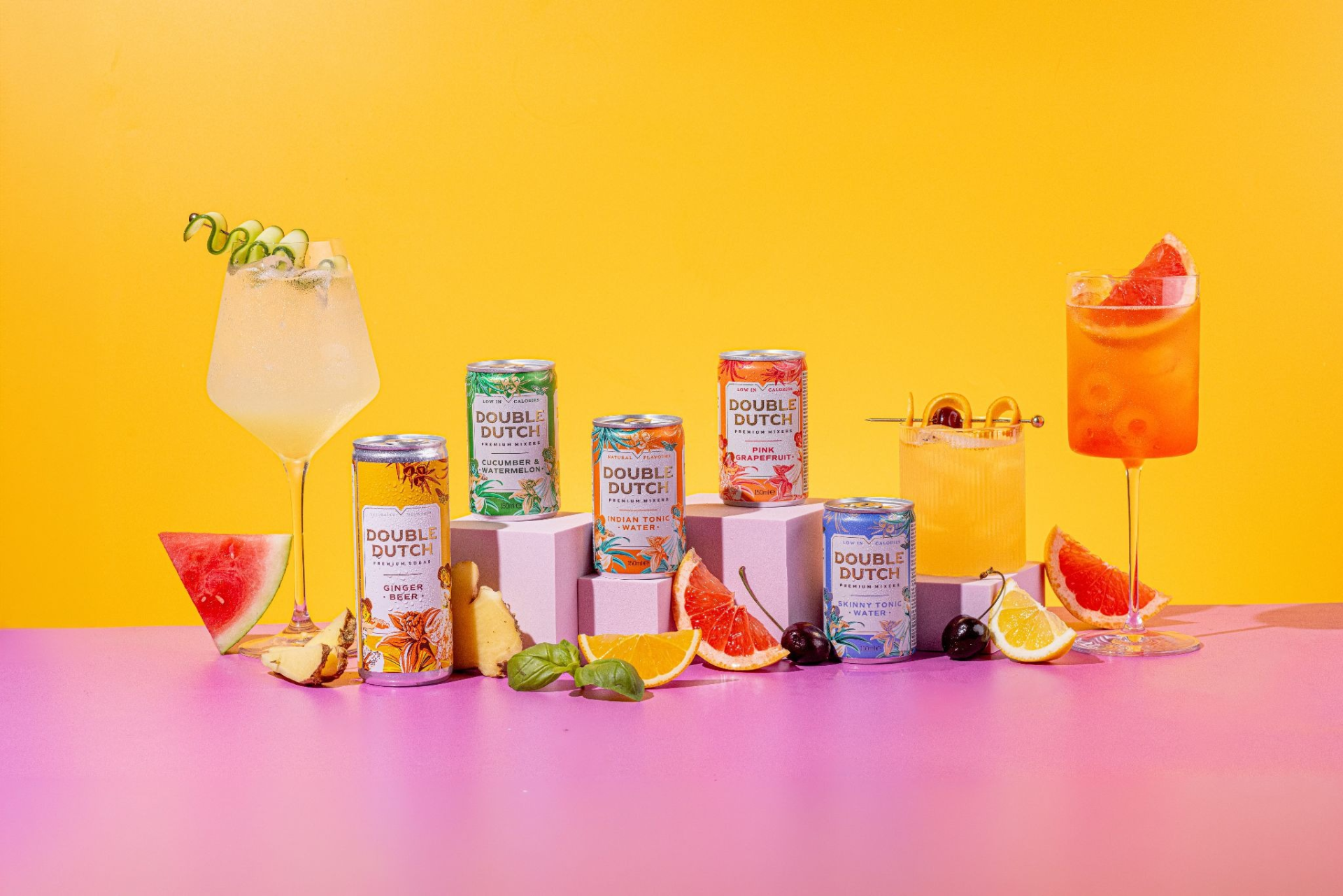
Double Dutch has unveiled a newly expanded range of premium mixers in 150ml cans, alongside a striking new packaging design that reflects the brand’s elevated positioning and flavour-first approach. The refresh is in response to a greater demand for the cans with new listings in the on-trade.
The refreshed can lineup now includes, all in cases of 6 x 150ml cans)
- Double Dutch Indian Tonic Water
- Double Dutch Skinny Tonic Water
- Double Dutch Soda Water
- Double Dutch Pink Grapefruit Soda
- Double Dutch Cucumber & Watermelon Soda
- Double Dutch Ginger Ale
- Double Dutch Ginger Beer
- Double Dutch Double Lemon
- Double Dutch Elderflower
This marks a significant evolution from the previous range, which included Tonic Water, Skinny Tonic, Pink Grapefruit, Pomegranate & Basil, and Cucumber & Watermelon. The new lineup introduces additional versatility with the inclusion of Soda Water and Ginger Ale, while also supporting a broader flavour portfolio across formats, including Elderflower and Double Lemon.


The new can design is a natural extension of Double Dutch’s wider brand refresh, aligning with the elevated look and feel introduced in its 200ml glass bottles last year. The updated aesthetic is bold, vibrant and flavour-led, with a more refined, premium finish that better reflects the quality of the liquid inside.
Designed to invite discovery, the artwork features intricate details and subtle storytelling elements. Hidden within the designs are visual cues that reflect each flavour’s origin and composition - from botanicals and citrus fruits to distillation references. A recurring elephant motif nods to the Indian origins of tonic water, adding a layer of heritage to the modern visual identity.
The result is a cohesive and distinctive brand world that stands out on shelf while sitting comfortably in premium bars and restaurants. Enhanced use of colour, clarity and detail ensures each variant is both recognisable and engaging, while maintaining the playful, contemporary spirit synonymous with Double Dutch.
Double Dutch Founder Raissa de Haas says,
“The expansion of the can range is driven by increasing demand across both the on-trade and retail sectors. Cans offer greater flexibility for venues, airlines and at-home consumers alike, supporting single-serve mixed drinks, events, and premium ready-to-drink occasions.”
The new range will be available via Amazon, with listings expected to roll out imminently.
For more information, visit https://doubledutchdrinks.com
Follow at @doubledutchdrinks/

Great GMs are still the talent focus for hotel operators in 2026
For much of Europe’s hospitality industry, the past 12 months have been challenging, marked by geopolitical uncertainty, weakening consumer demand, and rising costs.
While much of the industry conversation continues to focus on AI, automation and digital transformation, from a talent perspective the most critical factor in hotel performance is still frontline colleagues.
Today, hotels need strong, pragmatic leaders who can make the right decisions under pressure, are hands-on, can keep teams engaged, innovate, and maintain high standards even in tough times.
As important as technology is, it cannot replace great leadership on the ground. The need for highly capable GMs is now more critical than ever, and how to hire and retain them should be a key consideration for the years ahead.
Demand dynamics for General Managers
In the UK alone, over 70 per cent of hotel leaders say talent shortages are holding back growth, according to UKHospitality. This is mirrored across Europe, where 10–20 per cent of roles in the accommodation sector remain unfilled due to a lack of skilled applicants. Meanwhile, in the US, the American Hotel & Lodging Association reports that 79 per cent of hoteliers are currently experiencing staff shortages.
At the same time, groups continue to expand, competition is fierce (especially in major cities), and the bar for what “good” looks like keeps rising. In the luxury market, cities like London illustrate this clearly, with a growing pipeline of openings competing for a limited pool of proven leaders.
In the four to five-star market, we’ve seen a shift in requirements, particularly among larger groups. With a move to more centralised operating models, today’s GMs are expected to run leaner operations, stay hands-on, and deliver results without the full “executive suite” they may have once relied on. The role has become more demanding, requiring a broader and more rounded technical skill set.
In parts of Central and Eastern Europe, rising costs have also made it harder to attract expatriate talent, particularly for budget-constrained owners who need to persuade candidates to relocate from higher-paid expat packages elsewhere.
Overall demand for capable General Managers has been sustained through 2025, but the pipeline isn’t keeping up. The gap between what hotels need from a GM and candidates with the capability to deliver it is widening.
The picture of a modern General Manager
The expectations of a General Manager have evolved considerably over the last decade. Leaders today need to be more than charismatic people managers. They must be hands-on, analytical, innovative and have strong commercial instincts, all while still delivering the day-to-day and managing overall financial performance.
Guests and team members also expect more; they want experiences and interactions that feel genuine. Employees need visible leadership, and many guests also demand a high-touch approach.
In many properties, management structures are increasingly lean, which means GMs need technical competence across multiple functions, and many coming from more operational backgrounds lack the experience to fully drive these areas.
At the same time, hotels are rolling out more integrated technology than ever, from check-in systems to property-management platforms, all of which must work seamlessly.
Delivering a great guest experience remains central to the role, but it now sits alongside a much broader set of expectations.
Building a pipeline of future leaders
In this market, it’s clear that some hotel brands and owners may need to rethink their talent strategy for these key property-level positions.
In the past, promising managers worked their way up, and the industry had an obvious career path through key operational roles such as Rooms or F&B. Going forward, hotels need to be smarter and more deliberate about talent and succession planning.
For example, instead of relying solely on the traditional F&B or operational route, given the increasingly analytical demands of the GM role, companies should create clearer pathways for high-potential talent coming from Revenue Management or Marketing to develop into operational leadership positions, and have greater confidence in supporting and encouraging them through that transition.
Thinking more long term, if hotels want strong leaders for the future, they need to make the GM role aspirational and the industry itself a career people actively want to pursue. Research from Deloitte shows that Gen Z values work–life balance over climbing the corporate ladder, with only six per cent citing leadership as their main career goal.
That doesn’t mean they lack ambition — quite the opposite. Learning and development consistently ranks among the top reasons they choose an employer, but many feel managers are falling short when it comes to offering guidance, inspiration and real mentorship.
Culture is just as important. People want to work somewhere they feel supported, valued and genuinely excited to come in each day. Hotels that get this right stand the best chance of retaining talent and positioning the sector as an attractive career choice.
Additionally, companies also need to actively manage their talent pipeline, keeping track of external candidates (including those from other sectors) to bring new perspectives and ideas. Cross-training in functions such as Finance, HR and Digital is also invaluable for giving future GMs the confidence and skills to lead complex operations.
Succession planning works best when it’s managed proactively and with intent, helping hotels build a stronger pipeline of future GMs.
Final thoughts
In today’s fast-changing world, with technology capability accelerating at an exponential pace, it’s important not to forget that a hotel’s success ultimately comes down to the people leading it.
The hotels that invest in people now and give their leaders the trust, support and freedom to lead will be best placed for the years ahead. Finding General Managers with real decision-making strength under pressure, who can actively shape culture rather than simply manage operations, will be a defining advantage.
Sam Seigler
CEO of executive search and advisory firm, Trinity Bridge
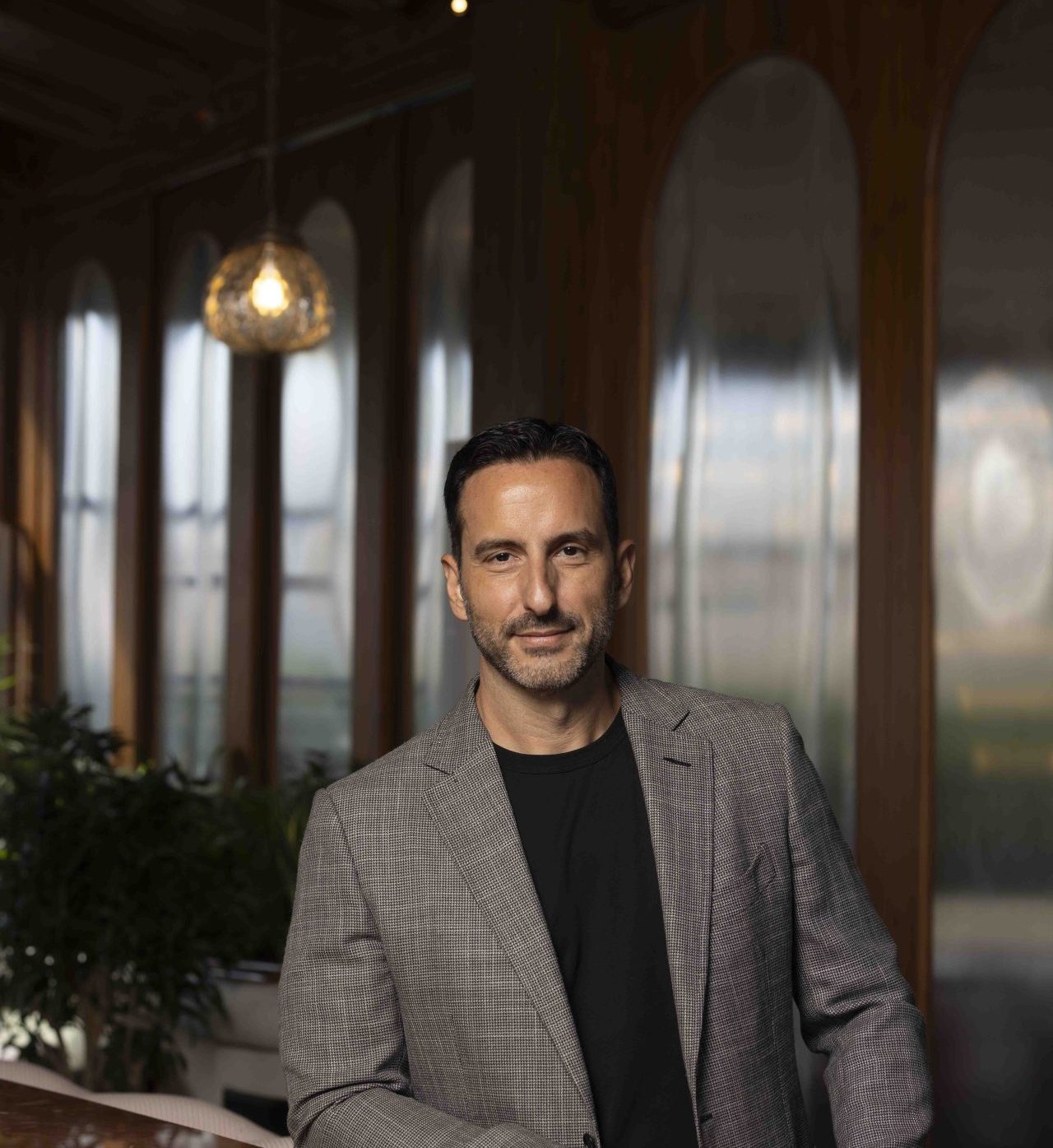
Antonio Gonzalez on Turning Hotels into Platforms for Connection
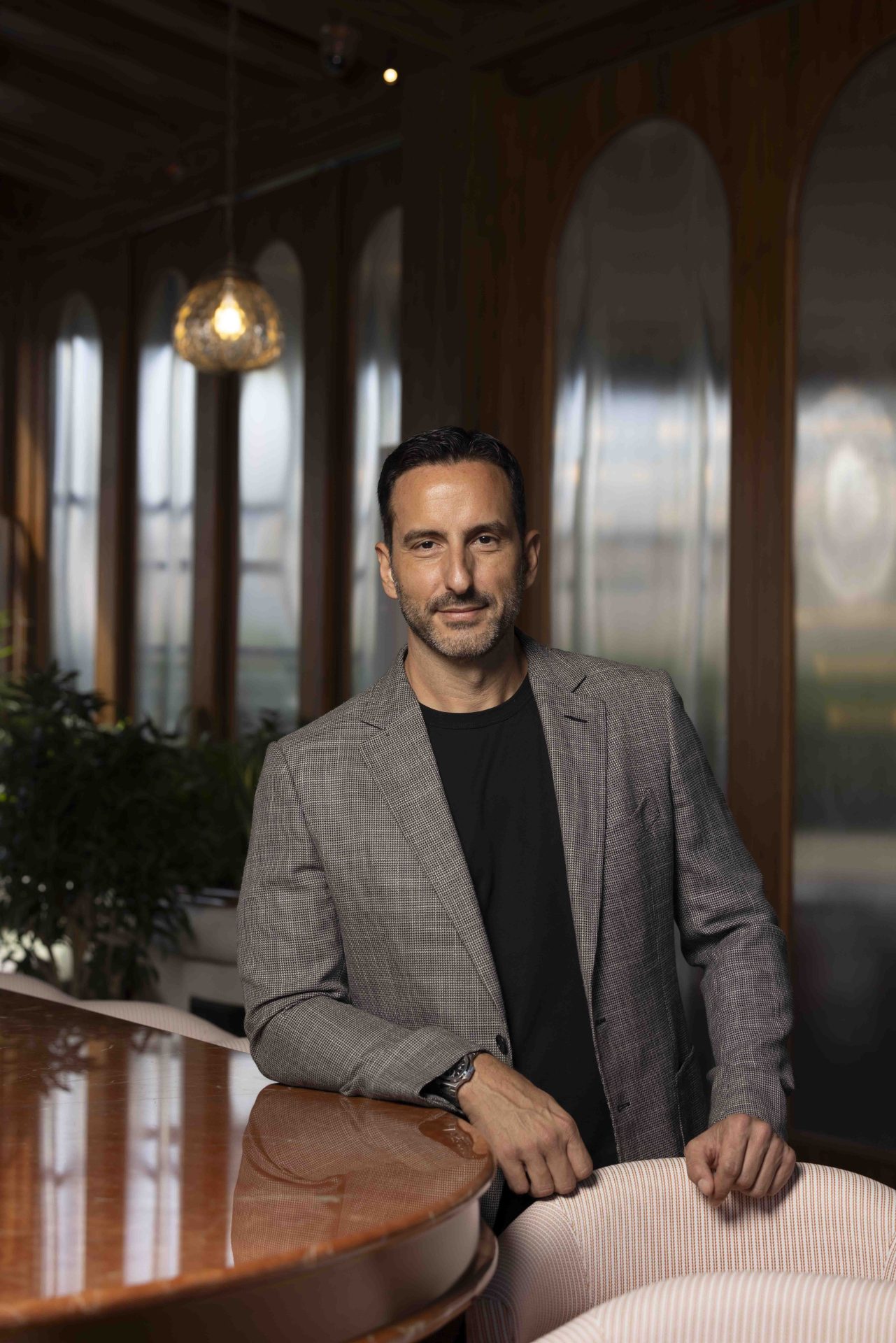
Interview: Antonio Gonzalez, Sunset Hospitality Group
As lifestyle hospitality continues to redefine the contours of luxury travel, few leaders are shaping the conversation as decisively as Antonio Gonzalez, Co-founder, Chairman and Group CEO of Sunset Hospitality Group. Under his direction, the group has expanded beyond traditional hotel models to create integrated destinations that blend design, dining, entertainment and community.
One of the clearest expressions of this vision is METT Marbella Estepona, a property that has rapidly emerged as a standout on the Costa del Sol. Conceived as more than just a place to stay, it reflects a broader shift toward experience-led, socially driven hospitality - where storytelling, brand identity and guest connection take centre stage.
In this interview, Antonio discusses the thinking behind METT Marbella Estepona, how his background in marketing continues to shape SHG’s growth strategy, and why Spain, and Marbella in particular, is poised to become a global benchmark for next-generation luxury hospitality.
Q: METT Marbella Estepona has quickly positioned itself as a standout lifestyle destination on the Costa del Sol - what was your vision for the property, and how does it reflect Sunset Hospitality Group’s broader brand philosophy?
I wanted METT Marbella-Estepona to be more than a hotel; it’s a lifestyle hub. It's relaxed, experiential luxury for those who want space to reset and for groups of friends who want to come together and celebrate, just the right place for the people who matter to you. Exactly what Sunset Hospitality Group stands for.
Q: You transitioned into hospitality after an early career in marketing and advertising - how has that background influenced the way you build and scale businesses and how you drive brands today?
My foundation in marketing stemmed a fundamentally client and brand-first mindset. I don’t see a hotel as a real estate asset, I see it as a platform for storytelling, engagement and long-term value creation. Every element - from design and music to service and programming - has to reinforce a clear and differentiated identity.
At METT Marbella-Estepona, we’ve defined that identity as relaxed luxury with social energy. That clarity gives us the ability to scale without losing edge. As Sunset Hospitality Group expands further into hotels, with several new openings planned across Spain and around the world, we’re scaling a brand ecosystem.
We’re also moving beyond traditional hospitality into adjacent markets like social gaming and members clubs. These concepts deepen engagement, extend dwell time and create recurring communities around the brand. It’s a more integrated, lifestyle-driven model, and is central to how we’re building for the future.
Q: You often speak about “bringing people together” through hospitality - how is this philosophy evolving in today’s market, where guest expectations are rapidly changing?
Bringing people together’ today is about relevance and intent. Guests are no longer satisfied with passive experiences, they want connection, energy and something that feels real.
We’re designing environments that naturally create interaction. Food, music, wellness and experiences, these are the anchors, but the real value is in how they come together to create a social dynamic.
This is driving our expansion into concepts where the focus is on community and repeat engagement rather than one-off visits. In our hotels, we’re creating spaces that evolve throughout the day, from wellness and relaxation to high-energy social environments at night. It’s about building a continuous experience that reflects how people live now. Hospitality has become more fluid, more social and more experience-led.
Q: Having been recognised among the most influential leaders shaping Spanish tourism, what opportunities do you see for Spain, specifically Marbella, as a global luxury hospitality hub in the coming years?
Spain, and Marbella in particular, is entering a very strong growth phase. The fundamentals of climate, connectivity, lifestyle and international demand are already there. What’s changing is the type of product the market is ready for.
There is a clear shift toward lifestyle-led luxury, and that’s where Marbella has a competitive advantage. It offers a more relaxed, experience-driven alternative to traditional luxury destinations.
We see significant opportunity, which is why Sunset Hospitality Group is actively expanding its hotel footprint in Spain, with multiple projects in the pipeline. The goal is not just to add rooms, but to introduce fully integrated concepts that combine hospitality, dining, entertainment and community.
Marbella is well positioned to become a benchmark for this next generation of luxury. It has the flexibility to evolve without losing its identity, and that makes it one of the most exciting markets in Europe right now.

AA Hospitality Quality Schemes Set to Re-enter Republic of Ireland as Part of Growth Strategy
The AA is recommencing its quality accreditation schemes in the Republic of Ireland, marking an important milestone in their ongoing growth plans and commitment to recognising and supporting excellence across Irish hospitality.
AA Hotel and Hospitality Services will undertake all inspections across the country with hotels in the Republic of Ireland having the opportunity to be part of the AA membership accreditation scheme.
AA accreditation in Ireland will build on the continued momentum of the AA’s inspection processes and digital platforms, including RatedTrips.com, which is continuing to reach a wider audience with 23% traffic growth over the past year.
The highly regarded three-level AA accreditation system, includes: Visitor Ready, Quality Assessed and Quality Star Rated. The coveted AA Rosette award, which celebrates 70 years in 2026, is the most respected accolade for culinary excellence in the UK and will also be available to hotels as part of the broader inspection and recognition programme across Ireland.
Irish hotels participating in the AA membership scheme will benefit from promotion across RatedTrips.com, and AA publications, ensuring visibility to high-intent domestic and UK travellers. Member profile pages have also been enhanced to improve visibility, search functionality and consumer engagement, while modernised AA signage has been introduced to strengthen brand recognition on site.
Inspection applications for 2026 are now open, with AA Hotel and Hospitality Services working closely with Irish hotels.
Simon Numphud, Managing Director at AA Media said “The AA has been supporting and working with the hospitality industry for over 118 years, a heritage of which we are very proud. We are committed to the continued recognition of excellence and widening our reach to benefit all those that wish to be AA accredited. We have played an integral part in AA Hotels in Ireland in the past, and we are delighted to be assuming full responsibility for the schemes there moving forward”.
Don Brennan, Chief Commercial Officer at AA Ireland said “We are pleased to see the AA’s quality schemes formally re-established in the Republic of Ireland. Independent accreditation plays an important role in supporting standards across our hospitality sector, and this renewed focus will provide Irish hoteliers with both recognition and enhanced visibility to key domestic and UK audiences. We look forward to working closely with the AA UK.”
Visit RatedTrips to discover all AA-rated places to stay and eat.
To join the AA and get rated visit https://www.aahospitalityservices.co.uk/ireland-hospitality-accreditation/