


The future of hospitality isn’t less human. It is more.

Hospitality has always been built on one simple idea: people looking after people.
That hasn’t changed, but everything around it has - by Alastair Winsey, Founder, AIVA Revolution
Today’s guest doesn’t just compare your venue to the one down the road. They compare it to the best digital experience they’ve had anywhere. Instant replies, seamless booking and personalisation without effort.
At the same time, operators are dealing with a very different reality. Rising costs, ongoing labour challenges, increasing complexity across bookings, communications and service delivery.
The pressure is coming from both sides.
And this is where many conversations around AI and robotics start to drift in the wrong direction. There’s a fear that introducing technology somehow removes the human element from hospitality.
In reality, the opposite is happening. The venues that are adopting AI well are not becoming less human, they are becoming more focused on what actually matters.
The real issue in hospitality today isn’t a lack of effort, it’s where that effort is being spent. The Hidden Cost of “Busy Work.” Across hotels, restaurants and venues, teams are still spending a significant amount of time on repetitive, low-value tasks: responding to the same enquiries again and again, chasing confirmations, manually managing bookings across multiple systems and answering questions that already exist somewhere on a website or document.
What makes this worse is the fragmentation of communication. Guests are no longer just emailing.
They are reaching out across Instagram, Facebook, Whatsapp, SMS, website chat, email and OTA’s and directories.
Each channel creates another thread, another message and another place where something can be missed. This work is necessary, but it doesn’t create memorable experiences. It creates noise. And in a margin-sensitive industry, that noise is expensive. It drives up labour costs, slows response times and ultimately leads to missed revenue.
AI changes this dynamic by removing the need for teams to sit in the middle of these repetitive workflows. When guest enquiries can be handled instantly, 24/7, across all channels, something important happens: time is given back to the team and cost is taken out of the system at the same time.
One of the biggest shifts happening in hospitality is where the guest experience begins. It no longer starts when a guest walks through the door. It starts the moment they make an enquiry.
If that enquiry is answered instantly, clearly and in a way that feels helpful and on-brand, the experience has already begun positively. If it takes hours, or days, or gets lost across multiple platforms, the experience has already started to break down.
AI allows businesses to meet guests at that first moment of intent, consistently. Not instead of people, but before people are needed.
The same thinking applies to robotics. Guests don’t resist technology, they resist poor experiences.
We’re already seeing that over 75% of customers are comfortable interacting with technology, as long as it adds value and feels relevant.
Robotics, when used well, can create consistency in service delivery, operational support during peak periods and unique and memorable touchpoints.
The key is intent. Technology should never replace hospitality, t should support it. A robot delivering a dish is not the experience. The experience is how the guest feels while they are there.
The real opportunity is around focus and margin: what AI and automation really unlock is focus. When repetitive tasks are handled intelligently teams spend more time with guests, service becomes more attentive, operations become calmer and decision-making becomes clearer.
Instead of adding more people to manage complexity, businesses reduce complexity itself. This is where the commercial impact becomes clear. Faster, more consistent responses lead to higher enquiry conversion, fewer missed opportunities, reduced reliance on manual admin and improved staff efficiency.
In practical terms, this means lower operational cost, higher revenue capture and stronger margins.
In a competitive landscape, the venues that respond first and respond well, are the ones that win.
The opportunity doesn’t stop at booking. When guest communication is connected across channels, businesses begin to build a much clearer picture of their customers preferences, behaviour, sentiment and previous interactions. This creates the foundation for something hospitality has always relied on, but rarely systemised: loyalty.
Through intelligent follow-up and ongoing communication, businesses can stay relevant to guests long after the initial enquiry. Not generic marketing, but personalised, timely communication based on real interest and behaviour. This is where repeat bookings, upsells and long-term value are built.
What makes this moment in hospitality different is that it is one of the few times where the customer wins, the business wins and the team wins. Guests receive faster, more relevant experiences, businesses operate more efficiently, reduce costs and convert more demand. Teams are freed from repetitive admin and can focus on delivering great service. How often do all three of those align at the same time? Almost never.
For operators looking to move forward, the first step is not to adopt more technology. It’s to rethink where time and pressure are sitting in the business. Ask where are we repeating the same work, where are we slow to respond, here are we losing enquiries and where is fragmentation creating inefficiency?
Then start small. Focus on guest communication, enquiry handling and booking flow. Then follow-up and nurture, because that’s where the biggest gains can be made quickly.
The future of hospitality will not be defined by how much technology is used, but by how intelligently it is applied to remove friction, reduce cost and create more meaningful human experiences at every stage of the guest journey.

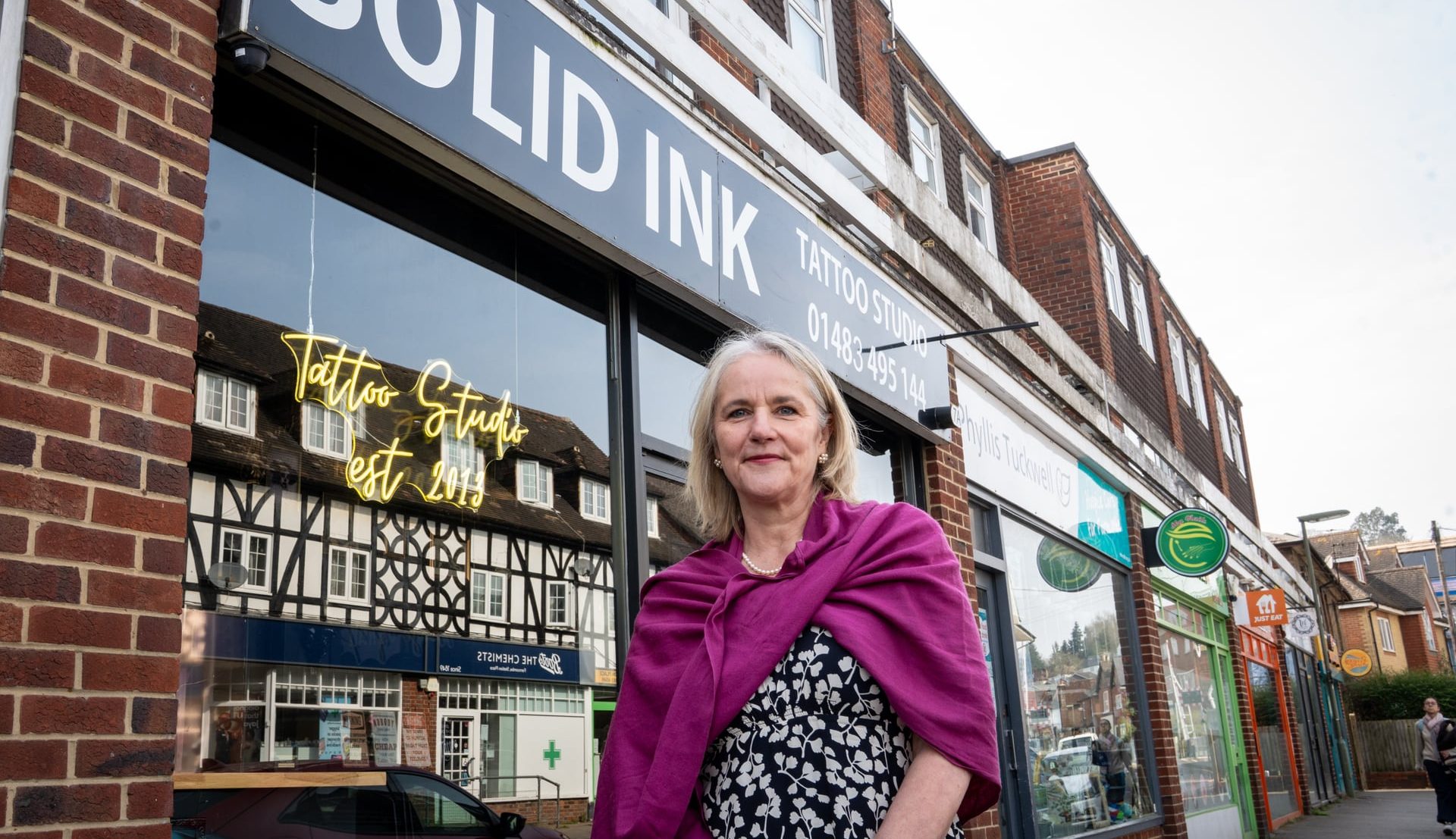
HOSPA CEO marks decade with permanent brand commitment as association announces free tattoos for members
The Hospitality Professionals Association (HOSPA) has today announced a bold evolution of its membership benefits to celebrate CEO Jane Pendlebury’s 10th anniversary at the helm.
In a move that redefines brand loyalty, Jane has commemorated her decade of leadership by receiving a HOSPA logo tattoo – a gesture that has paved the way for the association’s newest member perk, with free HOSPA tattoos now offered to all members.
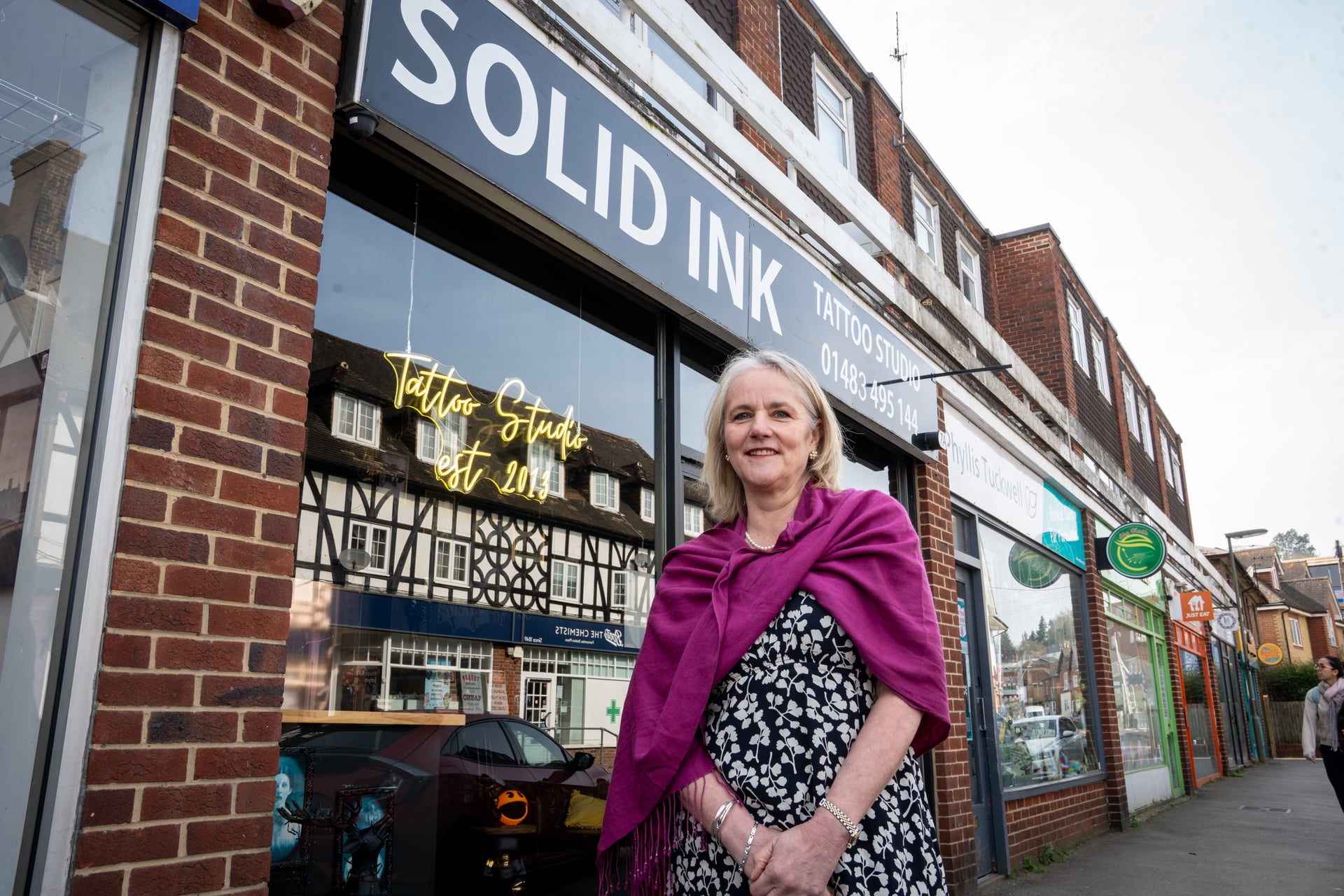
Dubbed a membership “Ink-centive”, the new benefit is open to all levels of HOSPA membership, from Fellows to Associates.
Effective immediately, members are eligible for a complimentary professional tattoo as part of their annual subscription. Members can choose from the classic HOSPA logo or a curated selection of HOSPA-themed designs, with costs reimbursed up to £100.
The initiative aims to provide a permanent symbol of professional standards, ensuring that hospitality excellence is a lifelong commitment. It also recognises the mark Jane has made on the industry during her tenure as CEO.
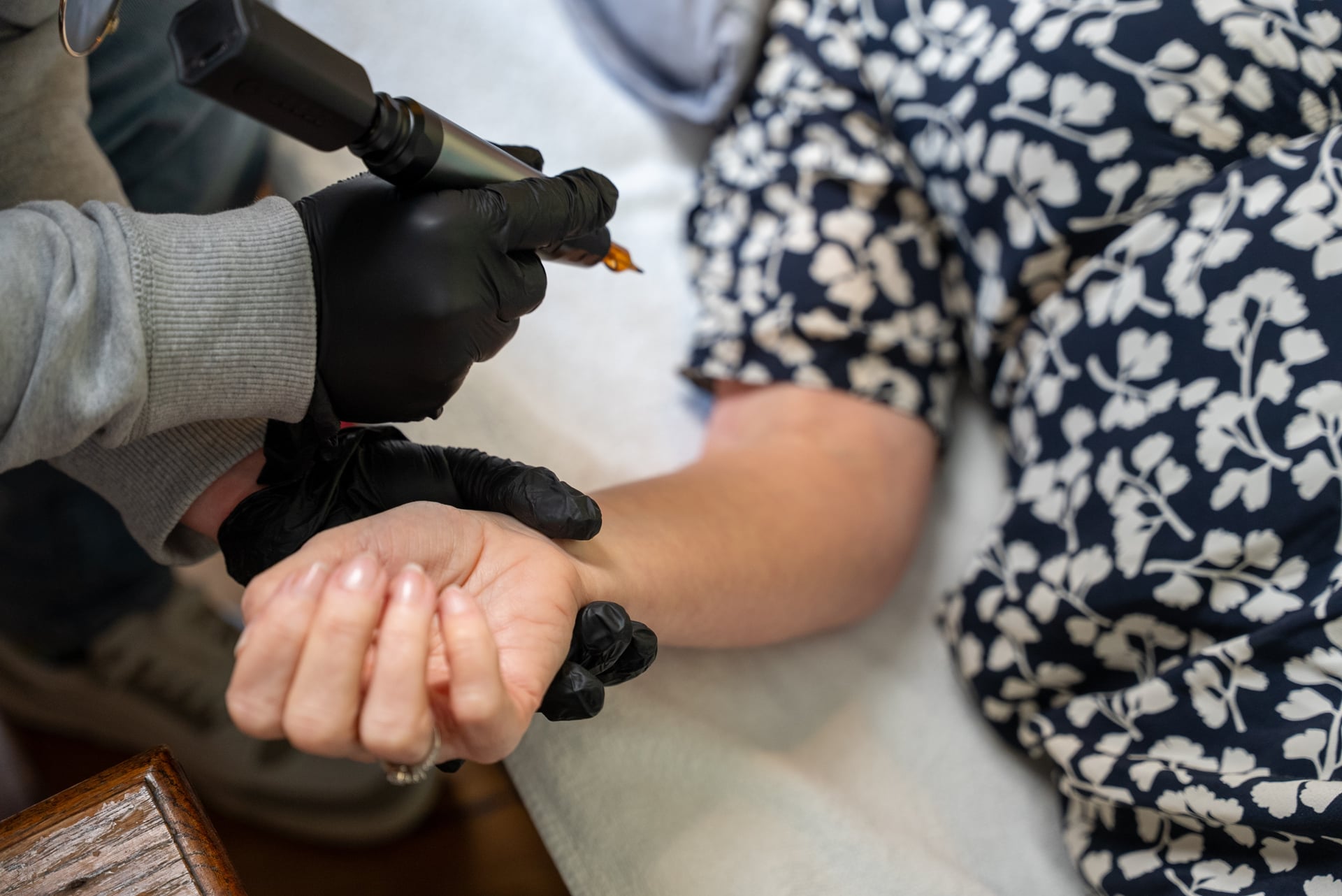
Jane Pendlebury, CEO of HOSPA, commented, saying:
“After 10 years of leading this wonderful association, I felt it was time to show that HOSPA is truly under my skin. Hospitality is a 24/7 industry that requires total dedication, and what better way to show that than with a permanent tribute. It certainly makes a statement in the boardroom.
She continued:
“We’re thrilled to extend this to our members too. We’ve always been about making your mark in the industry, and now we’re making it official.”
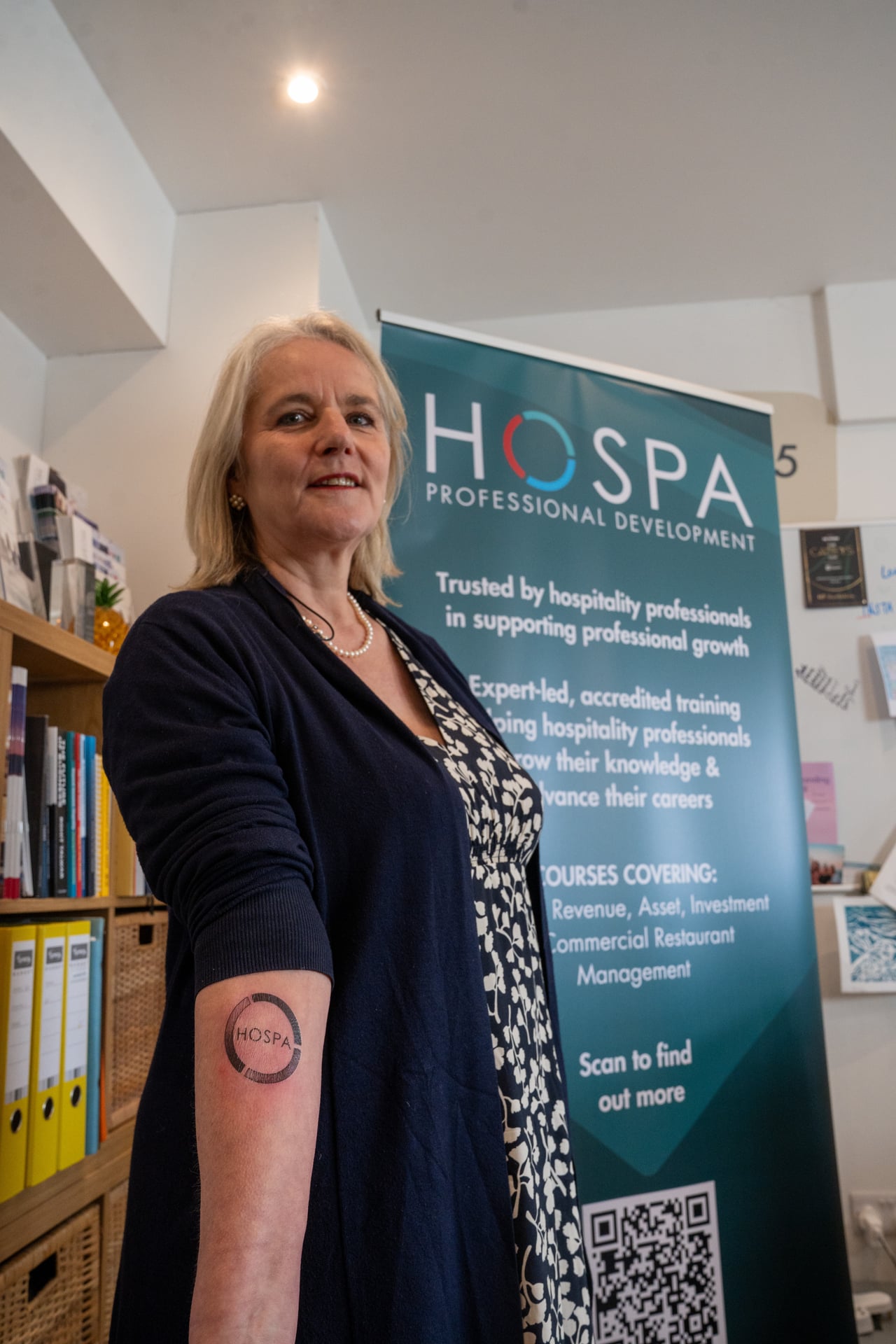
To claim their free tattoo, members simply need to notify the association in advance, before showing photographic evidence of the new ink and a valid receipt from a recognised tattoo parlour once the work has been completed. Jane added:
“I can highly recommend Solid Ink in Farnham. They did a marvellous job of mine, but if Farnham is a little far away, we’re happy to reimburse costs at other tattoo parlours too.”
To contact the association and inform them of your plans to get a HOSPA tattoo, please email hospa@hospa.org (T&Cs apply).
For more information on the Ink-centive programme and to view a gallery of approved industry designs, please visit www.hospa.org/blog? or watch the video here.
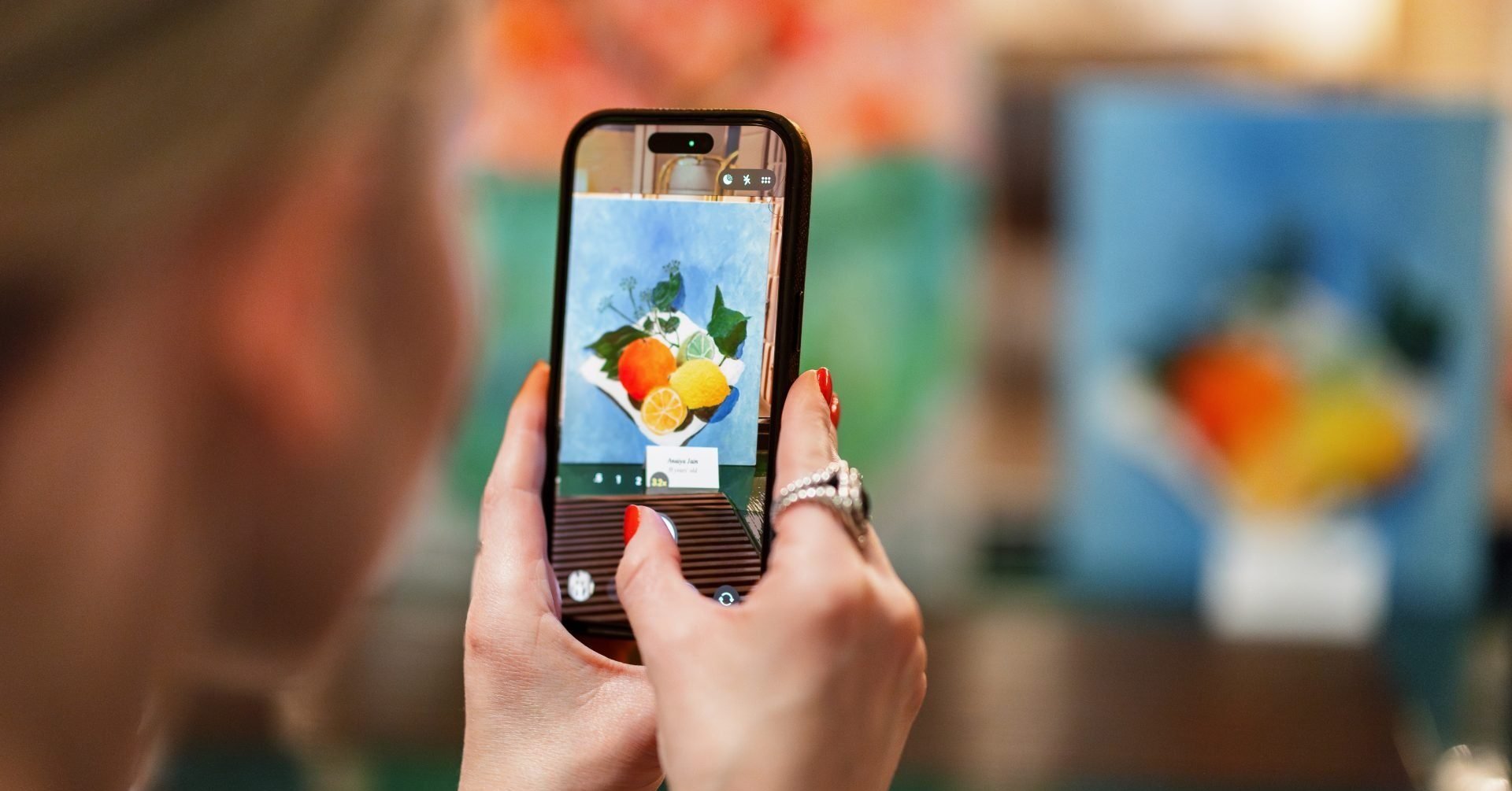
Young Artists Shine at The Mini Maestro Awards Evening

The Mini Maestro Art Prize, a newly launched art competition for aspiring young artists from British schools, builds on the success of The Hari Art Prize. The awards evening, held on Thursday 26th March 2026 at Italian Restaurant, il Pampero, celebrated an exceptional range of creativity, imagination, and technical skill from entrants across Key Stages 1 to 4.
This year’s entries were judged by an esteemed panel of experts spanning education, publishing, media, and hospitality: Tori Cadogan, Education Editor at Tatler; Victoria Evans, Founder and Editor-in-Chief of City Kids Magazine; Francesco Sardelli, General Manager of The Hari London; and Maya Gartner, Associate Publisher at Phaidon Kids. Together, the panel brought a wealth of experience and a shared passion for championing young creativity.
Key Stage 1 (Ages 5–7): For our youngest artists
The judges were captivated by the originality and confidence displayed by the youngest participants.
- Winner: Isobel Strachan — Praised for her creativity, neat execution, and a concept so strong the judges suggested it could evolve into a children’s television show.
Key Stage 2 (Ages 7–11): For our budding creators
Entries in this category demonstrated increasing sophistication, with artists showcasing both technical skill and artistic voice.
- Winner: Kevin Kovacs — Awarded for a stunningly realistic watercolour painting that drew admiration for its precision and beauty.
Key Stages 3 & 4 (Ages 11–16): For our emerging young talents
This year, Key Stages 3 and 4 were combined, resulting in a highly competitive category showcasing advanced artistic maturity, and as such presented two winners.
- Winner: Christopher Simmons — Recognised for a highly detailed work featuring exceptional likeness and masterful handling of reflections.
- Winner: Masha Ivakhnenko — Honoured for an expressive and visually captivating piece that judges described as gallery-worthy.
For more information, and all shortlisted artworks, follow: https://www.thehari.com/london/mini-maestro-awards/
As The Hari continues to champion artistic expression through initiatives like the Mini Maestro Art Prize, alongside the adult competition The Hari Art Prize, the future of art looks brighter than ever. The Mini Maestro Awards Evening highlighted not only the exceptional talent of young artists but also the importance of fostering creativity from an early age.
Catherine Gayler, Assistant Director of Marketing & Communications at The Hari comments: “We created the Mini Maestro Art Prize to give young artists a platform to express themselves, build confidence, and feel truly celebrated for their creativity. The level of imagination and talent we’ve seen this year has been incredible, and it’s been so rewarding to watch these young artists bring their ideas to life. We hope this experience inspires them to continue exploring their creativity for years to come, and maybe one day, enter The Hari Art Prize.”

GuestFlow: Redefining the Smart Hotel Experience Through Seamless Integration

Lucy Han, Business Line Leader, Building Automation, ABB's Electrification Smart Buildings Division
• What challenge in the hospitality sector led ABB to develop GuestFlow?
The challenge we hear most consistently from hotel owners, operators, and developers is fragmentation. For years, hospitality technology was built in silos – lighting managed by one system, HVAC by another, room controls bolted on as an afterthought. The result is complexity for the engineering team during installation, complexity for the operations team day to day, and ultimately, complexity that gets in the way of delivering a great guest experience.
Hotels today are also operating under significant pressure on two fronts simultaneously. Energy costs and sustainability expectations are rising, while guests – particularly younger travelers who've grown up with technology – are raising the bar on what great hospitality looks and feels like.
General-purpose building automation standards have served the industry well – and continue to do so across many applications. But as hotel owners have grown more sophisticated in what they expect from in-room technology, the demand has shifted toward solutions designed specifically for hospitality, rather than adapted from broader building automation platforms.
We developed GuestFlow because we listened to what hotels actually needed: a system built from the ground up for the specific demands of hospitality, and that removes complexity rather than adding to it.
GuestFlow is a Guest Room Management System – a GRMS. That means it's focused specifically on the in-room environment. Guests benefit from a room that responds instantly to their preferences – precisely tuned lighting, ideal temperature, and easy control of blinds, all through a refined, modern interface that blends naturally with the room décor.
Behind the scenes, hotel teams gain total visibility through an intuitive dashboard that monitors room status, energy consumption, occupancy, and service requests in real time. Whether managing a single suite or an entire property, staff can keep operations running efficiently and consistently.

• GuestFlow brings lighting, HVAC, shading and room controls into one platform. Why is this level of integration important for modern hotels?
Because the guest experience doesn't operate in silos, and neither should the technology behind it. When a guest walks into their room, they're not thinking about which system controls the blinds versus the thermostat – they just want the room to feel right. Integration is what makes that seamless, effortless experience possible.
From the operator's perspective, when lighting, HVAC, shading, and room controls are all connected within a single platform, you gain a complete, real-time picture of what's happening across every room in the property. That unified visibility is what allows you to act on data – adjusting energy use, responding to maintenance issues, and fine-tuning comfort settings – rather than simply reacting to problems after the fact.
In my experience, the hotels that get the best results are the ones that have replaced a patchwork of separate systems with a single, joined-up solution. GuestFlow is designed exactly that way – wall panels, control modules, and GRMS software built to work together natively, with no third-party devices or gateways needed.
The result is a consistent experience across every room and every property, without the compromises that come with stitching together systems that were never meant to talk to each other.
• Many hotels run technology from multiple vendors. How does a unified system like GuestFlow simplify installation and ongoing management?
GuestFlow is delivered as one unified ABB ecosystem, from the in-room interfaces and wall panels through to the control modules and GRMS software. That means a single point of accountability, consistent performance across every room, and dramatically faster commissioning.
For system integrators, installation is straightforward by design. Predefined templates and simple setup tools mean rooms can be deployed quickly, without the need for specialist programming knowledge. And if something needs attention down the line, individual components can be swapped out and back up and running without having to reprogram the whole room – saving significant time and cost.
The system is also designed to scale, so whether it's a new-build or a retrofit project, the same architecture works across both.
For the operations team, it means that when they need support, they're dealing with one partner who owns the entire solution. Over the life of a hotel, that translates into real savings in maintenance costs, reduced project risk, and far less operational disruption.
GuestFlow also gives hotel brands genuine flexibility on how the system looks and feels. Room controls can be tailored to match a property's aesthetic and operational requirements – so the technology enhances the brand experience rather than working against it.
• Personalisation is increasingly important for guests. How can technology like GuestFlow help hotels deliver more tailored in-room experiences?
Personalization in hospitality is about making guests feel that the space responds to them – not the other way around. The technology should be invisible in the best possible sense: working in the background to create an environment that feels comfortable and intuitive from the moment someone walks through the door.
GuestFlow gives hotels the tools to make that a reality. Guests can control lighting, temperature, shading, and room settings through premium wall panels designed to blend naturally into the room. Rooms respond instantly to individual preferences, whether that's a particular lighting scene for winding down in the evening or a temperature that's set before arrival.
And because GuestFlow connects directly with Property Management Systems, operators can carry guest preferences forward. So, the system knows who's checked in, when they're arriving, and potentially what their preferences are from a previous stay. It’s that kind of continuity that turns a good stay into a loyal relationship.
The best technology in hospitality makes everything feel effortless.
• Sustainability is high on the agenda for hotel leaders. How can real-time room and occupancy data help hotels improve energy efficiency?
The biggest lever hotels have on energy efficiency is occupancy awareness – knowing precisely which spaces are in use, and ensuring energy is only consumed where and when it's needed. That sounds straightforward, but without real-time data, it's remarkably difficult to execute consistently across hundreds of rooms.
GuestFlow integrates presence detection with smart HVAC, lighting automation, and shading controls to optimize energy use continuously – not on a schedule, but in response to what's actually happening in the building at any given moment.
The centralized dashboard gives operators real-time visibility into room status, occupancy, and temperature settings across the entire property. That data isn't just operationally useful; it's foundational to credible sustainability reporting, which is increasingly a requirement for hotel operators around the world.
Hotels that can demonstrate measurable reductions in energy consumption are in a stronger position competitively, and better placed to protect their long-term investment.
• How do you see guest room management systems evolving over the next few years?
In the years ahead, I expect that capability to deepen significantly. We'll move from systems that respond to guest preferences toward ones that learn and anticipate them – adjusting environments based on patterns built up across multiple stays, or even across properties.
On the operational side, predictive maintenance will become far more sophisticated, with systems that can model the health of an entire building's infrastructure over time, not just flag an individual issue. And as sustainability reporting requirements tighten globally, that data layer will become essential infrastructure in its own right.
GuestFlow is built with exactly that future in mind – open, integrated, and designed to grow with the needs of the business.
CRAFTED ANNOUNCES SENIOR LEADERSHIP APPOINTMENTS WITH JORDAN THOMSON GENERAL MANAGER AND BEN SWINDELLS HEAD OF OPERATIONS
Crafted is pleased to announce the appointment of two senior leaders as the company continues to strengthen its operational and commercial capabilities.
Jordan Thomson has been appointed General Manager at Crafted, bringing extensive experience across hotels, private members’ clubs and destination restaurants throughout the UK and Europe. Most recently, he served as Group Pre-Opening Manager at Sircle Collection, leading the launch of multiple hotels, restaurants and members’ club concepts across key European cities. Prior to this, Jordan was Pre-Opening Director of Food and Beverage for Virgin Hotels during the brand’s entry into the UK market, where he helped establish the operating model and commercial positioning of the concept in a new territory.
In addition, Ben Swindells has been appointed as Head of Operations at Crafted at Powdermills, bringing with him a wealth of experience across the hospitality and lifestyle sectors. Ben joins from GuestHouse Hotels, where he served as Operations Director & Hotel Director at No.124 Brighton. Prior to this, he held senior leadership roles including Operations Director at co-working operator Huckletree, General Manager at The Ministry, and General Manager at Harbour Hotels Group. His broad operational expertise and track record in delivering exceptional guest experiences will be instrumental in driving the continued success of Crafted at Powdermills.
These appointments follow the decision by Joel Williams, Managing Director at Crafted, to step down from his role as he relocates to Qatar. Joel has played a pivotal role in shaping Crafted’s vision and growth, and the business extends its sincere thanks for his leadership and contribution during his tenure. He leaves the company in a strong position, with a clear direction and an exceptional team in place.
Jordan Thomson, General Manager at Crafted
“It’s a great time to be joining Crafted as the business builds momentum and looks ahead to its next stage of growth. My experience has been focused on opening and shaping hospitality concepts from the ground up, and I’m looking forward to working with the team to strengthen the guest experience and support what comes next for the brand.”
Ben Swindells, Head of Operations at Crafted at Powdermills:
“I’m delighted to be joining Crafted at such an exciting time for the business. Powdermills is a truly unique property with enormous potential, and I’m looking forward to working with the team to build on its strong foundations, elevate the guest experience, and drive operational excellence across the site.”
Crafted remains committed to delivering innovative hospitality experiences, and these leadership changes mark an exciting new chapter for the business.
www.staycrafted.com
@staycrafted_

How real-time guest insight is reshaping hotel revenue
By Matthew Prosser, Senior Sales Director, Agilysys
Hotel revenue strategy has historically been shaped around Revenue Per Available Room (RevPAR). While RevPAR remains a valuable indicator of room performance, it doesn’t depict the full revenue story. Today’s guests engage with hotels across far more touchpoints than the booking itself, and the most progressive hoteliers are recognising that revenue growth sits beyond the room.
From dining and spa to experiences, retail and upgrades, the guest journey is now the primary revenue opportunity. The question is no longer whether ancillary revenue matters, but how effectively hotels can unlock it in real time.
Revenue beyond the room is inherently time sensitive
Guests don’t decide what to spend in advance and rigidly adhere to it. They respond to moments. A dining suggestion when they arrive from a late meeting, a spa offer timed to a quieter afternoon, or a personalised experience recommendation aligned with why they’re travelling. These opportunities are highly situational and often fleeting. Miss the moment, and the revenue can disappear.
This is where many hotels still struggle. Large volumes of guest data are captured, yet too often it sits static, disconnected from live operations and siloed across systems. Preferences logged during a previous stay or loyalty enrolment may be accurate, but if they can't be acted on in the moment, their commercial value is limited. Personalisation becomes retrospective rather than responsive.
Real-time personalisation changes that equation. It enables hotels to recognise intent as it happens and respond with relevance. When executed well, it feels like intuitive service. Commercially, it drives incremental spend without eroding trust or appearing intrusive.
Why RevPAG is replacing RevPAR as the growth lens
As guest spend continues to extend beyond the room into dining, spa, retail and experiences, performance measurement must reflect where value is actually being created. The relevance of this shift is already clear, with luxury properties now generating up to 40% of their total revenue from non-room sources.
This is why RevPAG has emerged as a more useful lens for growth. It captures the cumulative value of the guest relationship across the stay, highlighting the commercial impact of timely, relevant engagement beyond the room night itself.
RevPAG does not diminish the importance of rooms revenue; it reframes it. It encourages operators to view the guest holistically and to consider how every interaction contributes to total value. Importantly, RevPAG also highlights where revenue is being left on the table when personalisation is delayed, generic or disconnected.
Personalisation only works when it is operational
The ability to deliver relevant offers in real time depends on whether teams across the property are working from a shared understanding of the guest.
This is where the Intelligent Guest Profile becomes critical. Rather than fragmented records across multiple systems, an Intelligent Guest Profile brings preferences, behaviours and engagement into a single operational view. When every amenity and service draws from the same guest intelligence, front desk, food and beverage, spa and revenue teams can act with confidence, knowing the insight they are using is accurate, current and shared across departments.
Achieving this at scale requires a unified approach by design. Multiple guest profiles, disconnected booking engines and siloed systems make timely action difficult, while a single operational view creates the foundation for both better service and stronger revenue outcomes. The result is a guest experience that feels seamless, and a revenue model that reflects how guests engage and spend.
Crucially, this is not about overwhelming guests with options or pushing additional spend. It is about recognising intent and responding with precision. A well-timed recommendation converts because it feels helpful, not because it is persuasive.
Real-time insight turns service into strategy
The commercial power of real-time personalisation lies in its immediacy. When hotels understand where a guest is, what they are engaging with and how their stay is unfolding, personalisation shifts from a theoretical ambition to a practical revenue engine.
This approach also changes how teams operate. Rather than relying on rigid packages or broad promotions, staff are empowered to respond dynamically. The result is higher conversion on ancillary services, increased guest satisfaction and stronger margins, all without adding operational complexity.
Artificial intelligence plays a supporting role here, not as a headline act, but as an enabler. AI helps surface patterns, predict intent and support faster decision-making, but the value is realised on the floor, in the moment, through human interaction informed by accurate data.
Relevance drives results
Real-time personalisation is what turns guest insight into commercial action. When hotels can recognise intent as it emerges and respond with relevance, ancillary revenue becomes a natural outcome of the stay rather than an afterthought.
Delivering this consistently depends on having accurate, unified guest intelligence that teams can trust and act on in the moment. Without that operational foundation, even the best intentions around personalisation struggle to translate into measurable results.
As expectations continue to rise, the advantage will sit with hotels that embed real-time insight into everyday decision-making. Those operators won’t just elevate the guest experience; they will unlock sustainable revenue growth across the entire property.
Foxhills invest £1.5 million into new Lomri restaurant and Manor Lounge and Bar
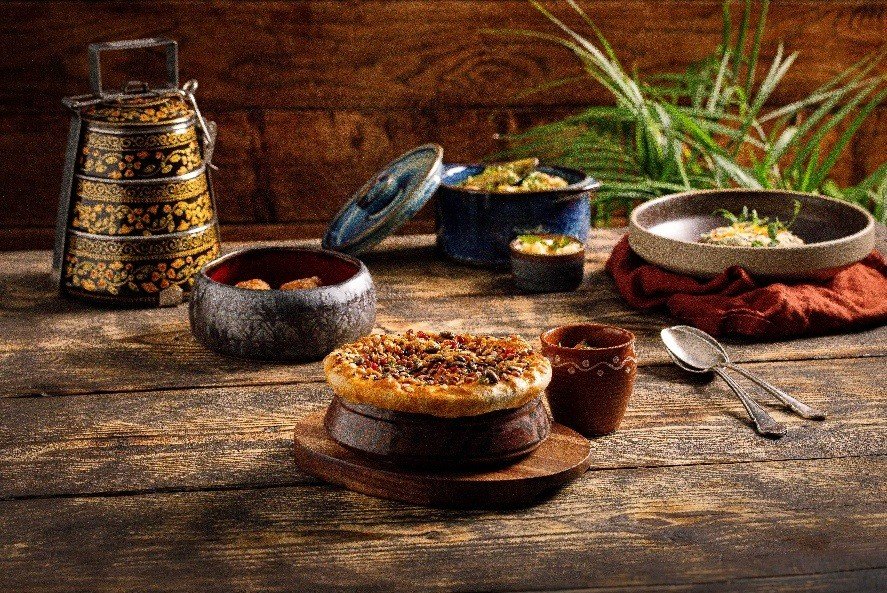
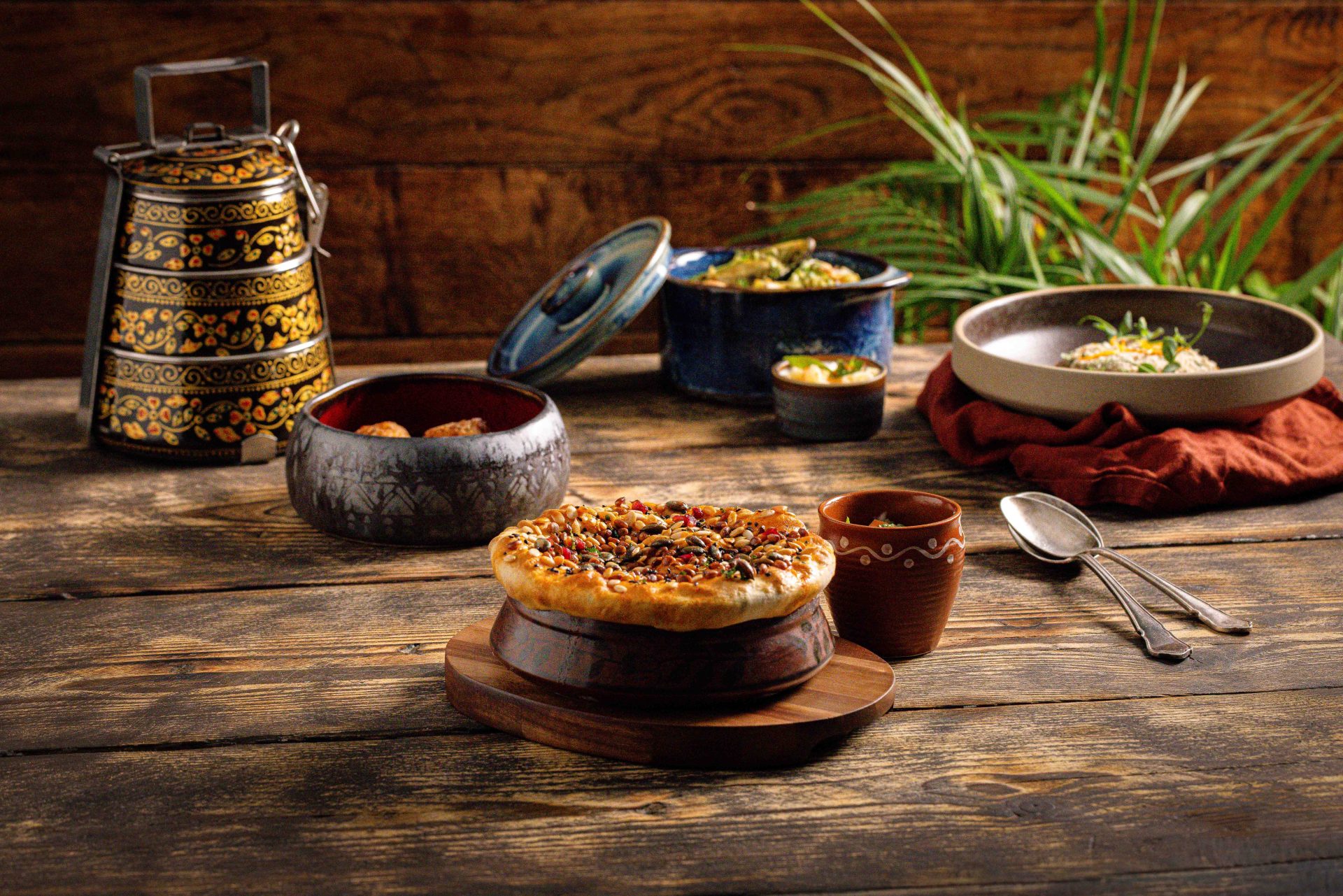
Foxhills Club & Resort is set to unveil its new Manor House dining experience on 2 April, with the launch of Lomri, the resort’s new restaurant, and the Manor Lounge and Bar, a refined yet characterful social space at the heart of Foxhills, after a £1.5m investment.
The new restaurant designed in partnership with Auden Hospitality, is part of a wider repositioning of the Manor House, the next stage of Foxhills’ evolution and continued reinvestment. This follows a wider multi-million-pound programme of enhancements across Foxhills in recent years, including bedroom refurbishments, new padel and pickleball courts as well as it’s family leisure facility The Pavilion which opened just under 5 years ago.
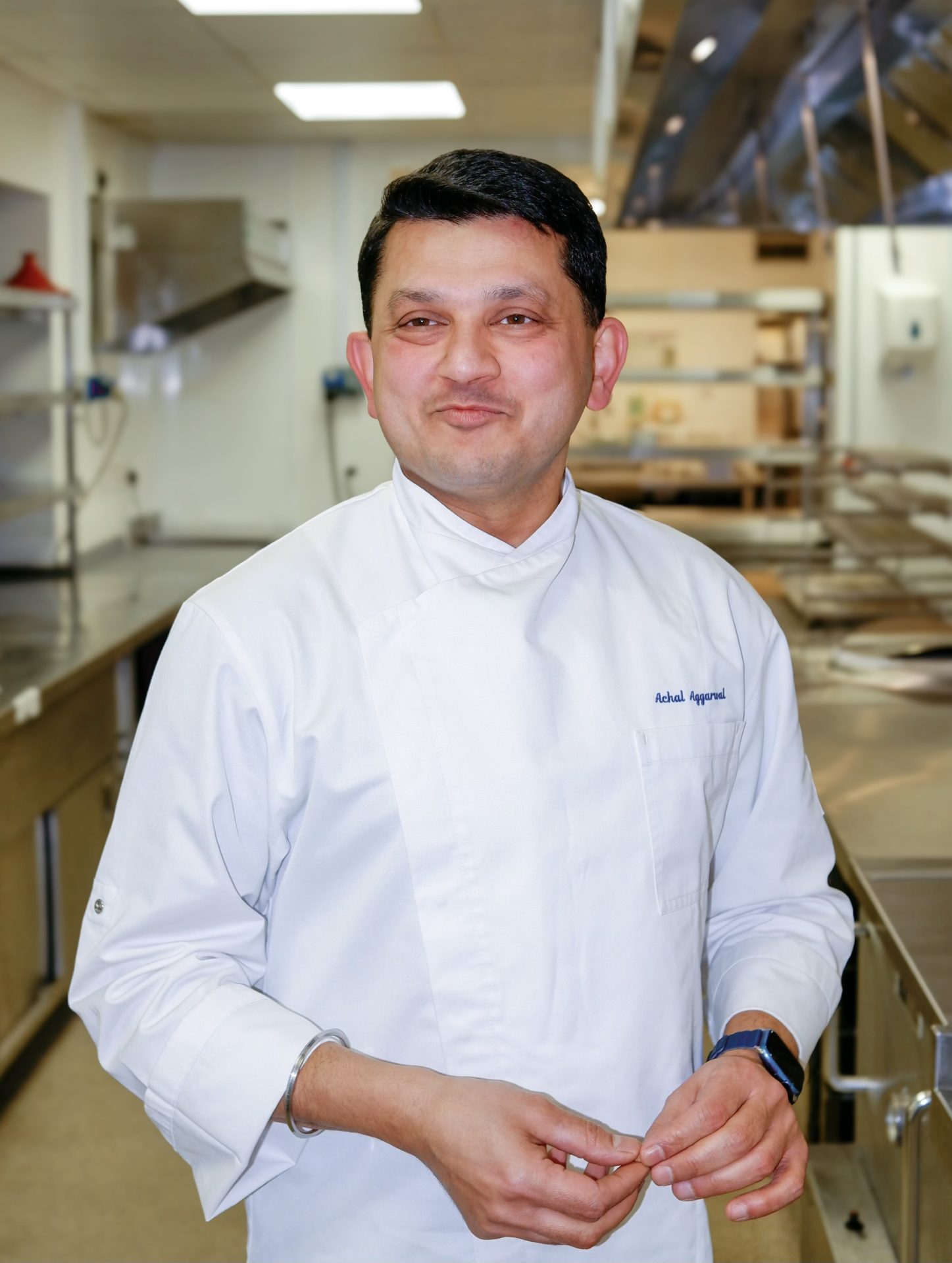 At the centre of the launch is Lomri, a new restaurant concept being led by Head chef Achal Aggarwal who was appointed in February 2025 to lead the new offering. Named after the hindi word for Fox, a nod to the resort’s heritage, the restaurant concept reflects both Britain’s long-standing culinary connection with India and a growing appetite for regional, experience-led dining. Chef Achal brings significant international experiences, with a career that spans training in Tokyo and New York, senior roles with The Leela, Hyatt and multiple Oberoi Hotels, and a key role in bringing the celebrated Wasabi restaurant to Delhi.
The new versatile spaces have been designed to feel special enough for celebrations yet relaxed and welcoming enough for everyday dining, allowing thoughtful hospitality and vibrant dishes starting from £19.50 to elevate both meaningful and simple occasions. The restaurant balances the Manor House’s historic character with a contemporary feel, featuring warm natural materials, layered textiles and rich earthy tones inspired by the landscapes of India. Lomri will seat 80 covers, with a mix of intimate tables, larger group settings and a semi-private dining area for those special occasions.
Alongside Lomri, the Manor Lounge and Bar will be relaunched as a lively yet relaxed gathering space, offering an inviting setting for pre-dinner drinks, informal meetings and late-evening conversations and celebrations. The launch will be supported by a team of over 300 hospitality professionals across the resort, including a dedicated F&B team of 22 within Lomri and the Manor Lounge and Bar.
Together, Lomri and the Manor Lounge and Bar reflect Foxhills’ commitment to creating spaces that foster connection and celebration, embracing contrast between heritage architecture and contemporary energy, a calming environment and moments of surprise.
Mark Thewlis, Hotel Manager at Foxhills Club & Resort said:
“We are extremely excited to be launching our new dining experience to members, guests and diners looking for that special moment here in the heart of Surrey. Lomri and The Manor Lounge and Bar represent an important step in the continued evolution of our food and beverage offering, and the time that can be enjoyed here at Foxhills.”
Scot Turner, Founder and Managing Director at Auden Hospitality said: “With Lomri, we wanted to create a dining experience where design plays as important a role as the food itself. The space, the storytelling and the menu are all connected. It’s about creating a sense of place in the heart of Surrey, somewhere guests feel transported, yet completely at ease.”
More information and updates on the new restaurant can be found at https://lomri.co.uk/
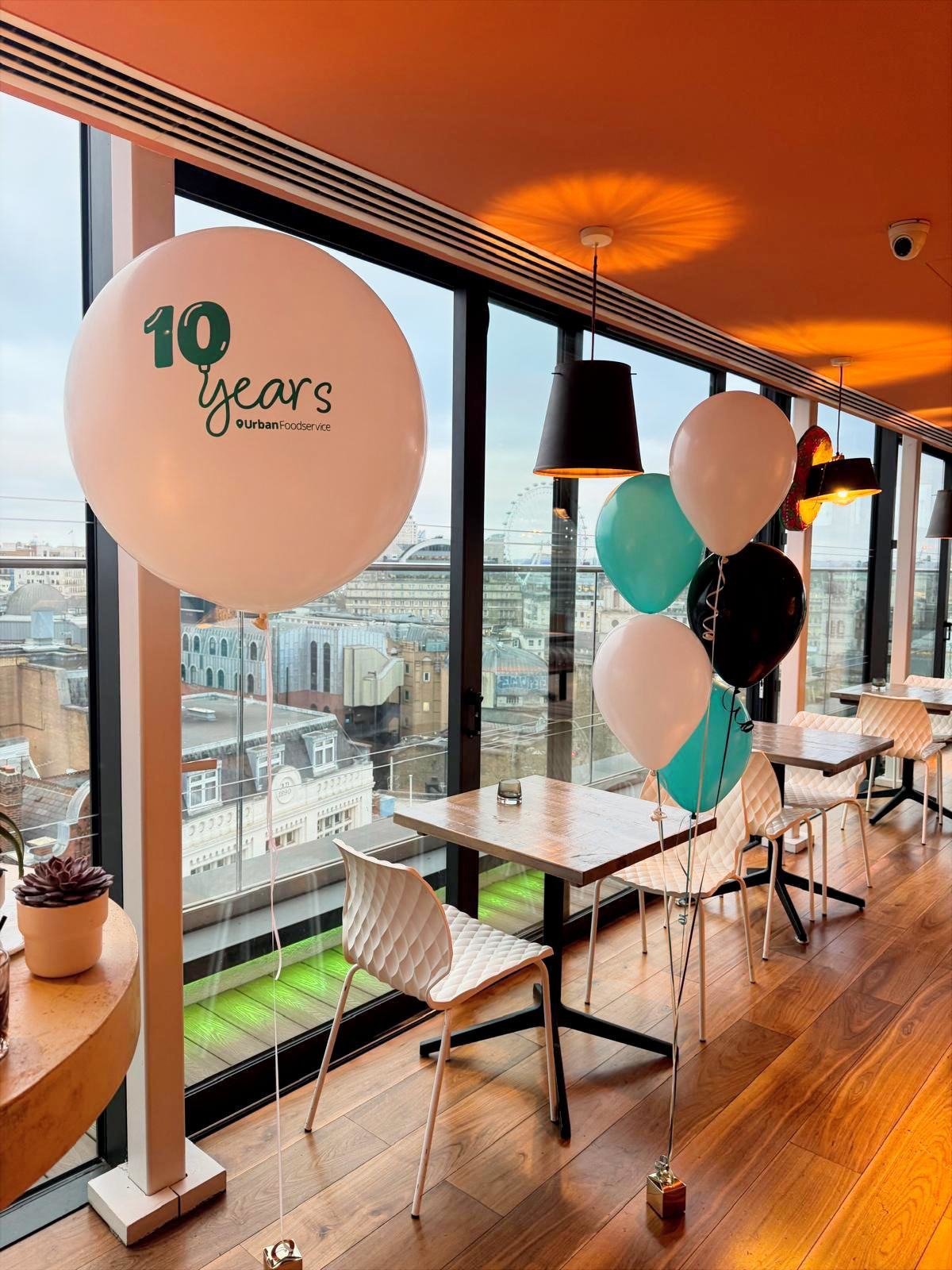
Urban Foodservice celebrates 10 years of growth, innovation and menu collaboration
Urban Foodservice, a wholesale food company for the hospitality industry, is celebrating its 10th anniversary this month, marking a decade of growth from a single depot to a nationwide network across the UK.
Over the past 12 months alone, buying customers have grown by 20%, reflecting chef’s trust in the top-notch ingredients and support the company provides. Since opening in 2016, the business has expanded to operate across major cities, including London, Brighton, Manchester, Liverpool, Glasgow, and Edinburgh, with additional cities planned this year.
To mark the milestone, Urban Foodservice hosted a series of birthday celebrations, including a customer raffle via its online shop, MyUrban, giving 10 customers the chance to win £100; and a birthday party for loyal customers at Miradora Rooftop Restaurant & Bar in London’s Leicester Square on 24th March 2026. In addition, they are offering price reductions across more than 100 bestselling product lines.
The company also continues to support The Burnt Chef Project, which works to break down the stigma surrounding mental health in the hospitality industry. Recent fundraising efforts include a climb up Snowdon, which raised £10,571, and a raffle at Urban Foodservice’s 10th birthday party, which generated over £800 for the charity.
Jo Aisbitt, Sales Director at Urban Foodservice, said:
"Reaching 10 years is an incredible achievement. We’ve grown with the industry over the past decade but always stayed true to our roots. We’re excited for what the next decade holds for our customers and us!”
Urban Foodservice’s dedicated foodie-led team is driven by a passion for great food and deep knowledge of key trends and food culture. Reflecting the company’s growth, the sales team has expanded from just seven people in 2023 to 20 in 2026, strengthening its ability to support customers with tailored ranges and menu insight.
From busy city centre chains to food trucks at summer festivals, the team delivers bespoke product ranges directly to customer sites, helping them stay stocked, competitive and focused on their service offering.
The business supports thousands of kitchens with next-day delivery nationwide, over 10,000 products, clear and transparent pricing, and personalised support from a dedicated Business Manager. Customers can order 24/7 via MyUrban, its online shop and app, which features live pricing, stock availability, allergen information, and a free recipe management tool to help food businesses cost dishes, manage margins, and build delicious menus efficiently.
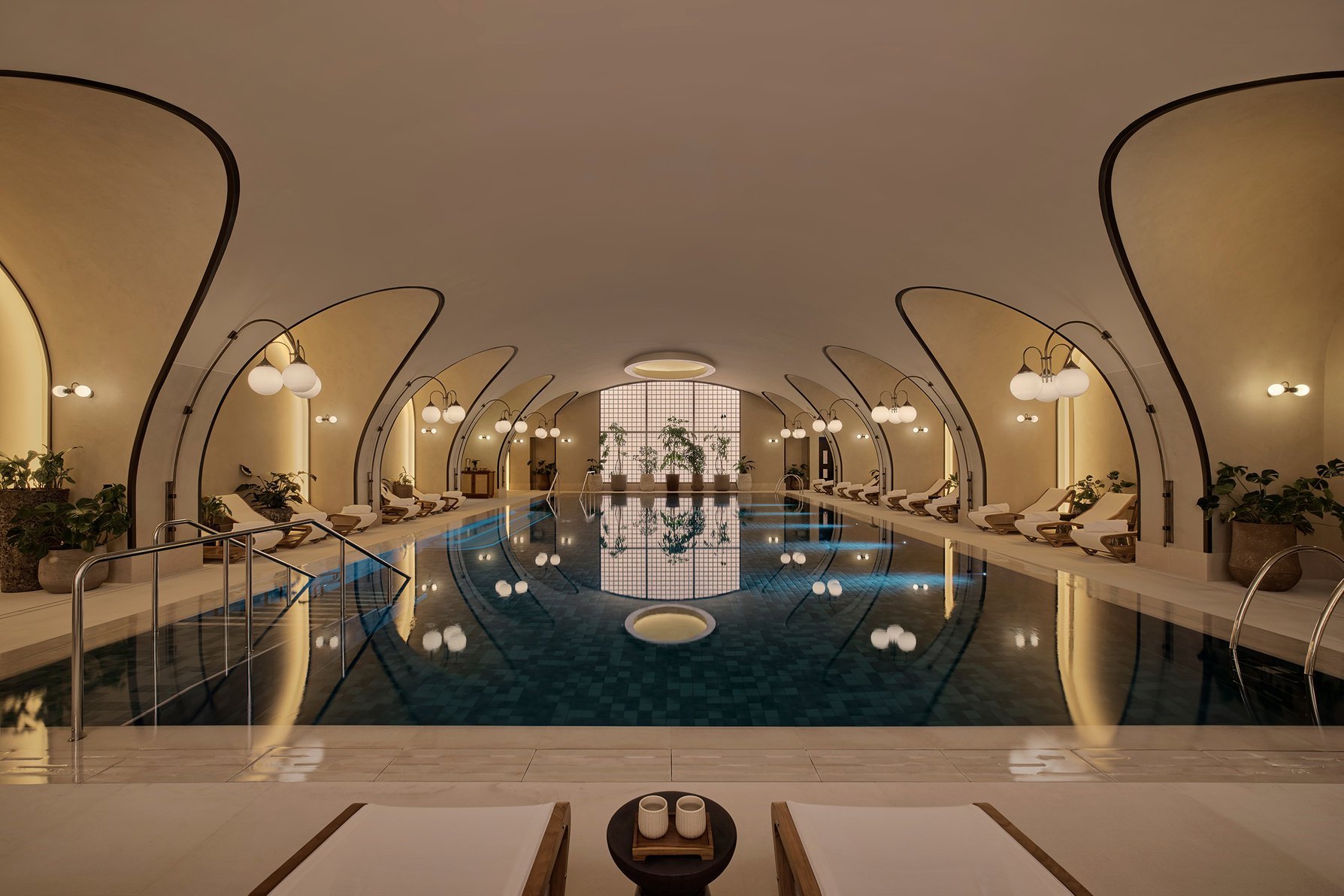
IHG Hotels & Resorts accelerates European growth expanding its portfolio by over a quarter in three years
- 2025 marked record year for IHG in region
- Major European milestone achieved of 150,000 open rooms – 15% of global system size
- “We’re scaling with purpose, underpinned by sustained investment” – Karin Sheppard
IHG Hotels & Resorts (IHG), one of the world’s leading hotel companies, is rapidly expanding its footprint in Europe, adding over 32,800 rooms in the past three years to its portfolio – growth of 27%.
A supportive macro backdrop continues to fuel IHG’s growth as it expands its scale and presence in Europe’s key destinations. In 2025, European hotel investment reached €27 billion across more than 1,050 hotels – the strongest year since 2019 (Cushman & Wakefield). This momentum is underpinned by Europe’s position as the world’s most visited region, welcoming around 793 million international arrivals in 2025 (UN Tourism).
Last year, IHG opened a record 102 hotels and signed an impressive 117 properties in Europe, and acquired Ruby, the European-based premium urban lifestyle brand. The company’s European portfolio now comprises more than 1,230 open and pipeline hotels across more than 40 countries. This sustained growth reflects decades of strong owner relationships and continued brand evolution, driven by a single ambition: to consistently deliver brilliant experiences in every destination.
Germany is central to this growth story – both as a strong domestic market and one of Europe’s most important outbound markets. One of IHG’s fastest‑growing countries in the region it represents more than 20% of open rooms (32,700) and nearly 20% of its pipeline (8,340 rooms). Momentum in Germany amplifies brand awareness and drives demand and performance across IHG’s wider European and global portfolio.
Karin Sheppard, SVP & Managing Director, Europe, IHG Hotels & Resorts, said:
“Across Europe, IHG continues to build strong momentum as we purposefully scale our portfolio, surpassing 150,000 open rooms in the region – a significant milestone for our business. We are growing both new and established brands in priority markets to strengthen our presence across all four segments, underpinned by sustained investment in our enterprise to ensure every IHG brand and hotel remains competitive.
“It is also a moment to recognise our hotel teams across Europe, who consistently deliver exceptional guest experiences in some of the world’s most desirable cities and resort destinations. This achievement reflects the collective strength of our colleagues in more than 40 countries and their unwavering commitment to bringing IHG’s True Hospitality for Good to life.”
IHG’s growth across Europe spans its Luxury & Lifestyle, Premium, Essentials and Suites portfolios. Recent highlights include.
- Luxury and Lifestyle: Openings and signings such as Six Senses London and InterContinental Prague, alongside the continued growth of Kimpton and Vignette Collection in key European markets.
- Premium: Momentum continues, with the launch of Noted Collection as its latest Premium Collection brand, further strengthening its offer in Europe. Additional momentum driven by signings including Crowne Plaza - Marne-la-Vallée near Disneyland Paris, the addition of Ruby Hotels, and the further expansion of voco.
- Essentials: Garner continues to grow, with brand launches in the UK, Germany, Italy and Turkiye in 2025, while the Holiday Inn Brand Family remains a cornerstone of IHG’s portfolio, accounting for more than 60% of the company’s open European estate.
- Suites: Candlewood Suites debuts in Iceland with the opening of Candlewood Suites Reykjavik, while Staybridge Suites enters Italy with Staybridge Suites Milan NoLo.
Sheppard continued:
“The strong growth across our brand portfolio reflects the rising confidence and trust we are seeing from both new and existing owners in Europe. That confidence is underpinned by the consistent performance of our brands, the strength of our commercial platforms and our ability to support owners with scale, expertise and long-term value creation in a highly competitive market.
“Conversions are playing an increasingly significant role in our growth, accounting for 84% of room openings and 61% of room signings in Europe in 2025. This highlights owners’ appetite for a faster, lower risk route to market, allowing them to quickly tap into the strength of IHG’s brands, distribution, loyalty and commercial engine.”
IHG has 1,230 open and pipeline hotels across over 40 countries in Europe. Its largest markets include the UK & Ireland (404 open and pipeline properties), Germany (242 open and pipeline properties), France (84 open and pipeline properties), and Spain (81 open and pipeline properties).
*Figures as of 31 December 2025
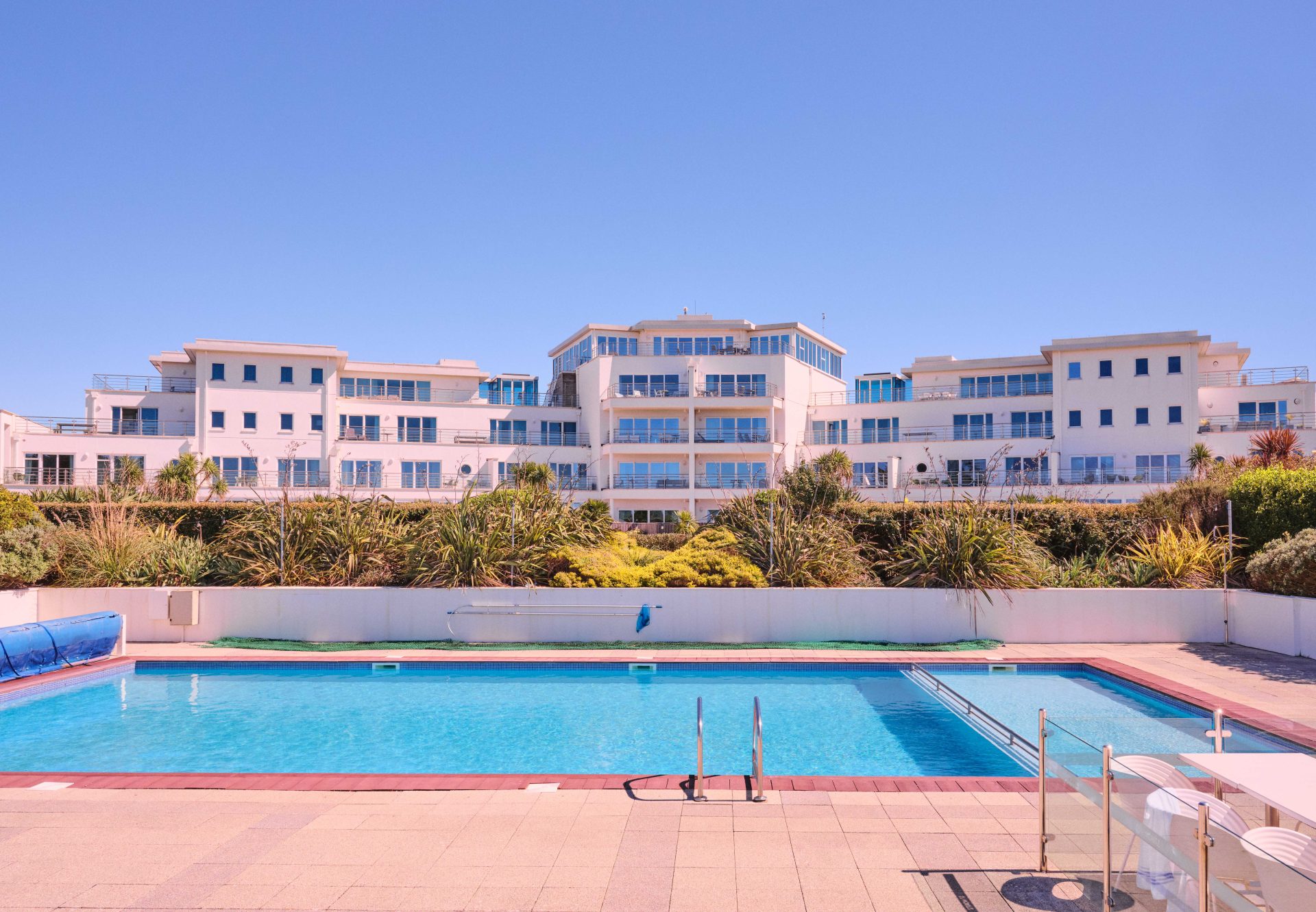
IN A UK FIRST, ROCK’S ST MORITZ HOTEL & COWSHED SPA PAYS GUESTS’ PUMPED UP PETROL PRICES
PUMPED UP PETROL PRICES BE DAMNED’ OFFER INCENTIVISES STAYCATIONERS TO TOP UP, DRIVE DOWN AND REVEL IN THE CORNISH COAST

As a survey* reveals that up to 40 per cent of holidaymakers who had intended to travel abroad during the Easter break are changing their plans and booking at-home instead, St Moritz Hotel & Cowshed Spa in stylish Rock in Cornwall is offering a first-in-the-UK incentive for Great British staycationers, offsetting their increased petrol prices.
Global uncertainty and oil prices shooting up already means UK drivers are facing a 15% rise every time they fill the tank. So, St Moritz Hotel & Cowshed Spa has launched a new ‘pumped up petrol prices be damned’ discount that eases the burden their guests’ travel costs by paying back the additional petrol price for their drive down to Cornwall.
According to the RAC, over 19 million UK road trips were taken over the Easter holidays in 2025 and over 17 and 18 million over the early and late May bank holidays, with a major influx to Cornwall and the South West across all of them. The Easter and May school holidays also see a major number of in-bound carloads.
The St Moritz team has therefore cleverly grouped postcodes to payback the petrol surcharges for their guests. For people in Wales and the South West, the Tank-Top-Up code will grant a £15 discount. For those driving from the South East, London and the Midlands, the Say-No-To-Surcharges code will provide a £20 discount and Fuel-My-Holiday will knock £30 per carload off for those cruising down to Rock from the North and Scotland.
The offer is open to all new bookings to the St Moritz extensive range of accommodation options including hotel rooms, suites, apartments, penthouses and houses, on bookings made by 12th April and on stays taken before 1st July.
Former Visit Britain Chairman Steve Ridgway is a Co-Founder of St Moritz Hotel & Cowshed Spa and he says,
“The Great British hospitality industry has to pivot once again and find yet more exciting ways to encourage our much-valued staycationers to book their getaways in our midst. Whilst the St Moritz team can’t control global security or Trump being Trump, we can offer to take the strain of the additional driving costs for our UK guests. So that’s what we’re doing by saying ‘Pumped up petrol prices be damned’ and giving all new bookers an immediate postcode-related discount on top of our other great offers.”
Steve’s brother Hugh Ridgway continues,
“‘Cost creep’ and the constant headlines are concerning for everyone, so with ‘Pumped up petrol prices be damned’ we’re cutting any barriers to booking and helping everyone reclaim the much-needed joy of getting away. It’s about celebrating the simplicity of the great British break: of that feeling of packing up the car, getting on the road, and knowing you’ve got a jolly good Cornish time ahead of you. Here in Rock, we’re all about coastal calm, relaxed luxury, good food, nature’s playground, fresh air, the space to breathe, and the ability to just be. No drama. No politics. Just pure Cornwall.”
The St Moritz Hotel & Cowshed Spa postcoded Moritz Miles Petrol Payback offer with relevant discount codes is bookable via the hotel's website here: St Moritz Hotel Your Family And Spa Hotel In Cornwall
Other cleverly cost-conscious affordable luxury offers at St Moritz include:
- This is the One: www.stmoritzhotel.co.uk/offers-and-retreats/this-is-the-one/
- Double Decadence: www.stmoritzhotel.co.uk/offers-and-retreats/double-decadence-spa-break/
- Coastal Cowshed: www.stmoritzhotel.co.uk/offers-and-retreats/coastal-cowshed-spa-break/
- The Great Taste of Cornwall: www.stmoritzhotel.co.uk/offers-and-retreats/the-great-taste-of-cornwall/
*A survey by Harris Poll UK reveals that up to 40 per cent of holidaymakers who had intended to travel abroad during the Easter break are changing their plans.