


ADA COSMETICS TO UNVEIL THREE NEW HOTEL COLLECTIONS AT INDEPENDENT HOTEL SHOW LONDON
land&water enters the hotel amenity market for the first time, alongside London debuts for iSPA and The Skinfluencer.
ADA Cosmetics will unveil three new hotel amenity collections at Independent Hotel Show London, led by the world premiere of land&water as a hotel collection.
The company will exhibit alongside BWT Water Dispensing and BWT water+more as part of PINK PLANET GROUP, marking the group’s first appearance at IHS London. Across stands 1820 and 1830, the three companies will present solutions for hotel amenities, drinking water and professional water treatment.
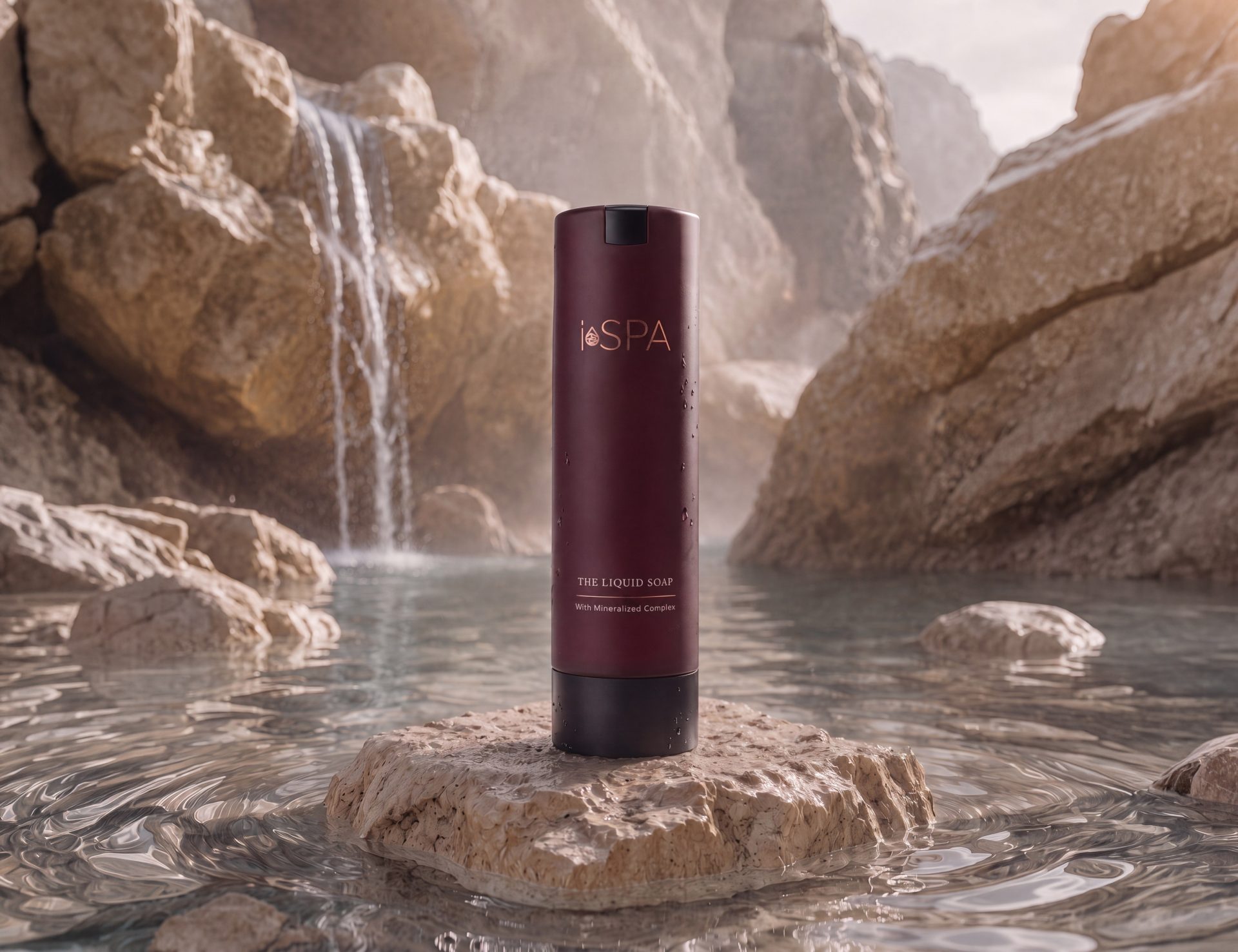
land&water Enters the Hotel Amenity Market
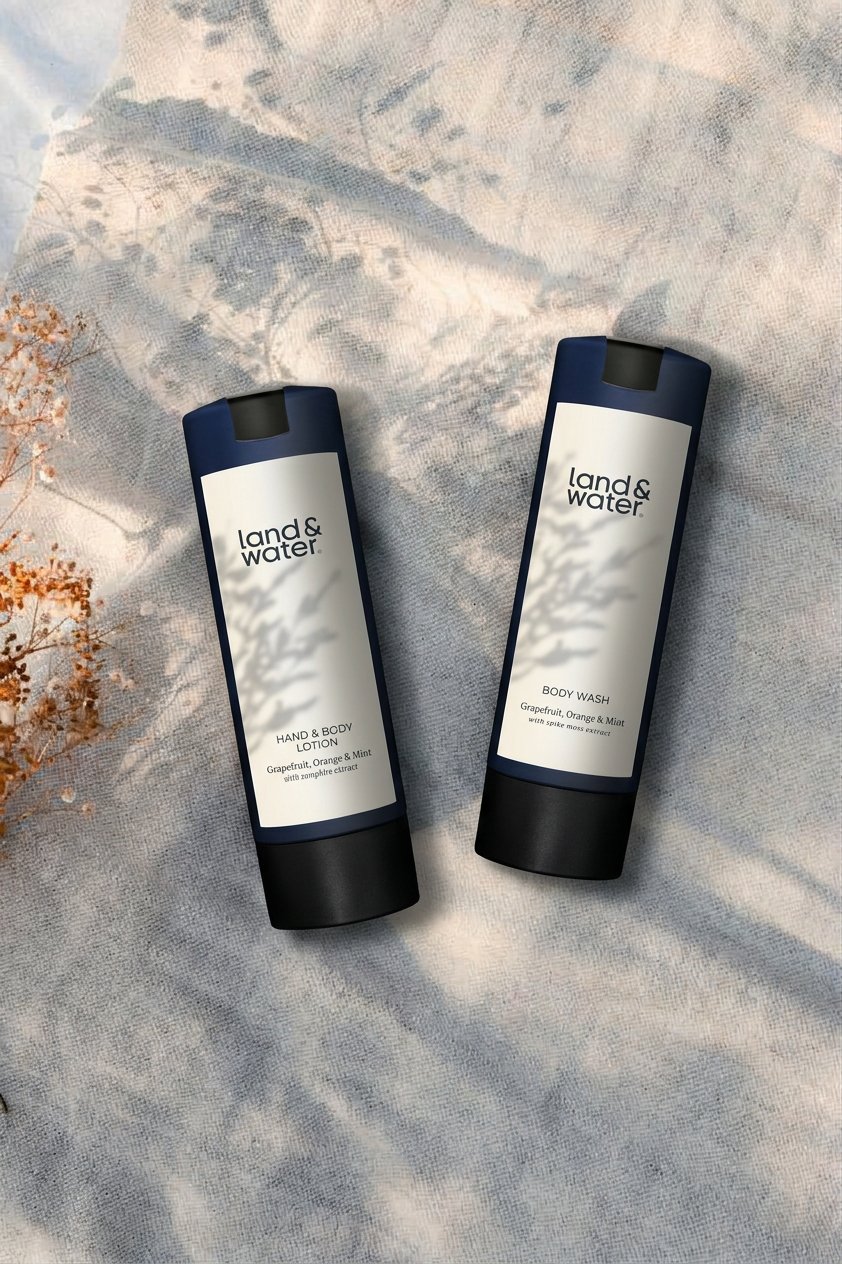
Born at Watergate Bay Hotel on Cornwall’s north coast, land&water brings a distinctly British story to the ADA Cosmetics portfolio.
Inspired by the coast and the outdoors, the skincare and lifestyle brand combines skincare with essential oils and a fresh citrus, green and woody fragrance profile.
At IHS London, ADA Cosmetics will introduce land&water’s first hotel amenity collection, developed for use in guestrooms and spa environments.
Also making their London debut are iSPA and The Skinfluencer.
iSPA brings a mineral-inspired skincare approach to hospitality, with a focus on spa and wellness environments.
The Skinfluencer draws on contemporary skincare routines and the growing influence of ingredient-led beauty, bringing a vitamin-infused concept to the hotel amenity space.
SmartCare and Refillution: Smarter Replenishment for Hotels
The three collections will be presented in SmartCare, ADA Cosmetics’ dispenser system designed to combine hygienic use with efficient replenishment and lower packaging requirements.
ADA Cosmetics will also showcase Refillution, its patented, fully automated refill technology. The system enables controlled and traceable replenishment and is designed to reduce packaging while simplifying refill processes for hotel teams.
Visitors will also be able to explore a wider selection of ADA Cosmetics’ hospitality portfolio, including ELEMIS, Penhaligon’s, The Curious Botanist and ELEMENT_RY with Actimood® technology, as well as the bespoke ADA Atelier service.
ADA Cosmetics as Part of PINK PLANET GROUP
ADA Cosmetics’ presence at IHS London will also highlight its role within the broader PINK PLANET GROUP portfolio.
Together with BWT Water Dispensing and BWT water+more, the group brings complementary expertise to hospitality across three areas: personal care amenities, guest drinking water and professional water treatment.
BWT Water Dispensing will present BWT Diamond Mineralized Water, which uses patented BWT technology to transform local tap water into mineralized drinking water directly at the point of use. Producing drinking water within the hotel can help reduce transport, storage and handling while giving properties greater control over availability and presentation.
BWT water+more will showcase professional water treatment solutions for coffee and tea preparation. Its systems optimise the mineral composition of water to support consistent beverage quality while helping protect professional equipment from scale and deposits.
By exhibiting together at IHS London for the first time, ADA Cosmetics, BWT Water Dispensing and BWT water+more will show how solutions across amenities and water can support more efficient hotel operations while maintaining the quality, hygiene and experience guests expect.
Meet ADA Cosmetics and PINK PLANET GROUP at Independent Hotel Show London, stands 1820 and 1830.
For more information about ADA Cosmetics, visit ada-cosmetics.com.
For more information about PINK PLANET GROUP, visit pinkplanetgroup.com.
To arrange a personal press meeting, please contact us at ada@faktor3.de.


CASTLE HOTEL IGNITES ‘FIELD TO FORTRESS’ VISION WITH STUNNING CULINARY APPOINTMENT
 Four-star Northumberland castle hotel, Langley Castle, has made a bold statement of intent in its 40th anniversary year, as it strives to become one of the UK’s premier ‘foodie’ destination hotels.
The fortified medieval castle hotel, housed within seven-foot-thick walls, which have proudly stood within a 10-acre estate near Hexham since 1350, has lit the blue touchpaper under what it describes as a ‘from field to fortress’ strategy. It has announced the stunning culinary appointment of its first-ever Culinary Director and put Scottish food hero Mark Greenaway, in the driving seat of its new vision.
Rather than following a centuries-old practice of repelling the Scots and sending them back over the border, the former English knight’s home has warmly welcomed this renowned champion of Scottish culinary art into its kitchen. Mark will now be instrumental during a period in the castle’s history that will put food close to the top of excuses to stay at Langley Castle, if not making it the number one reason.
The Scottish chef and cookbook author has lived up to his name and truly made his mark during his career. Highlights have included appearances on The Great British Menu in 2012 and 2013, Saturday Kitchen and Sunday Brunch. He opened his first restaurant, Mark Greenaway at Picardy Place, Edinburgh, in 2011, before moving the eatery to North Castle Street. The three-rosette restaurant was closed in 2018, to enable Mark to implement a new more relaxed dining concept at the former Waldorf Astoria property, the Caledonian Hotel. Here, ‘Grazing by Mark Greenaway’ quickly acquired a reputation for food excellence.
Five years ago, he made the move into the London scene by opening Plant, based in Covent Garden, offering diners both British classics and a taste of his childhood. In addition, two Mark Greenaway cookbooks – Perception and Progression - now grace the bookshelves of food lovers nationwide.
With these credentials, and a passion for cooking with the seasons and showcasing the very best of local and regional produce, Mark will be creating menus built upon the ethos of using flavours and first-class, yet sometimes simple ingredients, in exciting ways, to turn them into wow-factor dishes. On top of this, the local focus underpinning his fine dining menus will also offer the staying guest at Langley Castle, or pre-booked local or passing diner, true sense of place.
His culinary vision will infuse all food served at Langley Castle, whether in the current 2AA Rosette ‘Josephine’s’ restaurant, the contemporary Pavilion or the chandelier-lit and spine-tingling Drawing Room. Menus will be in constant evolution as seasons and weeks pass by, with this constant ‘menu evolution’ philosophy covering fine-dining tasting and a la carte menus, as well as relaxed dining choices.
Other remarkable food experiences – seemingly simple but devilishly detailed - will span special occasions, afternoon teas, Sunday lunches and weddings.
Surprises, extraordinary creations and highly Instagrammable dishes lay ahead for those dining at Langley Castle, as Mark pours decades of culinary experience and food-love into each and every menu choice.
Langley Castle’s general manager, Mohamed Serag, says, “The castle has never had a culinary director at the helm, which demonstrates our intention to make Langley Castle one of the key places to head for an experience that intertwines 676 years of history with extraordinarily delightful, fresh and seasonal food. Under Mark’s direction, food will become a more integral part of our offering to the visiting guest and local diner than ever before, providing every reason for our customers to unwind in a setting like no other, with centuries of history surrounding them. Attracting Mark Greenaway to Langley Castle has been a real coup in what is our 40th anniversary year as a hotel and restaurant.”
Mark Greenaway adds, “This is an exciting and brand-new challenge, with an opportunity for me to take a blank page and create a vision that brings Northumberland produce to the fore and puts seasonal fine dining centre stage. I have big ambitions for Langley Castle and want to take my entire culinary team on an exciting journey that will be challenging but extraordinarily rewarding.
“The message is for food-lovers to make a bee line for Northumberland and understand the role that food can play in enriching a stay at a venue that is truly like no other. Our intention is to create memories on a plate and make our food the catalyst for conversations about dishes that will still be being held in many years to come.”
To discover more about Langley Castle, head to www.langleycastle.co.uk

FAT BADGER GROUP RETURNS TO BWH HOTELS GB WITH SEVEN YORKSHIRE PROPERTIES
BWH Hotels GB has strengthened its premium portfolio with the return of all seven Fat Badger Group hotels to the portfolio, as it enters its next phase of growth following significant investment across the group’s hotel estate.
The partnership gives Fat Badger access to BWH Hotels GB’s global reach, commercial expertise and sales network, while its hotels retain their individual identities.
The seven properties, due to launch imminently under BWH Hotels’ premium BW Premier Collection brand, are:
- Royal Whitby in Whitby, BW Premier Collection by Best Western
- The Yorkshire in Harrogate, BW Premier Collection by Best Western
- White Hart Hotel & Apartments in Harrogate, BW Premier Collection by Best Western
- Hotel Clementine in York, BW Premier Collection by Best Western
- The Fat Badger York, BW Signature Collection by Best Western
- Guy Fawkes Inn in York, BW Premier Collection by Best Western
- Black Horse Inn in Kirkby Fleetham, BW Premier Collection by Best Western
The Guy Fawkes Inn property, said to be the birthplace of the notorious gunpowder plotter Guido Fawkes, has recently benefitted from circa £3.5m investment, including the acquisition of a neighbouring Grade I listed building three years ago and a subsequent conversion. The building was already operating under the Guy Fawkes Inn name, with 27 stunning new bedrooms opening this summer, growing the group’s total keys count to 411.
On the Yorkshire coast, Royal Whitby has also seen significant growth following investment in the property. After a record-breaking summer the hotel’s average daily rate has more than tripled since Fat Badger took on the property in 2024.

Further investment is planned across the estate, including a major development at the Black Horse Inn, where the group is planning to incorporate a farmhouse, village farm shop and 24 luxury lodges set around the property's lakes.
Tim Rumney, CEO of BWH Hotels GB, said: “Fat Badger Group is a fantastic addition to our premium portfolio as we continue to grow our presence in this market.
“These are established properties with strong identities and local reputations. They don’t need us to tell them who they are. They need the reach, insight and commercial support to help more customers discover them and support their next phase of growth.
“Fat Badger knows our model and has chosen to return at an important stage in its growth. That’s a strong endorsement of the value we offer independent hoteliers, putting the commercial engine behind great hotels while allowing them to retain what makes them unique.”
Simon Cotton, managing director at Fat Badger Group, said: “We’ve never been a business that stands still. We’ve invested heavily over the last couple of years, honing in on the uniqueness of every property, creating new bedrooms and developing the F&B offer, because we believe in our people and product.
“We’re now at a different stage in the evolution of the group and starting to see the benefit of that investment. Our food and beverage offering is performing strongly, with our restaurants across North Yorkshire, including The Pickled Sprout and our Fat Badger pubs, becoming destinations in their own right. The next opportunity is to bring that same profile to our hotels and take them to the next level. We don’t take that progress for granted, particularly given the challenges being felt across the industry.
“Coming back to BWH Hotels GB is part of that next stage for us. We know the group and what it can bring to an independent operator, and the value of that distribution and commercial reach makes even more sense to us now. We want to keep our properties performing at the top of their respective comp sets, and BWH Hotels gives us another route to help achieve that.
“There’s always something else we want to improve, build or create, and this partnership gives us another way to do that.”
The decision to return comes as the cost of reaching and acquiring hotel customers through online channels reaches new highs.
Fat Badger Group’s ambition is to build on the momentum already established across its hotels from room rates to introducing the properties to new international audiences.
As part of the partnership, the group will access BWH Hotels GB’s global distribution and loyalty programme, alongside sales and marketing support, revenue expertise and industry insights.
The group will also have access to BWH’s specialist venues desk to help drive corporate, meetings and events business.
The return forms part of BWH Hotels GB’s continued growth across its premium portfolio, with the group having added a further 411 bedrooms to its portfolio, taking the total number of new bedroom signings to 702 over the past 12 months.
For more information on BWH Hotels GB, visit joinbwhhotels.co.uk.
ROSEWOOD HONG KONG NAMED NO.1 IN THE 50 BEST HOTELS 2026 FOR THE SECOND CONSECUTIVE YEAR
The fourth annual edition of The 50 Best Hotels has been unveiled at a prestigious awards ceremony, recognising exceptional and pioneering hospitality experiences from across the globe.
For the first time since its inception, the awards ceremony was held outside London, bringing travel industry leaders and enthusiasts together at Les Salles du Carrousel in Paris to celebrate exceptional hotel experiences from around the world. The event showcased new benchmarks in hospitality excellence while inspiring travellers and industry professionals alike.
Rosewood Hong Kong (No.1) has once again been recognised as The World’s Best Hotel, following its ranking as No.1 in 2025 and No.3 in 2024. The hotel also therefore clinched The Best Hotel in Asia title. Rising 65 storeys above Victoria Harbour, this contemporary landmark has become a distinctive presence on Hong Kong’s skyline since opening its doors in 2019. The hotel was conceived by acclaimed Taiwanese designer Tony Chi, whose refined approach is reflected throughout its 413 rooms and suites, as well as its impressive collection of eleven restaurants and bars.
Wellness is central to the experience, with the renowned Asaya occupying multiple levels of the property. Its nine treatment rooms offer an extensive programme spanning therapeutic, aesthetic and holistic treatments, complemented by a spectacular infinity pool overlooking the harbour. For those seeking a more private retreat, two Asaya Lodges sit apart from the main building on a sun terrace, each offering its own spa chamber and sleep-enhancing technology for an immersive approach to rest and wellbeing.
Faye Huggett, Director of Community for The 50 Best Hotels, comments:
The 50 Best Hotels 2026 captures a defining moment for global hospitality, and we are delighted to celebrate the world’s most exceptional hotels that continue to shape how people travel, connect and experience culture. Rosewood Hong Kong retaining its No.1 position for a second consecutive year underlines Asia’s continued influence at the very highest level, while Europe’s strong representation and this year’s ten new entries point to a dynamic, diverse and competitive global hotel landscape. As The 50 evolves, our ambition is to continue to champion the people, places and ideas setting the agenda for the future of hospitality.
The No.2 spot goes to Capella Bangkok, a refined riverside retreat set along the east bank of the Chao Phraya River. The hotel, which ranked No.1 in 2024, has risen from its No.3 ranking in 2025. Elsewhere in the Thai capital, Four Seasons Bangkok at Chao Phraya River takes the No.3 spot.
Asia is home to 18 ranked hotels in total, including two additional properties in Bangkok, further solidifying the city’s reputation as a global travel hub: Mandarin Oriental Bangkok (No.10) and new entry, Aman Nai Lert (No.48). Mandarin Oriental Qianmen in Beijing takes the No.7 spot. In Hong Kong, Upper House Hong Kong ranks at No.8 and The Peninsula Hong Kong features at No.46. Japan is home to four ranked hotels: Aman Tokyo (No.11), Bulgari Tokyo (No.24), Patina Osaka (No.33) – recipient of the Nikka Best New Hotel Award - and Park Hyatt Kyoto (No.37). Further enhancing Asia’s presence, Raffles Singapore places at No.17 and The Taj Mahal Palace in Mumbai (No.30) climbs eight places. Two hotels in Indonesia feature on the list: Desa Potato Head (No.21) and Nihi Sumba, which has re-entered the list at No.35.
In Dubai, Atlantis The Royal (No.4) is winner of both The Best Hotel in the Middle East and the Best Beach Hotel Award, and Jumeirah Marsa Al Arab (No.15) has climbed five places.
Europe leads the 2026 rankings, with 21 hotels featured among The 50 Best Hotels, making it the continent with the strongest representation on this year’s list. Italy and France both have six properties featured, whereas the UK is home to four. Austria, Greece, Monaco, Switzerland and Türkiye each have one hotel included. The highest-ranking European entry is Passalacqua (No.5) in Lake Como, which additionally wins the Best Boutique Hotel Award for the third consecutive year. This award recognises the highest-ranked hotel that meets the criteria of a boutique property. According to The 50, a boutique hotel is defined as having fewer than 50 rooms, operating independently of a major hotel chain or group, and offering personalised service alongside distinctive characteristics that reflect its destination.
The following Italian hotels also featured: Four Seasons Firenze (No.12), Bulgari Roma (No.32), and new entries Casa Maria Luigia (No.18) in Modena, which has also won the Lavazza Highest New Entry Award, Portrait Milano (No.39) and San Domenico Palace in Taormina (No.50). In Paris, Hôtel de Crillon (No.14) has climbed nine places, with three other hotels in the capital included: Le Bristol (No.19), Cheval Blanc Paris (No.20) and new entry, Plaza Athénée (No.41). Elsewhere in France, Hôtel du Couvent in Nice ranks at No.38 and wins the Johnnie Walker Art of Design Award, while Hotel du Cap-Eden-Roc re-enters the list at No.44.
The UK is home to four winning properties, with the capital city claiming three: Claridge’s (No.13), Raffles London at The OWO (No.28) and The Connaught (No.49). Outside of London, Estelle Manor in Witney (No.43) has risen four places. Elsewhere in Europe, Four Seasons Astir Palace (No.27) in Greece, SeiBellissimi Art of Hospitality Award winner Badrutt's Palace (No.36) in Switzerland, Hôtel de Paris Monte-Carlo (No.40) in Monaco and Hotel Sacher Vienna (No.42) secure places in the list. In Türkiye, The Peninsula Istanbul (No.31) has also entered the list for the first time.
North America is home to six winning properties. Chablé Yucatán (No.9) in Chocholá is one of four hotels in Mexico to make the ranking, including One&Only Mandarina (No.23) in Riviera Nayarit, Las Ventanas al Paraíso (No.25) in Los Cabos, winner of the WhistlePig Highest Climber Award, and Maroma (No.47) in Riviera Maya. The United States has two new entries on the list: San Ysidro Ranch (No.22) in Santa Barbara and Amangiri (No.45) in Canyon Point.
Elsewhere, in South America, Rosewood São Paulo (No.6) has risen 18 places and, also in Brazil, Copacabana Palace in Rio de Janeiro ranks at No.29. Africa is home to two hotels on the list: Royal Mansour (No.26) in Marrakech and Mount Nelson in Cape Town, which re-entered the list at No.34. Oceania has one hotel included: Capella Sydney (No.16) in Australia.
The Johnnie Walker Art of Design Award has been presented to Hôtel du Couvent in France. The award reflects how design in hotels goes beyond architecture to create a multi-sensorial experience for visitors, shaping the guest experience and often elevating the expected into the extraordinary.
Rosewood wins the Ferrari Trento Most Admired Hotel Group Award. Voted for independently as part of the overall awards process, this special accolade recognises an exceptional hotel group that has introduced outstanding initiatives, innovations or improvements over the past three years. The award celebrates those whose efforts have had a demonstrable and meaningful impact on the wider hospitality industry.
Chablé Yucatán in Mexico is the winner of the Bombay Sapphire Eco Hotel Award. Chablé Yucatán places sustainability at the heart of its operations, with solar panels generating around 60% of the resort’s energy and a commitment to eliminating plastic water bottles. Its kitchens draw on produce grown in traditional Mayan ka’anche gardens, while the resort supports biodiversity through initiatives such as the protection of the endangered Melipona bee. As with its other global awards, The 50 partnered with the Sustainable Restaurant Association on the Bombay Sapphire Eco Hotel Award, inviting every hotel on the list to submit details of its sustainability initiatives and credentials for a rigorous assessment.
James McBride is voted by the Academy as the winner of the SevenRooms Icon Award. McBride is a South African-born hotelier and Co-Founder and CEO of Nihi Hotels, the hospitality group behind the acclaimed Nihi Sumba in Indonesia. With more than 35 years of experience, he has held leadership roles at some of the world’s leading luxury hotels, beginning his career with The Ritz-Carlton Hotel Company. In 2012, he partnered with entrepreneur Christopher Burch to acquire Nihiwatu, a remote surf resort on Sumba Island, transforming it into the globally recognised luxury retreat we know today, centred on an “Edge of Wildness” philosophy. In 2026, Nihi Rote, sister property to Nihi Sumba, opened in south eastern Indonesia.
The evening also celebrated the recipients of the special awards announced in the lead-up to the ceremony. Among them was The Fifth Avenue Hotel (No.78) in New York City, which received the American Express Travel One to Watch Award. In addition, Switzerland’s Badrutt’s Palace (No.36) was honoured with the SeiBellissimi Art of Hospitality Award, recognising its exceptional service, meticulous attention to detail and outstanding guest experience.
The highest-ranked hotel in each continent is, by default, named The Best Hotel in that respective territory:
- Rosewood Hong Kong (No.1) wins The Best Hotel in Asia
- Passalacqua (No.5) in Italy wins The Best Hotel in Europe
- Atlantis The Royal (No.4) in Dubai wins The Best Hotel in the Middle East
- Chablé Yucatán (No.9) in Mexico wins The Best Hotel in North America
- Rosewood São Paulo (No.6) in Brazil wins The Best Hotel in South America, sponsored by Bocktailed
- Capella Sydney (No.16) in Australia wins The Best Hotel in Oceania
- Royal Mansour (No.26) in Marrakech wins The Best Hotel in Africa, sponsored by Monte Vibiano
The 50 Best Hotels 2026 marks the fourth edition of the prestigious global ranking, further cementing The 50’s position as a leading authority on exceptional hospitality. As the organisation continues to expand its global reach, its rankings celebrate the finest experiences across the world of restaurants, bars and hotels.
How the voting works
The Academy is the mechanism used to create The 50 Best Hotels list. None of the employees of The 50 nor any sponsors associated with the awards has any influence over the results. To ensure the more than 800-voter-strong Academy provides a fair representation of the global hotel scene, the Academy Chairs are split across 13 geographical regions. Each Chair is selected as an expert on the travel scene in their region, with outstanding hotel sector contacts. These Chairs each select a voting panel, ensuring a balanced selection of hoteliers, travel journalists, hotel educators, business travellers and consumer travel aficionados. A minimum of 25% of the panel will be renewed each year. All voters, aside from the Academy Chairs, will remain anonymous to eliminate the possibility of lobbying.
Each Academy member can vote for any hotel they have stayed in around the world, irrespective of their home region. Each voter casts seven votes for hotels in order of preference based on stays experienced in the three-year voting period. Voting is carried out individually and strictly confidentially on a secure site and remains confidential before the list announcement. Academy Chairs are not privy to, nor have any knowledge of, the votes cast by the voters in their respective regions; furthermore, they are not official spokespeople for The 50 brand.
Professional services consultancy Deloitte is the official independent adjudicator of The 50 Best Hotels. Deloitte has been granted full and independent access to The 50 Best Hotels voting process and data and has performed certain procedures to confirm the integrity and authenticity of the voting process and the resulting list.

THE PIG ANNOUNCES NEW PROPERTY
THE PIG has announced plans to expand its collection with a new property in Tunbridge Wells, marking what the group describes as a significant moment as it celebrates its 15th anniversary.
The hotel group has acquired an elegant Georgian building on The Pantiles in the Kent spa town, with further details about the new property and its plans to be revealed as the project develops.
Kevin Styles, CEO of THE PIG, said the acquisition represented an opportunity to explore how the brand’s distinctive approach could translate to a new setting.

Kevin added that the project would not simply be about expanding the group’s geographical footprint, but about adapting the THE PIG experience to its new surroundings.
Tunbridge Wells gives us an opportunity to take everything people love about THE PIG – warmth, generosity, brilliant food, character and a true sense of place – and explore how it can live in a slightly different setting and at a different rhythm, he said.
The group said it intends to respect the history of the Georgian building, as well as the existing business and its role within The Pantiles, as it develops its plans.
There is plenty of work ahead and much more to share as our plans develop, Kevin added.
For today, I simply want to thank everyone who has worked so hard behind the scenes to get us to this point – and all of you across the business who make growth like this possible.
Further information on the new THE PIG Tunbridge Wells property is expected to be announced in due course.

SALLY BECK TAKES SENIOR ROLE AT THE LANDMARK COLLECTION
The Landmark Collection has announced the promotion of Sally Beck FIH MI to Deputy Managing Director of The Landmark Collection and Managing Director of The Landmark London.

In her new role, Beck will work alongside Managing Director Brian Hladnik in leading The Landmark Collection, while taking direct responsibility for The Landmark London, the group’s five-star hotel in Marylebone.
The promotion marks a significant new chapter for Beck, one of London’s best-known hoteliers, who has served as General Manager of Royal Lancaster London since 2013. During her tenure, she has overseen a remarkable transformation of the hotel, delivering an £85 million refurbishment while the property remained fully operational and growing annual turnover from £30 million in 2013 to more than £60 million.
Under Beck’s leadership, Royal Lancaster London has also risen from #272 to #1 among London hotels on Tripadvisor and, in 2026, was ranked #1 in the UK, #2 in Europe and #4 in the world by Tripadvisor reviewers. Alongside its commercial success, Beck has driven a major cultural transformation at the hotel, establishing its ‘We Always Care’ values and placing team development, training and apprenticeships at the heart of the business.
The move also marks a return to The Landmark London for Beck. Prior to joining Royal Lancaster London, she spent more than a decade as Director of Sales and Marketing at The Landmark London, from 2001 to 2012, where she led the hotel’s global sales and marketing strategy.
Beck has received numerous accolades during her career, including Hotelier of the Year in 2019, a Master Innholder since 2018 and being named General Manager of the Year at the 2025 BEAM Awards. She is also the founder of The Hoteliers’ Charter, established in 2021 to champion positive workplace culture across the hospitality industry.
Beck says:
I am incredibly proud of everything we have achieved at Royal Lancaster London over the past 13 years, and particularly of the extraordinary team and culture we have built together. It has been a huge part of my life and career, so taking on this new role feels both exciting and very special.
The Landmark London is also a hotel I know and love, having spent more than a decade there earlier in my career, and I am delighted to be returning at such an exciting time. I look forward to working closely with Brian and our teams across The Landmark Collection as we build on the individual strengths of our hotels, continue to invest in our people and service, and shape the next chapter for the group.
The appointment comes as The Landmark Collection enters a new phase of development. The family-owned hospitality group recently transitioned from The Lancaster Landmark Hotel Company to The Landmark Collection, bringing together a portfolio of seven luxury and boutique hotels and residences in the UK and Thailand.
Its portfolio comprises The Landmark London, Royal Lancaster London, 15 Basil Street, Hotel Indigo London K West Shepherd’s Bush and Fountain House in the UK, alongside The Landmark Bangkok and Lancaster Bangkok in Thailand.

TRIO OF GENERAL MANAGERS APPOINTED ACROSS AIMBRIDGE HOSPITALITY EMEA

Three general managers (GMs) have been appointed across Aimbridge Hospitality EMEA’s UK and European portfolio, overseeing properties in Leeds, Bournemouth and Ghent.
Tim Reynolds has been appointed at the Hyatt Leeds, bringing extensive operational experience to the role across full-service hotels and brands including InterContinental, Radisson, Sofitel, Kimpton and, most recently, Starwood Hotels.
At the Holiday Inn Bournemouth, Mark Theobald takes the helm as GM, having worked as Deputy General Manager at Hampton by Hilton Stanstead for the last three years as well as gaining extensive operational experience across a variety of Aimbridge Hospitality properties.
And, in Ghent, Frederick Deman has been promoted to cluster GM for the Courtyard by Marriott Ghent, alongside the Holiday Inn Express and Suites Ghent.
David Anderson, President – Aimbridge EMEA, said: “It’s fantastic to see three appointments and moves within the business, welcoming new faces to GM roles and promoting existing talent from within our portfolio, too.
“At Aimbridge, we believe a great general manager is of critical importance to a hotel’s success. They have the ability to shape everything, from the guest experience to team morale and retention.
“I’d like to congratulate all three GMs on their appointments and look forward to seeing the impact of their experience and talent in their new roles.”
For further information about Aimbridge EMEA, visit www.aimbridgeEMEA.com

RAFFLES LONDON AT THE OWO IN THE UK NAMED NO.28 IN THE 50 BEST HOTELS 2026
The highly-anticipated list celebrates hotels across six continents worldwide
Raffles London at The OWO has been named No.28 in the global ranking of The 50 Best Hotels 2026. The fourth edition of The 50 Best Hotels has been announced at an awards ceremony in Paris and features industry-defining hotels spanning six continents worldwide.
Last night's awards ceremony once again united the global travel and hospitality community to celebrate the world’s finest hotels. For the first time in Paris, at one of the city’s most unique locations, Les Salles du Carrousel, the event showcased experiences that will inspire consumers, travellers and hoteliers around the globe.

Raffles London offers the most majestic of accommodation as the hotel is located in one of the grandest buildings on Whitehall, The OWO, which overlooks the official gates to Buckingham Palace. Leading designer, the late Thierry Despont crafted luxurious rooms from the former offices of Britain’s leading military and political figures from the past 120 years. Grand ceilings, historic fireplaces, ornate stucco, oak panelling, giant casement windows are notable features in many rooms. But all share a unique history as this was once The Old War Office building where Churchill held office, decisions which shaped the modern world were made, and MI5 and MI6 were conceived. Much of the inspiration for James Bond 007 was inspired by these storied rooms as Ian Fleming, Bond’s creator, was a regular visitor. Of special note, the hotel offers three signature restaurants from chef Mauro Colagreco who oversaw Mirazur on the Côte d’Azur, awarded the illustrious title of The World’s Best Restaurant at The World’s 50 Best Restaurants 2019.

Faye Huggett, Director of Community for The 50 Best Hotels, says: “Bringing The 50 Best Hotels to Paris for the first time has been a privilege, and a fitting backdrop to celebrate the hotels shaping the future of travel. This year’s list recognises not only extraordinary places to stay, but the exceptional people whose vision, craft and care create truly memorable guest experiences. Congratulations to every hotel honoured in 2026, thank you to our Academy whose votes shape the list and everyone who continues to make this a moment the industry look forward to each year.”
Olivier Thomas, Managing Director, Raffles London at The OWO says: “It is a moment of special celebration for Raffles London to be ranked in The 50 Best Hotels for three years running. We have an immensely talented team at the hotel - both heart of house and front of house - who make magic for our guests each and every day. For a relatively young hotel, which is located in a truly historic building, this gives us all an extra sense of purpose and pride. We are delighted to be part of the acclaimed The 50 organisation. Our deepest thanks and gratitude as always.”
The 50 Best Hotels 2026 was revealed as part of a live countdown from No.50 to No.1. The ranking is complemented by a series of special awards alongside the extended 51-100 list and reflects the very best travel experiences around the globe, collated from the votes of more than 800 anonymous experts. This voting panel – The 50 Best Hotels Academy – comprises a balanced mix of hoteliers, travel journalists, educators and seasoned luxury travellers, led by a group of industry-leading Academy Chairs.
CAMBRIDGE HOUSE, AUBERGE COLLECTION OPENS BOOKINGS AHEAD OF FEBRUARY LAUNCH
Auberge Resorts Collection is set to make its London debut with the opening of Cambridge House, Auberge Collection in Mayfair, with reservations now open for stays from February.
The new property will mark Auberge Resorts Collection’s first London hotel, bringing a new hospitality destination to 94 Piccadilly, the former home of the Naval and Military Club, better known as the ‘In & Out’ Club.
Dating back to 1756, Cambridge House has a long history as a meeting place for prominent figures and social circles. The building has now been reimagined as a hotel, private club and residences, designed to combine its heritage with a contemporary Mayfair identity.
Interiors have been created by French designers Jean-Louis Deniot and Laura Gonzalez, with the property set to feature Auberge’s signature Wellbeing offering alongside a collection of restaurants and bars.
Among its dining venues will be Major’s, a new restaurant and social space intended to form part of the hotel’s wider role as a destination for both visitors and the local community.
Cambridge House will offer guests a new base in Mayfair while becoming the latest addition to Auberge Resorts Collection’s growing international portfolio. The group has also appointed Etienne Haro as Managing Director of Cambridge House.
Reservations are now open for stays from February.
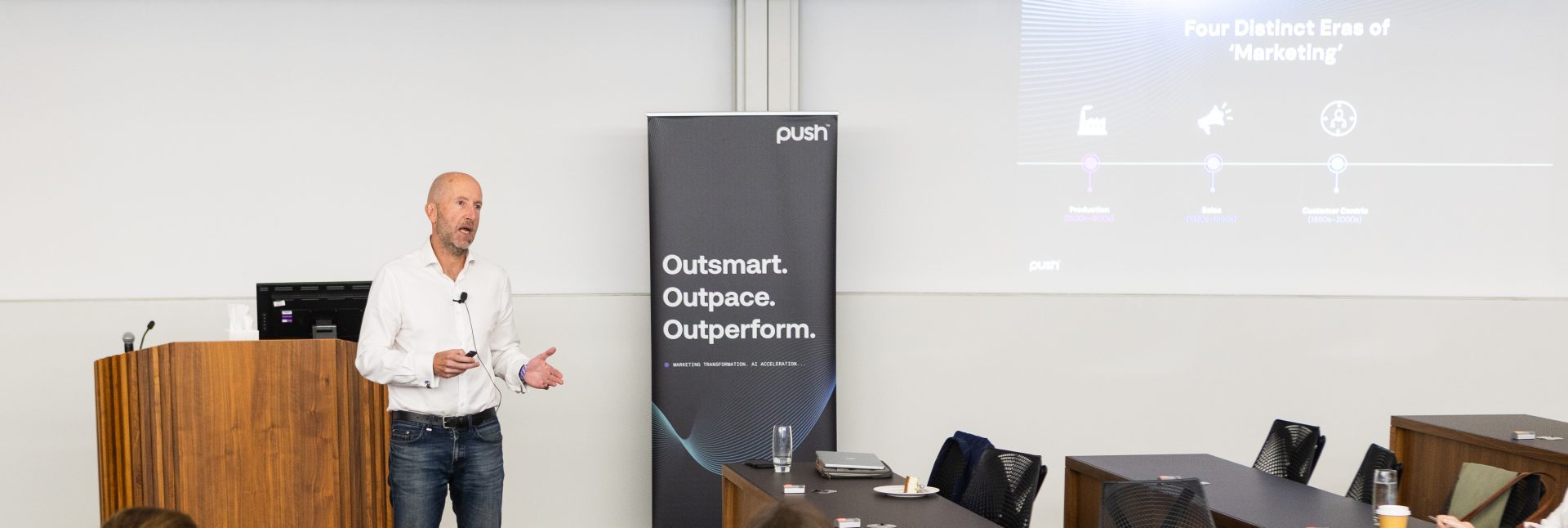
INTERVIEW WITH STEVE HYDE
AI search, content quality and how hotels get found
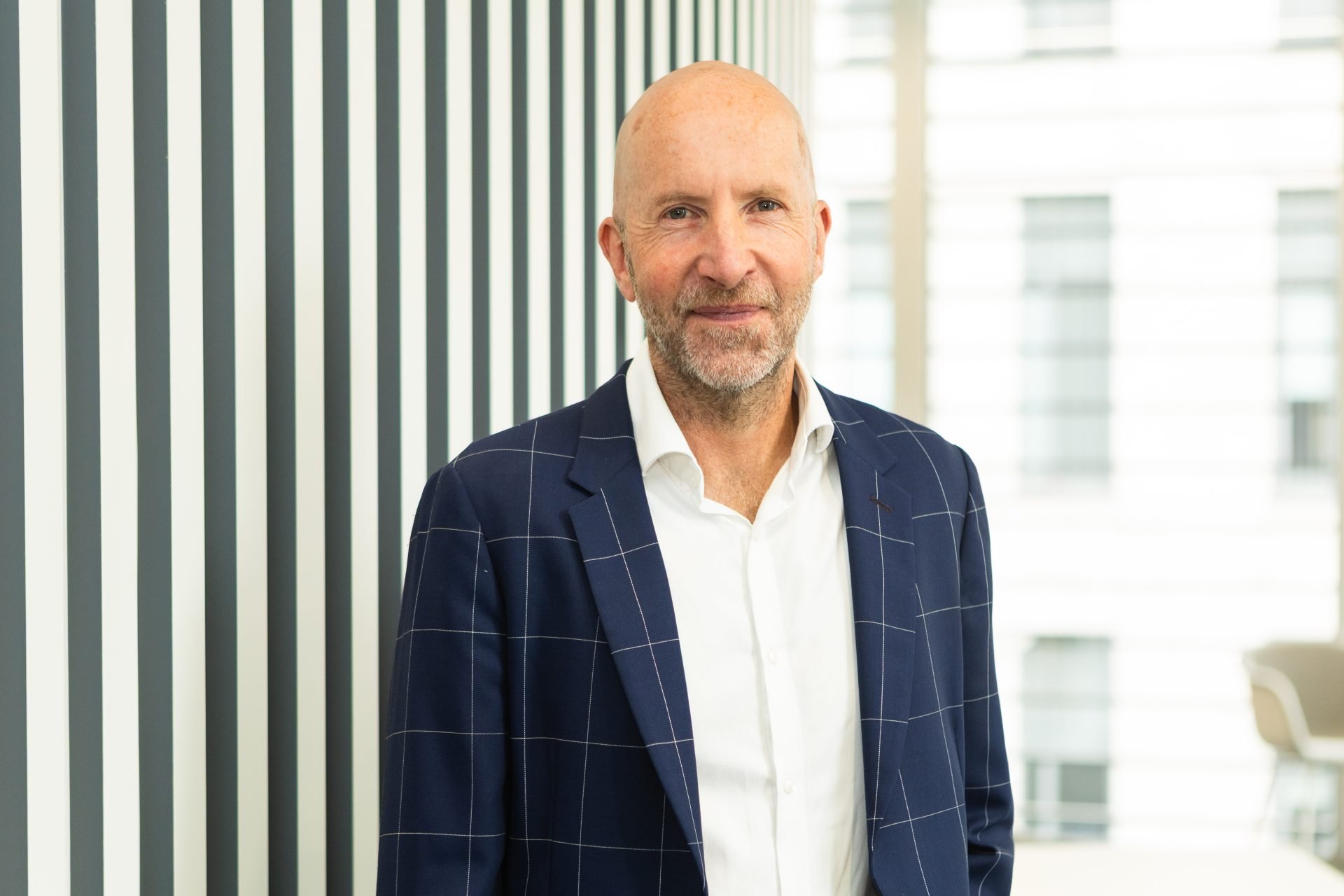 Following the inaugural Hospitality Social Media Summit, held in London on 3–4 September 2026, we spoke with Steve Hyde, a member of the summit faculty and one of the UK's most recognised voices on AI in marketing.
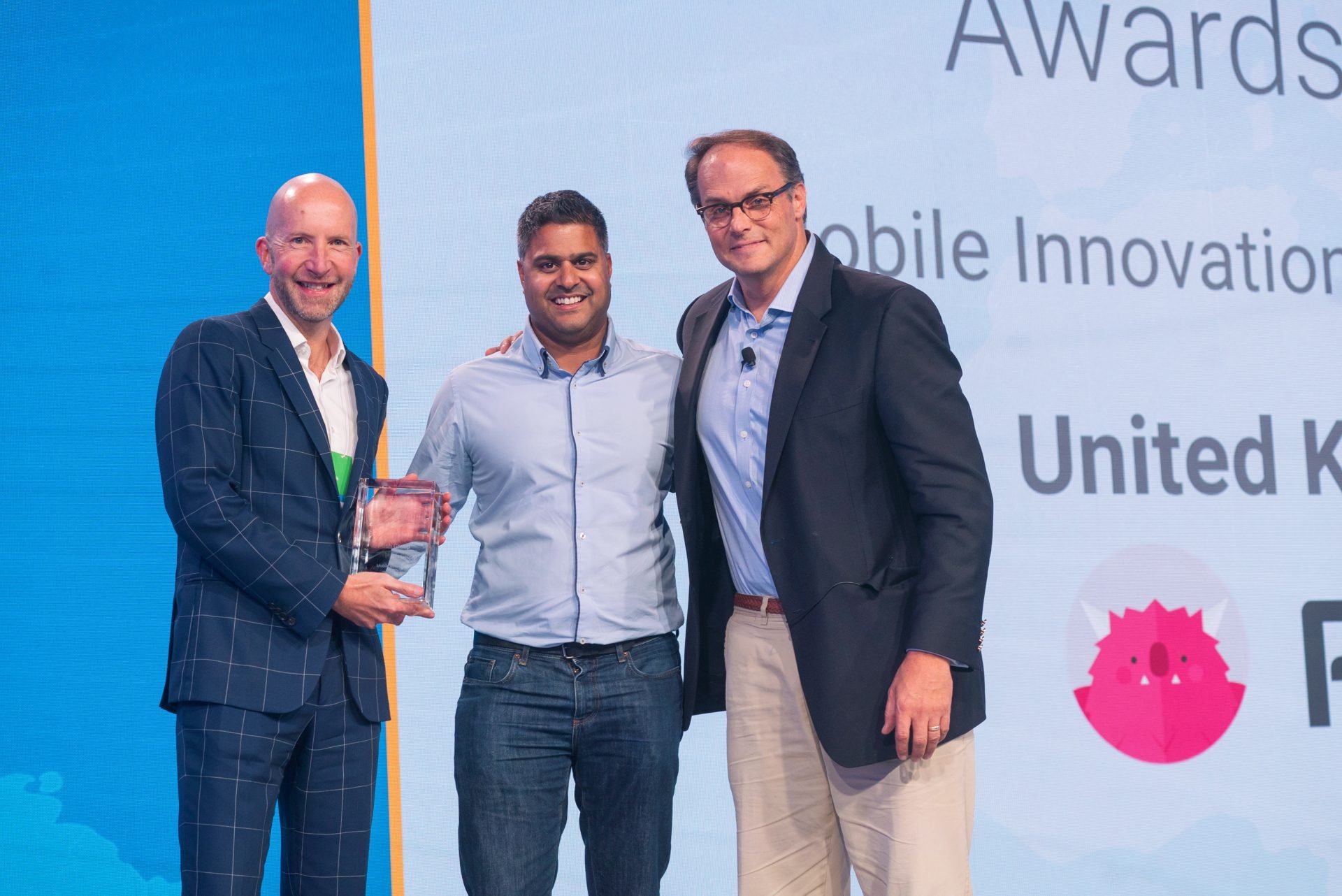
Steve is the co-founder of Push, the digital marketing agency he started in 2007 after senior marketing roles at Kraft, PepsiCo and Disney. Push made the decision to become an AI-first business early, and is the only agency recognised by both Google and Microsoft six years running, with multiple Best Use of AI awards to its name. Steve now spends most of his time on the question of how brands stay visible as search moves from a page of results to a generated answer.
In this interview, Steve explains what AI-first means in practice rather than in language, why generative search is changing the way guests discover and choose hotels, what actually decides whether a brand appears in an AI recommendation, and where AI genuinely saves hotel teams hours rather than adding noise. He also looks back at the Day 2 lab he co-led with his Push colleagues Jai Khan and Cim Dahir, where delegates assessed their own brand's visibility in AI search and built the quality controls that keep AI content on-brand. His central argument is a direct one: AI is not another channel to add to the plan; it is a change in how guests find you, and the brands acting on that now will be the ones recommended later.
- You spent the first part of your career in senior marketing roles at Kraft, PepsiCo and Disney before co-founding PUSH in 2007. You have seen major shifts in how brands reach and influence consumers, from search and social to mobile and programmatic. Hospitality is a very different environment: demand is seasonal, the customer journey is fragmented, distribution can involve multiple intermediaries, and reputation has an immediate commercial impact. When you look at AI through that lens, what makes this shift structurally different from everything that came before it?
Yes, I spent most of my decade in corporate in FMCG, although I was always in touch with hospitality. My first job out of university with Mondelez International propelled me into travelling round the Middle East, spending two weeks in every month in the Gulf States, becoming very familiar with the developing hotel infrastructure in the 1990s. In PepsiCo (Walkers Snack Foods), I was responsible for food service sectors, and my final job at Disney gave me even more insight into the wider hospitality sector.
Looking purely at marketing, I have been fortunate to witness one big shift already, as I was at the heart of the digital wave in the mid 2000s. There are some striking similarities with what we are going through now. Many marketers were in denial and even hostile towards digital. Bigger brands often found it harder to shift. Those willing to try out new approaches benefited the most.
This wave (AI, of course) will be much bigger in its impact on business and society than digital. I say that with conviction looking at what it is already capable of doing. The tougher question is "how fast" it has an impact. At PUSH we have been on this journey since 2022. We have seen how the interest in AI has changed over the years. In 2023, we were hearing, "It's a tool my kids might use". In 2024, we were hearing, "You guys talk too much about AI". By 2025, we were starting to get Innovators buying in, and now in 2026, the same brands that were telling us that we were too obsessed with AI in 2023/24 are saying, "We were wrong; we need to move NOW".
There's still some resistance at the moment, but as businesses like ours start to publish more case studies showing impact, then more and more will get on board. I would not be surprised if we reach a tipping point very soon. If we do, then the demand for AI implementation knowledge and expertise will massively outstrip the supply.
AI isn't just another channel or optimisation layer, as it rewires how demand is generated, qualified, converted and retained. We are going to see entirely new business models develop just as we did in the previous wave. Go back to the early 2000s, and there was no Uber, Deliveroo or Rightmove. In hospitality, there was no Booking.com, Airbnb, Tripadvisor, and the list goes on.
The internet allowed entirely new business models, often from players outside the sector who had almost no experience in a market. AI will do the same; we'll see entrepreneurs rewrite the rules for multiple hospitality sectors.
A personal favourite of mine from the past was a guy in the Lake District who had a few properties of his own and started up Lakes Cottage Holidays. David Hogarth, whilst a tough businessman, was always willing to try out new approaches. Consequently, we worked with him and were the first brand to introduce remarketing adverts back in 2008, way ahead of his competition.
He was first on Meta as well, and before you knew it had built up over 1,000 cottages on his site. He later sold his business, and we remain good friends after a decade of working with one another. Moving fast pays off.
- PUSH made the decision to become AI-first relatively early. What does an AI-first business actually mean in practice? Which processes did you have to redesign, rather than simply giving existing teams access to new AI tools?
Some important context here. We have been very close to Google for over a decade as part of their Executive Circle. Their head of EMEA joined PUSH as an NED in 2020, for example. As a business, Google switched their mantra from "Mobile First" to "AI First" in 2016, so for the entire time we have been close partners with them, we have been made very aware of their intensive efforts to lead with AI.
A trip to a marketing conference in Chicago in the spring of 2023 was the catalyst for us to go all in on AI. Ricky Solanki (co-founder of PUSH) and I returned from that trip and brought the senior team together within a week at an off-site meeting in London. Within a month we had appointed a Director of AI implementation.
The first thing we had to do was to run a survey for existing staff to understand how they felt about AI. We took the output from this to build an AI manifesto in 2023.
Being AI-first is not "we bought licences". It means redesigning workflows, data and decision rights so AI is native to how value is created. One of the biggest mistakes we have seen businesses make is simply bolting on AI to existing processes rather than fundamentally reviewing the entire business model. We made heads of department responsible for recommending which internal processes to review first.
Some of the first processes to be reviewed included generating content for all of our social media channels, developing personalised email sequences for different brackets of prospects and customers, and industry, audience and competitor research for both the sales and marketing teams.
- Many hospitality marketing teams already use AI every day: ChatGPT or Claude for copy, image generators for creative, AI inside their advertising platforms. Yet the way the team plans, produces and approves work looks exactly as it did two years ago. What separates a team that has simply added AI tools from one that has genuinely changed how it works, and what does that difference show up as commercially?
The short answer is that "just" adding AI speeds up yesterday's process; becoming AI-first changes the process entirely. We learned that the hard way.
Teams that simply add tools still run calendar-first marketing. They brief, create, approve and publish just a bit faster. Output increases, but performance barely moves because the work remains detached from inventory, pricing and live demand signals.
The teams that change how they operate switch from campaigns to event-driven workflows. Occupancy dips, weather shifts, flight prices and local events become triggers that generate creative offers and targeting automatically within clearly defined guidelines.
Additionally, performance signals feed asset iteration and concept design. AI loves data, and leveraging it means feeding your engine with as many signals as possible.
Low-risk variants move through automated checks and go live; high-risk assets route to humans with clear SLAs. The centre of gravity shifts from opinions to data. Prompts become products, grounded in a shared source of truth, a brand voice library, compliance lines and fresh FAQs. That's when content stops being merely eloquent and starts converting.
Commercially, this shows up as hours to market rather than weeks, fewer dark gaps in demand, higher conversion from like-for-like traffic because pages, emails and ads reflect what is actually available, and sustained improvements in CPA, ROAS and direct bookings rather than a temporary novelty bump.
- There is enormous pressure on hospitality leaders to "do something with AI". Where do you currently see AI creating genuine commercial value, not simply saving somebody 20 minutes writing a caption, but improving acquisition, conversion, personalisation, creative performance, productivity or revenue?
The first point I would make on "leaders" is that this absolutely needs leader-level buy-in. The resistance we see today mirrors what happened with digital marketing around 2006. The technology moved. The businesses that hesitated paid for it later.
I would focus on five areas that repay the effort quickly.
First, acquisition tied to live reality: search and social creative that pulls directly from real rates, packages and live availability, so what you promote is genuinely bookable now. When ads and landing pages reflect actual inventory, CPAs fall and refund friction drops.
Second, conversion on site: a bounded assistant trained on property data, menus, policies and local FAQs. One that can say "I don't know" and escalate. That reduces abandonment on the blockers that kill bookings: parking, pet policies, adjoining rooms, dietary requirements.
Third, CRM, merchandising and the repeat guest relationship. Journeys that adapt to stay history, party type and local events, with intelligent bundling of add-ons like parking, late checkout or spa treatments to move revenue per booking without discounting the room. And beyond that first stay, AI that builds a memory of the guest: their preferences, their requests, the details that make a return visit feel personal rather than transactional. That is where loyalty actually gets built.
Fourth, connecting forecasting, pricing and creative in a single loop. When revenue management signals feed your automations, you stop promoting sold-out dates and shift effort to shoulder nights or sister properties.
Fifth, reporting and guest intelligence. Hospitality businesses need to know which channels drive bookings, not just traffic, and what type of booking each channel delivers. AI makes it possible to analyse that at a level of granularity that was previously impractical, and to build genuine guest personas from the data. Those personas should be shaping your marketing comms, your content, your channel mix. Most hospitality brands are sitting on that intelligence already. They are just not using it.
- And where is the hype furthest ahead of reality? What are hospitality businesses currently being encouraged to invest in or automate that you would approach with much more caution?
There are a few areas where caution is sensible. Fully autonomous publishing is one; without a single source of truth and a QA step, letting a model write live room pages or menus invites hallucinated amenities and outdated offers, which are reputational grenades.
Another is the idea of a single agent running the hotel end-to-end. It sounds elegant, but it breaks on integrations, latency and liability. We are not there yet. It will happen one day, but not 2026.
Start with narrow, high-value use cases like pre-stay FAQs or review drafting with human approval.
Personalisation without permission is another trap. Without consented first-party data and identity resolution, most "personalisation" is just guesswork with risk attached.
Hyper-reactive pricing without aligned messaging creates guest whiplash; if you flex price, explain the value or you'll pay in reviews.
- There is a particular trust issue in hospitality. Generative AI can create a beautiful room that does not exist, embellish a restaurant experience, misrepresent a view or use outdated information about an amenity or offer. How should hospitality businesses build AI into content production without allowing efficiency to undermine the credibility of the brand or the guest promise?
Trust is the product, so we set five non-negotiables.
Start with a single source of truth: rooms, amenities, floorplans, menus, images and accessibility features must be structured, owned and timestamped, and generators should read from this, not from memory.
Make "unknown" acceptable: write prompts and policies that force the model to decline if the data isn't present, because a blank is better than a broken promise.
Prioritise proof over polish: never fabricate views, square footage or inclusions, and be open about renovations or constraints; accurate expectation-setting reduces bad reviews.
Time-bound everything: offers and amenity details should expire unless re-verified, because outdated content is the most common trust failure.
Finally, make content auditable: every published item should have provenance, the data inputs, the prompt, the model version and the human approver, so that if something slips, you can fix the system and not just the sentence.
This discussion around trust is really interesting. We haven't found the balance yet. Brands across all industries use actors to represent them. Sometimes it is obvious to the consumer (David Beckham hunting Walkers Crisps, for example). On other occasions it is more subtle, but still worth a conversation. I'm a huge snowboarding fan, for example. Should I care whether the riders and ambassadors really use the gear they are promoting?
A hypothetical question to your readers: what is worse? An AI-generated image of a family by the pool, or the same pool setting with paid actors who have nothing in common with one another?
- Does that require hospitality businesses to start treating AI governance as a real marketing discipline? Should teams now have defined source data, brand rules, approval processes, human review and clear accountability for what AI is allowed to produce and publish?
Yes. Governance here is brand safety with new plumbing. In practice that means clear data ownership and refresh cadences. For example, if no one owns the pet policy, it will be wrong. It means brand rules that machines can read: tone, banned phrases, claims thresholds, disclosures and accessibility standards. It means risk tiers, where low-risk variants pass automated checks and high-risk content such as offers, policies and pricing requires human sign-off. It means humans in the loop for novelty and edge cases. And it means logs and incident playbooks so that when something goes wrong, you correct the root cause rather than merely patching the copy.
Banned phrases at PUSH include "pivot", "game changer". I used to despair in Covid with the number of emails I would get about the "new normal" or "in these uncertain times". If I were working in the property sector, I would ban the use of "stunning" or "contemporary".
- Perhaps the biggest change is happening even earlier in the customer journey. People can now ask ChatGPT, Gemini or other AI platforms where to stay, eat or visit rather than starting with a conventional search engine or social feed. How significant is that change for hospitality customer acquisition?
It is already very significant and growing fast. We started exploring this at PUSH in 2023. At the time, internally we were calling it LLMO (large language model optimisation), later on AIO, but the term the industry has settled on is GEO: Generative Engine Optimisation.
All the evidence so far suggests that consumers are using the LLMs like ChatGPT, Gemini and Claude to build their travel experiences more than other verticals or sectors. Itinerary planning is absolutely enormous, and the habits are forming fast. Sectors like "fashion" are less likely to be an area for consumer "research" on the LLMs.
Assistants compress a long, multi-tab research process into a single recommendation moment. The practical implication is that assistant visibility becomes as critical as SEO. If you are not in the shortlist an assistant proposes, you are not in the running. Big brands are already dropping behind faster moving independents.
Authority beats virality in this environment: structured, consistent and recent data, combined with strong review signals, matter more than keyword tricks. Independents can win if they present cleaner signals than OTAs, though the OTAs will fight hard for this surface, so your direct channel needs real reasons and real data to compete.
- We understand traditional search reasonably well. AI recommendations are much less transparent. From what you are seeing, what determines whether a hospitality brand, property or restaurant is surfaced, trusted and ultimately recommended by an AI system?
Across clients, we see a consistent pattern. Structure and freshness come first: correct schema, accurate Google Business profiles, up-to-date amenities and consistent hours and prices across your site, OTAs and socials.
Reputation signals matter. Stuff like recent review volume, sentiment and timely owner responses, especially when issues are acknowledged and fixed.
Content coverage is vital too. Assistants answer intent-rich questions using authoritative FAQs, accessibility information, family and pet policies, and practical details like parking and transport.
Local context, with clear distances and times rather than generic adjectives, helps assistants match recommendations to the brief.
And finally, post-click success counts: fast pages, transparent fees and frictionless checkout lead to acceptance and booking; if users bounce or reject, assistants learn not to recommend you.
- If a hospitality marketing team came to you tomorrow and said, "We want to become more visible when consumers use AI to decide where to stay, eat or travel", what are the first practical things you would tell them to change over the next six months?
We would give them a six-month plan focused on foundations and fast feedback. Build a proper source of truth for rooms, amenities, menus, policies, images and FAQs with ownership, versioning and timestamps.
Make that data machine-readable by fixing schema, Google Business and OTA consistency, and by aligning naming conventions, alt text and captions. Strengthen reputation operations with polite, automated post-stay review requests, fast and empathetic responses, and visible fixes for recurring issues.
Publish assistant-friendly content such as clear FAQs, local guides tied to real events, accessibility details and transparent fees.
Deploy a bounded on-site assistant that retrieves answers only from verified content, is willing to say "I don't know", and escalates to humans. Measure and iterate by tracking assistant-origin sessions where possible, on-site task completion and conversion, and by running controlled tests on AI-generated variants.
- Hospitality groups also face a scale problem. A business might have dozens or hundreds of locations, multiple brands, different audiences, languages, offers and seasonal priorities. AI potentially makes localisation and personalisation dramatically easier. How would you design that process without creating huge volumes of generic, inconsistent or inaccurate content?
We treat content like Lego rather than brochures. Break everything into reusable atoms: room descriptors, amenity blurbs, policies, USPs and local points of interest. Tagged by brand, locale, audience and season.
Use generation templates with guardrails that assemble those atoms with locale rules for spellings, units, holidays and legal lines, with hard limits on claims.
Tier your markets so that key languages and geographies receive human-edited AI while others use AI plus QA or on-request production, and maintain translation memories and glossaries to preserve brand voice.
Make the system inventory-aware so it never promotes sold-out packages and can switch automatically to shoulder nights or sister properties.
Build automated QA for links, facts and dates, and sample a fixed percentage with human reviewers each week.
Finally, version and expire assets so that every item has an owner, a version and a review date; that prevents errors from fossilising.
- That raises an important question about competitive advantage. If every hospitality brand eventually has access to similar AI tools, what actually differentiates the winners? Is it proprietary data, stronger creative, better processes, faster decision-making, better brand thinking, stronger first-party relationships, or something else?
There's a simple answer to this that sounds a little trite. Move fast, stay ahead. This space is constantly evolving. The best practice we are advocating in this article will be less valuable one year from now. It won't all "age well".
Operating cadence matters: faster tests, tighter feedback loops and clear kill rules compound advantage.
On-property delivery still wins hearts and reviews, which feed the next cycle of discovery.
The tools will converge, so the edge comes from how you use them. Depth and cleanliness of consented first-party data, coupled with the trust to use it well, is a major differentiator.
Distinctive brand systems encoded into your generators, voice, visuals and values, ensure your outputs are recognisably yours.
- If you look two or three years ahead, where do you think AI will most fundamentally change the hospitality customer journey: inspiration, discovery, comparison, booking, the on-property experience, reputation or loyalty?
The biggest shifts will be in inspiration, discovery, comparison and on-property experience. Assistants will shortlist options based on clean, recent data and strong reviews, so visibility depends on data quality.
Comparison becomes conversational, with clear trade-offs explained.
On property, service gets proactive and profile-aware, anticipating needs and resolving issues faster.
Booking turns into a smoother handoff from assistant to direct checkout with clearer inclusions and fewer clicks.
- And turning that around, what parts of hospitality marketing do you believe will remain stubbornly human? Where would you actively resist the temptation to automate?
Brand judgement and storytelling will remain human, because deciding what a brand means and how it makes people feel is not a commodity task.
Partnerships and community require local relationships and taste that no model can fake. And the ethical lines of truth, privacy and fairness need human leadership, not blind automation.
- Finally, at the Hospitality Social Media Summit, you and the PUSH team led a practical AI lab rather than giving delegates another presentation about the future of AI. What did people work through, build and test in the room, and what did you want them to take back into their businesses afterwards?
Most conferences give you a keynote and a slide deck. You leave with ideas and no idea what to do with them on Monday morning. That is exactly what we are not doing.
We start with prompting. That is deliberate. Prompting is the foundation. If you cannot construct a clear, well-structured prompt, you cannot build an assistant. You cannot design a workflow. You cannot get reliable output from any AI system at any level of complexity. So we start there, in the room, hands on, building and testing prompts against real scenarios from the hospitality industry.
The exercises are all built around tasks and bottlenecks we actually see across hospitality businesses. Every one of them is something a delegate can take back and apply the same week. The room worked on real problems, not hypotheticals.
What I want people to leave with is a shift in how they see what is possible. Not AI as a writing assistant. AI as the engine of an entire process. Delegates saw first-hand what it looks like to automate a process from start to finish, not save ten minutes on a task.
The difference between a team that has added AI tools and a team that has genuinely changed how it works is that one has done the work at process level. That is what the lab is for.