


DROP THE NEEDLE AND RAISE A GLASS
Some records deserve more than simply being played; they deserve the right setting, the right company and a cocktail to match.
This September, The Bloomsbury Club invites guests to become part of The Listeners Club. One of Bloomsbury's most distinctive after-dark destinations returns with an immersive cocktail experience inspired by its creative soul.
Renowned for its striking interiors, live music and extraordinary atmosphere, The Bloomsbury Club brings a sense of occasion to the heart of the neighbourhood. Pressed into a menu of 7" records, each exploring five defining musical eras, inviting guests to crate-dig their way through cocktails as if discovering hidden gems in a favourite record store. Every cocktail is a track, every sip is a note, every guest becomes part of the music.
The experience begins with a peek into the Club's Collector's Ledger – a leather-bound volume introducing each era through label art, complete with a track list of cocktails on the reverse and handwritten tasting notes, helping guide you to the track that's right for your taste.
A celebration of creative mixology, evocative storytelling and distinctive flavour, each cocktail captures the character and atmosphere of its era. The collection has been composed by The Bloomsbury Club's talented barkeeps, and is the first led by Bar Manager Antonio Papariello, whose creative vision has shaped the new menu.
Each era spotlights three original cocktails alongside a carefully crafted B-side non-alcoholic serve - a flip of one of its alcoholic counterparts created with exactly the same care and attention to detail.
The Jazz Age (1920s – 1930s)
The golden era of big bands, classic jazz, and rebellious speakeasies. These inventive cocktails are pressed with impeccable structure and undeniable swagger. The smooth and seductive Zou Bisou layers delicate stone fruit with soft citrus and a whisper of smoke from Monkey Shoulder whisky, creating an elegant, quietly seductive cocktail that lingers like the final note of a late-night jazz set. Meanwhile, Stardust Echo combines silky vodka, sake, and shochu with clarified nashi pear and fragrant green shiso for freshness and intrigue that tops off a sip that - just like an unforgettable solo - is delicate, refined and beautifully balanced.
Blues & Soul (1940s – 1950s)
Warm and soulful, these cocktails bring a depth that echoes the honesty of the artists who shaped blues and the emerging soul movement. Rich flavours are captured in the silky Monroe Glow where butter-washed Eagle Rare 10-year Bourbon Whiskey, elegant Cognac, and nutty sherry come together in a velvety, full-bodied serve inspired by Marilyn Monroe's enduring glamour. Travel down Hit Road where the heat of whiskey is blended with the spice of ginger and black cardamom and finished with the sweet sharpness of lemon and maple syrup for a cocktail that hits every note.
Latin Jazz & Bossa Nova (1950s – 1960s)
Bright citrus, fresh botanicals and tropical accents draw inspiration from the musical cultures and vibrant flavours of Brazil, Cuba and across Latin America for cocktails that dance across the palate with unmistakable rhythm. Embrace the sultriness of an Ipanema Night where the toasted richness of Discarded banana peel rum and expressive freshness of Alabat XO Heritage Armagnac are sweetened with notes of date, cocoa nib and fig. Or pick up the tempo and get playful with Sway Baby where rum and tequila are freshened up with mint, lime and a lively kick of Sichuan pepper.
Funk & R&B (1970s – 1990s)
Bold basslines call for cocktails rich in texture and personality. These groove-driven creations layer unexpected flavours with silky finishes for serves that are big on character and unapologetically expressive. Are you a Super Freak or a Smooth Operator? If your vibe is funky and bright with the zesty freshness of pink grapefruit and lime, plus herbal depth of basil & coriander with jalapeno-infused orange liqueur, then Super Freak is your track. Whilst those who embrace elegant flavours of white grape, elderflower, sparkling sake and a twist of honey can proclaim themselves the smoothest in the bar.
Contemporary (2000 onwards)
Precision replaces excess as innovation meets craftsmanship behind the bar for the most up-to-date era. Electronic and indie influences inspire modern techniques, unexpected ingredients and flawless execution in cocktails that are clean, refined and confidently original. Make London your Midnight City with the deep, warming richness of Remy Martin 1738, lifted by aromatic apple pie, chamomile, verjus and toasted sesame. Or you can choose to Get Lucky by being the one hangover-free the following morning thanks to a refreshing zero-proof cocktail made with the bold whiskey-influenced flavours of Abstinence Cape Malt livened up with Yuzu Sherbet and Saicho Jasmine sparkling tea.
From the first sip to the fadeout, The Bloomsbury Club has all baselines covered. Where will your evening's playlist take you?


SOPWELL HOUSE REFRESHES ITS MEWS SUITES
Luxury Hertfordshire hotel and spa, Sopwell House, has completed the refurbishment of its 16 Mews Suites.


Set within a gated courtyard in the hotel’s grounds, the Mews Suites offer a more exclusive, private accommodation option, with select suites featuring private terraces and hot tubs.
Sparcstudio, responsible for interiors across the wider Sopwell House estate, was commissioned to refresh the interiors, enhancing the character of each suite while introducing new level of luxury and comfort. The new scheme introduces a lighter more contemporary colour palette alongside natural textures and materials, with soft neutral tones punctuated by deep blue and warm terracotta accents.
Feature fireplace walls have been upgraded with new architectural panelling and decorative lighting while soft furnishings introduce texture, pattern and depth. These include hemp-inspired wallcoverings, wool loop-and-pile bedroom carpets, bespoke woven fabrics and cushions with traditional geometric patterns.
Within the four poster suites, pale blue and taupe tones are paired with a wood-grain wallcovering wrapping the sleeping area to create a softer, more cocooning feel.
Contrasting red piping on sofas and curtains provides a pop of colour while stairwells and circulation spaces are painted with abstract landscapes. Sustainable details include Climate Positive Coat paints and rugs woven from recycled PET yarn derived from plastic bottles, reinforcing Sopwell House’s ongoing commitment to reducing its environmental footprint across the estate.
Beverley Bayes, Creative Director and Co-founder of Sparcstudio comments: "Having worked extensively across Sopwell House, it was important that the Mews Suites felt part of the wider property while retaining their own sense of identity. Our vision was to introduce a more contemporary expression of quiet luxury using layering and texture to create spaces that feel both elevated and comfortable."
Giammario Ragnoli, General Manager at Sopwell House adds: “The refurbishment represents the latest stage in our continued investment in Sopwell House and ensures the Mews Suites offer an experience that reflects the quality and individuality of the wider estate. Sparcstudio has evolved the interiors beautifully while retaining the sense of privacy and character that makes this part of the hotel so distinctive.”
Sopwell House
Cottonmill Lane, St Albans, Hertfordshire AL1 2HQ

A PRESSING CHALLENGE
Five ideas to help reduce burnout amongst staff without increasing payroll.
Smarter Scheduling, Not Longer Hours
One of the biggest drivers of burnout is inconsistent and unpredictable scheduling. Rather than increasing headcount, hotels can focus on improving how shifts are structured. Introducing rotas further in advance, reducing last-minute changes and ensuring fair distribution of weekends and late shifts can dramatically improve work-life balance. Where possible, offering flexible scheduling or shift-swapping systems empowers staff to manage their own time, leading to greater job satisfaction without additional cost.
Cross-Training to Reduce Pressure Points
Operational bottlenecks often place undue stress on specific teams or individuals. Cross-training staff across departments, such as front-of-house learning basic F&B support, or housekeeping understanding front desk pressures, creates a more agile workforce. This not only improves service continuity during busy periods but also reduces the burden on overstretched teams. As an added benefit, employees gain new skills and a clearer sense of career progression, which can boost engagement.
Prioritise Breaks and Recovery Time
In a fast-paced environment, breaks are often the first thing to be sacrificed, even though, consistently missing breaks leads to fatigue and decreased productivity. Encouraging a culture where taking full, uninterrupted breaks is the norm, not the exception, can have a meaningful impact. Simple operational tweaks, such as staggered break times or designated quiet staff areas, help ensure employees can properly recharge during their shifts.
Recognition and Communication Matter More Than Ever
Burnout is not only physical, but emotional. Feeling undervalued or unheard can accelerate disengagement. Regular recognition, whether through informal praise, team shout-outs or structured employee-of-the-month initiatives, costs little but delivers strong returns in morale. Equally important is open communication. Creating opportunities for staff to share feedback, concerns or ideas (and acting on them where possible) helps build trust and a sense of ownership within the team. Investing in effective HR practices can further strengthen these efforts and improve guest services in turn.
Streamline Processes to Remove Friction
Often, burnout is less about workload volume and more about unnecessary friction. Outdated systems, inefficient workflows or duplicated tasks can frustrate staff and waste energy. Reviewing daily operations through a staff-first lens, asking “what slows you down?”, can uncover quick wins. Whether it’s simplifying check-in procedures, improving housekeeping coordination or adopting user-friendly tech, small efficiencies can significantly reduce stress levels without increasing payroll.

HOSPITALITY MANAGERS CARRY THE WEIGHT OF WORKPLACE WELLBEING AS WORK TAKES TOLL ON THEIR OWN MENTAL HEALTH
Almost two-thirds (65%) of hospitality managers who experienced a mental health issue in their adult life say it was triggered by their work, according to the latest Taking the Temperature survey from UK charity Hospitality Action.
The charity’s annual mental health and wellbeing survey conducted this summer in association with Agilysys, reveals that managers are increasingly expected to support the wellbeing of their teams, yet many are doing so without formal training whilst facing significant pressures of their own.
Whilst 40% of hospitality professionals were asked to support a colleague experiencing a mental health challenge in the past year, this figure rose to 61% amongst the managers answering, underlining the pivotal role managers play as the first line of support in the workplace.
Yet many managers feel ill-equipped for this growing responsibility. Almost half of respondents (47%) want more management training to help leaders recognise and respond to mental health and wellbeing concerns. With more than eight in ten managers (83%) saying that taking the time to listen is the primary support they provide, equipping leaders with the confidence, skills and practical tools to have these conversations has never been more important.
Managers are also facing mounting pressures themselves. They identified that maintaining a healthy work-life balance and protecting their own mental wellbeing are the two biggest challenges they face over the next 12 months. High workloads, rising expectations and consistently working beyond contracted hours were all significantly more likely to be cited as key challenges by managers than other hospitality professionals.
Despite these findings, the survey also points to encouraging progress across the sector in several key areas. Around two-thirds of respondents say they have a good work-life balance and believe their workplace has created an environment where they can openly discuss mental health. In addition, over half (54%) feel their wellbeing is supported by their organisation.
Speaking on the findings, Mark Lewis, Chief Executive of Hospitality Action, said:
“Hospitality managers are increasingly expected to be all things to all people - mentors, problem-solvers and the first people colleagues turn to when they're struggling. Yet many are carrying that responsibility whilst battling their own pressures which can be at the expense of their wellbeing.
“The hospitality industry has made real progress in breaking down the stigma around mental health, but these findings clearly show there is more to do. Managers should not be expected to shoulder this responsibility alone. Those supporting others need to be supported themselves, and creating mentally healthy workplaces requires embedded commitment from every level of an organisation. Only then can we ensure we’re protecting the wellbeing of entire teams and creating a more resilient industry.”
To review the key survey findings report, click here.
To find out more about Hospitality Action, its Employee Assistance Programme (EAP) and fundraising events please visit www.hospitalityaction.org.uk or call 0203 004 5500.
Sign up to join our next fundraising event, Walk for Wellbeing 2026, taking place from World Mental Health Day on Saturday 10 October to Sunday 25 October. For more information and to register, please visit www.walkforwellbeing.org.

SAVILLS NAMES UK MOST LIQUID EUROPEAN HOTEL MARKET
New research from international real estate advisor Savills shows that the UK accounted for 24% of all European hotel investment volumes in the first half of 2026, reinforcing its position as the region’s most liquid hotel investment market, as investors look ahead to a more selective period for growth and returns.
UK hotel transactions totalled £2.1 billion in H1 2026, representing an increase of almost £500 million compared with the same period in 2025. Savills says the sustained level of investment demonstrates the sector’s resilience despite moderating revenue growth, rising employer National Insurance contributions and business rates, as well as uncertainty surrounding the potential introduction of a levy on overnight stays. This suggests that the sector’s robust performance in the face of these pressures, together with the UK’s deep demand base, transparent legal system and relative ease of doing business, will become increasingly important as investors become more selective.
London continues to underpin the UK’s strong position, recording £1.4 billion of hotel transactions in H1 2026. According to the real estate advisor, the breadth of London’s buyer pool also provides evidence of its enduring global appeal. Investors behind the largest London hotel transactions between July 2025 and June 2026 originated from Spain, Italy, Israel and Singapore, alongside domestic buyers. The arrival of new entrants is further expanding the funds available to the sector. OneIM, Punta Na and Generali all made their first UK hotel acquisitions during the period, while established investors including CDL, Criterion Capital, Fattal Hotels and the Arora Group have continued to grow their hotel holdings, especially in London.
The real estate advisor notes that UK regional operational performance remains uneven. While 23 of the 32 UK markets analysed are recording year-on-year growth in revenue per available room, or RevPAR, only ten have moved ahead of 2019 levels in real terms.
Owner-operators and private equity accounted for 40% and 37% of London hotel transaction volumes, respectively, between 2024 and H1 2026. Savills suggests this demonstrates continued confidence in both the operational potential of London hotels and the opportunities available to investors pursuing value-add strategies.
Savills says the investment picture is supported by resilient visitor demand and constrained hotel development. VisitBritain is forecasting 44.2 million inbound visits and £33.9 billion of visitor spending in 2026, while UK room supply increased by just 0.6% in the 12 months to June. Rooms under construction represented only 2.6% of existing stock.
David Kellett, Head of Hotel Capital Markets EMEA, comments, “We expect the UK to retain its position as Europe’s leading hotel investment market, but future outperformance will be increasingly concentrated among well-located and actively managed assets. Investors with strong operating capabilities and the ability to use technology purposefully will be best positioned as revenue growth moderates and cost pressures persist.”
Thomas Emanuel, Head of Hospitality Thought Leadership, EMEA at Savills, adds, “The UK’s liquidity continues to set it apart from other European hotel investment markets. London provides an unrivalled anchor, attracting both established investors and new entrants from across the globe, while the scale of regional activity demonstrates the breadth of opportunity across the country. As investors become more selective, the depth of the UK’s buyer pool and its proven exit market will become even more valuable. Capital remains available, but it will increasingly favour high-quality assets, locations with durable demand and opportunities where active ownership can deliver stronger performance.”

BIDFOOD LOCKS PRICES ON ALMOST 200 PRODUCTS FOR FOUR MONTHS WITH LAUNCH OF PRICE WISE
Bidfood, one of the UK's leading foodservice providers, is launching Price Wise, a new publication designed to help operators save money and time, alongside a refreshed Marketplace, featuring stronger deals and more chef-led inspiration.
Available from September, Marketplace moves to a bi-monthly format, with stronger double-month deals, an improved shopping experience and fresh content to support menu planning. New features include ‘Focus Flavour’, highlighting seasonal ingredients and product recommendations, as well as industry insights, trends and chef-created recipes.
To make browsing simpler, Marketplace has also been redesigned with fewer adverts and a clearer route to shopping offers through Bidfood Direct.
Launching alongside Marketplace, Price Wise will run from September to December and feature almost 200 products on a four-month price lock, helping operators bring greater certainty to their food costs.
The publication also introduces Chef's Picks, where Bidfood's development chefs share practical tips on boosting margins, saving labour time, reducing waste and making products work harder across menus. Meanwhile, Smarter Swaps highlights cost-saving alternatives to leading brands, helping customers identify opportunities to reduce spend without compromising on quality.
Both publications will be available in print and as fully shoppable digital editions on Bidfood Direct.
Katie Sillars, Head of Commercial Growth Initiatives at Bidfood, said:
For many operators, the challenge isn't just managing rising costs, it's finding ways to continue supporting and inspiring customers while protecting already stretched margins. Every purchasing decision matters, and businesses need support that helps them work smarter, not just spend less.
We believe our role is to be more than a supplier. Through Marketplace and Price Wise, we're giving operators the insights, inspiration and value-led solutions they need to navigate today's challenges, plan with confidence and build more profitable businesses for the future.
This latest launch builds on Bidfood's wider commitment to backing operators through value-led initiatives, as well as its investment in training and efficiency resources for the industry.
For more information and to browse the latest editions of Marketplace and Price Wise, click here.

BRAKES OPENS APPLICATIONS FOR NEXT ROUND OF GET SET SUPPLY!
Brakes has reopened applications for its Get Set Supply! programme, inviting small and emerging suppliers to apply for the next cohort of the initiative designed to help SMEs enter the foodservice market and scale sustainably.
The programme offers successful applicants a structured 12‑month support package including mentoring, commercial guidance, sales colleague interaction, sampling opportunities and hands‑on help from Brakes’ merchandising and category teams. The aim is to give smaller producers a practical route into wholesale while bringing fresh ideas and distinctive products to Brakes customers.
Natalie Phillips, Head of Food Engagement at Brakes, said the programme is already proving its value to both suppliers and operators:
SMEs bring innovation, agility and real passion to foodservice. Get Set Supply! is about giving those businesses a platform and the support they need to grow. At the same time, it helps us introduce customers to products they might not otherwise see, including new flavours, new formats and suppliers with great stories behind them.
That impact is already visible through the first cohort. One of the earliest suppliers to be listed, Jodie Pell, co-founder of Junk Crisps, said the programme has accelerated her route into foodservice:
I spotted Get Set Supply! on LinkedIn and thought it looked like a great opportunity, but I didn’t expect it to open so many doors. The Brakes team has been super supportive. I’ve been given a mentor who’s helping me make the most of the opportunity, and it is amazing how many people I’ve already been able to get in front of. Seeing our Sweet Potato and Beetroot crisps reach foodservice customers is a huge step for us.
Her experience reflects the programme’s purpose: helping small producers gain traction in foodservice while giving operators access to new, distinctive products that add interest and variety to menus. This approach echoes other industry efforts such as Bidfood’s SME scheme, Open Doors, which similarly supports smaller producers.
Shortlisted applicants, after applications close on 16 October, will be invited to attend an innovation session as part of the final selection process. Successful suppliers will join a 12‑month support programme designed to help them grow within Brakes and across the wider foodservice sector.

HARBOUR HOTELS EXPANDS BRISTOL FOOTPRINT WITH ACQUISITION OF BROOKS GUESTHOUSE
UK luxury hospitality group Harbour Hotels has announced the acquisition of Brooks Guesthouse Bristol, marking a significant expansion of the group’s presence within the city and the next chapter for Harbour Hotel Bristol.
Located beside the historic St Nicholas Markets and just moments from Harbour Hotel Bristol, the independent guesthouse will continue operating under the Brooks Guesthouse name whilst undergoing an extensive refurbishment programme, scheduled for completion in February 2027.

The project will include the addition of three new bedrooms alongside a complete redesign of all guest accommodation and the courtyard. The guesthouse currently offers 27 rooms, including its distinctive four ‘retro rocket’ caravans, which have become one of the property’s most recognisable features and will remain as part of the guest experience.
Following completion of the refurbishment, all bedrooms within the guesthouse will become fully integrated into Harbour Hotel Bristol, increasing the hotel’s total room offering to 72 rooms across the neighbouring sites. The expansion reflects Harbour Hotels’ continued focus on distinctive city and coastal destinations, with Bristol remaining a key cultural and leisure hub within the UK market.
Set within Bristol’s vibrant Old Quarter, the property is positioned amongst independent restaurants, cafés, galleries and cultural landmarks, whilst also offering convenient access to Harbour Hotel Bristol’s spa, restaurant and leisure facilities.
Mike Warren, CEO of Harbour Hotels, said:
“It’s never straightforward to extend your footprint in city centre locations and we closely followed this opportunity to bolt on 30 keys to our existing city asset. In terms of Harbour Hotel Bristol’s future performance, it’s a game changer.”
Further details and CGIs of the refurbishment will be released later this year.
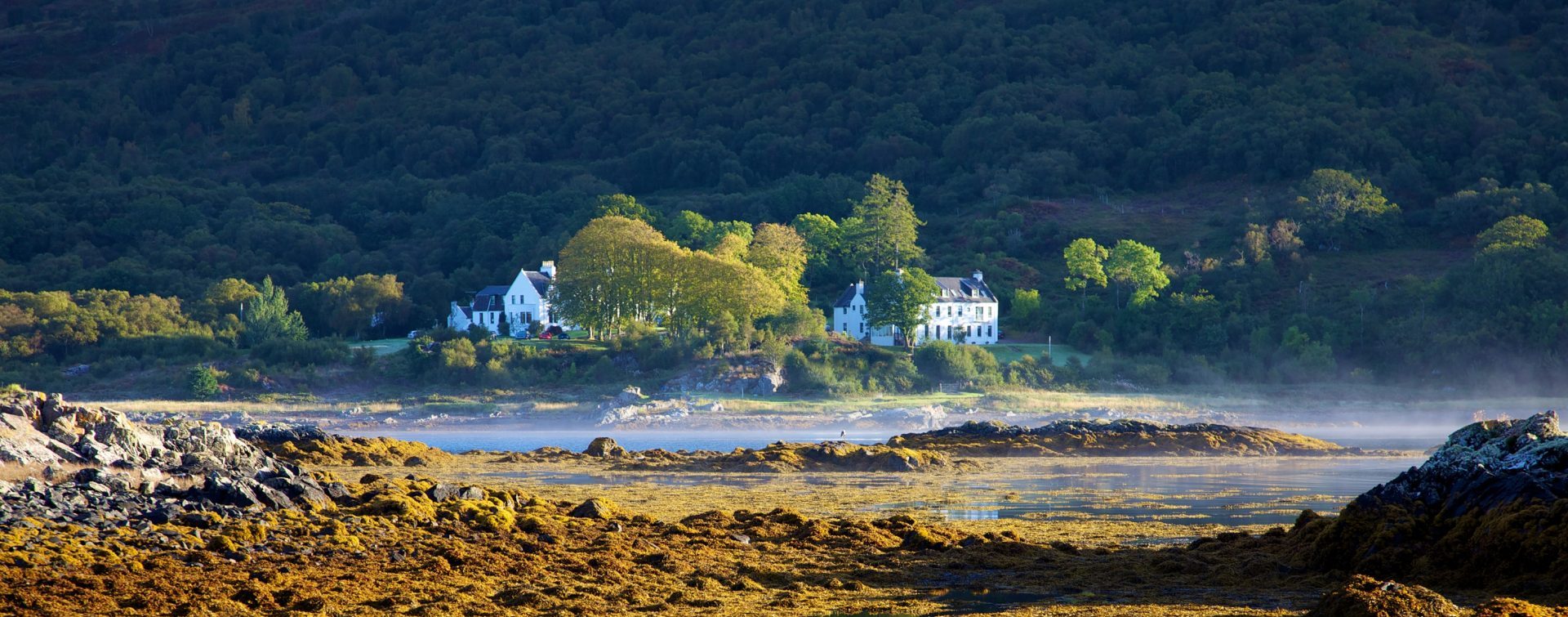
A NEW CHAPTER FOR SKYE’S KINLOCH LODGE AS OWNERSHIP PASSES TO THE WICKMAN FAMILY

Left to Right: Godfrey and Claire Macdonald, Kevin Wickman, Isabella Macdonald and Edward Wickman outside Kinloch Lodge. Credits: Andrew Tobin
Kinloch Lodge on the Isle of Skye, one of Scotland’s best-loved and most celebrated hotels, today announces a change of ownership from the Macdonald family to the Wickman family — fellow Skye hoteliers.
“We are delighted to be handing the keys to the Wickman family, and know they will be custodians of great integrity for Kinloch,” says Isabella Macdonald, who took over the running of Kinloch Lodge from her parents, Godfrey and Claire Macdonald, in 2010. “Together with my parents, over more than five decades, we have established Kinloch as a hotel of global renown that feels like a family home to guests from all over the world. It means a great deal to us that the Wickman family value family hospitality as part of their vision for positive, generative tourism in our unique setting of Skye.”

The 18-bedroom hotel on the shores of Loch na Dal has been in the Macdonald family since the 16th century, becoming a shooting lodge in the early 19th century, and has been run by the family as a hotel since 1972. In that time Kinloch Lodge has earned international recognition for its hospitality and dining: it was ranked the best hotel in Scotland in Condé Nast Traveller’s Readers’ Choice Awards 2025 and holds a Michelin Key, the Michelin Guide’s award for the world’s most outstanding hotels.
The Wickman family have kept hotels on Skye since the early 1990s, when Kevin and Mary Wickman took over the Cuillin Hills Hotel in Portree — itself originally a Macdonald family shooting lodge. In 2024 the family acquired Flodigarry Hotel in Trotternish, another former Macdonald property, whose grounds include the cottage of Flora MacDonald, celebrated for her part in the escape of Bonnie Prince Charlie after Culloden. Kevin and Mary’s son, Edward, now leads the family business.
With Kinloch Lodge joining the Cuillin Hills and Flodigarry hotels, the family now cares for three storied and distinct hotels on Skye, each with its own historic connection to Clan Donald. Edward Wickman, Managing Director of Wickman Hotels Ltd, said:
“We have a great deal of respect for the legacy of the Macdonald family in hospitality and tourism, on Skye and beyond- and we are very conscious of the responsibility that comes with continuing it. Kinloch is not a hotel to be reinvented; it is a hotel to be looked after. Our ambition is a simple one: three very special hotels, in three very different corners of this extraordinary island, each telling its own part of Skye’s story.”
Taking ownership of Kinloch with immediate effect, the Wickman family is keen to reassure the hotel’s loyal guests, employees and network of suppliers and collaborators that it is business as usual.
“Continuity, quality and consistency are paramount in our commitment as Kinloch’s new owner-operators,” says Edward Wickman. “It is the feeling of Kinloch — the amazing team, the award-winning food, the Macdonald portraits and the stirring views — that people travel for and return to, time and again, and none of that changes. Over the coming years we will invest carefully and substantially in the fabric of the hotel: a phased £1.6 million programme that will enhance what guests love about Kinloch rather than alter it. We look forward to welcoming guests, longstanding and newcomers, to Kinloch and to Skye for generations to come.”
The Macdonald family were advised by Savills. Steven Fyfe, Director in the Hotel Capital Markets team at Savills Scotland, comments: “Kinloch Lodge is a unique hotel on Skye with a global reputation for excellence. The Wickman family will continue the excellent work the Macdonalds have carried out over the years, and their experience in running a small group of successful hotels on the island made it clear that they would be the ideal purchasers.”
Wickman Hotels acquisition of Kinloch Lodge was supported by Handelsbanken’s Northern Scotland Branch. Corporate Banking Manager Barrie Aird said, “Handelsbanken is delighted to be supporting Wickman Hotels in the next stage of their growth strategy. As a local relationship bank, we understand the importance of being an integral part of the local community. The acquisition of Kinloch Lodge Hotel on the south side of Skye is an excellent opportunity to expand their hotel portfolio across the island, building on their reputation for delivering a high-quality visitor experience, supporting local suppliers, employment, and contributing to the local visitor economy. At Handelsbanken you deal with people you know by name and key decisions are made by us at the branch. Our aim, quite simply, is to provide the best possible service to each of our customers.”
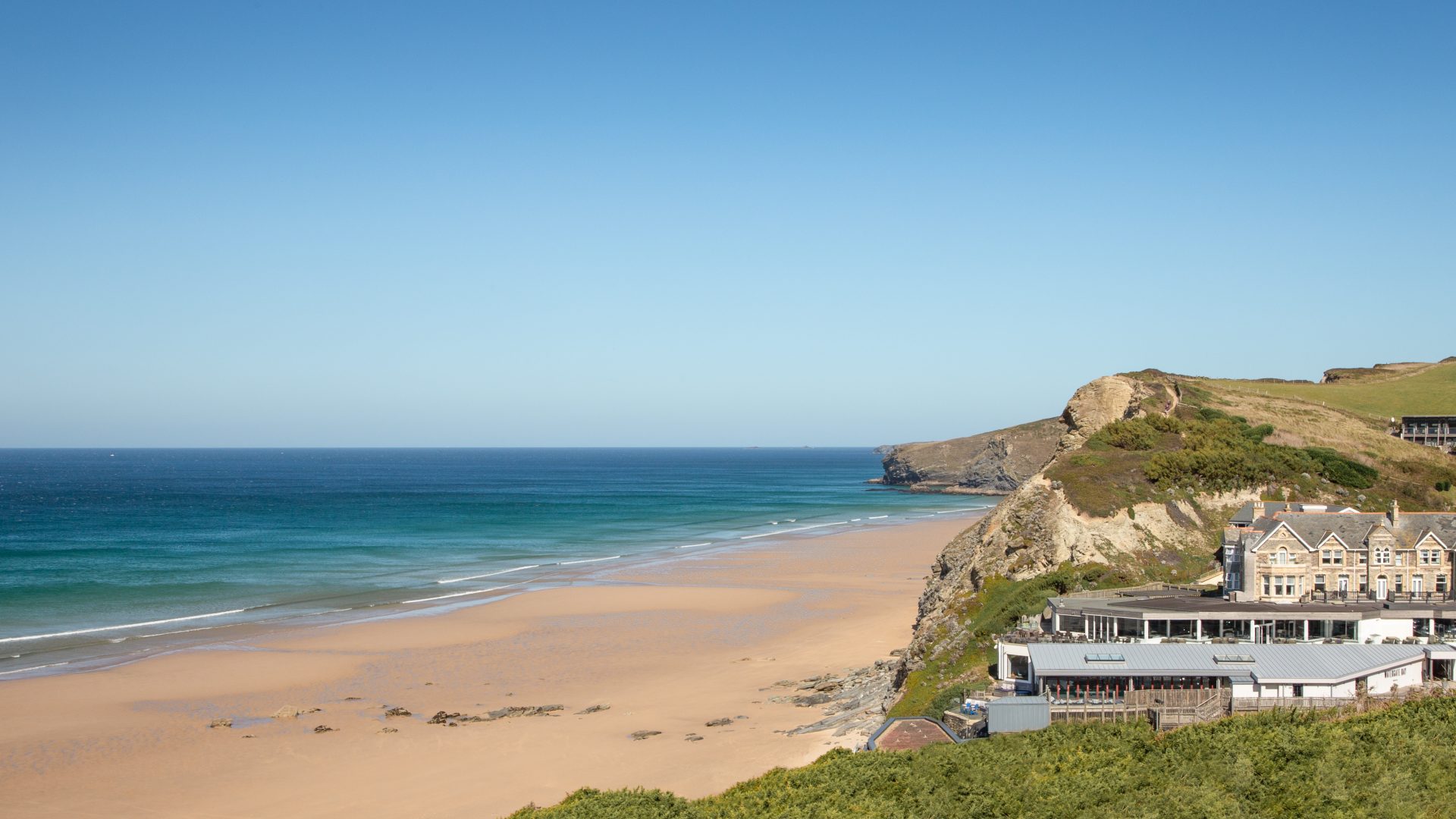
WATERGATE BAY HOTEL AND SEASPACE STRIKE GOLD WITH GREEN TOURISM
Watergate Bay Hotel and SeaSpace have each been awarded Gold certification by Green Tourism, recognising their outstanding commitment to operating responsibly and reducing their environmental impact.
Created by the team behind Watergate Bay Hotel, SeaSpace brings a fresh kind of design-led hospitality to Porth, near Newquay, combining the flex and freedom of studios and apartments with a neighbourhood energy and the beach at its heart. That same considered approach extends to how SeaSpace operates, from onsite solar energy and partnerships with Cornish suppliers to recycling and measures to divert waste from landfill, while staying connected to and engaged with its local community.
At Watergate Bay Hotel, caring for the place that makes the experience so special is part of its purpose: to bring the joy of Watergate to everyone, now and for the future. Its approach is guided by three principles – circularity, conservation and community – brought to life through initiatives spanning renewable energy, responsible sourcing and waste reduction, helping the hotel give back to its unique beachside environment.
This year, the hotel has worked with Nurdle UK to tackle the build-up of nurdles and other microplastics on Watergate Bay beach. Over 80 litres of material was removed following a 3 day operation, and recent sand samples have seen a 97% reduction in microplastics since the clean-up started (Before the clean-up: 25.45g per m². After the clean-up: 0.8g per m²).
Although the two destinations have distinct identities and guest experiences, they share a commitment to supporting their communities and protecting the surrounding coastal environment.
Gold is Green Tourism’s highest level of certification. It is awarded following an independent assessment of a business’s actions across 15 sustainability goals covering people, places and the planet.
Helen Bishop, Group head of sustainability and engagement for Watergate Bay Hotel and SeaSpace said:
“We’re incredibly proud that Watergate Bay Hotel and SeaSpace have both achieved the Green Tourism Gold Award. It recognises the commitment of our teams and the practical steps being taken across the two businesses every day.
“Protecting our wider environment takes continuous work. This is an important milestone, but it also encourages us to keep learning, improving and finding better ways to operate.”
Both businesses will continue to build on the progress recognised by the awards, using the Green Tourism assessment to help identify where they can go further. From reducing their environmental footprint and working more closely with local suppliers to involving teams, guests and communities in positive change, Watergate Bay Hotel and SeaSpace remain committed to making thoughtful, measurable improvements.