

Ian Taylor
With a deliberately small portfolio and a philosophy rooted in individuality, Ian Taylor is redefining what “boutique” really means. From heritage-led design to people-first hospitality, he explains how Kaleidoscope Hotels is building characterful stays that genuinely break from the ordinary.
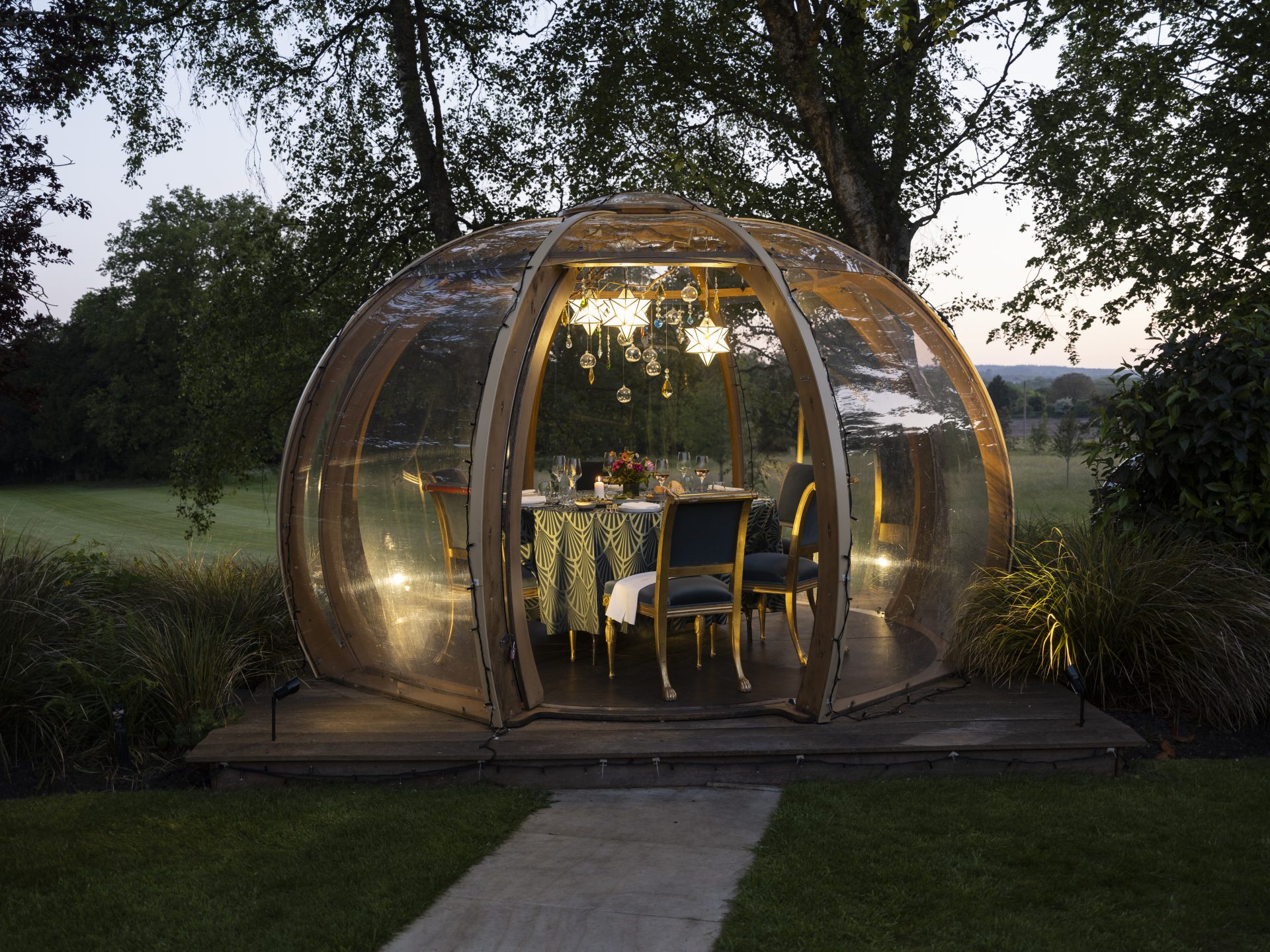
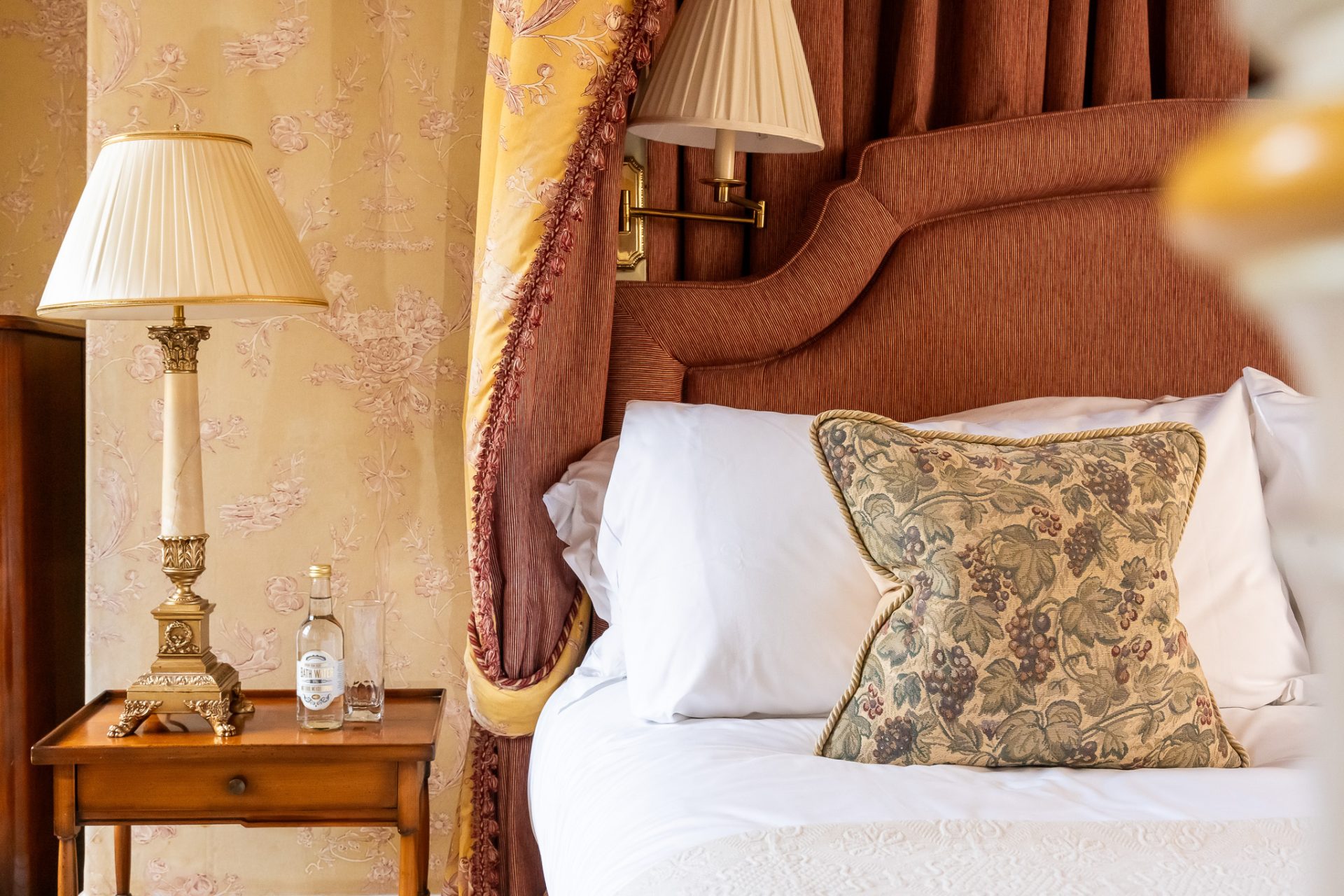
After years in the corporate hotel world, Ian Taylor felt something was missing. Alongside wife and co-founder Christa, he set out to create a different kind of hospitality brand, one that prioritised personality over polish and authenticity over uniformity. The result was Kaleidoscope Hotels, a collection that now includes Homewood Hotel & Spa, Bishopstrow Hotel & Spa, Dukes Bath and The Bird.
“Following a successful career in the corporate hotel world, Christa and I saw the opportunity to do things differently,”
“We founded Kaleidoscope Hotels with the view of creating spaces with real individual personalities that felt genuinely lived in.”
That sense of individuality, Ian explained, goes far deeper than interiors.
“Beyond an eclectic and colourful design, our hotels… are wholly individual. This individuality goes beyond design. It’s embedded in how we run the business and how our teams show up every day.”
“We actively encourage our people to bring their own personalities to work, because that’s what ultimately shapes the guest experience and makes each stay feel different,” he said, adding: “I’ve always been a people person so for me, a career in hospitality was a no brainer. Our team means everything to us as people are at the heart of true hospitality.”
That ethos feeds directly into Kaleidoscope’s positioning as offering “a break from the ordinary” - a phrase that could easily blur into industry cliché were it not backed by a clear philosophy. In a crowded boutique market, Ian is keen to distinguish substance from style.
“The phrase ‘boutique’ has certainly become widely used in our industry,” he reflected. “It’s amazing that more individual businesses have been able to shine under this umbrella but equally it can lose its meaning.”
For Kaleidoscope, personality isn’t something layered on at the end. “It can’t simply be added at the end of the design process. It has to start with the hotel and the people behind it,”
“Our process involved spending time understanding the character of the building, as well as the local culture and history surrounding each property and built the hotel experience around that.”
Authenticity, he argued, is what guests respond to most. “Ultimately, personality stems from authenticity. Guests feel the energy immediately. This is what we mean by offering ‘a break from the ordinary’. Rather than just hopping on the ‘boutique’ trend, we create stays that are full of character and true to their heritage.”
That commitment to individuality is one reason Kaleidoscope has resisted rapid expansion. Instead, the group has adopted what Ian calls a “small but mighty” approach - one that prioritises depth over scale.
“We’ve always been deliberate about keeping our portfolio small, allowing us to protect what makes each hotel so special in line with our individual approach,” he explained. “Because we’re ‘small but mighty’, we can be more hands on and creative across all areas and focus on evolving the properties.”
That evolution includes significant investment. “For example, we’re investing in a £2.5M luxury spa refurbishment at Bishopstrow which we’re excited to open this summer,” he added - evidence that growth, for Kaleidoscope, is as much about enhancement as expansion.
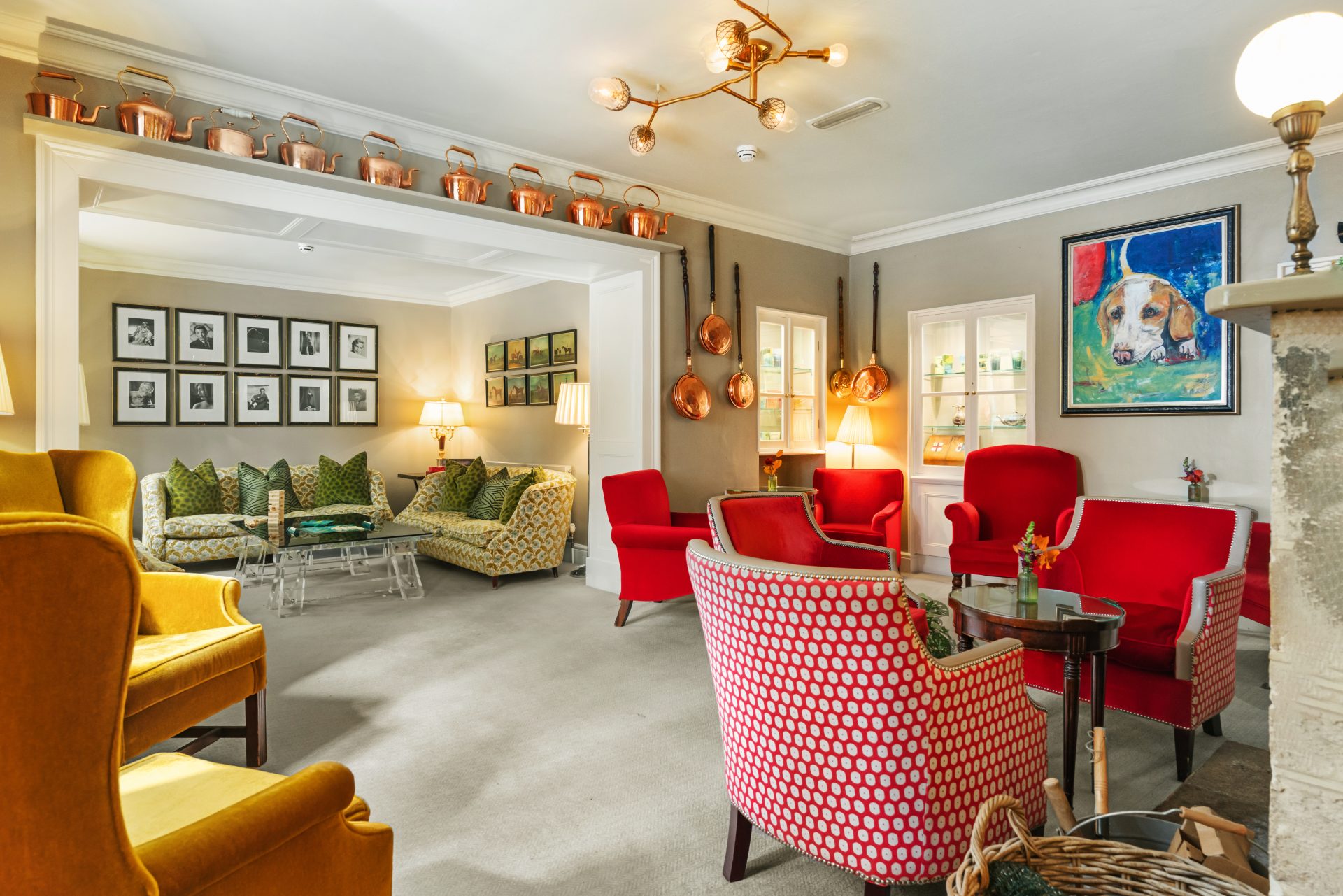
Working with heritage properties presents its own challenges, particularly when balancing preservation with modern expectations. It’s an area where Ian believes restraint is key.
“Working with heritage buildings is always a fine balance of respecting the historical integrity of the building while incorporating thoughtful, modern design in a natural way,”
Across the portfolio, from city-centre Bath properties to countryside spa retreats, guest motivations may differ, but Ian insists there is a unifying thread.
“While each hotel has its own identity, they share a sense of personality and warmth,” he explained. “They’re further connected by how our teams bring them to life through a relaxed approach to hospitality.”
Looking ahead, growth remains a possibility - but only on Kaleidoscope’s terms.
“Growth is something we’re open to but only if it feels right,” Ian said. “Our priority is to continue deepening what we already have. If we ever did expand, any new addition would need to bring its own character to align with the bold Kaleidoscope Hotels aesthetic.”
In an industry often driven by scale and standardisation, Kaleidoscope Hotels is taking a different path - one where individuality isn’t just a design choice, but a defining principle.

Finding Purpose
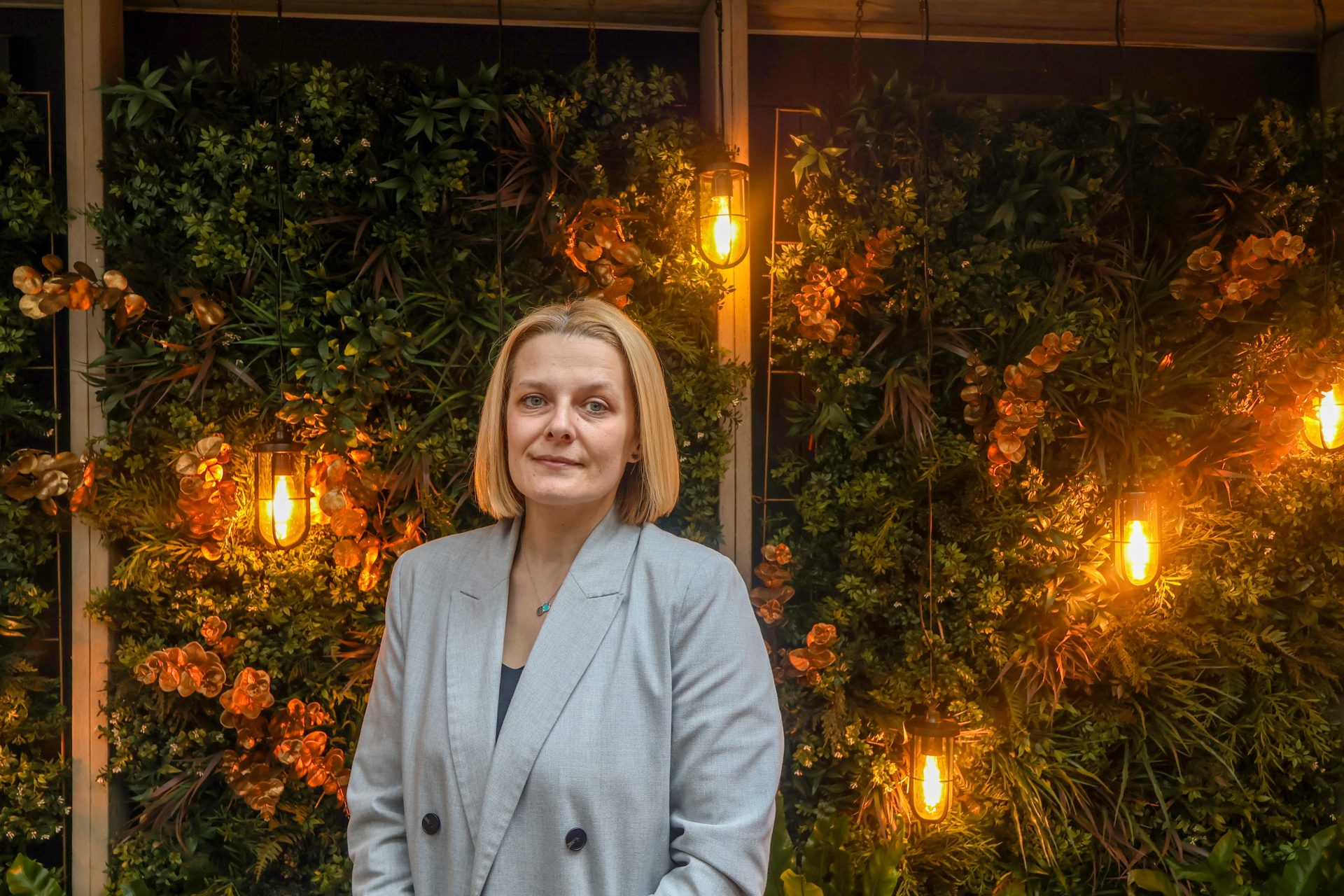
After two decades rising through the ranks of London’s luxury hotel scene, Kasia Adamek, Executive Housekeeper at The Hari Hotel, reflects on the people-first philosophy that shaped her leadership, the evolving role of technology in housekeeping, and why recognition and opportunity remain key to the future of the profession.
Could you share your journey to becoming Head of Housekeeping, and key experiences that shaped your leadership style?
Hospitality has always been in my blood. I grew up in Krynica Zdrój, a renowned spa town in southern Poland, where I spent my school holidays working across different businesses and discovered my passion for working with people and enhancing their experience.
After graduating in Hospitality and Tourism, I began as a receptionist in my hometown. In 2006, I moved to London planning to stay for a year, but its opportunities inspired me to build my career there.
I joined Hyatt Andaz Liverpool Street as a room attendant and spent nearly 14 years progressing through roles to become Assistant Executive Housekeeper. Managing a large team in a 250-room hotel shaped my leadership values - collaboration, empathy, and recognising individual strengths.
I later worked as Acting Executive Housekeeper at Shangri-La at The Shard before moving to The Hari Hotel, where I’ve been for the past four years. My growth has been driven by determination, ambition, and mentors who believed in me.
My leadership style is built on respect, listening, and teamwork. I believe that by supporting and trusting your team, you can achieve great things together and create exceptional guest experiences.

What are some lesser-known tips or efficiencies you've discovered that maintain high standards while keeping your team motivated?
I think the simplest, yet most important thing I’ve discovered, is keeping everyone in the loop at all times. Therefore, daily briefings are a small but vital part of our routine. They keep everyone informed, create focus, and a touch of humour helps maintain morale before the day begins.
Housekeeping rarely goes exactly as planned, so staying positive and focused is key. Little training sessions, spot-checking rooms, and giving honest feedback help improve standards and build a strong team. Nothing brings me more joy than seeing team members grow and develop skills that benefit both their work and personal growth.
How has technology changed housekeeping in recent years? Are there any tools you now consider indispensable?
Technology has transformed housekeeping immensely. I still remember pages as one of the most used tools in communication, which lead to time-consuming and often wrong information. Communication has now become instantaneous through apps like WhatsApp, replacing the old pagers and saving precious time.
Digital platforms provide easier access to training, health and safety updates, and helpful tips, ensuring we stay informed and compliant.
Technology is not only about online tools, but also extends to products used. Eco-friendly chemicals and amenities help us provide high-quality service while supporting the environment.
What advice would you offer someone aspiring to a long-term career in hotel housekeeping or hospitality management?
Working in hospitality is a great life journey. If you are a people person and love to learn about yourself and others - this is a perfect career for you. The journey is long, requires a lot of dedication and stamina but gives you endless possibilities to work in different departments within the hotel and opportunities to discover many great hotel brands worldwide.
My suggestion would be to have an overview of all departments as this will give you a big picture of the whole organisation and sometimes you might realise that the department you work for is not your final destination.
With ongoing staffing challenges and shifting guest expectations, what strategies have you found effective in maintaining service quality and team morale?
You must be present and visible. The team need to feel that you are not just based in the office, but someone who is hands on, attends the morning briefings, and helps on the floor. Share your career growth with the team, and don’t gate keep your success! Make time for your staff by finding a few minutes to ask them how they are and how their day is going. You are only a good leader if you build a strong team – see potential in all of them and make them feel special, they are the people behind yours and the hotel’s success.
What would you like to see evolve in hotel housekeeping over the next 1–3 years?
Despite still seeing a fairly big interest of people working in hospitality, I wish to see more people choosing housekeeping as their career path, sadly it seems that housekeeping is not so popular compared to other departments.
I hope more people recognise housekeeping as a rewarding career path. It’s about more than just cleaning - it’s about learning life skills, building lifelong friendships, and contributing to unforgettable guest experiences.
Housekeepers are essential to the success of a hotel, and I want this vital work to be celebrated and recognised more widely. A heartfelt shout-out to housekeeping teams around the world. You make extraordinary things happen every day.
Invested in Experience
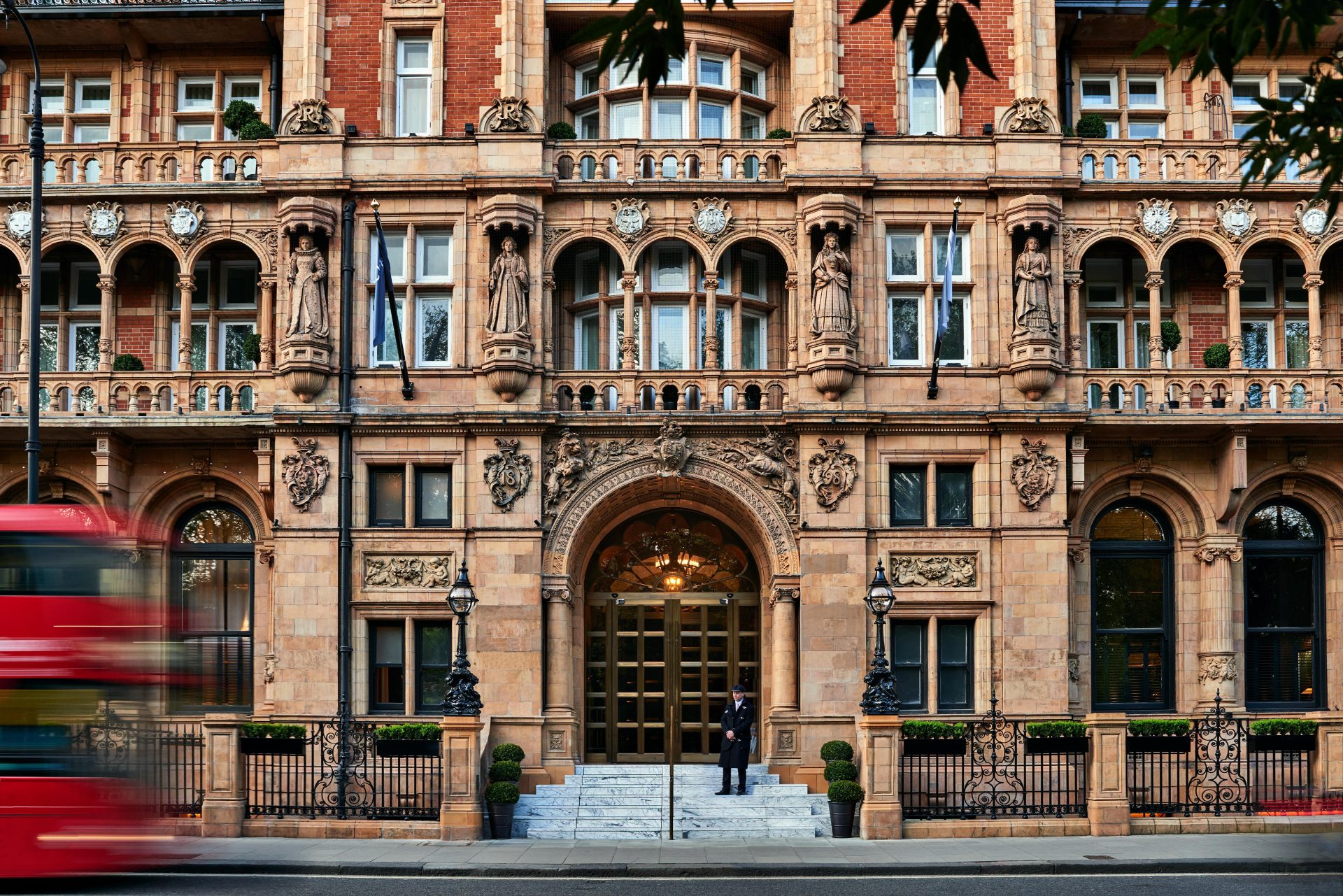
Blending heritage grandeur with contemporary flair, our Hotel of the Month, Kimpton Fitzroy London offers a masterclass in how to reimagine a historic landmark for the modern luxury guest - without losing its soul.
Occupying a full block on Bloomsbury’s Russell Square, Kimpton Fitzroy London stands as one of the capital’s most striking hospitality assets - a Grade II-listed building that has successfully transitioned from Victorian icon to modern lifestyle hotel. For operators across the UK, it provides a compelling blueprint for how to balance legacy, design innovation and guest-centric service in a competitive luxury market.
Originally completed in 1898 and reopened in 2018 following an £85 million refurbishment, the hotel has retained its architectural integrity while embracing a distinctly contemporary identity. The ornate terracotta façade, intricate carvings and grand public spaces remain central to the guest experience, but the repositioning lies in how these historic features are activated. Rather than treating heritage as static, Kimpton Fitzroy uses it as a storytelling tool, from the zodiac mosaic in the entrance to the whimsical “Lucky George” dragon sculpture, details are curated to create moments of discovery.
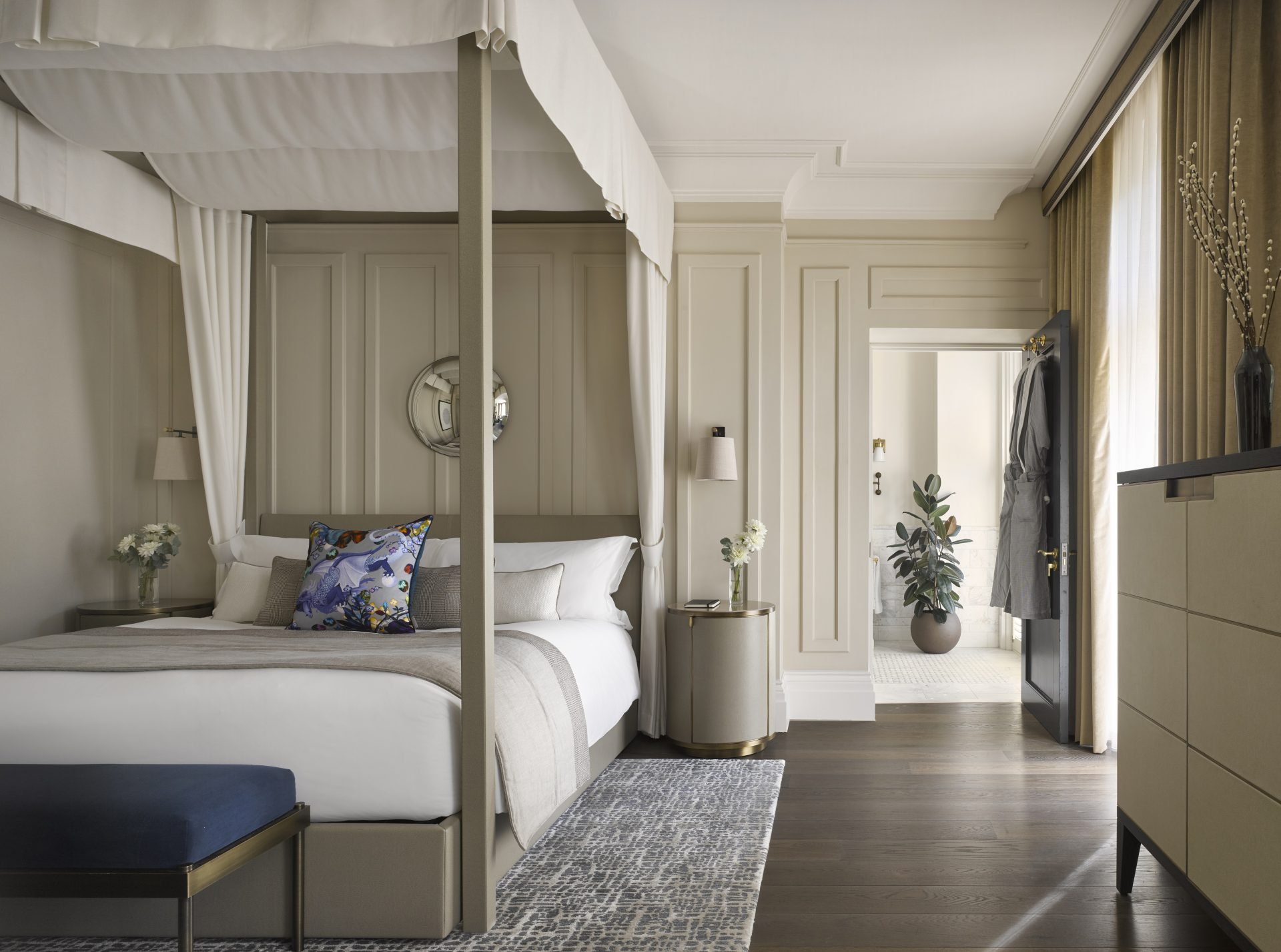
This approach extends into the 334 guestrooms, where traditional Victorian references are reinterpreted through a playful, modern lens. Each room is individually styled, avoiding the uniformity often associated with large-scale luxury properties. For hoteliers, this highlights a key shift: today’s guests value character and narrative over standardisation, even within high room-count hotels.
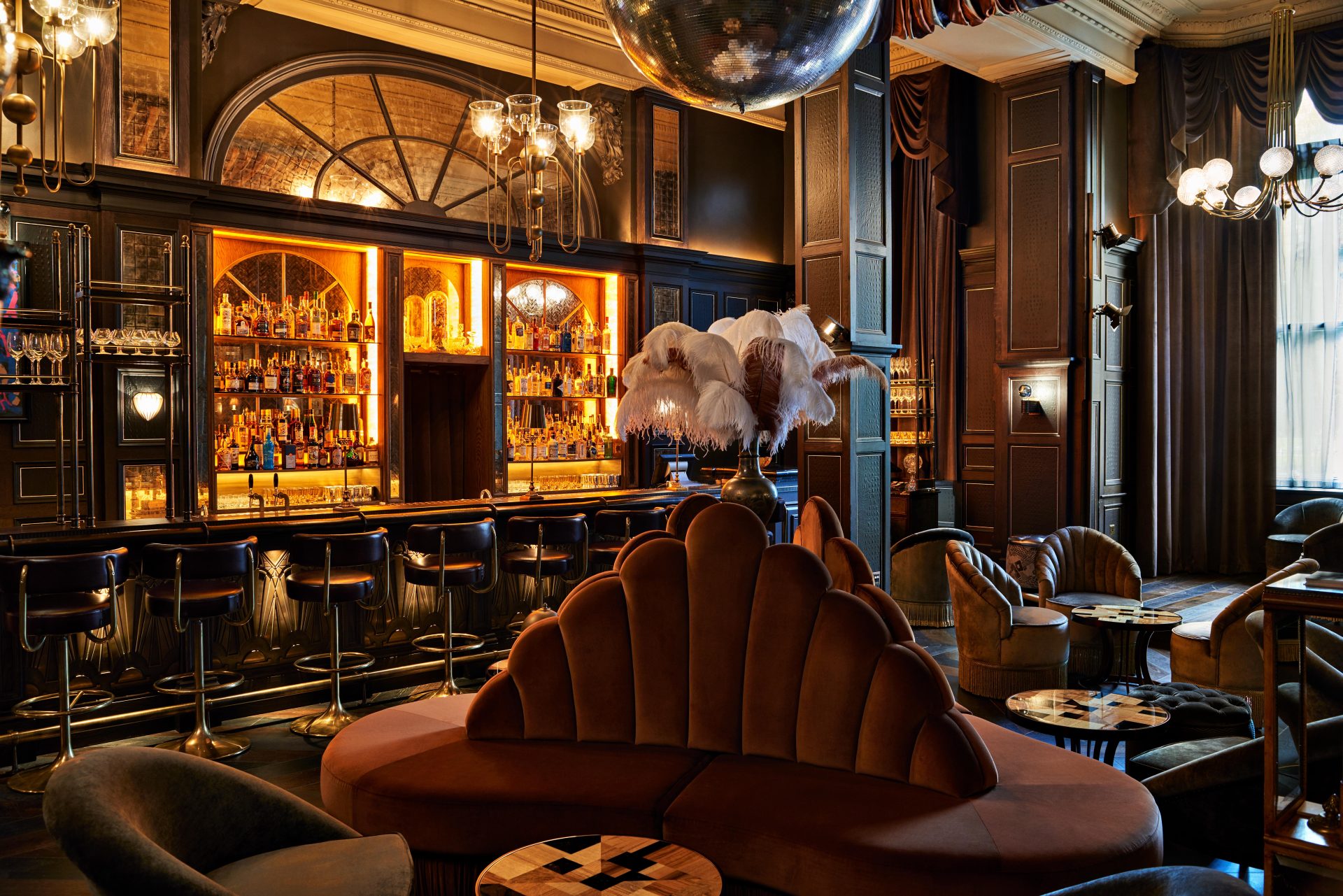
Food and beverage is another area where the property differentiates itself. With multiple venues under one roof, Kimpton Fitzroy has created distinct concepts that appeal to both guests and locals; a critical factor in driving footfall and relevance. Fitz’s cocktail bar, for instance, leans heavily into theatricality, with a UV-light menu adding an experiential twist. Meanwhile, the Galvin Bar & Grill delivers a more classic, revenue-driving dining offer, and Burr & Co. transitions seamlessly from daytime café to evening bar. The Palm Court, positioned as the hotel’s social heart, demonstrates the growing importance of flexible, all-day spaces that encourage dwell time.
For UK operators, diversification within F&B must go beyond multiple outlets, it should deliver varied experiences that cater to different dayparts and audiences, while maintaining a coherent brand identity.
Meetings and events also play a significant role in the hotel’s commercial strategy. The restored ballroom, complete with original architectural detailing and a dedicated entrance, anchors the property’s events offering, while eight additional spaces provide flexibility for smaller gatherings. Crucially, the design and heritage of these spaces elevate them beyond functional venues, enabling premium pricing and positioning. In a market where experiential events are increasingly in demand, investing in distinctive, design-led spaces can yield strong returns.
Underpinning all of this is the Kimpton brand ethos, which emphasises “sincerely personal” service and thoughtful, guest-focused amenities. This is where the property moves beyond aesthetics. The atmosphere is intentionally relaxed rather than overly formal, aligning with evolving luxury expectations. For hoteliers, this reflects a broader industry shift: luxury is no longer defined solely by opulence, but by comfort, authenticity and emotional connection.
Location, of course, plays its part. With Russell Square station on the doorstep and key London attractions within walking distance, accessibility enhances both leisure and corporate appeal. However, the hotel’s success is not reliant on location alone, it is the layered experience within the building that drives repeat visitation and brand loyalty.
Kimpton Fitzroy London demonstrates how heritage properties can remain commercially relevant by embracing change without erasing the past. For UK hoteliers, it offers three key takeaways: treat history as an asset to be interpreted, not preserved in isolation; invest in experience-led F&B and events to broaden revenue streams; and prioritise personality in both design and service.
In an era where differentiation is everything, Kimpton Fitzroy proves that standing out sometimes means looking back - and reimagining what you find.
Make the Most of It
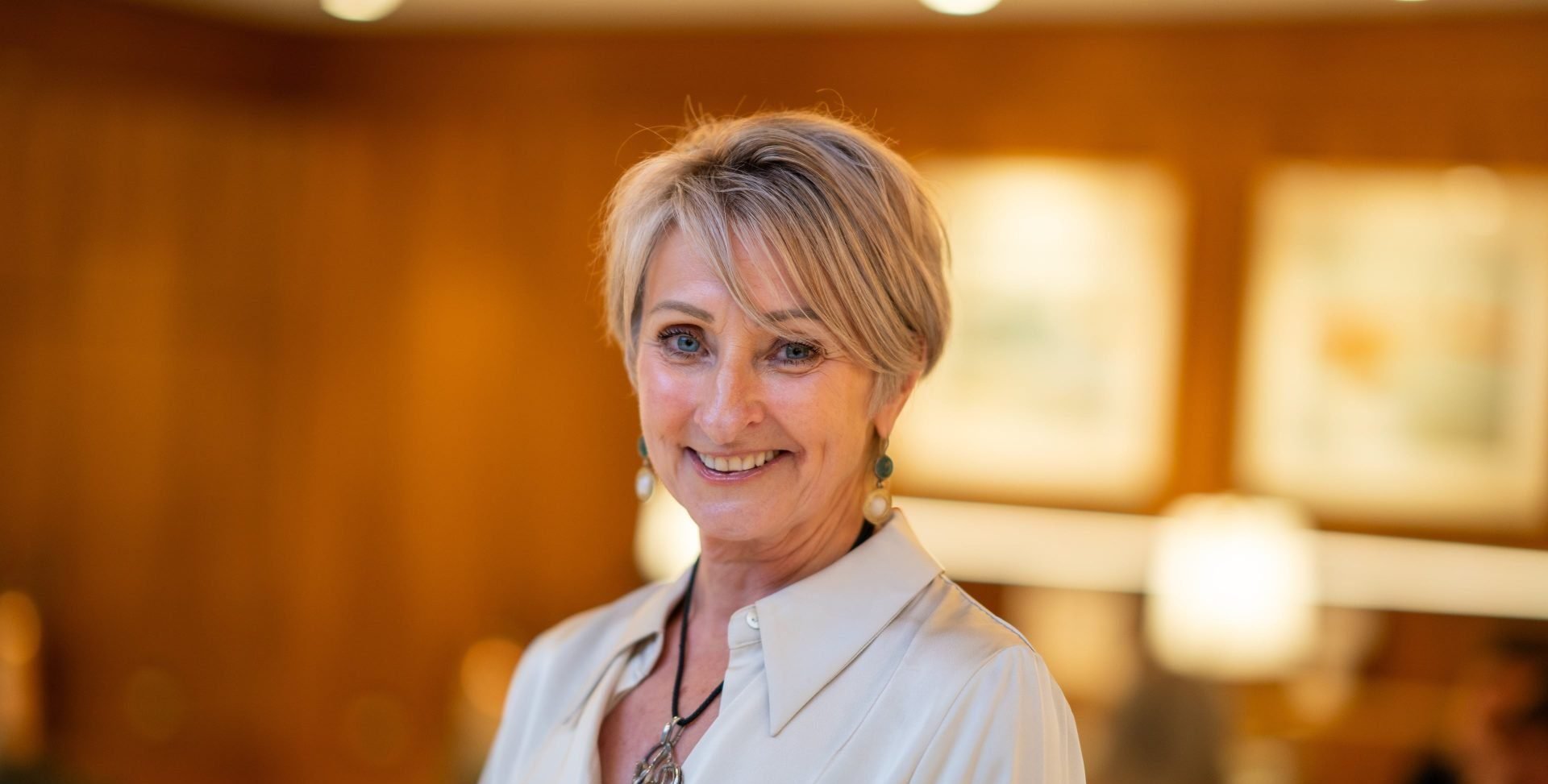
With an overriding focus in this month’s column on MICE, Janel Clark, Head of Professional Development at HOSPA, shares detail on how to turn your hotel ‘spaces’ into strategy.
There is a distinct energy that returns to a hotel lobby when a large-scale event is in town. It’s the sound of purposeful conversation, the clatter of coffee cups and that familiar sea of lanyards. Across the UK, this ‘hum’ is growing significantly louder, with the MICE (Meetings, Incentives, Conferences, and Exhibitions) sector playing an increasingly important role in the hospitality makeup thanks to a compelling resurgence.
According to the latest Global MICE Industry Outlook (2025–2030), the market is projected to reach a valuation of between USD 1.5 trillion and USD 2.4 trillion by 2030. Closer to home, British businesses are showing a renewed appetite for face-to-face connection. Despite the prevalence of digital meetings, industry insights indicate that roughly a third of UK organisations are increasing their events budgets this year, recognising that in-person collaboration remains the gold standard for building company culture and closing deals.
Moving beyond the ‘perk’ mindset
This opportunity raises the question of how do we truly value our non-room assets? Meeting space has often been treated as a secondary thought. A ‘perk’, essentially, to secure a large room block or a space that sits dormant until a local enquiry happens to land in the inbox. Pursuing RevPAR excellence can often lead to a touch of ‘tunnel vision’, which sees us perfect our bedroom pricing while leaving the meeting and events (M&E) diary to reactive, and often ‘emotional’, pricing.
When we discount a boardroom simply to ‘get someone in’ or fail to forecast the total profitability of a space including catering and ancillary spend, we aren't just losing a booking, we’re leaving significant revenue on the table. And in an era of rising operational costs and tighter margins, every square metre of a property must work for its living.
The rise of the commercial generalist
To truly capitalise on this trillion-dollar MICE boom, hospitality teams need to transition from ‘order-takers’ to strategic commercial drivers. This requires a shift in skill sets. We need professionals who can analyse diary demand with the same rigour we apply to our PMS data, identifying high-yield segments and avoiding the dilution of space during peak periods.
This need for specialised expertise is precisely why HOSPA Professional Development has introduced our new Revenue Management for Meeting Space programme. We’ve recognised a gap in the market for a practical, ‘in-house’ toolkit that empowers M&E Office Managers and General Managers to take control of their commercial destiny.
The five-week course, which is set to be delivered by expert tutor Alex Drinkwater, is designed to be a direct response to the complexities of the modern British market. It isn’t about abstract theory either, it’s about mastering diary management and implementing value-based pricing, while understanding the KPIs that actually contribute to total profitability. By the end of the programme, learners produce a tailored revenue plan they can apply directly to their own venue.
A collaborative future
The hospitality industry is at its best when it functions as an ecosystem. We are a sector built on shared knowledge and the common goal of excellence. By upskilling our teams to navigate the nuances of the business events market, we are both improving our individual balance sheets, while also elevating the reputation of the UK as a premier global destination for events.
The MICE opportunity is substantial, but it requires more than just opening the doors and hoping for the best. It requires strategy, confidence and a commitment to professional development. As we look ahead to the remainder of 2026, let's ensure our meeting spaces are given the commercial respect they deserve.
Janel Clark is Head of Professional Development at HOSPA – the Hospitality Professionals Association. For more information on HOSPA and its offering, please visit www.hospa.org.
Company Profile
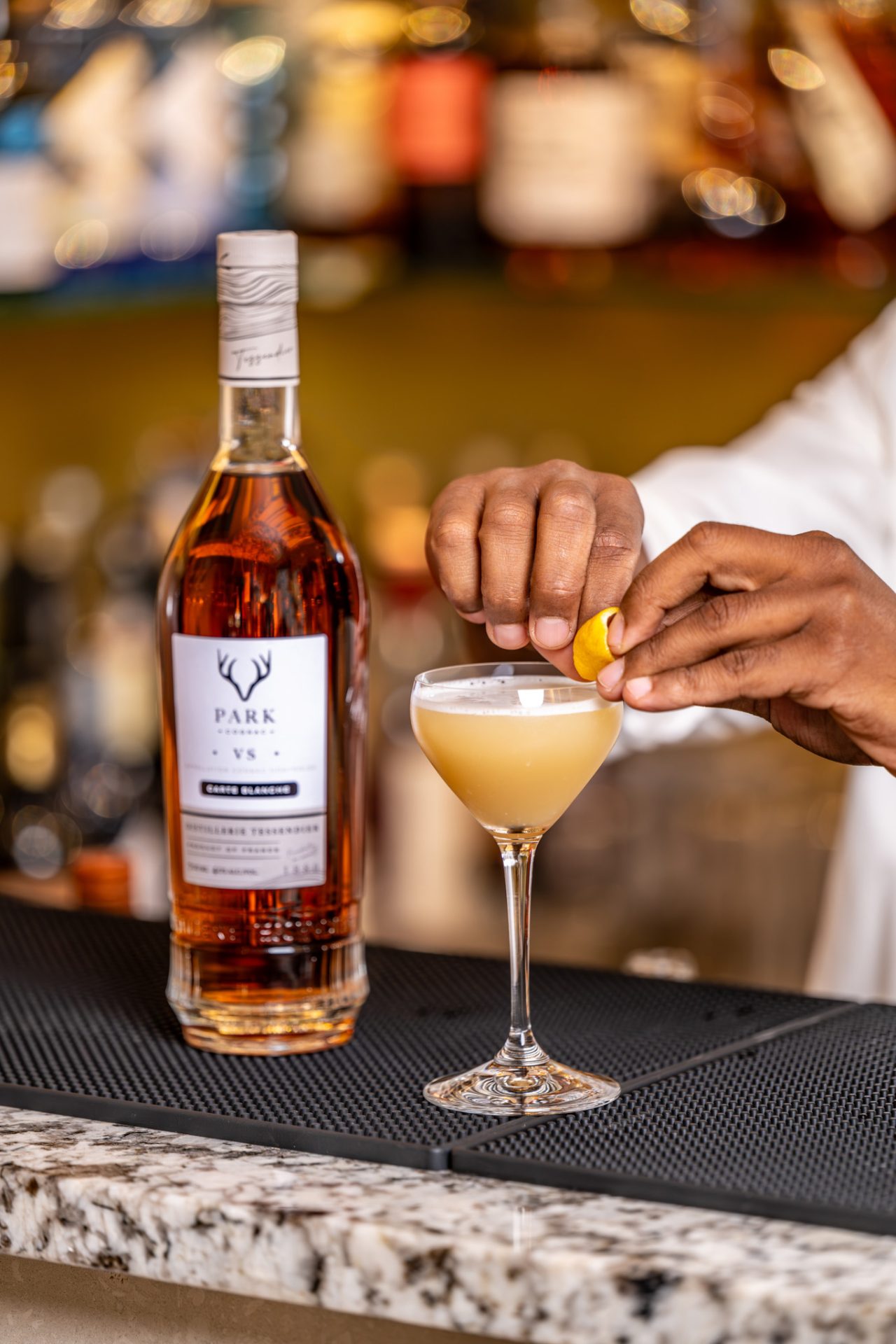
We’re proud to welcome Park Cognac as the official cocktail sponsor of the 2026 Hotel Magazine Awards, bringing exceptional craftsmanship and refined taste to this year’s celebration. We caught up with Naj Qureshi, Director at Lux Calibrate, to find out more about the brand’s roots.
In 1880, Gaston Tessendier, was a dedicated mathematics teacher, but he also nurtured the family vineyards “Domaine Du Buisson”, beautifully situated in the heart of the prestigious Les Borderies area in the Cognac region. While tending to the vines demanded both time and devotion, it was a true labour of love for Gaston.
His son Claude embraced the legacy, eager to refine the art of distillation with his technical expertise. He immersed himself in the methods and instruments of distillation and aging, before sharing his invaluable knowledge and fervour with his own son.
Today, the fourth generation of this passionate family, carry forward the legacy, the appreciation for exquisite eaux-de-vie, and the mastery that has been handed down through the years.
With a visionary spirit, Dominique Park, hailing from Scotland, became enchanted by the Cognac region and dreamed of crafting a unique cognac that would carry his name. He encountered Jérôme Tessendier, and, united in purpose, they established the Park Cognac collection.
Made exclusively from Ugni Blanc grapes which flourish in abundance in the Les Borderies region are matured in French Oak Barrels mainly from the Limousin Forest. Through meticulous care of vines, grapes are gathered at the dawn of autumn, radiant in the sunlight and brimming with their natural acidity. The Parl Cognac range delves into the rich diversity of origins- Diversité des crus, including Grande Champagne, Petite Champagne, and Fins Bois with up to 50 years of aging and the varying amounts of lime in the soils bestow the cognacs with distinct organoleptic and flavour profiles.
park-cognac.com
Reinventing Check In
Five ways to re-think the first in-person moment for a true five-star hotel experience.
Design a Seamless Arrival Journey, Not Just a Check-In
The guest experience begins before they reach the front desk. From curb side greeting to lobby flow, every touchpoint should feel intuitive and effortless. Concierge staff, and receptionists must operate as a synchronised unit, eliminating friction and redundancy. Rather than directing guests through a process, guide them through a curated arrival journey that feels natural and unforced.
Replace Transactions with Recognition
Five-star service is rooted in making guests feel known. Move beyond scripted greetings and transactional check-ins by leveraging guest data thoughtfully. A simple acknowledgment - whether it’s recognising a returning guest, noting a special occasion, or recalling a preference - can transform a routine interaction into a personal connection. The goal is to shift from “checking in a reservation” to “welcoming a person.”
Empower Staff to Create Micro-Moments of Delight
Luxury is often expressed in small, unexpected gestures. Empower frontline teams to go off-script when appropriate: offering a refreshing towel on arrival, adjusting the check-in setting for a tired traveller, or engaging in authentic conversation. These micro-moments do not require significant investment but deliver disproportionate emotional impact. Training should focus not only on standards but on judgment and empathy.

Reimagine the Physical Space for Comfort and Flow
Traditional front desks can create barriers - both physical and psychological. Consider alternative layouts such as lounge-style check-ins, seated welcome areas, or mobile hosts equipped with tablets. The environment should communicate calm, exclusivity, and comfort. Lighting, scent, sound, and spatial design all contribute to the sensory experience, reinforcing the hotel’s brand from the very first step inside.
Balance Efficiency with Theatre
Speed matters, especially for modern travellers, but efficiency should not come at the expense of experience. The most memorable arrivals balance swift service with a sense of occasion. This might include a signature welcome ritual, a brief introduction to the property’s story, or a visually engaging lobby moment. Think of arrival as both a service interaction and a performance - subtle, refined, and intentional. Ultimately, rethinking arrival is about shifting perspective: from process to experience, from efficiency to connection, and from service delivery to memory creation.
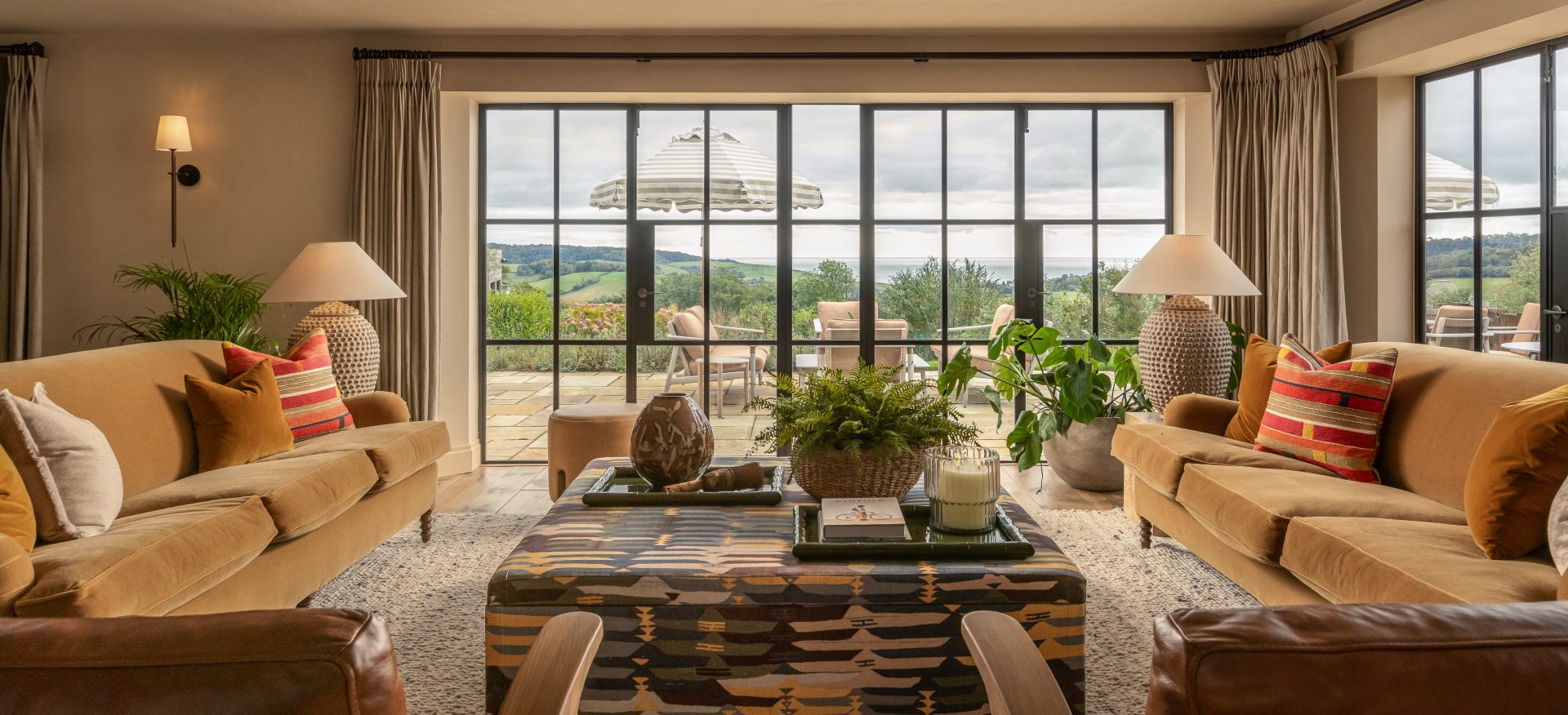
The New Guest Mix
Today’s hotel guest defies definition. From autonomy to authenticity, privacy to personalisation, the modern traveller expects it all - often at once. As the guest mix becomes increasingly fluid, hotels must rethink not just who they serve, but how they design experiences that flex, adapt and resonate on an individual level.
The idea of a “typical hotel guest” no longer exists. In 2026, lobbies welcome a fluid mix of digital nomads and luxury traditionalists, solo wellness seekers and multigenerational families, business travellers extending into leisure, and guests who expect both hyper-personalisation and complete anonymity - sometimes within the same stay.
This evolving guest landscape is forcing hotels to rethink everything they once considered standard. From room design and service models to technology, food, and even silence itself, the modern guest experience is no longer about catering to a single model, but about creating spaces flexible enough to feel tailored to everyone, while defined by no one.

In this feature, we explore how hotels are navigating “The New Guest Mix,” and what it really takes to deliver a seamless, meaningful experience in an era where expectations are as diverse as the guests themselves.
At The Welbeck Hotel, Simon Hall, General Manager, said, “Guests remember how we make them feel.
“We help create experiences that extend beyond the hotel, adding value to the guests' stay and ensuring they discover all that our city has to offer.” Simon believes that service should be personal and specific to each guest and hotel staff should know their guests intimately in order to ensure the service is tailored to meet their needs – as “not all guests are alike”, he added. Today, travel is more about purpose, Simon recognises that guests will stay somewhere where they feel a shared purpose, and he believes that is what makes them choose to come back.
In terms of crafting a memorable guest experience, Gianluca Giglio, CEO, NATIVO HOTELS™, believes that the most common mistake in hospitality is to start with the guest and stop there. At NATIVO HOTELS™, every project begins with two prior questions: ‘what does this place demand? And who must inhabit it? He said, “We shape the habitat and we select the cast before we ever think about the guest journey. At Borgo Antichi Orti of Assisi, a medieval hamlet in Umbria under our management, that discipline changed everything.”
Gianluca sees that it goes far beyond amenities. Recognising the guest is not buying a stay, they are entering a world, he explained, “Every encounter, from the silence of the courtyard to the first exchange with the team, must be irreducibly of that place. Not Italian in a generic sense. Umbrian. Franciscan in its quietness. Specificity is the luxury.”
Nowadays, the perfect guest experience is no longer defined by flawless service alone, but by how deeply a guest feels understood and valued. Alain Kopf, General Manager, Royal Savoy Hotel & Spa, agrees that today’s travellers seek authenticity, emotional connection, and a sense of individuality rather than standardised luxury.
At the Royal Savoy, they focus on anticipating needs before they are expressed, creating moments that feel both effortless and personal. Alan said, “This comes from genuine human interactions - remembering preferences, engaging naturally, and adapting to each guest’s story.
Going the extra mile is not about grand gestures, but about consistency in care, attention to detail, and emotional intelligence. When a guest leaves feeling recognised rather than simply served, we know we have created something truly meaningful.”
In 2026, the perfect guest experience is defined by individuality, authenticity, and a sense of place. Sascha Spiegel, General Manager, Hotel Schweizerhof Bern & Spa, explained how he is seeing a growing number of independent travellers who no longer simply want to visit a destination, but truly experience it, at their own pace and in their own way. In this context, Bern offers remarkable potential as an international hub: from here, guests can effortlessly explore some of Switzerland’s most iconic landscapes, from alpine peaks to lakes and cultural highlights.
At the same time, expectations around luxury are evolving. Sascha said, “Today’s discerning travellers seek more than visibility - they seek privacy, calm, and meaningful experiences. Quiet sophistication has become the new luxury. This is where Bern excels, particularly as a destination for boutique-style travel, where authenticity and understated elegance take centre stage.”
Experiences such as excursions to the Emmental, Gruyères, or Lake Murten resonate strongly with today’s guests, as does the increasing importance of wellness and sport within the luxury segment.
“Our ambition is to position the hotel as a destination in its own right - where urban relaxation, culture, outstanding gastronomy, and a refined lifestyle come together seamlessly. At the same time, we remain deeply committed to our loyal returning guests, ensuring that innovation and continuity go hand in hand,”
Oliver Liguori, EAM i/c of Rooms and Guest Services at Bürgenstock Resort Lake Lucerne, sees that whilst AI and new technologies continue to shape the industry, it is the human touch that guests remember most, with service that feels intuitive, personal and genuinely delivered from the heart. At Bürgenstock Resort Lake Lucerne, even the arrival forms a memorable part of the experience, as guests glide across the lake by hybrid catamaran, greeted by the resort perched 500 metres above the water. Oliver explained, “Throughout the stay, a strong sense of regional identity is woven into every touchpoint, from local products to local stories and a connection to the surrounding community and its history – crucial elements to stand out in today’s luxury travel landscape.” He believes while attention to detail remains essential, it is the ability to build relationships and create memorable moments that truly sets a stay apart.
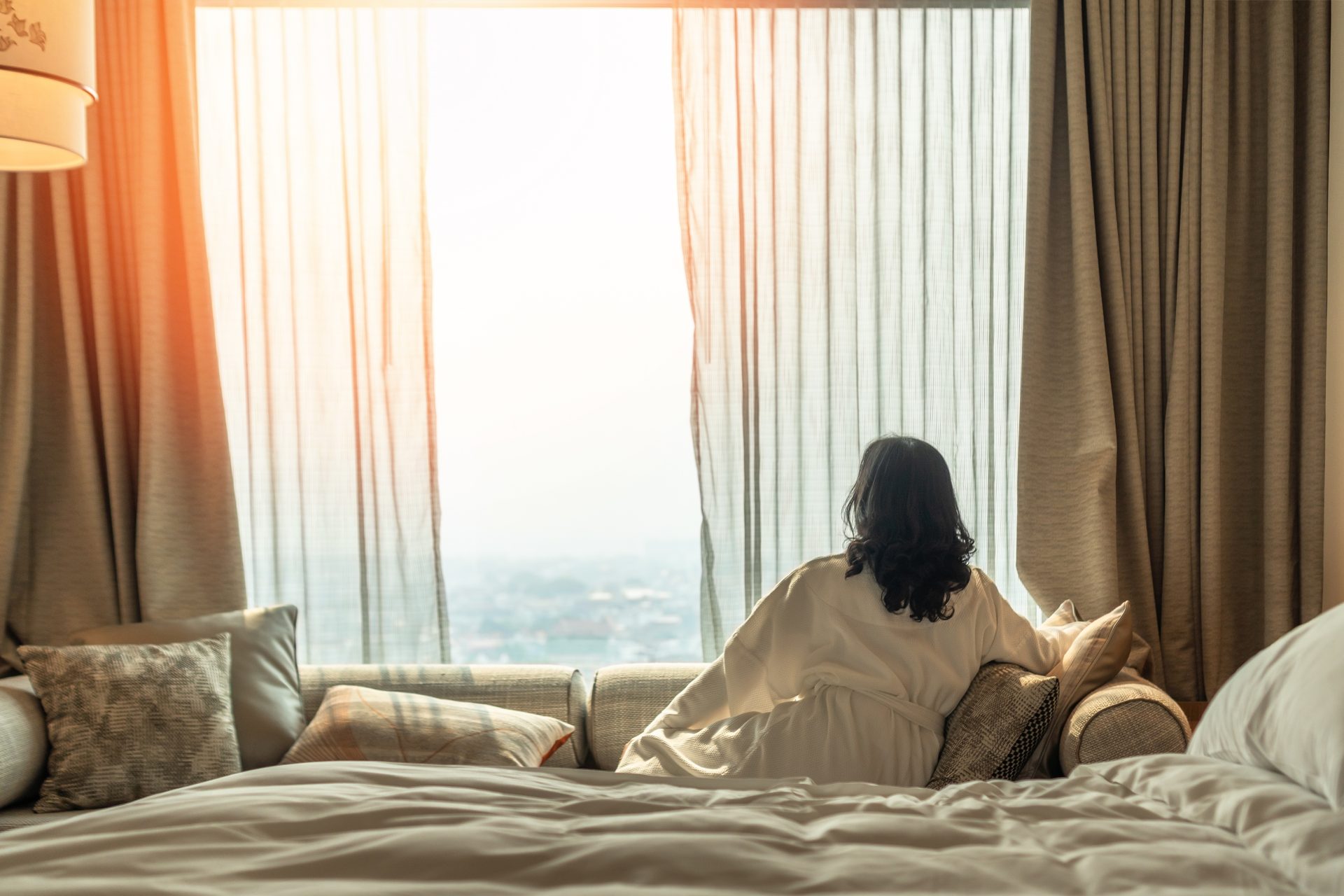
Demand is high in the luxury hospitality sector, yet guest expectations have never been higher. Today, hotels must balance these expectations with operational efficiency, offering services that are simple yet very thoughtful.
Looking ahead, Alessia Meli, COO, The Ginobbi Group (Palazzo Ripetta), believes that emotional engagement and empowered employees will be the ultimate differentiators. She said, “Guests increasingly value authentic connections and personalised care, while teams that feel supported and empowered can consistently deliver experiences that reflect the hotel’s unique character and resonate deeply with each guest.”
“At Wyndham Hotels & Resorts, we find that today’s travellers can have varied expectations, with some wanting deeply personalised, immersive experiences, while others prefer simplicity, privacy and minimal interaction. We find that the key to designing an experience that feels tailored to everyone is offering choice and building flexibility into the guest journey so guests can decide how much they want to engage.”
Wyndham Hotels & Resorts has over 8,300 hotels across approximately 100 countries on six continents, providing guests with a varied portfolio that makes travel possible for all.
The team at Wyndham pride themselves on creating optional layers of local, authentic experiences that guests can explore if they choose, without making them feel mandatory or intrusive. For example, the Riserva Wine Spa at Ramada by Wyndham Oradea in Romania incorporates local grape and vine extracts in its treatments, appealing to guests who want a unique sense of place. At Ramada by Wyndham Tbilisi Old City, guests who seek authenticity can enjoy traditional cuisine, wine and local beers at the Fragment Dining Club, complete with live music and a vibrant social atmosphere.
“By designing experiences with multiple entry points, each one optional, flexible and sensitive to personal preference, we ensure that those looking for personalisation feel catered to, while privacy‑minded guests never feel overwhelmed or alienated. It’s about offering meaningful choice at every step, so every traveller can shape the stay that feels right for them.”
With today’s travellers ranging from digital nomads to multigenerational families and wellness seekers, we asked Cristina Salmerón Urbano, CMO, FERGUS Group how they design a guest experience that feels personal to everyone without becoming generic. At tent, they aim to be a brand targeting a clearly defined behavioural audience.
“We’ve identified a growing segment of travellers who want to experience the destination with freedom, while valuing a hotel that delivers comfort, design, technology and the right facilities for their stay. Rather than offering pre-packaged experiences, we create a model that supports this mindset, giving guests the flexibility to shape their own trip without compromising on quality or convenience.”
This philosophy is brought to life through the brand’s B&UB (Bed & Unlimited Brunch) concept, which offers a high-quality, extended brunch from 8:00 to 13:30, allowing guests to dine on their own schedule and explore the rest of the day at their own pace. The model is further enhanced by digitalised services -including digital check-in and mobile keys - alongside self-service elements that reduce friction and create a more autonomous guest experience.
“We focus on delivering those services that make guests feel at ease - as they would in a holiday home - with a strong emphasis on comfort, design and freedom, while leaving the rest open. The same guest might be working remotely in the morning, exploring the destination during the day, and socialising in the evening. Rather than creating different experiences for different profiles, we create a single environment that adapts seamlessly to each moment,”
For FERGUS Group, personalisation isn’t about adding more services - it’s about giving guests the autonomy to create their own holiday experience, whether that means spending the day at the beach, driving through the destination, trying a Michelin-starred restaurant, or simply ordering a pizza through our tentlivery. “That’s what makes every stay feel truly personal, without ever becoming generic,” added Cristina.
Turning our attention to what the ‘perfect guest experience’ looks like in practice, Cristina believes that the perfect guest experience is one that truly understands the guest’s needs and then exceeds their expectations. “In our case, that translates into an experience that feels effortless and intuitive, where everything works without unnecessary complexity, and guests have the freedom to shape their stay on their own terms.”
Lena Mueller, Quality and Experience General Manager, O&L Leisure, understands that designing for today’s traveller is not about trying to be everything to everyone. “It is about being deeply intentional in what you offer and creating an experience that is strong enough in identity to feel personal to many, without becoming diluted.”
At O&L Leisure, they do not begin with segments or labels, instead with intent. Whether a guest arrives as a digital nomad, a multigenerational family, or a wellness seeker, the underlying expectation remains consistent. Lena said, “Guests are looking for ease, authenticity, and a meaningful connection to place. Understanding this allows us to move beyond surface-level personalisation and focus on what truly matters.”
The brand places significant emphasis on understanding the purpose behind each stay, long before arrival. Not just who the guest is, but why they are travelling. “This insight shapes how we prepare, how we welcome, and how we anticipate needs throughout the journey. It allows us to create experiences that feel considered and relevant, rather than generic or overly prescribed,” added Lena.
At the same time, O&L Leisure anchor everything in a strong and consistent core. “Our sense of place, our storytelling, and our service philosophy remain constant across all touchpoints. This creates clarity and cohesion.” Within that framework, the team allow for flexibility, giving guests the ability to shape their own pace, preferences, and level of engagement.
Lena explained how the Golden Ambassadors are at the heart of this approach. They are not there to execute a checklist, but to interpret and respond. Through observation, listening, and genuine human connection, they bring a level of intuition that no system can replicate.
“We are also intentional in how much we offer. Personalisation does not come from abundance, but from clarity. By curating a thoughtful range of experiences rather than overwhelming guests with choice, we create space for discovery, for connection, and for a more meaningful engagement with the destination,”
Ultimately, Lena sees that what defines a truly personal experience is not the number of tailored touches, but how it feels. It should be intuitive, seamless, and deeply considered. When done well, it does not feel like something designed around the guest, but something that simply fits.
Previously, booking and check‑in followed a rigid, one‑size‑fits‑all model where guests queued at reception, completed registration cards, and waited to receive a key before accessing their room. Now, the process is far more flexible. Guests can complete check‑in remotely before they arrive, giving the hotel everything it needs in advance and removing the stress of long lines for guests. Remote check‑in shortens the arrival process and significantly reduces queues at peak times, freeing up front‑desk staff to focus on delivering personal interaction to those guests who actively prefer it. The key is offering choice that aligns with different guest preferences.
Stuart Derricott, Sales Director, Zonal Hotel Solutions, said, “This flexibility is increasingly important, as research shows that 78% of guests are likely to seek local information and recommendations during their stay, while 68% find the idea of a mobile‑based solution highlighting what’s on in the hotel’s city appealing[1]. By streamlining arrival, teams have more time to deliver value‑adding conversations rather than transactional check‑ins.”
At the same time, Stuart recognises thar replacing reception desks entirely with kiosks isn’t the right answer. “Technology should expand guest options, not eliminate them. Some guests may want a seamless, low‑contact experience on one stay and then a more sociable, staff‑led interaction on another. The goal is to provide multiple pathways so every guest can choose what feels right in the moment,” he said.
Stuart agrees with the fact that ‘the perfect guest experience’ is no longer defined by a single standard, instead he recognises that it’s defined by choice. Every guest has different expectations, comfort levels, and preferences, so the ideal experience is one that adapts to them rather than forcing them into a preset journey.
Today, perfection means giving guests control over how they want to interact. Some may prefer seamless digital touchpoints; others might want warm, personal engagement from staff. The key is providing the right mix of options so each person can shape their own stay.
Automated check‑out is a good example of why this flexibility matters. 63% of guests aged 18–34 say they prefer automated check‑out, compared to just 21% of those aged 55 and over[2], highlighting how expectations can vary significantly between guest groups.
It also means delivering hospitality at the moment's guests need it. Stuart added,
“Automation plays an important role here by reducing or removing tasks that don’t need human involvement, giving staff more time to focus on meaningful, guest‑facing interactions. This shift allows hotels to blend efficiency with true hospitality, creating an experience that feels both personalised and effortless.”
At Zonal Hotel Solutions, they’ve enhanced the booking journey to better support the diverse needs and expectations of guests. Stuart shared that one key improvement is the integration of restaurant reservations directly into the room‑booking process. Guests can now book a table for any night of their stay through a live connection that only displays real‑time availability. They can also browse menus in advance and note any dietary requirements or allergies as part of the same journey.
“For guests, this creates a much smoother experience, there’s no need to make separate room and dinner bookings or risk arriving to a fully booked restaurant. Everything is handled upfront, giving them confidence and convenience.
“For hotels, it drives operational benefits too. They receive more confirmed dining reservations, which allows for better forecasting, staffing, and overall planning around expected covers. It’s a small change with a significant impact on both guest satisfaction and operational efficiency,”
There is no longer a single blueprint for the perfect guest experience, only a framework built on choice, clarity and connection. The hotels that succeed will be those that balance technology with human intuition, consistency with flexibility, and identity with adaptability. In an era defined by the “New Guest Mix,” true hospitality lies not in standardisation, but in creating spaces and moments that feel effortlessly personal, however each guest chooses to define it.
[1] Zonal GO Technology 2025 – Hotels and Consumers: Guest expectations and how to meet them
[2] Zonal GO Technology 2025 – Hotels and Consumers: Guest expectations and how to meet them
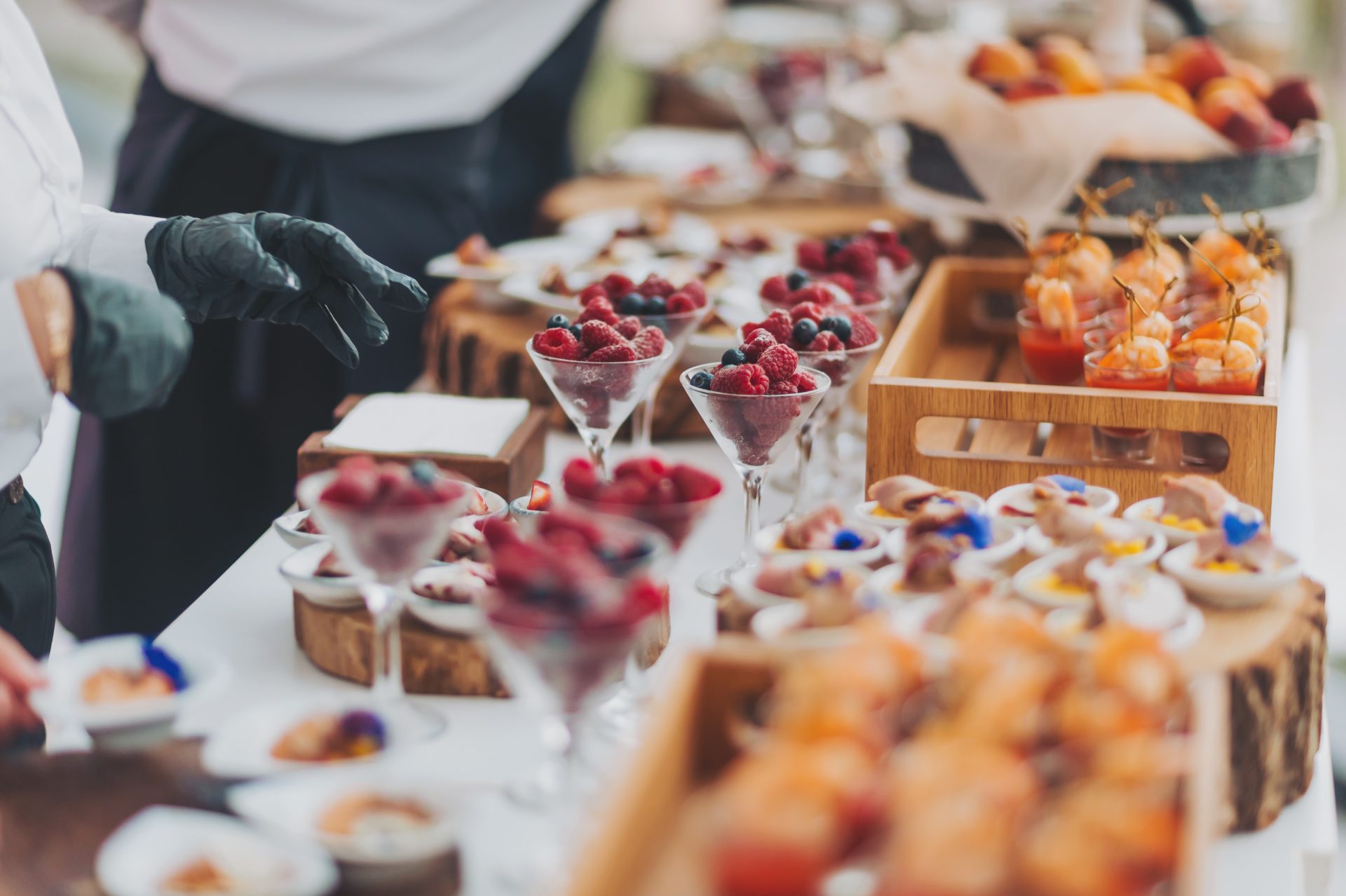
Spaces in Motion
With the help of industry experts, we look at how hotels can design event spaces that work harder in order to help generate revenue all day - not just during conferences.
In today’s hospitality landscape, event spaces are no longer defined by a single purpose or a fixed timetable. As hotels look to maximise both revenue and relevance, the traditional model, where ballrooms sit idle between conferences and meeting rooms wait for the next booking, is rapidly evolving. The new imperative is clear: design spaces that work harder.
This shift is reshaping how hotels think about flexibility, functionality, and guest experience. Ballrooms are being reimagined as daytime coworking hubs, offering natural light, strong connectivity, and a sense of energy beyond formal events. Meeting rooms are stepping into new roles as pop-up retail venues, creative studios, and intimate dining concepts. Even larger event spaces are finding second lives as wellness studios, hosting everything from morning yoga sessions to immersive fitness experiences.
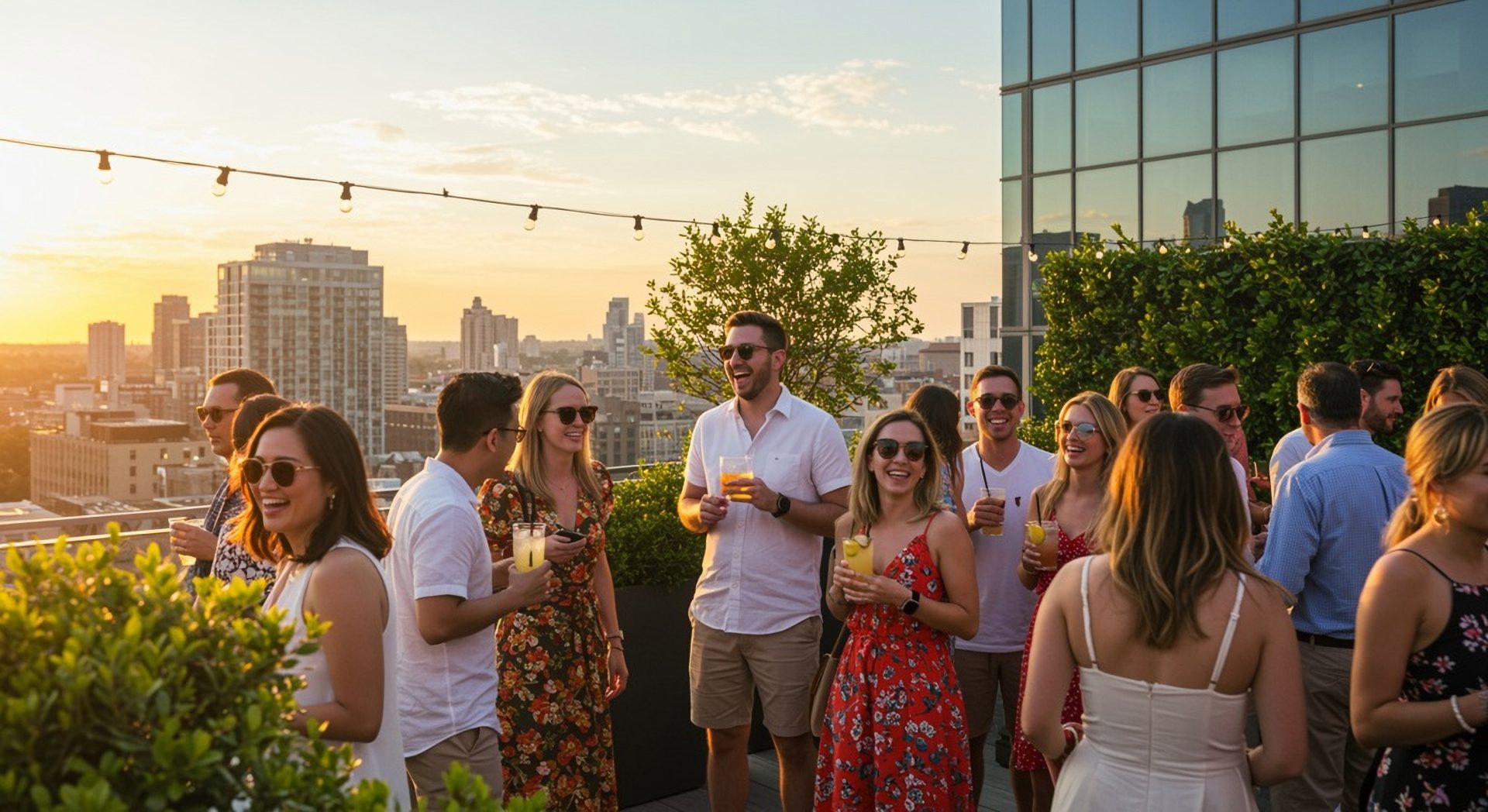
At the heart of this transformation is a more fluid understanding of space - one that prioritises adaptability without compromising on design. It’s about creating environments that can seamlessly transition throughout the day, appealing to different audiences while maintaining a cohesive identity.
In this feature, we explore how forward-thinking hotels are designing event spaces that do more than host occasions, they become dynamic, revenue-generating assets that engage guests from morning to night.
At Down Hall Hotel, Spa & Estate they’ve taken a deliberately flexible approach to event space design, ensuring each area can evolve throughout the day without feeling compromised for any single use.
“Our spaces are designed with adaptability in mind; from divisible rooms, hidden bars and retractable AV to considered flow between indoor and outdoor areas. Lighting, furniture and styling can also shift seamlessly from a formal conference setting to a more relaxed, social environment.”
Equally important to Linden is the guest journey. Gone are the days where guests want to spend all day and evening in the same space. Guests want to experience the property as much as possible and breakout spaces, dining areas and outdoor space have become as important, if not more important than the meeting room itself.
“To ensure we keep up with our guest expectations, we have invested heavily in dedicated dining spaces for events as well as introducing dedicated outdoor space for events, a trim trail, padel tennis, tennis and outdoor dining options.”
Linden revealed that he’s seen a particularly strong demand for experiences that go beyond the traditional meeting format. “Our outdoor-led concepts have been especially successful, including our most recent addition, The Woodland Table, an immersive dining experience within the kitchen garden where guests can dine under the tree canopy and enjoy open-fire dishes crafted from hyper-seasonal ingredients grown just steps away.
“Our street food offering brings a more informal, social dynamic to group dining. These formats encourage interaction and create a sense of occasion that delegates increasingly value.”
Wellness-led retreats, Linden recgnises are another major growth area, with corporate groups incorporating activities such as yoga, breathwork, sound baths and woodland walks into their programmes, reflecting a wider shift towards more holistic event design, where wellbeing, connection and creativity are as important as the business agenda itself.
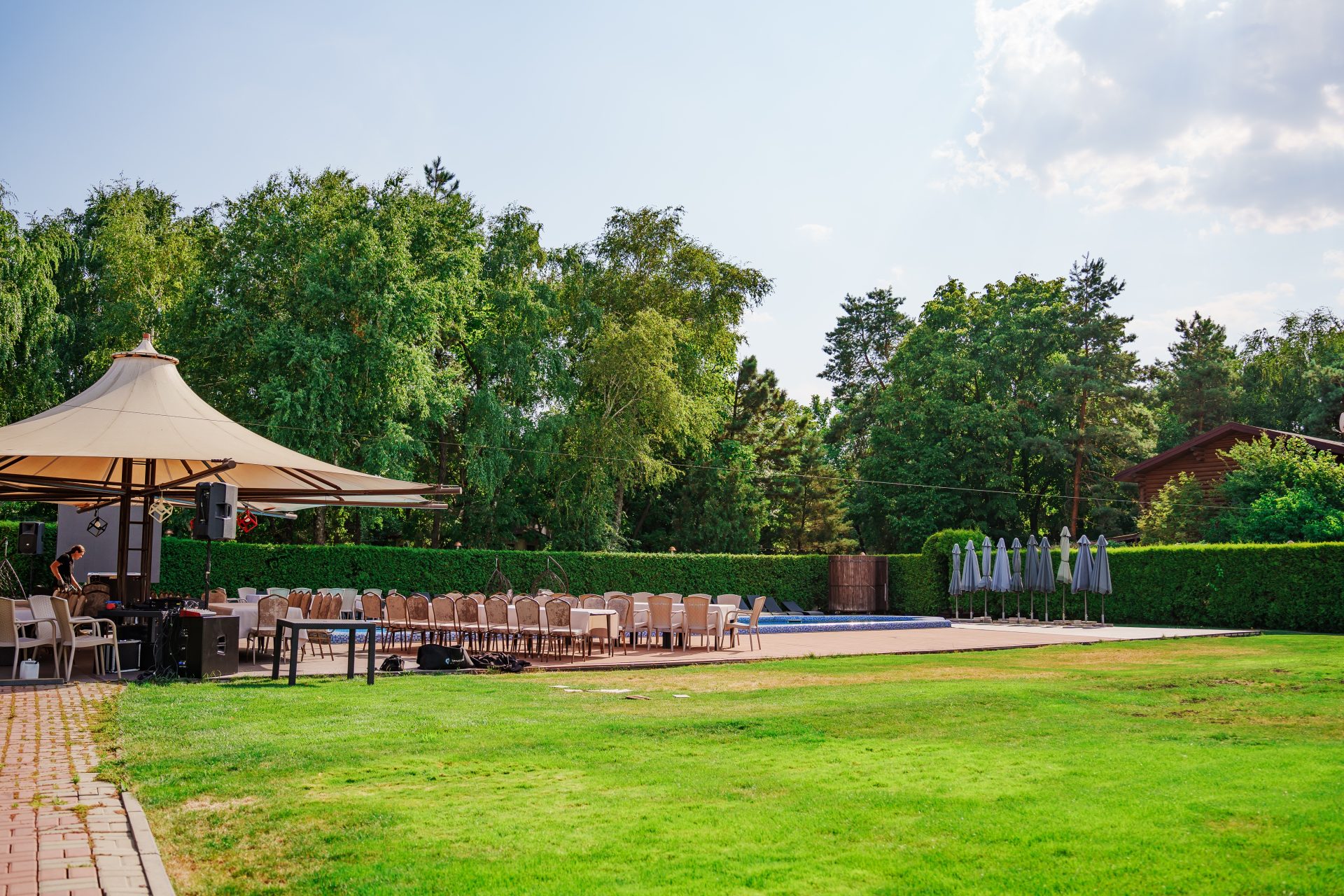
With The Charles Gardens, the team at Down Hall have been very intentional in ensuring the space delivers year-round value beyond weddings. “While it will offer a beautiful setting for ceremonies, its design also allows it to function as a flexible outdoor venue for corporate events, product launches, receptions, wellness sessions and private dining experiences,” added Linden.
Ruud Belmans, Executive Creative Director and Co-Founder of WeWantMore, an independent design studio specialising in brand and spatial design for hospitality and F&B concepts, believes that spaces become generic when they try to be everything at once - it’s more effective to define a clear identity and then build flexibility into how that identity is expressed.
“This often comes down to layers. A strong architectural backbone such as spatial flow, lighting logic and material palette should remain consistent. Modular furniture, adaptable lighting scenes and integrated storage allow the space to reconfigure without losing its character,”
Ruud sees that circulation is “equally important”. If movement through the space is intuitive, it can accommodate very different formats without friction. He explained, “In many projects, the opportunity lies in underused and transitional zones, which can act as buffers or extensions of the main space and support different uses throughout the day.”
Looking into what the most effective design strategies are in order to ensure event spaces generate consistent revenue throughout the day, rather than relying on traditional peak uses like conferences and large events, Ruud sees that designing for consistent revenue starts with moving away from peak moments and thinking about how a space can stay active throughout the day. It should feel just as relevant at 10am as it does at 10pm, and somewhere people are naturally drawn to, not just during big events.
That means accommodating different scales of use, from a quick coffee or informal coworking to larger gatherings, often by activating quieter areas like window edges, transitional zones or bar-led seating.
Flexibility plays a big role here. Ruud said, “Lightweight, movable furniture allows the space to shift easily without losing comfort or atmosphere, and when circulation and service flow are well resolved, those changes feel effortless rather than disruptive.
“It also helps to have one strong “hero moment”. This could be a distinctive bar, a lighting feature, or a bold material gesture that anchors the space and gives people a reason to come in, stay longer, and come back.”
In the brand’s work for Novotel Brussels Off Grand Place, they worked with the client to reimagine the breakfast area to do much more than serve the morning rush. It now supports a high volume, family focused service during the day, then shifts into Zinnia, an evening event space that brings in additional revenue.
Ruud revealed that the key was building flexibility from the start. “Loose furniture can be easily rearranged, the buffet converts into a bar, and curtains slide across to hide the service areas and completely change the feel of the room. Lighting and acoustics help carry that shift too, moving the space from bright and practical in the morning to softer and more social in the evening,” he added.
For We Are EDN at DoubleTree by Hilton Amsterdam Centraal Station, the ambition was to create a space that naturally evolves throughout the day rather than constantly resetting. Ruud said, “One of the most effective moves was integrating transformation into the design itself. Folding cabinet doors featuring a large mural of tulips and canal bridges can open or close depending on the moment. When closed, they act as a strong visual backdrop. When opened, they reveal the operational side of the space and support busier dining periods.
“What makes this work is how seamless it feels. There’s no obvious switch between functions, the space just adapts as the day unfolds. When a space is designed around how people actually want to use it, it not only performs better commercially, it becomes somewhere people choose to spend time in and come back to.”
At, Hart Shoreditch versatility is their signature, but always with intention. Their approach centres on flexibility without sacrificing identity, designing spaces that are both physically and atmospherically adaptable, evolving throughout the day while keeping the guest experience seamless.
Lina Zakzeckyte, General Manager, said, “With our shape-shifting event spaces and a brilliant team, we move effortlessly between conferences, coworking, and social moments. Our lobby bar, for example, flows from a light, co-working hub by day into a vibrant lounge by night, complete with DJs and a refined cocktail menu. Spaces like the BYRD Lounge are designed to transform entirely, with flexible seating and immersive digital projection that take it from structured panel talks to high-energy networking or evening celebrations. With its own bar and a pan-Asian kitchen from UBA, it becomes a playground for trailblazers, storytellers, and curious minds alike. And when the pace softens, our spaces shift again, hosting wellness sessions in Mortise & Tenon, and creative workshops, keeping the energy dynamic and deeply connected to the local community.”
At Hassler Roma, their event spaces are not simply venues, but part of a living atmosphere - each with its own character, each shaped by the moment. Roberto Wirth, Executive President at Hassler Roma, said, “Our focus has never been on volume, but on creating experiences that feel considered, personal, and quietly exceptional.”
Perched at the top of the Spanish Steps, the hotel offers a range of settings that are inherently distinct: the light-filled Salone Medici and Sala Specchi overlooking the Palm Court Garden, or their terraces opening onto sweeping views of Rome. Each space suggests a different mood, a different rhythm.
“What defines our approach is how these spaces are interpreted,” said Roberto. The 7th Floor Terrace, for instance, can extend into the private terrace of the Penthouse Villa Medici Suite, forming an expansive and highly exclusive setting above the city. At the same time, Imàgo, their Michelin-starred restaurant, the Palm Court Garden, and even our suites lend themselves to a variety of refined, highly individual occasions.
As we’re seeing a shift toward multi-functional design, Veruschka Wirth, CEO at Hassler Roma said, “Rather than transforming our spaces into something entirely new, we prefer to reveal different expressions of what is already there. Each space at the Hassler has a strong identity; our role is to interpret it in ways that feel natural, never forced.”
The 7th Floor Terrace is perhaps the venue’s clearest example. It has welcomed private yoga sessions at sunrise, Michelin-starred dinners under the evening sky, and even more unexpected moments - such as a bespoke pickleball court created during the Internazionali. Each experience is distinct, yet always aligned with the spirit of the hotel.
“It is less about reinvention, and more about allowing each space to express its full potential,”
Lucas Johansson, CEO at Independent Hospitality Management recognises that event spaces are increasingly being reimagined as dynamic, experience-led environments rather than purely functional venues. Today’s clients are moving away from rigid, formal meeting formats in favour of spaces that inspire connection, creativity and collaboration.
At Hôtel Métropole Geneva, this shift was approached through storytelling and spatial flexibility. Inspired by mid-20th century Swiss explorers such as Ella Maillart and Nicolas Bouvier, each salon is designed with a distinct identity, creating an emotional and memorable backdrop for events. This narrative-driven approach elevates the guest experience beyond simple room hire.
“Flexibility is central to revenue generation. Adaptable furniture, modular layouts and convertible elements allow spaces to seamlessly transition from meetings to social gatherings, extending their use throughout the day and evening. At the same time, restoring architectural features and maximising natural daylight enhances the overall appeal, making the spaces desirable for a wider range of uses.”
He sees that sustainability is also a decisive factor. Clients increasingly prioritise venues with strong environmental credentials, and destinations like Geneva are leading the way with recognised certifications and initiatives. He added, “In parallel, the rise of “bleisure” and workations is driving demand for spaces that support both productivity and relaxation, further expanding revenue opportunities.”
From a design and operations perspective, looking at the biggest challenges in creating spaces that can seamlessly transition between uses throughout the day, Lucas believes that one of the primary challenges lies in achieving true flexibility without compromising on design integrity or operational efficiency.
“Furniture selection is critical,” he said. Pieces must be aesthetically refined yet lightweight, modular and easy for teams to handle. “Striking this balance often requires significant time and precision, as the furniture must support multiple configurations while remaining intuitive to move, store and reassemble.”
There is also the challenge of maintaining a cohesive identity. While spaces need to serve different purposes, Lucas said, “They must still feel consistent and curated, rather than fragmented or overly utilitarian.”
Louma Country Hotel has a fresh approach to guest experiences by moving beyond traditional corporate functions and reframing the entire estate as a flexible, immersive event environment. Rather than offering conventional conference rooms or ballrooms, the hotel specialises in exclusive‑use stays that allow guests to utilise the full property for private celebrations, wellness retreats, family gatherings, and bespoke experiential itineraries.
Joe Gargaro, General Manager at Louma Country Hotel, said, “This whole‑estate model enables the creation of highly personalised events that engage every part of Louma’s surroundings, from its working farm and tranquil spa to its gardens, dining areas, and outdoor spaces. By freeing events from the constraints of fixed function rooms, Louma unlocks creative and adaptive uses of its natural assets.”
Although the property does not feature formal meeting rooms or ballrooms, each space has been intentionally designed to transition smoothly between uses. The hotel’s aesthetic, grounded in natural materials, soft textures, and a sense of calm, remains central, requiring careful planning to integrate event setups without compromising the guest experience.
Ultimately, the evolution of event spaces reflects a broader shift in hospitality: from static, single-purpose venues to adaptable, experience-led destinations. The most successful hotels are those that strike a careful balance between flexibility and identity, ensuring spaces can transform seamlessly without losing their character. By designing with intention, layering functionality into strong architectural foundations, and responding to changing guest expectations, these spaces become more than just venues – they become integral, living parts of the hotel experience, driving both engagement and long-term value.
From Amenity to Expectation
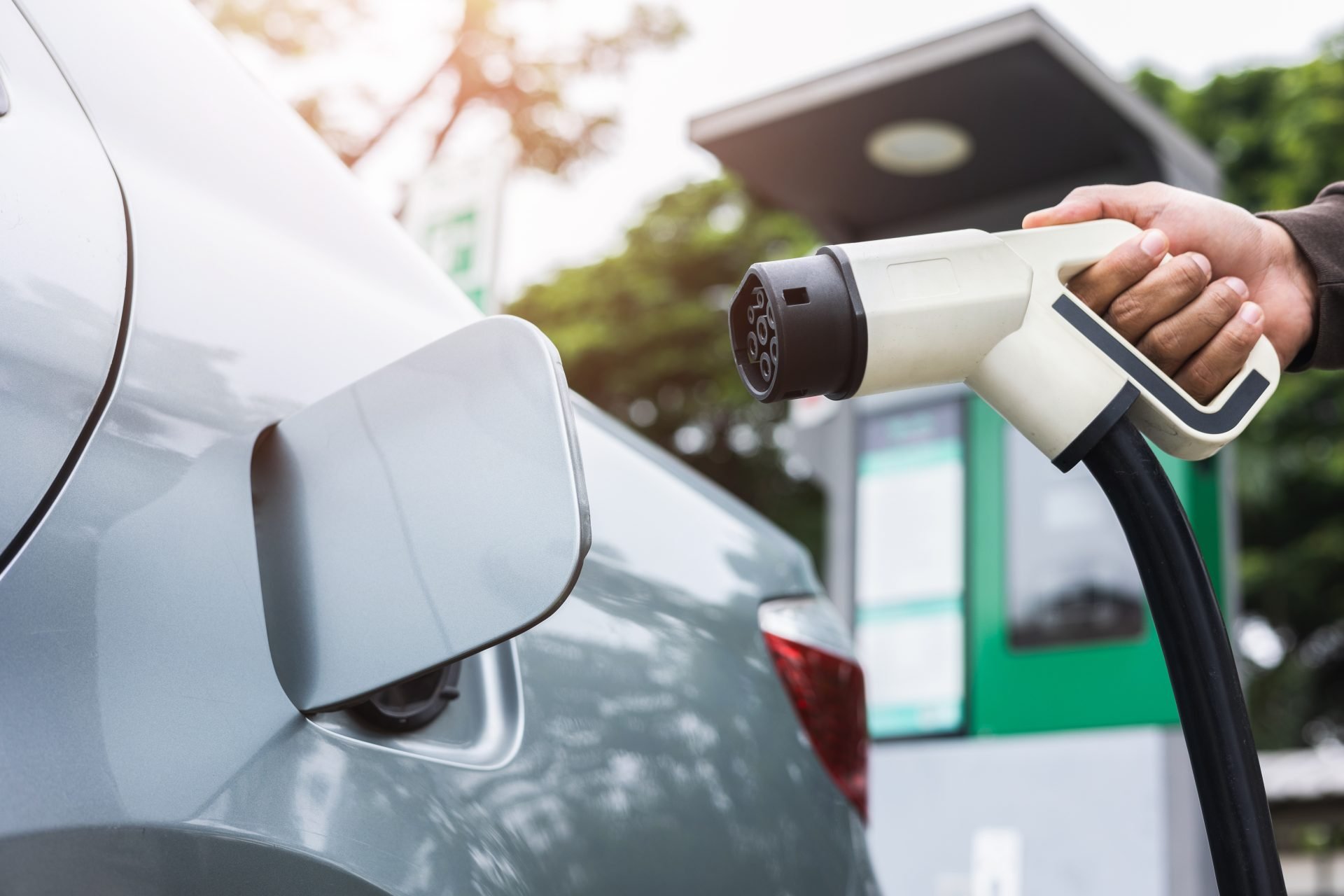
Once a differentiator, now a necessity - EV charging is rapidly becoming a baseline expectation for hotel guests. For hoteliers, the question is no longer whether to invest, but how quickly you can adapt.
There was a time when offering Wi-Fi was a mark of innovation in the hotel sector. Early adopters marketed connectivity as a premium perk; late adopters were eventually forced to catch up as guest expectations evolved. Today, few travellers would even consider booking a hotel without it.
Electric vehicle (EV) charging is following a strikingly similar trajectory. What began as a niche amenity, primarily for environmentally conscious guests or early EV adopters, is now moving decisively into the mainstream. As EV ownership accelerates across key markets, particularly in Europe and the UK, hotels are facing a familiar inflection point: the transition from optional extra to operational necessity.
The growth of EV adoption is no longer speculative. Government mandates, urban emissions regulations, and the rapid expansion of charging networks are reshaping how people travel. Increasingly, guests are arriving not just with luggage, but with a requirement: the ability to charge their vehicle conveniently and reliably.
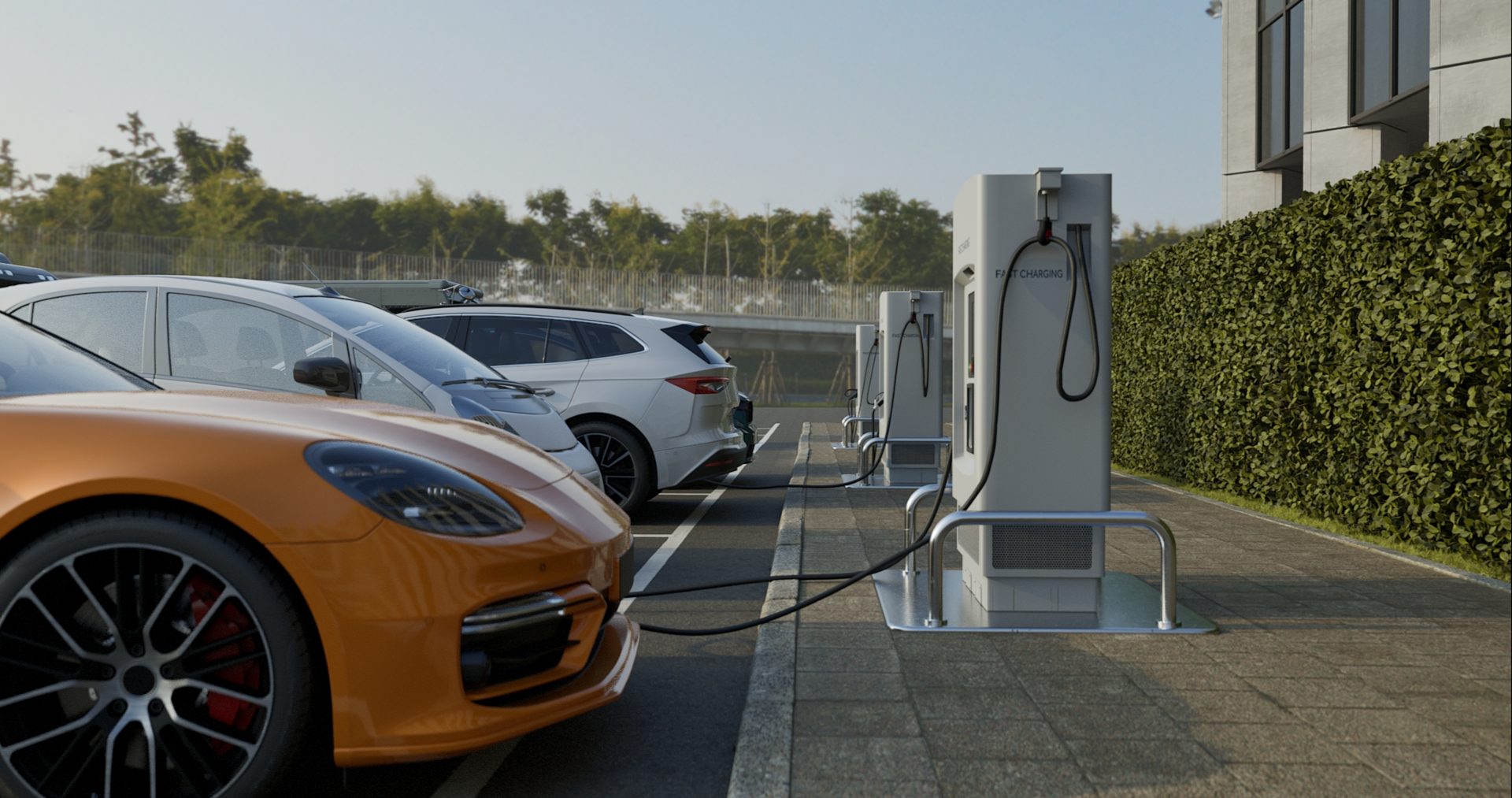
For many, this is not a “nice-to-have” - it’s a deciding factor when booking a place to stay. Just as slow or unreliable, Wi-Fi became a source of frustration in the past, limited or inaccessible EV charging is quickly emerging as a friction point in the guest journey. A hotel that cannot support EV drivers risks being filtered out at the booking stage, particularly by business travellers and higher-value guests who are more likely to drive electric vehicles.
In its early phase, EV charging provided a competitive edge. Hotels that installed chargers could position themselves as forward-thinking, sustainable, and guest-centric. That advantage, however, is eroding.
As more properties install charging points, the presence of EV infrastructure is becoming a hygiene factor rather than a differentiator. The competitive battleground is shifting from whether charging is available to how well it is delivered.
This includes factors including number and availability of chargers, charging speed (standard vs fast charging), ease of use and payment and integration with the overall guest experience. In this context, a single slow charger in a car park is the equivalent of offering “free Wi-Fi in the lobby only” - technically compliant, but commercially inadequate.
Front-of-house teams must increasingly manage charger availability and guest expectations and engineering teams must understand load capacity, maintenance, and uptime. Revenue managers and commercial teams are beginning to explore pricing models, from complimentary charging to dynamic tariffs.
Critically, EV charging also intersects with energy management. As demand grows, so too does the pressure on a property’s electrical infrastructure and therefore, hotels that fail to plan for scalability may find themselves constrained just as demand peaks.
Forward-thinking operators are already exploring smart energy systems, load balancing, and even on-site renewable integration to future-proof their investments.
There is also a brand dimension at play. As we know, sustainability is no longer a peripheral concern - it is central to how many guests choose where to stay. EV charging is a highly visible, tangible expression of a hotel’s environmental commitment.
However, visibility cuts both ways - poorly implemented charging - broken units, unclear instructions, or insufficient capacity - can undermine brand perception just as quickly as a lack of provision. In contrast, a seamless charging experience can enhance guest satisfaction and reinforce brand values.
For luxury and lifestyle brands in particular, the opportunity lies in embedding EV charging into the wider guest experience: valet-managed charging, integrated billing, and thoughtful design that avoids the “afterthought” feel seen in some retrofitted properties.
The parallels with Wi-Fi are instructive - hotels that delayed investment in connectivity were eventually forced into reactive, often costly upgrades to meet baseline expectations. Those that anticipated demand and invested early not only avoided disruption but also strengthened their market position.
EV charging presents a similar scenario, but with higher stakes. Infrastructure upgrades are more complex, capital-intensive, and time-consuming than installing routers and access points.
Waiting until demand is overwhelming is likely to result in higher costs, operational disruption, and lost revenue opportunities.
As EV adoption continues to accelerate, the question for hoteliers is not if EV charging will become standard, but how quickly that standard will be enforced by the market.
Hotels that act now have the opportunity to shape their offering strategically - aligning infrastructure, operations, and brand positioning. Those that delay risk being defined by their absence in a rapidly evolving landscape.
In the same way that Wi-Fi quietly became indispensable, EV charging is on track to become an invisible, but essential, part of the guest experience.
The Soho Spirit
At Broadwick Soho, Executive Director Joshua Gardner has helped shape a hotel that feels less like a place to stay and more like an extension of its neighbourhood. Rooted in Soho’s rich cultural fabric yet driven by a personal vision, in this conversation, we explore what has positioned Broadwick Soho as one of London’s most distinctive and culturally attuned boutique hotels.
Broadwick Soho has quickly established itself as a distinctive voice in London’s hospitality scene - what was the original vision behind the venue, and how has that evolved since opening?
The original vision was to create a hotel that felt intrinsically tied to Soho - capturing its history, creativity, and spirit, while elevating it into something altogether more refined. It was conceived as a place with character and narrative, rather than a conventional luxury offering. At the same time, it was a deeply personal project. For our owner, Noel Hayden, Broadwick Soho represents a return to his roots, inspired by his childhood growing up in his family’s hotel. That sense of warmth, theatre, and human connection became a guiding principle. Since opening, the hotel has evolved naturally into a social and cultural hub. What is most gratifying is seeing it embraced not only by international guests, but by the local community and becoming part of Soho’s ongoing story.
The property is known for its bold design and personality. How do you ensure that every space within the hotel delivers a cohesive yet memorable guest experience?
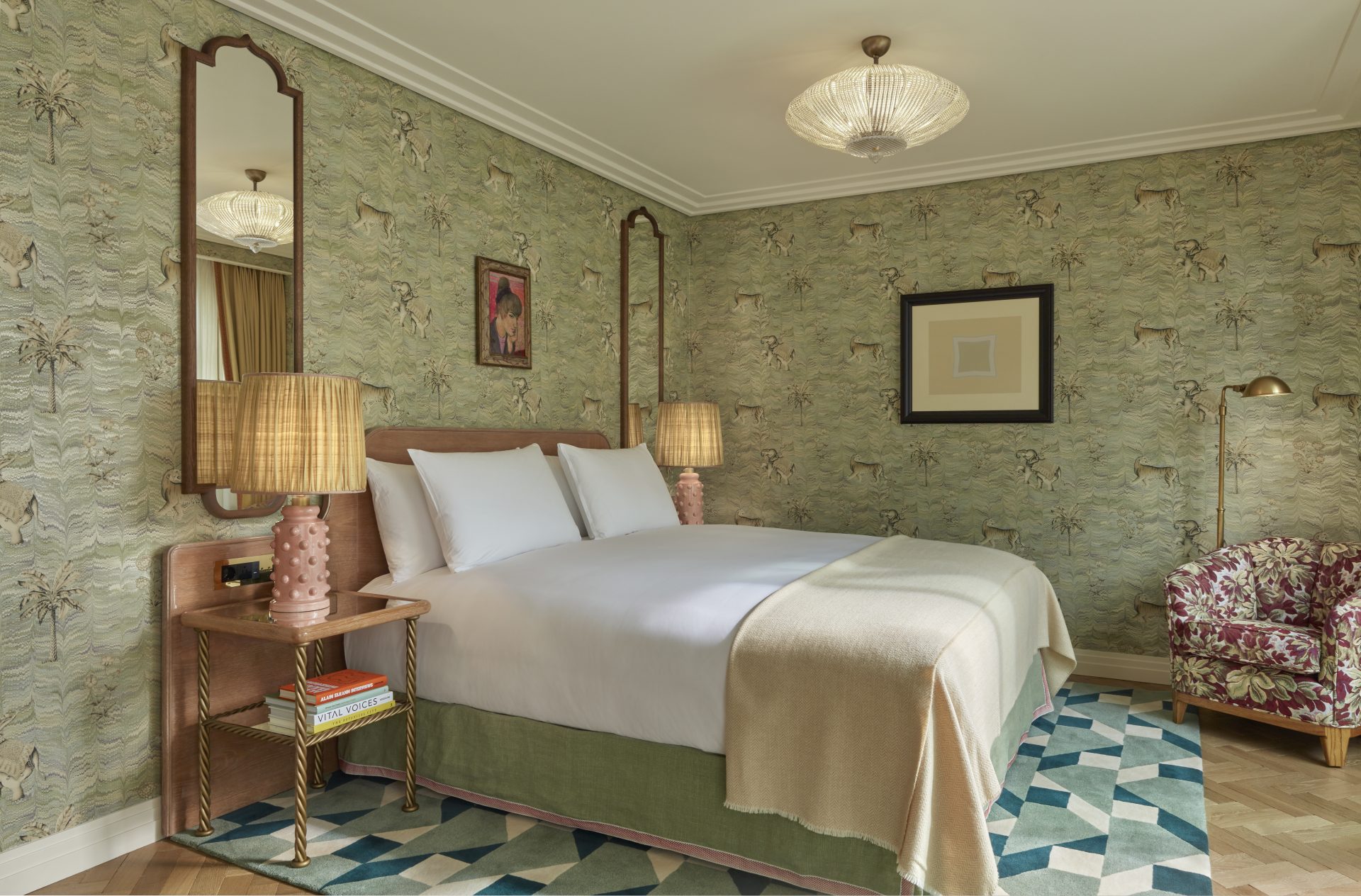
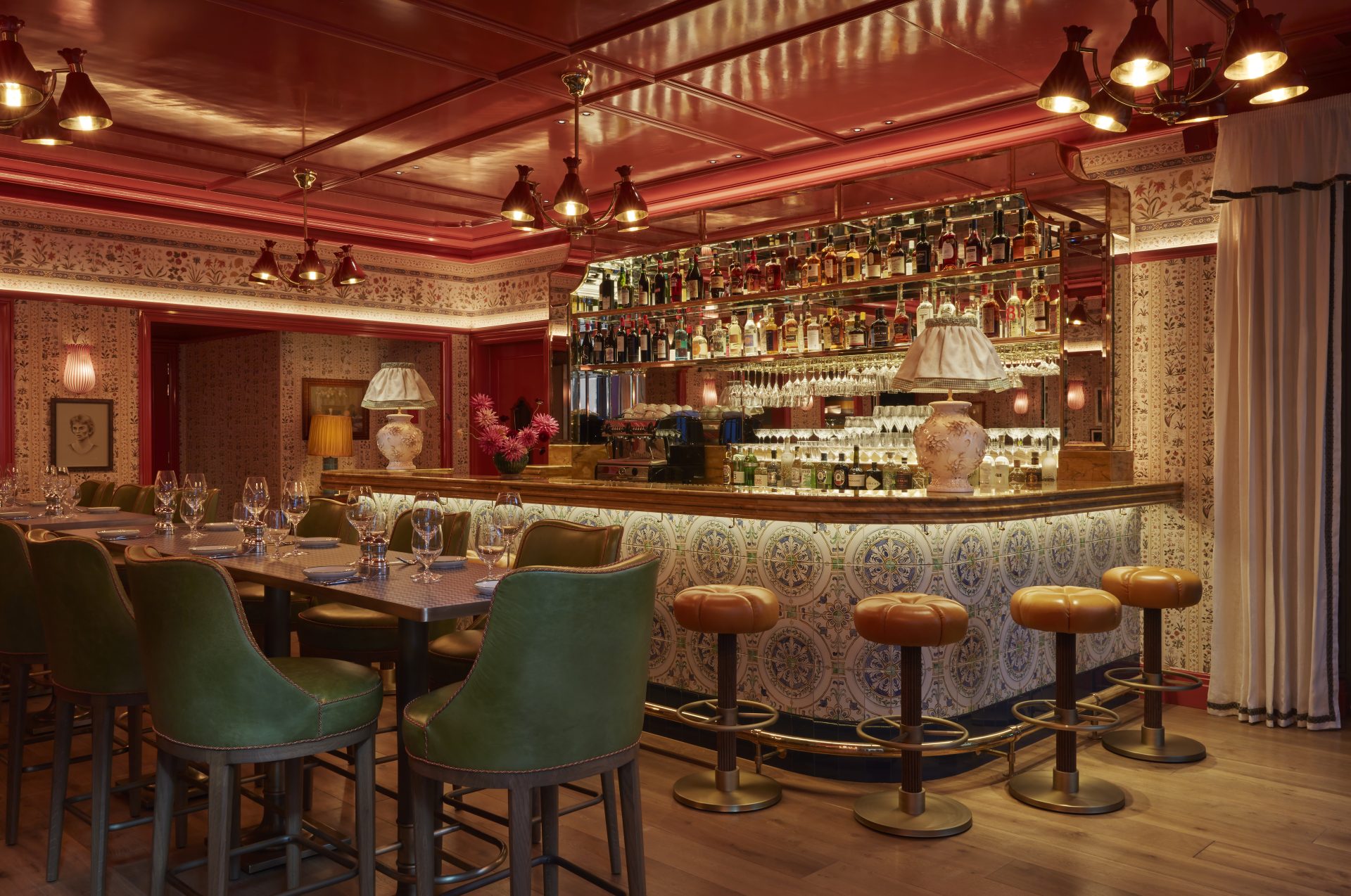
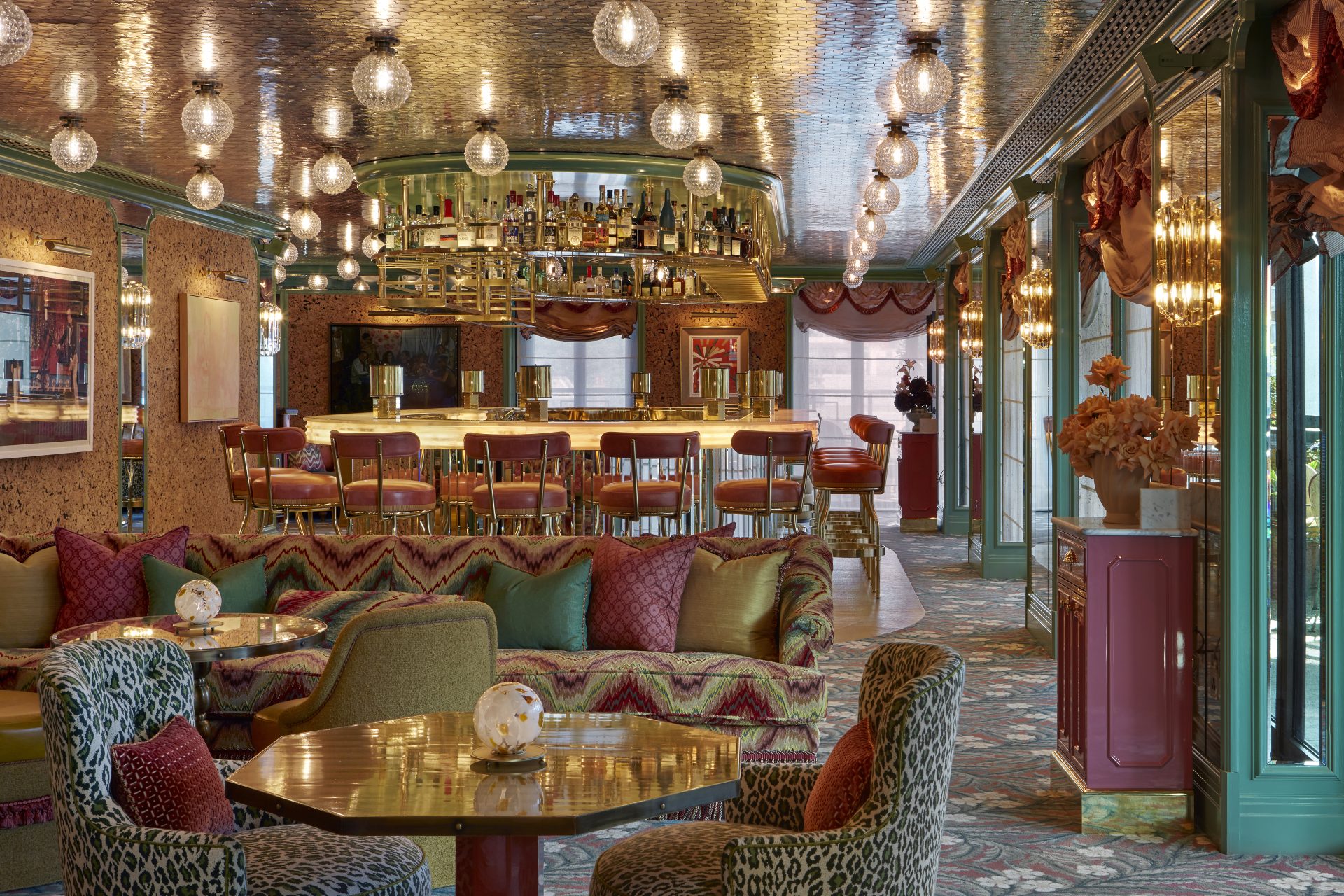
Martin Brudnizki approached the design as a composition, giving each space its own identity while maintaining a coherent whole. Inspired by Soho’s glamour and layered history, the design blends influences from Jazz Age opulence to Italian travels, finished with English eccentricity. A rich mix of materials, colours, and textures creates spaces that feel expressive yet warm and residential. The aim was to evoke an eccentric, character-filled townhouse - somewhere personal, layered, and instantly comfortable.
In a city as competitive as London, what sets Broadwick Soho apart from other luxury boutique hotels?
Its distinction lies in its individuality and independence. As a privately owned hotel, it maintains a clear vision and strong personality, closely tied to Soho’s diversity and creativity. More than that, it functions as a cultural hub, with live music, performances, and spontaneous moments bringing energy rarely found in luxury hospitality. This sense of theatre, influenced by Noel Hayden’s upbringing, creates an atmosphere where anything might happen. The result is a hotel that feels alive and deeply rooted in its surroundings.
Food, drink, and social spaces are central to the Broadwick Soho identity. How do you curate these experiences to appeal to both hotel guests and the local creative community?
From the outset, it was important that Broadwick Soho felt like a natural extension of Soho rather than something separate from it. The neighbourhood has always been about a mix of people, energy and ideas, and we’ve tried to reflect that across our spaces.
Each venue has its own personality, but they are all designed to feel social and fluid, allowing guests and locals to move between them depending on the mood. Food and drink are central, but what really defines the experience is the atmosphere - the music, the programming, and the people in the room. Curation goes beyond the culinary offering, with each element playing an equal role in shaping a space that feels lively yet comfortable.
We’ve always wanted it to feel open and inclusive, more like a members’ club without the barrier to entry. That mix of hotel guests and the local creative community is what gives the spaces their character, in a way that reflects Soho itself.
The hospitality sector is constantly shifting in response to changing guest expectations. How do you stay ahead of trends while maintaining a strong and authentic brand identity?
Rather than following trends, our focus is on having a clear sense of who we are and staying true to the hotel’s story and core, making decisions from that place. We are fortunate to have a strong origin story, and we remain grounded in it.
As a hotel that operates as a cultural and social hub, there is an inherent need to remain culturally aware. It is not something we consciously chase, but something our guests expect of us. Our audience is deeply engaged with music, art, fashion, and nightlife, so there is a natural responsibility to stay relevant and responsive to what is happening both locally and internationally. That awareness informs everything from programming to partnerships and the overall energy of the spaces.
At the same time, we place a strong emphasis on delivering a highly attentive and personalised experience, with a focus on flexibility and creating moments that feel considered rather than formulaic. These elements are continuously refined across both service and programming.
Authenticity remains the guiding principle, ensuring that any evolution feels natural and grounded, rather than reactive.
What innovations or developments can we expect as Broadwick Soho evolves?
Rather than following trends, the focus is on staying true to the hotel’s identity and origin story. As a cultural hub, there’s a natural responsibility to remain aware of developments in music, art, fashion, and nightlife. This informs programming, partnerships, and the overall energy. At the same time, emphasis is placed on personalised, attentive service and flexibility. Authenticity remains the guiding principle, ensuring evolution feels natural rather than reactive.