

Today’s hotel guest defies definition. From autonomy to authenticity, privacy to personalisation, the modern traveller expects it all – often at once. As the guest mix becomes increasingly fluid, hotels must rethink not just who they serve, but how they design experiences that flex, adapt and resonate on an individual level.
The idea of a “typical hotel guest” no longer exists. In 2026, lobbies welcome a fluid mix of digital nomads and luxury traditionalists, solo wellness seekers and multigenerational families, business travellers extending into leisure, and guests who expect both hyper-personalisation and complete anonymity – sometimes within the same stay.
This evolving guest landscape is forcing hotels to rethink everything they once considered standard. From room design and service models to technology, food, and even silence itself, the modern guest experience is no longer about catering to a single model, but about creating spaces flexible enough to feel tailored to everyone, while defined by no one.

In this feature, we explore how hotels are navigating “The New Guest Mix,” and what it really takes to deliver a seamless, meaningful experience in an era where expectations are as diverse as the guests themselves.
At The Welbeck Hotel, Simon Hall, General Manager, said, “Guests remember how we make them feel.
“We help create experiences that extend beyond the hotel, adding value to the guests’ stay and ensuring they discover all that our city has to offer.” Simon believes that service should be personal and specific to each guest and hotel staff should know their guests intimately in order to ensure the service is tailored to meet their needs – as “not all guests are alike”, he added. Today, travel is more about purpose, Simon recognises that guests will stay somewhere where they feel a shared purpose, and he believes that is what makes them choose to come back.
In terms of crafting a memorable guest experience, Gianluca Giglio, CEO, NATIVO HOTELS™, believes that the most common mistake in hospitality is to start with the guest and stop there. At NATIVO HOTELS™, every project begins with two prior questions: ‘what does this place demand? And who must inhabit it? He said, “We shape the habitat and we select the cast before we ever think about the guest journey. At Borgo Antichi Orti of Assisi, a medieval hamlet in Umbria under our management, that discipline changed everything.”
Gianluca sees that it goes far beyond amenities. Recognising the guest is not buying a stay, they are entering a world, he explained, “Every encounter, from the silence of the courtyard to the first exchange with the team, must be irreducibly of that place. Not Italian in a generic sense. Umbrian. Franciscan in its quietness. Specificity is the luxury.”
Nowadays, the perfect guest experience is no longer defined by flawless service alone, but by how deeply a guest feels understood and valued. Alain Kopf, General Manager, Royal Savoy Hotel & Spa, agrees that today’s travellers seek authenticity, emotional connection, and a sense of individuality rather than standardised luxury.
At the Royal Savoy, they focus on anticipating needs before they are expressed, creating moments that feel both effortless and personal. Alan said, “This comes from genuine human interactions – remembering preferences, engaging naturally, and adapting to each guest’s story.
Going the extra mile is not about grand gestures, but about consistency in care, attention to detail, and emotional intelligence. When a guest leaves feeling recognised rather than simply served, we know we have created something truly meaningful.”
In 2026, the perfect guest experience is defined by individuality, authenticity, and a sense of place. Sascha Spiegel, General Manager, Hotel Schweizerhof Bern & Spa, explained how he is seeing a growing number of independent travellers who no longer simply want to visit a destination, but truly experience it, at their own pace and in their own way. In this context, Bern offers remarkable potential as an international hub: from here, guests can effortlessly explore some of Switzerland’s most iconic landscapes, from alpine peaks to lakes and cultural highlights.
At the same time, expectations around luxury are evolving. Sascha said, “Today’s discerning travellers seek more than visibility – they seek privacy, calm, and meaningful experiences. Quiet sophistication has become the new luxury. This is where Bern excels, particularly as a destination for boutique-style travel, where authenticity and understated elegance take centre stage.”
Experiences such as excursions to the Emmental, Gruyères, or Lake Murten resonate strongly with today’s guests, as does the increasing importance of wellness and sport within the luxury segment.
“Our ambition is to position the hotel as a destination in its own right – where urban relaxation, culture, outstanding gastronomy, and a refined lifestyle come together seamlessly. At the same time, we remain deeply committed to our loyal returning guests, ensuring that innovation and continuity go hand in hand,”
Oliver Liguori, EAM i/c of Rooms and Guest Services at Bürgenstock Resort Lake Lucerne, sees that whilst AI and new technologies continue to shape the industry, it is the human touch that guests remember most, with service that feels intuitive, personal and genuinely delivered from the heart. At Bürgenstock Resort Lake Lucerne, even the arrival forms a memorable part of the experience, as guests glide across the lake by hybrid catamaran, greeted by the resort perched 500 metres above the water. Oliver explained, “Throughout the stay, a strong sense of regional identity is woven into every touchpoint, from local products to local stories and a connection to the surrounding community and its history – crucial elements to stand out in today’s luxury travel landscape.” He believes while attention to detail remains essential, it is the ability to build relationships and create memorable moments that truly sets a stay apart.
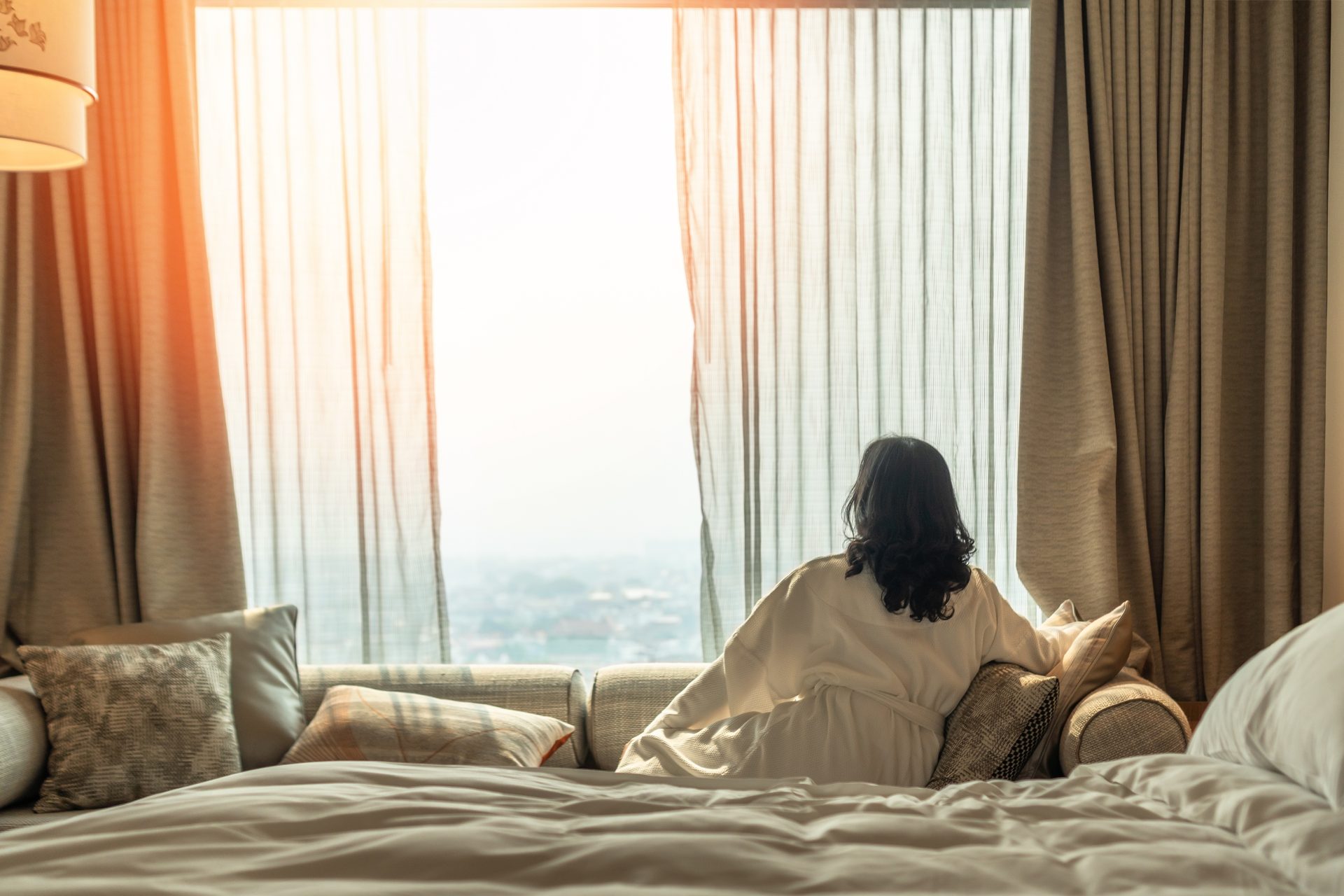
Demand is high in the luxury hospitality sector, yet guest expectations have never been higher. Today, hotels must balance these expectations with operational efficiency, offering services that are simple yet very thoughtful.
Looking ahead, Alessia Meli, COO, The Ginobbi Group (Palazzo Ripetta), believes that emotional engagement and empowered employees will be the ultimate differentiators. She said, “Guests increasingly value authentic connections and personalised care, while teams that feel supported and empowered can consistently deliver experiences that reflect the hotel’s unique character and resonate deeply with each guest.”
“At Wyndham Hotels & Resorts, we find that today’s travellers can have varied expectations, with some wanting deeply personalised, immersive experiences, while others prefer simplicity, privacy and minimal interaction. We find that the key to designing an experience that feels tailored to everyone is offering choice and building flexibility into the guest journey so guests can decide how much they want to engage.”
Wyndham Hotels & Resorts has over 8,300 hotels across approximately 100 countries on six continents, providing guests with a varied portfolio that makes travel possible for all.
The team at Wyndham pride themselves on creating optional layers of local, authentic experiences that guests can explore if they choose, without making them feel mandatory or intrusive. For example, the Riserva Wine Spa at Ramada by Wyndham Oradea in Romania incorporates local grape and vine extracts in its treatments, appealing to guests who want a unique sense of place. At Ramada by Wyndham Tbilisi Old City, guests who seek authenticity can enjoy traditional cuisine, wine and local beers at the Fragment Dining Club, complete with live music and a vibrant social atmosphere.
“By designing experiences with multiple entry points, each one optional, flexible and sensitive to personal preference, we ensure that those looking for personalisation feel catered to, while privacy‑minded guests never feel overwhelmed or alienated. It’s about offering meaningful choice at every step, so every traveller can shape the stay that feels right for them.”
With today’s travellers ranging from digital nomads to multigenerational families and wellness seekers, we asked Cristina Salmerón Urbano, CMO, FERGUS Group how they design a guest experience that feels personal to everyone without becoming generic. At tent, they aim to be a brand targeting a clearly defined behavioural audience.
“We’ve identified a growing segment of travellers who want to experience the destination with freedom, while valuing a hotel that delivers comfort, design, technology and the right facilities for their stay. Rather than offering pre-packaged experiences, we create a model that supports this mindset, giving guests the flexibility to shape their own trip without compromising on quality or convenience.”
This philosophy is brought to life through the brand’s B&UB (Bed & Unlimited Brunch) concept, which offers a high-quality, extended brunch from 8:00 to 13:30, allowing guests to dine on their own schedule and explore the rest of the day at their own pace. The model is further enhanced by digitalised services -including digital check-in and mobile keys – alongside self-service elements that reduce friction and create a more autonomous guest experience.
“We focus on delivering those services that make guests feel at ease – as they would in a holiday home – with a strong emphasis on comfort, design and freedom, while leaving the rest open. The same guest might be working remotely in the morning, exploring the destination during the day, and socialising in the evening. Rather than creating different experiences for different profiles, we create a single environment that adapts seamlessly to each moment,”
For FERGUS Group, personalisation isn’t about adding more services – it’s about giving guests the autonomy to create their own holiday experience, whether that means spending the day at the beach, driving through the destination, trying a Michelin-starred restaurant, or simply ordering a pizza through our tentlivery. “That’s what makes every stay feel truly personal, without ever becoming generic,” added Cristina.
Turning our attention to what the ‘perfect guest experience’ looks like in practice, Cristina believes that the perfect guest experience is one that truly understands the guest’s needs and then exceeds their expectations. “In our case, that translates into an experience that feels effortless and intuitive, where everything works without unnecessary complexity, and guests have the freedom to shape their stay on their own terms.”
Lena Mueller, Quality and Experience General Manager, O&L Leisure, understands that designing for today’s traveller is not about trying to be everything to everyone. “It is about being deeply intentional in what you offer and creating an experience that is strong enough in identity to feel personal to many, without becoming diluted.”
At O&L Leisure, they do not begin with segments or labels, instead with intent. Whether a guest arrives as a digital nomad, a multigenerational family, or a wellness seeker, the underlying expectation remains consistent. Lena said, “Guests are looking for ease, authenticity, and a meaningful connection to place. Understanding this allows us to move beyond surface-level personalisation and focus on what truly matters.”
The brand places significant emphasis on understanding the purpose behind each stay, long before arrival. Not just who the guest is, but why they are travelling. “This insight shapes how we prepare, how we welcome, and how we anticipate needs throughout the journey. It allows us to create experiences that feel considered and relevant, rather than generic or overly prescribed,” added Lena.
At the same time, O&L Leisure anchor everything in a strong and consistent core. “Our sense of place, our storytelling, and our service philosophy remain constant across all touchpoints. This creates clarity and cohesion.” Within that framework, the team allow for flexibility, giving guests the ability to shape their own pace, preferences, and level of engagement.
Lena explained how the Golden Ambassadors are at the heart of this approach. They are not there to execute a checklist, but to interpret and respond. Through observation, listening, and genuine human connection, they bring a level of intuition that no system can replicate.
“We are also intentional in how much we offer. Personalisation does not come from abundance, but from clarity. By curating a thoughtful range of experiences rather than overwhelming guests with choice, we create space for discovery, for connection, and for a more meaningful engagement with the destination,”
Ultimately, Lena sees that what defines a truly personal experience is not the number of tailored touches, but how it feels. It should be intuitive, seamless, and deeply considered. When done well, it does not feel like something designed around the guest, but something that simply fits.
Previously, booking and check‑in followed a rigid, one‑size‑fits‑all model where guests queued at reception, completed registration cards, and waited to receive a key before accessing their room. Now, the process is far more flexible. Guests can complete check‑in remotely before they arrive, giving the hotel everything it needs in advance and removing the stress of long lines for guests. Remote check‑in shortens the arrival process and significantly reduces queues at peak times, freeing up front‑desk staff to focus on delivering personal interaction to those guests who actively prefer it. The key is offering choice that aligns with different guest preferences.
Stuart Derricott, Sales Director, Zonal Hotel Solutions, said, “This flexibility is increasingly important, as research shows that 78% of guests are likely to seek local information and recommendations during their stay, while 68% find the idea of a mobile‑based solution highlighting what’s on in the hotel’s city appealing[1]. By streamlining arrival, teams have more time to deliver value‑adding conversations rather than transactional check‑ins.”
At the same time, Stuart recognises thar replacing reception desks entirely with kiosks isn’t the right answer. “Technology should expand guest options, not eliminate them. Some guests may want a seamless, low‑contact experience on one stay and then a more sociable, staff‑led interaction on another. The goal is to provide multiple pathways so every guest can choose what feels right in the moment,” he said.
Stuart agrees with the fact that ‘the perfect guest experience’ is no longer defined by a single standard, instead he recognises that it’s defined by choice. Every guest has different expectations, comfort levels, and preferences, so the ideal experience is one that adapts to them rather than forcing them into a preset journey.
Today, perfection means giving guests control over how they want to interact. Some may prefer seamless digital touchpoints; others might want warm, personal engagement from staff. The key is providing the right mix of options so each person can shape their own stay.
Automated check‑out is a good example of why this flexibility matters. 63% of guests aged 18–34 say they prefer automated check‑out, compared to just 21% of those aged 55 and over[2], highlighting how expectations can vary significantly between guest groups.
It also means delivering hospitality at the moment’s guests need it. Stuart added,
“Automation plays an important role here by reducing or removing tasks that don’t need human involvement, giving staff more time to focus on meaningful, guest‑facing interactions. This shift allows hotels to blend efficiency with true hospitality, creating an experience that feels both personalised and effortless.”
At Zonal Hotel Solutions, they’ve enhanced the booking journey to better support the diverse needs and expectations of guests. Stuart shared that one key improvement is the integration of restaurant reservations directly into the room‑booking process. Guests can now book a table for any night of their stay through a live connection that only displays real‑time availability. They can also browse menus in advance and note any dietary requirements or allergies as part of the same journey.
“For guests, this creates a much smoother experience, there’s no need to make separate room and dinner bookings or risk arriving to a fully booked restaurant. Everything is handled upfront, giving them confidence and convenience.
“For hotels, it drives operational benefits too. They receive more confirmed dining reservations, which allows for better forecasting, staffing, and overall planning around expected covers. It’s a small change with a significant impact on both guest satisfaction and operational efficiency,”
There is no longer a single blueprint for the perfect guest experience, only a framework built on choice, clarity and connection. The hotels that succeed will be those that balance technology with human intuition, consistency with flexibility, and identity with adaptability. In an era defined by the “New Guest Mix,” true hospitality lies not in standardisation, but in creating spaces and moments that feel effortlessly personal, however each guest chooses to define it.
[1] Zonal GO Technology 2025 – Hotels and Consumers: Guest expectations and how to meet them
[2] Zonal GO Technology 2025 – Hotels and Consumers: Guest expectations and how to meet them