

Blending heritage grandeur with contemporary flair, our Hotel of the Month, Kimpton Fitzroy London offers a masterclass in how to reimagine a historic landmark for the modern luxury guest – without losing its soul.
Occupying a full block on Bloomsbury’s Russell Square, Kimpton Fitzroy London stands as one of the capital’s most striking hospitality assets – a Grade II-listed building that has successfully transitioned from Victorian icon to modern lifestyle hotel. For operators across the UK, it provides a compelling blueprint for how to balance legacy, design innovation and guest-centric service in a competitive luxury market.
Originally completed in 1898 and reopened in 2018 following an £85 million refurbishment, the hotel has retained its architectural integrity while embracing a distinctly contemporary identity. The ornate terracotta façade, intricate carvings and grand public spaces remain central to the guest experience, but the repositioning lies in how these historic features are activated. Rather than treating heritage as static, Kimpton Fitzroy uses it as a storytelling tool, from the zodiac mosaic in the entrance to the whimsical “Lucky George” dragon sculpture, details are curated to create moments of discovery.
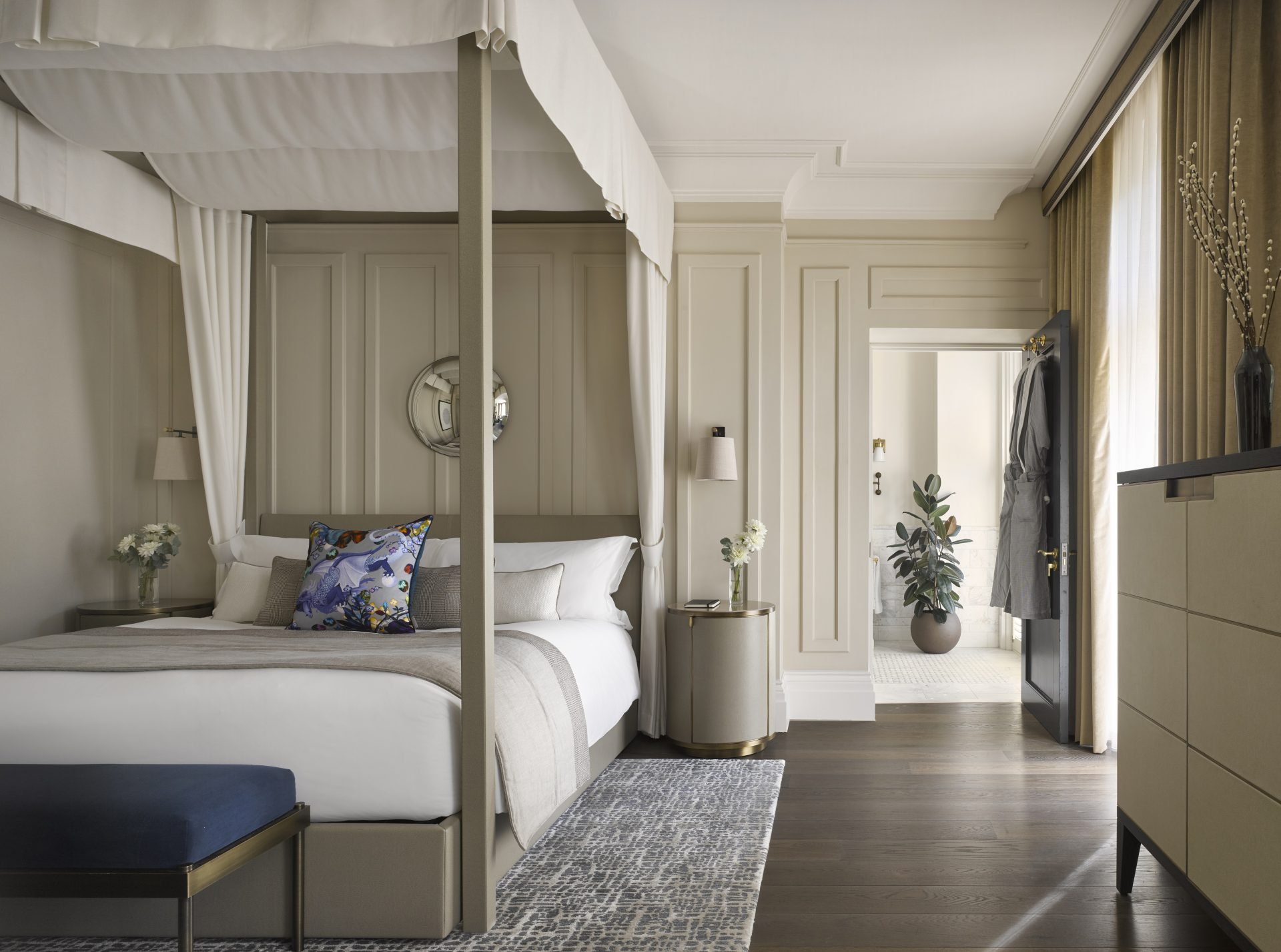
This approach extends into the 334 guestrooms, where traditional Victorian references are reinterpreted through a playful, modern lens. Each room is individually styled, avoiding the uniformity often associated with large-scale luxury properties. For hoteliers, this highlights a key shift: today’s guests value character and narrative over standardisation, even within high room-count hotels.
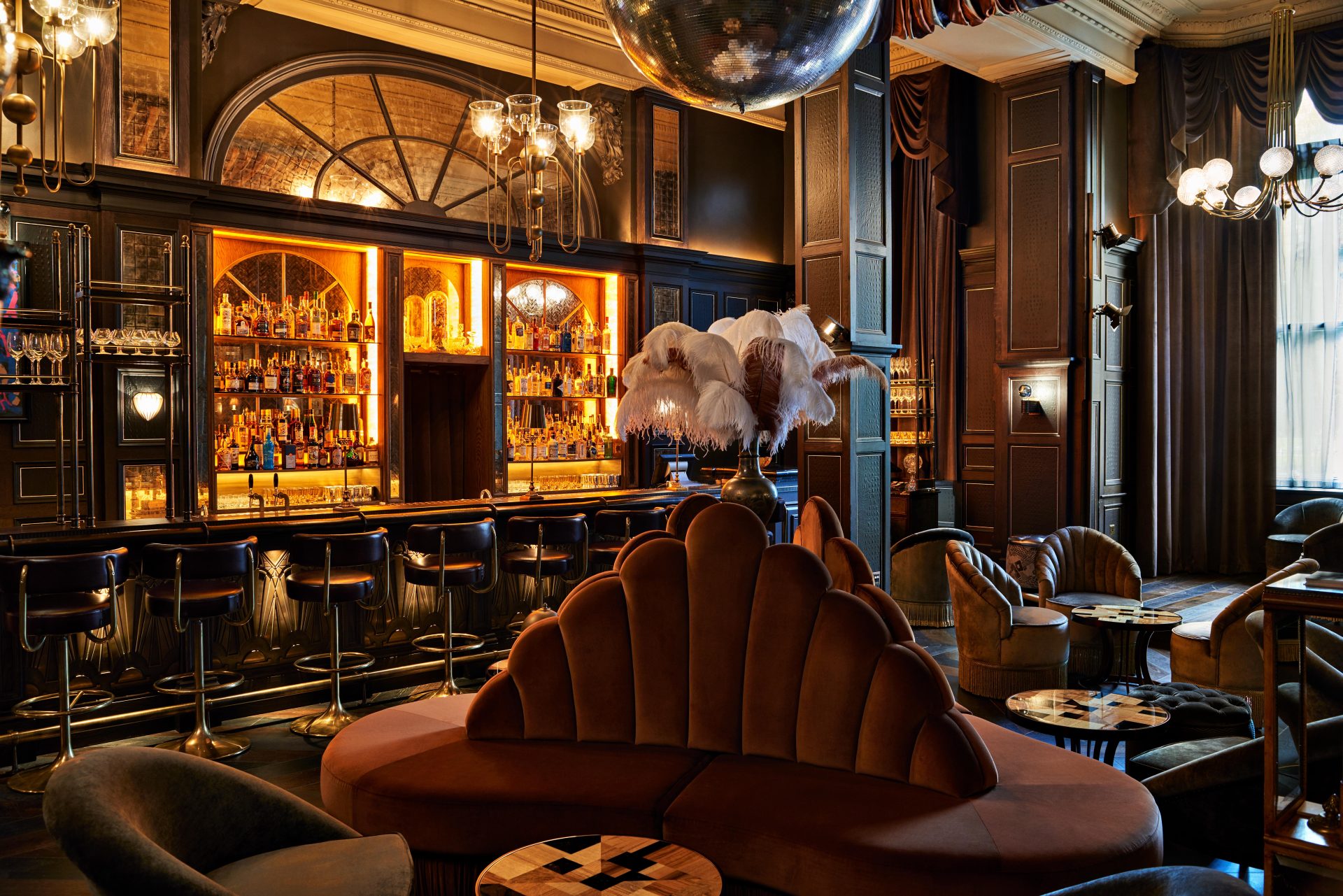
Food and beverage is another area where the property differentiates itself. With multiple venues under one roof, Kimpton Fitzroy has created distinct concepts that appeal to both guests and locals; a critical factor in driving footfall and relevance. Fitz’s cocktail bar, for instance, leans heavily into theatricality, with a UV-light menu adding an experiential twist. Meanwhile, the Galvin Bar & Grill delivers a more classic, revenue-driving dining offer, and Burr & Co. transitions seamlessly from daytime café to evening bar. The Palm Court, positioned as the hotel’s social heart, demonstrates the growing importance of flexible, all-day spaces that encourage dwell time.
For UK operators, diversification within F&B must go beyond multiple outlets, it should deliver varied experiences that cater to different dayparts and audiences, while maintaining a coherent brand identity.
Meetings and events also play a significant role in the hotel’s commercial strategy. The restored ballroom, complete with original architectural detailing and a dedicated entrance, anchors the property’s events offering, while eight additional spaces provide flexibility for smaller gatherings. Crucially, the design and heritage of these spaces elevate them beyond functional venues, enabling premium pricing and positioning. In a market where experiential events are increasingly in demand, investing in distinctive, design-led spaces can yield strong returns.
Underpinning all of this is the Kimpton brand ethos, which emphasises “sincerely personal” service and thoughtful, guest-focused amenities. This is where the property moves beyond aesthetics. The atmosphere is intentionally relaxed rather than overly formal, aligning with evolving luxury expectations. For hoteliers, this reflects a broader industry shift: luxury is no longer defined solely by opulence, but by comfort, authenticity and emotional connection.
Location, of course, plays its part. With Russell Square station on the doorstep and key London attractions within walking distance, accessibility enhances both leisure and corporate appeal. However, the hotel’s success is not reliant on location alone, it is the layered experience within the building that drives repeat visitation and brand loyalty.
Kimpton Fitzroy London demonstrates how heritage properties can remain commercially relevant by embracing change without erasing the past. For UK hoteliers, it offers three key takeaways: treat history as an asset to be interpreted, not preserved in isolation; invest in experience-led F&B and events to broaden revenue streams; and prioritise personality in both design and service.
In an era where differentiation is everything, Kimpton Fitzroy proves that standing out sometimes means looking back – and reimagining what you find.