

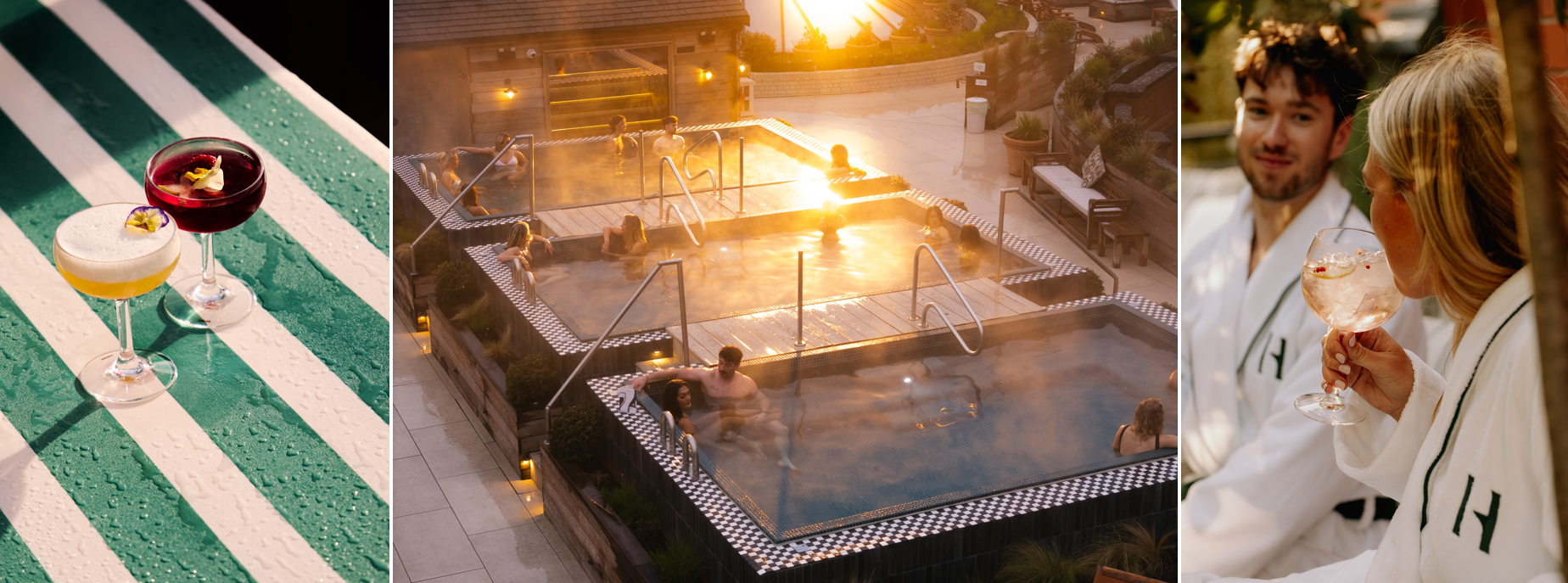
A NEW CHAPTER
Barons Eden has rebranded as Hiddenwell to reflect its evolving vision for elevated wellness hospitality and future expansion plans.
Barons Eden, the company behind the award-winning collection of Destination Spa Hotels, has announced its rebrand to Hiddenwell - a new parent brand identity reflecting the company’s evolving vision of redefining spa and supporting its future growth and expansion plans.
Hiddenwell will become the umbrella brand overseeing the group’s growing portfolio of destination spa hotels, including Hoar Cross Hall in Staffordshire and Eden Hall in Nottinghamshire, with additional properties set to join the collection.
Hiddenwell is built around the belief that the best moments are often the ones hidden away – time to slow down, reconnect and indulge in feel-good experiences at your own pace. The new identity reflects the group’s vision for creating beautifully designed spa escapes that feel warm and effortlessly restorative.
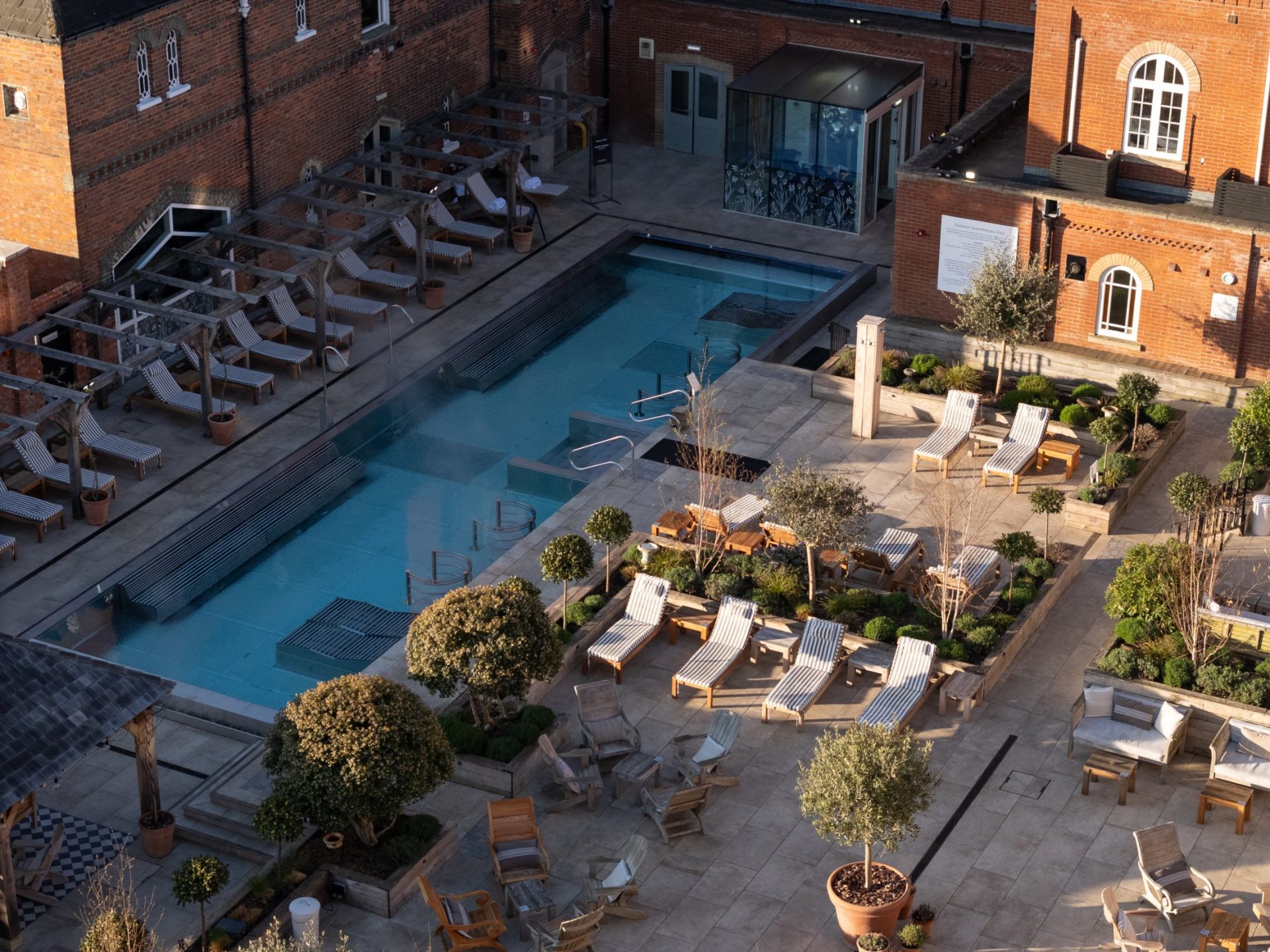
Following extensive research, the rebrand marks a significant milestone for the business as it looks to strengthen its position within the UK’s elevated wellness and hospitality landscape. Designed around the idea of discovery and escapism, Hiddenwell reflects a more contemporary approach to wellness hospitality.
Currently at the heart of the Hiddenwell collection are two award-winning spa destinations:
- Hoar Cross Hall by Hiddenwell is a destination spa retreat in rural Staffordshire, home to one of the largest state-of-the-art spas in Europe, 104 bedrooms and suites, and award-winning dining including its two AA Rosette restaurant, The Ballroom.
- Eden Hall by Hiddenwell is a countryside day spa in Nottinghamshire, offering immersive day and evening spa experiences focused on relaxation, treatments and switching off from everyday life.
As part of its next phase of growth, Hiddenwell has also confirmed plans to further expand the group with the additions of Ardencote Manor in Warwickshire and Orsett Hall in Essex. The expansion forms part of the group’s wider long-term strategy to evolve its portfolio and cement its position as one of the UK’s leading destination spa operators.
Ed Law, CEO at Hiddenwell shared,
This rebrand marks an exciting new chapter for the business. Hiddenwell reflects not only where we are today, but where we are heading as a growing collection of destination spa hotels centred around wellbeing, escapism and exceptional guest experiences. As the demand for wellness-led travel continues to grow, Hiddenwell gives us a strong platform for future expansion while continuing to invest in immersive and restorative experiences across our existing properties
As Hiddenwell enters its next phase of growth, the rebrand reflects the group’s vision for reimagining the modern spa experience - creating destination spas centred around wellbeing, escapism and meaningful connection. Built around the philosophy that the best things are often well hidden, Hiddenwell aims to offer guests spaces to truly switch off, recharge and discover moments of calm away from the pace of everyday life.

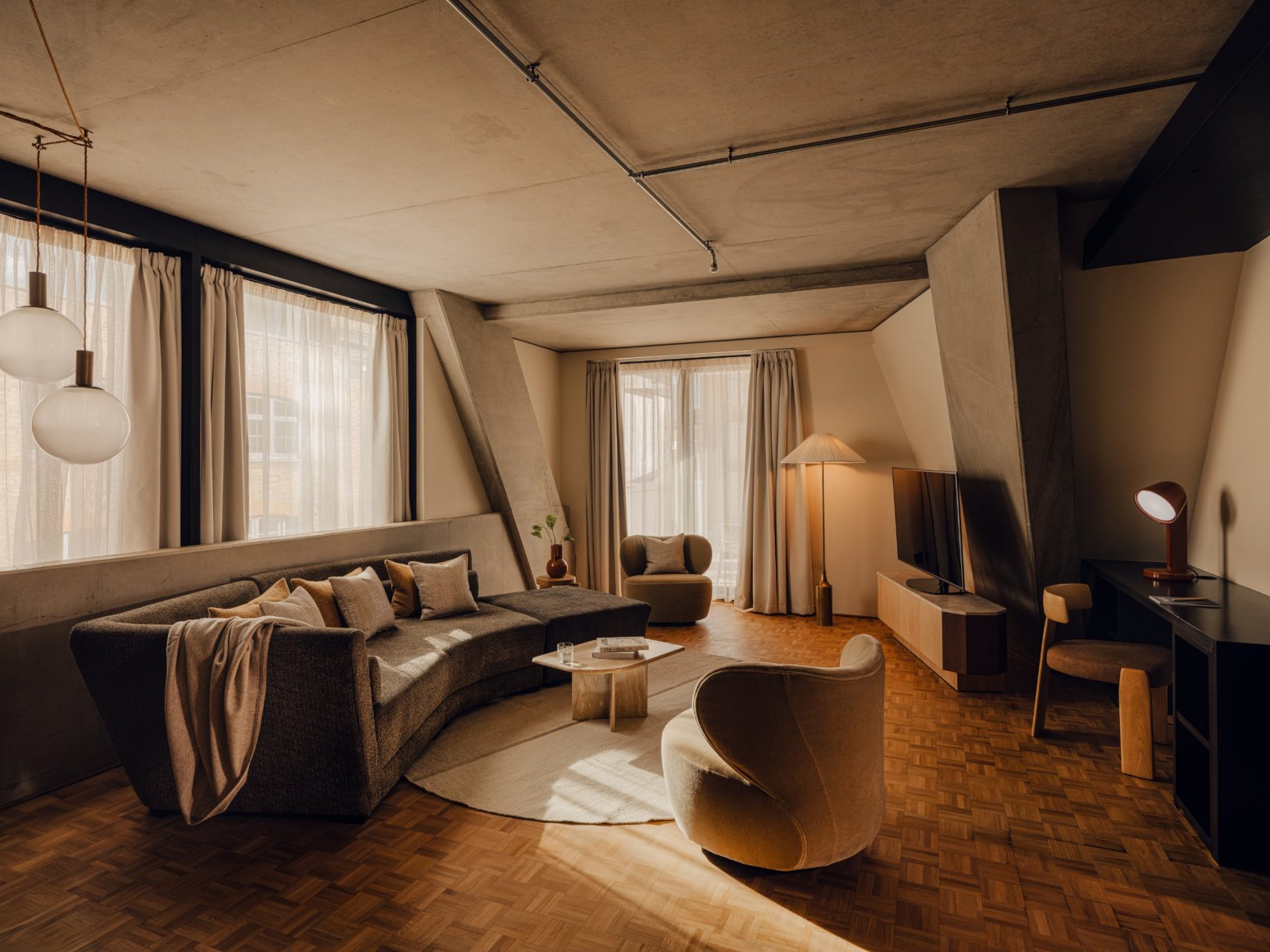
BEHIND THE VISION
In this interview, Aethos CEO Lily Wecker explains how the brand has reimagined its Shoreditch hotel with community at its core, from local partnerships and member programming to destination dining and neighbourhood-led design.
What's been the biggest focus for you since bringing the London property into the Aethos portfolio?
Our biggest focus has been forming a genuine connection to Shoreditch, rather than simply operating as another lifestyle hotel in the neighbourhood. The building had great architectural bones, but we reimagined it around the local community. That means creating spaces, experiences and programming that bring together travellers, local artists, workers and residents in a way that feels natural and authentic. For us, success isn't measured solely by occupancy. It's about creating a place that people actively want to be part of, whether they are staying with us, joining a member’s event or dining at MITSU. If we can become part of the daily rhythm of Shoreditch, we have achieved what we set out to do.

The F&B scene in Shoreditch is incredibly competitive. What's your approach to making the food and drink offering stand out, especially with so many guests willing to leave the hotel to eat elsewhere?
We love being in one of the most diverse and exciting dining neighbourhoods in London. Instead of competing with everything around us, we aim to create destinations that draw people in. A key part of that was launching the first MITSU in London. MITSU is built on the philosophy of “East London meets East Tokyo” with high energy, high quality and zero pretentiousness. The concept was incubated within Aethos and launched with great reception in April 2026. In addition, we designed Aethos Café as the social heart of Aethos London Shoreditch and an extension of our membership offering. It's calm, relaxed and quintessentially Aethos - where members and guests work, meet, dine and spend time throughout the day. At Aethos, our superpower is working with F&B teams who are exceptional at what they do and bring a clear point of view to the table.
Aethos talks a lot about community and creating places where locals and guests mix. What does that actually look like in practice at Shoreditch?
Community can easily become a buzzword, so for us it's important that it shows up in tangible ways. At Shoreditch, that means a year-round calendar of programming, from talks and workshops to wellness sessions, creative collaborations and cultural events. It's about creating reasons for people to return and engage with the property beyond a hotel stay. Our members are highly engaged and they represent the majority of attendees of events on premise.
Members bring continuity and local energy into the building, while guests bring new perspectives from around the world. That exchange creates a much more dynamic environment than a traditional hotel.
Shoreditch isn't a market where you can simply drop in a global brand and expect it to work. How have you adapted the Aethos concept to reflect the character and creativity of the neighbourhood?
One of the key reasons we were attracted to Shoreditch is that it has such a strong identity, rich history and dynamic cultural scene. Aethos isn't about replicating the same experience in every destination. Our philosophy of building genuine connection remains consistent, but how it comes to life always reflects the culture and character of the neighbourhood. In Shoreditch, that means working with local talent and craftsmen, listening to the feedback of our local members, collaborating with people who are shaping culture in East London and creating experiences that feel relevant to the community around us. The objective isn't to import a finished concept, but to create something that feels authentic to Shoreditch while remaining unmistakably Aethos. It's an approach shared by other new arrivals in the area, such as Virgin Hotels London-Shoreditch, which has embraced the neighbourhood's creative spirit.
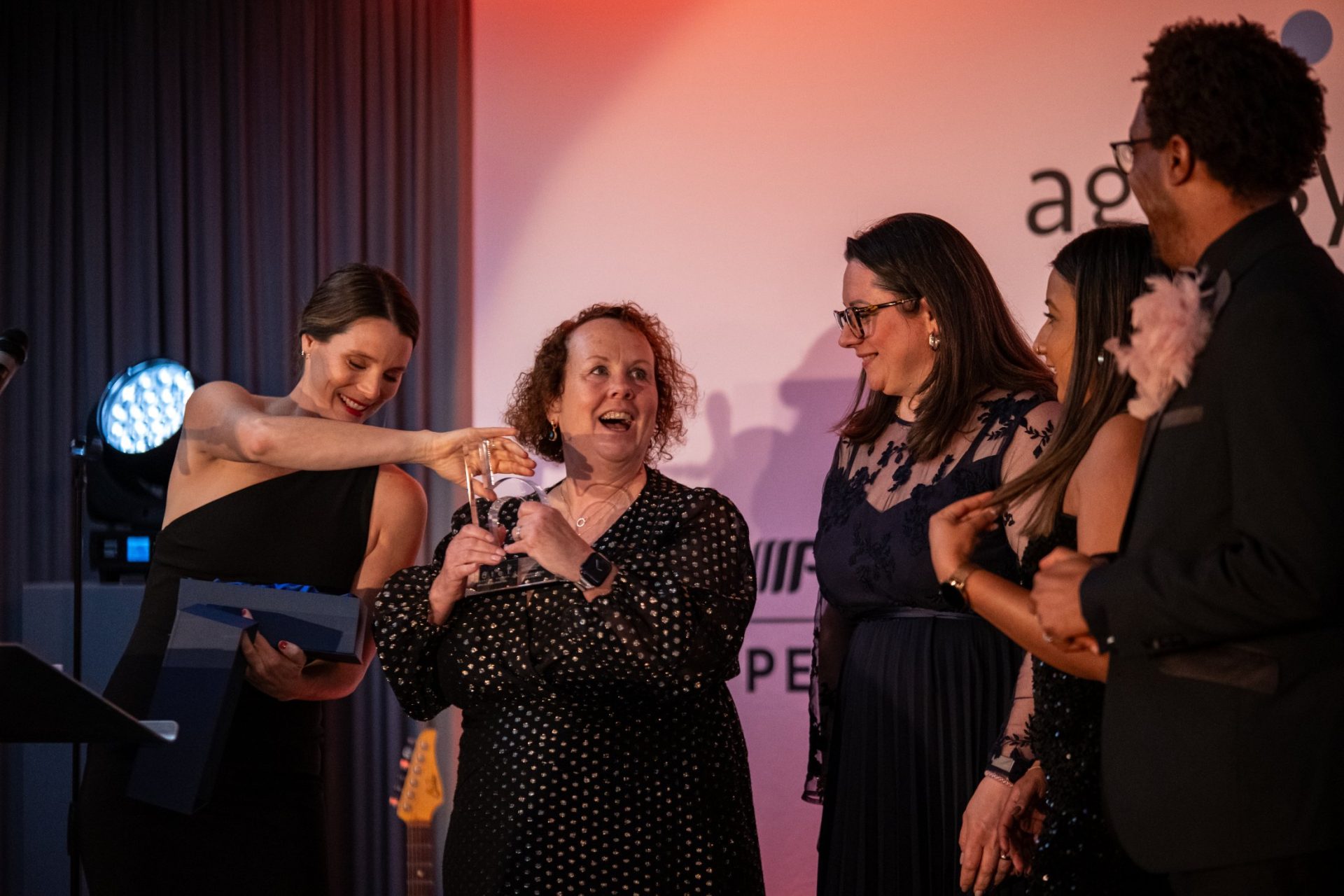
RECOGNISING EXCELLENCE
As the AA Hospitality Awards approach, Simon Numphud, Managing Director at AA Media, explores why industry recognition remains a powerful driver of credibility, team engagement and commercial success, and why celebrating excellence has never been more important for hospitality businesses.
As we enter another awards season across the hospitality industry, we are also preparing for one of the highlights of our own calendar – the AA Hospitality Awards. In September, we will once again welcome more than 1,000 guests to the Great Room at Grosvenor House to celebrate the very best of our industry.
Recognition and accolades play a vital role within hospitality. They matter not only to the businesses receiving them, but also to the owners, leadership teams and, most importantly, the dedicated people who consistently deliver the exceptional standards being recognised.
The benefits of industry recognition are both significant and far-reaching. First and foremost, awards enhance brand credibility and trust. They provide independent, third-party validation of quality, service and operational excellence, demonstrating that a business has been benchmarked against its peers and judged to be among the very best in the market.
This recognition strengthens consumer confidence, reinforces market positioning and helps businesses stand out in an increasingly competitive landscape. In turn, this often leads to stronger guest advocacy, positive reviews and valuable recommendations.
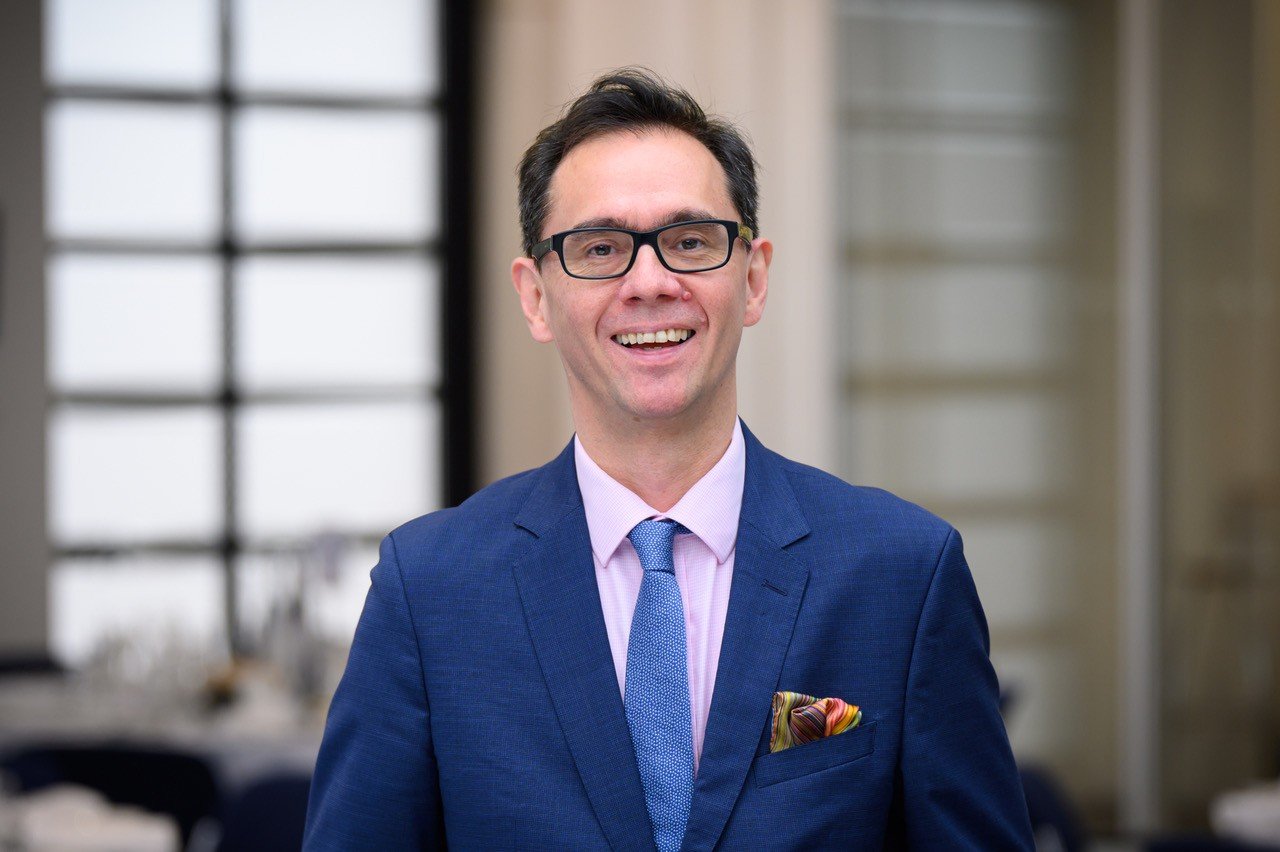
Awards also create powerful marketing opportunities. Whether amplified through social media, digital channels, PR activity or wider marketing campaigns, award recognition can increase awareness, generate new enquiries and drive bookings. It can improve visibility in search results, enhance reputation and broaden appeal to customers both regionally and nationally. As AI becomes increasingly prevalent, independent recognition provides an ever more valuable signal of authenticity, credibility and genuine excellence.
Beyond the commercial benefits, awards can have an equally powerful impact internally. They help businesses attract and retain talent by differentiating themselves in a highly competitive labour market. Recognition creates a genuine sense of pride among teams – something that is always evident when I welcome winning teams to the stage to collect their awards.
That pride helps strengthen workplace culture, boost engagement and morale, and foster greater loyalty among employees. Awards also bring valuable industry recognition, opening doors to new collaborations, partnerships and networking opportunities across the hospitality sector.
As our AA Rosette Scheme celebrates its 70th anniversary this year, I feel immensely proud that AA recognition has become such an important benchmark for excellence across the industry. It is widely referenced in recruitment, regarded as a career aspiration for many chefs and hospitality professionals, and often serves as a key business objective for operators striving to raise standards. Recognition continues to encourage ongoing investment in both people and product, helping to raise the bar across UK hospitality.
Each year, we feel privileged to celebrate excellence through the AA Hospitality Awards, fully appreciating the positive impact that recognition can have on businesses and their people. For many, receiving an award marks the culmination of a long journey defined by continuous improvement, unwavering commitment, hard work and a determination to be the very best in their field.
One of the most rewarding aspects of the awards is speaking with winners and witnessing first-hand the pride, elation and gratitude that recognition brings. At a time when many hospitality businesses continue to navigate rising costs, recruitment challenges and changing consumer expectations, recognising and celebrating excellence has never been more important.
One of the qualities I most admire about our industry is that, while fiercely competitive, it remains remarkably supportive. That spirit is clearly evident in the collective applause and appreciation shown as each winner is recognised. As hospitality continues to evolve and adapt, it is essential that we celebrate those businesses and individuals who set the benchmark for excellence and inspire others to follow.
THE REVENUE OPPORTUNITY
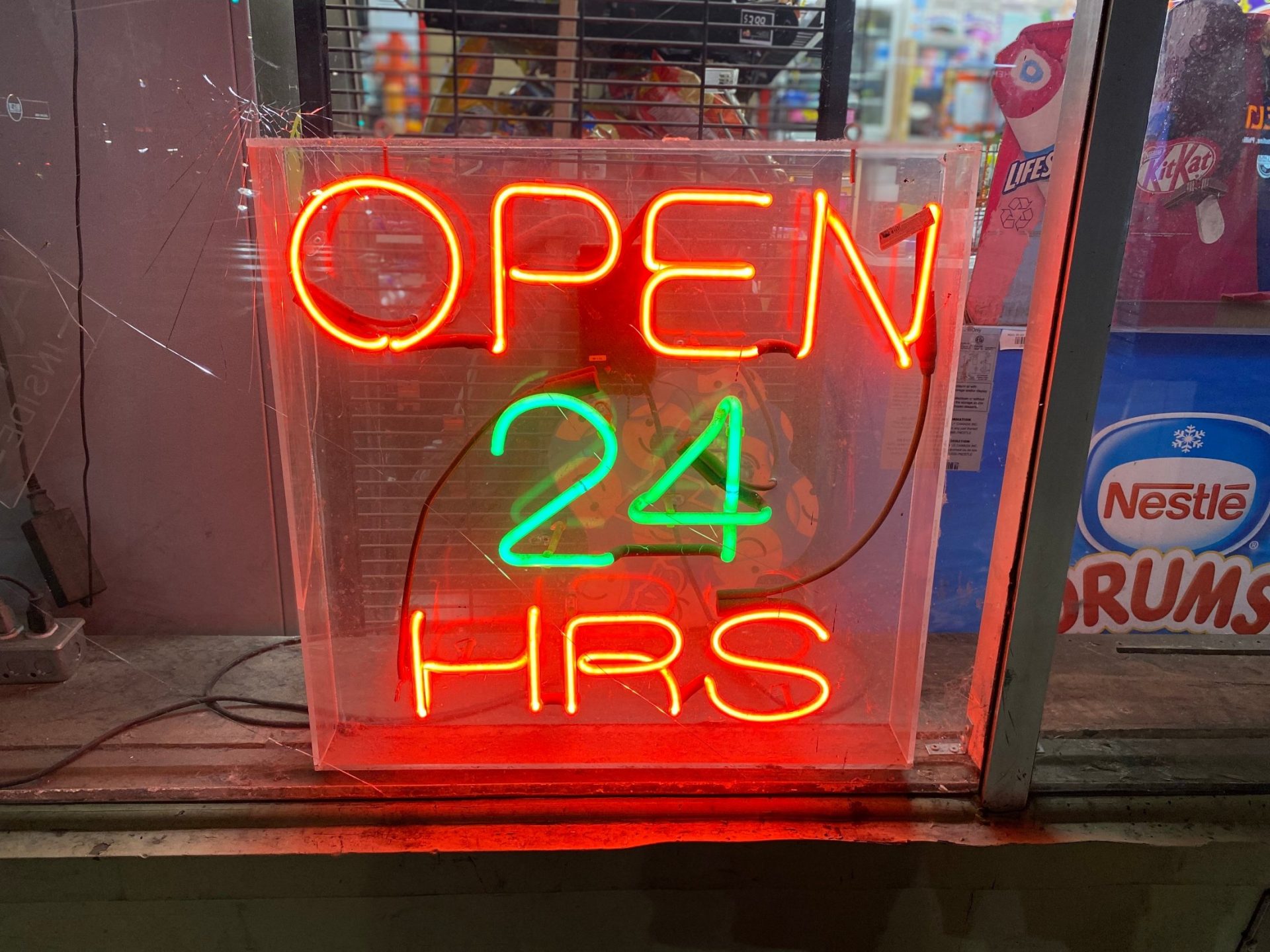
Every time a guest leaves your hotel to buy water, snacks or travel essentials, you're losing money. Here's why a 24-hour shop has become one of the simplest ways to boost guest satisfaction and increase spend per stay.
Guest expectations have changed. Today’s travellers want convenience on demand, whether they’re arriving on a delayed flight at 2am, returning from a night out, or simply craving a snack after room service has closed. Yet many hotels still rely on limited food and beverage hours, effectively turning away revenue while frustrating guests.
A 24-hour hotel shop is no longer a luxury amenity – it’s a practical revenue generator that enhances the guest experience while working around the clock.
Consider the typical guest journey - a late-arriving business traveller wants a bottle of water, a quick meal or a phone charger, a family needs snacks for the children, an international guest has forgotten a travel adapter. If these essentials aren’t available on-site, guests are forced to leave the property or order from external delivery services. In both cases, the hotel loses a sale that should have been theirs.
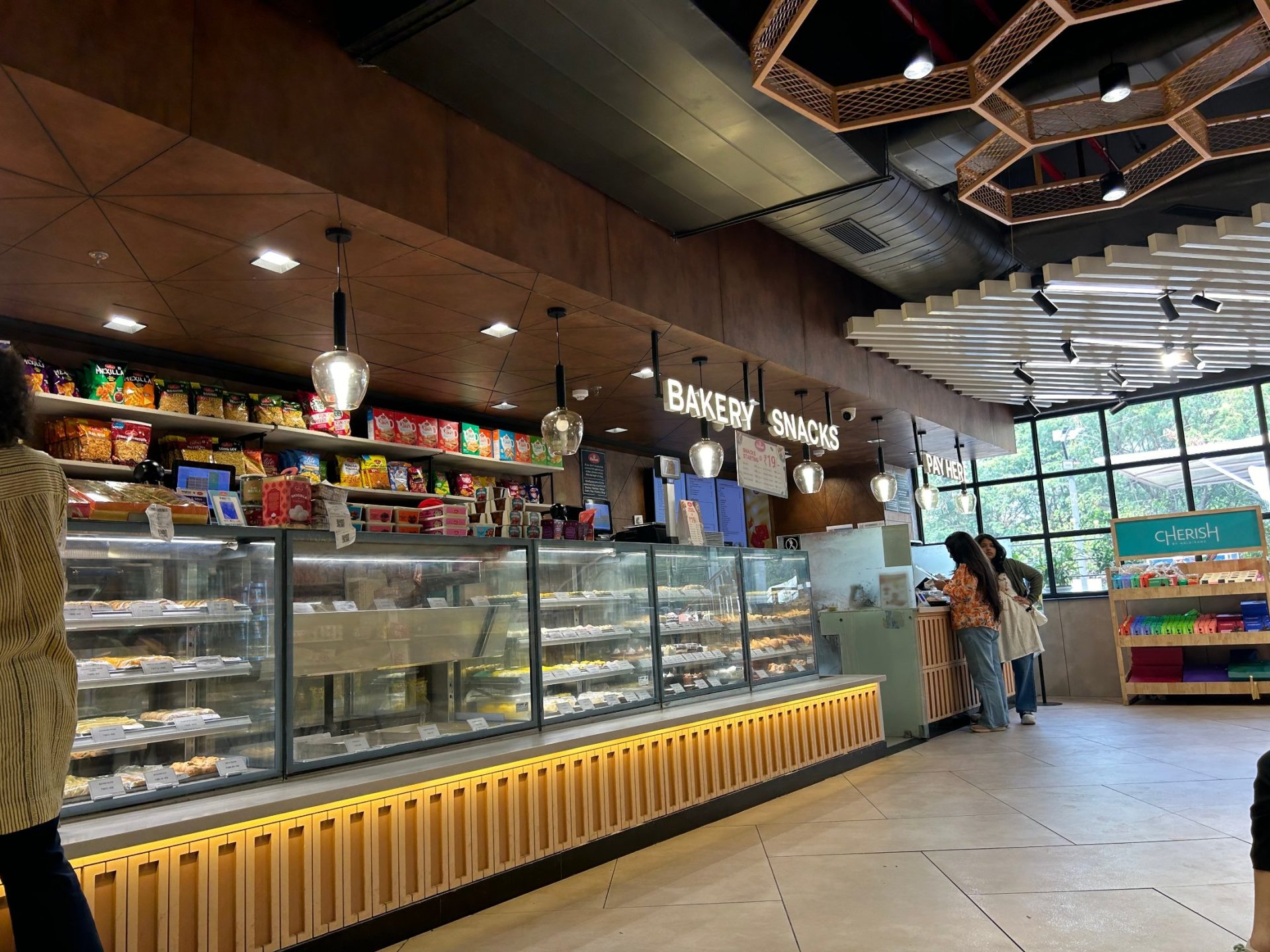
The revenue leakage can be significant as even modest spending adds up quickly. If just 20 guests per day spend an average of £8 in a hotel shop, that equates to nearly £60,000 in annual revenue. Increase the range to include premium snacks, drinks, toiletries, travel essentials and local products, and the figure can climb considerably higher.
The benefits extend beyond direct sales. A well-stocked 24-hour shop improves guest satisfaction by solving problems instantly; convenience is remembered, and guests increasingly judge hotels not only on rooms and service, but on how easily their needs can be met throughout their stay.
Modern retail technology has also made round-the-clock operation more achievable than ever. Self-service kiosks, contactless payment systems and smart inventory management allow hotels to offer 24-hour access without the need for dedicated overnight staffing. The result is a low-maintenance, high-margin revenue stream that complements existing food and beverage operations rather than competing with them. The same shift is visible in mobile ordering and digital guest experiences now rolling out across hotel brands worldwide.
Importantly, a hotel shop can be tailored to the property’s brand. Luxury hotels can offer premium refreshments and curated local gifts, while budget and mid-market properties can focus on practical essentials and grab-and-go options, but the common denominator is always convenience.
In an industry where operators are constantly searching for new ancillary revenue opportunities, the question is no longer whether a 24-hour shop is worthwhile. The question is how much money is being left on the table without one.
For hotels looking to enhance guest satisfaction, increase spend per stay and generate revenue while guests sleep, a 24-hour shop may be one of the simplest investments they can make.
THE BIG WORK CHAT PROBLEM
How hotels are reclaiming control of team communication.
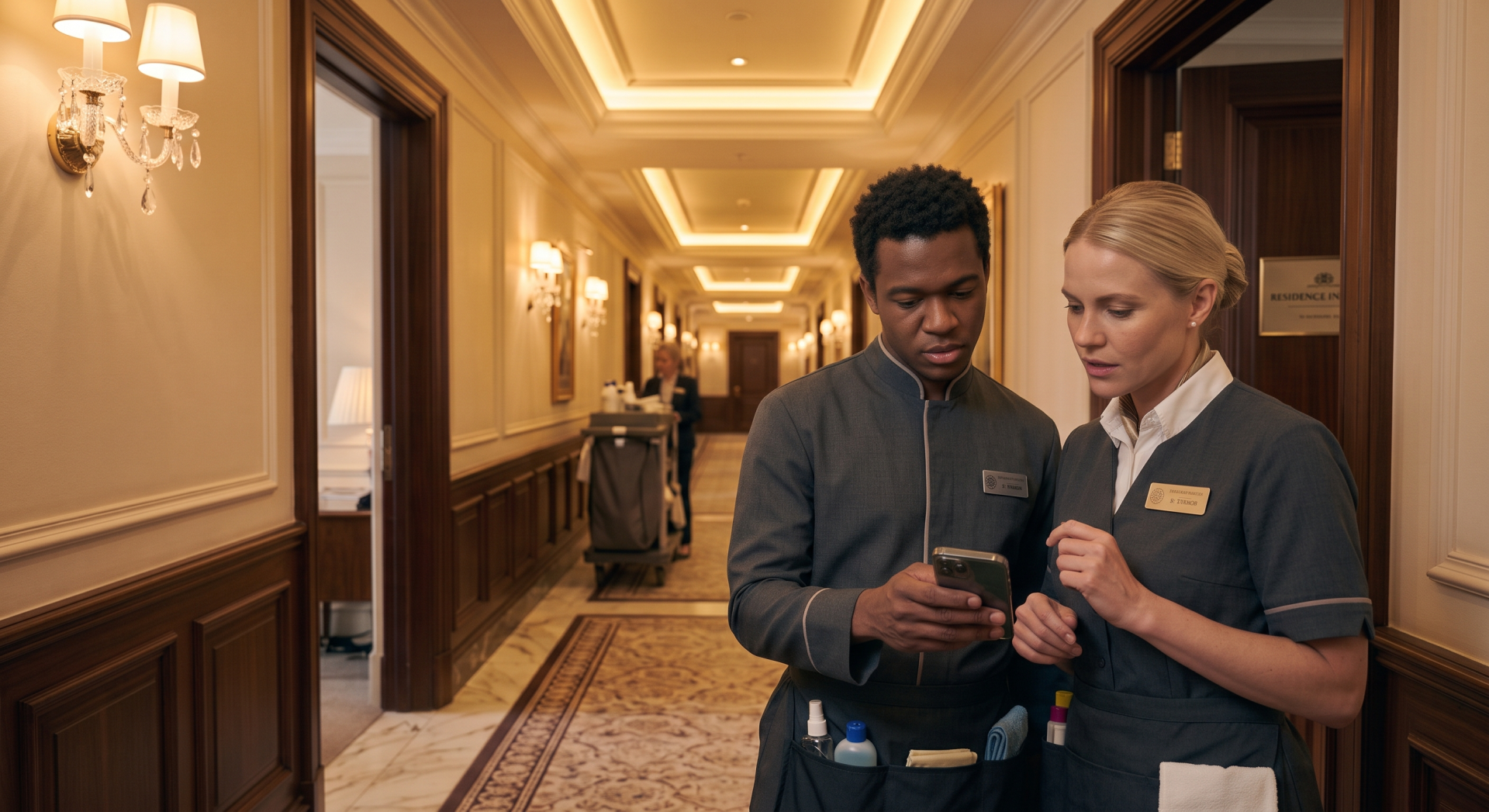
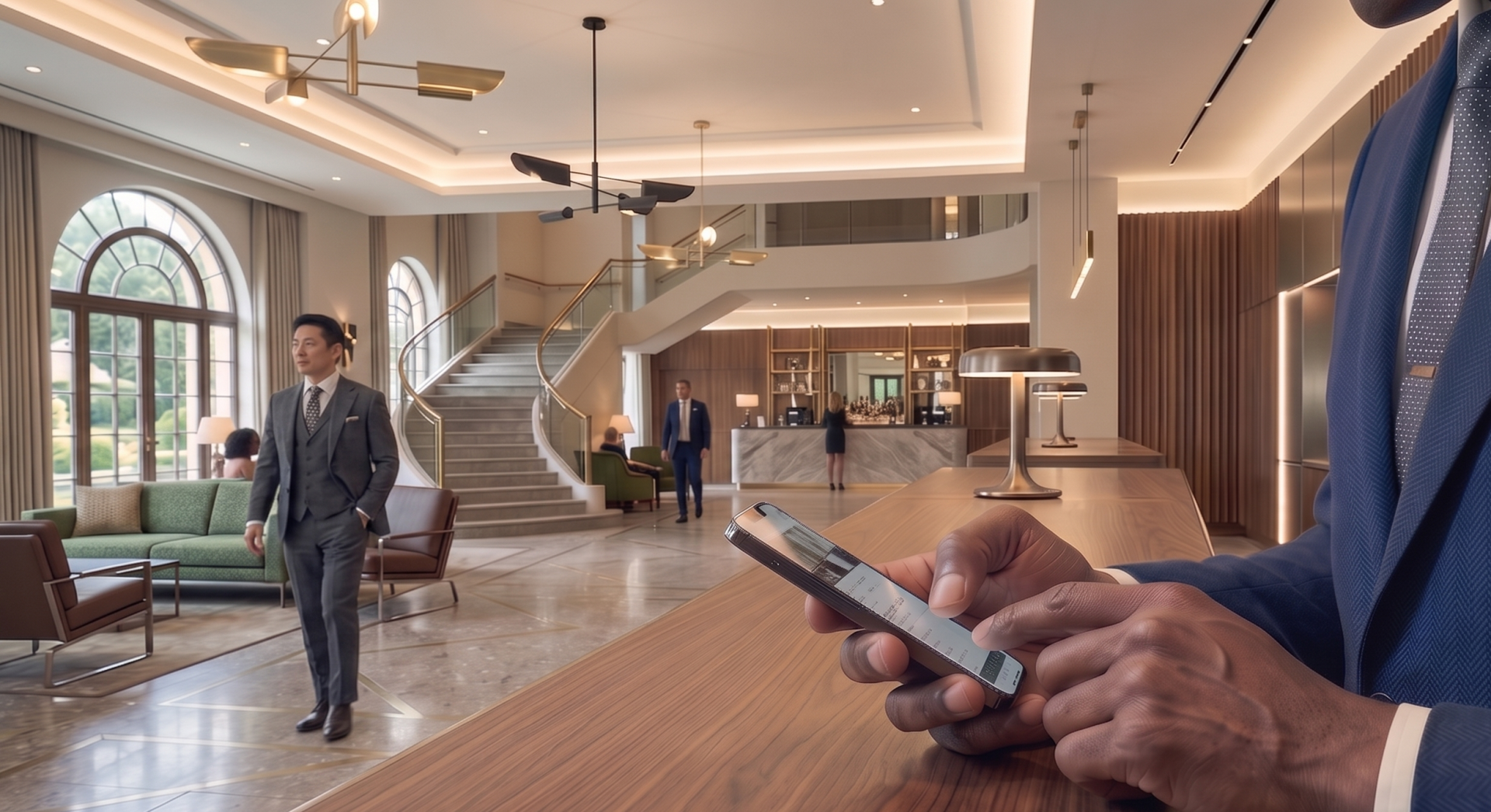
What does team communication look like in your hotel? A flurry of WhatsApp messages before the morning briefing? A maintenance issue buried somewhere in a group chat nobody can find? Or a staff member who left six months ago and is somehow still in the housekeeping group?
The hospitality industry runs on coordination. Shift handovers, room turnarounds, maintenance faults, event confirmations: every department depends on fast, reliable information exchange. But for years, the tools doing that job have been personal messaging apps that were never built for it.
From country inns to city-centre venues, UK hotels are deciding enough is enough, and switching to a purpose-built work communication platform.
Most of them are switching to Zenzap, a professional work chat app that gives teams an easy way to talk, with the structure and control a business actually needs.
The Three Horseshoes Inn
Steven Kirk has been running The Three Horseshoes Inn in Staffordshire with his brother Mark for over 20 years. What started as a small six-bedroom country property has grown into a full venue with 26 bedrooms, a wedding suite, dining, and a spa. That growth brought communication complexity with it.
"One of the biggest reasons I decided to change was keeping personal life separate from work life," said Steven. Before Zenzap, his team relied on WhatsApp. It kept communications moving, but it blurred lines the team couldn't control.
Employees had no structured way to switch off. Managers couldn't prevent staff from creating their own chats or leaving others. When someone left the business, every group had to be updated manually. "You'd have to go through every individual chat to remove them. Zenzap just lets us deactivate that one employee and they're removed from everything."
The switch changed more than offboarding. Steven described how the built-in to-dos transformed maintenance coordination across the property. Housekeeping can log faults directly, so maintenance can pick them up, prioritise, and check them off. Nothing falls through the gaps. "With housekeeping, a lot of things are breaking down all the time. The jobs list gets bigger and bigger. The to-do list makes sure smaller jobs don't get lost."
For Steven, the biggest win is that his team can actually switch off. Notifications stop automatically at the end of a shift. Staff on holiday aren't getting pinged about room issues. "It's keeping that work life, personal life separate."
The Green Dragon Hotel
Samantha Mason has managed the Green Dragon Hotel in Hereford for years, overseeing a team of 65 people spread across departments, floors, and shifts that rarely overlap. Getting a message to everyone at the same time is a challenge the hotel struggled with for years.
"Some people are starting at five in the morning, some people are working through the night," said Samantha. "It's really hard to get a message out there to everybody at the same time." Before Zenzap, the hotel ran on a mix of paper, diaries, and WhatsApp.
"There's no turnoff," Samantha explained. "You get a message from the boss and it's no different to a message from your mum. It caused all sorts of challenges because the team felt like they were always at work." With Zenzap, departments now have their own group chats, notifications cut off outside of working hours, and scheduled messages mean nobody gets woken up by a manager's three-in-the-morning thinking.
The shift to Zenzap also changed how the hotel handles onboarding and data. New starters are added to an onboarding chat as part of induction, with everything they need already in place. Nobody has to share a personal phone number. "Their details are safe and they only have to be part of Zenzap whilst they're here as an employee with us."
The rollout was quick, with full adoption across the business. "Within a couple of days, nobody looked back. Everybody could see the benefits. Within a week we were straight into Zenzap."
The common thread running across these hotels is a willingness to take communication seriously as an operational priority.
This shift toward professional work communication tools is happening across the industry, and the businesses that are doing it have teams that communicate quickly, operate cleanly, and actually get to leave work at work.
To make this happen, you need a work communication solution that’s built for how your business works. Let’s talk at zenzap.co/hotel-magazine
LIGHTING THE WAY
As hotels prepare for a busy season, investing in high-quality lighting and bespoke lampshades can enhance guest comfort, support operational teams, and ensure interiors are ready to shine throughout the year.
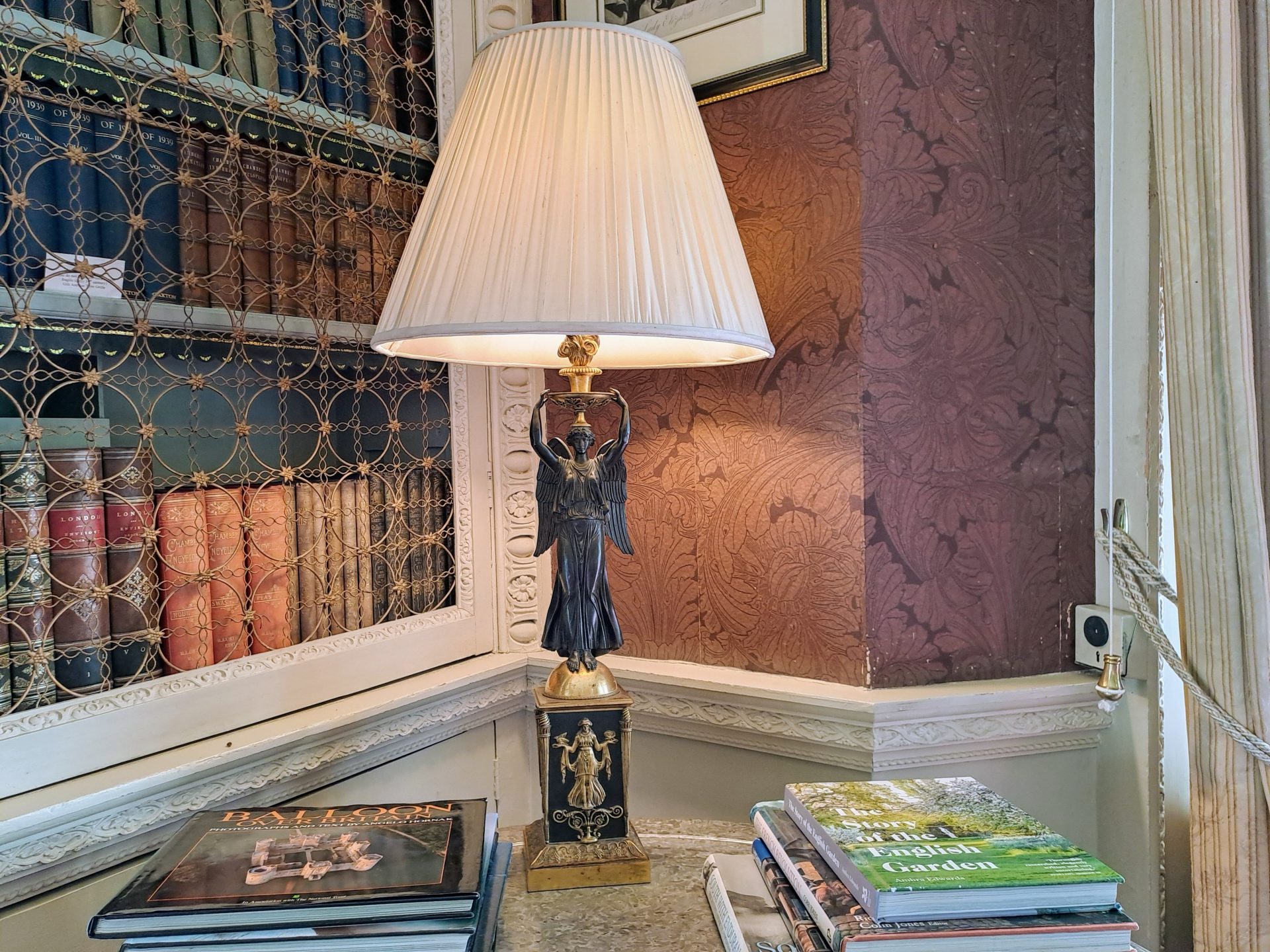
During the summer months, hotels are at their most vibrant, welcoming increased guest numbers, hosting events, and preparing spaces to deliver memorable experiences. At Tringhams, we are proud to play a key role behind the scenes, supporting hotels with luxury lampshades that enhance both style and functionality during this busy period.
While summer naturally brings longer daylight hours, it is also the perfect time for hotels to refresh interiors and carry out essential updates. Our work during these months ensures that guestrooms, lounges, corridors, and public spaces are ready for the subtle but crucial shift that comes later in the year. As the days begin to shorten, lighting becomes even more central to the guest experience, creating atmosphere, comfort, and warmth. By investing in high-quality lampshades now, hotels are well prepared for the darker seasons, when lighting truly comes into its own.
We understand that our role goes far beyond supplying products. Tringhams works closely with housekeeping teams, maintenance staff, and hotel management to deliver a seamless service. Housekeepers, in particular, are essential partners in maintaining presentation standards, and we ensure our lampshades are not only beautiful, but practical, easy to clean, durable, and designed to withstand the demands of busy hospitality environments.
Our team also supports maintenance and engineering departments by providing tailored fittings, replacements, and upgrades that align with existing fixtures and compliance requirements. Whether refreshing guestroom lighting or enhancing public areas, we aim to simplify the process and reduce disruption for hotel staff.
We recognise that every department contributes to the overall guest experience. By supplying consistently high-quality, bespoke lampshades, we help create cohesive interiors that reflect each hotel’s brand and standards.
This summer has already been a particularly busy period for Tringhams, as more hotels recognise the importance of forward planning their lighting. The work completed now ensures that, when evenings draw in and guests spend more time indoors, every space is perfectly lit to provide comfort, elegance, and a welcoming atmosphere.
At Tringhams, we are proud to support the teams who make hospitality exceptional, helping hotels shine, whatever the season.
HOUSEKEEPING'S NEW CHALLENGE
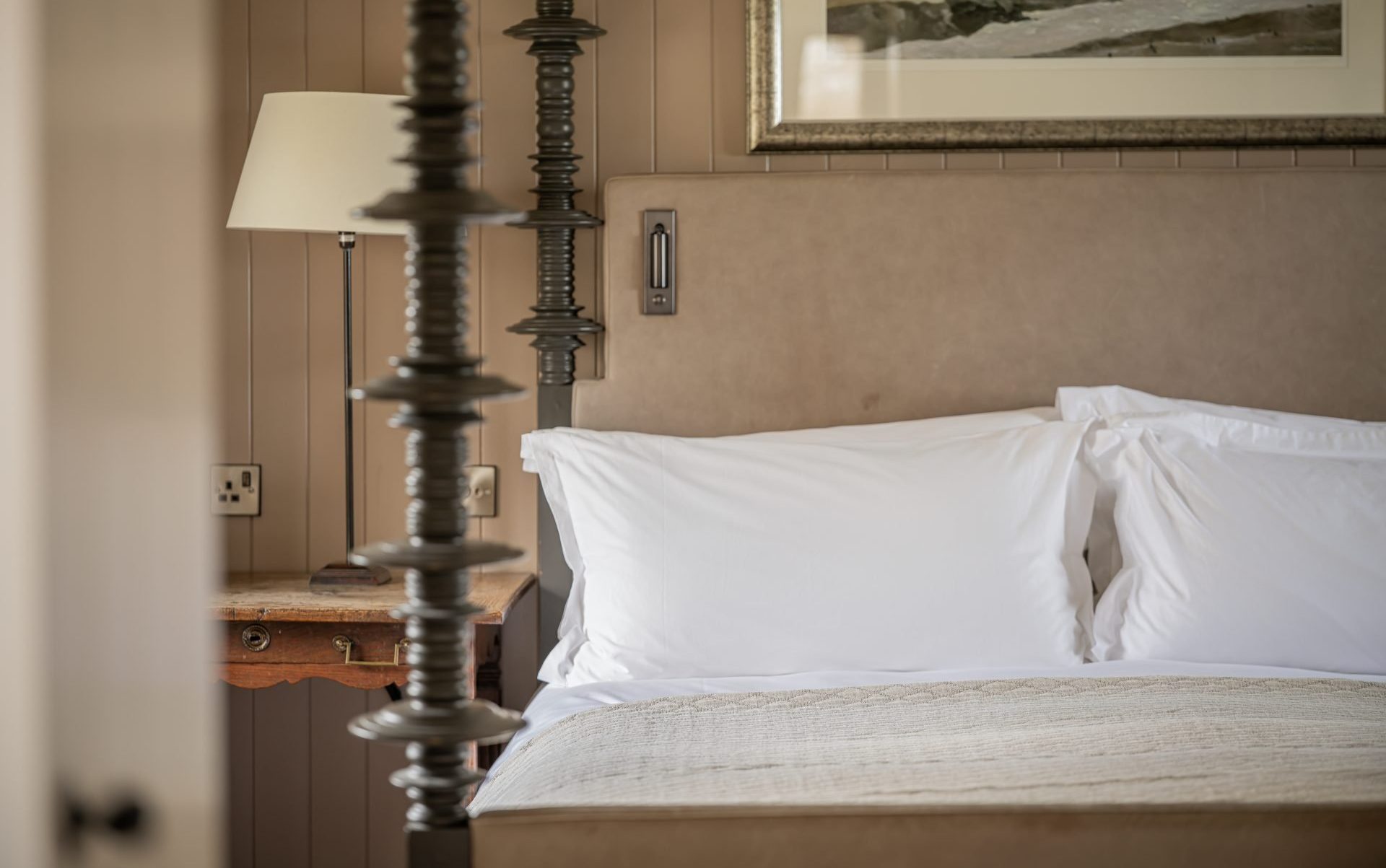
Tradelinens explores how durable, well-designed linen and responsive supplier support can help hotels improve efficiency, reduce replacement costs and strengthen operational resilience.
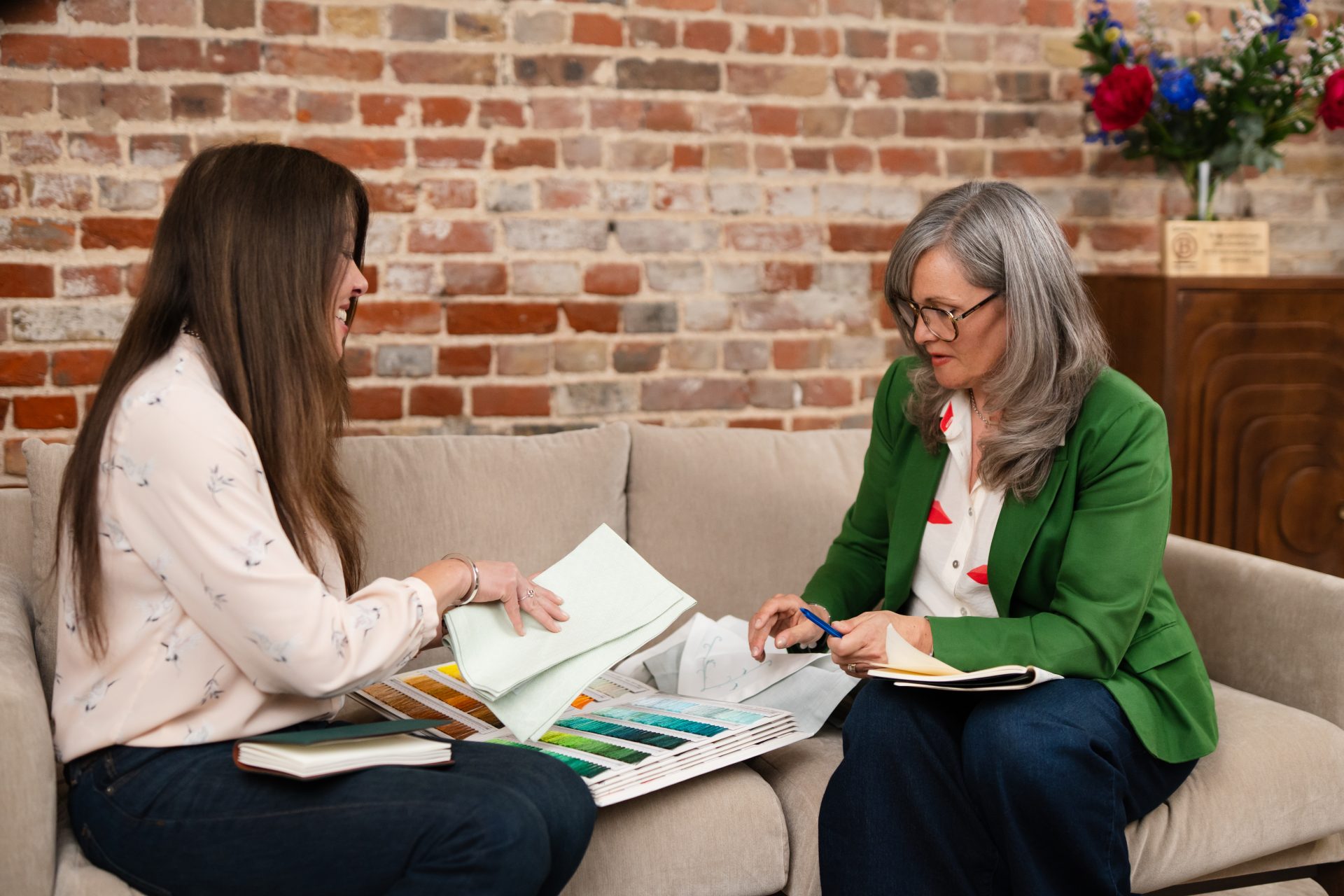
The hospitality industry has always relied on housekeeping teams to deliver one of the most important elements of the guest experience: a clean, comfortable and welcoming room. Yet behind every perfectly made bed and spotless bathroom lies a department facing increasing operational pressure.
Labour shortages continue to affect hotels across the industry, while occupancy levels remain high and guest expectations show no sign of easing. Although we're now well into the traditional summer season, the strength of the UK staycation market shows little sign of slowing. Recent booking patterns suggest domestic travel is continuing to extend beyond the peak July and August period, with strong demand expected throughout the autumn and into the winter months. Our recent industry research has found that 35% of higher earners are cutting back on overseas holidays this year, instead choosing smaller, more frequent experiences closer to home. Among those reducing foreign travel, 28% are spending more on UK "staycations", meaning many hotels can expect sustained occupancy levels well beyond the summer holidays.
As a result, procurement decisions are taking on a new level of importance. Products should no longer be judged solely on their appearance or price; rather, evaluated on how they impact operational efficiency. From reducing turnaround times to extending replacement cycles, the right linen can play a surprisingly significant role in helping housekeeping teams meet today's demands.
The Impact of Linen on Housekeeping Efficiency
Every minute saved in room preparation has a cumulative impact across an entire property. While technology and scheduling have helped improve productivity, the products used every day are also becoming an important part of the efficiency equation.
Well-designed linen can make room servicing quicker; consistent sizing, reliable fit and fabrics that maintain their shape after repeated laundering help simplify bed making and room presentation. When they can rely on the quality of the products, housekeeping staff can prepare rooms more efficiently without compromising standards.
Maintenance is another often-overlooked consideration. Linen that resists staining, fading and shrinkage requires less intervention throughout its lifespan and continues to present well despite frequent commercial laundering. The result is less time spent managing damaged stock and fewer unexpected replacements – saving housekeepers time when changing the beds, and saving on replacement costs.
While no single product can solve labour shortages, selecting textiles that actively support daily workflows can make a measurable difference to productivity across an operation.
Why Product Durability Matters
Hospitality textiles are expected to perform under some of the toughest conditions in the commercial sector. Daily guest use, industrial laundering and continuous handling mean bedding and towels must withstand hundreds of wash cycles while maintaining, comfort, appearance and quality.
For this reason, durability has become a key consideration for hotels looking to balance quality with long-term value. Tradelinens develops products that withstand the realities of commercial hospitality and exceed industry standard lifecycles. Rather than focusing solely on aesthetics, our emphasis is on delivering textiles that continue to perform throughout their working life, helping hotels maintain presentation standards while reducing the frequency of replacement.
Carefully selected fibres, robust construction and rigorous quality control all contribute to products that retain their softness, colour and structure under heavy-use conditions. This not only protects the hotel’s investment but also creates greater consistency across guest rooms, which is an important factor in maintaining brand standards.
Longer-lasting linen also supports smoother day-to-day operations. Fewer damaged items mean fewer emergency purchases, less disruption to inventory and greater confidence that sufficient stock will be available during peak trading periods.
The Role of Customer Service
While product performance is essential, supplier relationships have also become an important part of operational resilience. Hotels depend on reliable supply chains to keep housekeeping running smoothly, particularly during busy periods or when unexpected demand places additional pressure on linen inventories. Delayed deliveries or inconsistent product availability can quickly create operational challenges that extend well beyond the housekeeping department.
This is where Tradelinens’ responsive customer service can make a meaningful difference. We work closely with our clients to understand the practical realities of hotel operations, offering support that goes beyond order fulfilment. Whether advising on the most suitable product specifications, helping manage stock requirements or responding quickly to urgent requests, the objective is to make housekeeping operations as seamless as possible.
Strong supplier partnerships are increasingly built on collaboration rather than transactions alone. Hotels value suppliers who understand seasonal demand, operational pressures and the importance of consistency, recognising that dependable support behind the scenes ultimately contributes to the guest experience.
As housekeeping departments continue to navigate staffing challenges and rising operational expectations, success will increasingly depend on finding efficiencies wherever they can be achieved.
In today's ever-changing hospitality landscape, supporting housekeeping is no longer just about providing the right products. It's about understanding the operational realities of modern hotels and helping teams work smarter, more efficiently and with greater confidence. And this is something that benefits staff, operators and guests alike.
THE LITTLE THINGS
How to create the perfect guest experience, as told by the team at Out of Eden.
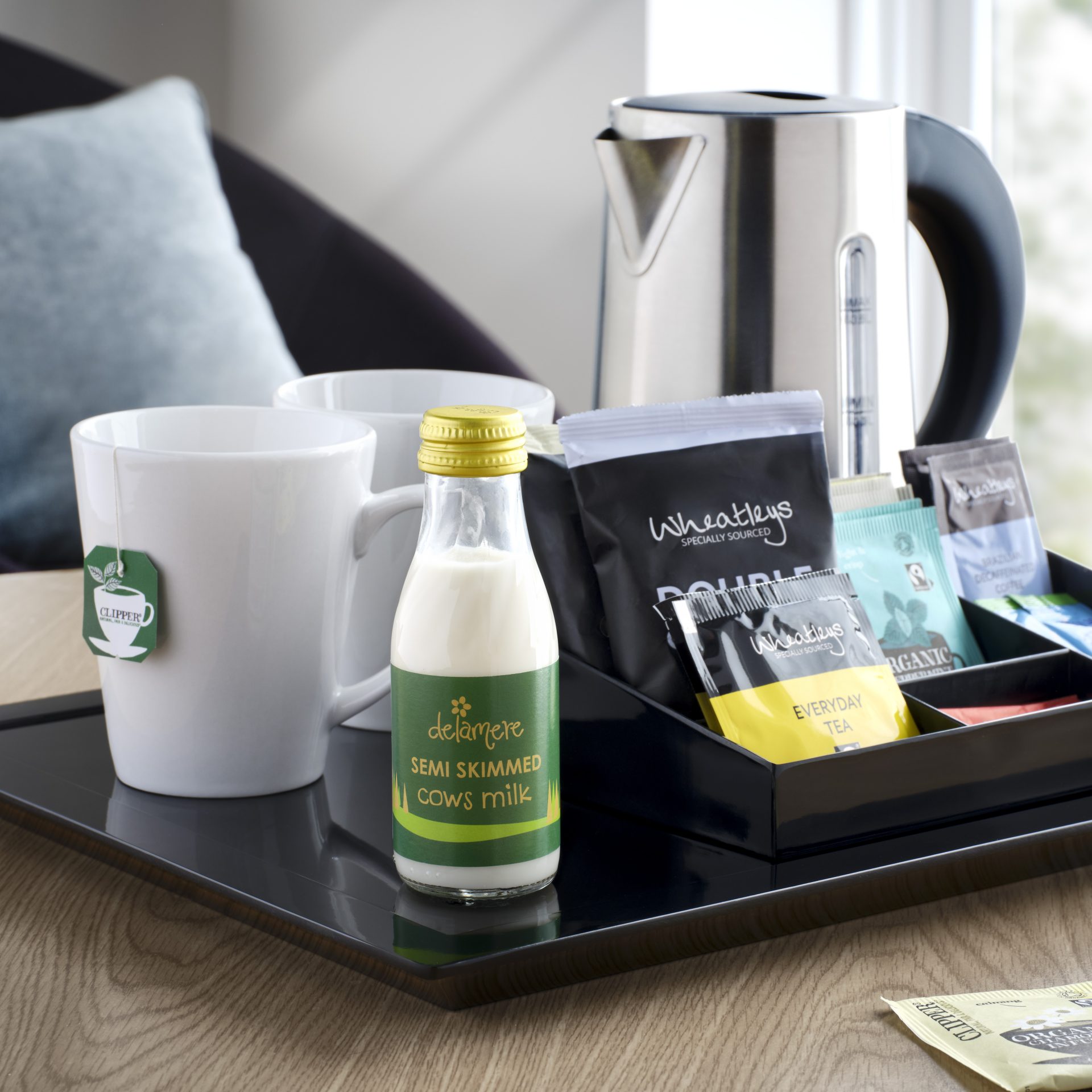
Think back to your last hotel stay. What stood out to you? Chances are it was how someone or something made you feel. Did you smile at the cute little glass milk bottles that threw up a long-forgotten memory of happy, carefree school days? Were you pleasantly surprised to discover delicious local artisanal treats with your fresh cup of coffee? Or does finding soft slippers and cosy bathrobes in the wardrobe instantly make you feel at home?
In today’s challenging hospitality world, hoteliers don’t have to spend a fortune to stand out from the competition, sometimes it can be simple, small additions in hotel rooms that can make a difference, either by offering an authentic sense of place or creating memories that linger long after the stay has ended. Celebrating a special occasion? Delight guests with a welcoming mini bottle of wine or fizz. Travelling with their dog? Think about dog-friendly welcome packs with ball, chews, and waste bags for their furry friend.
At Out of Eden, we source hotel room products that are practical, efficient, and thoughtful. You, as hoteliers need to know you’re getting the best for your money, and your hotel guests are the same. For over 30 years, we’ve been bringing the largest selection of hotel room products – over 2,000 and growing – to thousands of the best large and smaller hotels across the length and breadth of the country. Do you want your guests to enjoy teas, coffees, and treats from your local area? No problem. We work with talented producers to bring our customers a choice of regional specialities. Is it important for you to showcase your commitment to the environment? No problem. We source a wide range of plastic-free, recyclable, and compostable products, bulk refillable ranges of luxury toiletries, bamboo toilet rolls, and mini recyclable glass bottles of fresh semi-skimmed and oat milk.
In fact, with over 80 per cent of global travellers believing sustainable travel is important* and the same amount saying they are willing to pay more for sustainably produced or sourced goods**, guest satisfaction today can be heavily influenced by sustainability. Being conscious of how you can lower your environmental footprint could be key to building brand loyalty.
Claire Armstrong heads up the newly expanded 8-strong Sales Team at Out of Eden, and has just appointed six Regional Sales Representatives covering London, the Southwest, the Midlands, the Northwest, the Northeast, and Scotland. She said: “Product quality is key, durability and price points are key, but we do have a lot of conversations with customers about being more environmentally friendly. It’s no coincidence that some of our best-selling products are from our refillable ranges as a huge 79 per cent of our customers have already made the switch to refillable toiletries.
“As a proud, family run company, we listen and act on what our customers or potential customers want. There are lots of products in our range today that are there because they’ve been requested by customers, and similarly, products have been added as and when we’ve recognised there’s a gap. Many of us have hospitality backgrounds so we understand how the industry works and the daily challenges hoteliers face. That’s why we’ll never be hard sellers. For us, it’s about building and nurturing long-standing relationships and helping to make a real positive difference to a hotel’s bottom line and overall guest experience.
“Just as you want to create the optimum guest experience for your hotel guests, we’re driven by providing the optimum customer service experience for our hotel customers. And in the end, everybody benefits.”
So, guest experience doesn’t have to be lots of big things, it’s often one or two tailored or personalised little things that help make a stay more memorable.
*Statista Sustainable Tourism Worldwide, Dec 2025.
** PwC’s 2024 Voice of the Consumer Survey.
CREATING MEMORABLE EXPERIENCES
As hotels place greater emphasis on comfort, branding and sustainability, textiles have become an integral part of the guest experience. The team at Towel City discusses the importance of balancing luxury with durability, the growing demand for personalisation, and the trends shaping hospitality textiles.
For readers who may not yet be familiar with Towel City, can you tell us about the brand, its heritage and what sets your collection apart in the hospitality market?
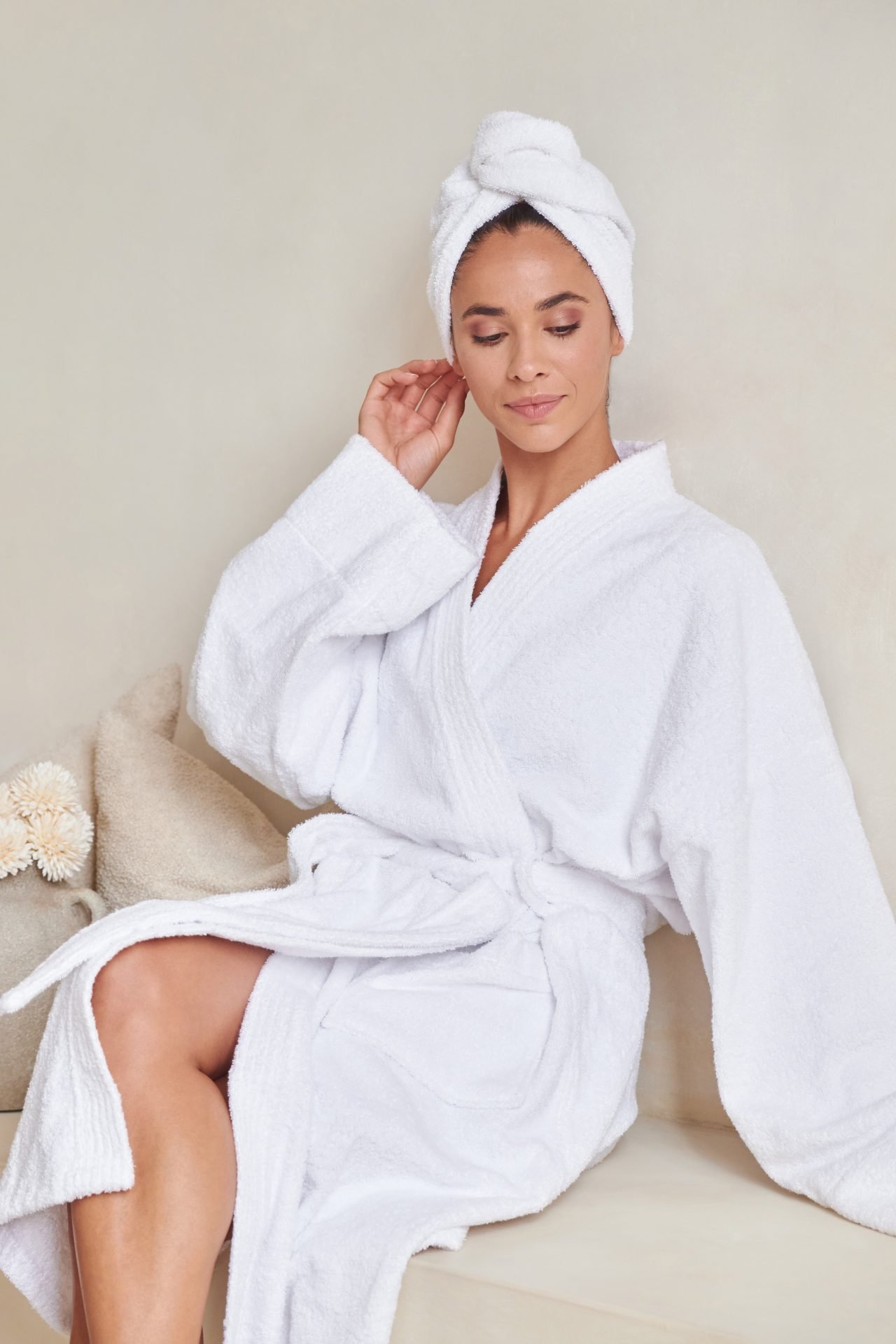
The Towel City brand embodies the perfect balance of luxury, quality, and lasting durability. Crafted with care and designed for versatility, the range brings together plush towels, elegant robes, refined sleepwear, and essential accessories in a wide array of colours and styles.
Since its establishment, the brand has become known for creating refined towelling and lifestyle essentials that combine understated luxury with enduring quality. Many of our signature towel styles have remained central to the collection from the very beginning, a reflection of their lasting durability, timeless appeal and proven performance in both commercial and personal settings.
For the hospitality market, Towel City offers far more than a simple towel range. The collection has been thoughtfully developed to support hotels, spas, golf clubs, wellness destinations and premium gifting programmes with products that feel luxurious to the end user while meeting the practical demands of busy commercial environments.
Hotels are increasingly looking for products that balance luxury, durability and value. How does Towel City ensure its towels, robes and accessories meet the demands of high-traffic hospitality environments while still delivering a premium guest experience?
We craft our products using luxurious materials that feel soft, refined and comfortable, while ensuring they have the strength and consistency needed for busy hospitality environments.
In hotels, spas and leisure settings, towels, robes and accessories are used every day, washed frequently and expected to maintain their appearance over time. That is why performance is central to the way our collection is developed. Our towels are designed with softness, absorbency and longevity in mind, offering a plush guest experience while remaining practical for commercial use. From deep-pile luxury towels to elegant robes and considered accessories, every piece is created to support both operational needs and guest satisfaction.
Towel City focuses on dependable fabrics, consistent sizing and reliable finishes, helping hospitality partners maintain a polished look across bedrooms, bathrooms, spa areas and leisure facilities. For hotels, this means products that not only feel premium on first use, but continue to perform beautifully throughout their lifecycle.
Personalisation has become an important way for hotels to reinforce their brand identity. What customisation options do you offer, and how can bespoke towels, robes and sleepwear help venues elevate the guest journey?
Personalisation is one of the most effective ways for hotels, spas and hospitality venues to create a more memorable and cohesive guest experience. At Towel City, our collection is designed as a premium blank canvas for branding, giving venues the flexibility to create bespoke towels, robes, sleepwear and accessories that reflect their identity with refinement and consistency.
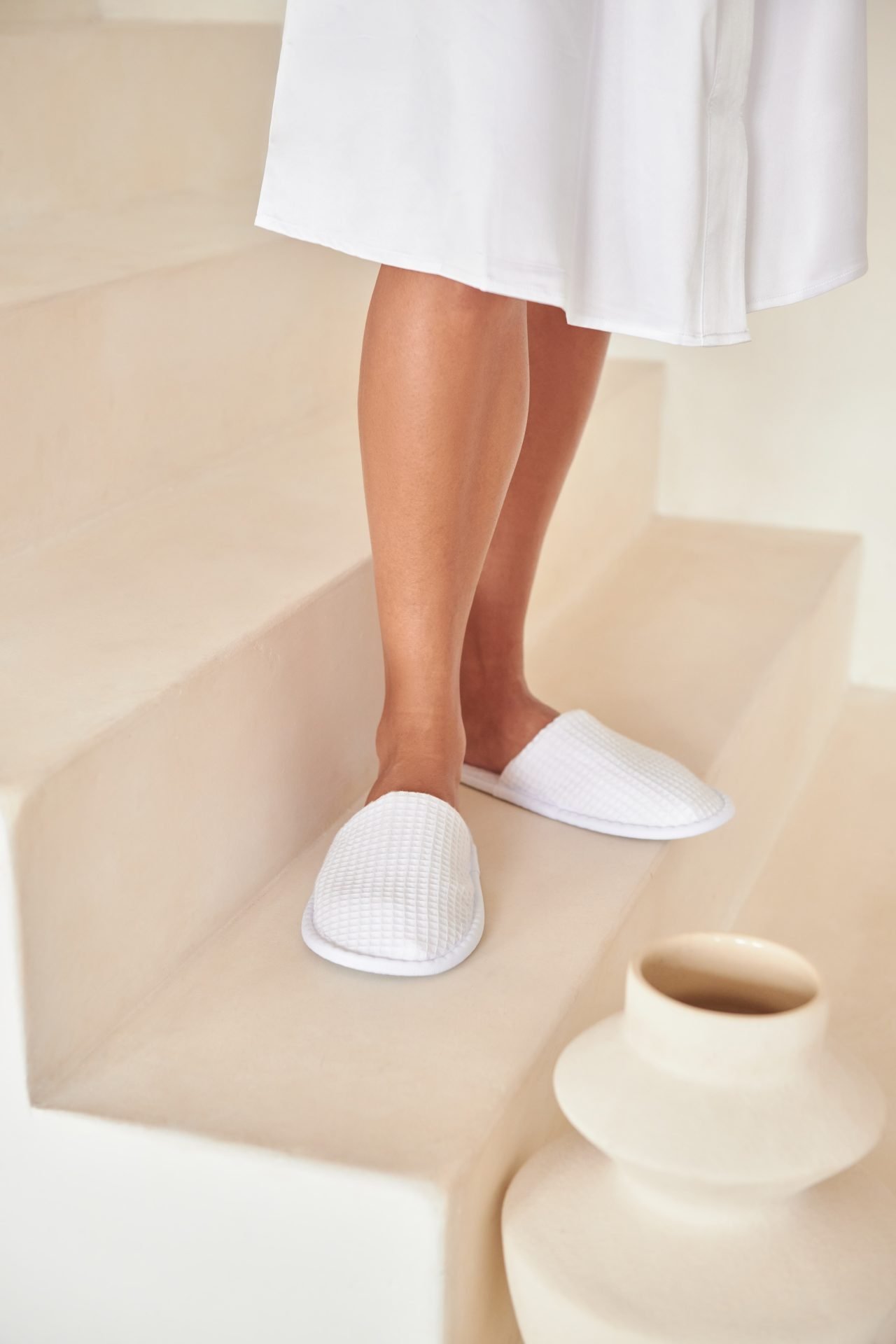
Towel City products are made for embroidery, making it simple for hospitality venues to add a premium, long-lasting brand finish across the collection. Embroidery remains especially popular for towels, robes, slippers and sleepwear, where a discreet logo, crest or monogram can transform practical items into considered brand touchpoints.
In addition, selected ranges offer further decoration opportunities. Our printable border towel range, for example, can be decorated using DTF, giving hotels, spas, golf clubs and gifting providers another way to achieve clear, high-impact branding while maintaining the quality and comfort expected from Towel City.
Sustainability continues to be a key consideration for hotel operators. How is Towel City responding to the industry's evolving environmental expectations, and what should buyers look for when sourcing textiles responsibly?
At Towel City, we are committed to ethical and responsible sourcing across our entire supply chain. We work closely with our manufacturing partners to ensure that every product we offer reflects our values, not just our quality standards.
We provide high-quality products that decorators and end-users can trust for both style and values. Our Organic Range is a clear example of this commitment. Made from certified 100% organic cotton, the range offers luxury towels with heavyweight terry fabric, a soft deep pile and excellent absorbency. It gives hospitality buyers the opportunity to choose a more considered textile option without compromising on comfort, appearance or performance.
When sourcing textiles responsibly, buyers should look beyond price alone. Fabric quality, durability, ethical credentials, wash performance and suitability for decoration should all be considered. For hotels, spas and hospitality venues, the most responsible choice is often a product that combines a premium guest experience with dependable long-term use.
Looking ahead, what trends are you seeing in hospitality textiles, and what advice would you give to hoteliers looking to refresh their housekeeping offering or invest in products that will have a lasting impact on guest satisfaction?
Looking ahead, we are seeing a clear move towards hospitality textiles that offer more than everyday practicality. Hoteliers are looking for products that feel premium, support their brand identity and deliver reliable performance over time. The focus is no longer simply on replacing towels or robes when needed, but on choosing textiles that enhance the overall guest experience.
One of the strongest trends is personalisation. Hotels, spas and resorts increasingly want towels, robes, sleepwear and accessories that feel bespoke to their setting. A beautifully embroidered robe, coordinated spa towel or branded guest gift can create a stronger sense of place and make the experience feel more considered. These small details can have a lasting impact, especially in boutique hotels, wellness destinations, golf resorts and premium suites.
Our advice to hoteliers is to view textiles as part of the guest journey, not just a housekeeping requirement. Towels, robes and accessories are among the most tactile elements of a stay, and guests notice how they feel. Refreshing these details can immediately elevate the perception of comfort, care and quality.
towelcity.co.uk
PREMIUM POWER
What Argentine wine can bring to modern hotel dining, as told by David Bonomi, Chief Winemaker, Bodega Norton.

Few wines are as closely associated with a country as Malbec is with Argentina. For many guests, it immediately evokes quality, generosity, flavour and a sense of place: the image of a great steak, a full glass of red wine, and the warmth and confidence of Argentine hospitality.
For hotels, that recognition is a major strength. A good hotel wine list has to feel premium, but not intimidating. It must offer discovery, while also giving guests wines they understand and want to order. Argentine Malbec sits naturally in that space: iconic enough to be familiar, but with enough depth and range to support a more ambitious dining experience.
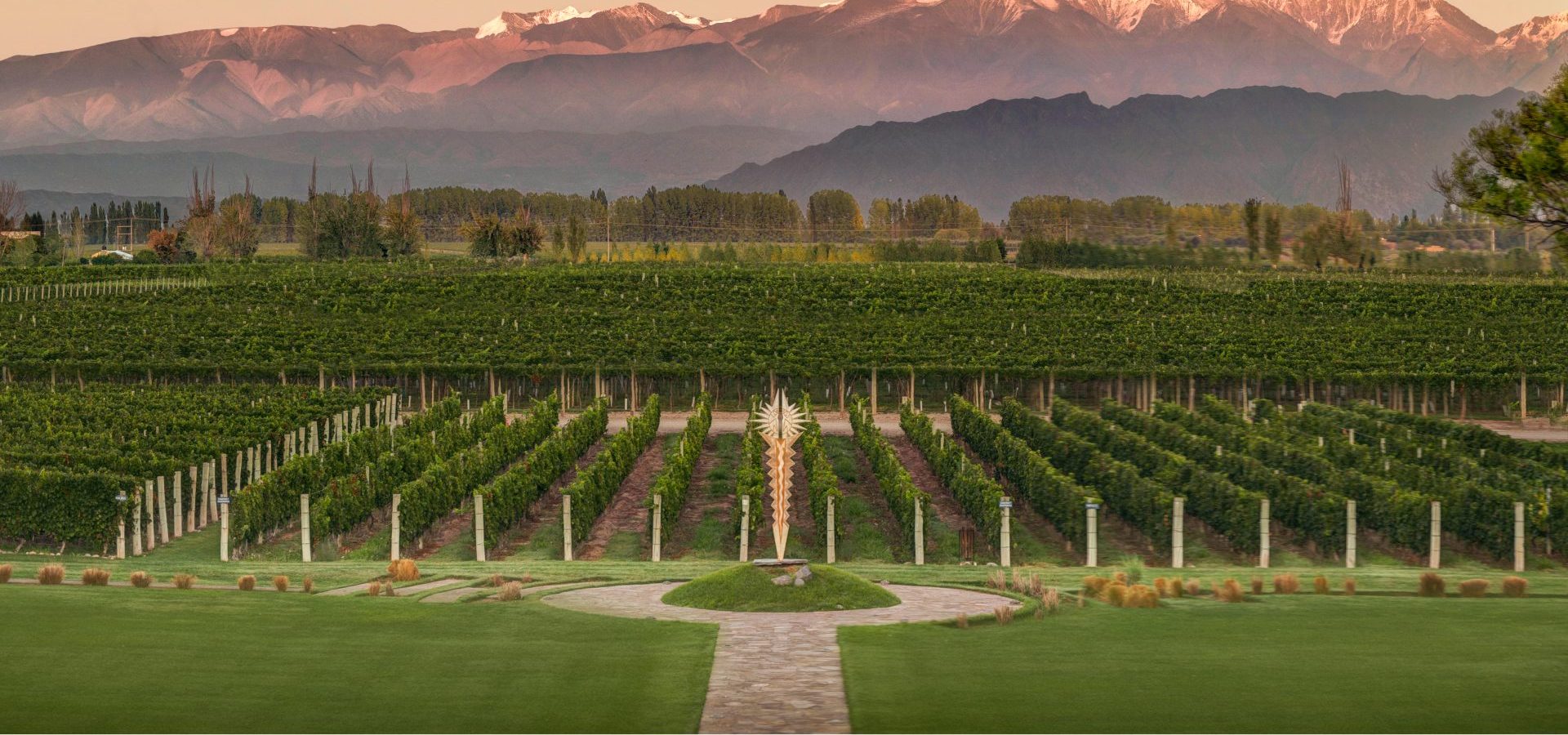
At Bodega Norton, Malbec is not simply one part of the portfolio. It is central to who we are. Norton is rooted in Luján de Cuyo, one of the historic hearts of Argentine Malbec, and has played an important role in taking the variety from a local Argentine strength to a global reference point. Founded in 1895 by English engineer Edmund Norton, the winery helped build the reputation of Mendoza wine internationally, while remaining closely connected to the place where its identity was formed.
A wine such as Norton Altura Malbec is useful here not simply as an example of a label, but as an example of what Mendoza can bring to Malbec: depth, generosity and concentration, but with polish and balance. This gives hotel teams an opportunity to present Malbec not only as a familiar favourite, but as a premium option wine rooted in a unique heritage while being emblematic of its origin.
At its best, Malbec combines the full flavour it is known for with balance, texture, freshness and elegance. It has the richness and power guests expect, but also bring structure and refinement to a serious hotel wine list.
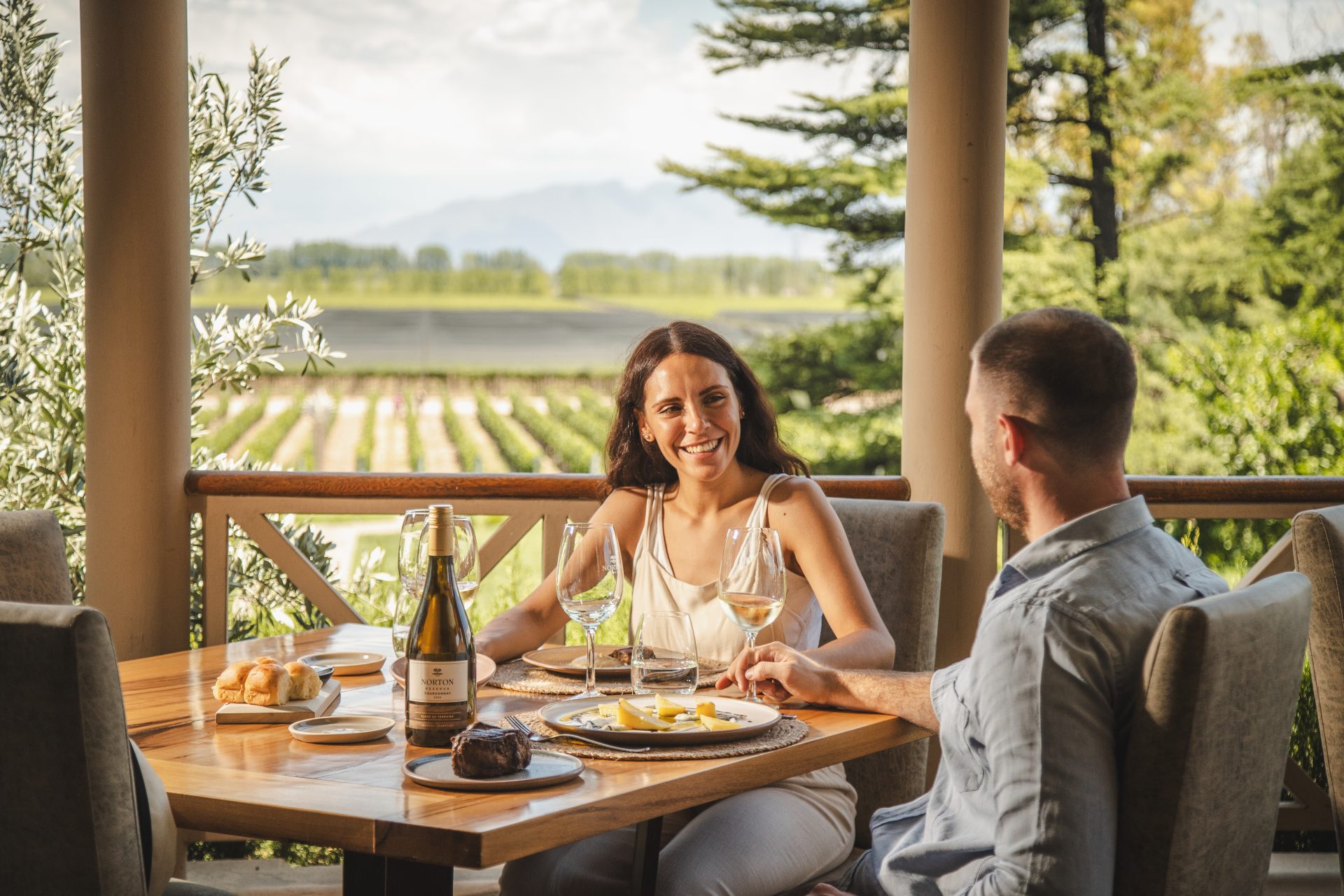
This is why it is useful for hotels to think in terms of different Malbec moments. A more accessible expression such as Norton Finca La Colonia Malbec Coleccion can give guests the generous fruit and immediate appeal they expect, while a more structured wine such as Norton Lote Agrelo Malbec can support richer dishes, special occasions and a more premium recommendation from the sommelier or F&B team. The value lies in giving staff a clear way to guide guests through the category.
The classic pairing of steak and Malbec remains one of wine’s great selling points, and hotels can benefit from embracing this. For restaurants, grills, brasseries, bars and private dining rooms, it gives staff a story that guests already understand. It is memorable, easy to communicate and commercially powerful.
But that classic association should be a starting point, not a limitation. Malbec can also work beautifully with roast lamb, duck, slow-cooked beef, mushroom dishes, charred vegetables, hard cheeses, sharing plates and richer bar menus. A softer, fruit-forward Malbec can work well in bar and casual dining settings, where the wine needs to be immediately enjoyable and versatile. A deeper, more structured Malbec can sit naturally alongside steak, lamb, duck or slow-cooked dishes in a more formal restaurant setting.
Argentine wine also gives hotels a route into broader discovery. Once guests understand Malbec, they are often more open to exploring other expressions of Argentina: different styles of Malbec, premium regional wines, and other grapes suited to lighter dining, seafood, terraces or aperitif occasions. Malbec can therefore act as both the hero and the gateway.
The same principle can apply beyond Malbec, where the portfolio allows. A wine such as Altura White Blend or Finca La Colonia Coleccion Grüner Veltliner can help open the Argentine conversation to seafood, lighter lunches, terrace dining or aperitif occasions. This can help hotels show guests a broader view of Argentina while keeping Malbec as the anchor.
For modern hotel dining, Malbec’s enduring appeal coupled with evolving guest preferences offer a great opportunity to present Argentine wine with confidence and nuance: a story guests recognise, a flavour profile they enjoy, and a premium identity rooted in one of the world’s most distinctive wine cultures.