

GOING THE DISTANCE
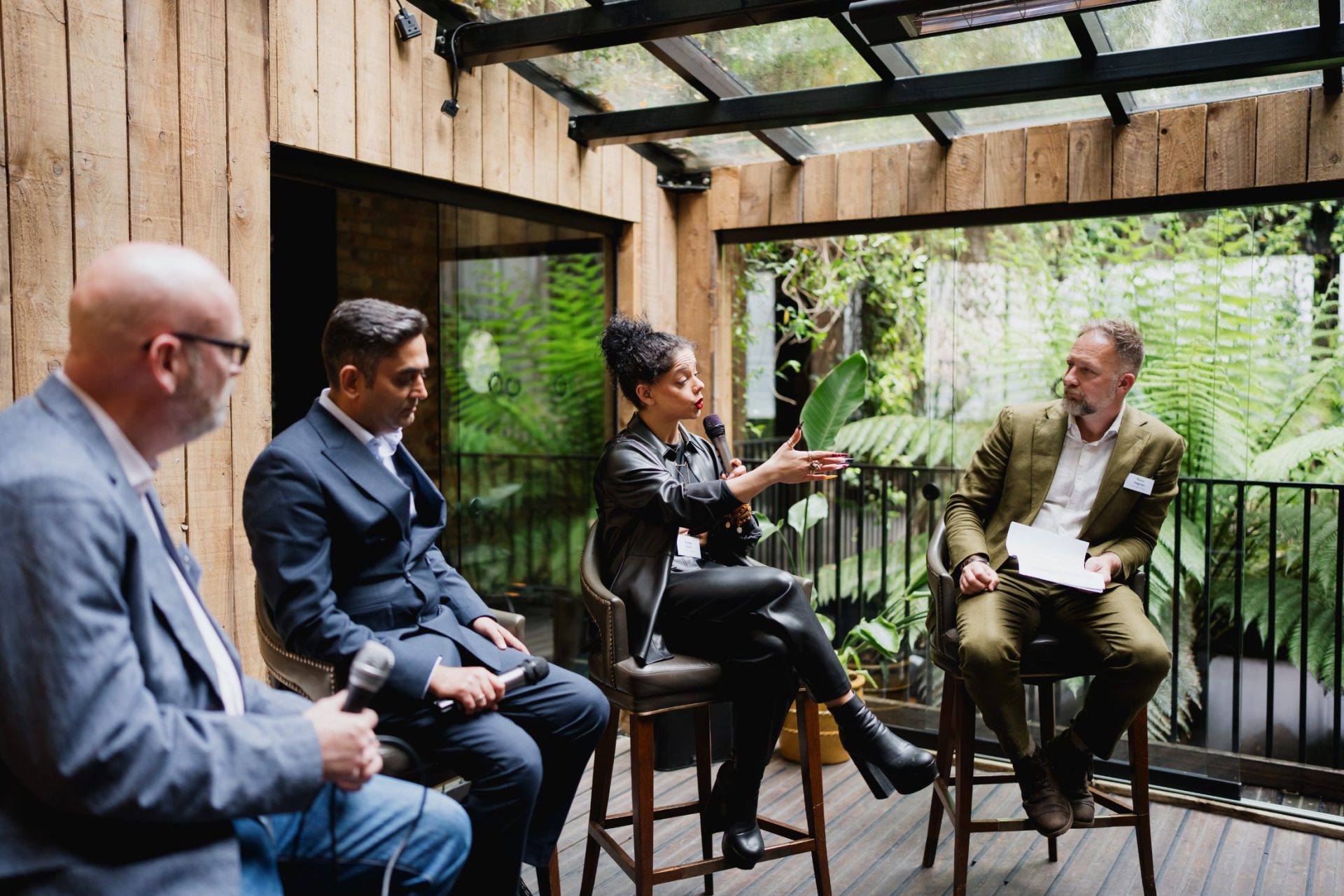
Hosted by MEWS as part of its A-Mews-Bouche: London Edition event series at The Mandrake Hotel, a panel of leading hotel general managers explored how technology is helping operators boost profitability, improve efficiency and enhance guest experiences.
From AI-powered communications to integrated tech ecosystems, the discussion revealed why success in 2026 will depend on balancing automation with authentic hospitality.
At a recent industry panel hosted at The Mandrake Hotel by Ryan Haynes, Founder of Haynes MarComs and Fractional Marketing Strategist & PR Lead, three hotel leaders came together to discuss one of hospitality's most pressing challenges: how to remain profitable in 2026 while balancing technological innovation with authentic guest experiences.
Joining Ryan on the panel were Eljesa Saciri, General Manager of The Mandrake Hotel; Michael Stevenson, General Manager of Pentahotel Reading; and Keerthy Sachavi, General Manager of The Gate Aparthotel London City - all three hotels run on Mews and its’ integration partners.
While their properties operate in very different market segments, a common theme quickly emerged: technology is no longer a luxury or future consideration, it has become essential to profitability. Yet the consensus was equally clear that technology must support, rather than replace, hospitality.
Different Hotels, Shared Challenges
Setting the scene, each panellist outlined their property's unique positioning. For Pentahotel Reading, profitability sits at the heart of every technology decision. Michael explained:
We started our technology journey from a very practical perspective. We needed to make more money and be more profitable as a hotel. Technology became another tool to help us achieve that.
Keerthy described The Gate Aparthotel's challenge of serving both short-stay and long-stay guests while maintaining a highly personalised experience.
It's a home away from home. The challenge is finding the right balance - using technology to give customers what they need while not forgetting the team, the guest and the human element around it.
he said.
Meanwhile, Eljesa outlined The Mandrake's immersive luxury proposition, where guest experience remains paramount. She explained:
Our ethos is 'Stay Beyond Yourself'. When I joined, my focus wasn't simply the bottom line. It was rebuilding the entire tech stack in a way that improved the team experience first, because that ultimately improves the guest experience.
Navigating Economic Uncertainty
Against a backdrop of changing consumer behaviour, rising operational costs and economic uncertainty, all three leaders highlighted the need for agility. Eljesa noted significant shifts in guest spending patterns over the past year.
We've seen business demand shift massively. Guests are spending differently. We're seeing expenditure move away from nightlife and towards wellness. The demand does come back and it does stabilise, but it looks different.
she said.
She stressed the importance of maintaining team confidence during periods of uncertainty.
My focus has been ensuring there's no moral panic within the team. We can all see what's happening in the wider world, but hospitality has shown time and again that it adapts.
Technology as a Profitability Tool
For Michael, technology investments are closely tied to controlling rising costs.
Payroll costs have gone through the roof. Food costs have gone through the roof. Beverage costs have gone through the roof. Ultimately, my job is to make the hotel profitable.
he said.
One of Pentahotel's key investments has been self-service technology through its property management system. Michael explained:
Historically, we'd have two receptionists working on a Tuesday night for 200 rooms. We can now operate with one receptionist and two kiosks.
The impact of rising employment costs has made such efficiencies essential.
The recent National Insurance increase added around £80,000 in additional cost to my hotel. The owners didn't say, 'That's fine.' They said, 'You need to find £80,000.'
However, both Keerthy and Eljesa were quick to emphasise that efficiency gains should create more opportunities for hospitality rather than fewer. Keerthy said:
It's not about replacing people with technology. It's about giving teams the tools to elevate the guest experience. The technology handles routine tasks so our people can focus on personal interactions.
Rebuilding the Technology Ecosystem
One of the most compelling stories came from Eljesa's first year at The Mandrake, where she undertook a complete overhaul of the hotel's technology infrastructure. She recalled:
When I arrived, nothing spoke to anything else. My whole vision was to build something cloud-based that integrates and communicates.
The transformation included replacing fragmented systems with a fully integrated ecosystem covering reservations, operations, spa bookings, point-of-sale and finance.
I wanted my team's experience to be just as seamless as the guest's experience.
Eljesa said. The result has been improved visibility, better reporting and more informed decision-making.
Being able to see what's happening across the business in real time and giving department heads access to that information at their fingertips is critical.
Winning Team Buy-In
Technology implementation is rarely just about software. Success often depends on securing team engagement. Eljesa admitted there was initial resistance from long-serving employees.
I had team members who had been here since the hotel opened. They were very comfortable with the systems they knew.
Rather than forcing change, she focused on education and trust.
I told them, use the new system for two weeks. If after two weeks you still think I've lost my mind, we'll talk. Within two weeks they understood exactly why we were making the change.
She added:
If the leader doesn't believe in the change themselves, it will fail.
The Human Side of Hospitality
Despite the enthusiasm for technology, all three panellists stressed that people remain hospitality's greatest asset. Michael highlighted ongoing recruitment challenges across the sector.
One of hospitality's biggest challenges is that people aren't used to talking to people anymore. Then suddenly they walk into a busy hotel environment and they're expected to engage with guests all day.
While younger recruits often adapt quickly to technology, developing interpersonal confidence remains crucial.
We can teach systems. The harder part is helping people become comfortable delivering hospitality.
he said.
AI and Guest Communication
Keerthy shared examples of how The Gate Aparthotel is using AI-driven guest communication tools to improve service responsiveness. Guests can scan QR codes in their rooms to report issues or request assistance, with the system automatically directing requests to the appropriate department.
If a guest reports a maintenance issue, the next person knocking on the door is the maintenance engineer. There's no relay of messages through multiple departments.
he explained.
The technology also gives management valuable operational insight.
It helps us identify recurring issues, but it also gives us guest sentiment before they leave. We don't have to wait for a review after check-out to know how someone is feeling.
Importantly, Keerthy views AI as a tool that enhances, rather than replaces, human interaction.
The team still knows exactly what's happening with the guest. They can greet them personally and follow up on issues because they already have the information.
Automation That Creates More Hospitality
The panel repeatedly returned to one central idea: automation should free employees to spend more time with guests.
At The Mandrake, Eljesa identified numerous manual processes that added little value.
We had teams manually transferring spa charges onto guest accounts. It created opportunities for human error and detracted from the guest experience.
By automating these tasks, employees can focus on creating memorable moments.
The reason guests choose us is because of the experience we provide. That's where our team's energy should be focused.
she said.
As the discussion concluded, a clear picture emerged of what successful hospitality operations will look like in 2026. This shift echoes wider debates about the rise of the tech GM and whether hotel leadership is due a reset.
Hotels will continue to invest in automation, AI and integrated technology platforms. However, the goal is not to remove people from the equation. Instead, technology should eliminate repetitive tasks, improve operational visibility and give teams more time to do what hospitality has always been about: creating meaningful experiences.
As Keerthy succinctly summarised:
Technology gives us the information and the tools. People create the experience. The magic happens when you get the balance right.

IN THE HOT SEAT: JOSH LITTMAN
As Langham Hospitality Group accelerates its expansion across Europe, the Middle East and Africa, newly appointed Head of Development – EMEA Josh Littman shares his vision for growth, the opportunities shaping the region, and why the Group's heritage gives it a distinctive edge in today's competitive luxury hospitality market.
Fresh into his role as Head of Development – EMEA, Josh Littman is tasked with accelerating Langham Hospitality Group's growth across one of the world's most dynamic hospitality markets. With landmark projects already underway in Venice and Diriyah, and ambitions spanning Europe, the Middle East and Africa, he joins the business at a pivotal moment. For Josh, the opportunity was impossible to ignore.
I've always been a fan of The Langham Hotels & Resorts brand, which, for me, is the epitome of timeless luxury and British heritage hospitality. The Langham brand was born in London 160 years ago, and there is plenty of room to grow our footprint across the region.
said Josh.
That heritage, combined with significant white space for expansion, was a major draw.
We're already making great progress in Europe and the Middle East, with both The Langham Venice and The Langham, Diriyah well underway. In Africa, I see some fantastic opportunities across our brand spectrum in a number of the key international markets.
he explained.
He believes Langham Hospitality Group occupies a distinctive position in today's luxury hospitality landscape.
With so much saturation in many markets amongst our luxury peers, we have the unique proposition of being able to deliver a new, but familiar face. I'm thrilled to play a part in sculpting the group's next chapter of growth.
Josh said.
Over the next five years, the Group's ambitions are firmly focused on strategic growth across EMEA, with the Gulf Cooperation Council (GCC) standing out as a priority market.
I see plenty of growth opportunities in the GCC for Langham Hospitality Group, both in urban hotel development and in resorts. Not too far away, the Red Sea also offers interesting opportunities, alongside Jeddah and Mecca.
said Josh.
Europe also represents a significant opportunity for the business to build on its historic roots.
We were founded in London, and so European development is a key priority of ours going forward. Whilst we want to be in the key capital and gateway cities, we are also hungry to expand our resort presence, and southern Europe has seen significant activity in the industry over the past few years - a trend we are keen to capitalise on.
he said.
One area where Josh sees particular momentum is branded residences, a sector that continues to attract both developers and investors.
The Group is heavily invested in branded residences, and we are in a unique position to succeed in this area. Developers want proof of concept, and we have 160 years of legacy and brand trust under our belts.
he explained.
That combination of established heritage and a relatively limited regional footprint creates a fascinating proposition.
Whilst other groups may have already entered the GCC, our early-stage growth in the region gives us an edge. From an investor or developer standpoint, that recognition and lighter footprint translates into trust and opportunity that helps us stand out as an exciting new option in this space.
Josh said.
Langham's residential offering, he adds, is about much more than luxury real estate.
Our Residence philosophy mirrors that of The Langham Hotels and Resorts - elegance in design, innovation in hospitality, genuine service and sensory appeal. Owners have access to the services and amenities provided by our hotels while investing in The Langham lifestyle.
he said.
Josh's approach to development has been shaped by a career spanning advisory, financing, feasibility and hotel operations, giving him a broad commercial perspective when negotiating new partnerships.
I've had the privilege of working across a mix of hotel groups, from smaller, independent platforms to larger, publicly listed companies. Each situation brought me into contact with different people, situations and objectives.
he said.
Those experiences have reinforced one lesson above all others.
I think the most relevant lesson is understanding what the person sitting across from you wants. Once you understand that, you're better able to focus on what is relevant when entering new relationships and pursuing new deals.
Josh explained.
Looking ahead, his ambitions for Langham Hospitality Group are clear and measurable -
Success for me would be us signing 10–15 deals over the next four to five years across all our brands, but The Langham and Eaton in particular. I'd love to see us plant a few flags in major global cities and one or two iconic resort destinations.
he said.
Despite now operating at the highest levels of hotel development, Josh remains grounded by the operational experience that launched his career.
Any job you do in the business is a learning opportunity. With every new experience you gain, you become better equipped to understand various situations in the future and add more value as a professional.
he reflected.
Starting in hotel operations, he said, continues to influence every commercial decision he makes.
Understanding the hotel experience through a guest's perspective and through the eyes of hotel staff provides a great perspective when making commercial decisions.
Josh said.
To this day, I recall my time rotating through housekeeping and learning how critical the proper functioning of that department is, and how important a role its people play in the delivery of service and overall guest experience.
As Langham Hospitality Group embarks on its next phase of growth across EMEA, Josh Littman is bringing together commercial expertise, operational understanding and a deep appreciation for the Group's heritage. With an ambitious development pipeline and a clear vision for expansion, his focus is firmly on ensuring Langham's next chapter is every bit as enduring as its first.
RAISING THE PROFILE
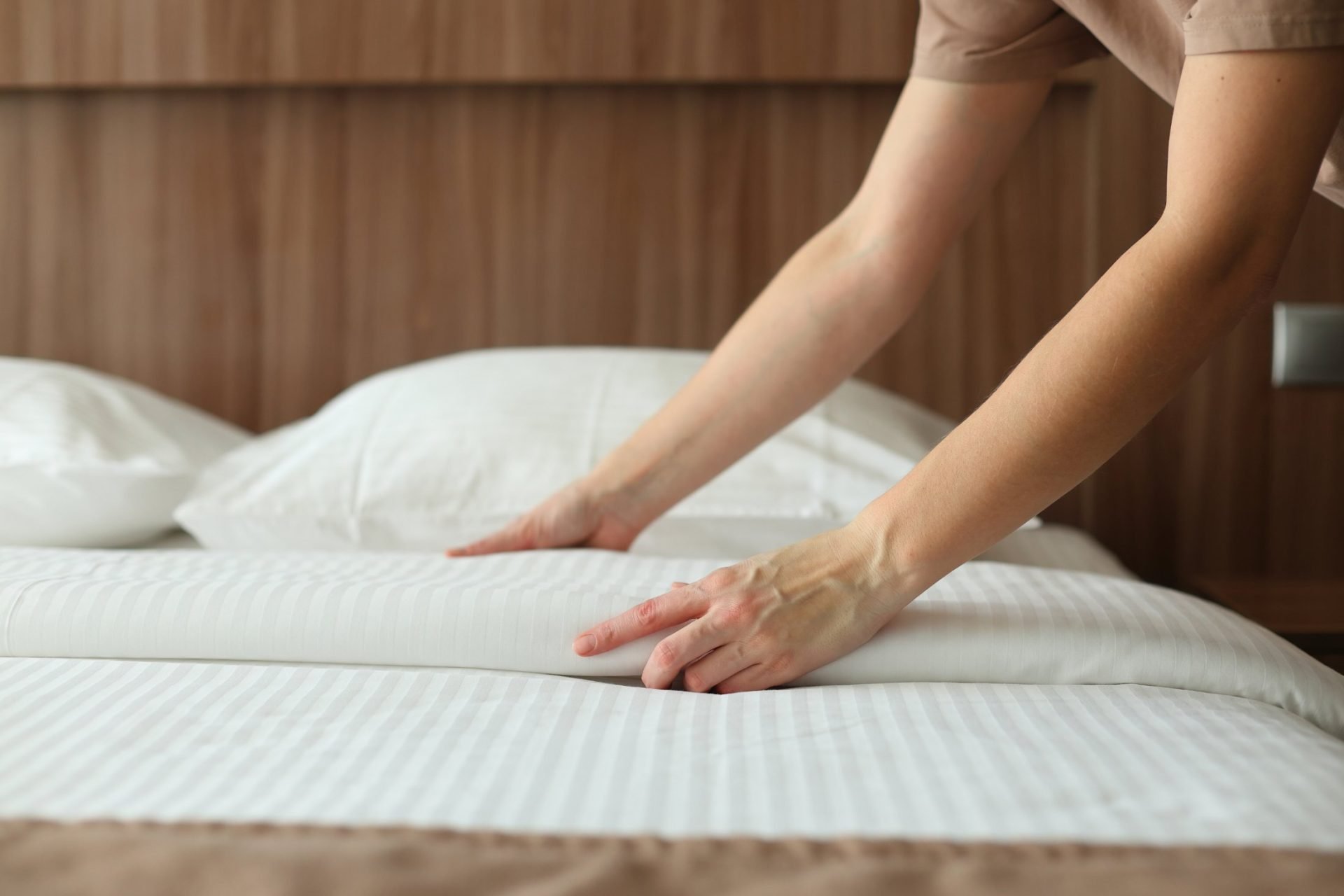
From supporting his family in Cape Town to leading the housekeeping team at the Union Jack Club in London, Kyle Clarke's career has been built on resilience, hard work and a people-first approach. He shares the leadership lessons, operational insights and vision for the future that are helping to redefine the role of housekeeping in modern hospitality.
Could you share your journey to becoming Head of Housekeeping, and the key experiences that shaped your leadership style?
My journey has taken me across the hospitality and cleaning industries. I began working in hotels, offices, private residences, and shopping malls, where I learned the importance of discipline, attention to detail, and consistency. I later progressed into a managerial role at the Victoria & Alfred Waterfront in Cape Town, overseeing a large operational area and managing a sizeable team. This strengthened my leadership skills and reinforced the value of communication, teamwork, and leading by example.
I then moved to the United States and spent seven years working on the travelling fair circuit, leading teams through set-ups, operations, and teardowns for major state fairs. The role taught me to adapt quickly, perform under pressure, and manage diverse teams in fast-paced environments.
I arrived in the UK near the end of COVID and joined the Union Jack Club as a room attendant. Within five months, I progressed from room attendant to Housekeeping Manager, reinforcing my belief that hard work, resilience, and dedication create opportunities.
These experiences have shaped a leadership style built on communication, support, and listening. I maintain an open-door policy, encourage staff feedback, and involve team members in decisions because those closest to the operation often have the most practical solutions.
What are some lesser-known tips or efficiencies you've discovered that maintain high standards while keeping your team motivated?
One of the most effective strategies is involving team members in decisions that affect their work. Housekeepers and supervisors often identify practical improvements that managers may overlook. Their input improves efficiency while giving them a sense of ownership and pride.
Recognition is also a powerful motivator. Acknowledging hard work, celebrating achievements, and supporting staff development helps maintain morale and create a positive team culture. Above all, communication is key. Listening to concerns, understanding challenges, and offering support builds trust and helps people feel valued.
How has technology changed housekeeping in recent years? Are there any tools you now consider indispensable?
Technology has transformed housekeeping. Paper checklists and radio communication have largely been replaced by digital systems and real-time communication tools.
These technologies provide instant room updates, track cleaning progress, improve communication between departments, and help teams respond more efficiently to guest requests. Housekeeping management systems and real-time communication platforms have become indispensable, improving accountability, coordination, and productivity while helping hotels meet rising guest expectations.
What advice would you offer someone aspiring to a long-term career in hotel housekeeping or hospitality management?
My advice is simple: don't give up. Housekeeping is demanding but incredibly rewarding. Success comes through consistency, reliability, and a willingness to learn.
Start by understanding every aspect of the operation. Hands-on experience provides invaluable knowledge as you move into leadership. Stay open to feedback, seek opportunities to develop, and maintain a positive attitude.
One of the most rewarding aspects of leadership is seeing others grow. I've had the privilege of watching team members progress from entry-level roles, some with little or no English, into confident supervisors and managers.
With ongoing staffing challenges and shifting guest expectations, what strategies have you found effective in maintaining service quality and team morale?
Maintaining service quality requires strong communication, flexibility, and teamwork. Creating an environment where staff feel supported is especially important during busy periods.
Listening to concerns, encouraging feedback, and leading by example help build trust and identify solutions early. Recognition also plays an important role. Celebrating achievements and providing opportunities for growth keeps teams motivated, while involving staff in operational decisions strengthens ownership of service standards.
What would you like to see evolve in hotel housekeeping over the next 1–3 years?
I'd like to see housekeeping receive greater recognition within hotel leadership, with a stronger voice in strategic decision-making. Housekeeping plays a vital role in guest satisfaction and hotel operations, yet it's often underrepresented. This reflects a wider housekeeping's new challenge facing the industry.
I'd also like to see more young people view housekeeping as a genuine long-term career rather than simply cleaning. The profession offers significant opportunities for development, leadership, and progression. Housekeeping is at the heart of every successful hotel, and its contribution deserves far greater recognition across the industry.
A NEW ERA OF HOSPITALITY
Transforming the historic Granada TV Studios into its largest and most ambitious property to date, Mollie’s Manchester brings the brand’s signature value-luxe proposition to the city centre. Blending heritage-led design, technology-driven operations, sustainability and a strong sense of place, the 128-room hotel features as August’s Hotel of the Month.
Few hotel openings in recent years have generated as much industry interest as Mollie’s Manchester. The third property from the fast-growing motel, bar and diner brand marks a significant milestone in the company’s evolution, bringing its distinctive value-luxe concept from roadside locations into the heart of one of the UK’s most dynamic cities.
Opened in March 2026, Mollie’s Manchester occupies the iconic former Granada TV Studios on Quay Street, a landmark building that has long been woven into the cultural fabric of the city. The ambitious transformation of the 100,000 sq ft site represents the brand’s largest project to date and demonstrates how adaptive reuse, technology and strong design identity can combine to create a compelling hospitality proposition.
Since launching its first properties in Oxfordshire and Bristol, Mollie’s has built a reputation for delivering design-led accommodation at accessible price points. Manchester takes that formula into a city-centre environment while retaining the brand’s core philosophy: stylish without being exclusive, technology-driven without losing its sense of hospitality, and premium in feel without commanding premium prices.
The hotel offers 128 guestrooms across five floors, with rates starting from £139. Importantly, the accommodation strategy reflects changing guest expectations around flexibility and choice. Alongside classic doubles, twins and bunk rooms, guests can opt for larger Comfy Rooms, Studios and suites that introduce increasingly residential elements such as lounge spaces, kitchenettes, cocktail stations, walk-in wardrobes and freestanding bathtubs. Selected suites even feature Peloton bikes, highlighting the growing demand for personalised wellness and lifestyle amenities within guestrooms.
Design plays a central role throughout the property. Working within the framework of the Grade II-listed former television studios, Mollie’s has preserved the building’s striking modernist façade while reimagining the interiors for contemporary travellers. Dark wood panelling, terrazzo surfaces, aged brass finishes and carefully curated artwork create a sophisticated aesthetic that acknowledges the building’s heritage while remaining unmistakably modern.
The project also demonstrates how hospitality brands can successfully leverage local culture to create a genuine sense of place. Rather than imposing a standardised design template, Mollie’s has collaborated with Manchester-based artists and creatives, with a collection curated by Gemma Rolls-Bentley celebrating the city’s resilience, creativity and connection to the landscapes of the North. The result is a hotel that feels intrinsically linked to its location rather than simply situated within it.
For hoteliers, the operational approach behind the property may be just as interesting as the design story. Technology remains a cornerstone of the Mollie’s model, building on a reputation that earned the company industry recognition for innovation. Guests benefit from seamless digital experiences, while behind the scenes the brand continues to explore efficiencies that support both service delivery and sustainability.
One example is the decision to replace traditional in-room kettles with centrally located hot water stations. While seemingly small, the move reflects a broader commitment to reducing energy consumption and operational waste. As a certified B Corp with an industry-leading score of 95.8, sustainability is embedded into the company’s decision-making process rather than treated as a standalone initiative.
Public spaces have also been carefully considered to maximise both guest engagement and local relevance. The ground floor diner reinterprets the classic Mollie’s concept for an urban audience, combining retro-American influences with references to the building’s mid-century origins. Alongside the restaurant sits a flexible lounge-lobby environment that functions as a social hub, co-working space and casual meeting venue throughout the day.
The property’s food, beverage and entertainment offer is further enhanced by Studio IV, a live music and cocktail venue located within the building. Given Granada Studios’ rich musical heritage – including hosting early television appearances by both The Beatles and the Sex Pistols – the concept feels particularly authentic. By incorporating live entertainment and creating opportunities for local talent, Mollie’s strengthens its connection to the city while broadening its appeal beyond overnight guests.
Additional facilities include a comprehensive wellness offering, with a gym featuring free weights, studio space, steam room and sauna, reflecting continued consumer demand for high-quality fitness amenities.
For the wider hospitality sector, Mollie’s Manchester represents more than just another hotel opening. It is a case study in how brands can successfully evolve established concepts, repurpose heritage assets and create meaningful connections with local communities. By balancing affordability, design quality, operational innovation and cultural relevance, Mollie’s has delivered a city-centre hotel that feels both commercially astute and distinctly memorable.
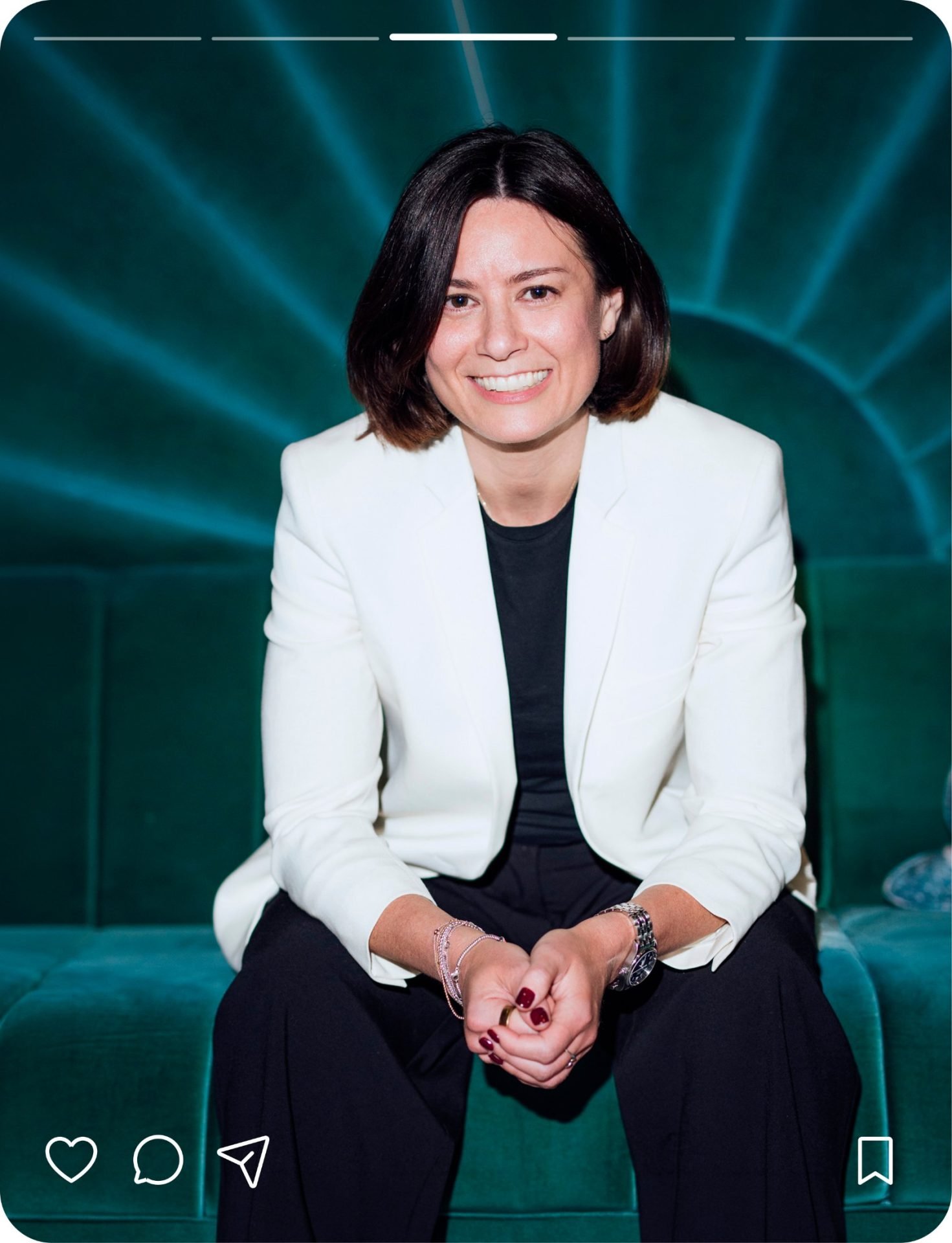
SOCIAL THAT SELLS
Hospitality invests more than ever in social media. A new senior programme sets out to connect spend with business outcomes, say hello to the executive summit for social that drives business results.
Ask a hotel marketing director what social media costs each year, and most can give you a figure. Ask what it earns, and the room goes quiet.
This is hospitality's quiet inefficiency. We pour real money and creative effort into social. We staff it, brief agencies, commission creators, run paid campaigns, manage communities and produce content. Yet the activity is still measured in likes and reach, while the business is measured in occupancy, RevPAR, direct bookings and loyalty. The two rarely meet.
It is not a talent problem. It is a systems problem. Social has been treated as brand and awareness for so long that few teams have built it as a commercial channel, with clear objectives, a funnel and a line back to revenue. Fewer still can explain its contribution in terms leadership recognises. When budgets tighten, the channel no one can defend is the first one cut.
That gap is what the Hospitality Social Media Summit is built to close.
Taking place on 3 and 4 September 2026 at Chicago Booth Business School in London, with delegates also able to join online, it is a two-day, senior-level programme dedicated entirely to hospitality social media. It is built for execution. Over the two days, marketing and social leaders build the actual work, strategy frameworks, campaign blueprints, measurement models and reusable toolkits, mapped to their own properties and commercial goals, and leave ready to put it to work.
The format matches the ambition. Live sessions run alongside an interactive digital layer, and the learning continues beyond the two days through a digital hub and AI simulators that let teams practise the frameworks and pressure-test them against their own properties.
The programme is co-produced with Whitney Reynolds, former Global Director of Social Marketing at IHG and Kimpton, who spent twelve years leading global social strategy across InterContinental brands and built Kimpton's celebrated social presence from the ground up. She leads the Day One strategic masterclass.
She said:
The best hospitality social strategies don't just create engagement, they drive business results. Throughout my career, I've seen the difference a clear, intentional strategy can make: stronger brand positioning, increased direct bookings, more meaningful guest loyalty, and a social function that's contributing to real commercial growth. This Summit was built to help teams make that shift. Attendees can expect practical frameworks, actionable tools, and a more strategic lens on the hard work they do, so they leave not only inspired, but equipped to deliver measurable impact back at their hotels.
That shift, from a channel judged on activity to one built and run for outcomes, is one the summit's faculty are pushing too, among them Ben Lilly, Founder and CEO of Giant Leap Digital, an award-winning luxury consultancy in London whose clients include Chenot and Corinthia Hotels. He frames it as a change in what success even means. He said:
Social media has evolved from a brand awareness channel into one of hospitality's most influential commercial drivers. For luxury brands, success is no longer about creating beautiful content, it's about building measurable guest relationships while protecting brand equity across every touchpoint.
Day Two moves into practical labs, each led by a hospitality social leader who has run this work at scale, among them Santiago García Solimei, former Global Director of Social Media and Brands PR at Meliá Hotels, and Laura Ferrari, former Director of Social Media EAME at Hyatt. The labs are where the commercial channel gets built: paid social that drives direct bookings, creator partnerships teams can attribute, content systems tied to business goals, and reporting that helps social teams walk into leadership meetings with evidence, not anecdotes.
They also tackle harder problems. On reaching international guests, Ferrari is blunt:
Most hotel brands targeting international travellers too often are spending budget in the right markets with the wrong message, on the wrong platforms, for the wrong emotional reason. In this session we're giving teams a framework to fix all three before the next campaign goes out.
Further labs cover AI adoption in social workflows, legal and compliance, video, and social care and reputation. Each ends with something built and ready to use.
What makes it work is the room. One vertical, one theme, so every session tackles real hotel scenarios. The delegates own or shape social and content budgets, so the peer benchmarking is real.
The teams that build social into a commercial channel first will be the ones whose budgets survive and grow, because they can connect it to the goals leadership cares about. That gap has gone unaddressed for too long. This is where that starts to change.
The Hospitality Social Media Summit takes place on 3 and 4 September 2026 at Chicago Booth Business School, London. Details and registration at hospitalitysocialsummit.com.
THE NEW STANDARD
By the time these words reach you, the HMA Hotel Marketing Awards will be a couple of months behind us.
The room at June's ceremony has long since emptied, and the industry has moved on to the busy heart of the summer. A bit of distance is no bad thing, though. It lets the noise of a single evening settle into something more useful, which is a clearer sense of what the year's best work was actually telling us.
And what it was telling us, more than anything, is that hotel marketing is being taken seriously. The campaigns the judges rewarded this year shared one quality. They could show their workings. Brand personality mattered, but so did commercial attribution, and the winners tended to have both. Barons Eden, for instance, took Social Media Campaign of the Year for The Perfect Blackout, an in-house answer to Black Friday that turned the usual scramble for discounts on its head and sold calm instead of urgency. It was a confident piece of contrarian thinking, and it worked because it knew exactly who it was speaking to.
Horwood House carried off the headline Creative Excellence Award for The Butterfly Resort, a campaign that did a great deal on a modest budget. Focused on the decline in British butterflies and providing a powerful visual, by tying itself to a national conservation effort, it earned national press and television coverage while also quietly serving harder commercial goals across its local and corporate markets. It’s a reminder that the size of the spend rarely decides the size of the idea.
Then there’s the question the whole sector is wrestling with. Corinthia Hotels won Innovative Use of AI in Marketing for a project built around distinct AI content agents, and what stood out in its entry was the restraint. This was not technology for its own sake. It was AI put to work in service of a guest story, which is the only version of that conversation worth having.
Elsewhere the spread of winners said something in itself. The Newman in Fitzrovia took Best Website, while The Grove's Hawksmoor in the Woods landed Best Partnership Marketing, proof that craft and clever collaboration still carry as much weight as any emerging technology.
The night was not only about campaigns. London Hilton on Park Lane was named Best Hotel Marketing Team for the agile, data-led leadership that large corporate brands cannot fake, while May Facey of Marriott International took Rising Star, a category that always feels like the most important one in the room. The talent coming through decides whether any of this is sustainable, and on this evidence the next generation is in good order.
What ties it all together is a shift that’s been building for a while. For years marketing was the department you turned to once the strategy had been settled elsewhere. That’s now changed. The work celebrated in June sat at the centre of how these businesses think rather than at the edge of it, and the commercial results followed.
There’s a reason associations like ours keep putting on evenings like this. In a sector that runs on long hours and thin margins, it’s easy to push straight past the wins and onto the next problem. Awards force a pause. They give the people who did the work a moment to be seen, and they hand the rest of us a benchmark to aim at.
So as the August diary fills and attention turns back to occupancy and the autumn pipeline, it’s worth holding onto what the class of 2026 showed. Case studies of the winning entries can be found on the Hotel Marketing Association website (https://www.hotelmarketingassociation.com/awards-2026) and I’d urge you to take a look. Good hotel marketing is no longer decoration. Done properly, with a clear idea and the numbers to back it up, it’s among the sharpest commercial tools a hospitality business has. The winners proved it. The rest of us would do well to take note.
Jane Pendlebury is CEO of HOSPA – the Hospitality Professionals Association.
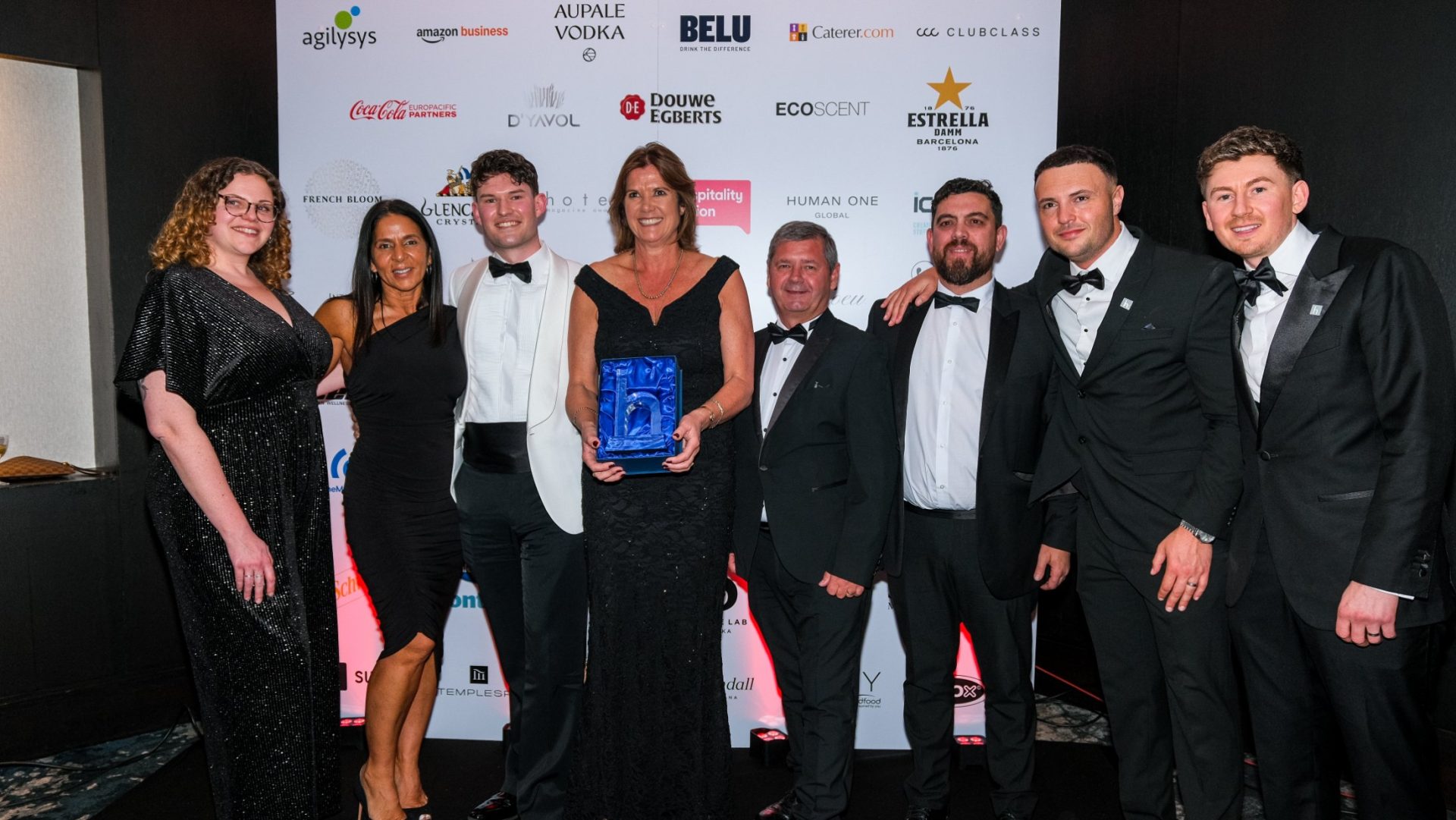
HOTEL OF THE YEAR
Fresh from being crowned Hotel of the Year at the 2026 Hotel Magazine Awards, Royal Lancaster London is celebrating the power of a people-first culture that has driven exceptional guest satisfaction and industry recognition. General Manager Sally Beck reflects on the win and her vision for maintaining momentum in an ever-evolving hospitality landscape.
Winning at this year’s Hotel Magazine Awards is a major achievement - what do you think set your property apart from the competition?
I think it was the consistent high level of exceptional guest feedback. Our hotel value is ‘We Always Care’ which is not a tag line for us, it is a way of life in our hotel. Every team member knows that they are empowered to make the guest happy and it is their responsibility to show the care so that whatever needs to happen, happens. We consistently sit at number 1 or 2 on TripAdvisor, which, for such a large hotel is unbelievable. The team also show our ‘We Always Care’ values to each other as well. We have 320 full time team members and 42 nationalities, which means that there are a lot of cultures, languages and thought processes to navigate in any one day. Everyone needs to be kind to each other and supportive to ensure that everyone is appreciated for their part in the service delivery. I think this culture has gone a long way to helping us win the Best Hotel award.
What does it mean to you, personally, to have scooped the win amidst such tough levels of competition?
I am immensely proud that the leadership style that we have in our hotel has made such a difference. Competition is always tough in London, no more so when we have such amazing new hotels entering the market place. For me, the fact that we have such a low staff turnover of around 20% a year, means we can keep a team and by keeping a team we can build strong trusting relationships that work together and support each other. I have always wanted to run the happiest hotel in London, and this award means such a lot, not only to me, but to all of us in our Royal Lancaster family.
Awards often reflect past performance - how are you planning to build on this momentum moving forward?
We will keep moving forward with even more positivity. We would like to add to our hotel in terms of facilities and have lots of opportunity on our 19th floor for development, as well as our Park Restaurant food concept - food innovation is an exciting prospect for us. We don’t like to rest on our laurels, so this award gives us even more confidence to keep driving forward to the next level and beyond.
What would you say to anyone thinking of applying next year?
Take the time to reflect on what you do and also what you stand for. Think about the wins that you have had and the team that have achieved it and go for it! Don’t forget to make sure you include actual results within your application to illustrate your achievements. Finally, good luck, you won’t regret it!
REMOVING THE FRICTION
As guest expectations continue to evolve, the most memorable hotel experiences are often shaped by what guests don’t have to do. By replacing outdated processes with seamless alternatives, hotels can reduce friction, improve satisfaction and create a more intuitive stay. Here are five simple swaps that modern guests increasingly value.
Swap Reception Queues for Mobile Check-In
After a long journey, few guests want to stand in line at reception completing paperwork. Mobile check-in allows guests to confirm details, provide identification and receive room access before they even arrive. By reducing wait times and giving guests greater control over their arrival experience, hotels can create a positive first impression while freeing staff to focus on personalised interactions rather than administrative tasks.
Swap Plastic Key Cards for Digital Room Access
Physical key cards are easy to lose, demagnetise or leave behind. Digital room keys delivered through a hotel app provide a convenient alternative that many guests already use in their daily lives. Beyond convenience, digital access can improve sustainability efforts by reducing plastic waste and lowering replacement costs. Guests appreciate the simplicity of accessing their room directly from their smartphone without needing to visit the front desk.
Swap In-Room Directories for Digital Guest Information
Traditional printed directories often become outdated and require frequent replacement. A digital guest guide accessible via QR code, mobile app or in-room tablet provides instant access to hotel information, dining menus, local recommendations and service requests. Guests benefit from real-time information, while hotels gain the flexibility to update content immediately - the result is a more relevant and user-friendly source of information throughout the stay.
Swap Phone Calls for Messaging-Based Service Requests
Many guests, particularly younger travellers, prefer messaging over making phone calls. Offering service requests through text, app-based chat or messaging platforms allows guests to communicate quickly and discreetly. Whether requesting extra towels, booking a restaurant table or arranging a late checkout, messaging creates a more convenient interaction channel while providing hotels with a documented service history that can improve response times and accountability.
Swap Fixed Service Models for Personalised Choice
Modern guests increasingly value flexibility over standardisation. Allowing guests to choose housekeeping schedules, select room preferences, customise amenities or tailor dining options creates a sense of control that enhances satisfaction. Personalisation does not necessarily require luxury-level investment. Even small choices can make guests feel recognised as individuals rather than room numbers, contributing to stronger loyalty and more positive reviews.
FROM REACTIVE TO PREDICTIVE
With the help of industry experts, we explore how AI is reshaping hotel facilities management.
From intelligent maintenance scheduling to real-time building monitoring, artificial intelligence is transforming the way hotels manage their facilities. Moving beyond traditional reactive maintenance, AI-powered systems are enabling operators to predict equipment failures, optimise energy consumption, streamline housekeeping operations and enhance the guest experience - all while reducing costs and improving sustainability.
In this feature, we explore how AI and smart technologies are reshaping hotel facilities management, the opportunities they present for hotel owners and operators, and what the future holds as predictive, data-driven operations become the new industry standard.
Apaleo, the API-first property management platform, has developed a new AI agent for room allocation with European hotel group Cocoon Hotels and Eckelmann Hotels. The AI agent has slashed the hotel’s room assignment process, a largely manual task, from up to 45 minutes per property per day to around one minute.
The AI agent is live at Cocoon Hotel Munich Hauptbahnhof, a 103-room property with eight room categories and a high degree of room-level complexity. There, the agent, which runs on Apaleo’s platform, reads guest comments, identifies details relevant to room allocation and assigns rooms based on guest preferences, group requirements and operational priorities. The result is faster task completion and a more consistent output.
Room allocation had become a significant operational pain point for Cocoon Hotel. Before the AI agent was deployed, staff had to review every booking manually for room allocation-related details, a particular challenge for OTA reservations, which often contained large volumes of irrelevant information, such as credit card details or general booking notes.
Guest preferences, group booking requirements and other relevant details had to be extracted and matched to the right room, manually, one by one. With multiple room categories and room-level variables to consider, the process had become too complex to manage.
Cocoon Hotel’s Room Allocation AI Agent went from concept to live operations in under three weeks, a great example of a practical AI agent co-created by a hotelier and its tech partner around a specific use case.
Following the successful launch at Cocoon Hotel Munich Hauptbahnhof, the AI agent will be rolled out across the entire portfolio of Cocoon Hotels and Eckelmann Hotels by the end of May, covering 10 properties and more than 700 rooms.
Harald Witulski, Managing Director of Cocoon Hotels, said:
AI is on everyone’s mind, but in terms of practical, daily hotel operations, it’s often still difficult to grasp. With our partner Apaleo, we co-created a practical Room Allocation AI Agent to solve a specific challenge in our operations where no off-the-shelf solution currently exists. We’re seeing a task that would take us 45 minutes per day per property reduced to just one minute. The impact on efficiency is real, and it’s a win-win situation for our guests and employees.
Predictive maintenance and AI building management have traditionally been associated with luxury hotels. So, what is driving adoption across the wider market, and why are these technologies becoming essential rather than optional?
Cole Rubin, CEO and Co-Founder of Conduit, believes it is because two things changed - the cost of the technology collapsed, and the cost of getting it wrong went up.
Predictive maintenance used to mean expensive sensors and custom integrations that only a five-star flagship could justify,
he said.
Now most of the signal already exists in systems hotels already run, and AI can read it. At the same time, labour is short and margins are tight, so you can't afford to staff your way out of problems anymore. And a guest doesn't grade you on a curve. A broken AC at a mid-market hotel earns the same one-star review as a broken AC at a luxury one. Reactive maintenance is the most expensive kind, because by the time you're reacting, the guest already knows.
That's why this is shifting from a luxury add-on to table stakes.
Much of the AI conversation has focused on guest-facing applications, so when it comes to looking at how AI will transform behind-the-scenes facilities management and housekeeping, and where the greatest gain in a hotel will be seen, Cole recognises that the back of house is where the math actually works.
Guest-facing chatbots get the headlines, but the biggest operational gains are in the parts no guest ever sees: housekeeping, maintenance, and the dozen handoffs between them. Cole explained,
A hotel runs on a constant stream of signals, guest messages, maintenance tickets, sensor readings, reviews, and historically a human had to sit in the middle and triage all of it.
That's where things fall through the cracks. AI's real value is collapsing that triage. It turns scattered signals into prioritised, assigned work before anyone has to chase it. The gain isn't just speed, it's that nothing gets dropped on a busy night, which is exactly when things get dropped today.
Autonomous agents can change the way maintenance issues, housekeeping schedules and operational disruptions are managed and Cole believes that the whole shift will come from software that tells you what's wrong to software that fixes it. A dashboard flagging a problem still needs a human to read it, decide, and act. Cole said,
An agent closes that loop. Picture a guest texting at 11pm that the AC isn't working. Instead of a ticket sitting in a queue until morning, an agent triages it, opens a work order, assigns it to on-call maintenance, adjusts the housekeeping schedule around it, messages the guest with a realistic ETA, and offers a small gesture if the fix will take time. No human touches it until something actually needs judgment.
Think of it as one agent sitting across all the disconnected systems a hotel runs, doing the coordination that used to eat a manager's entire shift. That's the difference between AI that informs and AI that operates.
As AI continues to evolve, its greatest impact on hotels may be felt not in the guest-facing innovations that capture attention, but in the intelligent, behind-the-scenes operations that keep properties running smoothly. From predictive maintenance and automated room allocation to autonomous agents coordinating complex workflows, AI is enabling hotels to become more efficient, resilient and responsive. For operators facing ongoing labour shortages, rising costs and increasing guest expectations, data-driven facilities management is no longer a vision of the future - it is rapidly becoming the foundation of modern hotel operations.
OFFICIALLY OPEN
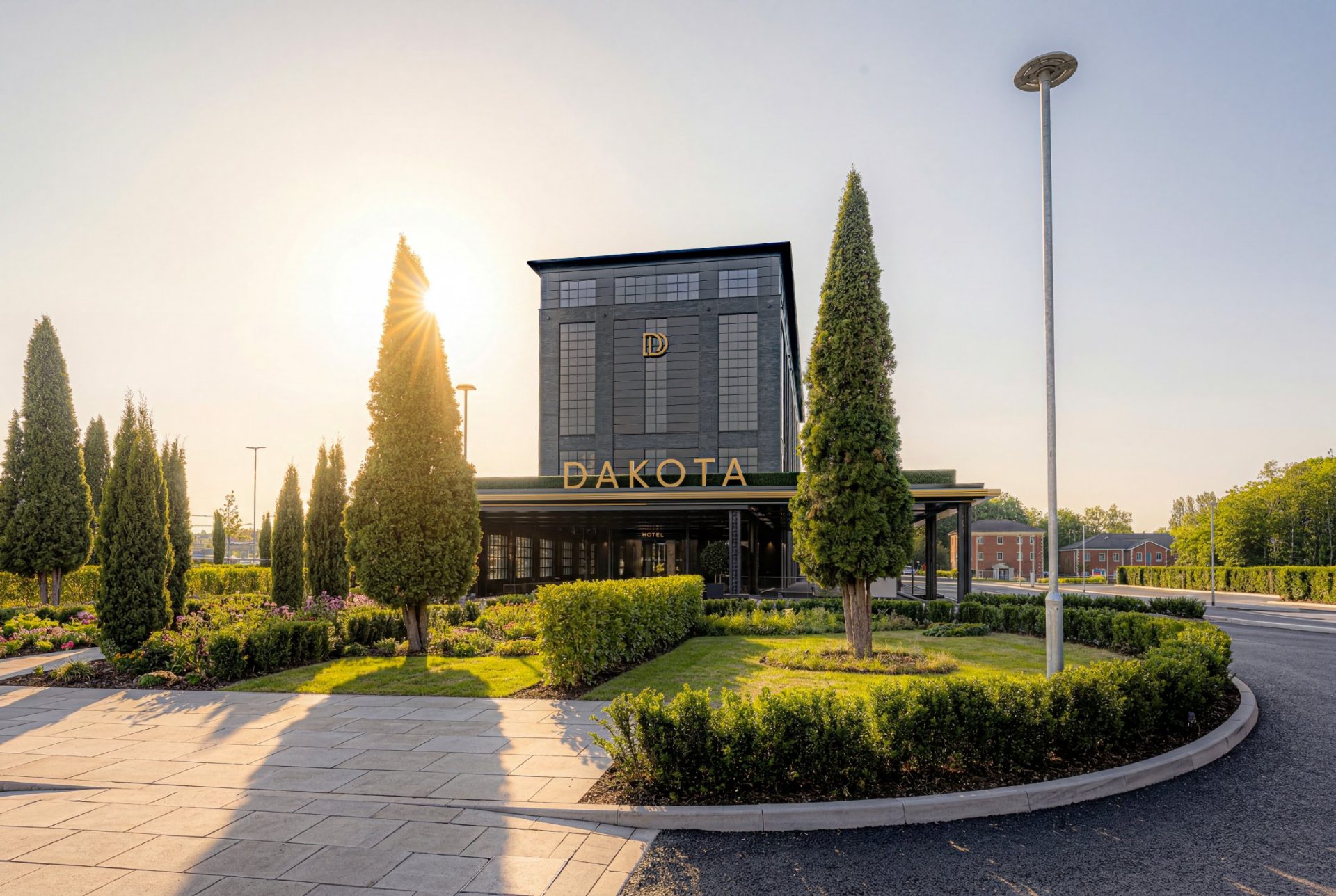
Dakota Hotels has completed its £54m Manchester Airport development and is officially open, bringing 154 luxury guestrooms, premium dining and a range of high-end guest services to one of the UK's busiest airport hubs.
Dakota Hotels has reached a major milestone in the development of its latest property, Dakota Manchester Airport, with the luxury hotel now officially open for guests.
The completion of the £54m project marks Dakota's latest expansion and introduces a new premium hospitality offering to one of the UK's busiest aviation gateways. Positioned as "the destination before the destination", the hotel aims to redefine the airport hotel experience through a combination of luxury accommodation, personalised service and seamless connectivity to Manchester Airport.
The 154-bedroom property has been designed with both business and leisure travellers in mind, featuring a collection of guestrooms and suites alongside a range of premium guest amenities. Among its standout features is what Dakota describes as the UK's only hotel-operated valet parking service at an airport hotel, providing guests with a fully managed parking experience from arrival through to departure.
Additional facilities include private dining spaces finished with Dakota's signature dark-wood aesthetic, an al fresco cigar terrace and humidor, and a dedicated chauffeur service operating around the clock to transport guests directly to airport terminals.
Food and beverage will play a central role in the guest experience, with The Grill serving as the hotel's flagship dining venue. Designed around an art deco-inspired interior, the restaurant features a prominent central bar, leather booth seating and rich timber finishes. The menu will focus on premium steaks, sharing sides and an extensive wine selection, reflecting the brand's established culinary offering across its portfolio.
Dakota Manchester Airport's opening comes at a time of continued growth for both the airport hospitality sector and the wider Manchester visitor economy. The new hotel is expected to appeal to travellers seeking a more upscale pre-flight or post-arrival stay, while also targeting local corporate and dining demand.
Commenting on the milestone, Matt Townley, Group Operations Director at Dakota Hotels, said:
Receiving the keys to Dakota Manchester Airport was an incredibly proud moment for everyone involved in the project. We’re focusing on the continued development of our award-winning team and culture to ensure every touchpoint of the guest experience is delivered with the service and attention to detail that Dakota is known for.
Bookings for Dakota Manchester Airport are now open after the property's official launch on 1 July.