

HANDWRITTEN COLLECTION WELCOMES ITS FIRST HOTEL IN THE UK
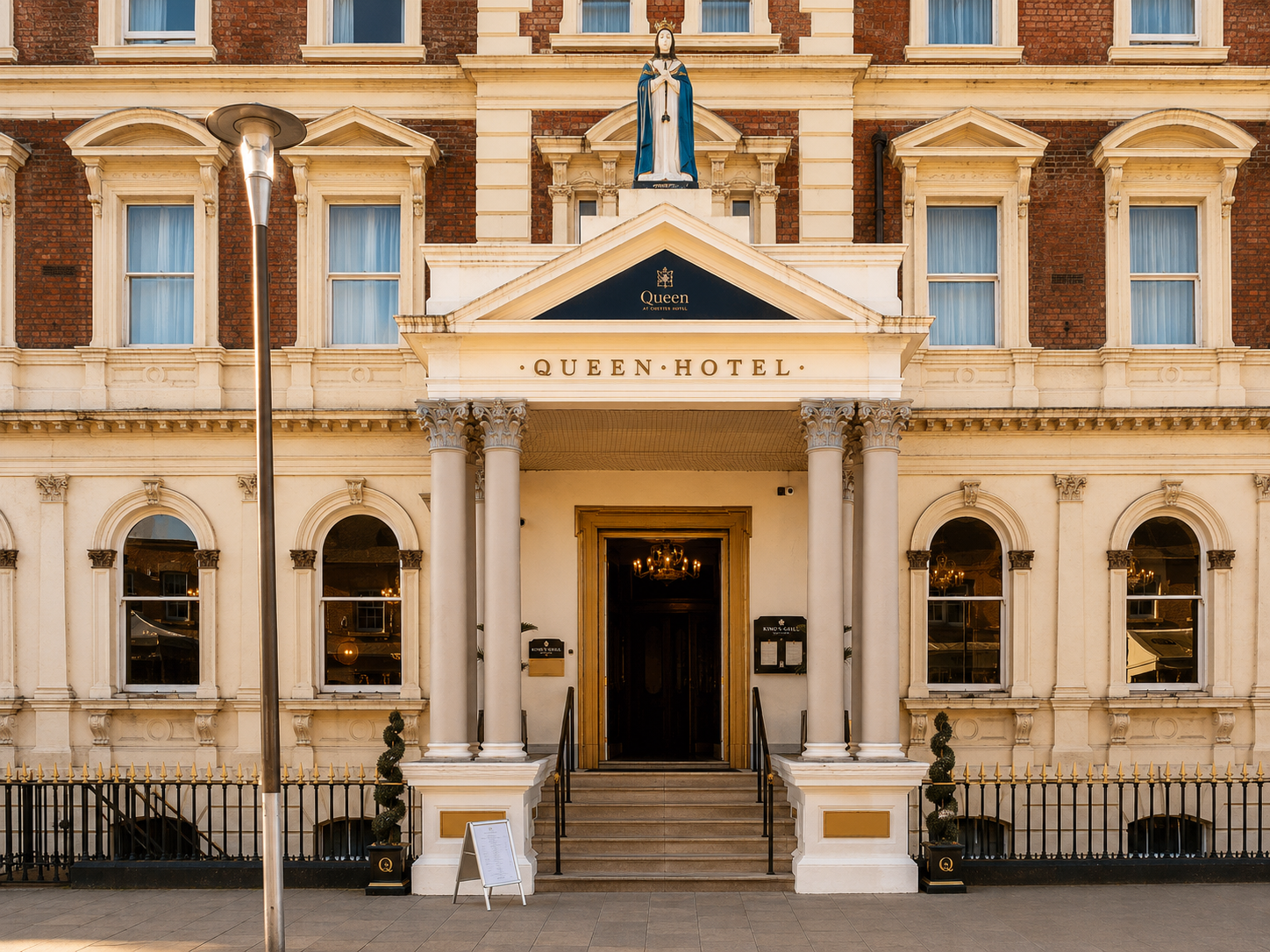
The Queen at Chester Hotel – Handwritten Collection is now open
Handwritten Collection, a characterful collection of bespoke hotels by Accor, today announces the opening of The Queen at Chester Hotel – Handwritten Collection, marking the brand’s first address in the UK. Bringing one of the city's most iconic landmarks into its fast-growing portfolio, the opening builds on Handwritten Collection's continued global momentum, following the recent milestone of opening 50 hotels worldwide.
Guests can enjoy 218 beautifully appointed bedrooms, including spacious family rooms and elegant suites. Alongside dining options such as The King's Grill and the V&A Restaurant, where seasonal dishes are crafted using fresh, locally sourced ingredients. Diners can also relax in the V&A Lounge Bar, offering quintessentially British afternoon tea and crafted cocktails or head to the V&A Terrace, where a specially curated menu provides the perfect setting for al fresco dining.
Ideally positioned just moments from Chester’s historic city centre, The Queen at Chester Hotel – Handwritten Collection places guests at the heart of one of the UK’s most captivating destinations, renowned for its unique Chester Rows, magnificent historical Cathedral, ancient Roman walls, and Britain’s largest Roman amphitheatre. Combining more than 165 years of heritage with the distinctive character and personal touches that define Handwritten Collection, the hotel offers an authentic gateway to the city’s rich history and vibrant culture.
The opening marks another significant milestone in the continued expansion of Handwritten Collection, further strengthening a portfolio of distinctive hotels that celebrate individuality, local character and authentic hospitality. Now present in 20 countries, with 50+ hotels open and more than 50 additional hotels in development, Handwritten Collection is designed for travellers seeking memorable experiences and unique stories.
Managed by LGH Hotel Management Limited, The Queen at Chester Hotel – Handwritten Collection is the latest addition to Accor’s hotel portfolio in the UK, including over 200 hotels under approximately 20 brands.
Aiden McAuley, a spokesperson for Accor in the UK & Ireland, said: “As a UK first for the Handwritten Collection, this latest addition is testament to our strong ambition for the market, where we see great potential for continued expansion across our brands. This hotel encapsulates individuality, local personality and hospitality delivered with heart, all of which the Handwritten Collection brand celebrates."
Andrew Munt, CEO of LGH Hotel Management Limited, said: “Through our partnership with Accor, we look forward to welcoming guests from around the world to experience the unique character, history, and warmth that make Chester so special. Perfectly positioned in the heart of this vibrant historic city, the hotel offers an authentic gateway to Chester’s rich heritage, iconic attractions, and thriving local culture. Together, we are committed to ensuring the property’s long-term success, creating memorable experiences for both visitors and the local community alike.”
First opened in 1860 as a grand hotel for first-class rail travellers, the property has long been regarded as one of Chester's most iconic landmarks and has welcomed notable guests including Charles Dickens and Lillie Langtry throughout its history. Today, as part of Handwritten Collection, the hotel celebrates that rich heritage through thoughtfully preserved architecture, warm hospitality and meaningful touches that connect guests with its unique past.
Bookings can be made at www.all.accor.com, where guests can also take advantage of Accor's award-winning loyalty programme and booking platform ALL Accor. Members earn points during their stay, which can be redeemed for rewards, services, and experiences worldwide.

UMBRELLA TRAINING ACHIEVES THE 2026 PRINCESS ROYAL TRAINING AWARD
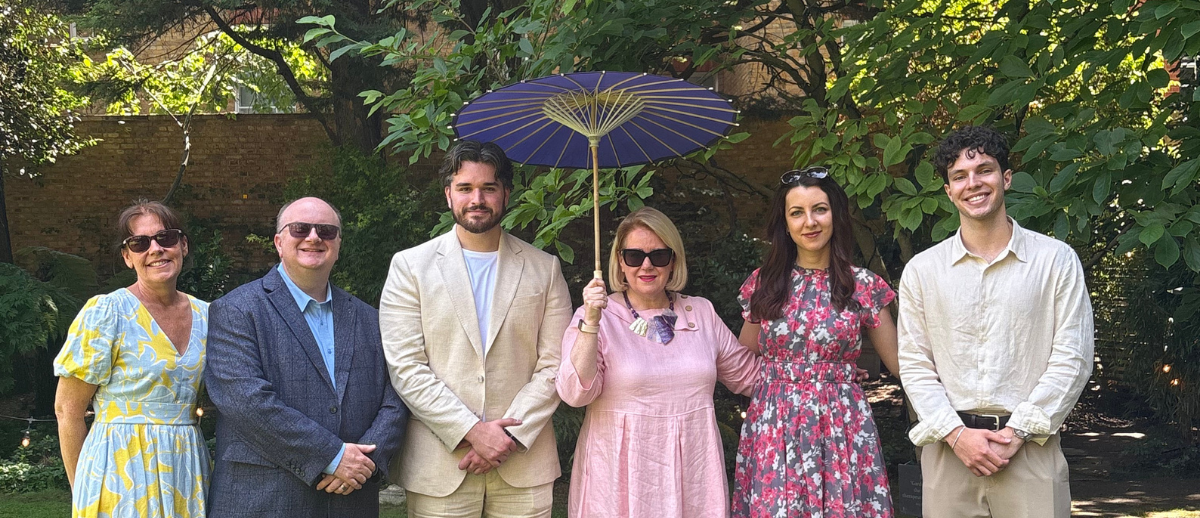
Umbrella Training is thrilled to announce it has successfully achieved the 2026 Princess Royal Training Award. This makes the company the only apprenticeship provider to have achieved this prestigious national accolade three times.

The Princess Royal Training Award celebrates organisations that champion learning and development and show a commitment to investing in their people. This year, Umbrella Training was recognised for the Umbrella Colleague Academy, an initiative created to strengthen internal capability and respond to increasing learner complexity, organisational growth and evolving sector requirements.
Since 2023, 19 employees have progressed through development pathways focused on teaching excellence, SEND, compliance and leadership. The Umbrella Colleague Academy has enhanced workforce capability and has contributed to outstanding learner outcomes, including a 72% apprenticeship distinction rate.
Adele Oxberry MIoD FLPI FCFE, CEO and Founder of Umbrella Training comments on the award:
“We are incredibly proud to be the only apprenticeship training provider to have achieved three of these prestigious awards. For a small independent provider, that feels pretty extraordinary.
Our Umbrella Colleague Academy was created because we have always believed that if we expect our people to develop others, we must invest just as seriously in developing them. It is not simply a programme of training; it is part of our culture. Most importantly, it has created real and measurable impact for our people and our organisation, and that is exactly what this Award recognises.”
VERIFIED CARBON DATA FOR HOTELS: ADA COSMETICS STRENGTHENS SCOPE 3 REPORTING AND ESG PERFORMANCE
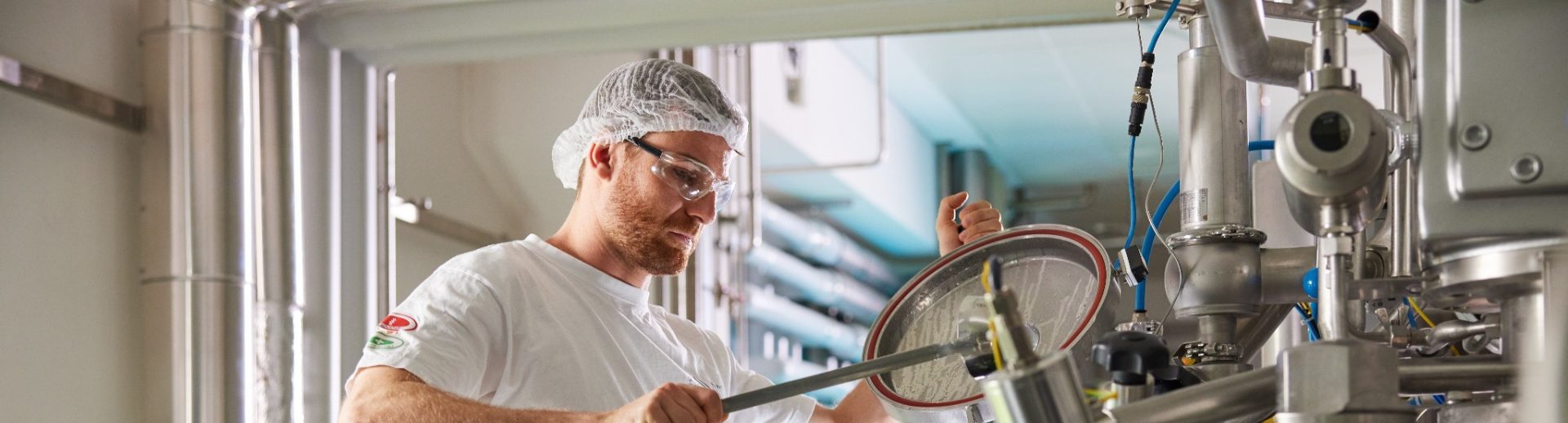
Hotels are under increasing pressure to demonstrate their sustainability performance with accurate, comparable, and reliable figures. Yet one of the most complex parts of ESG reporting often lies outside the property itself: emissions generated across the supply chain.
ADA Cosmetics addresses this challenge with independently verified carbon data. TÜV SÜD, an internationally recognized testing, inspection, and certification organization, has verified the company’s 2024 Corporate Carbon Footprint in accordance with ISO 14064 and the Greenhouse Gas Protocol. The verification confirms the quality of ADA Cosmetics’ emissions data and gives hotel partners a stronger basis for Scope 3 reporting, carbon accounting, and responsible procurement.
For hotel owners, operators, and procurement teams, the benefit is clear: standards-aligned information from a relevant purchasing category can be integrated into their own sustainability disclosures. This helps reduce complexity and strengthens the reliability of reporting.
Reducing Complexity in Scope 3 Emissions Reporting
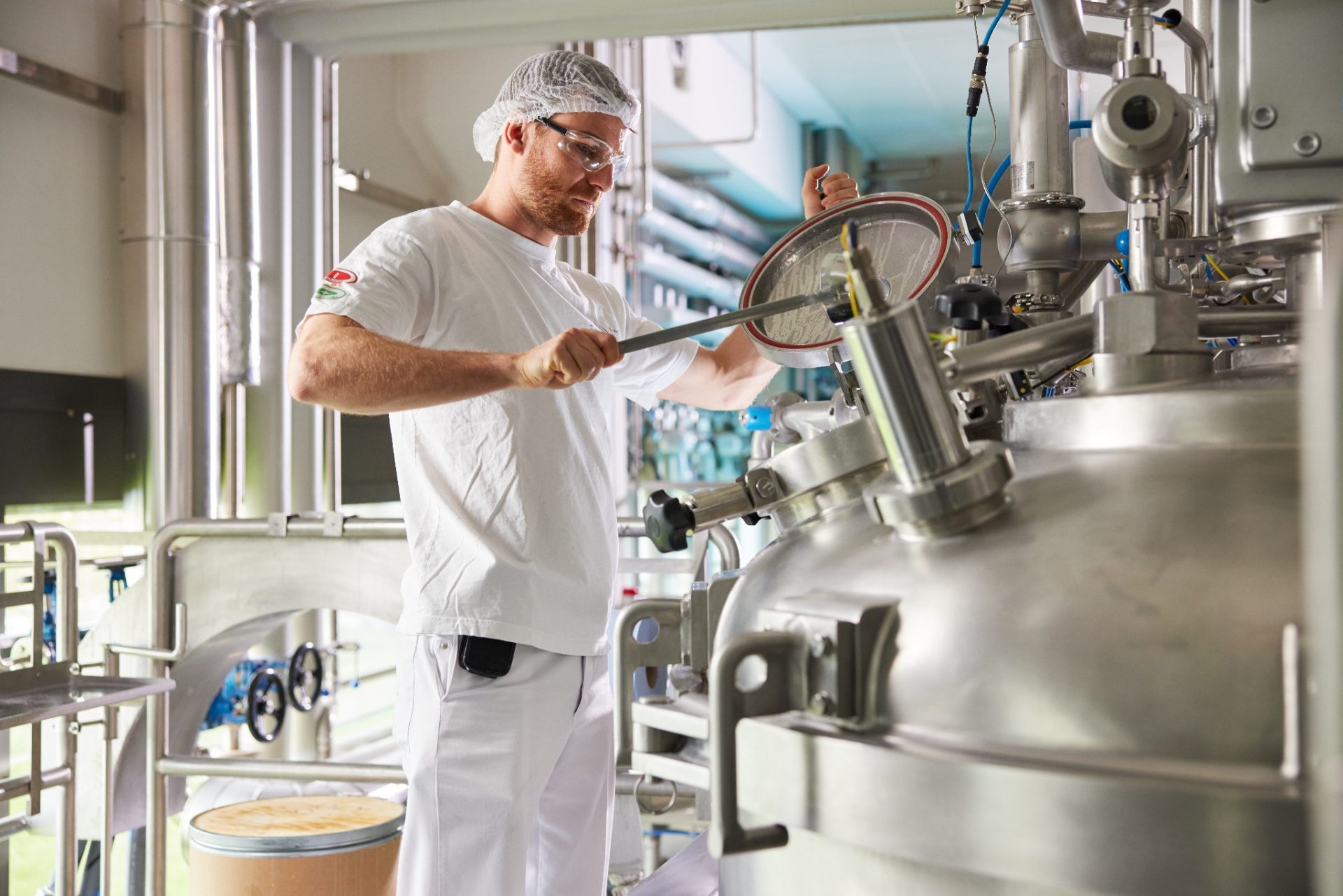
Scope 3 emissions remain among the most challenging aspects of ESG reporting. They include indirect emissions from a company’s value chain, such as those from purchased goods and services. For hotels, this makes supplier data increasingly important.
At the same time, this information is often incomplete, inconsistent, or difficult to compare. With third-party verified carbon data covering its operations and value chain, ADA Cosmetics brings greater transparency to this process.
Hotel partners gain access to robust emissions data that supports alignment with global standards and provides a more reliable basis for procurement decisions. This becomes increasingly relevant as investors, corporate clients, regulators, and guests place greater emphasis on verified sustainability performance.
Verified Transparency, Measurable Impact
“Independent verification of our Corporate Carbon Footprint is a key milestone for ADA Cosmetics,” says Christine Reinhardt, Chief CSR & HR Officer at ADA Cosmetics. “Reliable emissions data is essential for credible ESG reporting and informed procurement decisions. By having our data verified by TÜV SÜD, we provide hotel partners with greater transparency and a stronger basis for Scope 3 reporting.”
Beyond carbon data, ADA Cosmetics provides hotels with practical solutions to support more responsible operations. Its circular dispenser systems and refill solutions are designed to significantly reduce plastic and product waste, as well as logistics-related emissions at the property level, while supporting efficient housekeeping processes.
A Trusted Partner for Responsible Hospitality
As ESG performance becomes central to brand value, investment decisions, and guest expectations, trust in environmental data is essential. By verifying its Corporate Carbon Footprint through TÜV SÜD, ADA Cosmetics provides hotels with a reliable basis for reporting, as well as operational solutions that support their sustainability goals.
Hospitality decision-makers benefit from working with a partner that not only delivers high-quality hotel cosmetics but also helps meet evolving ESG requirements and contributes to more efficient, lower-impact operations.
For more information about ADA Cosmetics, please visit ada-cosmetics.com.
10 YEARS IN THE MAKING: THE IMPERIAL BLOOMSBURY REOPENS
- The Imperial has officially reopened following a once-in-a-generation refurbishment
- The restored hotel features 357 thoughtfully designed rooms and suites, and Bloomsbury’s first and only rooftop bar, Arcus
Following a decade-long transformation, The Imperial has officially opened its doors, marking the beginning of its third chapter and the debut of Imperial London Hotels’ first lifestyle property.
First opened in 1905, the hotel has long been part of the fabric of Bloomsbury, welcoming guests for over 120 years. A careful and considered restoration reveals and breathes new life into the property, ensuring it continues to feel relevant to a new generation whilst remaining true to its heritage.
The 357 guest rooms and suites range from Hideaway Suites, with private terraces and outdoor bathtubs, to the Nest, one of the hotel’s largest suites featuring a mezzanine level kitted out for cinema nights. The Bay Rooms make the most of the hotel’s iconic angular windows, framing beautiful views across leafy Russell Square.

For guests staying in the hotel’s premium rooms, The Bell Room and Terrace offer a more private retreat, providing a space to reflect on the hotel’s history. Guests can enjoy complimentary all-day grazing and pre-dinner aperitifs, while the outdoor terrace offers a peaceful setting to relax and unwind.
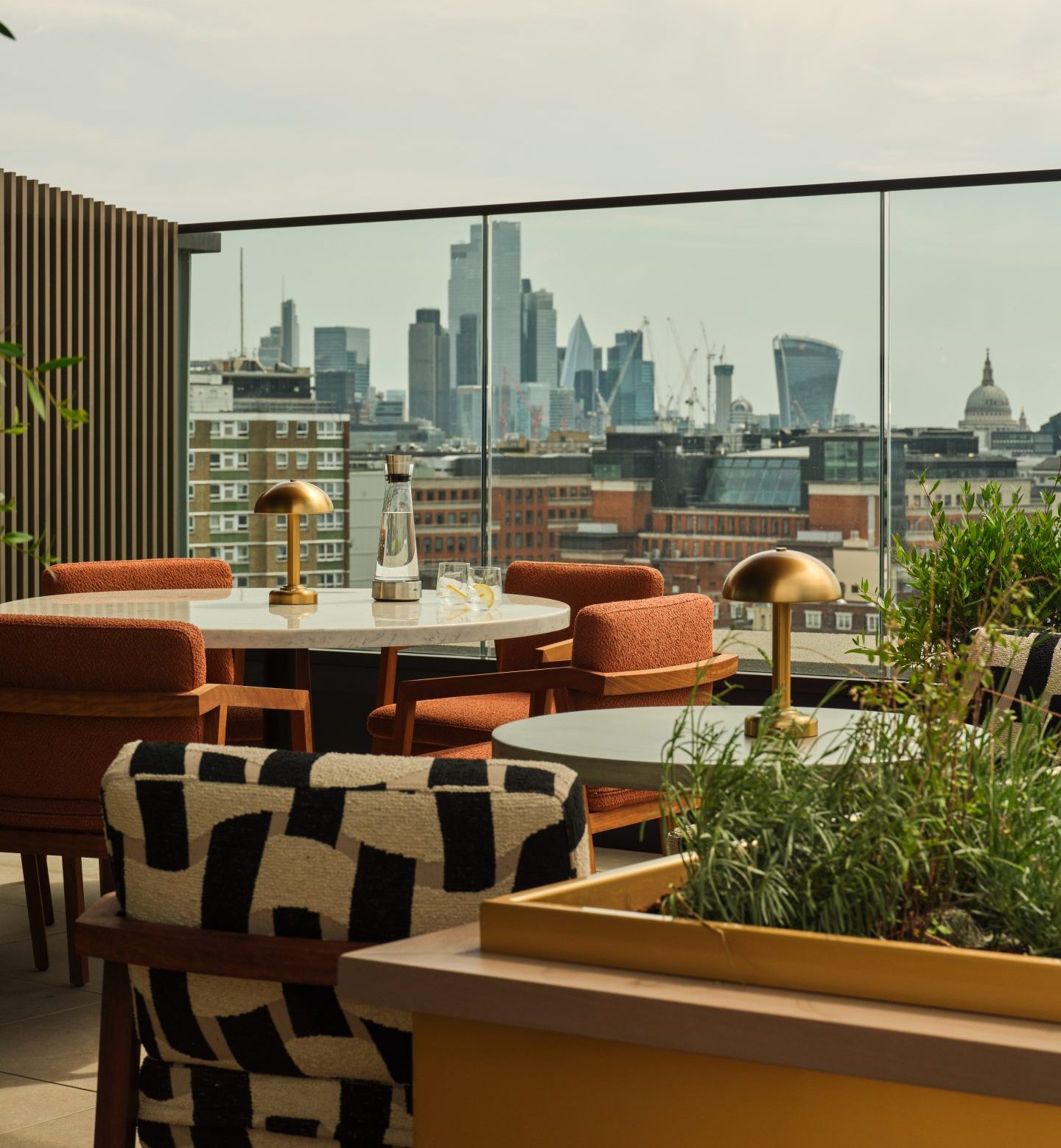
At the top of the hotel, Arcus, Bloomsbury’s first – and only – rooftop bar and restaurant, offers guests near 360 views of London. A bold, modernist destination where design, culture and skyline views converge, the lookout is inspired by the sky and will offer a carefully curated collection of cocktails and seasonal small plates.
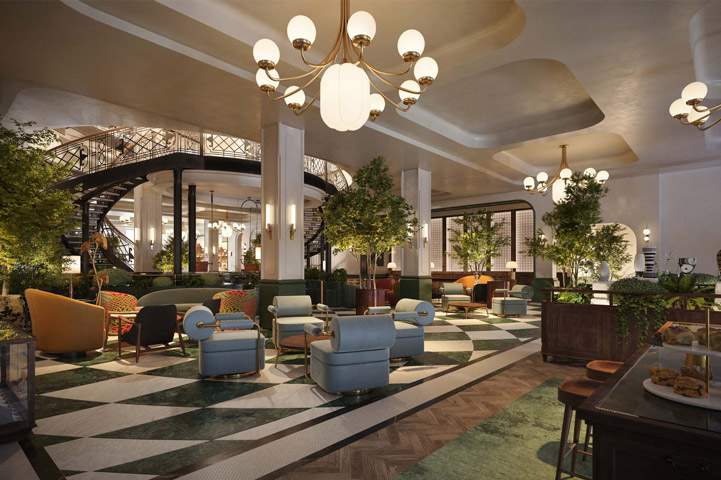
The hotel’s Edit Bar & Lounge is a day-to-night space providing the perfect backdrop for everything from working in the lounge to catching up with friends over a coffee, welcoming both hotel guests and those from the surrounding area.

The opening was marked by a ribbon-cutting ceremony led by Cherie Anne Stephenson, whose own journey mirrors the hotel’s remarkable story. Having joined as a receptionist in 1981, Cherie progressed to a Group-wide position in Central Reservations and has seen each part of the renovation come to life first-hand.
Beautifully restored and ready to welcome a new generation of guests, The Imperial returns not simply as a place to stay, but as a restored piece of London’s history – reclaiming its place at the heart of Bloomsbury for the next 120 years.
For more information and to book, visit: www.imperialhotels.co.uk/hotels/the-imperial.
BIDFOOD RECOGNISED AS ONLY WHOLESALER TO ACHIEVE PERFECT MARKS IN RSPO’S SHARED RESPONSIBILITY SCORECARD
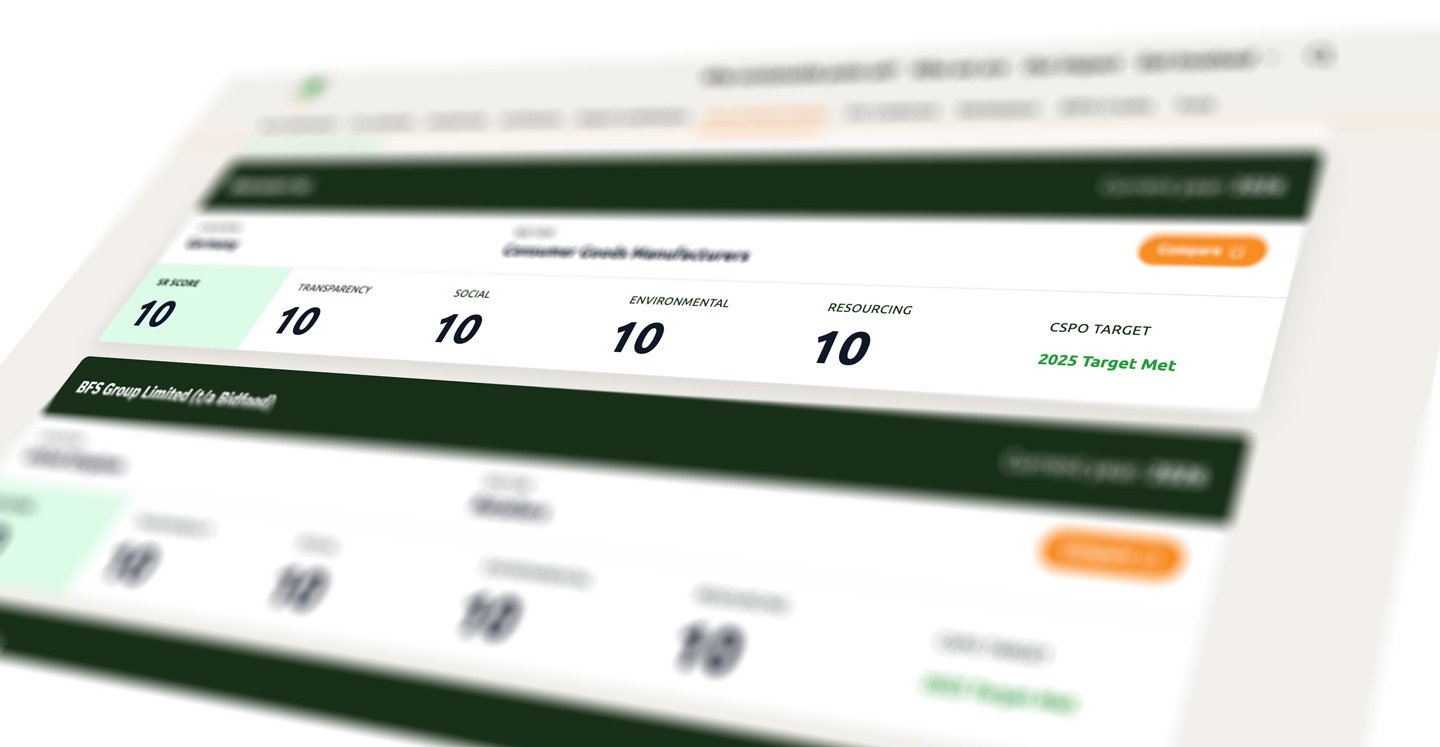
Bidfood has achieved a perfect score in the Roundtable on Sustainable Palm Oil's (RSPO) Shared Responsibility Scorecard for its own-brand products, placing the foodservice wholesaler among just eight retailers globally to receive top marks.
RSPO’s annual scorecard assesses organisations across a wide range of sustainability topics, including palm oil, sustainability reports, water and waste management, carbon data, health and safety, HR policies and support for smallholders.
Achieving a score of 10 out of 10 reflects a collaborative effort across Bidfood’s Sustainability, Technical, and Supply Chain teams, as well as its sister manufacturing brands, Yarde Farm and Northern Bloc.
Bidfood is also making significant progress with its CarbonCloud project, which will enable the foodservice provider to gain a greater understanding of the carbon footprint data across its range. This will support its net-zero ambitions to reduce Scope 1 and 3 emissions by at least 90% by 2045 and Scope 2 by 100% by 2040.
Bidfood’s CarbonCloud project will also further enhance collaborative supplier relationships and inform customers, so they can make more informed decisions around the products they buy.
Julie Owst, Head of Sustainability at Bidfood, said: "It’s an honour to be recognised by a world-renowned organisation committed to transforming the palm oil industry.
“This recognition demonstrates the importance of working collaboratively across our business and supply chain to drive meaningful progress on sustainability.
“While we're proud to have achieved a perfect score, we do not want to become complacent. There’s still a lot of work to do, and we will remain focused on building on this success, working together to reduce carbon emissions, water usage and food waste and be a positive force for change.”
EUROPE’S HOTEL MARKET STAYS RESILIENT AS INVESTORS CHASE FEWER, BIGGER DEALS
- European hotel investment totalled €11.7 billion in H1 2026
- Transactions above €100 million rose 30% year-on-year
- Transaction volume from Asia-Pacific investors grew 86% year-on-year
- London remained Europe’s single most active city overall, ahead of Paris, Vienna and Madrid
European hotel investment totalled €11.7 billion in the first half of 2026, according to Cushman & Wakefield's latest MarketBeat Europe Hospitality report.
This was 19.5% above the 10-year average, albeit a 9.5% decline year-on-year. Activity was underpinned by high-profile single-asset deals, including the Pullman Paris Tour Eiffel, The Westminster Curio Collection in London, and the Park Hyatt Vienna, while portfolio activity remained concentrated in the UK and Spain.
Frederic Le Fichoux, Head of Hotel Transactions, EMEA at Cushman & Wakefield, said: “What we saw in the first half of 2026 is a highly selective market rather than one that is slowing down. Fewer assets are trading, but the ones that are moving are premium, well-located hotels commanding strong pricing.”
The return of Asia-Pacific capital
Transaction volume from Asia-Pacific (APAC) investors grew 86% year-on-year, helping offset declines from the Americas (-87%) and Middle East/Africa (-31%).
“The rise in activity from APAC is largely a reassessment of global exposure and a desire for diversification, mostly driven by geopolitical reasons,” said Le Fichoux. “Europe is seen as well priced and a stable environment compared to other parts of the world. Another factor is that APAC investment into European hotels dropped off significantly during Covid and the years that followed, so what we’re seeing now is a natural recovery as much as fresh conviction.”
€100 million-plus deals multiplying
Transactions above €100 million rose 30% year-on-year, spanning both single assets and larger portfolios.
“Hotel investors are focusing on upper upscale and luxury hotels that have seen strong performance growth, and these assets often trade above €100 million,” said Le Fichoux. “Competition is rising thanks to greater access to capital and a wave of non-traditional investors, both institutional and private, entering the sector and seeking to make a statement with prime, trophy assets.”
The average price per room rose 9% year-on-year to €228,416, with private investors continuing to dominate activity on both sides of the table, representing 54% of acquisitions and 46% of disposals. Half of all invested volume in H1 2026 went into Upper Upscale and Upscale hotels.
London drives a resurgent UK market
The United Kingdom led all markets by transaction volume at €3.22 billion, up 74% year-on-year, followed by Spain at €2.66 billion, up 34%.
“London is the magnet, and it has captured a large share of the UK’s volume,” said Le Fichoux. “We’ve already seen ten single-asset and portfolio transactions above €100 million so far this year, with a few more currently on the market. The Curio Westminster achieved a record price above €300 million through a strategic acquisition from RIU Hotels, which proves London remains a very strategic location for many investors.”
London remained Europe’s single most active city overall, with €2.3 billion transacted across 24 properties, ahead of Paris, Vienna and Madrid.
Hotel supply across Europe expanded 2.9% year-on-year, fastest in Southern and Eastern Europe. Europe-wide RevPAR reached €101, up 3% year-on-year, with Eastern Europe posting the strongest growth at 6% and Milan (+24%) and Budapest (+15%) recording the largest city-level gains.
Outlook for H2 2026
“There are a number of large transactions on the market, including several sizeable portfolios and platform deals, that will positively influence volumes once they close,” said Le Fichoux. “Europe remains a strategic investment market for many investors navigating different challenges elsewhere in the world, and hotels continue to be a growing asset class as institutional investors reallocate capital to rebalance their portfolios. Southern Europe remains a particular favourite, offering a strong mix of well-performing urban and resort markets.”
BOW BAR UNVEILS NEW EAST LONDON-INSPIRED COCKTAIL MENU
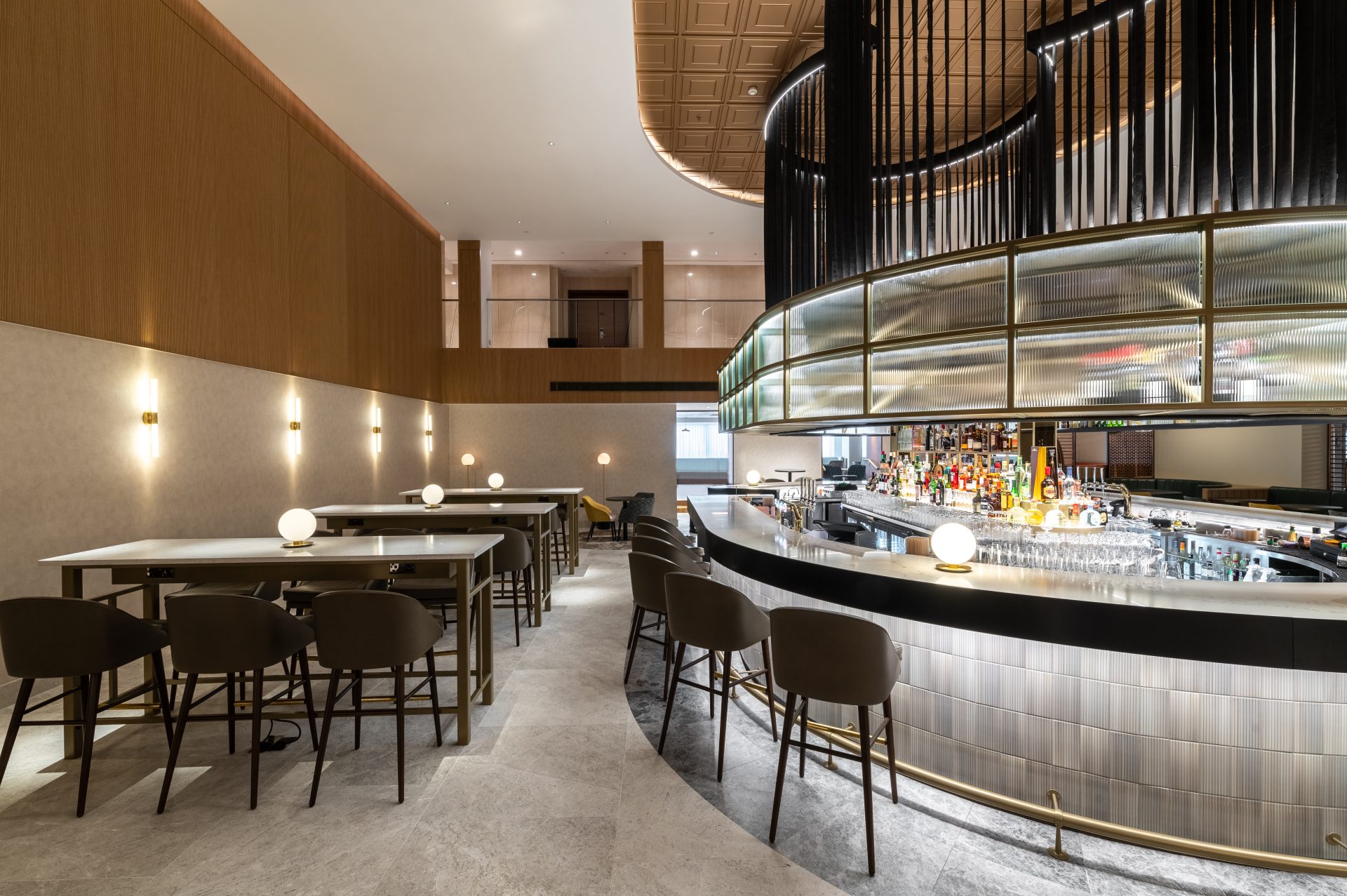
Bow Bar at Hilton London Metropole has unveiled a new cocktail menu inspired by the character, creativity and cultural history of East London.
Located on Edgware Road, Bow Bar takes its cues from the neighbourhoods that have shaped London’s East End, bringing together British ingredients, global influences and a collection of cocktails that tell the story of the area.
The new cocktail menu takes guests on a flavour-led journey through the East End’s past and present, drawing inspiration from the streets, institutions, markets and cultural movements that have helped make the area one of London’s most distinctive.
Berries in Bloom takes inspiration from the seasonal colours of Columbia Road Flower Market, delivering a bright and floral serve.
The Coffee Exchange pays homage to the historic coffee houses that once fuelled East London’s commerce and conversation, reimagining the Negroni through rich coffee notes and bittersweet aperitivo character.
Brick Lane After Dark captures the energy of one of London’s most recognisable streets after the market stalls have packed away, while restaurants, bars and neon lights take over.
For something with a little more rhythm, Hugo’s House Set draws inspiration from house music culture, transforming the familiar Hugo Spritz into a fresh and vibrant serve designed around atmosphere and easy-going vibes.
The menu continues its journey through East London with East India Club, inspired by the tea trade that once flowed through the area and layering Earl Grey flavours into a refined, aromatic cocktail.
Rosemary Lane takes its name from one of the area’s more historically eccentric streets, pairing botanical notes with understated elegance, while Vault, ECV2 looks towards the City’s financial district and the institutions that shaped it.
Dalston Darling celebrates the playful creativity and independent spirit of the Hackney neighbourhood, while East End Ember takes inspiration from the area’s industrial heritage, balancing spiced pineapple with a smoky, warming finish.
The new menu also complements the bar’s ongoing commitment to sustainability. Bow Bar operates using 100% renewable electricity and zero waste to landfill, while behind the bar ingredients are given a second life wherever possible. Citrus peels become infusions, fruit offcuts are transformed into garnishes and herbs are grown in a hydroponic garden situated on the bar itself.
This approach has earned Bow Bar national recognition, including the BMA Environment Award in 2024 and 2025, alongside a Highly Commended Drinks Sustainability Award from Foodservice Footprint in 2024.
FIXING HOTEL F&B LOSSES WITHOUT CUTTING THE FOOD
By Danat Abdrakhmanov, Co-Founder, Nova Chef
Ask most hotel GMs which department quietly loses money, and food and beverage is on the shortlist. Rooms carry the P&L; the kitchen too often drags it. And 2026 has made the maths worse — the rise in employer National Insurance, another lift in the National Living Wage, and a chef shortage that shows no sign of easing have all landed on the same cost line. A growing number of hotels are no longer trimming around the edges. They’re asking a bigger question: how do we restructure the way we deliver food?
It’s the right question. The trouble is that the usual answers all ask you to trade quality for cost.
Every obvious fix costs you something a guest can taste
Trim the menu, and the offer narrows until guests stop bothering. Cut covers or shorten service hours, and room service and all-day dining quietly disappear — along with the revenue and the review scores that came with them. Hand the operation to a third party, and you inherit a different set of problems: quality that varies from week to week, an option that isn’t always available or even practical for your site, and revenue that leaks out of the hotel instead of staying on your own P&L. Or you do nothing, and simply carry the loss into next year’s budget.
Each of these shows up somewhere — in the guest experience, in the online reviews, or in the accounts. None of them actually fixes the problem, because none of them touches what’s really causing it.
The loss is in the model, not the menu
Here’s the reframe worth sitting with: a hotel’s F&B loss is rarely caused by serving good food. It’s caused by the model used to produce it.
A traditional kitchen runs a fixed brigade, cooking from raw, sized for your busiest service — the wedding, the Saturday, the conference. That capacity is a cost you carry seven days a week, whether the covers turn up or not. Hotel demand is peaky by nature; a fixed cost base sitting under peaky, unpredictable revenue is a structural loss waiting to happen. It’s a cost-shape problem, not a menu problem, and no amount of trimming the menu will solve a problem the menu didn’t create.
Which is why the interesting move isn’t to cut the food. It’s to change how the food is delivered.
Quality and simplicity — which usually pull against each other
The reason “restructure F&B” has always meant “accept worse food” is that quality and simplicity have historically been a trade-off. Restaurant-standard food needed a skilled brigade; take the brigade away and standards slipped. You could have one or the other.
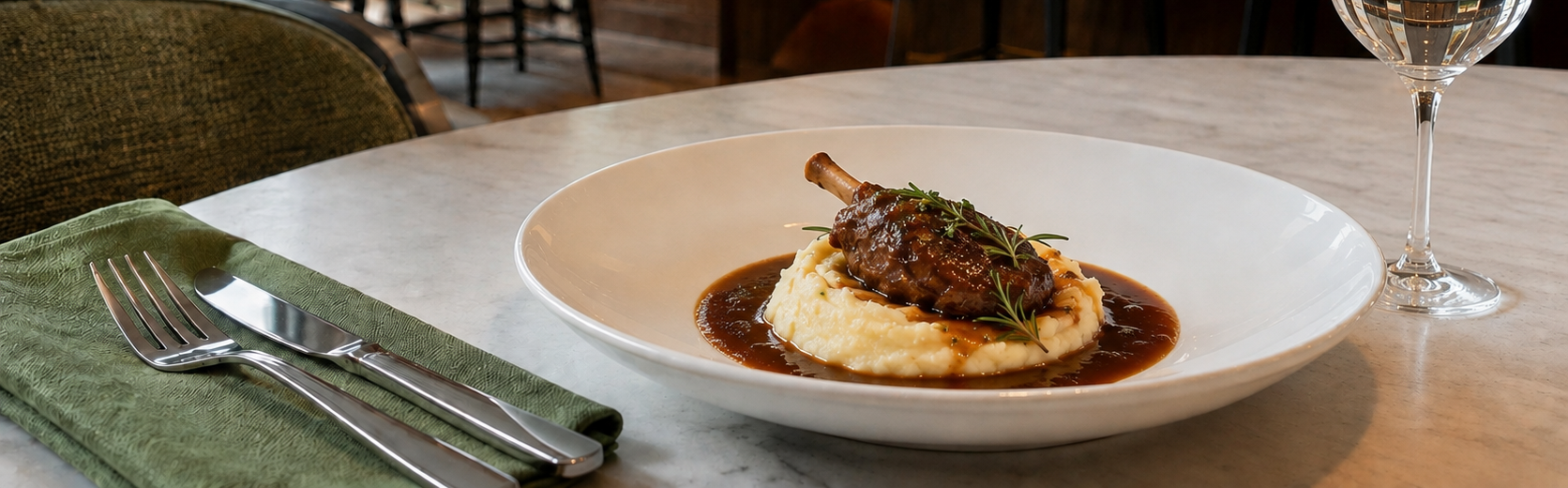
That trade-off no longer holds. The model Nova Chef runs with over 60 UK hotels — from independent four-stars to recognised national brands — keeps the culinary skill where it belongs, in a central production kitchen, and moves only the finishing to the hotel. Chef-developed dishes are prepared centrally and finished to order on site by your existing team — no kitchen brigade, no chef on every shift, no skill bottleneck at the point of service. The food is developed by our Culinary Director, a Michelin Guide restaurateur and the founder of The Markets Group and Bisushima; the operation is SALSA-approved. What reaches the guest is genuinely restaurant-quality. What it takes to serve it is genuinely simple.
That combination is the whole point — quality and simplicity, rather than a choice between them.
What it does to the P&L
Take one hotel we work with — a busy, full-service property running breakfast, lunch and a bar-led evening. Its kitchen ran two shifts, 7am to 10pm — a chef team far larger than the food operation actually needed. Nova Chef kept the kitchen on for breakfast and handed everything from midday onward to the existing bar team, who now prepare and finish chef-developed dishes with no chef on site after 11am. Two shifts became one. Kitchen labour fell by 50%, the full lunch, bar and evening offer stayed on, and guest satisfaction held.
At a four-star, 30-room hotel in Scotland the same model went further still: a property that had let its entire kitchen team go — and had been reduced to serving guests cold sandwiches — restored a full hot-food offer run entirely by its front-of-house staff, with no chef back through the door.
The economics behind both are the same. At a cost of roughly £3.10 to £4.50 a cover, and without a chef required at service, a hotel can hold its gross-profit targets while materially reducing payroll — the single biggest line under F&B. And because service no longer depends on who turned up for the shift, the outlets most hotels quietly dropped — room service, all-day dining — become viable again without reopening the rota. The department that was losing money starts earning it.
Where to start
If F&B is a loss on your P&L, the most useful first step costs nothing: work out your true cost per cover — all of it, including the payroll, the agency cover and the vacancies — and put it next to what the same covers would cost delivered a different way. The number is usually a surprise.
The second step is simpler still: taste the food. Nova Chef works with hotels across the UK to do exactly that.

CULLINAN BELEK POURS NEW MEANING INTO MEDITERRANEAN ESCAPES WITH MOËT & CHANDON BAR LAUNCH
This August, five-star resort Cullinan Belek is launching a dedicated Moët & Chandon Bar, reinforcing its position as a key destination for guests seeking world-class dining experiences and cultural engagement beyond conventional resort hospitality.
The partnership reflects a broader shift in luxury travel, where affluent guests increasingly select destinations based on culinary excellence, wine and champagne programming, and gastronomic calibre. Cullinan Belek has positioned itself as a destination that understands this evolution.
Every detail of the bar's design and brand experience has been meticulously crafted by Moët & Chandon to reflect the champagne house's global identity and heritage. The space functions as a refined social sanctuary - thoughtfully positioned within the resort's collection of world-class dining venues and balancing timeless elegance with Mediterranean sophistication.
The collaboration reveals a rare alignment between two institutions defined by discerning standards and unwavering commitment to excellence. Both brands share a philosophy rooted in authenticity and craftsmanship, and the belief that true luxury lies in creating meaningful experiences for guests who understand the difference.
Each day, Cullinan guests are treated to complimentary Moët & Chandon between 16:30 and 18:00, an experience designed for genuine connection and unhurried indulgence, paired with world-class hospitality and breathtaking views of the Mediterranean Sea.
Now open at Cullinan Belek, the new Moët & Chandon bar blends champagne culture with sophisticated living, creating moments that define the true Cullinan lifestyle.
To learn more about Cullinan Belek and book your stay, visit www.cullinanhotels.com.
THE SOCIAL REVENUE BLUEPRINT
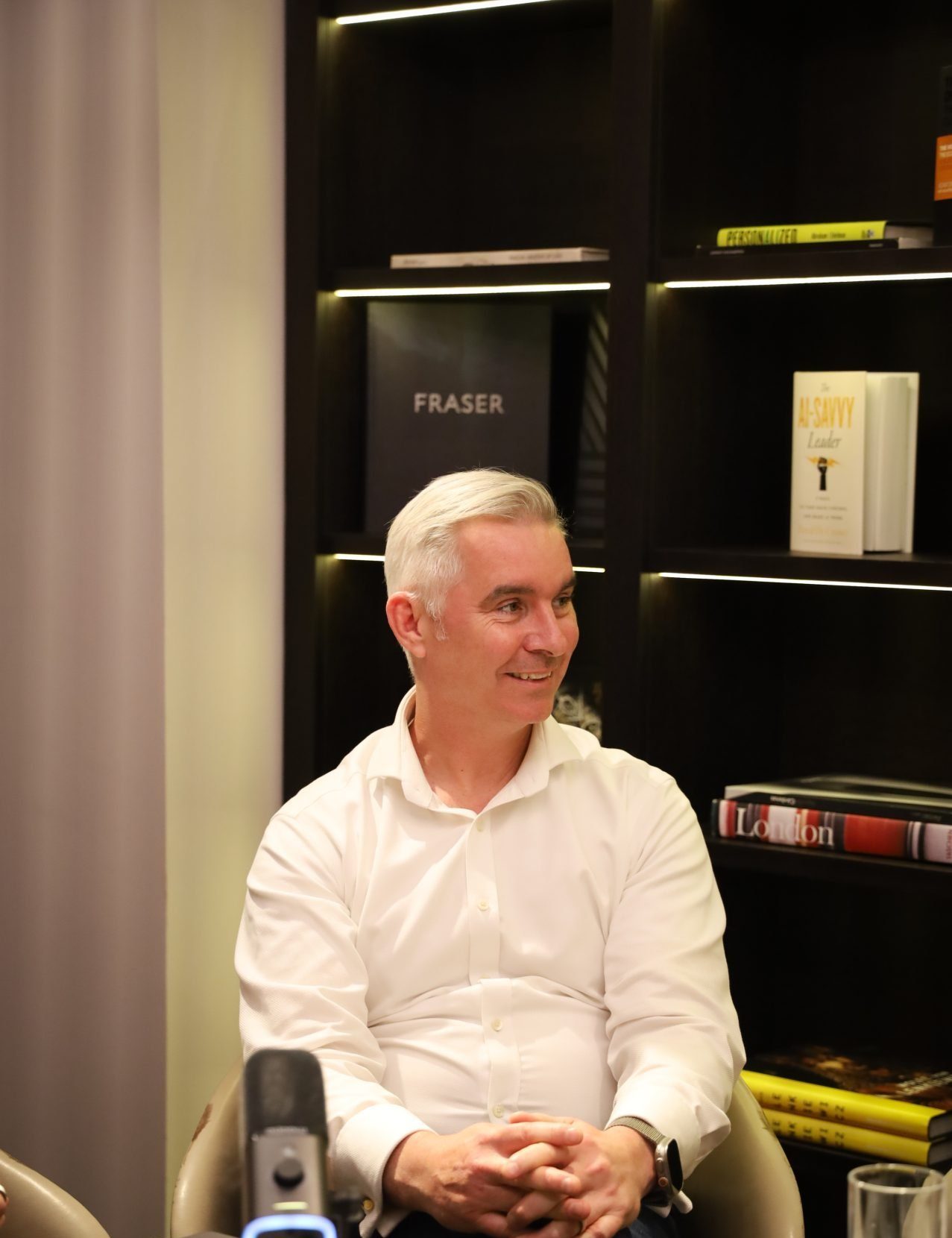
Ahead of the Hospitality Social Media Summit, taking place in London on 3–4 September 2026, we spoke with Ben Lilly, one of the summit's faculty and one of the most experienced voices in luxury digital marketing to high-net-worth audiences.
 Ben is the Founder and CEO of Giant Leap Digital, a luxury growth and performance agency for premium brands. He has spent more than two decades in luxury and financial digital marketing. Before founding Giant Leap, he was Managing Director of Verb Brands, later acquired by Croud. A recognised thought leader in the high-net-worth space, he works with distinctive hospitality names including Corinthia Hotels, The Ritz London, Maybourne Hotel Group and Almanac Hotels.
In this interview, Ben explains why affluent, high-net-worth and ultra-high-net-worth audiences behave very differently online, and why treating them as one audience is a costly mistake. He sets out why leading with a discount does a luxury brand more harm than good, why strategy has to come before tactics in paid social, and how to measure social's influence when the path to a booking is rarely linear. He previews The Social Revenue Blueprint, his Day 2 lab, where delegates rebuild a hotel's social strategy around desire, rate and direct bookings, and leave with a blueprint for their own property.
You have spent more than two decades building campaigns for luxury and financial brands targeting high-net-worth and ultra-high-net-worth audiences. What do most hospitality marketers misunderstand about how these consumers behave online, and where do they go wrong by treating them as one audience?
We actually break this down into more segments: Affluent, Wealthy, HNW, UHNW, and Billionaires. The difference between these audiences is large—not just in terms of financial wealth, but in what is important to them.
To talk about just two segments, HNW and UHNW, the difference in wealth would be £1m in disposable income for HNW compared to £30m+ for UHNW.
At £1m, people have generally earned this wealth. They have typically come from humble beginnings and, as a result, they are keen to show the world they have made it. They buy luxury cars, handbags, watches, etc.—the trappings that show society they have arrived. They are still very active in the day-to-day running of their affairs in terms of how and what they buy.
When you hit UHNW, your background is different. You have either inherited the money and therefore grown up in an environment where these trappings are seen as standard, or you are in the public eye, have sold a successful tech business, or have made money in finance.
Your interests are also different. At £30m+, you probably have an art collection, sit on the boards of charities, think about philanthropy, and want to leave your mark on the world by doing something good or different with your money. Not only this, but your environment is different. You will more than likely have a family office to manage your investments, life, and passions. Moreover, you don’t want society to notice you; your anonymity is important. Therefore, you build an environment where you travel by private jet and holiday on your superyacht because it's more secure and avoids the intrusion of the press.
So, we can quickly see that their desires, values, passions, and networks are very different.
Therefore, we also need to be mindful of who our audience is for the brand we are working on. It’s far more than a curated picture and a good strapline or call to action—we need to understand their environments, and from this, we can build for and target the right people.
Luxury hospitality was cautious about social media for many years, partly from a fear that visibility, accessibility and mass reach could weaken exclusivity. Did that caution protect luxury brands, or has it left parts of the sector commercially behind?
I get asked this a lot and, I'm sorry to say, luxury brands are typically slower on digital uptake than other verticals. That said, I do understand that there is a sweet spot between digital visibility/commerciality and retaining brand integrity, and this is something we work with our clients on every day.
We have seen—and indeed, we talk about—how you can use social media as an engine to drive a business forward. Everything we do involves micro-targeting, not macro-targeting (which a typical agency might do).
We need to pinpoint wealthy audiences rather than drive mass visibility. We have a lot of data to support our targeting options, and we can be specific in who sees our brand and why, aligning with motivations that meet their needs.
Today, luxury hospitality is catching up, but there is still a lot of ground to cover compared to other sectors. Digitally, this is a very exciting space; this year alone, we have seen lots of new platform advances specifically tailored for hospitality. Brands should be looking to understand the commercial value this can bring to their business, while also helping them to reduce costs in other areas such as OTAs.
So, we can quickly see that desires, values, passions, and networks vary significantly.
Therefore, we also need to be mindful of who our audience is for the brand we are working on. It’s far more than a curated picture and a good strapline or call to action; we need to understand their environments, and from this, we can build for and target the right people.
You built Verb Brands into one of the UK's leading luxury digital agencies before its acquisition by Croud, and later founded Giant Leap Digital. What did that journey teach you about what luxury brands genuinely need from an agency, as opposed to what agencies typically sell them?
You're right—Giant Leap is designed from the ground up to be different and to combat some of the issues I saw when I worked in other agencies.
- We have a senior-only team. The brands we work with hold themselves to such high standards, and we need to do the same. Having a senior-only team means we hit the ground running from day one, offering greater leadership, productivity, and strategic support. This allows us to build strong relationships with our clients right away, which in turn builds trust and enables us to retain and grow client relationships over the medium and long term.
- The team you meet during the pitch is the team that delivers your project. This is of huge value to a client: you get to see the skills and expertise those people bring to your business from day one—no handovers, no delegation.
- We have zero burnout. I have worked in agencies where, because a relationship started poorly, the agency had to backfill resources and people ended up working extremely long hours to rebuild trust. This might work briefly, but unless the agency model is fundamentally structured differently, it will always fall into the same trap. This leads to burnout, loss of account history, disgruntled clients, and resources being pulled from other projects. Once that happens, it's a one-way street.
I saw this time and again and thought it was ridiculous. It costs an agency huge amounts of time, money, and effort to win a new client, only to watch them walk out the door six months later—all because no one was willing to break the agency mould.
You have worked with brands including Corinthia Hotels, Almanac Hotels and Chenot. When you first examine a luxury hospitality business, what signals tell you that its marketing is capable of generating demand, and what signals suggest it is simply producing an expensive-looking image?
I’m speaking at the Hospitality Social Media Summit conference in September on this exact topic, so it's a great question!
Social marketing in particular has changed. The idea that a pretty picture with a discount on it will drive sales for a luxury hotel… well, no. Actually, this probably does more damage than good, and yet, time and time again, hospitality brands fall into this trap—maintaining it simply because it’s the way it's always been done.
The reality is that at the top end of the market, this audience isn’t as price-sensitive, so leading with an offer or discount is not the primary motivation for someone looking to stay.
setup today is more sophisticated and hungry for inspiration than ever before, and we need to meet that need. Just think about your own social journey: if you are shown an ad that inspires you for your next holiday or business trip, why would you go anywhere else? Ultimately, people are convenience-driven, and if we can tap into their motivations and show them how our hotel meets that need, they will convert.
Please come along to my session on day two of the conference, where I'll share all about how we do this.
Paid social is one of the areas in which hospitality businesses can spend significant sums without understanding what has actually created a booking. Where does the failure usually begin: the audience, the creative, the offer, the booking journey, the measurement, or the strategy behind all of them?
Any one of these factors can cause a failure in a campaign's objectives, which is why we need a clear strategy to start with. Sun Tzu famously said, "Strategy without tactics is the slowest route to victory. Tactics without strategy is the noise before defeat."
It’s true—strategy has to come first. I have seen many campaigns pushed out the door to keep stakeholders happy, but if they haven’t been properly designed, the chance of success is limited.
When we start planning a campaign at Giant Leap, we don’t just look at one channel in isolation; we look at the wider marketing mix. These channels don’t operate independently, so we need to think through-the-funnel: Which audience are we talking to? Have we tapped into their motivations, and is our vision communicating this effectively? Is our creative right for the channel, and is it aligned with what we are doing in other areas? Do we have the right budget (not just the lowest) and targeting options in place across our channels? Have we ensured that we are measuring success with the right KPIs?
Affluent travellers rarely move through a simple journey from advertisement to booking. They may discover a property socially, validate it elsewhere, consult an adviser and return weeks later through another channel. How should hospitality businesses measure social's influence when the path to revenue is neither immediate nor linear?
Yes, it's complicated—that's true. It's also true that people use channels for all sorts of reasons other than generating sales. This goes back to the point above about having a clear strategy in place, ensuring the business understands why this is happening and the expected impact.
That said, if we are just looking at bookings from a particular channel, we can A/B test the impact. We need to create an environment where we are comparing apples to apples. For example, suppose we ran a campaign last summer with a 20% discount across programmatic, search, and social. We can look at the booking engine data to see what was generated over that period (because, as you noted, the conversion might happen in another channel, so we want to see the overall impact). We can then turn off a channel during the same period this year—provided the offer, media investment, and targeting remain identical.
While there will always be external factors we can’t account for—such as wars or droughts—this will give us as close a comparison as possible, and any mitigating factors can be explained around the results.
Social platforms reward reach, frequency and constant content, while luxury depends on discernment, restraint and a sense of rarity. How can a high-end hospitality brand participate fully in social media without becoming overexposed or indistinguishable from the mass market?
This is exactly what we want to avoid and lots of hospitality bands fall into the same trap- come and see me at the conference in September and I can run you through how to stand out and drive true engagement.
AI is changing how audiences are identified, creative is produced and campaigns are optimised. Where is it already creating a genuine performance advantage for luxury brands, and where does it risk removing the judgement, originality and emotional intelligence on which luxury depends?
While AI is transforming digital development, its undeniable power comes with a critical caveat: speed must never outpace governance.
Before rushing implementation, leaders must step back and establish clear framework policies—a step many organizations have overlooked. Critical factors like regulatory compliance, copyright, data ownership, brand integrity, and internal tool fragmentation need strategic oversight at the executive level before teams deploy unvetted AI solutions.
Furthermore, AI is far from a "fit and forget" solution. Advanced agentic systems demand rigorous, continuous curation.
At Giant Leap, AI is embedded into our daily processes to enhance program quality and accelerate delivery. However, this efficiency is anchored by absolute human oversight. No asset or output created by our tools ever reaches a client or the public without expert verification. In high-stakes industries like luxury, that human touch isn't optional—it's the foundation of trust.
Independent properties and smaller hospitality groups may assume that sophisticated luxury marketing requires the budgets and resources of a global brand. Which principles from the luxury playbook can they apply immediately, and which elements should they avoid trying to imitate?
For smaller brands, the first thing to get right is their owned media: creative, website, SEO/GEO, socials, CRM, and data/reporting. This is the most cost-effective place to start, and it has a strong impact on how your brand is represented and the commercial value it drives.
You don’t need big media spend to improve this area of your digital footprint. However, when we start working with a boutique hotel, this foundational activity has often been overlooked or deprioritised in favour of tactical paid campaigns.
Once this foundational work is in place, it’s important not to spread yourself too thin. It is far better to research where your audience lives online, identify the primary channel for their needs, and focus your efforts there, rather than trying to maintain a presence across all channels simultaneously. Once you have built a proven test case on one channel, you can use it as a framework for others.
Your Day 2 session at the Hospitality Social Media Summit is a 90-minute practical lab rather than a keynote or agency presentation. What will delegates work through with you, and what commercial decisions should they be better equipped to make by the end of the session?
At our heart, we are a performance agency, so the lens we apply to all our projects is: How can we drive commercial return from the investment in time, labour, and creativity?
Our Lab will look at the following:
- Which hotels are doing it well: We want to understand which hotels are driving the highest ADR from their grids.
- Buying behaviour: We’ll look at a bit of theory to understand consumer purchasing habits.
- Missing the mark vs. what good looks like: We’ll explore how hotels typically miss the mark when building campaigns—and what success actually looks like.
- Social to direct bookings: We’ll provide a framework for building stronger campaigns, alongside examples of both best practices and poor execution.
- Growth without compromising luxury: We’ll examine the role of our digital ecosystem and how to prevent luxury status from being diluted.
- Workshop: We are going to work on a fictional campaign for a top London hotel, covering our ecosystem, examining what works and how it could be done differently to drive maximum impact.
Lastly, we’ll give delegates take-home toolkits to help them structure their future campaigns more effectively.
Much of your most valuable knowledge would ordinarily sit inside agency strategy rooms and private conversations with luxury clients. What are you able to explore in a small working lab that would be impossible to communicate from a conventional conference stage?
My session will give lots of practical advice and highlight why things need to change. We are moving past high-level strategic landscaping and vision setting. This will be a "roll up your sleeves and let’s do this together" session, so attendees will leave with great case studies and practical workshops on how to apply these strategies when they get back to their desks.
After working with you in the lab, what should delegates be able to identify or assess in their own social strategy that they may not recognise today?
The Lab will be engaging and fun. It will be interactive and conversational - so please come along and attend. I’m hoping that by the end of the session, people will have seen how many luxury brands are getting social campaigns wrong—and why they need to pivot to meet the needs of today's social audience. A lot has changed in recent years, and I will share the strategies, examples, tactics, and frameworks they can take away to make their social campaigns work harder, driving greater impact for both their community and their business's bottom line.
The Hospitality Social Media Summit takes place live in London and online on 3–4 September 2026. Across two days, delegates work with award-winning global leaders to build practical social strategies, systems and assets designed specifically for hospitality.
To explore the programme, meet the faculty and secure your place, visit hospitalitysocialsummit.com.