

EDF AND HELIOTEC LAUNCH PARTNERSHIP TO HELP SMALL BUSINESSES REDUCE ENERGY COSTS
- The four-month trial will provide over 1,000 eligible EDF Small Business customers with free access to Heliotec's AI-powered energy intelligence platform.
- Customers receive real-time, site-specific recommendations in clear, practical language, to help them take immediate action to reduce unnecessary energy costs and waste.
- No hardware installation required, allowing businesses to take control of their energy use without interrupting day-to-day operations.
EDF Small Business and Heliotec today announced a partnership that begins with a four-month trial involving over 1,000 eligible EDF Small Business customers. The partnership combines EDF's expertise and customer relationships with Heliotec's AI-powered energy intelligence platform to make energy management more practical and accessible.
Small businesses are under growing pressure from rising energy costs and a more complex energy landscape, increasing the need for simple, practical ways to improve efficiency and reduce unnecessary costs.
Heliotec's AI-powered platform analyses site-level energy data to identify inefficiencies and deliver real-time, site-specific recommendations in clear, practical language. The platform translates complex energy data into straightforward actions, providing clear guidance that businesses can act on immediately.
This approach reduces the time and effort required to improve energy performance, without the need for additional hardware installation or complex implementation, allowing businesses to focus on running and growing their operations.
The four-month trial will provide over 1,000 eligible EDF Small Business customers across hospitality, retail and light industry with free access to the platform. Customers who choose to participate will securely share existing energy data with Heliotec, enabling the platform to begin analysing energy consumption and delivering tailored recommendations within days.
As part of the trial, a select group of early adopter businesses will also receive free hardware sensors, giving them equipment-level disaggregated data for even more granular insight into where energy is being used across their sites.
Claire Nutt, Director of Small Business at EDF said: "Small businesses are looking for practical ways to manage rising energy costs without adding complexity to their day-to-day operations. This partnership with Heliotec gives eligible customers access to clear, actionable guidance that can help them improve energy performance while keeping implementation simple."
Thomas Eskebæk, CEO and founder of Heliotec added: "Small businesses don't need more data. They need to know what action to take. That's the problem Heliotec was created to solve. By partnering with EDF, we can make that support available to many more small businesses, helping them take greater control of their energy use."
Insights from the trial will help inform future collaboration between EDF and Heliotec, supporting efforts to make practical energy management more accessible for small businesses across the UK.
Find out more: www.heliotec.energy/landing/edf-sbc-free-trial

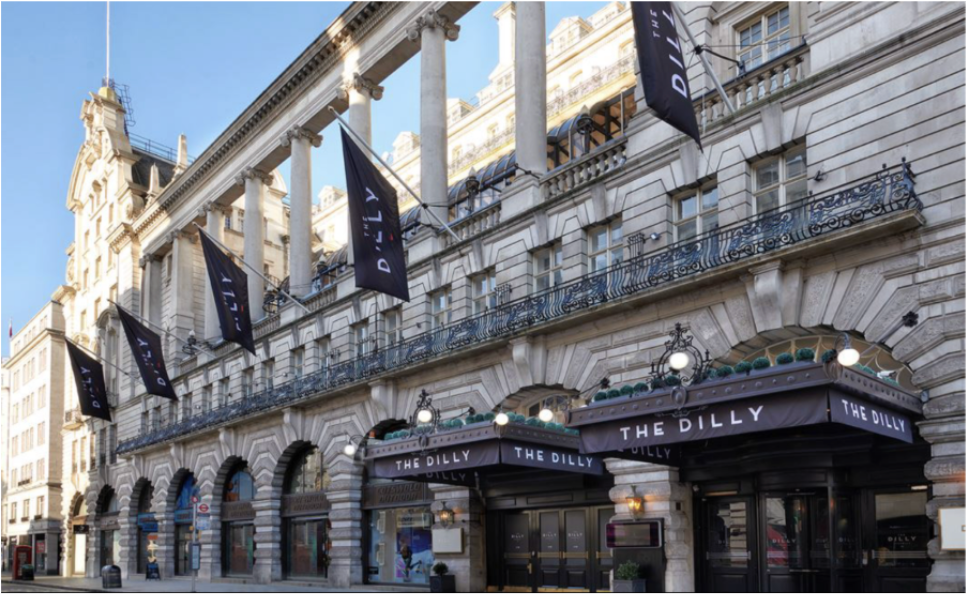
FATTAL HOTELS ACQUIRES LEASEHOLD OF THE DILLY, LONDON'S ICONIC PICCADILLY LANDMARK
- Leasehold acquisition of The Dilly, one of central London’s most recognisable hotel assets.
- Fattal Hotel Group together with its Partners, acquired the leasehold interest in The Dilly for £66.5m.
- The acquisition forms part of Fattal Hotel Group’s broader global growth strategy.
Fattal Hotels has acquired the leasehold of The Dilly, the hotel trading name at the former Piccadilly landmark in central London, located at a prime position between Piccadilly, Regent Street and Air Street for £66.5m. It has operated the Grade II listed building as a hotel since 2022.
The transaction forms part of Fattal Hotel Group’s broader global growth strategy and underscores its continued expansion across key European gateway cities.
Guy Vardi and Yaniv Amzaleg of Fattal Hotel Group commented: “The Dilly occupies a key strategic location in the heart of central London and remains one of the city’s most iconic hotel assets. This acquisition represents another important milestone in our global expansion strategy. We are grateful for the continued trust placed in us by the investors of Fattal Partnerships, as reflected in the successful completion of this complex transaction following lengthy negotiations. This confidence was further demonstrated by the latest first closing of approximately €0.5 billion for our third partnership launched within the past four years. We look forward to continuing to invest in and operate hotels across 21 countries throughout Europe, creating long-term value for our partners and stakeholders.”
Fattal Hotel Group Expansion
With this acquisition, Fattal Hotel Group continues to expand its international portfolio, reinforcing its global presence. The group now operates more than 320 hotels across over 120 destinations worldwide, having raised approximately €1.5 billion through European partnerships and acquired more than 60 hotels across Europe over the past four years.
Recent milestones include the acquisition of the Zien Group and its 12 hotels in the Netherlands, which expanded the group’s Benelux portfolio to 28 hotels. More recently, the group completed the acquisition of Hotel Saint in London’s Aldgate, the group’s 11th London property. Also this year, Fattal completed the acquisition of the Cora Resort and Spa in Afytos, Chalkidiki, Greece, a five-star 181-room resort to be rebranded as Meravia Hotel by Leonardo Limited Edition.
The Dilly: central London landmark
Originally opened in 1908 as The Piccadilly Hotel, The Dilly has long occupied a commanding position on Piccadilly, close to Buckingham Palace, the West End and The National Gallery. Once a favourite of King George V, the property is approaching its 120th anniversary.
The hotel offers 283 spacious bedrooms, including 28 suites, alongside a range of dining experiences including Madhu’s of Mayfair, The Terrace and Downstairs at The Dilly. Leisure facilities include a swimming pool, squash courts and elegant event spaces, reinforcing the property’s status as a highly visible and strategically located hotel asset in the heart of central London.
Refurbishment and reimagining
The hotel is currently undergoing a significant multi-million-pound refurbishment programme, with completion scheduled for 2028. Delivered in carefully phased stages, the hotel remains open throughout the works.
The transformation is being led by acclaimed interior designer Suzanne Garuda and will extend across guestrooms and suites, dining and bar experiences and leisure facilities. The hotel will be reimagined with a new name and brand identity, under the Limited Edition hotels of Fattal Group, with further details to be confirmed in due course.
Madhu’s of Mayfair reopened in May 2026 with a bold new concept.
The transaction was supported by CBRE, who advised on the acquisition.
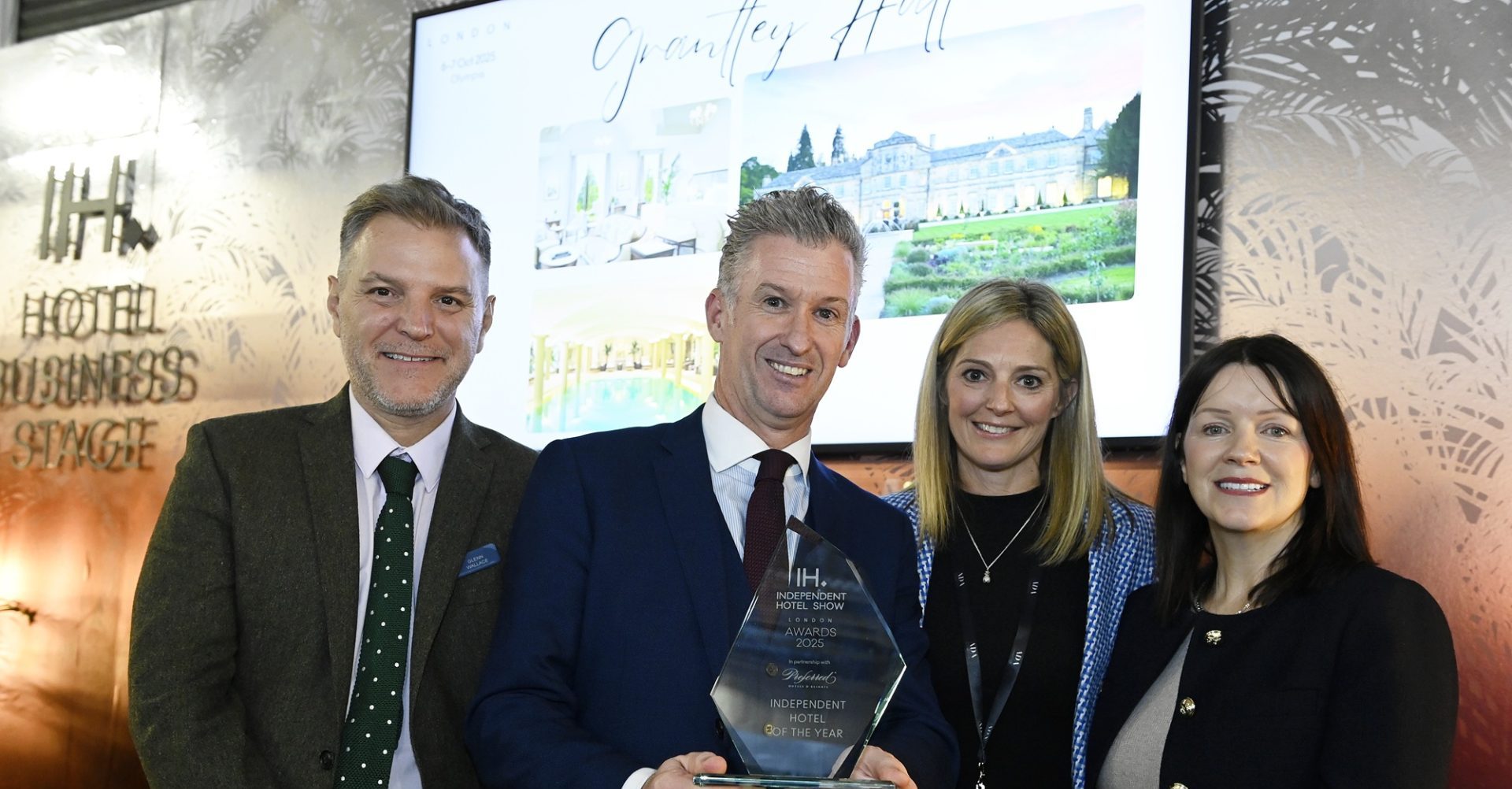
INDEPENDENT HOTEL SHOW AWARDS 2026 SHORTLIST REVEALED
The Independent Hotel Show, in partnership with James Hallam Insurance Brokers, has announced the shortlist for the Independent Hotel Show Awards 2026, in partnership with Preferred Hotels & Resorts, recognising the outstanding people, properties and design projects shaping the UK's independent luxury hotel sector.
This year's awards introduce a significant new development, with the flagship Independent Hotel of the Year award now split into two categories: Over 50 Rooms and Under 50 Rooms.
The new format reflects the breadth of the independent hotel market, ensuring hotels are recognised alongside peers of a similar scale while continuing to celebrate excellence across the industry.
The winners will be announced at the Independent Hotel Show Awards during Independent Hotel Show 2026, taking place at Olympia on 5–6 October 2026.
David Todd, Event Director of the Independent Hotel Show, commented:
The Independent Hotel Show Awards celebrate the businesses and individuals setting new standards for independent hospitality. Introducing separate categories for hotels over and under 50 rooms allows us to better reflect the diversity of today's independent hotel sector and recognise excellence at every scale. Congratulations to all of this year's shortlisted finalists, whose innovation, dedication and passion continue to inspire the industry.
Independent Hotel of the Year – Over 50 Rooms
- Another Place, The Lake
- Horwood House
- The Grand, York
- The Newman
- The Tempus
Independent Hotel of the Year – Under 50 Rooms
- Calcot & Spa
- Cromlix
- Foxhill Manor
- The Cavendish at Baslow
- The Royal Crescent Hotel & Spa
Hotel Rising Star
- Isaac Arikawe, Welcome Host, Grantley Hall
- Nicole Johnson, Head of Marketing, The Newman
- Sandia Scott, Head of People and Culture, The Newman
- Sophie Morgan, Wedding and Events Coordinator, Morgans Hotel
Hotel Design of the Year
- Calcot Manor & Spa, Blue Forest
- Cromlix, Suzanne Garuda, Garuda Interior Design
- Miiro Templeton Garden Hotel, Holland Harvey, Thurstan and garden designer Rupert Muldoon
- Penmaenuchaf, Nicola Harding & Co
- The Old Bell Hotel, Charlotte Smiley and Kim Hanks
The Independent Hotel Show Awards celebrate the exceptional people, hotels and design projects that continue to raise standards across the independent hospitality sector. Judged by a panel of leading industry experts, the awards recognise innovation, outstanding guest experiences and the individuals making a lasting impact on the UK's hotel industry.
Brenda Collin, Executive Vice President, Europe, Preferred Hotels & Resorts, said:
Independent hotels continue to set the benchmark for creativity, authenticity and exceptional guest experiences, and this year's shortlist is a testament to the talent driving the sector forward. We are proud to support the Independent Hotel Show Awards and congratulate all finalists on this well-deserved recognition.
Simon Numphud, Managing Director of AA Media and awards judge, commented:
The standard of this year's entries has been exceptional, making the judging process both inspiring and incredibly competitive. Across every category, we've seen independent hospitality at its very best, hotels and individuals demonstrating innovation, authenticity, outstanding guest experiences and a genuine commitment to their people, communities and sustainability. Congratulations to every shortlisted finalist; this recognition reflects not only excellence today, but the continued strength and future of our industry.
This year's judging panel comprised:
- Brenda Collin, Executive Vice President of Europe, Preferred Hotels & Resorts
- Dean Culpan, General Manager, Templeton Garden
- Petra Clayton, CEO, CUSTARD
- Sarah Duncan, ESG Consultant and author of The Sustainable Business Book and The Ethical Business Book
- Jade Evans, Editor, The Hotel Magazine
- Eloise Hanson, Editor, Boutique Hotel News
- Sophie Harper, Editor, Hotel Designs
- Peter Hancock, Conference & Awards Host
- Kalindi Juneja, CEO, PoB Hotels
- Nick Maddox, Head of Risk, James Hallam Hospitality & Leisure
- Zoe Monk, Managing Editor, Boutique Hotelier
- Simon Numphud, Managing Director, AA Media
- Jane Pendlebury, CEO, HOSPA
- Robert Richardson, CEO, Institute of Hospitality
The Independent Hotel Show, in partnership with James Hallam Insurance Brokers, is the UK's only business event dedicated exclusively to the needs of luxury, boutique and independently owned hotels. Bringing together hotel owners, general managers, designers and senior decision-makers, the show provides an unrivalled opportunity to discover innovative suppliers, gain expert insight and build valuable industry connections.
Independent Hotel Show 2026 takes place on 5-6 October at Olympia London. To register to attend or find out more, visit www.independenthotelshow.co.uk.
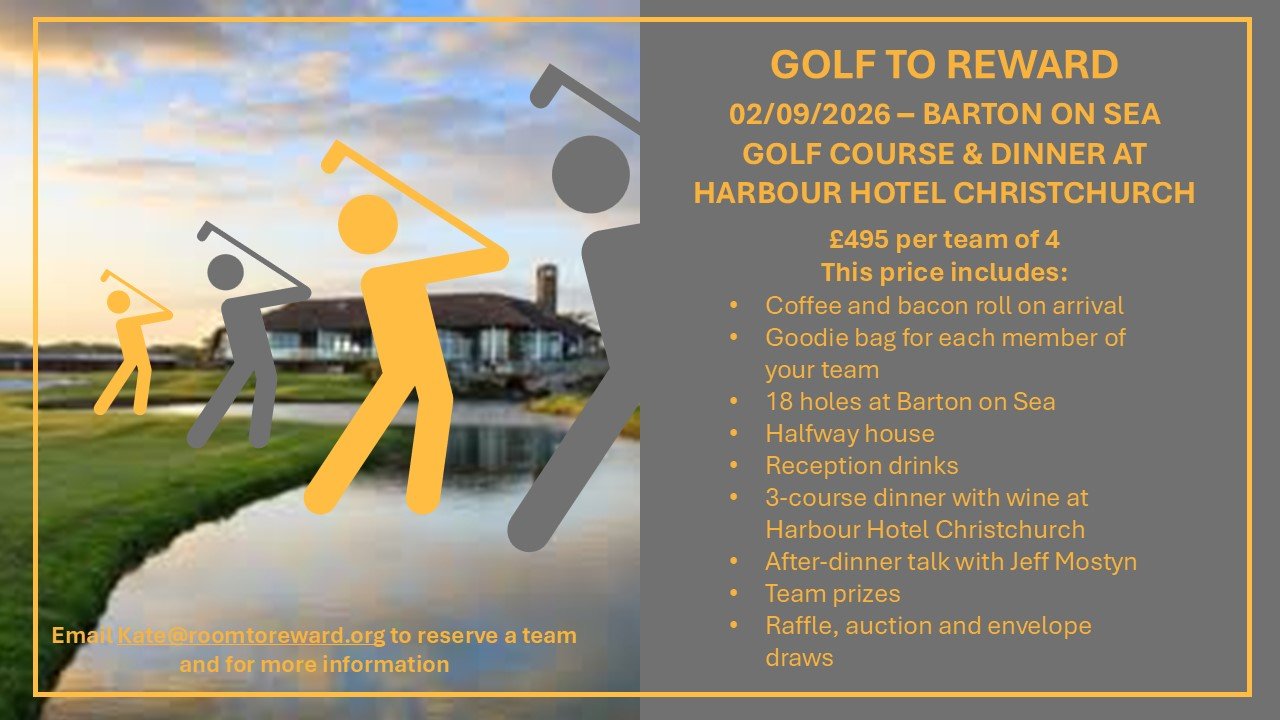
WEDNESDAY 2ND SEPTEMBER – ROOM TO REWARD GOLF DAY
Whilst the weather is proving delightful, we are thinking about all the wonderful outdoor pursuits which we can take part in, namely, GOLF! The Room to Reward Golf Day is happening on the 2nd of September at Barton on Sea Golf Club and maintaining that expected level of excellence with dinner at the Harbour Hotel in Christchurch.
The day will start at Barton on Sea golf club with tea/coffee and breakfast roll from 8:30 am. You will also receive your goodie bag with a whole array of useful/delicious tidbits! The first tee-off will be from 10 am.
The halfway house will be sponsored by Priory Concept Group and we will provide sandwiches and drinks for all of the intrepid golfers on the day.
The reception drinks will start from 6 pm at Christchurch Harbour Hotel, followed by a delectable 3-course dinner with wines, prize-giving, auction and the famous booze barrow!
This year we will have a very special guest joining us as our after-dinner speaker, the incomparable Jeff Mostyn. Jeff Mostyn is a British businessman and former chairman of AFC Bournemouth, renowned for transforming the club from financial turmoil into a Premier League contender. Growing up in Manchester, Jeff left school at 15 and forged a successful career in financial services, demonstrating resilience, grit, and entrepreneurial vision. In 2006, he personally rescued AFC Bournemouth from near bankruptcy, guiding the club through a remarkable rise from the EFL League Two to the Premier League. Jeff’s story exemplifies leadership, perseverance, and the power of hard work, making him an inspiring speaker for entrepreneurs, sports professionals, and anyone striving to overcome challenges.
All of this for a team of 4 at the amazing price of £495. If you would like to reserve your team space, you can book and pay for your team using this link. Alternatively, I can send you an invoice. It would be great if you could join us for the day. and please contact Kate Wood on kate@roomtoreward.org for any questions.
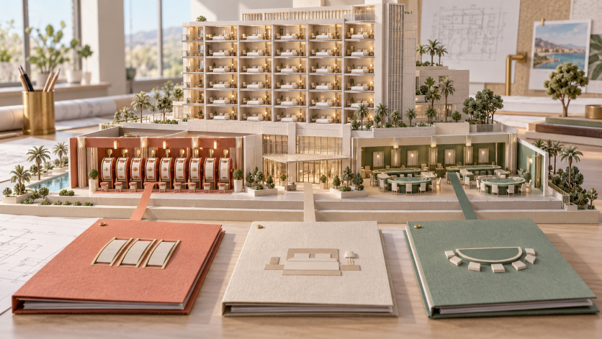
CASINO RESORT HOTELS REPORT SLOTS AND TABLES SEPARATELY FROM ROOMS IN THEIR YEARLY REPORTS
A casino resort may operate under one roof, but its financial statements describe several revenue streams at once. Gaming floors, hotel rooms, restaurants and entertainment venues respond to different demand patterns and generate revenue differently.
Many listed casino-resort operators therefore separate casino revenue from rooms and other non-gaming activity, while some publish additional operating statistics for gaming and hotel operations. Presentation varies by company, property and market. For investors, the distinction matters because headline revenue can conceal very different movements underneath it.
Gaming and hotel activity produce different measures
Gaming revenue is not the same as the total amount wagered. Company filings may report slot-machine handle and win, while table-game disclosures can use measures such as drop, turnover and win percentage. Wynn Resorts’ 2025 filing, for example, presents slots handle and win alongside table-game operating measures.
Those terms should not automatically be treated as interchangeable. Definitions can vary by game, jurisdiction and operator, and a percentage calculated from wagering activity is not equivalent to a conventional operating margin.
Hotel rooms follow different measures. Occupancy indicates the proportion of available rooms sold, average daily rate, or ADR, measures the average price of occupied rooms, and RevPAR relates room revenue to available room inventory. The same resort can therefore show stronger gaming activity while its hotel indicators weaken.
Operating statistics explain changes in casino revenue
A change in casino revenue says relatively little without the figures underneath it.
Slot win can rise alongside higher wagering volume, while table-game results can move because of customer activity, the percentage retained during the reporting period, or both. Labour, gaming taxes, commissions, depreciation and other property costs sit outside the relationship between wagering volume and gaming win.
Operating statistics therefore help separate two questions: whether customer activity changed and whether the reported gaming result changed relative to that activity. They also reduce the risk of reading short-period win percentages as stable measures of profitability.
Casino and room revenue can move in opposite directions
Hotel performance responds to other variables. Occupancy may be affected by convention calendars and leisure demand, while ADR can move with pricing conditions. Changes in either can alter RevPAR even when the gaming floor follows a different pattern.
Wynn provides a recent example. In its 2025 annual filing, casino revenue reached $4.410 billion, up 3.5% from 2024, while room revenue fell to $1.141 billion, a decline of 8.1%. The company said the decrease in room revenue was primarily due to lower ADR across its properties.
A consolidated figure would make that divergence harder to see. Looking at gaming and hotel measures separately preserves information about which parts of a resort drove the change.
Complimentary services complicate the division
Separate revenue categories do not mean that gaming and hospitality operate independently.
Casino customers may receive rooms, meals, entertainment or other services through complimentary arrangements. Depending on an operator’s accounting policy, part of the transaction value associated with a gaming customer can be recognised in a non-gaming revenue category when the related service is provided.
Red Rock Resorts’ 2025 revenue-recognition note illustrates the treatment. It states that amounts allocated to complimentary goods and services are recognised when those goods or services are provided, and that discretionary complimentaries are classified in the departmental revenue category fulfilling them, with a corresponding reduction primarily in casino revenue.
That makes the notes important when analysing revenue mix. A room-revenue figure does not necessarily represent only accommodation purchased independently by cash-paying hotel guests.
Revenue categories are not the same as operating segments
Casino, rooms, food and beverage and entertainment may be shown separately without each becoming a standalone reportable segment.
Wynn’s 2025 segment disclosure reports operating segments by property while separately presenting casino, rooms, food and beverage, and entertainment, retail and other revenue within those segments. One describes how the business is organised for reporting purposes; the other shows where revenue was generated.
Comparisons between companies require care. Gaming terminology, taxation, regulation, customer mix and accounting policies differ between jurisdictions. Slot handle is not casino revenue, a table-game win percentage is not a stable profit margin, and room revenue can include amounts connected with gaming customers.
That distinction also marks the limit of financial-performance analysis. Annual reports can reveal how much revenue comes from gambling activity, but they cannot measure its effect on customers. Gambling involves financial risk and should not be treated as a source of income; spending limits, breaks and self-exclusion tools can provide safeguards when gambling becomes difficult to control.
Reading operating statistics alongside the accounts gives a clearer picture: how much activity passed through the gaming floor, what the operator retained, how the hotel performed and where accounting treatment connects the two sides of the property.
THE IMPERIAL UNVEILS AMENITY PARTNER
- Luxury fragrance house Miller Harris named as The Imperial amenity partner, as part of the hotel’s once-in-a-generation renovation
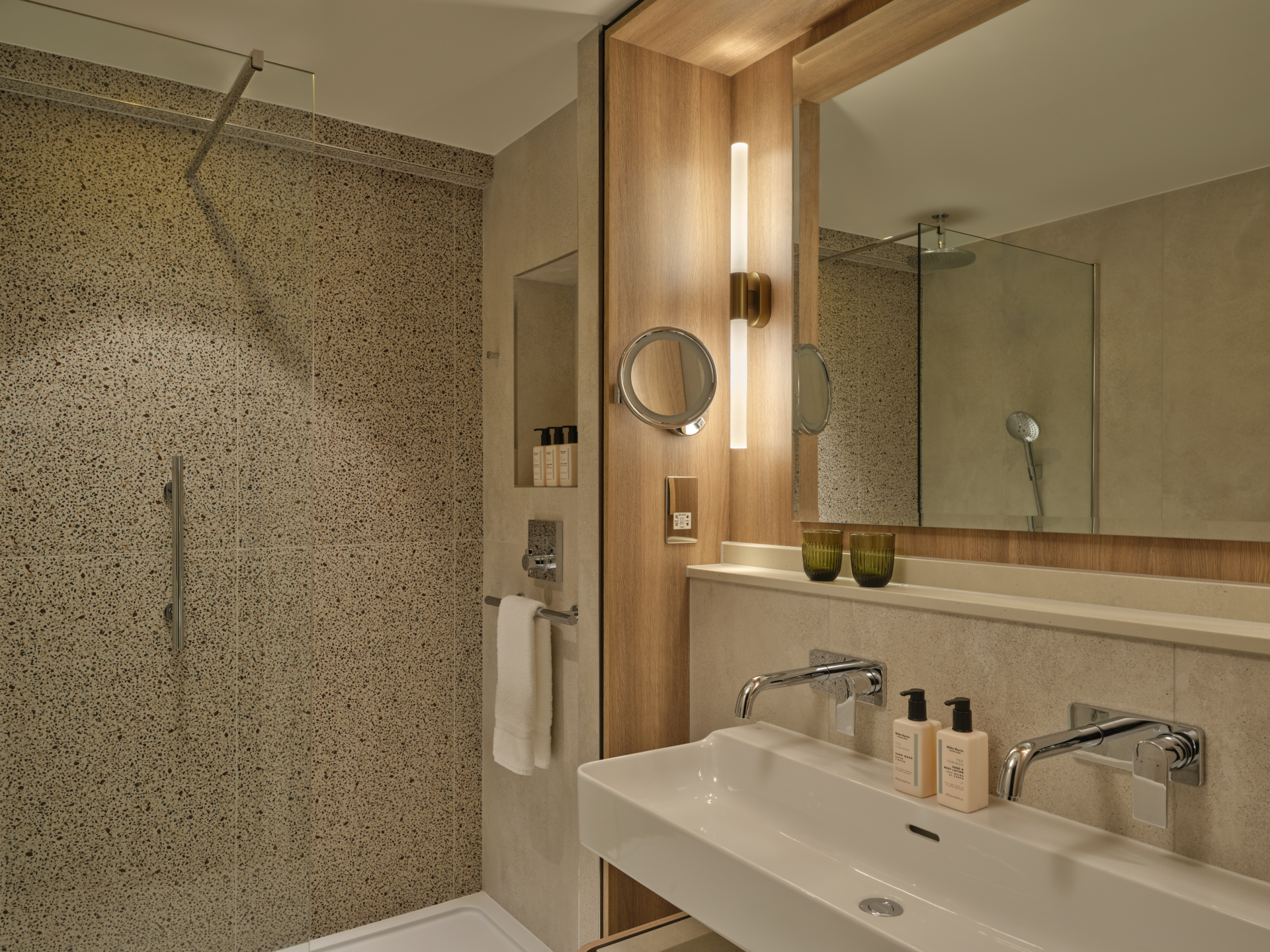
- The brand’s Tea Tonique fragrance will feature in all 357 guest rooms and public spaces across the hotel, alongside a bespoke formulation for the hotel’s signature scent
Luxury fragrance house Miller Harris has been named as the amenity partner of The Imperial, ahead of the hotel’s opening this summer.
Renowned for creating contemporary fragrances inspired by nature, the addition of Miller Harris brings a layer of sensory wellness to each guest stay. Shifting everyday rituals into moments of quiet indulgence, the partnership further enhances the guest experience with select fragrances and formats designed to instil a sense of balance and calm.
An icon of Bloomsbury for over 100 years, the reimagined property is influenced by the writers, thinkers, painters, and reformers that bestowed the neighbourhood its creative spirit. Drawing on moments from its own story, the hotel’s once-in-a-generation refurbishment has created a space in which history and modernity thoughtfully coexist.
This collaboration, founded on shared principles, complements The Imperial’s collection of wellbeing experiences for guests, which include guest rooms with private terraces and outdoor bathtubs, a dedicated wellness terrace, and programming that helps visitors slow down.
Exclusively distributed by luxury global hotel essentials provider, Vanity Group, a member of La Bottega Collective, Miller Harris’s Tea Tonique1 scent will feature in all 357 guest rooms and in public spaces across the hotel. An infusion of Italian Bergamot and floral Earl Grey, the earthy intensity of Maté and the smoky facets of Birch gives the scent its unique character. A bespoke aroma has also been formulated for The Imperial’s signature scent.
Created with sustainability at its heart, the Miller Harris hotel line is made entirely with PCR (post-consumer recycled) plastic. Displayed in a 300ml refillable format the avoids single-use waste, it’s another example of the hotel’s commitment to minimising its environmental impact, after partnering with Clean Conscience™ as part of its renovation.
Remus Obertelli, General Manager at The Imperial, said:
“The introduction of Miller Harris to The Imperial is an important step in our guest experience journey, and we were immediately impressed with both its scents and its ethos. Miller Harris’s approach to wellbeing perfectly aligns with our own perspective, and we look forward to creating memorable moments for guests as soon as they check in.”
Alex Oprey, CEO at Miller Harris, added:
“Miller Harris provides itself on partnering with like-minded properties that offer exceptional guest experience and a thoughtful approach to wellness. We are excited to be contributing to the launch of The Imperial, and look forward to helping guests achieve moments of calm from the comfort of their rooms.”
Naomi Rheinberger, Director, Global Communications and Marketing Activations, at La Bottega Collective added:
"We believe in excellence at every touchpoint of the guest journey. Through our partnership with Miller Harris, we are proud to unite exceptional fragrance, world leading formulation, and elevated design to create a memorable experience for guests of The Imperial. As one of London's most anticipated hotel openings, this collaboration reflects our shared commitment to transforming the guest journey.”
The Imperial offers visitors and Londoners a new space to gather, reflect, and connect – with themselves, with each other, and with the neighbourhood. Opening this summer, Bay Rooms start from £319 per night. For more information, visit: www.imperialhotels.co.uk/hotels/the-imperial.
BED BUG SAFETY BECOMES HOSPITALITY'S NEXT BOOKING ATTRIBUTE, AS NEW ANALYSIS REVEALS A €9.5BN SHIFT IN TRAVELLER DECISION-MAKING
Hospitality is entering a new phase in how travellers choose hotels.
Analysis based on new research by Phocuswright, conducted across 1,082 travellers in the US, UK and France finds that pests like bed bugs are the #1 hotel booking concern, ahead of cleanliness and staff friendliness, and holds as the top concern across all age groups and trip purposes tested.
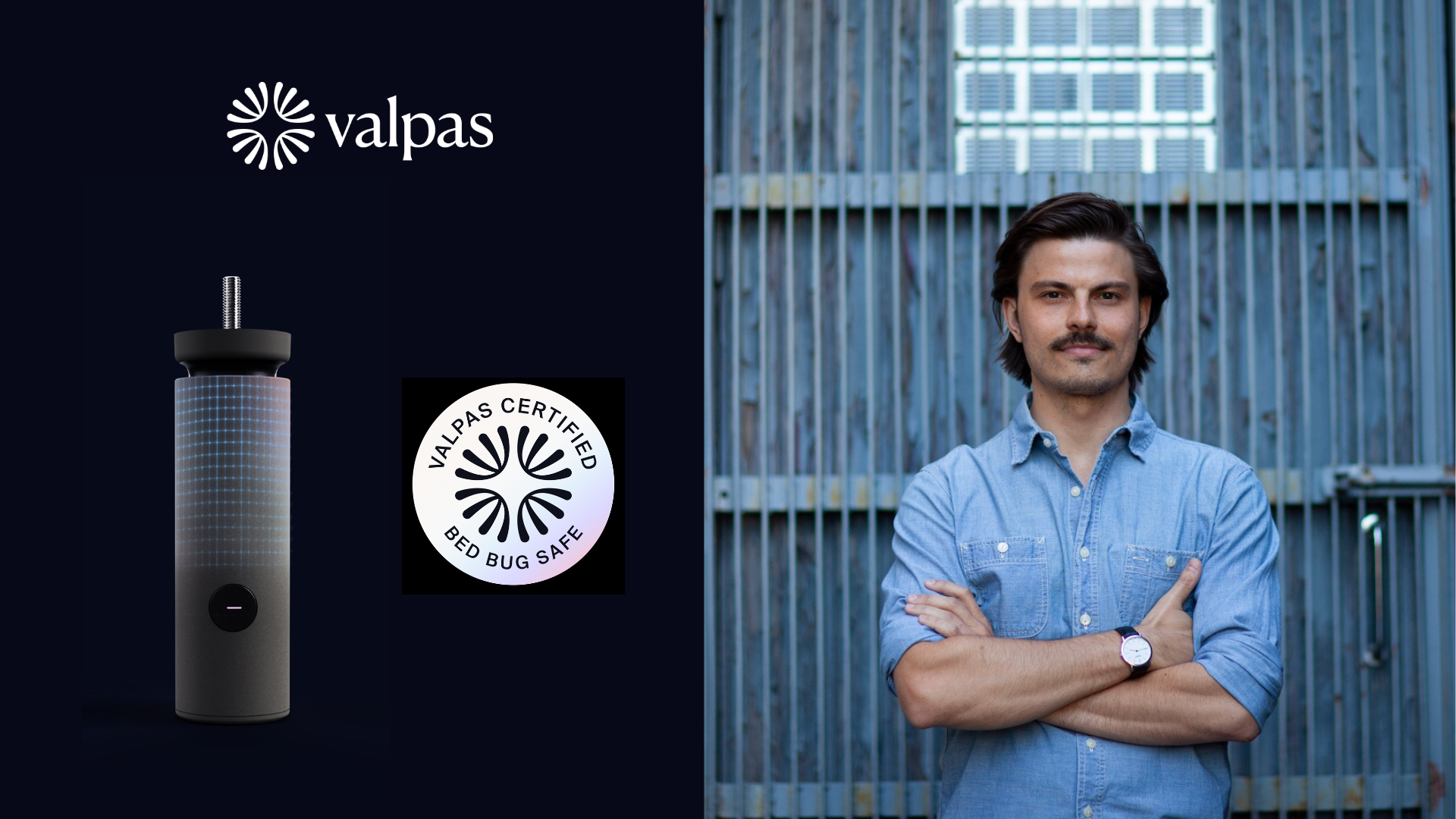
Valpas, the globally recognised bed bug safety certification standard, operating across 350 member hotels in 80+ destinations and 25 countries, independently verifies hotels at room level in real time thanks to proprietary in-room technology and pushes that proof directly into the booking platforms, OTAs and AI assistants where guests make their booking decisions.
The research shows how visible reassurance influences booking behavior, and for UK operators the implications are immediate. An issue long treated as an operational and behind-the-scenes, one has become the single biggest concern when choosing a stay.
Hospitality has done this before. Non-smoking, Wi-Fi and sustainability all began as operational issues before becoming visible booking standards. Bed bug safety is following the same path. Our role is to provide the independently verified proof that turns a guest concern into a commercial asset, visible where booking decisions are actually made. The UK is one of the next markets where that shift becomes reality.
said Martim Gois, Co-Founder and CEO of Valpas.
The behaviour has already changed
Travellers are not passive. Around 70% of US travellers and roughly half of travellers in the UK and France take precautions against bed bugs both during and after their stay – for example by inspecting their room on arrival or washing clothes in high heat after returning home – yet most never raise the concern with the hotel directly.
Yet the research reveals a striking gap between vigilance and capability: only 32% of US travellers, 19% in the UK and 12% in France say they would actually recognise a bed bug if they saw one. The result is a silence gap: guests are actively managing bed bug risk, while operators often only hear about it after something has gone wrong.
What happens when proof becomes visible
Show travellers visible, independent certification and their behaviour changes immediately. Between 79% and 84% say they would choose a certified four-star hotel over an uncertified five-star at the same price. Roughly 80% of travelers say they would pay more for a stay at a hotel with visible, continuous, independent bed bug safety certification, typically 3-5% above the standard nightly rate. And the benefits extend beyond the first booking: 78% of UK travellers say they would return to a certified property, and 72-78% of all respondents say they would try a brand they had never used before if it carried independent certification.
The commercial stakes for UK hospitality
Around 80% of travellers are willing to pay more for certified bed bug safety, and this opportunity is substantial: were the certification universally adopted and priced into room rates, Valpas analysis indicates it would represent roughly €9.5 billion in additional annual revenue across the three markets surveyed — the US, UK and France combined.
The cost of inaction is just as real: Valpas analysis indicates €2bn to €5bn (£1.7bn – £4bn) is already being lost each year across the three markets through incidents, guest compensation and the booking suppression that follows a single negative review.
With AI assistants now actively mediating hotel searches, up to 30% of US travellers already use them to check a hotel's bed bug safety record before booking, hotels without visible proof of safety risk being overlooked during consideration.
Hospitality is joining a shift already underway across European capitals as bed bug safety follows the trajectory of Wi-Fi and sustainability into the booking flow, from invisible operational concern to visible, bookable standard. For decades, the industry stayed silent, and that made sense. There was nothing to show. Now there is. The hotels that surface this credential first won't be taking a risk. They'll be setting the standard.
About the research
The Phocuswright 2026 survey covered 1,082 travellers across the US, UK and France (balanced by age, gender and trip purpose; leisure and business travellers). Key statistics for reference:
- Pests such as bed bugs rank as the #1 hotel booking concern, ahead of cleanliness and staff friendliness
- When visible certification is available, travellers would choose it over star rating, brand loyalty, location and user ratings
- 79-84% of travellers would book a certified 4-star hotel over an uncertified 5-star at the same price
- Roughly 80% would pay more for visible, continuous, independent certification (typical premium 3-5% of ADR)
- 67-73% would choose a certified hotel over a usually-loyal but uncertified brand
- Roughly half of travellers (53% in the US, 51% in the UK and 52% in France) say they would not book a hotel that had even a single recent review mentioning bed bugs.
- €9.5bn (£8.2bn) three-market revenue opportunity if certification were priced into ADR; €2bn to €5bn (£1.7bn – £4bn) currently lost annually to incidents and review-driven demand suppression
- Up to 30% of US travellers (15% UK/France) now use AI tools to research a hotel's bed bug reputation before booking
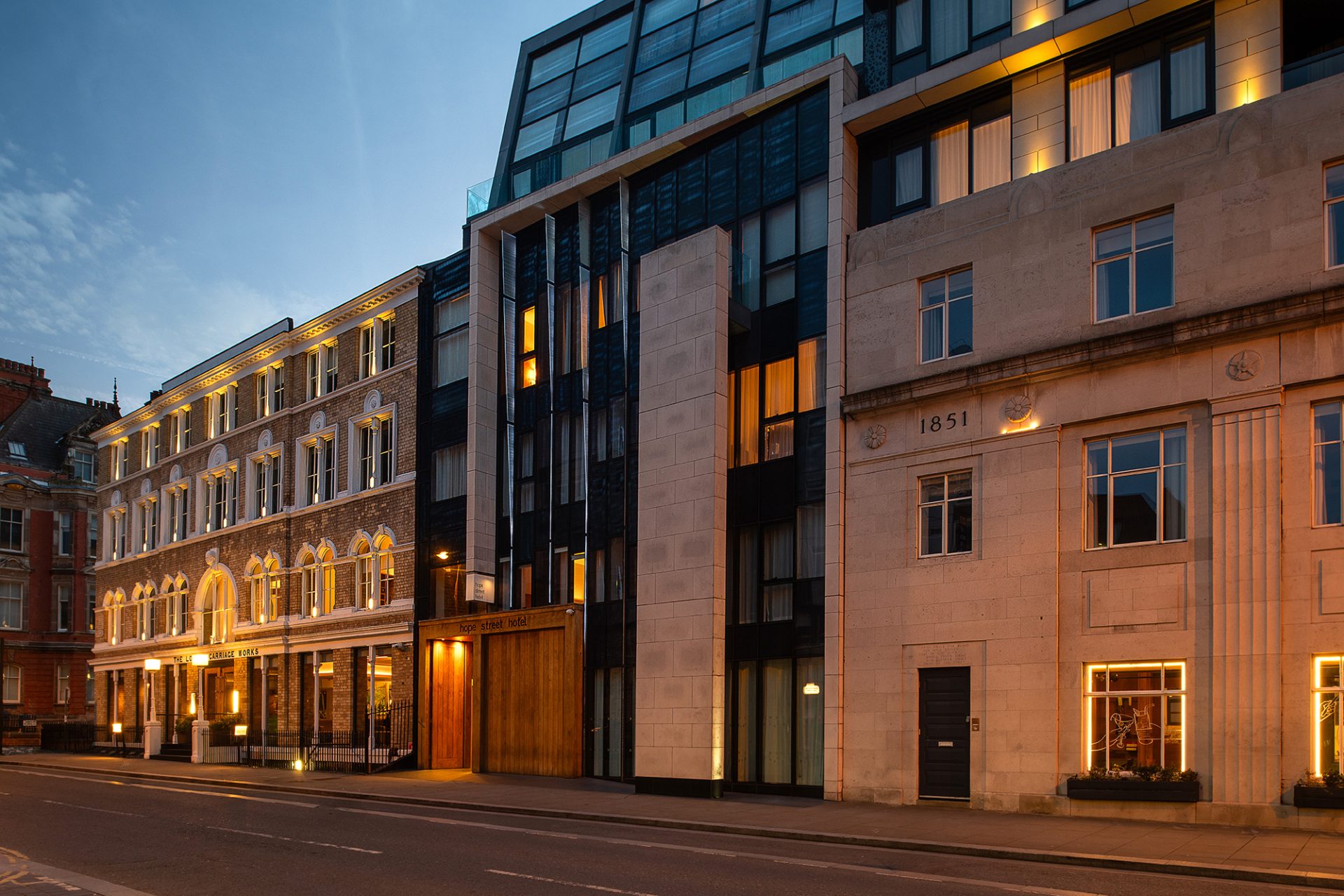
BEYOND THE BEDROOM: HOW HOPE STREET HOTEL IS REDEFINING REVENUE
Mary Clarke, Revenue Manager at Hope Street Hotel, explains how shifting focus from room rates to the full guest journey is unlocking new commercial opportunities. From seamless pre-arrival booking to integrated spa and dining experiences, she shares how technology and collaboration are driving stronger direct revenue, higher conversion rates and a more valuable, personalised stay.

Hope Street has become known for generating revenue well beyond the bedroom. When did you start thinking about the entire guest experience as a commercial opportunity rather than just the room booking?
I think the turning point came when we shifted our mindset to the fact that guests aren’t just booking a bedroom – they’re booking an experience. They want spa, dining, drinks and little extras to make their stay memorable, but these experiences weren’t always easy to discover or arrange online. Since partnering with Journey, we have been able to bring accommodation, spa, dining and gifting together in one seamless booking experience. This makes it easier for guests to personalise their stay while creating new revenue opportunities across the hotel.
Revenue management used to be almost entirely about rooms. How has your definition of commercial success changed over the last few years?
Bedroom revenue will always remain a key priority for me, but it is no longer the only measure of commercial success. Today, we look at the complete value of each guest, including spend across accommodation, spa, dining and gifting. This broader approach has brought our revenue, marketing and operational teams closer together, with everyone focused on delivering a better guest experience while maximising revenue. By focusing on the full guest journey, we’ve been able to identify new ways to increase direct bookings and maximise spend across the hotel. This approach has contributed to an 18% year-on-year increase in online direct revenue.
What have you done to make it easier for guests to discover and book experiences before they arrive, and what impact has that had?
The biggest improvement has been simplifying the booking journey for our guests. Guests can now plan their stay in one place, rather than navigating separate systems or having to call for bedrooms, spa, dining or other experiences. It allows guests to book online with confidence, knowing their stay is tailored to them, while helping us capture additional revenue at an earlier stage. Since creating this user-friendly experience with Journey, our booking conversion rate has grown to more than double the industry average which is amazing!
Your spa has become a significant contributor to overall performance. What role does technology play in helping you connect rooms, spa and other experiences into one guest journey?
We have seen such an uplift in spa reservations since working with Journey. Giving guests the ability to book online in one place has giving us a greater understanding of guest demand before arrival, helping us plan staffing, resources and operations more effectively. For guests, it creates a much smoother experience, with everything confirmed before they arrive. Commercially, this approach has helped us deliver strong results, with spa revenue increasing by 140% since 2023. It allows us to maximise the value of every guest while ensuring we continue to deliver a personalised guest experience.
Many hotels still rely on guests discovering experiences after check-in. Why do you think that leaves revenue on the table?
The booking stage is when guests are most engaged and excited about their trip. They are actively planning how they want to spend their time, so this is the ideal time to showcase everything we have to offer. If we only introduced experiences at check-in, guests may have already made plans elsewhere. By making spa, dining and other experiences bookable earlier, we can drive additional revenue and improve forecasting all well tailoring the guest experience.
What impact has technology had on your direct booking strategy and guest experience booking journey?
Our website is essentially a digital shopfront where the booking experience reflects the quality of the stay. Guests now expect a booking journey that is engaging and easy to complete. This shifts our strategy to put more into our online presence. By investing in a smooth booking experience, we have increased conversion and created more opportunities to generate revenue beyond just accommodation. We have also seen strong growth in gifting, with 74% of our vouchers now sold online. Guests who redeem vouchers online also spend around 53% more than the original voucher value, showing the value of a connected digital journey.
If you could give one piece of advice to hotel leaders looking to increase guest spend without simply raising room rates, what would it be?
I believe guests don’t always know exactly what they want until they see it, so having a website and booking engine that shows what you have to offer in the right way is very important. The opportunity is to make these offerings easier to discover, book and pay for at the moment guests are most engaged. My advice is to showcase what you have to offer by making it visible and accessible, it will be much easier to naturally increase guest spend.
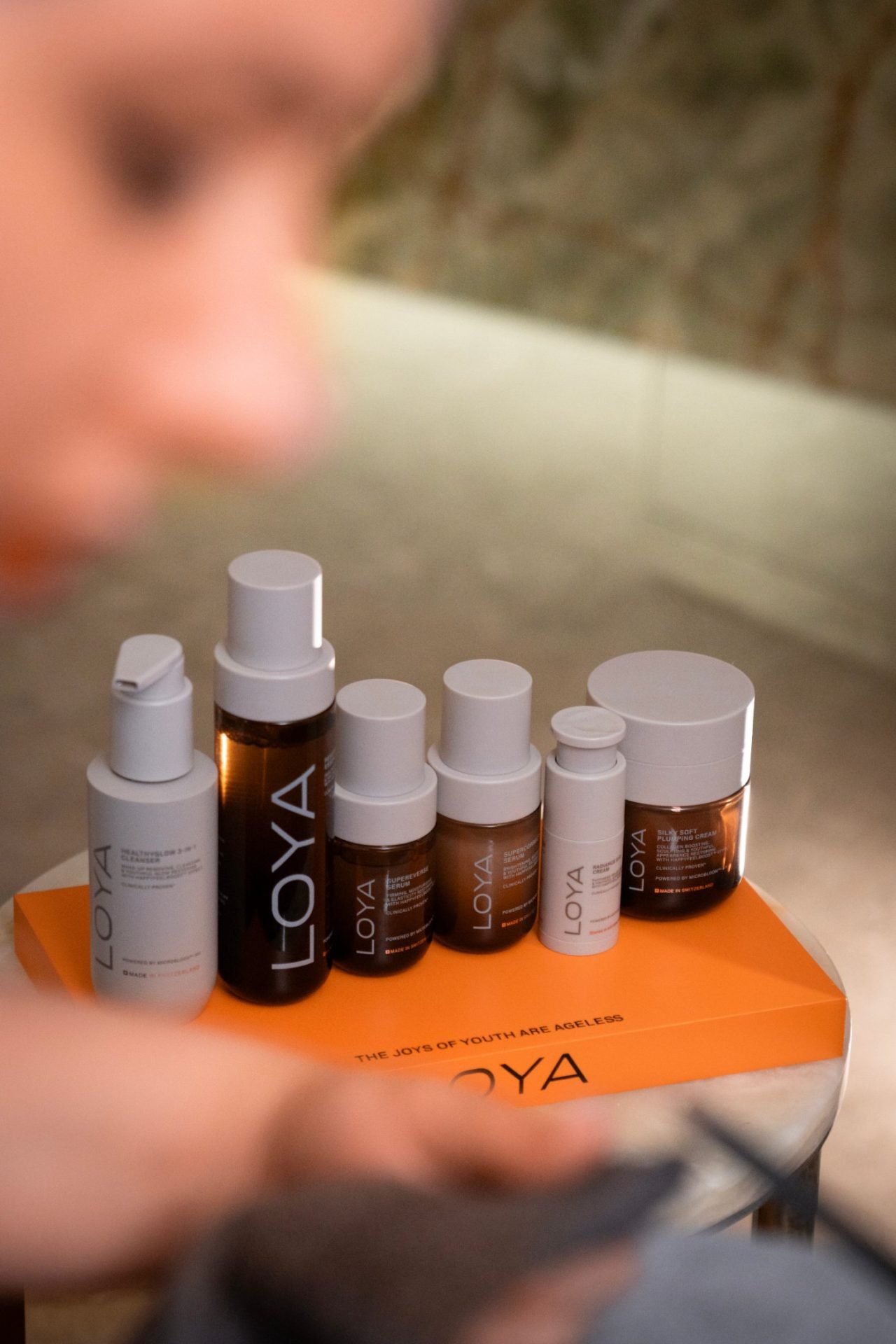
BVLGARI HOTEL LONDON UNVEILS EXCLUSIVE WELLBEING JOURNEY WITH LOYA
Following the successful partnership with Bvlgari Hotels in Milan and Rome, Bvlgari Hotel London announces the arrival of LOYA, the award-winning Swiss longevity brand, to its Spa with The Facial of Joy, an exclusive facial experience bringing together LOYA’s innovative approach to Swiss longevity science with Bvlgari’s signature philosophy of wellbeing.
To mark the occasion, the Bvlgari Spa will host the LOYA Spa Suite, a temporary space dedicated to discovering and experiencing LOYA’s innovative approach to skincare and longevity. Conceived as an immersive environment, the Spa Suite offers guests the opportunity to discover LOYA’s skincare collection, as well as experience The Facial of Joy, Bvlgari’s signature facial ritual, enhanced through LOYA’s scientific approach to skincare and neurocosmetics.
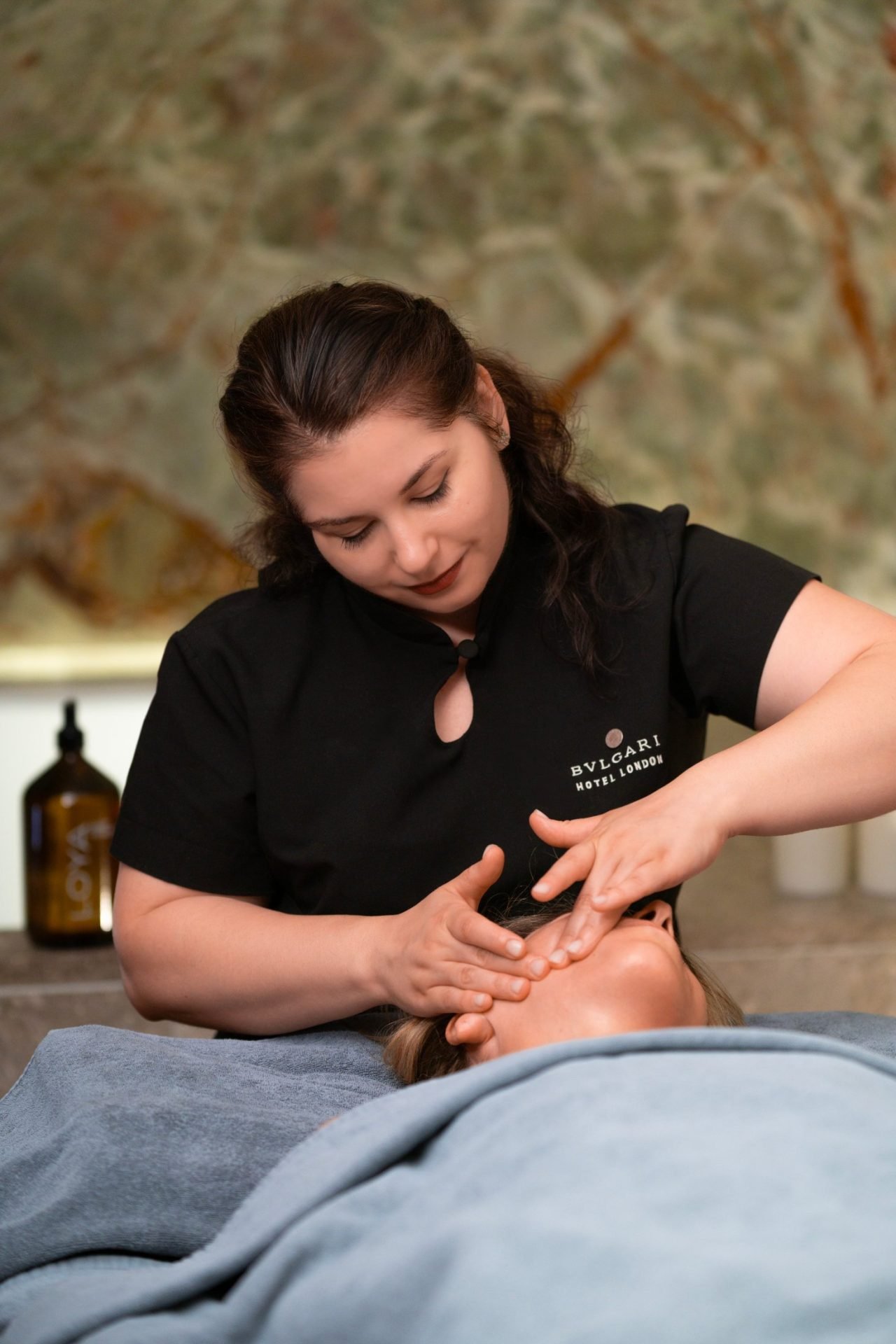
Within the LOYA Spa Suite, guests can explore LOYA’s innovative approach to skincare and longevity, including its patented MicroBloom-SH and HappyFeelBoost technologies, designed to support collagen production, hydration and emotional wellbeing.
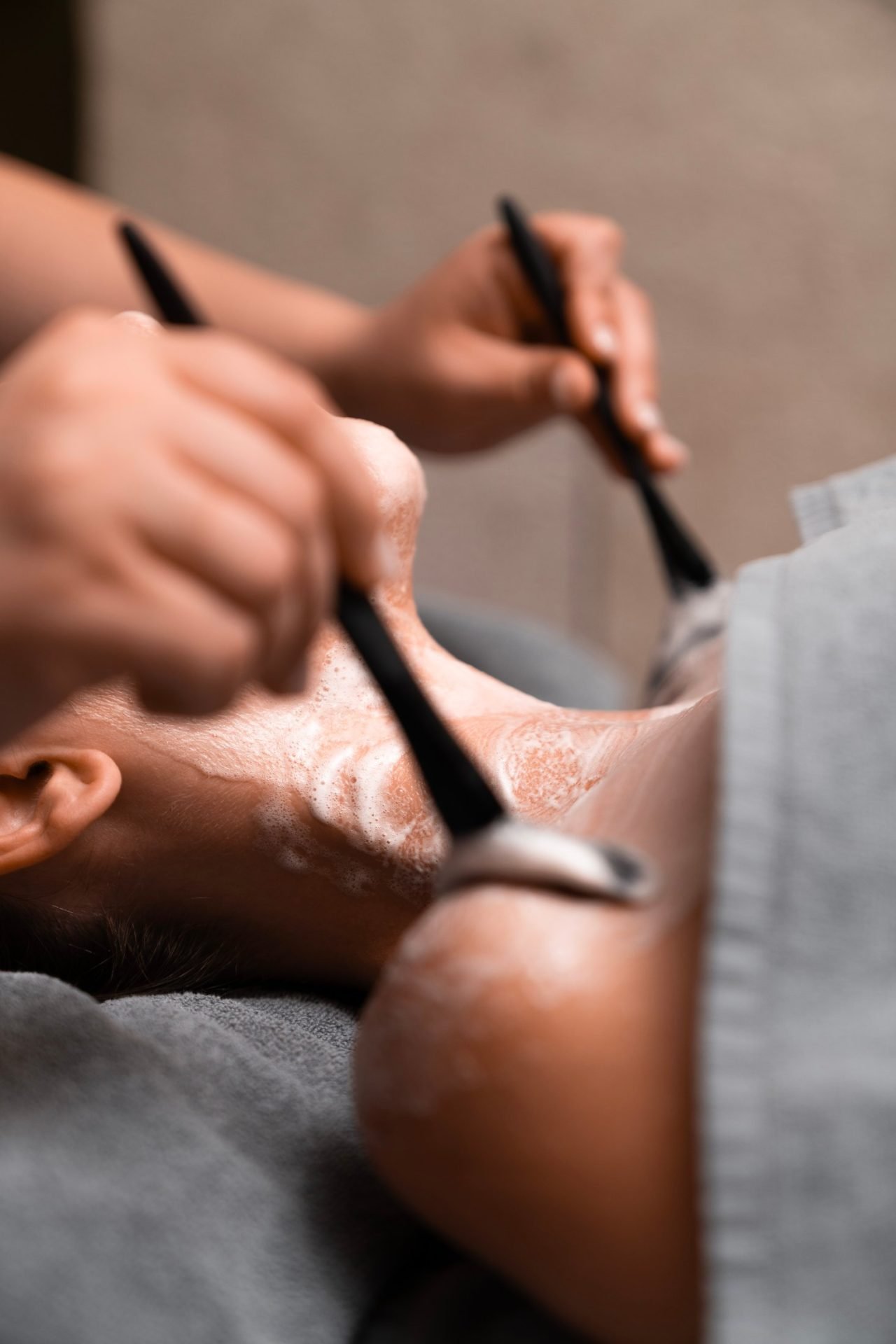
The LOYA experience, including The Facial of Joy and access to the LOYA Spa Suite, will be available at Bvlgari Hotel London until December 2026.
The Facial of Joy 50 minutes, £250. 80 minutes, £400. Available exclusively at the Bvlgari Hotel London.
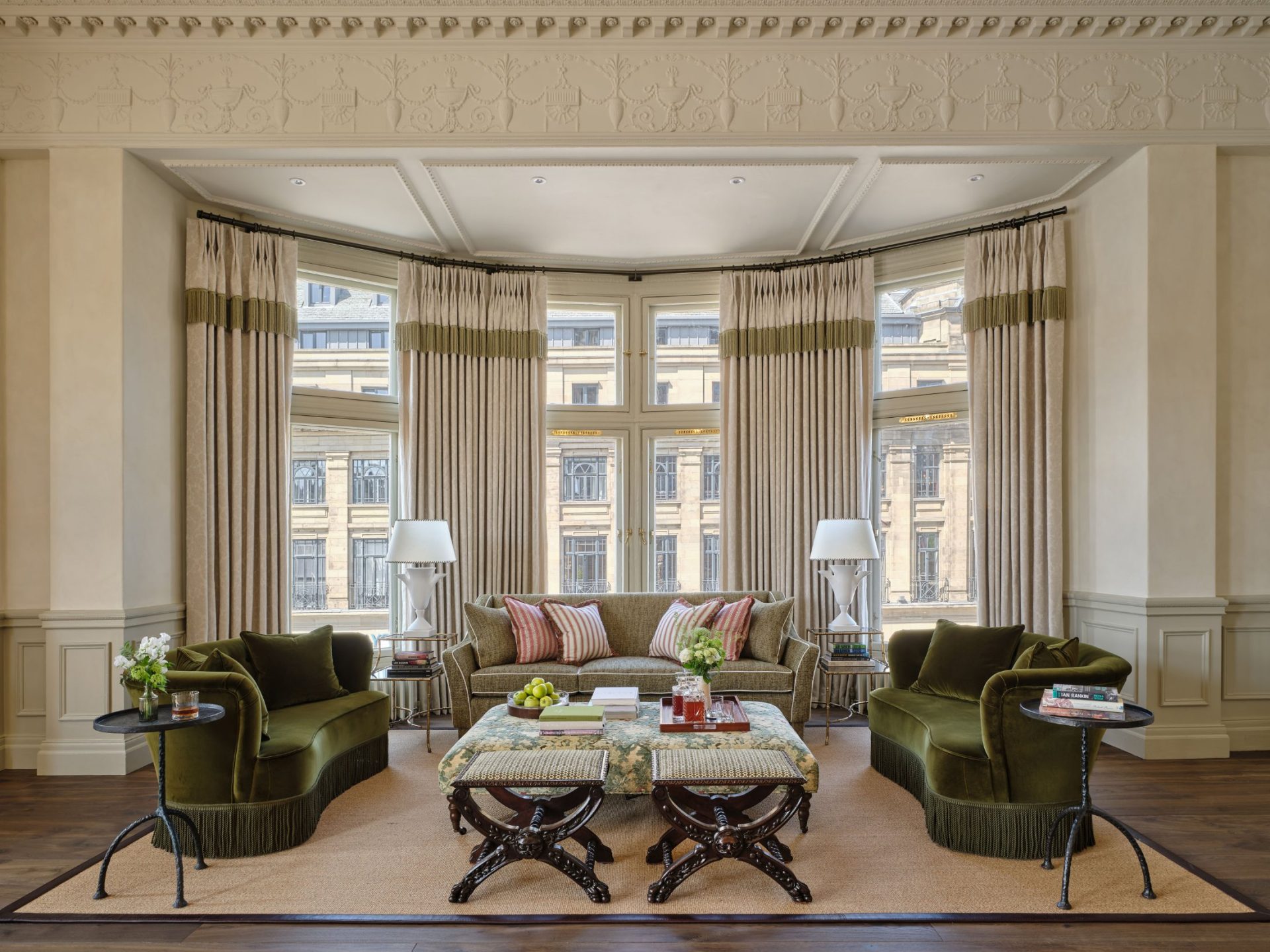
A NEW CHAPTER: THE BALMORAL UNVEILS LITERARY-INSPIRED EVENT SPACES CELEBRATING SCOTLAND'S STORYTELLING HERITAGE
The Balmoral has unveiled a new collection of private event spaces inspired by three of Scotland's most celebrated literary icons, designed to transform celebrations, private dining and corporate entertaining into distinctive story-led experiences.
Launching on 30 July, three of the hotel's private event spaces have been reimagined as The Rebus Room, The Rabbie Burns Room and The Muriel Spark Room. Inspired by the worlds of each author, the spaces celebrate Scotland's rich literary heritage through bespoke dining, thoughtfully curated design and refined details.
Created in response to growing demand for immersive, experience-led hospitality, each space offers an elegant setting complemented by a custom menu and signature cocktail, each inspired by the writer's world.
Offering a taste of each menu, The Muriel Spark Room features seared tuna with pomegranate and traditional Azorean Molho de Vilão, inspired by the remote island setting of Robinson, accompanied by The Prime Pour—one of a trio of cocktails expertly crafted by Bar Prince Head Bartender Mattia Rovaris, celebrating the author's wit and imagination. In The Rabbie Burns Room, a reimagined cranachan, inspired by Scotland's national bard and his ode to Scotch whisky, is served alongside A Red, Red Rose, Rovaris' tribute to Burns' iconic poem. Meanwhile, The Rebus Room captures Edinburgh's noir atmosphere with Black &Blue—charred beef carpaccio with whipped blue cheese and black garlic aioli—paired with The Last Clue, Rovaris' smoky Highland Park whisky creation inspired by Inspector Rebus.
For guests looking to elevate their experience, The Balmoral can curate a programme of specially curated entertainment tailored to each event. From live storytelling and traditional Scottish music to literary discussions, expert talks and themed performances, these optional additions bring each literary world to life, creating celebrations inspired by Scotland's rich storytelling tradition.
Andrew McPherson, General Manager of The Balmoral, said:
These new event suites celebrate the creativity, craftsmanship and storytelling that define Scotland. By combining beautifully designed interiors with immersive dining experiences inspired by some of our greatest literary voices, we've created a truly distinctive setting for celebrations and events that could only exist at The Balmoral.
Author Sir Ian Rankin commented:
It's exciting to see Inspector Rebus inspiring an experience beyond the novels. Edinburgh has always been the soul of these stories, and The Balmoral has captured that atmosphere in a creative and exciting way. Seeing Rebus leave a lasting legacy in one of the city's great landmarks feels both fitting and rather special.
Eric Dickson, Chairman of the Muriel Spark Society, commented:
Muriel Spark's writing continues to captivate readers through its originality, wit and sense of place. We're delighted to see her work celebrated through an experience that brings literature, hospitality and Scottish culture together.
Complementing the literary themes, the interiors draw inspiration from Edinburgh's dramatic landscape and architectural heritage. Rich timber flooring, handcrafted lighting, Scottish textiles and carefully curated antiques are paired with earthy tones and natural materials to create elegant, residential-style spaces inspired by the drawing rooms of a private Scottish home.
The launch marks a new chapter for private events at The Balmoral, reinforcing its position as one of Scotland's leading destinations for luxury celebrations, personalised gatherings and culturally inspired dining experiences.