


RAFFLES LONDON AT THE OWO IN THE UK NAMED NO.28 IN THE 50 BEST HOTELS 2026
The highly-anticipated list celebrates hotels across six continents worldwide
Raffles London at The OWO has been named No.28 in the global ranking of The 50 Best Hotels 2026. The fourth edition of The 50 Best Hotels has been announced at an awards ceremony in Paris and features industry-defining hotels spanning six continents worldwide.
Last night's awards ceremony once again united the global travel and hospitality community to celebrate the world’s finest hotels. For the first time in Paris, at one of the city’s most unique locations, Les Salles du Carrousel, the event showcased experiences that will inspire consumers, travellers and hoteliers around the globe.

Raffles London offers the most majestic of accommodation as the hotel is located in one of the grandest buildings on Whitehall, The OWO, which overlooks the official gates to Buckingham Palace. Leading designer, the late Thierry Despont crafted luxurious rooms from the former offices of Britain’s leading military and political figures from the past 120 years. Grand ceilings, historic fireplaces, ornate stucco, oak panelling, giant casement windows are notable features in many rooms. But all share a unique history as this was once The Old War Office building where Churchill held office, decisions which shaped the modern world were made, and MI5 and MI6 were conceived. Much of the inspiration for James Bond 007 was inspired by these storied rooms as Ian Fleming, Bond’s creator, was a regular visitor. Of special note, the hotel offers three signature restaurants from chef Mauro Colagreco who oversaw Mirazur on the Côte d’Azur, awarded the illustrious title of The World’s Best Restaurant at The World’s 50 Best Restaurants 2019.

Faye Huggett, Director of Community for The 50 Best Hotels, says: “Bringing The 50 Best Hotels to Paris for the first time has been a privilege, and a fitting backdrop to celebrate the hotels shaping the future of travel. This year’s list recognises not only extraordinary places to stay, but the exceptional people whose vision, craft and care create truly memorable guest experiences. Congratulations to every hotel honoured in 2026, thank you to our Academy whose votes shape the list and everyone who continues to make this a moment the industry look forward to each year.”
Olivier Thomas, Managing Director, Raffles London at The OWO says: “It is a moment of special celebration for Raffles London to be ranked in The 50 Best Hotels for three years running. We have an immensely talented team at the hotel - both heart of house and front of house - who make magic for our guests each and every day. For a relatively young hotel, which is located in a truly historic building, this gives us all an extra sense of purpose and pride. We are delighted to be part of the acclaimed The 50 organisation. Our deepest thanks and gratitude as always.”
The 50 Best Hotels 2026 was revealed as part of a live countdown from No.50 to No.1. The ranking is complemented by a series of special awards alongside the extended 51-100 list and reflects the very best travel experiences around the globe, collated from the votes of more than 800 anonymous experts. This voting panel – The 50 Best Hotels Academy – comprises a balanced mix of hoteliers, travel journalists, educators and seasoned luxury travellers, led by a group of industry-leading Academy Chairs.

CAMBRIDGE HOUSE, AUBERGE COLLECTION OPENS BOOKINGS AHEAD OF FEBRUARY LAUNCH
Auberge Resorts Collection is set to make its London debut with the opening of Cambridge House, Auberge Collection in Mayfair, with reservations now open for stays from February.
The new property will mark Auberge Resorts Collection’s first London hotel, bringing a new hospitality destination to 94 Piccadilly, the former home of the Naval and Military Club, better known as the ‘In & Out’ Club.
Dating back to 1756, Cambridge House has a long history as a meeting place for prominent figures and social circles. The building has now been reimagined as a hotel, private club and residences, designed to combine its heritage with a contemporary Mayfair identity.
Interiors have been created by French designers Jean-Louis Deniot and Laura Gonzalez, with the property set to feature Auberge’s signature Wellbeing offering alongside a collection of restaurants and bars.
Among its dining venues will be Major’s, a new restaurant and social space intended to form part of the hotel’s wider role as a destination for both visitors and the local community.
Cambridge House will offer guests a new base in Mayfair while becoming the latest addition to Auberge Resorts Collection’s growing international portfolio. The group has also appointed Etienne Haro as Managing Director of Cambridge House.
Reservations are now open for stays from February.
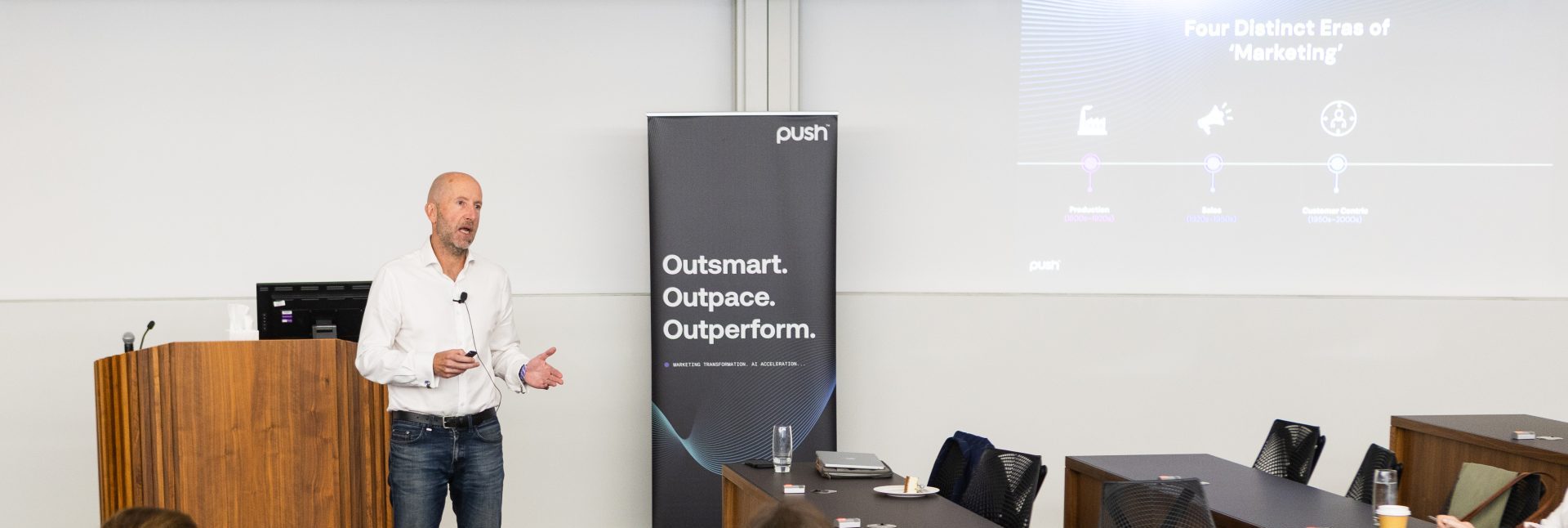
INTERVIEW WITH STEVE HYDE
AI search, content quality and how hotels get found
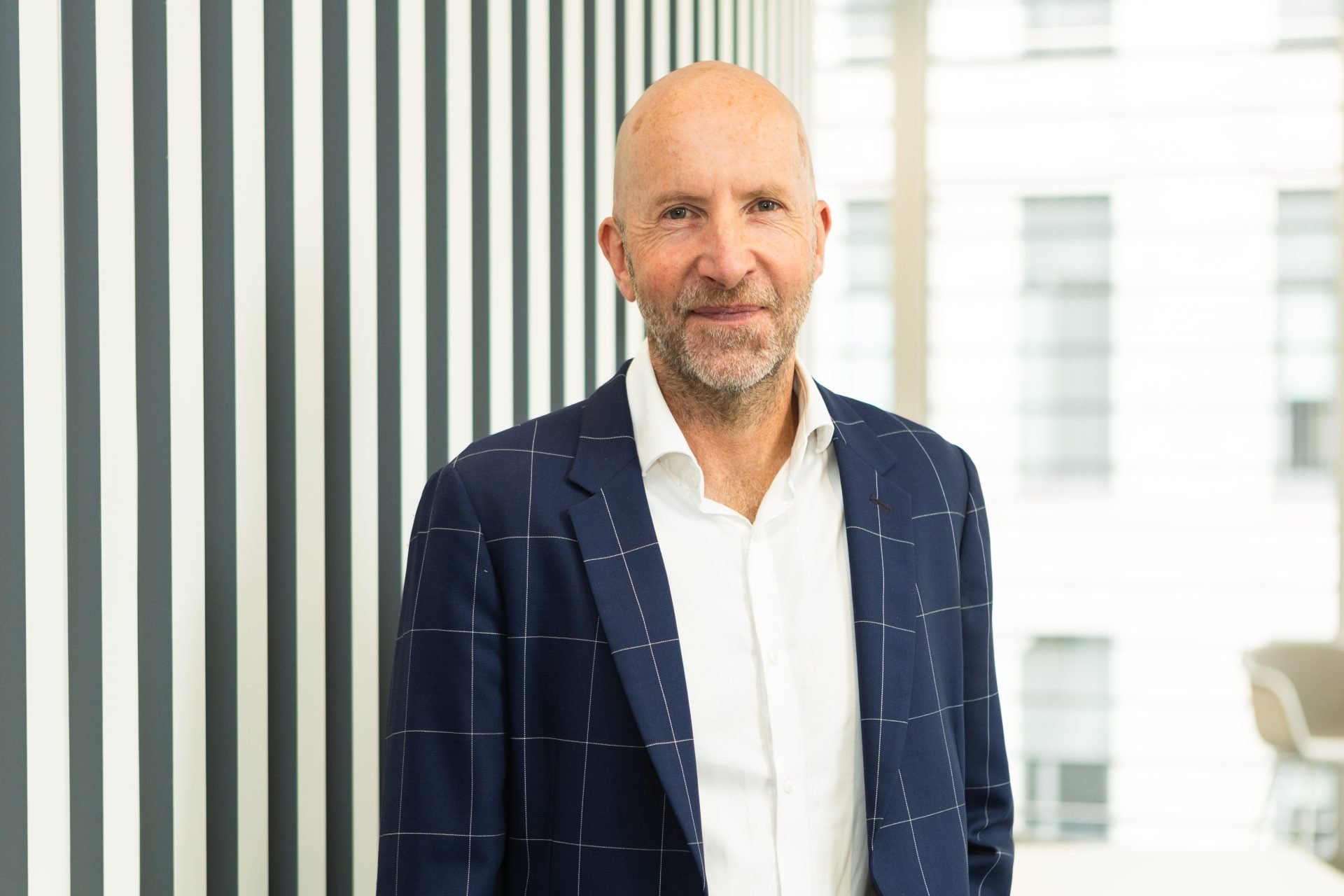 Following the inaugural Hospitality Social Media Summit, held in London on 3–4 September 2026, we spoke with Steve Hyde, a member of the summit faculty and one of the UK's most recognised voices on AI in marketing.
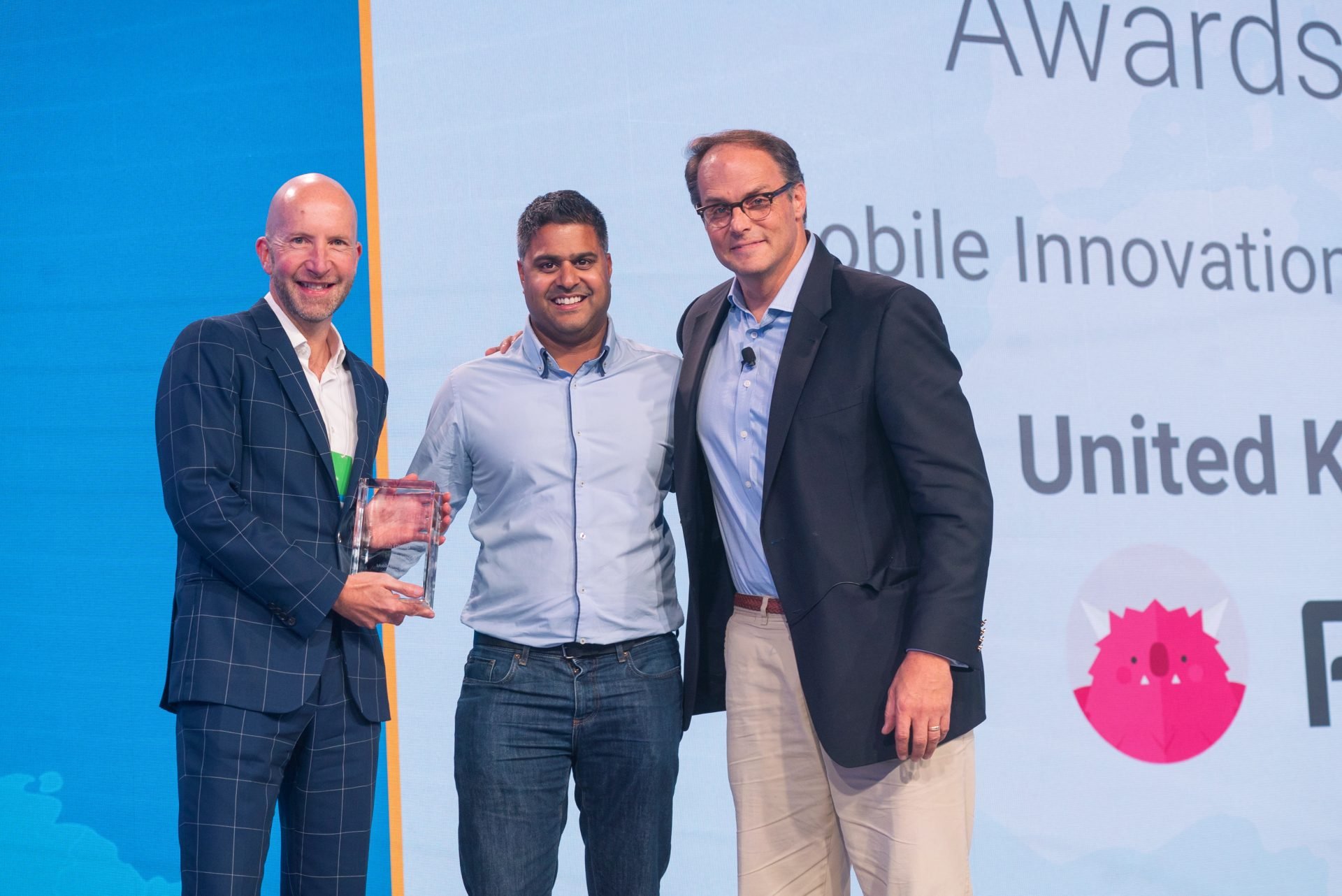
Steve is the co-founder of Push, the digital marketing agency he started in 2007 after senior marketing roles at Kraft, PepsiCo and Disney. Push made the decision to become an AI-first business early, and is the only agency recognised by both Google and Microsoft six years running, with multiple Best Use of AI awards to its name. Steve now spends most of his time on the question of how brands stay visible as search moves from a page of results to a generated answer.
In this interview, Steve explains what AI-first means in practice rather than in language, why generative search is changing the way guests discover and choose hotels, what actually decides whether a brand appears in an AI recommendation, and where AI genuinely saves hotel teams hours rather than adding noise. He also looks back at the Day 2 lab he co-led with his Push colleagues Jai Khan and Cim Dahir, where delegates assessed their own brand's visibility in AI search and built the quality controls that keep AI content on-brand. His central argument is a direct one: AI is not another channel to add to the plan; it is a change in how guests find you, and the brands acting on that now will be the ones recommended later.
- You spent the first part of your career in senior marketing roles at Kraft, PepsiCo and Disney before co-founding PUSH in 2007. You have seen major shifts in how brands reach and influence consumers, from search and social to mobile and programmatic. Hospitality is a very different environment: demand is seasonal, the customer journey is fragmented, distribution can involve multiple intermediaries, and reputation has an immediate commercial impact. When you look at AI through that lens, what makes this shift structurally different from everything that came before it?
Yes, I spent most of my decade in corporate in FMCG, although I was always in touch with hospitality. My first job out of university with Mondelez International propelled me into travelling round the Middle East, spending two weeks in every month in the Gulf States, becoming very familiar with the developing hotel infrastructure in the 1990s. In PepsiCo (Walkers Snack Foods), I was responsible for food service sectors, and my final job at Disney gave me even more insight into the wider hospitality sector.
Looking purely at marketing, I have been fortunate to witness one big shift already, as I was at the heart of the digital wave in the mid 2000s. There are some striking similarities with what we are going through now. Many marketers were in denial and even hostile towards digital. Bigger brands often found it harder to shift. Those willing to try out new approaches benefited the most.
This wave (AI, of course) will be much bigger in its impact on business and society than digital. I say that with conviction looking at what it is already capable of doing. The tougher question is "how fast" it has an impact. At PUSH we have been on this journey since 2022. We have seen how the interest in AI has changed over the years. In 2023, we were hearing, "It's a tool my kids might use". In 2024, we were hearing, "You guys talk too much about AI". By 2025, we were starting to get Innovators buying in, and now in 2026, the same brands that were telling us that we were too obsessed with AI in 2023/24 are saying, "We were wrong; we need to move NOW".
There's still some resistance at the moment, but as businesses like ours start to publish more case studies showing impact, then more and more will get on board. I would not be surprised if we reach a tipping point very soon. If we do, then the demand for AI implementation knowledge and expertise will massively outstrip the supply.
AI isn't just another channel or optimisation layer, as it rewires how demand is generated, qualified, converted and retained. We are going to see entirely new business models develop just as we did in the previous wave. Go back to the early 2000s, and there was no Uber, Deliveroo or Rightmove. In hospitality, there was no Booking.com, Airbnb, Tripadvisor, and the list goes on.
The internet allowed entirely new business models, often from players outside the sector who had almost no experience in a market. AI will do the same; we'll see entrepreneurs rewrite the rules for multiple hospitality sectors.
A personal favourite of mine from the past was a guy in the Lake District who had a few properties of his own and started up Lakes Cottage Holidays. David Hogarth, whilst a tough businessman, was always willing to try out new approaches. Consequently, we worked with him and were the first brand to introduce remarketing adverts back in 2008, way ahead of his competition.
He was first on Meta as well, and before you knew it had built up over 1,000 cottages on his site. He later sold his business, and we remain good friends after a decade of working with one another. Moving fast pays off.
- PUSH made the decision to become AI-first relatively early. What does an AI-first business actually mean in practice? Which processes did you have to redesign, rather than simply giving existing teams access to new AI tools?
Some important context here. We have been very close to Google for over a decade as part of their Executive Circle. Their head of EMEA joined PUSH as an NED in 2020, for example. As a business, Google switched their mantra from "Mobile First" to "AI First" in 2016, so for the entire time we have been close partners with them, we have been made very aware of their intensive efforts to lead with AI.
A trip to a marketing conference in Chicago in the spring of 2023 was the catalyst for us to go all in on AI. Ricky Solanki (co-founder of PUSH) and I returned from that trip and brought the senior team together within a week at an off-site meeting in London. Within a month we had appointed a Director of AI implementation.
The first thing we had to do was to run a survey for existing staff to understand how they felt about AI. We took the output from this to build an AI manifesto in 2023.
Being AI-first is not "we bought licences". It means redesigning workflows, data and decision rights so AI is native to how value is created. One of the biggest mistakes we have seen businesses make is simply bolting on AI to existing processes rather than fundamentally reviewing the entire business model. We made heads of department responsible for recommending which internal processes to review first.
Some of the first processes to be reviewed included generating content for all of our social media channels, developing personalised email sequences for different brackets of prospects and customers, and industry, audience and competitor research for both the sales and marketing teams.
- Many hospitality marketing teams already use AI every day: ChatGPT or Claude for copy, image generators for creative, AI inside their advertising platforms. Yet the way the team plans, produces and approves work looks exactly as it did two years ago. What separates a team that has simply added AI tools from one that has genuinely changed how it works, and what does that difference show up as commercially?
The short answer is that "just" adding AI speeds up yesterday's process; becoming AI-first changes the process entirely. We learned that the hard way.
Teams that simply add tools still run calendar-first marketing. They brief, create, approve and publish just a bit faster. Output increases, but performance barely moves because the work remains detached from inventory, pricing and live demand signals.
The teams that change how they operate switch from campaigns to event-driven workflows. Occupancy dips, weather shifts, flight prices and local events become triggers that generate creative offers and targeting automatically within clearly defined guidelines.
Additionally, performance signals feed asset iteration and concept design. AI loves data, and leveraging it means feeding your engine with as many signals as possible.
Low-risk variants move through automated checks and go live; high-risk assets route to humans with clear SLAs. The centre of gravity shifts from opinions to data. Prompts become products, grounded in a shared source of truth, a brand voice library, compliance lines and fresh FAQs. That's when content stops being merely eloquent and starts converting.
Commercially, this shows up as hours to market rather than weeks, fewer dark gaps in demand, higher conversion from like-for-like traffic because pages, emails and ads reflect what is actually available, and sustained improvements in CPA, ROAS and direct bookings rather than a temporary novelty bump.
- There is enormous pressure on hospitality leaders to "do something with AI". Where do you currently see AI creating genuine commercial value, not simply saving somebody 20 minutes writing a caption, but improving acquisition, conversion, personalisation, creative performance, productivity or revenue?
The first point I would make on "leaders" is that this absolutely needs leader-level buy-in. The resistance we see today mirrors what happened with digital marketing around 2006. The technology moved. The businesses that hesitated paid for it later.
I would focus on five areas that repay the effort quickly.
First, acquisition tied to live reality: search and social creative that pulls directly from real rates, packages and live availability, so what you promote is genuinely bookable now. When ads and landing pages reflect actual inventory, CPAs fall and refund friction drops.
Second, conversion on site: a bounded assistant trained on property data, menus, policies and local FAQs. One that can say "I don't know" and escalate. That reduces abandonment on the blockers that kill bookings: parking, pet policies, adjoining rooms, dietary requirements.
Third, CRM, merchandising and the repeat guest relationship. Journeys that adapt to stay history, party type and local events, with intelligent bundling of add-ons like parking, late checkout or spa treatments to move revenue per booking without discounting the room. And beyond that first stay, AI that builds a memory of the guest: their preferences, their requests, the details that make a return visit feel personal rather than transactional. That is where loyalty actually gets built.
Fourth, connecting forecasting, pricing and creative in a single loop. When revenue management signals feed your automations, you stop promoting sold-out dates and shift effort to shoulder nights or sister properties.
Fifth, reporting and guest intelligence. Hospitality businesses need to know which channels drive bookings, not just traffic, and what type of booking each channel delivers. AI makes it possible to analyse that at a level of granularity that was previously impractical, and to build genuine guest personas from the data. Those personas should be shaping your marketing comms, your content, your channel mix. Most hospitality brands are sitting on that intelligence already. They are just not using it.
- And where is the hype furthest ahead of reality? What are hospitality businesses currently being encouraged to invest in or automate that you would approach with much more caution?
There are a few areas where caution is sensible. Fully autonomous publishing is one; without a single source of truth and a QA step, letting a model write live room pages or menus invites hallucinated amenities and outdated offers, which are reputational grenades.
Another is the idea of a single agent running the hotel end-to-end. It sounds elegant, but it breaks on integrations, latency and liability. We are not there yet. It will happen one day, but not 2026.
Start with narrow, high-value use cases like pre-stay FAQs or review drafting with human approval.
Personalisation without permission is another trap. Without consented first-party data and identity resolution, most "personalisation" is just guesswork with risk attached.
Hyper-reactive pricing without aligned messaging creates guest whiplash; if you flex price, explain the value or you'll pay in reviews.
- There is a particular trust issue in hospitality. Generative AI can create a beautiful room that does not exist, embellish a restaurant experience, misrepresent a view or use outdated information about an amenity or offer. How should hospitality businesses build AI into content production without allowing efficiency to undermine the credibility of the brand or the guest promise?
Trust is the product, so we set five non-negotiables.
Start with a single source of truth: rooms, amenities, floorplans, menus, images and accessibility features must be structured, owned and timestamped, and generators should read from this, not from memory.
Make "unknown" acceptable: write prompts and policies that force the model to decline if the data isn't present, because a blank is better than a broken promise.
Prioritise proof over polish: never fabricate views, square footage or inclusions, and be open about renovations or constraints; accurate expectation-setting reduces bad reviews.
Time-bound everything: offers and amenity details should expire unless re-verified, because outdated content is the most common trust failure.
Finally, make content auditable: every published item should have provenance, the data inputs, the prompt, the model version and the human approver, so that if something slips, you can fix the system and not just the sentence.
This discussion around trust is really interesting. We haven't found the balance yet. Brands across all industries use actors to represent them. Sometimes it is obvious to the consumer (David Beckham hunting Walkers Crisps, for example). On other occasions it is more subtle, but still worth a conversation. I'm a huge snowboarding fan, for example. Should I care whether the riders and ambassadors really use the gear they are promoting?
A hypothetical question to your readers: what is worse? An AI-generated image of a family by the pool, or the same pool setting with paid actors who have nothing in common with one another?
- Does that require hospitality businesses to start treating AI governance as a real marketing discipline? Should teams now have defined source data, brand rules, approval processes, human review and clear accountability for what AI is allowed to produce and publish?
Yes. Governance here is brand safety with new plumbing. In practice that means clear data ownership and refresh cadences. For example, if no one owns the pet policy, it will be wrong. It means brand rules that machines can read: tone, banned phrases, claims thresholds, disclosures and accessibility standards. It means risk tiers, where low-risk variants pass automated checks and high-risk content such as offers, policies and pricing requires human sign-off. It means humans in the loop for novelty and edge cases. And it means logs and incident playbooks so that when something goes wrong, you correct the root cause rather than merely patching the copy.
Banned phrases at PUSH include "pivot", "game changer". I used to despair in Covid with the number of emails I would get about the "new normal" or "in these uncertain times". If I were working in the property sector, I would ban the use of "stunning" or "contemporary".
- Perhaps the biggest change is happening even earlier in the customer journey. People can now ask ChatGPT, Gemini or other AI platforms where to stay, eat or visit rather than starting with a conventional search engine or social feed. How significant is that change for hospitality customer acquisition?
It is already very significant and growing fast. We started exploring this at PUSH in 2023. At the time, internally we were calling it LLMO (large language model optimisation), later on AIO, but the term the industry has settled on is GEO: Generative Engine Optimisation.
All the evidence so far suggests that consumers are using the LLMs like ChatGPT, Gemini and Claude to build their travel experiences more than other verticals or sectors. Itinerary planning is absolutely enormous, and the habits are forming fast. Sectors like "fashion" are less likely to be an area for consumer "research" on the LLMs.
Assistants compress a long, multi-tab research process into a single recommendation moment. The practical implication is that assistant visibility becomes as critical as SEO. If you are not in the shortlist an assistant proposes, you are not in the running. Big brands are already dropping behind faster moving independents.
Authority beats virality in this environment: structured, consistent and recent data, combined with strong review signals, matter more than keyword tricks. Independents can win if they present cleaner signals than OTAs, though the OTAs will fight hard for this surface, so your direct channel needs real reasons and real data to compete.
- We understand traditional search reasonably well. AI recommendations are much less transparent. From what you are seeing, what determines whether a hospitality brand, property or restaurant is surfaced, trusted and ultimately recommended by an AI system?
Across clients, we see a consistent pattern. Structure and freshness come first: correct schema, accurate Google Business profiles, up-to-date amenities and consistent hours and prices across your site, OTAs and socials.
Reputation signals matter. Stuff like recent review volume, sentiment and timely owner responses, especially when issues are acknowledged and fixed.
Content coverage is vital too. Assistants answer intent-rich questions using authoritative FAQs, accessibility information, family and pet policies, and practical details like parking and transport.
Local context, with clear distances and times rather than generic adjectives, helps assistants match recommendations to the brief.
And finally, post-click success counts: fast pages, transparent fees and frictionless checkout lead to acceptance and booking; if users bounce or reject, assistants learn not to recommend you.
- If a hospitality marketing team came to you tomorrow and said, "We want to become more visible when consumers use AI to decide where to stay, eat or travel", what are the first practical things you would tell them to change over the next six months?
We would give them a six-month plan focused on foundations and fast feedback. Build a proper source of truth for rooms, amenities, menus, policies, images and FAQs with ownership, versioning and timestamps.
Make that data machine-readable by fixing schema, Google Business and OTA consistency, and by aligning naming conventions, alt text and captions. Strengthen reputation operations with polite, automated post-stay review requests, fast and empathetic responses, and visible fixes for recurring issues.
Publish assistant-friendly content such as clear FAQs, local guides tied to real events, accessibility details and transparent fees.
Deploy a bounded on-site assistant that retrieves answers only from verified content, is willing to say "I don't know", and escalates to humans. Measure and iterate by tracking assistant-origin sessions where possible, on-site task completion and conversion, and by running controlled tests on AI-generated variants.
- Hospitality groups also face a scale problem. A business might have dozens or hundreds of locations, multiple brands, different audiences, languages, offers and seasonal priorities. AI potentially makes localisation and personalisation dramatically easier. How would you design that process without creating huge volumes of generic, inconsistent or inaccurate content?
We treat content like Lego rather than brochures. Break everything into reusable atoms: room descriptors, amenity blurbs, policies, USPs and local points of interest. Tagged by brand, locale, audience and season.
Use generation templates with guardrails that assemble those atoms with locale rules for spellings, units, holidays and legal lines, with hard limits on claims.
Tier your markets so that key languages and geographies receive human-edited AI while others use AI plus QA or on-request production, and maintain translation memories and glossaries to preserve brand voice.
Make the system inventory-aware so it never promotes sold-out packages and can switch automatically to shoulder nights or sister properties.
Build automated QA for links, facts and dates, and sample a fixed percentage with human reviewers each week.
Finally, version and expire assets so that every item has an owner, a version and a review date; that prevents errors from fossilising.
- That raises an important question about competitive advantage. If every hospitality brand eventually has access to similar AI tools, what actually differentiates the winners? Is it proprietary data, stronger creative, better processes, faster decision-making, better brand thinking, stronger first-party relationships, or something else?
There's a simple answer to this that sounds a little trite. Move fast, stay ahead. This space is constantly evolving. The best practice we are advocating in this article will be less valuable one year from now. It won't all "age well".
Operating cadence matters: faster tests, tighter feedback loops and clear kill rules compound advantage.
On-property delivery still wins hearts and reviews, which feed the next cycle of discovery.
The tools will converge, so the edge comes from how you use them. Depth and cleanliness of consented first-party data, coupled with the trust to use it well, is a major differentiator.
Distinctive brand systems encoded into your generators, voice, visuals and values, ensure your outputs are recognisably yours.
- If you look two or three years ahead, where do you think AI will most fundamentally change the hospitality customer journey: inspiration, discovery, comparison, booking, the on-property experience, reputation or loyalty?
The biggest shifts will be in inspiration, discovery, comparison and on-property experience. Assistants will shortlist options based on clean, recent data and strong reviews, so visibility depends on data quality.
Comparison becomes conversational, with clear trade-offs explained.
On property, service gets proactive and profile-aware, anticipating needs and resolving issues faster.
Booking turns into a smoother handoff from assistant to direct checkout with clearer inclusions and fewer clicks.
- And turning that around, what parts of hospitality marketing do you believe will remain stubbornly human? Where would you actively resist the temptation to automate?
Brand judgement and storytelling will remain human, because deciding what a brand means and how it makes people feel is not a commodity task.
Partnerships and community require local relationships and taste that no model can fake. And the ethical lines of truth, privacy and fairness need human leadership, not blind automation.
- Finally, at the Hospitality Social Media Summit, you and the PUSH team led a practical AI lab rather than giving delegates another presentation about the future of AI. What did people work through, build and test in the room, and what did you want them to take back into their businesses afterwards?
Most conferences give you a keynote and a slide deck. You leave with ideas and no idea what to do with them on Monday morning. That is exactly what we are not doing.
We start with prompting. That is deliberate. Prompting is the foundation. If you cannot construct a clear, well-structured prompt, you cannot build an assistant. You cannot design a workflow. You cannot get reliable output from any AI system at any level of complexity. So we start there, in the room, hands on, building and testing prompts against real scenarios from the hospitality industry.
The exercises are all built around tasks and bottlenecks we actually see across hospitality businesses. Every one of them is something a delegate can take back and apply the same week. The room worked on real problems, not hypotheticals.
What I want people to leave with is a shift in how they see what is possible. Not AI as a writing assistant. AI as the engine of an entire process. Delegates saw first-hand what it looks like to automate a process from start to finish, not save ten minutes on a task.
The difference between a team that has added AI tools and a team that has genuinely changed how it works is that one has done the work at process level. That is what the lab is for.

HAND PICKED HOTELS TO ENTER THE COTSWOLDS THROUGH ACQUISITION OF FOUR COUNTRY HOTELS
Hand Picked Hotels, a collection of 21 luxury country houses and coastal retreats across the UK and Channel Islands founded by Julia Hands, today announces that it has agreed to acquire four hotels from Andrew Brownsword Hotels, the hotel collection owned by the Brownsword family.
This family-to-family transaction establishes Hand Picked Hotels' presence in the Cotswolds, one of the UK's most internationally recognised and sought-after leisure destinations, and marks a significant milestone in the group's continued growth and development.
As part of the transaction, Hand Picked Hotels will acquire the freehold properties of Buckland Manor, The Slaughters Country Inn, The Slaughters Manor House and Old Swan & Minster Mill. Together, the hotels comprise 118 bedrooms across key locations in the Cotswolds and are known for their individual character, established food and beverage offerings, and experienced local teams.
The hotels will continue trading under their existing names following completion while Hand Picked Hotels works to ensure a smooth transition for colleagues, guests, suppliers and local stakeholders.
The deal reflects the next phase of Hand Picked Hotels' development and supports its ambition to be the leading premium country house hotel collection in the UK and Channel Islands. Over the past year, the group has continued to invest across its portfolio, strengthen its leadership team and enhance the guest experience through a series of new luxury partnerships including Bollinger, Chapel Down, Blenheim Palace and the National Motor Museum within the Beaulieu estate.
Julia Hands, Chair of Hand Picked Hotels, said:
The Cotswolds has long been one of Britain's most admired destinations and establishing a presence in the region has been an ambition of ours for some time.
Our collection has been thoughtfully built over many years and these hotels are a natural fit, combining the heritage, individuality and quality that our guests value and expect. Their addition complements our existing portfolio while introducing Hand Picked Hotels to new audiences across the UK and internationally.
We are proud to become the next custodian of these properties and are committed to preserving what makes them special while investing in their future success.
Ignace Bauwens, Group Director of Hand Picked Hotels Holdings (Guernsey) Limited, said:
We are excited to welcome our new colleagues from these hotels into the Hand Picked family and to support them through the next chapter of their journey.
Our immediate focus will be ensuring continuity for guests, supporting colleagues and working closely with local partners and communities. Over time, we will bring the benefits of Hand Picked Hotels' operational expertise and investment approach while preserving the character and individuality that have made these hotels so successful.
John Badley, Chief Executive Officer of Andrew Brownsword Hotels, said:
These hotels have been developed and cared for with great pride over many years, and we are pleased to have reached an agreement that marks the beginning of their next chapter.
We look forward to working together to ensure a smooth transition for our colleagues, guests and business partners, while the same care, long-term investment and commitment to exceptional hospitality that helped shape these four hotels will continue to guide everything we do, making our hotels very special as we continue to welcome our guests across our portfolio.
I would like to thank our teams across these four hotels for their unwavering commitment, professionalism, and passion for hospitality. Every memorable guest experience and the outstanding reputation these properties enjoy today is a reflection of their dedication and care. We are immensely proud of everything they have achieved, thank them sincerely for their contribution to Andrew Brownsword Hotels, and wish them every success as they embark on this next chapter with Hand Picked Hotels.
Hand Picked Hotels was advised by Deloitte, Michels & Taylor and Withers. Andrew Brownsword Hotels was advised by Savills and Burgess Salmon.
Financial terms of the transaction were not disclosed.

INVERLONAN LAUNCHES A NEW LANDSCAPE HOTEL & RESTAURANT
- THE WEST COAST OF SCOTLAND –
Following the success of its three acclaimed off-grid bothies on Loch Nell, Inverlonan is restoring the historic Ballygowan Farm steading to create a unique nine-bedroom landscape hotel and 24-cover restaurant.
On the shores of Loch Nell, four miles east of Oban, Inverlonan is known for its three off-grid bothies which opened in 2020 as a luxury reimagining of the traditional Scottish bothy.
Now, Inverlonan is restoring the crumbling Ballygowan Farm to create a unique nine-bedroom landscape hotel and restaurant, opening in November 2026. This next chapter builds on the philosophy and spirit of the bothies, combining the comforts of a hotel with the same complete immersion in the land. Its design, food and experience will be shaped by Scotland’s landscape, farming, materials and makers.

THE DESIGN: “OF THE HILL”
The design follows Inverlonan’s guiding principle, “of the hill”, inspired by Frank Lloyd Wright’s belief that a house should belong to the hill rather than simply sit upon it.
Rather than replacing the farm’s old stone buildings, Inverlonan is meticulously restoring and adapting them, working closely with architect Kirsten Mackenzie, formerly of RMJM. The aim throughout has been to retain the character of the Scottish vernacular while working as authentically and honestly as possible, using local craftspeople, local materials and ecological building techniques.
The original farmhouse will become home to three bedrooms - Moth, Crab and Red Zebra - while a further five rooms - Earth, Straw, Moss, Clay and Sun – will sit within the former Byre. A restored 16th-century stone bothy, the Blackhouse, will become a standalone suite.
Each bedroom will have a super-king bed and en-suite bathroom, with three of the Byre rooms featuring stone baths alongside limecrete wet rooms. Glencraft mattresses, duck down duvets and Piglet in Bed linen will complete the beds, while hand coffee grinders and kettles are provided in each room. Moth and Crab in the Farmhouse will also have additional bed decks for children, with the Farmhouse sleeping up to ten when taken exclusively.
Original stone and lime walls, press cupboards and period features are retained alongside carefully considered additions in oak, corten, zinc, copper and shou sugi ban. Materials include hemp insulation, wood fibre board and lime plaster throughout; Caithness flagstones from Norse Stone; lime paints from local producer Fudar; local olive ash, wych elm and oak worked by local craftsman Michael Acey. Each of the five Byre bedrooms will have distinctive walls by Clayworks, while three boreholes and two geothermal heat pumps will provide underfloor heating sourced from the hill.
There is a clear Scottish identity without relying on the obvious shorthand. Artwork will span young Scottish and local artists alongside works by John Bellany and Allan Davie, and 1970s kinetic art pieces; marquetry commissions come from Woodpop; lighting from Orfeo Quagliata: handmade wallpapers from The Paper Foundation and Timorous Beasties; rugs and blankets from Inverlonan’s organic wool. Baskets will be handwoven from local willow by Calltain Croft on Mull and ceramics include works by Mike Dodd, Philip Cornelius and Geraldine Philips alongside bespoke crockery commissions from Argyll Pottery and former chef Michael Thompson. Recovered metal from the farm will also be transformed into sculpture by Scottish artist Ruaridh Litster-Campbell.

THE RESTAURANT: FROM FARM, HILL AND SEA TO PLATE
Food is already a central part of the Inverlonan experience. Alongside the bothies, chef Tim Kensett has built an acclaimed Wild Dining experience, serving an eight-course menu cooked over open fire in a secret location on the estate. It is considered one of Scotland’s most unique dining experiences.
The new restaurant is the next evolution of this story. Tim, whose career includes five years at The River Cafe as well as Storico in New York, GoldenEye in Jamaica, The Star at Alfriston and The Fife Arms in Braemar, will move into a new 24-cover, open-plan wood-fire restaurant within the restored steading. The space will feature bespoke dining tables from local slabs of burr oak crafted by Michael Acey; ‘undulation’ lighting by Orfeo Quagliata; antique brass wall candle sconces; handcrafted copper counters.
Dinner will remain a single sitting at 7pm, with an eight-course menu described simply as “of the hill”. More than 90% of what appears on the plate will come either from Inverlonan itself - its farm, hill, market garden and forage - or from Scotland’s west coast waters. Expect Inverlonan’s own grass-fed Luing cattle and native-breed sheep, vegetables, fruit, herbs and honey from the farm, alongside hand-dived scallops, creel-caught prawns, Loch Creran oysters and Kames trout.
Inverlonan is not simply a hotel with a kitchen garden attached, but rather a working farm where the hotel and restaurant are directly connected to the produce of the land. Following a three-year conversion process, Inverlonan was certified organic by the Scottish Organic Producers Association on 10 September 2026, with all livestock sold from that date certified organic. Its market garden is also expanding to supply the restaurant, alongside 150 fruit trees and eight producing beehives.
THE STAY: LIVING WITH THE LAND
The three original bothies will continue operating as before: off-grid, immersive and embedded in raw nature. The hotel will offer more comfort, but the experience will remain immersive and closely connected to the estate.
Breakfast will bring together local smoked trout, cheeses and charcuterie with handmade Inverlonan breads, yoghurt, compote, honey and kombucha, alongside a communal kitchen where guests can cook their own hot breakfast. Lunch might be soup and bread, salad or salt-baked trout in the restaurant. Alternatively, guests can take an Inverlonan BBQ box and cook over fire at dedicated cooking stations around the courtyard, beach and woodland.
Honesty bars, a larder and in-room Yeti boxes stocked with provisions will replace the conventional minibar, while down at Loch Nell there will be wild swimming and a communal sauna on the beach. Kayaks, canoes, paddleboards and fishing rods will be available for guests to use, with fishing on Loch Nell, the River Lonan and Lochan Barr a’ Claighinn - all included in the night rate.
Electric bikes can take guests further into Glen Lonan, while rough walking tracks lead directly from the farm and through Inverlonan’s woodland. The emphasis is on giving guests the freedom to use the estate rather than programming every hour of their stay.
Inverlonan will also be available for exclusive-use hire, sleeping up to 30, on a fully serviced basis - or as required.
THE BIGGER PICTURE: 1,000 ACRES OF REGENERATIVE FARMING
The hotel forms part of a much bigger story at Inverlonan. The 1,000-acre working farm combines regenerative farming and food production with a long-term programme of ecological restoration and biodiversity enhancement.
In 2018, 190,000 broadleaf trees - predominantly oak, beech and birch - were planted across 220 acres of Ballygowan Hill, with public access encouraged throughout. Black grouse have returned and now lek in the woodland, while hen harriers, white-tailed sea eagles, merlins and red-throated divers are found in the immediate area. Inverlonan also sits within a Golden Eagle range.
Its human history reaches considerably further back. The Strontoiller Stone Circle, dating to around 2000BC, and the 13-foot Clach na Caraig standing stone - or Diarmid’s Pillar – sit on Inverlonan. Glen Lonan itself is rich in mythology and archaeological remains, with ancient burial grounds and hill forts scattered across the landscape.
The new Inverlonan is intended to be as much about the land as the hotel itself: a Scottish experience shaped by its surroundings, from what guests eat and drink to the materials, makers and landscape they encounter.
Inverlonan landscape hotel and restaurant will open in November 2026.
- Rooms from £360 per night including breakfast.
- The Blackhouse from £425 per night.
- Bothies from £290 per night, minimum two-night stay.
- Dinner at Inverlonan: £110 per person for eight courses.

HILTON SIGNS 10 SPARK BY HILTON HOTELS AS UK GROWTH GATHERS PACE
AG Hotels Group and Hilton executives at the signing ceremony for the ten Spark by Hilton hotels.
From left to right: Girish Grover (founder and CEO, AG Hotels Group) and Simon Vincent (president, Europe, Middle East & Africa, Hilton).
The signings will add nearly 700 rooms across the UK, including Spark by Hilton’s first hotel in Wales
Hilton (NYSE: HLT) today announced a significant expansion to its value-focused brand Spark by Hilton with the signing of 10 hotels across the UK, boosting the brand's footprint across England and Wales. The additions will bring 672 Hilton rooms to Cardiff, Coventry, Derby, Doncaster, Hull, Peterborough, Runcorn, Sunderland, Wakefield and Washington, with the hotels expected to open between late 2026 and 2028.
Paul Blackmore, vice president, development, UK & Ireland, Hilton, said: “These signings underline the strength of demand for Spark by Hilton we are seeing from owners across the UK. With nearly 700 rooms in the pipeline, including the brand's first hotel in Wales, Spark continues to gain momentum as owners recognise the strength of its value proposition and its ability to meet the needs of today's travellers.”
The signings will take the brand into several new Hilton markets, including Derby, Runcorn, Wakefield and Washington, and are part of a strategic agreement with AG Hotels Group, a UK hotel owner and operator with a growing nationwide portfolio.
Girish Grover, founder & CEO, AG Hotels Group, said: “We are delighted to partner with Hilton to expand Spark by Hilton across the UK. This landmark agreement is closely aligned with AG Hotels Group’s mission to create happy, thriving places nationwide and represents an important step in the next phase of our growth. Our strategy is to build a scaled, high-quality hospitality platform by acquiring, repositioning and investing in well-located hotels across the UK, combining strong operational capability with leading global brands. We see significant opportunity to grow our portfolio through further acquisitions, conversions and strategic partnerships, and we look forward to working with Hilton as we continue to expand."
Across the portfolio, the hotels are strategically located near major employment centres, transport hubs and visitor attractions. Highlights include a hotel overlooking Doncaster Racecourse, a property adjacent to Derby railway station, an A1-connected hotel in Peterborough serving one of the UK's largest logistics corridors, and locations in Sunderland and Washington benefiting from proximity to manufacturing operations in the North East. Cardiff's hotel will strengthen Hilton's presence in the Welsh capital, while Runcorn, Wakefield and Hull provide access to key industrial, logistics and leisure destinations across northern England.
Hilton also recently signed an agreement with SMAR Hotels Ltd to bring Scotland’s first Spark by Hilton to Dunfermline. Located approximately 17 miles northwest of Edinburgh, the 53-room hotel will undergo a comprehensive refurbishment before opening in late 2026, offering dining spaces, meeting facilities and guest parking.
The latest signings reflect continued owner interest in Spark by Hilton's conversion-friendly model, which enables existing hotels to reposition under a globally recognised brand while benefiting from Hilton's commercial platform and award-winning Hilton Honors loyalty programme.
Launched in 2023, Spark by Hilton continues to expand its presence across Europe and the Middle East, with recent announcements marking further growth in Italy and Spain, alongside the brand's debut in Saudi Arabia. Worldwide, Spark by Hilton now has over 275 open hotels, with more than 200 properties in the development pipeline.
Learn more about Spark by Hilton at stories.hilton.com/spark-by-hilton and SparkbyHilton.com.

TAPESTRY COLLECTION BY HILTON ARRIVES IN UK CAPITAL WITH LONDON BRIDGE HOTEL SIGNING
Hilton and Gama Holdings executives at the signing ceremony for London Bridge Hotel, Tapestry Collection by Hilton in New York. From left to right: Paul Blackmore (vice president, development, UK & Ireland, Hilton), Simon Elias (president, Gama Holdings), Elizabeth Scruggs (brand leader, Tapestry Collection by Hilton), Christian Charnaux (executive vice president and chief development officer, Hilton) and Simon Vincent (president, Europe, Middle East & Africa, Hilton).
Hilton (NYSE: HLT) today announces the signing of London Bridge Hotel, Tapestry Collection by Hilton, as part of a franchise agreement with Gama Holdings, marking the debut of the lifestyle brand in the UK capital and becoming Hilton’s ninth brand in London. Set beside London Bridge Station in one of the city's most vibrant and well-connected districts, the 153-room hotel is expected to welcome guests in early 2028 after undergoing a more than £12 million transformation.
Located at 8–18 London Bridge Street, the hotel will be within walking distance of some of the capital’s most iconic landmarks, including The Shard, Borough Market, Tower Bridge and the South Bank cultural district.
A distinctive Central London stay
The hotel, which will benefit from strong corporate and leisure demand, will offer 153 guest rooms, including unique garden vault rooms, delivering a broad range of options for business travellers and guests exploring the capital.
At the heart of the hotel will be a redesigned ground floor experience featuring a number of different premium F&B outlets – all of which will be operated by leading hospitality partner Individual Restaurants.
Expanding Tapestry Collection by Hilton in the UK
Tapestry Collection by Hilton is a portfolio of independent hotels, each with its own vibrant personality and connection to its destination. Inspired by the locale, every hotel offers guests authentic experiences, thoughtful design and locally inspired food and drink, creating stays that are as unique as the places they call home.
This London signing follows continued momentum for Tapestry Collection by Hilton across the UK and Ireland, including recent signings announced in Plymouth and Cork, with both due to open in 2027. The recent signings join a collection of four distinctive properties already open across the UK, including The Samuel Ryder Hotel St Albans, Elmbank York, The Marcus Portrush and Dover Marina Hotel & Spa.
Christian Charnaux, executive vice president and chief development officer, Hilton, said: “London and the broader UK and Ireland region continue to present tremendous opportunities for growth, and this signing is another great example of how we are driving value for owners and strengthening our network effect around the world. Through our partnership with Gama Holdings, we are delighted to introduce Tapestry Collection to the city, further expanding our lifestyle portfolio in one of the world’s most important travel destinations. This signing builds on the strong momentum we are seeing across our brand portfolio in the region and reflects continued demand from owners for the scale, commercial engines and industry-leading returns that Hilton delivers.”
Simon Elias, president, Gama Holdings, said: “Having owned London Bridge Hotel for more than 30 years, it is incredibly rewarding to see the property enter this exciting new phase. We believe Hilton is the ideal partner to help realise our vision for the hotel's future, and we are delighted to introduce Tapestry Collection to London. This partnership combines the character and heritage of the hotel with the strength of one of the world's leading hospitality companies, and I am confident it will be something we can all be proud of for many years to come.”
Guests will benefit from Hilton Honors, the award-winning guest loyalty programme. Members who book directly with Hilton can earn Points for hotel stays and experiences, and enjoy instant rewards and benefits, including contactless check-in with room selection and exclusive member discounts.

CONCERN OVER VISITOR LEVIES
UKHospitality Chair Kate Nicholls warns that the introduction of visitor levies across the UK risks damaging tourism, increasing costs for holidaymakers and placing further pressure on hospitality businesses already facing rising operational challenges.
Holidays are here! And so, sadly, is the holiday tax.
At least it is north of border, where Edinburgh has become the UK’s first city to a introduce a ‘visitor levy’.
It’s something UKHospitality has long campaigned against, and we’re among a coalition of business, hospitality, tourism, countryside and travel groups that have signed a letter to the Government urging it to stop the holiday tax.
In it, we warn new Chancellor John Healey about the devastating effects such a tax will have on families, jobs, tourism and the wider UK economy:
There are no winners from a holiday tax. Holidaymakers, hotels, B&Bs, guesthouses, holiday parks, pubs, restaurants, shops, tourism, visitor attractions, indoor leisure, farm shops, events, music, sports and business travel will all be hit.
And holidaymakers themselves will be faced suddenly with an extra £100 on a typical two-week break.
Analysis from Oxford Economics estimates that there will be a clear negative impact on businesses and employment across the whole economy – with 33,000 fewer jobs, a hit of £2.2 billion to GDP and a £1.6 billion tax hike in a cost-of-living crisis.
Unsurprisingly, the public are also against the holiday tax, with twice as many opposing (56%) the tax, as those supporting it (24%).
Since 24 July, overnight visitors to Edinburgh have been paying an additional 5% charge on their accommodation.
UKHospitality Scotland has urged other local authorities against following suit, but Glasgow, Aberdeen and Stirling councils have already voted to introduce their own charges, with several more local authorities consulting on introducing a levy.
In Wales, UKHospitality Cymru has renewed its opposition to similar proposals, and in consultation response to Ynys Môn (Anglesey), Conwy and Gwynedd we’ve reiterated our long-standing opposition to a holiday tax, warning that it will cut visitor numbers, place destinations at a competitive disadvantage and create additional red tape for businesses already facing significant cost pressures.
The visitor economy in England, Scotland and Wales is a major employer and economic driver, and rather than introducing taxes that put the brakes on growth, government and local authorities across the UK should instead be encouraging more people to visit and to stay longer.
You’ll have heard it before, but it bears repeating: holidays are for relaxing, not taxing!
Kate Nicholls, Chair, UKHospitality
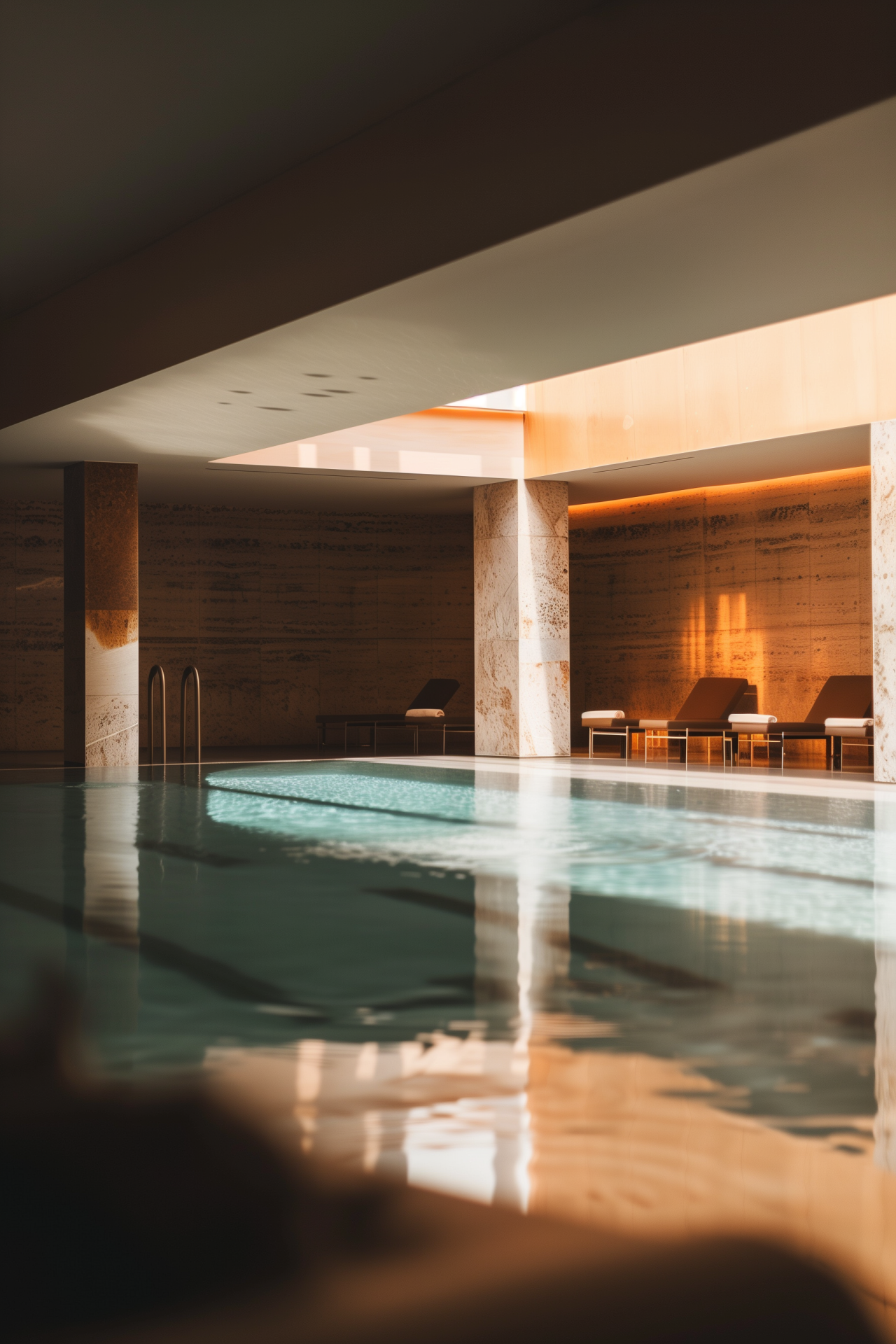
JOURNEY SHOWCASES ITS EXPERIENCE MANAGEMENT SYSTEM, A NEXT-GENERATION SPA PLATFORM
Journey has today announced the wider availability of Journey’s Experience Management System (EMS), its next-generation platform for spa, wellness and leisure management, which is already live and being adopted by clients as they migrate from legacy CORE by Premier Software technology.
Building on more than 30 years of hospitality expertise following the acquisition of Premier Software in 2023, Journey’s EMS brings this knowledge into a modern, connected platform designed to support the evolving needs of today’s hospitality businesses.
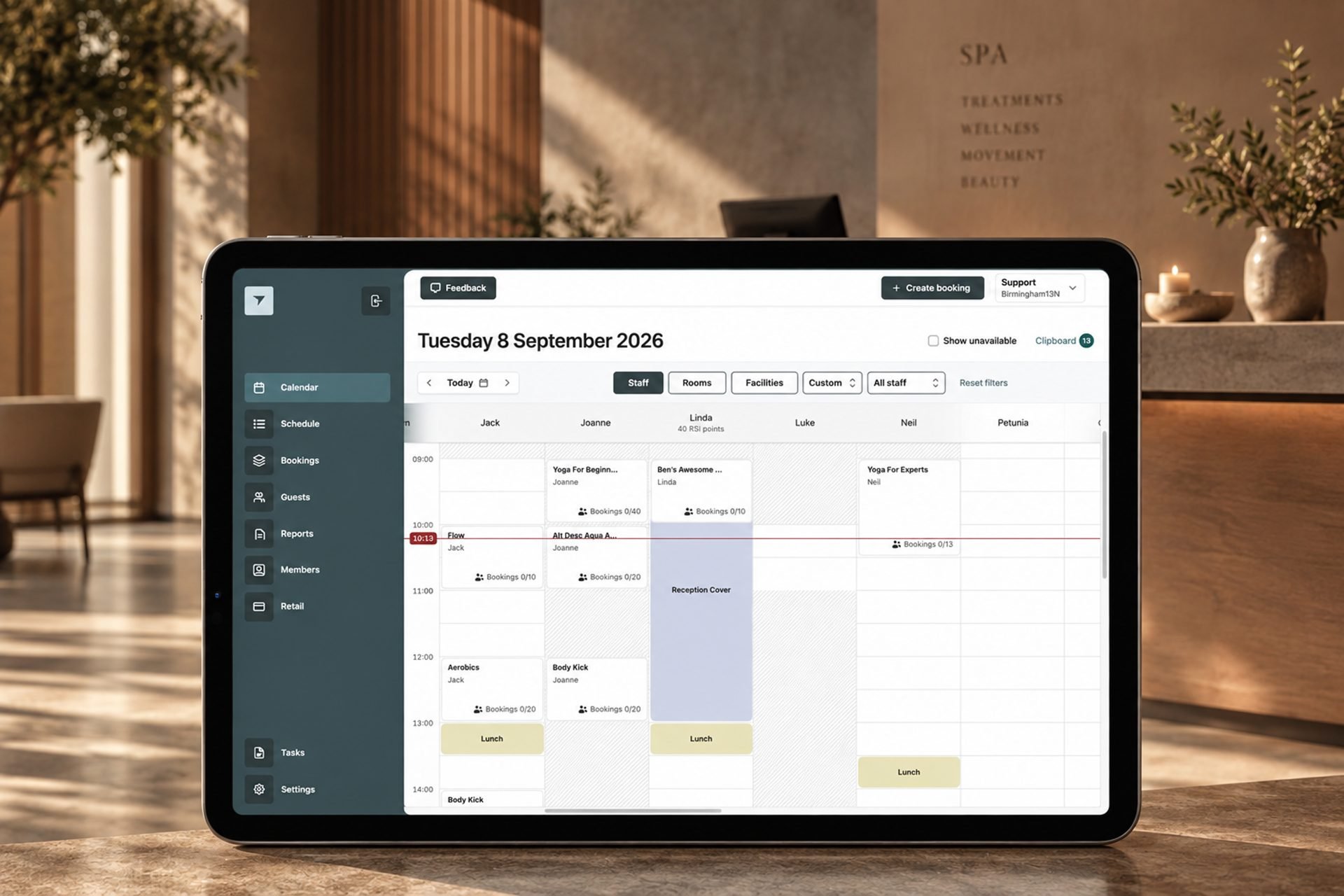
While rooted in spa management, Journey EMS extends beyond traditional spa operations to help hotels manage the wider guest experience – from treatments, memberships and leisure facilities to activities, experiences and other bookable services. Already live with independent hotels across the UK, EMS marks the next chapter in Journey’s spa and leisure technology.
As hospitality businesses look beyond room revenue to protect margins and drive growth, operators are placing greater emphasis on experience-led stays and other revenue streams. PwC UK’s Hotels Forecast 2025–2026 highlights the need for hotels to diversify their revenue mix as the sector adapts to changing guest expectations.
Built specifically for experience-led hospitality, EMS gives luxury hotels and resorts a single platform to manage the operations behind every guest experience and monetise every moment - from spa and wellness to leisure and memberships - alongside bookings, guests, staff, payments and day-to-day operations.
A centralised, real-time diary gives teams live visibility of staff, rooms, facilities and resources across multiple departments. Hotels can manage bookings, memberships, group activities, guest arrivals, billing, retail, stock and reporting through one connected platform, with integrations to leading property management systems, including Oracle Opera, Mews and Guestline, alongside Journey’s Gift Voucher platform for gift voucher redemption.
EMS forms the operational core of Journey's Total Revenue Platform, working alongside Journey's All-In-One Booking Engine, and Gift Voucher solutions to help hotels market, book and manage guest experiences through one connected ecosystem.
EMS is already supporting hotels across the UK, with Journey continuing to invest in the platform while guiding customers through a structured migration programme. Gisborough Hall is one of the first hotels to benefit from the platform.
Vicki Jackson, Spa Director, Gisborough Hall, said: “EMS has given us much more commercial visibility. We can see where there are gaps in the business and where there are opportunities to maximise performance. Having that information clearly visible saves me time, which means I can focus on developing the team and, most importantly, making sure our guests have the best possible experience.”
Simon Bullingham, CEO of Journey, said: “Hospitality has evolved well beyond selling rooms. Today's hotels are managing increasingly sophisticated guest experiences across spas, wellness, leisure and memberships, and they need technology that's built around those operations.
EMS isn't a vision for the future - it's already live, already supporting customers and already delivering value in real hospitality environments. As we continue investing in the platform, we're giving our customers the operational foundation they need to simplify complexity, unlock new revenue opportunities and support their business for the long term."
Today’s announcement marks another milestone in Journey’s strategy to give hotels a single platform for marketing, booking and managing guest experiences. Together with Journey’s All-In-One Booking Engine and Gift Voucher solutions, EMS connects guest-facing commerce with day-to-day operations, creating a more seamless experience for guests and a more efficient operation for hotel teams.
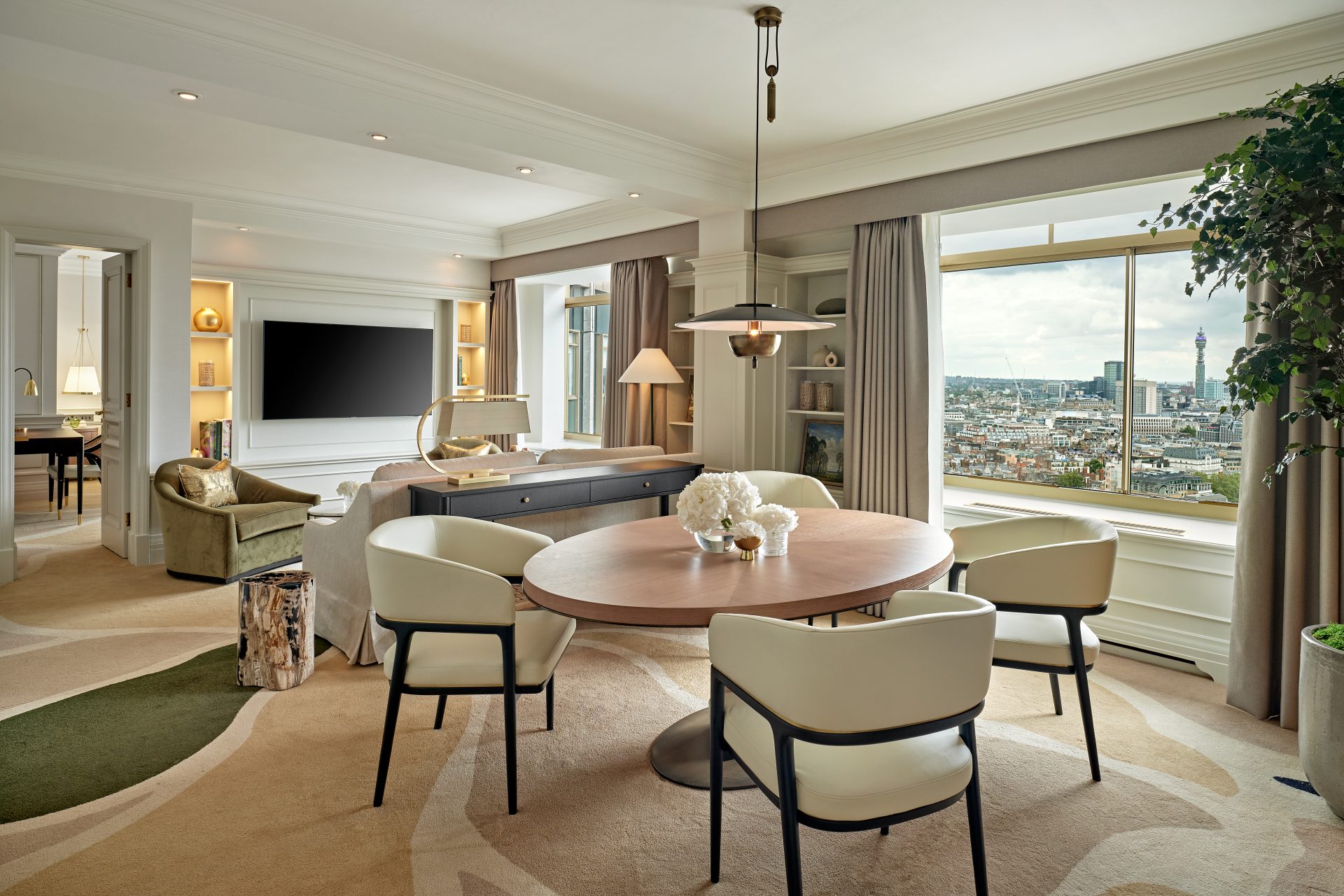
KEEPING THE MAGIC ALIVE
We spoke to James B. Clarke, General Manager at London Hilton on Park Lane to find out more about his views on modernising an iconic property, evolving guest expectations and why authenticity, adaptability and exceptional people will define the future of luxury hospitality.
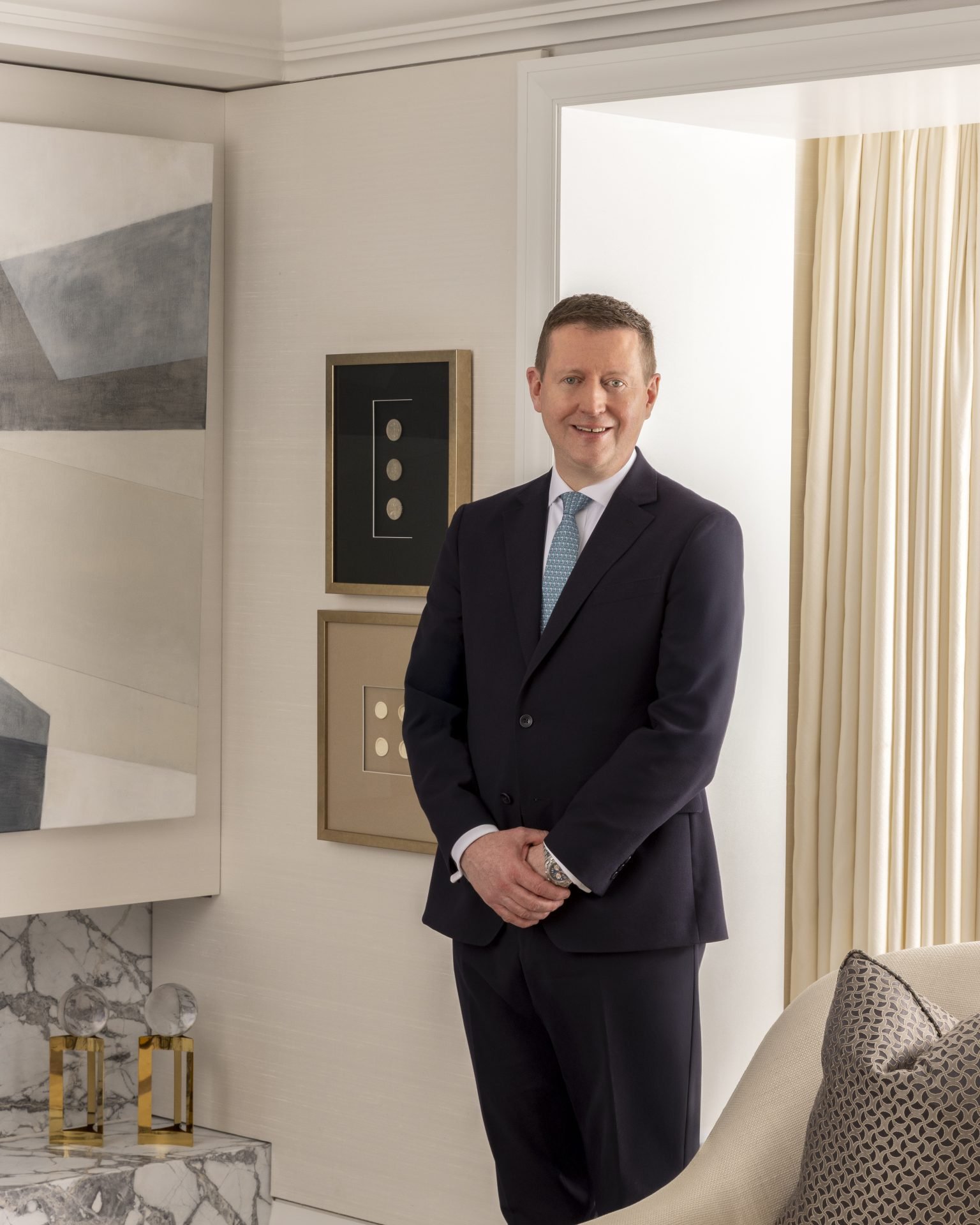 With flight disruptions, wildfires and geopolitical uncertainty affecting international travel, are you seeing a meaningful shift towards London staycations this summer? What are luxury hotel guests looking for when they choose to holiday closer to home?
Certainty has certainly become a genuine luxury in itself this year.
What is interesting is what guests are actually looking for when they do stay closer to home. Given the weather we have had this year, location and comfort have become the real draws. We are fortunate to sit right on Park Lane, moments from hotspots like Hyde Park, Green Park and Buckingham Palace - so guests get the feeling of a proper escape, with green space and skyline views, without ever really leaving London. It is that combination of a strong sense of place and comfort that is driving the staycation guest right now.
You’ve run luxury properties across the US, Caribbean and UK. What have those experiences taught you about how guest expectations differ from market to market and what do London guests expect that might surprise you?
The biggest lesson I have learned is that hospitality is never one-size-fits-all, even though the principle remains the same: people taking care of people. Alabama taught me the value of genuine warmth and connection, California the importance of relaxed yet professional service, and the Bahamas and Puerto Rico how local culture and team personality can shape the guest experience. New York, meanwhile, taught me pace, precision and anticipation - recognising what a guest needs before they have to ask.
London has brought all of those lessons together. I have learned to lead teams serving an international mix of guests while maintaining the character that makes a London hotel special. My biggest learning has been the importance of listening and adapting. Guests want recognition, authenticity and effortless service; while the fundamentals must be flawless, what they remember most is how you made them feel. With every guest wanting something different - from privacy to local knowledge or personalisation - the real luxury is having a team that can recognise those differences and adapt naturally.
You first joined London Hilton on Park Lane as Director of Operations a decade ago and have now returned as General Manager. What has changed most about the hotel, and how do you modernise an iconic property without losing the character and heritage that made it successful in the first place?
It has been a fascinating journey coming back to this hotel a decade on. So much has evolved; the multimillion-pound renovation completed in 2024 has transformed the guest experience, from the rooms and suites to our dining and drinking offerings. But what has not changed, and what I am most passionate about protecting, is the heritage.
This hotel has some extraordinary stories woven into its walls. The Beatles passed through the lobby on their way to meet Maharishi Mahesh Yogi. Princess Diana delivered one of her most defining public speeches in our ballroom. Keith Richards is said to have woken up here with the beginnings of the riff that became ‘Satisfaction.’ Those are not just anecdotes to me; they are part of the fabric of the building, and I see it as my job to make sure that history is never lost as we move forward.
Just as important are our people. Many of our team members have a deep connection to the hotel and are the custodians of its character, culture, and traditions. My ambition is to take that culture to the next level: empowering our team, creating opportunities for them to grow, and ensuring the warmth of our service evolves alongside the property's physical transformation.
The reality is that the modern guest is changing, and we have to keep evolving to meet them, whether through our dining concepts, our suites, or the way we think about service. But modernising does not mean starting from scratch. It means finding ways to bring new energy to the hotel while staying true to what made it iconic in the first place. That balance, timeless heritage meeting the energy of now, is really at the heart of everything we do.
Following the hotel’s multimillion-pound renovation, what were the biggest opportunities and challenges in deciding what to change, what to preserve and what to completely rethink?
I have to be honest that I was not part of the hotel during the renovation itself, so I cannot take credit for those decisions, but I can say the team behind it had strong reasoning for every choice they made.
The ambition was to bring the hotel back to its glory days, but reimagined in a setting that feels entirely of today. And I think that is the real achievement of the renovation. That feeling you get walking in: iconic, glamorous, a real sense of occasion, has never been lost. If anything, it has been sharpened and brought into the modern day. That is a difficult balance to strike, because it would have been much easier to either preserve everything as it was or to strip it all out and start again. Instead, the team found a way to honour that original spirit while making the hotel feel completely current.
What does “luxury” mean to today’s hotel guests compared with when you first entered the industry more than 35 years ago? Are guests becoming more demanding, or are they simply looking for different things?
Luxury has changed enormously over the 35-plus years I have been in this industry, but I would not say guests have become more demanding - I would say they want more to show for what they are spending. With the cost of living continuing to rise, guests are far more discerning about where their money goes, and rightly so. A stay must earn its place.
It is just as much about the experience as it is about the day-to-day details—the people you meet, the warmth of the welcome from our team, the heart they bring to every interaction, and the small, thoughtful touches in the room that make you feel genuinely looked after.
When I started out, luxury was often measured in marble and chandeliers. Today, it is measured by whether a guest feels that every touchpoint of their stay, however small, was considered with them in mind. That is a much higher bar, in some ways, than simply providing opulence.
You’ve served as Chair of the Master Innholders. What do you think distinguishes an exceptional hotel leader today, particularly at a time when the industry is dealing with changing guest expectations, recruitment challenges and rising costs?
For me, that is exactly what defines an exceptional leader today: anticipating that guest expectations, spending patterns, and challenges will shift, rather than waiting to react once they have. The industry is dealing with recruitment pressures, rising costs, and a guest who is rethinking how they spend, and the leaders who do well are those who identify these shifts early and address them head-on, rather than being caught off guard by them.
But leadership also starts with taking care of people. We have to look after our team, play a meaningful role in our community and, in turn, enable our team to take exceptional care of our guests. There is a great saying that culture eats strategy for breakfast, and I believe that. You can have the strongest strategy in the world, but if the culture is not right, people, and ultimately our guests, will feel it. Hospitality has to be sincere. When people know they are valued, that sincerity comes through in every interaction.
We know that people still want to travel - they are just being more thoughtful about how they do it. Whether that is the type of trip, the length of stay, or what they prioritise once they are there, guests are making more considered choices. My job, and I would say the job of any hotel leader right now, is to read those changes and make sure the experience we deliver is the best it can possibly be, whatever form that travel takes.
Looking ahead, what do you think will define the next era of luxury hospitality in London, and what role do you want London Hilton on Park Lane to play in it?
I think the next era of luxury hospitality in London will be defined by authenticity over spectacle. Guests now have access to beautifully designed hotels all over the world, so the differentiator is not who has the newest marble or the flashiest lobby; it is who can offer a genuine sense of place, real heritage, and an experience that actually means something. London has an advantage: a depth of history and culture that cannot be replicated or fast-tracked.
I would also say the next era will be shaped by flexibility: in who we welcome and how. We have seen this summer just how quickly travel patterns can shift, whether guests choose to stay closer to home or long-haul visitors rethink their plans. Hotels that thrive will be the ones built on breadth rather than reliance on any single guest segment or market, and that can flex with confidence as the world around them changes.
As for London Hilton on Park Lane, I want us to be a hotel that proves heritage and modernity are not in tension with each other. We have more than 60 years of stories in these walls, an address that is genuinely part of London's fabric, and now a renovation that has brought all of that into the present day. My ambition is for this hotel to keep setting the standard for what it means to be an iconic London address - somewhere that feels unmistakably of this city, whilst never standing still.
But none of this happens without our team members and everything they do. I often say that if we can make a guest feel as though they are floating on a magic carpet, they will always want to come back. What they may not see is the extraordinary care, teamwork, and attention to detail behind that experience, and that is the real magic of hospitality.