


PREFERRED HOTELS & RESORTS EXPANDS GLOBAL PORTFOLIO WITH 28 NEW MEMBERS
World’s largest independent hotel brand strengthens its portfolio in Q3 2026
SUMMARY: Preferred Hotels & Resorts expanded its global portfolio with 28 new member hotels in Q3 2026, its largest quarterly addition since 2024. Highlights include UMusic Hotel Madrid, Palazzo Trezza in Verona, Diamonds Thudufushi in the Maldives, Washington Duke Inn & Golf Club, THE FUJIYA HOTEL in Hakone, and HOTEL BANOV TOWNSCAPE WUHAN.
Preferred Hotels & Resorts, the world’s largest independent hotel brand, is pleased to announce the addition of 28 new members to its global portfolio between July 1 and September 30th, 2026. To celebrate, I Prefer Hotel Rewards members can earn 2,500 bonus points on eligible stays at any of these participating locations for a limited time. Ranging from vibrant urban hotels and storied heritage properties to an all-inclusive private-island retreat, these newest members reflect the breadth of distinctive experiences across the Preferred Hotels & Resorts portfolio.
“Welcoming 28 new members in a single quarter, our largest quarterly addition since 2024, marks an important milestone in the continued growth of Preferred Hotels & Resorts,” said Lindsey Ueberroth, Chief Executive Officer of Preferred Hotels & Resorts. “Spanning dynamic cities, private islands, mountain settings, and historic landmarks, these additions broaden the reach of our global portfolio, with each hotel bringing its own character and connection to destination.”
Highlights include:
- UMusic Hotel Madrid (Madrid, Spain) – Lifestyle Collection: With Madrid’s landmark sights and cultural attractions just outside its doors, UMusic Hotel Madrid immerses travellers in the rhythm and creative energy of the Spanish capital. Music is woven throughout the experience, beginning with the hotel’s direct connection to the restored 898-seat Albéniz Theater, a working venue presenting musicals, drama, comedy, and other live performances. The theme continues through music-inspired artwork by artists from across Spain, 130 contemporary guestrooms and suites equipped with integrated sound systems, and the UMusic Piano Bar Casa Chicote, where musicians perform daily. The property also features a lively rooftop terrace with inventive cocktails and offering panoramic views of the Madrid skyline, alongside a separate seasonal pool.
- Palazzo Trezza (Verona, Italy) –L.V.X. Collection: Opened in spring 2026, Palazzo Trezza is a beautifully restored Renaissance residence in the heart of Verona’s UNESCO-listed historic centre. Rich architectural details, including frescoed ceilings, blend with bespoke furnishings and contemporary comforts across 11 individually designed suites. Evoking the intimacy and elegance of a private home in the heart of the city, Palazzo Trezza offers highly personalized hospitality and tailor-made experiences revealing Verona’s beauty and hidden treasures, from unforgettable opera evenings at the Arena to exclusive Amarone tastings in Valpolicella or within the property’s own historic wine cellar.
- Diamonds Thudufushi (Male, Maldives)– Lifestyle Collection: Set on a pristine private island in the Maldives' South Ari Atoll, Diamonds Thudufushi offers an all-inclusive escape built around a thriving house reef and swimmable lagoon just steps from every villa. The resort's 69 accommodations are split between beachfront villas on powder-white sand and overwater retreats above turquoise lagoon waters — some with private staircases leading directly into the water below — each featuring Italian-inspired interiors, private terraces and modern amenities. Dining spans an overwater restaurant serving European and Asian fare and traditional Maldivian meals served on the sand under the stars, while the Serena Spa draws on Ayurvedic, European and Southeast Asian traditions for restorative experiences. Guests can also spot manta rays, turtles and reef sharks, or snorkel and scuba dive along the resort's reef, among some of the Indian Ocean's most unforgettable marine encounters.
- Washington Duke Inn & Golf Club (Durham, North Carolina) – L.V.X. Collection: Nestled on 300 wooded acres amid the towering pines of Duke Forest in North Carolina, Washington Duke Inn & Golf Club is a beloved Durham institution that has long blended legacy and luxury on Duke University's campus. With 271 guest rooms and suites designed in the spirit of an English country estate, the hotel recently completed a multi-year transformation of its lobby, specialty suites, meeting spaces and outdoor terraces, reflecting the region's natural beauty and dynamic character through locally sourced art and materials. Guests can tee off on the 18-hole championship Duke University Golf Club, before unwinding over regional American specialties at the AAA Four Diamond Fairview Dining Room or a drink at the newly reimagined Bull Durham Bar. Named for 19th-century industrialist and philanthropist Washington Duke, whose family helped found Duke University, the Inn continues a nearly 40-year legacy of Southern hospitality woven into the fabric of campus life.
- THE FUJIYA HOTEL (Hakone, Japan)– L.V.X. Collection: Situated in the historic mountain village of Miyanoshita in Hakone, Japan, THE FUJIYA HOTEL has welcomed international travellers since opening in 1878 as the country’s first resort hotel. Its distinctive blend of Eastern heritage and Western architecture unfolds across four historic buildings, several designated as cultural heritage structures, housing 120 guestrooms and suites that reflect different chapters of the hotel’s nearly 150-year history. Natural Miyanoshita hot spring water fills the bathtub in every guestroom and suite, complemented by a dedicated spa in the Forest Wing offering Zen-inspired treatments. Three restaurants showcase French, Japanese, and Western cuisine, while acres of landscaped gardens complement the hotel’s tranquil mountain setting, within easy reach of Mount Fuji and Lake Ashi.
- HOTEL BANOV TOWNSCAPE WUHAN (Wuhan, China) – L.V.X. Collection: Occupying the meticulously restored Ba Gong Fang Zi, a neo-Renaissance landmark dating to 1910, HOTEL BANOV TOWNSCAPE WUHAN brings contemporary hospitality to one of the city’s most storied buildings. Originally developed by Russian tea merchants as Wuhan’s earliest luxury apartment building, the hotel now houses 45 guestrooms and suites that preserve the landmark’s original architectural grandeur. Its ties to Hankow’s historic tea trade are explored through a dedicated exhibition hall, which shares the story of the building’s founders and their connection to the China-Russia Tea Road. The merchant legacy also inspires Le Marchand Bistro, which offers an elevated take on bistro cuisine crafted to star-chef standards for food lovers and connoisseurs alike.
Other member hotels to have joined Preferred Hotels & Resorts’ global portfolio between July 1 to September 30, 2026, include:
- 360 Hotel Boutique Hotel and Spa (Selfoss, Iceland) – L.V.X. Collection
- Almar Timi Ama Villasimius (Villasimius, Italy) – L.V.X. Collection
- BLESS Barcelona (Barcelona, Spain) – Legend Collection
- Bless Ibiza The Site (Ibiza, Spain) – Legend Collection
- De Plesman Hotel The Hague (The Hague, Netherlands) – Lifestyle Collection
- Duke Beach Hotel & Spa (Maresias, Brazil) – Lifestyle Collection
- Grand Tirolia Kitzbühel (Kitzbühel, Austria) – L.V.X. Collection
- Hotel Burg Schwarzenstein (Geisenheim, Germany) – Lifestyle Collection
- Hôtel California Paris (Paris, France) – Lifestyle Collection
- Hotel Kö59 Düsseldorf (Dusseldorf, Germany) – L.V.X. Collection
- Maison Messmer (Baden-Baden, Germany) – L.V.X. Collection
- Nobu Hotel Los Cabos (Cabo San Lucas, Mexico) –L.V.X. Collection
- Nuju Uluwatu (Bali, Indonesia) – L.V.X. Collection
- Palais Jamai (Fès Médina, Morocco) – Legend Collection
- Parkhotel Bremen (Bremen, Germany) – L.V.X. Collection
- St. Helen's Hotel (Dublin, Ireland) – Lifestyle Collection
- The Leela Coorg Forest Sanctuary (Madikeri, India) – Legend Collection
- The Stelle (Deer Valley East, Utah, United States) – L.V.X. Collection
- Tonino Lamborghini Hotel Chengdu (Chengdu, China) – Lifestyle Collection
- Ville Sull’Arno (Florence, Italy) – Lifestyle Collection
- Wald.Weit Rheingau Hotel & Retreat (Kiedrich, Germany) – Lifestyle Collection
- Wymara Resort + Villas (Providenciales, Turks & Caicos) – Legend Collection
Many of these new member hotels participate in I Prefer Hotel Rewards, the brand’s points-based loyalty program with over 6 million travellers enrolled globally. Complimentary to join, members of I Prefer earn points redeemable for cash-value Reward Certificates, Titanium status, and other value-rich benefits from eligible stays at over 700 participating hotels and resorts worldwide. Travelers seeking memorable independent hotel experiences are invited to sign up at IPrefer.com/enroll.
For a limited time only, new and existing members of I Prefer Hotel Rewards will earn 2,500 bonus points on eligible stays at any of these participating new member properties. Valid on bookings made by December 31, 2026, for stays through March 31, 2026. For additional details and to book this special offer, visit IPrefer.com/offer/newest-additions.
Travel advisors and agents can book client stays via GDS using the “PH” and “PV” chain codes. For hotel owners and operators exploring options to stay or become independent, visit www.PreferredHotels.com/Freedom.


COMMENT FROM HOSPITALITY ASSOCIATION CEO FOLLOWING AUTUMN BUDGET
 Jane Pendlebury, CEO of HOSPA, has responded to the Autumn Budget, welcoming the increase in the business rates relief threshold for smaller hospitality businesses while highlighting the ongoing financial pressures facing the wider sector.
“The increase in the business rates relief threshold is welcome news for smaller hospitality businesses. Reducing a fixed cost can make a meaningful difference to an independent operator’s ability to invest in their team and their business.
“However, the real test is how the Budget measures add up on the balance sheet. Hotels and larger venues outside the full-relief threshold also need the confidence and financial capacity to invest.
“Higher wages are important if hospitality is to attract and retain talented people. While lower minimum wage rates for younger workers remain in place, the 3.9% increases must still be considered alongside the wider costs of employment, business rates and energy. Operators need room to improve pay while continuing to offer first jobs, invest in training and create opportunities for young people.
“Hospitality can create jobs and bring investment into communities across the country. Giving businesses a sustainable cost base is essential if the Government wants the sector to fulfil that potential.”
Jane Pendlebury, CEO of HOSPA

IDILIQ HOTELS & RESORTS LAUNCHES MOST PREMIUM OPENING TO DATE – WYNDHAM GRAND LA CALA GOLF RESIDENCES, SPAIN
IDILIQ Hotels & Resorts is proud to announce the opening of Wyndham Grand La Cala Golf Residences this October, in the beautiful Andalusian countryside and in the heart of one of Europe’s most celebrated golf destinations on the Costa del Sol, Spain. With premium self-catered residences, the resort is the most high-end development from the IDILIQ portfolio that has launched to date, designed with comfort and contemporary luxury at its core.
Wyndham Grand La Cala Golf Residences boasts 30 spacious two- and three-bedroom residences designed to the highest specification, each set across two floors. All residences are complete with an open-plan layout and floor-to-ceiling windows that blend seamlessly with the surrounding landscape, as well as high-spec kitchens, large terraces and private gardens. The majority of residences also have private pools or hot tubs for an added touch of luxury, and daily housekeeping is provided.
The resort is home to an infinity pool with its own bar and will open a gym and co-working space in 2027. Guests can also access the amenities of the neighbouring La Cala Resort, including its serene spa, fully equipped gym and racket sports club, or head to sister IDILIQ resort Wyndham Grand Costa del Sol for local and international dining options, located 20 minutes away by car.
A true golfers paradise, Wyndham Grand La Cala has three top-tier courses on its doorstep, a Golfing Academy and driving range as part of La Cala Golf, and multiple other courses within easy reach. From those with championship-worthy layouts to courses offering spectacular views of the Mediterranean, the resort offers an outstanding choice of options, as well as a complimentary Golf Concierge service.
More than just a holiday home, the beauty of an IDILIQ Development is that space, privacy and comfort are combined with thoughtful services and facilities, guaranteeing the best of both worlds for friends and families travelling together. The onsite concierge team can offer local knowledge and personal recommendations and are on hand to help plan an unforgettable holiday, from restaurant reservations to water sports and exciting excursion adventures.
In an enviable location just 30-minutes' drive from Malaga Airport, Wyndham Grand La Cala is set amongst lush countryside yet within easy reach of the coast. Nearby, the thriving seaside town of La Cala de Mijas awaits, home to charming local restaurants, bars and beaches. Marbella’s Old Town and the glamorous Puerto Banús are also just a 30-minute drive away, and further afield, travellers can explore the famed dramatic landscapes of Ronda.
Part of IDILIQ Hotels & Resorts, Wyndham Grand La Cala marks a continued trajectory of growth for the brand, following the opening of sister resort Wyndham Porotcolom in Mallorca in April 2026.
Rates from €2,499 (approx. £2,095) for 7-nights at Wyndham Grand La Cala Golf Residences. Now open for bookings - for more information, please visit https://wyndhamgrandlacala.com/
FROM THALIS TO BOLLYWOOD, LONDON’S HOTELS CELEBRATE DIWALI
By Marwa Atif Zerroud
On Sunday, 8 November 2026, London’s skyline is expected to be filled with sparkling lights – from fireworks to lit-up lanterns, ahead of Diwali.
But beyond the lights, the Hindu festival values food and quality time with loved ones just as much. And now, three of London’s hotels have introduced Diwali-themed menus and events to celebrate the festival with the public.
Five Chefs, One Diwali Celebration
Jumeirah Carlton Tower, a Dubai-based hotel in the heart of Knightsbridge, launched its ‘A Taste of Diwali’ pop-up on Friday, 16 October and is expected to last until the day of Diwali.
For this project, five of London’s iconic chefs, including Jumeirah’s executive chef, Mario Perera, and executive pastry chef, Martin Haidar, collaborated to create a Diwali-themed menu.
The chefs, all from South Asian heritage, have each contributed a dish to the menu, bringing in traditional flavours from the streets of Mumbai all through to Kolkata. Alongside this, visitors can choose from a range of cocktails specially made with India’s inspired 5 Walla Chai Tea Cream Liqueur.

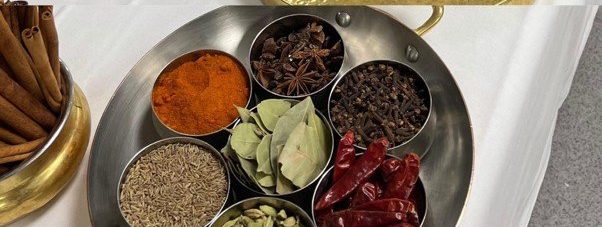
Signature dishes in the menu consist of Pani Puri (a sour, flavourful and crunchy starter), Momo (Nepali chicken dumplings), Masala Lamb Cutlets (as one of the mains), and finally, Tiramisu made from the 5 Walla Chai Tea as one of the many desserts available.

Priced at £75pp, the food options are endless, ranging from combinations of sweet, sour, and spicy.
Book your Diwali dining at the Jumeirah Carlton Tower hotel here.
A taste of Indian tradition at Taj
St. James’ Court, a Taj Hotel, an Indian-owned hotel located in the City of Westminster, has forever been known for incorporating Indian culture where possible, such as Indian-inspired afternoon tea in their Kona restaurant and their Indian wellness spa, J Wellness Circle.
And for this year’s Diwali, St. James’ Court, A Taj Hotel and its sister property Taj 51 Buckingham Gate, are offering Diwali dining experiences for lunch and dinner running until November 8, 2026.
Choices for their menu include a vegetarian and non-vegetarian thali as well as festive drinks in their TH@51 restaurant priced at £59 pp.

Each with their own tray, visitors are offered lamb, chicken, fish and soup dishes, all made from different spices.
Macchli Amritsari (fried spiced fish), Dal Makhanwala (lentil stew) and Murgh Butter Masala (chicken curry) are just some of many mains available.
As part of their Diwali celebration services, St. James’ Court hotel offers celebratory drinks (starting from £16) in their bar, 1897 The Bar.
Of course, Diwali cannot be done without a tray of South Asian sweets, and the hotel provides visitors with 3 desserts at £10 each; Kesari Rasmalai (cottage cheese dumplings with saffron milk), Gajar Ka Halwa (carrot pudding), and Gulab Jamun (milk dumplings with sugar syrup).

Book your Diwali dining at St. James’ Court, A Taj Hotel here.
Photo credits: Marwa Atif Zerroud
Lights, Camera, Diwali!
Dining sorted. Now it’s over to entertainment, and what better way to celebrate Diwali than with a film night of Bollywood nostalgia?
Taking place on Tuesday, 3 November, at 6pm, the evening is hosted by art’otel in collaboration with South Asian film influencer Natasha Retnasingam (@naataria) and South Asian clothing resale app, auri.

Tickets are live at £27pp, which include a welcome drink, snacks, and a screening of the romance comedy Indian movie ‘Rocky Aur Rani Kii Prem Kahaani’ at 7pm at a Shoreditch cinema (sign-up needed for more information on the venue).
Book your Diwali film night with art’otel here.
With good food and a touch of Bollywood reminiscence, London’s luxury hotels have provided the public with plenty of ways to celebrate Diwali this year.
A BLUEPRINT FOR RESORT GROWTH
Wyndham Portocolom: how IDILIQ is turning a tired resort into a flagship for owner-led growth.
A full refurbishment and rebrand has given IDILIQ Hotels & Resorts its first Mallorcan property, and the first Wyndham on the island. It shows how a management-led, branded-residence model can scale.
Wyndham Portocolom reopened on 1 April 2026 after a full refurbishment and rebrand of the existing property. It sits on the bay of Portocolom on Mallorca's south-east coast, 150 metres from the Blue Flag sands of Cala Marçal and about an hour from Palma Airport. The 115 self-catering studios and one- and two-bedroom apartments each have a private balcony, an open-plan living area and a kitchenette. It is pitched first at families, though the layouts work just as well for groups of friends and couples.
Around the apartments is a resort offer with more range than the size of the property suggests. There is a pool with a children's pool, a multi-sports court for volleyball, basketball, football and tennis, a fitness centre and a co-working space. Younger guests have a games room, an arcade and a cinema room. Dining runs from an on-site restaurant and cocktail bar to a coffee shop and takeaway service. Behind it sits a 24-hour multilingual reception, a car hire desk, a 24/7 airport shuttle and free Wi-Fi in communal areas. Check-in is at 4pm and check-out at 10am.
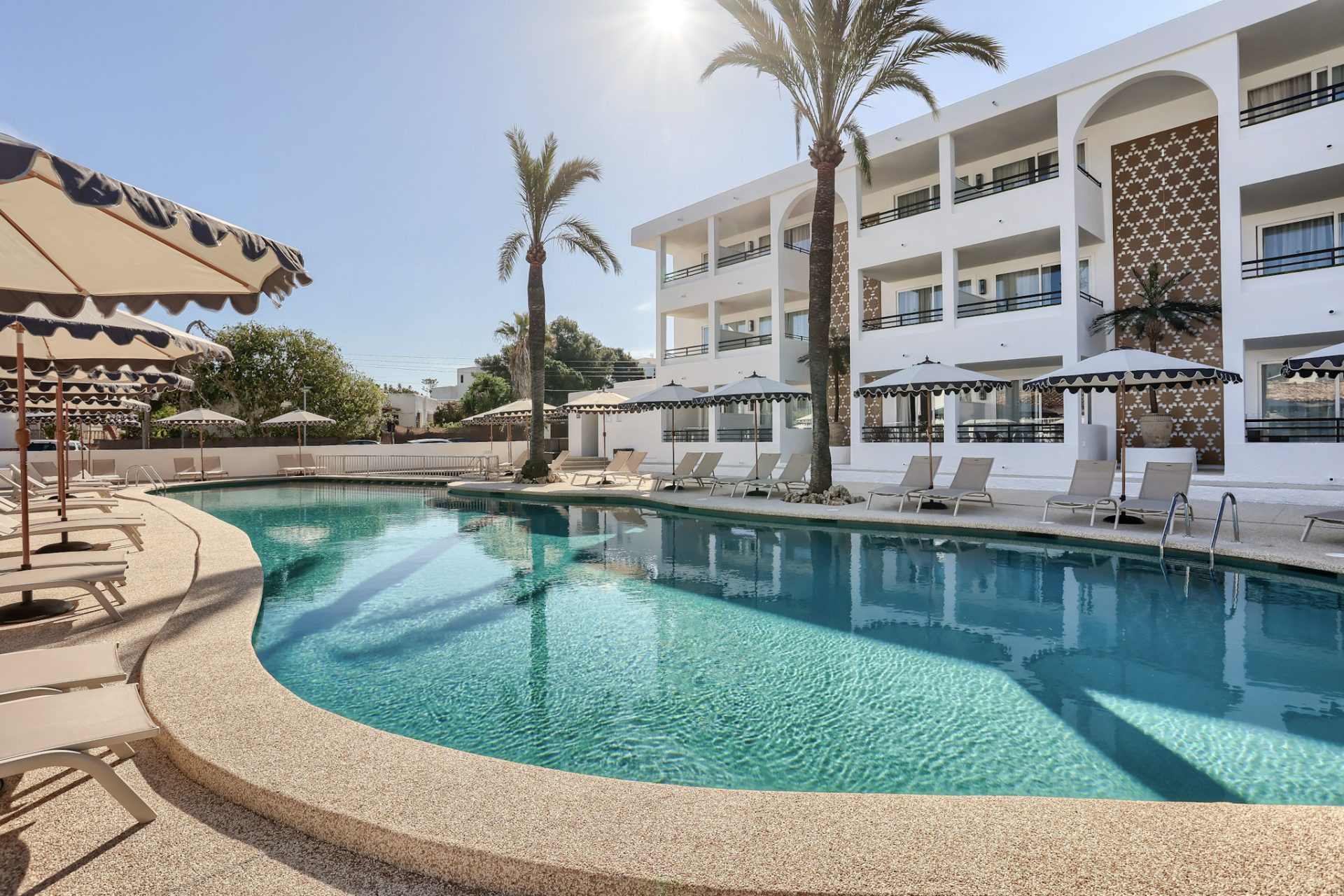
The design brief was to marry the comfort of a residence with the amenities of a resort, and the finish reflects it. Bedrooms are light and neutral, softened by textured, Mediterranean-inspired furnishings. Outside, scalloped parasols line a curved pool set among mature palms and the effect feels closer to a coastal home than a conventional aparthotel.
My own stay, in mid-September, was a thoroughly positive one. Cala Marçal, a few minutes' walk from the resort, is a beautiful beach and gives Portocolom a real draw beyond its own pool. Guests are also well placed for the harbour and historic centre of Portocolom, the lighthouse and coastal viewpoints, and walking trails along the coast to Cala Brafi. That is a lot of low-cost, low-effort leisure on the doorstep, and it suits a property that wants guests to stay for a week rather than a weekend.
The location also works as a base for exploring the island, and two days out were highlights for me. Palma is roughly an hour away, and a guided walk through its historic centre, taking in the cathedral, made an easy and rewarding day, followed by lunch among one of the city’s most authentic Mallorcan restaurants - Celler de sa Premsa. Heading east afterwards, the Cuevas del Drach at Porto Cristo were the standout of the trip: a guided tour underground, along a path of about 1,200 metres, that includes a classical music concert.
For hoteliers, the lesson is that guests on longer self-catering stays want help filling their days as well as somewhere to sleep. Airport transfers, guided visits and services such as the bike hire, delivered to the resort by a local operator, turn location into a better guest experience and, potentially, ancillary revenue.
The refurbishment is also phased as the property opened for the 2026 season with a complete core offer. A second stage in 2027 will add Balinese beds, a Padel offering, a Kids Club and the Flying Pizza takeaway, with those additions adding further to the guest experience.
Portocolom is the first Mallorcan property for IDILIQ, a leading European real estate developer and hospitality operator. Established in 1984, the company specialises in branded residences, vacation rentals, and resort management. The rest of its portfolio is on the Costa del Sol, Tenerife and Florida, and much of it operates under Wyndham or Ramada franchises. IDILIQ describes itself as a pioneer of branded residences, a model in which owners buy individual units and the group runs the resort around them.
What hoteliers can take from this new opening:
- Pair a franchise with local character. Wyndham brings distribution and recognition. The design, the team and the "local feel" that the resort promotes give guests something the brand alone cannot.
- Sell to two customers at once. In a branded-residence model, the owner and the guest are both customers. Guest experience protects owner returns, and owner confidence funds reinvestment. Reporting and communication should be built for both.
- Phase your capital. Opening with a strong core and adding a Kids Club and dining later keeps early capital efficient and lets you invest where guests show demand.
- Use self-catering as a strength. Space, kitchens and flexibility give value to families and groups. The layer of hotel services (reception, entertainment, co-working, airport transfers) is what justifies the premium over a rental.
- Sell the destination, not just the room. Portocolom's beach, harbour and trails, and its easy reach of Palma and the east-coast caves, are as much of the product as the apartments. Curated visits and local partnerships make that value visible to guests.
- Design for the working holiday. Co-working space in a family resort reflects longer, hybrid stays and a wider shoulder season.
Wyndham Portocolom has a defined guest, a real sense of place and a considered plan for future investment. It is a resort where the setting and the operation reinforce each other, and one worth watching through its first full season. The opening also comes as Wyndham reports strong growth and performance across EMEA, and extends a European push that recently saw the group launch its Registry Collection in Europe.
BUILDING A BIGGER RESORT FUTURE
Following the opening of Wyndham Portocolom in Mallorca, IDILIQ Hotels & Resorts Managing Director Simon Jackson talks to Hotel Magazine about the thinking behind the new resort, the growing appeal of flexible, residential-style accommodation and the opportunities he sees for expansion across Europe and beyond.
Wyndham Portocolom is the first Wyndham property in Mallorca for IDILIQ. What made Portocolom the right location for the brand’s latest expansion, and what opportunities do you see for Wyndham and IDILIQ in the Mallorcan market?
Portocolom was a very natural fit for us. It combines an exceptional coastal setting with the characteristics we look for in a resort destination, including strong leisure demand, golf, cycling and other sports tourism, as well as a well-established international visitor market.
The resort is just 150 metres from Cala Marçal beach and close to Portocolom itself, so guests have both the facilities of the resort and the opportunity to experience a more authentic side of Mallorca. The wider eastern part of the island also gives us access to a diverse range of attractions and activities beyond the traditional summer season.
For us at IDILIQ, this was an opportunity to bring the Wyndham brand into a market where we see significant potential. We believe the combination of IDILIQ’s experience in developing and operating hotel and resort-based accommodation, coupled with Wyndham’s international reach, creates a strong platform for growth.
The property offers self-catering studios and one- and two-bedroom apartments, alongside hotel-style facilities and services. What is driving the continued demand for this ‘best of both worlds’ model, and how is IDILIQ adapting its accommodation proposition to meet changing guest expectations?
Guests increasingly want flexibility. They want the space and independence of an apartment, particularly when travelling with family or for longer stays, but they also want the service and facilities they would expect from a hotel.
The apartments provide a residential style environment, while guests also have access to a team on reception, restaurant and bar facilities, swimming pool, gym, co-working space, cinema, games room and sports areas.
It is about recognising that people no longer necessarily fit into a traditional hotel or holiday apartment category. Our proposition needs to work for different types of stays and for different types of guests. That flexibility is increasingly important and will continue to influence how the team at IDILIQ develops and operates resorts.
With flexible working and ‘bleisure’ travel continuing to influence how people use hotels and resorts, how important is it for properties such as Wyndham Portocolom to cater to guests who may be extending business trips, working remotely or combining work and leisure?
It is increasingly important. The distinction between business and leisure travel has become much less defined, particularly for international travellers who are able to work remotely.
At Wyndham Portocolom, we have incorporated a modern and stylish co-working space alongside the leisure facilities, so guests can work when they need to without compromising the wider holiday experience. The apartments also lend themselves well to longer stays, giving guests more space and the flexibility to structure their time in a way that suits them.
A resort has to work throughout the day and for different reasons, rather than simply being somewhere guests return to at the end of the day. Providing the right combination of connectivity, workspace, dining, leisure services and accommodation gives guests that flexibility.
Family travel is another key part of the proposition, with the resort offering larger apartments alongside facilities including a children’s pool, games room, arcade, cinema and multi-sports court. How are you seeing the needs of family travellers evolve, and what does this mean for the way resorts are designed and operated?
Families are looking for more than simply a large room. They want accommodation that gives everyone enough space and facilities that appeal to different ages, while still allowing them to spend time together.
That is why the mix of accommodation and facilities is so important at Wyndham Portocolom. The different apartment types provide greater flexibility for families, while the cinema, games room and arcade, sports facilities and pool give younger guests plenty to do within the resort. The result is an environment where different generations can enjoy the same destination in different ways.
We also recognise that the children enjoying our resorts today are the holidaymakers and decision makers of tomorrow. Creating memorable experiences for families, and particularly experiences that children will remember as they grow up, is an important part of how we think about the guest experience. We want those memories to stay with them and help build a lasting connection with our resorts for generations to come.
From an operational perspective, this means thinking about the whole guest experience rather than focusing only on the accommodation. Families have different needs at different points of the day, and a successful resort needs to respond to that through its facilities, food and beverage offering, activities and service.
Looking beyond Portocolom, what does the next phase of growth look like for IDILIQ Hotels & Resorts, and how do you see the business evolving its partnership with Wyndham as demand for resort-based, residential-style accommodation grows?
We are continuing to look at acquisition opportunities across Europe where we can apply our expertise in resort operations, accommodation and branded hospitality.
We are particularly excited about our plans for a new Wyndham Grand resort in the Dominican Republic. The project is scheduled to begin construction in 2027, with a two-year build programme, and represents an important next step in our international expansion. We see our relationship with Wyndham as an important part of that growth, combining their international brand platform with our experience in developing and operating resort-based accommodation.

A BUDGET FOR HOSPITALITY GROWTH
With the Chancellor's first Budget approaching, UKHospitality's Allen Simpson outlines the measures needed to ease rising costs, support hotel operators and unlock growth across the sector.
If ever hotels needed a positive Budget it's this one, Chancellor John Healey's first, on 28 October.
Hoteliers will be forgiven for feeling a degree of trepidation in the run up to it, as they try to gauge whether this latest fiscal event will help or hinder, given the last two have certainly hindered and ramped up costs.
Understandably frustrated about the recent announcement that regional mayors will be given the powers to levy uncapped holiday taxes, hotel operators whether big or boutique will be desperately hoping to see several things which together contribute to a considerable easing of their tax burden.
On behalf of hoteliers and the whole of our sector, UKHospitality is urging the Chancellor to use his debut Budget to introduce measures that will cut costs and encourage growth, particularly for hoteliers, which have been hardest hit.
The big-ticket measures are cutting VAT from 20% to 10% for hospitality, bringing us in line with Europe; reducing employer NICs for hospitality by progressively increasing the threshold to £10,000 by the end of this Parliament; and reforming radically the unfair and burdensome business rates regime that threatens smaller hotels with closure.
On business rates specifically, we are asking for the Chancellor to increase the retail, hospitality and leisure multiplier discount towards 20p and removing hospitality businesses from the surcharge on properties with a rateable value over £500,000.
Crucially, we are asking for the Government to provide hospitality businesses hardest hit by the 2026 revaluation, particularly hotels, to be given the same support package afforded to pubs.
Seeing these measures in the Budget would give hotel operators cause for positivity, because they would help create jobs and getting young people into work, and because they're obvious ways in which to slash costs that are currently holding back growth right across the hospitality industry.
The holiday tax aside, we've reason to be cautiously optimistic ahead of the Budget, having already seen a promising narrative from the new government about how it will treat hospitality. However, the new PM's warm words concerning our sector must be followed up with positive action.
Those asks being delivered on would be significant in cutting costs, while giving hotel operators some reasons to be cheerful.
Allen Simpson, Chief Executive, UKHospitality
SUSTAINABLE BY NATURE
The Torridon is showing how sustainability can be embedded across a luxury hotel operation, from renewable energy and local sourcing to biodiversity and food waste, while protecting the unique Highland environment it calls home.
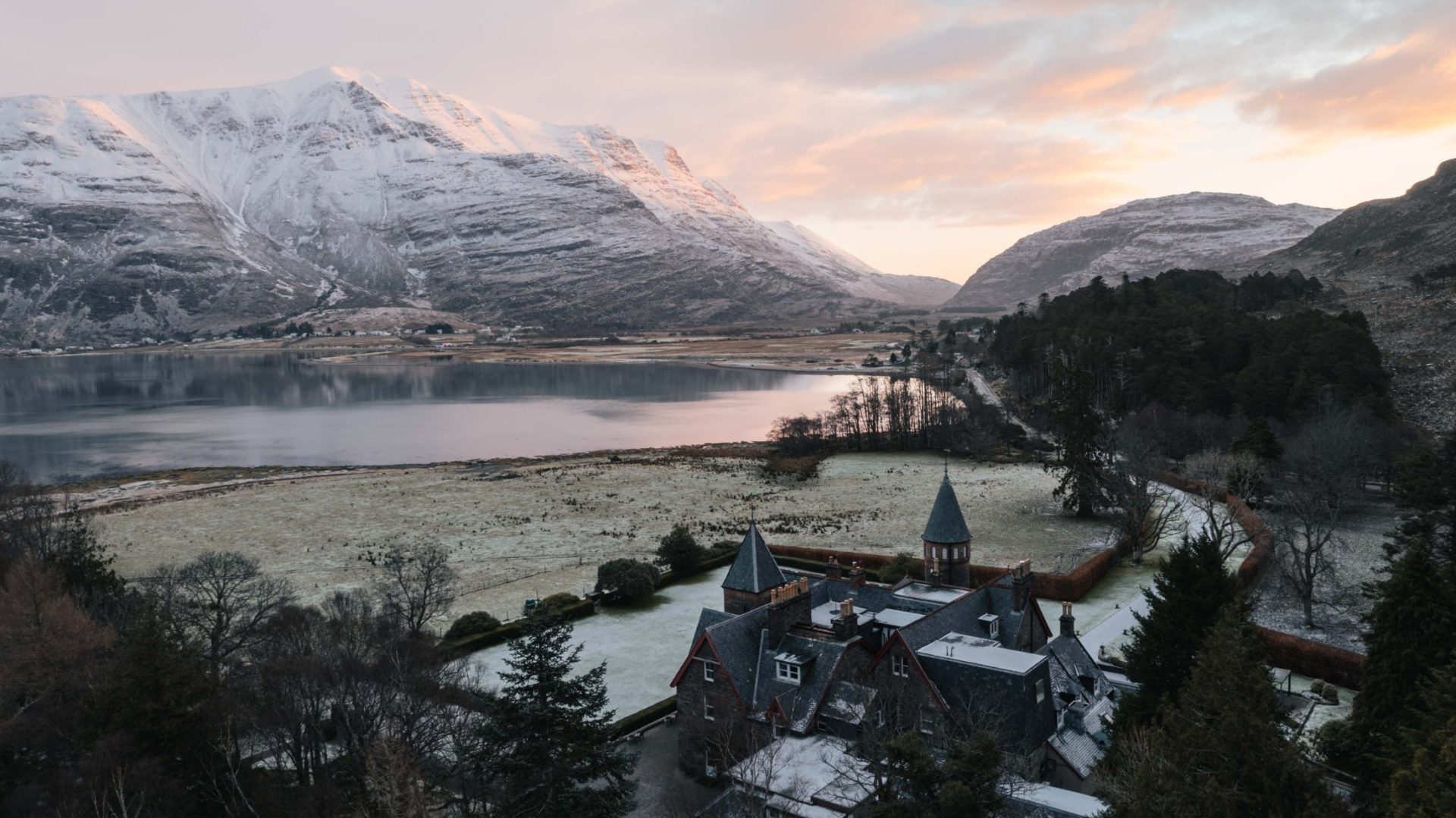
Set on the shores of Upper Loch Torridon in the North West Highlands, The Torridon has long had a close relationship with its surroundings. Now, the five-star property is demonstrating how that connection can translate into meaningful action across the hotel operation, from energy and food sourcing to biodiversity and waste.
The Torridon earlier this year became the first hotel in Scotland to achieve EarthCheck Silver Certification, and the most northerly five-star hotel in Britain to achieve the accreditation. More importantly, the certification reflects a wider approach to sustainability that is embedded into the day-to-day running of the property rather than built around individual initiatives.
Following EarthCheck Bronze in July 2025, the hotel was required to demonstrate measurable improvements in its environmental performance, independently verified through a two-day on-site audit. Annual audits will continue, reflecting the sensitivity of the Highland ecosystem in which the hotel operates.
Reducing energy consumption
Energy has been one of the clearest areas of focus. Between 2024 and 2025, The Torridon recorded greenhouse gas emissions per guest night at more than 60% below the regional average for comparable hotels.
In 2025, gas consumption also fell by more than 70% following the replacement of kitchen gas cooktops with electric alternatives. Heating across the resort is powered by renewable energy, supported by FSC-certified responsibly managed forests.
For hotel operators, the approach demonstrates how sustainability improvements can be achieved through practical changes to core infrastructure and equipment, rather than relying solely on guest-facing initiatives.
Working with the local larder
Food is another important part of the property's sustainability strategy. Head Chef Danny Young places the local larder at the centre of the menus, helping to reduce food miles while showcasing the produce of the Highlands.
Less than 10% of ingredients are sourced from outside the UK, with the kitchen instead prioritising local and British suppliers where possible. The approach creates a stronger connection between the hotel's food offering and its location, while demonstrating how procurement can support both sustainability objectives and a sense of place.
The property's kitchen garden further strengthens this relationship. Food waste is composted and used to nourish the garden, creating a simple circular system within the operation.
Making space for biodiversity
The Torridon is also looking beyond carbon reduction to consider the wider ecological impact of its estate. Beehives form part of the property's biodiversity programme, while at least 10% of the grounds are deliberately left unmanaged for wildlife.
It is an approach that recognises sustainability as more than an energy-efficiency exercise. For rural hotels in particular, the land surrounding the property can become an important part of the sustainability strategy, providing opportunities to support biodiversity while enhancing the guest experience.
Embedding sustainability into the operation
For Managing Director and Owner Dan Rose-Bristow, protecting the landscape is intrinsically linked to the hotel's identity.
As independent owners, Rohaise and I have raised our family here while developing the country’s most northerly five red star hotel. Safeguarding this unique place for future generations is deeply important to us. Sustainability has always been central to who we are, and EarthCheck Silver reflects years of dedication to responsible hospitality.
he said.
The Torridon's approach also highlights the importance of people in delivering a sustainability strategy. Sustainability Graduate Kristen Locy describes EarthCheck as a certification of the hotel's systems and commitment to continual improvement, rather than a one-off award.
That distinction is significant for hotel operators. The most effective sustainability strategies are not necessarily those with the longest list of initiatives, but those that become part of how a property is procured, powered, managed and maintained every day. Other operators are pursuing a similar path, with the Glasgow Marriott Hotel recently earning Green Key and the Pledge™ certifications for sustainability excellence.
For The Torridon, the result is a model of luxury hospitality that is closely connected to its environment – using the hotel's location not simply as a selling point, but as a reason to operate more responsibly.
THE CIRCULAR HOTEL
From refillable amenities and repurposed furniture to food waste, supplier partnerships and smarter procurement, hotels are beginning to rethink what happens to products and materials throughout their entire lifecycle. We explore how operators are moving beyond simply recycling waste towards a genuinely circular model.
For years, sustainability in hotels has often focused on what happens at the end of a product’s life: whether it can be recycled, composted or diverted from landfill. But a growing number of operators are asking a more fundamental question – did the product need to be bought in the first place?
That shift, from managing waste to designing it out, is at the heart of the circular hotel. Rather than following the traditional ‘buy, use, throw away’ model, circularity considers how products are sourced, used, repaired, reused and eventually disposed of, with the aim of keeping resources in circulation for as long as possible.
It is an approach already gathering pace across the sector. At The Berkeley and The Emory, Back of House Manager and sustainability lead Degraft Kwame said the key was moving sustainability further upstream.
You cannot recycle your way out of waste you have already made. So, we moved the whole thing to the front.
That means asking what will happen to something before it is purchased, a principle which has helped the properties move from four waste streams to 14, increase recycling from 36% to 96% and eliminate waste to landfill. More importantly, Degraft explained, circularity has become embedded in everyday decision-making.
Once the kitchen porter, the room attendant and the chef are thinking the same way, it stops being a campaign. It becomes the building's own habit.
At The Headland in Cornwall, Sustainability Lead Bethany Branigan has taken a similarly incremental approach. The hotel has reduced its carbon footprint by almost 30% over three years, while its recycling rate sits at around 65%. The next step has been to look beyond recycling and tackle waste at source, particularly through supplier relationships. More than 60% of its suppliers now take packaging back, while conversations about packaging have become part of the onboarding process for new suppliers.
For Bethany, establishing those foundations is essential.
You cannot jump straight into circularity - at least not in a way that works efficiently. With waste you need to understand the waste you’re producing in the first place, where is it coming from.
Her advice to other operators is simple:
Start with your waste data, understand where it is coming from, and go from there.
Once hotels understand their waste streams, opportunities to keep materials in use begin to appear almost everywhere.
At The Lovat, Director Caroline Gregory describes a circular hotel as one that keeps resources in use for as long as possible, with a focus on repurposing, recycling and reuse. That philosophy has resulted in an impressively inventive list of interventions: team notepads made from used menus; candle wax melted into old jars and cut wine bottles; surplus bannock bread turned into ice cream; and old roof slate reused as labels for the kitchen garden.
Other materials are finding entirely different purposes. Linen is retained as dust sheets, while the hotel is exploring how old doors can be upcycled into headboards. Lovat silver that is no longer suitable for restaurant use has become wall art.
The approach also extends to food. Fruit pulp left over from cocktail production can flavour breakfast kombucha, while vegetable peelings are boiled with sugar to create syrups for porridge and cocktails.
The team have some excellent ideas. Circular practices mean you are forced to be resourceful, creative and inventive.
That creativity can also generate commercial value. The Lovat has introduced a deposit return scheme for hot drinks and bottled water, with many guests choosing to purchase the items at the end of their stay. As Caroline put it, the hotel is “creating stories and conversation, and promoting sustainability in a quirky way that reinforces our values, ethos and our Coftie lifestyle.”
At Horwood House, ESG Champion Zaid Kassam has similarly looked at how existing materials can be given a second life. Working with Crisis UK and upcycling specialists Recoup, the hotel transformed a breakout space using reclaimed furniture, antique bucket lighting and a repurposed headboard wall. Its ‘Package with a Purpose’ initiative uses vintage crockery and event items sourced from local charity shops.
The hotel’s historic fabric has also become part of the circular equation, with around two-thirds of the original tiles reused during refurbishment of its Grade II-listed Gate House roof.
Food is another area where circular thinking can deliver immediate operational benefits. At The Berkeley and The Emory, food that is not served in the restaurants is redirected to the staff restaurant, while used cooking oil is collected by the same company that delivers fresh oil. It is then converted into fuel for the company’s delivery trucks.
The oil that cooked tonight's dinner comes back through our doors as the fuel that brings tomorrow's delivery.
The Alpina Gstaad has taken a similarly low-waste approach across its four restaurants. Leftover rye bread is turned into pasta and pizza, damaged fruit and berries become chutneys for pastry fillings, while salad leaves, herbs and vegetable stems are used in pestos and sauces. Any remaining waste is converted into bio gas, while preferred suppliers deliver orders in returnable boxes.
At Horwood House, chefs review food-waste data monthly to identify opportunities to improve forecasting and prevent waste before it occurs. Surplus ingredients are incorporated into staff meals where appropriate, while cooking oil and grease-trap waste are recycled.
For independent hotels, The Lovat’s experience suggests that some of the most effective solutions need not be expensive or technologically complicated. They can begin with looking differently at something that would previously have been thrown away.
Circularity also changes the way hotels think about procurement. Instead of simply considering price, quality and delivery, operators are increasingly asking what happens at the end of a product’s useful life.
At The Headland, suppliers are vetted for end-of-life recycling options. Its mattresses, for example, are supplied by Hypnos, which recycles them when they reach the end of their life, while WorkwearPro recycles old uniforms.
The hotel also prioritises Cornish businesses, followed by suppliers in Devon and the wider South West, before considering how products are made, their lifecycle and their packaging and delivery logistics.
The Alpina Gstaad, meanwhile, has been on its sustainability journey since 2016 and marked a significant 10-year sustainability milestone in October 2026 by becoming the first hotel in Switzerland and Mainland Europe to be certified by Control Union for achieving the EarthCheck Platinum Level.
The Alpina Gstaad is committed to accountability, compliance and transparency around sustainability to ensure compliance with the Empowering Consumers Directive enforced on 27 September 2026.
With its approach centred on the three Rs – reduce, reuse and recycle, Alexa Poortier, founder of sustainability platform itmustbeNOW and a longstanding sustainability partner of the hotel, says the property’s approach increasingly treats materials as resources rather than waste.
Materials are increasingly viewed as valuable resources that can be recovered, reused or transformed within circular systems.
That thinking is evident in the hotel’s approach to refurbishment. During its 2026 FF&E project, the hotel prioritised selling furniture and other items to employees and the local community, while selected pieces were reupholstered rather than replaced.
For Alexa, local relationships are another important part of the equation.
Working with local producers, suppliers and partners supports a more circular model at The Alpina Gstaad by keeping resources, value and economic benefits within the surrounding region for as long as possible.
That can also reduce transport impacts and strengthen local supply chains, while creating opportunities for longer-term collaboration with suppliers. The Alpina, for example, has highlighted its focus on seasonal ingredients and local producers, while partnering with ID Genève to showcase watches made from recycled steel and upcycled components.
For luxury hotels, the challenge is often perceived to be maintaining high standards while reducing consumption and waste. But Degraft believes the two are not inherently at odds -
To me, going green has never meant giving anything up. A cheap thing is made to be thrown away, but something beautiful is made to last, and to be cared for over years. That is what real luxury has always been about.
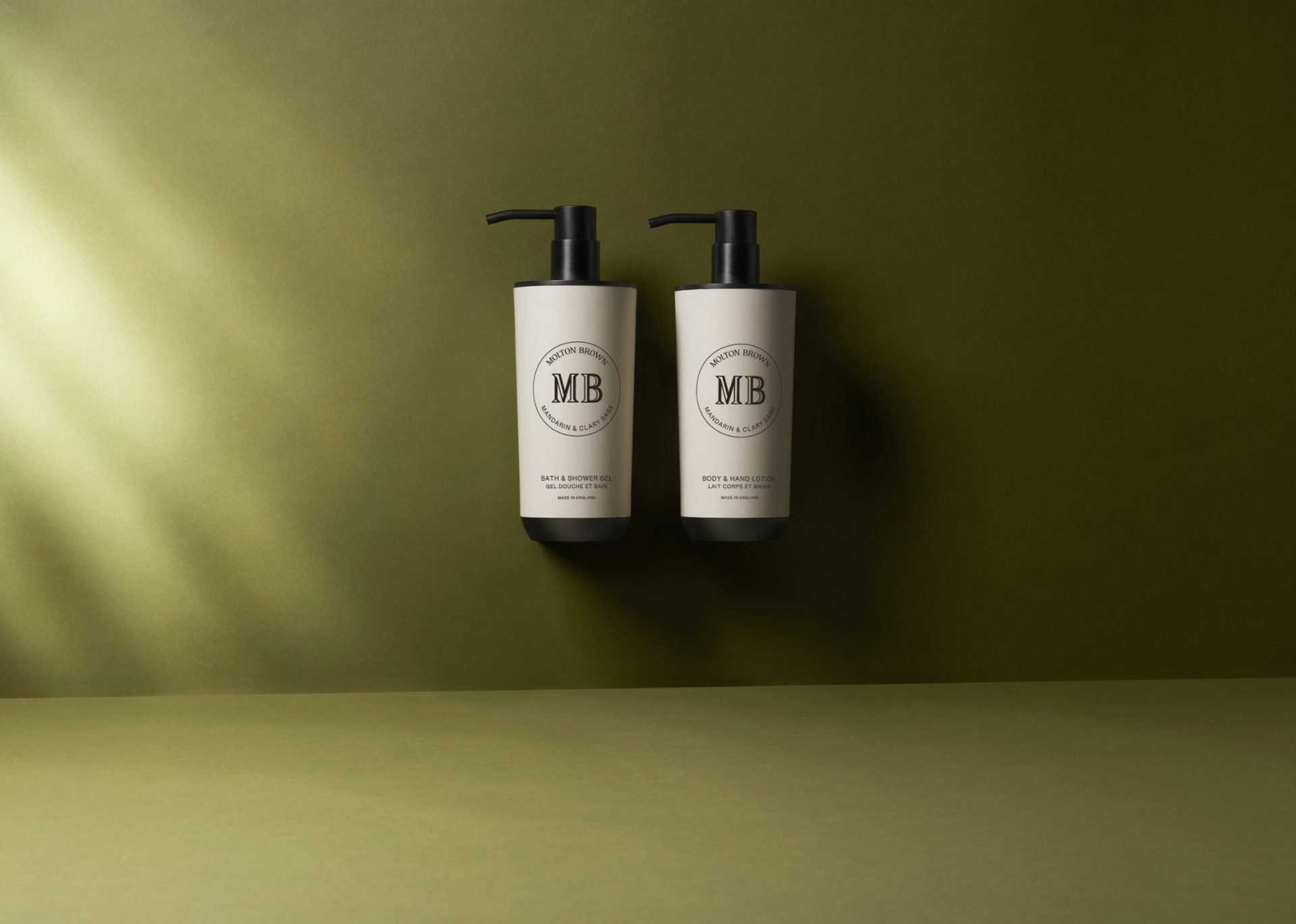
The principle is particularly visible in guest amenities. Ceramic dispensers on marble counters can replace clusters of small plastic bottles, while water served in glass can feel more premium than its single-use plastic equivalent.
At The Headland, refillable toiletries are used across bedrooms, cottages, the aqua club and spa, while massage oils are supplied in refillable metal containers. The partnership has saved the equivalent of three times the width of the hotel in plastic in nine months.
The Alpina Gstaad has also replaced single-use plastic slippers with felt slippers designed to be taken home and reused, extending their lifespan rather than treating them as disposable. Flowers and plants used for decoration in public areas and events are donated to nursing homes and schools.
For Molton Brown Global President Mark Johnson, the key is ensuring that sustainability does not become something the guest has to compromise on.
Responsible solutions should be thoughtfully designed to deliver on quality and ease of use, so that guests notice the product and not the change in format.
The brand’s newly launched Ecosystem Dispenser is designed to replace single-use plastic amenities with refillable formats while simplifying housekeeping. A magnetic key system allows teams to access the dispenser for refilling and maintenance, while refill pouches reduce packaging waste.
Ultimately, Mark argues that hotels should consider the entire amenity system, rather than simply swapping one format for another.
For Molton Brown, this means looking beyond packaging alone to how format, functionality and consumption can work together to support a more efficient amenity operation.
The move towards circularity does require investment. Hotels may need new waste infrastructure, different procurement systems or training for teams. But operators are increasingly finding that the financial and operational benefits can run alongside the environmental ones.
Horwood House has invested in recycling infrastructure including a mixed recycling compactor, cardboard baler and glass crushers, while energy-efficiency improvements have helped improve its EPC rating from C to B.
Zaid says the most successful initiatives are those that make both environmental and operational sense.
Circularity cannot sit separately from how a hotel operates; it needs to be built into purchasing, maintenance, housekeeping, food planning and the guest experience.
At The Lovat, meanwhile, circular practices have encouraged teams to become more creative and collaborative, while its deposit return scheme has created a new revenue stream.
And at The Berkeley and The Emory, Degraft believes the most powerful changes are often the least visible.
Most of the work that makes all this possible happens somewhere the guest will never see it, and that is exactly how we want it. Their stay should feel effortless. The effort is ours to carry, not theirs.
That may ultimately be the most important lesson of the circular hotel. Sustainability does not need to be visible at every turn, nor should it come at the expense of comfort or quality. Done well, it becomes part of the infrastructure and culture of the hotel, from what arrives at the back door to what sits in a guest bathroom, from what happens to yesterday’s bread to what becomes of a mattress ten years later.
The journey will not be perfect. The Alpina Gstaad, The Headland, The Lovat, Horwood House and The Berkeley and The Emory are all approaching circularity in different ways and at different stages. But the direction is clear: the hotel of the future will need to think beyond what it consumes and consider what happens next.
As Caroline put it:
Communication, clarity and consistency are key - this is a movement, not a monument.
THE DESSERT SERIES
From apprentice to award-winning Head Pastry Chef, this month we meet the pastry chef behind London Hilton on Park Lane’s sweet creations, exploring the craft, creativity and precision behind pastry – and how desserts can become some of a hotel guest’s most memorable moments.
Chef: Sam Leatherby
Hotel: London Hilton on Park Lane
Location: London, UK
Years in pastry: 14+ years
Signature style: Clean, symmetrical and flavour-led
What first drew you to pastry?
I was around cooking a lot when I was growing up. My family are incredible cooks, although not professionally, so food was a huge part of my childhood. Unfortunately, I wasn’t quite good enough to make it as a footballer, so I turned to something I knew I was good at!
I originally trained as a hot kitchen chef, but I quickly realised that pastry suited me. I loved the combination of creativity, precision and technical skill. There is also a real science behind pastry, which I found fascinating, and I enjoyed that you could take a few simple ingredients and turn them into something completely different.
Where did your career begin?
I began my career with Hilton as an apprentice at Hilton London Heathrow Airport, primarily working in the hot kitchen and covering breakfast service. After six months, I entered a competition for Hilton’s London apprentices, with the prize being a work placement at London Hilton on Park Lane.
I was fortunate enough to win and joined the hotel in 2011. What started as a work placement became the beginning of my career in pastry, and I’ve been at London Hilton on Park Lane ever since. I’ve progressed through the ranks from apprentice to Head Pastry Chef, which makes it particularly special to now be leading the team in the same kitchen where my career started.
What have been the defining moments in your career?
There have been a few moments that really stand out. Winning Bake Off: The Professionals in 2018 was a huge one. It was an incredibly demanding competition and winning gave me a huge amount of confidence in what I could achieve.
Becoming Head Pastry Chef at 29 was another defining moment. Having started at London Hilton on Park Lane as an apprentice, progressing through the ranks to lead the pastry team at the same hotel was something I was incredibly proud of.
More recently, being named Pastry Chef of the Year at the Craft Guild of Chefs Awards in 2026 has been a huge honour. To be recognised by fellow chefs and industry professionals, while leading the team at the hotel where my career began, made it particularly special.
How has your style evolved over time?
It has got a lot cleaner and more symmetrical over the years. When I was younger, I think I was more focused on putting as much as possible onto the plate and showing what I could do technically. As I’ve developed, I’ve learnt that you don’t always need to do more. I’m much more conscious now of balance, presentation and making sure every element has a purpose.
How would you describe your pastry philosophy?
Sometimes less is more. Although I want the desserts to look like pieces of art, I want the flavours to tell most of the story.
What influences your creativity?
There are so many things. Social media is a big one because you are constantly seeing what other chefs and pastry chefs are doing around the world. Travelling also has a huge influence on me, whether that is discovering new flavours, ingredients or different approaches to pastry.
Having a multicultural team is another great source of inspiration because everyone brings different experiences, ideas and techniques into the kitchen. I think creativity often comes from simply being open to what is around you.
How do you balance innovation with familiarity?
Whatever we are looking to create or even recreate, the base flavours always need to be recognisable. You can make something look completely different or introduce a new technique, but the guest still needs to understand what they are eating. I think the best desserts have that balance where there is something familiar that makes you comfortable, with something unexpected that makes it exciting.
What ingredients or techniques define your style?
I like matching fruits with single-origin chocolate. I think there is something really interesting about letting the quality and character of those ingredients come through rather than adding too many different flavours. I also really enjoy working with soufflés and chocolate, particularly because both require a lot of precision and consistency.
How does creating desserts for a hotel differ from a standalone restaurant?
I don’t think it differs. Although we work with high volumes, I still believe what we create in the hotel is just as good, if not better, than a standalone restaurant. The difference is the scale and the variety of what we have to produce.
In a hotel, you could be producing breakfast pastries, afternoon tea, restaurant desserts, room service, amenities and desserts for a banquet of 1,000 guests all in the same day. You have to be entrepreneurial and think about how you can deliver something special at every level while still maintaining the same standards.
How important is pastry to the overall guest experience?
Very! It is ingrained in so many parts of the guest experience, from a pastry at breakfast and dessert at dinner to something special waiting for them in their room. It can often be both a guest’s first and last impression.
Pastry has the ability to be part of so many different moments throughout a stay, whether that is starting the day with a great pastry, finishing a meal with dessert or recognising a special occasion with a personalised amenity. That is why it is so important that we treat every one of those moments with the same level of care and attention.
Has the rise of afternoon tea, destination dining and experiential desserts changed the role of pastry?
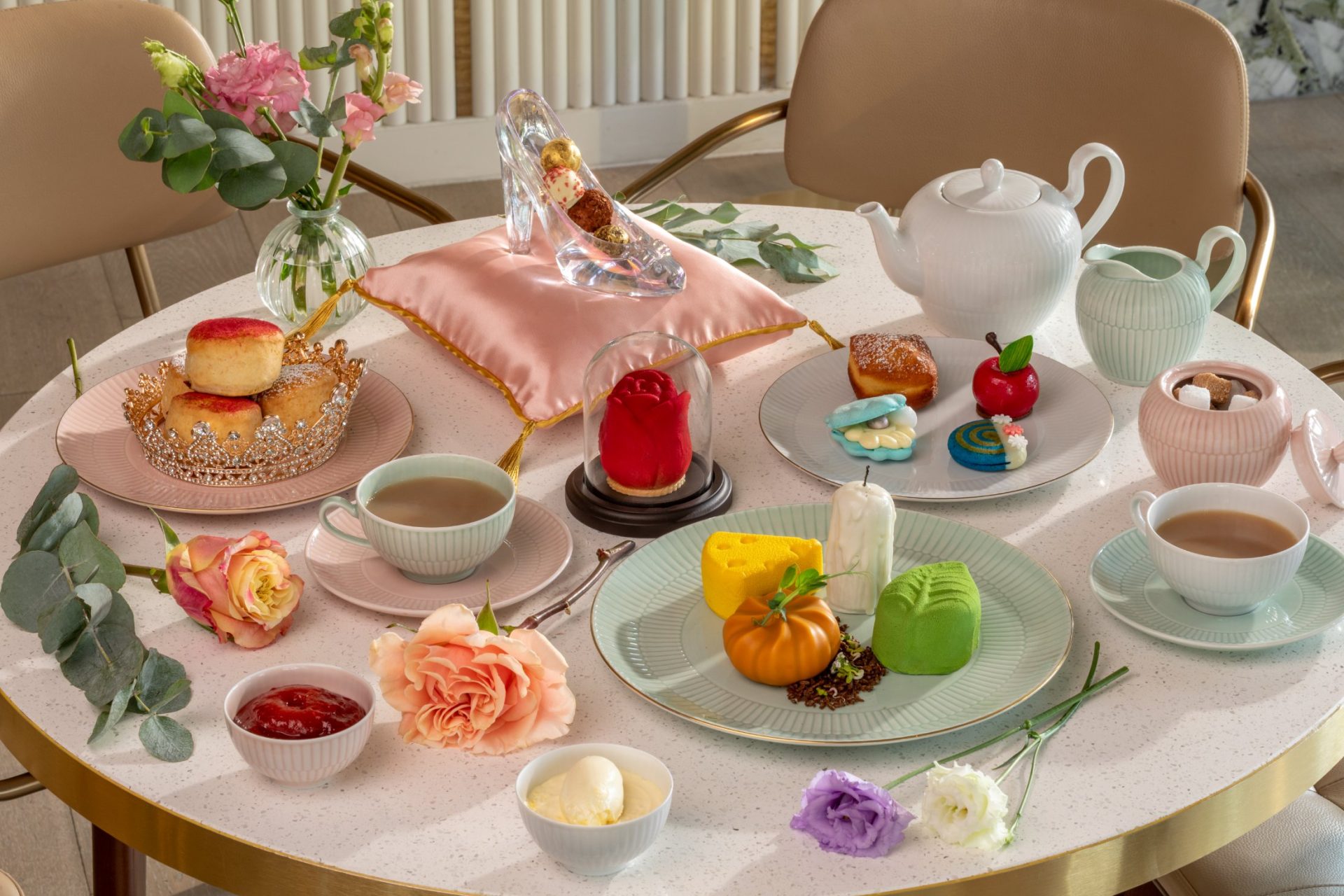
Yes. The expectation of afternoon tea, for example, is no longer just finger sandwiches, tea and cake. It is now a fully immersive experience and people want to be able to capture images of that.
Guests are looking for something that feels special and gives them something to talk about. That means pastry chefs have to think beyond just how something tastes. Presentation, creativity and the overall experience have become just as important.
How can hotels use pastry to create memorable moments?
Amenities are a really good example because they give us an opportunity to make something personal to the guest and mark an important moment. We create bespoke newspaper cakes for special occasions and VIPs, using the guest’s image and tailoring the stories and copy around them and the moment they are celebrating.
We also create small Big Bens made entirely from solid chocolate, which can be a great way to mark someone’s trip to London and give them something memorable to take away from their stay.
It doesn’t always have to be something extravagant. Sometimes it is the personalisation and thought behind it that makes the biggest impact. When a guest sees something that has been created specifically for them, it becomes more than just a dessert or an amenity. It becomes part of their memory of the stay.
Behind the Scenes
How large is your pastry team?
There are ten people who make up the team.
What does a typical day look like?
I’m usually in the kitchen by 6:30 or 7am so I can make sure breakfast has gone out smoothly and check that the bakers are all OK. I’ll then look through the functions and events for the day, before grabbing breakfast and catching up on emails.
From there, no two days are really the same. It could be meetings, tastings, planning for upcoming events or jumping in with the team wherever I’m needed. I still like to be hands-on in the kitchen and make sure I’m supporting the team wherever I can. On a regular day I’ll be finished around 5pm, but if we have a large event, it can be closer to 10pm.
What are the biggest operational challenges?
Last-minute demands can happen on a daily basis. We can do amazing things with notice, but, like everyone, it can be difficult to create something really special at short notice.
In pastry, there are so many elements that need planning, from proving and setting times to chocolate work and sourcing ingredients, so you can’t simply rush something and expect the same result. That said, working in a hotel means you have to be adaptable. Things change constantly and part of my role is making sure the team can respond without compromising the quality of what we produce. We often have a back-up plan for the back-up plan!
How do you maintain consistency across hundreds of covers?
Training, consistent recipes, communication and standards. You have to make sure everyone understands not just what they are doing but why they are doing it.
When you are producing something hundreds of times, small differences can quickly become noticeable, so having clear recipes and processes is really important. Ultimately, it comes down to having a well-trained team who take pride in what they produce and understand the standard we expect every time.
How important is training and developing for young pastry talent?
It’s everything. I was lucky enough to come into a kitchen full of talented pastry chefs and be given the tools to learn, so I am always committed to doing that for any young chef who comes into our kitchen.
When you are starting out, you learn so much from the people around you, not just techniques but discipline, standards and how a professional kitchen works. I think it is important to give young chefs the same opportunities that I was given.
Seeing people you have trained progress into senior roles themselves is incredibly rewarding and one of the things I am most proud of.
Signature Dessert
Raspberry and Lime Soufflé
Inspiration behind it
The inspiration came from our last farm visit to one of our suppliers. We saw the care and passion that goes into growing their raspberries and it really made me think about how much work goes into producing such a simple ingredient.
They can now grow their raspberries for six months of the year, which is very unique. When you see that process first-hand, you want to make sure you treat the ingredient with the respect it deserves.
The dessert is designed to really let the raspberry and lime work together rather than hiding those flavours behind lots of other elements.
Ingredients
British raspberries, of course, lime, egg whites, cornflour, sugar, white chocolate and freeze-dried raspberries.
Techniques involved
Whisking, folding, cooking and chocolate tempering.
Quickfire
Favourite ingredient?
Pistachio.
Most underrated pastry technique?
Chocolate tempering. Most of it is done by a machine these days, but I make sure my team know how to do it by hand.
Dessert trend to watch?
Hybrid desserts. I love seeing different pastries and cakes being combined into something new. I saw Magnum ice creams being put inside croissants on social media recently and that’s definitely one I’m dying to try! I think it’s really interesting seeing which combinations people love and which ones make them think, “I’m not sure about that.”
The dessert you could never tire of making?
Crumble. It’s a childhood favourite!
Sweet or savoury?
Silly question!
The one dessert every hotel should master?
Baked cheesecake.