

For independent and boutique hotels, success isn’t about volume alone. It’s about attracting the right guests in the right way – where brand and marketing work together to drive meaningful growth while preserving the character that makes a stay special.
Lasting growth without losing what makes you special
For independent and boutique hotels, growth isn’t just about more bookings.
It is about the right bookings. The right guests. The right pace. The kind of growth that supports the business without changing the feeling that guests love in the first place.
That balance matters.
A hotel can have a strong brand and still need clear, measurable results. The two are not in conflict. In fact, they work best together. Brand helps people understand what makes a hotel special. Marketing helps the right people find it, trust it and book it.
The skill lies in bringing both together with care.
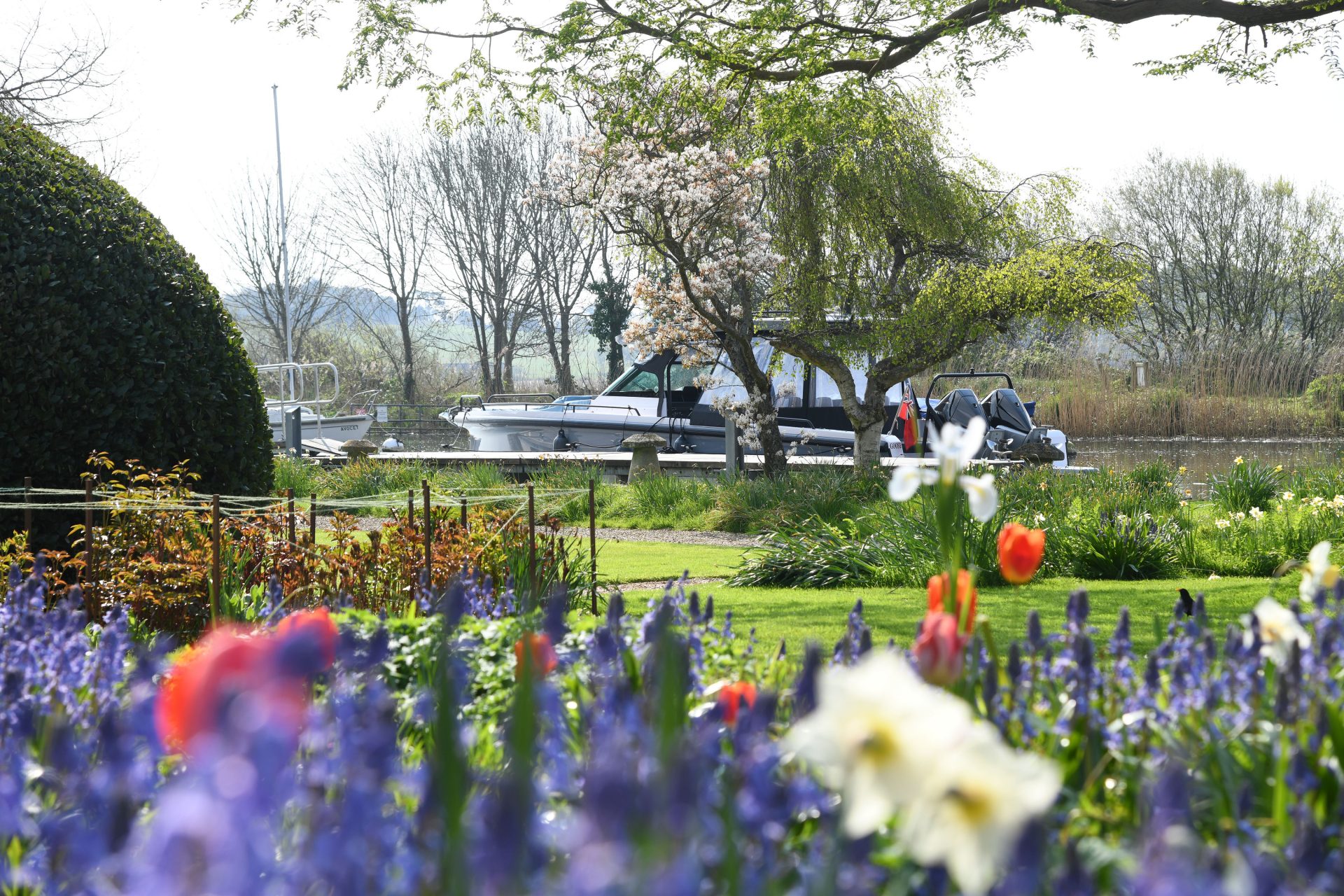
Your first welcome starts online
First impressions have always mattered in hospitality. But the first impression no longer happens at the hotel entrance. It happens in a Google result. A paid advert. A social post. An AI-generated answer. A listing on a phone screen. Your website.
You would not want a guest to arrive to peeling paint, unclear signage or a reception area that feels uncared for.
Your online presence needs the same care as your physical welcome.
For many hoteliers, this creates a challenge. How do you talk about your hotel authentically online? How do you become more visible online without sounding generic? How do you grow bookings without becoming too sales-led?
The answer starts with clarity.
Brand creates the feeling. Marketing helps guests discover it.
Brand and results are often talked about as if they are separate.
Brand is seen as emotional. Results are seen as practical. But in hotel marketing, they need each other.
Your brand shapes how guests feel about your hotel. It sets the tone, the promise and the lasting impression you want to leave. Your marketing makes sure that feeling reaches the right people at the right time.
When both work together, the guest journey feels natural. When they do not, people notice the gap.
Think of it as your digital reception
One useful way to look at hotel marketing is to treat it as a digital version of the reception experience.
At Clockwork Marketing, we often think about this in three simple stages: promise, proof and path.
Promise
Your promise is the feeling you create before someone clicks. It comes through your words, images, tone and the small details guests see online.
A search result or advert should sound like your hotel. Not like generic marketing copy.
For a peaceful country house hotel, the language should feel calm. For a food-led hotel, the dining experience should feel tempting. For a coastal hotel, the setting should be front and centre.
Proof
Once a guest reaches your website, they look for reassurance.
They want to know the experience is real. This comes from clear room descriptions, thoughtful photography, useful information, sample menus, guest reviews and a consistent tone.
Big claims are rarely as powerful as honest detail. Guests trust what feels considered.
Path
The final stage is the journey.
Can guests find what they need? Can they check availability easily? Can they call, enquire or book without confusion?
The path should feel simple and unforced. Good marketing does not pressure people. It gives them confidence to take the next step.
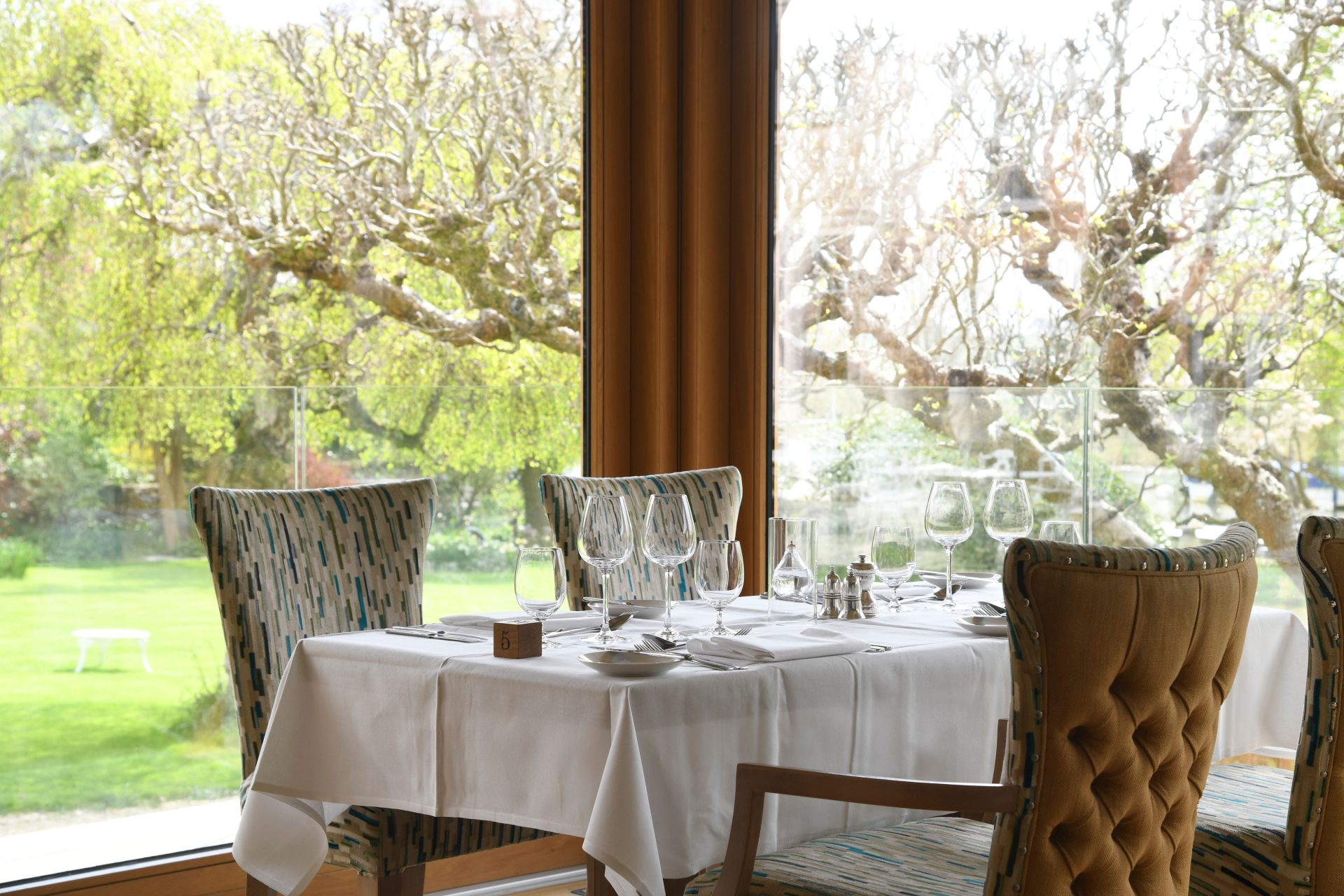
The Priory Wareham: growth with care
This balance has been important in our work with The Priory Wareham in Dorset.
The Priory is a charming, food-focused hotel with a loyal guest base. Many guests return year after year, some several times in one season. For them, growth matters, but not at the expense of the hotel’s values.
Katie Hart, Marketing and Brand Manager at The Priory explained, “For us, the challenge is always about growth without noise. We want to be more visible, but without compromising on how the hotel feels. Everything online needs to reflect the experience guests actually have once they arrive.”
That is the heart of sustainable hotel marketing.
Marketing should not sit apart from the guest experience. It should be part of it. The tone, imagery, information and booking journey should all feel connected to the stay itself.
What other hoteliers can take from this
You do not have to choose between brand or bookings.
Write search listings and adverts in the same voice as your website. Treat Google and AI results as the start of the guest journey. Make your content easy to find without stripping away its personality. Use real detail instead of empty claims. Measure what matters, especially when bookings happen by phone or email. Keep your message consistent across every channel.
When your marketing reflects the reality of the stay, it stops feeling like marketing.
It becomes part of the welcome.
Clockwork Marketing works with independent and boutique hotels across the UK, helping hospitality businesses grow bookings for a brighter future.