

LEADING FROM THE FRONT
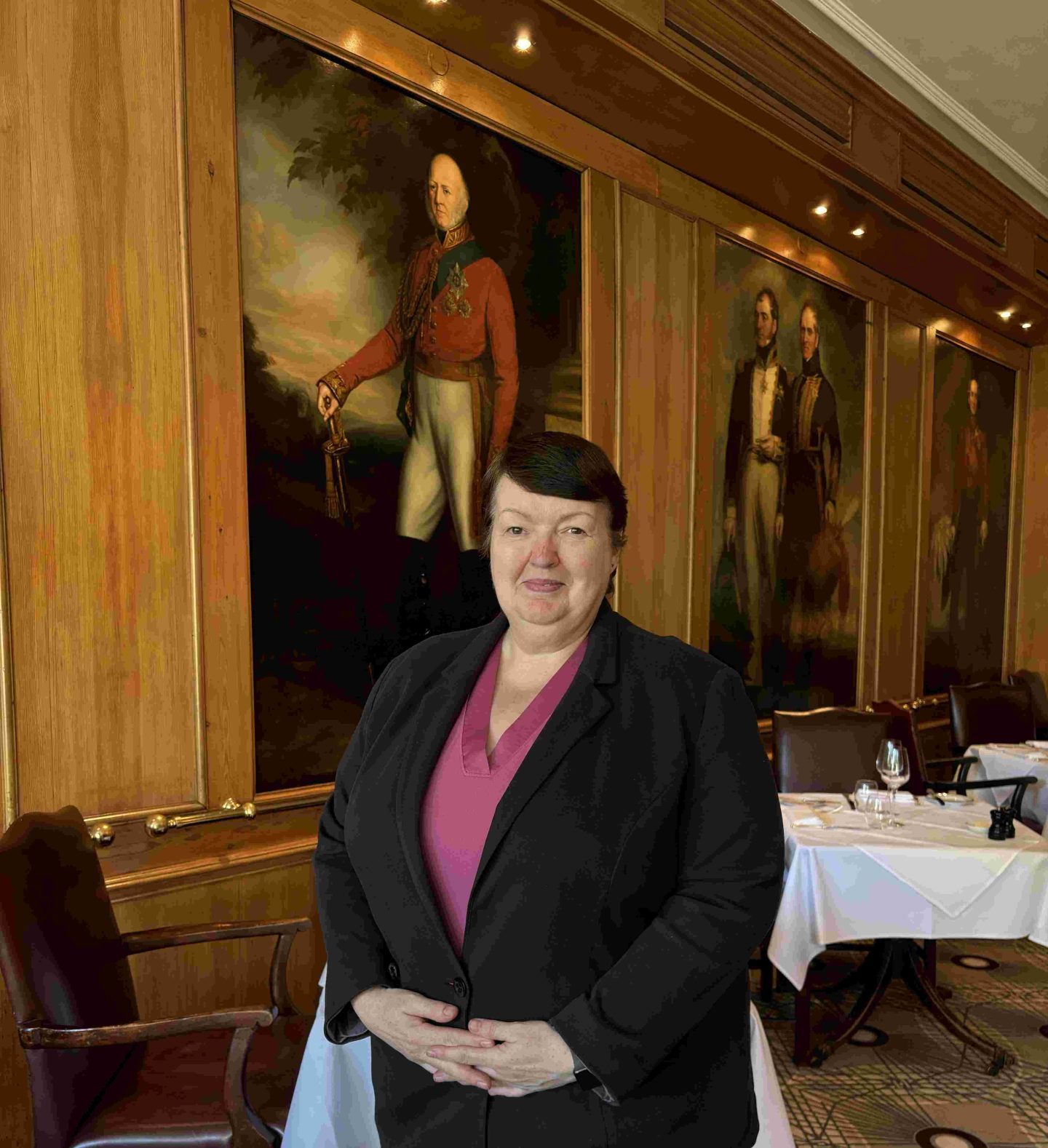
From London’s five-star hotels to heading housekeeping at The Army and Navy Club, Jacqueline Hehir shares how empathy, adaptability and smart technology are reshaping one of hospitality’s most essential departments.
Could you share your journey to becoming Head of Housekeeping, and the key experiences that shaped your leadership style?
Working in hospitality has always appealed to me because no two days are ever the same. I currently work as Head of Housekeeping at a private members’ club, where I oversee the housekeeping operation, support and manage the team, and ensure members consistently experience the highest standards of cleanliness and comfort. It is a role that combines organisation, leadership, attention to detail, and people management — all aspects I genuinely enjoy.
My journey into housekeeping was not something I originally planned, but it quickly became a career I felt passionate about. I began in entry-level housekeeping roles within some of London’s top five-star hotels, learning the operation from the ground up. Over time, I progressed into supervisory and management positions, gaining experience in team leadership, scheduling, stock control, budgeting, and guest relations.
One of the most valuable lessons I learned early on was the importance of leading by example. Housekeeping can be both physically demanding and fast-paced, and teams respond best to managers who understand the realities of the role and are willing to support them during busy periods.
Several experiences helped shape my leadership style. Working through high-occupancy periods, staffing shortages, and evolving guest expectations taught me the importance of communication and adaptability. I learned that consistency and respect are essential to building a motivated and high-performing team. I strongly believe people perform at their best when they feel valued, listened to, and supported.
I have also learned that recognition goes a long way in housekeeping. Small gestures, such as acknowledging hard work, celebrating team achievements, or simply thanking someone for their effort, can make a significant difference to morale.
What are some lesser-known tips or efficiencies you’ve discovered that maintain high standards while keeping your team motivated?
Over the years, I have discovered several efficiencies that help maintain high standards while keeping the team engaged and motivated. One lesser-known but highly effective approach is structured room allocation and realistic task planning. Assigning rooms strategically based on complexity and proximity helps improve productivity without overwhelming staff.
Another valuable strategy is involving team members in problem-solving. Housekeepers often know the quickest and most practical ways to improve processes, and giving them a voice not only increases efficiency but also strengthens engagement and teamwork.
Training is another area that is sometimes underestimated. Refresher sessions, shadowing opportunities, and cross-training between departments not only improve standards but also help employees feel invested in their own development and progression.
I have also found that flexibility, where possible, is incredibly important. Hospitality can be demanding, so supporting work-life balance and being understanding of individual circumstances helps build loyalty, improve morale, and reduce staff turnover.
How has technology changed housekeeping in recent years? Are there any tools you now consider indispensable?
Technology has transformed housekeeping significantly in recent years. Digital room management systems and mobile communication tools have greatly improved efficiency and communication between housekeeping, reception, and maintenance teams. Real-time room updates allow departments to work far more seamlessly together, improving the guest experience while reducing delays.
Mobile applications that track room status, maintenance issues, and linen inventory have become particularly valuable. One tool I now consider indispensable is a housekeeping management platform that enables supervisors to assign tasks instantly and monitor progress throughout the day. It reduces paperwork, improves accountability, and allows issues to be resolved much faster.
Technology has also supported sustainability efforts, from monitoring laundry usage to reducing unnecessary linen changes - something that is becoming increasingly important across the hospitality industry.
What advice would you offer someone aspiring to a long-term career in hotel housekeeping or hospitality management?
For anyone considering a long-term career in hotel housekeeping or hospitality management, my biggest piece of advice would be to stay open to learning and never underestimate the value of people skills. Technical knowledge can be taught, but attitude, reliability, and communication are what truly help people progress within the industry.
Hospitality offers excellent opportunities for growth to those who are willing to work hard, remain adaptable, and maintain a positive mindset. It is also important to take pride in the role. Housekeeping is one of the most essential departments within any hotel, and guest satisfaction is heavily influenced by the standards and care delivered by the team behind the scenes.
What would you like to see evolve in hotel housekeeping over the next one to three years?
Looking ahead, I would like to see housekeeping continue evolving with a stronger focus on employee wellbeing, career development, and smarter technology integration. Housekeeping professionals are highly skilled, yet the role is still sometimes underestimated within the wider hospitality industry. I believe there should be greater recognition of the department’s direct impact on guest satisfaction and overall hotel success.
Over the next few years, I also hope to see increased investment in sustainable practices, improved training programmes, and technology that supports staff rather than replacing the human element of hospitality.
Ultimately, housekeeping is about creating comfort, trust, and a sense of care for guests, and that will always rely on dedicated people at the heart of the operation.

BOUTIQUE HOSPITALITY
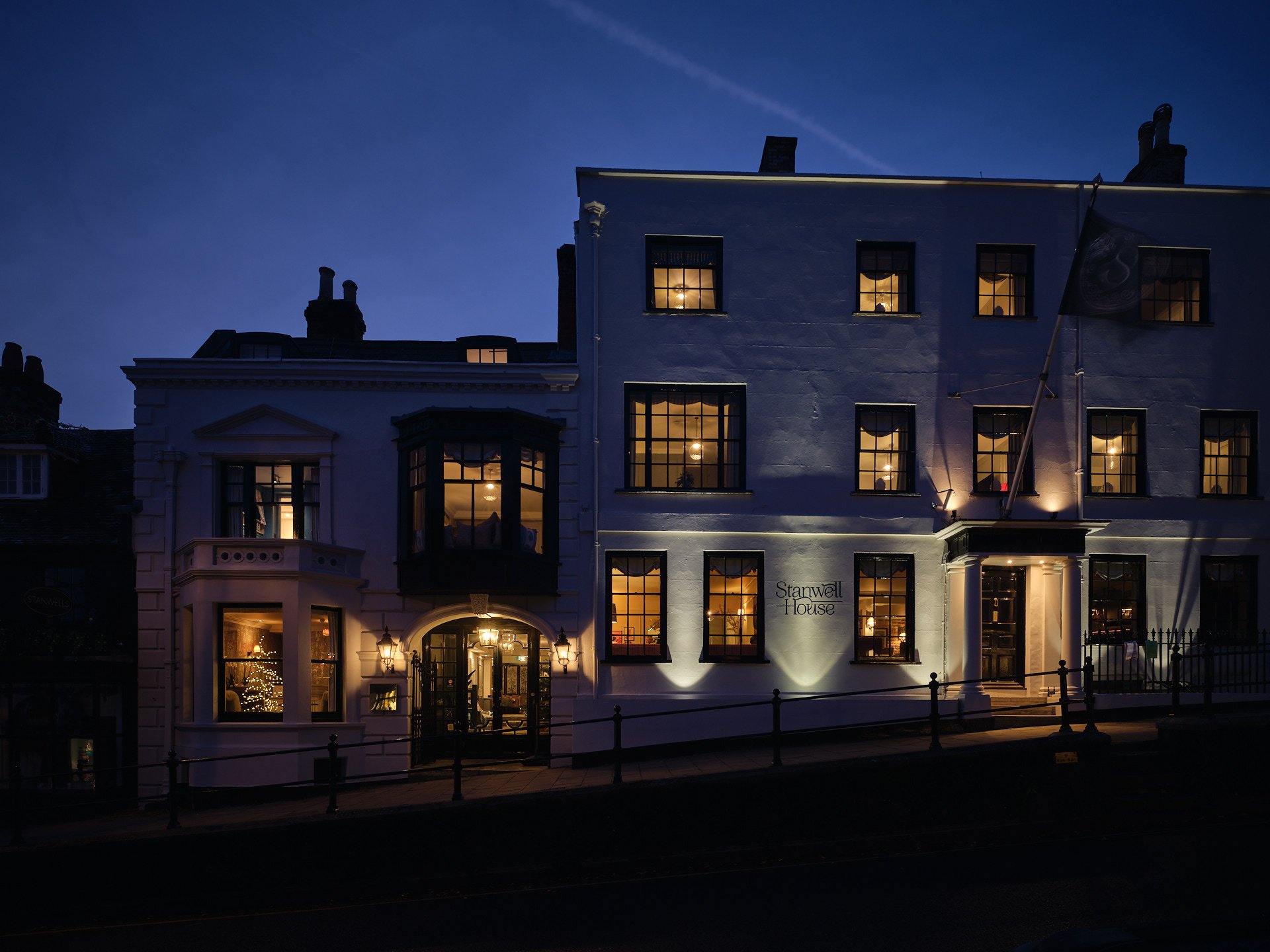
Combining Georgian charm, contemporary luxury and a people-first culture, Stanwell House in the heart of Lymington is redefining the boutique hotel experience. General Manager Josie Clare shares how empowering teams, embracing feedback and staying adaptable helps deliver exceptional guest experiences every day.
Nestled in the heart of Lymington’s historic High Street and just moments from the New Forest National Park, Stanwell House has quickly established itself as one of Hampshire’s most stylish independent hotels. Following an extensive refurbishment and reopening in December 2022, the 27-bedroom boutique property has combined Georgian character with contemporary luxury, creating a destination that feels both sophisticated and welcoming.
Owned by its current proprietors since 2021, Stanwell House occupies a prime position on the South Coast, offering guests easy access to the New Forest, the Solent and the charming maritime town of Lymington. While its elegant interiors, thoughtfully designed bedrooms and acclaimed dining venues have earned widespread praise, the hotel’s success is equally rooted in its people-first approach to hospitality.
Leading the team is General Manager Josie Clare, who joined the hotel in September 2024. With the hospitality industry continuing to evolve at pace, Josie believes that maintaining a strong team culture is fundamental to delivering a consistently excellent guest experience.
“The team feels supported and confident, that naturally translates into a seamless guest experience,” she explained. “As a result, I focus heavily on building a friendly, approachable team culture. Keeping things clear, consistent and human helps reduce uncertainty, and recognition and support are key, especially during periods of change.”
For Josie, effective leadership is built on communication and inclusion. Rather than viewing change as a one-off event, she sees it as an ongoing conversation that requires engagement from every level of the business.
“Change is rarely one conversation; it’s an ongoing dialogue,” she said. “Encouraging feedback from all levels creates buy-in and confidence, and when people understand the ‘why’, they’re much more engaged.”
This collaborative philosophy reflects the wider ethos at Stanwell House, where personalised service and genuine hospitality are central to the guest journey. Josie is also a firm believer in remaining visible and connected to daily operations.
“I make a point of being present in the operation, not just behind the scenes,” she said. “Seeing what the team sees helps me make better, more realistic decisions, and I prioritise constant, open communication. I’m not afraid to adapt quickly if something isn’t working. In hospitality, things don’t always go to plan and that’s okay. It’s about being responsive rather than sticking to something just because.”
That adaptability is evident throughout the property. The hotel’s accommodation offering has been carefully curated to cater to a wide range of travellers, from couples enjoying a weekend escape to families exploring the New Forest. Room categories range from cosy Loft Rooms tucked beneath the roofline of the original Georgian building to spacious Luxury Rooms and three individually designed Suites, each offering distinctive features such as private terraces, separate living spaces or views over the hotel’s tranquil walled garden.
Families are particularly well catered for with a dedicated Family Suite featuring a separate children’s room and bunk beds, while dog owners can take advantage of pet-friendly Terrace Rooms and welcoming public spaces that allow four-legged companions to join the experience.
Food and beverage are another cornerstone of the Stanwell House offering. The hotel’s flagship restaurant, Samphire, delivers a relaxed yet refined dining experience centred around locally sourced and seasonal ingredients. Elsewhere, guests can enjoy expertly crafted cocktails in the atmospheric Salt Bar, complete with exposed brickwork and a log burner, or unwind in the light-filled Orangery, a popular destination for coffee, afternoon tea and informal gatherings.
Throughout the property, the emphasis remains on creating memorable moments rather than simply providing facilities. Josie believes that guest feedback plays a critical role in ensuring the hotel continues to evolve in meaningful ways.
“Guest feedback is one of the most valuable tools we have,” she explained. “It’s not just about what is said, but listening properly and understanding why. That insight helps us evolve in a way that genuinely improves the experience.”
This commitment to listening, learning and adapting has helped Stanwell House carve out a distinctive identity within the competitive boutique hotel market. By combining thoughtful design, exceptional dining and a culture built around empowerment and authenticity, the hotel offers an experience that resonates with modern travellers seeking both comfort and connection.
As Josie concluded: “For us, it’s not just about creating a beautiful space, it’s about how guests feel when they’re with us. Ultimately, keeping morale high and fostering a positive, empowered team is what delivers consistency for guests.”
In an industry where guest expectations continue to rise, Stanwell House demonstrates that lasting success comes from investing as much in people as in product. The result is a hotel that not only showcases the best of the New Forest and Hampshire coastline but also exemplifies the enduring power of genuine hospitality.
BARS AS BRAND USERS
As luxury travellers seek authentic experiences and cultural connection, we look at how hotel bars are emerging as the heart of the property - where brand stories come to life and lasting impressions are made.
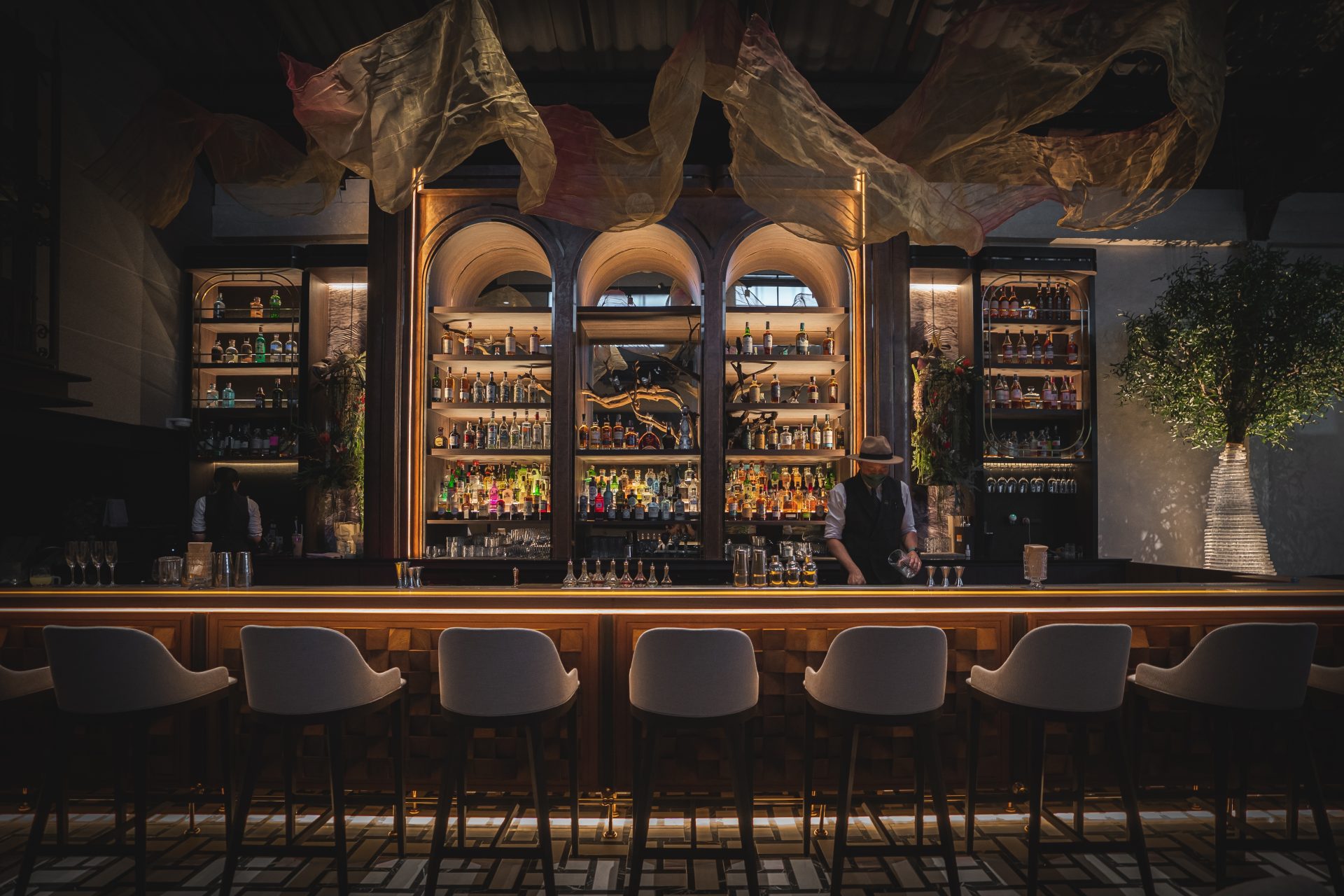
For today’s leading hotels, the bar is far more than a place to enjoy a cocktail - it is a powerful expression of brand identity. Long after guests have checked out, memories of a signature drink, a distinctive atmosphere, or a legendary bar experience often endure.
From grand hotel institutions to contemporary destination venues, iconic bars have become brand builders in their own right, shaping perception, driving footfall, and creating a sense of place that extends well beyond the guest room.
Ineska Dabrowski, Creative Cultural Engineer at Hart Shoreditch revealed how their UBA Lobby Bar plays a central role in shaping the hotel’s identity, acting as the heart of the lobby experience. “It brings together both guests and locals in a space that feels more like a creative community hub than a traditional hotel setting,” she said. Connected to the energy of Shoreditch, the bar and lobby host coworking during the day and transform into workshops, performances, DJ nights, and seasonal art installations in collaboration with local artists, extending throughout the lobby, shelves, tables, and staircase journey.
Ineska believes that a bar becomes recognisable when it creates a strong sense of identity and connection beyond just food and drinks. “By becoming part of the local culture and community, hosting experiences, supporting artists, and creating memorable moments, the bar can leave a lasting emotional impression on both guests and locals. Consistency in atmosphere, music, design, and service also helps build a personality people remember and return to,” Ineska added.
With many guests opting for a drink in the bar before dinner, bars often provide guests an initial glimpse into a hotel’s F&B service. It is therefore essential for hotels to make a stand-out first impression, offering a sneak peak into the high-end experience that hotels strive to deliver. Here, glassware can be a clear indicator of the level of luxury provided by hotels, and amidst increased premiumisation, Mark Conron, Group Head of Customer Communications, Nisbets UK, thinks hotels should prioritise delicate, high quality crystal glasses, such as those offered by Olympia. “Designed to enhance the flavours of drinks, Olympia’s crystalware delivers a sophisticated drinking experience. For cocktails, the Campana Martini Glass and Claro Tumbler make an ideal choice, meanwhile when it comes to wine, Olympia’s Chime collection of glasses offer an elegant way to serve wine and maximise its taste and appearance,” Mark said.
This is thanks to the glasses’ wide bowl design and tapered rim, which helps aerate the wine and trap its aromas. Despite their refined look, these wine glasses are built for durability with a rolled edge to prevent chips and a wide base to minimise spills. They are also glasswasher safe, making them easy to clean ready for the next service.
A great example of a bar playing a role beyond food and beverage, is Raffles London at The OWO’s The Spy Bar. It’s an exceptional driver of local engagement and international visibility. Sotiris Konomi, The Spy Bar Manager, agrees that The Spy Bar can operate as far more than a standard F&B outlet - particularly in a city like London where cultural relevance often shapes hospitality brands as much their rooms inventory. He said, “In a luxury hotel, the bar is usually the most accessible entry point, where people can visit frequently, even if they never book an overnight stay.”
In that sense, The Spy Bar plays a strategic role towards international and local visibility. A key example of this would be with the programming their Covert Operations Takeover series, where they invite bartenders from all over the world to take over for one night only. Sotiris said, “This allows us to curate repeat interactions with our London residents, by offering a distinct experience each time they visit. So far, we have hosted bartenders from Bratislava, Mexico City, Greece, Bangkok and more – elevating both bar’s profile internationally – which is what makes us a community.”
With storytelling a crucial element of creating a stand-out hotel bar, The Spy Bar draws directly on the espionage history of The OWO and its association with figures like Churchill and MI5 and Sotiris explained, “For us, it is very important to keep this storytelling of The OWO (the former Old War Office) alive.”
Originally, the space that is now The Spy Bar was two rooms numbered 006 and 007 in the early 20th century, and these functioned as high security storage vaults for identity papers and mission reports of MI5 and MI6 agents. The entrance of the bar was once a guard room, and other rooms along this corridor were rooms used for briefing, debriefing and interrogating spies before and after going into the ‘field’, and working behind enemy lines in occupied Europe during the Second World War.
“It would be remiss to ignore the rich history of our location - and so it is reflected in every element of The Spy Bar – from the cocktail serves to the décor. Our drinks reference old victory gardens (which grew fruits and vegetables food to feed Brits during WWII) and the periods of ‘rationing’. They also champion the spy craft traditions of MI5 and MI6 leaders and stories of female spies – each serve is a way to honour those that came before us.”
By leaning into this world of intrigue, The Spy Bar allows visitors to emotionally access the mythology of the building in a contemporary way. Guests are not just hearing that history existed there - they are participating in an atmosphere inspired by it. Sotiris finished, “This distinct narrative is also enhanced by our no photography rule. Guests live in the moment and can almost feel the walls ‘talk’.”
Another venue known for their iconic hotel bars is Rosewood - Andy Loudon, Director of Bars at Rosewood London, recognises that the hotel bar today is no longer an accessory to the hotel experience, “It is often the most immediate, emotionally resonant expression of the brand. Long before a guest reaches a room, the bar establishes mood, confidence, and cultural relevance. It is where the hotel speaks most clearly, not in words, but in atmosphere, service, and sense of belonging.”
At Rosewood London, both Scarfes Bar and The Gin Bar at Holborn Dining Room were conceived as character led spaces rather than interchangeable venues. Scarfes draws its identity from narrative and craft, using illustration, live performance, and a sense of intimacy to express the hotel’s artistic spirit and British humour. The Gin Bar at Holborn Dining Room works differently, acting as a social engine for the building, open, energetic, and deeply rooted in British conviviality and exploration. “Together, they show how distinct bars within one hotel can express different facets of the same brand personality while remaining unmistakably part of the whole,” said Andy.
Andy explained that across his work creating bar concepts internationally through Proof Creative, the consistent principle has been that successful hotel bars are built from point of view rather than trend. “When a bar has a clear narrative purpose, grounded in its location and delivered through thoughtful design and genuine hospitality, it becomes a lived experience of the brand rather than a visual statement. Guests may forget the details of a stay, but they remember how a bar made them feel, who they met there, and the rituals they participated in,” he said.
In that sense, the hotel bar has become the brand’s social voice. It is where the hotel engages with its city, welcomes locals alongside guests, and transforms brand values into something tangible and human. Andy believes, “When done well, the bar does not just support the hotel’s identity, it actively defines it.”
We asked Andy what ways can a bar become as recognisable and emotionally resonant as the hotel itself, to which he told us, “A bar becomes recognisable and emotionally resonant when its character is expressed consistently, not only through design and service, but through what is in the glass. At Rosewood London, Scarfes Bar and The Gin Bar at Holborn Dining Room achieve this in very different ways, each using its beverage programme as a primary storytelling tool.”
At Scarfes Bar, the drinks are conceived as narrative objects. The cocktail programme is deeply informed by the work and world of Gerald Scarfe, translating his wit, provocation, and hand drawn irreverence into flavour, form, and presentation. Each cocktail functions as an extension of the wider creative universe, encouraging conversation, interpretation, and emotional engagement. “This focus on storytelling means guests do not simply consume a drink, they participate in the bar’s narrative, creating a sense of intimacy and personal connection that lingers well beyond the visit,” he said.
Mario Sel, Bar Manager, Bar Montez at Rosewood Munich believes that the hotel bar has become the emotional centre of the hotel experience. “Guests may sleep in the rooms, but they experience the soul of a hotel through its bar.” He explained how, at Bar Montez, that comes through in the atmosphere, music - daily live jazz, conversation, storytelling and connection that define the space and shape how guests remember their time at the hotel.
Especially today, in a world where many people work behind screens and social interaction has become increasingly digital, bars are regaining an important social role. “Many people no longer have the same sense of community or personal interaction within their daily work environments. A great bar becomes a modern meeting place again - somewhere people can experience spontaneity, conversation and genuine emotion, which is very much the energy we want Bar Montez to embody,” added Mario.
For Mario, modern luxury is no longer about separation or distance. Today’s luxury guest is searching for authenticity, energy, and connection. “The strongest hotel bars create environments where locals, international travellers, creatives, and hotel guests naturally come together - a balance we pride ourselves on at Bar Montez. We further integrate the local community into the bar through everything from live music performances to curated artwork, creating an authentic sense of Munich for every guest.
“At the same time, exclusivity comes through atmosphere, attention to detail and personalised service. Guests should feel that they are entering a carefully curated world, not simply another busy bar.”
Beyond revenue, we asked Mario ‘how do you measure the success and cultural influence of a hotel bar?’ He revealed, “Success for me is when a bar becomes part of the city’s social fabric. When locals bring visiting friends there first. When guests return years later because they remember an evening at the bar.”
He also believes it is extremely important for hotel bars to actively integrate themselves into the local and international bar community. He said, “Collaborations, guest shifts, cocktail competitions and exchanges with other bartenders bring inspiration, creativity and credibility into a hotel bar, which is a big part of what we do at Bar Montez. Guests can immediately feel whether a bar is genuinely connected to the culture of the city or simply exists within the walls of a hotel.”
Capella Bangkok achieved the number one spot on The World's 50 Best Hotels list in 2024 and is home to Stella Bangkok, a lavish bar space. Bar Manager, Miriam Nini explained that Stella is where the hotel really comes to life in a more expressive, social way. “The rooms at Capella Bangkok are very serene and introspective, but Stella gives us the opportunity to show a different side of the brand: it’s more playful, more multi-layered, and a little more spontaneous,” she said.
With today’s luxury travellers increasingly judging a hotel’s cultural relevance through its social spaces and bar experience as much as through its accommodation offering, Miriam explained that it’s the social spaces are where a hotel can show its personality most clearly. “They’re more immediate, more accessible and often more reflective of what’s happening culturally in real-time. Guests are paying attention to that, and they want to feel that a place is clued-in, engaged, and part of a wider conversation. A bar can communicate that very quickly.”
Miriam added, “This is also the reason why our signature cocktail menu, Journey into the New Siam, translates the scents, flavours, and vibes of Bangkok’s most emblematic neighbourhoods into drinkable snapshots - a way to express our idea of a “Contemporary Thai Cocktail Bar” in every touchpoint of the guest journey.”
Looking at what makes a hotel bar feel truly iconic, rather than simply fashionable, Patrick McCaig, Managing Director at Otter Brewery, believes it’s a bar which extends beyond just being one communal area. “This space should be synonymous with the wider hotel. Beyond consistent décor, a key way of achieving this is by ensuring private, in-room mini bars mirror the main bar space as this gives guests complete control over their drinking experience. For this reason, Otter Brewery provides bottled variants of its most popular cask ales, most notably its amber ale which it has recently revised in a bottled format.”
Recognising that destination bars are hugely important now because they often become the face of the hotel, Eleonora Esposito, General Manager of Florattica, said, “Guests remember how a place made them feel, and bars create those moments.” In Florattica’s case, the venue has built its own identity beyond the hotel; winning industry awards, attracting loyal repeat customers, and becoming a recognised London rooftop destination in its own right, which naturally strengthens the overall hotel brand too.
With the most memorable hotel bars often becoming cultural landmarks in their own right, we explored what separates a truly brand-defining hotel bar from one that simply serves hotel guests – Eleonora explained, “The biggest difference is whether people would visit the venue regardless of whether they’re staying at the hotel. The best hotel bars have their own identity, energy, and loyal following. With Florattica, we’ve deliberately kept the hotel and bar marketing strategies separate, with different objectives and audiences. The majority of our guests aren’t hotel residents, they’re professionals working locally or people travelling into London specifically for a night out. That’s what makes a venue feel culturally relevant rather than simply an extension of the hotel lobby.”
The Savoy’s bars have played a defining role in shaping the hotel’s identity and international reputation. American Bar, which first opened in 1893, four years after the hotel’s debut, is considered London’s longest-standing cocktail bar. Throughout its history, the bar has been home to legendary bartenders, including Harry Craddock, author of the iconic The Savoy Cocktail Book, and Ada “Coley” Coleman, one of the first celebrated female bartenders in the industry, who helped to establish The Savoy as a pioneer of cocktail culture and draw guests in.
The bar has also served as a social and cultural meeting place for royalty, actors, writers and politicians, from Winston Churchill and Frank Sinatra to Ernest Hemingway and Marlene Dietrich, cementing The Savoy’s reputation as a gathering place for influential figures across generations. American Bar is also intertwined with the hotel’s sense of theatricality, attracting guests to enjoy a pre- or post-theatre drink with London’s West End positioned moments away.
Raquel Pirola, Commercial Director at The Savoy, said, “An iconic hotel bar endures by evolving with changing tastes and expectations while remaining true to its identity and heritage. American Bar has achieved this balance particularly well through the continual reinvention of its cocktail menus. Its latest menu, Liquid Moments, launched in January 2025, draws inspiration from stories, memories and defining moments from The Savoy’s history.”
She believes another key factor in a bar’s long-standing and generational success is the calibre of talent behind the bar. American Bar has consistently attracted some of the world’s most respected bartenders, from Harry Craddock and Ada “Coley” Coleman to today’s award-winning teams, ensuring that creativity, craftsmanship and hospitality remain at the heart of the experience.
Raquel explained, “Today, Markus Bassett leads as Head of Bars at The Savoy, honouring American Bar’s pioneering legacy through a balance of innovation and tradition. In developing new cocktails, Markus guides the team through a meticulous process inspired by the hotel’s heritage and the Savoy Cocktail book, reimagining classic cocktails with innovative techniques and focusing on the quality of ingredients. Each cocktail undergoes a thoughtful development phase, considering flavour profiles, historical significance, and modern tastes. This adaptation ensures that the menu remains relevant and compelling to contemporary audiences.”
Nick Anastasiou, Director of Gorilla Carts & Kiosks agrees that bars are at the heart of hotels with many guests experiencing this space before they even step into their rooms. He said, “For this reason, bars are essential to building guests’ first impression of hotels, and it is vital that these embody an establishments’ values, ethics and USPs. This goes beyond just the design of bars, but how drinks are served within these spaces providing an ideal opportunity for bartenders and mixologists to showcase their creativity and expertise on a range of drinks, from beer and wine to spirits and cocktails.”
Exploring what ways a can become as recognisable and emotionally resonant as the hotel itself, Nick sees that when creating a recognisable, one-of-a-kind bar space, “heritage is a key consideration”.
He said, “Whilst new bars may be kitted out with sleek and modern looks, family run establishments with a strong history may feature a more authentic design, complete with family photos. Alternatively, hotels may theme their bars around a quality unique to them; this maybe a local landmark or perhaps a nod to what the building was used for prior to the establishment of the hotel. Whatever makes your hotel stand out, Gorilla Carts & Kiosks curates bars that reflect the hotel itself. By offering a custom-made solution, Gorilla Carts & Kiosks work with the top industry designers and skilled craftsmen to enable hotels to create a bar space that is completely unique to them.”
At Wyndham Hotels & Resorts, they recognise that hotel bars play an increasingly important role in shaping a property’s identity, acting as both a social anchor and an extension of the guest experience beyond the room.
Jackie Brown, Regional Director North & West Europe, Wyndham Hotels & Resorts, said, “Spaces like The Stage Skybar at H4 Hotel Paris Pleyel demonstrate how a well-conceptualised bar can become a defining feature, blending atmosphere, design and a sense of place.” Set 129 metres above the city with panoramic views across Paris’s iconic landmarks, including the Eiffel Tower, it offers a unique and intimate setting where guests can enjoy signature cocktails alongside a globally inspired, sharing-style menu.
“The cocktail offering leans into creativity and storytelling, with innovative serves built around unexpected flavour pairings such as basil-infused vodka with passionfruit, truffle and honey-accented bourbon, or tequila blended with yuzu and pineapple, reflecting a more experimental, experience-led approach to mixology.
“The food menu complements this with a curated selection of elevated small plates designed for social dining, from charcuterie and artisan cheese boards to internationally influenced dishes such as mezze platters, seafood bites and refined street food-style creations. Together with an evolving programme of events, DJ sets and live experiences, it creates a dynamic, memorable environment that encourages guests to pause, connect and experience the destination from a different perspective.”
As guest expectations continue to evolve, the hotel bar has become far more than an ancillary amenity. From fostering local communities and celebrating cultural heritage to driving international recognition and shaping brand identity, today’s most successful hotel bars are destinations in their own right. Whether through compelling storytelling, innovative beverage programmes, exceptional design or meaningful local engagement, these spaces create memorable experiences that resonate long after check-out.
BEYOND OCCUPANCY
Afternoon tea, summer spend and the revenue opportunity beyond the room, as told by Jane Pendlebury, CEO of HOSPA.
For many hotels, summer is the period when attention naturally turns to occupancy. Rooms fill as leisure demand rises and operators focus heavily on converting peak-season bookings. That’s understandable. Accommodation remains the main revenue driver for many properties, and in a market where demand can shift quickly, protecting room rate is vital.
But the summer peak also brings a wider commercial opportunity.
Guests are not simply buying a room. They’re looking for a reason to travel and a reason to feel that their money has been well used. That matters at a time when consumers are still making careful decisions about discretionary spend. People aren’t necessarily stepping away from hospitality, but they are being more selective. They want experiences that feel worthwhile.
That is where food and beverage, alongside wider ancillary revenue, can play such an important role.
Let’s take Afternoon Tea Week, which takes place in August, as a useful reminder of that point. On the surface, afternoon tea may appear to be a relatively traditional hotel offer. Some may even argue it is a little “done”, given how common it has become across the sector. But that familiarity is also part of its strength. Afternoon tea remains a recognised, accessible experience that consumers understand and continue to buy into, which is precisely why it shouldn’t be overlooked as a revenue driver.
The key is not necessarily to reinvent it completely, but to make it feel relevant to the property and the guest. When approached thoughtfully, afternoon tea can create a reason to visit and give hotels a chance to showcase their personality beyond bedrooms.
For some properties, afternoon tea is already a core part of the offer. For others, it may sit slightly in the background, treated as a pleasant addition rather than a meaningful revenue stream. Yet a well-positioned afternoon tea can drive footfall at quieter times of the day while introducing local guests to the property in a way that opens up future spend.
The timing is helpful too. August is busy, but it’s also competitive. Families and couples have plenty of ways to spend their money. Hotels that can offer something distinctive, whether that’s a garden afternoon tea or a collaboration with a local producer, have a greater chance of turning summer interest into tangible spend.
The opportunity isn’t limited to luxury hotels. Afternoon tea can be adapted to different markets and price points. The important thing is that it feels valuable to the guest.
That wider packaging point is particularly important. A guest may not independently decide to add lunch or spa access to a stay, but they may respond well to a carefully presented package that feels convenient and good value. The same applies to non-residents. A local guest who visits for afternoon tea could become a regular diner or even a future overnight guest if the experience is strong enough.
This is where commercial teams and revenue managers need to keep on thinking beyond individual departments. Food and beverage shouldn’t be viewed separately from rooms or marketing. If a hotel is seeing strong weekend occupancy but softer midweek demand, can afternoon tea be used to support quieter periods? If spa treatment slots remain available, can they be packaged with F&B? Total revenue management is talked about a lot, but there are often new opportunities to pursue.
Data has an important role to play here. If operators aren’t already looking closely at booking patterns and spend per guest, then it’s time to widen the view of data analysis. It’s not enough to know that afternoon tea is popular, a deeper dive might help establish when it performs best and whether it drives repeat business.
Many hotels have partnered with local attractions or theatre productions to create a themed experience, enabling them to charge a premium. Although afternoon tea is often perceived as expensive, it is important to charge a carefully thought-out price. As cost pressures continue across labour and ingredients, revenue growth alone isn’t enough. Menus should be creative, but also carefully costed. Packages should add value without eroding margin.
Afternoon Tea Week is a timely hook, but the lesson is much broader. Hotels could use the summer peak to maximise the guest journey, from pre-arrival upsells to terrace dining or local partnerships.
For hoteliers, the task this summer is to look beyond occupancy alone. Full rooms are important, but they’re only part of the picture. The real opportunity lies in understanding how guests want to spend their time and creating reasons for them to spend more of it with you.
Afternoon tea may be one of the most traditional rituals in British hospitality, but used well, it can be a very modern revenue driver.
Jane Pendlebury is CEO of HOSPA – the Hospitality Professionals Association. For more information on HOSPA and its offering, please visit www.hospa.org.
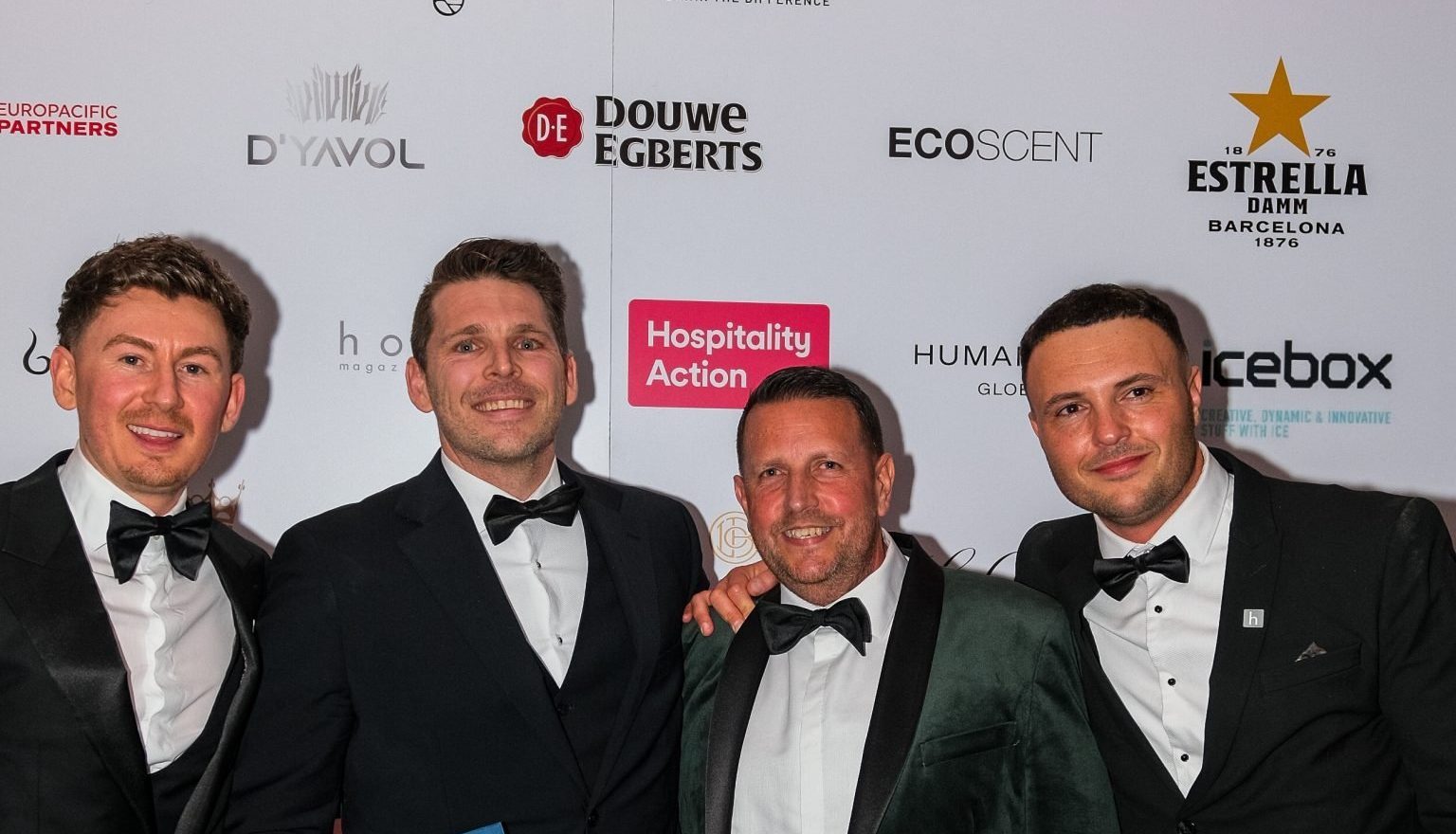
HOTEL RESTAURANT OF THE YEAR
Recently named Hotel Restaurant of the Year at the 2026 Hotel Magazine Awards, Restaurant Interlude is showing no signs of slowing down. We caught up with Executive Chef, Jean Delport, to discuss the award-winning formula behind the success of Leonardslee House, from Michelin-starred dining and estate-grown produce to deeply personal hospitality.
Winning at this year’s Hotel Magazine Awards is a major achievement. What do you think set your property apart from the competition?
We believe what sets us apart is the complete, immersive experience we offer. Leonardslee House is not simply a place to stay or dine; it is a destination shaped by its landscape, heritage, and people. With just ten bespoke bedrooms, we are able to provide an exceptionally personal level of service, where every detail is carefully considered and tailored to each guest.
At the heart of the experience is Restaurant Interlude, holder of both a Michelin Star and a Michelin Green Star - recognition not only of culinary excellence, but also of our deep commitment to sustainability. With the Leonardslee Family Vineyard located on the estate and foraged ingredients incorporated into every menu, there is a genuine connection between place and plate.
Equally important is our front-of-house team, whose warmth, knowledge, and attention to detail elevate every guest interaction. That combination of intimate scale, exceptional dining, sustainability, and heartfelt hospitality is what truly defines us.
What does it mean to you, personally, to have secured this win amid such strong competition?
It is incredibly meaningful. The level of talent and innovation across the industry is extraordinary, so to be recognised among peers we hold in such high regard is both humbling and deeply rewarding.
On a personal level, this award reflects the passion and dedication of the entire team. From the kitchen to the vineyard, from housekeeping to front of house, every individual plays a role in creating something special. To see that collective effort acknowledged on such a respected platform is a proud moment for everyone involved.
Awards often reflect past performance. How are you planning to build on this momentum moving forward?
For us, this recognition is both a milestone and a source of motivation. We are continually refining every aspect of the experience - whether enhancing the stay within our ten individually designed bedrooms, further developing our estate-grown produce and vineyard offering, or continuing to push the boundaries at Restaurant Interlude.
While we are incredibly proud to hold both a Michelin Star and a Michelin Green Star, our ambition is to continue evolving, with the long-term goal of achieving a second Michelin Star. That journey is what drives us: constant improvement, creativity, and meticulous attention to detail across every part of the guest experience.
Sustainability will remain central to our vision, building on the principles that earned us the Michelin Green Star, while we continue to deepen the connection between the estate and the guest experience. Above all, we will continue investing in our team, because it is their passion and dedication that truly bring everything to life.
What would you say to anyone considering applying next year?
Go for it. Awards like these provide a valuable opportunity to reflect on what makes your property unique and to celebrate the people behind it. Be authentic in your story, focus on what you genuinely do well, and stay true to the values that underpin your offering.
Most importantly, involve your team throughout the process. Success in hospitality is never the result of one individual - it is always a collective effort.
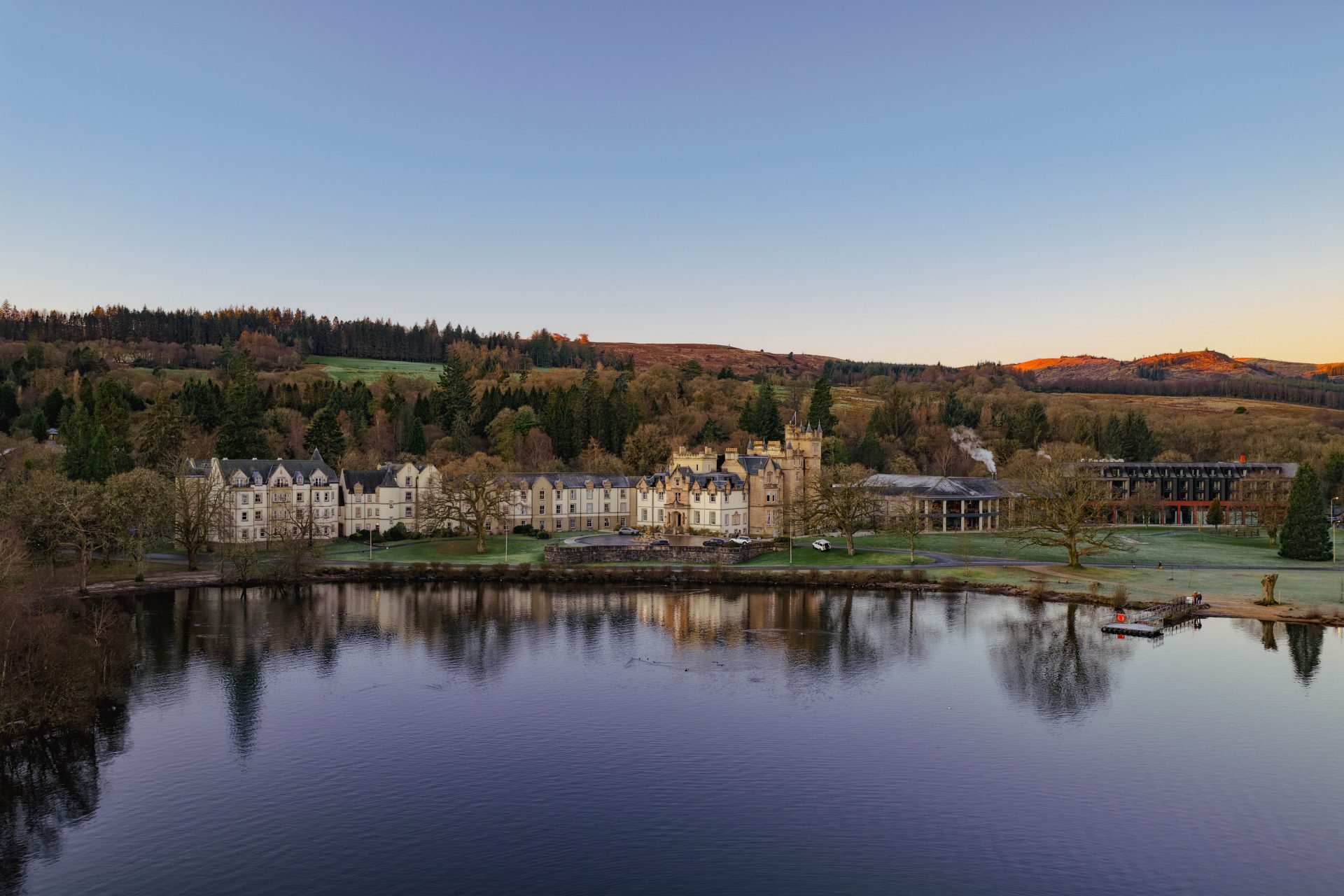
A NEW ERA
Victory Group Completes Acquisition of the Iconic Scottish Resort.
Cameron House, the 17th-century estate set on the picturesque shores of Loch Lomond, has been acquired by Victory Group, marking the start of a vibrant new era dedicated to elevating the guest experience. Combining historic Scottish charm with contemporary hospitality, this iconic estate offers an idyllic escape just 30 minutes from Glasgow. Ideally positioned between Loch Lomond and The Trossachs National Park, Cameron House is a year-round destination where a blend of elegant hotel rooms as well as self-catering lodges, cottages and apartments allows guests to fully enjoy a wealth of outdoor experiences, both on the water and throughout the surrounding countryside.
Recently named among the best resorts in Europe in the Condé Nast Traveller UK Readers’ Choice Awards, the baronial mansion-turned-hotel is widely cherished for its historic position within Scottish hospitality, and recognised as the gateway to the Scottish Highlands. Under Victory Group’s stewardship, the resort will undergo a phased evolution, including enhanced wellness offerings, curated lifestyle experiences, and immersive family programming – all underpinned by a dedication to preserving the estate’s rich heritage within this lochside landscape.
Victory Group, the leading luxury real estate and hotel investment firm headquartered in London, sees the addition of Cameron House into their portfolio as an endorsement into the estate’s future, aiming to recapture the spirit of this 400-acre lochside retreat. Erik Moresco, Founder of Victory Group, shared his vision:
“This acquisition reflects our strong commitment to high-quality assets in attractive locations. Cameron House combines a setting of breathtaking beauty, heritage, and luxury with legendary Scottish hospitality. We are absolutely thrilled to be making our first acquisition in Scotland, and we continue to see the UK as a compelling investment market.”
While the warm Scottish hospitality that guests love remains unchanged, Victory Group’s transformation will refocus Cameron House’s position as a must-visit, forward-thinking destination for global travellers. Further details regarding the next phase of the resort’s evolution, including plans and new experiences, will be announced in the coming months.
BUILDING LEGACY
As one of the newest openings along the Wild Atlantic Way, General Manager, John Keating’s vision is clear: to create a destination defined not just by luxury, but by genuine care, intuitive service and a true sense of place – we caught up with him to find out more.
You’ve built a remarkable international career across some of the world’s leading luxury hotels and resorts. Looking back over more than three decades in hospitality, what moments or experiences have most shaped the way you lead today?
I've been fortunate to work alongside some truly exceptional leaders over the years, and what has always set the great ones apart is a genuine commitment to people – guests, colleagues and teams alike. That ethos has become the foundation of my own leadership style: leading from the front, while creating space for others to flourish through coaching, mentoring and real collaboration.
One moment stands out in particular. Early in my career as maître d' at The Ritz London, a new managing director called Terry Holmes came in for dinner with his family shortly after relocating from the US. He ordered and quietly asked whether he might be able to get some chips. I said “of course”, and brought them out with some ketchup for his children. Afterwards, he took me aside, thanked me and mentioned that in several days at The Ritz, nobody had accommodated that simple request. He told me to hold on to that instinct, that it would take me far.
The next day, he introduced me to the hotel's ownership. He remained a mentor and a guiding influence for the next 20 years and is still a significant figure in the industry to this day. That early lesson in the power of simple, genuine service has never left me.
From Asia and the Caribbean to Scotland and the UK, your career has taken you across very different hospitality cultures. How have those global experiences influenced the way you approach launching a new luxury hotel like The Hawthorn by Galway Bay?
Looking back, the range of cultures and contexts I've had the privilege of working within has been an extraordinary education. Asia taught me patience and attentiveness and the UK sharpened my appreciation for diplomacy. Switzerland instilled a real precision and attention to detail while the Americas gave me a competitive drive. And Ireland, of course, gave me an intuitive understanding of warmth and genuine hospitality.
When I describe my approach to opening The Hawthorn, I often say it requires all of those qualities at once. Put them into a blender and what comes out is what this property demands. Each experience has contributed something important to how I'm shaping this project.
This role also marks a return home to Ireland for you. On a personal level, what does it mean to come back and lead one of the most anticipated hospitality openings in the west of Ireland?
Returning home has been deeply meaningful, both professionally and personally. Ireland today is a genuine global leader in hospitality, and the tourism sector along the Wild Atlantic Way, in particular, has developed into something really special. The investment in promoting this coastline as a world-class destination has paid off and Galway sits right at the heart of it: a city full of culture, history and character.
I feel a real sense of pride being part of this next chapter. And on a more personal note, being just two hours from my mother is something I genuinely appreciate.
Opening a hotel of this scale and ambition is a rare opportunity in a career. What has the pre-opening journey been like so far, and what are the most exciting – or challenging – aspects of bringing a project like The Hawthorn to life?
I've been involved in a number of openings over the course of my career, and each one is unique to its location and culture. There's a real excitement in watching a building come to life: seeing the interiors take shape and the details that define a luxury property start coming together. But, for me, the most energising part has always been assembling the team. Everything else flows from that.
Alongside the excitement comes real pressure: timelines, training, ensuring the building is delivered on schedule and that the guest experience we've promised is ready from day one. We've put ourselves out there publicly with a clear vision of what The Hawthorn will be. Living up to that commitment is both the biggest challenge and the biggest motivator.
As the first general manager, you have the unique opportunity to shape the culture of the hotel from the very beginning. How are you approaching the task of building the team and setting the tone for the guest experience ahead of opening day?
Being the founding general manager carries a real weight of responsibility, because what you build in these early months becomes the legacy of the property. The culture you establish, the standards you set, the values you embed in the team: these things endure long beyond opening day.
Hand-picking the leadership team has been my primary focus. You need genuine experts in every discipline, people who are empowered to lead their areas with confidence. My job is to set the vision and then trust them to deliver it. What I look for is a team that is not only highly capable, but one that challenges constructively, supports each other and works with a shared sense of purpose. That culture of mutual care and collective ambition is ultimately what will determine whether our guests have truly exceptional experiences.
The Hawthorn has already been welcomed into The Leading Hotels of the World ahead of its opening – an impressive achievement. How does that level of recognition influence the standards you’re setting as the hotel prepares to welcome its first guests?
Membership of The Leading Hotels of the World is one of the most coveted distinctions in global luxury hospitality. It's a portfolio that includes iconic properties like The Ritz London, Gleneagles, Hotel de Paris in Monte Carlo and The Chelsea in New York. To join that collection, as one of only six member hotels in Ireland, is a real honour and one that we take seriously.
The standards required for membership are among the most rigorous in the industry, with multiple anonymous compliance inspections throughout the year. For us, that benchmark is both a responsibility and an opportunity. It keeps us committed to consistent excellence and connects us to a global community of discerning travellers who specifically seek out Leading Hotels properties wherever they go. That will be a meaningful driver of international business for us in time.
From the championship golf course and destination spa to a collection of distinctive dining venues, The Hawthorn promises a very layered guest experience. When visitors arrive for the first time, what feeling or sense of place do you hope they take away?
More than anything, I want guests to feel immediately and unmistakably that they're in the west of Ireland. The moment you arrive and look out across the golf course to Galway Bay, there's a sense of space and tranquillity that's quite unlike anywhere else. That view alone prompts an instinctive sense of calm, and that feeling is what I want to anchor the entire stay.
Beyond the setting, we want every guest to feel that their visit has been thoughtfully arranged before they even check in. We work to understand each guest's preferences in advance, whether they're keen golfers, spa enthusiasts, food lovers or keen to explore with activities such as fishing, walking or sailing. By the time they arrive, we want everything to already be in place. Drop the bags, settle in and simply enjoy. That sense of effortless, anticipatory care is what we're working towards.
Food and drink clearly play a central role in the identity of the hotel, with concepts ranging from live-fire dining to globally influenced menus rooted in local produce. How important is it that the culinary experience reflects both the west of Ireland and a broader international outlook?
Food is central to Irish life and culture, and The Hawthorn's culinary programme reflects that with real conviction. Our main restaurant, The Skylark, is built around an open fire grill and the philosophy is one of confident simplicity: sourcing exceptional local produce and letting it speak for itself. Beef, pork, free-range chicken, Connemara lamb, lobster from the bay right outside our windows, seafood from the west coast: the quality is outstanding and that's what the menu is built around.
Our drinks programme is equally considered with a wine list curated by our master sommelier alongside local craft beers, ciders, Irish whiskeys, gins and cocktails that celebrate the region's producers.
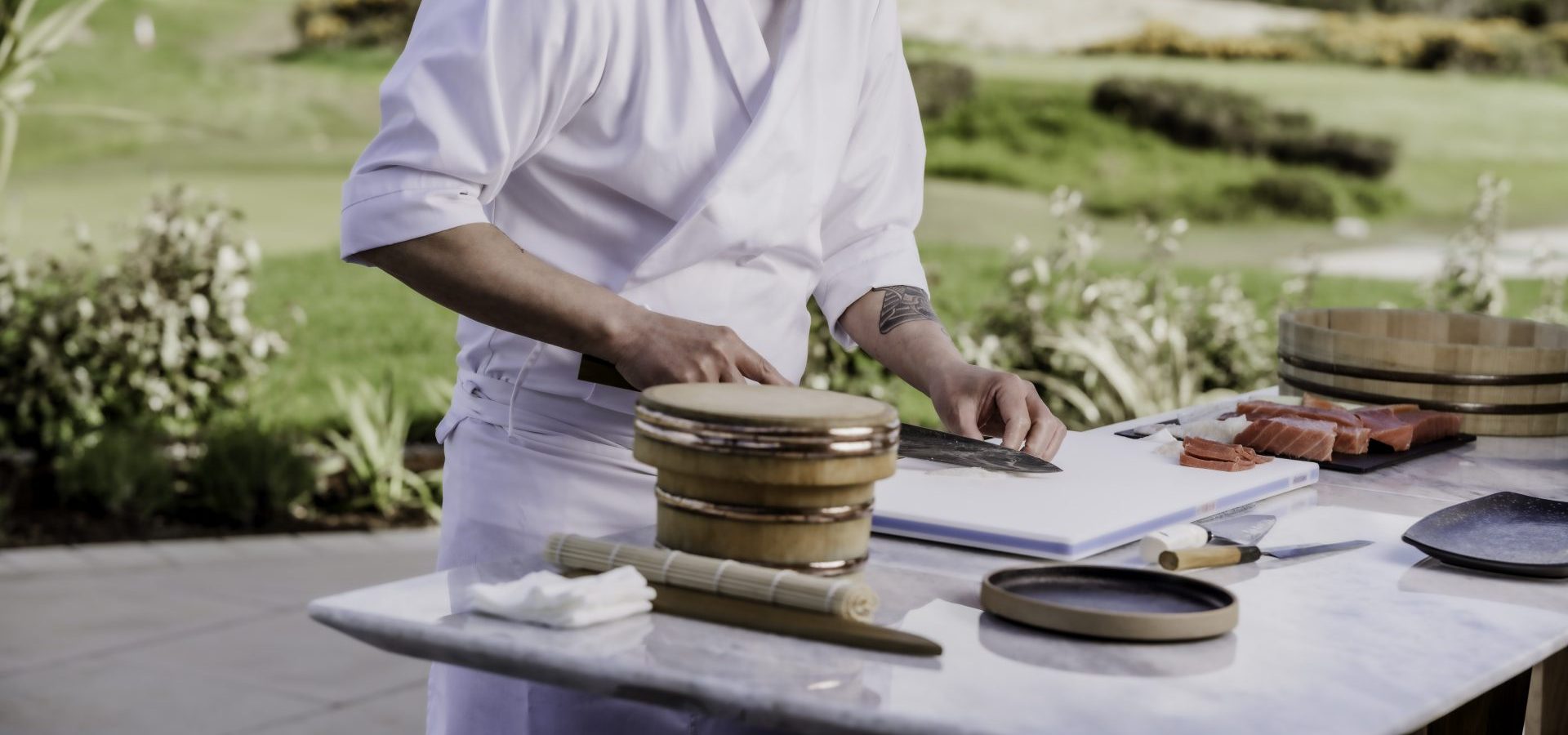
Our second restaurant, The Oystercatcher, takes a very different but equally exciting approach. Chef Takashi Miyazaki was the first Japanese chef to earn a Michelin star in Ireland. Having spent 20 years cooking here, his cuisine is genuinely unique – Japanese in technique and sensibility but with an unmistakable Irish character running through every dish.
The Hawthorn sits along the Wild Atlantic Way and within Ireland’s celebrated golf corridor. How do you see the hotel positioning itself as a strategic gateway for international visitors?
The Wild Atlantic Way is home to some outstanding hotels and experiences – from Donegal right down to West Cork. What sets our position apart is that we sit at the very heart of it, with one of Ireland's most vibrant and culturally rich cities right on our doorstep. Galway draws visitors naturally, for its traditional music, storytelling and energy, and The Hawthorn gives those visitors a world-class base from which to experience all of it.
There's currently no hotel in the Galway area offering the full breadth of what we provide: championship golf, a destination spa, exceptional dining and easy access to everything the Wild Atlantic Way has to offer. That's a genuinely compelling proposition for international travellers.
Galway has always been one of Ireland’s most distinctive and creative destinations, yet a new five-star hotel has been missing for some time. In your view, how will The Hawthorn contribute to the next chapter of tourism and hospitality in the region?
Our ambition is to set a new standard, not just for luxury accommodation but for the quality of service that goes with it. There are many fine properties in Ireland and across the world, but real differentiation comes from anticipating what a guest needs before they ask, from making every individual feel as though the hotel is there just for them. It is Irish hospitality taken to its highest level: warmth and welcome with real substance behind it.
We're also significantly elevating the golf offering in the region, which will attract a new calibre of international golf visitor to Galway. The spa, the dining, the whole experience – each element is designed to exceed expectations and, in doing so, to bring a new and broader audience to this remarkable part of Ireland.
ROOTED IN PLACE
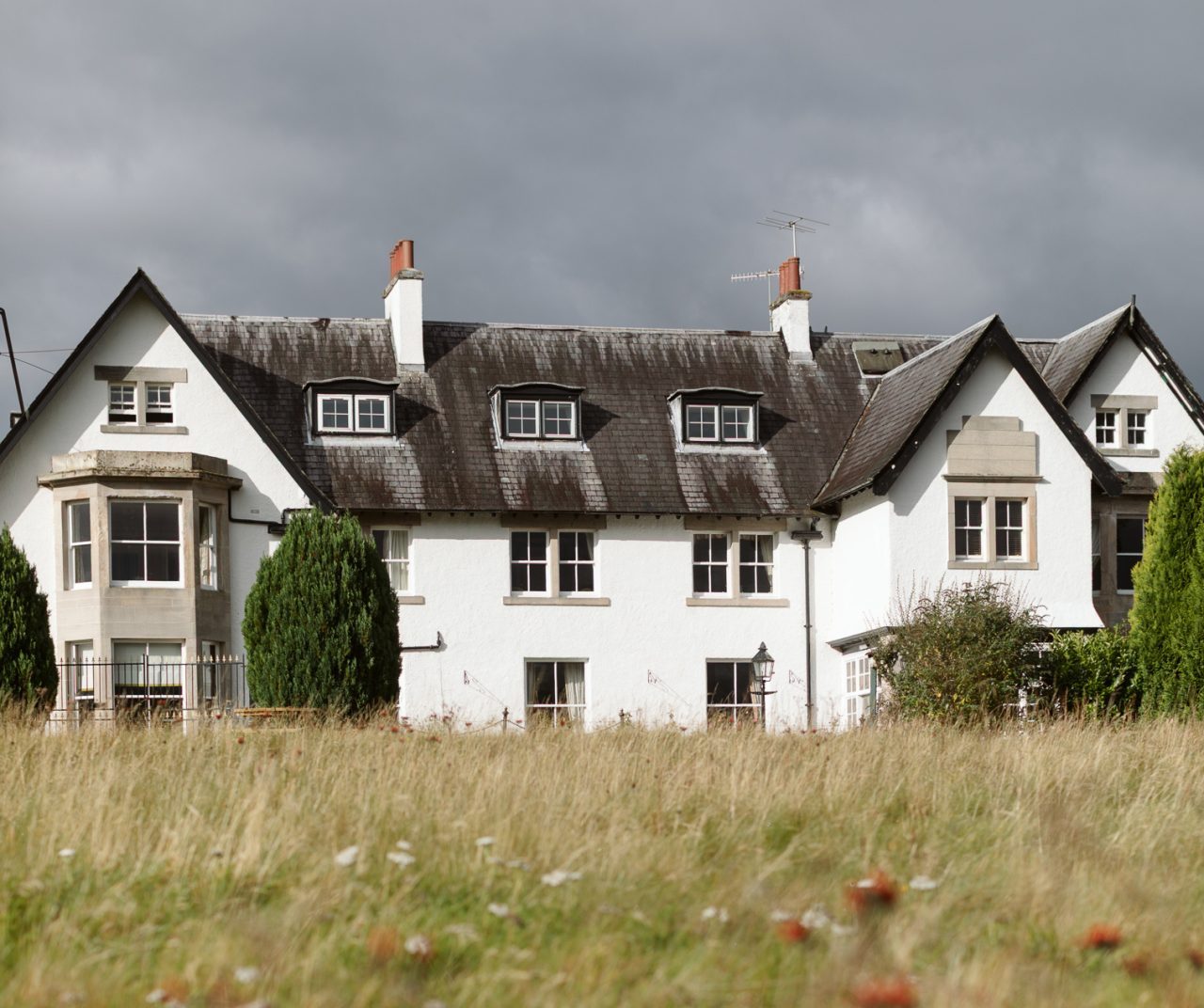
We detail how The Lovat, winner of the Environment Award at the 2026 Hotel Magazine Awards, is redefining sustainable highland hospitality.
At the southern tip of Loch Ness, where ancient woodland folds into mist-covered hills and the pace of life slows almost instinctively, sustainability at The Lovat is not a marketing strategy or a modern retrofit. It is something far more deeply ingrained; a philosophy shaped by landscape, community, and a deliberate commitment to doing things differently.
Under the leadership of Caroline Gregory, Director of The Lovat, the independently owned Highland hotel has spent more than two decades quietly building a model of hospitality that places people, place, and long-term thinking at its centre. That approach was recently recognised with the Environment Award at the Hotel Magazine Awards, but for Caroline, the accolade simply acknowledged a journey that has been unfolding for years.
“Winning that award meant a great deal. Not because we needed external validation, but because it felt like recognition of a very long journey,” she said. “When you've been quietly getting on with something for over two decades, it's heartening to have it acknowledged.”
Central to The Lovat’s identity is its long-established “forage, grow, gather” ethos - a phrase that has evolved into something far broader than its culinary origins.
“‘Forage, grow, gather’ began as an instinct before it ever became a phrase,” Caroline explained. “When we first took on The Lovat, we recognised we were surrounded by an extraordinary landscape, Loch Ness, ancient woodland, open hillside, and it felt almost wasteful not to engage with it.”
Today, the philosophy shapes every aspect of the guest experience, from the kitchen to the wider culture of the hotel itself. While “forage” refers quite literally to the wild ingredients gathered from the surrounding landscape - herbs, mushrooms, flowers, fruit, and nuts that appear on the menus at Station Road restaurant - the concepts of “grow” and “gather” reach much further.
“Grow is about so much more than what comes out of the ground,” Caroline said. “It's about how we develop as a business, constantly evolving, constantly improving. It's about growing with our guests, listening to what they need and letting that shape what we offer. It's about growing with our team, investing in their futures and watching them develop alongside the business.”
Likewise, “gather” has become a philosophy of curiosity and connection. “It’s about asking questions, listening carefully, researching, staying open,” she said. “Gathering information, gathering ideas, gathering the relationships that sustain everything else.”
This sense of intentionality underpins what The Lovat refers to as its “Coftie” philosophy - a distinctly Highland approach centred on slowing down, reconnecting with place, and creating experiences rooted in authenticity rather than excess.
Guests encounter that ethos from the moment they arrive. A hot toddy made with the hotel’s own honey offers an immediate sense of place, while immersive experiences encourage visitors to engage more deeply with the Highlands around them. Foraging excursions, whisky tastings linked to Highland culture and landscape, tea ceremonies using dried and fresh wild ingredients, and even conversations about the hotel’s pioneering biomass heating system all become part of the wider story.
“We want guests to leave with a genuine sense of this place, feeling they have slowed down enough to exhale,” Caroline said. “That’s what Coftie means in practice.”
The environmental infrastructure supporting those experiences has, in many cases, been ahead of its time. One of The Lovat’s proudest achievements remains its biomass woodchip boiler, installed in 2006, the first of its kind in the Highlands, alongside a smart heating system integrated with the hotel’s property management software.
“We were doing things then that the industry is only now beginning to talk about seriously,” Caroline noted.
Yet while renewable energy systems and operational efficiencies form part of the hotel’s sustainability strategy, Caroline is clear that environmental responsibility cannot exist in isolation from people.
“Sustainability, to me, has always been about people as much as planet,” she said. That philosophy led to one of the hotel’s most significant long-term investments: purchasing staff accommodation in 2018 to provide stable housing within the local community.
“That decision has had a quietly profound impact,” Caroline explained. “It’s created stability, loyalty, and a sense of belonging that filters into every guest interaction.”
The people-first approach also extends beyond The Lovat itself. Caroline is heavily involved in Hospitality Apprenticeship Scotland and co-founded Hospitality Connect, a Highlands-based initiative focused on developing young talent and improving perceptions of hospitality careers.
“If we want a sustainable hospitality industry in the long-term, we have to invest in the people who will build it,” she said. “That means working with young people early, inspiring them, and showing them what this industry can genuinely offer.”
Maintaining a deeply embedded sustainability ethos, however, is not without its challenges, particularly in a rural location where supply chains can be complex and staffing increasingly international.
“The honest answer is that the biggest challenge has never really been the doing - it’s been the communicating,” Caroline said. “When sustainability is so embedded in how you operate, it can be easy to forget that not everyone on the team arrives with the same understanding or the same instincts.”
Training and culture therefore play a critical role in ensuring sustainability is consistently understood and applied across the business. “You have to build those values deliberately,” she explained, “through training, through conversation, through making sure the ethos is visible in everything from the induction process to the daily briefing.”
Another ongoing challenge is navigating the realities of a throwaway culture that often conflicts with the hotel’s own principles. “Excessive packaging from suppliers and deliveries is a constant frustration,” Caroline said. “And not every business we interact with shares our ethos.”
Rather than becoming discouraged, The Lovat has focused on influencing change through long-term supplier relationships and open dialogue. The hotel has worked collaboratively with suppliers to introduce compostable packaging alternatives and returnable box schemes, reducing waste across the supply chain.
“These aren’t grand gestures,” Caroline said. “They’re the result of treating suppliers as partners rather than just vendors, and being willing to ask the question even when the answer isn’t immediately straightforward.”
The same philosophy informs the hotel’s wider relationship with the Highlands community. Monthly litter picks, free room hire for local groups, and sourcing decisions that prioritise proximity and shared values all reinforce The Lovat’s belief that a hotel should contribute meaningfully to the place it inhabits.
“We see The Lovat not as a business that happens to be in the Highlands, but as part of the Highlands - with all the responsibility that carries,” Caroline said.
The recent appointment of a horticulturalist marks the next stage in that evolution, deepening both the hotel’s kitchen garden programme and its relationships with local growers and producers.
“That feels like the most exciting chapter yet,” Caroline added. “Taking what grows on our land and putting it on the plate, consistently, with a true story, is something we’ve been working towards for years.”
Looking ahead, The Lovat’s sustainability ambitions continue to expand. Plans currently under consideration include air source heat pumps for staff accommodation, additional EV charging points, an electric courtesy vehicle, and further investment in food waste reduction and bulk purchasing to minimise single-use packaging.
At the same time, Caroline believes hotels must begin using their collective influence more assertively. “Hotels need to start pushing back to suppliers, collectively and confidently, and setting a standard for what is and isn’t acceptable,” she said. “The industry has more leverage than it often realises.”
Ultimately, though, Caroline sees the future of sustainable hospitality not as a checklist of environmental measures, but as a cultural shift that touches every part of hotel operations.
“Sustainability has to be built into how people are trained, how they think, and how they make decisions day to day,” she says. “It can’t be a module in an induction. It has to be the culture.”
For guests, she believes hospitality has a unique opportunity to make sustainable living feel effortless and enjoyable rather than restrictive. “People want to do the right thing - they just need it to be easy, and they need to feel invited rather than instructed,” she said. “Make it feel like part of the stay rather than a set of rules, and guests don’t just accept it, they become part of the movement.”
In an industry increasingly focused on environmental targets and green credentials, The Lovat offers something rarer: a vision of sustainability that feels personal, lived-in, and deeply connected to place. Here, sustainability is not layered on top of the guest experience, it is the guest experience itself.
BUILDING ON INCLUSIVITY
Hospitality attracts diverse talent at entry level, but too often struggles to retain and progress it into leadership. Drawing on Caterer.com’s latest Salary Benchmarking and Benefits research, this interview with Paul Rogers, Enterprise Manager at Caterer.com explores how skills-based hiring, pay transparency and clearer career pathways can help employers build more equitable and future-ready teams.
Hospitality has long struggled with representation at leadership level. What practical steps can employers take to build more equitable career pathways from entry-level roles through to senior management?
Hospitality doesn’t struggle to attract diverse talent at entry level - it struggles to progress and retain it. Our 2026 Caterer.com Salary Benchmarking research shows that while entry‑level hospitality pay has risen significantly, management and supervisory salaries (£30k–£45k) have not kept pace, leading to compressed structures that can unintentionally stall progression.
One of the most practical steps employers can take is to move towards skills‑based hiring and progression. Our research shows 41% of hospitality employers now prioritise soft skills over experience, which opens up leadership pathways to people who may not follow traditional career routes. When leadership capability, communication and people management are valued alongside tenure, progression becomes fairer and more accessible.
Visibility is just as important. Despite 29% of candidates actively looking for career development, only 5% of hospitality job ads mention progression opportunities. Employers that clearly map skills to roles, outline what progression looks like and invest in development are far more likely to retain diverse talent and build leadership from within.
Recruitment in hospitality is often fast-paced and high-volume. How can businesses ensure inclusion and diversity remain a priority during hiring, rather than becoming a ‘nice to have’ under operational pressure?
High‑volume recruitment is a reality in hospitality, but inclusion can’t be treated as a ‘nice to have’ when pressure is on. Our research shows that 87% of hospitality candidates are less likely to accept an offer from an employer with poor or unclear hiring processes, highlighting how damaging rushed or inconsistent recruitment can be.
Pay transparency is a key example. Only 61% of hospitality job ads include salary information, yet 81% of candidates actively avoid applying for roles without it. Removing salary details might feel like a shortcut, but it disproportionately excludes candidates who can’t afford uncertainty and ultimately reduces diversity in the pipeline.
Inclusive recruitment works best when it’s embedded into systems, not left to individual judgement. Skills‑based hiring plays a critical role here, helping employers assess capability and potential rather than background alone. With 70% of employers saying they struggle to find candidates with the right skills, inclusive approaches are not just ethical – they are commercially necessary.
What does truly inclusive recruitment look like in 2026, and where do you still see the hotel sector falling short when it comes to attracting and retaining diverse talent?
In 2026, inclusive recruitment is transparent, skills‑led and focused on the whole employment proposition, not just salary. While 76% of hospitality employees say they are satisfied with their salary, only 68% are satisfied with their benefits, lagging behind the wider workforce. That gap has a direct impact on attraction and retention.
Caterer.com’s Benefits Report shows a persistent mismatch between what candidates want and what employers showcase. For example, 34% of candidates want flexible working hours, but only 4% of job ads mention them, and 54% would not apply for a role without clear development opportunities. Inclusive recruitment fails when diverse talent is attracted but not supported to stay and progress.
Where the hotel sector still falls short is consistency beyond hiring. Many employers successfully attract diverse candidates, but lose them due to inflexible working patterns, unclear progression and limited representation at senior levels. Inclusive recruitment doesn’t end at appointment – it must extend into pay transparency, development, benefits and leadership culture. The hotels that recognise this are the ones building resilient, future‑ready teams.
FOWEY HALL HOTEL
A place where heritage loosens its tie.
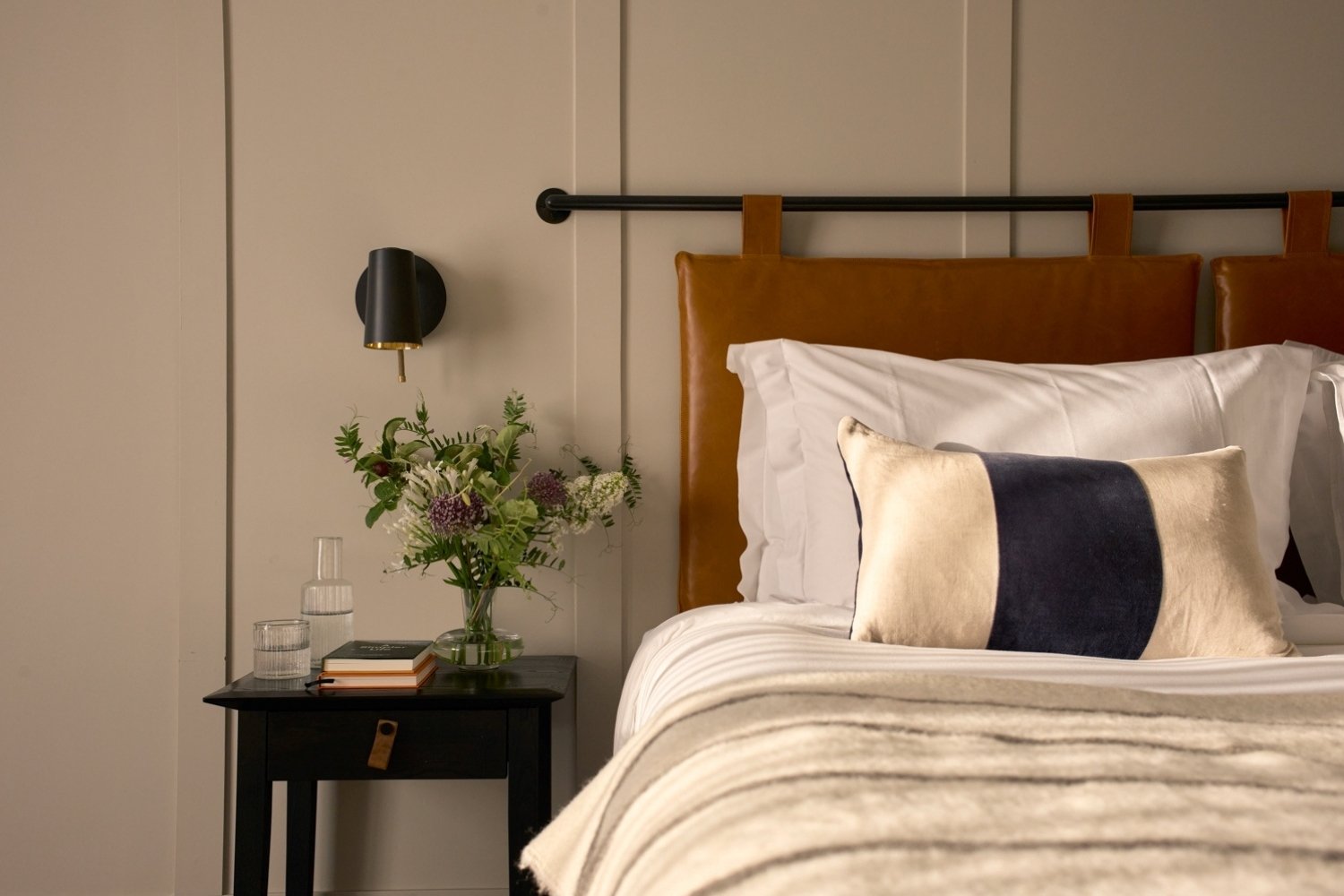
Perched above the estuary on Cornwall’s south coast, Fowey Hall Hotel has long occupied a place in the collective imagination: part grand Edwardian house, part seaside retreat. Its recent refurbishment, led by Studio Jill, softly edits that story – sensitively, confidently and with an eye to how contemporary families can inhabit historic spaces today.
From the outset, the ambition was clear. As founder of the studio Jill Higgins described it, the hotel should feel “like entering a relaxed, country, family home.” That deceptively simple statement underpins a design approach that resists spectacle in favour of warmth and tactility. This is not heritage as a museum piece, nor coastal design by way of shorthand. Rather, it’s a layered interior narrative that allows the building – and its setting – to exhale.
Letting the architecture lead
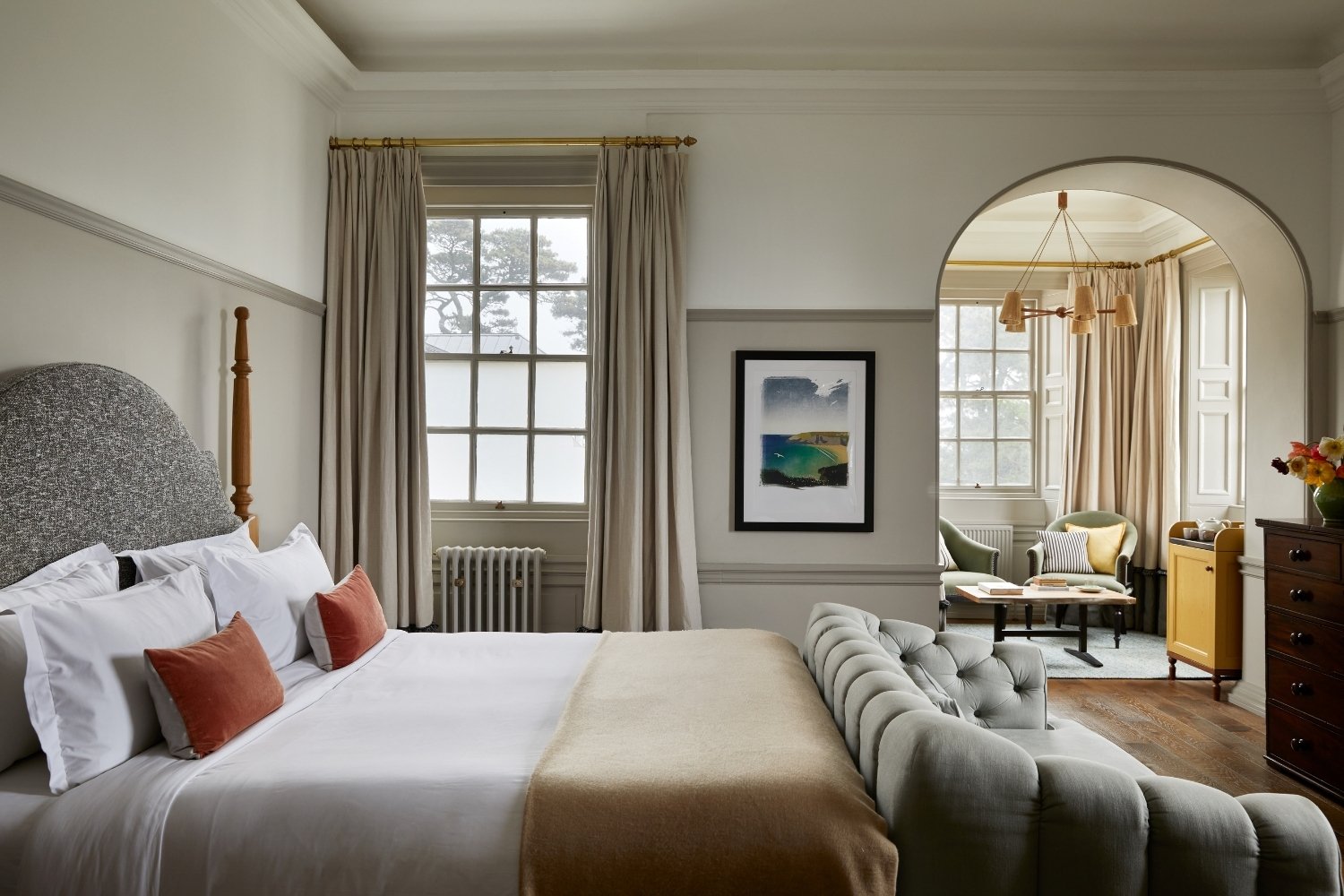
The original house is rich in architectural detail and finely proportioned rooms that demand design discipline. “The architectural details in the main house such as cornicing, panelling are so decorative and finely detailed that we wanted to let the building breathe visually,” Jill explained. Where contemporary interventions were required – most notably the new openings into the bar – they were treated as deliberate insertions. Their junctions with the historic fabric are carefully articulated, allowing old and new to coexist without mimicry.
This approach extends to the furniture strategy. By mixing antique and contemporary pieces, Studio Jill created interiors that feel curated rather than styled – an important distinction in a hotel that seeks longevity. The result is a visual calm that never tips into blandness, fixed by materials, texture and proportion rather than overt pattern.
A sense of place, without the postcard
Cornwall is present throughout Fowey Hall Hotel, but never in the obvious ways. “Reconnecting the hotel with its location and the community was a key aspect of the project,” said Jill. Local artists and craftspeople were commissioned to create bespoke furniture, wallpapers and artworks, embedding the hotel within its cultural landscape.
The coastal influence is subtle, revealed gradually. “It was a delicate balance between creating a sense of place and avoiding cliched stereotypes,” Jill noted. Guests discover illustrated wallpapers (by local artist Nicole Heidaripour) that line bedroom drawers, wooden crab doorstops and artworks that nod to maritime life. Colour plays a crucial role here: soft greys and blues echo the Cornish skies and sea, warmed with brown tones and punctuated by accents of yellow.
Bathrooms as anchors of character
Nowhere is this balance between calm and character more evident than in the bathrooms, where House of Rohl’s Victoria + Albert baths become both functional centrepieces and gentle design statements. Many guestrooms feature freestanding baths chosen not simply for their sculptural qualities, but for how they converse with the wider interior.
The Monaco bath, with its minimalist silhouette, brings a contemporary note to the bathrooms in the modern wing. Finished in matt and painted in RAL 3009 Oxide Red or RAL 7003 Moss Grey, it introduces confident colour without overwhelming the space. Its elegance lies in restraint – an object that grounds the room.
In contrast, the Cheshire bath speaks directly to the building’s heritage. A deep, Victorian, double-ended claw-foot design, it feels entirely at home within the original house. Painted in RAL 7000 Squirrel Grey and the unexpectedly joyful RAL 1012 Lemon Yellow, it becomes a focal point that is both playful and paired back, introducing a note of warmth that subtly reinforces the hotel’s family-friendly character. For designers, it’s a reminder that historic references need not be monochrome – or overly serious – to feel authentic.
“A calm neutral palette with pops of colour through accents such as the baths and key joinery pieces,” is how Jill described the guestroom strategy. It’s an approach that allows individuality across rooms while maintaining coherence across the hotel.
Materiality, texture and the luxury of detail
Across all three parts of the building – the original house, the modern wing and the spa bedrooms – there is a consistency of material language. Bathrooms connect visually to their adjoining rooms through joinery, texture and tone, rather than overt matching. “Texture and material add three dimensionality to a space without having to relying on colour and print,” Jill explained, likening the approach to the layered subtlety of the natural landscape itself.
This emphasis on tactility underpins the hotel’s sense of understated luxury. Bathrooms are designed to make guests feel “relaxed, a sense of understated luxury with an attention to detail and little touches which you wouldn’t necessarily have at home.” That philosophy is evident in the quality of fittings, the weight of materials and the thoughtful inclusion of family-friendly details – from handmade wooden stools to playful tiling and striped accessories.
A grown-up take on family hospitality
Although often described as a family hotel, Fowey Hall avoids the visual cues typically associated with that label. Instead, its interiors are, in Jill’s words, “grown up but not stuffy.” Dog portraits in charcoal, bespoke joinery, and carefully chosen artwork speak to the hotel’s inclusive ethos without diluting its design integrity.
It is telling that Jill pointed to the library and the morning room as spaces that best capture the hotel’s spirit: rooms where traditional elements sit comfortably alongside bold stripes, woven textures and contemporary craftsmanship, all framed by extraordinary views over the estuary.
Ultimately, what guests remember is the accumulation of considered decisions: the way old and new meet, how colour is deployed with confidence, and how a grand coastal house has been reimagined as a place that feels genuinely lived in. Or, as Jill hopes, “the attention to detail, playful touches” – the hallmarks of a design that understands both its past and its present.