

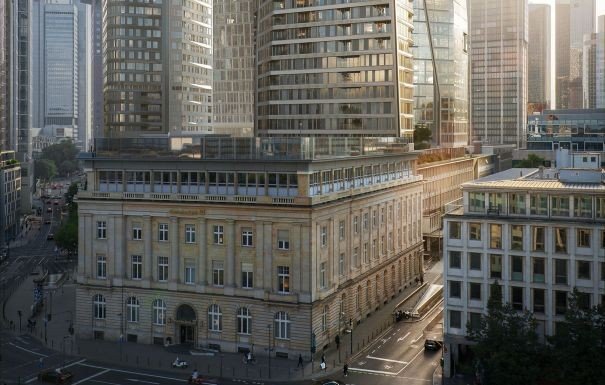
RADISSON HOTEL GROUP LEVERAGES ITS STRONG OWNER CONFIDENCE TO ACCELERATE GLOBAL GROWTH
Radisson Hotel Group continues to advance its development strategy in 2026, supported by owner confidence and demand for branded hospitality.
During the first half of the year, the Group strengthened its presence across Europe, the Middle East, Africa, and Asia Pacific through a combination of signings, openings, market entries, and brand extensions. Activity continues to be driven by a diversified portfolio spanning luxury, lifestyle, upscale, resort, conversion, and mixed-use opportunities.
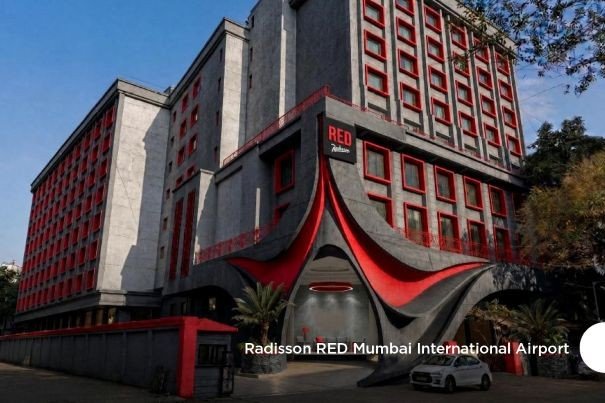
Diversified Growth Across EMEA
Across Europe, Radisson Hotel Group recorded several notable milestones, including the signing of Radisson Collection Hotel, Frankfurt and Radisson RED Vienna Danube Riverside, alongside new openings across Austria, Germany, and Poland. The Group broadened its resort footprint with new openings in Tenerife and Phuket, while Radisson Individuals expanded in Greece and Spain. Lifestyle and luxury brands also extended their reach, with Radisson RED debuting in New Zealand, the Philippines, and Türkiye, while Radisson Collection strengthened its presence in key gateway destinations, such as Lake Como. The Group is expanding its Verified Net Zero program, with the coming months seeing an additional 10 hotels joining the initiative across Norway, Denmark, Sweden, the United Kingdom, and the first VNZ hotel in South Africa, while Les Loges, the gastronomic restaurant at Cour des Loges Lyon, A Radisson Collection Hotel, was awarded its first Michelin star just 10 months after reopening.
Across the Middle East and Africa, notable openings, including Radisson Blu Hotel, Dubai Barsha Heights, Radisson Collection Residences, Riyadh, and Radisson Blu Hotel, Almaty Airport, reinforced the Group's presence in strategic markets. Africa surpassed a significant milestone during the period, with more than 100 hotels now in operation and under development across the continent.
In EMEA and SEAP, Radisson has been the most-signed hotel brand within its segment since 2019, demonstrating the continued relevance of the brand, and the group, to owners and guests.
"We create value for our guests and owners through our brands and people. We believe in the long-term nature of our business and are committed to deliver above market returns to all our stakeholders,” says Elie Younes, Executive Vice President and Global Chief Development Officer at Radisson Hotel Group.
New Market Entries and Brand Expansion Strengthen Asia Pacific
Asia Pacific remains one of Radisson Hotel Group's most important regions, supported by favourable demographics, increasing travel demand, and rising investor confidence in branded hospitality.
China continues to play an important role in the Group's long-term development strategy, with more than 260 hotels in operation across Country Inn & Suites by Radisson, Park Inn by Radisson, and Radisson RED, and a substantial development pipeline across its midscale and lifestyle portfolio. Activity remains robust across major urban centers, including Wuhan, Beijing, and Chongqing, as well as emerging Tier 2, Tier 3, and Tier 4 cities, supported by the world's largest domestic travel market and continued demand for branded hospitality.
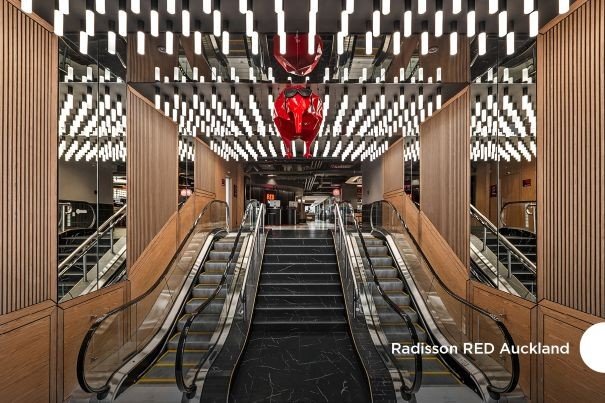
Across Southeast Asia Pacific, LIME Resort Bohol, a member of Radisson Individuals Premier, marked the debut of the brand in in the region, In Australasia, Radisson RED Auckland became both the Group's first hotel in New Zealand and the first Radisson RED in the region.
India Remains a Growth Market
“India is one of the most promising hotel development markets in the world today,” says Younes. “Demand continues to outpace supply, infrastructure is improving rapidly, and owner confidence remains high. Combined with our legacy in the country, the awareness of our brands and our exceptional colleagues on the ground, these fundamentals create significant opportunities for long-term, meaningful growth.”
During the first half of 2026, the Group signed and opened 22 hotels in India, bringing its development pipeline in the country to nearly 100 hotels. Radisson Hotel Group currently operates 142 hotels with more than 15,500 keys across 86 cities in India, reinforcing its position as one of the country's leading international hotel operators. The Group recently unveiled its India Vision 2030 plan, which aims to grow its portfolio to 500 hotels over the next five years.
Watch the full Radisson Hotel Group Half-Year 2026 Development Update video here and download the accompanying fact sheet with key development statistics here.

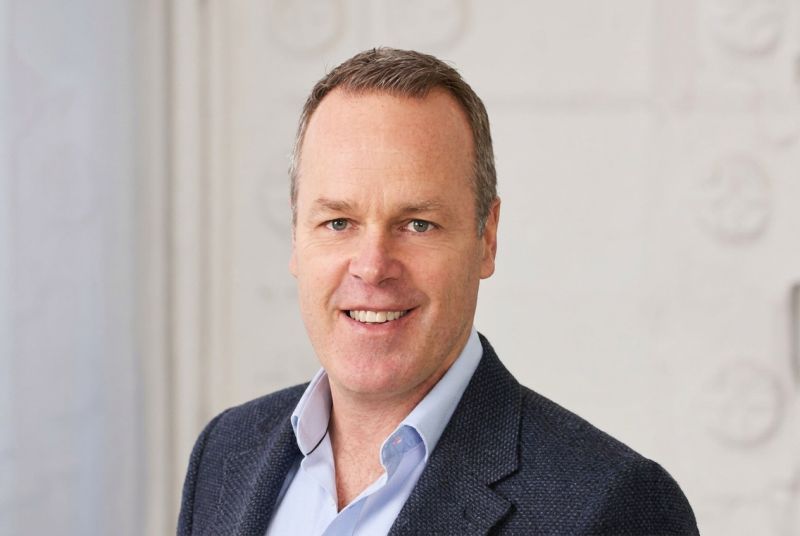
VIRGIN HOTELS COLLECTION APPOINTS JOE MARGISON AS CHIEF EXECUTIVE
Virgin Hotels Collection has appointed Joe Margison as its chief executive, confirming him in the permanent role after serving as interim CEO since October 2025.
Joe has spent more than a decade with Virgin Group, most recently as chief commercial officer, and brings more than 25 years of experience spanning investment, finance, real estate and branded businesses. Before joining Virgin, he held senior roles at the New Zealand Superannuation Fund and Ernst & Young.
His appointment comes at a pivotal time for Virgin Hotels Collection, which comprises lifestyle brand Virgin Hotels and luxury portfolio Virgin Limited Edition.
Together, the two brands operate a portfolio of 16 properties across the US, Caribbean, Africa and Europe, with a pipeline of landmark developments in key gateway cities and resort destinations. Upcoming openings include Virgin Hotels Atlanta at Centennial Yards and Virgin Limited Edition's new property in Marrakech, both scheduled to welcome guests in 2027.
Commenting on his appointment, Joe said: "Having led the Virgin Hotels Collection team for seven months, I have seen first-hand the strength of this business and the opportunity ahead. Virgin Hotels and Virgin Limited Edition are distinct brands united by the same Virgin spirit – brilliant people, service with real warmth and character and experiences guests remember long after they leave.
"We have a strong foundation and a significant opportunity ahead. I'm excited to lead the business through its next chapter of growth."
Peter Norris, chair of Virgin Hotels Collection, said: "Joe's appointment as chief executive reflects the leadership he has shown since stepping into the role. He has brought clarity, confidence and renewed focus to the business while continuing to champion Virgin's distinctive spirit and experience-led approach to hospitality.
"We are delighted to confirm his permanent appointment and look forward to the next phase of growth under his leadership."
ADA COSMETICS REFILLUTION SETS NEW BENCHMARK FOR EFFICIENT AND REGULATION-COMPLIANT HOTEL COSMETICS REFILLING
Independently confirmed by TÜV SÜD, ADA Cosmetics Refillution combines efficiency, traceability, hygiene, and guest safety while supporting compliance with key cosmetic regulations.
ADA Cosmetics announces a major milestone for the global hospitality industry: ADA Cosmetics Refillution has been independently confirmed by TÜV SÜD Industrie Service GmbH as a regulation-compliant refill system for hotel cosmetics. TÜV SÜD is a globally recognized German testing, inspection, and certification body.
The confirmation covers compliance with ISO 22716 Good Manufacturing Practices (GMP) for Cosmetics and the batch traceability requirements of the European Cosmetics Regulation (EC) No. 1223/2009. This is particularly relevant because hotel cosmetics, just like cosmetics sold in retail, must meet strict requirements regarding hygiene, safety, documentation, and traceability. For refill systems, this makes controlled processes and reliable product tracking essential.
As sustainability and efficiency initiatives drive the adoption of refill solutions across the hospitality sector, an important question emerges: Can every refill operation demonstrate the level of traceability and documentation required by cosmetic regulations?
Efficiency first: less waste, lower costs, better operations
For hotels, refill systems are not only a sustainability initiative – they are also a business opportunity. ADA Cosmetics Refillution helps reduce plastic waste by up to 95%, lower product consumption by up to 30%, and achieve cost savings of up to 30%.
The system is designed specifically for hotel operations. Purpose-built trays and trolleys support efficient housekeeping workflows, while 10-litre Smart Cubes empty completely to maximize product utilization. ADA Cosmetics Refillution is compatible with all ADACosmetics dispenser solutions, giving hotels flexibility across brands, product ranges, and room concepts.
Independently assessed by TÜV SÜD
The TÜV SÜD assessment covered hygienic system design, controlled dosing and refill processes, cleanability, process safety, technical documentation, and product and batch traceability.
Particular attention was given to the integrated traceability concept of ADA Cosmetics Refillution. Its identification and tracking functions enable the traceable assignment of cosmetic products, refill units, and refill operations, supporting compliance with Regulation (EC) No. 1223/2009.
“As refill systems become the new standard in hospitality, sustainability alone is no longer enough,” says Gerd von Podewils, CMO of ADA Cosmetics.
“Hotels and hotel groups increasingly need to consider whether their refill processes meet the same hygiene, documentation, and traceability requirements that apply to cosmetics sold in retail. This is not only a sustainability issue, but also a compliance issue. We are proud that TÜV SÜD has independently confirmed ADA Cosmetics Refillution as a regulation-compliant refill system. To our knowledge, this is the first independent confirmation of its kind in the hospitality industry.”
Available globally, ADA Cosmetics Refillution provides hotel groups, independent hotels, and hospitality partners with a practical solution for more efficient, sustainable, traceable, and regulation-compliant hotel cosmetics management.
For more information about ADA Cosmetics, please visit ada-cosmetics.com.
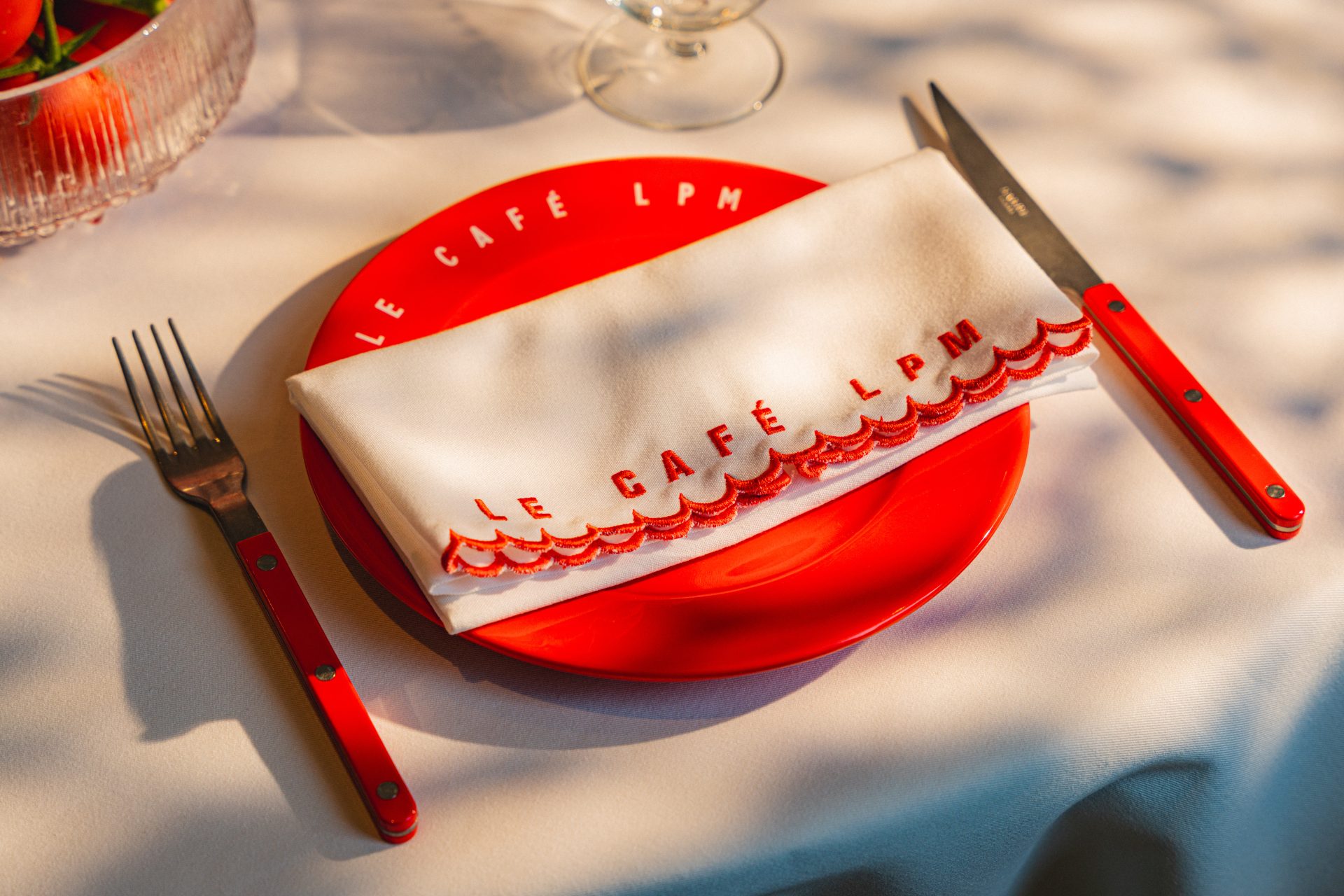
THIS SEPTEMBER, LA PETITE MAISON UNVEILS ITS FIRST STANDALONE RIVIERA-INSPIRED CAFÉ CONCEPT AT THE LANESBOROUGH
La Petite Maison has officially unveiled Le Café LPM, an entirely new Riviera-inspired café concept and the first standalone café brand from the internationally renowned hospitality group. Making its highly anticipated debut with an exclusive year-long residency at The Lanesborough this September, Le Café LPM marks a significant new chapter for the brand, introducing an ambitious new expression of the LPM world and bringing one of London’s most anticipated openings of the year to one of the city’s most iconic addresses.
Launching in London alongside the Dubai venue, the residency offers guests an exclusive first look at the first chapter of Le Café LPM. Conceived as an evolution of the La Petite Maison experience, the concept reimagines the effortless glamour, warmth and joie de vivre of the Côte d’Azur through an elevated all-day café format centred around coffee, pâtisserie and the rituals of Riviera living, while seamlessly transitioning into an elegant neighbourhood destination as day turns to evening.
Designed as a destination from morning through to night, Le Café LPM creates a new occasion within the brand experience. From leisurely coffee meetings and afternoon indulgences to aperitifs and relaxed evening gatherings, it captures the ease and sophistication synonymous with the South of France in a setting that invites guests to linger at any hour.
Set within the timeless surroundings of The Lanesborough, guests will discover a pâtisserie offering alongside a refined all-day menu that reflects the relaxed elegance of Riviera dining. Daytime favourites include Burrata Tartine with tomatoes and basil, the signature Croque Monsieur with veal ham and Comté cheese, and Le Caesar Salad. For guests joining later in the day, dishes such as Tuna Carpaccio with pickled almonds and truffle dressing, Grilled Octopus with paprika, potatoes and chickpeas, Crispy Fried Squid with saffron aioli, and Sirloin Steak Baguette with gaufrette potatoes offer a more substantial yet effortlessly shareable experience, perfectly suited to aperitif hour and relaxed evening gatherings.
The menu is designed to evolve throughout the year, celebrating seasonality and London’s cultural calendar through a rotating series of signature pastry creations. Guests can also indulge in classic Riviera-inspired desserts including Crème Caramel and LPM’s signature Dark Chocolate Mousse with sea salt.
Echoing the charm of Riviera cafés and sunlit pâtisseries, the aesthetic is bright, elegant and quietly transportive, bringing together polished hospitality, understated luxury and the signature spirit that has defined La Petite Maison globally.
Running for a limited time only, Le Café LPM at The Lanesborough is set to become one of London’s most sought-after new destinations this summer, from afternoon lunches and coffee through to evening aperitif.
Nicolas Budzynski, CEO of LPM Restaurant & Bar, says:
We are delighted to introduce the Le Café LPM pop-up at The Lanesborough in London, an iconic hotel that perfectly reflects the sophistication and elegance behind the concept. London holds a special place in our story as the city where La Petite Maison first began in 2007, making it the ideal setting to unveil this new chapter of the brand.
Le Café LPM brings a fresher, more dynamic and community-driven interpretation of the French Riviera lifestyle, combining quality cuisine, warmth, and a more intimate neighbourhood feel within a luxury environment. We believe this collaboration offers the perfect platform to introduce Le Café LPM to a global audience from one of the world's most influential hospitality capitals."
GLION STRENGTHENS THE BRIDGE BETWEEN ACADEMIA AND INDUSTRY AS HOPITALITY JOBS EVOLVE FASTER THAN EVER
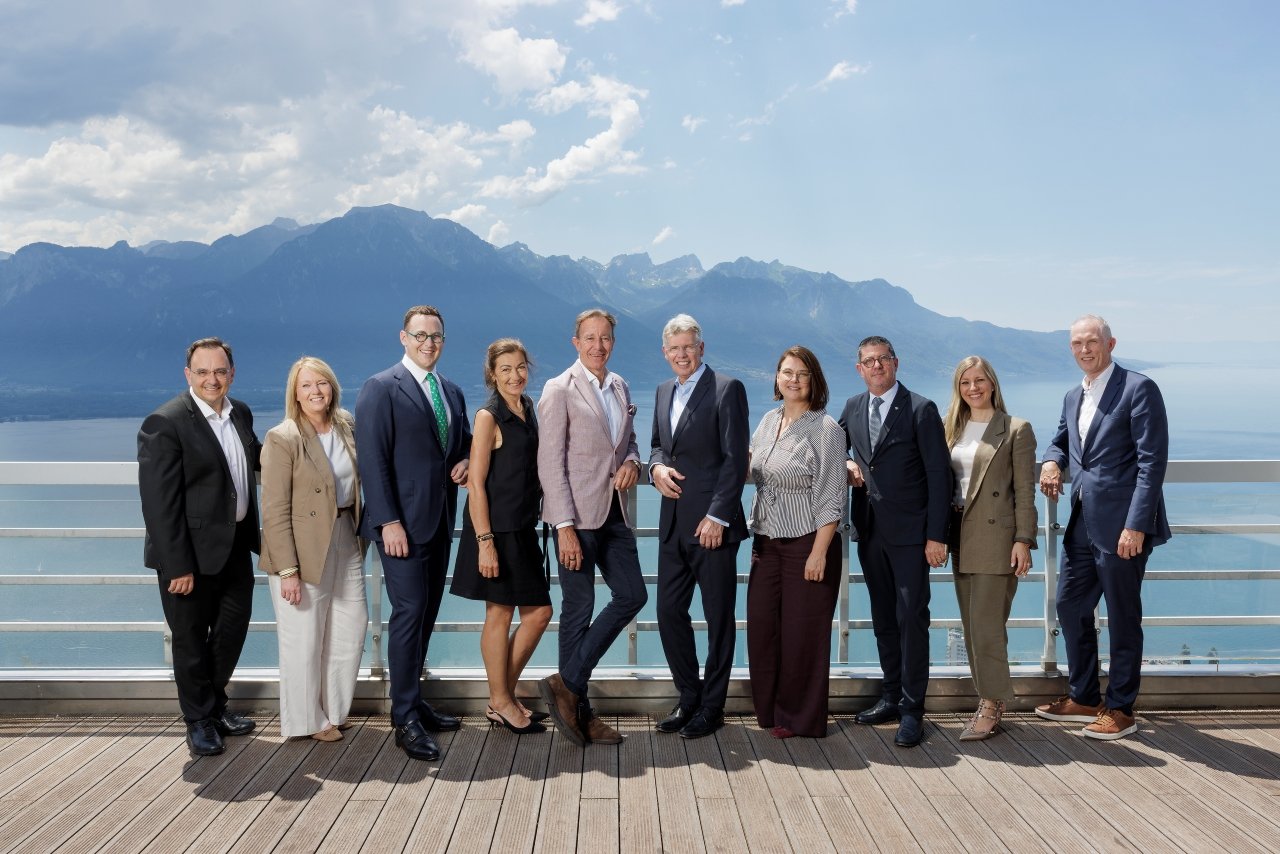
Glion Institute of Higher Education has welcomed members of its Hospitality & Luxury Industry Council (HLIC) for their third official gathering since forming last year – and the second on its Montreux campus – bringing together senior leaders from some of the world's most influential hospitality, luxury and experience-driven brands.
The meeting took place last month against the backdrop of profound transformation across the global workforce. According to the World Economic Forum’s Future of Jobs Report 2025, 22% of today’s jobs are expected to be disrupted by 2030, while 39% of today’s core skills will change and 59% of the global workforce will require reskilling or upskilling. For higher education institutions, anticipating these shifts has become a strategic imperative.
Created to strengthen the dialogue between academia and industry, the Council serves as a strategic platform for identifying the trends, leadership challenges and emerging skills that will shape the future of hospitality and luxury.
A strategic bridge between academia and industry
For Glion, the HILC reflects a clear ambition: ensuring that education remains closely connected to the realities, opportunities and transformations shaping the industry.
Philippe Vignon, Managing Director, Glion Institute of Higher Education, commented: “The hospitality and luxury sectors are evolving at an unprecedented pace. New technologies, changing consumer expectations, sustainability imperatives and talent challenges are transforming the way organisations operate and compete. The Hospitality & Luxury Industry Council ensures that Glion remains deeply connected to these transformations and continues to prepare students for the realities of tomorrow’s industry. By bringing together some of the most respected voices across hospitality and luxury, we are creating a platform for meaningful dialogue that will directly contribute to the relevance, quality and future evolution of our academic programs.”
More than an advisory body, the Council is designed as a long-term observatory of industry evolution. The insights generated through its discussions directly contribute to the continuous development of Glion’s academic portfolio and reinforce the institution’s commitment to preparing future leaders for an increasingly complex, international and experience-driven world.
Bringing together leaders from across the luxury ecosystem
One of the HILC’s distinguishing features is the diversity of expertise represented around the table. Its members span luxury hospitality, travel, design, retail, guest experience, talent development and education, reflecting the increasingly interconnected nature of the hospitality and luxury industries.
This cross-sector perspective mirrors the evolving careers of Glion graduates. Today, more than half pursue careers beyond traditional hotels and restaurants, moving into luxury retail, real estate, consulting, finance, events and other premium service industries. By bringing together leaders from these sectors, the Council helps ensure that Glion’s programs remain aligned with the full breadth of opportunities offered by today's experience economy.
The Hospitality & Luxury Industry Council currently includes:
- Grisha Davidoff, Owner & CEO, Utopian Hotels (Lisbon)
- Gaëlle Devins, Chief Customer Officer & Member of the Executive Board, Breitling (Grenchen)
- Amanda Hyndman, Chief Operating Officer, Mandarin Oriental Hotel Group (Hong Kong)
- Sybille de Margerie, President & CEO, Sybille de Margerie Interior Design (Paris)
- Nicholas Northam, former Executive Vice President International, Aimbridge Hospitality (London)
- Anthony Torkington, Managing Director, Relais & Châteaux (Paris)
- Jeffrey Wielgopolan, Service Director, Meadowood Estate Napa Valley (California)
Together, these leaders bring decades of international experience, providing Glion with direct access to the perspectives shaping the future of hospitality and luxury worldwide.
Jacquie Lutz, Head of Career and Alumni Services & Industry Relations, Glion Institute of Higher Education, said: “One of the most significant changes we’ve witnessed over the past decade is the growing diversity of career opportunities available to our graduates. More than half of our graduates now build their careers beyond traditional hotels and restaurants, in sectors such as luxury retail, events, real estate, consulting or finance. Keeping a constant dialogue with industry leaders is therefore essential. It enables us to understand how roles are evolving, which skills employers are looking for, and how we can continuously adapt our programs so that our graduates remain relevant, not only for their first job, but throughout their careers.”
Identifying the trends that will shape the next decade
HILC members participated in a collaborative workshop structured around five strategic pillars: Financial & Asset Acumen, Technology & AI, The Human Aspect, Talent Management and Sustainability & Responsible Business. The session encouraged experts to collectively examine the forces redefining the industry.
As AI is already transforming every layer of the hospitality and luxury value chain, from operational efficiency and data-driven decision-making to guest personalisation and service innovation. Yet, while technology is reshaping business models, it also reinforces the value of distinctly human capabilities.
Across all five pillars, a clear consensus emerged: the future of luxury hospitality will depend on leaders who combine technological fluency with emotional intelligence, empathy, cultural awareness and exceptional interpersonal skills. These reflections reinforce Glion’s conviction that preparing a future-ready workforce requires a seamless integration between academia and industry. Alongside AI, innovation and leadership, students develop their capabilities through real-world consulting projects and up to 18 months of professional experience across three internships during the institution’s Bachelor degree, ensuring they graduate with the adaptability, operational expertise and strategic mindset required to lead an industry evolving faster than ever.
AN ASTOUNDING RESPONSE
UKHospitality Chair Kate Nicholls warns that a proposed “holiday tax” could inflict billions in economic damage, cost 33,000 jobs and undermine the UK’s tourism ambitions, as the industry ramps up pressure on MPs to oppose the levy.
The reaction to our Stop the Holiday Tax campaign has been remarkable.
As I write, a staggering 22,000 letters have been sent to MPs, while there have been more than 100,000 visits to our dedicated campaign page https://stoptheholidaytax.uk/
A big thank you, then, to everyone who’s written to their MP and clicked that link.
Support for the campaign has also come from opposition parties, with both the Conservatives and Reform saying they’re committed to opposing the tax.
Tory Shadow Chancellor Mel Stride and Reform’s Robert Jenrick have both made visits to member businesses – to Butlin’s in Bognor and a Haven Parks site in Lincolnshire respectively – to learn about the effects of the tax.
And what a devastating impact it would be for hotels and the wider sector, according to a recent Oxford Economics report commissioned by UKHospitality.
Its analysis reveals that the Government’s proposed holiday tax would shrink GDP, cause thousands of jobs losses and see the Treasury lose hundreds of millions in tax revenue, laying bare the shattering effect it would have on holidaymakers, businesses and the economy in England.
Assuming the impact of a 5% levy is fully realised by 2030, Oxford Economics predicts a reduction in GDP of £2.2bn, a £1.6bn tax increase for holidaymakers, £688m in reduced tax receipts to the Treasury, and a £101m loss in direct investment from hotels and other hospitality and tourism businesses.
The report goes on to forecast a £1.8bn reduction in tourism spending, 11.9m fewer nights spent in accommodation and 33,000 job losses.
All terrible outcomes, and which are completely at odds with the Government's own ambition to increase inbound tourism to reach 50m international visitors by 2030.
Simon Vincent CBE, President, Europe, Middle East and Africa, Hilton puts it perfectly: “The Oxford Economics research is clear that a proposed holiday tax, on top of already high VAT, will impact British families staying in the UK and make the country less competitive as a destination.
“Tourism thrives when government and industry work together. The focus should be on growing visitor numbers and enabling hospitality to play its full role in supporting jobs, investment, and economic growth.”
It’s vital we keep up the pressure. Hoteliers, please encourage your guests to write to their MPs; and in case you haven’t already, we’d ask you to get writing to your own MP, too.
Because holidays are for relaxing, not taxing.
The full Oxford Economics report can be accessed here https://www.ukhospitality.org.uk/wp-content/uploads/2026/03/Oxford-Economics-holiday-tax-economic-modelling-report.pdf
Kate Nicholls
Chair
UKHospitality
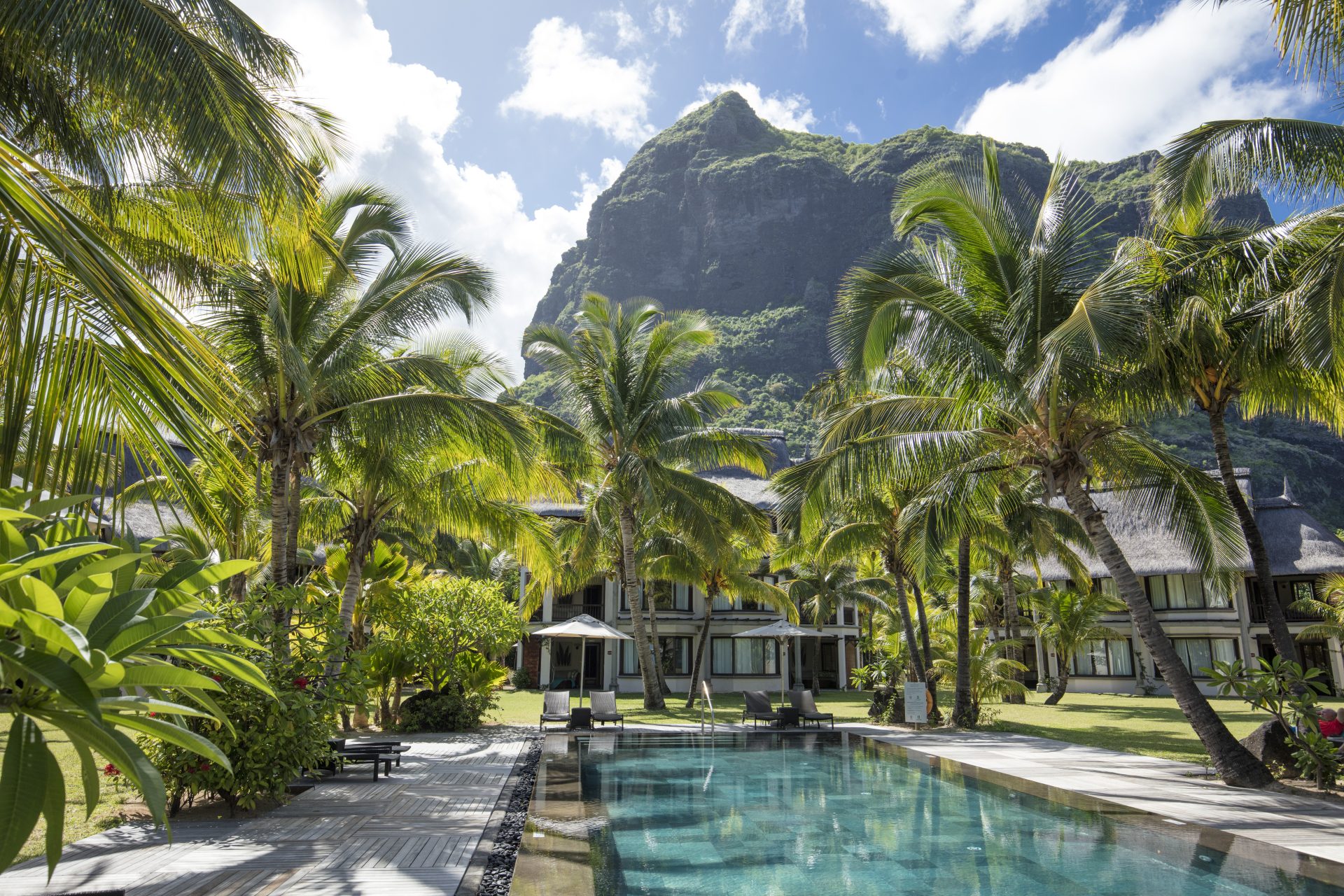
WHAT GUESTS NOTICE
From refillable amenities and organic gardens to immersive conservation experiences, we explore how hotels are discovering that sustainability resonates most when it enhances comfort, authenticity and connection to place - not when it feels performative.
For years, sustainability in hospitality was largely hidden from view - confined to energy systems, procurement policies and discreet linen reuse cards left in guestrooms. But today’s travellers are paying closer attention and they are no longer simply asking whether a hotel has sustainability credentials; they are increasingly judging how those values shape the experience itself.
Across luxury hotels, safari camps, wellness retreats and global brands, one message is becoming clear: guests notice sustainability most when it feels authentic, sensory and seamlessly woven into their stay. The initiatives that resonate are often the ones guests can touch, taste, participate in or take home with them. Equally, many hoteliers are discovering that the most effective sustainability measures are those that improve the guest experience rather than asking travellers to sacrifice comfort.
“The practical, visible sustainability efforts, rather than broad ‘greenwashing’ statements, are most frequently highlighted in guest reviews and feedback,” said Christian of Jaya House River Park in Siem Reap.
That distinction between performative sustainability and meaningful experience appears repeatedly across the industry. Guests increasingly want evidence that hotels are operating responsibly, but they also want it delivered with quality, care and a genuine sense of place.
At Jaya House River Park, sustainability has become one of the property’s defining guest touchpoints. Christian said the hotel’s decision to eliminate single-use plastic water bottles back in 2016 remains one of the initiatives guests talk about most.
“Every guest receives a reusable aluminium bottle which can be refilled at stations across the hotel and Cambodia,” he explained. “Today, it remains our most recognised initiative because it gives guests something meaningful to take home and continue using long after their stay.”
That idea - sustainability as something memorable rather than instructional - is increasingly shaping hospitality thinking. At La Sultana Oualidia in Morocco, Resident Manager, Nabil El Bahri, said guests respond positively to the hotel’s reusable glass water bottles supplied through an on-site filtration and bottling system. But interestingly, many guests do not frame it as sustainability at all.
“They simply say the experience feels more elegant, more thoughtful and more aligned with the kind of luxury they are looking for,” he said. Similarly, at Moar Gut in Austria, Host, Nora Lipp said guests tend to notice the atmosphere created by sustainable choices rather than focusing on individual environmental initiatives.
“Guests also particularly appreciate that sustainability at Moar Gut is not overly staged or performative, but instead feels like a natural part of the overall experience,” she explained. “What has surprised us most is how much guests value authenticity.”
Across the sector, refillable bathroom amenities have become one of the clearest examples of this shift. Once viewed as a potential compromise in luxury settings, refillable products are now often associated with premium quality and thoughtful design.
Christian said that guests at Jaya House increasingly see sustainability and luxury as inseparable. “What we’ve learned is that today’s luxury traveller increasingly values authenticity and responsibility alongside traditional luxury standards,” he said. “Guests still expect high quality products with premium ingredients, elegant, thoughtfully designed packaging and a refined sensory experience - but they also appreciate knowing that their stay is having a lower environmental impact.”
The hotel’s Jaya Organics amenity line, handmade locally using Cambodian botanicals, has become so popular with guests that the products are now sold internationally after repeated guest demand.
At Sopwell House, General Manager, Giammario Ragnoli, said refillable amenities, reduced single-use plastics and locally sourced produce consistently receive positive guest feedback. Yet what resonates most strongly is the sense of care behind them. “Increasingly, luxury guests associate sustainability with care, attention to detail and a sense of place,” he said.
Perhaps the most notable change in guest behaviour is that travellers increasingly want to engage with sustainability directly rather than simply observe it. At The Torridon in Scotland, part of Relais and Chateux, guests are connecting deeply with the property’s kitchen garden, livestock and food production. Sustainability is not treated as a separate programme but as part of the emotional experience of staying there.
“Guests love our kitchen garden and farm,” said Kristen Locy, Sustainability Officer at The Torridon. “Food that is reared, grown, caught and foraged here brings all of that together.” What surprises many hoteliers is how strongly guests connect with the people behind these initiatives.
“Often, the highlight is speaking with Seonaid, our Head Gardener, or chatting with Chris from our Grounds team while he feeds our Mangalitza pigs,” Kristen added. “There is something deeply meaningful about reconnecting with food, nature and people.”
This theme of participation and connection appears consistently across the hospitality sector. At Beachcomber’s Shandrani resort in Mauritius, guests are invited to join guided snorkelling trails and marine clean-up activities within the Blue Bay Marine Park.
According to Nidhi Ramlogun, Head of Sustainability, Beachcomber, travellers increasingly value experiences that allow them to contribute positively during their stay. “This creates a more meaningful and purposeful experience, allowing guests to actively contribute to the preservation of the natural environment they are enjoying,” she explains.
At Anse Chastanet and Jade Mountain Resorts in St Lucia, guests engage directly with marine conservation efforts through coral restoration, Dive Against Debris initiatives and sustainability tours exploring the property’s operations.
Karolin Troubetzkoy, Executive Director, Marketing and Operations of Anse Chastanet and Jade Mountain Resorts said that one of the biggest surprises has been how interested guests are in the operational complexity behind responsible hospitality. “Our Behind-the-Scenes sustainability tour consistently receives exceptional feedback because guests are fascinated by our complex water management systems, in-house water bottling operations, organic farm, microbrewery, and waste reduction initiatives,” she said.
Importantly, the communication style matters. Karolin believes sustainability should feel enriching rather than instructional. “We try to communicate sustainability in a way that feels experiential, enriching, and inspiring rather than instructional,” she explained. “The emphasis is always on discovery, enjoyment and authentic connection to place.”
That emphasis on storytelling is increasingly critical for brands seeking to avoid sustainability fatigue or scepticism. Nina Boys, Vice President of Beyond Green, said guests engage most strongly when sustainability becomes part of a larger human story.
“Sustainability efforts that resonate deeply with guests are those that are experiential, immersive, and rooted in human connection,” she said. “The most memorable experiences are ones that guests can meaningfully participate in.”
She believes many sustainability initiatives go unnoticed simply because they are not translated into compelling guest experiences. “Travel, at its core, is about human connection, so sustainability efforts should be brought to life in a way that guests can engage with and feel connected to,” Nina explained.
While visible sustainability initiatives drive guest engagement, operators stress that some of the most impactful work remains largely unseen. Inge Huijbrechts, Chief Sustainability and Security Officer at Radisson Hotels, noted that guests increasingly notice low-carbon menus, verified net-zero credentials and sustainable meetings offerings, but much of the group’s environmental progress happens behind the scenes.
“Some of the most impactful sustainability work happens behind the scenes and often goes unnoticed - including renewable energy sourcing, electrification, waste reduction systems, and operational supply-chain changes,” she said.
“These measures deliver major environmental benefits, even if guests don’t always see them directly.” Radisson’s Verified Net Zero hotels programme highlights how sustainability is evolving from isolated initiatives into fully integrated operational frameworks. Hotels in the programme eliminate Scope 1 and 2 emissions through electrification, renewable energy and low-carbon systems while significantly reducing operational Scope 3 emissions across food, waste and procurement.
Yet even with these large-scale investments, guest communication remains important. Inge said the challenge is balancing operational credibility with guest-friendly simplicity. “The key is combining meaningful operational action with visible, guest-friendly experiences that feel seamless rather than restrictive,” she said.
That balancing act is becoming increasingly important as travellers become more sophisticated about sustainability claims. Guests are no longer satisfied by generic environmental messaging. “Today, they are far more interested in transparency, carbon impact, food sourcing, renewable energy, and whether sustainability claims are independently verified,” Inge explains.
Independent certifications such as EarthCheck, Green Key and Green Tourism are therefore becoming increasingly influential in guest perception. At Sopwell House, Giammario said the hotel’s EarthCheck Silver Certification helped validate the authenticity of its efforts.
“It shows guests that our small, thoughtful touches are backed by rigorous, scientifically verified standards,” he explained.
At The Torridon, Kristen similarly believes third-party certification helps reassure guests that sustainability commitments are genuine. “Ultimately what matters is that guests feel confident a business is making a genuine effort,” she said.
One of the clearest shifts across the sector is the collapse of the old assumption that sustainability requires compromise. For many guests today, sustainability itself has become part of the luxury proposition.
At Wild Wakati Camp in Tanzania, Enduata Camps co-founder Matt Wilkey, said guests frequently comment on the sense of peace created by the camp’s entirely solar-powered, low-impact design. “Guests often remark on the unique atmosphere created by the absence of constant generator noise and harsh artificial lighting,” he explained.
“The camp feels quieter, more peaceful, and much more connected to the surrounding wilderness.” What began as an environmental decision ended up enhancing the emotional quality of the stay.
Likewise, at The Torridon, sustainability investments are increasingly tied directly to comfort and operational quality. Kristen highlighted the resort’s new remote-controlled radiator valve system, which allows rooms to be adjusted more precisely before guest arrival.
“It’s a small detail, but one that contributes to a more seamless and comfortable experience,” she said. “It’s a good example of how sustainability and guest experience don’t need to be competing priorities.”
At Moar Gut, Nora said the integration of the property’s organic farm and seasonal kitchen philosophy has improved both environmental performance and guest satisfaction. “Guests can see where food comes from, experience nature firsthand, and develop a stronger connection to animals, farming, and seasonal living,” she said.
Meanwhile at La Sultana, organic kitchen gardens initially introduced to reduce transport emissions and food waste quickly became part of the property’s luxury identity. “Reconnecting people with the rhythm of nature has become one of the most valuable forms of luxury today,” said Nabil.
This idea of “meaningful luxury” is increasingly influencing food and beverage strategy too. At Jaya House, Christian says travellers are becoming less interested in imported status ingredients and more interested in authentic destination-led cuisine.
“In the past, luxury dining was associated with imported products such as Alaskan salmon or Japanese beef,” he said. “However, today’s travellers seek more grounded, destination-led dining experiences.”
The hotel’s restaurant centres on local Cambodian ingredients and vegan-friendly menus designed around ethical sourcing and low-waste principles. “All ingredients are ethically and locally sourced from Cambodian suppliers who are paid fairly,” Christian explained. “That not only helps reduce the hotel’s environmental footprint but enhances the guest experience with a genuine connection to Cambodia through food.”
The growing sophistication of travellers means sustainability is increasingly moving from a “nice-to-have” into an expected operational standard. “There is now an expectation that a hotel is running a sustainable operation,” said Mark Conron, Group Head of Customer Communications, Nisbets UK.
He noted that environmental certifications increasingly influence booking decisions and that guests are paying greater attention to supply chains and procurement standards. This is especially true in the corporate travel and meetings market. According to Inge, business travellers and event planners are placing much greater emphasis on verified sustainability performance than they did even five years ago.
“A study from GBTA found that 89% of industry professionals consider sustainability a top priority for their company,” she said.
Interestingly, hotels are also beginning to see measurable commercial returns from sustainability positioning. Radisson’s operational Verified Net Zero hotels in Manchester and Oslo have achieved awareness scores above 70%, while around 20% of guests indicated they booked specifically because of the hotels’ net-zero status.
At the same time, hoteliers caution against over-communicating sustainability in ways that feel preachy or performative. “I think guests increasingly expect honesty and consistency rather than perfection,” said Nabil of La Sultana.
“They understand that hospitality uses resources, but they want to see genuine efforts and meaningful actions rather than sustainability being treated as a marketing exercise.”
That sentiment is echoed across almost every contributor interviewed. Sustainability appears to resonate most strongly when it feels integrated, authentic and additive to the guest experience rather than framed as sacrifice or obligation. Kristen from The Torridon believes positive framing is essential. “People want to feel good on holiday, and I think it’s important that sustainability adds to that rather than taking away from it,” she said. “I don’t think negative ‘reduction’ messaging works particularly well.”
Looking ahead, many hospitality leaders believe sustainability will soon become an invisible baseline rather than a differentiator in itself. Matt from Enduata Camps believes travellers increasingly expect sustainability to be fully embedded into hospitality operations.
“Guests are increasingly expecting sustainability to be built into the experience as a standard, not an added feature,” he said. Importantly, he believes many travellers are more adaptable than the industry sometimes assumes.
“In our experience, many travellers are actually willing to embrace lower-impact approaches,” Matt explained. “Whether that’s reducing plastic use, enjoying more natural camp environments, or participating in energy-conscious operations.”
That growing openness presents an opportunity for hotels to rethink how sustainability is framed - not as restriction, but as enrichment. The strongest sustainability initiatives increasingly create experiences guests actively remember: a refillable water bottle that travels home with them; herbs picked from the garden that morning; silence unbroken by generators; conversations with gardeners, marine biologists or farmers; or the simple reassurance that a hotel’s values feel genuine.
As Nina from Beyond Green puts it, sustainability becomes most powerful when it creates connection. “The key is that this messaging should be transparent and never performative,” she said. “It should be integrated throughout the guest experience, inviting guests in by creating a sense of community and connection.”
For hospitality brands navigating evolving traveller expectations, that may ultimately be the most important lesson of all. Guests do notice sustainability - but only when it feels real.
One of the clearest examples of sustainability becoming part of the everyday guest journey can be seen in the operational details guests interact with almost unconsciously. Jackie Brown, Regional Director North & West Europe, Wyndham Hotels & Resorts said the most effective initiatives are often the simplest and most intuitive.
“At Wyndham Hotels & Resorts, we recognise that while sustainability strategies often sit behind the scenes, rooted in procurement, energy management and compliance, what ultimately matters to guests is far more immediate: the visible, tangible touchpoints that shape their stay,” she explained.
According to Jackie, guests respond particularly well to initiatives that allow them to participate easily without disrupting the comfort or flow of their stay.
“The most impactful elements are often the most unassuming,” she said “Towel and linen reuse programmes, supported by clear and considered in-room messaging, provide an intuitive way for guests to participate, while also signalling a property’s environmental intent without requiring guests to actively seek out information.”
She noted that practical measures such as recycling facilities, refill stations, paperless check-out and energy-efficient lighting are increasingly helping sustainability feel seamless rather than instructional.
At some Wyndham properties, sustainability has also become a more visible part of the guest experience itself. Jackie pointed to Wyndham Grand Istanbul Europe’s on-site organic farm, where surplus vegetables are preserved and used year-round, creating what she describes as a “visible farm-to-fork dining experience for guests.”
Meanwhile, at Ramada Downtown Dubai, a monthly Earth Hour initiative transforms sustainability into a collective experience by reducing lighting across public spaces and inviting guests to participate.
“The hotel creates a sense of collective engagement,” Jackie explained, “making sustainability more immediate and memorable within the guest journey.”
Ultimately, the hotels making the strongest impression are not necessarily those shouting loudest about sustainability, but those embedding it most naturally into the guest experience. From locally grown food and refillable amenities to immersive conservation activities and thoughtful operational design, today’s travellers are responding to authenticity, transparency and a genuine sense of place. Increasingly, sustainability is no longer viewed as a compromise or an optional extra, but as an integral part of modern luxury hospitality, one that enhances comfort, connection and the overall quality of a stay.
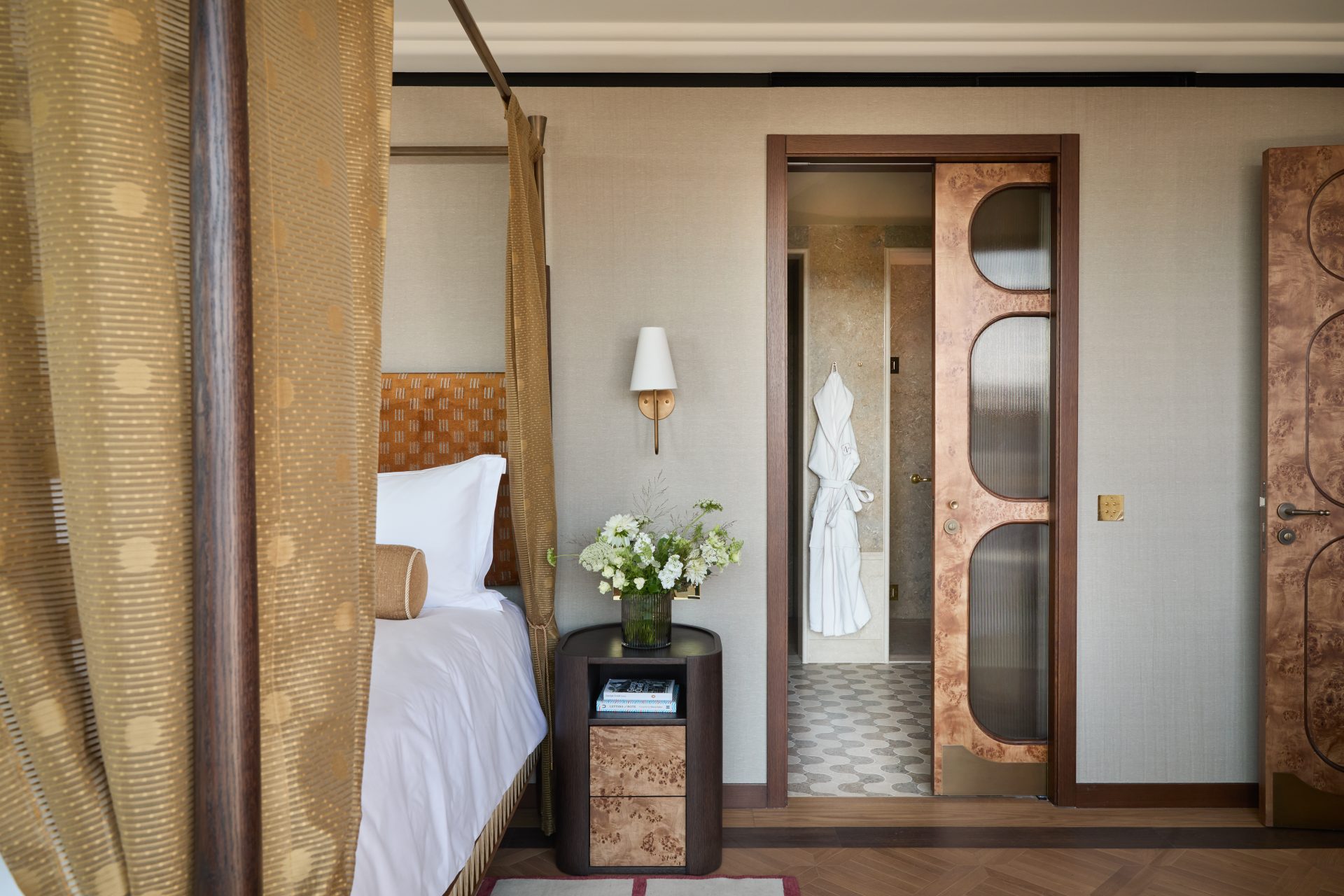
INSIDE THE NEWMAN
The Independent Hotel Show team visits The Newman in Fitzrovia, just months after it opens its doors, to explore how a new independent hotel is carving out its place in a competitive London market.
In a landscape dominated by global brands and rising price points, The Newman is positioning itself differently. The focus is not just on design, but on creating a hotel shaped by its neighbourhood, its team and a clear sense of purpose.
For General Manager Oliver Milne-Watson, the decision to join the project in Autumn 2023 followed a deliberate step away from the traditional hotel career path. Having previously worked at The Beaumont and The Goring, he moved into a role as a hotel inspector for LQA, gaining insight into how luxury hospitality operates at a global level.
“I travelled the world, looked at different brands, their standards and their products, and realised that actually bigger brands weren’t doing it any better than we were at an independent level,” he explained.
That perspective feeds directly into The Newman’s positioning. Managed by Kinsfolk & Co, the hotel is built around an ambition to approach hospitality differently, both operationally and culturally.
“Kinsfolk & Co is very much about doing things differently for people and for guests and making a positive change in hospitality for the future – creating somewhere everyone wants to work,” Oliver said.
A hotel shaped by Fitzrovia
Central to the project is a commitment to place. Rather than applying a generic luxury template, The Newman has been developed with a strong focus on Fitzrovia’s identity, history and community.
“We wanted to be entirely Fitzrovian, but the challenge was that we couldn’t quite put our finger on what that meant,” Oliver admitted.
The response was a highly engaged, ground-up approach. The team spent time with local businesses and residents, hosting a neighbours’ party ahead of opening and embedding the community into the physical and cultural fabric of the hotel. From photography featuring local characters to architectural references drawn from surrounding buildings, the intention was to avoid superficial storytelling.
“A lot of places say they’re a neighbourhood hotel, but we genuinely are part of the neighbourhood. We want to bring value to it and add something,” he said.
This ethos extends into the design, led by London studio Lind + Almond. Inspired in part by a book titled Characters of Fitzrovia and famous local figures such as the glamorous writer, heiress and political activist Nancy Cunard, the interiors combine Art Deco influences with subtle local references. The result is a space that feels established rather than newly built.
“Throughout the design you’ll see lots of curves, which makes it feel like it’s been here for a lot longer than it has,” Oliver noted.
Collaboration and creative tension
As with many hotel openings, the design process involved a balance between aesthetic ambition and operational practicality. Oliver was unusually involved as an opening GM, working closely with the design team to refine layouts and materials.
“I think there’s always going to be a bit of a clash between the operational side and the designers,” he said.
That tension is evident in details such as the copper patina bar in Gambit, designed to age and mark over time. “It's something a hotelier would generally hate, something you can’t clean properly on the face of it, but it matures, it gets marks and shapes,” he explained.
Rather than compromise, the project leaned into these moments of debate, with designers and operators working collaboratively to find solutions that preserve intent while maintaining functionality.
F&B as a neighbourhood anchor
Food and beverage plays a central role in anchoring the hotel within its local market. Brasserie Angelica has been positioned deliberately as a standalone destination, with its own entrance and an all-day menu designed to encourage repeat visits.
“We wanted people to feel they could come at any time of day rather than be fixed to certain hours… and come more than once or twice a week,” said Oliver.
The menu leans towards lighter northern European influences, while downstairs the Gambit Bar introduces a more informal, playful and energetic layer to the offering. Crucially, pricing and product have been structured to support a broad customer base.
“You can come in and have something simple, or you can trade up and have caviar,” Oliver explained.
This accessibility is intentional. The goal is to create a mixed, dynamic environment rather than a single-segment venue.
“You might have someone who’s come in after a run in the park sitting next to a couple of executives, next to a birthday celebration. It’s London as London should feel.”
Choice as a defining principle
Across both guest experience and operations, a recurring theme is flexibility. Technology and wellness, often treated as defining features in new luxury hotels, are instead positioned as optional layers.
“We wanted to give people a choice, so they can lean into the tech or do things more manually,” Oliver said, referencing the hotel’s app-based journey alongside traditional front desk service.
The same applies to wellness, which includes a full thermal suite and treatment offering but is integrated more subtly throughout the property. An entire floor at The Newman is dedicated to wellness, reflecting a holistic approach that runs throughout the hotel. Inspired by the Swedish Grace movement, the offer is built around simplicity, balance and harmony, with a full spa, treatment rooms, fitness studio and gym complemented by wellness elements integrated into the wider guest experience.
“We try to do as many wellness elements as possible without being too in your face,” said Oliver.
Rethinking recruitment and training
One of the more distinctive aspects of the opening has been the approach to recruitment. Faced with nearly 3,000 applicants for around 70 roles, the team developed a people brand to guide hiring and training decisions.
“We created a people brand based on the values we wanted in the team: Responsible, Energised, Approachable and Local,” said Oliver. This quickly became a recruitment process centred around finding ‘REAL people’.
This was complemented by a partnership with Saira Hospitality to deliver a pop-up hotel school during pre-opening. Participants received a 30-day immersive training programme, covering multiple departments and practical skills.
“When you join a job, you might get a one- or two-week induction, these guys had 30 days,” he explained.
The outcome has been both a pipeline of talent and a more confident, well-rounded team, a critical factor in delivering consistent service at launch.
A more approachable definition of luxury
Ultimately, The Newman reflects a broader shift in how luxury is being defined within the sector. Rather than formality or exclusivity, the emphasis is on experience, connection and incremental improvement.
“Luxury is more about the quality of service where you’re made to feel 1% better, or 1% less stressed than when you walked through the door,” Oliver said.
Looking ahead, he expects this direction to continue, with more brands moving towards a lifestyle-led, accessible model. “Everyone will lean more towards incorporating approachability into the luxury lifestyle space,” he explained.
For operators, The Newman offers a clear case study in how those ideas can be translated into a physical product: one that balances design ambition with operational reality, embeds itself within its neighbourhood, and places equal weight on people, process and place from day one.
Find out more about The Newman at thenewman.com.
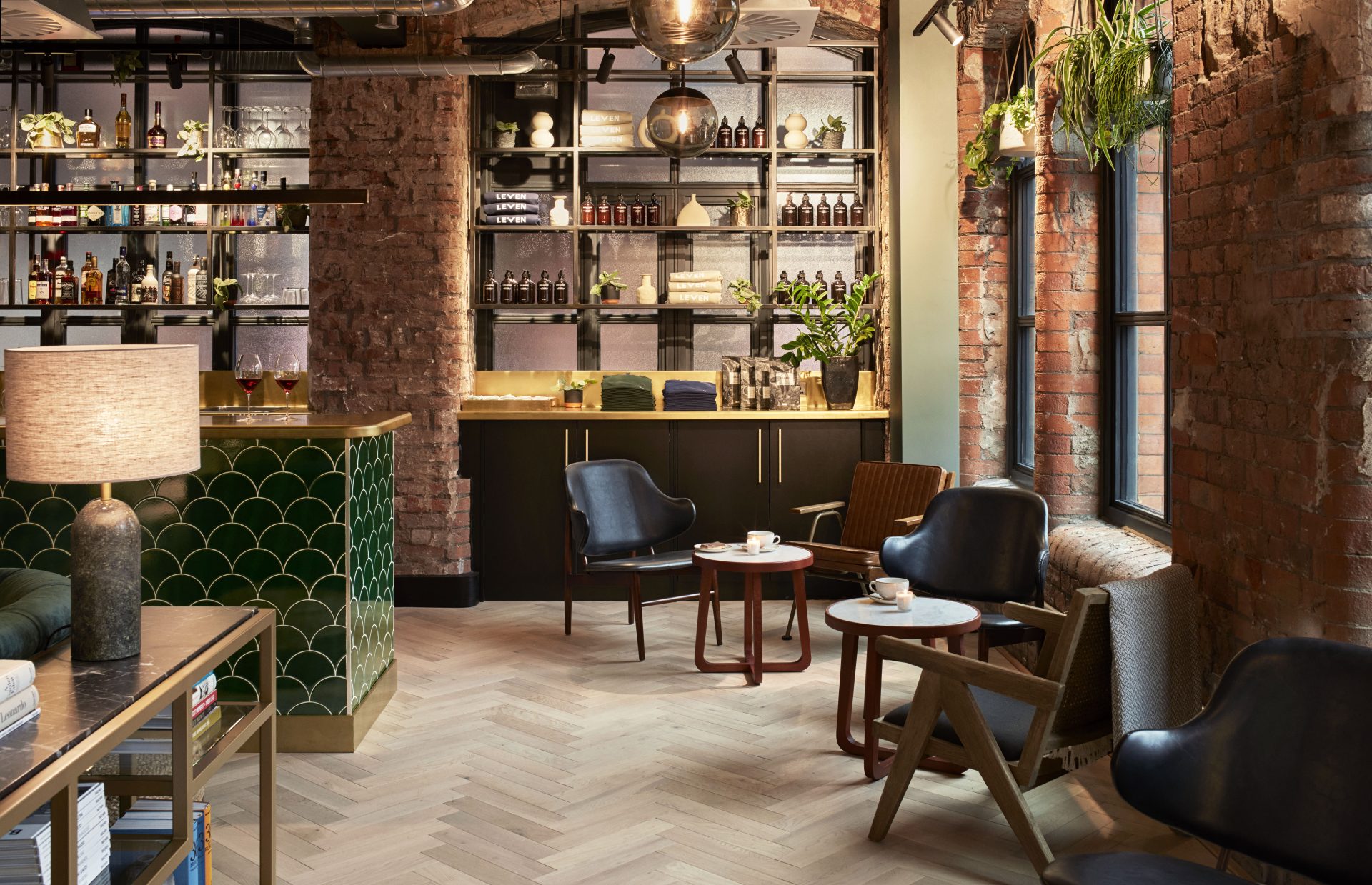
RE-SHAPING INNOVATION
Challenging hospitality’s long-held assumptions, Timothy Griffin shares why autonomy, emotional design and cultural relevance are shaping the future of hotels. From adaptive reuse and neuro-design to community-led spaces and lifestyle-driven experiences, Timothy explains how LEVEN is redefining what modern hospitality can look and feel like.
You've built your reputation on challenging traditional hospitality models – what do you think are the most outdated assumptions the hotel industry still holds today?
The biggest assumption I’d challenge is that guests need to be managed. Traditional hospitality often treats every interaction as a choreographed script, but modern travellers aren’t looking for a performance, they’re seeking autonomy and authenticity.
Beyond the service model, the industry is also plagued by intellectual silos. Hospitality frequently fails to draw timely insights from fast-moving sectors such as technology and retail. Areas like neuro-design and environmental psychology are often overlooked, despite the fact that built environments directly affect brain activity and emotional wellbeing, which in turn influence consumer behaviour and purchasing decisions that ultimately impact the bottom line.
The industry’s approach to data, and its lack of technological agility, is also holding it back. Most hotel businesses remain tethered to deep-rooted legacy systems while other industries have pivoted to seamless cloud ecosystems. Retailers use data to predict what we want before we know it ourselves. In contrast, hotels often still struggle to recognise returning guests or remember details such as pillow preferences or a favourite drink from a previous stay.
With LEVEN, you've taken a distinctly different approach to hotel design and guest experience. What principles guide your decisions when reimagining what a hotel can be?
LEVEN is derived from Old English and Dutch words meaning “to live”, and that remains our guiding philosophy. We aren’t just designing hotel rooms, we’re creating environments for living.
Design is the physical manifestation of brand values, but its impact is visceral. If a space doesn’t resonate intuitively on an emotional level, the style itself becomes irrelevant.
In Manchester, this translated into a philosophy centred on consciously building upon the heritage of the property in the heart of Manchester’s Village. We honoured the warehouse’s industrial bones, brick, steel and timber, while layering them with tactile textures, natural stone, wood, soft fabrics, and a curated collection of more than 300 artworks to create a distinctive residential feel.
The combination of natural materials, considered lighting, and calming colour palettes was all intended to put guests at ease. We wanted LEVEN to bridge the gap between home and hotel: flexible check-in times, complimentary smoothies to go, and even the LEVEN socks in each room all contribute to an experience that feels more personal and less transactional than a traditional hotel stay.
Sustainability is often discussed in operational terms, but how do you integrate it into the design philosophy and identity of a hotel from the ground up?
At LEVEN, we start from the premise that the most sustainable building is the one that already exists. Adaptive reuse isn’t just an architectural decision; it’s both a moral and brand-led one.
If you are making genuinely good design decisions, they are inherently sustainable. Integrity in materials, longevity in aesthetic, and energy efficiency are the true antidotes to the fast-furniture culture that has become commonplace across the industry.
As a founder and investor, how do you balance commercial viability with bold, disruptive ideas that may initially feel risky to the market?
The industry often miscalculates risk. The truly risky position is doing exactly what everyone else is doing and hoping the market doesn’t shift beneath you.
What was considered niche or boutique five years ago is now one of the industry’s primary growth engines. Alongside scaling our successful LEVEN hotel platform, we are also developing brands within the budget and hostel sectors.
For disruptive ideas to succeed, innovation must be paired with rigour. Every bold concept needs defensible commercial logic behind it. We spend a great deal of time understanding guests on a psychographic rather than purely demographic level, identifying unmet needs and considering how we can solve genuine problems within the market. When you build a brand that resonates culturally, commercial viability tends to follow.
Looking ahead, what does the next generation of hospitality look like to you, and how should hotel brands evolve to stay relevant?
The next decade belongs to hotels that function as community anchors. Emerging generations of travellers are becoming too sophisticated to be persuaded by generic marketing language that lacks genuine local soul.
We are already seeing the gradual dissolution of boundaries between hospitality, retail, work, wellness, and social connection. Our current focus on alternative accommodation and mixed-use models is a direct response to this shift.
To remain relevant, hotel brands must think beyond being simply places to stay overnight and instead become essential components of both a guest’s lifestyle and a neighbourhood’s ecosystem.
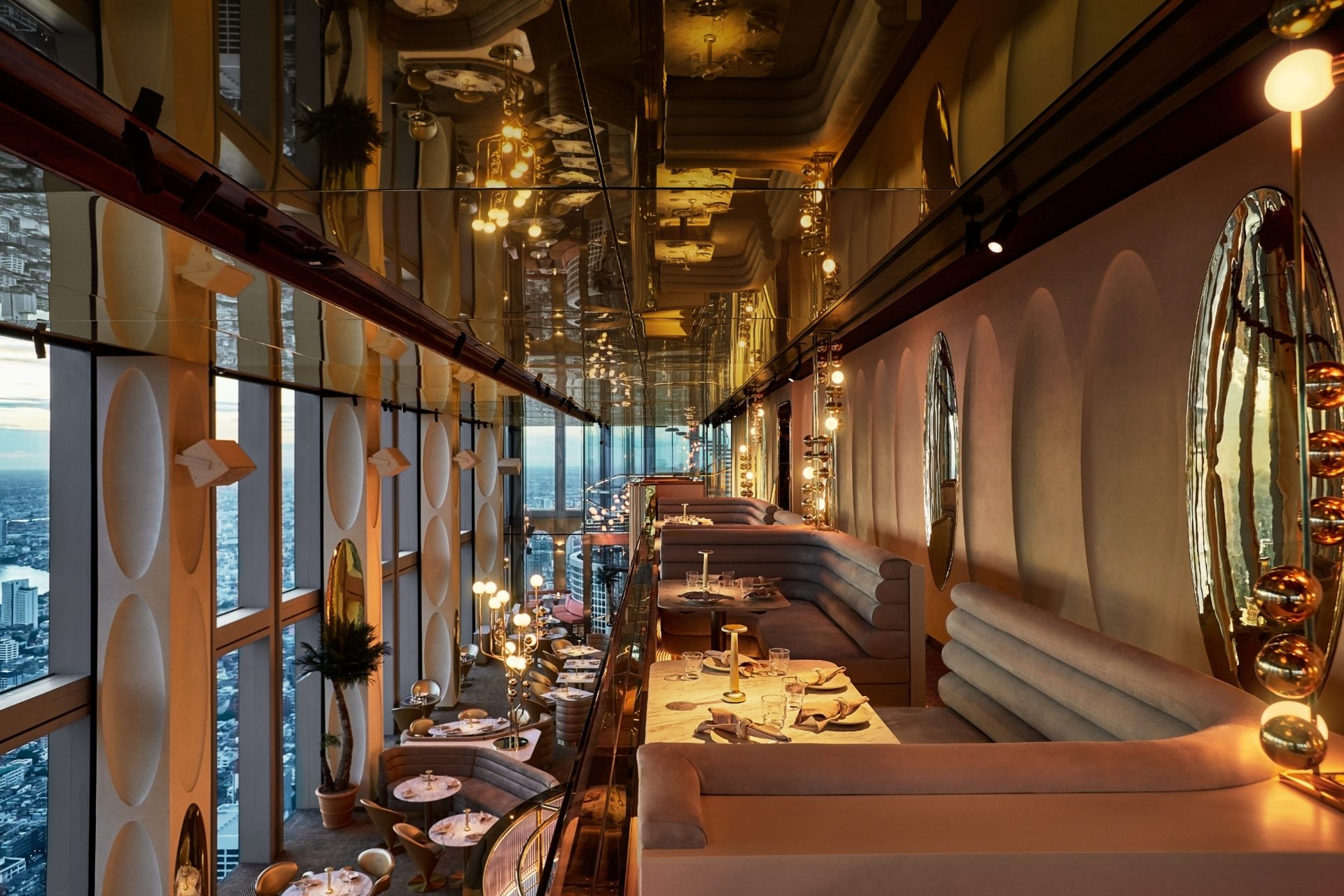
AMAR LALVANI
From redefining boutique hospitality at W Hotels and The Standard to leading Hyatt’s rapidly expanding Lifestyle Group, Amar Lalvani has spent decades shaping the cultural heartbeat of modern hotels - proving that creativity, authenticity and scale do not have to be mutually exclusive.
Few executives have shaped modern lifestyle hospitality quite like Amar Lalvani. From helping define the cultural cachet of W Hotels to leading The Standard’s global expansion, Amar has spent decades at the intersection of design, culture, community and commerce. Today, as Executive Vice President, President & Creative Director, Lifestyle at Hyatt, he oversees an ambitious portfolio that includes The Standard, Thompson, Andaz, Dream, Bunkhouse, JdV by Hyatt and more, all while trying to answer a deceptively difficult question: what does “lifestyle hospitality” actually mean anymore?
“The honest answer is that lifestyle has become a word that is so overused it means almost nothing,” Amar said.
For him, the roots of the category go back long before “lifestyle” became an industry buzzword. He traces its origins to Morgans Hotel, when Steve Rubell and Ian Schrager sought to explain their concept to investors by comparing it to boutique retail - distinct, curated and deeply connected to a specific clientele.
“What I think lifestyle actually means is a hotel with deep insight into who its customer is and what it means to care for them,” he explained. “The decision to stay at The Standard, Thompson, Andaz, Dream, Bunkhouse, me and all, The Manner or any of our JdV properties is being made because the guest wants to be part of the environment we produce. The total environment.”
That environment, Amar stressed, extends far beyond design aesthetics. It is the room, the restaurant, the rooftop, the music, the cultural programming, the energy of the spaces and even the guests themselves.
“Getting all of it right is not surface level,” he said. “It is a profound commitment. It’s not easy.” That philosophy now sits at the centre of Hyatt’s rapidly expanding Lifestyle Group, which continues to grow internationally while attempting to preserve the creative integrity that made each brand culturally relevant in the first place.
“Our discipline against that is twofold,” Amar said of balancing individuality with scale. The first is ensuring creativity has a seat at the highest level of the business. “My title is President and Creative Director for a reason,” he said. “The product and experience can only be built and delivered at scale if creativity and commerce are seen as enablers that reinforce each other rather than elements at odds with each other.”
He believes too many hospitality companies separate “brand” from the rest of the business. Within Hyatt’s Lifestyle Group, he said, every function, from finance to HR, is part of the brand team because the group operates with end-to-end creative, operational and commercial accountability.
The second discipline lies in a framework Amar has applied throughout his career at The Standard and Bunkhouse, and now across Hyatt’s lifestyle brands. Every brand, he said, must be “distinct, succinct, truthful, ownable, executable.”
“If it doesn’t pass all five, it’s not a brand - it’s a name,” he said. For Amar, scale itself is not the enemy of creativity. “Insufficient or ineffective creative leadership and indiscipline are.”
That mindset is shaping Hyatt’s aggressive international growth strategy, with openings and developments spanning Shanghai, Rome, Seville, Lisbon, Brussels, Mexico City, Austin and beyond.
“We pay attention to two things,” Amar said. “The places that are actually being chosen by the travellers who are creating the global pulse, and frankly, the places we love.” While Hyatt’s global scale and 65-million-member World of Hyatt platform provide valuable data, Amar still believes instinct and cultural intuition remain essential. “We built The Standard, Bunkhouse and The Manner based on our intuition and innate feel for our clientele,” he said. “We were the clientele.”
The cities capturing Hyatt Lifestyle Group’s attention are those generating both economic and cultural momentum. Amar points to Lisbon as “one of the most interesting cities in Europe,” describes Seville as producing “some of the best culinary output in Spain,” and believes Mexico City has become “probably the most interesting food city in the world alongside Bangkok.”
He is equally enthusiastic about Austin’s evolution into a “global city,” Brussels’ growing influence in fashion and design, and the enduring creative power of Tokyo and Kyoto.
But perhaps most notably, he identifies India as the biggest long-term opportunity. “I think the most underserved market for what we do is India,” he said. “I believe the future is incredibly bright there for decades to come and Hyatt is investing heavily to be part of it.”
Another major area of growth is branded residences, where Hyatt Lifestyle Group is extending hotel experiences into permanent living environments through projects such as The Standard Residences in Miami and Mexico City and Andaz developments in Turks & Caicos and Papagayo.
“Branded residential, when it works, is the extension of an experience a guest already loves into the way they live,” Amar said. He points to The Standard's sold-out branded residences in Lisbon, Palácio Santa Clara, and the enthusiasm for the recently completed residences in Midtown Miami, as evidence of emotional brand connection translating into residential demand.
“That is not just a real estate outcome,” he said. “That is a reflection of the love The Standard brand earned in Miami over the past two decades.”
For Amar, however, branded residences only succeed when they remain authentic to the hospitality experience that inspired them. “If the residence feels like a different product, the residents will know and the brand will be damaged,” he said.
Authenticity and local relevance are themes that repeatedly surface throughout the conversation, particularly when discussing The Standard’s continued global expansion. “The discipline against formula is to start every project with the city, not with the brand,” Amar said.
Rather than applying a standardised template, each property is built around the cultural identity of its destination.
“We do not arrive in Lisbon with a Standard playbook,” he explained. “We arrive in Lisbon and ask what the city actually is.” That process extends beyond architecture and interiors to partnerships, programming and creative collaborations. Amar said Hyatt Lifestyle Group intentionally works with local artists, designers, chefs and creatives to shape each project from within the community itself.
“We are not commissioning their work,” he said. “We are empowering their creativity and guiding the end result.” The result, he argued, is a portfolio of hotels that feel recognisably connected by attitude and cultural confidence, rather than by formulaic design standards.
“The recognition will come from the posture,” he said. “The irreverence, the cultural confidence, the design literacy. Not from a book of brand standards.”
Equally important, Amar said, is the willingness to walk away from projects that fail to align with a brand’s values or guest expectations - even when the economics appear attractive. “We made the decision to walk away from a Thompson project in South Beach last year because the location, program and execution, in my view, would not have met the expectations of a Thompson guest,” he revealed.
“The deal was real. The economics were attractive. But the brand fit was not.” For Amar, long-term brand integrity matters more than short-term growth metrics.
“The deals you walk away from are as important to the brand as the deals you make,” he said. “We will let others chase growth for growth’s sake. We will obsess about quality.”
Looking ahead, Amar’s ambitions for Hyatt Lifestyle Group extend well beyond pipeline numbers or global footprint. Over the next five years, he wants Hyatt to prove that “brand-led operating works at scale.”
“Conventional wisdom has been that scale and brand are trade-offs,” he said. “You could be small and distinctive, or large and generic. I think we are showing that you can do both.”
More personally, he explained that he is energised by the opportunity to build something lasting within an industry he deeply loves. “Having been an entrepreneur who worried about making payroll, I am really enjoying building something that I know will outlast me and will make a dent in an industry I love,” he said.
He also hopes Hyatt Lifestyle Group becomes the employer of choice for the next generation of hospitality creatives. “I want the most creative and brightest people to come work with us,” he added. “And I want to empower them to do things I cannot even yet imagine.”
Ultimately, Amar believes the future of hospitality belongs to companies willing to remain distinctive even as they scale - a challenge he compares to iconic global brands outside the industry.
“The companies I admire most are the ones that created something distinctive and stayed distinctive at scale,” he said. “Companies like Apple. Nike. Ralph Lauren. It is a small list, and none are in hospitality. I want Hyatt to be on that list.”