


Atlantic Hotel
Set in 10 acres of breath-taking headland, steeped in magical history, with sensational views of the North Cornish coast, sits one of Cornwall's best-kept secrets, The Atlantic Hotel. The hotel is located just a short stroll to the centre of Newquay, and minutes from some of the UK’s finest surf beaches, including the world-famous surf mecca Fistral Beach. This AA four-star hotel was once home to the world's biggest band The Beatles whilst they filmed their now-iconic movie The Magical Mystery Tour in 1967.
Opening 125 years ago The Atlantic Hotel has retained many of its original features such as the glamourous marbled entrance to its historic sweeping staircase and chandeliers. Another original feature is that the original building is built of granite, meaning traditional fire cable installation would be almost impossible. Luckily for the hotel, life safety installers Action Fire Southwest had a magic trick up their sleeve, Hochiki’s hybrid wireless range of devices - Ekho, to ensure this iconic building was safe for its staff and guests.
 Recognising the existing life safety system needed a complete upgrade, Andrew Berry owner of Action Fire Southwest said:
“This project was a big one, we had close to 200 devices to install, and with the size of the building and the fact that the hotel was made of granite meant that cabling was going to be tricky so we knew we needed to use wireless devices. Wireless is quicker to install minimising the impact on the hotel, we knew that Hochiki’s Ekho devices were the best for the job because they are incredibly quick and easy to install.”
With over 100,000 people visiting Newquay during the summer months, getting this installation completed on time was crucial for the hotel to not miss its peak trading season. The project was scheduled to start in February and was completed in just a few short weeks.
Hochiki Systems Sales Manager, Martin Green consulted on this project and visited the hotel alongside the team at Action Fire Southwest to carry out detailed surveys.
“The last two years have been incredibly hard for the hotel industry, so I wanted to make sure for the end client we got this job done efficiently with minimal impact on their business and guests. After the initial site visit and carrying out the project survey we knew our wireless Ekho devices combined with an Advanced Mx Pro Fire Control Panel would be the perfect solution. Each Ekho device was fitted in minutes within the individual hotel spaces and bedrooms, with no on-site programming required, as this had been carried out way in advance off-site. So, it really was as simple as getting the device out of its box, attaching it in place and the system was good to go”.
Andrew Berry adds
“There were a few hotel guests during the install, but we were able to work around them and get the job done quickly – this was one of the main concerns for the hotel, that those guests were not to be disrupted and there was to be zero impact on peak trading. Working with Hochiki devices meant we were able to achieve this”.

In many public buildings, there may be dozens of different types of audible warning devices; fire alarm systems, emergency exit alarms, lifts/elevators, intrusion alarm systems, and each can have their own audible warning device.
With so many different types of audible devices, it can be confusing to the occupants when an alarm sound – especially for hotel guests who might be fast asleep in their rooms. Is it a real fire alarm or a false alarm? To counter these conflicting responses, voice sounders are now an established and effective solution. Research has shown that voice alarm messages result in quicker reaction times than when sirens or bells are used, in fact 75% of people react in a timely manner to voice messages. This has resulted in VA Systems becoming more commonplace as the primary means of evacuation in public buildings.
As part of the install at The Atlantic Hotel, staff training was provided on how the new system and devices operated, and what to expect when an alarm sounded.
“The Ekho devices we prescribed have an additional feature of voice messaging, which can be critical during an emergency in a hotel as people tend to respond quickly when they hear a voice command to exit the building. The hotel management were very keen to take up this additional voice functionality built into Ekho, so they now have a fully functioning, voice evacuation system".
“The Ekho devices we prescribed have an additional feature of voice messaging, which can be critical during an emergency in a hotel as people tend to respond quickly when they hear a voice command to exit the building. The hotel management were very keen to take up this additional voice functionality built into Ekho, so they now have a fully functioning, voice evacuation system".
Following the completion of the installation and commissioning process, along with the device training, the team from Action Fire Southwest now visit the site on a six-monthly basis for ongoing maintenance as well as to update new staff on the system and devices. Andrew Berry says he would happily recommend Hochiki on future customer projects.
“I have worked with Hochiki since 2011, and have a great relationship with my account manager, I trust Hochiki to consult on the best for every project. The tech support team, on the rare occasion I need them, are second to none. I would happily say 9 times out of 10, Hochiki are my go-to manufacturer. They design and build incredibly reliable and easy to install products which I know my customers can trust, and when it comes to the safety of people and assets, we never compromise on life safety device quality.”
https://www.hochikieurope.com/


DOWN HALL HOTEL, SPA & ESTATE REPORTS EXCEPTIONAL MICE GROWTH
Demand for experiential dining, wellness and outdoor activities fuels record-breaking corporate performance with three years of double-digit uplift
Down Hall Hotel, Spa & Estate has reported exceptional growth across its MICE business, with conference enquiries revenue rising 75% between 2022 and 2024 and confirmed conference revenue increasing 62% over the same period.
Momentum has continued over the past year, with a further 14% uplift in enquiries and 7.5% rise in confirmed bookings year-to-date in 2025. The performance marks three consecutive years of sustained, double-digit expansion across the estate’s core corporate revenue streams.
This strong upward trend reflects a decisive shift in how organisations plan their events, with corporates increasingly seeking experiential, wellness-focused and outdoor-led formats. At Down Hall, this is evidenced by an 82% year-on-year rise in wellness add-ons, a marked increase in multi-day programmes, retreats and growing demand for social, informal dining experiences.
The Street Food group dining concept, created by Executive Chef Robert Pearce, recent winner of the MIA Chef of the Year award, is among the hotel’s top performers, delivering an impressive 75% uplift year-on-year.
In addition, Down Hall’s new immersive outdoor dining concept, The Woodland Table, set within the estate’s two-acre Kitchen Garden, has driven further growth. Offered as a supplement to the 24-hour rate, the experience invites guests to dine under the tree canopy on open-fire dishes crafted from hyper-seasonal ingredients grown just steps away.


For smaller teams, Down Hall’s new Padel Package has emerged as a hit for active, sociable away days. Starting from £20 per person with an optional Pimm’s upgrade, the package includes two hours of private access to the award-winning property’s own padel, tennis and short tennis courts, alongside seasonal refreshments.
Wellness-led events have risen 82% year-on-year making it one of the fastest-growing offerings at Down Hall, with corporate groups regularly opting for morning yoga, breathwork, woodland walks and evening sound baths.
Linden Beattie, General Manager at Down Hall Hotel, Spa & Estate, comments: “The growth we’re experiencing reflects a clear evolution in delegate behaviour. Teams want connection, creativity and meaningful experiences, not just a meeting room. Our investment in outdoor dining, wellbeing and innovative activity-led packages has played a major role in driving demand.”
Set within 110 acres of woodland, lawns and landscaped gardens, Down Hall offers 12 flexible event spaces, 98 bedrooms, expansive activity fields, tennis and padel courts, an indoor an indoor wet spa, Eden Spa and new treatment rooms focused on holistic wellbeing at The Barn Spa. The property is also progressing with The Charles Gardens, a half-acre landscaped venue for weddings, events and delegate experiences; set to open in 2026.
What’s more, the estate has recently been awarded EcoSmart Silver Accreditation, enabling delegates to measure and offset the carbon footprint of their event.
The estate works with a curated selection of expert partners to offer cocktail-making workshops, tree-planting experiences, canapé masterclasses, archery and a variety of team-building activities tailored to groups of all sizes. The expert and dedicated events team also creates bespoke programmes for everything from intimate leadership retreats to large-scale conferences and celebrations.
To book your next event, please visit https://www.downhall.co.uk/meetings-events/events-private-dinners
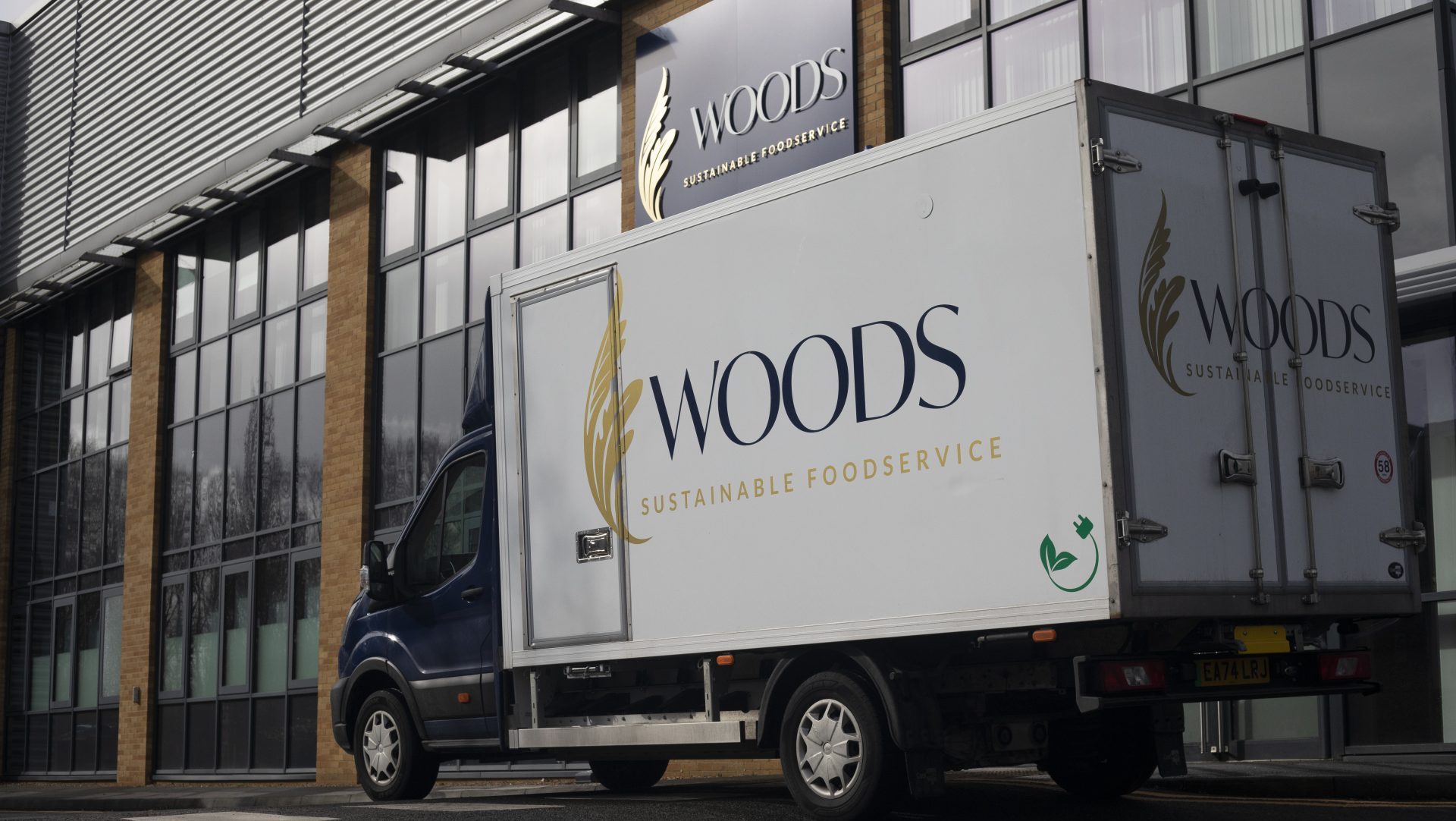
Woods Foodservice cut Michelin-star deal to acquire John Mower
The capital’s leading premium restaurant supplier, Woods Foodservice, has acquired long-established wholesaler John Mower in a multi-million-pound takeover. The move will create one of the UK’s largest premium restaurant purveyors, serving over 3,000 customers who collectively hold upwards of 90 Michelin stars.
The business boasts an enviable client list, including The Fat Duck, Gymkhana, and The Ledbury, and the acquisition will see it take on even more culinary icons such as Harrods and Ramsay.
Fine Dining in London
London’s fine dining market has bucked the trend facing the wider hospitality industry. Recent figures show 146 new openings in 2025, almost double that of last year, and the highest since 2017, alongside a significant reduction in closures.
However, ongoing pressure from national insurance rises, minimum wage, business rates, and food inflation continues to challenge the UK restaurant sector.
Growth and Expansion
Forecasting over £40 million in revenue this financial year, Woods Foodservice has driven year-on-year growth of 5% versus 2024. The business has expanded its offering to include fresh produce, tableware, and meat, building a reputation and customer base at the heart of the capital’s most sought-after culinary experiences.
The takeover will see its revenue grow to over £50 million, solidifying its position as one of the UK’s largest premium restaurant suppliers.
A Legacy of Fine Dining
Established in 1982 and re-established in 2000 by Darren Labbett, the business capitalised on the fine dining and gastro-pub boom in the early millennium, carving out a unique position supplying top restaurants with ingredients from across the world.
Darren Labbett commented:
"John Mower is an industry icon, its core values align strongly with Woods Foodservice. We both put our customers above all else. That principle has fuelled our success. We’re a careful business; this acquisition is a thoughtful step to deliver measured growth, whilst remaining profitable and continuing to deliver excellence.
"London is a resurging food destination with a record number of new openings and a notable drop in closures. We have some of the world’s best chefs, restaurants, hotels, and bars. Unfortunately, the current government too often fails to recognise these unique economic and cultural assets.
"Together, Woods Foodservice and John Mower have been supplying them for over 100 years. We will never take that for granted. The opportunity for growth over the next five years is huge, and this deal will put Woods Foodservice and John Mower at the heart of fine dining across London and other major cities."
Innovation and Technology
Against the backdrop of COVID-19, when the business briefly pivoted to provide restaurant-quality ingredients direct to consumers, and a turbulent hospitality sector which saw 11,000 jobs lost in October alone, Woods has remained stoic, innovative, and profitable under the family’s stewardship.
Holly, Rosie, and Lewis – Labbett’s children – also help manage the business.
Over the last 24 months, Woods has invested heavily in technology, creating:
-
A bespoke platform that enables chefs to order via an app.
-
Continuous enhancements through AI.
-
An electrified delivery fleet.
-
One of the UK’s most advanced food preservation hubs, with climate-sensitive rooms for fruit, mushrooms, and even chocolate.
The acquisition will also see Woods take on a new Hoddesdon distribution centre, increasing its capacity and speed of delivery.
Labbett added:
"Perfectly conditioned food for top chefs is all about how you deliver it. We can supply the freshest artichoke to a London restaurant within an hour. Maybe even faster with this acquisition."

Aspen Restaurant & Bar brings a new dining destination to Sheffield
Aspen Restaurant & Bar has opened its doors inside the new Courtyard by Marriott Sheffield, adding a fresh food-and-drink spot to the city’s dining scene.
Sitting just minutes from the city centre, Aspen has been designed as a relaxed, contemporary space with plenty of natural textures, wood and leather seating, and large windows that flood the room with daylight. The restaurant takes its name from the original meaning of Waverley - ‘a meadow of quivering aspens’ – and the palette of warm tones and clean lines gives it a calm, modern feel for all occasions.
The kitchen leans into creative flavours and approachable dishes. The menu by chef Carl Field features a range of Signature Sarnies, including the Avocado & Kimchi served on soft-baked Bocata bread, while the grill section features a classic Sirloin Steak with Chunky Chips. Other menu highlights include a Sweet Potato and Butternut Squash Tagine served with rice and coriander naan bread, a Chicken Wellington with all the trimmings, as well as a varied selection of burgers, salads and stone baked pizzas. Small plates are made for sharing – with BBQ Pork Bites or Spinach and Shroom Arancini – and desserts include a Vegan Eton Mess, ensuring that every guest feels catered for.
The bar sits at the centre stage of the space, serving a unique list of signature cocktails inspired by Sheffield’s steel-making roots. Drinks such as the Mardy Rum, 1810, and Honey Paloma nod to the city’s history while keeping the focus on delicious, contemporary drinking.
Filipe Chaby-Rodrigues, the hotel’s new general manager, said: “Aspen has been designed as a space for the community as much as for guests. We want people to feel just as comfortable dropping in for an after-work drink as they do marking a special occasion, and the team has put a lot of care into making sure the food, the room and the atmosphere all reflect that.”
Aspen Restaurant & Bar is open daily for breakfast, lunch, dinner and drinks. Please visit https://www.marriott.com/en-us/hotels/dsacy-courtyard-sheffield/overview/or call 0114 698 3800 to make a booking.
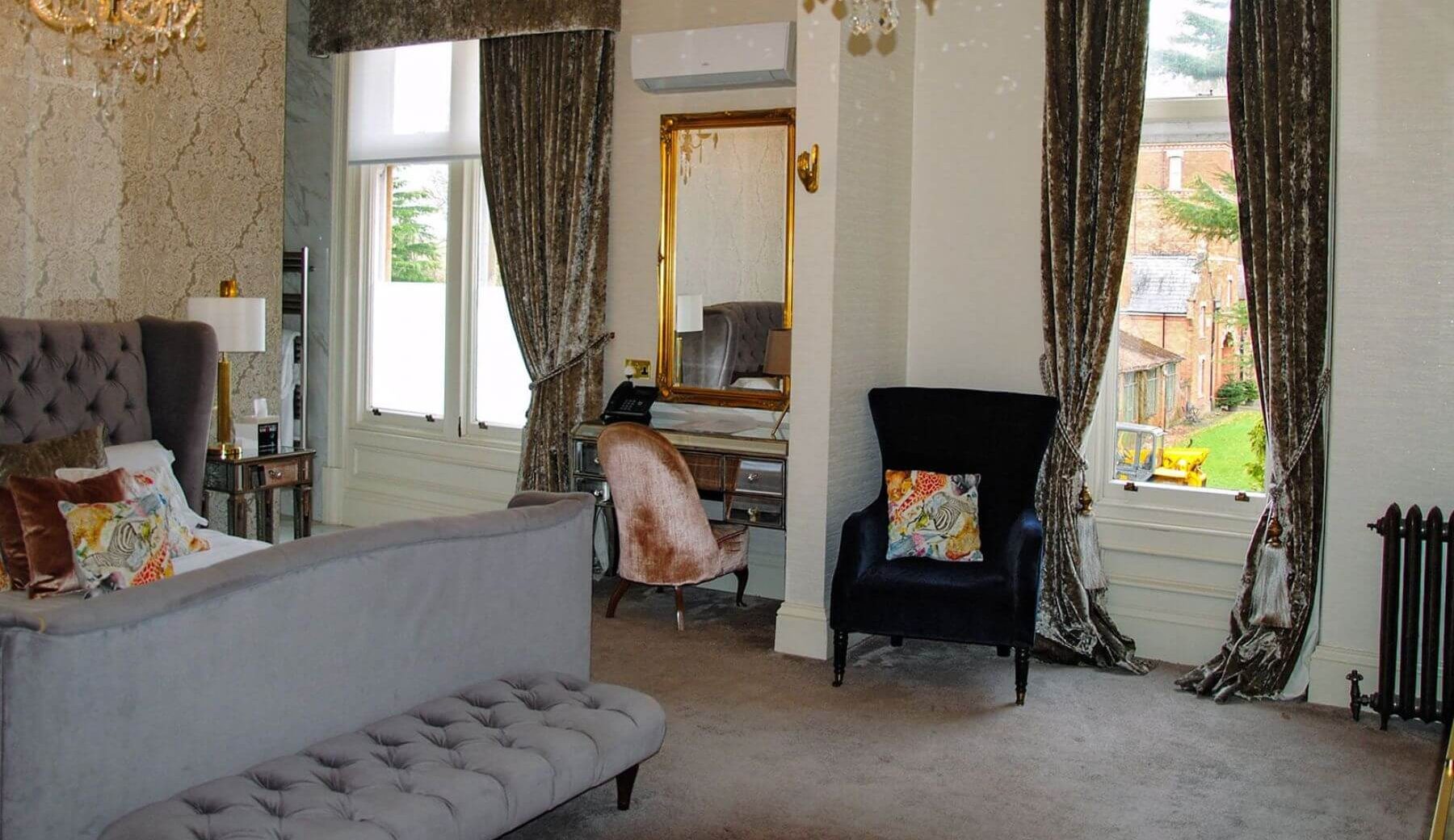
Oaklands Hall Hotel Joins the Classic British Hotels Collection
Classic British Hotels is delighted to announce the addition of Oaklands Hall Hotel to its curated collection of independent hotels. This partnership marks a significant milestone for the Lincolnshire venue, recognising its commitment to exceptional service, unique character, and high-quality facilities for both corporate and leisure guests.
Set within five acres of beautifully landscaped parkland, this Victorian country house hotel in Laceby perfectly embodies the "Classic British" ethos – combining historic elegance with the modern standards expected by today's discerning travellers.
A New Chapter for Lincolnshire’s Premier Corporate Venue
As the newest member of the collection, Oaklands Hall Hotel solidifies its position as the flagship destination for business events in the region. The hotel offers three distinctive meeting spaces, including the grand Churchill Suite (200 delegates), the light filled Garden Room (150 delegates), and the intimate Longs Lounge for executive board meetings.
"We are thrilled to welcome Oaklands Hall Hotel into our family," said Phillip Allsopp, Managing Director of Classic British Hotels. "The hotel’s blend of countryside tranquillity and professional excellence makes it a standout addition. It is exactly the kind of unique, quality property that our corporate and leisure guests have come to expect from the Classic British Hotels brand."
Accessibility Meets Inspiration
Located just 5.2 miles from Grimsby Train Station and 8.8 miles from Humberside Airport, Oaklands Hall offers a rare combination of easy connectivity and "away-from-it-all" inspiration. Its position on the edge of the Lincolnshire Wolds – an Area of Outstanding Natural Beauty – provides a scenic backdrop that encourages fresh thinking and team cohesion.
"Joining Classic British Hotels is a great moment for our team," stated Barry Flint, the General Manager of Oaklands Hall Hotel. "This partnership aligns us with a brand that values individuality and outstanding service above all else. We look forward to welcoming a wider network of guests who appreciate the charm of a Victorian country house combined with top tier corporate hospitality."
Excellence in Every Detail
Savour award-winning, seasonal dishes in The Comfy Duck Restaurant where the menus celebrate the best of the region’s produce and the freshest ingredients, straight from the kitchen garden. Unwind in one of 46 well-appointed ensuite bedrooms, designed to provide comfort and convenience throughout the stay. For those looking to go beyond the boardroom, Oaklands Hall Hotel also offers tailored teambuilding packages. From strategy days to leadership retreats, the venue’s new status as a Classic British Hotels member guarantees a commitment to the highest standards of quality.

Rethinking Hotel Vending

We share an insightful conversation with VendEase's founding partners, Dave Berman and Jonny Holmes.
What VendEase Does
Q: For hotel managers who may not know VendEase, how do you describe what you do?
Dave: The simplest way to put it is that we take vending off your plate entirely. Hotels have enough to manage without worrying whether a machine is stocked, working, or embarrassing the property. We install the machines, fill them, service them, and keep them running flawlessly – all at no cost. It should feel like a small but reliable part of the hotel’s service offering.
Jonny: And it matters to us that hotels feel they can trust us. When someone invites you into their operation, especially in hospitality, they’re entrusting you with guest experience. Our job is to honour that trust with consistency, reliability, and a bit of pride. We want a GM to walk past one of our machines and think: good – that’s one thing I never have to worry about.
The Story Behind VendEase
Q: You’ve known each other a long time. How did that history shape VendEase?
Dave: We met as students in Manchester in the early ’90s and quickly discovered that we liked analysing businesses. One night in the pub, after several pints, we sketched a Venn diagram on a napkin: Balls. Foresight. Money. In the overlap we wrote: New Business. It was funny, but also oddly accurate. And it stuck. It became our private shorthand for what it takes to build something real.
Jonny: We went off into our separate careers – consulting, family business, MBAs – but we kept meeting up, having a pint, and saying, “One day… when the balance feels right.” Eventually, the balance did feel right. We were both ready to build something of our own.
Dave: We knew the type of business we wanted: recurring revenue, scalable, tech-enabled, low staffing. We just didn’t know the idea. Then I remembered seeing people queueing in the rain at a vending machine selling umbrellas in Vancouver. It wasn’t snacks, it was need-based retail. Exactly what you want, exactly when you need it. That idea tied back beautifully to our old napkin sketch and to the kind of business we wanted to run.
Why Hospitality is a Natural Fit
Q: Why has hospitality become such a natural fit for you?
Jonny: Hotels care deeply about guest experience, and so do we. When a guest needs something at 11pm, they don’t want to wait for a shop to open. They want a drink, a snack, a charger, or a forgotten toiletry right now. If we can deliver that seamlessly, we’re supporting the hotel’s promise to its guests.
Dave: And hotels can’t afford small failures. A single empty or broken machine sends the wrong signal. That’s why we operate proactively – telemetry, restocking plans, preventative maintenance. A GM shouldn’t know we’ve visited; only that everything is working.
What Sets VendEase Apart
Q: Many companies say they offer “fully managed vending.” What makes your approach genuinely different?
Dave: We run VendEase like a service company that happens to use vending machines, not the other way round. That mindset changes everything. We’re constantly monitoring each location, adjusting the product mix, planning stock runs. It’s active management, not a set-and-forget model.
Jonny: And we don’t hide behind jargon or contracts. No fees, no surprises, no caveats in small print. If we say it’s fully managed, it is. Hotels tell us all the time, “You’re the only vendor we don’t have to chase,” and that’s the best feedback we could hope for.
How Telemetry Helps Hotel Managers
Q: Telemetry sounds technical. What does it actually mean for hotel managers day-to-day?
Dave: It means peace of mind. Telemetry tells us what’s selling, what’s running low, whether anything needs attention – all in real time. Hotels don’t need to call, message, or nudge us. We already know, and we’re dealing with it.
Jonny: And because we see the patterns, each machine becomes tailored to the audience. Business hotel? More healthy snacks and protein bars. Family property? A very different mix. It’s personalised convenience without the hotel having to do anything.
Why Hotels Remain the Focus
Q: You operate in construction, gyms, universities… Why continue to centre hotels?
Jonny: Hotels have a service culture we instinctively align with. Reliability, presentation, cleanliness, responsiveness – those values are ingrained in how we operate. Other sectors benefit from that mindset, but hospitality mirrors it most closely.
Dave: And we enjoy working with hotel teams. GMs and procurement leads tend to be sharp, pragmatic, and appreciative of partners who make their lives easier. It’s a good match.
Common Misconceptions About Vending
Q: Final question – what misconception about vending do you wish hotels knew?
Dave: That it’s outdated. Modern vending is efficient, tech-driven, and genuinely useful.
Jonny: And that they have to manage it. With us, they don’t. When we place a machine, we’re making a commitment – and we keep it. Every day, without fuss.
Visit vendease.co.uk
The Perfect Fit
Finding the right skills is no longer enough in hospitality – cultural fit is key.
Simon Jones, Managing Director at Prime Recruit, discusses how hotels can attract, assess, and retain staff who reflect their brand values and service philosophy, using storytelling, immersive hiring, and strategies that boost engagement, loyalty, and long-term success.
Why Cultural Alignment Matters
Q: From your perspective at Prime Recruit, why has cultural alignment become just as important as experience when clients look for new team members today?
A: Recruitment in hospitality is shifting toward culture-first hiring, with clients seeking candidates who reflect their brand values as much as technical skills. Many struggle to attract talent that genuinely fits their service philosophy, often due to unclear employer branding or generic job ads.
To improve alignment, clients must communicate their culture through storytelling, immersive interviews, and showcasing real team experiences. Retention also depends on reinforcing cultural fit through development pathways, recognition, and strong onboarding.
Common Hiring Challenges
Q: What common challenges do clients face when trying to attract candidates who not only have the right skills but also embody the brand’s values and guest-service philosophy?
A: Clients often struggle to attract candidates who match both skill requirements and brand values. Many applicants prioritise quick employment over cultural fit, making it hard to identify those with genuine service-driven attitudes.
Competition from other sectors, limited talent pools, and high industry turnover further reduce the number of candidates with the right mindset. Job ads often focus on duties rather than communicating the hotel’s culture, meaning the best-fit candidates may overlook the role. Additionally, assessing personality, behaviour, and guest-service philosophy during hiring is challenging, leading to mismatches that affect service consistency and retention.
Communicating Culture Effectively
Q: How can a hotel more effectively communicate its culture during the hiring process so that it resonates with the right talent?
A: Clients can communicate their culture more effectively by showcasing their values, team environment, and service philosophy throughout the hiring process.
-
Clear, engaging job adverts that highlight the hotel’s personality, purpose, and expectations attract candidates who identify with the brand.
-
Using authentic storytelling – videos, staff testimonials, and behind-the-scenes content – helps applicants picture themselves in the environment.
-
During interviews, asking value-based questions and openly discussing the hotel’s service standards ensures alignment.
Consistent messaging across careers pages, social media, and onboarding materials reinforces the culture, helping the hotel resonate with talent that naturally fits its ethos.

Retaining Culturally Aligned Staff
Q: In a competitive labour market, what strategies are you helping clients with in order to retain staff who are aligned with their long-term vision and guest-experience goals?
A: We help clients retain culturally aligned staff by strengthening engagement, development, and communication:
-
Create clear career pathways and offer continuous skills training.
-
Support internal promotions so employees feel invested in long-term goals.
-
Improve onboarding to ensure new hires understand the brand’s service philosophy from day one.
-
Use regular feedback systems, recognition programmes, and performance conversations to keep teams motivated and aligned with guest-experience standards.
-
Refine rotas, scheduling, work–life balance, and leadership practices to reduce burnout.
These strategies build loyalty, reinforce cultural alignment, and significantly improve long-term retention.
The Future of Hospitality Recruitment
Q: Looking ahead, how do you see recruitment evolving in the hospitality sector, and how will you help hoteliers to meet future expectations?
A: Hospitality recruitment is shifting towards a culture- and values-driven approach, with emphasis on soft skills, adaptability, and long-term engagement alongside technical experience.
Technology, data-driven talent sourcing, and employer branding are becoming central to attracting the right candidates. We help hoteliers:
-
Identify talent who align with their brand.
-
Streamline hiring processes and enhance candidate experience.
-
Support workforce planning, succession strategies, and staff development.
Our guidance ensures teams are resilient and adaptable, helping clients meet future guest expectations, reduce turnover, and build high-performing, culturally aligned teams ready for the evolving demands of the hospitality industry.
Recruitment will become more personalised and data-driven. As specialist recruiters, we help clients articulate their identity and connect with talent who share their long-term vision.
Visit primerec.co.uk

A New Hub for Innovation
As the UK hospitality sector evolves at pace, the arrival of NoVacancy Hotel + Accommodation Industry Expo London feels perfectly timed.
We spoke with Dan Assor, Event Director of the newly launched UK edition, about why the renowned Australian event has expanded to London and how it aims to bring fresh energy to the market.
NoVacancy in the UK: Motivation and Vision
Q: NoVacancy is already well-established in Australia – what motivated you to bring the event to London, and what is your long-term vision for this UK edition?
A: NoVacancy has emerged as a powerful catalyst for innovation and connection within Australia’s hotel and accommodation sector, and we saw a natural opportunity to bring that same energy to the UK.
While London stands as one of the world’s most vibrant hospitality markets, it has long lacked a truly comprehensive platform that brings together every segment of the accommodation landscape – from hotels and serviced apartments to holiday parks, hostels, and resorts.
Our long-term ambition is to establish NoVacancy London as the definitive annual meeting place for operators and suppliers to discover new ideas, collaborate meaningfully, and collectively shape the future of the industry.
Differentiation in a Crowded Market
Q: In a market with established hotel trade shows, how will NoVacancy London distinguish itself and address gaps that other events might not be covering?
A: We’re building something broader in scope and fresher in energy. NoVacancy is not just about products, it’s about ideas, solutions, and relationships.
The event is designed around ten dedicated content tracks, each tackling real operational and commercial challenges, while our exhibitor mix reflects every facet of running an accommodation business. Our aim is for visitors to leave with tangible solutions and new partnerships that can transform their businesses.
Emerging Trends Driving Conversation
Q: Your conference agenda highlights themes like technology, sustainability, and design. Which emerging trends or innovations do you most expect to drive conversation among hoteliers at this first London edition?
A: AI and automation will undoubtedly dominate discussion, not as buzzwords, but as practical tools to enhance efficiency, personalise the guest experience, and unlock new revenue.
We’re also seeing strong momentum behind sustainable operations – from energy management and circular design to waste reduction.
On the design front, the integration of wellness, work, and leisure is redefining what accommodation will look and feel like in 2026 and beyond.
What Attendees Can Expect
Q: What do you aim to offer to hotel operators and professionals who attend NoVacancy London?
A: We want every attendee to walk away inspired, informed, and connected. That means access to world-class speakers, direct conversations with solution providers, and the chance to meet peers facing similar challenges.
Whether you’re re-thinking your tech stack, looking for design inspiration, or exploring new revenue strategies, NoVacancy London aims to provide practical takeaways and fresh ideas that you can implement immediately.
Measuring Success and Industry Impact
Q: How will you measure the success of NoVacancy London, in terms of exhibitor ROI, attendee engagement, and long-term impact on the hospitality industry, and what do you hope the hotel sector gains from it?
A: Success for us goes beyond numbers, it’s about impact. If our exhibitors leave with valuable leads and meaningful relationships, and our visitors tell us they’ve found new solutions and ideas that genuinely help their business, we’ll have achieved our goal.
Longer term, we hope NoVacancy London becomes a driving force for innovation and collaboration in UK hospitality, a place where the industry comes together each year to shape its next chapter.
Unlocking Revenue
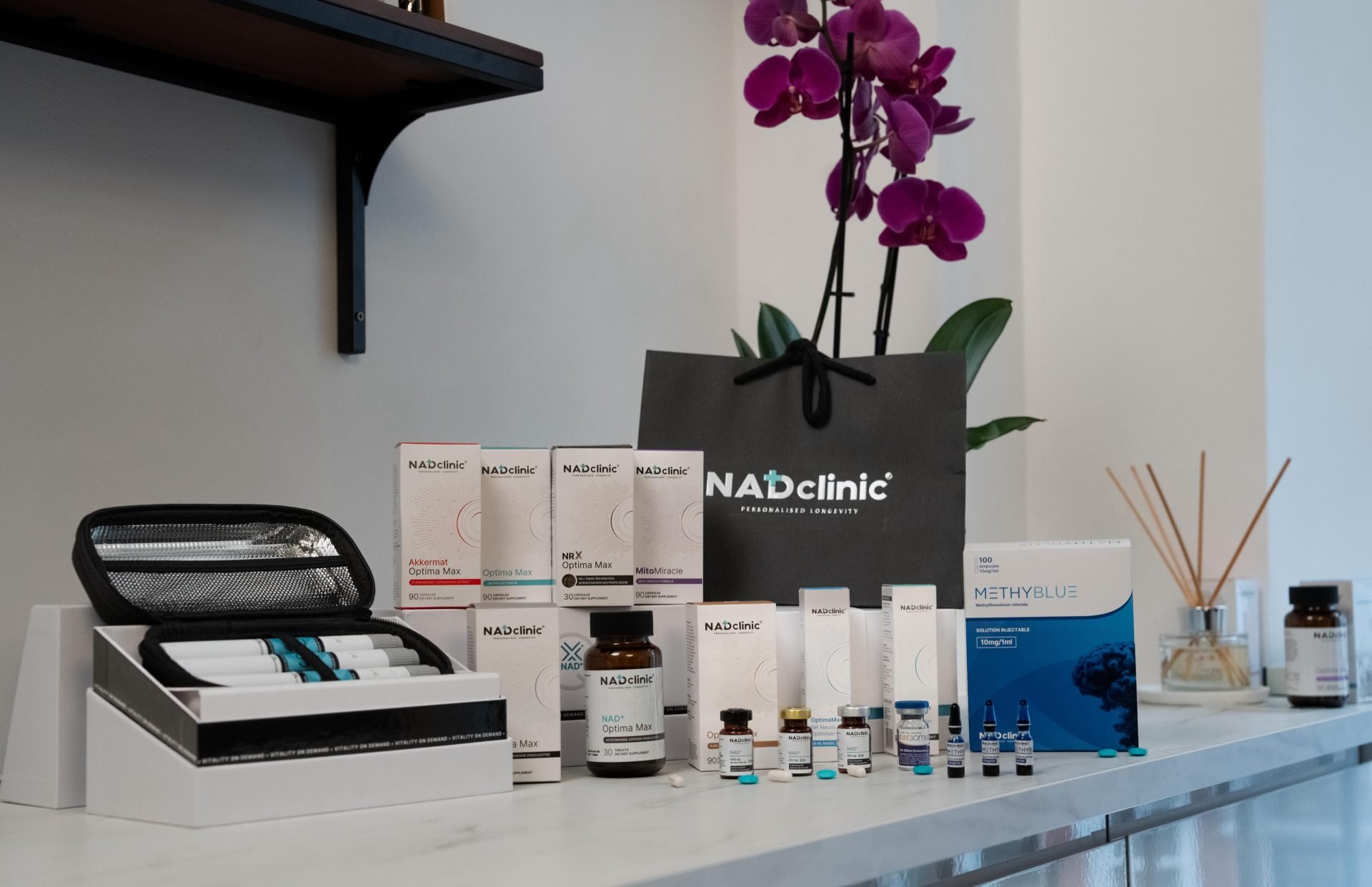
Turning wellness demand into profitable, effortless guest experiences with NADClinic
Across the global hotel landscape, operators are navigating a rare combination of pressures: persistent staffing shortages, rising guest expectations, limited physical space, and the need to unlock new revenue without adding operational complexity. At the same time, wellness has moved from “nice to have” to a defining driver of choice, satisfaction, and return.
Today’s travellers expect hotels to actively support sleep quality, reduce fatigue, accelerate recovery after long-haul travel, and sustain daily performance throughout their stay. Traditional spa menus and familiar amenities often fall short of those expectations, not because hotels lack intent, but because the operational model behind wellness has not evolved at the same pace as demand.
The Growing Gap Between Demand and Delivery
The industry-wide talent gap remains one of the biggest barriers to wellness growth. Hoteliers consistently highlight the same constraint: they want to elevate their offering, but do not have enough specialised practitioners, and labour costs continue to rise.
Even where appetite for investment exists, space limitations and long CapEx cycles can delay meaningful change for years. As wellness expectations accelerate, the gap between what guests want and what hotels can reasonably deliver is widening.
A New Way to Deliver Wellness in Hospitality
It is within this gap that NADclinic is reshaping hospitality wellness. As a global leader in precision health, performance optimisation, and longevity, NADclinic has built a partnership model designed specifically for modern hotel realities: high impact for guests, high margin for operators, and light-touch for hotel teams.
The model is built around three turnkey modalities that integrate seamlessly with existing operations and require no additional hotel staffing, training, or structural investment.

1) In-Room Wellness Concierge
Medically supervised wellness delivered directly to the guestroom.
NADclinic’s CQC-certified clinical team provides on-demand programmes such as NAD⁺ optimisation, jet-lag and travel recovery, sleep and immunity support, energy protocols, and other high-impact services.
Hotels gain a premium, personalised wellness layer for VIP, corporate, and long-haul guests, without operational burden, enhancing satisfaction, retention, and reputation.
2) Wellness Minibar & Retail
Transform underperforming minibar space into a modern wellness retail channel.
With wellness now central to guest behaviour, NADclinic curates high-demand products such as the SQX NAD⁺ Smart Pen and daily vitality supplements, extending the wellness journey beyond the spa and into daily guest routines.
This creates incremental revenue with virtually no lift, while aligning the hotel’s retail offering to current lifestyle and performance trends.
3) Integrated On-Site Wellness Clinic
A fully operational clinic experience, delivered and managed by NADclinic.
For hotels seeking a flagship wellness differentiator, NADclinic can establish an on-site clinical offering complete with advanced diagnostics, IV therapy capabilities, personalised longevity programmes, and performance enhancement protocols.
NADclinic provides the clinical team, compliance standards, guest journey design, and operating framework, enabling hotels to introduce a future-facing, high-margin service without CapEx strain or structural disruption.
A Scalable Pathway to Differentiation
In an increasingly crowded luxury landscape, credible, science-led wellness is becoming a defining point of differentiation. NADclinic offers a commercially aligned partnership that:
-
Elevates the guest experience with measurable value
-
Generates meaningful wellness and retail revenue
-
Strengthens guest loyalty and repeat stays
-
Protects internal resources and operational bandwidth
At a time when wellness defines modern luxury, this model gives hotels a clear, scalable way to meet rising expectations – confidently, profitably, and without friction.
For more information, please contact partnerships@NADclinic.com

Order Restored
Your invoices are running the hotel and it’s time to take back the keys. Marketboomer explains how.
For years, hotels have treated invoices the same way they treat that one guest who overstays checkout: politely, patiently, and with a quiet sense of dread. Nobody means to create chaos – it just sort of… accumulates. A stray delivery docket here, a mystery credit note there, a supplier statement that definitely doesn’t match whatever’s in the back office. All harmless on their own. Together? A full-blown administrative mess!
“Invoice chaos isn’t a cost problem – it’s a visibility problem. Fix the visibility, and the savings are inevitable.”
The funny part is we still talk about “invoice processing” like it’s a neat, orderly thing. As if invoices glide through the building wearing name badges and politely waiting their turn. In reality, hotels deal with invoices the way chefs deal with the lunch rush – everything everywhere all at once, powered by instinct, caffeine, and hope.
The real villain isn’t the volume, it’s the invisibility. Paper invoices hide in drawers, slip under clipboards, or quietly vanish into someone’s in-tray like they’ve joined a witness protection programme. Even PDF invoices manage to scatter themselves across inboxes with surprising earth-defying skill.
And when you can’t see invoices, you can’t control them. Hotels pay twice for the same item. Miss early-payment discounts. Approve the wrong supplier. Lose rebates. Reconcile orders that never arrived. Argue with suppliers using a tone best described as “polite despair.”
Digitise and Take Back Control
Here’s where it gets beautifully simple: the moment you digitise invoices properly – and that means truly digitise them, with automated capture, matching, approvals, and reconciliation – the chaos evaporates.
Suddenly the Beast has nowhere to hide:
-
The invoice that used to sit on top of the bar printer for three days is captured instantly.
-
The order for 10 cases that mysteriously became 12 is flagged before you ever pay for it.
-
The missing credit note isn’t “missing” anymore – it’s surfaced.
-
Three-way matching stops being a heroic monthly ritual and becomes the sort of thing that just… happens.
And the real magic? Certainty.
You know what’s been delivered. You know what’s been approved. You know what’s outstanding, what’s incorrect, what’s duplicated, and what needs to be pushed back. You know your spend this week, not last quarter. It’s decision-making based on reality, not archaeology.
Liberation, Not Bureaucracy
For hotels, invoice automation isn’t bureaucracy – it’s liberation.
-
It gives GMs time back.
-
It gives finance teams accuracy.
-
It gives procurement transparency.
-
It relieves operators from that constant background hum of “I swear I saw that invoice somewhere…”
Once you’ve seen your entire invoice flow in one place – clean, matched, approved, and real-time – you never go back to rummaging through drawers hoping for the best.
Paperwork stops being the monster. Control becomes the new normal.
Visit marketboomer.com