

HOW HOTELS CAN MANAGE OPERATING COSTS: 3 SIMPLE SWITCHES TO MAKE
Running a hotel is no easy task, especially given that the cost of almost everything is on the rivariable costs such as food, beverages, and supplies, running a hotel doesn’t come cheap.
To stay competitive, hotels must se. From fixed costs like leases, taxes, insurances, and permanent staff salaries, to manage their operating costs effectively and there are a number of ways to achieve this. With that in mind, here are three strategies that hotels can use to reduce their operational outgoings.
-
Use Energy-Efficient Alternatives
Utility costs are typically substantial in hotels, with the average hotel spending 6-8% of total revenue on energy bills. Guests are free to use as much water and electricity as they please, and the constant cooking, washing, and need for equipment means energy usage quickly adds up.
Switching to lower consumption options like LED lighting and energy-efficient HVAC systems can massively reduce energy-related expenses. Encouraging guests to reuse towels and bedding is also beneficial.
Installing solar panels is another highly effective solution. Estimates suggest that commercial solar panels can reduce energy bills anywhere from 30% up to 70%, plus you can benefit from Smart Export Guarantee (SEG) payments for excess energy exported to the grid.
-
Optimise Staffing
Employee outgoings are another major challenge for hotels, particularly during peak times when seasonal staff are brought onboard.
Luckily you can minimise this expense by:
- Training employees in several areas - being able to work multiple roles across different departments reduces the need for additional staff
- Using technology to reduce staffing requirements - online check-in/check-out, room service robots, and digital concierges minimise the need for employees
- Accurately tracking demand - knowing when you need more workers on hand to manage extra guests and when you don’t can help you avoid wasted spend
-
Regularly Review Expenses
It’s important to identify where the largest portions of money are being spent and whether or not they are worthy investments. Knowing where you’re overspending is the first step in effectively cutting costs, but since demands and expenses change over time, it’s important to perform these audits regularly, so you’re never putting money in the wrong places.
Cost Management is Essential for Success
Keeping operational costs low can increase profits, give you a competitive edge, provide long-term stability, and enhance visitor experiences by allowing you to invest more into guest services.
By switching to energy-efficient alternatives or installing solar panels to keep utility bills down, optimising staffing costs, and identifying areas of wasted spend, you can manage costs more effectively and ensure long-term success.


THE CUMBERLAND HOTEL ANNOUNCES FIVE SENIOR LEADERSHIP APPOINTMENTS ACROSS CULINARY, RESTAURANT, BAR, ROOMS AND SALES TEAMS
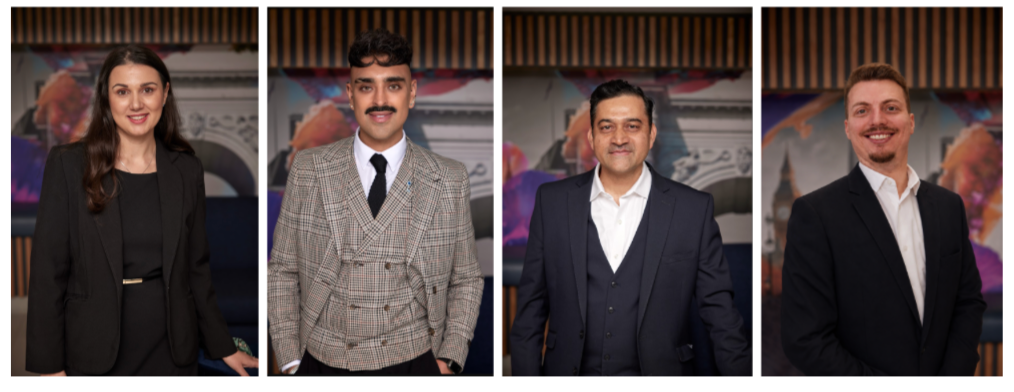
The Cumberland Hotel in Marble Arch has announced a series of senior appointments across its food and beverage, operations and commercial teams, further strengthening the hotel’s leadership offering as it continues to evolve its guest experience and hospitality proposition.
The series of new appointments includes Cristian Miu as the hotel’s new Bar Manager, Thomas Chakalamattathu as Restaurant Manager of Lírica, Ancuta Ababei as the hotel’s new Director of Rooms and the appointment of Balin Sondh as Sales Manager for the recently opened Gordon Ramsay Hell’s Kitchen, as well as Lírica.
Cristian Miu appointed Bar Manager
Cristian brings extensive experience in luxury hospitality and premium bar operations, having worked across several of London’s leading hotel bars. Most recently, he served as Assistant Bar Manager at The Chancery Rosewood, where he was part of the opening team for the hotel’s Eagle Bar.
Prior to this, Cristian held roles at The Peninsula London and The May Fair Hotel. As Bar Manager at The Cumberland, he will oversee the hotel’s bar operations with a focus on premium guest experiences, exceptional drinks programming and service excellence.
Thomas Chakalamattathu appointed Restaurant Manager of Lírica
Thomas joins the role with extensive hospitality and restaurant leadership experience, specialising in premium dining operations and guest experience. He joins through an internal transfer from The Royal Horseguards Hotel, where he spent more than two years as Restaurant Manager and prior to this, was Restaurant General Manager at Madhu’s
As Restaurant Manager of Lírica, Thomas will oversee the restaurant’s day-to-day operations alongside the hotel’s room service offering, with a focus on operational efficiency and top tier service.
Ancuta Ababei appointed Director of Rooms
Ancuta joins the leadership team with nearly a decade of hospitality experience across hotel operations, guest experience and people leadership. Most recently, she served as Deputy General Manager at Maldron Hotel Shoreditch, where she oversaw daily operations and commercial performance initiatives and prior to this, Ancuta held the role of Operations Manager at Clayton Hotel City of London.
As Director of Rooms at The Cumberland, Ancuta will oversee front office, housekeeping, security and guest services operations, supporting the hotel’s continued focus on operational excellence and guest experience.
Balin Sondh appointed Sales Manager for Gordon Ramsay Hell’s Kitchen and Lírica
Balin brings extensive experience in hospitality sales, events and commercial strategy, with a strong background driving revenue growth across premium restaurants and experiential venues. Most recently, he worked as Multi-Site Sales & Events Manager at Criterion Hospitality, overseeing the commercial performance of two rooftop venues.
Balin’s career also includes senior sales and events roles at Boom Battle Bar, BAM Karaoke Box, Individual Restaurants, Gusto Italian and The Alchemist.
As Sales Manager for Gordon Ramsay Hell’s Kitchen and Lírica, Balin will lead the commercial strategy for both venues, focusing on corporate and social dining business, strategic partnerships and events.
Commenting on the appointments, Pedro Da Silva, General Manager at The Cumberland said:
“We are thrilled to welcome Matthew, Cristian, Thomas, Ancuta and Balin to The Cumberland. Each brings a wealth of experience, expertise and passion for hospitality, and together they further strengthen our leadership team as we continue to enhance the guest experience across the hotel’s rooms, restaurants, bars and culinary offering.”

HOUSEKEEPING'S NEXT CHAPTER: THE TRENDS RESHAPING HOUSEKEEPING LEADERSHIP IN 2026
For a profession responsible for some of the largest teams, biggest labour budgets and most direct touchpoints with guests, housekeeping remains remarkably absent from many conversations about hotel leadership.
Yet as labour costs rise, talent shortages persist and guest expectations continue to evolve, the function is becoming increasingly central to operational performance.
Those themes dominated discussion at Act-Clean's recent Bringing Back the Sparkle: Let's Talk Housekeeping event at Hotel Café Royal on June 23rd, where senior housekeeping and hotel leaders gathered to discuss the challenges and opportunities shaping the profession.
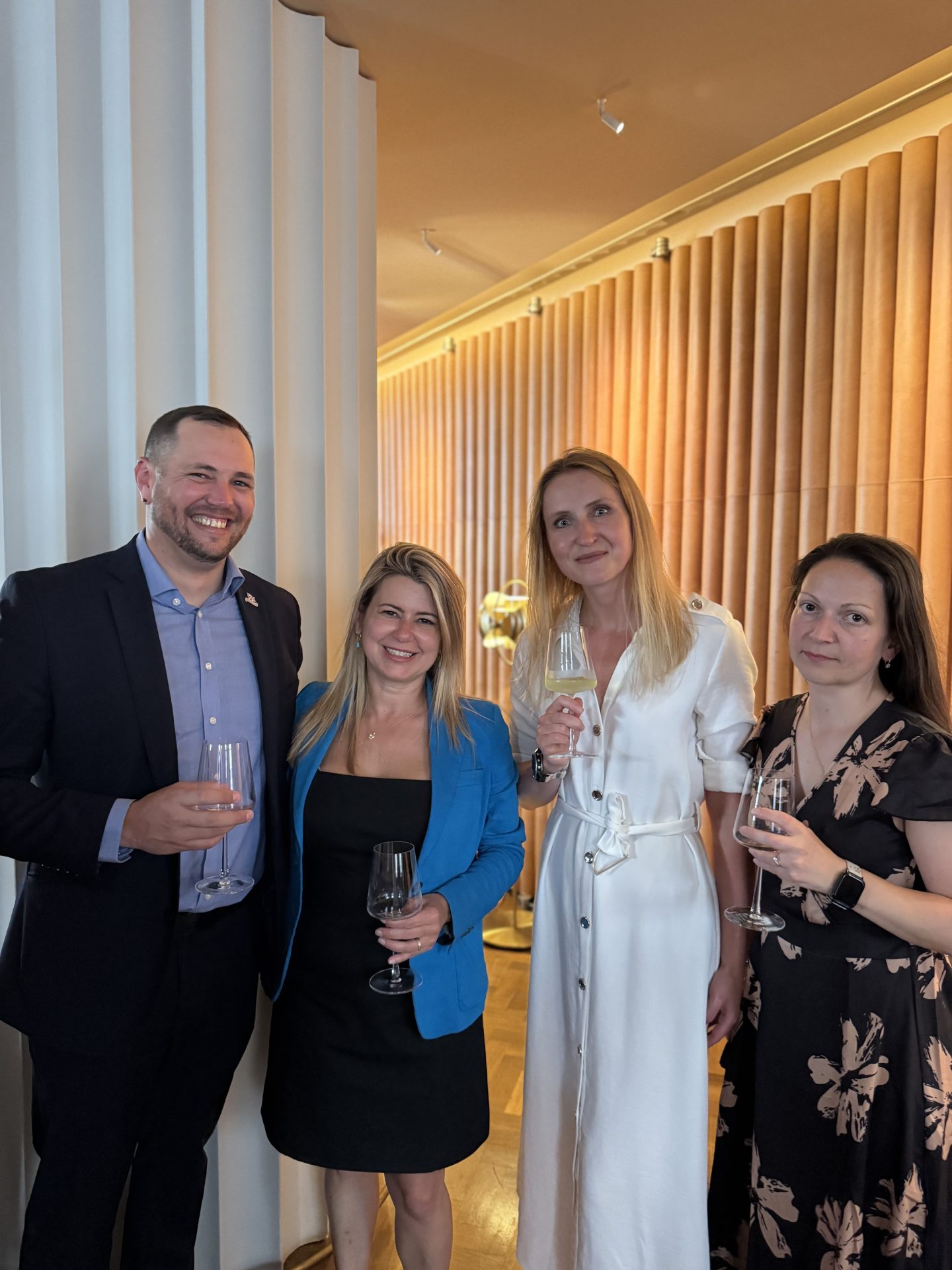
Hosted by hospitality commentator Peter Hancock, the panel brought together Miriam Varoli, General Manager of Andaz London Liverpool Street; Jenny Moussi, Senior Director of Housekeeping at Four Seasons; Fernanda Lewis, Executive Head Housekeeper at The Goring; and Natalie McNally, Director of Housekeeping at The Chancery Rosewood.
Whilst the discussion ranged from artificial intelligence and labour shortages to supplier partnerships and career development, several clear themes emerged: housekeeping leaders are taking on increasingly strategic responsibilities, that the battle for talent is far from over, and the profession continues to seek the recognition it warrants.
Housekeeping's Expanding Remit
One of the clearest things to emerge from the discussion was the growing complexity of housekeeping leadership.
The profession has traditionally been viewed through the lens of cleanliness and standards, but the reality described by panellists was considerably broader. Today's Executive Housekeepers are expected to manage large-scale recruitment, oversee wellbeing initiatives, navigate financial pressures, support employee relations and contribute to wider operational decision-making.
"I’m not just Housekeeping," said Jenny Moussi, Senior Director of Housekeeping at Four Seasons. "Now I'm also people and culture, director of finance, guest relations, guest services, psychologist, therapist, social worker and comedian."
The audience laughed, but the point really resonated. As hotels continue to operate with leaner structures and heightened expectations, responsibilities that once sat elsewhere in an organisation increasingly find their way into housekeeping teams.
For many operators, the department represents the largest workforce within a property, placing its leaders at the centre of conversations around culture, retention and service delivery.
A Profession Seeking a Stronger Voice
The question of recognition surfaced repeatedly throughout the evening.
Few departments have as much influence over the guest experience as housekeeping. Yet several panellists argued that its contribution is still too often framed as a cost rather than a value driver.
"Chefs are very good at fighting and getting all they need," observed Fernanda Lewis, Executive Head Housekeeper at The Goring. "Chefs are considered very glamorous figures. Why not housekeepers?"
The comment drew knowing smiles from around the room. While culinary talent has become increasingly celebrated over the past two decades, housekeeping leadership has often remained less visible despite overseeing some of the largest teams and budgets within a hotel.
For Lewis, the challenge is not simply about recognition but representation. As operators navigate rising employment costs and productivity pressures, she argued that housekeeping leaders must continue making the case for investment in their people, ensuring service standards are not sacrificed in pursuit of short-term savings.
Miriam Varoli, whose own career began as a chambermaid at The Ritz before progressing to General Manager level, echoed the sentiment.
"Housekeepers don't just make beds and clean toilets," said Miriam Varoli, General Manager of Andaz London Liverpool Street. "Housekeeping affects ownership, colleagues and guests."
Her argument was simple: housekeeping influences every major stakeholder within a hotel. It impacts profitability through labour and operational costs, employee engagement through the management of large teams, and guest satisfaction through standards, consistency and personalisation.
The Talent Challenge Continues
If there was one issue that united every panellist, it was in the fight to find good people.
Despite improvements in retention at some properties, attracting new talent into the profession remains a significant concern. Several on the panel reflected on the need to challenge outdated perceptions of housekeeping and create clearer pathways into leadership.
"We need more young people wanting to become Directors of Housekeeping," said Natalie McNally, Director of Housekeeping at The Chancery Rosewood.
The discussion also highlighted the growing importance of colleague wellbeing. Operators are increasingly recognising that retention depends not only on pay and benefits, but on culture, development opportunities and creating working environments where people can build long-term careers. Miriam highlighted their initiative which gave employees access to the hotel gym and a monthly massage.
For an industry still recovering from the workforce disruption caused by the pandemic, investing in people remains both a commercial and operational priority.
AI, Automation and the Human Factor
No discussion about the future of hospitality would be complete without addressing artificial intelligence.
Whilst there are clear potential benefits to AI in areas such as guest communications and administrative support, there was widespread agreement that housekeeping remains some distance from large-scale robotic automation.
Practical challenges persist, particularly within luxury hotels and heritage buildings where adaptability, judgement and attention to detail are essential. Particularly surrounding limitations of current robotic cleaning technologies, particularly in complex hotel environments where no two spaces, guests or situations are ever quite the same.
Rather than replacing people, the consensus was that technology is more likely to augment existing teams, helping improve efficiency while leaving the human aspects of hospitality firmly intact.
There's a broader challenge facing the industry: balancing technological innovation with the ongoing need to attract people into hospitality careers. And now that so many industries are shrinking as AI replaces certain functionalities, there is a real opportunity for hospitality to absorb those job seekers.
What Hotel Operators Should Expect Over the Next 12 Months
- Housekeeping leaders will become more strategic
The role continues to expand beyond operational standards into recruitment, wellbeing, finance and business performance, giving housekeeping leaders greater influence across hotel operations.
- Retention will remain a priority
As labour pressures continue, operators will focus increasingly on employee wellbeing, development and engagement to retain experienced team members.
- Housekeeping will continue to push for greater recognition
There is growing momentum behind giving housekeeping a stronger voice at executive level, reflecting its impact on both guest experience and operational success.
- Technology will support, not replace, people
While AI and automation are gaining traction, the judgement, flexibility and attention to detail required in housekeeping remain difficult to replicate.
- Guest experience will be won behind the scenes
As personalisation becomes increasingly important, housekeeping teams will play an even greater role in shaping guest satisfaction, loyalty and overall hotel reputation.
Looking Ahead
The discussion at Hotel Café Royal reinforced a simple but important point: housekeeping is no longer a department operating quietly in the background.
It sits at the intersection of people, performance and guest experience, managing some of the largest teams and most significant operational challenges within a hotel.
As the profession continues to evolve, the question is no longer whether housekeeping deserves a seat at the table, but whether the industry can actually continue to afford not to give it one.
Act-Clean are proud to work with London's finest hotels in front of house. Find out more at www.act-clean.com.
IHG HOTELS & RESORTS, REVOLUT, AND VISA UNVEIL CO-BRANDED DEBIT CARDS, TRANSFORMING EVERYDAY SPEND INTO INSTANT HOTEL REWARDS
IHG’s new UK co-branded debit cards will make earning and redeeming IHG One Rewards Points faster and easier than ever
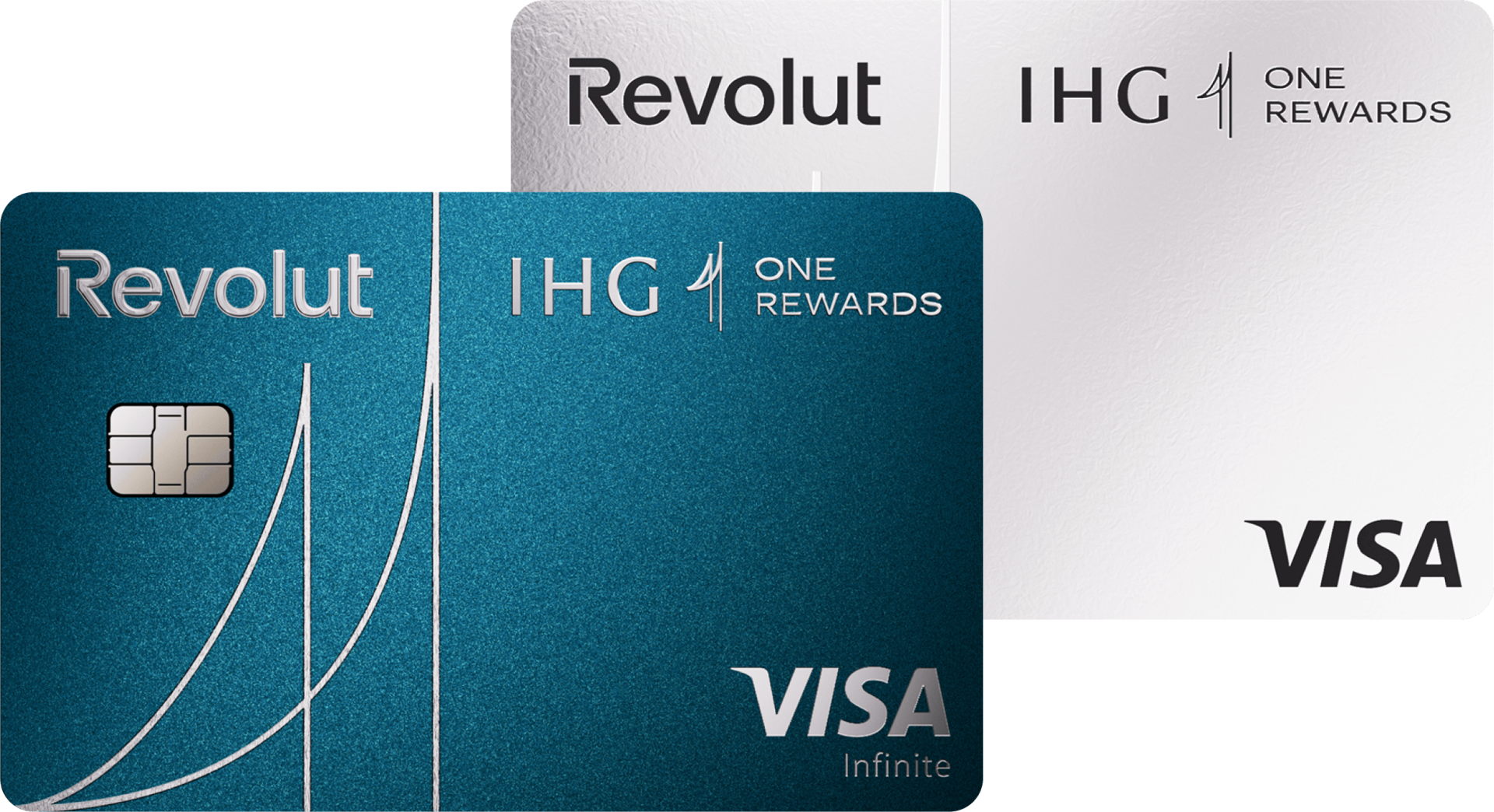
IHG Hotels & Resorts (IHG), one of the world’s leading hotel companies, today launches its new UK co-branded debit cards in partnership with Revolut, the UK licensed bank, and Visa, a leader in digital payments.
The new partnership and card launch will enhance the way IHG One Rewards loyalty members earn rewards by unlocking additional benefits with every transaction. Answering a growing demand for instant loyalty rewards1, the collaboration brings together IHG’s expansive portfolio of 7,000+ hotels and resorts across 21 brands in more than 100 countries, with Revolut’s innovative financial platform and global 75 million customer base.
The new Revolut debit cards, powered by Visa, are available in two-tiers, offering choice for IHG’s loyalty members. Both offer accelerated loyalty point earning rates on stays at IHG Hotels & Resorts worldwide and help members reach Reward Nights and elevated loyalty tier status faster, opening up perks such as room upgrades, early check-in, reward night discounts and more. Card holders can also unlock more Milestone Rewards with Elite night credits2, giving them access to elevated stay experiences.
IHG x Revolut Essential: A no-annual fee debit card
- Automatic IHG One Rewards Silver Elite status
- IHG One Rewards points earning - 1 point for every £1 spent at IHG hotels
- IHG One Rewards points earning - 0.5 points for every £1 of non-IHG spend
- 5 Elite Night Credits to support faster progression through the loyalty programme
- Bonus offers include one elite night credit for every £4,000 of total spend, and 5,000 bonus points if a cardholder spends £1,000 in the first three months on total spend, anywhere in the world.
- Should card holders wish to have a physical card, a £10 one-off issuance cost applies.
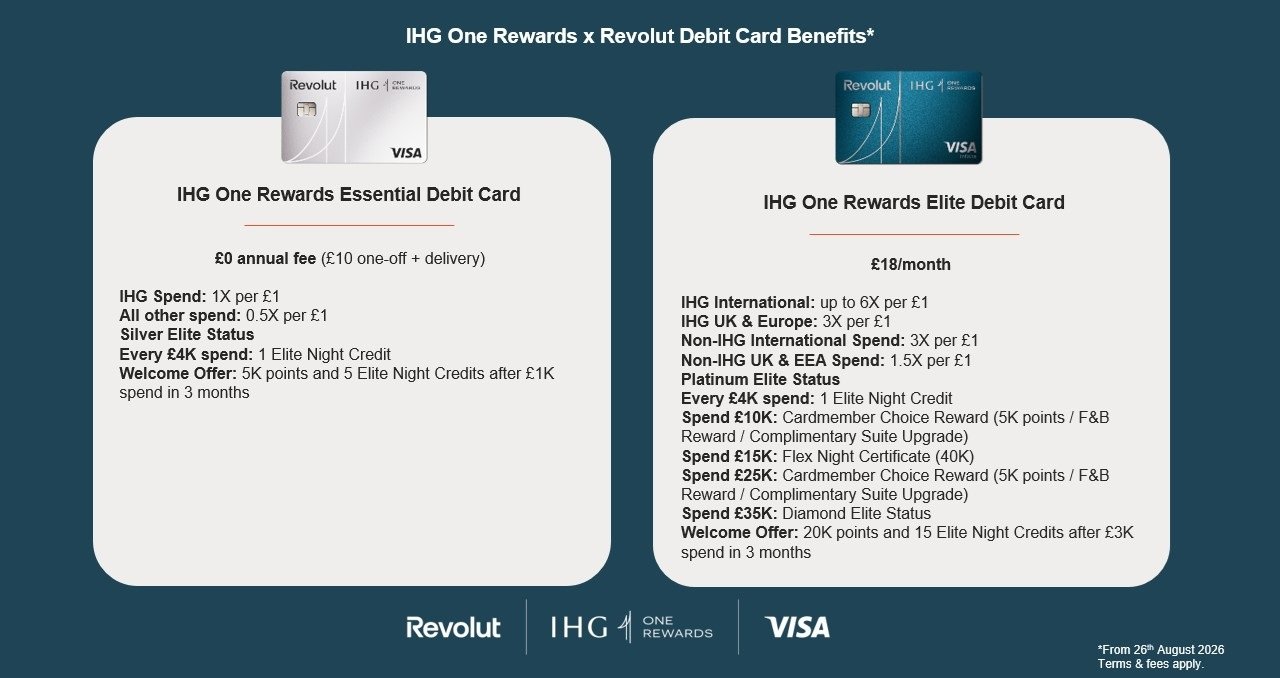
IHG x Revolut Elite: a monthly paid plan offering an elevated earning structure across IHG stays and everyday transactions:
- Automatic IHG One Rewards Platinum Elite status
- IHG One Rewards points earning - up to 6 points for every £1 spent at IHG hotels
- IHG One Rewards points earning – up to 3 points for every £1 of non-IHG spend internationally and up to 1.5 points for every £1 of non-IHG spend in the UK and Europe
- 15 Elite Night Credits to support faster progression through the loyalty programme
- Bonus offers include one elite night credit for every £4,000 of total spend and more exclusive offers and rewards from food and beverage rewards to flex-night certificates3
- With a monthly fee of £18, customers also automatically achieve Diamond Elite status (the highest tier of IHG One Rewards) after £35,000 annual total expenditure
To celebrate the launch of the two cards, customers who sign up before 25 August 2026 will receive increased earning potential. IHG x Revolut Essential customers will receive 5000 bonus IHG One Rewards points and an additional 5000 points if they spend £1000 in the first three months. IHG x Revolut Elite customers will receive a welcome 20,000 welcome bonus IHG One Rewards points when they sign up and an additional 10,000 bonus points if they spend £3000 in three months, with the ability to earn up to nine points for every £1 spent at IHG hotels in select markets4 for a limited time.
IHG One Rewards and Revolut cardholders will also be able to take advantage of the benefits Revolut already offers its customers, such as fee-free spending overseas, low-cost international fees, and the ability to spend in 150+ currencies worldwide. Members can also choose to upgrade to additional paid tiers, further enhancing a range of benefits.
Paul Proctor, SVP, Global Loyalty & Partnerships, IHG Hotels & Resorts, said:
"This is a first for IHG in the UK – and a game-changer for our members. By bringing together IHG One Rewards, Revolut, and Visa, we're giving our members more ways to earn IHG rewards from every card tap, whether that's their morning coffee or their next hotel stay. It means reaching elite status faster and unlocking more of what they love. With 21 brands globally and Revolut's borderless financial platform, we're building a smarter, more rewarding journey for today's globally minded traveller."
Tara Massoudi, General Manager, Premium at Revolut said:
“At Revolut, we are always looking to provide tailored financial experiences that bring maximum value to everyday spend. This partnership will make it effortless for IHG One Rewards members to turn ordinary taps of their card into premium hotel perks, elite status, and unforgettable stays, all powered by Revolut.”
Rob Cameron, Group Country Manager UK & Ireland at Visa added: “Consumers increasingly want their everyday spending to deliver greater value, and this partnership between IHG Hotels & Resorts, Revolut and Visa does exactly that. By combining seamless digital payments with compelling loyalty rewards, we're making it easier for people to turn daily purchases into meaningful travel experiences. Together, we're bringing more choice, convenience and value to consumers while showcasing how innovative partnerships can unlock new benefits at every payment touchpoint."
The IHG One Rewards x Revolut debit cards provide consumers with an effortless way to earn and redeem rewards, transforming spend into memorable travel experiences while enhancing stays with IHG. Customers can sign up for the IHG One Rewards x Revolut debit cards from 30th June 2026 here.
1 63% of UK loyalty scheme members prefer instant rewards over traditional long-term ones. Mintel UK Loyalty in Travel Consumer Report 2026.
2 IHG One Rewards Elite Nights are the building blocks in the IHG One Rewards programme to secure higher tier Elite status and valuable Milestone Rewards.
3 A Flex-Night Certificate can be earned after £15,000 annual spend on the IHG One Rewards x Revolut Elite debit card, this benefit offers one standard room night (up to 40,000 points), with the option to top up using additional IHG One Rewards points. Valid for 12 months from issuance.
4 Markets include: USA, UAE, KSA, Japan, Canada, Singapore, Thailand
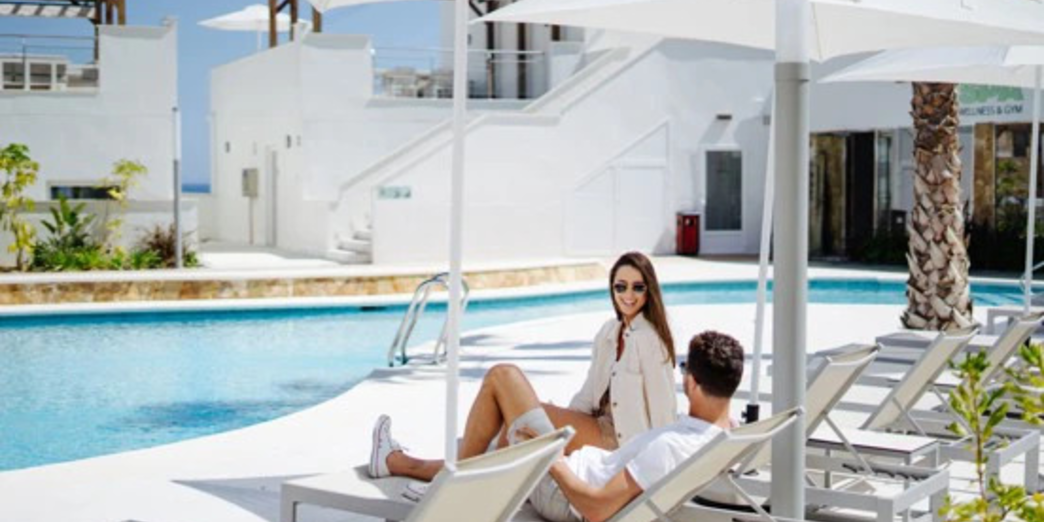
BEYOND THE ROOM RATE: WHY RESORT REVENUE STRATEGY MUST BE BUILT AROUND THE WHOLE GUEST STAY
By Michael McCartan, VP of EMEA at IDeaS Revenue Solutions
Most resorts do not think about demand in purely nightly or room-centric terms. Length of stay, arrival patterns, board basis, ancillary spend and guest composition all shape the commercial performance of the business in ways that traditional room revenue-based thinking often fails to capture.
A family arriving for a seven-night all-inclusive stay during the school holidays has a different commercial value from a couple booking three nights on a room-only basis outside peak season. The first may contribute stronger total revenue across accommodation, premium services and ancillary spend, while also carrying materially higher servicing costs. The second may produce a stronger profit margin despite a lower total spend. While room rate metrics remain important, they are insufficient on their own to explain guest value or business profitability in resort environments.
This is why per-person pricing and dynamic supplements combined with a broader view of guests’ total revenue potential have become central to effective resort revenue strategy. The commercial question extends beyond the nightly rate and requires a clearer understanding of total guest value across the stay.
Achieving this requires a more structured approach to how resort demand is analysed and managed.
The Complexity of Resort Pricing
There’s no shortage of complicating factors influencing a resort revenue strategy. Resorts need to understand how different guest types behave: what they consume, when they travel, how long they stay and which channels they use. In many cases, this complexity is further shaped by the inventory allocated to wholesalers and tour operators under contracted allotments, which sit alongside transient demand and often operate under fixed or semi‑fixed pricing structures.
Board supplements can’t always remain static across the year. The value of half-board or all-inclusive may vary significantly between peak and off-peak periods. The same applies to child pricing, additional adult charges, spa packages, experiences and other ancillary elements, which are often disconnected from core pricing decisions.
In practice, many resorts are not yet equipped to manage this complexity with ease. Pricing is still frequently constructed in spreadsheets and then transferred manually into operational systems. Some PMS platforms support per-room pricing but struggle with per-person logic. Others offer limited flexibility around age-based pricing, supplements or linked rate structures. As a result, commercial teams rely on workarounds that restrict their ability to respond to demand in a timely,consistent and scalable way.
It is still common to see commercial teams manually managing child supplements, occupancy thresholds and board upgrades across multiple systems simultaneously. A single pricing change may require updates in the PMS, CRS, channel manager and tour operator extranets separately, increasing both workload and the risk of inconsistency.
Length of Stay and Arrival Patterns
Resort demand is heavily influenced by seasonality, school holidays, flight availability and local events. Arrival patterns and length-of-stay restrictions also play a central role. A seven-night stay arriving on a peak weekend may carry a different strategic value from a shorter midweek stay, even if the nightly rate appears comparable.
For instance, accepting a discounted seven-night arrival that occupies inventory across an entire peak holiday period may prevent the resort from accommodating shorter higher-rated stays later in the week. The nightly rate alone does not fully reflect the displacement cost involved.
Distribution and Segmentation Challenges
Distribution decisions add a further layer of complexity. Resorts often balance transient demand with contracted wholesale business, each with its own characteristics and commercial implications.
Tour operator business remains an important part of the resort landscape, and for many properties it continues to provide scale and base demand.
The more pressing consideration is how effectively that business is understood and managed. Where tour operator allotments are handled offline or visibility is limited, it becomes difficult to assess how inventory is being consumed or whether contracted demand is displacing higher-value opportunities from other segments.
Improved forecasting and clearer visibility allow resorts to take a more deliberate approach. They can evaluate when to accept, restrict or release inventory with greater confidence, and manage partner relationships with a clearer view of commercial outcomes. This tends to support stronger, more sustainable partnerships over time.
A related challenge lies in how demand is segmented.
In many resort environments, market segments remain broadly defined, with limited distinction between static contracts, dynamic wholesale, free sale, groups and transient demand. This lack of granularity limits forecasting precision and reduces the ability to make confident commercial decisions
A wholesale dynamic package booking may behave very differently from a traditional static tour operator contract, yet both are often grouped into the same segment category. This reduces forecasting precision and obscures what is truly driving profitability.
Clean segmentation and structured data are fundamental to effective resort revenue management. Without a clear understanding of how different demand streams behave, forecasting accuracy deteriorates and pricing decisions become increasingly reactive rather than strategic.
Technology Alone Is Not Enough
Technology can play a meaningful role in addressing these challenges. Advanced revenue management solutions allow resorts to move beyond room-based optimisation and towards a more complete understanding of guest value. They can forecast demand by arrival date and length of stay, support more dynamic pricing structures and provide clearer insight into business mix, displacement and profitability across the stay.
At the same time, technology alone will not resolve underlying structural issues.
Resorts must also examine how their commercial frameworks are designed. This includes how rates are constructed, how supplements are applied, how segments are defined and how key systems interact. In many cases, meaningful progress depends on addressing organisational habits and establishing clearer decision-making processes alongside any system implementation.
The resorts that take this broader view are better positioned to respond to demand volatility and capture the full value of that demand. They can price with greater accuracy, manage inventory with more control and make more informed decisions about the business they accept.
Increasingly, the most commercially sophisticated resorts are moving away from evaluating success purely through occupancy or ADR performance. Instead, they are focusing on total guest value and the broader commercial contribution of demand across the entire stay experience.
Ultimately, this requires a shift in perspective.
For resorts, the guest stay is the product. The room is only one part of it.
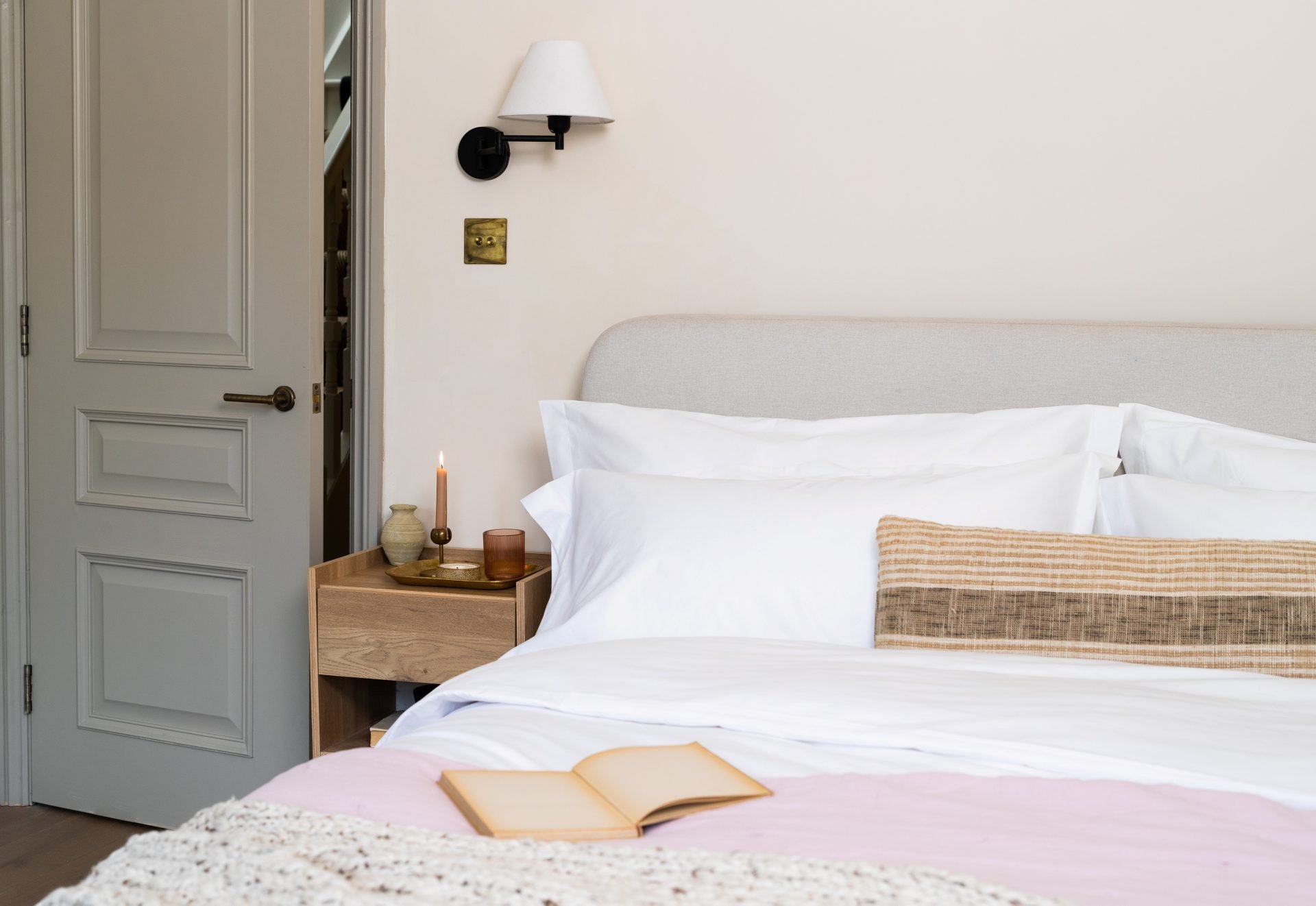
BEYOND THE ‘STAYCATION’ BRITS DITCH FOREIGN TRAVEL FOR ‘MICRO LUXURIES’
A quarter of Londoners have booked a hotel break just to catch up on sleep
As many Brits opt for a staycation summer, new research by Tradelinens suggests the growth opportunity for UK hospitality extends well beyond the traditional domestic break.
According to Tradelinens’ research, the brand behind the linen in some of the world’s most famous five-star hotels, over a third of Brits (35%) are reducing spending on overseas holidays this year. The aspirational two-week luxury holiday is now being challenged by a new appetite for habitual, “micro-luxury” experiences that can be enjoyed more regularly than a one-off holiday.
The rise of the sleepcation – the ultimate ‘micro luxury’
This shift is already showing up in how people use hotels, with almost a quarter of Londoners (22%) saying they have booked a stay purely to catch up on sleep, compared with a national average of one in ten (11%). The sleepcation is also more prevalent amongst millennials, with 18% of 35 – 44-year-olds having booked one, against just 4% of over 55s.
Catherine Morris, managing director at Tradelinens, who reports a positive commercial outlook from many of her luxury hotel clients, particularly in the boutique sector, commented: “Rather than treating hotels simply as a base for sightseeing or special occasions, guests are increasingly using short stays as a way to reset, recover and prioritise wellbeing.
“As consumers look for smaller, more frequent moments of luxury, the quality of the bedroom is becoming a more important commercial differentiator. For boutique and luxury operators in particular, sleep-led stays offer a way to meet demand for restorative UK breaks that feel indulgent, accessible and repeatable.”
All year round ‘micro luxuries’
For UK businesses, this shift presents a timely opportunity to capture spend from consumers who still value luxury but are choosing smaller, more regular experiences closer to home and that fit within their household budget. The research shows that those cutting back on overseas travel are redirecting their budgets towards:
- An affordable UK mini break (28%)
- Meals out at casual dining restaurants (22%)
- Meals out at luxury restaurants (15%)
- A luxury UK mini break (13%)
- Taking up a new hobby (9%)
- Wellness experiences such as spa days and personal training (8%)
Tradelinens believes the findings should be a clear signal to hospitality as a whole that consumers are not rejecting luxury, they are redefining where and how they experience it.
Catherine Morris added:
“For UK hospitality, there is a real opportunity to show that luxury does not have to mean distance or extravagance. By focusing on exceptional comfort, memorable details and high-quality rest, hotels can give guests the sense of escape they are looking for while keeping that spend within the UK market.”
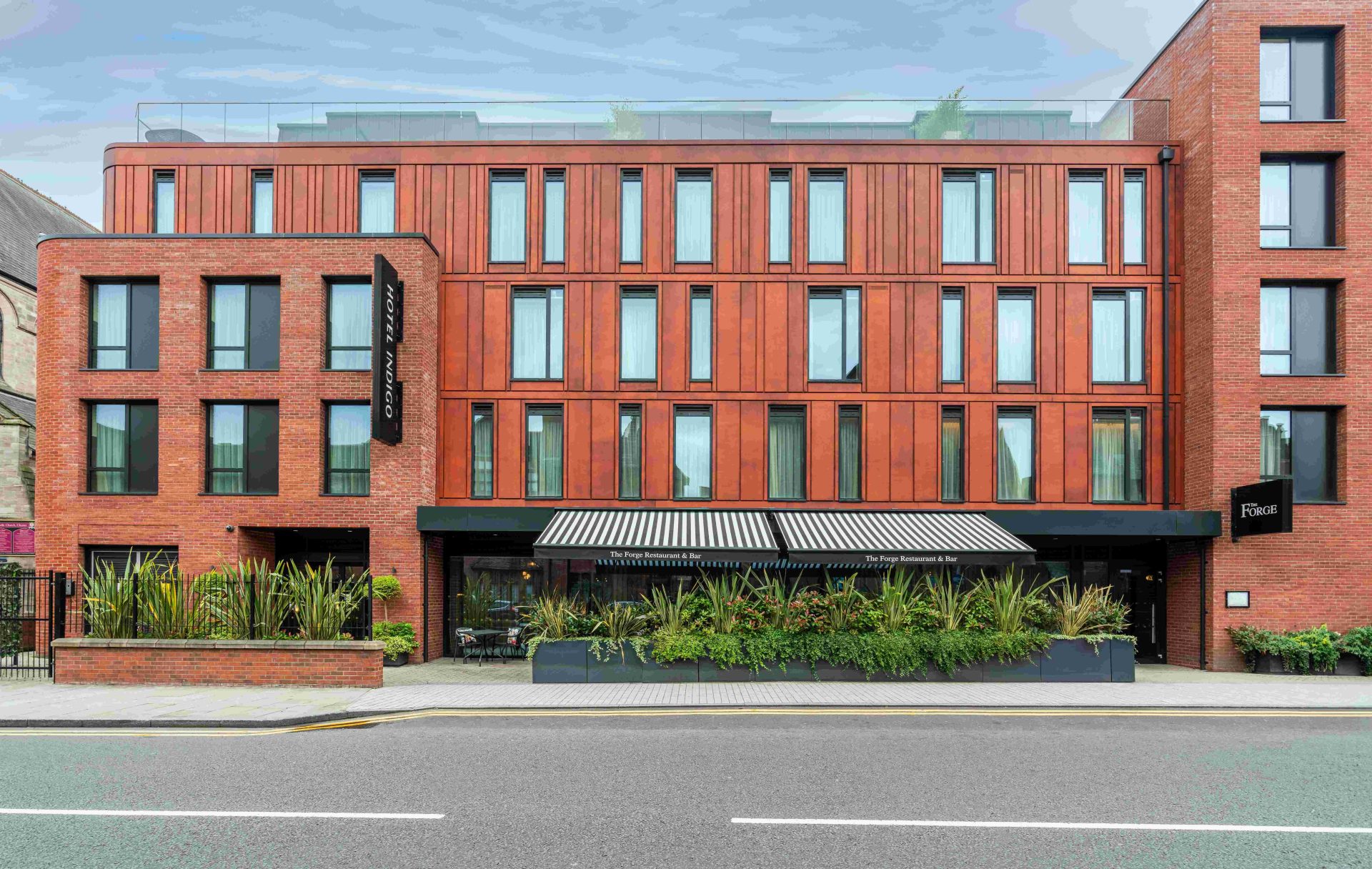
HOTEL INDIGO CHESTER – THE IDEAL PLACE TO STAY FOR CHESTER RACES!
Hotel Indigo Chester offers the ideal place to stay for visitors wanting to enjoy the races at Chester Races. Designed to reflect the city’s famous architecture and the oldest racecourse in the UK, the contemporary boutique hotel is just over 0.5 miles on foot or 1 mile’s drive to the racecourse. The hotel is also just a 2-minute walk to the shops, 1 minutes’ walk from the public car park and just 8 minutes’ walk from the train station.
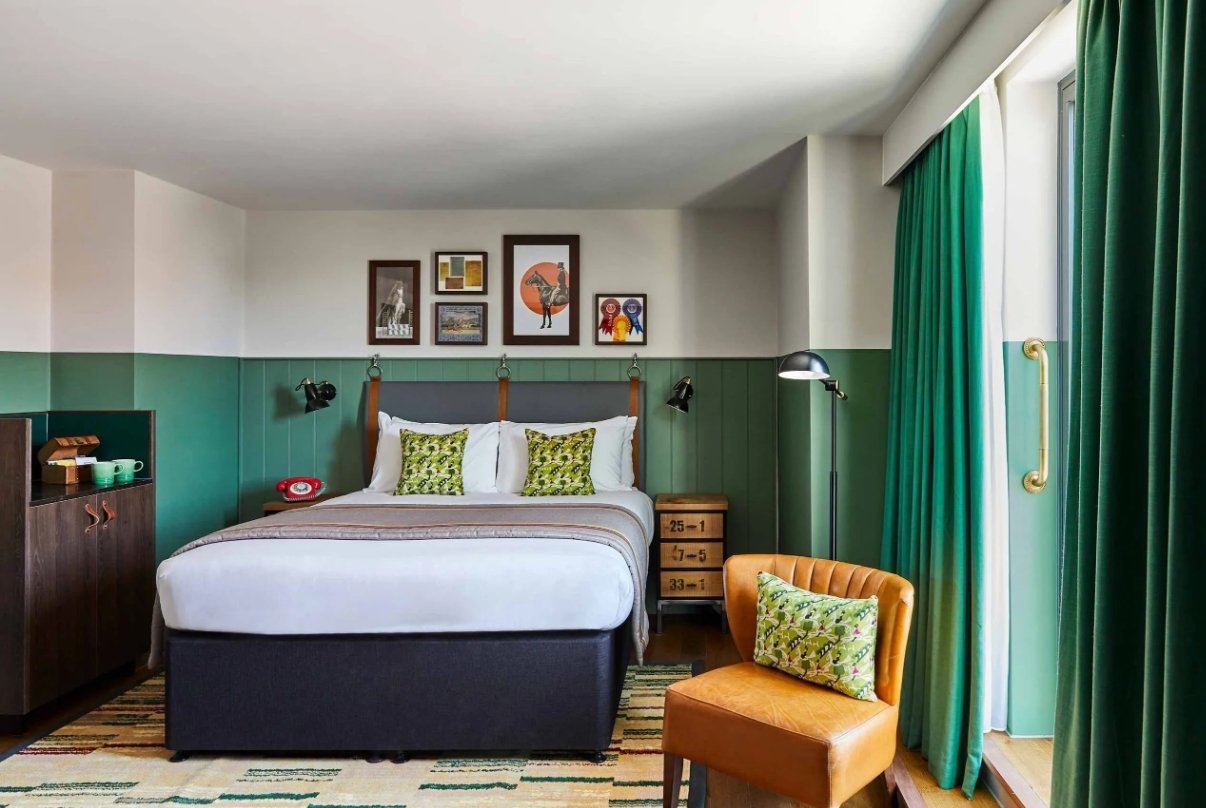
The hotel offers a range of standard and deluxe themed race-rooms, along with suites with balconies. The 75 guest rooms are equipped with Hypnos beds, luxury Egyptian linen, spa-inspired bathrooms with premium toiletries by Muddy & Wild, Nespresso coffee machines, air-conditioning, high-speed Wi-Fi and a 46” flat screen TV.
On site is ‘The Forge’ which has 2 AA Rosettes and is renowned as one of the best restaurants in the city. The 70-seater restaurant has a passion for British food, with an emphasis on wild produce and sustainability. The open kitchen cooks over wood and charcoal, using wild and locally reared meat, that is all aged on the premises. There is also a private dining room for an exclusive experience which can accommodate up to 12 people. The hotel also offers a full 24-hour room service, with full menu.
Established in 1539, Chester is the world’s oldest operational racecourse. Some of the most historic races are held at Chester including the Chester Cup, the Chester Vase, the Ormonde Stakes, the Cheshire Oaks and the Dee Stakes. A racecourse not only steeped in history but also renowned for its style, class and of course, inimitable racetrack. Chester runs 15 fixtures each season between May to October. Entry starts from just £10 per person on the Open Course and children aged 17 and under can attend free of charge.
Hotel Indigo Chester offers Bed and Breakfast rates for the races starting at £229. In-room race day packages with a bottle of prosecco and bucket of beers cost £65.
Scott Randall, General Manager of Hotel Indigo Chester said: “Make your Chester Races experience unforgettable by staying the night at Hotel Indigo Chester, conveniently located close by to the racecourse. After a day’s races, relax at ’The Forge’ and enjoy a first-class dining experience with great value food and amazing service. Then, retire to one of our luxurious guest rooms and wake up restored, with a continental or full English breakfast to set you up for the journey home”.
For more information about Hotel Indigo Chester please visit https://chester.hotelindigo.com/
For more information about Chester Races please visit: www.chester-races.com
MARRIOTT HOTELS INTRODUCES DAY USE ROOMS AS DEMAND GROWS FOR FLEXIBLE, PRIVATE SPACES IN LONDON
- Selected London Marriott hotels offer daytime room access for working, resting and recharging, helping meet changing guest needs while unlocking new revenue opportunities for hotels
- New package particularly relevant to help guests looking to cool off in periods of extreme heat in the city
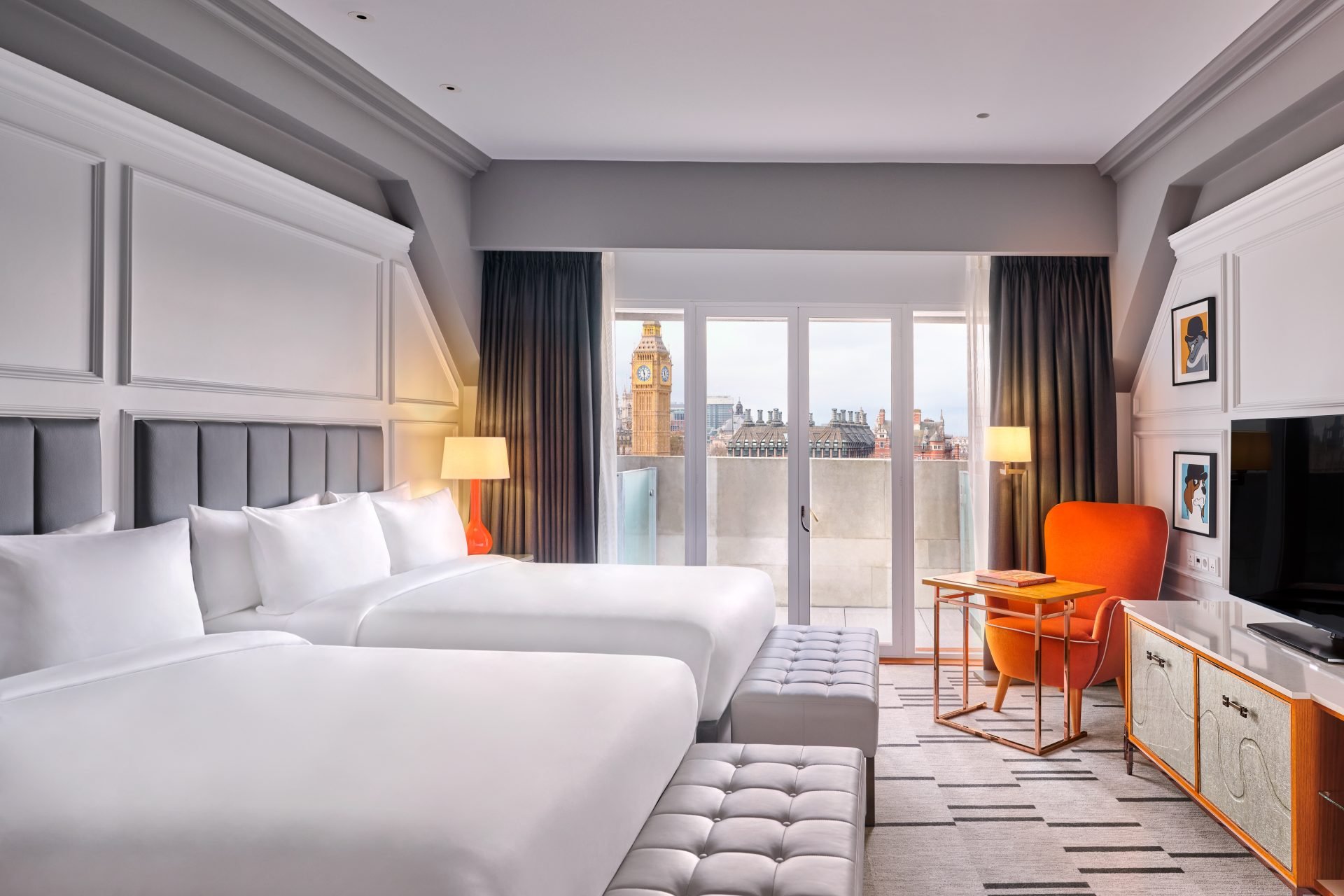
Selected Marriott properties in London have introduced day use rooms, giving guests access to a hotel room during the day without booking an overnight stay.
The offer responds to the changing ways people are using the city, from hybrid workers and commuters looking for a quiet place between meetings, to business travellers and visitors needing space to work, rest, change or pause before their next plan.
For hotels, day use rooms also create an opportunity to make better use of daytime inventory, driving incremental revenue beyond the traditional overnight model while reaching new guest segments.
With warmer weather increasing demand for cool, quiet indoor spaces away from crowded cafés, stations and public areas, the offer provides access to a guest room, desk space, Wi-Fi and private bathroom in key London locations.
Anne Legrand, Area General Manager for Central London Hotels and General Manager for London Marriott County Hall said:
“Hotels have always been part of how people experience London, but the way guests use them is changing. The need is not always a full overnight stay; sometimes it is a few hours of privacy, a reliable place to work, or a calm space between commitments. Our London Day Use Rooms offer recognises that shift, supporting guests during the day while making better use of the spaces we already have.”
Participating hotels include:
- London Marriott Hotel County Hall: A landmark riverside hotel on London’s South Bank, moments from Westminster Bridge, Big Ben, the Houses of Parliament and the London Eye.
- London Marriott Hotel Kensington: A well-connected West London hotel close to Gloucester Road, Earl’s Court, South Kensington, Kensington High Street and Olympia London.
- London Marriott Hotel Maida Vale: A quieter North West London option close to Maida Vale, Kilburn and St John’s Wood.
- London Marriott Hotel Marble Arch: A newly refurbished central London hotel near Oxford Street, Hyde Park, Marylebone and Paddington.
- London Marriott Hotel Regent’s Park: A North London hotel close to Regent’s Park, Primrose Hill, Camden and St John’s Wood.
Offer is available using promotional code ZDY. Same-day check-in and check-out are required.
HYDE & SEEK, LONDON HYDE PARK, A TRIBUTE PORTFOLIO HOTEL APPOINTS PAUL DAVIES AS GENERAL MANAGER AHEAD OF SEPTEMBER OPENING
Paul Davies joins Bayswater-based property ahead of opening

Hyde & Seek, London Hyde Park, a Tribute Portfolio Hotel, is delighted to announce the appointment of Paul Davies as General Manager ahead of its highly anticipated opening in September 2026.
With more than 38 years of hospitality experience, including a distinguished career with Marriott International, Davies brings a wealth of knowledge and a proven track record of delivering guest-centric results. He joins Hyde & Seek following a career that has seen him lead more than 15 hotels across the UK and Ireland.
In his new role, he will oversee the hotel's pre-opening phase, launch strategy and then ongoing hotel operations, establishing Hyde & Seek as one of London's most exciting new hospitality destinations.
Most recently, Davies served as Cluster General Manager for Marriott International, overseeing eight hotels across South West England and Wales with combined annual revenues exceeding £80 million and a team of more than 800 associates.
Throughout his career, Davies has built a reputation for transformational leadership, operational excellence, and people development. He believes the General Manager should be the face and heartbeat of the hotel and a figure the local market and community get to know. This commitment to community extends beyond hospitality. Davies joins Hyde & Seek following a career break during which he supported Oxfam's charitable initiatives.
At Hyde & Seek, Davies will focus on building a team culture centred around the hotel's values of being real, staying curious, showing kindness and creating joy through thoughtful everyday moments. His vision is to create a workplace where team members feel empowered to bring warmth, personality and genuine hospitality to every guest interaction.
His career achievements include being named Marriott EMEA General Manager of the Year (2016), receiving the Global Sales Leadership Award for a General Manager, the Global ‘Spirit to Serve’ Our Communities Award, and multiple Mustang Awards recognising taskforce leadership.
Commenting on his appointment, Paul Davies said:
"I'm delighted to be joining Hyde & Seek, London Hyde Park, a Tribute Portfolio Hotel and leading the hotel through its opening and beyond. The property has a distinctive identity, combining a bohemian spirit with a genuine sense of place, curiosity and connection. We want every guest to feel part of something special from the moment they arrive, creating experiences that feel less like a hotel stay and more like becoming part of a living story. I look forward to establishing Hyde & Seek as one of London's most inviting new hideaways for both visitors and Londoners alike."
Davies' appointment marks a significant milestone in the hotel's opening journey as Hyde & Seek, London Hyde Park, a Tribute Portfolio Hotel prepares to welcome its first guests. Designed as a tranquil urban escape where curiosity, connection and community come together, the hotel aims to become one of London's most inviting hideaways.
Owned by Immersive Hospitality Management (IHM), and joining Marriott Bonvoy’s Tribute Portfolio, Hyde & Seek is set to open in September 2026, following the completion of IHM’s £42 million transformation of the former Corus Hotel Hyde Park into a vibrant new upscale lifestyle hotel.
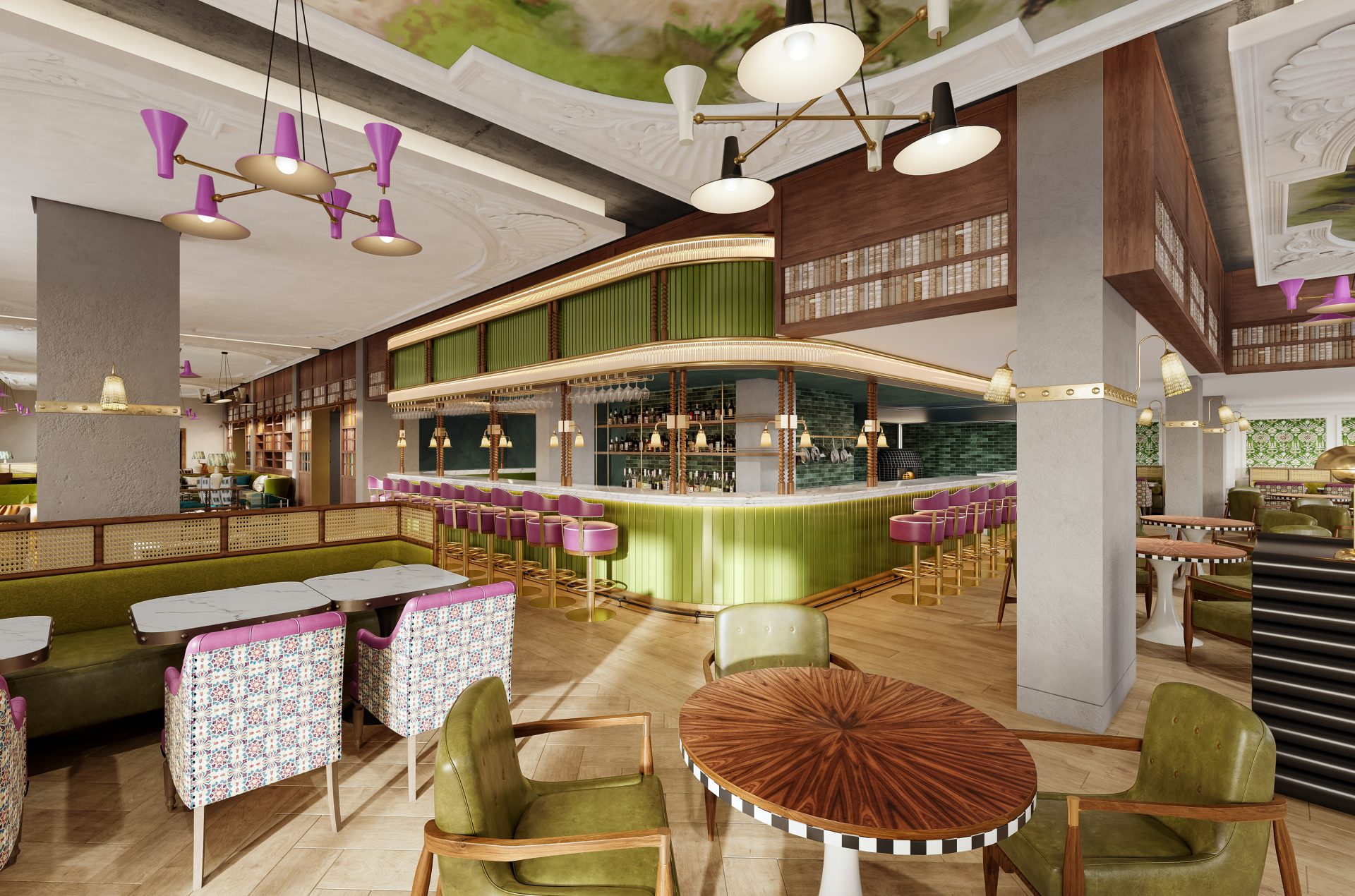
Located at 1 Lancaster Gate, Hyde & Seek is a 309-room hotel offering guests a tranquil urban escape just steps from Hyde Park. Facilities include two distinctive food and beverage concepts, flexible meeting and event spaces, a state-of-the-art gym and studio, and thoughtfully designed guest rooms inspired by the creativity and individuality of Bayswater and its surrounding neighbourhoods.

HIDDEN OPERATIONAL COSTS ARE PUSHING HOSPITALITY BUSINESSES TO BREAKING POINT, NEW RESEARCH REVEALS
- New data reveals scale of silent operational damage
- 82% of hospitality businesses are losing valuable service time to water and limescale issues, while seven in ten say unreliable equipment directly costs them staff
- More than half (57%) also warn that a single episode of unplanned downtime can damage their long-term reputation
Operational costs, including energy, emergency repair bills and limescale-related disruption, are placing growing pressure on hospitality businesses, with more than half identifying them as a major threat to long-term survival.
The research data*, conducted by BRITA Professional, a global leader in water filtration solutions, interviewed hospitality leaders and decision makers across the UK to understand key operational pain points and long-term priorities for business growth. All of these findings come against a backdrop of mounting financial pressure across the sector, including the National Living Wage increase back in April, looming business rates pressures and more than 3,300 insolvencies recorded last year.
This changing operational landscape is also reshaping priorities across the sector, with two-thirds saying back-of-house efficiency now matters more than marketing or décor.
The report also revealed that six in ten hospitality leaders are focused on finding “invisible efficiencies” that quietly keep operations running, including smarter energy management, water quality monitoring and preventative maintenance. Water quality and filtration are increasingly central to that approach, with two thirds saying they are critical to long-term success.
Yet awareness alone is not enough, and disruption remains widespread across the sector. That gap between knowing and doing is where smarter filtration technology is becoming increasingly important. Intelligent systems such as the BRITA PURITY C iQ, are designed to remove the guesswork from water quality management, helping operators monitor performance continuously, reduce preventable equipment issues and avoid costly downtime before it impacts service.
Samantha Scoles, Sales Director and Water Sommelier at BRITA Professional, commented: "What makes this research so alarming is that on top of everything operators can see coming, there is a whole other category of damage happening silently in the background. This includes limescale build-up, water quality issues and equipment failures that can strike at the worst possible moment. Two thirds of leaders already know water quality is critical to their survival, yet the disruption continues. That gap between knowing and doing is costing businesses dearly, and it is where smarter filtration technology can make a real difference.”