

For a profession responsible for some of the largest teams, biggest labour budgets and most direct touchpoints with guests, housekeeping remains remarkably absent from many conversations about hotel leadership.
Yet as labour costs rise, talent shortages persist and guest expectations continue to evolve, the function is becoming increasingly central to operational performance.
Those themes dominated discussion at Act-Clean’s recent Bringing Back the Sparkle: Let’s Talk Housekeeping event at Hotel Café Royal on June 23rd, where senior housekeeping and hotel leaders gathered to discuss the challenges and opportunities shaping the profession.
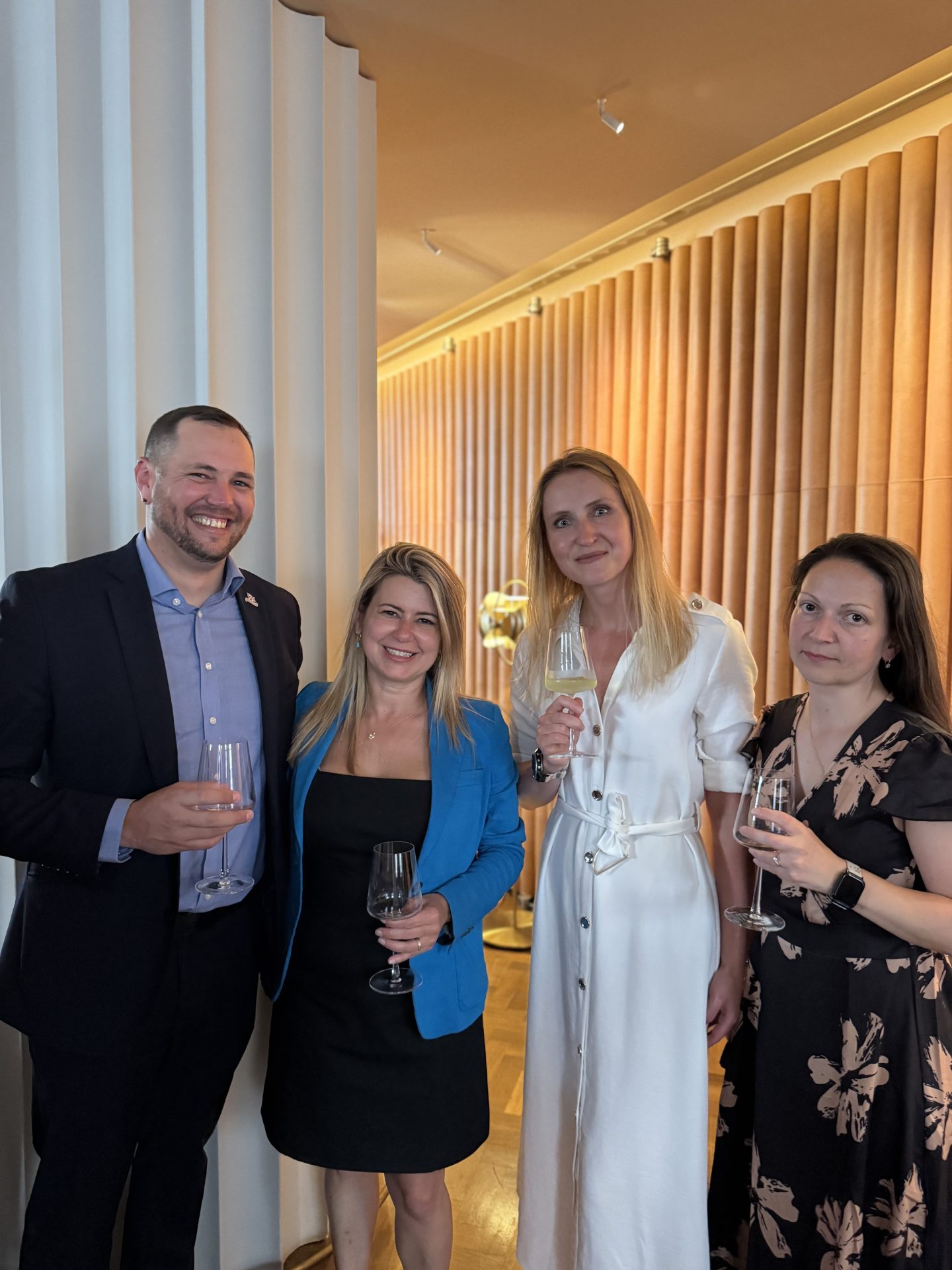
Hosted by hospitality commentator Peter Hancock, the panel brought together Miriam Varoli, General Manager of Andaz London Liverpool Street; Jenny Moussi, Senior Director of Housekeeping at Four Seasons; Fernanda Lewis, Executive Head Housekeeper at The Goring; and Natalie McNally, Director of Housekeeping at The Chancery Rosewood.
Whilst the discussion ranged from artificial intelligence and labour shortages to supplier partnerships and career development, several clear themes emerged: housekeeping leaders are taking on increasingly strategic responsibilities, that the battle for talent is far from over, and the profession continues to seek the recognition it warrants.
Housekeeping’s Expanding Remit
One of the clearest things to emerge from the discussion was the growing complexity of housekeeping leadership.
The profession has traditionally been viewed through the lens of cleanliness and standards, but the reality described by panellists was considerably broader. Today’s Executive Housekeepers are expected to manage large-scale recruitment, oversee wellbeing initiatives, navigate financial pressures, support employee relations and contribute to wider operational decision-making.
“I’m not just Housekeeping,” said Jenny Moussi, Senior Director of Housekeeping at Four Seasons. “Now I’m also people and culture, director of finance, guest relations, guest services, psychologist, therapist, social worker and comedian.”
The audience laughed, but the point really resonated. As hotels continue to operate with leaner structures and heightened expectations, responsibilities that once sat elsewhere in an organisation increasingly find their way into housekeeping teams.
For many operators, the department represents the largest workforce within a property, placing its leaders at the centre of conversations around culture, retention and service delivery.
A Profession Seeking a Stronger Voice
The question of recognition surfaced repeatedly throughout the evening.
Few departments have as much influence over the guest experience as housekeeping. Yet several panellists argued that its contribution is still too often framed as a cost rather than a value driver.
“Chefs are very good at fighting and getting all they need,” observed Fernanda Lewis, Executive Head Housekeeper at The Goring. “Chefs are considered very glamorous figures. Why not housekeepers?”
The comment drew knowing smiles from around the room. While culinary talent has become increasingly celebrated over the past two decades, housekeeping leadership has often remained less visible despite overseeing some of the largest teams and budgets within a hotel.
For Lewis, the challenge is not simply about recognition but representation. As operators navigate rising employment costs and productivity pressures, she argued that housekeeping leaders must continue making the case for investment in their people, ensuring service standards are not sacrificed in pursuit of short-term savings.
Miriam Varoli, whose own career began as a chambermaid at The Ritz before progressing to General Manager level, echoed the sentiment.
“Housekeepers don’t just make beds and clean toilets,” said Miriam Varoli, General Manager of Andaz London Liverpool Street. “Housekeeping affects ownership, colleagues and guests.”
Her argument was simple: housekeeping influences every major stakeholder within a hotel. It impacts profitability through labour and operational costs, employee engagement through the management of large teams, and guest satisfaction through standards, consistency and personalisation.
The Talent Challenge Continues
If there was one issue that united every panellist, it was in the fight to find good people.
Despite improvements in retention at some properties, attracting new talent into the profession remains a significant concern. Several on the panel reflected on the need to challenge outdated perceptions of housekeeping and create clearer pathways into leadership.
“We need more young people wanting to become Directors of Housekeeping,” said Natalie McNally, Director of Housekeeping at The Chancery Rosewood.
The discussion also highlighted the growing importance of colleague wellbeing. Operators are increasingly recognising that retention depends not only on pay and benefits, but on culture, development opportunities and creating working environments where people can build long-term careers. Miriam highlighted their initiative which gave employees access to the hotel gym and a monthly massage.
For an industry still recovering from the workforce disruption caused by the pandemic, investing in people remains both a commercial and operational priority.
AI, Automation and the Human Factor
No discussion about the future of hospitality would be complete without addressing artificial intelligence.
Whilst there are clear potential benefits to AI in areas such as guest communications and administrative support, there was widespread agreement that housekeeping remains some distance from large-scale robotic automation.
Practical challenges persist, particularly within luxury hotels and heritage buildings where adaptability, judgement and attention to detail are essential. Particularly surrounding limitations of current robotic cleaning technologies, particularly in complex hotel environments where no two spaces, guests or situations are ever quite the same.
Rather than replacing people, the consensus was that technology is more likely to augment existing teams, helping improve efficiency while leaving the human aspects of hospitality firmly intact.
There’s a broader challenge facing the industry: balancing technological innovation with the ongoing need to attract people into hospitality careers. And now that so many industries are shrinking as AI replaces certain functionalities, there is a real opportunity for hospitality to absorb those job seekers.
What Hotel Operators Should Expect Over the Next 12 Months
- Housekeeping leaders will become more strategic
The role continues to expand beyond operational standards into recruitment, wellbeing, finance and business performance, giving housekeeping leaders greater influence across hotel operations.
- Retention will remain a priority
As labour pressures continue, operators will focus increasingly on employee wellbeing, development and engagement to retain experienced team members.
- Housekeeping will continue to push for greater recognition
There is growing momentum behind giving housekeeping a stronger voice at executive level, reflecting its impact on both guest experience and operational success.
- Technology will support, not replace, people
While AI and automation are gaining traction, the judgement, flexibility and attention to detail required in housekeeping remain difficult to replicate.
- Guest experience will be won behind the scenes
As personalisation becomes increasingly important, housekeeping teams will play an even greater role in shaping guest satisfaction, loyalty and overall hotel reputation.
Looking Ahead
The discussion at Hotel Café Royal reinforced a simple but important point: housekeeping is no longer a department operating quietly in the background.
It sits at the intersection of people, performance and guest experience, managing some of the largest teams and most significant operational challenges within a hotel.
As the profession continues to evolve, the question is no longer whether housekeeping deserves a seat at the table, but whether the industry can actually continue to afford not to give it one.
Act-Clean are proud to work with London’s finest hotels in front of house. Find out more at www.act-clean.com.