


DON'T OVER COMPLICATE IT
Hotels work hard to create wine lists that complement their food offering, suit their guest profile and deliver strong margins.
However, the success of any wine list depends on more than the wines themselves; the knowledge and confidence of the team serving them can make a significant difference.
It's something we see regularly when working with hospitality customers. A venue may invest time selecting the right wines, but if staff are unsure what’s on the list or how to talk about these wines, guests are less likely to move beyond their usual choice. In contrast, knowledgeable staff are far more comfortable making recommendations and introducing customers to something new.
When staff are confident in wine and understand a wine's story, flavour profile and food pairing potential, they're far more confident recommending it, which naturally increases customer spend per head.

Training doesn't have to be complicated and can fit into a hotel’s already busy schedule. Short tasting sessions before service, supplier-led training visits or introducing a few key wines at a time can all help build confidence without taking staff away from their day-to-day responsibilities. My top tip is to learn two wines at a time – know them inside out and feel confident talking about them. Then add a further two to your repertoire, and repeat.
The most effective training focuses on practical information that teams can immediately use with guests. Rather than memorising grape varieties or wine regions, staff benefit from understanding how a wine tastes, what dishes it pairs well with and why it has been selected for the list. Even better if staff can remember an anecdote about the wine, perhaps a note about the winemaker or the wine’s name – for example, our Don’t Tell Gary range always sparks conversation.
Training can also help hotels maximise the value of their wine programme. A recommendation from a knowledgeable member of staff often carries far more weight than a description on a wine list. Guests are looking for guidance, particularly when celebrating a special occasion or dining somewhere new, and a confident recommendation can enhance the overall experience.
Wine suppliers also have an important role to play. Alongside helping build a wine list that suits a hotel's style and customer base, suppliers should provide ongoing support and staff education. Consumer preferences continue to evolve, and regular training ensures teams stay up to date and engaged with the wines they're serving.
For more information about Lanchester Wines, please visit their website.

THE FUTURE OF FOODSERVICE
Labour challenges, evolving guest demands and smarter menus are reshaping hospitality. Jon Morley, Head of UK Foodservice Channel at Kellogg Company, discusses the trends driving change and what operators can expect next.
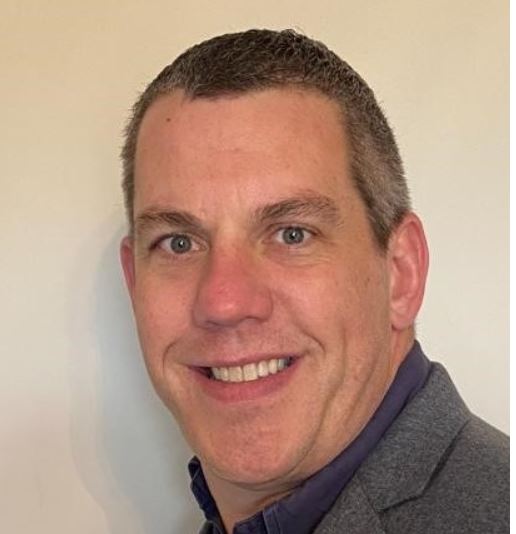 What major shifts do you expect to see in foodservice in hospitality over the next 3–5 years?
We’re already seeing menus get tighter, and that’s only going to continue. Fewer dishes, fewer ingredients, but each one working harder. At the same time, snacking and sharing will continue to grow, particularly around social occasions where food complements the drink rather than dominates it.
Another big shift is consistency. Guests expect the same experience whether they’re visiting one site or another, which puts pressure on operators to standardise without losing personality. And finally, premiumisation isn’t going away - but it has to feel earned. Quality, brand and format all need to justify the price.
How are guest expectations around convenience, health and premiumisation shaping your innovation pipeline?
Guests are a lot more discerning than they used to be. Convenience is expected, but not at the expense of quality. Health means different things to different people, but transparency and portion control matter. And premiumisation is about cues - texture, flavour, format and brand story - rather than just cost.
So, when we look at innovation, we ask a simple question: does this help an operator serve something guests feel good about choosing, without adding complexity behind the bar or in the kitchen?
What innovations are you bringing that reduce prep time or waste?
That’s a huge focus for us. Labour remains the biggest constraint in hospitality, so products need to be intuitive and forgiving. We’re investing heavily in formats that have long shelf life, minimal prep and clear portioning.
Frozen and ambient solutions are playing a bigger role, as are products that can be used across multiple occasions rather than sitting on a menu for one purpose. Reducing waste isn’t just about sustainability, it’s about margin, and operators feel that every day.
How do you support consistency across multi-site hotel groups?
Consistency is where strong partnerships really matter. Multi-site operators need confidence that what works in one venue will work in another, without constant retraining or adaptation.
We support that through standardised specifications, reliable nationwide supply and practical tools that help teams execute consistently. It’s not just about the product itself - it’s about how it’s communicated to guests. The easier we make that, the more value we add.
What should hotel managers and operators expect to see from you in the next 12–24 months?
They should expect us to stay very focused on licensed trade realities. More foodservice specific formats, more solutions designed around snacking and sharing, and more collaboration on how menus actually perform in real venues.
We’ll continue to invest in innovation, but equally in insight and support, helping operators understand which occasions are growing and how to unlock them profitably. It’s about being a partner, not just a supplier.
If you could solve one major pain point in hospitality foodservice overnight, what would it be?
Without hesitation, labour. If we can genuinely help operators do more with fewer people, without compromising guest experience, everything else becomes easier.
That’s why we focus so much on simplicity, consistency and flexible formats. If food can be easier to execute, easier to manage and easier to love, it takes some pressure off teams and lets operators focus on what they do best: hospitality.

TIME FOR A SHAKE UP?
Amber Blount, Managing Director at Human One Global shares five signs it's time to rethink your hotel's recruitment strategy.
Recruitment has changed dramatically over the past few years. Candidate expectations have evolved, competition for talent has intensified and the pace of hiring has become a critical factor in operational success. Yet many hotels continue to rely on the same recruitment strategies they used five or even ten years ago.
If any of these sound familiar, it may be time to rethink your approach.
You're constantly recruiting for the same roles
Every hotel experiences turnover, but repeatedly recruiting for the same positions is often a symptom of a wider issue. Whether it's unrealistic expectations, limited career development, salary positioning or cultural fit, treating recruitment as a cycle of replacement rather than retention can become both costly and disruptive. The right recruitment strategy should help reduce repeat hiring, not simply fill vacancies.

Your best managers are spending more time recruiting than leading
Department Heads and General Managers should be focused on developing their teams, driving guest satisfaction and delivering commercial results, not endlessly reviewing CVs and arranging interviews. If your leadership team is regularly pulled into recruitment administration, the hidden cost is lost productivity and less time spent where they add the greatest value.
Vacancies are affecting the guest experience
Guests may never know you're short-staffed, but they'll notice longer check-in times, delayed room readiness, slower service and stretched teams. Recruitment should never be viewed solely as an HR function - it is an operational priority that directly influences guest satisfaction, online reviews and repeat business.
You're reacting to vacancies instead of planning ahead
The strongest hotels don't wait until someone resigns before thinking about recruitment. They build talent pipelines, maintain relationships with exceptional candidates and understand where future skills gaps are likely to emerge. A proactive recruitment strategy reduces hiring times, improves candidate quality and provides far greater resilience during periods of growth or unexpected turnover.
You're measuring recruitment by cost rather than value
The cheapest recruitment solution is rarely the most cost-effective. A role left vacant for weeks, a rushed hiring decision or a poor cultural fit can cost significantly more than investing in the right recruitment partner. The focus should be on quality of hire, speed to hire, retention and long-term business impact, not simply the initial recruitment fee.
The hotels that consistently outperform their competitors don't just recruit when they have a vacancy, they treat hiring as an investment in the future of the business. Getting the right people into the right roles strengthens teams, improves the guest experience and ultimately drives better commercial results. Persistent burnout and understaffing only reinforce why getting recruitment right matters, and increasingly hotels are exploring how AI can help ease the staffing strain. If your recruitment strategy isn't helping you achieve those outcomes, it may be time to rethink it. For more information visit Human One Global.

A HOTEL ROOM THAT THINKS AHEAD
As hotels navigate rising costs and evolving guest expectations, AI is emerging as a quiet but powerful ally. This editorial explores how intelligent climate control is helping operators deliver consistent comfort, improve energy efficiency, and unlock new levels of operational insight, without compromising the human touch at the heart of hospitality.
In hospitality, the best service often goes unnoticed. Guests rarely think about what happens behind the scenes, or about the technology that helps make their stay comfortable, seamless, and stress-free.
Traditionally, it has been people who create those memorable guest experiences. But a new kind of team member is beginning to play a supporting role.
Artificial intelligence is quietly helping hotels balance guest expectations with operational realities. At times of rising energy costs, increasing sustainability demands, and growing pressure on resources, AI-powered systems can help operators deliver exceptional comfort while reducing unnecessary energy use.

Making Smarter Decisions, Room by Room
Across the hospitality sector, operators are under pressure to reduce costs, meet ESG commitments, and deliver consistently high guest experiences. Yet guest-room climate control remains one of the most persistent operational challenges. Temperatures that are too warm, too cold, or slow to respond are among the most common sources of guest dissatisfaction. At the same time, heating and cooling account for 40% to 60% of hotel energy consumption.
The problem is that traditional thermostats only react to commands. They respond when a guest adjusts the temperature but have little understanding of how a room is actually being used or how conditions are changing throughout the day. AI-powered energy management systems, such as Verdant by Copeland operate differently.
Rather than simply following a fixed schedule, these systems continuously analyze occupancy patterns, room performance, outdoor conditions, and historical data to make smarter decisions. The result is a guest room that feels more responsive, maintaining comfort when it matters most while reducing unnecessary energy use when rooms are unoccupied.
This shift represents an important evolution for hospitality. Instead of forcing operators to choose between guest satisfaction and efficiency, intelligent automation helps deliver both simultaneously.
Moving from reactive to predictive comfort
One of the biggest advantages of AI is its ability to anticipate rather than react. Consider a room that has been vacant for several hours. A conventional system may only begin adjusting the temperature when a guest enters the room. An intelligent system can recognize likely occupancy patterns and ensure the room reaches a comfortable temperature at the right time, creating a seamless arrival experience without wasting energy throughout the day.
Beyond occupancy, AI can identify rooms that consistently struggle to reach target temperatures or require longer heating and cooling cycles than expected. This insight allows operators to spot inefficiencies and investigate potential issues before they begin affecting guest comfort.
The outcome is not only greater energy efficiency but more consistent experience across every room in the property.
The Personal Touch, Powered by Technology
Guest expectations are also evolving. Travelers increasingly expect experiences that feel tailored to their preferences, whether through digital check-in, customizations, and room controls.
AI-driven climate management supports this trend by helping create more comfortable environments without requiring constant manual adjustments. Over time, intelligent systems can learn how rooms perform under different conditions and optimize settings automatically.
Guests may never notice the technology working behind the scenes, and that's precisely the point. The most effective systems are the ones that quietly create comfortable, consistent experiences while reducing the complexity of managing them.
The hidden value of intelligent rooms
While energy savings often headline discussions around smart thermostats, their true value may lie in the data they generate.
Every adjustment, occupancy event, and performance trend contributes to a clearer picture of how a property operates. This information helps operators make better decisions about maintenance, capital planning, sustainability initiatives, and guest service strategies.
As hotels continue embracing connected technologies, guest rooms are becoming active contributors to operational intelligence rather than isolated spaces.
The hospitality industry will always be defined by people and service. But increasingly, the most effective way to support both is through smarter technology.
AI-powered climate control is not about replacing the human element of hospitality. It is about creating an environment where comfort, efficiency, and sustainability no longer compete for priority.
And in an industry where guest expectations continue to rise while operational pressures intensify, that may be the most valuable innovations of all.

BUILDING INTELLIGENT HOSPITALITY
Artificial intelligence has become one of hospitality's defining technologies, but its long-term impact will depend less on individual applications and more on the industry's ability to build connected, intelligent operating environments that place the guest at the centre of every decision.
The hospitality industry has invested heavily in technology over the past two decades to improve efficiency, strengthen guest engagement and generate new revenue. Property management systems (PMS), point-of-sale (POS) platforms, customer relationship management (CRM) tools, spa software, golf applications, booking engines and revenue management systems have all become more sophisticated. Yet many hotels still operate with highly capable but siloed systems that struggle to function as a cohesive whole. Guest information remains fragmented across applications, operational decisions stay confined within departments, and employees often spend more time navigating technology than serving guests.
AI has brought new urgency to this challenge. Many of today's goals focus on conversational interfaces, intelligent assistants, automated workflows and predictive analytics. Those capabilities matter, but they also raise a more fundamental question: Can the underlying technology ecosystem support them?
According to Frank Pitsikalis, Senior Vice President of Product Strategy and Chief Marketing Officer at Agilysys, the conversation should begin with the guest and the experience an organisation wants to create.
That perspective shifts the discussion. Hospitality's future depends on an organisation's ability to transform information from multiple systems into insight, automate routine work without sacrificing human judgment, and equip employees with the context to create better guest experiences. This philosophy underpins what Agilysys calls intelligent hospitality. Rather than layering AI onto an already complex technology stack, intelligent hospitality positions AI as connective intelligence that links systems, surfaces information when it matters, and helps hotels respond to guests as individuals rather than transactions and create exceptional experiences.

Hotel market revenue is expected to reach $492.36 billion (USD) in 2026, with a projected market volume of $638.39 billion (USD) by 2030. With the average revenue per user (ARPU) projected at $345.36, hotels that focus on intelligent hospitality through a connected AI-enhanced technology ecosystem have the ability to predict guest behaviour, suggest reservations and activities based on intelligent guest profiles, and capture more of this revenue per guest across every touchpoint.
Each guest experiences the property differently. They remember whether the hotel recognised them on a return visit, whether a request made during booking was acknowledged at check-in, and whether recommendations felt relevant. Their perception is built through connected moments, even when the systems supporting them remain disconnected. AI offers an opportunity to close that gap, but only if the underlying data, systems and governance are equally connected.
In that sense, AI acts as an accelerant. Organisations with connected data, interoperable platforms and disciplined governance will adopt new capabilities more effectively, while those relying on fragmented systems will simply expose existing limitations faster. This philosophy shapes Agilysys' AI strategy organised around four strategic pillars: hyper-personalisation, multi-modal experiences, agentic AI and revenue intelligence. Together, they reflect the belief that hospitality's next competitive advantage will come from an operating environment that learns from every guest interaction and shares that intelligence across the enterprise.
Knowing the Guest Is Different From Knowing About the Guest
Personalisation has been a hospitality objective for years. Hotels collect reservation histories, dining preferences, spa appointments, golf scheduling, retail purchases, maintenance requests, loyalty activity and guest feedback. Yet even repeat guests often encounter experiences that feel anonymous. The challenge is rarely a lack of data. It is that valuable information remains trapped inside the systems that collected it.
Personalisation depends on context, not simply data. A returning guest should not have to repeat a room preference at every stay. A dietary restriction shared during a previous visit should be available wherever food and beverage decisions are made. An anniversary celebrated during one stay should influence future recommendations, and every property in the portfolio should know the guest's preferred activities – whether golf, spa or gaming – and base recommendations on past behaviour. Too often, these connected moments are treated as isolated transactions because the systems recording them were never designed to create a unified guest view.
Frank asserts that hospitality's next evolution requires a continuously developing source of guest intelligence reflecting activity across the entire property. That philosophy is embodied in the Agilysys Intelligent Guest Profile, which brings together information from accommodations, dining, spa, golf, activities and other touchpoints into a unified record of the guest relationship. The result is a richer foundation from which AI can surface relevant insights when they are needed most.
The implications extend beyond recognising preferences or remembering special occasions. Hotel technology has traditionally documented what happened. Intelligent systems increasingly help operators determine what should happen next. Employees receive relevant information within their workflow rather than searching across multiple applications, while recommendations reflect demonstrated behaviour instead of broad demographic assumptions.
A unified guest view also creates commercial value. Every interaction becomes another source of intelligence, revealing patterns across accommodations, dining, wellness and recreation that can inform staffing, merchandising, programming and future investment decisions. Personalisation becomes an operational capability that improves both the guest experience and business performance.
When Technology Learns the Language of Hospitality
Guests do not think in terms of modifying reservations or updating profiles. They simply want to explain what they hope to do during their stay. Associates likewise do not want to remember which application contains a guest preference or available inventory. They want immediate access to the information needed to serve the guest.
This shift toward multi-modal experiences involves far more than another user interface. During his presentation at HITEC 2026, Frank described a future in which conversation becomes the primary method of interaction. Guests could plan an entire stay – from accommodations to dining, spa, golf and activities – through natural dialogue without navigating separate systems or repeatedly providing the same information. Employees could retrieve preferences, review availability, and complete operational tasks through equally intuitive exchanges.
The business implications are significant. Hospitality has long struggled to give employees enough time to deliver the level of service that organisations promise. Even fully staffed operations devote considerable time to administrative work. Every minute spent searching for information or navigating multiple systems is time unavailable for meaningful guest interaction. Multi-modal AI can return that capacity by making information easier to retrieve and routine tasks easier to complete, aligning with the broader vision of intelligent hospitality: simplify operations so employees can focus on the guest.
Once AI can understand requests, retrieve information and recommend actions, it can increasingly execute well-defined tasks on behalf of employees. This evolution has given rise to agentic AI, which extends beyond traditional automation by participating directly in operational workflows.
The Rise of the Digital Workforce
Hospitality software has traditionally recorded work after it occurred. The next generation of intelligent systems is beginning to participate in the work itself. AI agents can coordinate workflows, process invoices, assist with room assignments, manage routine reservations, support accounting functions, and perform other administrative activities that consume valuable employee time. Within a disciplined operating framework, these agents function as specialised digital workers with defined responsibilities, controls and escalation paths.
The goal is not to replace human judgment but to elevate it. Exceptional hospitality depends on empathy, discretion, creativity and the ability to respond when circumstances fall outside a script. Those qualities remain distinctly human. Rules-based administrative work is better suited to intelligent automation. Every routine task delegated responsibly to AI creates more time for conversation, problem-solving and personalised service.
As AI assumes greater operational responsibility, trust becomes central. Hospitality organisations manage highly personal information, including payment details, travel itineraries, family relationships, preferences and special occasions. That information enables better service, but it also requires organisations to ensure automated actions remain secure, transparent and accountable.
This is why governance occupies such a central role in Agilysys' AI strategy. Rather than serving only as a compliance requirement, governance establishes the confidence necessary to deploy AI without compromising privacy, security or accountability. As intelligent systems move from answering questions to executing decisions, governance becomes an operational discipline spanning technology, risk, operations and leadership.
Frank has emphasised the importance of building a scalable architecture that can evolve alongside the technology. Organisations need the flexibility to adopt new capabilities without rebuilding their foundations. Consistent controls for data access, model orchestration, auditability and protection of personally identifiable information (PII) provide that foundation, allowing innovation to advance while preserving guest trust.
Revenue Strategy Without Departmental Boundaries
The same connected approach applies to commercial performance. Revenue management has long been one of hospitality's most sophisticated disciplines, yet it has traditionally reflected the way hotels organise themselves rather than the way guests experience a property. Rooms, restaurants, spas, golf operations and recreational activities often function as separate revenue centres. Guests, however, experience a single destination.
AI creates an opportunity to rethink revenue through the full guest relationship. A change in weather may shift demand from outdoor recreation to spa appointments. Dining preferences may indicate interest in culinary experiences or wine events. Family travel patterns may influence activity programming, while group arrivals affect restaurant demand, staffing and ancillary service capacity. Together, these signals can influence pricing, availability, merchandising, staffing and operational planning across the enterprise.
This broader perspective is central to Agilysys' approach to revenue intelligence. Optimisation extends beyond room inventory and rate decisions to encompass the full range of guest experiences across a property. Availability becomes more dynamic, merchandising reflects guest behaviour and context, and scheduling reduces unproductive gaps across spa, golf and activity operations. Recommendations become more relevant because they account for both guest preferences and current operating conditions.
The result is a more complete understanding of guest value. Traditional revenue measures remain essential, but they capture only part of the economic relationship between a guest and a destination. Hotels that understand how accommodations, dining, wellness, recreation and retail interact can make better decisions about resource allocation and guest engagement. Revenue optimisation becomes a property-wide discipline organised around the guest experience rather than departmental objectives.
Trust as a Competitive Advantage
Hospitality has always been defined by its ability to anticipate needs, create memorable experiences, and build lasting relationships. AI does not change those objectives; it raises the standard for delivering them consistently across increasingly complex operations. Hotels invest in AI to better understand guests, empower employees, and operate with greater intelligence. Achieving those outcomes depends on a connected environment that shares information responsibly, learns continuously, and preserves the trust of operators, employees and guests.
Organisations that create lasting value will be those that establish a scalable, intelligent foundation capable of adapting as the technology advances. Connected data, interoperable systems, responsible governance, and a clear understanding of the guest experience provide that foundation, enabling operators to evaluate new capabilities based on strategic value rather than technological novelty.
That is the promise of intelligent hospitality. It is an operating philosophy in which technology works quietly across the enterprise, helping employees understand guests more completely, reducing friction in routine work, and identifying opportunities that disconnected systems often overlook. AI delivers its greatest value when it strengthens the qualities that already define exceptional hospitality: attention, judgment, responsiveness and trust.
As Frank shared at HITEC, the industry's success with AI should ultimately be measured by its ability to make hospitality more human. When information becomes more accessible, routine decisions become easier, and systems function as a connected whole, employees gain something increasingly valuable: more time to focus on people. That may prove to be artificial intelligence's most meaningful contribution to hospitality.
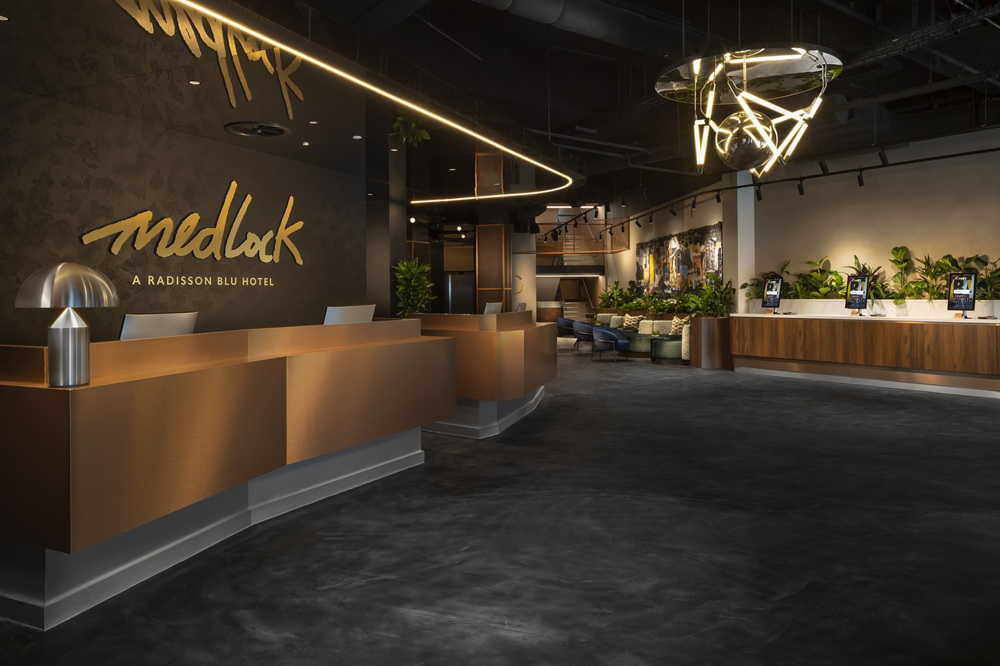
RADISSON BLU MEDLOCK HOTEL, MANCHESTER OPENS AT MEDLOCK SQUARE
Radisson Blu Medlock Hotel, Manchester, a new 401-room upper-upscale hotel at the heart of Medlock Square on Manchester’s Etihad Campus, opens today 7 September 2026. The hotel is the first development by Manchester City Football Club in partnership with Radisson Hotel Group and introduces a new hospitality destination within the city.
As Manchester continues to grow as a destination for sport, live entertainment and business events, the opening responds to demand for premium accommodation connected to the city’s major visitor attractions. Located adjacent to the Etihad Stadium and Co-op Live arena, with direct Metrolink connections to Manchester city centre, the hotel provides a convenient base for leisure, corporate and event guests alike.
This is the first development within Medlock Square to be completed.
Location and Design
Named after the River Medlock, which flows beneath the Etihad Campus, the hotel draws inspiration from Manchester's industrial heritage while embracing the city's contemporary energy and creativity. Warm materials, locally inspired design details and inviting social spaces create a distinctly Mancunian sense of place.
The hotel is positioned immediately beside the Etihad Stadium and Co-op Live, the UK's largest indoor arena, placing guests within easy reach of major sporting fixtures, concerts and entertainment events.
On the doorstep of the hotel, and set to open later this year, Medlock Square will bring together restaurants, bars and cafés alongside a new immersive Manchester City museum experience, stadium roof walk and zip-wire, and a 3,000-capacity covered events space hosting seasonal activations, live shows, sports screenings and brand collaborations.
Access and Transport Links
A Metrolink stop adjacent to the hotel provides direct access to Manchester city centre in approximately 10 minutes. The city centre is around a five-minute drive away, while Manchester Airport can be reached by car in approximately 20 minutes or by public transport in around 40 minutes.

Accommodation
The hotel features 401 guestrooms and suites, including Standard, Premium and Deluxe Rooms, distinctive Pitch View Rooms that can be converted into hospitality suites on matchdays, One-Bedroom Suites and a spectacular two-storey, two-bedroom, two-bathroom Penthouse with panoramic views across the city. Designed with privacy in mind, the 153sqm Penthouse has its own 25sqm private terrace and a private arrival experience.
Designed for both business and leisure travellers, guestrooms combine contemporary comfort with thoughtful design inspired by Manchester's character, while selected rooms provide exceptional views across one of the world’s most iconic stadiums.
Dining and Social Spaces
Guests can enjoy a diverse collection of dining venues designed to serve visitors throughout the day. These include Three Rivers Brasserie & Bar, an all-day dining destination; Blend Café Bar for coffee and light bites; Little Beast Restaurant; and opening this autumn, Brickworks Market Hall and Zadie's Sky Bar, providing elevated Pan-Asian dining and drinks alongside panoramic views across the Etihad Campus and Manchester skyline.
Together with the restaurants, cafés and entertainment venues throughout Medlock Square, the hotel creates one of Manchester's newest culture, food and social destinations.
Wellness and Amenities
Guests have access to a 24-hour fitness suite equipped with virtual personal training technology, allowing travellers to maintain their wellness routines at any time during their stay.
Meetings and Events
Positioned between the Etihad Stadium and Co-op Live, Radisson Blu Medlock Hotel, Manchester offers exceptional opportunities for meetings, conferences and events. Guests have access to more than 30 flexible event spaces across the Etihad Campus, including Medlock Square's outdoor activation space for up to 3,000 guests, alongside premium hospitality facilities within the Etihad Stadium. The hotel's exclusive penthouse also provides an intimate venue for private celebrations and executive gatherings of up to 50 guests.
Combined with excellent transport links and extensive accommodation, the destination is ideally suited for conferences, incentive travel, exhibitions, corporate hospitality and large-scale entertainment events.
Joep Peeters, Chief Operating Officer Franchise EMEA at Radisson Hotel Group, said:
“The opening of Radisson Blu Medlock Hotel represents a defining moment for both Manchester and the team behind it. Whether visitors are here for a football match, a concert, a conference, or just to explore Manchester, both the hotel and its location offer guests an experience unlike anywhere else in the UK. The property reflects the city's character: welcoming, energetic and proudly authentic, and we are thrilled to welcome it into Radisson Hotel Group.”
Richard Pearson, General Manager of Radisson Blu Medlock Hotel, Manchester, said: “Today is a huge milestone as we officially open the doors to Radisson Blu Medlock Hotel, Manchester. We’ve created something that’s uniquely Manchester—a hotel at the heart of one of the UK’s most exciting destinations. Whether guests are here for football, music, business or simply to experience the city, we want Radisson Blu Medlock Hotel, Manchester to be the place where every stay starts with a brilliant welcome. I’m incredibly proud of what our team has achieved. They’ve shown real grit to bring the hotel to life, backed each other every step of the way and poured their heart and energy into creating something special. This is just the beginning, and we can’t wait to welcome our first guests and share the warmth, spirit and sense of community that makes Radisson Blu Medlock Hotel, Manchester feel like home.”
The Destination
Manchester has established itself as one of Europe's fastest-growing visitor destinations, renowned for its music, football, culture and innovation. From the Etihad Campus, guests can easily explore the city's independent neighbourhoods, shopping districts, museums and vibrant nightlife, while remaining within moments of major concerts, sporting events and business gatherings.
As the flagship development of Medlock Square, Radisson Blu Medlock Hotel, Manchester offers visitors a completely new way to experience Manchester, bringing together hospitality, sport, entertainment, dining and culture within a single integrated destination.
For bookings and hotel details, visit Radisson Blu Medlock Hotel, Manchester on RadissonHotels.com.
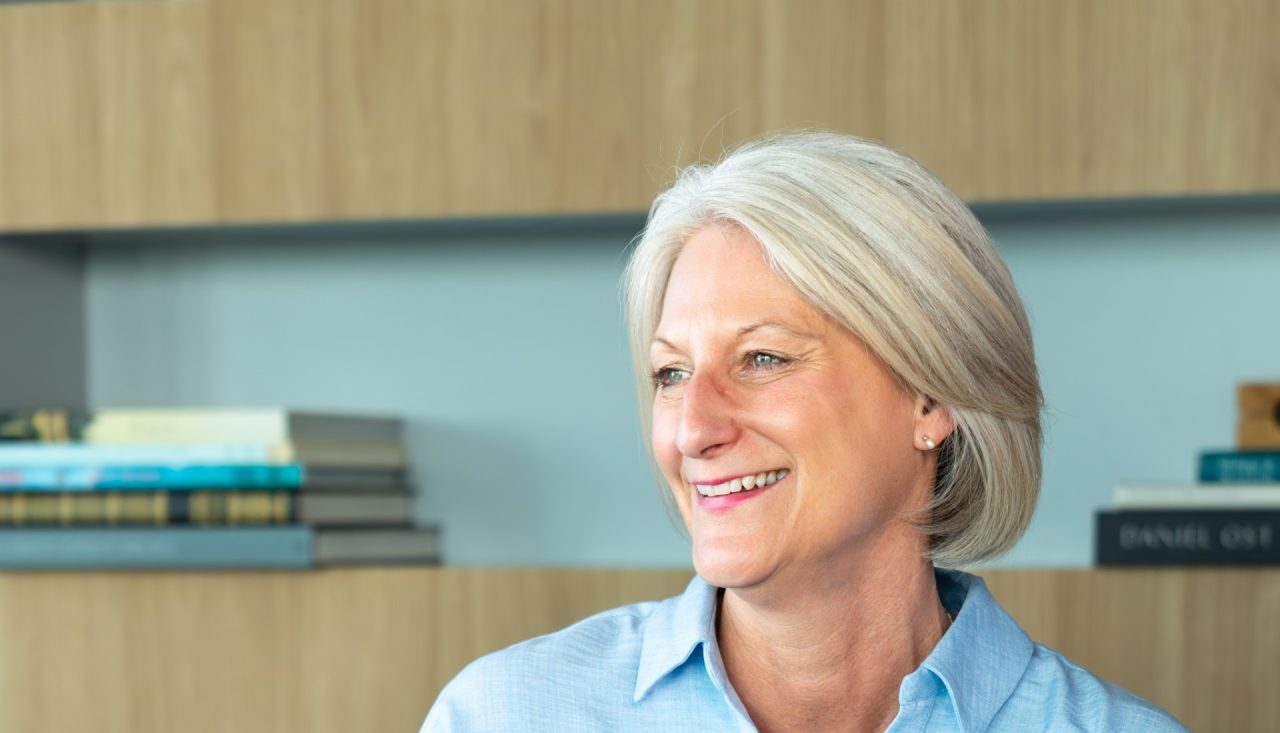
CASTLEBRIDGE HOSPITALITY MANAGEMENT APPOINTS JANET ROBERTS AS ‘DIRECTOR OF PEOPLE & CULTURE’
Castlebridge Hospitality Management is delighted to announce the appointment of Janet Roberts as Director of People & Culture, joining the company's Leadership Team as it continues its ambitious growth and expansion across the UK hospitality sector.
 Janet joins Castlebridge from leading hospitality management company Cycas Hospitality, bringing with her a wealth of experience in people development, talent management, culture, employee engagement and organisational growth. She will play a pivotal role in shaping and strengthening Castlebridge's people strategy, ensuring the business continues to attract, develop and retain exceptional talent across its growing portfolio.
Janet is an experienced People and HR leader with over 40 years in the hospitality industry. Her career began with studying Hotel Management and gaining hands-on experience across hotel operations before specialising in People, HR and Learning & Development.
She has since worked across multiple countries, hotels, brands and cultures, combining strong operational understanding with a passion for creating high-performing teams, developing leaders and building people-first cultures.
Janet believes that great business performance starts with great people, and that investing in culture, leadership and engagement drives better employee experiences, guest satisfaction and commercial success.
The appointment reflects Castlebridge's ongoing investment in its people and its commitment to creating an environment where colleagues can thrive, develop meaningful careers and feel genuinely supported throughout their professional journey.
As the company continues to expand, Castlebridge remains firmly focused on maintaining the values and culture that have underpinned its success. The business is recognised for its collaborative, inclusive and supportive working environment, where team members are empowered to contribute, grow and make a positive impact.
Janet's leadership will further enhance initiatives focused on learning and development, wellbeing, diversity and inclusion, employee engagement and career progression, ensuring that Castlebridge continues to be an employer of choice within the hospitality industry.
Alongside its commitment to its people, Castlebridge is deeply invested in Environmental, Social and Governance (ESG) principles. The company actively supports sustainable business practices, works closely with local communities and partners, and remains committed to reducing its environmental impact while creating positive outcomes for employees, guests, clients and stakeholders alike. From supporting local suppliers and charitable initiatives to driving sustainability programmes across its hotels, Castlebridge believes that long-term success is built on responsible and purposeful business practices.
Craig Patterson, Managing Director of Castlebridge Hospitality Management, said: "We are absolutely delighted to welcome Janet to Castlebridge. As we continue to grow our portfolio and strengthen our position as a leading hotel management company, investing in our people remains one of our highest priorities. Janet brings outstanding experience, energy and expertise that will help us further enhance the culture that makes Castlebridge such a special place to work. Our success has always been built on the strength of our people. We are committed to creating an inclusive, supportive and empowering environment where individuals can develop their careers, fulfil their potential and feel genuinely valued. Janet's appointment reinforces that commitment and will help ensure we continue to grow in a way that remains true to our values, our people and our purpose."
Commenting on her appointment, Janet Roberts said:
"I am excited to be joining Castlebridge Hospitality Management at such an important stage in its growth journey. The organisation's people-first culture, commitment to development and focus on creating positive impact for its teams, guests and communities really resonated with me. I look forward to working with the talented Leadership team and all colleagues across the business to build on these strong foundations and support the next chapter of Castlebridge's success."
For more information about Castlebridge Hospitality please visit www.castlebridgehospitality.co.uk
THE SAVOY TO LAUNCH BEAUFORT WINE BAR THIS OCTOBER
London’s Grand Dame is set to unveil Beaufort Wine Bar, the hotel’s house of wine this autumn
This October, The Savoy will launch Beaufort Wine Bar as its dedicated wine discovery destination bringing together an exceptional wine collection, tableside service and live music in one of London’s most celebrated hotels.
The new Beaufort Wine Bar will offer more than 250 wines from 18 countries across six continents, with one of the UK’s largest wine-by-the-glass programmes. Half of the cellar will be available by the glass using Coravin technology, giving guests the opportunity to discover rare, vintage and contemporary wines without committing to a full bottle. Spanning 50 years of wine history, the collection includes vintages from 1975 to 2025, from First Growth Bordeaux and Grand Cru Burgundy to mature Champagne and lesser-known regional discoveries.
The wine-led philosophy extends to the spirits list, which focuses exclusively on grape-based spirits, alongside a selection of gastronomic wine cocktails featuring Cognac, Grappa and Pisco.
Leading the new direction is Head Sommelier Romain Audrerie, who brings more than 15 years of international experience to Beaufort Wine Bar. Having been part of the opening team at Chiltern Firehouse before becoming Global Wine Director for André Balazs Properties, Audrerie has built a career around some of the world’s most celebrated hospitality destinations. At Beaufort Wine Bar, his approach is to make exceptional wine feel inviting and accessible, whether guests arrive with a deep knowledge of wine or simply want to discover something new.
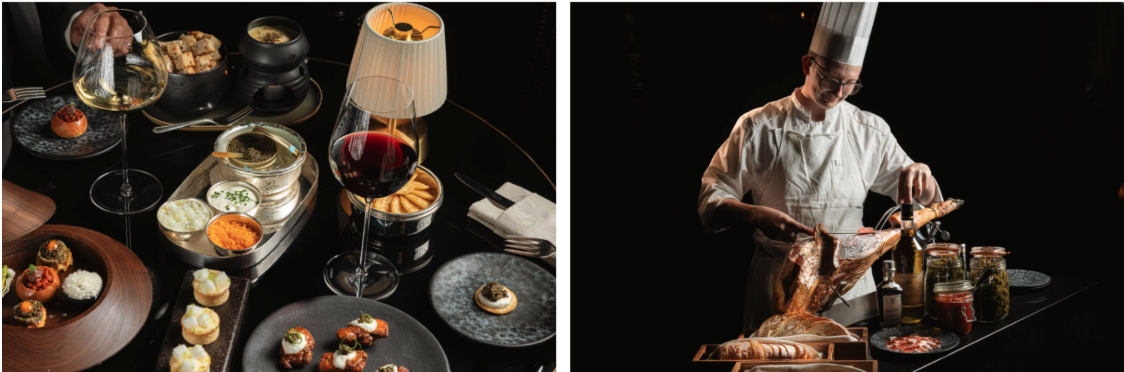
The food menu has been created to sit naturally alongside the wine list, with a focus on generous, produce-led dishes designed for sharing. A tableside carving experience will see artisan cured meats and hand-carved Jamón Ibérico served from a custom-made flywheel slicer trolley, alongside a selection of curated
British cheeses. Other dish highlights include Hampshire Trout with Dorset Wasabi and Buddha’s Hand, Black Truffle Cheese Fondue and a dedicated caviar selection.
With its new wine-led identity, Beaufort Wine Bar at The Savoy will offer a relaxed setting for everything from a glass of rare Batard-Montrachet to a late-night pairing of Champagne and caviar, with live music adding to the atmosphere throughout the evening.
Beaufort Wine Bar will open this October at The Savoy.
HARD ROCK HOTEL MALTA CELEBRATES STAR-STUDDED GRAND OPENING IN ST. GEORGE’S BAY
Hard Rock's first hotel in Malta welcomes guests to a luxurious new Mediterranean destination where music, entertainment and immersive hospitality come together on the shores of St. George's Bay

Hard Rock Hotel Malta, a highly anticipated upscale, five-star* destination, has officially opened its doors to the public following a celebratory guitar smash ceremony marking the group’s first hotel on the island.
Located in the lively St George’s Bay, twenty minutes from the airport of UNESCO World Heritage Site Valletta - with the famous Mosta Rotunda and the Rabat Catacombs a short drive away - the luxurious hotel is set to transform the area through hospitality, entertainment and economic development. Hard Rock Hotel Malta delivers the legendary vibe of the Hard Rock brand with the friendly charm and sunny reputation of Maltese hospitality.
Esteemed guests from across the island, Hard Rock executives and partners, and international guests Leomie Anderson, Corinna Brown, Gizzi Erskine and Arielle Free gathered to celebrate the opening of the new five-star* destination. The event featured upbeat live entertainment from some of Malta’s biggest names - including Aiden, Malta’s Eurovision 2026 Representative, Malta’s top selling female artist Ira Losco, and singer Shaun Farrugia, as well as an artistic swimming performance in the hotel’s guitar shaped pool before guests ended the night dancing to local DJ J Joy.
“We are thrilled to see our vision for Hard Rock Hotel Malta come to life as part of the wider development of St. George’s Bay” commented Robert Debono, CEO of db Group. “We can’t wait to show guests the rich culture and incredible views that Malta is famous for, combined with Hard Rock’s iconic, music led experience in hospitality”
“The opening of Hard Rock Hotel Malta marks an incredibly exciting new chapter for St. George’s Bay, St. Julian’s, Pembroke and the wider island,” said Thomas Guss, General Manager of Hard Rock Hotel Malta. “We’re thrilled to finally welcome our guests and the local community and bring to life a vibrant new destination where music, entertainment, dining and unforgettable experiences come together. We can’t wait to see Hard Rock Hotel Malta become a new favourite on the island!”
The opening represents a monumental €350 million direct investment in Malta’s tourism sector, and has created several hundred new jobs spanning a vast array of specialised roles, from master mixologists and culinary artisans to wellness therapists and luxury hospitality specialists.
“Tonight is a celebration of Malta’s incredible culture, heritage and talent, alongside the music, creativity and experiences that make Hard Rock unique”, said John Rees, Senior Vice President of Hotel Operations at Hard Rock International. “This landmark opening is a significant investment in Malta, with €350 million invested in the island’s tourism sector and hundreds of new jobs created. We’re so proud to be part of Malta’s next chapter and excited for guests to experience everything Hard Rock Hotel Malta has to offer.”

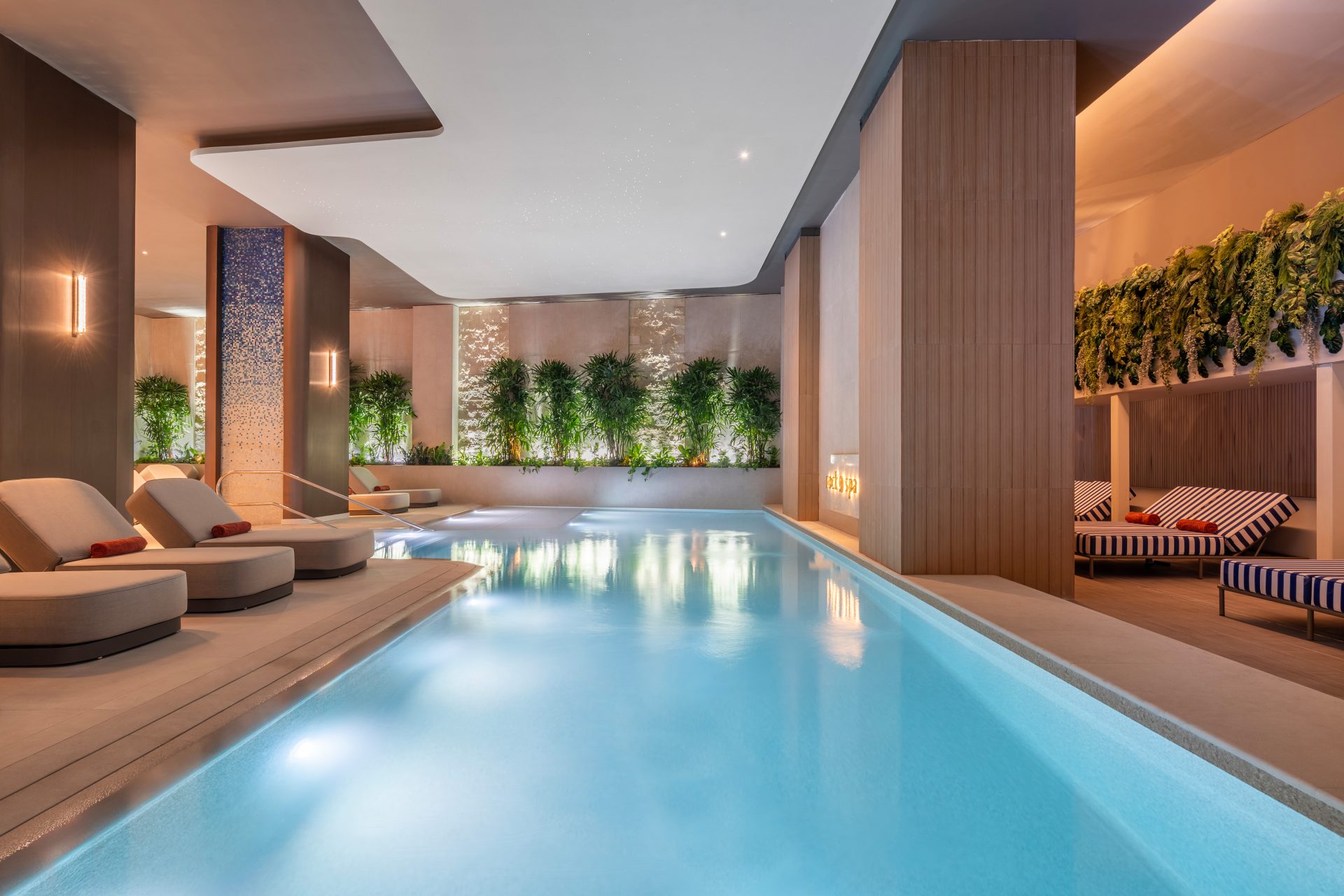
The unmistakable, vibrant energy of the Hard Rock brand is felt throughout the new 397-room destination, from the rooftop cantilever pool to the beach club, immersing guests in the beauty and spirit of the Mediterranean’s beachside atmosphere. With 11 swimming pools, more than 10 restaurant, bar, lounge and club venues, a 3,800sqm spa wellness and fitness space (which is one of the largest venues in Malta), and a 466 sqm ballroom, guests are set to experience Malta’s history fused with Hard Rock’s iconic lifestyle.
The hotel is also home to one of Malta's largest wellness destinations, Rock Spa®, spanning almost 4,000 square metres. Hard Rock Hotel Malta will offer signature wellness experiences, including the largest Body Rock® in the world (Hard Rock’s state-of-the-art workout facility) and Rock Om®, a customised yoga experience for guests to experience from the comfort of their rooms. At the Rock Spa®, guests can enjoy Rhythm & Motion, a fully immersive music-centric spa menu.
Hard Rock Cafe St. Julian’s Malta brings the iconic Hard Rock experience to one of the Mediterranean’s most vibrant destinations, combining world-class dining, live entertainment, legendary hospitality, and an impressive collection of authentic music memorabilia. Located within the newly opened Hard Rock Hotel Malta, the 1,400-square-metre venue offers indoor and outdoor seating for 222 guests, a vibrant restaurant and bar, the iconic Rock Shop®, and exclusive memorabilia celebrating some of the world’s most renowned artists. With a globally recognised menu, live music, special events, themed nights, and unique Malta-exclusive merchandise, the cafe is positioned as a dynamic entertainment and social destination for both locals and international visitors.
Hard Rock Hotel Malta is now accepting reservations through the website and at +356 2124 6000

SET JETTING TO SALES
How savvy hoteliers are using “set jetting” trends for commercial growth, as told by Nicola Evans, Business Development Manager at Profitroom.

A growing number of UK travellers are now choosing destinations based on what they have watched on screen.
From Saltburn driving interest in country estates to The Traitors boosting Scottish castle stays, “set jetting” has quickly become a key commercial opportunity for independent hoteliers*.
According to recent research, a quarter of Brits have travelled to a destination featured in a television show or film while a third discovered a new destination after seeing it on screen*.
This behaviour reflects a wider shift in guest expectations, where travellers are increasingly looking for stays that feel immersive and memorable.
This is where boutique hotels and independent operators have a clear advantage, with many already offering the kind of character and history guests are looking for.
The challenge is making those experiences easy to discover and book online and the hotels seeing the strongest results are building packages directly into the booking journey.
One Scottish castle turning the interest in The Traitors into higher value bookings is Dalhousie Castle. Through Profitroom technology we were able to create a more experience-led booking journey focused on spa stays, dining packages and tailored guest offers. This encouraged guests to commit more spend before arrival while creating a more personalised stay from the outset.
As a result, the property doubled online revenue while ADR increased by 21%. Loyalty programme enrolment also grew by 429%. By automating dinner reservations within ‘Dinner, Bed and Breakfast’ packages, the castle has seen guests' pre-booking restaurant tables rise from 15% to as high as 90%.
Guests who pre-book spa treatments, dining experiences or curated stays are often more engaged before arrival and more likely to return, as those added experiences create a stronger connection to the hotel.
For many hotels, ancillary guest spend is also becoming an important part of loyalty and retention strategies while navigating rising costs and tighter margins.
This is especially valuable for destination-led hotels that can quickly build offers around local demand and cultural moments.
Often acting as a double for US cities like New York and Gotham, Glasgow continues to attract global productions because of its architecture and versatility on screen.
Working with Glasgow Grosvenor Hotel, we helped the property use guest data and tailored offers to better understand booking behaviour and create more relevant packages around guest demand.
As a result, regionally focused offers helped drive a 35% increase in room nights through direct sales alongside a 37% increase in direct revenue year on year.

Last summer’s Spider-Man filming in Glasgow highlighted how quickly destinations can capture public attention and why independent hotels need the agility to respond with timely packages and experiences.
This ability to move quickly and personalise stays is where many independent operators are outperforming larger branded competitors.
Not all stays are inspired by iconic films and TV series, but also the inspirational locations themselves. Coastal and wellness destinations continue to benefit from growing demand for experience-led stays across the market.
St Michaels Resort in Cornwall had zero packages available online before Profitroom was onboarded. After launch, 42% of all online bookings became packages.
Too often, hotels invest heavily in creating memorable stays but fail to communicate those experiences effectively online.
Packages can be difficult to find, upselling opportunities are missed and the booking process becomes transactional rather than inspirational. Technology plays an important role in bridging that discoverability gap.
Boutique hotels and resorts may not always win on scale, but they can compete far more effectively on experience, personality and agility.
Set-jetting may be the latest trend driving travel conversations, but the wider lesson is that experience-led stays drive stronger commercial outcomes.
From guest retention to ancillary revenue, hotels that sell experiences rather than just rooms are building more valuable guest relationships and generating higher revenue. As one property demonstrated when it grows direct revenue as guests book more of their stay online.
For hotels willing to think beyond bed-selling, there is an opportunity not only to increase revenue, but to build stronger and more lasting guest relationships.
*OnePoll.com data