

IN THE HOT SEAT: TAMARA LOHAN
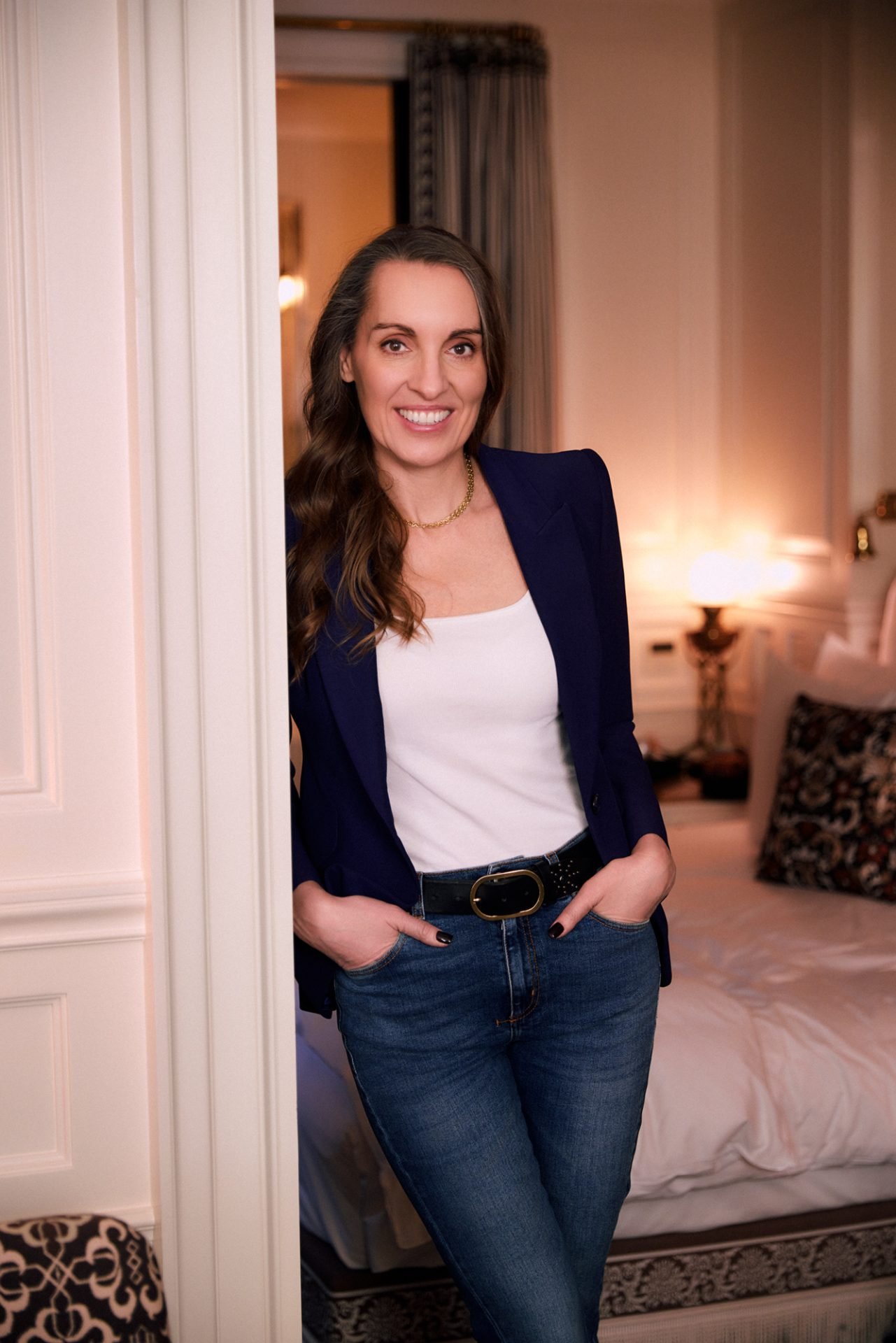
Tamara Lohan is the former co-founder of boutique brand Mr & Mrs Smith and Global Brand Leader for Luxury at the Hyatt Hotels and is featuring in Hotel Magazine’s In the Hot Seat this October.
 You’ve built your career around luxury hospitality. What first drew you to the industry, and what have been the defining moments in your own journey that have shaped the way you think about luxury today?
I’ve always been obsessed with hotels. Long before I worked in the industry, I was the guest poring over where to stay, looking for those places that somehow got everything right. And James and I kissed a lot of frogs. We had plenty of disastrous weekends away in hotels that looked wonderful in the photographs but simply didn’t deliver when you got there.
That frustration was part of what led us to create Mr & Mrs Smith. We wanted to find the hotels we genuinely wanted to stay in and be very honest about what made them special. Sometimes it was extraordinary design or a brilliant restaurant. Quite often it was something much harder to photograph: the atmosphere, the way you were looked after, how the lighting made you feel, the sense that somebody had thought about the experience from the guest’s point of view.
I think that’s where my understanding of luxury really began. I’ve always been fascinated by design, architecture, food, travel and culture, and hotels are this wonderful meeting point for all of them. But a hotel has to work. You sleep in it, eat in it, shower in it, ask people for things, get lost in it. You experience every decision somebody has made.
Building Smith gave me the privilege of experiencing thousands of hotels through that lens. Joining Hyatt has given me another perspective: what it takes to create and protect that level of experience across a global luxury brand.
And after all these years, I’m probably even more obsessive about the details. The best luxury feels deeply considered, but never overworked. You sense the care without seeing the machinery behind it.
The definition of luxury has changed dramatically in recent years. How would you define contemporary luxury today, and what do you think the most sophisticated luxury traveller is looking for that they weren’t looking for 10 or 15 years ago?
Luxury has become much more emotional. The most sophisticated travellers have access to beautiful things already. They know good design, they eat incredibly well, they’ve stayed in extraordinary hotels. The more sophisticated the traveller, the harder they are to impress with expense alone.
Increasingly, I think luxury is about the things money alone can’t guarantee. Time. Privacy. A sense of discovery. Genuine expertise. Someone remembering something you mentioned almost in passing and quietly making it happen. Or being given access to a person or place that opens up a destination in a completely different way.
Ultimately, luxury is about how a hotel makes you feel.
That sounds deceptively simple, because creating that feeling takes an extraordinary amount of work. The architecture matters. The materials matter. The food, the lighting, the scent, the bed, the way someone greets you when you arrive. But the guest shouldn’t be mentally ticking those things off. They should simply feel that they’re somewhere very special and can relax into it.
I think that’s one of the biggest changes from 10 or 15 years ago. There was a period when luxury could be communicated quite visibly through abundance and recognisable symbols of status. Today’s most discerning travellers tend to have a much quieter confidence. They’re curious. They want beauty and exceptional quality, but they also want soul, meaning and a connection to where they are.
And they can spot something manufactured a mile away. The most sophisticated travellers have a finely tuned sense of what feels genuine, and that’s become a very important part of luxury.
Park Hyatt has traditionally been associated with a very particular idea of understated, highly personalised luxury. How do you see the brand evolving while protecting the qualities that have made it distinctive, particularly as you oversee its next phase of growth?
There’s a confidence to Park Hyatt that I really love, and I want us to build on it. At its best, there’s an extraordinary sense of calm, beautiful architecture, wonderful food and wine and a very human style of service.
I’d like us to share more of what we know. Park Hyatt has incredible connoisseurship within its hotels, and luxury becomes much more interesting when you give guests access to that knowledge. It might be an artist whose studio is usually closed, a remarkable bottle from a tiny producer, a private collection, or simply knowing the person in the city who is brilliant at what they do.
That’s the role I’d love Park Hyatt to play. A cultured insider who can open doors to the rare, the fascinating and occasionally the inaccessible, without making a great performance of it.
We’re thinking deeply about how Park Hyatt expresses that in its next chapter. Even the word “Park” is interesting to me. A great park gives you beauty, space and a sense of escape, but it also changes depending on where you are in the world. There’s something quite rich in that idea for a global brand.
And I want Park Hyatt to have confidence in its own taste. Luxury can become terribly well behaved. The hotels I remember have a point of view. There might be a brilliant piece of art, an unexpected book beside the bed, a restaurant you'd cross the city to eat in, or a member of the team who sends you somewhere you’d never have found yourself.
Park Hyatt should feel cultured, warm and deeply comfortable, with curiosity and pleasure running through it. And occasionally, I’d like it to make you smile.
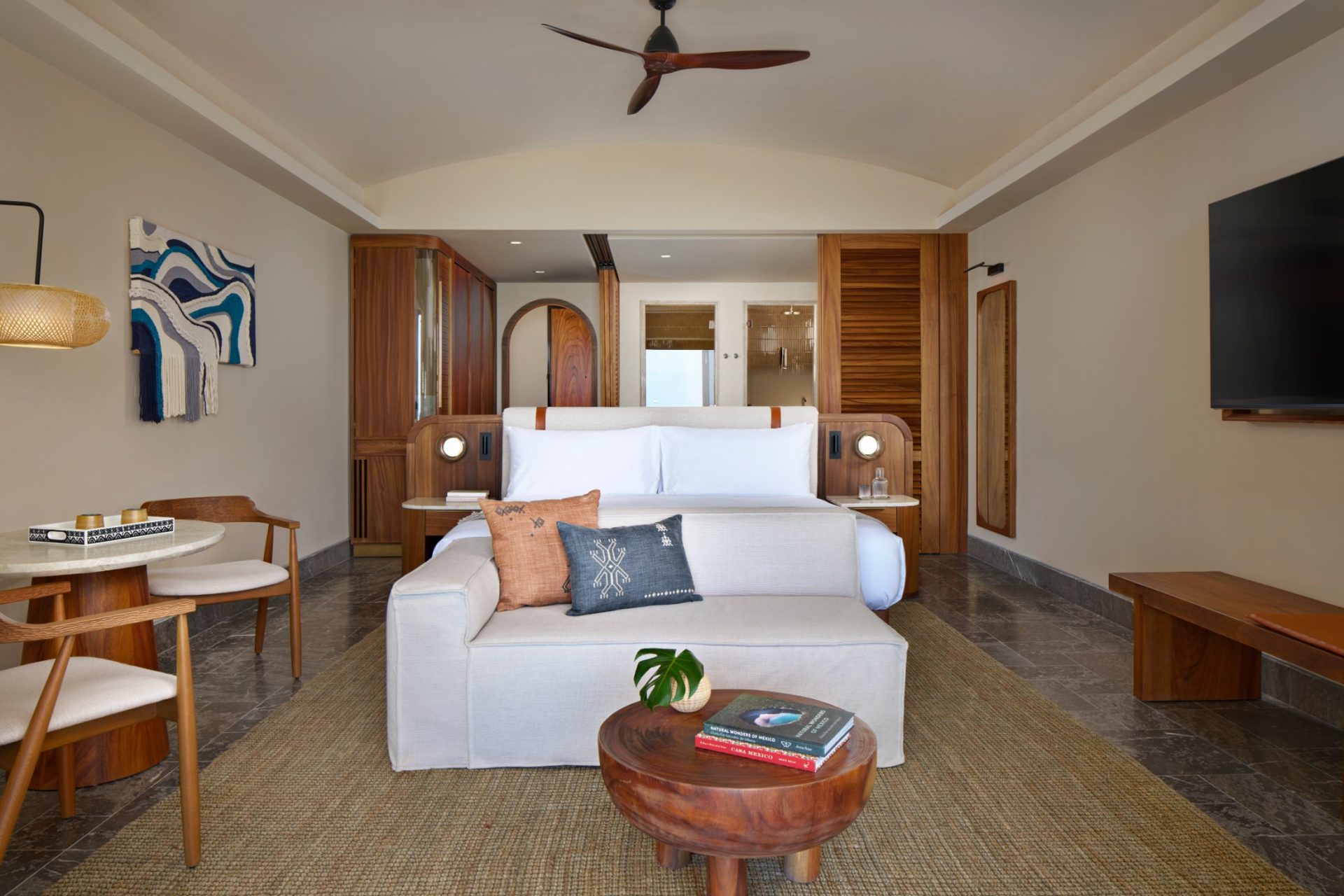
Park Hyatt has a significant pipeline ahead, from Riviera Maya, the brand’s first all-inclusive, to Phu Quoc, Mexico City and Vancouver. How do you approach scaling a luxury brand across very different markets without allowing the experience to become formulaic?
For me, consistency in luxury is about the quality of the experience, rather than making every hotel look or feel the same.
There are things a Park Hyatt guest should be able to trust completely wherever they are in the world: the quality of the room, the bed, the food and wine, the materials, and above all the service. Those things have to be exceptional. Then you give each hotel the freedom to belong completely to its place.
That’s what makes this next group of openings so exciting. Park Hyatt Mexico City should feel like Mexico City. Park Hyatt Phu Quoc should give you an experience you could only have in Vietnam. We want great architects, designers, chefs and our own colleagues to bring a destination to life rather than sand away everything interesting about it in pursuit of consistency.
Park Hyatt Riviera Maya is particularly fascinating because it gives us the chance to think about all-inclusive through a luxury lens. At its best, all-inclusive can create an incredible sense of freedom. The transactions disappear. You’re not signing a bill every time you order a drink or wondering what is and isn’t included. You can relax into the experience.
But that freedom depends on generosity. The food and wine have to be brilliant. The experiences have to feel considered. There needs to be choice, spontaneity and a sense that we’re giving the guest our best, rather than managing what they consume.
AI is rapidly changing the way hotels understand, anticipate and interact with guests. Where do you see genuine opportunities for AI within luxury hospitality, and equally, where should the industry be careful not to automate the human touches that make great hotels special?
I’m genuinely excited about what AI can do in luxury hospitality, particularly behind the scenes.
Great luxury service has always depended on observation and memory. Someone notices how you like your coffee, that you asked for a firmer pillow, or that you’re travelling with your daughter this time rather than for work. AI can help us make much better use of those little signals, and potentially carry that understanding with a guest from one stay to the next.
I’m equally interested in what it can take away from our colleagues. Hotels generate an extraordinary amount of admin and repetitive work. If AI can give a brilliant concierge, housekeeper or front-office colleague more time to look up, notice what’s happening around them and actually talk to guests, that’s a very good use of technology.
Because the magic still happens between people. Anticipatory service is incredibly nuanced. Sometimes a guest wants conversation and recommendations; sometimes they’ve had a 12-hour flight and want the key to their room in about 30 seconds. A great hotel colleague can read that.
So I’d like the intelligence to become more sophisticated while the experience becomes more human. Ideally, the guest simply senses that we know them a little better and that things happen beautifully around them. They shouldn’t have to think very much about the technology making some of that possible.
Looking ahead, what do you most want Park Hyatt to be known for under your direction, and what would success look like for you personally as you lead the brand through this next chapter?
I’d love people to fall in love with Park Hyatt.
Love means you remember how a place made you feel. You have a favourite Park Hyatt, a member of the team you still remember, a restaurant you want to go back to, perhaps even a particular room you always ask for. And when we open somewhere new, you’re curious to see what Park Hyatt has created there.
I saw the power of that kind of emotional connection at Smith. People would plan trips around hotels they’d fallen for, and I’ve never lost my fascination with what makes a hotel inspire that level of affection.
For Park Hyatt, I want to build on the extraordinary foundations already there and bring more warmth, pleasure, cultural curiosity and personality into the experience. I want each hotel to feel very much of its place, while having the confidence and human touch that tells you you’re at a Park Hyatt.
Personally, success would be seeing that affection grow. In 5 years’ time, I want Park Hyatt to be a brand people actively seek out, wherever they’re travelling, because they trust our taste, they love how our hotels make them feel and they’re excited to discover what we’ll do next.

A NEW STANDARD
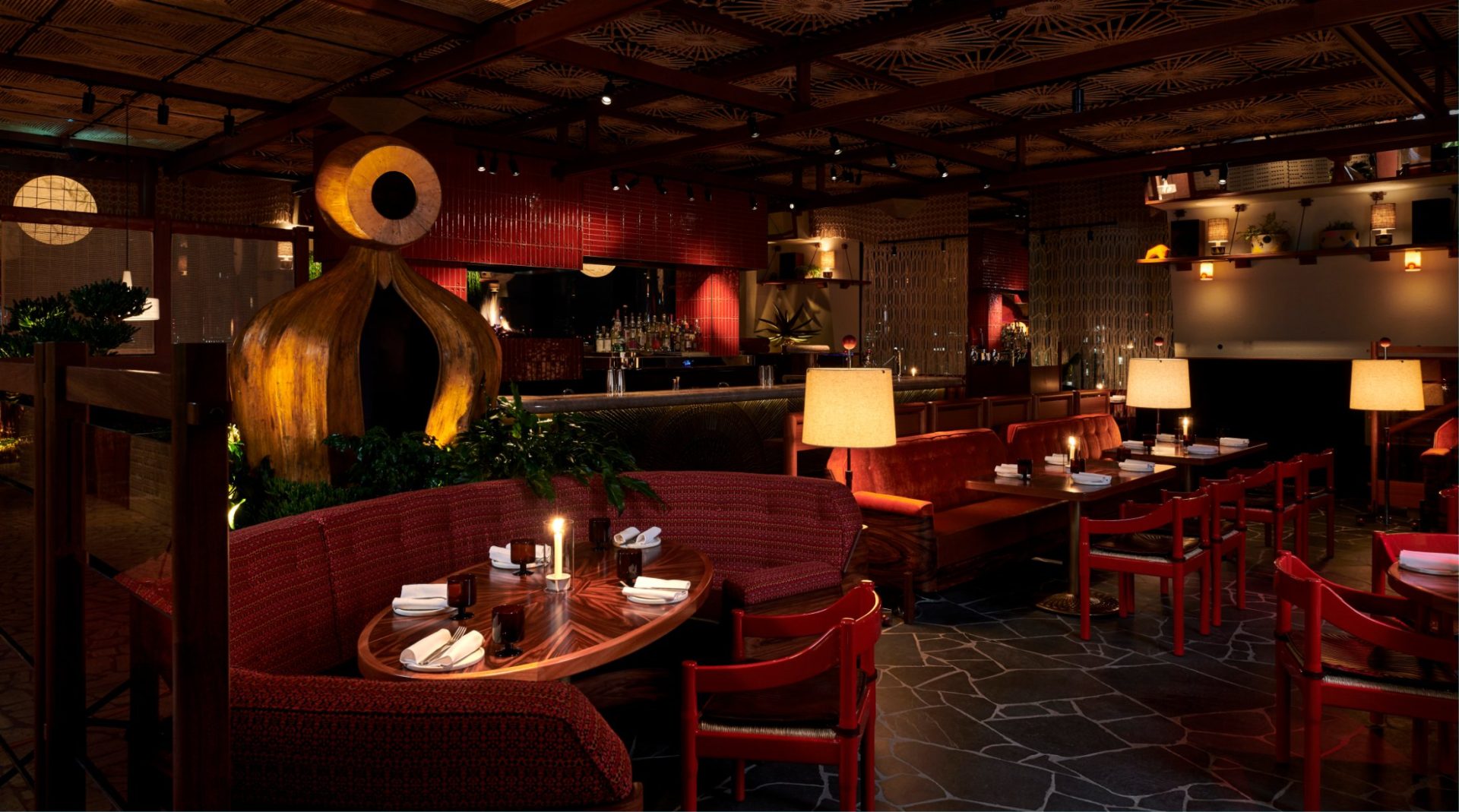
Housed in a striking Brutalist landmark, The Standard, London has transformed a former civic building into a vibrant destination where design, dining, culture and entertainment come together. This October, we take a closer look at the venue as our Hotel of the Month.
Occupying the former Camden Town Hall Annex in King’s Cross, The Standard, London is a hotel that has made a virtue of its setting, combining a distinctly 1970s Brutalist structure with the playful, design-led identity for which The Standard brand is known. Meticulously restored, the building became the brand’s first hotel outside the United States, bringing a new energy to a neighbourhood already established as one of London’s most dynamic destinations.
The 266-room property spans everything from Standard King Interior Rooms through to expansive terraced suites, with the latter offering one of the hotel’s most memorable features: outdoor bathtubs with views towards the imposing façade of St Pancras Station. The approach to accommodation is deliberately eclectic, balancing the character of the original building with The Standard’s irreverent, contemporary aesthetic.
Public spaces are central to the hotel’s proposition. On the ground floor, Double Standard operates as both a street-facing bar and restaurant, blending American diner classics with British pub favourites. It provides a deliberately informal entry point to the property, while next door The Library Lounge offers a quieter environment, with its collection of books paying homage to the building’s former civic use.
Music and culture are similarly embedded into the operation. Sounds Studio, located alongside The Library Lounge, provides a dedicated home for live radio shows and podcasts, extending the hotel’s role beyond accommodation and into London’s wider creative scene. It is an approach that reflects The Standard’s longstanding ambition to operate as a social and cultural hub rather than simply a place for guests to stay.
Food and beverage is particularly prominent across the property. Isla offers a seasonal menu designed to be approachable and contemporary, supported by a refreshed wine and cocktail list. At the other end of the scale, Decimo occupies the hotel’s 10th floor, where Chef Paola Arenas’ live-fire cooking takes centre stage. The restaurant is reached via The Standard’s distinctive exterior red pill lift and, once upstairs, diners are rewarded with 360-degree views across London.
The rooftop provides another layer to the hotel’s F&B and leisure offer, operating as a seasonal destination for drinks, food and music. During the summer months, it becomes a natural extension of the hotel’s social spaces, reinforcing the property’s ability to attract both residents and the local community.
For hoteliers, The Standard, London offers a useful example of how a hotel can create a compelling proposition by treating the building, its neighbourhood and its public spaces as integral parts of the guest experience. Rather than separating accommodation, food and beverage, culture and entertainment into distinct offers, the property brings them together under one recognisable identity. The brand has also continued to strengthen its leadership, recently appointing Murray Scott as General Manager.
The result is a hotel that feels rooted in its location while remaining unmistakably The Standard. From a Brutalist civic building given a new lease of life to a rooftop designed around the rhythms of summer, its success lies in creating multiple reasons to visit – whether staying overnight, meeting for a drink, listening to a broadcast, dining around a fire or simply taking in the London skyline.
BETTER TOGETHER
October always has a slightly serious feel in hospitality. The summer season has passed and the festive period is approaching. And many businesses are already looking even further beyond Christmas to the year ahead. It’s a moment for taking stock, but also for making decisions.
That’s why industry gatherings matter.
Time away from the business isn’t always easy to justify. Hotels are busy and teams are stretched. There’s rarely a perfect moment to step out of the day-to-day. Yet the busier the industry becomes, the more important it is to make space for perspective. Without it, we risk solving the same problems in isolation, when we could be learning from others facing similar pressures.
This is very much the thinking behind HOSPACE, HOSPA’s annual conference, which returns on the 12th of next month. The event has always existed to bring hospitality professionals together for practical discussion around the issues shaping the sector. This year, that feels especially important.
The challenges facing hotels aren’t small. Cost pressures remain stubborn. Technology is changing quickly. Guest expectations continue to move. Commercial teams are being asked to find growth in a more complex market, often while protecting already tight margins.
None of those issues sits neatly within one department. A revenue decision affects operations. A technology investment affects the guest journey. A finance challenge can influence everything from staffing to long-term planning.
That’s why conversation across disciplines is so valuable. HOSPACE brings together senior professionals from across hospitality’s commercial and operational functions, but the real benefit comes from the overlap between those areas. The most useful answers often come from hearing how someone outside your immediate role sees the same problem.
This year’s programme will look at many of the issues currently occupying boardrooms and management meetings. There will be discussion around commercial performance, smarter use of technology and the need to drive profitability without losing sight of people or service. More than abstract themes, these are the everyday questions hotels are working through as they plan for 2027.
There’s also value in hearing directly from industry leaders. At a good conference, the point isn’t simply to listen to someone speak from a stage. It’s to test your own thinking against theirs. Sometimes a session confirms what you already suspected, while sometimes it challenges a comfortable assumption. Often, the most useful insight is a practical idea that can be taken back to the business and applied quickly.
The same is true of networking. It’s a word that can sound transactional, but in hospitality it’s usually something much more human. It’s the chance conversation over coffee, the introduction to someone who’s dealt with a similar issue, or, a common experience, that the reassurance your challenges aren’t yours alone. Our industry is built on relationships, and those relationships need time to develop.
HOSPACE also provides an opportunity to celebrate the people moving hospitality forward. The gala dinner and awards that follow the conference are an important part of that. Recognition matters, particularly in a sector where so much of the best work happens behind the scenes. Taking time to acknowledge excellence isn’t a distraction from the commercial realities of hospitality, it helps build the confidence the industry needs. Last year saw record attendance and industry insights define HOSPACE 2025, with the Inspirational Leader award winners announced at the gala.
For me, the strength of HOSPACE has always been its practicality. It’s not about stepping away from reality, but about engaging with it more clearly. The aim is for people to leave with sharper questions and useful contacts as well as ideas that can make a difference once they’re back at their desks.
As we head towards the end of the year, hospitality has plenty to think about. The businesses that perform best will be those that stay curious and keep learning from the wider industry around them. And that’s why coming together matters. Not because anyone has all the answers, but because we’re much more likely to find them when we are in the same room.
If you’re interested in attending HOSPACE 2026, which, as ever, is at the excellent Royal Lancaster London, then you can book tickets and find the latest speaker lineup via www.hospace.org.
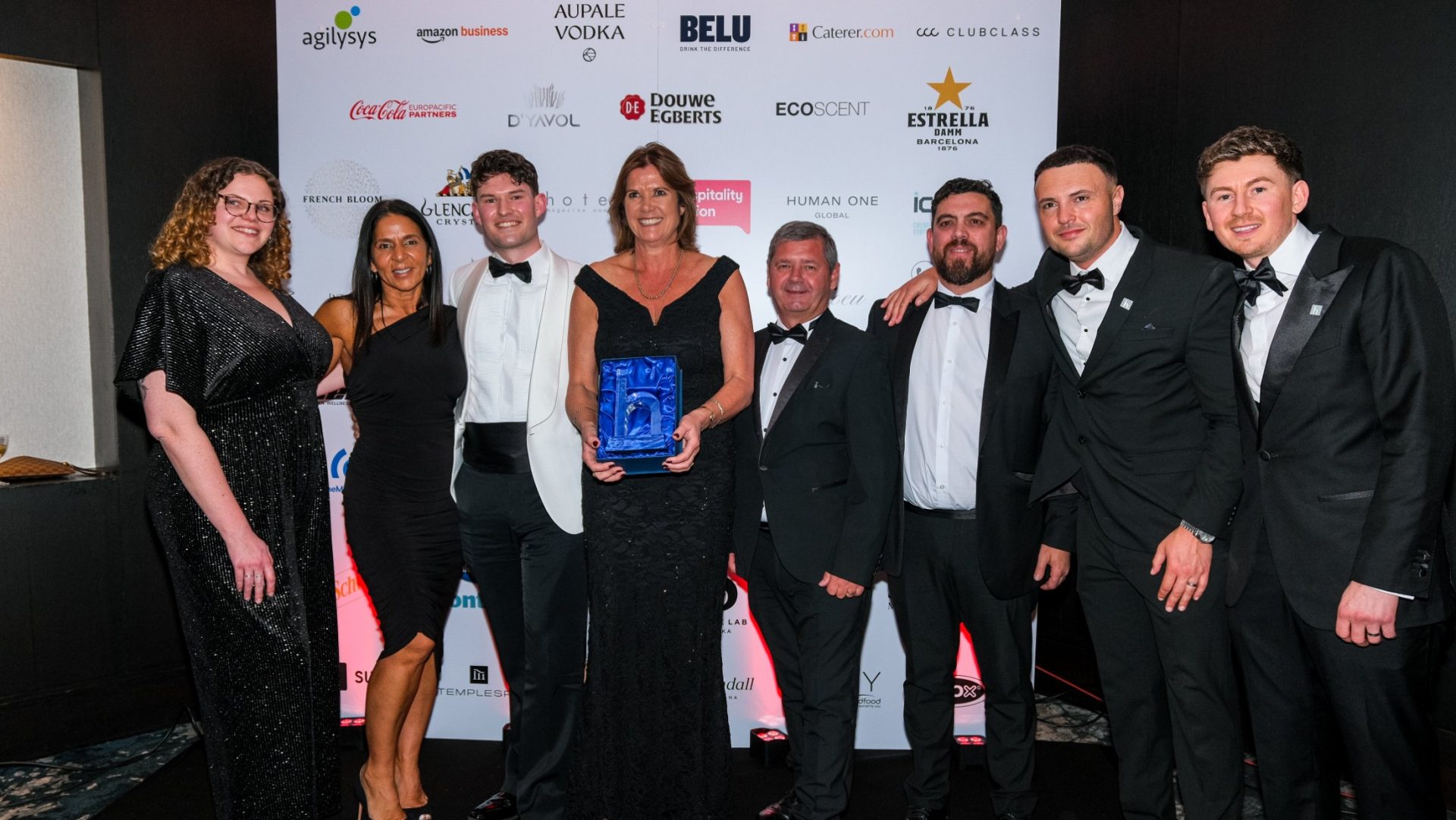
A NEW CHAPTER
The Hotel Magazine Awards return on Wednesday 14th April 2027, with a prestigious new venue, two new award categories and another unforgettable evening celebrating the people, teams and businesses shaping the UK hotel industry.
The countdown to the Hotel Magazine Awards 2027 is officially underway, and we are delighted to announce an exciting new chapter for the event. On Wednesday 14th April, the industry will come together at the prestigious Royal Lancaster London for an evening dedicated to recognising the very best in UK hospitality.
Set against the backdrop of Hyde Park, The Royal Lancaster London is renowned for its elegant surroundings and impressive event spaces. Having taken home the coveted Hotel of the Year award last year, the venue is a fitting setting for an evening that celebrates excellence, innovation and achievement across the hotel sector. Its combination of classic sophistication and contemporary style perfectly complements the spirit of the Hotel Magazine Awards.
The 2027 awards will once again recognise the people, properties and businesses making a difference across hospitality, with 12 categories spanning the breadth of the industry. This year also sees the introduction of two brand-new accolades: Hotel Team of the Year, celebrating the people working together behind the scenes to deliver outstanding hospitality, and the Lifetime Achievement Award, recognising an individual whose contribution has left a lasting mark on the industry.
The full line-up will also include The Environment Award, Marketing Innovation Award, Best Spa and Wellness Venue, Hotel of the Year, Hotel Bar of the Year, Hotel Restaurant of the Year, Inclusive Employer Award, Unsung Hero, Technology Award and Hotelier of the Year.
But the Hotel Magazine Awards are about much more than trophies. The evening is designed as a genuine celebration of the industry, bringing together hoteliers, suppliers, brands and hospitality professionals for an evening of great food, entertainment and connection.
Guests can look forward to an exceptional gala dinner, an exclusive cocktail menu created especially for the occasion and unlimited complimentary drinks throughout the evening. With the support of an outstanding line-up of industry-leading brands, the 2027 event promises to be an opportunity to recognise success, celebrate the people behind it and enjoy a well-deserved night together.
With a new home, new categories and plenty to celebrate, the Hotel Magazine Awards 2027 is shaping up to be an unmissable date in the hospitality calendar.
Applications remain open via hotelmagazineawards.co.uk and will close at the beginning of February. We look forward to celebrating with you on 14th April!
REDEFINING LUXURY
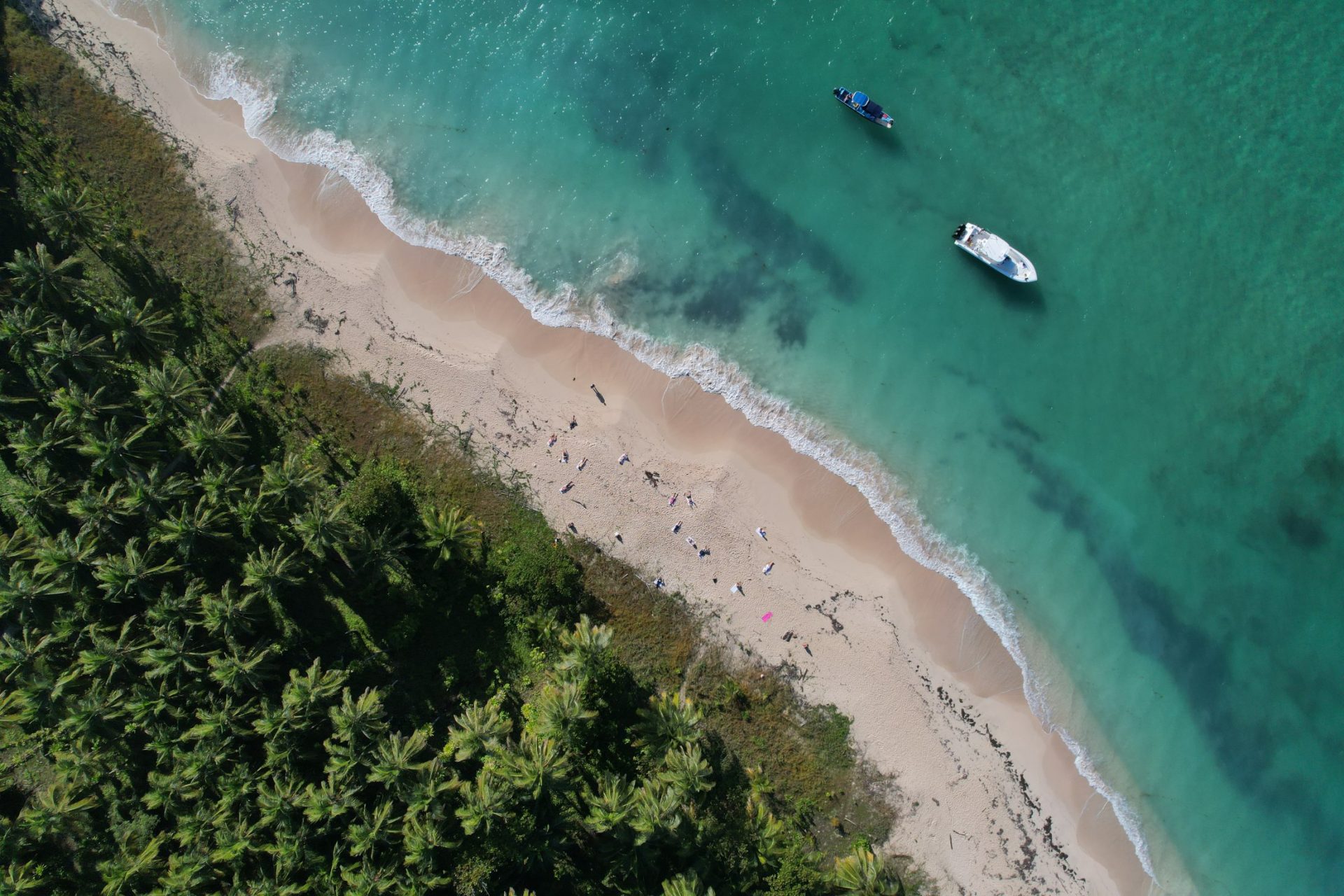
On Panama’s Caribbean coast, La Coralina Island House offers a very different interpretation of luxury.
Located on Isla Colón in the Bocas del Toro archipelago, the retreat feels wonderfully remote, despite being just a 45-minute direct flight from Panama City or San José, Costa Rica. For co-founder and Managing Director Ariel Barrionuevo, its appeal lies in the rare sense of authenticity that still defines the destination.
He said:
We fell in love with what I would call its barefoot luxury. There is an authenticity here that is becoming increasingly rare.
Ariel’s connection with Bocas del Toro began long before La Coralina opened. He and his wife had visited the archipelago for years, eventually creating Casa Coralina Private Estate, their own Balinese-inspired retreat overlooking Paunch Beach. It was while living there that the idea for La Coralina emerged.
“What if we could share this feeling with others?” Ariel recalled asking. The result was deliberately different from a conventional luxury hotel. Rather than creating a highly choreographed experience, the aim was to make guests feel as though they had arrived at an exceptional private beach house – somewhere that immediately feels like home.
Ariel said:
We wanted to create the feeling of arriving at a beautiful beach house where the hardest part is simply getting there. Once you arrive, everything else should feel effortless.
That philosophy is reflected throughout the property, where the rainforest and Caribbean Sea become as much a part of the guest experience as the architecture and service. Birds provide the morning soundtrack, waves accompany guests into the evening, and the tropical landscape creates an environment where the pace naturally slows.
For Ariel, this connection with nature also has a deeply personal origin. He noticed that every time he visited Bocas del Toro, he slept exceptionally well.
I would fall into a deep, restorative sleep unlike anywhere else. I always returned home feeling genuinely renewed.
That experience became one of the inspirations behind La Coralina, and helped shape his belief that luxury is not necessarily defined by what surrounds a guest, but by how they feel when they leave.
It is a philosophy that marks a significant evolution in Ariel’s own career. Before moving to Panama, he spent more than two decades in urban luxury hospitality, working with brands including Sofitel and Faena in Buenos Aires. Those years taught him the importance of precision, detail and memorable service, but eventually he wanted to explore a different expression of hospitality.
I wasn't looking to leave luxury hospitality behind; I was looking to redefine what luxury meant to me.
Today, that definition is less concerned with excess and more with emotional impact.
Here, luxury is measured less by excess and more by how people feel. Where silence has value, nature becomes part of the experience, and hospitality is expressed through genuine care rather than formality.
That approach is particularly relevant to the property's wellness proposition. As hotels increasingly incorporate spas, treatments and wellness programmes, Ariel believes the industry needs to look beyond the traditional definition of wellness.
For many years, the hospitality industry understood wellness as a collection of treatments – a spa, a massage menu, perhaps a yoga class. Those elements are still valuable, but they no longer define a wellness destination.
Instead, he believes the most successful wellness experiences should influence every stage of the guest journey, from sleep and food to architecture, service and the relationship with nature.
People don't simply want to return home relaxed; they want to return home different. More rested, more present, more connected to themselves and to the people around them.
For La Coralina, that means bringing together the rainforest, the sea, holistic programming, nourishing cuisine and the warmth of its team to create an environment conducive to genuine reconnection. Yet Ariel is keen to stress that the principles can be applied anywhere – including in the UK.
We are fortunate to have the Caribbean, tropical rainforest and year-round warm weather. But I don't believe wellbeing depends on geography; it depends on intention.
For British hotels, that could mean creating spaces for stillness, introducing thoughtful architecture, focusing on healthier food, developing meaningful rituals or simply allowing guests to experience a slower pace. Such thinking echoes the way a recent £700K investment transforms a city wellness destination closer to home.
Sustainable wellness isn't about helping people escape their lives for a few days. It's about helping them return to those lives feeling more conscious, more balanced and more themselves.
The same sense of intention applies to sustainability. Through Coral Nation, La Coralina supports conservation initiatives and works to connect guests with organisations including Mother of Corals, which is focused on restoring and protecting coral reefs. For Ariel, sustainability should not be regarded as an additional expense, particularly when many meaningful changes can simultaneously improve efficiency and the guest experience.
“Many of the most meaningful initiatives require more commitment than capital,” he said, pointing to reducing food waste, eliminating unnecessary plastics, supporting local producers and training teams to operate more efficiently.
Crucially, he believes hotels have an opportunity to extend their environmental impact beyond their own operations by educating and inspiring guests.
Perhaps the greatest contribution a hotel can make is not only reducing its own footprint but also inspiring thousands of others to rethink theirs.
So, what would Ariel hope a UK hotelier might take away after spending a week observing La Coralina? Perhaps surprisingly, it isn't a particular service, amenity or operational trick. Instead, it is the value of time.
I believe that one of the greatest luxuries today is time. Our guests travel not simply to see a new destination, but to reclaim something that has become increasingly scarce in modern life: the time to rest, to reconnect, to reflect, and simply to be.
That belief influences even the smallest decisions at La Coralina. Sometimes the answer is another experience or amenity; sometimes it is simply a quieter garden, a slower breakfast or a meaningful conversation.
Ultimately, Ariel believes the future of luxury hospitality lies not in continually giving guests more, but in helping them rediscover what modern life so often takes away.
The future of luxury hospitality is not about giving people more. It's about giving them back what they value most: their time, their presence, and the opportunity to reconnect with themselves and with others.

BEYOND THE VOUCHER
We delve into how gift cards can turn hotels into experience retailers.
Hotels have long sold gift cards as a way to generate revenue, but the opportunity is evolving. From spa treatments and chef-led dinners to overnight stays and one-off experiences, hotels are increasingly packaging their wider proposition into products that can be bought, gifted and experienced.
The humble hotel gift card is undergoing something of a transformation. Once a relatively straightforward way of giving someone a monetary amount to spend on a stay, meal or treatment, vouchers are increasingly becoming something more sophisticated: a retail platform for the hotel experience itself.
For hotel operators, this represents an important shift. Rather than simply selling £50, £100 or £250 of future spending, properties can package and market the things that make them distinctive – turning bedrooms, restaurants, spas and leisure facilities into individual products that can be bought by someone who may not even be planning to stay.
In an increasingly competitive hospitality market, it is an opportunity to think about the hotel not just as a place to book, but as a collection of experiences to discover.
There is an obvious appeal to the traditional monetary voucher. It gives the recipient flexibility and the hotel flexibility in how that value is ultimately redeemed. But there is a reason experiential gifting continues to grow in popularity. A specific experience gives the purchaser something tangible to buy and the recipient something tangible to look forward to.
“£100 to spend at the hotel” is functional. “Afternoon tea for two”, “a 90-minute spa treatment”, “dinner for two with a bottle of wine” or “a one-night escape including breakfast” is a proposition.
For hotels, the latter can also provide greater control over the customer journey. Experiences can be carefully designed around the hotel's most profitable or strategically important outlets, helping to introduce guests to areas of the property they may not otherwise have visited.
It also gives hotels the opportunity to create packages that combine multiple revenue streams – perhaps pairing a treatment with lunch, or a bedroom with dinner and breakfast – increasing the overall value of the purchase while presenting it as a single, easily understood product.
The most interesting opportunity lies in thinking beyond the traditional gift-card menu. A hotel may have a restaurant, bar, spa, afternoon tea, cookery school, golf course, wellness programme, rooftop, pool or cultural events programme, all of which can potentially become retail propositions in their own right.
This can be particularly powerful for hotels whose appeal extends beyond the overnight guest. A local resident may have little reason to book a bedroom but could be an ideal customer for Sunday lunch, a spa day or a cocktail-making experience.
It also helps hotels compete for a share of consumers' wider leisure and entertainment spending. The competition is no longer necessarily another hotel; it could be a restaurant, spa, theatre, experience provider or destination attraction.
By packaging its offer effectively, a hotel can position itself as an experience destination in its own right.
There is, of course, a strong revenue argument behind this shift - experience-led gifting gives hotels another way to monetise assets that may otherwise have capacity at certain times of day or year. A spa treatment can help drive weekday demand; a restaurant package can support quieter dining periods; a midweek overnight experience can stimulate occupancy outside traditional peaks.
It can also generate revenue before the guest ever arrives. Unlike a conventional booking, where the hotel is competing for a customer's attention at the point, they are ready to travel, gifting brings the transaction forward.
And there is potentially further value at redemption. Guests rarely experience a hotel in isolation from the product they have purchased. A £150 dinner experience can become cocktails, additional courses or treatments; a spa-day voucher can lead to lunch; an overnight stay can result in additional F&B spend. The gift therefore becomes an entry point rather than the end of the commercial relationship.
There is another benefit: acquisition. The person buying the experience may already know and love the hotel, but the recipient may not. A gift can therefore introduce a completely new customer to the property without the hotel having had to acquire them through traditional marketing channels.
That makes the experience itself a crucial part of the hotel's marketing strategy. A recipient who has an exceptional first experience may return independently, recommend the property to friends or choose it for their next celebration. A spa guest could become a regular treatment customer; a restaurant guest could become a diner; a one-night stay could become the start of a longer relationship.
For this reason, hotels should consider what happens after the voucher is redeemed. With appropriate consent and data practices, the experience can become the first step in a broader customer journey rather than a one-off transaction.
The challenge for hotels is that simply putting every available service online does not create a successful retail proposition. The experiences need to feel desirable, distinctive and easy to understand. Strong photography, compelling descriptions, clear pricing and simple purchasing are essential. So too is thinking carefully about the occasions around which people buy.
Christmas might drive the largest volume, but birthdays, anniversaries, Valentine's Day, Mother's Day, Father's Day, weddings and corporate rewards all create opportunities throughout the year.
Hotels can also use limited-edition and seasonal experiences to create urgency: a summer rooftop package, a festive afternoon tea, a Valentine's tasting menu or a wellness retreat tied to a particular season.
In this sense, hotels can borrow from the principles of retail – constantly refreshing the proposition, creating reasons to purchase and making the product easy to discover.
The future of hotel gifting is therefore arguably less about the gift card itself and more about what sits behind it. This retail-led thinking is already delivering results, with Journey's luxury hotels achieving £6m in gift voucher sales over a single Black Friday weekend.
The technology may facilitate the transaction, but the real opportunity is to rethink what a hotel can sell. A bedroom is only one product. The restaurant is another. So is the spa, the cocktail bar, the Sunday lunch, the cooking class, the wellness retreat and the special event.
The hotels that make the most of gifting will be those that recognise these experiences as products in their own right – and build a retail strategy around them. Technology partners are responding too, with SynXis Retailing and Gift Cards now helping member hotels drive incremental revenue.
The result is a more flexible commercial model in which hotels are not simply selling nights, but reasons to visit. And in a market where consumers increasingly value experiences over possessions, that could prove to be one of hospitality's most valuable retail opportunities.
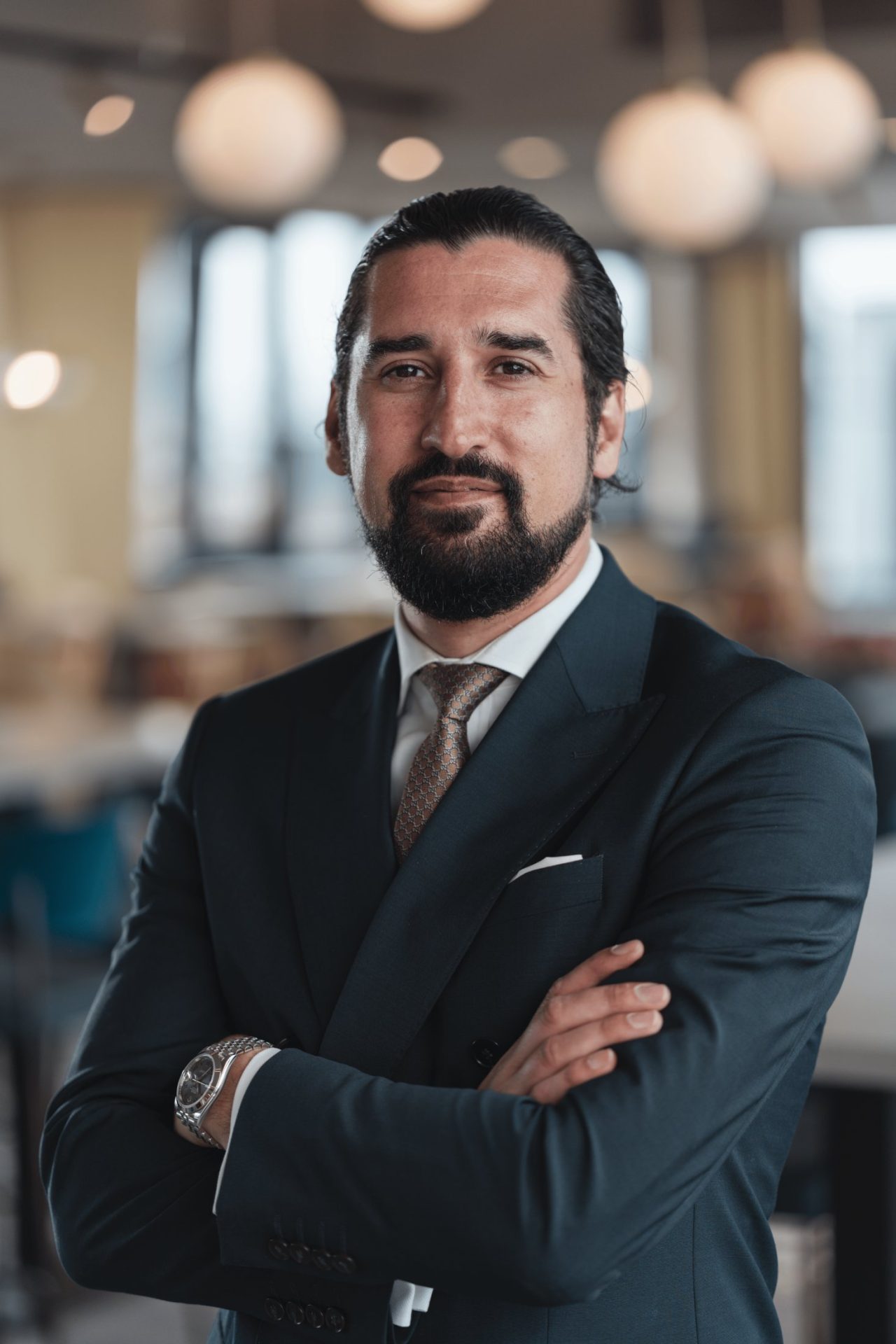
THE IMPERIAL, BLOOMSBURY
With more than 120 years of history behind it, The Imperial, Bloomsbury is entering a new chapter.
Following a once-in-a-generation refurbishment, the Bloomsbury landmark has been reimagined for a new generation while retaining the bold architectural character that has defined its place in London for decades.
For General Manager Remus Obertelli, who brings more than 15 years of hospitality management experience to Imperial London Hotels, the reopening represents more than the return of a hotel. It is an opportunity to recognise The Imperial, Bloomsbury as an important part of London’s evolving story while creating a contemporary destination that feels relevant today.
The original building opened in 1905, designed by Charles Fitzroy Doll, and was known for its ornate turrets, terracotta statues, marble-and-granite public spaces, winter garden and Turkish Baths. Its replacement in the 1960s embraced the modernist spirit of the era, looking firmly towards the future.
That architecture remains the anchor of The Imperial, Bloomsbury today. Rather than looking to disguise its modernist identity, the refurbishment embraces it, drawing on the creative energy of the writers, thinkers, painters and reformers who shaped the cultural voice of the period.
Building a team for a new chapter
Remus joined The Imperial, Bloomsbury unusually early in the opening process, arriving after the main build was underway but before the hotel had entered day-to-day operation. His role involved working closely with the project team to identify the smaller details and operational refinements that can make a significant difference to the guest experience.
It was about working closely with the project team to make the smaller tweaks that add up to a real difference for guests, while watching the hotel and the operation come to life side by side,
he said.
The opening also required the team to adapt as the project evolved, refining how the hotel would position itself in the market and communicate its story to guests. Recruitment was another key priority, with Remus focused on building a team capable of delivering the guest experience the hotel has set out to achieve.
The experience has reinforced the importance of being able to work across every part of a hotel simultaneously – from leading teams and refining operations to shaping the guest journey.
For fellow hotel leaders, Remus believes commercial performance and guest experience should never be viewed as competing priorities. Instead, the guest should remain at the centre of every commercial decision.
After all, a great guest experience drives reputation, loyalty, direct bookings and ultimately revenue,
he said.
Reimagining a Bloomsbury landmark
The reopening marks a significant milestone for Imperial London Hotels, with the refurbishment carefully balancing heritage with a distinctly contemporary identity.
The interiors take their cues from mid-century modern design, celebrating the hallmarks of a building that was once considered controversial while preserving the striking exterior that has made The Imperial, Bloomsbury a landmark.
Bold shapes, patterns and geometric forms reflect the expressive spirit of the period, while original details uncovered during the renovation have helped shape the new design. Among the discoveries were burnt orange glass tiles on the mezzanine floor, which directly influenced the warm tones used throughout the hotel.
Distinctive wood panelling, sculptural lighting, terrazzo and tactile textures sit alongside soft silhouettes of mid-century furniture, creating a guest experience that feels rooted in the building’s past without becoming nostalgic.
The Imperial, Bloomsbury now comprises 357 guest rooms and suites, including Bay Rooms featuring the hotel's distinctive geometric windows, Hideaway suites with private terraces and outdoor bathtubs, and The Nest – one of the hotel's largest suites, complete with a mezzanine level designed for cinema nights.
The strategy is ultimately about giving the hotel a renewed relevance: preserving what makes The Imperial, Bloomsbury distinctive while creating compelling reasons for a new generation of guests to visit, stay and return.
Hospitality with a human connection
For Remus, delivering a strong guest experience begins long before a guest arrives. During the renovation, the team spent considerable time defining and refining the guest journey, using a detailed understanding of its guest profiles to identify what visitors value, where potential pain points exist and where the hotel could create points of difference.
That thinking has influenced everything from the check-in process to breakfast service - but technology is only one part of the equation. The hotel has consciously recruited for roles designed to bring the guest experience to life, ensuring that service can be adapted around individual guests rather than delivered as a one-size-fits-all model.
Technology is used to provide insight and data that can help the team anticipate needs and recognise preferences, but the emphasis remains firmly on human connection.
The aim is for guests to feel genuinely looked after rather than simply accommodated, with personalisation delivered through tailored interactions, thoughtful details and small moments of recognition.
It is an approach that builds on the philosophy that has been central to Imperial London Hotels since its founders opened their first hotel in 1837, while giving it a distinctive expression at The Imperial, Bloomsbury.
Creating a new destination for London
A central part of the hotel's new proposition is its ambition to become more than a place to stay. The renovation has introduced a collection of spaces designed to bring guests and the local community together, supported by a programme of cultural, music and wellbeing experiences.
At the centre of this is Arcus, Bloomsbury's first and only rooftop bar and restaurant. Occupying more than 320 square metres on the hotel's tenth floor, the new destination combines modernist design with panoramic views across London.
Inspired by the sky above it, Arcus offers cocktails and seasonal small plates, with the ambition of becoming a destination in its own right – whether for post-work drinks, pre-theatre cocktails or simply taking in the city from above.
Elsewhere, The Edit Bar & Lounge and The Bell Room and Terrace provide additional spaces for guests to gather, while an all-day dining concept adds further choice throughout the day. The ground floor is also home to Bancone Russell Square, operated by a third party, bringing an established restaurant concept into the hotel and attracting its own audience to the property.
Alongside food and beverage, the hotel offers a gym and Wellness Terrace, supporting its wider focus on wellbeing.
Together, these spaces form an important part of the hotel's commercial strategy. They are not simply additional revenue streams, but help establish The Imperial, Bloomsbury as a genuine third space within Bloomsbury – somewhere Londoners can meet, eat, drink, experience culture and pause from the pace of the city.
In the future
For The Imperial, Bloomsbury, the reopening is the beginning rather than the end of the story.
The ambition is to establish the hotel as a destination that can honour its history while continuing to evolve. Its cultural programming will play an important role, with conversations with cultural figures, listening sessions and movement, sound and breath rituals designed to amplify the hotel's place within London's cultural landscape.
For Remus, the key to the next stage is continuing to listen and adapt. The past year has demonstrated the value of collaboration – between the hotel team, contractors, designers and project team – and of remaining open to refining the operation as the hotel develops.
The ultimate ambition is clear: to make The Imperial, Bloomsbury a project that the industry is talking about and, more importantly, a destination that people genuinely want to experience.
With its distinctive architecture, renewed interiors, ambitious food and beverage programme and focus on culture and human connection, The Imperial, Bloomsbury is looking to write the next chapter of its 120-year story – this time with its eyes firmly on the future.
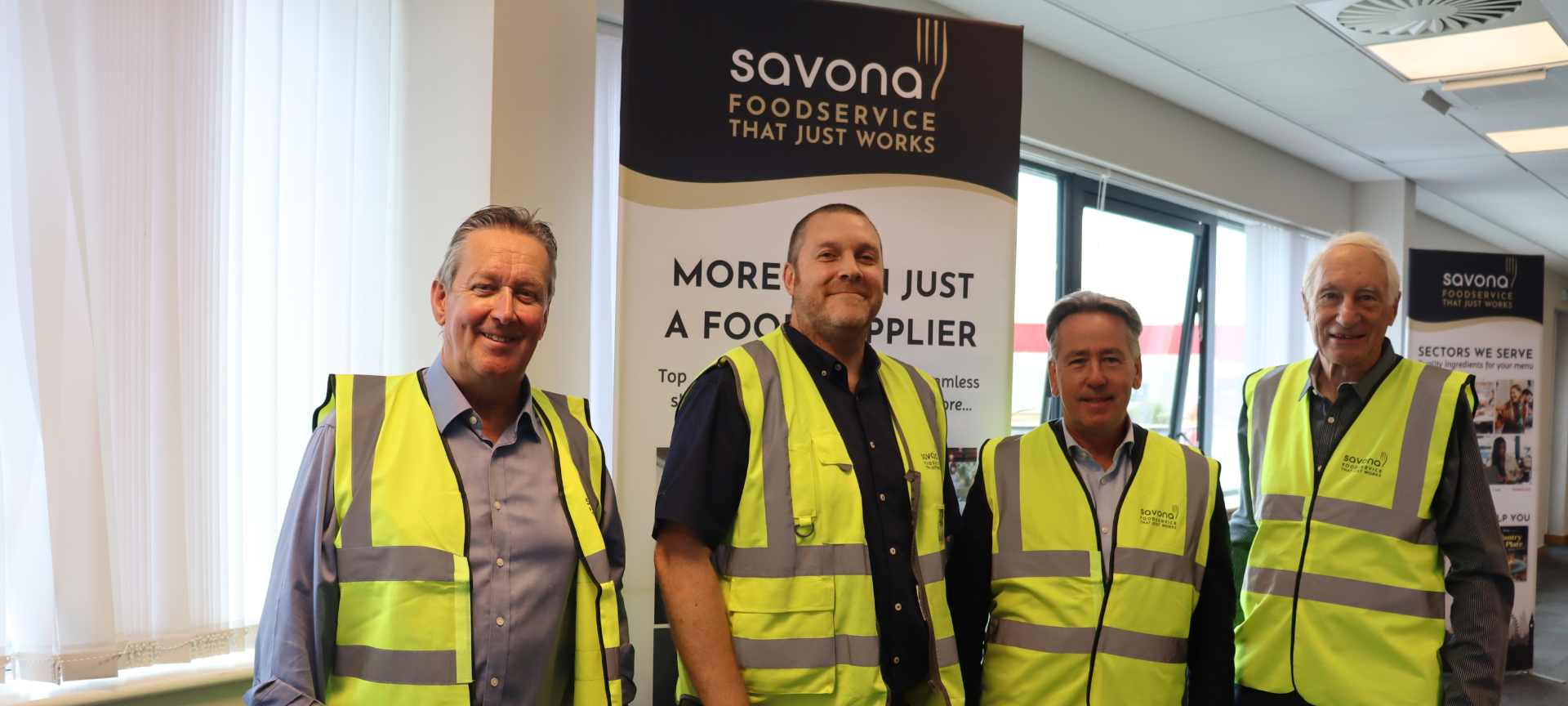
SAVONA FOODSERVICE UNVEILS £3 MILLION LONDON DEPOT EXPANSION TO SUPPORT GROWTH AND INNOVATION
Savona Foodservice has officially opened the doors to its new London distribution depot, marking an exciting new chapter for our business and a significant investment in our future across London and the South East.
As our customer base and product range have continued to grow, so has the need for greater capacity. The 50,000 square foot site has given us a larger, more efficient facility designed to support our customers today while preparing us for future growth.
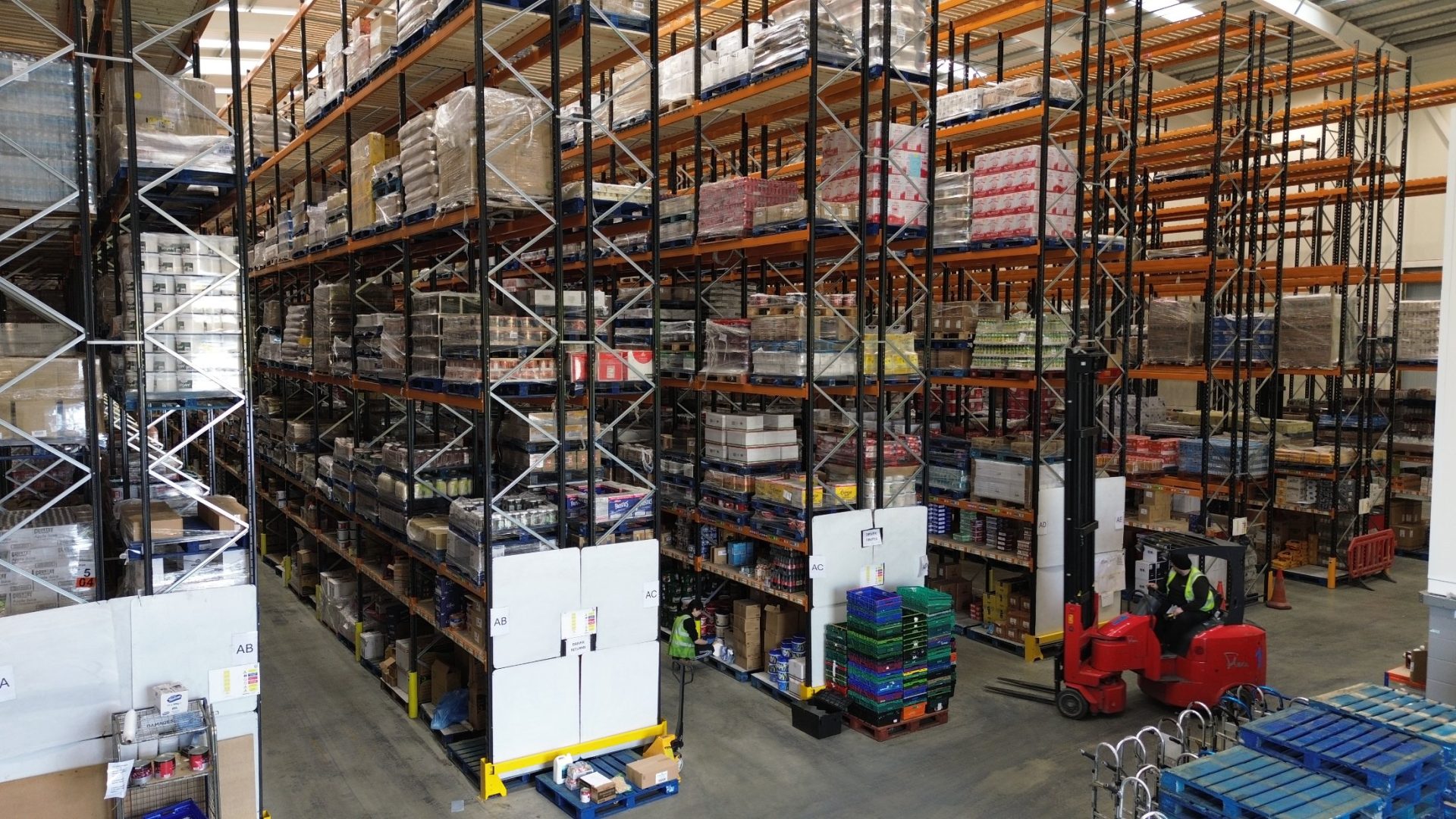
At the heart of the expansion is a significant increase in warehouse capacity, including over 2,000 additional freezer and chiller pallet spaces. This means greater product availability and the ability to offer an even broader range of products.
We've also introduced new racking systems, an upgraded warehouse layout and realigned delivery areas with our long established Oxford site. These improvements have streamlined our operations, increased efficiency and improved order accuracy.
For our customers, the result is simple: more capacity behind the scenes, helping us deliver the reliable service they know and expect from Savona Foodservice.
The increased storage and improved infrastructure also strengthen our supply chain, giving us greater flexibility when demand increases and helping us respond more effectively during busy periods and changing market conditions.
The expansion has also supported the launch of our new Culinary Collection, creating opportunities for further product development and innovation. By broadening our offering, we are attracting new customers across a wide range of sectors while continuing to provide greater choice and inspiration for existing customers.
This investment isn't just about the building. It's about our people too.
As we continue to grow, our new depot creates further opportunities for training, development and career progression, helping our teams build their futures with us.
And while the fit-out was taking place, it was business as usual. Our teams continued working tirelessly throughout the project to maintain the high standards of service, reliability and customer care our customers rely on every day.
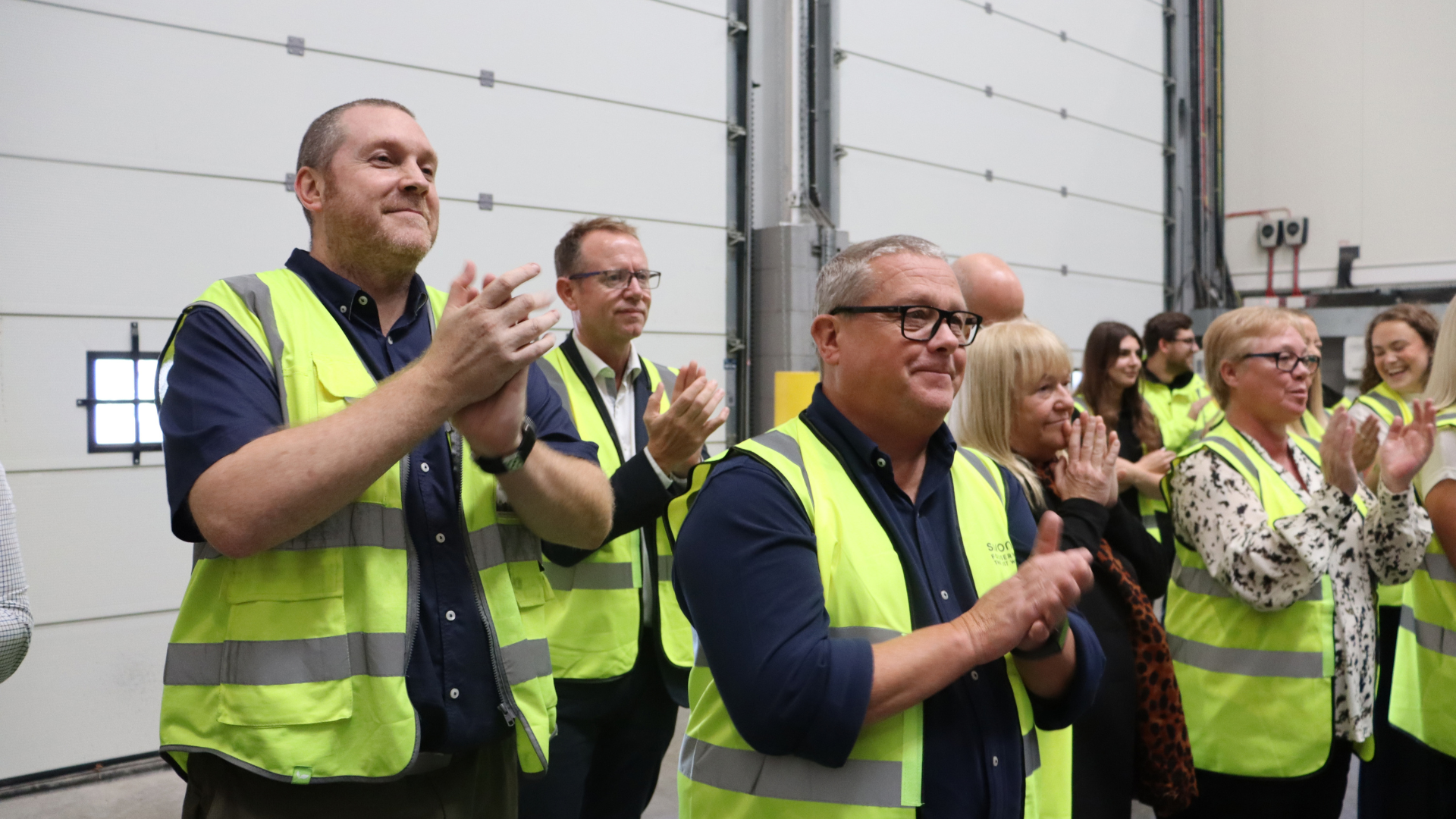
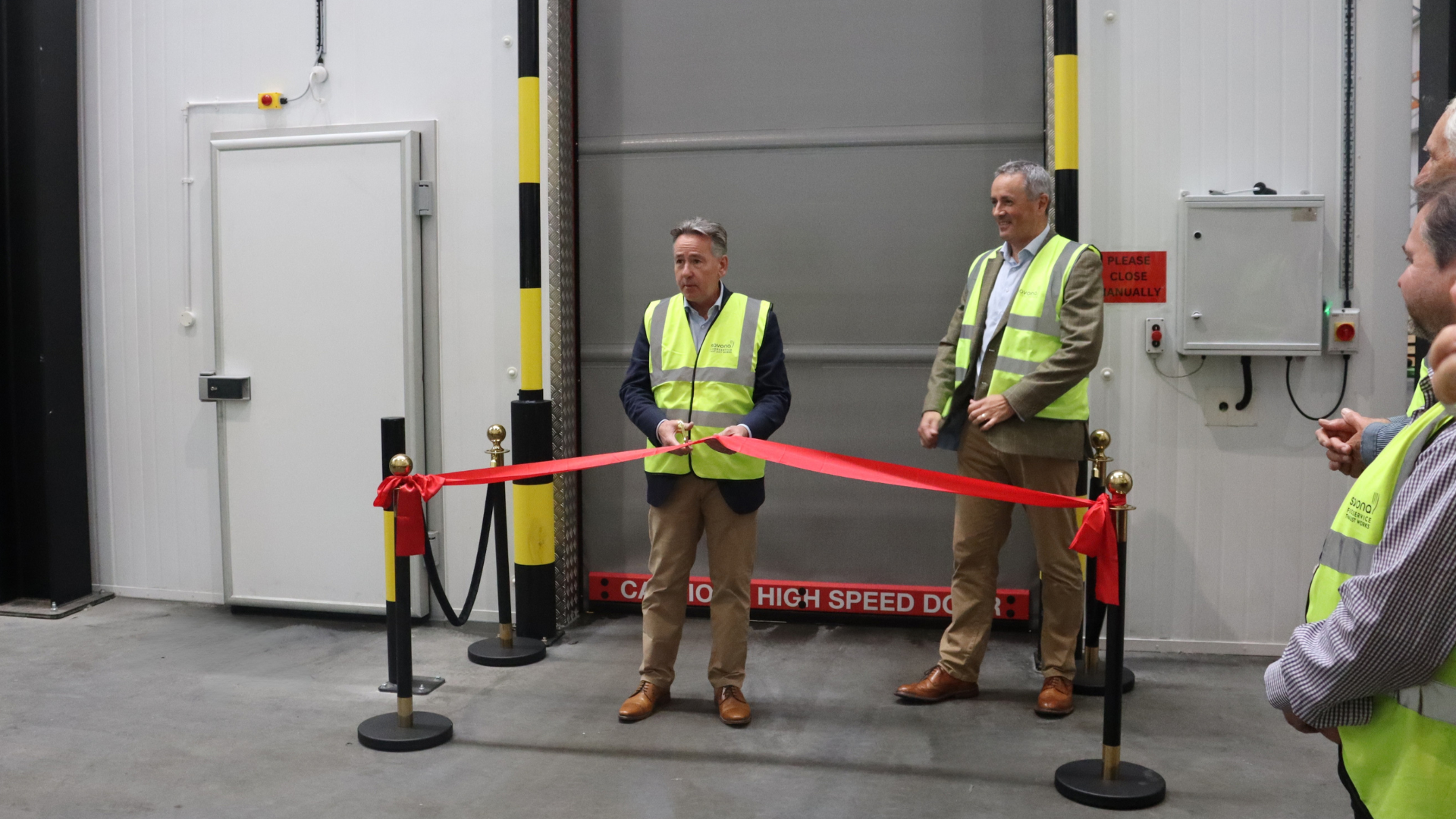
We officially opened the expanded facility on 29th September, with Frank Bothwell owner and founder of Thomas Franks, doing the honours of cutting the ribbon and marking the occasion.
We were proud to celebrate this milestone alongside our valued suppliers, loyal customers and long-standing partner, Country Range Group. We look forward to seeing the difference this investment will make for our customers, suppliers, colleagues and the wider community.
Our investment in the future doesn’t stop here. We're excited to announce plans to introduce a development kitchen and dedicated meeting spaces at our London depot. Designed for both internal and external use, the new facilities will bring customers and suppliers together for training sessions, product development workshops and collaborative meetings, creating even more opportunities to innovate and grow together.
This is more than a bigger depot. It's an important step forward for Savona Foodservice and another investment in our ability to support the foodservice industry across London and the South East for years to come.
CROMLIX, THE GRAND YORK, AND AA MEDIA'S SIMON NUMPHUD RECOGNISED IN THE INDEPENDENT HOTEL SHOW AWARDS 2026
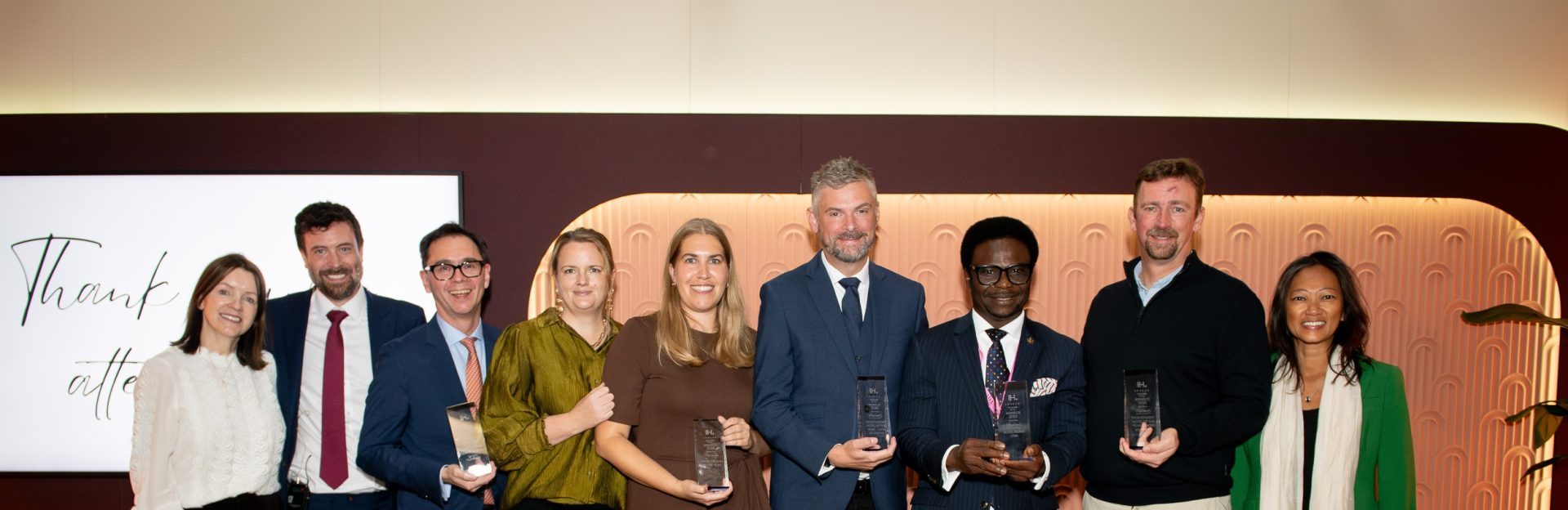
The winners have been announced for the 2026 Independent Hotel Show Awards, in partnership with Preferred Hotels & Resorts, with AA Media Managing Director Simon Numphud recognised for his Outstanding Contribution to the Industry.
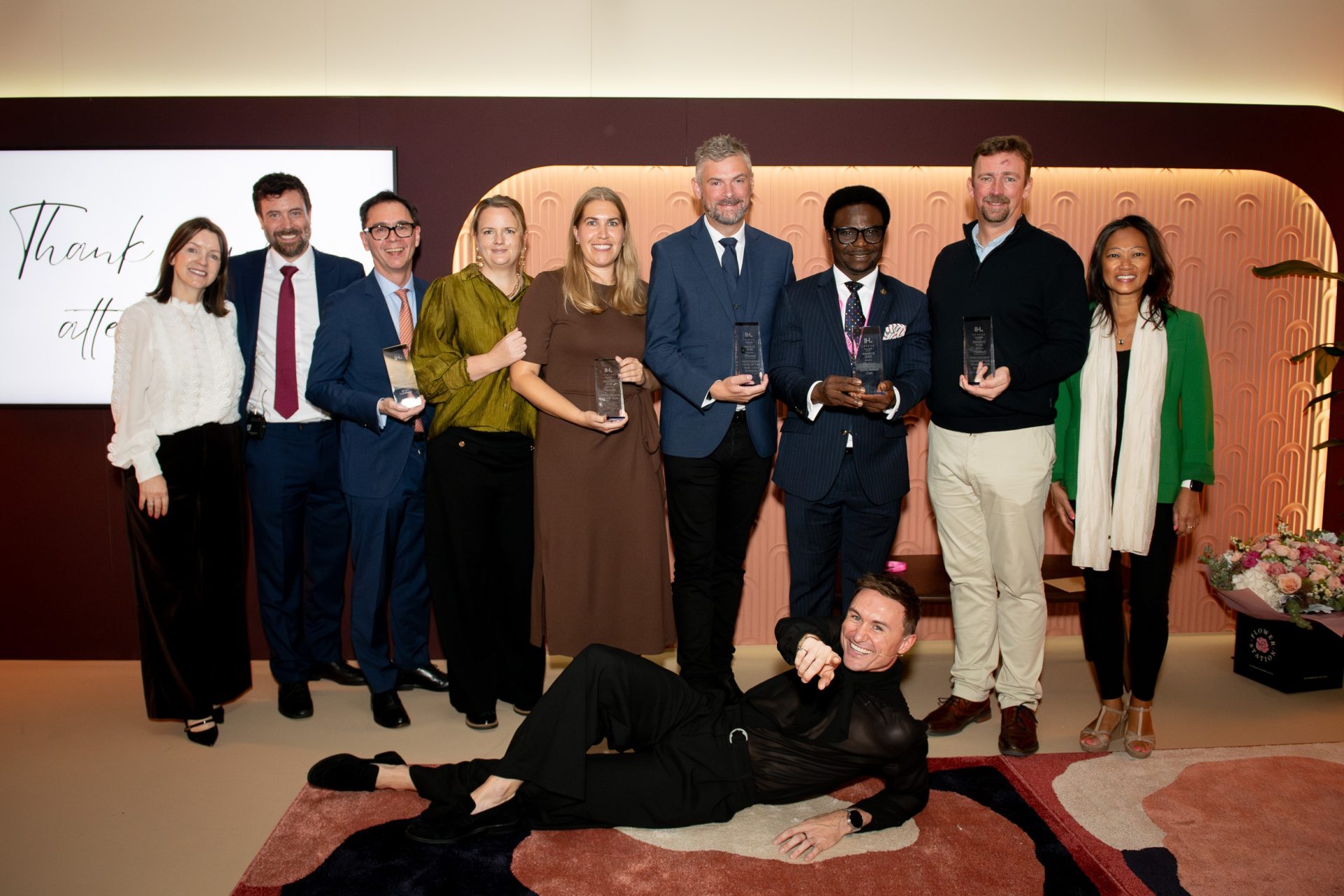
Each year the awards recognise outstanding hotels, rising stars in hospitality and quality design, celebrating the innovation and excellence present across the board in the UK's independent hotel sector.
In the Independent Hotel of the Year – Over 50 Rooms category, The Grand, York, took home the title, while Cromlix hotel won in the Independent Hotel of the Year – Under 50 Rooms category.
Adam Dyke, General Manager of The Grand, York, said: "This is completely unexpected and there were some brilliant hotels in our category. We're absolutely delighted and it's a credit to the whole team who work incredibly hard every single day. It's great to bring this award back to Yorkshire for the second year running and it shows that Yorkshire hospitality has never been stronger. This is for the Grand family."
Hotel Design of the Year was won by Charlotte Smiley and Kim Hanks for the design of The Old Bell Hotel, while Grantley Hall Welcome Host Isaac Arikawe was recognised as a Hotel Rising Star.
Arikawe commented: "It's been such an amazing evening. What I've learned is that nothing is too much to make people happy. Every life deserves respect. Everyone is a VIP. Thank you very much."
Sponsor Brenda Collins, EVP Europe at Preferred Hotels & Resorts, said: "Preferred Hotels & Resorts are delighted to sponsor the Independent Hotel Show Awards for the third year running. It was wonderful to see the amazing range of independent hotels shortlisted and congratulations to all the winners!"
Finally, Independent Hotel Show Event Director David Todd announced that Simon Numphud, Managing Director of AA Media, would be awarded Outstanding Contribution to the Industry, commenting: "Simon's passion for the industry shines through everything he does. He is rarely in the spotlight but always working behind the scenes to advocate for the sector and champion hospitality professionals."
Numphud added: "Deeply honoured to receive the Outstanding Contribution Award at the Independent Hotel Show London. Looking at the remarkable list of previous recipients makes this recognition particularly special, and I’m incredibly grateful to the judging panel for this honour.
“Most importantly, recognition like this is never really about one person. I’ve been incredibly fortunate to work alongside so many talented and passionate people throughout my career, and I’m hugely grateful to all those who have been part of the journey. A very special evening and a genuinely proud and humbling moment.”
View the awards shortlist here:
Independent Hotel of the Year – Over 50 Rooms
- Another Place, The Lake
- Horwood House
- The Grand, York
- The Newman
- The Tempus
Independent Hotel of the Year – Under 50 Rooms
- Calcot & Spa
- Cromlix
- Foxhill Manor
- The Cavendish at Baslow
- The Royal Crescent Hotel & Spa
Hotel Rising Star
- Isaac Arikawe, Welcome Host, Grantley Hall
- Nicole Johnson, Head of Marketing, The Newman
- Sandia Scott, Head of People and Culture, The Newman
- Sophie Morgan, Wedding and Events Coordinator, Morgans Hotel
Hotel Design of the Year
- Calcot Manor & Spa, Blue Forest
- Cromlix, Suzanne Garuda, Garuda Interior Design
- Miiro Templeton Garden Hotel, Holland Harvey, Thurstan and garden designer Rupert Muldoon
- Penmaenuchaf, Nicola Harding & Co
- The Old Bell Hotel, Charlotte Smiley and Kim Hanks
This year's judging panel comprised:
- Brenda Collin, Executive Vice President of Europe, Preferred Hotels & Resorts
- Dean Culpan, General Manager, Templeton Garden
- Petra Clayton, CEO, CUSTARD
- Sarah Duncan, ESG Consultant and author of The Sustainable Business Book and The Ethical Business Book
- Jade Evans, Editor, The Hotel Magazine
- Eloise Hanson, Editor, Boutique Hotel News
- Sophie Harper, Editor, Hotel Designs
- Peter Hancock, Conference & Awards Host
- Kalindi Juneja, CEO, PoB Hotels
- Nick Maddox, Head of Risk, James Hallam Hospitality & Leisure
- Zoe Monk, Managing Editor, Boutique Hotelier
- Simon Numphud, Managing Director, AA Media
- Jane Pendlebury, CEO, HOSPA
- Robert Richardson, CEO, Institute of Hospitality
The Independent Hotel Show, in partnership with James Hallam Insurance Brokers, is the UK's only business event dedicated exclusively to the needs of luxury, boutique and independently owned hotels. Bringing together hotel owners, general managers, designers and senior decision-makers, the show provides an unrivalled opportunity to discover innovative suppliers, gain expert insight and build valuable industry connections.
Independent Hotel Show 2027 takes place on 5-6 October at Olympia London. To register to attend or find out more, visit www.independenthotelshow.co.uk.
DISCOVER TAKARA BELMONT BEAUTY - AN INSPIRING NEW COLLECTION THAT INHERITS OVER A CENTURY OF EXPERTISE, EXPERIENCE AND INNOVATION!
Discover Takara Belmont Beauty - an inspiring new collection that inherits over a century of expertise, experience and innovation!
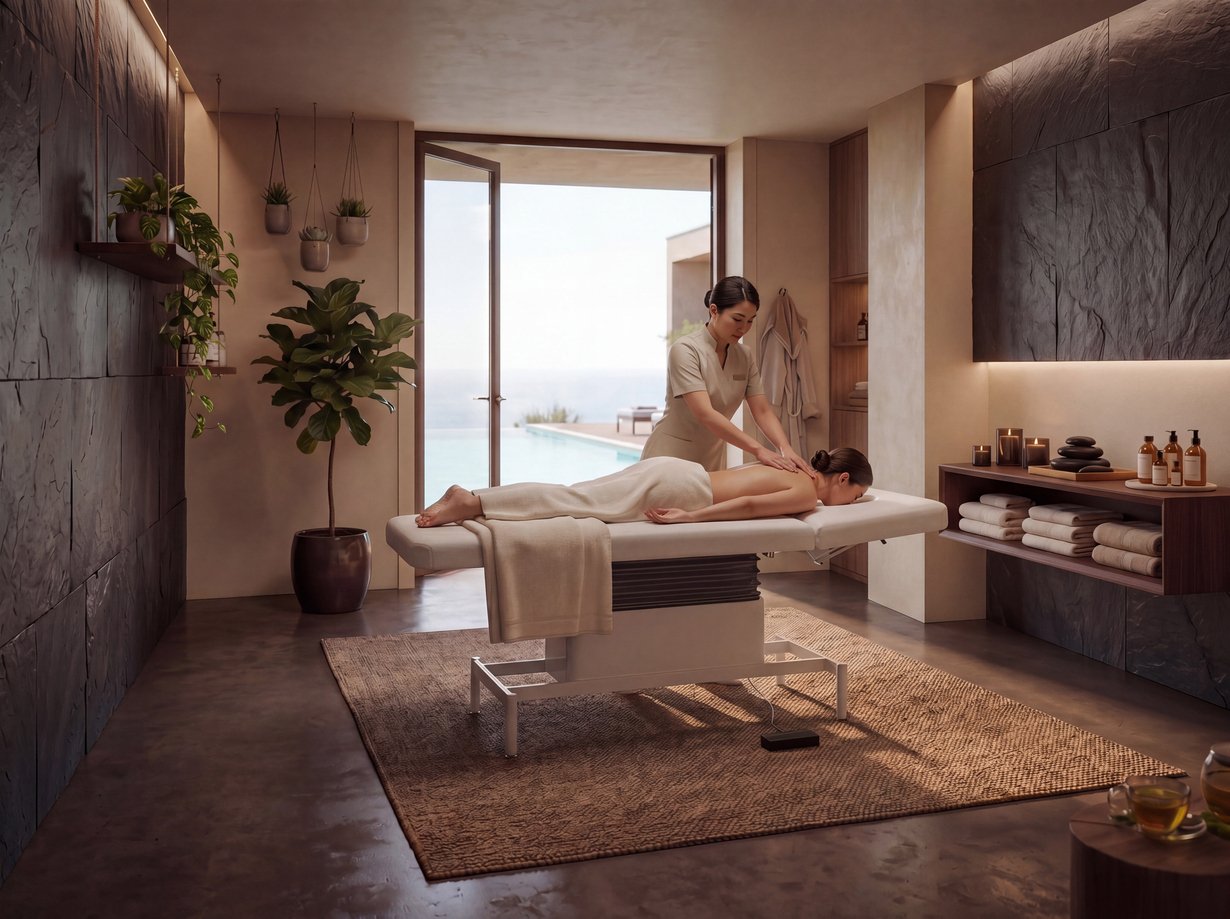
Takara Belmont launches a stunning collection of Aesthetic Beds, Multi-Purpose Chairs, Stools and Accessories in the UK beauty and spa industry
For more than a century, Takara Belmont has led a transformation in the global salon, beauty and dental industries, creating some of the world’s most innovative and iconic equipment, and advanced technology. Renowned in the UK for products that define client and patient experiences in hairdressing, barbering and dentistry, all our expertise is now embodied in a brand new collection designed exclusively for the beauty and spa sector. Combining timeless design with superior comfort and industry-leading functionality, Takara Belmont’s beauty collection continues our pursuit of perfection with an exquisite range that raises standards of quality, performance and reliability.
A collection crafted on decades of expertise in global wellness
Featuring a selection of Aesthetic Beds, Multi-Purpose Chairs, Stools and Accessories, every product inherits more than a century of expertise and innovation in the global healthcare and wellness industries. Plus, in a perfectly timed strategic move into the fast-growing UK spa and wellness sector, Takara Belmont’s Yume Head Spa will form part of its exclusive offering to beauty salons and spas. As creators of the Original Japanese Head Spa, this exclusive and immersive treatment combines heritage Japanese scalp therapies with our authentic Head Spa equipment to transform wellness experiences and deliver proven benefits to hair and scalp health. As the fastest-growing treatment in hair salons in recent years, the Yume Head Spa package is now gaining widespread popularity in beauty and spa settings.
Takara Belmont’s National Sales Manager Katie Fielder comments:
Takara Belmont is a globally trusted and well-established name across the high-end salon, wellness and dental industries. Our reputation for combining Japanese artisan craftsmanship with cutting-edge innovation presents levels of quality and reliability that are unrivalled in the markets we serve. As with all our products, our new beauty collection features technology-driven functionality, world-class design and engineering, and matchless quality. Our Yume Head Spa package perfectly complements this range and we’re so excited to be sharing this with beauty and spa professionals.
We manufacture and source the finest materials and components to elevate luxury and comfort, and ensure the ultimate in ergonomics for clients and therapists alike. Our aim is always to enhance treatment experiences, and deliver long-lasting performance for salons and spas as sustainably as possible
For many decades, Takara Belmont’s presence in beauty and wellness, predominantly in the US and Asia-Pacific markets, has earned the brand a world-class reputation for thought-leadership and equipment solutions that define the present and shape the future of treatment experiences for clients, and industry professionals.
Let’s take a look at a selection of products from the range:
Esthe Place - aesthetic bed
Immerse your clients in pure luxury. Esthe Place reclines effortlessly into a full lie-flat position to envelop clients in sumptuous comfort and transform every treatment into a haven for wellness.
Evri-1N - aesthetic bed
Enhance every moment as you effortlessly recline your client in personalised comfort. The adjustable backrest and folding headrest gently conform to the body’s natural contours, as silent motorised movements ensure the mood is never broken - leaving clients free to drift away in pure, unhurried bliss.
Cil - multi-purpose chair
With comfort, intelligent functionality and versatility at its heart, the Cil effortlessly refines a wide range of treatments for clients, nail technicians and beauty therapists. Serve your client and stow the foot wagon away after use to free up valuable floor space and keep the salon looking sleek and uncluttered.
Riche - multi-purpose chair
Riche inherits our decades of expertise in medical seating - including ophthalmology chairs. Refined, sophisticated and eminently poised, it delivers unrivalled safety and comfort, and ease-of-use for clients and technicians while reducing fatigue and elevating every treatment into a luxurious experience.
Riche stool
As the perfect partner to the Riche multi-purpose chair, the Riche stool perfectly blends ergonomic comfort and versatile mobility with modern design. Ergonomically designed with back support, it keeps technicians comfortable and focused, even during the longest treatment sessions.
Pedi-stool
Built to support beauty professionals through detailed, posture-sensitive treatments. With its wide, stable base, smooth mobility, and ergonomic seat, it delivers the perfect balance of comfort and control. Whether you're performing pedicures or foot-care treatments this stool keeps you steady, supported, and effortlessly mobile.
Riche trolley
Featuring a spinning tray with smooth rotation and adjustable height, this trolley is ideal for keeping key items close at hand to streamline your workflow. A lower pull-out tray offers practical storage for additional products, ensuring everything you need is right where you need it.
Cherie - nail table
Efficient and practical, store products and tools on Cherie's integral shelf to leave your workspace uncluttered, so you can focus on indulging your clients in conversation and exceptional nail care.
Why choose Takara Belmont?
Established in Osaka, Japan in 1921, Takara Belmont’s beauty collection is a seamless continuation of our journey into wellness. We relentlessly innovate to create products that transform treatment experiences, redefine ergonomics for professional therapists, and contribute towards the success of beauty, hairdressing and healthcare businesses worldwide. Our heritage and reputation give you the confidence you need to succeed at what you do best - serving your clients, looking after your team and taking care of your business. Our world-leading products are designed to perform in a busy and demanding setting without letting you down, or degrading over time.
Plus, in a world facing economic challenges, we have introduced a 0% zero deposit Finance Lease Scheme. This allows you to invest in the world’s best equipment in an affordable and tax efficient way. Available over 2 years, you can own the equipment outright at the end of the term or upgrade and start a fresh agreement.
Discover Takara Belmont Beauty - an inspiring collection that inherits our world-class reputation - crafted exclusively for beauty.