

With help from industry experts, we deep dive into the rise of experiential dining in line with consumer preferences and why you should be including these in your offering.
In today’s competitive hospitality landscape, dining is no longer just a matter of sustenance—it’s a key component of the guest experience. Many hotels are transforming their food and beverage offerings into immersive, memorable events, capitalising on the growing demand for experiential dining.
From innovative pop-up restaurants to curated tasting menus and ever-evolving seasonal offerings, these culinary experiences are redefining how hotels connect with their guests. In this piece, we explore how these trends are shaping the industry, offering insights into the strategies hoteliers can use to stay ahead in an era where dining is as much about the story as the cuisine.
Saicho is a global leader in sparkling tea – committed to elevating the art of food pairing by collaborating closely with top-tier hotels and restaurants, showcasing how sparkling tea can enhance fine dining experiences.
With many consumers now opting for a no and low beverage in overnight stay venues, rather than an alcoholic tipple, being able to offer a low ABV pairing is revolutionary. Charlie Winkworth-Smith, co-founder of Saicho, believes that sparkling tea offers a new way to elevate the dining experience by providing a refined, non-alcoholic alternative that complements dishes just as well as wine or champagne.
“Our delicate effervescence, nuanced flavour profiles, and single-origin teas bring a sense of luxury and thoughtfulness to the table, making meals more memorable for guests who seek innovative pairings or prefer to avoid alcohol,” added Charlie.
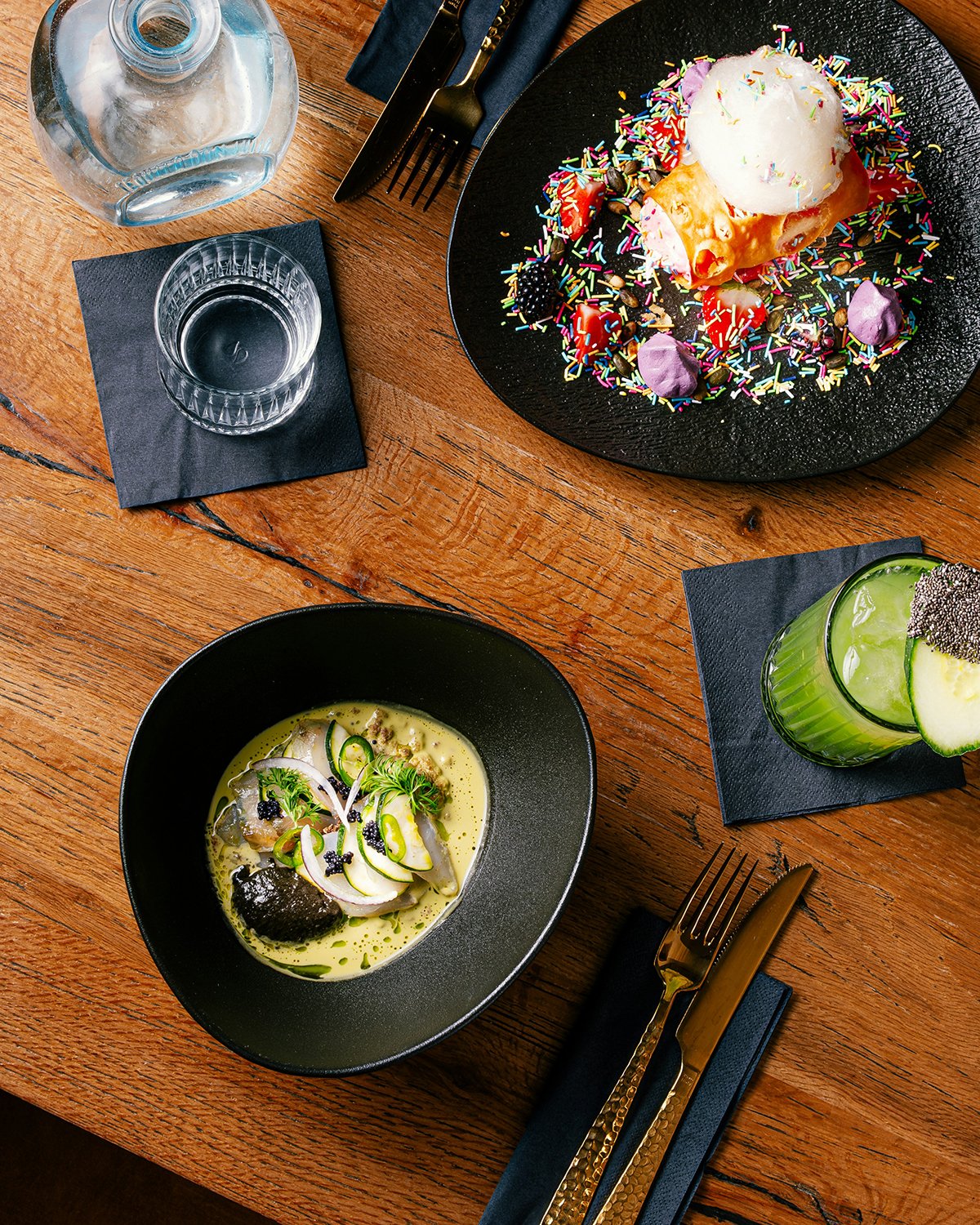
Hotels can feature Saicho in multiple ways: as part of a curated pairing menu, a welcome drink for guests, or a signature non-alcoholic option in their fine-dining and casual settings. Additionally, Charlie revealed, “Hotels can create unique sparkling tea cocktails or mocktails, blending Saicho with other ingredients to further impress guests with creativity and sophistication.”
We asked Charlie if he could provide examples of how Saicho has been paired with dishes in hotel settings, to which he said, “Our signature serve is afternoon tea and we are seeing more hotels using Saicho as tea flight or as the non-alcoholic alternative to champagne. Seasonal menus provide another avenue for creativity with our sparkling teas from menus promoting occasions such as Chinese New Year to wellness focused in January.
“We are also seeing the rise of in demand of sophisticated non-alcoholic options for events from weddings to corporate and are now featured as an option in events packages.”
No strangers to offering experiential food and drink options are the team at the Landmark London as they have recently introduced an upcoming collaboration with Courvoisier at the hotel’s Mirror Bar. Cedric Lescure, Director of Food and Beverage at the Landmark London, said, “We have been looking at ways to relaunch our Mirror Bar, a beautiful space that has been so far, a secret hideaway. We wanted to use the mirror concept of the bar to create an immersive and Instagrammable experience with a lot of mirrors as photo opportunity for our guests. With Courvoisier being one of the oldest cognac houses, we thought it was the perfect partnership for our five star establishment, a perfect way to stand out.”
The Landmark have always offered seasonal menus at their restaurants to make sure the teams can serve dishes created with the finest seasonal ingredients but last year, Cedric revealed how the Landmark London really elevated experiential dining through temporary pop ups with other brands.
Cedric said, “We kick-started the summer working with VIVIR Tequila, a premium Tequila brand, to deck our Mirror Bar terrace while serving a limited edition cocktail menu, to be enjoyed al fresco. We then launched the Rose Garden at the Champagne Bar, a beautifully curated partnership with award-winning florist Mary Jane Vaughan. Our elegant Champagne Bar was transformed into a floral haven with an accompanying list of Rosé Champagne, Rosé wines and Rosé cocktails. We have also launched a Cake Shop during Christmas and Easter, a temporary pop up shop serving sweet treats to take away such us the ‘Broissant’ (a delicious combination of both brioche and croissant), Easter Eggs or Panettone, all carefully created by our award winning pastry chefs.”
Cedric notices the importance of experiential dining at the Landmark London and in order to continue capitalising on this demand, he said, “The aim is to be active and create different experiences for all our individual outlets. This is part of a bigger vision to reposition the Landmark London as a destination in London with fantastic Food and Beverage outlets with each of them providing very distinctive experiences.”
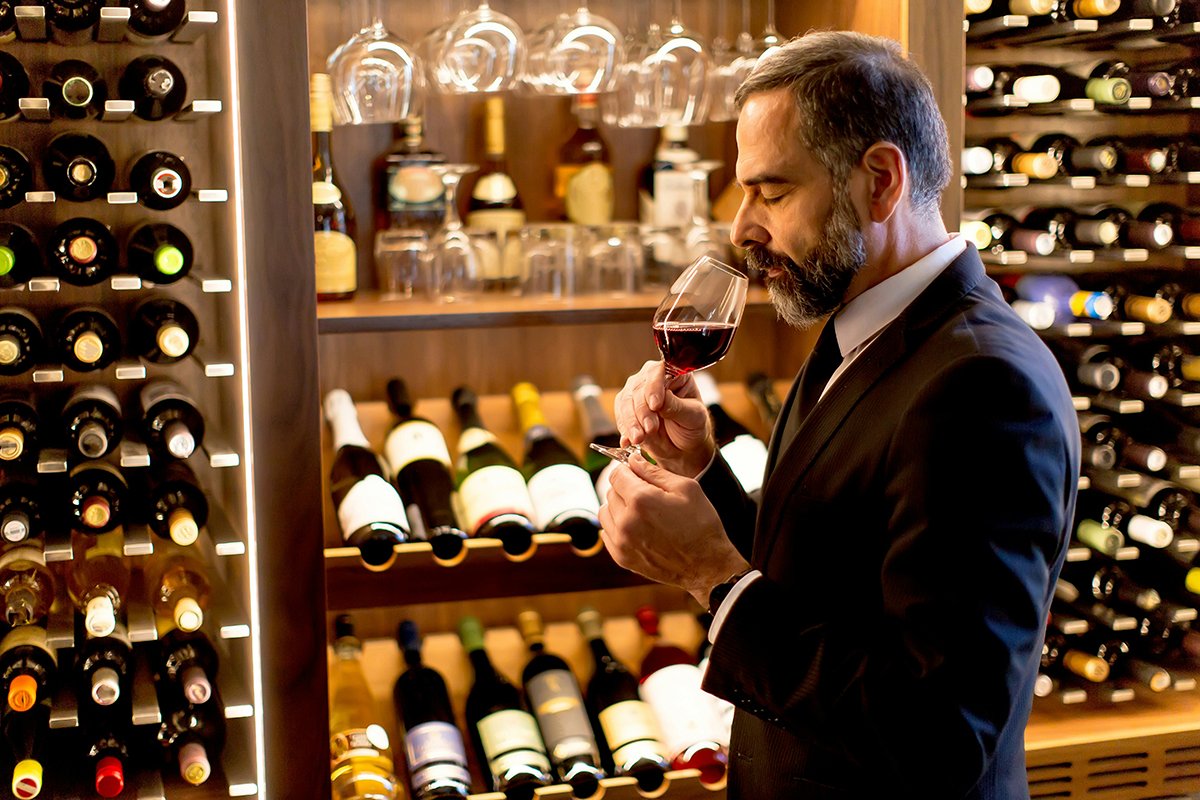
Approaching experiential food and beverage offerings in a unique way is Foxhill Manor and their ‘Full Fox’ package.
As part of the package, guests staying at the Grade II listed hideaway will be doing so at the UK’s first luxury all inclusive. The Full Fox package, includes all food and drink during the stay, as well as access to the award winning spa.
Visitor’s needs are cared for by the expert team, who are on hand 24 hours a day – the team said – “This is particularly evident in the food and beverage offering.” Also part of the all inclusive offering, resident chefs will curate bespoke menus with local and home-grown ingredients for guests, giving a true sense of a home from home experience, which we are seeing consumers ask for more and more of.
Opened in March this year, AREV St Tropez is the first boutique property of the new luxury lifestyle collection, AREV. Exuding the old school luxury and vintage glamour for which the region is so famed, the hotel’s signature restaurant, The Strand, offers a masterclass in French elegance and pays homage to its namesake, St Tropez’s oldest eatery.
Corporate Executive Chefs Rocco Seminara and Manon Santini have carefully curated a selection of menus that offer a contemporary take on the region’s classic dishes, with a particular focus on local produce.
In terms of the unique offering and how it increases footfall at AREV St Tropez, Executive Chef, François-Laurent Apchié, said, “Drawing on locally sourced ingredients and fresh daily catches from the Mediterranean, the menu at The Strand champions local produce, as each ingredient is thoughtfully selected, with a focus on supporting local producers, farmers, and village fishermen who deliver their daily bounty directly to the restaurant’s kitchens. Dishes feature an abundance of fresh vegetables and herbs that are sourced from the hotel’s kitchen garden, resulting in a bright, refreshing, and quintessentially “Tropezienne” dining experience.”
To elevate the on-site Q Bar, this winter, the team have launched a selection of mixology workshops as guests are guided by AREV’s talented team of mixologists who conjure magic in a glass. Each workshop is thoughtfully designed to be both educational and experiential, with AREV’s talented bar team sharing their passion through storytelling and demonstration. Whether muddling fresh herbs for classic cocktails or exploring the nuanced world of whisky, participants emerge with a deeper understanding of the art of cocktail curation. Additional experiences this winter include a bespoke olive oil tasting in partnership with Master Gardener Stéphan Rabany, in which guests can learn about the benefits of olive oil for digestion, as well as the varied production and flavour techniques.
Speaking with François-Laurent about guest favourites, he said, “Q Bar’s signature cocktails are highly sought after, including a ’Zebra Negroni’, with Generous gin, La Quintinye sweet vermouth, Luxardo bitter rosso, Fée Brothers orange bitters and a slice of orange peel or perhaps our sweeter Hazelnut Mint Julep, featuring Yellow Snake AmberRum, roasted hazelnuts liqueur, demerara sugar, freshly squeezed lime juice, ginger beer, dried hazelnut and a fresh mint sprig.”
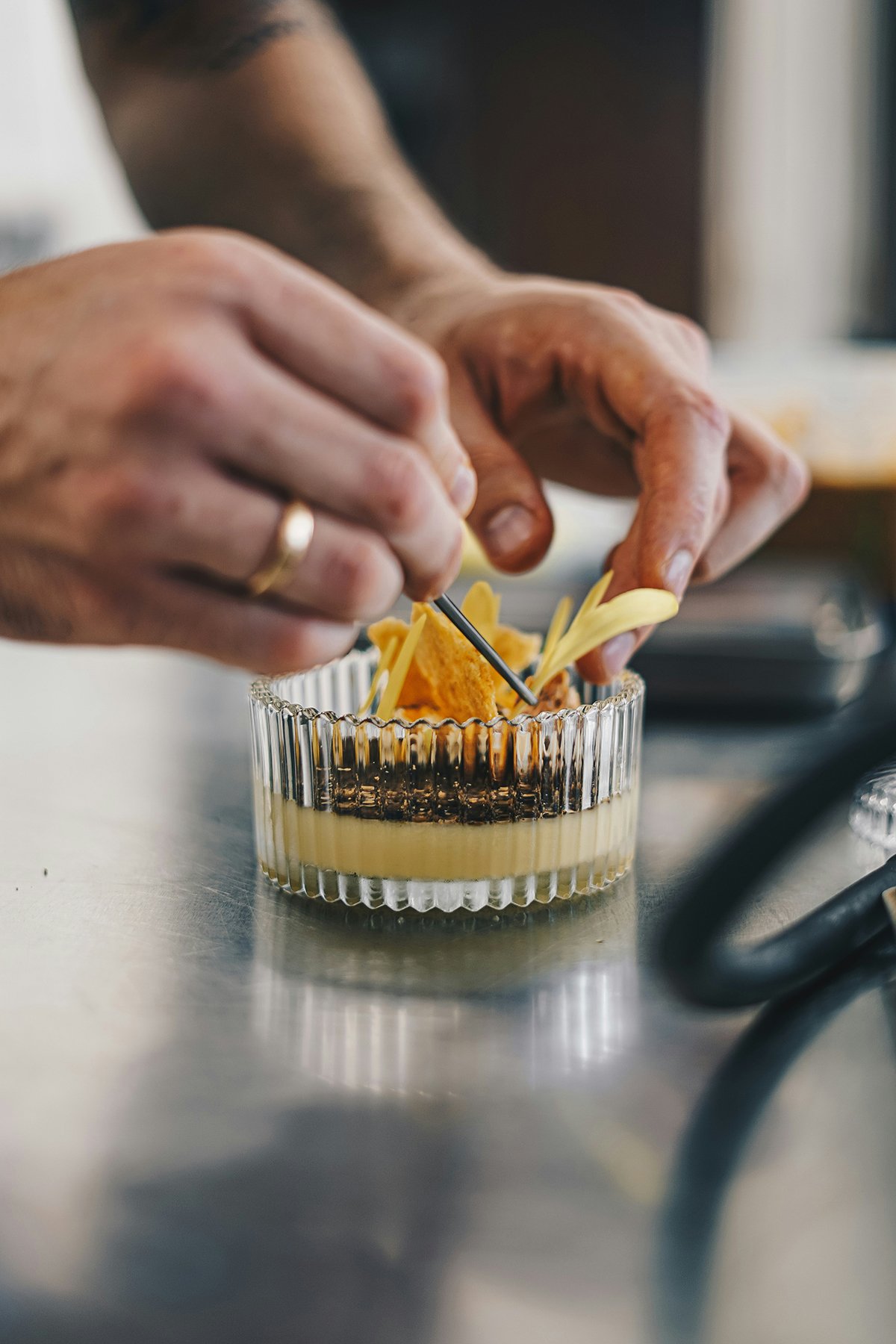
Over the past few years, there has been a noticeable shift in consumer preferences toward healthier eating, with a growing emphasis on seasonal and locally sourced ingredients. Guests today are increasingly conscious of the environmental impact of their food choices and are drawn to dishes that highlight fresh, sustainable, and regionally available produce.
At Hyatt Regency Churchill’s The Montagu Kitchen, the team align with these preferences by collaborating closely with British suppliers to ensure the menus highlight the best of local produce throughout the year. Chef Carlo Martino at The Montagu Kitchen, said, “This approach not only meets guest expectations but also supports local farmers and enhances the freshness and flavour of our dishes.”
A great example of their approach to experiential dining at The Montagu Kitchen is the recent Churchill’s 1940s Sunday Brunch – an afternoon/evening experience that offers guests a nostalgic journey back in time. The experience hones in on the hotel’s history and features vintage 1940s-inspired décor, entertainment by a trio of vocalists, live cooking stations, and theatrical table service, creating an immersive dining atmosphere.
In November, the hotel’s Churchill Bar & Terrace crafted a limited-edition cocktail inspired by Churchill’s love for the traditional Dundee fruit cake to celebrate Winston Churchill’s 150th birthday in order to really create a buzz in the bar by offering something for a set time only. Carlo said, “After researching its ingredients, we experimented with cherries, almonds, and raisins in our in-house lab.
“Additionally, we incorporated HINE Cognac, a nod to the spirit served at Churchill’s Chartwell House. The resulting cocktail, characterised by fruity, nutty, and tempting notes, embodied Churchill’s spirit in liquid form, offering guests a sensory journey through his life and tastes.”
As we know, in order to really make anything successful, the trick lies in the marketing strategy. With the hospitality landscape being a competitive one and consumers seeking memorable experiences more now than ever, Carlo believes that marketing experiential dining effectively involves, “creating content that vividly conveys the uniqueness of the experience.”
In today’s visual-driven world, he believes high-quality photography and video content to be ‘essential’.
“Collaborating with influencers and key opinion leaders can amplify reach and generate buzz. Another important strategy is to evoke the senses—incorporating elements of what guests will see, hear, smell, taste, and touch into marketing materials ensures they feel drawn to the experience. Additionally, sneak previews are an excellent way to generate anticipation. Inviting a select group of influencers, journalists, or loyal customers to exclusive pre-launch events allows them to experience and share the dining concept before it officially opens. This not only builds excitement but also creates organic buzz through word-of-mouth and social media,” finished Carlo.
Home to Volta Restaurant is Barcelona’s Miiro Hotel – a venue that understands the layers in perfecting a marketing strategy to really propel an experiential offering. Micaela Guarnaccia, Restaurant Manager at Volta Restaurant & Bar, said “Storytelling is key.”
“Brand awareness campaigns in the right media are also crucial. However, what works best for us is sending personalised emails to past diners, offering them a preview of new menus before they’re launched to the public. This personal touch makes them feel valued, often resulting in increased bookings and customer loyalty,” added Micaela.
Experimenting with pop-ups, in November, The Stafford London launched Bertie’s, a seasonal food and drink offering. Located in the hotel’s secluded cobbled courtyard in Blue Ball Yard, Bertie’s is offering a menu of freshly prepared treats perfect for on-the-go indulgence, a quick health kick, or a leisurely light bite in the capital.
Tapping into the trend of the health conscious traveller, in collaboration with Chef Anshu Anghotra of The Gelato Kitchen, the menu includes fresh smoothies and juices, hot drinks, crêpes, dosas, artisan gelato, and seasonal specials.
John McLean, General Manager at The Stafford, said, “Today’s guests are seeking more than just a standard dining or hotel experience; they want something memorable and distinct with a growing desire for unique, immersive experiences. Pop-ups, such as our seasonal offering Bertie’s, fit this shift perfectly, offering a novelty experience and the opportunity to engage with ever-changing concepts. The dynamic nature of pop-ups appeals to a generation of consumers who value creativity, flexibility, and personalisation in their interactions. Additionally, the rise of social media means that these one-off experiences can generate excitement and buzz, which further drives popularity.”
Experiential dining offerings can be exactly what’s needed in order to differentiate a venue from the crowd, and John agrees with this, “The launch of Bertie’s at The Stafford London is a key part of our strategy to offer something distinctly different from other hotels and competitors in the area with a menu of freshly prepared treats perfect for on-the-go indulgence, a quick health kick, or a leisurely light bite.
“Offering unique experiences can help strengthen a hotel’s image as a hospitality innovator, attracting guests looking for something different and exclusive. This helps elevate the hotel’s profile, especially when attracting high-end clientele or media attention. Experiential dining such as our seasonal pop-up Bertie’s also fosters deeper customer engagement, as guests are more likely to return when they feel they’ve had a personalised and exceptional experience, which enhances guest loyalty and can increase overall retention,” finished John.
Chef Bruno Brangea at Annette’s – Le Grand Hôtel Cayré, agrees that consumers have become increasingly demanding and revealed that in Paris, with such a wide variety of choices, quality is a baseline requirement. But today, many restaurants go further to stand out: they invite foreign chefs, organise product tastings, or host themed dinners. Some brands have expanded in unique locations across Europe and also offer their diner immersive experiences with video or sound projections.
Bruno admitted: “Personally, I’m a bit more old-school.”
He continued, “For me, these theatrics can detract from the essentials: the dish, the product, and all the craft that surrounds them. There’s still so much to talk about when creating a dish: reinterpreting a classic, reviving a forgotten recipe, or showcasing the exceptional work of our producers.”
At Annette, products like their foie gras from Les Landes or the pâté by Arnaud Nicolas are “experiences in themselves”, according to Bruno.
We asked Bruno if he could share details on any successful examples of experiential dining at Annette, to which he said, “One example I’m particularly proud of is our Chef’s Table. Dining at this table goes beyond the meal – it’s a window into the life of the kitchen. Guests can observe the energy, precision, and creativity that go into each dish, often sparking genuine conversations.”
In a hospitality landscape increasingly shaped by the demand for memorable and unique experiences, the evolution of dining has become central to a venue’s identity and success. From the thoughtful pairing of sparkling teas with curated menus to immersive pop-ups and chef-driven narratives, today’s hotels are reimagining food and beverage offerings as storytelling opportunities. These innovations not only delight guests but also build deeper connections, fostering loyalty and setting new benchmarks for the industry. As the examples in this article illustrate, experiential dining is no longer a luxury—it’s a necessity for staying competitive in a world where every bite tells a story.