

Why hotel bars are rethinking glass care and wine storage, as told by Ela Hedges, Business Development Manager at Miele Professional.
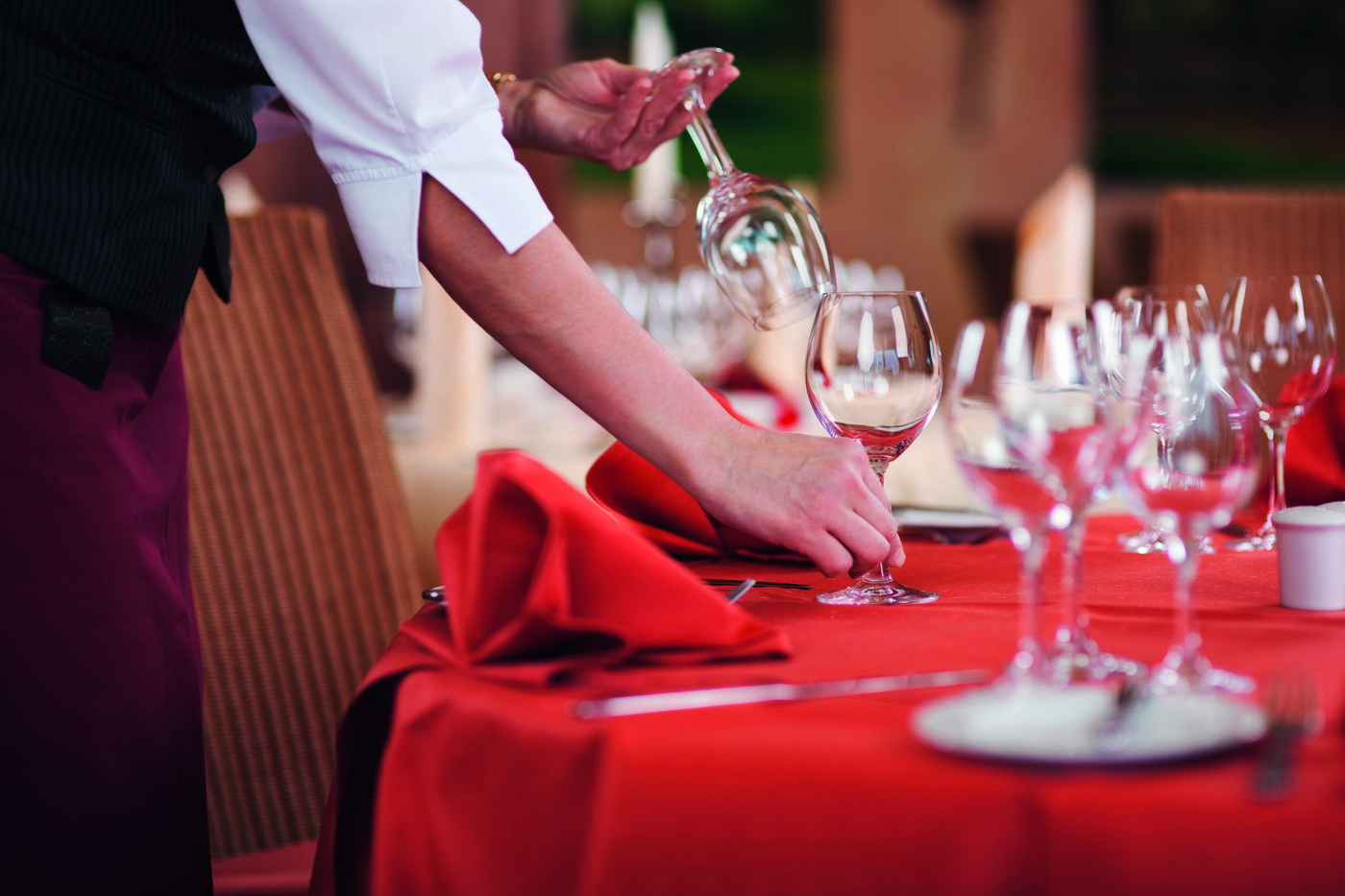
Hotel bars and restaurants play a growing role in shaping how guests perceive their stay. Whether it’s a welcome drink on arrival, a pre-dinner cocktail or a late-night glass of wine, these moments often leave a lasting impression, and one that should be positive. While certain aesthetics such as menus and interior design absolutely play their part, the foundations of a smooth, confident service are built behind the bar, well out of guests’ sight.
In busy hotels, where bars can potentially serve residents, conference visitors, walk-ins and even guests all in the same day, consistency must be there throughout. Clean glassware and correctly stored drinks might seem like the basics, but they actually have a direct influence on pace of your service, the confidence of your staff and the overall guest experience.
Glass care under hotel pressures
Unlike standalone bars and venues, hotel bars very rarely operate in isolation. A single property may run multiple service areas, whether that be lobby lounges and cocktail bars or even restaurants and room service, all drawing on the same glassware. And during peak periods, especially in the evening, the pressure on back-bar systems can start to show.
Handwashing and polishing still exist in some hotel operations, but these approaches rely heavily on time. Cloth quality, surface cleanliness and human fatigue all introduce variables.
This has led more hotels to reassess their dishwashing technology. Freshwater commercial dishwashers offer a dependable alternative, particularly where hygiene and repeatability are most needed. By using clean water for every wash cycle and flushing it completely before the next load, freshwater systems remove the risk of debris or odours carrying over. For hotels running continuous cycles across long service windows, that reassurance matters.
Miele Professional’s freshwater dishwashers, for example, are designed for demanding environments where speed and reliability are essential. Short cycles allow glassware to return to service quickly, while consistent wash results reduce the need for manual intervention behind the bar. The result is a calmer workflow, even when demand spikes unexpectedly.
Why clean glassware protects brand perception
Hotel guests may not consciously inspect every glass, but they notice when something feels off. Lingering odours, fingerprints or lipstick traces undermine an otherwise polished experience, particularly in premium settings. For wine and cocktails, where aroma and presentation are part of the appeal, the condition of the glass mustbe inseparable from the drink itself.
Standardising glass care through commercial dishwashing also helps hotels manage staffing challenges. Seasonal teams, agency staff and rotating roles are common across hospitality. So having equipment that delivers consistent outcomes regardless of who is operating it helps maintain standards across shifts, protecting brand reputation without placing additional strain on managers.
Wine storage in multi‑outlet hotels
Alongside glassware, drinks storage has become another area of focus for hotel operators. Wine, in particular, demands stability. Temperature fluctuations, exposure to light and vibration can all affect flavour, structure and aroma, turning a carefully chosen bottle into a missed opportunity.
Hotel bars and restaurants often carry diverse wine selections, serving everything from sparkling wines to premium reds. This variety requires flexibility. Modern wine conditioning units now offer multiple temperature zones within a single footprint, allowing different styles to be stored appropriately without compromise.
The Miele MasterCool wine conditioning unit is one example of how design supports practicality. With three independent temperature zones, flexible shelving and subtle interior lighting, it allows staff to access bottles easily without disturbing storage conditions. This ensures that a wine opened during afternoon service tastes exactly as intended later that evening.
Reducing friction during service
Behind‑the‑bar decisions have a noticeable impact during high‑pressure periods, especially on the bar team. When staff trust that glassware is ready to use and that drinks are stored correctly, service flows more smoothly. There’s less hesitation, fewer last‑minute checks and greater confidence across the team.
In hotel environments, this reliability is especially valuable. Bars often operate alongside restaurant service, events and room service, all competing for attention and resources. Equipment that removes uncertainty helps staff focus on guests rather than firefighting operational issues.
Supporting the wider guest journey
Investment in back‑bar infrastructure rarely grabs headlines, but it quietly reinforces every guest touchpoint. Clean glassware supports presentation. Correctly stored wine protects quality. Together, they help ensure that hotel bars and restaurants deliver the same standard on a quiet weekday afternoon as they do on a fully booked Friday night.
For hotels aiming to offer memorable stays, these details matter. Guests may never see what happens behind the bar, but they feel the difference when service runs seamlessly and every drink arrives exactly as it should.
Discover how Miele Professional’s commercial dishwashing and wine storage solutions can support hotel bar and restaurant operations at https://www.miele.co.uk/p/hotels-guesthouses-4113.htm