

Once a differentiator, now a necessity – EV charging is rapidly becoming a baseline expectation for hotel guests. For hoteliers, the question is no longer whether to invest, but how quickly you can adapt.
There was a time when offering Wi-Fi was a mark of innovation in the hotel sector. Early adopters marketed connectivity as a premium perk; late adopters were eventually forced to catch up as guest expectations evolved. Today, few travellers would even consider booking a hotel without it.
Electric vehicle (EV) charging is following a strikingly similar trajectory. What began as a niche amenity, primarily for environmentally conscious guests or early EV adopters, is now moving decisively into the mainstream. As EV ownership accelerates across key markets, particularly in Europe and the UK, hotels are facing a familiar inflection point: the transition from optional extra to operational necessity.
The growth of EV adoption is no longer speculative. Government mandates, urban emissions regulations, and the rapid expansion of charging networks are reshaping how people travel. Increasingly, guests are arriving not just with luggage, but with a requirement: the ability to charge their vehicle conveniently and reliably.
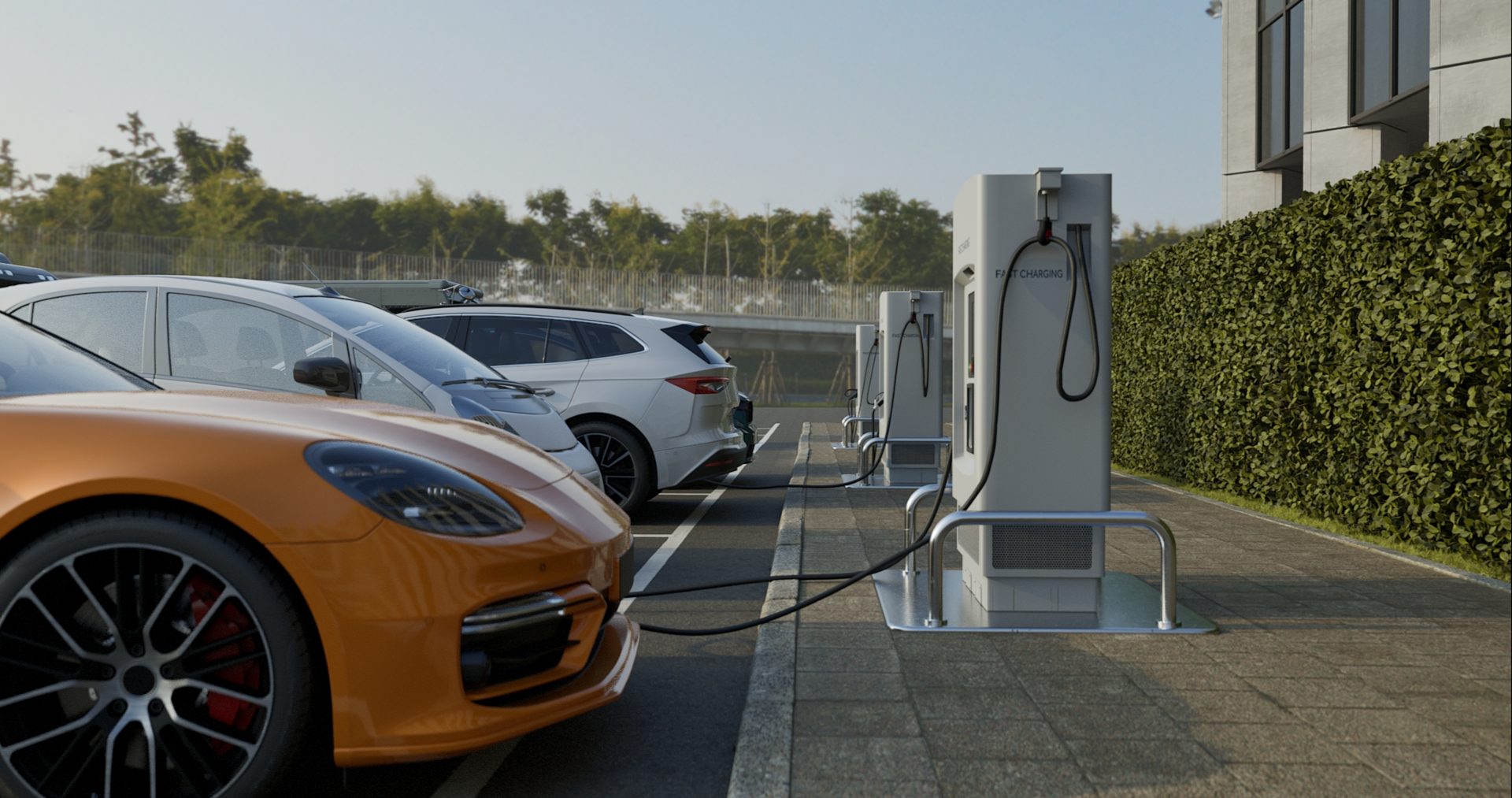
For many, this is not a “nice-to-have” – it’s a deciding factor when booking a place to stay. Just as slow or unreliable, Wi-Fi became a source of frustration in the past, limited or inaccessible EV charging is quickly emerging as a friction point in the guest journey. A hotel that cannot support EV drivers risks being filtered out at the booking stage, particularly by business travellers and higher-value guests who are more likely to drive electric vehicles.
In its early phase, EV charging provided a competitive edge. Hotels that installed chargers could position themselves as forward-thinking, sustainable, and guest-centric. That advantage, however, is eroding.
As more properties install charging points, the presence of EV infrastructure is becoming a hygiene factor rather than a differentiator. The competitive battleground is shifting from whether charging is available to how well it is delivered.
This includes factors including number and availability of chargers, charging speed (standard vs fast charging), ease of use and payment and integration with the overall guest experience. In this context, a single slow charger in a car park is the equivalent of offering “free Wi-Fi in the lobby only” – technically compliant, but commercially inadequate.
Front-of-house teams must increasingly manage charger availability and guest expectations and engineering teams must understand load capacity, maintenance, and uptime. Revenue managers and commercial teams are beginning to explore pricing models, from complimentary charging to dynamic tariffs.
Critically, EV charging also intersects with energy management. As demand grows, so too does the pressure on a property’s electrical infrastructure and therefore, hotels that fail to plan for scalability may find themselves constrained just as demand peaks.
Forward-thinking operators are already exploring smart energy systems, load balancing, and even on-site renewable integration to future-proof their investments.
There is also a brand dimension at play. As we know, sustainability is no longer a peripheral concern – it is central to how many guests choose where to stay. EV charging is a highly visible, tangible expression of a hotel’s environmental commitment.
However, visibility cuts both ways – poorly implemented charging – broken units, unclear instructions, or insufficient capacity – can undermine brand perception just as quickly as a lack of provision. In contrast, a seamless charging experience can enhance guest satisfaction and reinforce brand values.
For luxury and lifestyle brands in particular, the opportunity lies in embedding EV charging into the wider guest experience: valet-managed charging, integrated billing, and thoughtful design that avoids the “afterthought” feel seen in some retrofitted properties.
The parallels with Wi-Fi are instructive – hotels that delayed investment in connectivity were eventually forced into reactive, often costly upgrades to meet baseline expectations. Those that anticipated demand and invested early not only avoided disruption but also strengthened their market position.
EV charging presents a similar scenario, but with higher stakes. Infrastructure upgrades are more complex, capital-intensive, and time-consuming than installing routers and access points.
Waiting until demand is overwhelming is likely to result in higher costs, operational disruption, and lost revenue opportunities.
As EV adoption continues to accelerate, the question for hoteliers is not if EV charging will become standard, but how quickly that standard will be enforced by the market.
Hotels that act now have the opportunity to shape their offering strategically – aligning infrastructure, operations, and brand positioning. Those that delay risk being defined by their absence in a rapidly evolving landscape.
In the same way that Wi-Fi quietly became indispensable, EV charging is on track to become an invisible, but essential, part of the guest experience.