

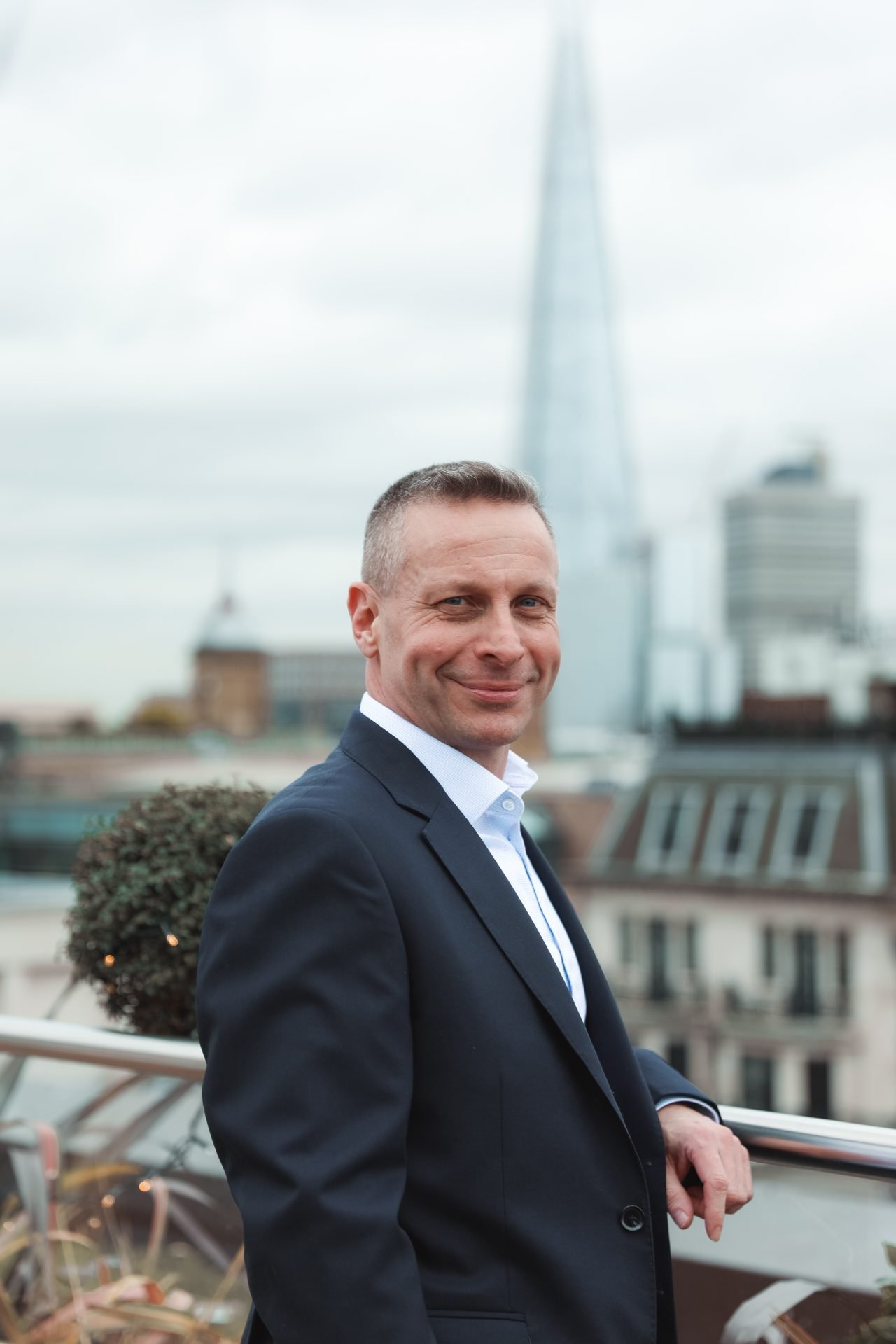
From its origins in the early 2000s to its position in 2026 as a trusted partner to some of Europe’s leading luxury hotels, Impact has carved out a distinctive niche in hospitality training. In this interview, founder John Baker reflects on how his early experiences on the front line shaped a people-first philosophy and why authentic, emotionally intelligent communication remains the defining factor in modern luxury service.
Before founding Impact London, you spent around a decade working in bar and restaurant management in cities such as London and Sydney. How has your own hands-on hospitality experience shaped the way you view the industry today?
My days working in the industry opened my eyes to the harsher side of hospitality; back when I was on the floor, it was a world of painfully long hours and very little compassion when it came to the staff. I will readily admit I started as an ‘old-school’ manager: charm the guests but don’t worry too much about the team. I quickly realised this wasn’t the way forward; to get the best from people you need them to actually want to work for you, and this needed just as much empathy and positive engagement as I was showing to the guests. See everyone as an individual and treat all of your team well; then they will repay you with loyalty and a willingness to go above and beyond.
You have been delivering hospitality communication training since 2001. Can you take us back to the early days of Impact London and share the story behind how the brand first came to life?
In 1998 I was decided it was time for a change and started travelling the world teaching English. After a decade in hospitality management, I was a little burnt out and in need of a break; so, I packed a bag and headed first to Mexico, where I taught kids in remote Yucatan villages, then on the Barcelona, where it became Business English for bank executives.
After a few years it was time to head home, and it dawned on me I should combine the two parts of my mixed experience – London hospitality was a melting pot of nationalities, and it was clear there was an unmet need for English specifically designed for the luxury industry. A little self-promotion and I was fortunate enough to charm my way into a couple of the top hotels in Mayfair, and from there the progression was organic: everything we do today to train the teams in luxury communication stems from those early days; I had found my niche.
Your workshops are known for their relaxed, highly participative style rather than a rigid classroom format. Why was it important for you to create a training environment that feels engaging, practical, and even fun for hospitality teams?
I think it happened in a natural way; I’ve never been one for overly rigid or corporate style training – my English teaching taught me that people respond best to an energised, fun and relaxed environment, where they learn by doing not being lectured by me.
I also believe the way we train people has a lot to do with personality; despite our extensive luxury client list, I keep the team small on purpose. It’s mostly Rachel and I running the sessions and we’re remarkably similar in our communication style and how we engage with the trainees. It just wouldn’t feel genuine to me to be extremely prescriptive and formal when it comes to our training – leave them feeling like they really enjoyed their session and they will naturally remember the training topics. We want the teams to communicate in a way that is genuine and engaging, adapting to every guest in an individual and memorable way, and our aim is to do exactly the same with our training.
Impact London works with some of the most recognisable names in luxury hospitality across London and Europe. How do you ensure that every session remains true to each hotel’s style?
Luxury can mean many things, and every brand and property have its own unique style – the key to our training is that we truly understand the difference in each brand’s persona and how they aim to be seen in the market. By blending our expertise in luxury hospitality with our marketing and PR experience, we can tailor every single communication workshop to go hand in hand with the property’s tone of voice.
Even within the same group, for example, Maybourne, we work with their different types of ‘luxury’ (such as the Berkeley versus the Connaught) and we will always adapt the sessions to meet those discreet variations in brand identity and guest engagement styles. We understand the subtle differences and we flex our approach accordingly – this means every client gets the training that is bespoke to them, and it also makes our lives more interesting – it’s never the same session twice!
Communication and interpersonal skills are at the heart of your programmes. In today’s fast-evolving luxury hospitality landscape, why do you believe these human skills are more important than ever for hotel teams?
There are a couple of really important factors here; firstly, the aftermath of COVID lockdowns means many of the new junior team members joining the hotels nowadays haven’t really had the opportunity to fully develop those people skills in the crucial formative years in school. Our mission is to help them cultivate their ability to communicate confidently, and to empower their managers to understand that challenge while being able to train their own teams with genuine compassion.
In addition to this, exceptional practical luxury (the beautiful rooms, the incredible food etc) is almost a given now – guests at this level expect the absolute best. What makes a property truly stand out in today’s competitive market is those genuine and memorable human interactions with them team – this ‘emotional luxury’ is where our expertise lies, and we truly believe this is what makes the difference in modern hospitality.