

Belu share their thoughts on making the most sustainable choice.
At Belu, when it comes to water, we’re experts. With more than 20 years’ experience, supplying everything from bottled mineral water to filtration systems and now taking steps towards our first canned water – we’re fully immersed.
One of the questions we are often asked by our hospitality partners is: “What’s the most sustainable way to serve water?” And our answer? It depends (it really does).
Making the most sustainable and sensible water choice depends on more than just comparing carbon footprints. Take time to weigh up your format options and your potential suppliers, because your water choice can impact your ESG progress, guest engagement and loyalty – as well as your environmental credentials and bottom line.
For starters, consider your current offering. Do you serve imported bottled water? Switching to a UK water source can instantly reduce your carbon footprint. Can you buy less packaged water and combine it with filtered water points? That’ll reduce waste and transport emissions. Have you looked into your water suppliers’ sustainability credentials? They should be easily accessible on the product packaging and brand’s website so you can make an informed choice.
To help you navigate through all the options, here’s our latest intel:
Mineral water in glass bottles
Glass is elegant and has classic charm, a premium feel and is widely, infinitely recyclable. It is however energy intensive to produce and heavy to transport – so if you’re serving mineral water in glass bottles, look for options made in the UK with recycled material (Belu bottles have at least 40%). Even better, our specially developed UK made light-weighted bottles are not only less intensive to produce and transport, but also lighter to carry.

Whilst the UK’s glass recycling rate is high (just under 75%*) there is still a significant amount which is likely to end up in landfill. The key point is that if your glass is collected and recycled and the glass option you choose has recycled material and is light-weighted, it’s much less intensive and supports circularity as well as reducing carbon emissions. The future looks bright for glass with leading manufacturer Encirc trialling alternative fuels for their furnace, which could make glass the most sustainable option in the long term.
Recycled plastic bottles
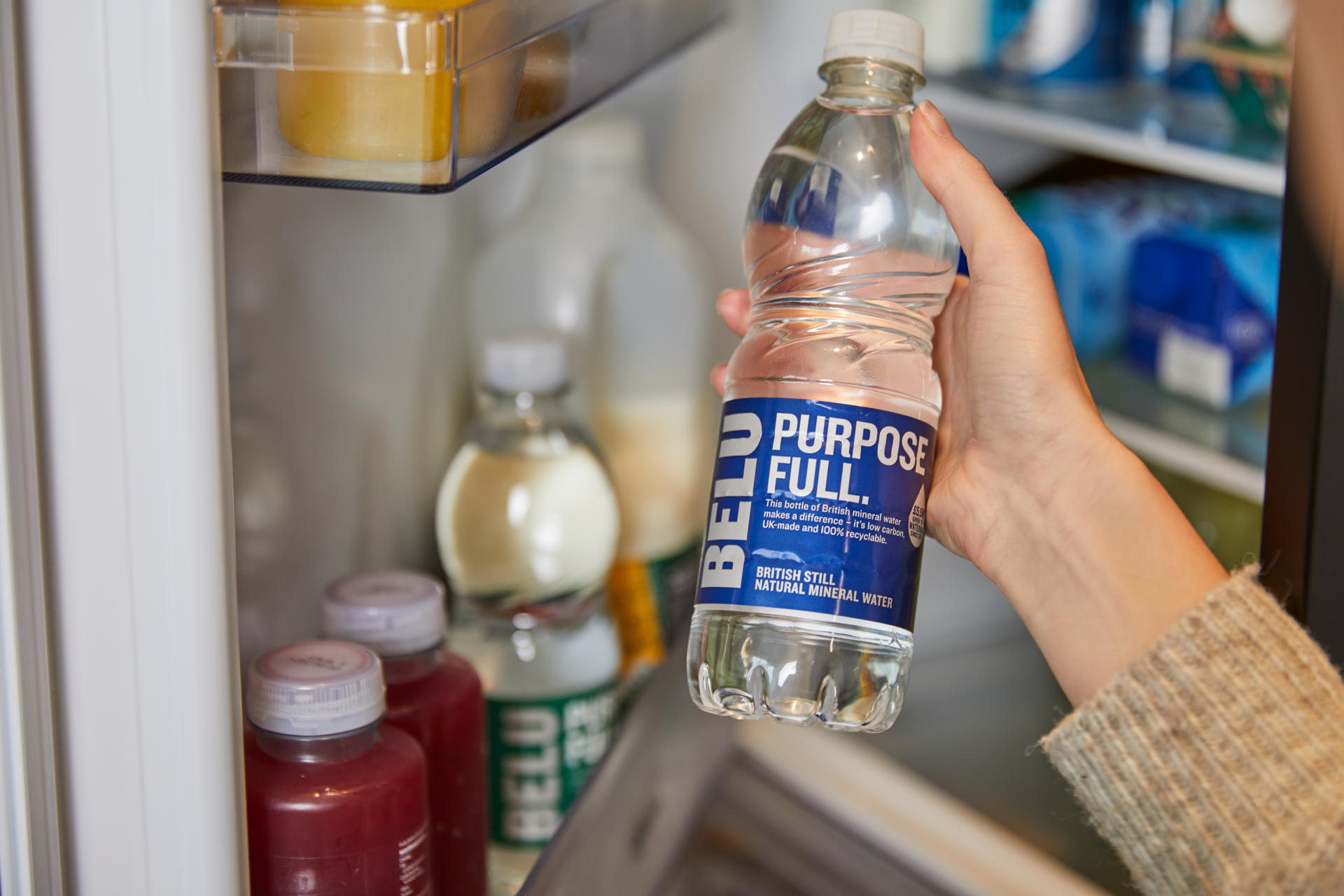
For grab-and-go, lightweight plastic bottles still make sense. 65% of people in a recent ‘City to Sea’** survey said they use refillable water bottles, but many still forget them – or need to buy water if there is no refill station. Plastic is widely recycled in the UK and the recycling rate for plastic bottles is relatively high (more than 70%*) so whilst some plastic bottles do still end up in landfill or waterways, the majority are recycled. Producing plastic bottles in 100% recycled material (rPET) uses around 75% less energy than producing new ones.
Our Belu plastic bottles are made of 100% rPET. Our bottle caps are made from virgin plastic because currently it’s not possible (industry wide) to get food grade 100% recycled caps. We’re working on that though and they are ‘natural’ in colour. No additional dye added means they’re easier to recycle. Our rPET bottles are blown and filled at our mineral water source in Wales, not imported. They’re still light in weight compared to glass once filled, so the carbon footprint from transportation is much lower. Overall, the production process for rPET bottles is significantly less energy and carbon intensive than shaping glass.
Canned water
We’ve really done our research on this one, especially since we are poised to launch Belu water in cans. Historically we were not pro-can, but production processes are progressing and cans do have their plus points. Like the fact that they are fully, infinitely recyclable and have reached a record level rate of recycling in the UK (81% in 2023*) with 75% of all aluminium ever produced still in circulation. Plus they’re stackable and compact. In addition, our ‘new sleek’ 330ml can (at 4g lighter than a standard 330ml can) has a 33% lighter CO2 footprint – so you can see why we now have a can-do attitude.
Cans are fully recyclable, however they do come with a higher carbon footprint than plastic bottles made with rPET. They are also not plastic-free because they all need a plastic liner. Look out for ‘BPA (Bisphenol A) Free’ cans because the alternatives have been linked to possible health problems. UK can manufacture is fairly limited and recycling often takes place outside of the UK so transportation within the supply chain can be intensive. The other consideration is that virgin aluminium comes from bauxite, mined in countries as far flung as Australia, China and Brazil, which can cause air and water pollution, and disruption to the local environment. That’s another good reason for choosing cans made from as much recycled material as possible.
Cartons
Cartons are a bit more complicated. They are made from multiple materials, generally including paperboard, aluminium and polyethylene which makes recycling more difficult. 92% of UK local authorities have some form of carton recycling collection, but there is still just one reprocessing facility in the UK, only capable of recycling 40% of the cartons manufactured here.
In an ideal world all layers would be separated out and then used to make more cartons. However, generally, the paperboard becomes paper, and the polyethylene and aluminium are used in the cement industry.
So, although cartons are recycled, new cartons are largely made with raw materials, using more energy and creating more waste. If half of the UK’s 2023 plastic water bottle usage had been cartons instead, it would have created 98,141 tonnes of low-quality waste (enough to fill almost 9,000 bin lorries) whereas plastic bottles can be made into new rPET bottles as part of a circular system.
Bio Plastic Bottles
Bio plastics are plant based and are appealing in theory for bottled water because they appear to be a more natural, ‘earth friendly’ version of plastic. Brands using bio plastics and other biodegradable materials present them as the most sustainable packaging option. The reality is that the majority of a bottle of water’s carbon footprint comes from the production of the packaging – especially when creating new materials like bio plastic. These are largely made outside of the UK, so transportation must also be factored into the overall carbon footprint.
Another key consideration is disposal. You can’t just pop your bottle into your garden compost. Bio plastics require a commercial composting facility to break down properly, and the UK has very limited infrastructure for this. Most local authorities do not accept compostable plastics in food or garden waste collections, meaning these bottles often end up in general waste and are sent for incineration or landfill. They can also contaminate plastic recycling streams if mistakenly recycled. Without a closed-loop collection system, the sustainability benefits of bio plastic in the UK are questionable. There has also been research indicating that if conditions aren’t right, bio plastics can breakdown into microplastics. Bio-plastic may well become a game changer but for the time being we are sceptical about the claims being made aligning with real-world impact.
Filtration
Filtering and serving water in re-useable bottles at your hotel (whether in room, in restaurant or for events) eliminates single-use packaging, making it the lowest waste, lowest carbon footprint option compared to packaged water. Filtration machines carry the majority of their carbon footprint upfront during the manufacturing phase. However, many suppliers are steadily improving their sustainability credentials and reducing the carbon intensity of production through more energy-efficient processes. While some energy is still required to operate the equipment ongoing, these systems are being optimised with energy efficient features. Over time, the carbon emissions per litre of filtered water are significantly lower than bottled alternatives. Water filtration is cost-effective compared to bottled water too. And because you’re getting great tasting, hot, chilled, still or sparkling filtered water, it can be a significant revenue driver.
Belu provides a range of water solutions, because we know that every venue operates differently. Belu Filter in Action helps workplace and hospitality businesses serve great-tasting filtered water as well as supporting them with servicing and maintenance. Where there is a need for bottled water, whether it be for fine dining or grab and go, we’ve developed our range of light-weighted glass bottles, recycled plastic bottles and cans to be the most sustainable they can be – and we’ll continue to improve.
Buy Social
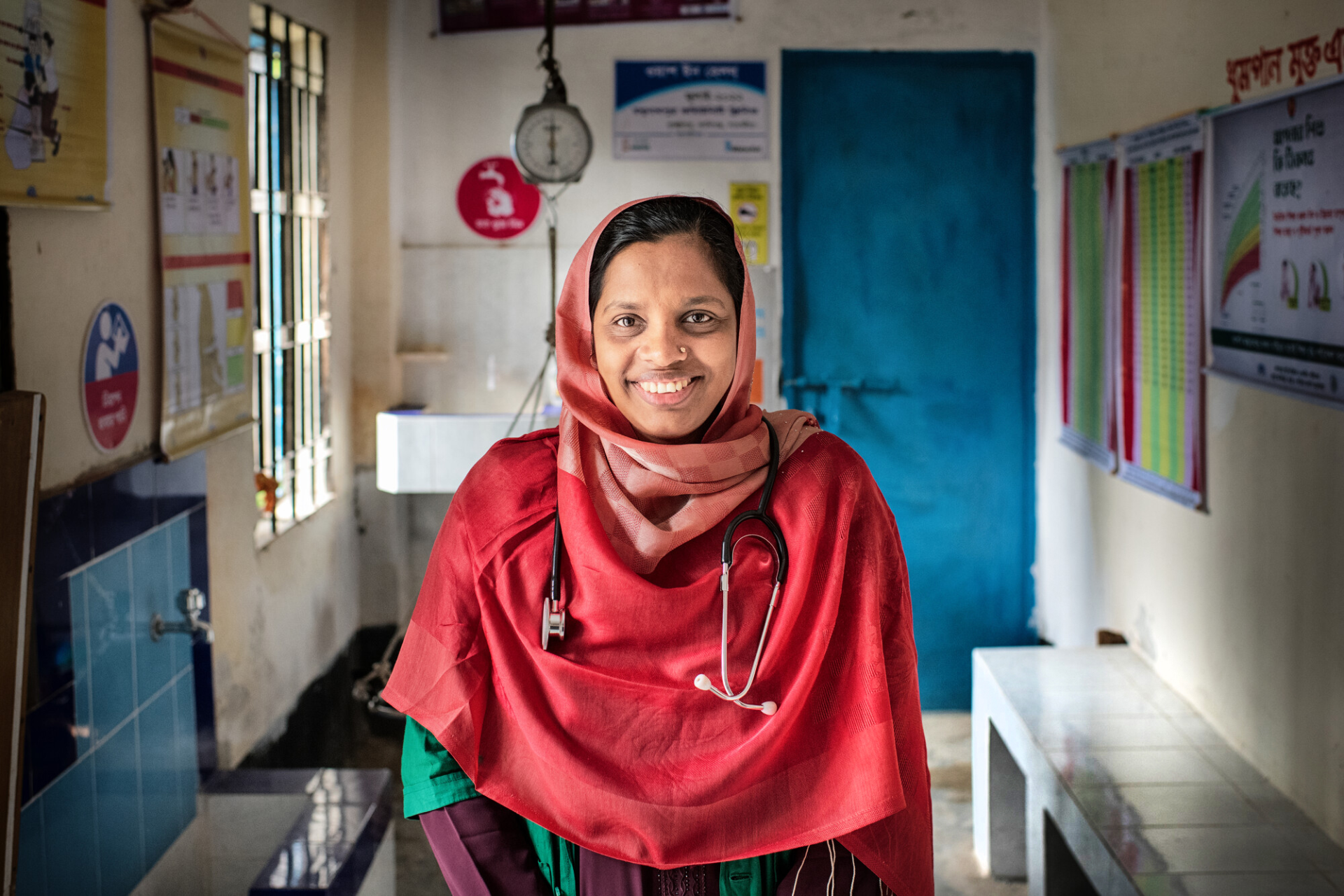
Choosing social enterprises or brands which commit to giving profits to a charity not only means that you are delivering positive impact, but also that you have an inspiring story to share. That can help boost team engagement and guest advocacy. Belu is a social enterprise that invests 100% profit in changing the way the world sees water. We support UK water stewardship projects, invest in carbon reduction and give all net profts to WaterAid to bring clean water, decent toilets and good hygiene to communities worldwide.
The Bottom Line
There’s no one-size-fits-all sustainable water format for every hotel and often a combination of solutions is best. Some Belu customers choose filtration for the restaurant and back of house, mineral water for the bar, rPET for in-room or a different combination to suit them. Aligning your purchasing with your sustainability policy is important, but so is making sure teams have exactly what they need to deliver impeccable and efficient customer service.
At Belu, we’re here to help you find the best water solution for your business; meeting your sustainability goals, your budget and your guest expectations. Get in touch: hello@belu.org
“There are many options and formats available but they all have their own pros and cons. Sometimes navigating the facts beyond the greenwash is difficult too. At Belu we continually stay ahead of the curve when it comes to sustainability, making sure we’re continually improving and working with our suppliers to innovate.” – Nolan Wright
*wrap.ngo/resources
**www.citytosea.org.uk/attitudes-towards-refill-and-reuse-in-the-uk