

Mike Baxter sits in the ‘Hot Seat’ this May. From his humble beginnings as a schoolboy hustling nightclubs in Edinburgh, to creating a ground-breaking new hotel brand, Mike’s story is a testament to the power of reinvention, creativity, and a refusal to follow the conventional path. In an exclusive interview with Hotel Magazine, Mike reflects on his early days in hospitality, the evolution of House of Gods, and what the future holds for the growing brand.
Mike’s journey to the forefront of the boutique hotel industry wasn’t a traditional one as he explained that hospitality has been a part of his life for “as long as I can remember”. Revealing how he’s always had an entrepreneurial spirit, even as a teenager, Mike explained, “Growing up in Edinburgh, I found my first taste of hospitality by organising events.
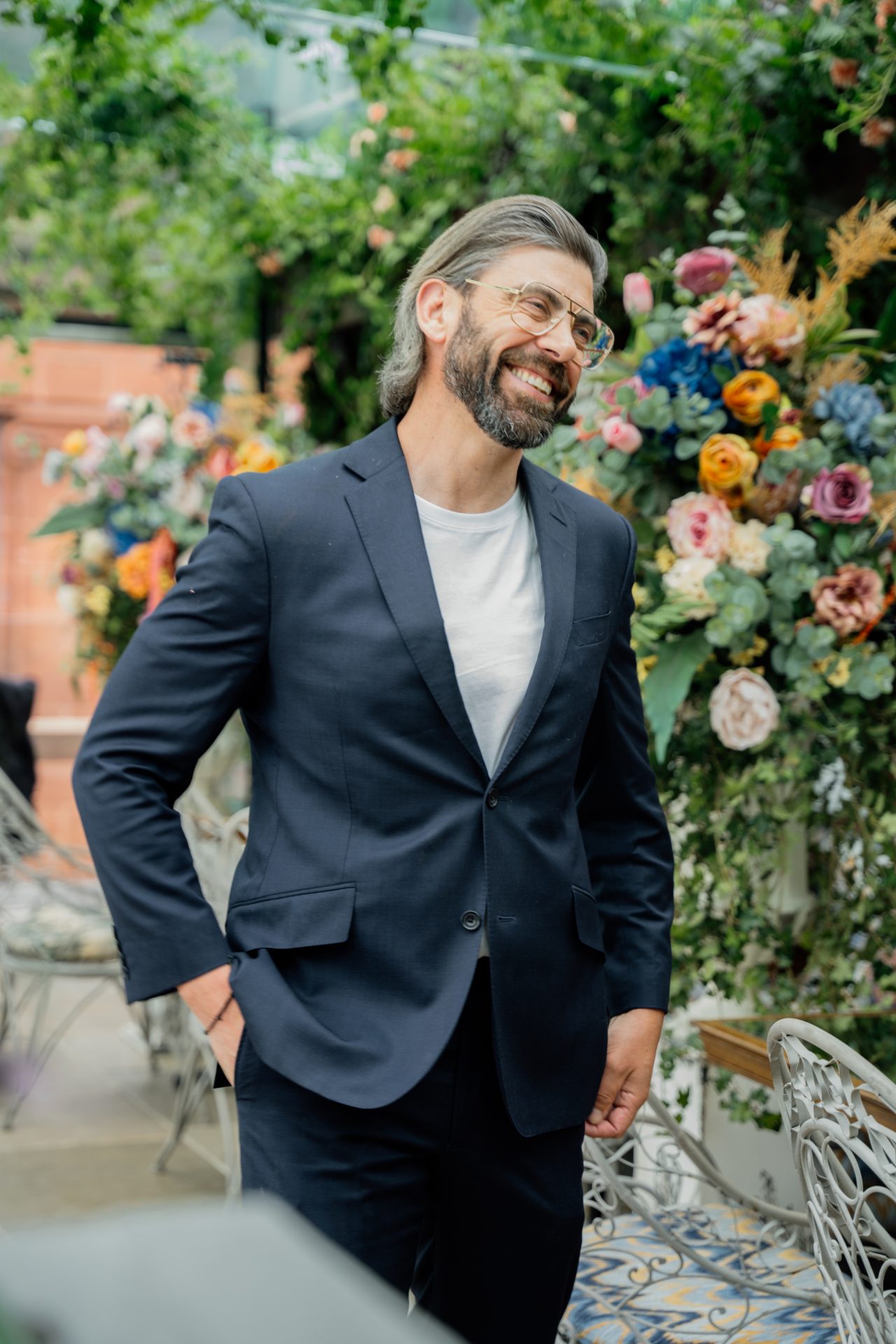
“I’d approach nightclubs claiming to be 18 and representing a university rowing club, even though I was just a schoolboy. I’d negotiate deals to rent their venues mid-week for events and make money from ticket sales, with the clubs taking the bar revenue. It was a hustle that I didn’t fully realise was shaping my future at the time.”
As he got older, Mike continued organising events while studying at university in Aberdeen. By the time he was 22, he had saved enough to purchase his first bar, which eventually led to nightclubs, more venues, and large-scale events. Mike said, “It was a fantastic experience, but after a few years, I realised that managing nightlife wasn’t a sustainable career for me in the long run.”
This led him to transition into property development, running a real estate business. While it was successful and provided ample learning opportunities, Mike realised that he missed the energy and customer interaction of hospitality. Following this, an opportunity arose to buy a building in Edinburgh, which Mike initially planned to convert it into apartments. However, due to planning restrictions related to an existing backpacker’s hostel above, Mike decided to turn it into a hostel instead which led to the creation of Edinburgh’s first boutique hostel, a decision that would change the course of Mike’s career.
Speaking on how the concept of his first hostel evolved, Mike said, “At the time, Edinburgh’s hostels were mostly budget-focused, catering to long-term travellers and stag parties. However, I had seen an emerging trend, especially in Portugal, where the “flashpacker” concept was taking off—hostels that had the style and aesthetic of a boutique hotel but maintained the social atmosphere of a hostel. We embraced this trend, and our hostel was a hit from day one.”
Mike admitted that himself and his brother had no in experience running a hostel, and it showed. “We didn’t even know what a property management system was,” he added. During the first weekend open, Mike recalls being so overwhelmed that when guests asked which bed was theirs, he just told them to pick one—leading to some hilarious moments at 3 am when people found others sleeping in their spots! Reflecting on those humble beginnings, Mike spoke about more funny moments with housekeeping – he said, “A few days after opening, I noticed that some guests didn’t have pillows, and when I asked about it, they replied, ‘Oh, do we get pillows?’ That was when I realised just how low the expectations were for hostels at the time.”
Despite these challenges, Mike and his brother’s hostel became a success. It set the stage for their future ventures in hospitality and enabled them to learn a lot from the experience, especially how to balance the social energy of a hostel with the higher expectations of design and service that Mike had started to appreciate.
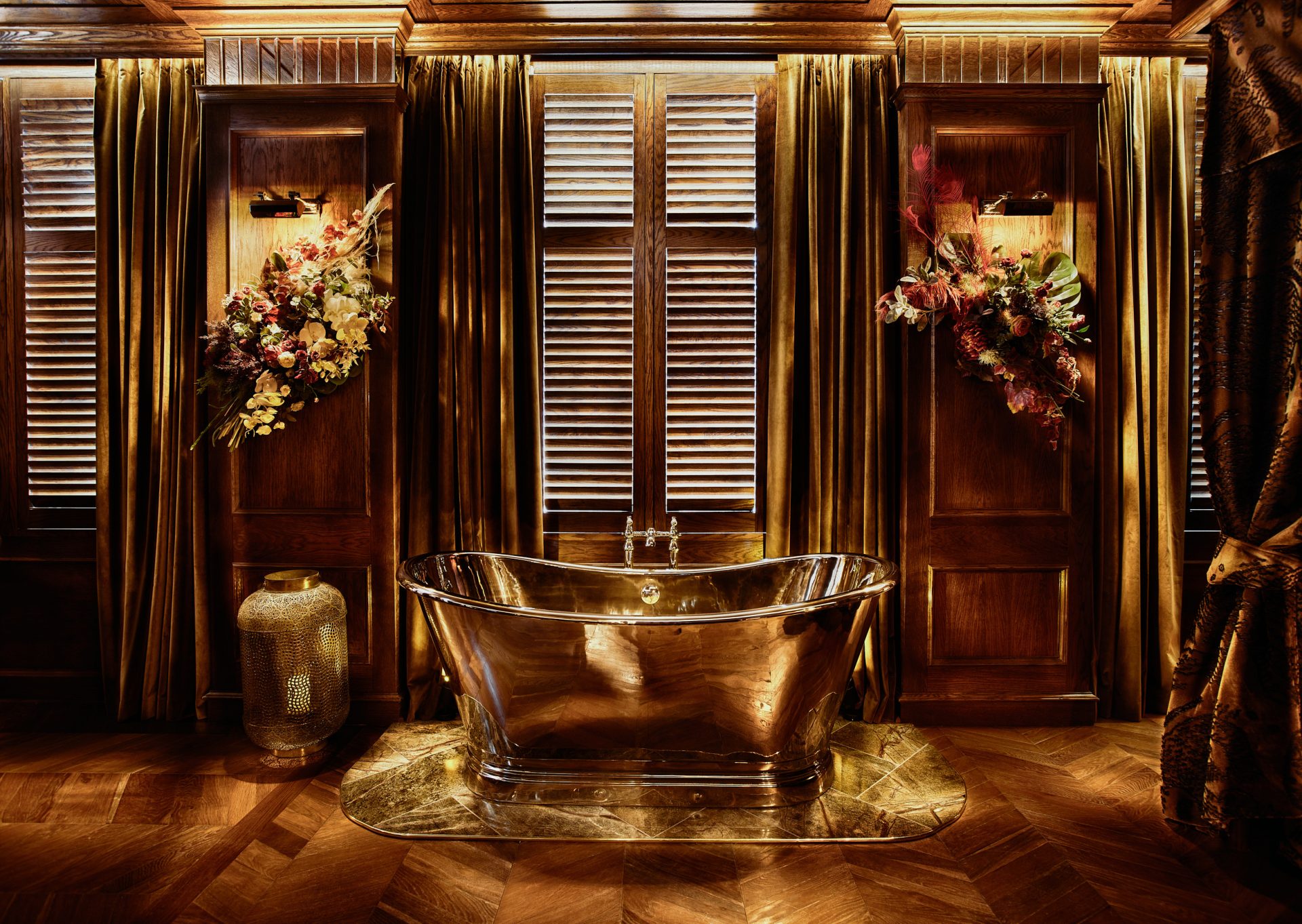 Mike explained that his passion for aesthetics and design began in his early days running bars and nightclubs. “I became fascinated by how spaces could impact the emotions and experiences of the people within them. When I entered property development, I was frustrated by the conventional wisdom in design—everything had to be neutral, beige walls and cream kitchens, all to appeal to the broadest audience. I wanted to create spaces that reflected my personal vision, not just follow the norm,” he said.
Mike recalled when he opened The Baxter hostel, and the freedom to experiment that came with it. It was the early days of the industrial-chic look, with exposed light bulbs and brick walls. “I loved the aesthetic of places like Shoreditch House in London—raw, New York loft-style living with worn floors and character-filled furniture. That inspiration would become the foundation for House of Gods,” added Mike.
Securing their first building in Edinburgh was a huge opportunity. Mike told us how he envisioned a cool, intimate space with a Shoreditch vibe and great Negronis. But, after attending the opening of Annabel’s in London, an extravagant, immersive venue, he had a pivotal moment. “The next day, I wandered into a Spar convenience store in Dalston, which had the same exposed light bulbs and distressed floors that I had been planning for House of Gods. That was my wake-up call—the industrial aesthetic had become ubiquitous. It no longer evoked anything special.”
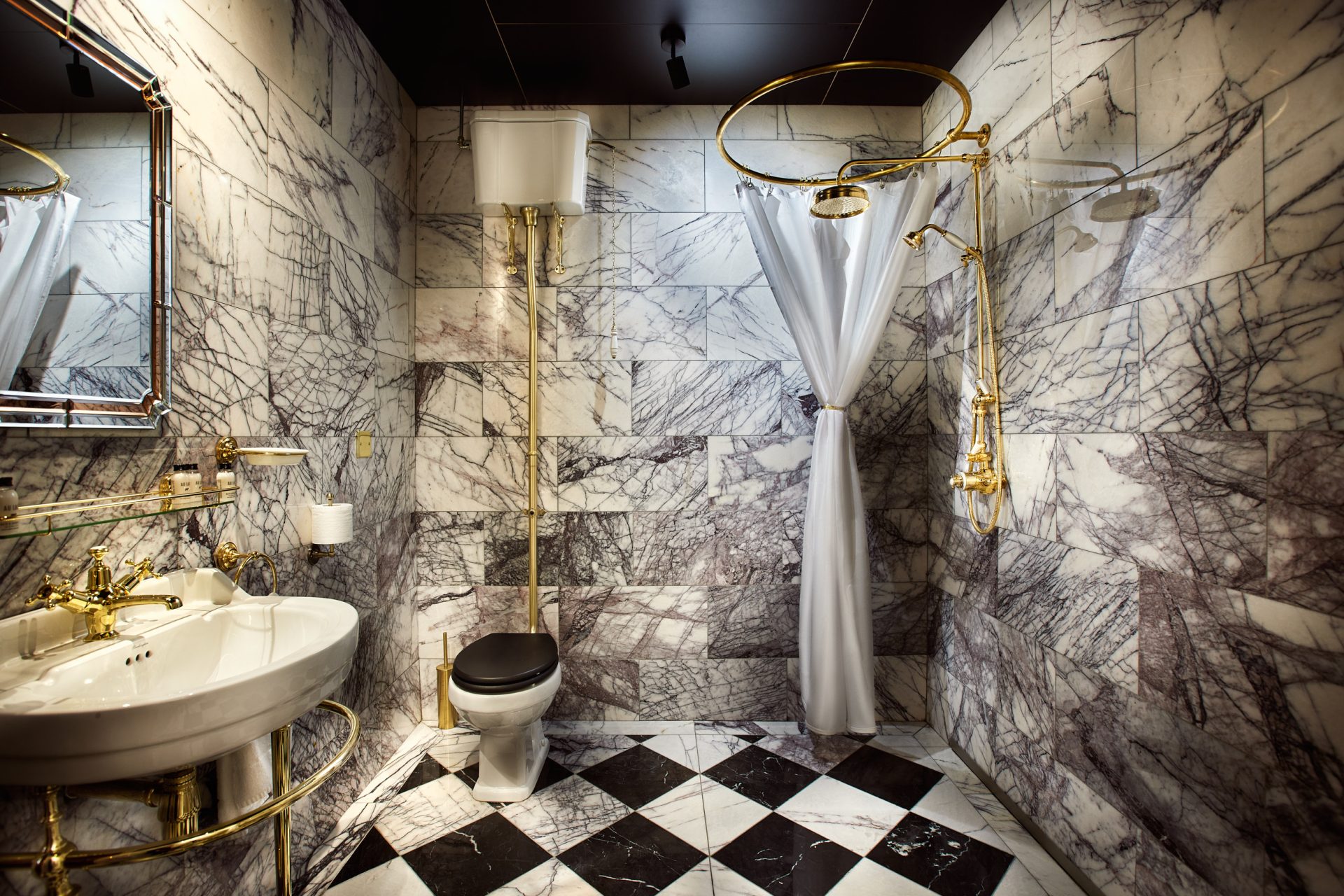 So, Mike rethought his approach. Instead of chasing trends, he asked himself: what makes the greatest hotels truly iconic? Places like The Savoy and The Dorchester had timeless appeal—they weren’t trying to be trendy; they had heritage, craftsmanship, and an air of exclusivity. This is when Mike realised that wanted to blend that sense of old-world luxury with something more unpretentious, fun, and modern.
The result was House of Gods—a place where opulence meets rock-and-roll decadence. Neon lights, rich paneling, intimate spaces where guests can let loose—because a great hotel isn’t just about where you sleep. It’s about how it makes you feel.
So, why London as the next location for expansion? Mike explained that Edinburgh is home, and it was the ideal place to launch House of Gods. He said, “If you can make a hotel work in Edinburgh, it’s a great proving ground for your concept.
“When we expanded to Glasgow, it made sense geographically—just a 45-minute drive away, with strong brand recognition and market crossover. Glasgow was a step up for us, allowing us to scale up from a 6,000-square-foot space to 20,000 square feet, adding a rooftop glass box, restaurant, and more rooms.”
London, though, was always the next logical step for Mike and his team, admitting he’s always had big ambitions for House of Gods, and saw a fantastic opportunity in Canary Wharf. The site, originally built for the Arts Club Mayfair, became available, and Mike was approached. Major hotel groups had shown interest, but Mike believes that Canary Wharf saw something different in The House of Gods brad—“our creativity, personality, and immersive spaces. We’re not a cookie-cutter brand, and they recognised that,” Mike explained.
House of Gods London, set to open in October, will be the brand’s largest hotel yet, with 89 rooms, many suites with waterfront balconies, and a rooftop bar—the Sacred Garden—similar to Glasgow’s, but on a larger scale. Mike acknowledged the fact that it represents an evolution for the brand, allowing them to cater to both leisure and business travellers. Canary Wharf has transformed into a nightlife and entertainment hub, and Mike sees that the new hotel will cater to both sides of the market.
Looking to the future House of Gods, Mike revealed that further expansion is definitely on the horizon. He said, “We’re actively seeking development partners who share our vision for House of Gods. We’ve built a brand that outperforms the market and delivers incredible results with a bold, infectious marketing strategy and a unique guest experience. Now, we want to take House of Gods everywhere—because we believe it belongs in more places than just one.”
Mike and his team’s focus is on staying true to their identity, offering spaces that are immersive, full of character, and offer a fun, unforgettable atmosphere for their guests. He finished with, “We’re excited for the future and the opportunity to share House of Gods with more people around the world.”