

With help from industry experts, we deep dive into event spaces, as we share details on how you can optimise underutilised areas for profitable events that stand out from the crowd.
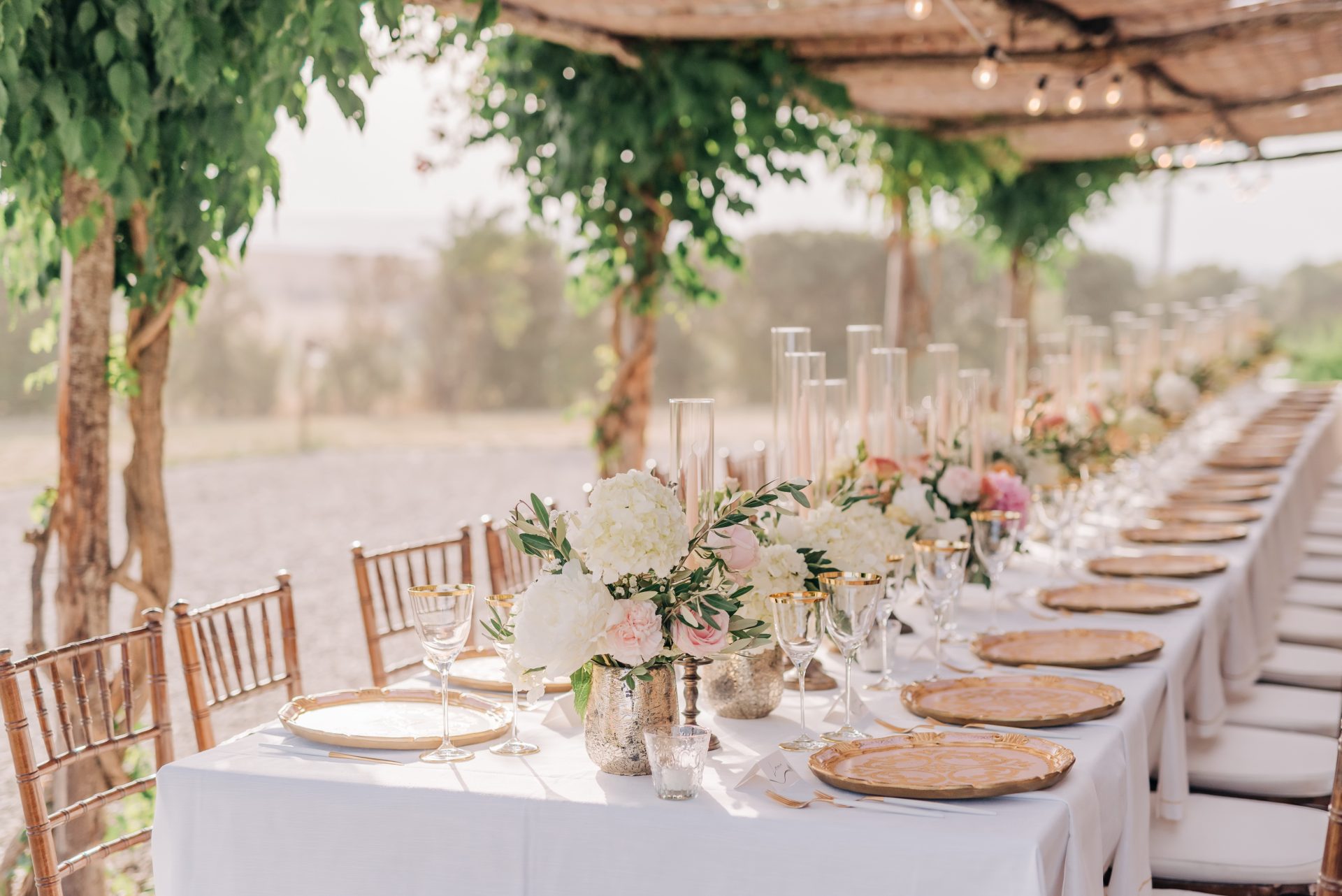 In today’s competitive hospitality landscape, hotels must find innovative ways to maximise revenue and guest experience. One powerful, yet, often, overlooked, opportunity lies in repurposing underutilised spaces—rooftops, courtyards, lobbies, and even parking areas—into unique event venues.
From immersive pop-up dining experiences to corporate networking hubs and boutique wellness retreats, this article explores creative strategies to transform these hidden gems into thriving, profit-generating event spaces that leave a lasting impression.
Exploring how can hotels assess the potential of non-traditional spaces, including rooftops, courtyards and lobbies for events, Ryan Todd, Director of Sales and Marketing at The Elser, explained that in order to determine the viability of a space, the team at The Elser evaluates guest flow and accessibility – ensuring seamless movement for attendees, aesthetic and experiential appeal – Leveraging Miami’s skyline and water views, infrastructure and logistics – checking for power sources, lighting, and seating capabilities, and, finally, revenue potential – analysing demand trends and competitive positioning.
Ryan added, “Our Multi-Level Fitness Complex and Yoga Studio are prime examples of how spaces can be activated beyond traditional use—offering curated wellness programming for corporate retreats and social groups.”

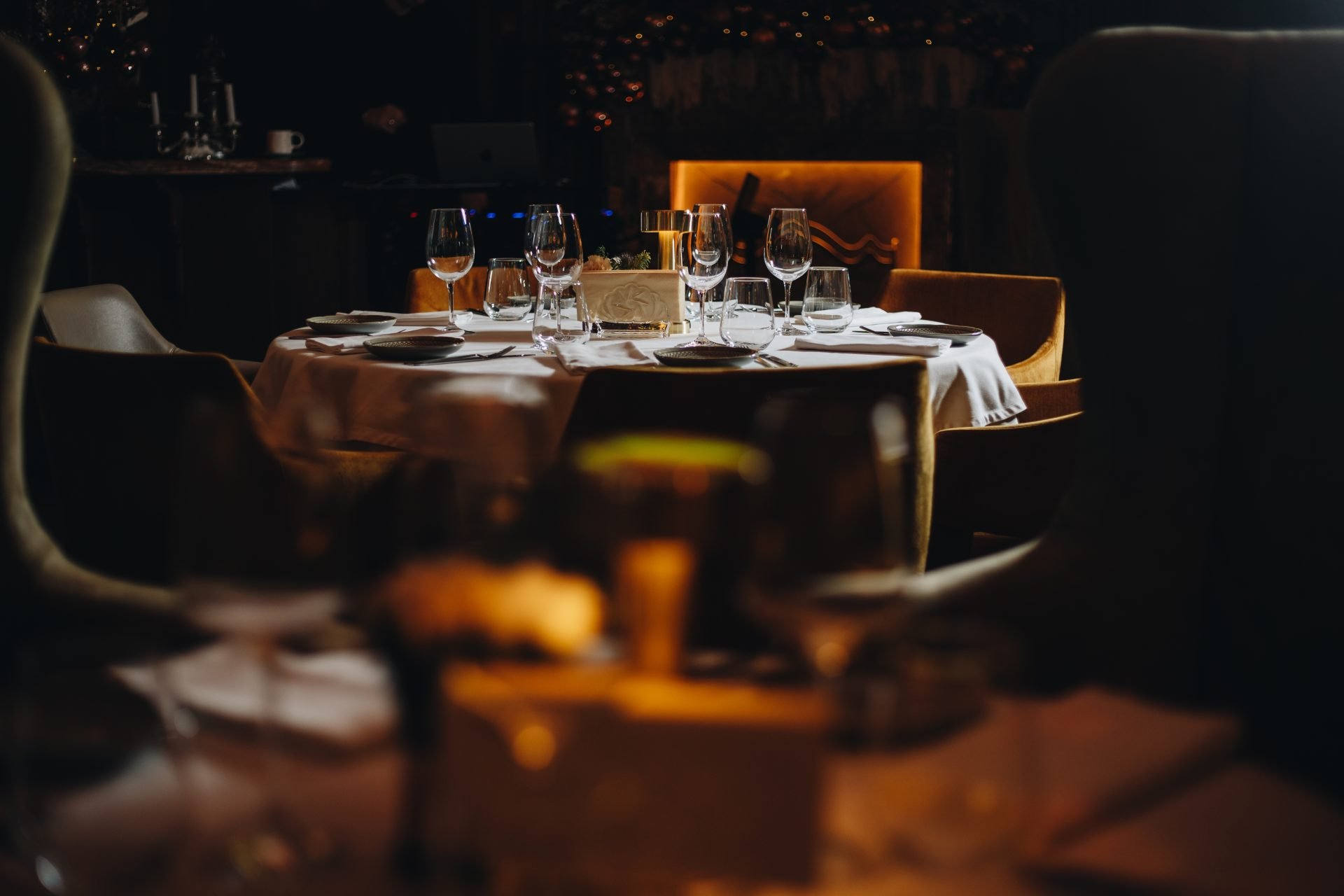
Looking into the most commonly underutilised spaces, Angie Cabral, Complex Director of Sales at The Gates Hotel South Beach and The Gabriel South Beach, explained that rooftops, pool decks, and courtyards are often overlooked but “have the potential to become high-demand event spaces with the right approach.”
Angie continued, “At The Gabriel South Beach, our rooftop, with its breath-taking ocean views, serves as an ideal setting for private dinners, cocktail receptions and brand activations. Simple upgrades like flexible seating arrangements, thoughtful lighting and curated food and beverage options can transform these spaces into sought-after venues.”
Before making any rash decisions, it’s important to assess the potential of non-traditional spaces for events, and Angie believes the key is to start by assessing the logistics – considering accessibility, layout and how the space integrates with the guest experience. “Testing the waters with pop-up activations or intimate gatherings is a great way to evaluate functionality and guest appeal,” said Angie. At The Gates Hotel South Beach, the team have successfully transformed their courtyard into a versatile event venue by incorporating movable partitions and greenery, creating an inviting and adaptable atmosphere for various events.
 Angie agrees with Ryan in terms of essential factors to consider when repurposing underused areas for events and said, “Functionality and guest flow are paramount, ensuring the event setup doesn’t interfere with regular hotel operations is critical.”
Angie also sees that comfort and logistics are “critical”. Guests should feel as though the space was purpose-built for the event, not simply adapted as an afterthought.
“Key considerations include climate control, AV capabilities and well-planned seating arrangements. Adding luxurious touches, such as creative lighting, signature welcome cocktails or interactive features, can elevate the guest experience and make the event truly memorable,” Angie finished.
At Wyndham Hotels & Resorts, the team understands that creating versatile, sustainable, and adaptable spaces is key to staying ahead in the ever-evolving world of events. With an extensive global portfolio catering to both business and leisure travel, Wyndham’s approach is designed to not only meet the needs of travellers and event planners, but to exceed their expectations.
Jackie Brown, Regional Director North & West Europe, Wyndham Hotels & Resorts, noted that hotel’s F&B outlets are often underutilised, but recognises how they present a “significant opportunity” for additional revenue-generating meeting and event spaces—especially when it comes to attracting locals.
Jackie said, “Embracing local cuisine and offering regionally inspired menus is one of the simplest ways to attract local customers. Using producers, farmers and distilleries from the region not only supports the economy of the community but also gives the restaurant a unique offering that draws in both hotel guests and locals looking for authentic dining experiences and unique meeting and event spaces in the area.”
Ramada by Wyndham Tbilisi Old City offers three on-site restaurants, one of which is The Fragment Dining Club, the first dining club in Georgia, serving traditional cuisine, wine and local draft beers. Home to beautiful interiors and cosy atmosphere, the restaurant hosts live music events and chic dinner parties from Thursday-Sunday every week.
There tends to be a focus on more traditional meeting and event spaces in hotels to host groups and to mark celebrations, but there is often a missed opportunity in F&B outlets as these can easily become a hub for destination community events such as wine tastings, cooking classes or live music nights. “While creating a buzz around the brand, optimising onsite F&B options will attract more footfall to hotel restaurants and generate additional revenue through offering more exciting and interactive spaces,” added Jackie.
Setting Wyndham Hotels & Resorts apart is the brand’s ability to blend innovation with tradition, creating event spaces that not only meet the needs of event planners but also provide a memorable experience for attendees. Their portfolio includes a variety of brands, from luxurious to mid-scale, each offering unique characteristics that appeal to different event types. “Whether it’s an intimate gathering or a large corporate conference, we have the right space for any occasion,” said Jackie.
Wyndham’s Grand Palladium Select Palace Ibiza hotel is the perfect location to demonstrate this innovation, with the hotel boasting 695 square metres of event space including an amphitheatre, ballroom and a range of meeting rooms. The perfect location for both large-scale or intimate weddings, conferences and shows.
As the events industry continues to evolve, there are several trends driving demand. Hybrid and remote events have become a central aspect of the modern event landscape. As a result, Wyndham have ensured that their event spaces are equipped with state-of-the-art technology to support both in-person and virtual participants. Jackie said, “Our Vienna House properties, for example, feature high-speed Wi-Fi, integrated projectors, and video conferencing systems to make hybrid events as interactive and seamless as possible.”
Additionally, wellness-focused events are on the rise, and Wyndham are responding by offering spaces that cater to these needs. Whether it’s a corporate wellness retreat or a yoga seminar, they have flexible areas that can accommodate a range of events focused on health and wellbeing. Wyndham’s properties’ wellness offerings – including dedicated fitness areas, outdoor spaces, and even organic F&B menus – help to elevate these experiences.
The Wyndham Grand Algarve has tailored some of its outdoor areas and wellness facilities to accommodate these wellness trends, with spaces perfect for yoga retreats and other health-oriented events. Jackie said, “This ability to adapt to emerging trends ensures that the hotel remains an attractive destination for both business and leisure event planners.”
Kent’s Cave Hotel & Golf Resort offers a luxurious retreat, often visited by high-profile guests and is a great example of adapting spaces in line with boosting revenue. The hotel’s lobby was initially used for guest check-ins and as a waiting area, but the team noticed there was an opportunity to further enhance the guest experience and increase secondary revenue streams.
The introduction of self-service iPads proved to be a great solution to this, allowing guests to easily access information and order a variety of beverages and snacks without needing to interact with staff directly. Sarah Newman, Director of Operations at the Cave, said “This approach was met with huge success as it enhanced the guest experience by providing an additional layer of service and convenience while simultaneously boosting the hotel’s secondary revenue streams. ”Further to this, the Cave’s deck area has been transformed into a multi-faceted space that caters to various guest needs and elevates the overall experience. This transformation not only enhances the ambiance but also drives both customer satisfaction and additional revenue streams. The introduction of beer towers was a key move to create a unique and lively atmosphere in the deck area. Sarah explained through partnering with reputable lager suppliers, the Cave is able to offer premium drinks served through large, visually striking beer towers. “These towers aren’t just functional – they create a theatrical experience for guests, sparking interest and conversation. This adds a sense of excitement and novelty that keeps guests engaged and encourages them to stay longer,” added Sarah.
Looking into specific events that are currently in high demand, and how the Cave is tailoring their spaces to capitalise on these trends, Sarah explained that one of the most notable changes she has notices is the growing preference for intimate and personalised experiences. In line with this, for weddings, the Cave has introduced a Penthouse Package designed for up to 12 guests, allowing couples to host an exclusive and intimate celebration with a luxurious touch.
“Another rising trend we’ve observed is the increasing demand for Insta-worthy proposal settings,” added Sarah. As social media continues to play a key role in major life moments, couples want their proposal to be not only special but also shareable. In line with this, the Cave has created stunning Pergola spaces overlooking the golf course and an equally striking modern penthouse for proposals that blend natural beauty and contemporary design.Weddings themselves are evolving as well. Sarah recognises how, today, many couples are seeking experiences that feel less like a traditional ceremony and more like a vibrant celebration or party. “To cater to this shift, we’ve crafted a unique outdoor dance floor space at the Cave, designed to create an atmosphere of excitement and joy, with ample room for guests to dance and mingle,” Sarah finished.
As the hospitality industry continues to evolve, hotels must embrace creativity and adaptability to maximise their revenue potential. Repurposing underutilised spaces into dynamic event venues offers an opportunity to not only increase profitability but also enhance guest experiences in meaningful ways. From rooftops and courtyards to lobbies and F&B outlets, forward-thinking hoteliers are reimagining their properties to meet growing demand for unique, immersive, and versatile event spaces.
Industry leaders, including The Elser, The Gates Hotel South Beach, Wyndham Hotels & Resorts, and Kent’s Cave Hotel & Golf Resort, showcase the power of innovation in transforming traditional spaces into thriving hubs for social gatherings, corporate events, and wellness retreats. Their success underscores the importance of strategic planning—focusing on functionality, guest flow, and experiential appeal—to create spaces that feel intentionally designed rather than repurposed as an afterthought.
As trends continue to shift toward wellness-focused retreats, intimate celebrations, and hybrid events, hotels that remain agile and responsive will stay ahead in an increasingly competitive landscape. By leveraging local culture, enhancing technological capabilities, and prioritising guest-centric design, hoteliers can unlock new revenue streams while delivering unforgettable experiences. Ultimately, the key to success lies in viewing every space—no matter how unconventional—as an opportunity to inspire, engage, and elevate the modern hospitality experience.