

The Future of Hospitality
Originally a powerhouse in Sydney, NoVacancy is now bringing its mix of innovation, insight, and inspiration to the UK. The goal? To help UK and European hoteliers, operators, and industry leaders tackle the challenges shaping today’s market, from operational efficiency and cutting-edge design to workforce trends, guest experience and revenue boosting strategies.
An event that hits every mark
What sets NoVacancy London 2026 apart is the sheer breadth of its agenda. Over two days, attendees can dive into sessions on:
- People and culture: exploring workforce trends, staff retention, leadership development, and building a strong, inclusive workplace culture in hospitality.
- Energy and sustainability: addressing eco-friendly hotel operations, including energy efficiency, waste reduction, and sustainable design practices that benefit both the environment and the bottom line.
- Design talks: a creative discussion on the future of hotel interiors, focusing on materials, sustainability, and experiential design that elevates guest experiences.
- Revenue and distribution: covering best practices in pricing, distribution channels, and revenue management strategies to maximise profitability and occupancy rates.
- Small hotelier: focused on the unique challenges and opportunities for small hotels, hostels, and boutique accommodations, covering operations, guest experience, and competitive growth strategies.
- Marketing: a deep dive into cutting-edge marketing strategies, including digital advertising, social media, branding, and guest loyalty programs to drive bookings and revenue.
- Leadership forum: a platform for rising hotel and accommodation professionals, featuring leadership insights, career development strategies, and industry networking opportunities.
- Technology: exploring the latest innovations in hospitality tech, from AI and automation to payment systems and cybersecurity, helping hotels streamline operations and enhance guest satisfaction.
- Spotlight stage: showcases industry disruptors sharing insights, trends, and innovations shaping the future of the hotel and accommodation industry.
Plus, the Future Leaders track gives rising stars a platform to learn, connect, and shape the next era of hospitality.
100+ hotel and accommodation expert speakers
These speakers represent the entire hotel and accommodation ecosystem from large multinational hotel chains to small independent accommodation providers and much more!
These speakers include:
- Paul Thomas, VP International Development, Marriott International
- Maria Ashton, VP, Development, Luxury Brands, Accor
- Uta von Dietze, VP Commercial Performance EMEA, Wyndham Hotels & Resorts
- Kalindi Juneja, CEO, PoB Hotels
- Natasha Shafi, CEO, Mr & Mrs Smith
- Davina Zydower-Cisier, Senior VP Development Europe, Ennismore
- Thomas Greenall, CEO, Bespoke Hotels
- Naomi Heaton, Founder & CEO, The Other House
- Lionel Benjamin, Founder & CEO, Gullwing Hospitality
- Mark Lewis, CEO, Hospitality Action
- Josh Danan, CEO & Co-Founder, Student Luxe
- Jannes Sörensen, Founder, Kepler Hotel Group
- Karim Kassam, Founder and Managing Director, Horwood House Hotel, Ziz Hospitality
- Claudia Abt, Chief Design Officer, CitizenM
- Kirsten Lord, Chief People & Culture Officer, Corinthia Hotels
- Allen Simpson, CEO, UK Hospitality
- Jeremy Slater, COO, BobW.
- Vibhu Gaind, CIO, RBH Hospitality Management
- Jonathon Liu, Chief Commercial Officer, Verdi Hotels
- Halima Aziz, Head of Hotels, Criterion Hospitality
Hands-on innovation on the expo floor
Over 100 exhibitors showcase tech, services, and products that make operations smarter, rooms more appealing, and experiences unforgettable. From AI-driven booking systems to eco-friendly fixtures, it’s a playground of solutions for hotels ready to level up.
The Start-Up Zone adds extra spark. Early-stage innovators get a platform to pitch bold new ideas, proving that disruption isn’t something to fear, it’s something to embrace.
Networking that actually works
NoVacancy London isn’t just about learning, it’s about connecting. With an event app for scheduling meetings, a lively expo floor, and social events like the Networking Drinks Party, it’s easy to turn conversations into collaborations.
Why NoVacancy London matters
NoVacancy London 2026 isn’t just another trade show. It’s a launchpad for change, a place where the brightest minds in hospitality converge to share ideas, test innovations, and set the course for the industry’s future.
As an attendee, you’ll have full access to NoVacancy London 2026’s conference agenda, packed with keynote presentations, dynamic sessions, panel discussions, and interactive workshops covering the latest trends in hotel operations and guest experience, helping you improve efficiency, elevate the guest journey and drive revenue.
“What sets NoVacancy apart is its ability to bring together hospitality leaders, operators, and technology providers in a way that encourages open, practical conversations.
“Based on its proven success in Australia, we expect the London edition to be a powerful forum for sharing ideas, building relationships, and addressing the challenges and opportunities shaping the industry.”
Register your free visitor pass today and join thousands of hotel and accommodation experts in February.

Science with Soul
In a world that moves faster than ever, true wellness is found in moments of stillness. It is no longer about indulgence alone, it is about creating small, intentional rituals that restore balance, calm the mind and nourish the body. Modern wellness connects mind, body and soul, recognising that how we feel, sleep and manage stress is reflected in our energy, our glow and our inner radiance.
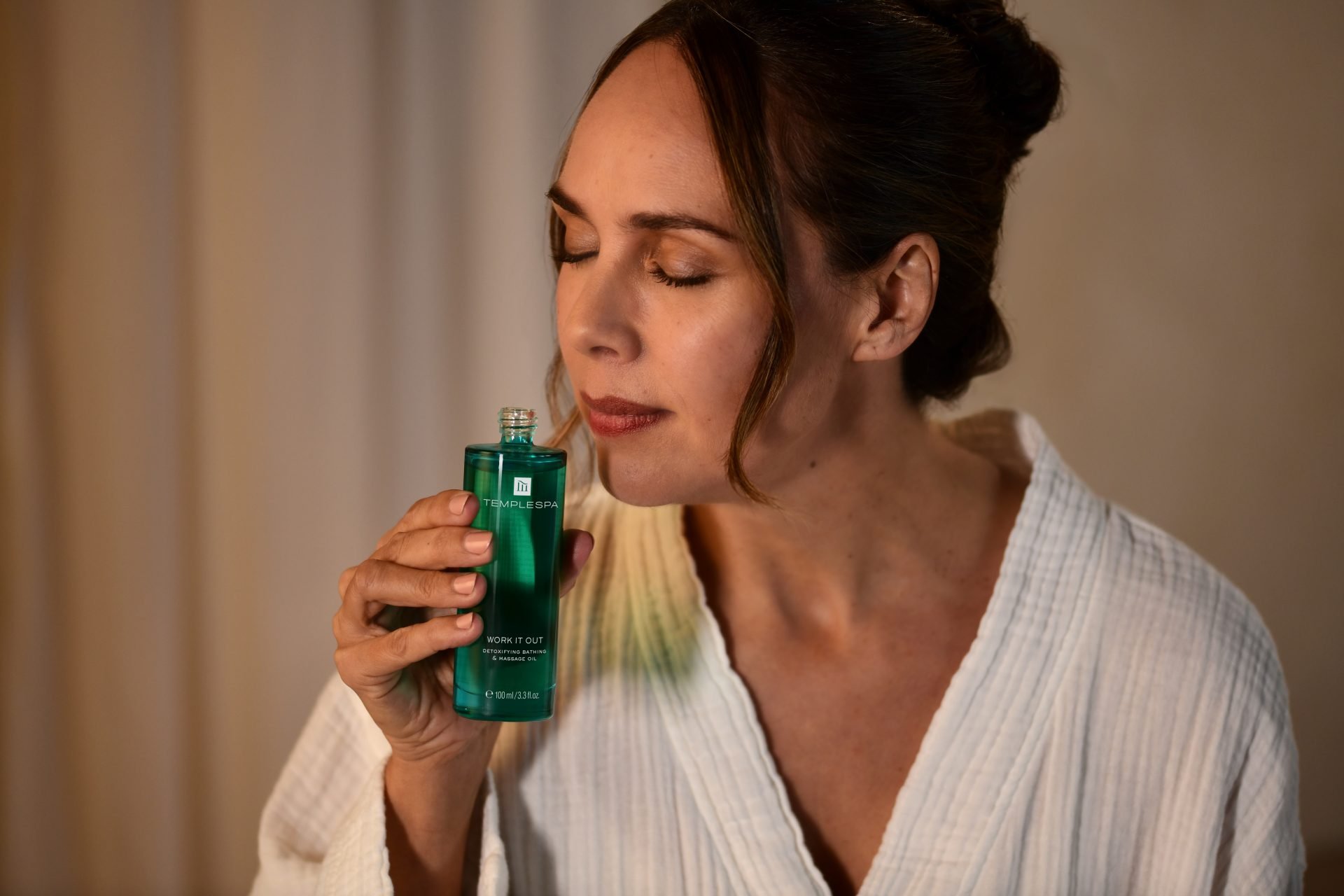
At the heart of the TEMPLESPA approach to wellness is the thought that self-care can be integrated into daily life and moments of spa-escape alike.

Spa treatments with TEMPLESPA offer more than relaxation. They provide a chance to press reset, to reconnect with the body and leave feeling energised, grounded and revitalised.
Whether it is through mindful and purposeful touch, soothing rituals or immersive experiences, the TEMPLESPA portfolio offers 40 professional treatments in over 160 Spa partners globally across luxury and boutique hotels and Spas. From results-driven tailored prescription facials to firming and lifting, wellbeing massages, problem-solving body treatments, as well as bespoke full-day packages. Each offers exceptional guest experience, unique and creative spa extras that leave customers wowed and returning for more.
TEMPLESPA is a science-led skincare brand built on over 25 years of formulation breakthroughs, where heritage meets innovation. The brand blends the finest ingredients with cutting-edge technology, exceptional, results-driven products that are a fusion of hyperactives, rich Mediterranean-inspired botanicals and vitamins.
Curated and expertly developed in Britain, TEMPLESPA brings together derma-scientists, artisan herbalists and the expertise of its in-house experts to create rituals that nurture your skin, body and soul. From the moment guests arrive in a spa, treatments are designed to engage all the senses of touch, sight, scent and sound, offering personalised experiences that leave visitors deeply restored.

This demonstrates that wellness is not an isolated moment but a continuous practice. Massage and facial rituals release tension, improve circulation and encourage deep relaxation, while thoughtfully formulated products extend the benefits of a spa experience into the home. Every step, from ritual to routine, is an invitation to honour the body as a living temple, to reconnect, and to nurture balance, energy and joy.
Wellness at TEMPLESPA extends far beyond the spa. Whether TEMPLESPA is discovered in a luxury spa, boutique hotel or while travelling, our luxury skincare and spa lifestyle products will nourish the whole self and be the brand that serves as a reminder to take a daily pocket of spa peace. They’re not just products, they’re a feeling.
If interested in partnering with TEMPLESPA to help elevate your guest wellness journey contact corporate@templespa.com or 01903 719429.
templespa.com
Wellness Without the White Noise
Luxury hospitality has always been defined by anticipation rather than reaction. The most successful hotels are not those that chase trends loudly, but those that absorb cultural shifts quietly and translate them into guest experiences so seamless they feel instinctive. Wellness is now being approached in much the same way. Leading hotels are working with medically governed partners such as NADclinic to integrate intelligent, performance-led wellbeing into the guest journey with discretion and ease. What was once an optional spa visit has evolved into a broader expectation. Better sleep, sustained energy, stronger immunity, cognitive clarity and long-term vitality. Today’s guest is not necessarily looking for more experiences. They are looking to feel better while they travel, and to trust that their hotel understands how to support that need responsibly.
The operational reality behind rising wellness expectations
For owners, general managers and operators, the question is no longer whether wellness matters. It is how to deliver it without adding complexity, cost or disruption. Across the global hotel landscape, operators continue to face staffing shortages, rising labour costs and limited physical space, while also being expected to unlock incremental revenue and maintain exceptional service. At the same time, guest expectations around wellbeing have accelerated, becoming more informed, more specific and more closely tied to performance.
High-value segments such as executives, frequent flyers and long-haul travellers are increasingly attentive to how hotels support resilience and recovery. Support for jet lag, fatigue, sleep disruption and sustained clarity has quietly become part of the modern luxury equation. Traditional spa menus and familiar amenities often struggle to meet these needs, not through lack of intent, but because the operating model behind hotel wellness has not evolved at the pace of demand. The result is a widening gap between what guests want and what hotels can realistically deliver through conventional approaches.
A different model for hospitality wellness
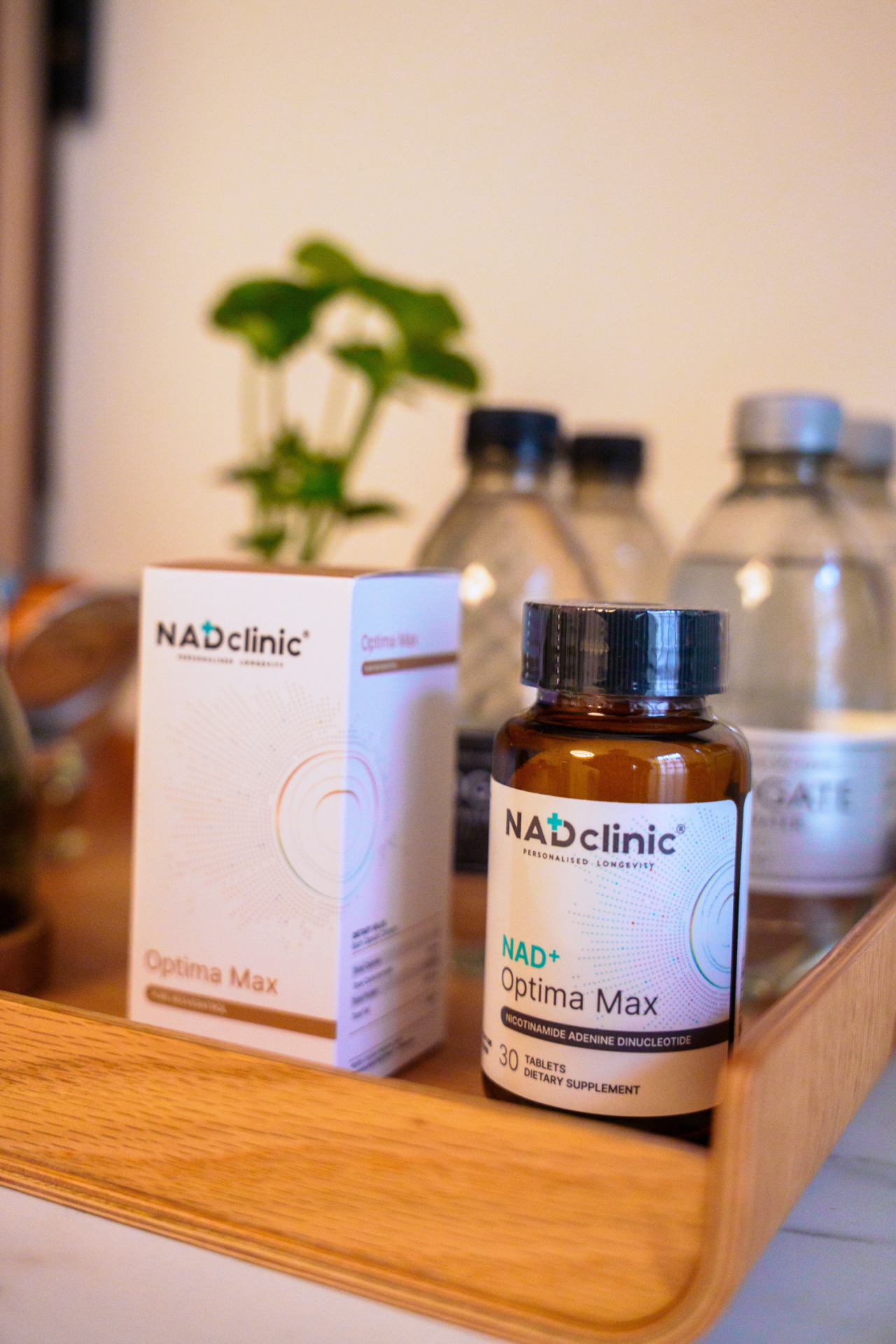
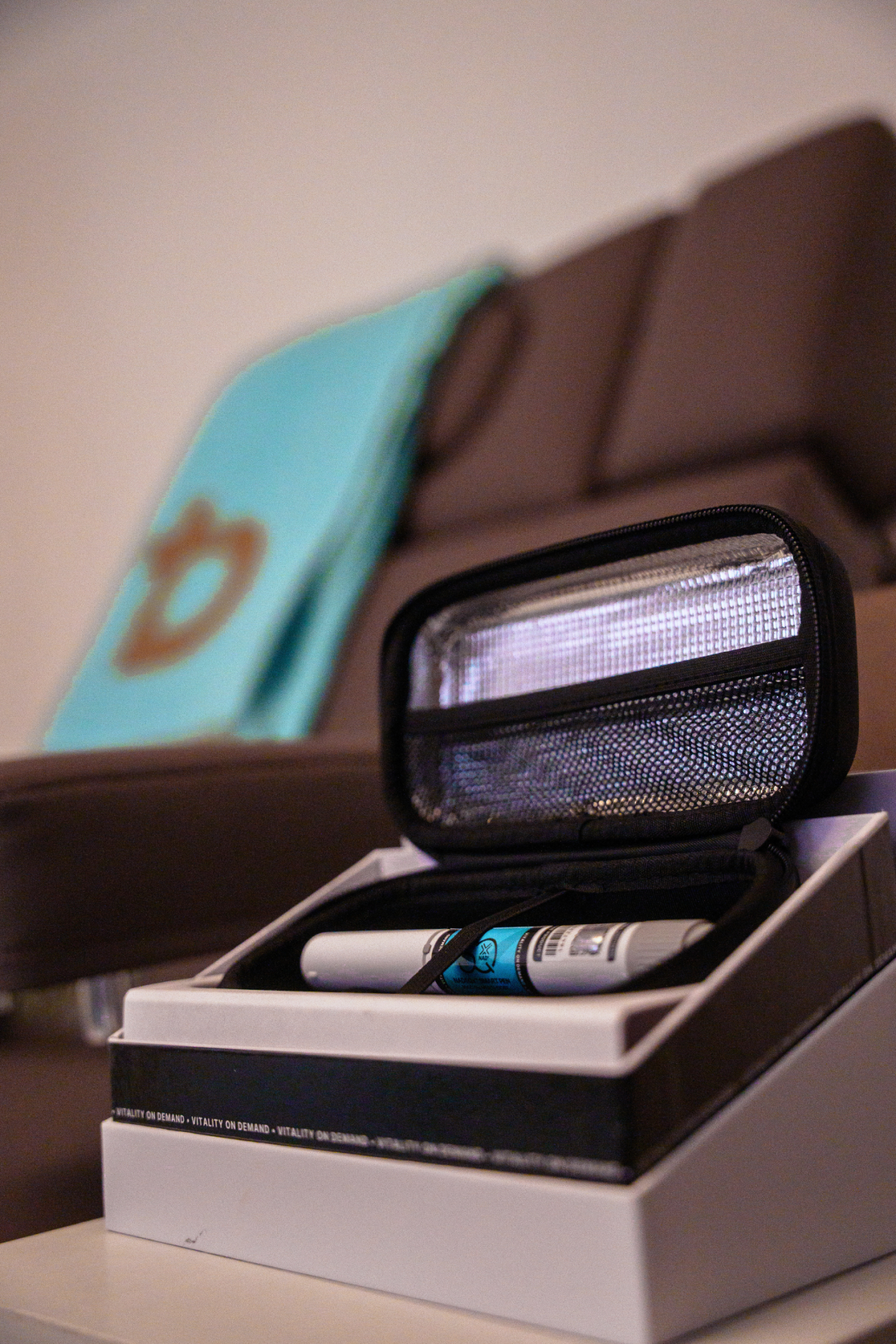
It is within this gap that NADclinic has developed a partnership approach designed specifically for hospitality realities. Rather than asking hotels to invest in new facilities or specialist staffing, NADclinic enables properties to introduce medically governed wellness services that integrate into existing operations with minimal disruption. This includes clinically supervised IV programmes and premium supplementation designed to support energy, recovery, immunity and cognitive performance. The focus is high guest impact with minimal operational lift. The guest-facing experience remains calm, refined and unmistakably luxurious. Medical governance, clinical oversight and compliance are managed entirely by NADclinic behind the scenes, allowing hotel teams to elevate wellbeing without increasing pressure on existing structures.
For many luxury properties, this is the difference between wellness as a marketing promise and wellness as a viable, scalable part of the guest journey. Wellness that moves with the guest One of the most noticeable shifts in hotel wellbeing is its movement beyond fixed spaces and scheduled appointments. Increasingly, guests expect support to fit around their travel demands, not the other way around. NADclinic enables hotels to offer in-room, on-demand wellness delivery led by medically trained teams. IV programmes for jet lag, travel recovery or sustained energy can be administered privately in-suite, enabling guests to benefit without disrupting their schedule or the flow of their stay. For VIPs, corporate travellers and long-haul guests, this flexibility is often where value is most keenly felt. It meets the reality of modern travel, where time is compressed, sleep is fragmented and performance expectations remain high regardless of geography. For hotel teams, the benefit is equally clear. Wellness is elevated without requiring front-of-house teams to coordinate clinical delivery or manage an additional service line. The guest experience remains hospitality-led. The clinical element remains discreet.
Trust, governance and brand protection
As wellness becomes more informed and personalised, trust has become a defining consideration. Guests are increasingly knowledgeable about supplementation, recovery protocols and longevity-focused interventions. They are also more discerning about where and how those interventions are delivered. This is where medically governed wellbeing introduces a crucial layer of reassurance. NADclinic’s clinical framework ensures that IV programmes and supplementation are delivered responsibly, with appropriate screening, oversight and standards. For hotels, this is not simply about service quality. It is about brand protection.
Luxury hospitality depends on consistency, discretion and trust. When wellness offerings become more sophisticated, the regulatory and reputational exposure increases. Medically governed delivery allows hotels to meet rising guest expectations while protecting brand integrity and ensuring that responsibility for medical standards sits firmly with a specialist partner.
Extending wellness beyond the stay
Wellness retail has also evolved within luxury hospitality. Thoughtfully curated products increasingly act as a continuation of the guest experience rather than a transactional add-on.
By offering premium, clinically backed supplementation, hotels can enable guests to sustain positive habits long after departure. This extends the impact of the stay beyond checkout, reinforces long-term brand affinity and creates an additional revenue stream without adding operational complexity. It also allows wellness to become part of a guest’s lifestyle, not simply an in-stay indulgence.
Differentiation without disruption
In a crowded luxury market, differentiation has become more nuanced. Adding more facilities or louder wellness programming is not always the answer. For many hotels, the opportunity lies in refining how wellbeing is delivered and ensuring it is credible, discreet and aligned with contemporary lifestyles. NADclinic’s partnership approach respects the cultural fabric of each property. It adapts to existing service flows, supports internal teams and enhances the guest journey without overshadowing what already makes the hotel exceptional. As guest expectations continue to evolve, the hotels that lead will be those that integrate wellbeing in the same way they integrate everything else that defines luxury. Quietly, intelligently and with the right partners behind the scenes.
To explore a wellness partnership with NADclinic, please contact partnerships@nadclinic.com
Don’t Miss Out!
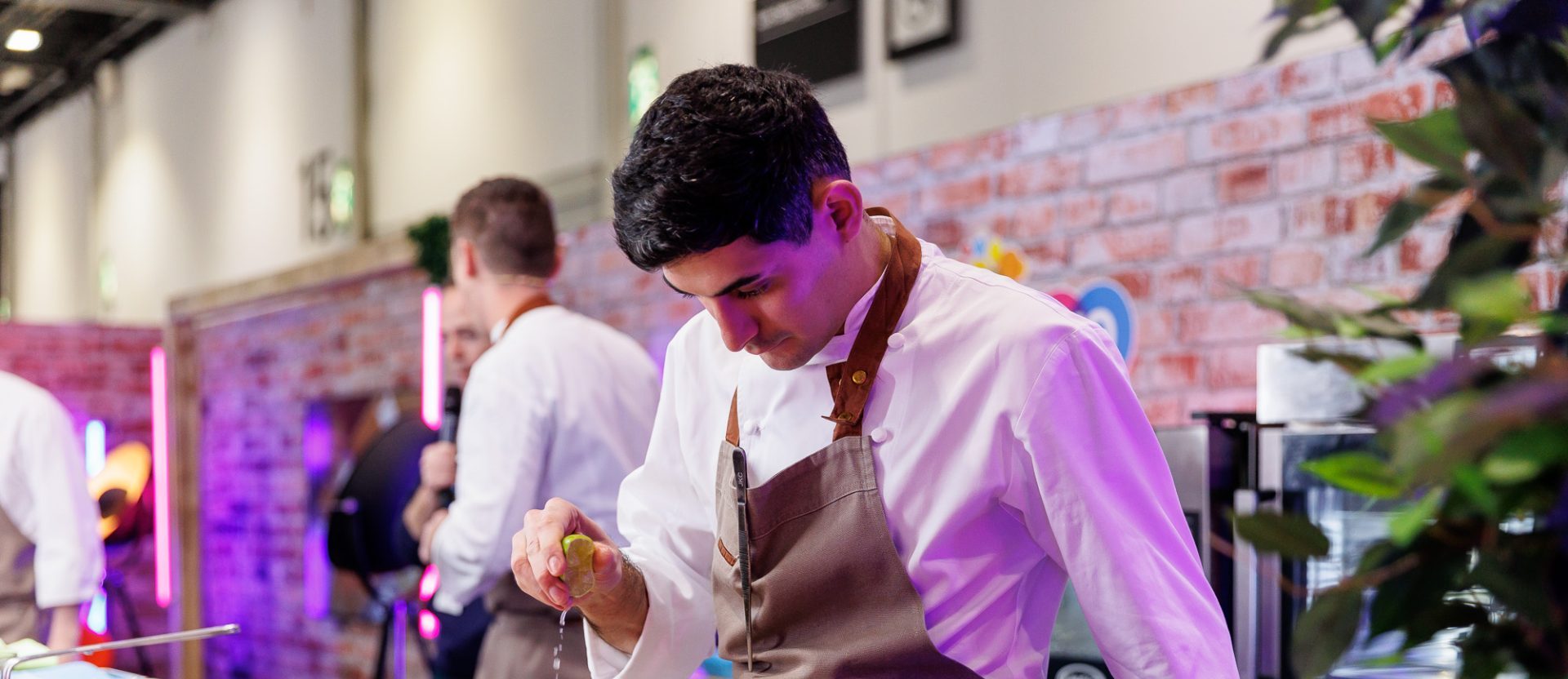
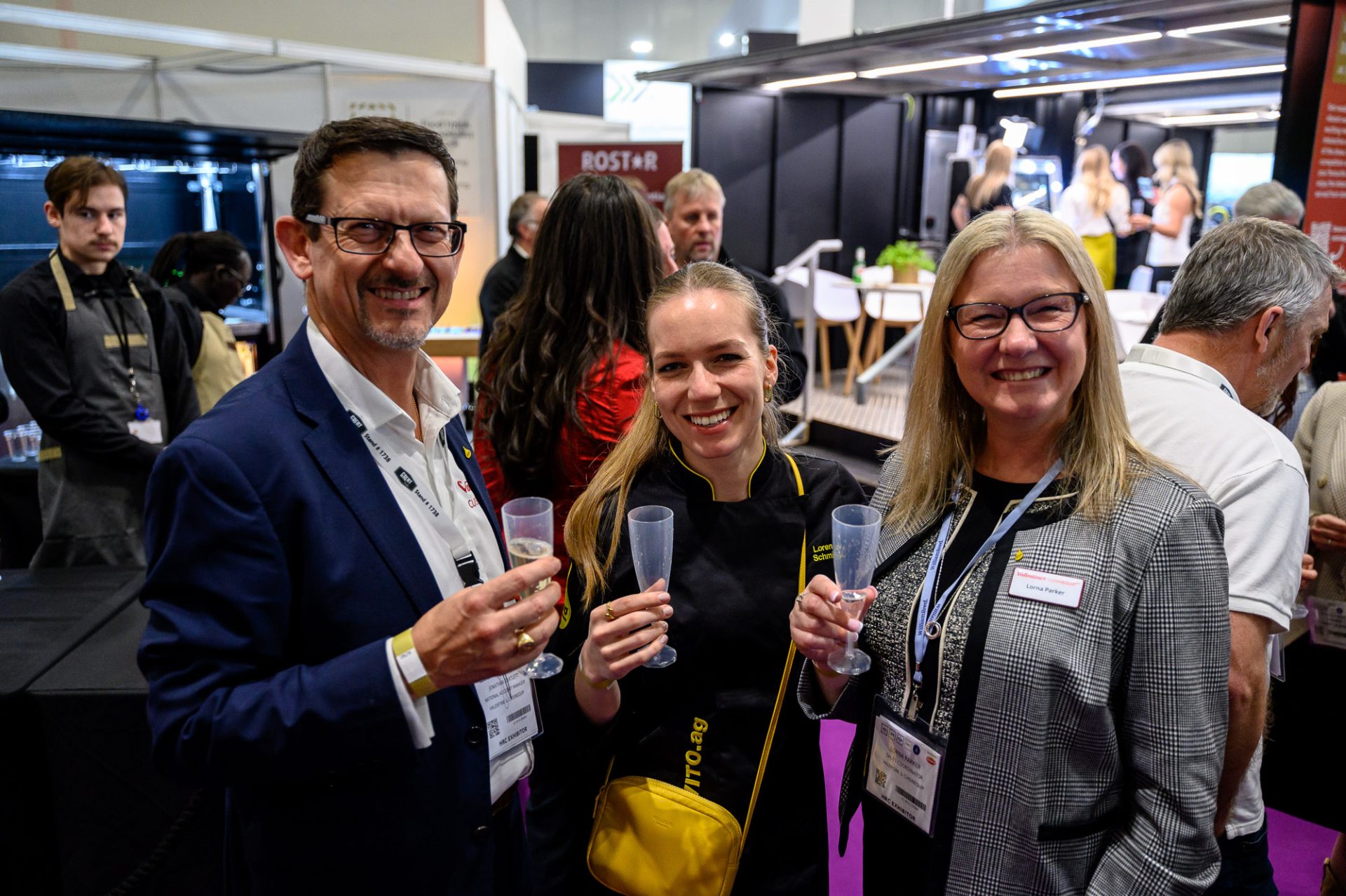
Food, Drink & Hospitality Week will return to Excel London from 30 March to 1 April 2026, bringing together five major trade events and the historic International Salon Culinaire chef competition, for three days of supplier discovery, industry debate and professional connection.
Designed to reflect the breadth and pace of change across hospitality, the portfolio combines established flagship shows with new launches, offering hotel operators a joined-up view of the products, people and technologies shaping the sector.
At the heart of the week sits HRC, long recognised as the UK’s leading trade event for hospitality operators. For hoteliers, HRC remains the most comprehensive place to explore food, drink, equipment, interiors and operational solutions under one roof. The show attracts thousands of decision-makers from hotels, restaurants, catering businesses and contract foodservice, all actively sourcing new suppliers and ideas.
HRC’s 2026 edition will feature five core sections: Food, Bar, Hot Drinks, Furniture, Interiors & Tableware, and Equipment. Within the Food section, dedicated areas for Street Food, Pastry, and Pizza & Pasta reflect both enduring consumer demand and the continuing diversification of hospitality F&B offers.
From breakfast and grab-and-go concepts to destination dining and events catering, the breadth of exhibitors is designed to support every part of a hotel’s foodservice operation.
Alongside supplier discovery, HRC’s content programme continues to be a major draw. The Vision Stage and the Future of Drinks Stage will once again host discussions on leadership, workforce challenges, menu development and changing guest expectations, while Chef HQ and Pastry HQ, delivered in collaboration with Chef Publishing, place culinary skill and craft firmly in the spotlight.
New for 2026, the Street Food section acknowledges the influence of informal dining formats on hotel restaurants, bars and events spaces, as well as the growing importance of flexible, scalable food concepts.
Running alongside HRC for the first time is Hospitality Tech360, a new event dedicated entirely to hospitality technology. Launching in 2026, Hospitality Tech360 builds on the success of HRC’s Hospitality Tech section, providing invaluable insights and case studies for hoteliers and hospitality operators to keep on top of the latest innovations and technologies. Speakers in 2025 included senior leaders from Bill’s Restaurants, Pizza Pilgrims, Wagamama and Gail’s, reflecting the appetite among operators for practical insight into how technology can support performance and growth.
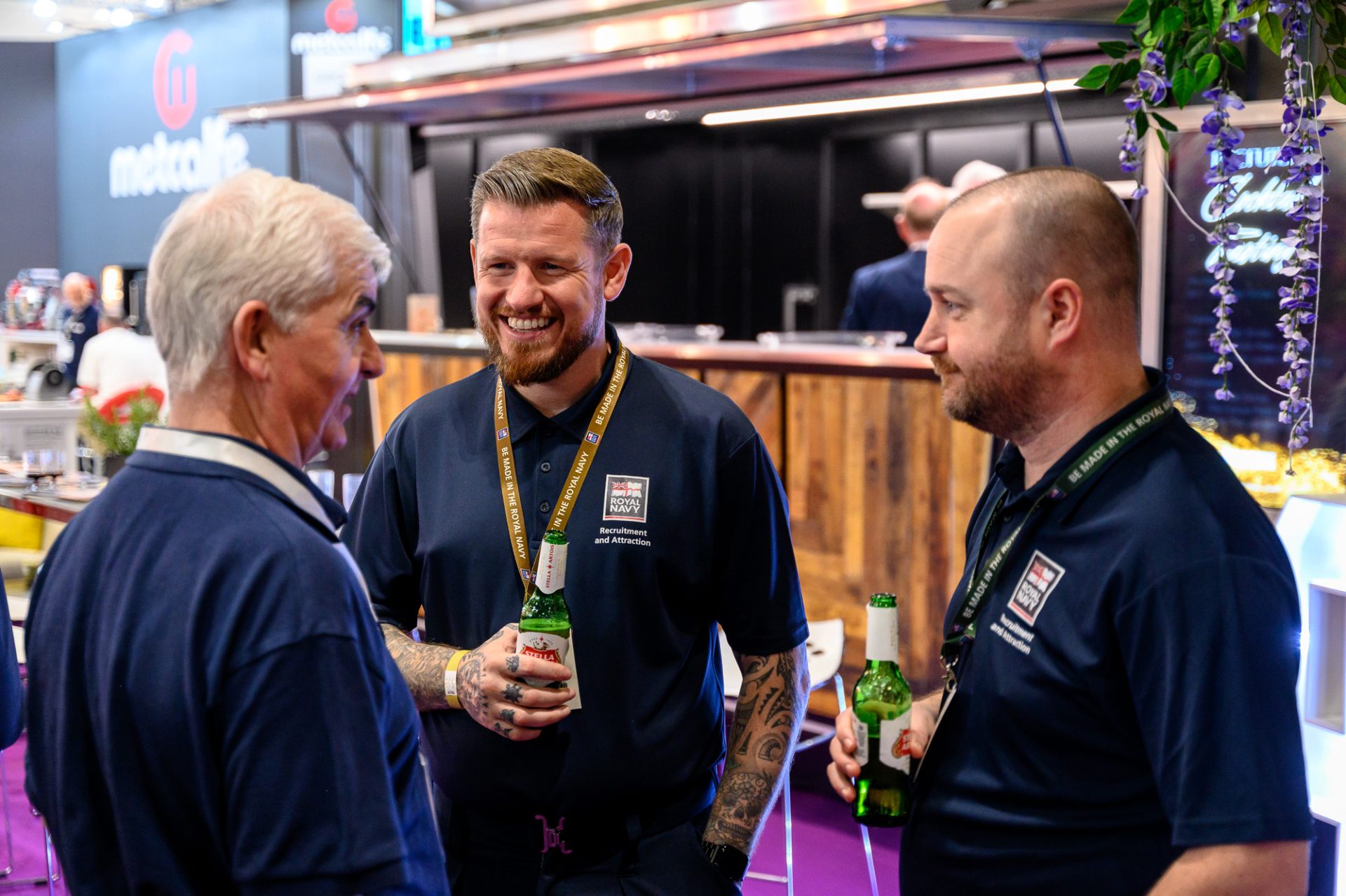
Hospitality Tech360 has been created to give technology its own focused platform within the wider portfolio. The event will bring together hotel operators, restaurateurs, technology providers and industry experts to explore how digital tools are reshaping hospitality businesses across front and back of house. From property and revenue management to workforce scheduling, data, loyalty, automation and AI, the programme is designed to address the realities facing operators working with tight margins and rising guest expectations.
The content programme will feature panel discussions, live demonstrations and expert-led sessions examining digital transformation, operational efficiency, sustainability and the role of emerging technologies in improving both guest experience and staff engagement. Importantly for hotel teams, Hospitality Tech360 aims to move beyond theory, focusing on real-world applications and practical solutions that can be implemented across single sites and multi-site operations.
Nick Powell, Portfolio Director for Food, Drink & Hospitality Week, says technology now underpins almost every aspect of hospitality operations: “Technology is playing an increasingly critical role across the entire hospitality sector, and we wanted to create a dedicated space where hospitality industry professionals interested in the latest technologies can learn about new innovations, exchange insights, and find practical solutions to drive their businesses forward.”
Beyond HRC and Hospitality Tech360, Food, Drink & Hospitality Week brings together a further four events. IFE and IFE Manufacturing, provide a window into the food and drink supply chain, from finished products to ingredients, packaging and production solutions. For hotel groups reviewing supplier strategies or exploring own-label opportunities, these shows offer valuable context and connections.
The Pub Show, runs alongside HRC in the South Hall of Excel London, reflecting the continued crossover between pubs, hotels and casual dining businesses. Meanwhile, International Salon Culinaire delivers one of the UK’s most prestigious programmes of live culinary competitions, celebrating skill, ambition and excellence across all levels of the profession.
Taken together, the events taking place as part of Food, Drink & Hospitality Week offer hotel operators a rare opportunity to step back and view the sector in the round. Whether the priority is refreshing an F&B offer, investing in equipment, rethinking interiors, or understanding how technology can unlock efficiencies and improve guest journeys, the 2026 programme is designed to support informed decision-making.
For hoteliers navigating a complex trading environment, Food, Drink & Hospitality Week 2026 promises three days of insight, inspiration and practical solutions – all in one place.
Find out more about everything taking place this year at hrc.co.uk.
THE BEDROOOM, HOUSKEEPING & LINENS
For hotels, the smallest details shape the guest experience. A spotless room, crisp bedding and soft towels are signals of care and quality. Laundry, once considered a back-of-house task, now plays a visible role in defining a hotel’s reputation. With sustainability influencing guest choices and hygiene expectations at an all-time high, operators are rethinking how laundry is managed.
Many businesses have outsourced laundry services as a cheaper alternative. Now, hoteliers are increasingly looking at the bigger picture, investing in solutions that deliver long-term savings and greater efficiency, such as on-premise laundry (OPL) facilities.
This development has been accelerated by the convenience, consistency and confidence that OPLs provide, ensuring hotel managers have full control over their laundry operations.
Why OPL is gaining momentum
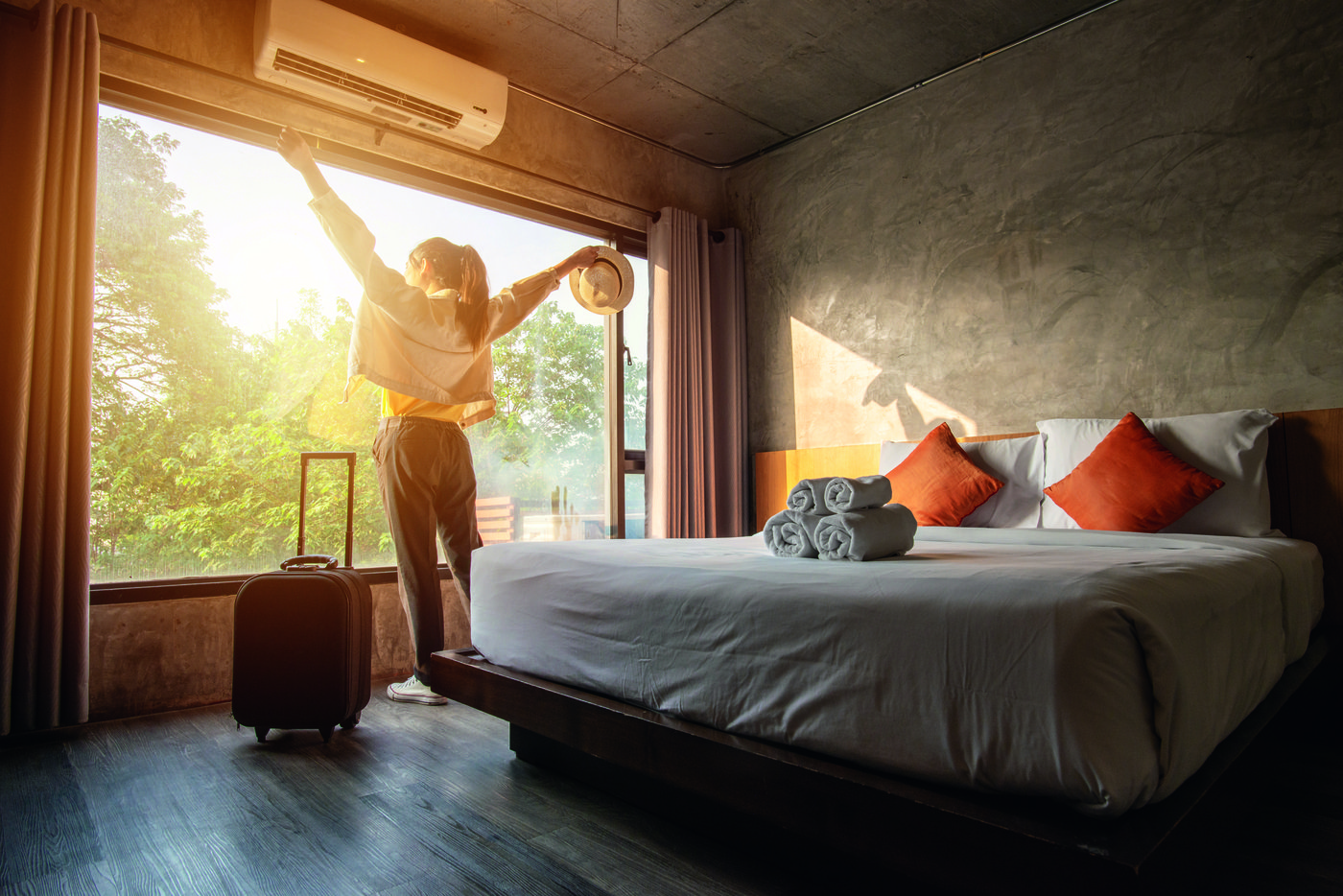
Hotels operate under constant pressure to deliver flawless service. Outsourcing laundry can create vulnerabilities, from delays in turnaround to reduced oversight of hygiene standards. When linens leave the premises, the risk of cross-contamination rises, and quality checks become harder to enforce.
An OPL can help to mitigate the challenges that outsourced laundry often presents. Through keeping laundry in-house, hotels maintain full control over every stage of the process. Wash cycles can be set to recommended temperatures, and thermo or chemo-thermo disinfection programmes can be applied with precise detergent dosing. This level of assurance is vital, as guests expect not only cleanliness but proven hygiene.
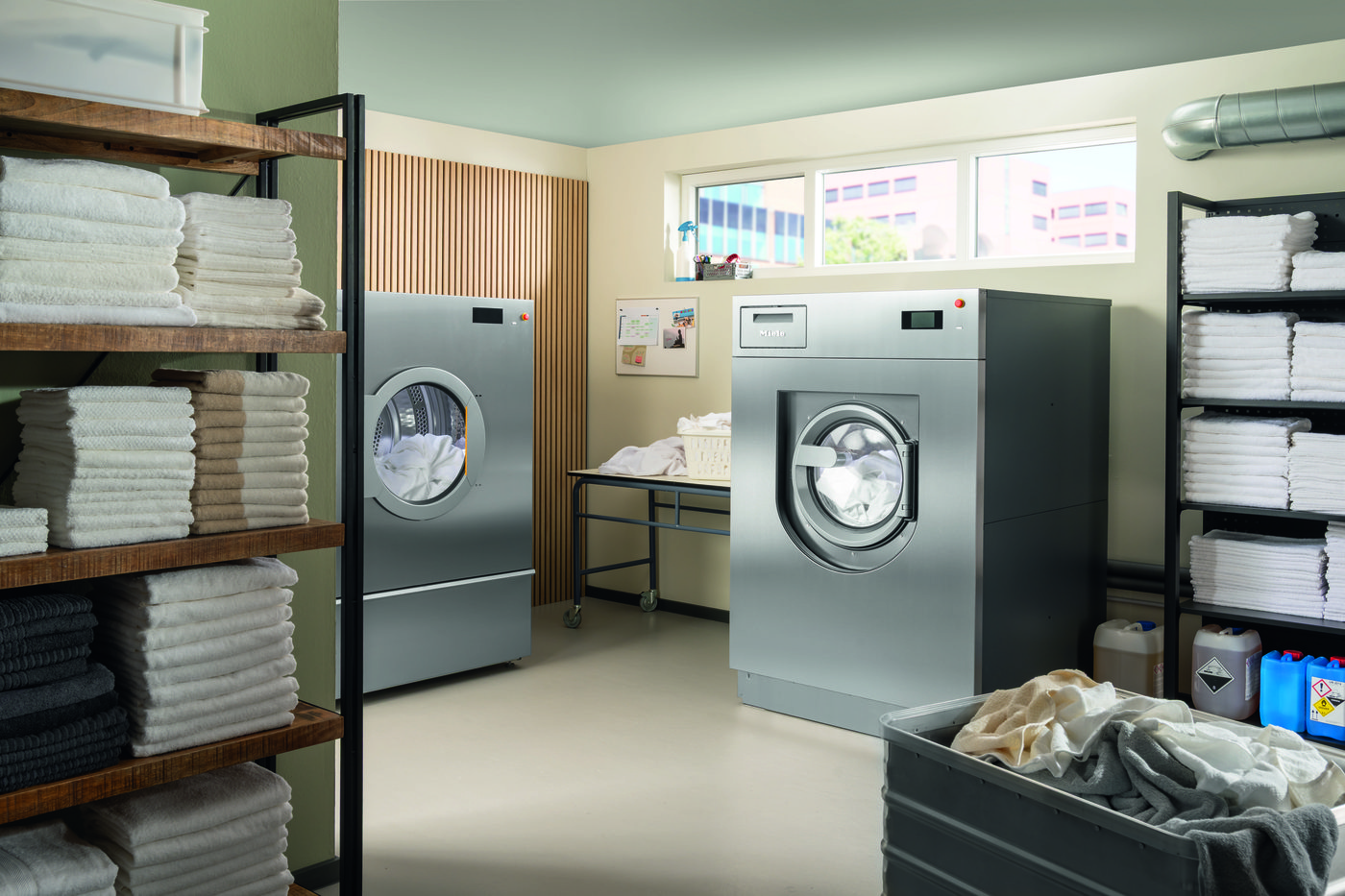
Commercial-grade machines designed for hospitality, such as Miele Professional’s Benchmark range, are built for these demands. They combine short cycle times with advanced hygiene features, ensuring bedding, towels and uniforms meet the highest standards without compromising efficiency.
First impressions start in the laundry room
Guests notice the details. That includes the feel of freshly laundered sheets, the scent of clean fabrics and the softness of towels, all of which contribute to their perception of value. These details can influence reputation as much as the welcome at reception, and with the rise of social media and instant reviews, every element of the guest experience should be considered to protect your business’s reputation.
Domestic machines may seem cost-effective for smaller properties, but they are not designed for the heavy, frequent loads of hospitality laundry. Bed linens, robes and staff uniforms place significant strain on equipment, leading to faster wear and tear, more breakdowns and higher lifetime costs.
Professional solutions like Benchmark are engineered for durability and performance. They handle high volumes with ease, delivering consistent results while reducing water and energy consumption. For hotels, this means faster turnaround times, fewer spare sets in circulation and the ability to respond immediately to unexpected requirements.
Hygiene as a priority
Hygiene is a visible part of the guest experience and a critical operational standard. Guests want reassurance that the linens they use are hygienically safe. Benchmark machines include thermal disinfection programmes and high-temperature rinses for added peace of mind. Automatic detergent dosing ensures accuracy, while hygiene monitoring tools make compliance straightforward for staff.
This control extends to staff uniforms. Washing them on-site rather than at home reduces the risk of infection transfer and reinforces a culture of safety. For hotels, these measures protect guests and staff while supporting compliance with industry standards.
Sustainability as a competitive advantage
Eco-conscious travel is growing as we move further into 2026, and sustainability is now a deciding factor for many guests. Hotels are already reducing single-use plastics and introducing refillable toiletries, but laundry offers another opportunity to demonstrate environmental responsibility.
For businesses with extensive laundry needs, introducing an OPL facility can reduce utility bills significantly, making them not only more cost-effective but also environmentally sustainable. For instance, Benchmark machines incorporate intelligent sensors that adjust water and detergent based on load size, preventing waste and lowering costs.
Energy-efficient programmes reduce consumption without compromising hygiene or fabric care. Investing in equipment that prioritises sustainability means hotels can align with environmental goals while strengthening their reputation with guests who value responsible practices.
Reliability also plays a role in sustainability. Benchmark machines are tested for up to 30,000 operating hours and supported by long-term spare parts availability, reducing the environmental impact of frequent replacements. For hotels, this durability translates into peace of mind and a smaller carbon footprint.
Digital tools for visibility and control
Managing laundry in-house introduces new responsibilities, for instance, where businesses may operate across multiple sites or with several machines in use. However, technology plays a vital role in making this easier.
Platforms such as Miele MOVE Connect provide real-time visibility over machine status, programme progress and resource use, operating as a single view of laundry operations to make day-to-day management far more straightforward. This oversight helps teams plan effectively, whether preparing linen for check-ins, spa treatments or food service.
This continuity also ensures there are no gaps in service and that standards are upheld throughout. Teams gain a clearer picture of how their laundry operation is performing, helping them stay on top of usage, reduce waste and maintain control over quality and cost. Digital monitoring also flags maintenance issues early, reducing the risk of disruption, ensuring hoteliers can manage their OPL operations with confidence.
Machines that meet hospitality demands
Hotels, spas and leisure venues deal with a wide range of laundry needs, from guest towels and robes to restaurant linen and staff uniforms. OPL setups require machines that can handle this variety without compromising on hygiene or presentation. Benchmark machines are designed for exactly that, with specialist programmes and features that support consistent results even with frequent use.
Installation and training are typically handled by experienced partners, ensuring teams can get up and running quickly. And with regular servicing and access to emergency support, downtime can be kept to a minimum, which is essential in settings like hotels and restaurants where fast laundry turnaround is required to meet guest expectations.
Bryn Tanat Hall’s approach to luxury laundry
Bryn Tanat Hall, a luxury self-catering retreat in mid-Wales, offers a blend of elegant lodges and a main house with 12 bedrooms. Known for its meticulous attention to detail and commitment to sustainability, the team needed a laundry solution that could keep pace with demand and maintain the highest standards.
For owner Susan Martin, outsourcing was never an option. “I wouldn’t change my method of washing, drying and then finishing on the ironer,” she explains. “It gives our 400-thread Egyptian cotton bedding a pristine finish for the Hall and the lodges.”
The decision to install an OPL was driven by a desire for consistency and sustainability, with air drying before ironing helping reduce energy consumption while maintaining the freshness guests expect. To meet their needs, Bryn Tanat Hall invested in Miele Professional equipment, including three 8–10kg washing machines, two vented dryers and two rotary ironers.
The journey began when a domestic machine broke down, prompting a visit to the Miele Experience Centre in Abingdon. With guidance from approved partners Multibrand Services, the team learned about the benefits of switching to fully commercial appliances. “They were very informative and helped us take the step into commercial washer and dryers,” Susan recalls.
The results speak for themselves. The new setup can process an entire lodge’s worth of towels and bedding in just 90 minutes. Reliability and ease of use have been standout features. “They’re almost too easy!” Susan says. “Having the new machine added, and the tumble dryer on a larger electrical supply means I am running faster to keep up with them!”
This investment has helped Bryn Tanat Hall maintain its reputation for excellence, earning the title of Best Self-Catering Accommodation at The Mid-Wales Tourism Awards and a second-place finish in the National Tourism Awards for Wales.
Planning for success
Introducing an OPL requires careful planning; space allocation, equipment selection and staff training all need attention. Comprehensive support services can make this transition smoother. Miele offers consultancy to assess specific requirements, recommend suitable machines and design processes that fit the property’s operational needs.
Digital tools such as remote monitoring and predictive maintenance can further support reliability. Features like automatic detergent dosing prevent waste and ensure optimal cleaning, while programmable controls allow different staff members to achieve identical results.
The investment in commercial equipment pays dividends through durability. Machines built for intensive use withstand constant operation while maintaining consistent performance. For hotels, this reliability translates into uninterrupted service and consistent guest satisfaction.
Looking ahead
As hotels face increasing scrutiny around hygiene and sustainability, on-premise laundry facilities offer a practical route to excellence in both areas. The decision to bring laundry in-house reflects a commitment to quality, responsibility and guest care.
The Benchmark range from Miele Professional is designed for these demands, combining robust construction with advanced hygiene programmes and energy-saving features. For properties seeking greater control and long-term value, Benchmark provides the tools to achieve both.
With Miele Professional, access the highest-quality, all-round laundry solutions so your business can work to the best of its abilities. Discover how Miele Professional can support your hotel: https://www.miele.co.uk/p/hotels-guesthouses-4113.htm
Rethinking the Hotel Tech Stack
As hotel technology accelerates at pace, owners and operators face a persistent tension: how to remain flexible enough to meet evolving guest expectations while maintaining the operational stability the business depends on. For Liutauras Vaitkevicius, Principal at Lion Share Hospitality, this tension is not a technology problem as much as a mindset challenge - one that requires hoteliers to rethink how and why they build their tech stacks.
“At the core of it, within hospitality, it’s a debate between traditional operational models and an innovative experiential hospitality,” Liutauras explained. As the industry evolves, he argues, operations, decision-making and controls must evolve alongside it. “Tech stacks are there to enable us all to run the business and be as much in control financially and as flexible operational as possible.”
Too often, however, technology decisions are rooted in the past. “The question to ask here is not whether tech stack will suit the purpose of business today – it is whether business itself will be free to grow and evolve together with ever-changing customer expectations,” he said. For Liutauras, technology must follow the concept, not dictate it. “Way too often technology is chosen around business needs of yesterday rather than that of tomorrow.”
A well-designed tech stack should do more than support operations, it should actively enable creativity. “The ideal tech stack should unlock commercial creativity – allowing business to serve their customers without creating barriers or departmental silos,” he said. Crucially, this means rethinking who technology is really for. “Who are the real users of these systems – is it people sat in offices, or those that are in front of customers, creating ambiences, experiences and services day in and day out?” In his view, “best tech stacks should be built around customer-facing teams, and not back-end users.”
This perspective challenges the long-held idea of a “perfect” or universal hotel tech stack. According to Liutauras, such a concept simply doesn’t exist. “There is no such thing as the ‘perfect’ solution. Be it tech stacks, individual service providers, or conceptual tools,” he said. What matters instead is agility. “The challenge here is to have architectural builds that are agile and innovative.”
Hospitality’s inherently multi-disciplinary nature makes one-size-fits-all approaches unrealistic. “Different areas have different needs,” he noted. “Just because finance needs certain access, controls and reporting tools, this should not create barriers for a head chef to practice his craft, or for maintenance to track their repairs.” Historically, trade-offs have been accepted as inevitable, but Liutauras believes that era should be over. “In 2026, this simply should not be the case.”
Advances in modular and composable technologies mean functions can now be tailored without compromising others. This thinking, he added, should apply not just to individual hotels but also to groups. “Just because concept extends across multiple locations, does no longer mean it should have exactly the same, identical tech stacks,” he said. “Controls can be achieved through intelligent architecture and strong data connections rather than a cookie-cutter approach.”
Yet modularity brings its own risks, particularly when experimentation leads to long-term complexity or technical debt. Avoiding this, Liutauras argued, is a leadership responsibility. “Far too often leadership make decisions, deliver implementation and then completely leave tech stack behind, as if it’s closed-box exercise,” he said. Technology requires ongoing stewardship, not one-off deployment.
He stresses the importance of architecture that allows change without disruption. “No single element (even if it’s PMS or CRM) should be a blocker or create limitations when need for change arises,” he said. Quoting Stafford Beer - “The purpose of a system is what it does” - Liutauras points out that hospitality often fails by buying tools and expecting results without sustained engagement.
To avoid these pitfalls, he advocates a disciplined approach: defining current challenges, articulating a future vision, selecting technology that serves both, building flexibility into the stack, training users properly, and continuously reassessing whether systems remain fit for purpose.
Vendor lock-in is another area where hoteliers must tread carefully. While it is often portrayed as the enemy of flexibility, Liutauras takes a more nuanced view. “Always negotiate maximum contractual flexibility,” he advised. “Flexibility is a strength and not a trade-off. Because if something works well – there is no risk to anyone.”
The real danger, he warns, lies in heavy upfront investment. “The biggest problem… is capex expenditure,” he said, whether in hardware, implementation or training. Large sunk costs make it psychologically and politically difficult to change systems later, even when they no longer serve the business. Instead, “investment should be thought of as an agile and ongoing process,” focused on people, experiences and growth rather than one-off technology bets.
Looking ahead five to ten years, Liutauras believes the guiding principle remains clear. “Unilaterally, the answer is flexibility,” he said. This starts with data ownership, “no system, no vendor should ever limit you from accessing, extracting and fully using your own data”, and extends to user interface, contractual terms and freedom.
In an industry defined by experience, the future-proof tech stack is not the most complex or comprehensive; but the one that remains adaptable, human-centred and ready for change.
Martyn’s Law
Key insights for Hoteliers as told by the team at Howden.
Since March 2017, Counter Terrorism Policing assesses that there have been 15 domestic terror attacks in the UK (not including Northern Ireland-related terrorism), and security services and law enforcement have together disrupted 43 late-stage plots.
As a result, the UK’s threat level remains ‘substantial,’ meaning an attack is likely.
Martyn’s Law, which is due to be enforced in 2027, requires public-facing venues, including hospitality businesses, to assess terrorism risks and have clear response plans. Depending on capacity, your hospitality venue compliance requirements may vary.
Beyond avoiding penalties, being prepared shows a commitment to guest safety and builds trust – and it also protects your employees. Staff play a critical role in responding effectively during an incident, so training and clear communication protocols are essential to keep both your team and your guests safe.
What does compliance look like?
To make it easier for hospitality businesses to understand their obligations under Martyn’s Law, we’ve outlined the key requirements for each tier below.
Martyn’s Law Standard Tier generally applies to premises that are open to the public and accommodate between 200 and 799 people. Those responsible for these premises will be required to consider the most likely attacks, the measures that are in place to reduce the likelihood of attacks, and if an attack still takes place, the measures that are in place to reduce the on impact on those people involved. These premises will need to provide specific training to staff, and they will need to produce plans detailing options available to them when responding to a potential terror attack.
Martyn’s Law Enhanced Tier applies to public premises or events that can accommodate 800 people or more. Those responsible will be expected to undertake a more in-depth assessment and preparations. This would include the production of a specific terrorism risk assessment, identifying and implementing both specific and reasonable measures, as well as designating a ‘Responsible Person’ to oversee the adherence to the new law, and engage with the regulator. The appointed individual must be at a very senior level, typically a Director or Board member, to oversee the implementation. While this individual holds ultimate accountability, they may delegate specific tasks to others.
Together with our security specialist partner, Team 9, we’ve created a comprehensive set of FAQs to help hoteliers navigate the implications of this new law and understand what these changes mean for their hospitality businesses.
How do we demonstrate ‘monitoring’ at our premises without creating a security-guard atmosphere for guests?
Monitoring is simply observing who is arriving and leaving and being able to raise the alarm if an incident is suspected of being about to take place – either at or in the near vicinity. This can still be a great example of good customer service rather than viewed as a disruption. In order to achieve this, reception staff, concierges etc. need to be trained in what to look for, and how to react.
What personal liability does the ‘Responsible Person’ hold, and how can organisations protect individuals from disproportionate blame?
The ‘Responsible Person’ is the person with the legal responsibility to oversee and implement measures under Martyn’s Law. It must be a senior position, and it’s important that this person is fully supported with relevant expertise, while also protected by the correct levels of insurance provision. In the event that the ‘Responsible Person’ is a corporate body, then it must appoint a ‘Designated Senior Officer’ to undertake these responsibilities. Consequently, some venues may need one or both roles, depending on their structure. These individuals have significant additional responsibilities, and their names must be provided to the regulator.
For venues within the Enhanced Tier, the law requires a very senior individual, such as a Director or Board member, to act as the ‘Responsible Person’. This role can delegate tasks as needed. A Designated Senior Officer (DSO) is only required if the ‘Responsible Person’ is a corporate entity. Consequently, some venues may need one or both roles, depending on their structure.
How do we align Martyn’s Law requirements with existing health & safety, fire safety, and security procedures without duplicating effort?
Duplication and unnecessary investment should be avoided. A skilled and competent Martyn’s Law auditor should review the current practices and assess what is already in place to satisfy part of the regulatory requirements. A gap analysis, and reasonable measures should then be provided to the responsible person for consideration.
What does effective incident communication look like for multi-site hospitality businesses, especially during fast-moving situations?
A well-designed and proportionate communication strategy should be part of the overall security strategy. The plans that have been designed and approved by the ‘Responsible Person’ must be capable of being communicated.
How can we apply Martyn’s Law in older, listed, or highly constrained buildings where physical security upgrades may not be possible?
The new legislation requires Enhanced Tier premises to implement reasonable security measures. These measures are always bespoke, and what is ‘reasonable’ depends on various factors, including what is possible at the building in question.
We already have CCTV, radios and staff training – how do we evidence that we meet the law in a structured and defensible way?
The CCTV system, radios, and staff training simply needs to be aligned with the overall security plan for Martyn’s Law. There’s no need to immediately buy new equipment. It’s important to see how you can use what you already have.
What does a proportionate evacuation or lockdown plan look like for busy hotel lobbies and public-facing spaces?
These plans are always bespoke to the premises and people being protected. It’s very important that these plans are well-designed and consider the likely types of attack, the activity of the premises, and the resources available. Bear in mind that your current plans may not be appropriate for the response to Martyn’s Law. They must be reviewed.
All ‘relevant workers’ must be trained. What is a relevant worker, and what training do they require?
A ‘relevant worker’ is any person who can impact on the safety of people using the premises. It’s irrelevant if the worker is full-time or part-time; they must be trained in the specific procedures that apply at that premises.
Will Martyn’s Law affect my insurance premium?
Martyn’s Law requires venues which fall within the tiering system to take a more prudent and stringent approach to insuring risk exposures relating to an act of terrorism. Businesses will need to demonstrate to regulating authorities that as an organisation, they’ve considered and implemented appropriate risk mitigation and risk transfer measures to protect the general public whilst on their premises. This may require holding higher levels of terrorism insurance. While it may initially seem that increasing and maintaining higher cover limits will lead to higher premiums, strict compliance with Martyn’s Law and the implementation of robust risk management measures could help mitigate costs and potentially reduce premiums.
Will Public Liability insurance be enough or do I need terrorism-specific insurance?
Public Liability cover in Commercial Combined policies usually includes a sub-limit for claims of third-party injury or property damage caused by terrorism. For example, if your policy provides £5 million in Public Liability cover, claims related to terrorism are typically capped at £2 million.
Standard terrorism insurance typically covers property damage and business interruption only. For hotels, tailored wording that offers broader protection, such as inclusion of utilities infrastructure and enhanced Non-Damage Denial of Access, may be recommended. In addition, terrorism-specific insurance (which usually runs alongside a Commercial Combined policy) can provide higher, aligned Public Liability limits, where the loss results directly from an act of terrorism.
Could directors or managers be personally liable?
Directors can be held personally liable if they breach statutory duties, act negligently, or fail to comply with specific legal obligations imposed on them. Martyn’s Law explicitly requires a ‘Responsible Person’ for compliance in enhanced-tier venues. If there’s failure to discharge these duties, and negligence or wilful non-compliance is proven, liability could extend personally to directors.
How should hospitality businesses prepare from an insurance perspective?
Engagement with your insurance broker as early as feasibly possible is recommended – the earlier the engagement, the more favourable the outcome will be for you as an organisation from both a premium and coverage perspective. Partnering with a broker who has the right levels of expertise on the subject of terrorism, will not only assist in your compliance with Martyn’s Law, but will also help safeguard your organisation’s financial resilience against a range of terrorism-related exposures.
If you have any questions about Martyn’s Law and how this might impact your current insurance arrangement, get in touch with a Howden specialist today by scanning the QR code or calling +44 (0) 330 008 133.

Coffee. Expertly Prescribed.
“The Dr Coffee M12 Plus has been developed with these operational realities in mind.”
Recognising the demand for high-quality coffee, we share details on the new compact bean-to-cup machine which aims to help hotels and small venues deliver consistent coffee quality without taking up valuable space.
Allow us to introduce a new, compact bean-to-cup machine in order to deliver consistent coffee quality with a small footprint. Designed to support reliable day-to-day service, it focuses on ease of use, consistency and space efficiency.
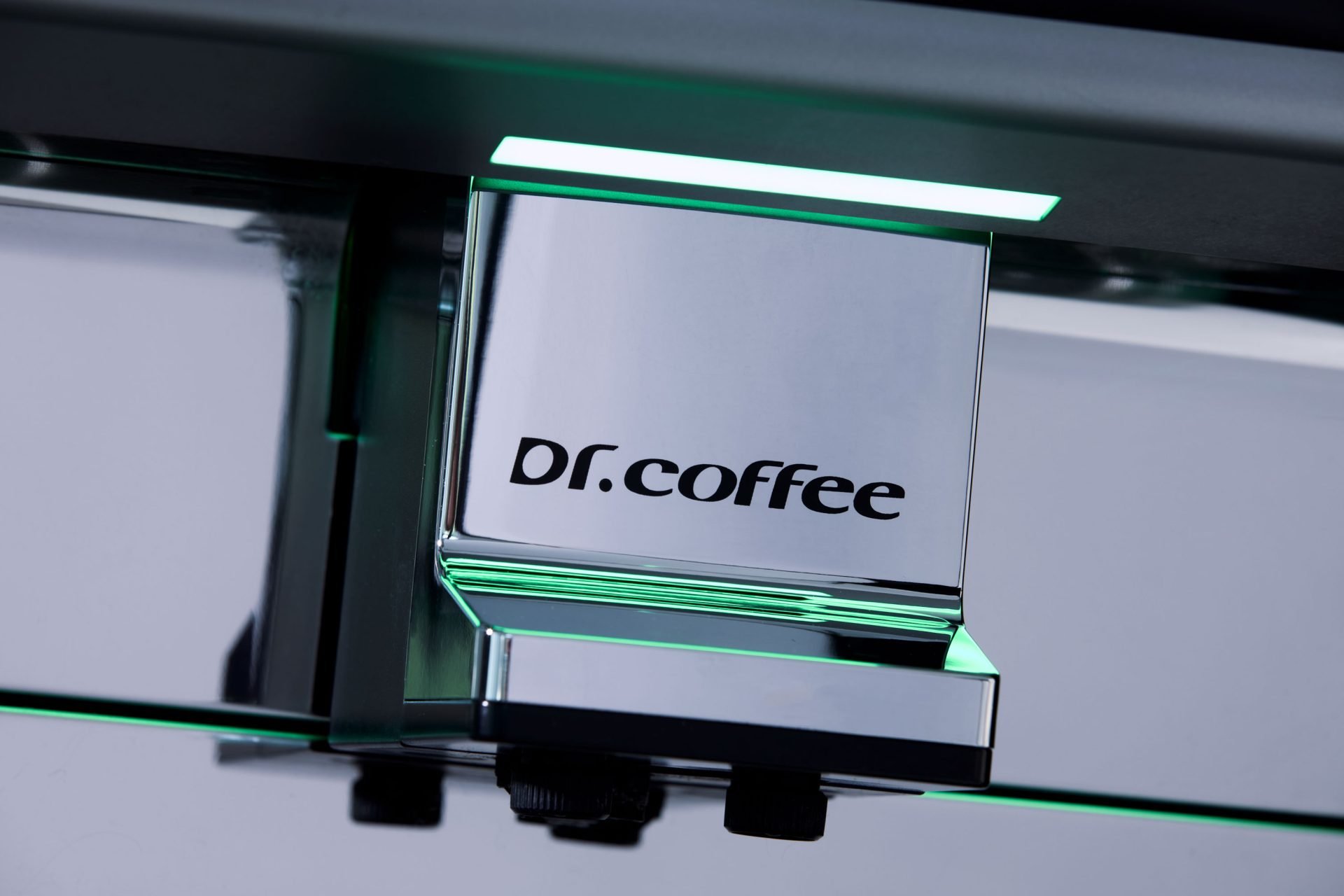
As guest expectations around coffee continue to rise, many hotels face the challenge of delivering good-quality drinks alongside busy operations, limited space and varying staffing levels. Coffee service often needs to fit into existing workflows without adding complexity or significant training demands.
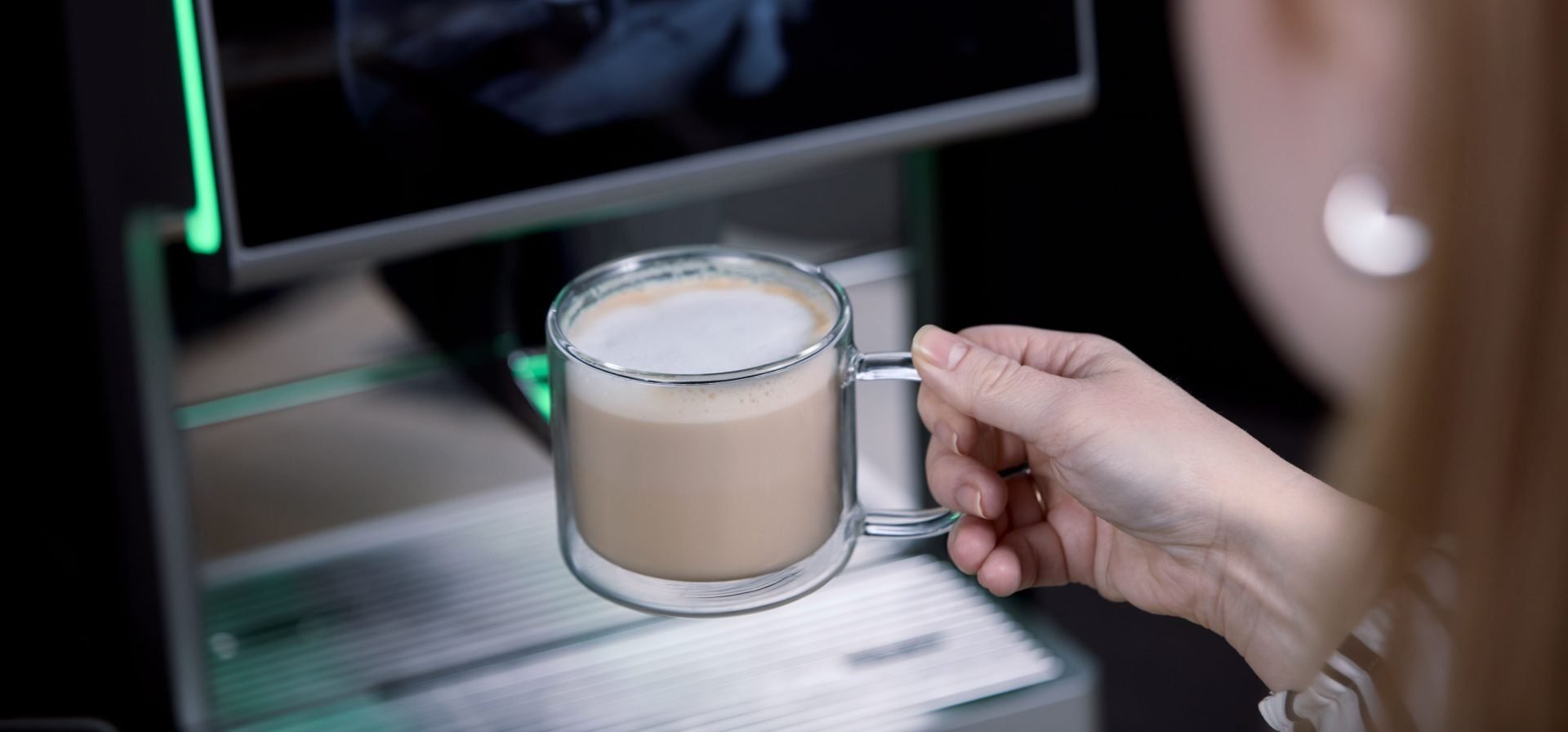
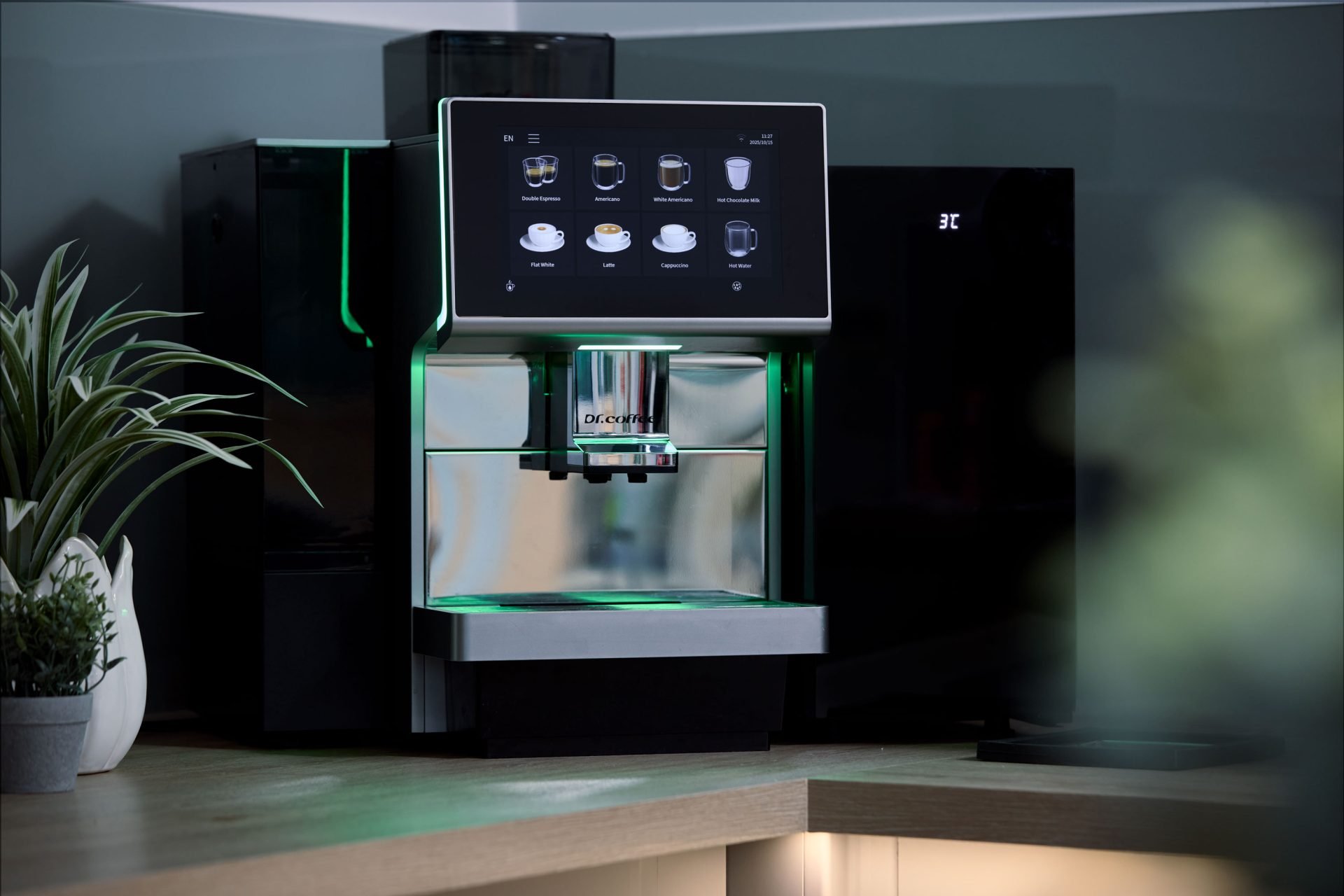
The Dr Coffee M12 Plus has been developed with these operational realities in mind. It is intended to reduce some of the practical barriers associated with offering quality coffee, particularly in locations where space, staffing or footfall is limited.
Built for small venues and low-volume service, the machine has a compact design while producing up to 100 cups per day. It is designed to fit into tighter back-of-house or front-of-house spaces and uses a touchscreen interface that requires minimal training, making it suitable for teams without specialist coffee skills.
Despite its size, the M12 Plus is designed for consistent output. The Dr Coffee range has been used in commercial settings internationally, including by UCC Japan, where machines have been in operation for over two years. This has provided a track record of regular daily use across different environments.
Maintenance is often what puts decision makers off when choosing a new coffee machine, but, with this in mind, the M12 Plus has been designed to be straightforward, with an automatic cleaning cycle that takes around 10 minutes. The 8-litre water tank reduces how often refilling is needed, which can help during busier service periods.
The M12 Plus is supported as part of UCC’s wider coffee service offering, which includes equipment support, training and technical service. This approach is aimed at helping operators maintain consistent standards over time.
Overall, the Dr Coffee M12 Plus is intended as a practical option for hotels and smaller hospitality settings that want to introduce or update their coffee service in a way that fits within existing operational constraints.
https://www.ucc-coffee-direct.co.uk/pages/dr-coffee
Local Luxe
Building a loyal local following for your Spa Hotel.
For more than thirty years of working with boutique hotels, we've watched guest behaviour evolve and shift with society. We've seen what people truly want, what drives them through your doors, and crucially, what keeps them coming back.
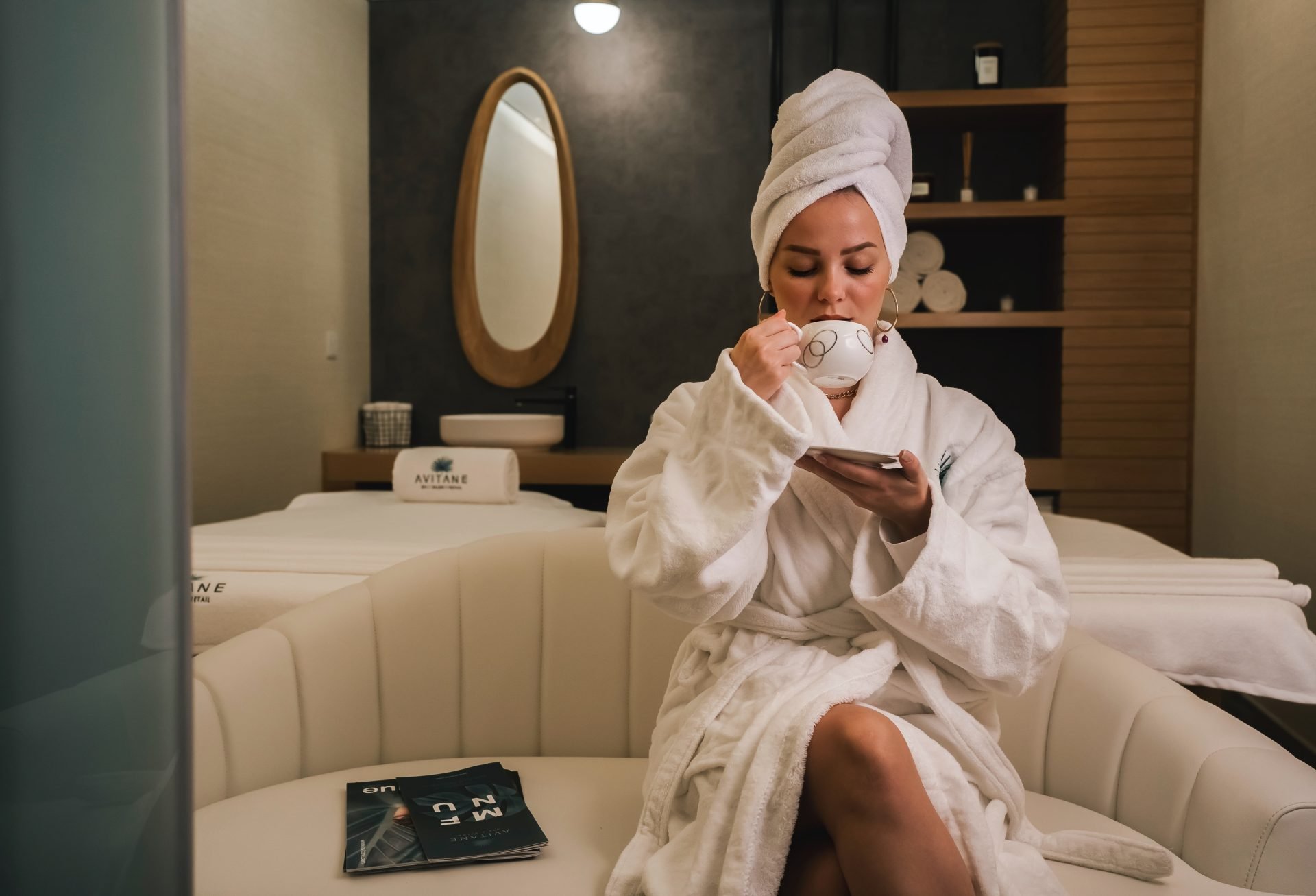
Right now, there's a significant shift happening that many spa hotels are missing entirely. There’s a large focus on weekend guests and travelling visitors, whilst a valuable audience live just twenty minutes down the road are sometimes ignored. Think about it. Whilst travelling guests will always be important, locals represent something entirely different. They're not looking for a once a year treat; they want somewhere they can actually come back to. A place where they can book a Thursday evening massage after a rough week, or slip away for a Sunday morning facial without committing to a full weekend away.
The problem? Many spa hotels still market themselves like everyone's a tourist. Your website talks about "getaway packages" and "escape weekends" when what locals really want to hear is that you're their local sanctuary. That you get it. That they can pop in midweek without it being a big issue.
And here's where it gets interesting for your bottom line. You know those quiet Tuesday and Wednesday afternoons when your treatment rooms are sitting empty? Locals can fill those slots. Some even choose to stay overnight, from our data across UK hotels we work with.
Whilst tourists cluster around weekends and school holidays, local clients are actively looking for midweek appointments. A well-placed promotion for "Locals' Mornings", a postcode or targeted midweek offers can completely smooth out those revenue dips you're always dealing with.
But the messaging has to be right. "Twenty minutes to tranquility" hits differently than "weekend spa escape." Your digital marketing needs to speak to people who want regular self-care, not a one-off indulgence.
Geo targeted social ads, email campaigns that acknowledge what's actually happening in their lives, website content that says "we're here for you, regularly”,
When you get this right, something brilliant happens. That person from the next town becomes a monthly regular. They bring their friends. They leave reviews. They become your best marketing without you spending a penny.
The opportunity's there, but capturing it needs more than just deciding to target locals. It requires understanding what actually drives them, where to reach them, and how to speak their language. That's where specialist hospitality marketing expertise makes all the difference.
If you need to fill those midweek gaps and build a loyal local following, let's talk about making it happen. Get in touch.
www.clock-work.co.uk | 01803 872999
Carey International looks to its past to shape the future of luxury travel, unveiling a timeless logo for a dynamic new era
In a rapidly changing luxury travel and mobility market, Carey International is harnessing the wisdom of its past to guide innovation for the future. The company is leading this evolution by strategically implementing its adoption of AI technology to augment and capitalize on more than a century of trusted service.
As part of this, the renowned brand is reintroducing one of its original vintage logos as a bold signal that proves honoring heritage and service fundamentals is the key to evolving with modern demands. This nod to classical roots sets the stage for the next chapter in the luxury transport industry - where tradition and technology create an unparalleled customer experience.
Alexander Mirza, CEO of Carey International, commented: “The luxury travel market is experiencing a significant transformation, with technology playing a quiet yet crucial role.
“True distinction comes from blending cutting-edge advancements with proven values. Our unique approach at Carey positions technology as an enabler, not a replacement, of the human touch: artificial intelligence and data insights empower personalized experiences, but the heart of the journey lies in seamless service, anticipation of needs, and attention to detail.
While many companies focus on automation, Carey is pioneering a "post-platform" approach where technology augments, rather than replaces, human judgment.
“This strategy uses AI for decision support and data for anticipating client needs, ensuring that the core of the experience - discretion, precision, and genuine care - remains distinctly human. Our refined approach addresses the growing demand we are seeing in premium markets for trust and accountability, where service failure is not an option,”
For over a century, Carey has been the trusted, often invisible, force behind the journeys of the world's most discerning travellers, including heads of state, Fortune 500 executives, and cultural icons. Founded with the idea that personal transportation should be as considered as a luxury hotel stay, the brand became synonymous with reliability and discretion. At a time when many luxury brands are adopting more generic identities, Carey is choosing to lean into its unique character and heritage.
The return of the vintage Carey logo is more than a design choice; it’s marking a visible pledge to the craft of service. The decision was favoured by senior marketing leaders from global luxury groups, who saw the mark as timeless, confident, and instantly credible. This revival of a legacy emblem comes with a renewed focus on service fundamentals, underlining Carey’s belief in discreet luxury where brands under-promise and over-deliver, a philosophy that has fuelled its expansion to over one thousand cities.
"The return of our vintage logo is a visible pledge that we are recommitting to the craft of service, to global consistency, and to the quiet confidence that has always defined Carey," a company spokesperson stated. "It is a familiar mark with new energy behind it, a classic revived for a world that still values craft, consistency, and care."
In the coming months, the vintage logo will become the anchor for a refreshed brand system across all digital and physical channels, ensuring every touchpoint reflects Carey at its very best.