

Distilling the Seminar
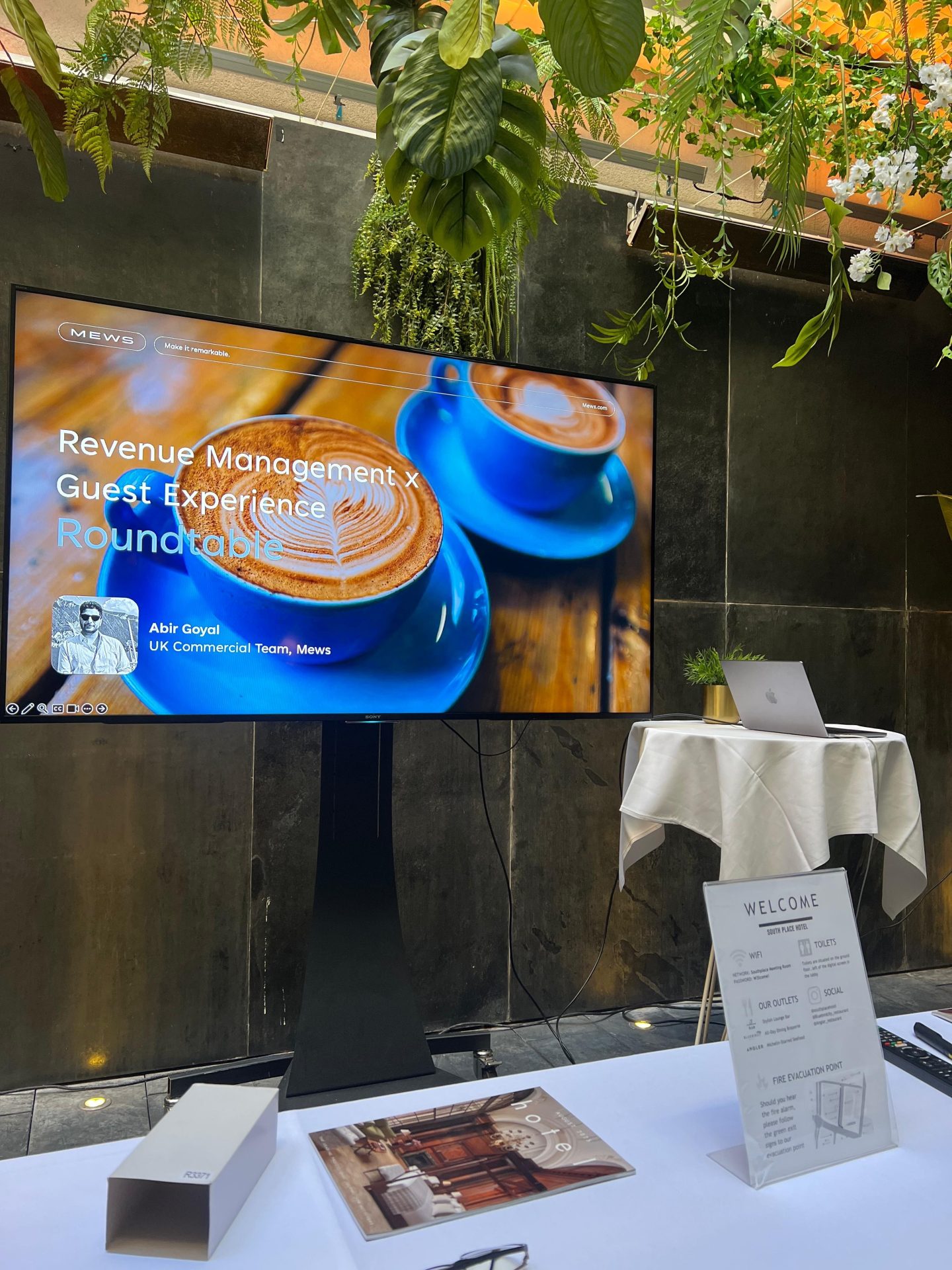
After a recent roundtable hosted in collaboration with Hotel Magazine x Mews, by Abir Goyal, UK Commercial Team at Mews, we share key takeaways that touch on elevating guest experience with data, personalisation, and smart technology in hospitality.

From the lively buzz of a Hotel Magazine roundtable, a clear theme emerged: hospitality is at a crossroads where the possibilities of technology and the complexities of guest experience meet — sometimes seamlessly, sometimes messily. The discussion ranged from boutique innovation to operational frustrations, but everywhere the same question pulsed: How can hotels leverage data and tech to deliver the kind of tailored, memorable journeys guests increasingly expect?
Why Personalisation Matters — And Why It’s Hard
The power of personalisation came through in anecdotes — a guest recognised by name, remembered for bringing their dog Fifi (who has her own custom dog bed and menu), welcomed with gifts, and greeted with questions tailored to past stays. When done right, this goes beyond wow-factor, driving loyalty, PR, and return bookings. AI and smarter CRM systems enable teams to know not just who is checking in but how to genuinely delight them with the details that matter, whether it's remembering allergies, favourite side of the bed, or preferred wine at dinner.
Yet, real-world challenges are everywhere: legacy systems, fragmented data, and staff turnover. Several hoteliers described “starting from scratch” rebuilding profiles after changes in their teams or platforms, lamenting that most of their valuable knowledge still sat “in the heads of just three employees.” For many, clean data is elusive — one manager described pulling 8,000 guest profiles for a campaign and finding only 800 usable, with the rest lost to blank records, outdated OTA email addresses, or missed onboarding moments.
AI in Action: When Tech Feels Magical
The hoteliers in attendance of the event were animated about the new frontier: leveraging AI (like ChatGPT) and automation for more proactive, contextual service. Imagine a receptionist instantly served up the right guest data by face recognition, able to greet Mr. Edwards and ask how Fifi is doing post-surgery, and even offer a little present for the dog — all pulled from central, AI-enriched profiles.
There's excitement, and caution. Some question AI’s reliability, and everyone agrees expectations have skyrocketed now that guests have assistants in their pockets. The consensus? AI should empower staff to be more present, not replace human warmth. Smart tools give teams superpowers for remembering details and customising every touchpoint, while freeing them to have unscripted, authentic connections.
“Spaces” and Revenue: Maximising Every Square Foot
A recurring theme was the potential to see hotels not just as room providers, but as space managers: selling everything from desk spaces by the hour to karaoke rooms or event suites, and making it seamless for guests to book these services as part of one journey. Most hotels, the group admitted, still rely on clunky manual processes and miss opportunities to upsell or utilise their full inventory.
This is where platforms like Mews shine. Mews empowers hotels to configure, sell, and manage any kind of space or service — rooms, parking, meeting areas, wellness appointments — not just by night, but by hour or session. Live inventory, pricing, and centralisation mean teams can unlock new revenue streams and orchestrate experiences that truly fit the needs of leisure, corporate, and creative guests alike.
Digital Journeys vs. Human Touch
Debate raged around the right level of automation. Some relish a completely digital check-in and mobile keys; others see the physical key and personal welcome as sacrosanct elements of luxury and boutique hospitality. The lesson: there’s no one-size-fits-all; demographic, property type, and brand values must dictate the blend of digital and personal. The best tech is invisible, enabling freedom and choice, so guests can choose their ideal experience.
Building Loyalty: Beyond Points and Perks
Real loyalty is built not just with points but experiences, whether it's access to exclusive events, plant-a-tree sustainability schemes, or surprise-and-delight tactics (think a pre-booked afternoon tea with show tickets). Digital ease drives reviews and repeat stays, but deeper emotional connection multiplies the impact.
The Mews Takeaway
The seminar echoed Mews’s philosophy: hospitality’s future is a mix of intelligent data, flexible operations, and empowered teams. Mews enables hotels to unify guest profiles, automate operational processes (including upselling and service management), and unlock space monetisation, all while safeguarding the soul of hospitality: people.
From Northern Europe’s innovative properties to creative independents worldwide, the leaders shaping the future are those who embrace technology, but never lose sight of the individual behind every booking.
Balancing personalisation, tech, and operational realities is hard — but the rewards are transformative. Whether you’re a hotelier wrestling outdated systems, designing “personality-based” check-ins, or rethinking how to sell your spaces, the key is to invest in platforms and practices that make data actionable, teams empowered, and every guest feel like they truly belong.

A New Era
The Future of Hotel Procurement: When AI and APIs Finally Start Talking to Each Other.
If procurement had a dating profile, it would probably say something like: “Reliable, consistent, not great at surprises.”
And while that’s exactly what you want in a finance partner, it’s not what you want in a technology strategy.
Because let’s be honest — for too long, hotel systems have been perfectly polite but socially awkward. The PMS, ERP, P2P and finance platforms all sit at the same table, yet somehow never make eye contact. We’ve been building digital hotels with analogue relationships.
But that’s changing, fast.
The next era of hotel procurement isn’t about one platform to rule them all. It’s about intelligence that flows, systems that communicate and translate for each other, and decisions that happen before you even realise they’re needed.
When Procurement Learns to Think for Itself
We’ve entered the age of predictive procurement — not in the sci-fi sense of robots ordering your eggs, but in a very practical one:
AI and machine learning finally have enough data, context, and computing power to recognise patterns nearly as well as humans do.
That means systems that can quietly whisper, “You’re about to run out of linen next week,” or “The price on your preferred coffee supplier is creeping up — here are two alternatives with identical specs.”
Not commands.
Not decisions.
Just nudges — smart, at-time-of-purchase suggestions that keep teams ahead of the curve.
The real value isn’t replacing human judgement; it’s giving humans the right data at the right time.
Because procurement people don’t want to be replaced — they just want to stop being the bottleneck.
APIs: The Unsung Heroes of Modern Procurement
Let’s talk about APIs — the plumbing of modern software.
Unsexy, invisible, but utterly transformative.
For hotels, this means the PMS (property management system), finance suite, ERP, inventory tool, and procurement platform can finally share a single version of the truth.
Purchase orders no longer live in isolation; they connect directly to budgets, stock levels, forecasts, and supplier data.
One system says, “We’re 80% booked for next month,” and another replies, “Right — time to restock housekeeping and reorder F&B supplies.”
That’s not automation for its own sake, it’s right product, right supplier, right time.
Anticipating, not chasing.
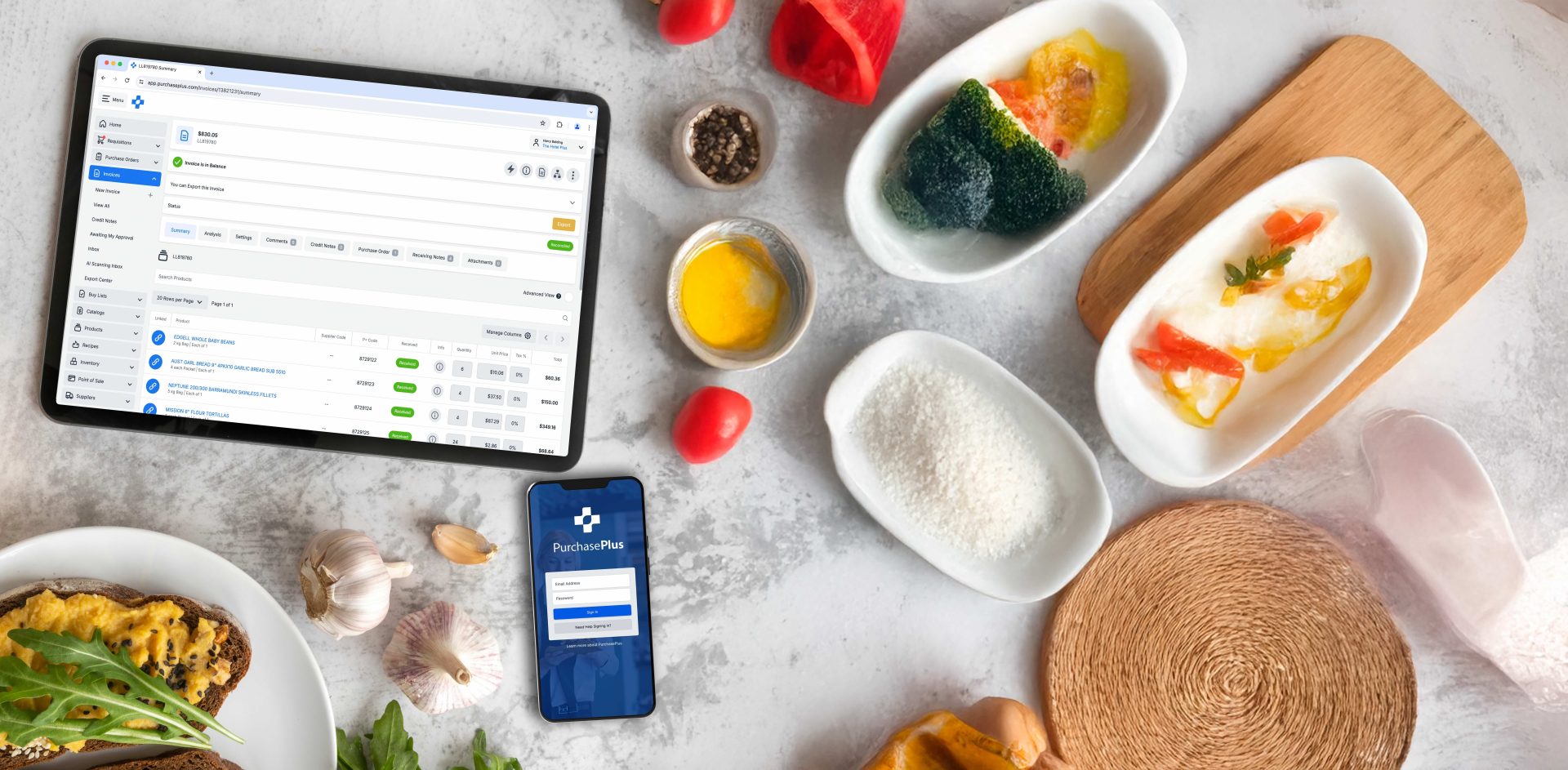
The PurchasePlus Vision: Intelligence as a Colleague

At Marketboomer, our roadmap isn’t about building more screens — it’s about removing them.
The goal is simple: make procurement feel like a conversation, not a process.
You ask, the system answers.
You decide, the system executes.
And if you forget, the system reminds you, politely, like a good assistant.
Our work now is focused on three big pillars:
1. Predictive Ordering
Using machine learning models trained on historical data, PurchasePlus will soon forecast needs before they become requisitions.
The system will flag anomalies — the sudden spike in laundry detergent, the supplier lagging behind delivery promises, the budget drifting off-course — and suggest changes of course for calmer seas!
2. Smart Suggestions
Procurement shouldn’t be a scavenger hunt.
Our platform will provide intelligent recommendations for equivalent or better products, available suppliers, and price comparisons in real time.
It’s not about removing buyer choice, it’s about enhancing it.
The system becomes the extra team member who’s always done their homework.
3. Assisted Workflows
We’re introducing agent-style assistance — think of it as a digital colleague who helps complete tasks for human confirmation.
Need to approve, reconcile, or confirm orders? The agent pre-fills and pre-checks, leaving you to simply review and confirm.
You still make the call, you just get there faster, with fewer mistakes and less caffeine.
From Centralisation to Connection
The old dream of procurement was centralisation: one platform, one process, one source of truth.
The future is connection — many systems, talking seamlessly.
A hotel PMS, for instance, knows occupancy patterns.
The finance system knows budgets.
Procurement knows supply chain health and pricing.
When they finally speak to each other, the result isn’t just efficiency, it’s foresight.
Suddenly, you’re not reacting to spend.
You’re predicting it.
Not approving orders — orchestrating outcomes.
The Irony of “Automated Humanity”
The funniest part about all this is that the more AI we add, the more human the process feels.
Because AI doesn’t make procurement cold, it makes it conversational.
It’s not there to override decisions, it’s there to help you make better ones faster.
When your system says, “Hey, your preferred brand is out of stock, but here are three options of identical quality, from your own already approved suppliers,” that’s not automation, that’s partnership.
Procurement stops feeling like administration and starts feeling like collaboration.
You stop chasing information and start applying judgement again.
The Future Isn’t “Digital Procurement.” It’s Just Procurement, Done Right.
In a few years, we’ll stop calling it “AI procurement” or “smart ordering.”
It’ll just be procurement.
Because intelligence, connectivity, and automation won’t be add-ons; they’ll be expected.
And those who embrace it first — who connect their systems, trust their data, and let the machine do the maths while they do the strategy — will see procurement become what it was always meant to be: not a back-office process, but a frontline advantage.
The future of hotel procurement isn’t about replacing people with algorithms.
It’s about removing friction, surfacing insight, and giving teams the time and clarity to do their best work.
Because the real magic happens when all the systems, and the people who use them, finally start playing the same tune.
And if we can get that right, then maybe, just maybe, the future of procurement won’t feel futuristic at all.
It’ll just feel easy.
A Hot Topic

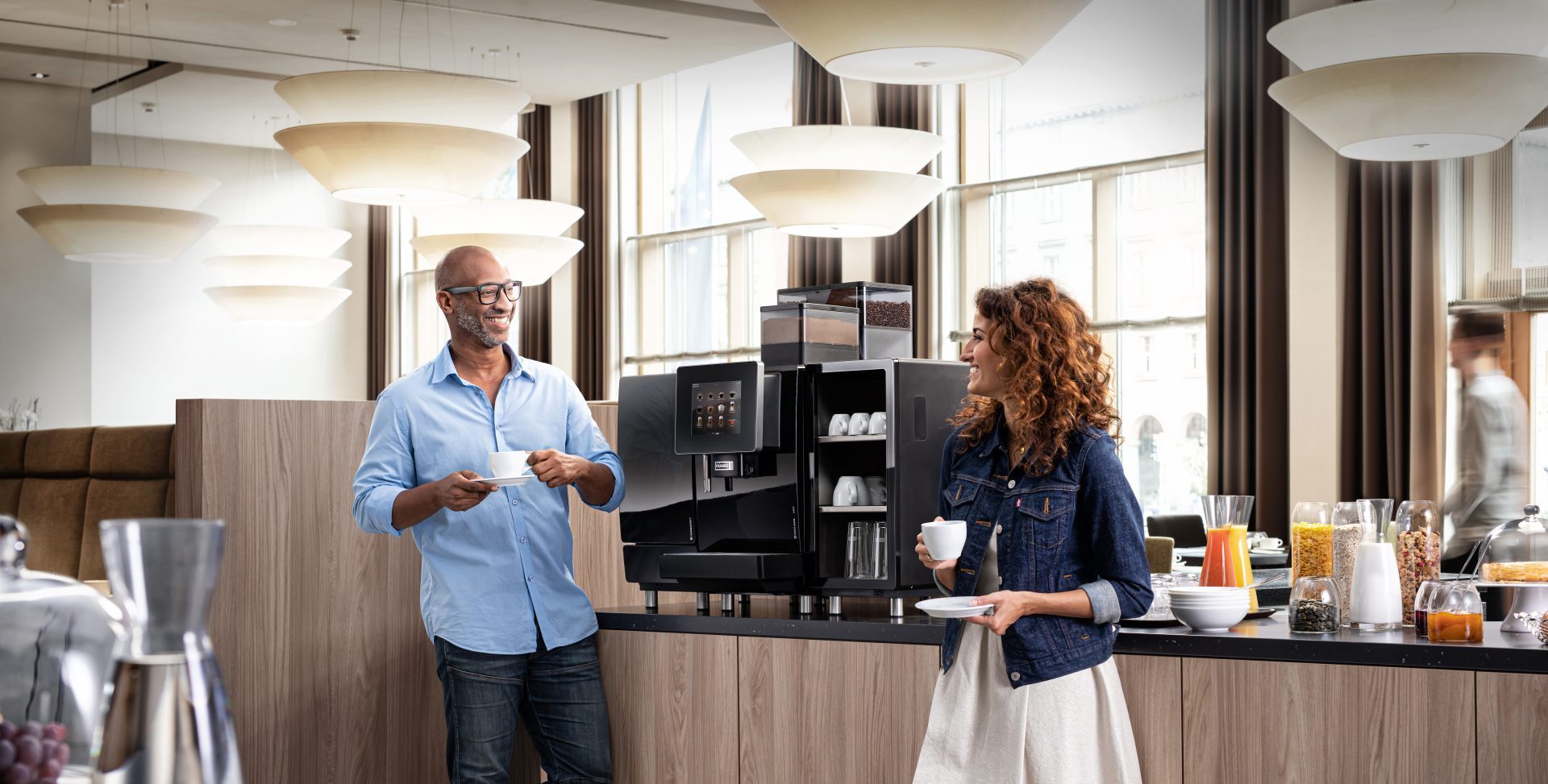
In a candid conversation with Jon Hargreaves, National Account Manager at Franke Coffee Systems UK&I, we find out how the brand are re-defining coffee in hotels through intuitive technology innovations.
How does Franke’s coffee technology integrate with hotel processes to streamline operations and ensure consistent beverage quality across multiple outlets?
Franke coffee machines are built for high-demand hotel environments, inspiring repeat stays by helping staff serve guests their favourite drinks quickly and consistently.
Our intelligent coffee extraction technology, iQFlow, ensures the same delicious taste and aroma in every cup. Franke coffee machines also feature integrated automatic cleaning systems, so hoteliers never have to worry about hygiene-related flavour issues.
As for cross-outlet consistency, each coffee machine is calibrated and undergoes functionality testing at our St Albans workshop before delivery and installation. This means guaranteed excellence from day one, with matching beverage menus and quality across all outlets.
What role does data-driven personalisation play in tailoring coffee experiences for hotel guests?
Personalisation is always a hot topic in creating memorable hotel experiences, with beverages playing a key role.
Thanks to Franke Digital Services (IoT), hoteliers gain full visibility into their coffee machine fleet, from operational performance to guest preferences. Insights include popular drinks, peak service times, and seasonal trends, enabling beverage offerings tailored to what guests truly want. With this behaviour data, hoteliers can exceed expectations by ascertaining which alternative milk or syrup is likely to be requested – even before a guest places their drink order.
And when trends start to shift? Franke Digital Services (IoT) ensures hoteliers are already prepared, with real-time data keeping them one step ahead.
Can you walk us through the behind-the-scenes support that ensures uptime and reliability -for example, how Franke monitors machine performance remotely or assists hotel staff with maintenance?
Reliability is everything when investing in a professional coffee machine. It should perform optimally, year after year – without adding extra pressure to hotel staff.
Franke is here to help maximise hotels’ coffee offering with on-site staff training in the days following installation, covering daily machine operations, cleaning routines, and troubleshooting tips.
Not only that, but our dedicated service team and 100 nationwide engineers ensure rapid response times, with 24-hour SLAs designed to minimise downtime and keep the hotel’s coffee service running smoothly.
How is Franke leveraging technology to support hotels’ sustainability goals, such as reducing waste or optimising energy use, while maintaining high standards of service?
Sustainability remains a key focus for hotels, with our equipment built to support that commitment. For example, Franke coffee machines can go into energy-saving mode to reduce power usage during quieter periods, with a rapid reboot in the lead-up to peak service hours.
Furthermore, each machine is calibrated precisely to the hotel’s beverage menu – gram throw, milk measurements, and the number of syrup pumps – to minimise ingredient waste. For daily maintenance, our CleanMaster technology uses the exact dosage of cleaning agent required, reducing unnecessary spending on cleaning inventory while keeping the coffee machine in peak condition.
For Franke Coffee Systems, it’s about partnership: supporting hotels in achieving their ambitions, while gifting guests a beverage experience worth remembering.
Learn more about Franke’s automatic coffee machines by emailing .
Jonathan.Hargreaves@franke.com.

A Fragrance Beyond Décor
How EcoScent Defines the Season for High-End Hospitality.
In exceptional hospitality, every detail matters. The glint of candlelight on marble, the hush of fine linens, the quiet choreography of impeccable service - all combine to create an atmosphere of understated elegance. Yet one of the most powerful elements in shaping that experience is also the most intangible: scent.
This December, as hotels prepare to welcome guests seeking warmth, comfort and celebration, the art of scenting becomes the silent signature of refinement. EcoScent, pioneers in sustainable scent design, understand that true sophistication isn’t just seen - it’s felt.
From the moment a guest steps through the doors, fragrance sets the tone. A veil of spiced amber, a hint of cedarwood, a trace of winter citrus - each note weaves a story of comfort and anticipation, turning any spaces into memories. The right scent doesn’t simply enhance a setting; it transforms it into an emotion.
“Today’s guests connect deeply with how a space makes them feel,” explains Jasmina Juvonen, Head of Marketing at EcoScent. “During the festive season, our bespoke and signature fragrances help hotels evoke a sense of belonging, warmth and joy that lasts long after checkout.”
EcoScent’s philosophy blends creativity with conscience. Their advanced diffusion systems and ethically sourced ingredients allow hotels to craft bespoke olfactory identities that align with both their brand and their environmental values. Whether it’s an urban sanctuary or a heritage retreat, each scent is designed to resonate with the property’s personality and guests’ expectations.
As the festive season invites a spirit of comfort and connection, scenting offers the ultimate finishing touch - an invisible expression of care that defines the atmosphere as much as the décor. This winter, EcoScent invites hoteliers to go beyond the visual and let fragrance become the feeling that guests remember most.
The Right Connection
As AI reshapes how travellers find and choose hotels, independent hoteliers have a new opportunity: to master digital visibility while preserving the human touch. Clockwork Marketing explores how balancing technology and genuine connection is the key to standing out, and being chosen, in the age of Generative Engine Optimisation.

Here's something interesting about today's boutique hotel guest: they're scrolling through their phone for hours to find you, but they're choosing your hotel specifically so they can put that phone away.
They've compared dozens of properties on Instagram. Asked ChatGPT for countryside recommendations. Read countless reviews. By the time they click 'book', they've been deeply connected to their screens. Yet what they're really booking is an opportunity to disconnect from the grind of modern life.
This creates a real opening for independent hoteliers. The challenge isn't choosing between digital and human—it's knowing exactly where each belongs in the guest journey.
Being found online matters more than ever. Today's travellers don't just search Google. They're asking AI systems like ChatGPT, Perplexity, and Google's AI Overviews to recommend places. These tools work differently from traditional search. They don't just list your website, they interpret what you offer and decide whether to recommend you.
This is what people are calling Generative Engine Optimisation (GEO). It sounds technical, but it's actually quite simple. These AI systems look for the distinctive qualities that make you special: your story, your location, what kind of experience guests can expect. The very things that separate you from chain hotels are exactly what these tools want to understand and share for a personalised recommendation.
So being digitally visible isn't about gaming algorithms, it's about clearly communicating what makes you worth finding in the first place.
But here's where smart hoteliers make the shift. Once that booking is made, it's about using technology to enhance the experience, not dominate it. Digital check-in that saves time. A simple message service for requests. Seamless controls that work intuitively. Technology can absolutely be part of the stay but it should feel effortless, not intrusive.
The key is understanding what guests are really seeking. They've been hyper-connected during their search, constantly switching between tabs and apps and reviews. What many want when they arrive is human connection. A genuine welcome. Service that feels intuitive rather than automated. The freedom to be present without the constant pull of screens and notifications.
Forward-thinking hoteliers understand this balance. They invest in being visible where modern travellers actually search, whilst protecting the very thing that brought those travellers to boutique hotels in the first place: human connection, intuitive service, and space to simply be present.
The digital world gets them through your door. What you do next? The genuine welcome, the thoughtful touches, the freedom to disconnect - that's where boutique hospitality shines.
Need help to get your hotel found online? Let’s talk.
www.clock-work.co.uk | 01803 872999
The AVLA Licence
TV remains an essential amenity in the hospitality sector
However, offering TV in hotels and guesthouses brings legal responsibilities, particularly around copyright clearance. To better understand these requirements, we spoke with Richard Combes and Max Rumney, Co-Chairmen of AVLA, to discuss why hotels need the licence and why it matters more than many hoteliers may realise.
Let’s start with the basics — what is the AVLA licence, and why do hoteliers need it?
Richard Combes:
The AVLA Licence is essentially an authorisation for hotels, aparthotels, serviced apartments, B&Bs, and similar businesses that enables them to legally provide guests access to TV channels featuring films, series, documentaries, cartoons, and other TV shows from AVLA’s repertoire.
AVLA’s repertoire is extremely vast and is regularly broadcast on the main national TV channels, as well as in other networks. For instance, content of AVLA is regularly aired on the BBC channels, ITV, Channel 4 and Channel 5, among others.
Max Rumney:
Many hoteliers don’t realise that offering TV channels in a hotel constitutes a “communication to the public” under UK copyright law. This means that the appropriate permissions must be in place. Providing access to protected content without the necessary licences is considered copyright infringement and carries the risk of legal action. It is essentially similar to offering music in public venues.
The AVLA licence simplifies compliance by clearing the rights to an extremely vast catalogue of works and the rights of various categories of rightsholders — all in under five minutes.
But doesn’t a hotel just need the TV licence? What if a hotel has a pay TV provider?
Max Rumney:
These are common misconceptions.
The TV licence of the UK government covers the use of TV receiving equipment. It’s mandatory for both households and public venues and helps fund the public broadcasting service, such as the BBC. However, it does not grant the right to show copyright content — including works from AVLA’s repertoire — in a public venue like a hotel.
Similarly, pay TV providers supply access to the signals of numerous broadcasters — both British and foreign — but their subscriptions do not include the legal rights to communicate all broadcasts to the public.
In contrast, the AVLA licence specifically allows to communicate to the public the works of the creators it represents — tens of thousands of producers, writers, actors, directors, and visual artists — when broadcast on TV. These rights are not included in standard broadcasting agreements. The fees collected by AVLA are distributed to the respective creatives.
Richard Combes:
It is important to distinguish between watching TV at home and offering it in a public venue. Displaying copyright-protected works in public requires additional permissions.
What if a hotel has other licences? Isn’t there duplication, as some argue?
Max Rumney:
To be clear, there is no duplication. Each licence covers different rights and catalogues. The AVLA Licence is for a specific repertoire of works and rights not covered by other licensors.
Is the AVLA licence required for bedrooms? Some hoteliers argue these are private spaces.
Richard Combes:
Yes, it is. The courts have already clarified that hotel bedrooms are not domestic or household settings. Making protected content available in hotel rooms constitutes a communication to the public and requires proper licensing.
What would you say to a hotelier that refuses to take the AVLA licence?
Max Rumney:
Frankly, offering access to TV channels that include AVLA’s repertoire without an AVLA licence constitutes piracy and is subject to legal action. It can also lead to reputational damage. That said, our goal is not to be punitive, but we have an obligation to protect the rights of our rightsholders.
The royalties AVLA collects help to finance the production of new films and programmes, and to sustain tens of thousands of workers and companies involved in the process.
Richard Combes:
Respecting copyright is essential to support creators. Behind every film, series, documentary, cartoon, or other TV show is a team of talented individuals — real people working hard, often moving from project to project without a stable income. The mission of AVLA is to facilitate licensing, ensure fair remuneration for creatives when their works are used, and distribute the collected licence fees to the respective rightsholders.
By obtaining the AVLA Licence, hoteliers demonstrate respect for creative work and uphold ethical business practices — values increasingly recognised and appreciated by customers.
To learn more about AVLA visit www.avla.uk.

The Art of Festive Scaling
How Hoteliers Can Deliver Memorable Festive Stays.
Guests arrive with heightened expectations, seeking celebration and experiences that feel both personal and effortless. Behind that seamless experience are teams scaling operations to meet demand while preserving the quality and individuality that define great hospitality.
The season brings full houses, rapid turnover, and events that test every part of a property – from the front desk to food and beverage. Many hotels rely on temporary staff to handle the workload, which can put pressure on consistency and service standards. It is during these busy periods that reputation and loyalty are shaped, as guests paying premium rates expect every detail to feel thoughtful.
With occupancy at its peak and celebrations happening across the property, success relies on teams who are aligned and supported. Practical systems make all the difference. Clear digital workflows, real-time task updates and shared visibility of guest requests keep everyone aligned as arrivals increase and service pace intensifies. This gives seasonal staff and cross-trained colleagues confidence to step into guest interactions quickly, because they can see priorities and context in one place.

Making connection through technology
Modern hospitality technology has evolved beyond operational efficiency to become the foundation for sustaining meaningful guest relationships. A well-integrated Property Management System (PMS) acts as a central hub, connecting departments and enabling real-time coordination. When combined with point-of-sale (POS), inventory and guest-facing systems, it gives hotels the ability to adjust schedules, manage dining capacity, surface guest preferences instantly, and handle last minute requests.
This level of integration frees staff to focus on the human side of hospitality. Instead of chasing information or managing bottlenecks, they can welcome guests warmly, anticipate needs and add thoughtful touches that elevate festive stays.
Mobile access strengthens this further, allowing teams to stay on the floor, respond quickly and coordinate activities without stepping away. The result is service that feels fluid, attentive and genuinely personal at the busiest time of year.
Reducing friction through smart self-service
When designed well, self-service tools enhance hospitality. Mobile check-in, digital keys and in-app requests help guests begin their stay smoothly while easing pressure on teams. Mobile ordering and QR menus add flexibility and reduce queues, freeing staff to focus on higher-value interactions.
These touchpoints generate real-time insight into guest behaviour. Each interaction helps tailor experiences, whether securing a festive dining reservation, recommending spa treatments or highlighting local winter activities. When delivered seamlessly, these options feel natural and create new revenue opportunities beyond the room.
For hoteliers, the benefit extends beyond convenience. Streamlined arrivals, digital requests and automated updates free teams from routine tasks and allow them to be present with guests, noticing needs and adding thoughtful touches that shape the festive atmosphere. This reduces strain during peak moments while ensuring personal service never slips, even on the busiest days.

Turning celebrations into loyalty
Holiday stays create opportunities for lasting connections that keep guests coming back. Hotels that make it memorable often convert one-time visitors into repeat guests. Guests arriving for Christmas may find a handwritten card and seasonal treats in their room – a simple touch that elevates the experience. Returning families could see familiar ornaments or stockings ready to hang. Couples celebrating New Year’s Eve might receive a note with chilled Prosecco. Some properties may even offer a festive crèche or themed kids’ club so parents can relax and enjoy the celebrations.
Supported by accurate PMS and CRM data, these moments can be delivered consistently – even by seasonal staff. Guests feel personally cared for, creating a sense of connection to the property that extends well beyond their stay.
Building lasting value from seasonal demand
The real success of the holiday period is often seen long after guests depart. When hotels use peak-season insights to refine offers and tailor future stays, a single visit becomes the beginning of an ongoing relationship.
Connected systems make this possible. Understanding how guests spent their time and what they enjoyed most allows teams to deliver more relevant invitations and personalised experiences throughout the year, strengthening brand affinity and repeat revenue.
The holiday season is more than a busy stretch; it is a chance to show hospitality at its most genuine. When service feels warm, intuitive and effortless, guests leave with more than memories of celebration. They leave with a feeling of being looked after, and that sentiment is what brings them back. By pairing smart technology with genuine human connection, hoteliers can turn festive stays into long term loyalty and meaningful lifetime value.
discover.agilysys.com

HOSPITALITY FIGHT NIGHT — WHERE THE INDUSTRY’S HEAVYWEIGHTS STEP INTO THE RING FOR CHARITY
UK’s First Dedicated White-Collar Boxing Event for the Hospitality Industry to Raise Funds for Hospitality Action.
Hospitality Fight Night is set to launch its inaugural fundraising event in partnership with Imperial London Hotels, taking place at the Royal National Hotel on 16 March 2026.
This black-tie evening will welcome 450 industry leaders and executives — from operators to suppliers — for a spectacular night of high-energy boxing and entertainment, all in aid of Hospitality Action.
The event will feature six bouts with 12 Hospitality Fight Night warriors — both men and women — representing every corner of the industry, from chefs to general managers. Each boxer will complete a free ten-week professional boxing training camp before stepping into the ring. Beyond the action, guests will enjoy a champagne reception, three-course gourmet dinner, and a live auction offering exclusive experiences and gifts, with all proceeds supporting the charity’s vital work.
With over 30 individuals already registered for the training camp starting in January 2026, there are still three ways to get involved in the first-ever Hospitality Fight Night:
- Book a table for your executive team and experience the night live.
- Sponsor the event and help make this an unforgettable inaugural evening.
- Join as a fighter and raise funds for a charity of your choice.
“This is more than just boxing; it’s a chance for our industry to come together, support a fantastic cause, and prove that when we step into the ring—literally or figuratively—we fight hard for each other. I also love that our boxers are going on an incredible health and fitness journey.” said Paul Gilley, Event Director.
The UK Hospitality industry is currently facing significant challenges. Rising operational costs, new tax pressures, and an increased National Living Wage have placed real strain on businesses, with 64,000 hospitality jobs lost in the last two months alone, industry events that unite and fundraise are more important than ever.
“Each person has their own reason for getting involved, and it’s fantastic to see the hospitality community come together to support such an important cause. This event is about prioritising health and wellbeing while standing behind Hospitality Action, whose 24/7 support continues to make a real difference.” said Neil Braude, Group Operations Officer of Imperial London Hotels.
On 16th March 2026, its inaugural charity boxing event will proudly support Hospitality Action, whose work provides essential support for those affected across the sector.
“We’re honoured to have been chosen as the headline beneficiary of the Hospitality Fight Night. The money raised will help support hospitality people in crisis who are fighting poverty, illness and poor mental health. Along with our partner charities we look forward to cheering on our industry fighters as they test their skills and resilience in the ring.” said Mark Lewis, Chief Executive of Hospitality Action.
For more information, sponsorship opportunities, and ticket sales, visit the website. [https://www.hospitalityfightnight.co.uk/]
INNSiDE by Meliá Manchester marks 10 Years with Refreshed, Room Refurbishment
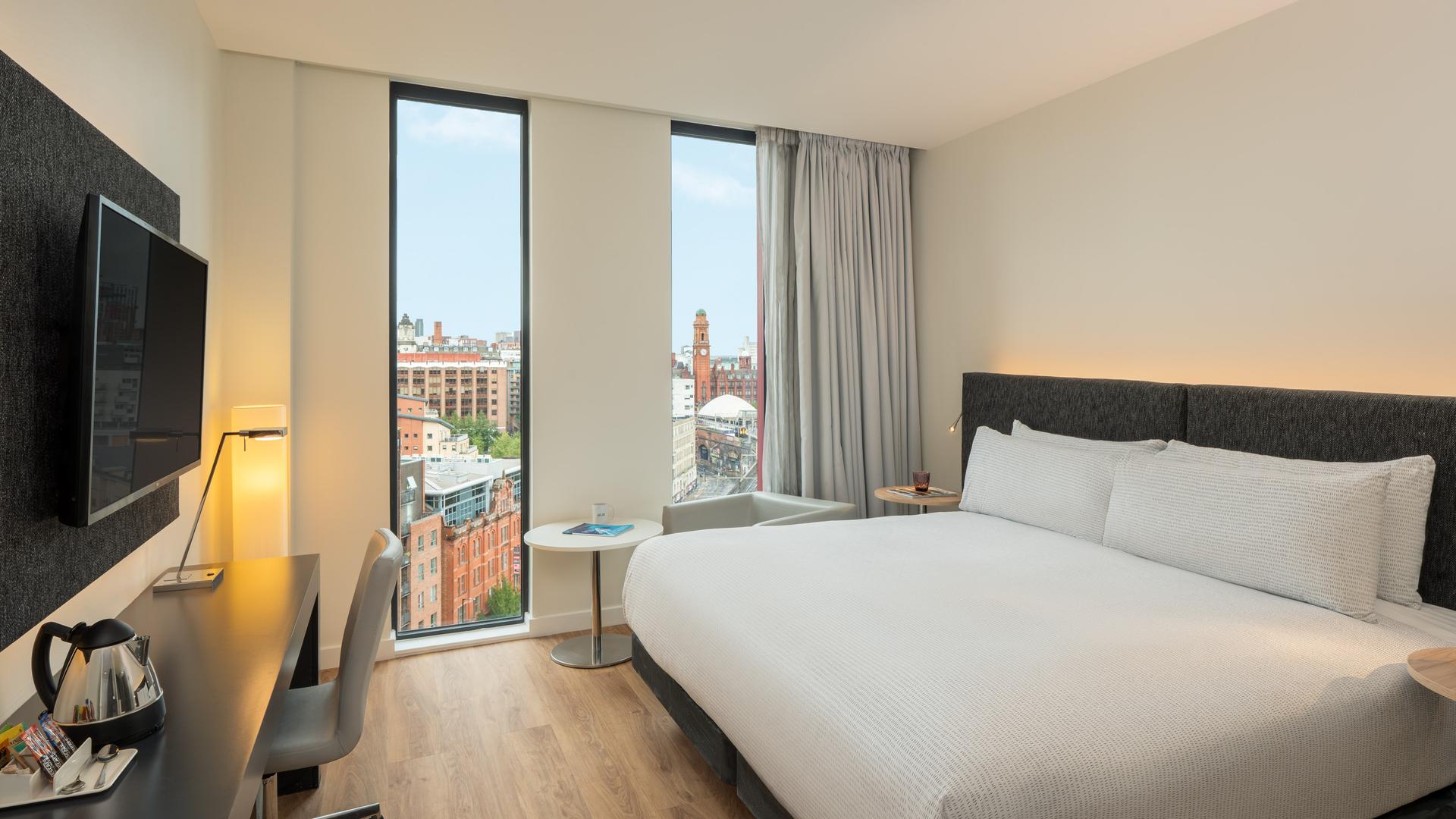
INNSiDE by Meliá Manchester, part of Meliá Hotels International, is celebrating a decade in the heart of one of the UK’s most vibrant cities with the launch of a stylish refurbishment of its premium rooms and suites. This significant investment not only honours the hotel’s 10-year milestone but reflects the evolving needs of its modern “INNSiDER” guests.
The refurbishment has been rolled out across 52 rooms so far, including the hotel’s City View rooms, Studio Suites, and eight premium Townhouse Suites situated on the top two floors. These elevated rooms not only offer enhanced amenities, but panoramic views of the city, showcasing Manchester’s ever-evolving skyline.
Guests will notice smart upgrades designed to make their stay more seamless and enjoyable, with some fixtures repurposed to ensure minimal waste. Each refurbished room now features USB and USB-C charging ports by the bedside for convenience, as well as new smart TVs with Chromecast for personalised entertainment.
A nod to the brand’s ‘Stay Curious’ ethos, INNSiDE Manchester creates guest experiences authentic to its location. The hotel continues to build strong ties with the local community by partnering with BlackJack Brewery, offering guests a curated selection of local craft beers that reflect the city's rich beer culture.
Every material and finish chosen has been done so in line with Meliá Hotels International sustainability commitments. From the natural-toned flooring that complements floor-to-ceiling windows, to colour palettes designed to suit both business and leisure travellers' fluid lifestyles, the refreshed interiors strike a balance between contemporary style and homely warmth, all while supporting Meliá’s ongoing mission to remain as Europe’s most sustainable hotel chain.

Garry Fortune, UK Director of Operations for Meliá Hotels International, commented:
“After ten fantastic years in Manchester, now felt like the right time to reinvest in the property. Our priority is always to enhance comfort while delivering a welcoming, modern space, and we want every room to feel like a true home away from home, whether guests are here for business or leisure. The stylish refurbishment has modernised the hotel and further aligned Manchester with the INNSiDE by Meliá brand.”
As INNSiDE Manchester enters its second decade, this refurbishment signals the hotel’s commitment to continuous innovation - anchored in sustainability, local connection, and a guest-first mindset.
The remainder of the hotel bedrooms will undergo refurbishment in quarter one of 2026. Further information coming on this soon.

A NEW DECADE, A NEW DESIGN, KING STREET TOWNHOUSE ANNOUNCES 2026 TRANSFORMATION
The iconic hotel will undergo a sophisticated redesign of its event spaces and guestrooms set to be unveiled in April 2026


In celebration of its upcoming 10th anniversary, King Street Townhouse, Manchester’s iconic luxury hotel, today announces plans to refurbish two of its celebrated event spaces and ten guestrooms, set for completion in April 2026.
This transformation will see King Street Townhouse Hotel elevating its standing as a refined sanctuary in the heart of the city, reinforcing its ethos as a true “home away from home” for its guests. Inspired by the Italian Renaissance style of the original architecture designed by architect Edward Salomons, the renewal introduces a revitalised and contemporary perspective, while preserving the authentic charm and character that defines the hotel.
The refreshed design for the South Terrace and Lounge will solidify its position as one of Manchester’s most exclusive destinations for weddings, conferences, and private events. The space will feature a magnificent bar with strategically placed mirrors that reflect the surrounding views and natural light into the interior. New room dividers will offer unmatched flexibility, while the adjoining rooftop space provides an exceptional indoor-outdoor experience, with breathtaking, panoramic views of Manchester’s city skyline.
Further enhancing the hotel’s social spaces, the Mezzanine Lounge will become an elegant, intimate hideaway. The new aesthetic, featuring navy blue and brass tones, complemented by serene neutrals, preserves the intimate atmosphere of the original setting. The addition of bespoke lounge seating and a dedicated bar makes it perfect for private gatherings and memorable moments.
The ten bedrooms will debut as Signature guestrooms, each designed to retain its individuality while maintaining the heart of King Street Townhouse Hotel, its heritage and deep-rooted warmth. Featuring rich textures, thoughtful finishes, and curated artwork, guests can expect a quiet sense of opulence in a space that feels welcoming and restful.
Viki Tahmasebi, CEO, THG Experience said:
“Reaching our 10-year anniversary is a pivotal moment for King Street Townhouse Hotel. Our philosophy has always been to provide thoughtful, personal hospitality, and this refurbishment reflects that commitment. We’re refreshing ten of our individually designed bedrooms and two of our event spaces, introducing enhancements that honour the poise and elegance that make every stay unique. This considered investment focuses on the details that shape the guest journey, ensuring every moment feels deeply personal. As we step into our next decade, we’re elevating comfort and style in a way that stays true to the heritage and spirit that make King Street Townhouse Hotel so special.”
This elevated look unites the vision of King Street Townhouse Hotel with the expertise of EPR Architects to honour and celebrate the Grade II listed building’s heritage. Careful attention has been given to preserving and showcasing its original architectural character, maintaining its authenticity and sense of place while evolving the design into a refined new chapter for the hotel.