

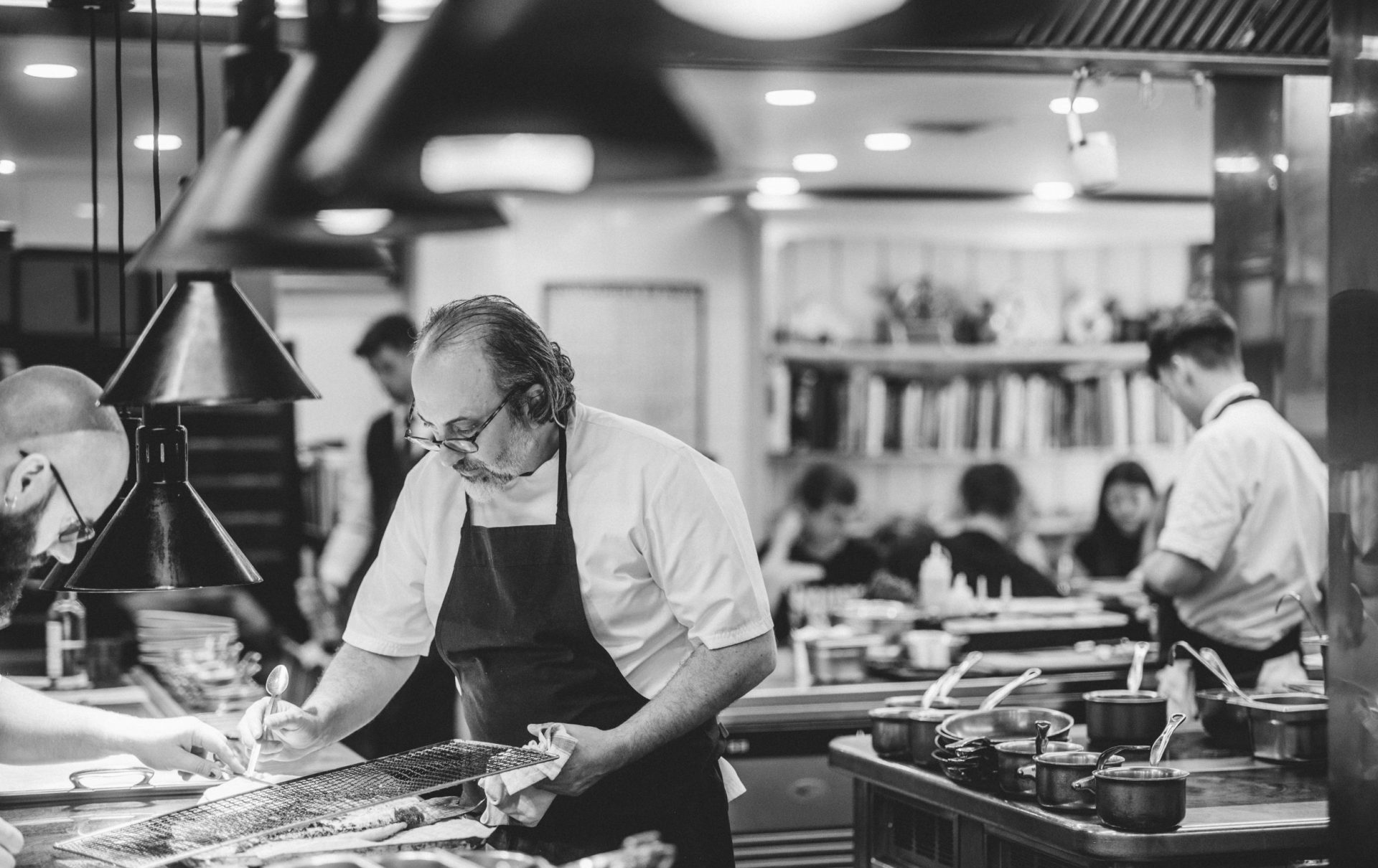
A Taste of Excellence

As one half of the dynamic duo, Luke Holder and Angela Hartnett, who co-run Lime Wood hotel's Hartnett Holder & Co (HH&Co) restaurant, Luke is a culinary craftsman known for his quietly confident approach and a philosophy rooted in simplicity, seasonality, and soul. Central to his menus are British Lion Eggs, a staple ingredient that not only delivers flavour and versatility but also ensures the highest standards of safety and traceability for guests. In this interview, Luke shares insights into his journey, his signature egg-based creations, and why sourcing British Lion Eggs is essential for hotels today.
Can you tell us a little about your journey as a chef and what led you to HH&Co?
Born in the UK and raised in Dubai, I was determined to pursue a career in fine cuisine. After calling on chef Chris Galvin, I managed to work my way into the exclusive Orrery restaurant in London and later The Oxo Tower on the South Bank. I then found myself in Europe, working alongside the incredible molecular gastronomy specialist Stephane Buchholzer, before a stint in the kitchen of three Michelin-starred Enoteca Pinchiorri in Florence, which ultimately changed my philosophy on cooking locally and seasonally forever. After living and working in Thailand, I found my way back to England and finally Lime Wood, and in 2013 partnered with Angela to create Hartnett Holder & Co at Lime Wood.
Eggs are a staple ingredient in hotel kitchens. What role do they play in your menus at HH&Co?
We are a hotel, so they are used in everything from breakfast and lunch to afternoon tea and dinner. As an Italian inspired restaurant, the eggs play a vital role in our pasta so we would be pretty lost without them. Knowing the eggs we use are British Lion marked standard ensures everyone has confidence, whether eating raw or cooking with them.
Why is it important for hotels to use only British Lion Eggs in their kitchens?
Using British Lion Eggs is critical for maintaining the highest standards of food safety and ensuring guest confidence. British Lion have rigorous production standards, including hen vaccination against salmonella, stringent hygiene controls, tracking systems, and regular independent audits so by using them we not only comply with best industry practices but also provide peace of mind to our guests, especially those with vulnerable immune systems.
The FSA advise vulnerable groups, including pregnant women, older people, babies and young children to only eat British Lion Eggs runny/lightly cooked. How do you ensure that your hotel staff are educated on this and adhere to the guidelines?
Ensuring staff are educated and adhere to food safety guidelines is a key responsibility. At Lime Wood, we implement a structured food safety training programme that includes British Lion Egg guidelines. This training is mandatory for all kitchen staff and refreshed annually or when guidelines change.
Have you noticed a growing demand for protein-rich and health-conscious breakfast options, and how do eggs play a role in that?
People have a more flexible approach to their dining, such as choosing to limit the amount of gluten, meat, and dairy they are consuming, or increasing their levels of protein. Our menus reflect that without losing the essence of who we are. Focusing on your guests creates loyalty and looking after them, recognising their needs is so important. For breakfast, it’s eggs any which way guests choose and in Raw & Cured, the spa restaurant, we often have seasonal frittata on the menu, alongside other protein packed dishes.
How important is sourcing high-quality, British ingredients to the ethos of HH&Co’s kitchen?
It’s vital but we are also passionate about the local initiative! One of the most exciting initiatives we’ve been developing is our partnership with Four Acre Farm, a no dig farm just down the road from Lime Wood. It’s all about narrowing the distance between field and fork. Every week, Kate from the farm brings in a fresh delivery of hyper-seasonal produce, and the team and I build our menus around whatever is in abundance. It’s a creative process that not only celebrates ingredients at their best, but also helps us reduce waste by making the most of gluts and long-lost varieties that aren’t commercially grown anymore. We’re also getting our chefs out on the farm - planting, harvesting, and really connecting with the land. It’s about growing for flavour, not efficiency, and creating a deeper respect for the soil and the people who work it.
 GUINEA FOWL AGNOLOTTI
Ingredients
For the pasta
- 200g pasta flour
- 9 egg yolks
- 10ml olive oil
For the guinea fowl and fonduta
- 2 guinea fowl legs
- 100g lardo di colonnata
- 1 onion
- 60g parmesan
- Half a bunch of sage, chopped
- 1 egg yolk
- 500ml chicken stock (or water)
- 100ml olive oil
- 5g chopped garlic
- 100ml of double cream
- Pinch of salt
Method
To cook the pasta
Whisk the olive oil and egg yolks together; add the flour and knead until the dough has an even consistency. Wrap in cling film and allow to rest for half an hour.
To cook the guinea fowl
Place the guinea fowl legs into a pan with the olive oil and cook until they’re coloured well on all sides. Sweat off the lardo with the onions to release the fat; add a pinch of salt then the chicken stock (or water) and cook with a paper cartouche on top to keep the mixture from evaporating too much.
Once the guinea fowl is cooked, take off the heat. Put everything, including the garlic, in a blender with the fresh chopped sage, parmesan and egg yolk, seasoning with salt and pepper; add the rest of the sage, then blitz again. Allow to cool and place in a piping bag.
To cook the parmesan fonduta
Heat the cream in a pan and reduce by half. Add the parmesan and whisk well, seasoning to taste.
To finish
Roll out the pasta into a rectangular sheet and cut the ends off the piping bag. Pipe the chilled guinea fowl mix in a row of generous blobs along the centre of the rolled-out pasta. Roll one edge of the pasta sheet over the piped blobs, like a sausage roll, and tuck it in as tightly as you possibly can, to remove any air.
Pinch the mix, sealing the pasta at one-inch intervals to form small pillows, cutting any excess pasta off. Then cut between the pinch points to make the agnolotti. Blanch in salted water for two to three minutes until warm, then serve immediately.

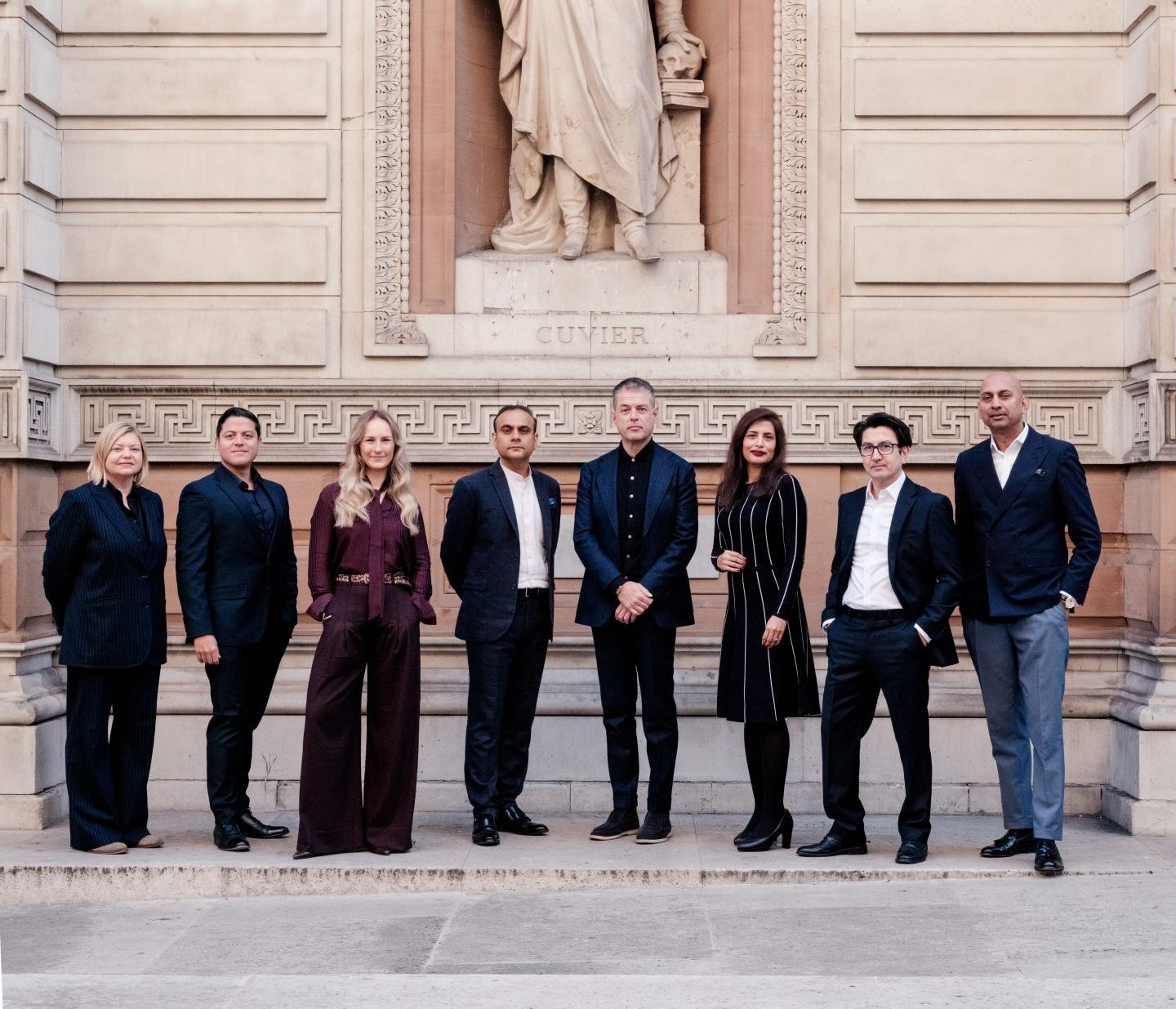
The St. Regis London Announces Impressive Executive Committee for 2026 launch

The St. Regis London announces the appointment of its Executive Committee, marking an important milestone as the hotel prepares to open in mid-2026. Under the leadership of General Manager Marco Novella, the team will bring to life a flagship property for the St. Regis brand—one that blends the cultural richness of London with the brand’s signature traditions of elegance, craftsmanship, and impeccable service.
Appointed in 2024, Novella brings more than two decades of luxury hospitality experience, including senior leadership roles at Hotel Cipriani in Venice and The Lanesborough in London. He is guiding the transformation of the former Westbury Mayfair into an inspiring destination that connects modern travellers and London residents through art, fashion, and exceptional service.
“I have been honoured to build the finest team at The St. Regis London to bring this iconic brand to life in one of the world’s most dynamic cities,” said Novella. “We aim to create a destination that captures the spirit of Mayfair while celebrating the timeless elegance for which St. Regis is renowned.”
Introducing the Executive Committee
Leading hotel operations is Patrick Mudalige, Hotel Manager, who joins from Four Seasons and holds over 30 years in luxury hospitality experience. He has grown from an F&B background into a well-rounded hotel operations professional. Working across Europe, the Middle East, and Asia in past roles, strengthens Patrick’s global approach to hospitality and guest relations. He brings a calm, detail-focused approach to operations, with a genuine commitment to guest experience and team development.
Supporting the hotel’s culture and talent strategy is Summiya Chaudary, Director of Human Resources, formerly Director of People & Culture at The Lanesborough. With a passion for developing high-performing teams, Summiya is committed to cultivating a workplace that reflects the values and heritage of St. Regis.
Brand and marketing direction is led by Romy Turkington, Director of Marketing, who joins following an award-winning tenure at W Hotels in London. Recognised with Marriott International’s Global Elite Award, Romy brings a creative, strategic approach that will shape the hotel's identity and presence within London’s cultural landscape.
Michael Blin has been appointed Director of Sales & Distribution, he brings strong Mayfair expertise, including playing a key role in the launch of 1 Hotel Mayfair. With over 20 years’ London luxury experience, Michael offers a strong record in forging global partnerships and driving sales performance across key markets.
Overseeing revenue strategy is Monika Sancewicz-Klis, Director of Revenue, who joins from her role as Luxury Cluster Director of Revenue Strategy for Marriott Hotels. With extensive international luxury market experience, Monika is known for delivering effective, data-driven revenue plans across multiple properties.
Engineering operations will be led by Oybek Rozmetov, Director of Engineering, who joins from The Lanesborough. With strong technical expertise and a practical, solutions-focused approach, Oybek brings a proven track record of delivering complex projects across luxury properties.
Completing the Executive Committee is Ashok Rao, Director of Finance, a Marriott veteran since 2004 with experience across the UK, US, and Middle East. Most recently Director of Finance for two of Marriott’s London Luxury properties, Ashok brings deep financial leadership to support the hotel’s strategic development.
Located at the corner of Conduit Street and New Bond Street, The St. Regis London will offer 195 rooms, including 66 suites, alongside an all-day restaurant, a jazz bar, and private dining room. Signature traditions—including St. Regis Butler Service and curated social rituals—will be reimagined for the Mayfair setting. Designed by Richmond International, the complete redevelopment of the former Westbury Mayfair includes two new floors, expanded public areas, and an elegant new façade. Since the opening of The St. Regis New York in 1904, St. Regis Hotels & Resorts has redefined modern luxury across more than 61 distinguished hotels and resorts worldwide. The St. Regis London will be the newest expression of this legendary heritage.
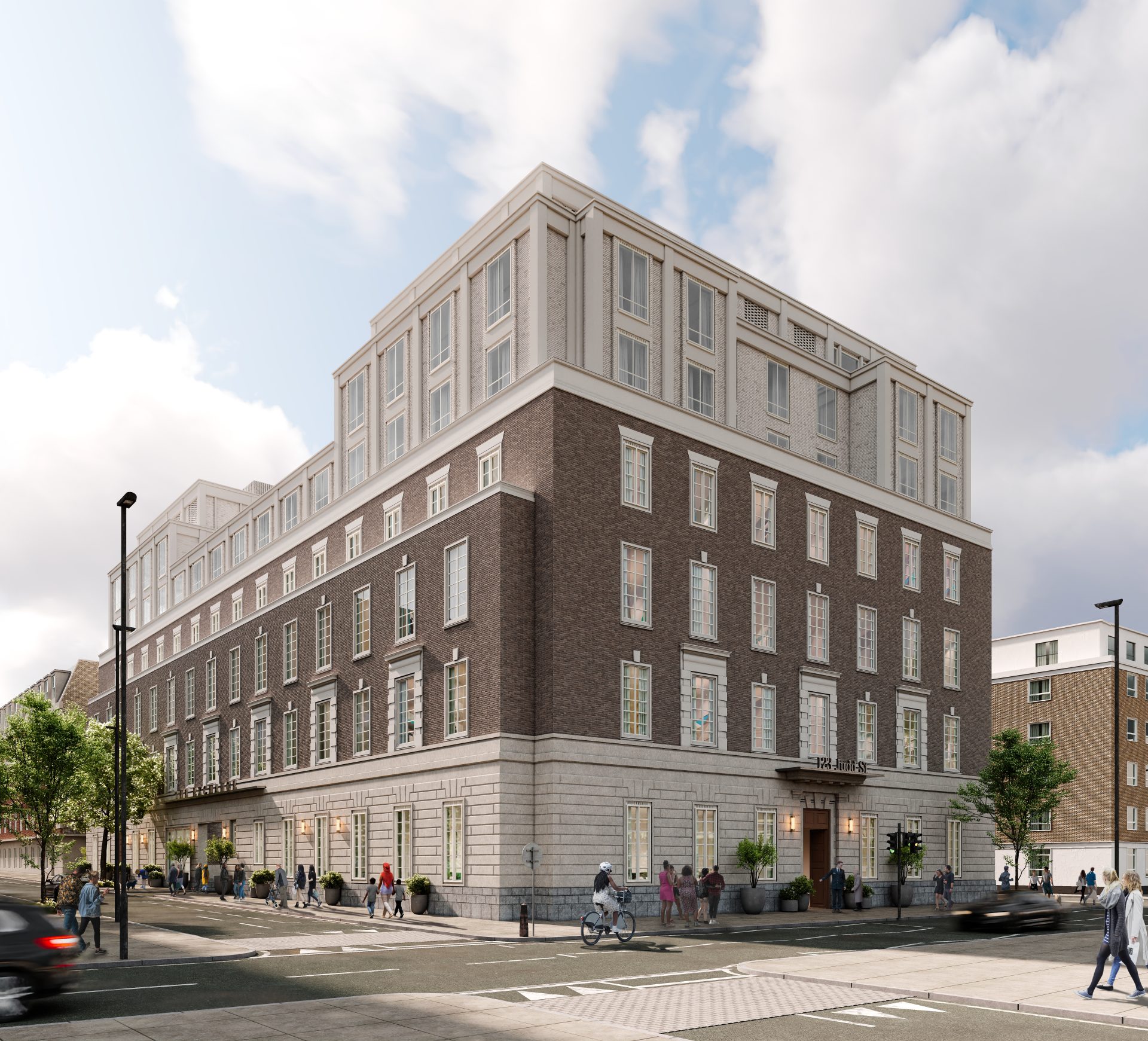
Dominus gets the green light for 240-key hotel and training academy in King’s Cross
- Dominus will sustainably convert an existing telephone exchange into a 240-keyhigh-quality hotel designed by Stiff + Trevillion.
- The hotel will host the Camden Hospitality Academy, in partnership with The Springboard Charity and supported by Hilton.
Camden Council has approved plans for Dominus, a leading developer, owner and operator in the hotel and student living sectors, to transform an existing telephone exchange into a high-quality 240-key hotel at 123 Judd Street.
Designed by the acclaimed architectural firm Stiff + Trevillion, the adaptive reuse project will focus on sustainably refurbishing and upgrading the building in a way that complements the surrounding context.
The ground floor will be opened up and revitalised to include a hotel restaurant, café, and bar open to both hotel guests and the public, while a newly landscaped courtyard will create a connection between the building and the surrounding public realm.
Once operational, the hotel will be managed by Dominus Hospitality and create over 100 jobs. Dominus will launch the Camden Hospitality Academy on-site, in partnership with The Springboard Charity and supported by Hilton, to offer training, work placements, and employment opportunities for local residents.
As part of Dominus’ commitment to sustainability, the design retains the entire substructure and 80% of the existing building’s framework, enhancing its environmental efficiency and targeting BREEAM Excellent.
The development is expected to support around 100 construction jobs and contribute £12.8 million in Gross Value Added (GVA), with an ongoing annual GVA of approximately £10.4 million once operational.
Dominus has an established track record in repositioning underutilised buildings in London, including the transformation of a Grade II–listed magistrates court into The Dixon, Autograph Collection by Marriott, a 193-bed hotel.
Elsewhere in London, Dominus is converting office buildings at 65 Fleet Street and 5–10 Great Tower Street into an 875-bed student accommodation scheme and a 234-room hotel. The 234-room hotel, The Derby London City, part of Hilton’s Curio Collection, will open in early 2026 as the sixth property managed by the Dominus Hospitality platform, as Dominus continues to grow its operational assets under management.
Across the UK, Dominus has 3,800 student beds and 1,700 hotel rooms consented or in the pipeline, with plans to work with capital partners to scale this further.
Jay Ahluwalia, Principal Director, Dominus, said:
“This is a fantastic opportunity to revitalise an underused building just minutes from King’s Cross at a time when visitor demand in London continues to grow. Drawing on our track record of sensitively repurposing buildings across the capital, we will transform the existing telephone exchange into a high-quality hotel. Through our partnership with Springboard, the Camden Hospitality Academy will create new skills, training and employment opportunities for local young people.”
Matt Williams, Director of Hotels, Dominus Hospitality, said:
“Across our growing portfolio of hotels, we’ve seen average occupancy of more than 90 per cent driven by our commitment to curating an exceptional guest experience. London remains one of the world’s most visited cities and demand for well-located hotels to explore all the capital has to offer will continue to grow.”
Mike Stiff, Chairman, Stiff + Trevillion, said:
“We’re delighted that plans for 123 Judd Street have been approved, allowing for the sensitive transformation of the existing telephone exchange into a thoughtfully designed hotel. The approved plans will include vibrant public spaces such as a landscaped courtyard, café, and active frontages, contributing positively to the streetscape and improving the connection of the building with the surrounding public realm.”
Chris Gamm, CEO, The Springboard Charity, said:
“Having spent many years working in Camden, we’re proud to be partnering with Dominus for an academy that will equip local young people with essential skills, training, and pathways into meaningful employment in the hospitality industry and beyond. Last year in London, our programmes supported over 400 individuals in unlocking their potential and it’s partnerships like this that enable us to continue making a lasting impact.”

Hilton London Metropole Appoints New General Manager Kelly Shrives-Wrist

Hilton London Metropole has appointed Kelly Shrives-Wrist as its new general manager, where she will lead the largest Hilton hotel outside of the U.S. and ‘England’s Best MICE Hotel 2025’ awarded by World Mice Awards.
Kelly brings 27 years of experience to the role, including 20 years with Hilton, and will lead a team of over 300 people. Her career has spanned revenue management, business development, and commercial leadership roles before she moved into the General Manager position of the newly opened Hilton Woking in October 2024. She is well known to Hilton London Metropole, having spent eight years at the hotel as Commercial Director between 2015 and 2023.
“It is an incredible privilege to return to Hilton London Metropole as General Manager. After nine years of leading the hotel’s commercial efforts, I am proud to be back with a team that runs such a dynamic hotel with skill, professionalism, and care,” said Kelly Shrives-Wrist. “Together, we will keep raising the bar for our guests as we guide the hotel through exciting renovation projects and use technology to strengthen both our operations and the way we connect with guests.”
Kelly joins the hotel at an exciting stage of growth. Following a multimillion-pound refurbishment, Hilton London Metropole’s 1,100 guestrooms and suites have been fully redesigned with a contemporary aesthetic inspired by London’s boroughs. The hotel’s four restaurants and bars have been relaunched with fresh food and drink concepts, including a neighbourhood restaurant Tyburn Kitchen focused on locally sourced ingredients and a relaxed marketplace Tyburn Market celebrating London’s street food scene.
Further investment is already underway, with the hotel’s West Wing undergoing a major renovation. This project will update 363 larger bedrooms designed with groups and families in mind, enhancing comfort and functionality while continuing to meet the needs of corporate and leisure guests.
“Under Kelly’s leadership, Hilton London Metropole will continue to combine operational and commercial excellence with a strong focus on its people and sustainability, ensuring every guest experience is memorable.” Said Paul Bray, Divisional Managing Director at Klarent Hospitality)
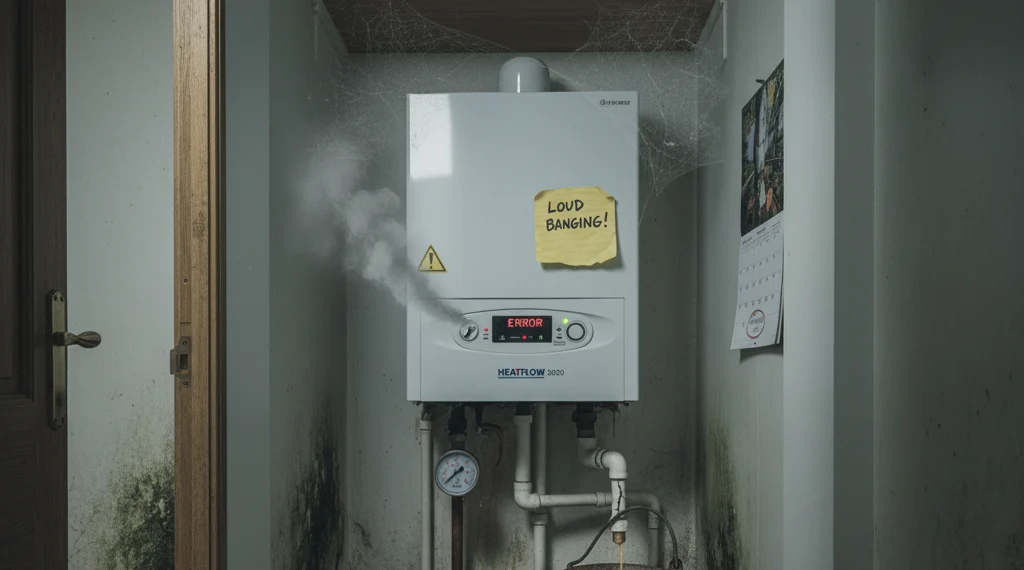
7 Warning Signs Your Hotel’s Boiler Needs Immediate Attention
For hotel managers, few systems impact guest satisfaction (and your operational costs) more directly than the building’s heating system. When temperatures drop, guests expect warm rooms, hot showers, and a comfortable stay. But a struggling boiler can quickly lead to guest complaints, negative reviews, and expensive emergency repairs.
As President and co-founder of EnTech, a company focused on smart energy solutions for hotels, I’ve seen how recognizing early warning signs of boiler trouble allows hotels to act proactively, prevent costly system failures, and extend the life of their equipment. Here’s what to watch for and what to do when issues arise.
- Inconsistent or Uneven Heating
Are guests reporting cold rooms, hot rooms, or temperature fluctuations? Uneven heating is a common indicator of deeper problems in the heating system. Causes may include trapped air in the system, faulty zone valves, aging circulator pumps, or a boiler running below the correct pressure.
To fix this, have your engineering team (or a qualified HVAC contractor) check for air in the lines, test zone valves, and inspect the pumps. Larger hotels with multiple wings or floors often rely on complex zoning, so a single failing valve can cause major comfort issues. Balancing the system can restore consistent temperatures and reduce energy waste.
- Rising Energy Bills Without Clear Cause
If your hotel's heating bills spike despite similar occupancy levels and weather conditions, poor boiler efficiency may be to blame. Contributing factors include scale buildup on the heat exchanger, malfunctioning controls, short-cycling, or simply an aging boiler struggling to keep up.
Schedule an efficiency test with a licensed technician. Descaling or cleaning the heat exchanger may deliver immediate improvements. In some cases, upgrading to a high-efficiency or smart boiler with modern controls can lead to significant long-term savings.
- Strange Noises from the Boiler Room
Banging, whistling, or gurgling sounds coming from the boiler room or radiators should never be ignored in a hotel setting. These noises often signal kettling (due to scale buildup), trapped air, pressure imbalances, or worn mechanical parts like pumps and valves.
Have a boiler technician inspect the system promptly. Flushing, rebalancing, or replacing worn components can prevent catastrophic failures and avoid unexpected room outages during peak occupancy.
- Boiler Leaks or Water Stains
Any sign of water near the boiler (such as pooling, dripping, or stains) requires immediate attention. Even small leaks can cause serious damage over time, affecting mechanical rooms, guest-facing spaces below, insulation, and structural components. Potential causes include failing pressure relief valves, corroded pipes, cracked heat exchangers, or venting issues.
Shut down the system if necessary, and have a qualified professional inspect and repair the issue. A cracked heat exchanger, in particular, often means the boiler needs replacing.
- Frequent System Resets or Lockouts
If the boiler shuts down repeatedly and requires manual resets, it's signaling that something is wrong. These safety lockouts can be triggered by faulty sensors, ignition issues, overheating, or control board problems. In a hotel, repeated lockouts can lead to cold rooms, service disruptions, and major guest dissatisfaction.
A technician should run diagnostics to find the root cause. Repairs may involve replacing sensors, updating controls, cleaning burners, or correcting ventilation or fuel supply issues.
- Yellow or Irregular Flame Color
Gas-fired boiler flames should burn blue. A yellow or flickering flame signals incomplete combustion, which could produce dangerous carbon monoxide. This is a serious life-safety concern, especially in hospitality environments where guests are constantly on-site.
Shut down the boiler immediately and contact a licensed gas technician. Ensure your hotel has functioning, regularly tested carbon monoxide detectors throughout mechanical rooms and common areas.
- Boiler Is Over 15–20 Years Old
Even if your boiler seems to be working fine, reaching the 15–20-year mark means it’s nearing the end of its expected lifespan. Older systems are less efficient, harder to repair, and prone to sudden failure (often at the worst time, such as during full occupancy or extreme weather).
Begin budgeting and planning for a replacement before you experience a breakdown. Upgrading to a high-efficiency or smart boiler system can reduce energy use, lower maintenance costs, and improve guest satisfaction by ensuring consistent comfort.
Preventive Maintenance: Your Best Defense
Catching problems early can prevent disruptions, but proactive maintenance is what keeps hotel systems running smoothly season after season. A strong preventive maintenance plan includes annual professional inspection and cleaning, system flushing to remove sediment, regular pressure and temperature checks, combustion efficiency testing, and thorough inspections of valves, pumps, and sensors. It’s also essential to test carbon monoxide detectors routinely to ensure guest safety.
Scheduling service before the peak heating season helps reduce the risk of mid-winter failures and ensures your guests remain comfortable throughout their stay.
Stay Ahead of the Heat!
Your boiler is one of your hotel's most critical operational assets. When it runs efficiently, guests are comfortable, energy costs stay manageable, and you avoid costly surprises. By watching for warning signs (like uneven heating or rising utility bills) and pairing proactive monitoring with regular maintenance, you can keep your hotel warm, your guests happy, and your operations running smoothly.

Simon Soloff is the President and co-founder of EnTech, a leading innovator in smart energy solutions for hotels. Alongside his brother and co-founder, Eric, Simon identified critical inefficiencies in traditional energy monitoring systems, leading them to establish EnTech in 1999. Driven by their vision for real-time data accessibility, EnTech became a pioneer in internet-based energy management solutions. As a smart energy expert, Simon advises building managers on how to cut down on energy usage and optimize overall efficiency. https://entechsmart.com/
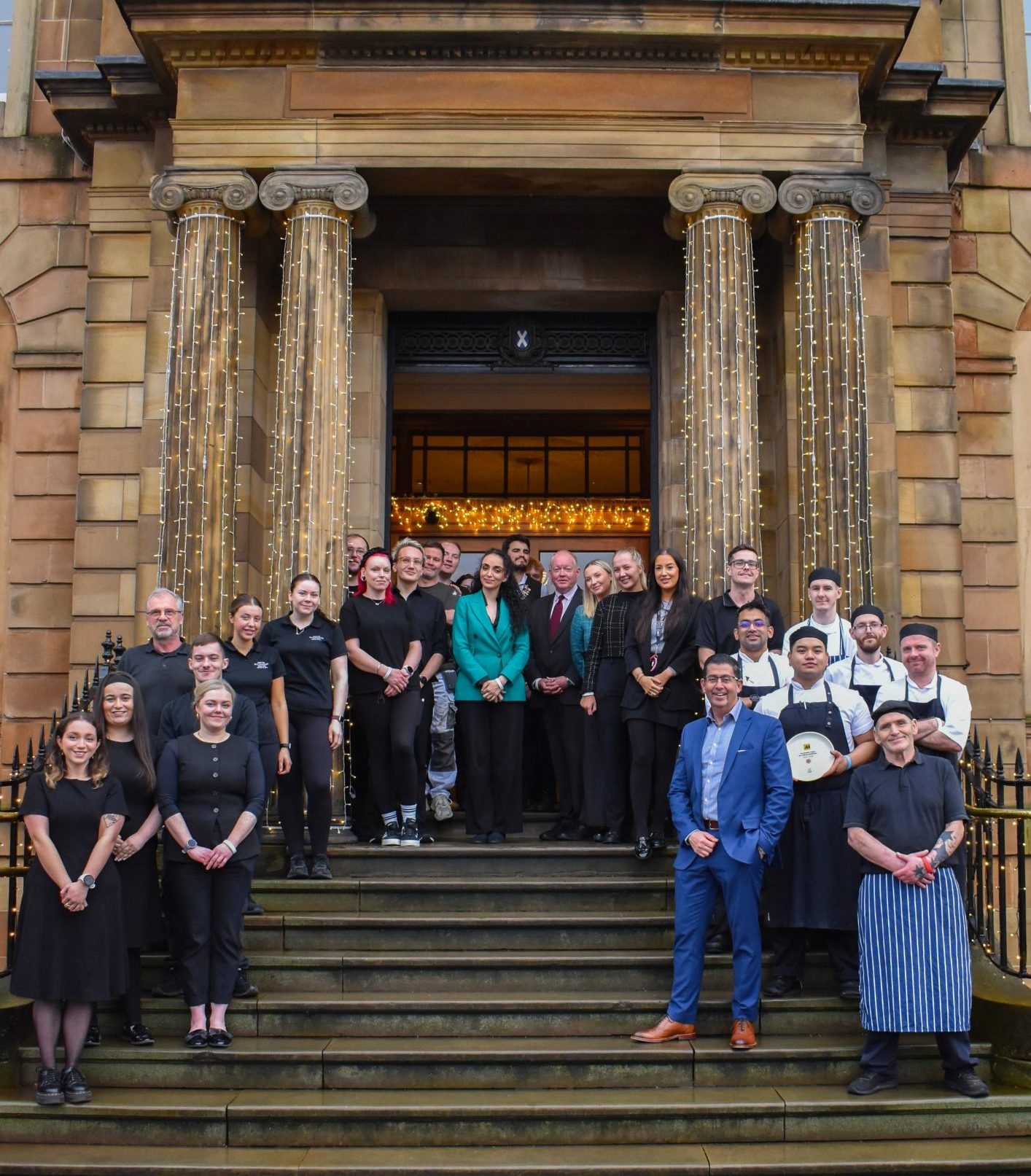
Renowned Glasgow Hotel Retains and Exceeds Five-Star and AA Rosette Scoring
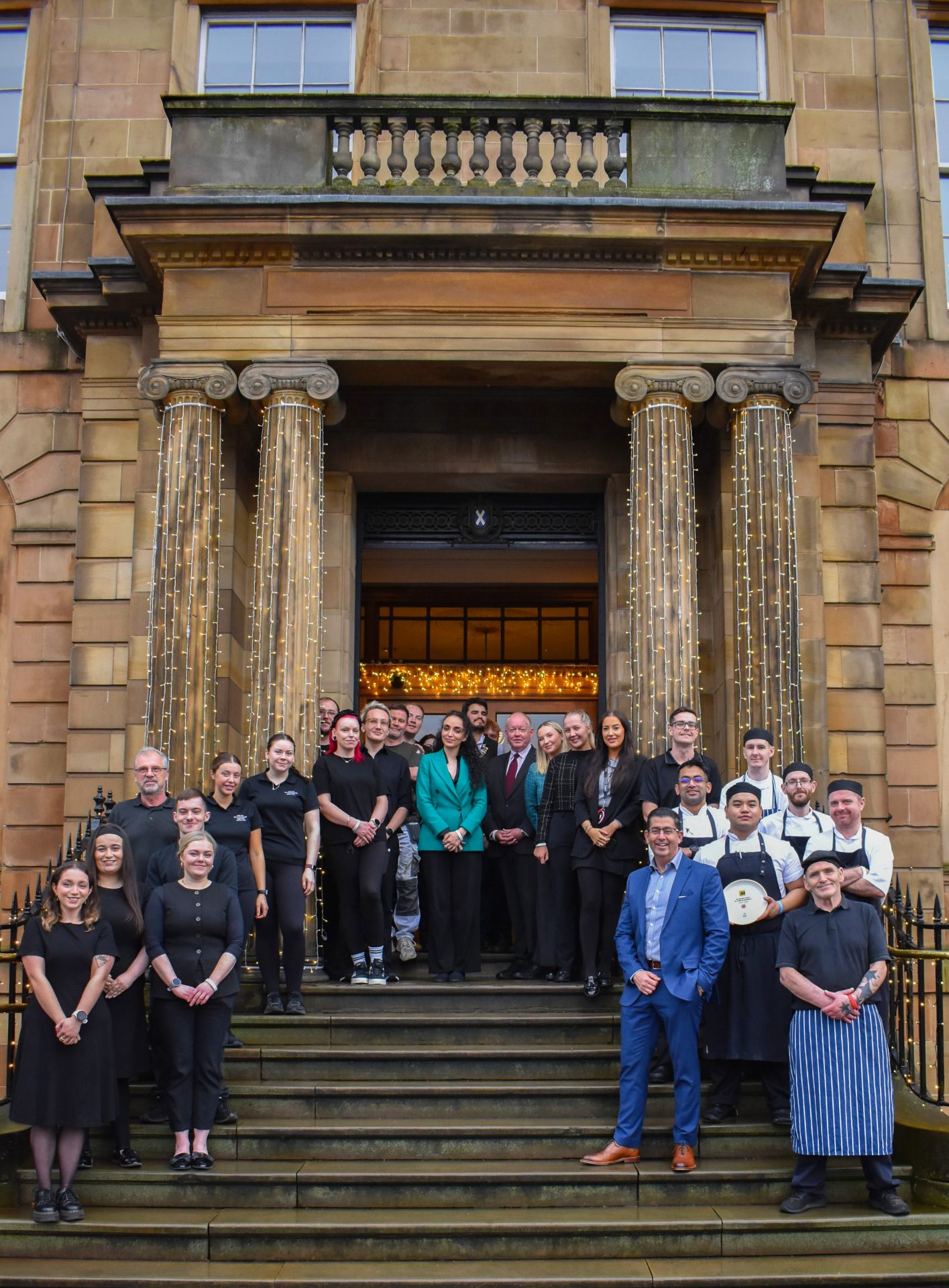
One of Glasgow city centre’s most iconic hotels, Kimpton Blythswood Square Hotel & Spa, has achieved an uplift in AA scoring and retained its prestigious five-star status following an AA audit last month.
With 113 luxurious bedrooms plus a spectacular Penthouse Suite – which has recently undergone a contemporary transformation – the hotel has in fact exceeded its quality score since its last audit in 2024, scoring a record 93% this year.
Kimpton Blythswood Square’s exquisite Scottish restaurant, iasg, has also retained its AA Rosette award for culinary excellence.
The hotel is home to the incredible Spa at Blythswood Square, which underwent a major, seven-figure refurbishment inspired by the Hebridean islands in 2023, including the introduction of Scotland’s first snow shower, a Himalayan salt room, seaweed bathing, and sound treatments. The upgrade was the biggest investment in a spa refurbishment made by IHG Hotels & Resorts in the UK.
A further seven-figure sum has recently been invested in replacing the air conditioning throughout the hotel.
Marcello Ventisei, General Manager at Kimpton Blythswood Square Hotel & Spa, said: “Our entire team works extremely hard to not only maintain our AA-accreditation worthy standards, but to elevate excellence and deliver a truly special and welcoming experience that our guests will always remember and dream about coming back for.
“We are delighted by the results of our inspection - our AA Rosette for iasg, the recognition and fantastic feedback is testament to our great team who ensure that each aspect of our guests’ experience is outstanding.
“We continually invest in the hotel to ensure it retains its character while offering breath-taking modern spaces for guests to enjoy and have recently completed refurbishing our Penthouse Suite with the design inspired by the tranquil garden which sits in front of the hotel.”
iasg Restaurant serves up a delicious menu, sourcing sustainable homegrown produce from the likes of Cumbrae Oysters, a family-owned oyster farm on the West Coast of Scotland.
A delectable seasonal afternoon tea is also available within iasg, or for an additional lavish touch, afternoon tea can also be enjoyed in the spa lounge, the perfect addition to a relaxing treatment or thermal experience.
Sean Currie, Executive Chef for iasg, added:
“Our entire team has worked with me on the evolution of iasg and we’re delighted to see this reflected in our AA feedback and quality score.
“I am passionate about being creative with our menus, championing Scottish produce and local sustainable seafood and have been increasing the breadth of our dishes to suit a variety of palates.
“Our ambition is to strive for further accolades in the future and give guests a Scottish dining experience they won’t forget.”
The auditor also praised the building’s Georgian architecture, beautiful surroundings – including the private adjacent Blythswood Square Gardens, available for guests to access, and impressive hotel public areas that have “wonderful artwork and presents to a great standard with the character of the building on show for all to see”.
Specific highlights of the fabulous hotel identified by the inspector included its impressive spa facilities, lavish bedrooms and spectacular marble en-suites.
The AA audit results mark the end of a remarkable year for Kimpton Blythswood Square, following the launch of its well-received ‘Stay Well’ and Strathberry ‘Borrow a Bag’ initiatives, as well as the launch of the hotel’s first ‘Designer in Residence’, Siobhan Mackenzie, who created an exclusive tartan for the Blythswood in June.
CANES & TALES AT WALDORF ASTORIA OSAKA SET TO HOST INAUGURAL ESSENCE SERIES EVENTS
Showcasing top bar talents across Asia-Pacific, The Essence Series is a new initiative from Hilton’s luxury brands aiming to foster connection and creativity within the bar community
Canes & Tales at Waldorf Astoria Osaka announces the first program of guest shifts, seminars, cultural exchanges and more as part of The Essence Series.
Conceptualized by Hilton luxury brands as an annual event, The Essence Series was designed as a way to foster connection and creativity within the bar community in key cities across Asia-Pacific. Over several days within the host city, members of the trade are invited to a series of immersive events featuring top talent from Hilton bars as well as the wider region. With masterclasses, panel discussions, cultural exchanges and world class guest shifts, these events aim to celebrate the spirit of a city through bar culture.
Members of the trade community are invited to join for a multi-day program of seminars and guest shifts taking place at Canes & Tales in partnership with Perrier, with the schedule as follows:
Wednesday, 17 December
- 2 - 4pm: 50 Best Bars Academy Chair Seminar, with insights from Nicholas Coldicott (Japan) & John Ng (China, Hong Kong, Taiwan and Macau)
- 7 - 11pm: Guest shift featuring Ethan Lui (CMYK), John Ng (50 Best Academy Chair) and Alex Gilmour (Manhattan Singapore)
Thursday, 18 December
- 2 - 4pm: 50 Best Bars Bartender Seminar, with insights from Rogerio Igarashi Vaz (Bar Trench) and Yasuhiro Kawakubo (Punch Room Tokyo)
- 7 - 11pm: Guest shift featuring Rogerio Igarashi Vaz (Bar Trench) and Yasuhiro Kawakubo (Punch Room Tokyo), Song Terbsiri (The Loft Bangkok) and Vincent Han (Long Bar Shanghai)
In addition to the trade-focused guest shifts and masterclasses, participants will also be hosted for cultural experiences including incense-making, a knife workshop, and Osaka bar tour.
With Canes & Tales at Waldorf Astoria Osaka as the first host, The Essence Series aims to curate annual events, with future editions in the works for other Hilton APAC Luxury Hotels.
“We’re excited to welcome the bar community from Asia-Pacific to discover a little taste of Osaka through our first events under The Essence Series,” says Dominic Dijkstra, Director of Mixology, Waldorf Astoria Osaka. “Long known as ‘the nation’s kitchen’ thanks to its rich food culture, Osaka is now making waves in the world of mixology and we want to help celebrate and elevate the city’s cocktail culture within the Asia-Pacific region, while also creating educational opportunities for our local community.”
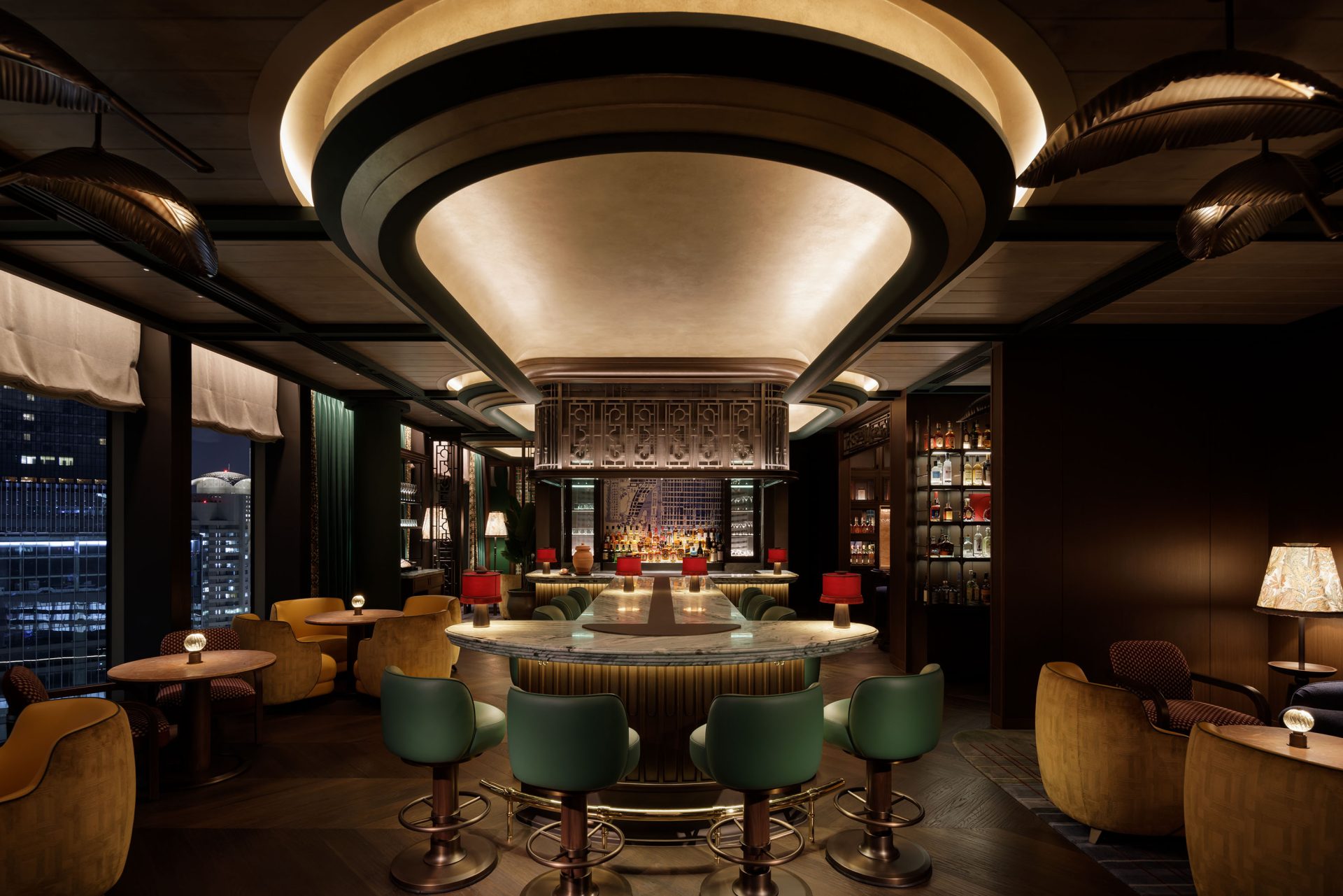
A glamorous escape into a bygone era, Canes & Tales is inspired by the 1930s Golden Age of Jazz, evoking a world of intriguing timeless narratives. Found on the 28th floor of the Waldorf Astoria Osaka, the intimate 47-seat bar lies tucked at the end of a dimly lit corridor behind an alluring dark green door, distinguishable only by a symbolic gold ampersand. An homage to the hideaway bars of Manhattan, the property is a nod to the Waldorf Astoria’s legacy in New York.

The top tech trends expected to refine the guest journey in 2026

By Gemma Hynes, Client Services Director at Net Affinity
As we look toward 2026, the hospitality landscape is shifting from a period of digital adoption to one of digital refinement. The last few years were about acquiring tools; the next twelve months will be about making them speak to each other.
For hoteliers, the goalpost has moved. It is no longer enough to simply have a booking engine or a chatbot. The winning strategy for 2026 lies in the seamless convergence of data, automation and human hospitality. Drawing on recent industry data and our own market insights, we’ll explore three critical trends – personalised experiences, AI evolution and the resolution of tech fragmentation – that will define the year ahead.
The era of ‘anticipatory’ personalisation
Personalisation has been a buzzword for a decade, but 2026 marks its graduation from reactive to anticipatory.
In 2025, we saw a surge in mobile-first behaviours. Our data highlighted a significant 7% year-on-year increase in mobile bookings in key markets like the UK and Ireland, alongside a growing preference for last-minute, spontaneous travel. For 2026, this means the guest journey begins long before they step into the lobby – it starts with a hyper-personalised digital handshake.
It’s about moving beyond generic "Dear Guest" emails to dynamic landing pages that adapt based on a visitor's location, device and past behaviour. If a guest is browsing from a mobile device in a local city for a same-day stay, the booking engine shouldn't just show them a room; it should serve them a ‘tonight only’ rate with a streamlined, two-click checkout.
This optimised path to purchase is central to driving direct bookings. We are seeing a shift where successful hotels are using their websites not just as brochures, but as intelligent sales platforms that mirror the intuitive experience of major e-commerce brands. In 2026, if your direct channel isn't offering a more personalised experience than an OTA, then chances are you have already lost the guest.
AI and automation: the ‘invisible’ concierge
The narrative around AI is maturing. The fear of robots replacing humans has been replaced by the reality of robots liberating humans. In 2026, invisible automation is expected to rise, with technology working quietly in the background to remove friction.
At Net Affinity, we are seeing this specifically in the payments and administrative space. By automating the payment collection and reconciliation process, hotels are reducing manual admin hours by double-digit percentages. This allows front-of-house teams to stop being data-entry clerks and start being hosts again.
Furthermore, AI is becoming the engine of revenue management. 2026 will see wider adoption of AI-driven dynamic pricing that reacts in real-time not just to occupancy, but to competitor pricing, local events and even weather patterns. The result is a more robust bottom line where technology captures revenue that human analysis might miss.
However, the ‘human touch’ remains the premium product. The most successful tech implementations in 2026 will be those that are invisible to the guest but highly visible in their impact on staff availability.
Solving the fragmentation headache
Perhaps the most significant trend for 2026 is the industry's war on tech fragmentation. For years, hotels have accumulated tech stacks that look more like tech towers – isolated silos of PMS, CRS, CRM and booking engines that refuse to talk to one another.
This fragmentation is the silent killer of guest experience. It leads to data gaps where a guest’s preference for a quiet room is known to the booking engine but lost before it reaches the front desk.
The industry solution is strategic partnerships and integration. We are entering a ‘platform era’ where connectivity is king. A prime example of this shift is the strategic alignment between booking technology providers and property management systems. By creating a unified ecosystem, hotels can ensure that data flows unimpeded from the initial Google search right through to the post-stay review.
We are already seeing this tech-first planning in new developments. Take, for instance, The Hawthorn by Galway Bay, set to open in Spring 2026. The property is a bellwether for the industry, placing an integrated technology stack at the centre of its planning phase rather than treating it as an afterthought. This integration-by-design approach ensures that every digital touchpoint reinforces the guest experience rather than interrupting it.
The outlook for 2026
The hospitality industry in 2026 will be defined by connection. The successful hotelier will be the one who connects their systems to eliminate data silos, connects their staff to automation to reduce burnout, and connects their guests to the precise experience they desire before they even ask for it.
Technology is no longer just about ‘being online’. It’s about being aligned – ensuring that your digital presence, your operational tech and your guest service delivery are all pulling in the exact same direction.
A third of STR hosts and managers have lost bookings due to staffing issues, new Hospitable research shows
New research from property management software Hospitable reveals the scale of operational strain facing the short-term rental (STR) sector, with over a third (34.3%) of hosts and property managers reporting lost bookings or negative reviews this year because of staffing issues.
The findings, which are drawn from an upcoming report by Hospitable1, show that labor reliability remains a persistent challenge for STR operators. More than 14% of hosts and managers said staff shortages and unreliable contractors were among the biggest external pressures affecting their business in 2025.
Cleaning remains a major pain point. Just under 40% say it is difficult to find dependable local cleaning staff, a problem that directly impacts turnover times, guest satisfaction, and overall occupancy.
The pressure is even more pronounced among property managers overseeing larger portfolios where day-to-day performance depends on multiple external vendors. In this group, 35.5% say that recruiting or retaining reliable staff is one of their biggest ongoing challenges. Looking ahead to 2026, 27.3% list reducing operational costs and easing staffing pressures among their top goals.
These challenges point to an industry-wide need for more reliable and consistent property care. In September, Hospitable introduced its Cleaner Marketplace, providing access to more than 150,000 vetted cleaners directly in the platform, as a step towards helping operators source dependable staff and bring greater consistency to property care.
Pierre-Camille Hamana, CEO and Founder of Hospitable, said:
“Staffing reliability continues to have a direct impact on bookings, guest experience, and the day-to-day reality of running a short-term rental business. If you can’t depend on the people who support your operations, it becomes difficult to run a stable business. This research shows how persistent that challenge still is for hosts and managers, and how much of their time is spent dealing with issues that should be predictable and consistent.”
Launched in 2016 as a time-saving PMS, Hospitable has evolved into a short-term rental super app that goes beyond traditional property management, automating guest messaging with AI, optimizing nightly rates, managing rental agreements and security deposits, coordinating teams, and powering direct booking websites with built-in payments and property protection.
For more information, visit www.hospitable.com.

Synergy Announce Six Month Price Freeze to Assist Hospitality Industry
Synergy Grill Technology has announced a prize freeze across its entire range of grills and griddles until 1st June 2026, to assist hospitality operators during what looks set to be a challenging first 6 months of the year.
Explaining the decision, Sales & Marketing Director, Gail Bellamy confirmed:
“The hospitality industry has been under cost pressures for some time, and it is important that suppliers try to help ease these in as many ways they can. Whilst we appreciate that Synergy grills and new griddles represent an initial financial outlay for operators, we know that in as little as nine months, it can pay for itself in the energy savings alone. This price freeze is Synergy’s way of supporting the chefs and food industry under relentless pressure. We obviously cannot hold the freeze indefinitely as our costs have risen too, but operational efficiencies have helped deliver this for the industry, so take advantage of this support whilst you can.”
With gas and electric grills ranging from 600mm to 1700mm wide, griddles featuring chrome, ribbed and smooth tops, as well as Chargo and drop-in units, Synergy has the widest range of models on the market. In addition to significant energy savings across the entire range, operators specifically praise Synergy products for improved food quality, less shrinkage, minimal extraction requirements and the easiest cleaning experience around.
Synergy grills are the only grills to feature patented fat atomising technology which make fat trays obsolete. By atomising fat and natural oils, steaks cooked on a Synergy Grill continually self-baste and retain the moisture, resulting in a more succulent product which has up to 50% less shrinkage!
For further information, or to experiment with cost saving calculator in order to see how much you could save, please visit www.synergygrill,com or call 01480 811000 or email info@synergygrill.com to take immediate advantage of the price freeze.