


RIBA'S ANNUAL CONFERENCE RETURNS IN NEW FLAGSHIP FORMAT
The Royal Institute of British Architects (RIBA) is bringing back its annual conference with the launch of RIBA27, a new flagship event delivered in partnership with Montgomery Group.
Taking place at London's Olympia on 7 and 8 July 2027, RIBA27 will offer a fresh perspective on the opportunities and challenges shaping architecture today, creating a platform for the profession to connect, exchange ideas and champion its contribution to wider economic growth.
Over two days, the event will bring together architects, practices, clients, developers and other built environment representatives for an engaging programme of content, professional development and networking opportunities, alongside a curated industry exhibition and the live announcement of the 2027 RIBA National Awards.
A landmark setting
The conference will take place in Olympia's newly developed International Convention Centre (ICC), part of the venue's extraordinary £1.3 billion transformation.
Designed by Heatherwick Studio and SPPARC, the wider redevelopment brings contemporary architecture, cultural spaces, hospitality, and new event facilities to one of London's most historic exhibition destinations.

A partnership with deep roots
RIBA and Montgomery Group share a longstanding partnership, united by a commitment to creating opportunities for the built environment to connect, collaborate and champion excellence.
The partnership has deep historical roots. Montgomery Group's first exhibition in 1895 focused on the building trades and was held in partnership with RIBA, later finding a home at Olympia. Now, more than a century later, the two organisations reunite at the same iconic venue to launch RIBA27, to establish a new annual gathering for the profession.
The people and ideas shaping our built environment
The conference will feature influential voices, keynote presentations, debates, and further professional learning and development. Alongside it, a curated exhibition will connect architects and specifiers with leading manufacturers, product innovators, technology providers and professional services businesses.
Chris Williamson, RIBA President, commented:
The former RIBA Annual Conference played a really important role in my own career, bringing people together from across the profession to exchange ideas, challenge perspectives and build lasting connections.
I'm so pleased therefore that RIBA27 will bring back that spirit for a new generation of architects, while championing the vital role our profession plays in driving sustainable global growth.
Damion Angus, Chairman and CEO of Montgomery Group, said:
Montgomery Group's first exhibition in 1895 was dedicated to the building industry, so joining forces with RIBA and launching this event at Olympia feels like a wonderful continuation of our story.
RIBA brings its exceptional connection to the architectural profession, and we bring generations of event experience. Together, we want to create something really special: an annual gathering that architects look forward to, that businesses see real value in supporting and that the whole profession can be proud of.
Join RIBA27
RIBA27 takes place at Olympia on 7 and 8 July 2027.
Further details of the conference programme, keynote speakers, exhibitors, sponsors and RIBA National Awards activity will be announced in the coming months.
Architects, practices and businesses interested in attending, exhibiting or sponsoring can register their interest at ribaconference.com.


KEVIN SWART JOINS THE HYPNOS TEAM
Luxury British bedmaker Hypnos has appointed Kevin Swart as Head of Business Development, joining the hospitality team on 3 November 2026.
Kevin has an impressive track record, valuable industry relationships and the determination to make an immediate impact. He will focus on expanding Hypnos' presence across London and Scotland, identifying opportunities with hoteliers, hotel groups, interior designers and procurement specialists.
As President of the UK Chapter of NEWH, the global hospitality network, Kevin has established connections throughout the UK and international hospitality sector, giving him an invaluable perspective on the people and partnerships shaping the industry.

His appointment also marks a homecoming. Having previously worked at Hypnos between 2009 and 2013, Kevin has maintained close ties with the business and a longstanding passion for its heritage, craftsmanship and approach to hospitality sleep.
Kevin joins the Hypnos Beds International sales team following the recent arrival of Adrian Horne as the Group’s Sales Director in September. With complementary expertise and a shared focus on delivering for customers, the pair are well placed to help drive the next phase of Hypnos' development.
Kevin Swart, Head of Business Development at Hypnos, comments:
Returning to Hypnos feels like coming home. It's a brand I've always had a genuine connection with, and I'm delighted to be working alongside such a talented and passionate team once again.
I'm looking forward to reconnecting with industry colleagues, developing new relationships and exploring opportunities across London and Scotland. There's a real sense of excitement about the future, and I'm pleased to be part of it.
David Baldry, Group Managing Director at Hypnos, adds:
Kevin is a fantastic addition to our hospitality team. His extensive industry knowledge, established relationships and genuine enthusiasm for the brand make him ideally placed to help us develop our presence in these important markets.
His appointment strengthens our ability to support customers, nurture partnerships and identify new opportunities. We're delighted to welcome him back to Hypnos.
Kevin will join the team at The Brit List Awards in November and HIX later in the month, giving industry colleagues an early opportunity to meet him in his new role.
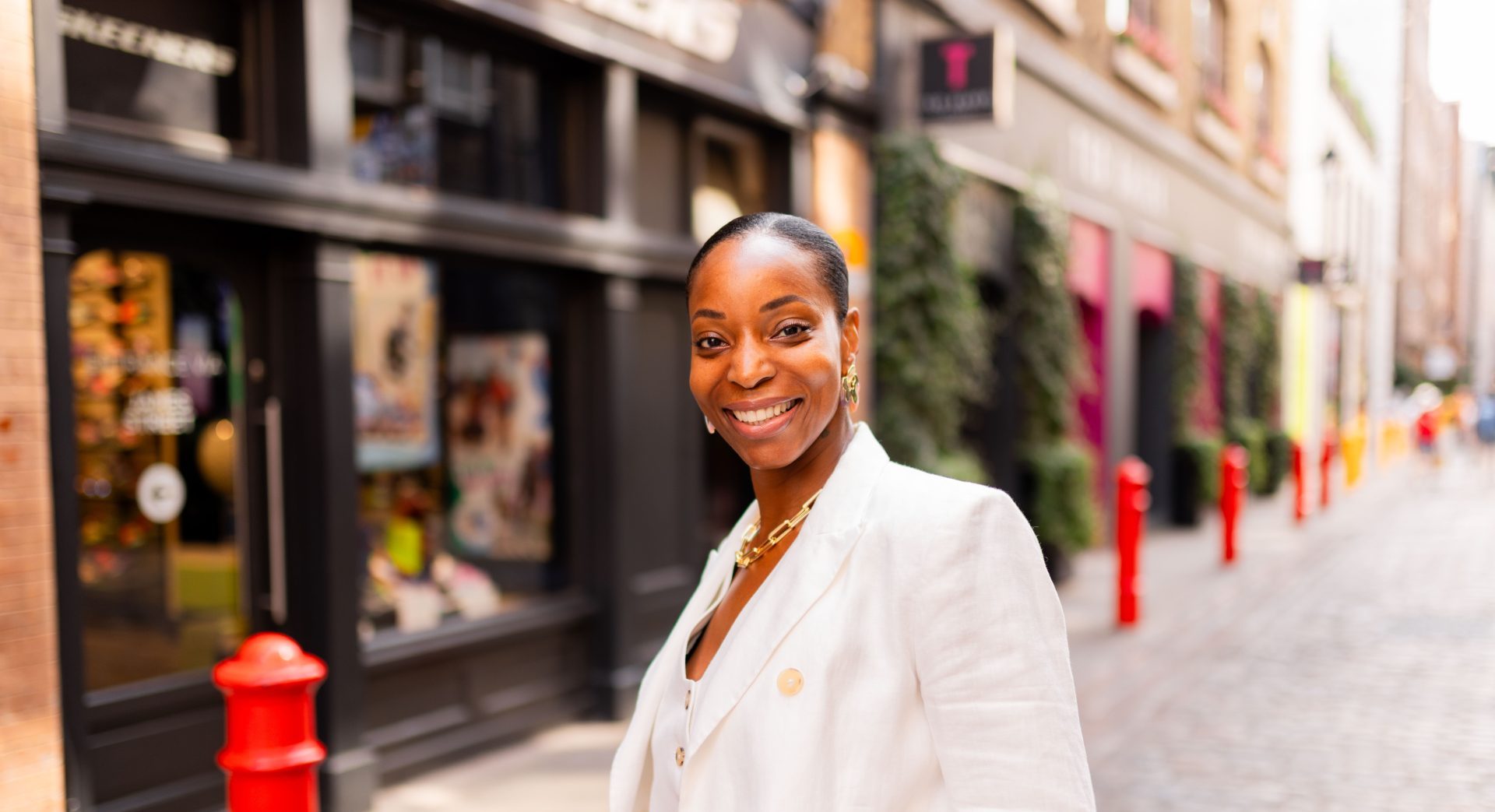
HOTELS ARE BUILDING THE FUTURE. CAN GOVERNMENT KEEP UP?
By Natalie Campbell MBE
I wonder whether the Treasury fully understands what a hotel is becoming. Because while the Chancellor was making decisions about business rates, employment costs and taxation, hotel businesses were busy reimagining what people need from the places in which they spend their time. And the distance between those two conversations is becoming increasingly interesting.
The Autumn Budget delivered welcome progress, particularly increased business rates relief for smaller hospitality businesses and a two-year real-terms freeze for qualifying properties. But with VAT remaining at 20%, another 3.9% increase in the minimum wage from April 2027 and economic growth forecast at just 1%, the industry's calls for greater support are entirely justified. Hotels are significant employers, investors in local economies and contributors to Britain's international appeal. We should be making it easier for them to succeed, not harder.

What excites me, though, is how quickly the industry is evolving despite these pressures.
Accor's latest research finds that a quarter of travellers would rather begin planning a holiday around how they want to feel than where they want to go. Hilton calls this the rise of the whycation, with rest, reconnection and meaningful experiences increasingly influencing travel decisions. People are looking for places that help them live differently, even if only for a few days.
Some guests don't particularly want to leave the hotel at all. They want beautiful spaces, excellent food, movement, sleep, conversation and the luxury of being looked after. The Global Wellness Institute identifies deep rest and cocooning among emerging wellness trends, reflecting a growing appetite for experiences that help people recover from the demands of everyday life.
Look at Six Senses, where wellbeing influences the entire guest experience rather than being confined to the spa. Or The Hoxton, whose restaurants, bars and shared spaces have helped redefine hotels as neighbourhood destinations. Scorpios in Bodrum brings together wellness, music, food and community, creating an experience as much about belonging as accommodation.
These are different businesses serving different audiences, but they recognise something important. The hotel is no longer simply somewhere you stay while doing something else. Increasingly, it is the experience itself.
I think of this as Life 6.0, a way of describing the next evolution of how we live, work, connect and care for ourselves. As we move through 2027 and into 2028, I expect the boundaries between hospitality, wellbeing, leisure, work and community to become increasingly blurred. Hotels are well placed to respond because they already combine many of the things people are seeking: beautiful environments, human connection, privacy, good food and opportunities to experience something different.
The rise of third places is particularly interesting. Hotels are increasingly becoming spaces beyond home and work, somewhere to spend an afternoon, meet friends, work creatively, take a class or simply enjoy being somewhere else. At the same time, we are seeing the opposite desire: guests who want to withdraw from the demands of everyday life and spend an entire stay within the hotel, resting, eating well and feeling cared for. Connection and solitude may appear contradictory, but both reflect a desire for greater control over how we spend our time.
For hotel businesses, Life 6.0 creates opportunities to build relationships with guests and local residents that extend well beyond the traditional overnight stay. It also requires us to think differently about space, programming, partnerships, people and revenue.
This makes the Budget's commitment to greater devolution particularly interesting.
The government has confirmed plans to give mayors and other strategic authorities powers to introduce an overnight visitor levy from 2028. Local leaders will be able to decide whether to introduce a charge, following consultation, with the levy calculated as a percentage of accommodation costs. The industry's concerns are understandable. Additional charges could affect competitiveness, particularly for price-sensitive travellers and businesses already operating on tight margins.
But there is also an opportunity to rethink the relationship between hotels and the places they serve.
Edinburgh's visitor levy is expected to raise £45–50 million annually by 2028/29, with planned investment in infrastructure, culture, events, destination management and mitigating tourism-related pressures. Barcelona has used tourism revenues to support neighbourhood improvements and manage the impact of visitors on residents. Amsterdam, where the overnight accommodation tax is 12.5%, offers a different lesson: taxation is part of a wider effort to manage overtourism, but high charges also raise questions about competitiveness and displacement.
The lesson is that collecting money is not the same as creating value. The success of any levy should be judged by what it delivers for the destination, the people who live there and the businesses that make it attractive.
Imagine hotel leaders working directly with mayors and councils to shape investment in transport, safer public spaces, cultural programming, skills and local supply chains. Imagine visitor revenues supporting apprenticeships, strengthening independent businesses and creating experiences that attract guests throughout the year rather than simply during peak season. There is a real opportunity to connect tourism policy with employment, regeneration and economic development.

JA MAR HALL APPOINTS FRANCES HOPE AS DIRECTOR OF SALES
JA Mar Hall Golf & Spa Resort has appointed Frances Hope as Director of Sales.
Frances will steer JA Mar Hall's sales strategy through its next phase of growth following its £20 million transformation in 2025, bringing extensive experience across Scotland's hospitality sector to the five-star resort. In her new role, Frances will focus on strengthening JA Mar Hall's corporate and MICE offering, expanding its events business and growing its presence across domestic and international leisure markets.
A key priority will be building stronger relationships with businesses and partners across Glasgow and wider west Scotland, while positioning Mar Hall as a leading destination for corporate events, meetings and incentives. Frances will also diversify the resort's events calendar, maximising the potential of its existing spaces to attract a broader selection of private and corporate functions alongside its established wedding offering.

Drawing on her deep knowledge of Glasgow's corporate and events hospitality market, Frances will also explore opportunities across the sports, music and film industries, while working with JA Resorts & Hotels' international sales network to introduce Mar Hall to new audiences.
Frances brings decades of experience in Scottish hospitality, having held senior sales roles with Hilton, Radisson Blu and Klarent Hospitality. Her contribution to the industry has also been recognised at the Prestige Awards, where she was named Dame of Hospitality in 2013 and received a Lifetime Achievement Award in 2016.
Speaking on her appointment, Frances Hope, Director of Sales at Mar Hall Golf & Spa Resort, said:
It's an incredibly exciting time to join Mar Hall, and there's a real opportunity to build on everything the resort has achieved following its transformation. My focus is on strengthening our presence in the local market, growing our corporate and events business and introducing Mar Hall to new audiences, both in Scotland and internationally. We have an exceptional five-star resort and an incredible team, and I want to build on those strengths to establish Mar Hall as one of Scotland's leading hotels. For me, hospitality is all about people, and delivering a genuinely personal experience will always be at the heart of what we do.
Frances' appointment marks an important step in JA Mar Hall's continued growth, as the resort looks to strengthen its commercial performance, expand its reach across key markets and build on its position within Scotland's five-star hospitality sector.

CLOSING THE GAP
SiteMinder, the world's leading hotel commerce platform, has unveiled its Dynamic Commerce Engine to close the 'execution gap' in how hotels maximise revenue across all their commercial levers, including pricing and, for the first time, distribution.
Until now, hotels have been limited by technologies that have surfaced only pricing recommendations upon request. SiteMinder's Dynamic Commerce Engine will go deeper, using machine learning (ML) and AI to surface and execute optimisation recommendations across every commercial lever for a hotel, both at the pricing layer and uniquely at the foundational distribution layer, where underlying issues can significantly limit revenue. These include broken distribution channel connections and unmapped room types, which often go unnoticed and contribute to a multi-billion-dollar opportunity cost for hotels.
The engine will be powered by an unmatched scale of data and distribution capability within the hotel industry. SiteMinder's platform, used for 20 years by hoteliers, including those at 56,000 individual properties, today powers 2.6 million hotel rooms, 140 million reservations and 300 million room nights every year. Its built-in ML model will leverage these, nearly 4 billion availability, rates and inventory (ARI) signals, to score optimisation opportunities for each property and then surface the most valuable recommendations. Designed as AI-enabled with hoteliers in control, users will then approve every recommended change before the engine executes.
The Dynamic Commerce Engine comes at a pivotal time for hotels, with new SiteMinder research highlighting the need for a hotel's online presence to stay accurate and consistent. In a survey of more than 12,000 travellers across 14 countries, more than half (51.4%) admitted to abandoning an online hotel booking because of a bad experience. At least one-in-four (26.5%) said it was due to the reviews, photos or details not feeling trustworthy.
Hotels want to keep up with today's changing travel landscape, but they don't have the time or resources to do it and so doing the bare minimum of staying 'online' becomes the easiest choice. This is a choice that too many hotels have made for too long, and what it has led to is an intention-action gap – an execution gap. SiteMinder's Dynamic Commerce Engine is testament that AI has widened the execution gap for hotels, and that AI can also close it with hoteliers staying firmly in control
says Sankar Narayan, CEO and Managing Director of SiteMinder.
Reports and AI assistants are no longer enough. Hotels need to know which opportunities actually matter, without having to ask their system, and to be able to convert those opportunities into revenue. This is what we're making possible. Pricing can't be the only focus; the same focus is needed for the distribution layer—the foundations—underneath, which has a direct impact on the guest experience. It's only with an optimised distribution setup that a guest can know if a room is available, at the price they're willing to pay.
SiteMinder's Dynamic Commerce Engine will go live over the coming months and hotels can register their interest here.

SAVOURING THE SEASON
The power of high-profile cultural partnerships, as told by Rowan Macmillan, Marketing Manager at Lavazza.
Hotels often face an invisible barrier. For locals walking past, grand lobbies and elegant entrances can feel off-limits, reserved only for tourists, conferences, or overnight guests. Breaking that perception requires more than simply opening the doors; it takes a genuine reason to step inside.
This challenge lands at an ideal moment. Guests are no longer stepping out simply to grab a quick drink on the go. Out-of-home beverage visits driven primarily by socialising have jumped to 27% year-on-year (CGA by NIQ / Lumina Intelligence). People crave connection. They are actively seeking warm, destination-led spaces where catching up over a drink feels like an occasion in itself.
Major cultural moments give hoteliers the perfect bridge. When venues tap into events people are already excited about, they turn hotel bars, lounges, and terraces into lively neighbourhood meeting spots.
Case Study: Bringing Wimbledon to the London Hotel and Bar
Summer in London offers a natural stage for this, anchored by the buzz of Wimbledon. As the Official Coffee of The Championships, Lavazza partnered with a select group of leading venues - including Bluebird Chelsea & City, The South Place Hotel, InterContinental London, Flemings Mayfair, Great Scotland Yard Hotel, and Roast—to take the spirit of the court into hospitality spaces across the city.
The strategy was simple: fit the activation to the venue, not the other way around. That meant adapting the experience to suit each location’s dayparts and guest profile:
- Making the everyday feel special: For daytime coffee visits, every coffee was served with a complimentary, tennis-racket-shaped cake. Accompanied by official Wimbledon branding, a flat white became an instant micro-celebration. It gave people a smile, something to photograph, and a reason to stay for longer.
- Flexing from daytime to late evening: At cocktail destinations like Great Scotland Yard and Flemings Mayfair, the concept shifted into the evening. Bespoke tournament cocktails and coffee-infused nightcaps gave guests who were not following daytime matches a way to share in the mood after dark.
- Inviting the street inside: At visual venues like Bluebird Chelsea and Roast, large-scale window vinyl’s and dedicated menus brought the excitement directly onto the pavement. Passers-by did not have to wonder if they were welcome; the visual energy invited them straight in.
By giving guests tangible, thoughtful details—a playful pastry, an inventive serve, a dressed window, giving visitors something genuinely worth sharing.
How Hotels Can Bring Key Moments to Life
The success of summer activations proves that partnerships work best when they feel lived-in and real. For hotel operators looking to build an engaging, year-round calendar, here are three practical ways to translate big cultural moments into daily footfall:
1. Align with the right calendar moment—and brand partner
Identify cultural or sporting events that naturally resonate with your core clientele, then collaborate with food and beverage brands already tied to the occasion.
2. Focus on small, high-touch details
You do not need an overhaul to make an impact. A themed petit four beside an espresso or an unexpected terrace garnish costs little yet turns an ordinary drink order into memorable ritual guests naturally want to photograph.
3. Break down the street-level threshold
Dressed windows, terrace styling, and visible signage instantly signal to passers-by that the space is open for everyday socialising, removing the hesitation locals often feel about stepping into a hotel.
When hotels treat the cultural calendar not as a corporate sponsorship exercise, but as an opportunity to host their local community they become the natural destination for people looking to celebrate the season together.

CHRISTMAS BEYOND CHAMPAGNE
Ben Cotts, Key Account Manager at Lanchester Wines, looks at the wine trends set to shape the festive trading period and explains how hotels can maximise guest spend through premium wines and a stronger no and low alcohol offer.
Christmas remains one of the year’s most important trading periods for hotels. Whether it's festive lunches, corporate celebrations, overnight packages or New Year's events, your customers are often more willing to spend on memorable experiences than at any other time. For hoteliers, this presents an opportunity to look beyond the traditional Christmas drinks offer and introduce products that add value, enhance the guest experience and increase spend per head.
Sparkling wine will always play a central role during the festive season, but there are opportunities to offer guests alternatives that deliver quality and a sense of occasion without relying exclusively on Champagne. However, rather than replacing Champagne, consider creating a sparkling wine ladder that gives guests genuine choice across different price points.
Crémant is one category continuing to gain traction. Produced using the same traditional method as Champagne, it offers the familiar brioche, citrus and toast characteristics guests enjoy, often at a more accessible price point. Franciacorta is another compelling option. This premium sparkling Chardonnay-based wine from northern Italy combines elegance and complexity with enough familiarity to appeal to Champagne drinkers while offering something different for guests keen to explore.
Premiumisation remains one of the strongest trends in hospitality, and Christmas is arguably its biggest opportunity. Throughout the year, guests may be more cautious with discretionary spending, but during the festive season they are far more likely to treat themselves, particularly when celebrating with family, friends or colleagues.
Use the festive season to showcase premium wines that may not feature prominently on your core list throughout the year. A dedicated seasonal wine menu can encourage guests to trade up while helping staff start conversations around food matching and special-occasion dining.
Red Burgundy is a good example. Pinot Noir's bright red fruit, subtle earthy character and moderate tannins make it a natural partner for turkey and traditional Christmas accompaniments. Offering a premium Burgundy alongside festive menus can provide guests with an easy upgrade option and create a more memorable dining experience.
Italian reds are also proving popular as customers seek richer, more indulgent styles during the winter months. Wines such as Barolo, Chianti Classico Riserva, Brunello di Montalcino and Amarone offer depth, complexity and a strong sense of provenance while pairing exceptionally well with festive dishes.
Portugal is another category worth exploring this Christmas. Particularly reds from the Douro region offer ripe dark fruit, spice and structure that work across the festive menu and can pair beautifully with lamb, beef, venison, duck, goose and hearty winter stews, while also standing up to dark chocolate desserts and the all-important cheeseboard.
While in Portugal, it would be remiss not to mention Port. Beyond its traditional role alongside desserts and cheese, Port is increasingly finding a place in festive cocktail menus as it brings sweetness, texture and complexity, pairing effortlessly with citrus, bitters, tonic and sparkling wine. Simple serves and twists on classics such as the Old Fashioned or Negroni can offer guests something distinctive while remaining easy for bartenders to execute during busy service.
Importantly, premiumisation doesn't require a larger wine list. A carefully curated selection of festive recommendations can often have a greater commercial impact than simply expanding the range. The objective is to make trading up easy and attractive while giving front-of-house teams confidence to recommend higher-value options.
At the same time, no Christmas drinks strategy is complete without serious consideration of the no- and low-alcohol category. Your guests increasingly expect choice, quality and sophistication regardless of whether they are drinking alcohol. During the festive season, this becomes especially important as within almost every booking there is likely to be a designated driver, a moderation-conscious guest or someone choosing not to drink at all.
For hotels, the challenge is ensuring these guests feel equally included in the celebration. Offering only a handful of soft drinks is unlikely to meet modern expectations. Instead, hotels should provide alcohol-free options that deliver the same sense of occasion as the rest of the drinks menu.
A quality alcohol-free sparkling wine is an excellent place to start. Products such as Famille Moutard's M 0% offer the ceremony and elegance associated with sparkling wine, while Tommy Bacco 0% provides a fresh, aromatic alternative inspired by generations of Italian winemaking. And, it also works exceptionally well in non-alcoholic spritz.
Serving these products in the same way as traditional sparkling wine helps reinforce that they are considered choices rather than compromises.
Visibility is just as important as availability. Featuring no- and low-alcohol recommendations on festive menus, training staff to suggest pairings and presenting alcohol-free sparkling wines with the same care and theatre as alcoholic alternatives can all help create a more inclusive experience.
Ultimately, the most successful hotel drinks programmes this Christmas will focus on experience. Giving guests reasons to explore premium wines, while offering credible no- and low-alcohol alternatives, can drive both customer satisfaction and festive sales.
Create opportunities for guests to trade up while ensuring non-drinkers enjoy the same sense of occasion. That's where the greatest opportunities for revenue growth lie this Christmas.

THE GROVE AND HYPNOS
Set within 300 acres of Hertfordshire countryside, The Grove offers the sense of a true country escape just 20 minutes from London.
The vibrant five-star resort combines 214 stylish rooms and individually designed suites with an award-winning spa, championship golf course, distinctive restaurants and an extensive choice of activities for all ages.
At a destination offering so many different ways to spend the day, a restful night’s sleep is essential. The Grove has partnered with Hypnos to provide the comfort expected from a five-star stay. With more than 120 years of bedmaking experience, the fifth-generation British bedmaker works closely with hospitality clients around the world, bringing together craftsmanship, comfort and considered material choices.
At The Grove and Luxury Family Hotels, creating an exceptional guest experience is at the heart of everything we do, and a truly comfortable, restorative night’s sleep is such an important part of that. We are delighted to partner with Hypnos, whose passion for exceptional craftsmanship, comfort and responsibly sourced materials reflects the same values and high standards we hold across our hotels. It’s a partnership we’re very proud of and one that helps us give our guests the quality, comfort, and restful experience they deserve.
Denise Newson, Group Purchasing Manager
The estate balances its rich 18th-century heritage with a relaxed, contemporary personality. Accommodation spans the historic Mansion and modern West Wing, with interiors designed to make the most of the surrounding landscape. Generous windows frame views across the gardens and countryside, while natural tones, tactile fabrics and large-scale artwork give the guestrooms a warm and individual character.
The Grove’s Mansion suites blend antique and contemporary pieces with original Georgian features, including ornate fireplaces, mouldings and curved bay windows. In the West Wing, nature-inspired interiors bring the outdoors in, creating calm and welcoming spaces in which guests can relax.
Beds form a natural focal point within the guestrooms. Their generous proportions and inviting presentation reinforce the sense of comfort, helping guests to switch off at the end of the day and wake feeling rested.
The relationship is founded on more than comfort. The Grove’s commitment to protecting the planet and caring for the people within it is reflected in initiatives that champion sustainability, support the local community and invest in the development and wellbeing of its team. This closely aligns with Hypnos’ own focus on people and planet, including its careful consideration of the provenance and performance of the materials used within its beds.
Whether guests spend the day on the golf course, unwind at Sequoia spa, explore the woodland trails or enjoy time together in the Walled Garden, a great night’s sleep provides the foundation for the following day. Through its partnership with Hypnos, The Grove ensures that the comfort and attention to detail found throughout the resort continue into a restful night and a refreshed start to the day.
Hypnos will celebrate the one constant in an ever-evolving hospitality landscape - sleep - at HIX, held this year at the London ExCeL on 25 and 26 November. Bringing its expertise in sustainable comfort to life across two uniquely different guest settings, Hypnos, in collaboration with hospitality designer Joanna Knight of JK Interiors, will demonstrate how thoughtful design can deliver comfort, quality and sustainability in equal measure.
Find Hypnos on stand E20 at HIX 2026, 25 to 26 November at the London Excel. Register here https://www.hixevent.com/

BUY SMART, SAVE MORE
Forward planning and seasonal buying can help hotels reduce costs, improve product availability and avoid the last-minute rush when demand is at its highest.
Running a successful hotel means keeping a close eye on both guest experience and operating costs. One simple way to achieve both is to think differently about when you buy.
Many hotel products have predictable peaks in demand. Purchasing them outside those periods can mean better availability, a wider choice and, in many cases, more competitive pricing.
Prepare for summer in winter
As temperatures rise, so does demand for air-conditioning units, fans, parasols, outdoor tables and chairs, and other summer essentials. Waiting until the first spell of hot weather can mean popular products are already in short supply.
Autumn and winter are therefore ideal times to review outdoor areas and cooling equipment. Buying early gives hotels more time to compare products, arrange installation where necessary and have everything ready before guests start heading for the terrace.
The same principle works in reverse. Blankets, duvets, throws and other cold-weather products can be purchased during spring and summer, rather than waiting until temperatures fall and demand increases.
Use quieter periods to stock up
Seasonal planning isn’t limited to weather-related products. Hotels can also use periods of lower occupancy to replenish everyday consumables.
Toiletries, soaps, shampoos, toilet tissue, cleaning products and guest amenities are ideal candidates. Quieter periods give housekeeping and purchasing teams an opportunity to assess stock levels, calculate typical usage and place planned orders rather than relying on frequent reactive purchases.
Where storage space and shelf life allow, bulk purchasing can also consolidate deliveries and reduce the risk of running short during busy periods.
More choice, fewer compromises
Availability can be just as important as price. Buying outdoor furniture in the middle of a heatwave or sourcing additional fans during exceptionally hot weather can leave hotels choosing from whatever remains in stock.
Ordering ahead provides more opportunity to select products that complement the hotel’s décor, operational requirements and budget, while allowing time to consider dimensions, energy efficiency, replacement parts and delivery schedules.
Jon Shepherd, Principal at Hotel Buyer, said:
Hotel purchasing shouldn’t just be about finding the best price on the day you need something. Some of the biggest savings – and certainly the best product availability – come from anticipating what you’ll need six months from now. Buy your summer products in winter, your winter products in summer, and use quieter occupancy periods to replenish everyday essentials. It’s a simple change in purchasing strategy, but it can make a significant difference.
Turn purchasing into a year-round plan
Hotels can create a simple annual buying calendar: review summer equipment during autumn, winter bedding during spring and consumable stock during quieter occupancy periods.
The principle is straightforward: buy when everyone else isn’t.
A little forward planning can result in better prices, greater choice and fewer supply problems – ensuring the hotel is fully prepared before the next busy season arrives.

GLENCAIRN'S GUIDE TO THE PERFECT SPIRIT SERVE
For over 40 years, Glencairn has partnered with the world's leading distilleries and spirits brands to design glassware that brings out the very best in every serve. Here's a guide to choosing the ideal glass for every spirit.
When so much care goes into creating a premium spirit, the choice of glass should never be an afterthought. The right glass doesn't simply enhance presentation, it influences how the spirit reaches the palate and, ultimately, how much the drink is enjoyed.
Whisky: The Glencairn Glass
The Glencairn Glass has become the world's official whisky glass leading the way in appreciation. Its iconic tulip-shaped bowl concentrates aromas while the wide crystal base showcases the whisky's colour. Thoughtfully designed and expertly balanced, it brings every subtle note of the whisky to life.
Gin: The Glencairn Gin Goblet
Designed to highlight every botanical note, the Glencairn Gin Goblet features a gently curved lip that captures delicate aromas. Its generous shape allows plenty of room for garnish without excessive ice, preserving both flavour and balance.
Premium Spirits with Ice or a Mixer: The Glencairn Mixer Glass
Perfect for fine spirits and expertly crafted cocktails, the Glencairn Mixer Glass offers the perfect balance between versatility and performance. Originally developed for luxury Canadian whisky, the Glencairn Mixer became the official choice of the Canadian whisky industry. Its signature tulip shape retains the nosing benefits of a tasting glass while providing ample space for ice and mixers, making it ideal for all premium spirits.
Cocktails & Highballs: Glencairn Highball Collection
From timeless classics to contemporary creations, exceptional cocktails deserve equally exceptional glassware. Glencairn's Highball Collection includes elegant handmade Edinburgh cut crystal for luxury serves as well as the classic Jura Highball, beautifully proportioned and robust enough for busy bars without compromising on style.
The Finishing Touch
True luxury is defined by thoughtful detail. Expertly crafted crystal glassware enhances aroma, presentation and perception, elevating the guest experience while reflecting the quality of the spirit. For hospitality venues, it also reinforces premium positioning and can even inspire guests to trade up and pay more for their drink's choices.
You can also complete the experience with Glencairn's bespoke personalised branding service to create distinctive, Instagram-worthy glassware that leaves a lasting impression.