

Is It Right For You?
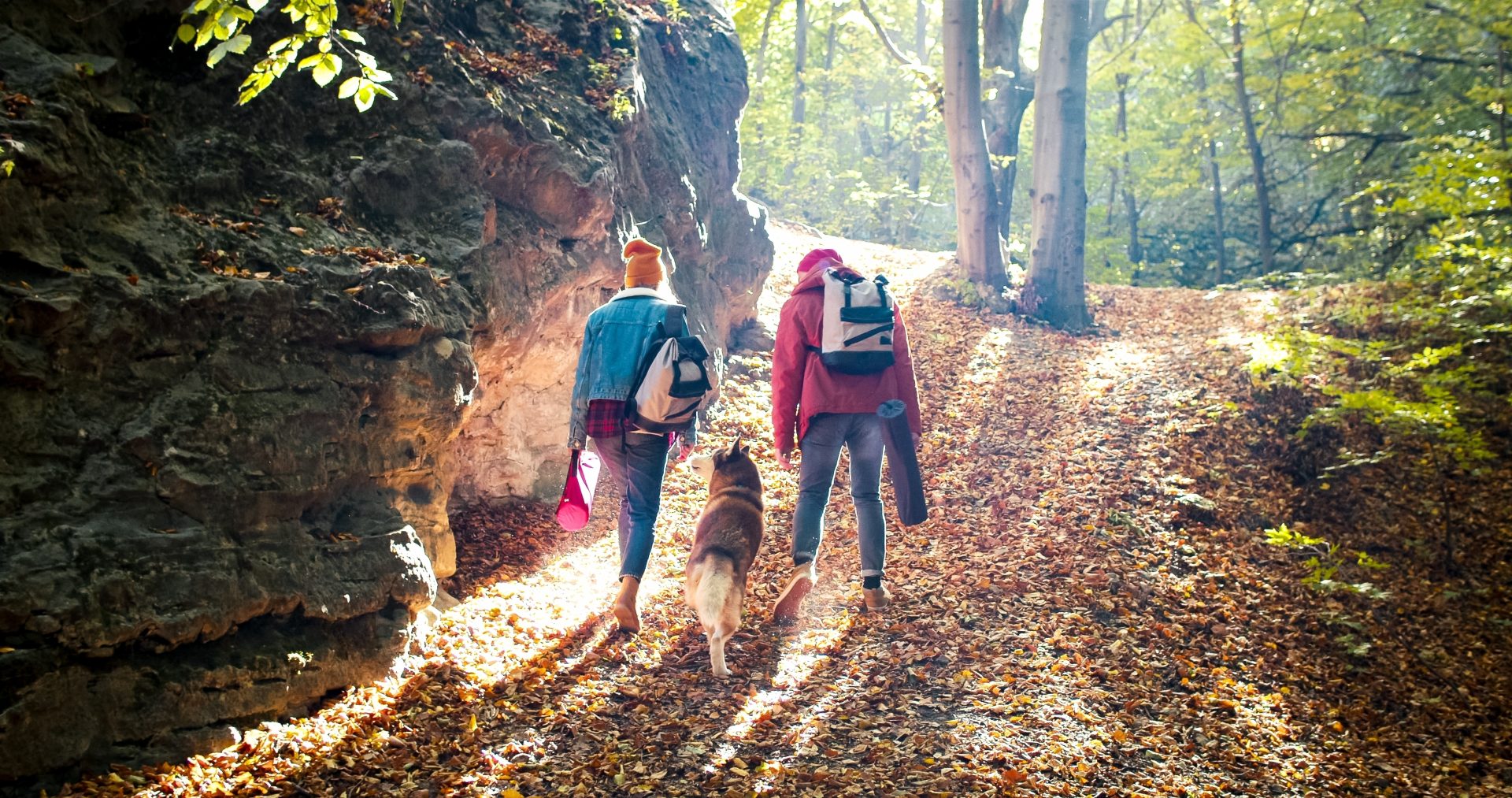
Expanding your hotel business to include pet-friendly accommodations can be a great way to attract more guests, but it requires careful planning. Here are five ways to assess whether it’s a viable option for your hotel.
Evaluate Market Demand
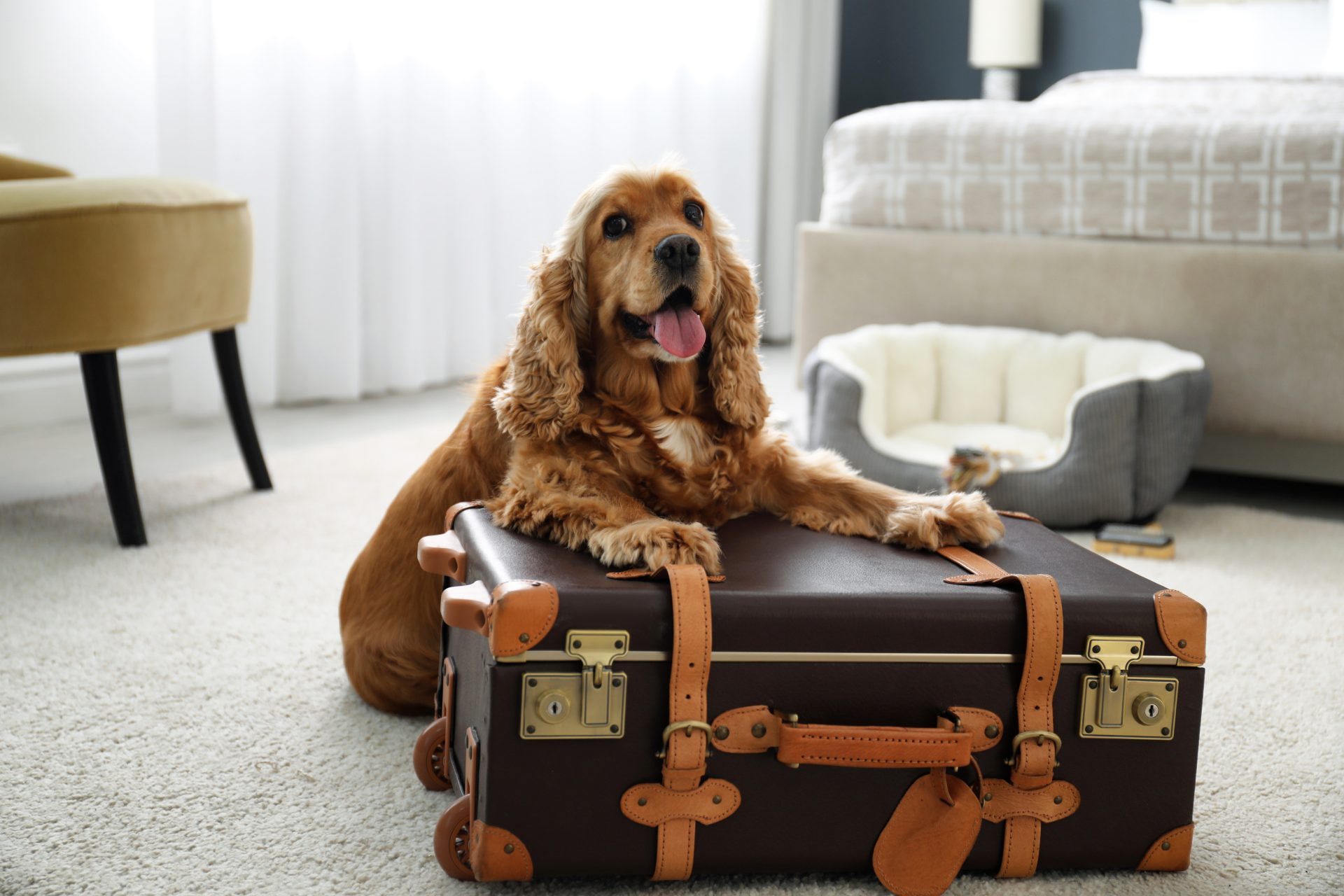
Start by looking what’s already out there and research local competitors to see if they offer pet-friendly rooms. Delve further into the search by checking online travel platforms such as TripAdvisor and Booking.com to see how often travellers search for pet-friendly stays in your area to investigate whether there is a demand to ensure it’s a worthy investment. You could even conduct a survey of past guests to gauge interest simply by adding it as a question to their post-stay feedback form.
Assess Your Facilities & Space
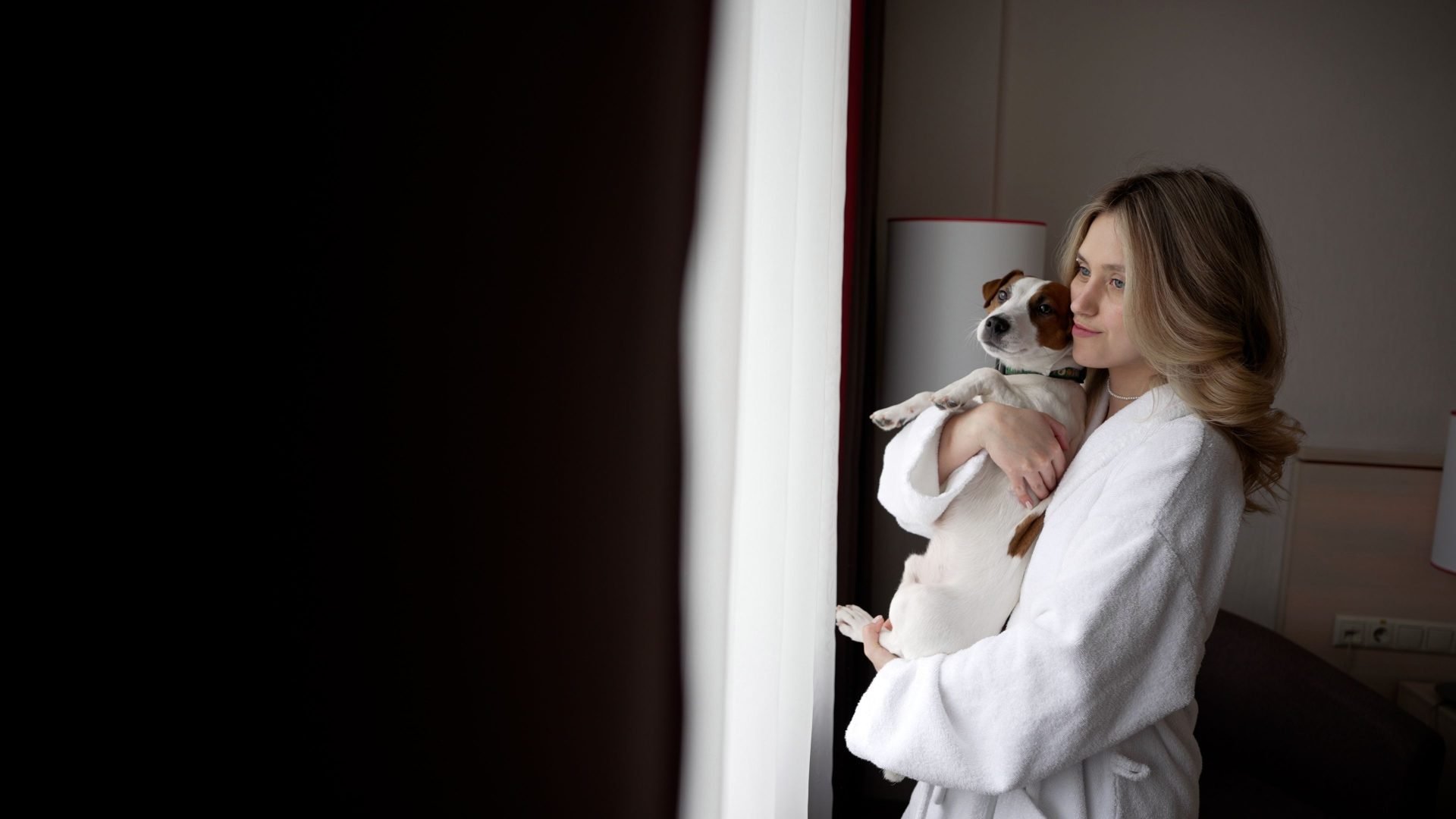
Logistics always needs to be at the forefront of your mind. Ensure your hotel has rooms or areas that can be easily cleaned and maintained (e.g., hard flooring instead of carpets). If you are limited on outdoor space and green areas, offering pet-friendly stays may not be right for you, as an ample amount of easily accessible pet relief areas is essential. If you will be only making part of your venue pet-friendly, you should consider separate entrances or designated floors for guests who are staying with their furry friends.
Review Local Regulations & Liability Issues
You must set aside time to thoroughly check municipal and health regulations regarding pets in accommodations. Before making a final decision, consult a lawyer or insurance provider to understand liability concerns and how this can affect the venue’s additional outgoings. Also, ensure that you establish clear pet policies and share details evidently for potential guests on details such as weight limits, breed restrictions and additional fees when staying with a pet.
Calculate Costs & Potential Revenue
Crunch some numbers and put pen to paper in order to estimate the cost of pet-proofing rooms (stain-resistant furniture and odour control). You must also factor in extra cleaning and maintenance costs for the addition of furry friends as guests and determine if pet fees (e.g., nightly surcharge or deposits) can offset expenses. It’s all about weighing up the pros and cons as well as the figures exhaustively.
Train Staff & Plan for Operations
All staff must be on board with all of the changes that come with offering pet-friendly stays. This means that the team should be trained on handling pet-related issues and customer service for pet owners. In order to enhance guest experience for owners and pets alike, you could partner with local pet services (vets, groomers, pet sitters). Finally, ensure your wider team develop clear marketing strategies to attract pet owners without alienating non-pet guests to ensure you still manage to gain repeat custom.

In the Hot Seat
Mike Baxter sits in the ‘Hot Seat’ this May. From his humble beginnings as a schoolboy hustling nightclubs in Edinburgh, to creating a ground-breaking new hotel brand, Mike’s story is a testament to the power of reinvention, creativity, and a refusal to follow the conventional path. In an exclusive interview with Hotel Magazine, Mike reflects on his early days in hospitality, the evolution of House of Gods, and what the future holds for the growing brand.
Mike’s journey to the forefront of the boutique hotel industry wasn’t a traditional one as he explained that hospitality has been a part of his life for “as long as I can remember”. Revealing how he’s always had an entrepreneurial spirit, even as a teenager, Mike explained, “Growing up in Edinburgh, I found my first taste of hospitality by organising events.
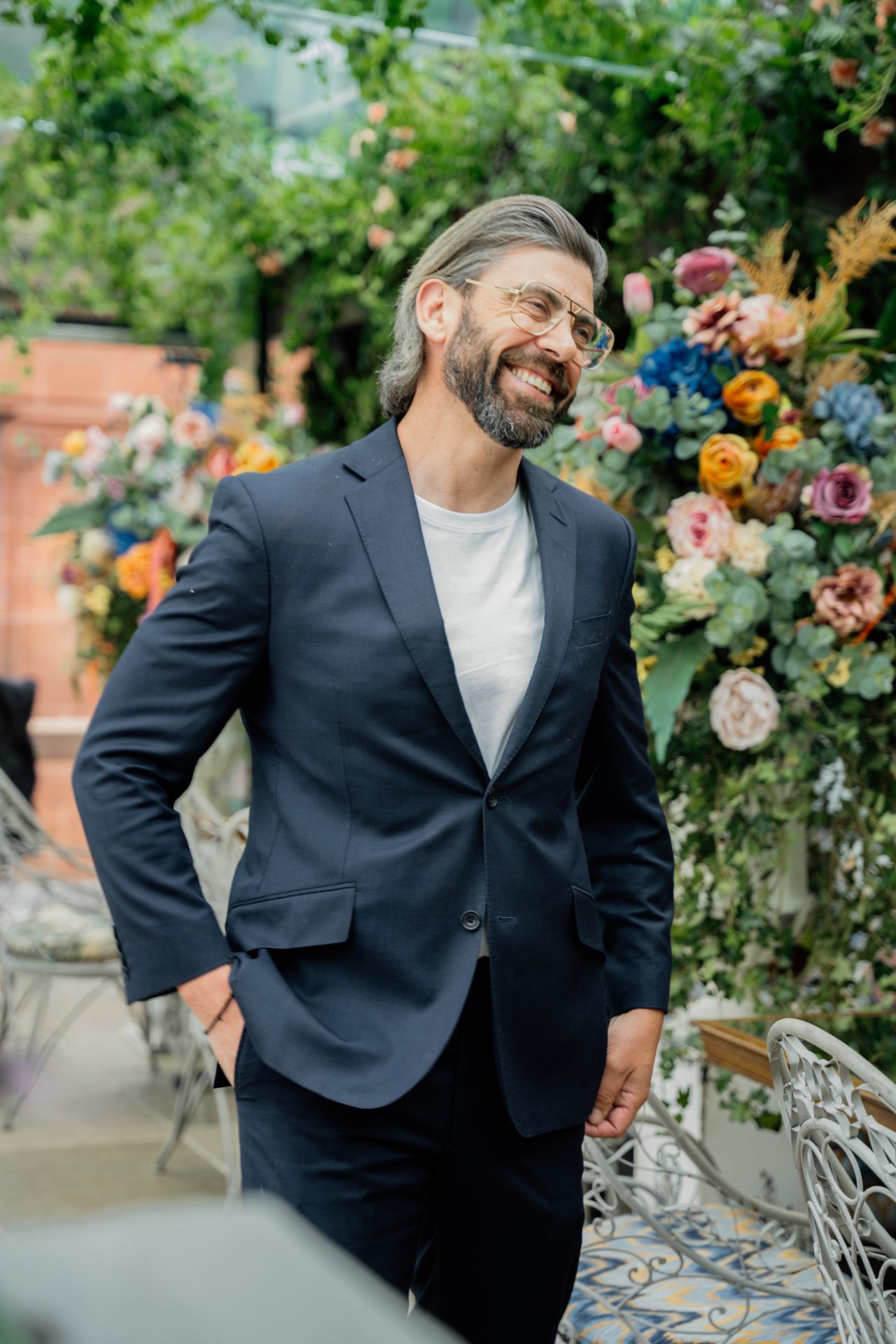
“I’d approach nightclubs claiming to be 18 and representing a university rowing club, even though I was just a schoolboy. I’d negotiate deals to rent their venues mid-week for events and make money from ticket sales, with the clubs taking the bar revenue. It was a hustle that I didn’t fully realise was shaping my future at the time.”
As he got older, Mike continued organising events while studying at university in Aberdeen. By the time he was 22, he had saved enough to purchase his first bar, which eventually led to nightclubs, more venues, and large-scale events. Mike said, “It was a fantastic experience, but after a few years, I realised that managing nightlife wasn’t a sustainable career for me in the long run.”
This led him to transition into property development, running a real estate business. While it was successful and provided ample learning opportunities, Mike realised that he missed the energy and customer interaction of hospitality. Following this, an opportunity arose to buy a building in Edinburgh, which Mike initially planned to convert it into apartments. However, due to planning restrictions related to an existing backpacker’s hostel above, Mike decided to turn it into a hostel instead which led to the creation of Edinburgh’s first boutique hostel, a decision that would change the course of Mike’s career.
Speaking on how the concept of his first hostel evolved, Mike said, “At the time, Edinburgh’s hostels were mostly budget-focused, catering to long-term travellers and stag parties. However, I had seen an emerging trend, especially in Portugal, where the "flashpacker" concept was taking off—hostels that had the style and aesthetic of a boutique hotel but maintained the social atmosphere of a hostel. We embraced this trend, and our hostel was a hit from day one.”
Mike admitted that himself and his brother had no in experience running a hostel, and it showed. “We didn’t even know what a property management system was,” he added. During the first weekend open, Mike recalls being so overwhelmed that when guests asked which bed was theirs, he just told them to pick one—leading to some hilarious moments at 3 am when people found others sleeping in their spots! Reflecting on those humble beginnings, Mike spoke about more funny moments with housekeeping – he said, “A few days after opening, I noticed that some guests didn’t have pillows, and when I asked about it, they replied, ‘Oh, do we get pillows?’ That was when I realised just how low the expectations were for hostels at the time.”
Despite these challenges, Mike and his brother’s hostel became a success. It set the stage for their future ventures in hospitality and enabled them to learn a lot from the experience, especially how to balance the social energy of a hostel with the higher expectations of design and service that Mike had started to appreciate.
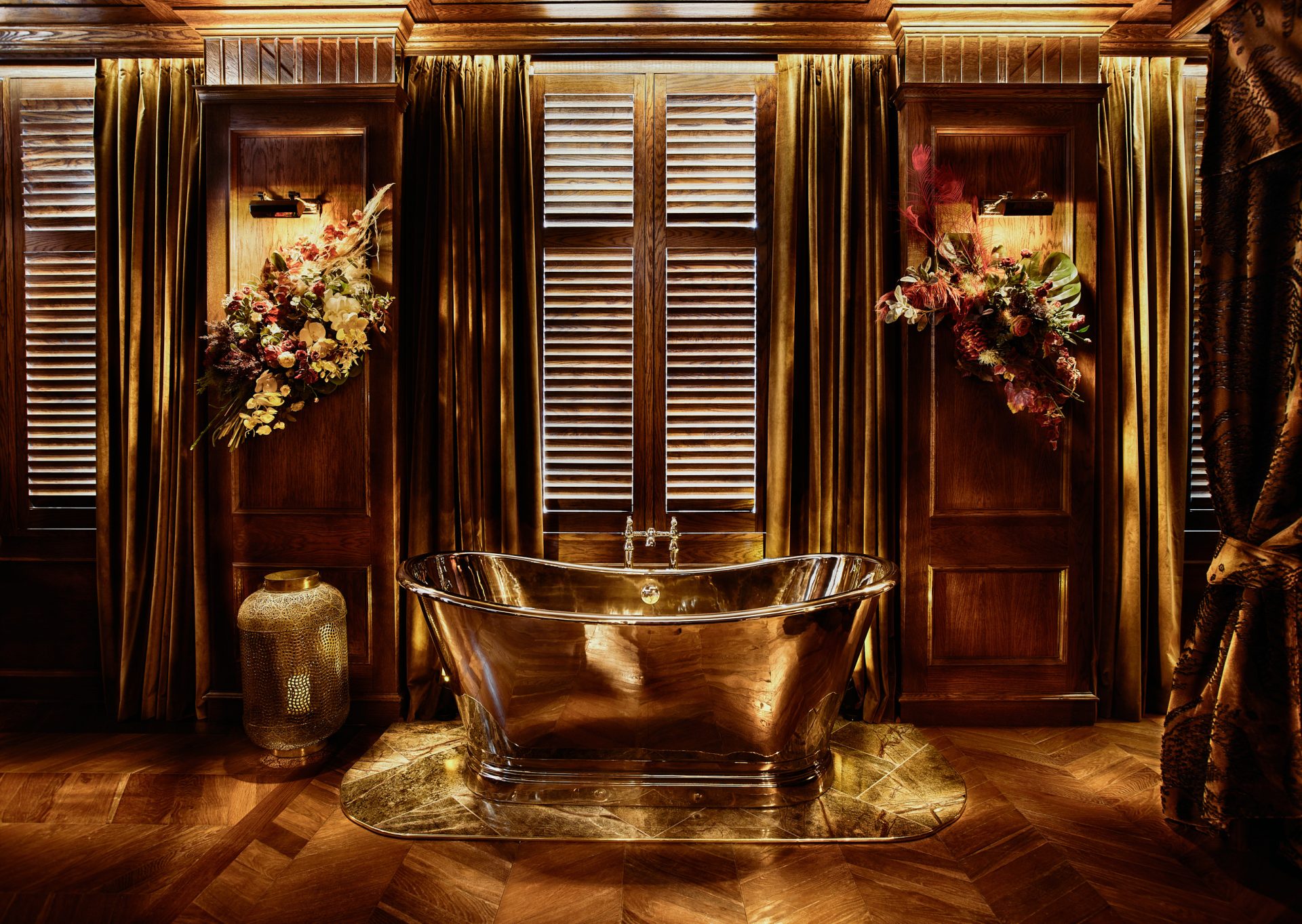 Mike explained that his passion for aesthetics and design began in his early days running bars and nightclubs. “I became fascinated by how spaces could impact the emotions and experiences of the people within them. When I entered property development, I was frustrated by the conventional wisdom in design—everything had to be neutral, beige walls and cream kitchens, all to appeal to the broadest audience. I wanted to create spaces that reflected my personal vision, not just follow the norm,” he said.
Mike recalled when he opened The Baxter hostel, and the freedom to experiment that came with it. It was the early days of the industrial-chic look, with exposed light bulbs and brick walls. “I loved the aesthetic of places like Shoreditch House in London—raw, New York loft-style living with worn floors and character-filled furniture. That inspiration would become the foundation for House of Gods,” added Mike.
Securing their first building in Edinburgh was a huge opportunity. Mike told us how he envisioned a cool, intimate space with a Shoreditch vibe and great Negronis. But, after attending the opening of Annabel’s in London, an extravagant, immersive venue, he had a pivotal moment. “The next day, I wandered into a Spar convenience store in Dalston, which had the same exposed light bulbs and distressed floors that I had been planning for House of Gods. That was my wake-up call—the industrial aesthetic had become ubiquitous. It no longer evoked anything special.”
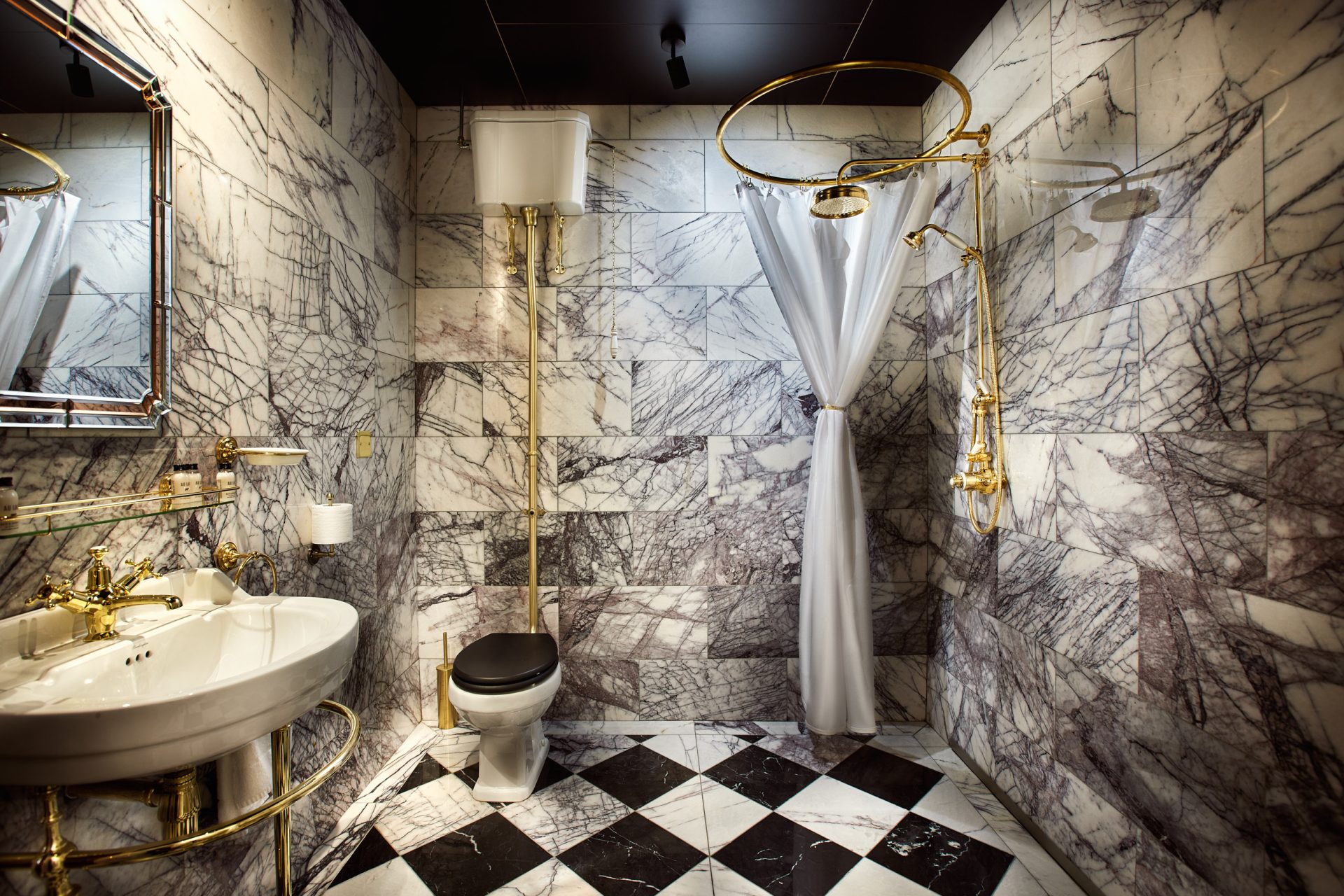 So, Mike rethought his approach. Instead of chasing trends, he asked himself: what makes the greatest hotels truly iconic? Places like The Savoy and The Dorchester had timeless appeal—they weren’t trying to be trendy; they had heritage, craftsmanship, and an air of exclusivity. This is when Mike realised that wanted to blend that sense of old-world luxury with something more unpretentious, fun, and modern.
The result was House of Gods—a place where opulence meets rock-and-roll decadence. Neon lights, rich paneling, intimate spaces where guests can let loose—because a great hotel isn’t just about where you sleep. It’s about how it makes you feel.
So, why London as the next location for expansion? Mike explained that Edinburgh is home, and it was the ideal place to launch House of Gods. He said, “If you can make a hotel work in Edinburgh, it’s a great proving ground for your concept.
“When we expanded to Glasgow, it made sense geographically—just a 45-minute drive away, with strong brand recognition and market crossover. Glasgow was a step up for us, allowing us to scale up from a 6,000-square-foot space to 20,000 square feet, adding a rooftop glass box, restaurant, and more rooms.”
London, though, was always the next logical step for Mike and his team, admitting he’s always had big ambitions for House of Gods, and saw a fantastic opportunity in Canary Wharf. The site, originally built for the Arts Club Mayfair, became available, and Mike was approached. Major hotel groups had shown interest, but Mike believes that Canary Wharf saw something different in The House of Gods brad—“our creativity, personality, and immersive spaces. We’re not a cookie-cutter brand, and they recognised that,” Mike explained.
House of Gods London, set to open in October, will be the brand’s largest hotel yet, with 89 rooms, many suites with waterfront balconies, and a rooftop bar—the Sacred Garden—similar to Glasgow’s, but on a larger scale. Mike acknowledged the fact that it represents an evolution for the brand, allowing them to cater to both leisure and business travellers. Canary Wharf has transformed into a nightlife and entertainment hub, and Mike sees that the new hotel will cater to both sides of the market.
Looking to the future House of Gods, Mike revealed that further expansion is definitely on the horizon. He said, “We’re actively seeking development partners who share our vision for House of Gods. We’ve built a brand that outperforms the market and delivers incredible results with a bold, infectious marketing strategy and a unique guest experience. Now, we want to take House of Gods everywhere—because we believe it belongs in more places than just one.”
Mike and his team’s focus is on staying true to their identity, offering spaces that are immersive, full of character, and offer a fun, unforgettable atmosphere for their guests. He finished with, “We’re excited for the future and the opportunity to share House of Gods with more people around the world.”
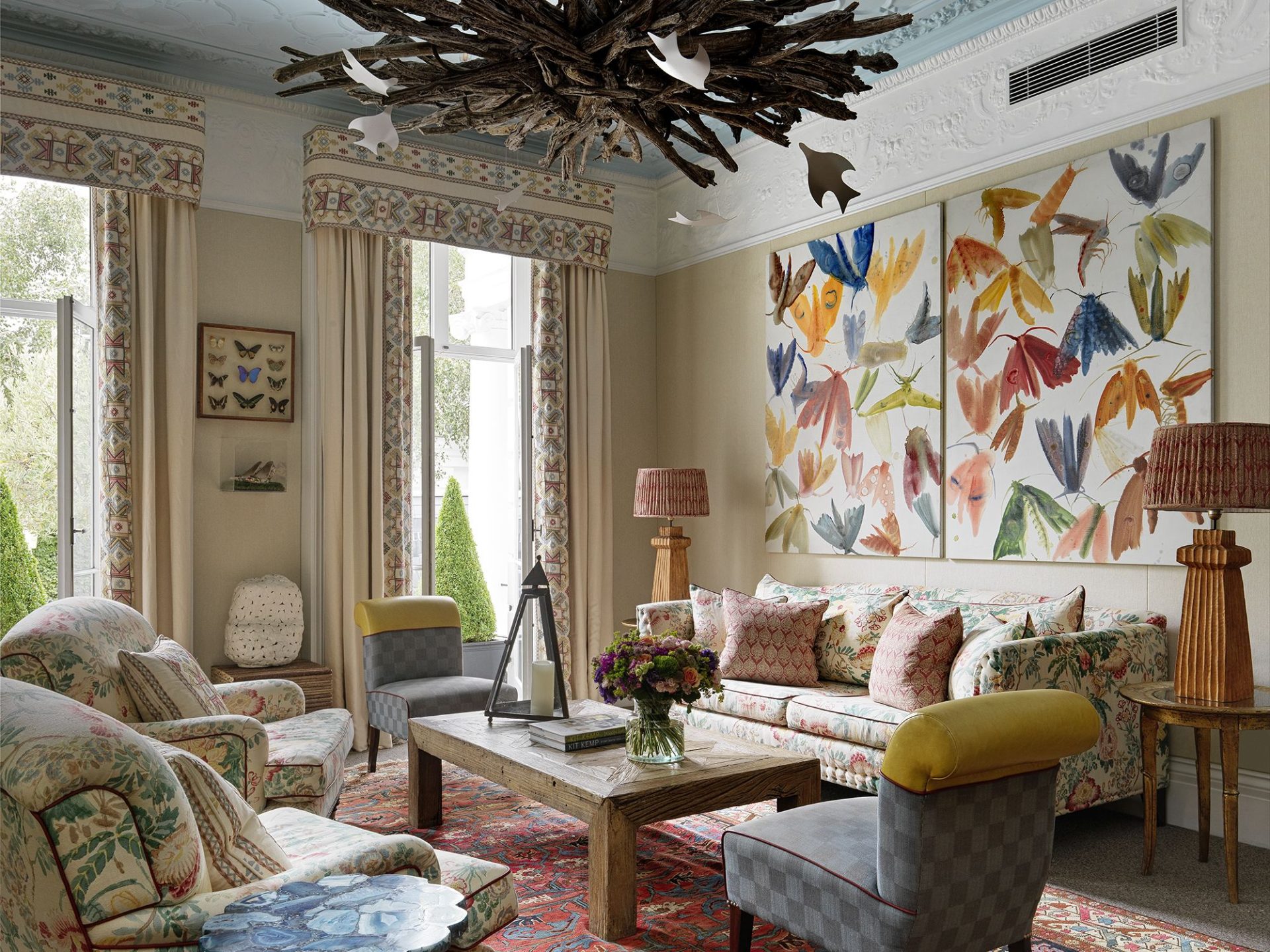
A Boutique Gem
Tucked away in the leafy heart of South Kensington, Firmdale’s Number Sixteen Hotel is an intimate and stylish retreat, offering guests an exquisite blend of contemporary luxury and classic British charm. This month, we proudly name Number Sixteen as Hotel of the Month, celebrating its impeccable service, vibrant interiors, and an unparalleled guest experience.
At the helm of this celebrated boutique property is Francesca Allison, the dedicated and dynamic Hotel Manager who has played a pivotal role in shaping its continued success. Having joined Number Sixteen as Reception Manager in 2021, Francesca’s keen eye for detail and passion for hospitality quickly saw her rise through the ranks. Her leadership style is defined by a commitment to guest satisfaction and an unwavering dedication to creating a warm and welcoming environment.
Number Sixteen is more than just a hotel; it’s an experience. This is down to every intricate detail, from the interiors to service, the venue was designed to make guests feel at home while enjoying the height of luxury.
Number Sixteen, a jewel in Firmdale Hotels’ celebrated portfolio, is a design lover’s dream. The hotel’s interiors, curated by Co-Founder Kit Kemp, embody her signature eclectic yet elegant aesthetic. Vibrant textiles, unique artwork, and thoughtfully chosen furnishings create an atmosphere that is both playful and sophisticated. Each of the 41 individually designed rooms boasts a combination of bold colours and intricate patterns, perfectly balanced with soothing pastels and luxurious textures.
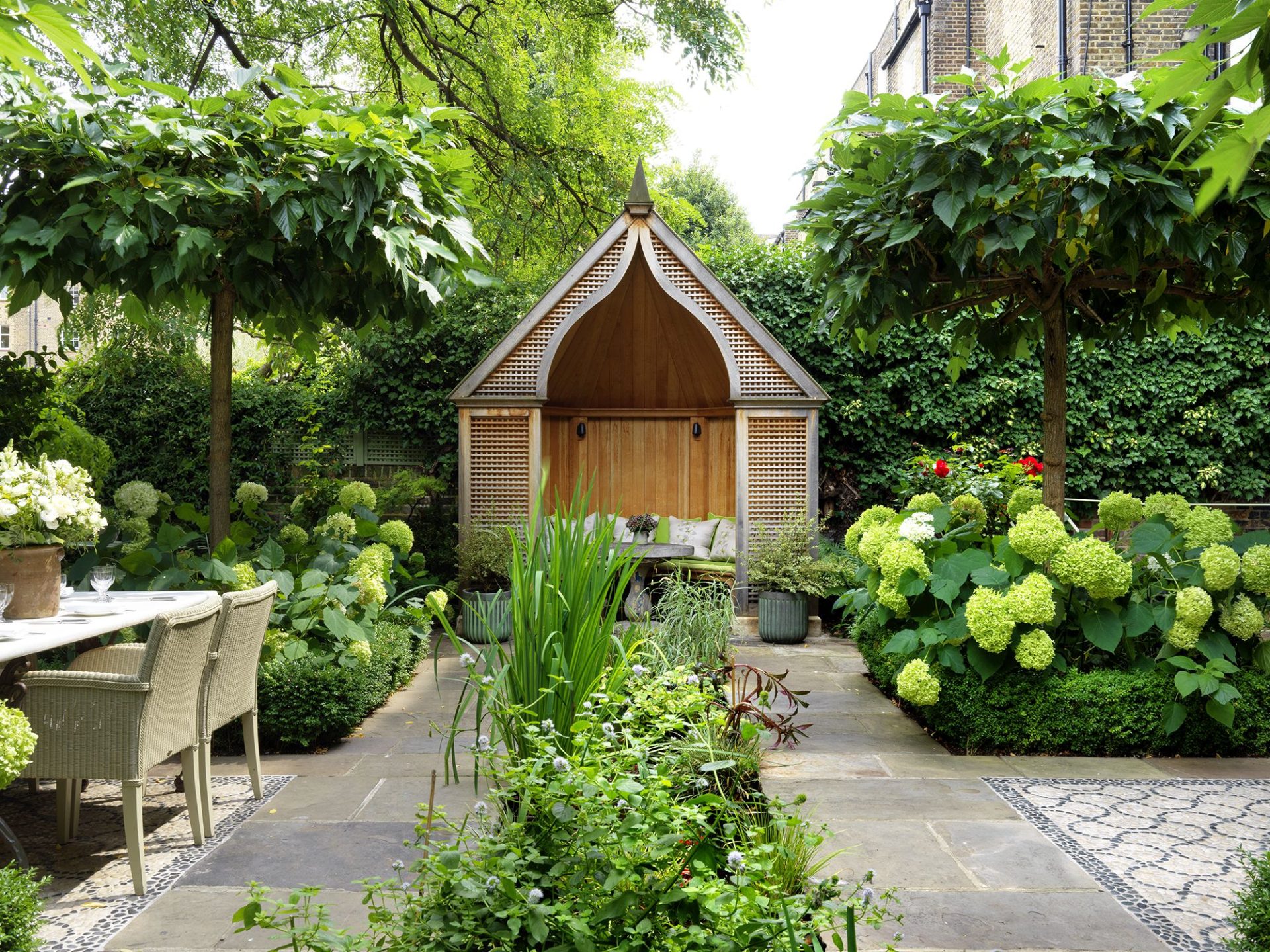 The hotel’s lush private garden serves as a tranquil oasis, offering guests a serene escape from the city’s hustle and bustle. Whether enjoying an alfresco breakfast or a quiet afternoon tea, the garden provides a picturesque backdrop for relaxation.
What sets Number Sixteen apart is its commitment to personalised service. Under Francesca’s leadership, the team takes a proactive approach to guest experience, ensuring that every stay is memorable. The hotel’s intimate size allows for a more tailored and thoughtful approach to hospitality, where guests are treated like cherished friends rather than visitors.
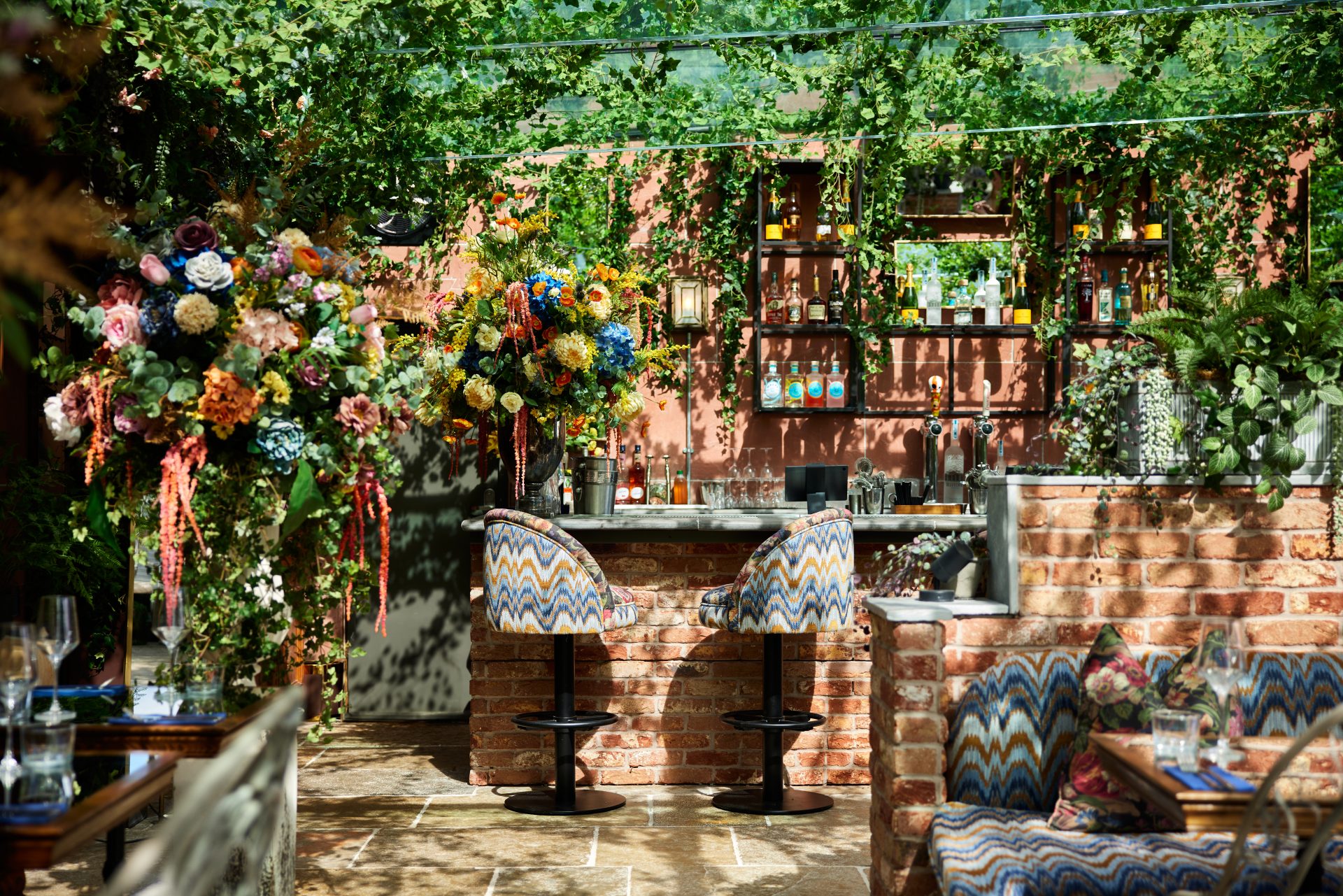
The honesty bar (a feature boasted at all Firmdale properties) in the hotel’s Orangery, a cosy and inviting space, embodies this ethos of trust and comfort, allowing guests to help themselves to refreshments as they would in their own home. The hotel’s Afternoon Tea service is another highlight, offering a delectable selection of handmade treats in an exquisitely designed setting.
Situated in the heart of South Kensington, Number Sixteen is perfectly positioned for both leisure and business travellers. The hotel is within walking distance of some of London’s most iconic attractions, including the V&A Museum, the Natural History Museum, and Hyde Park. The nearby underground station provides easy access to the rest of the city, making it a prime location for those looking to explore London in style.
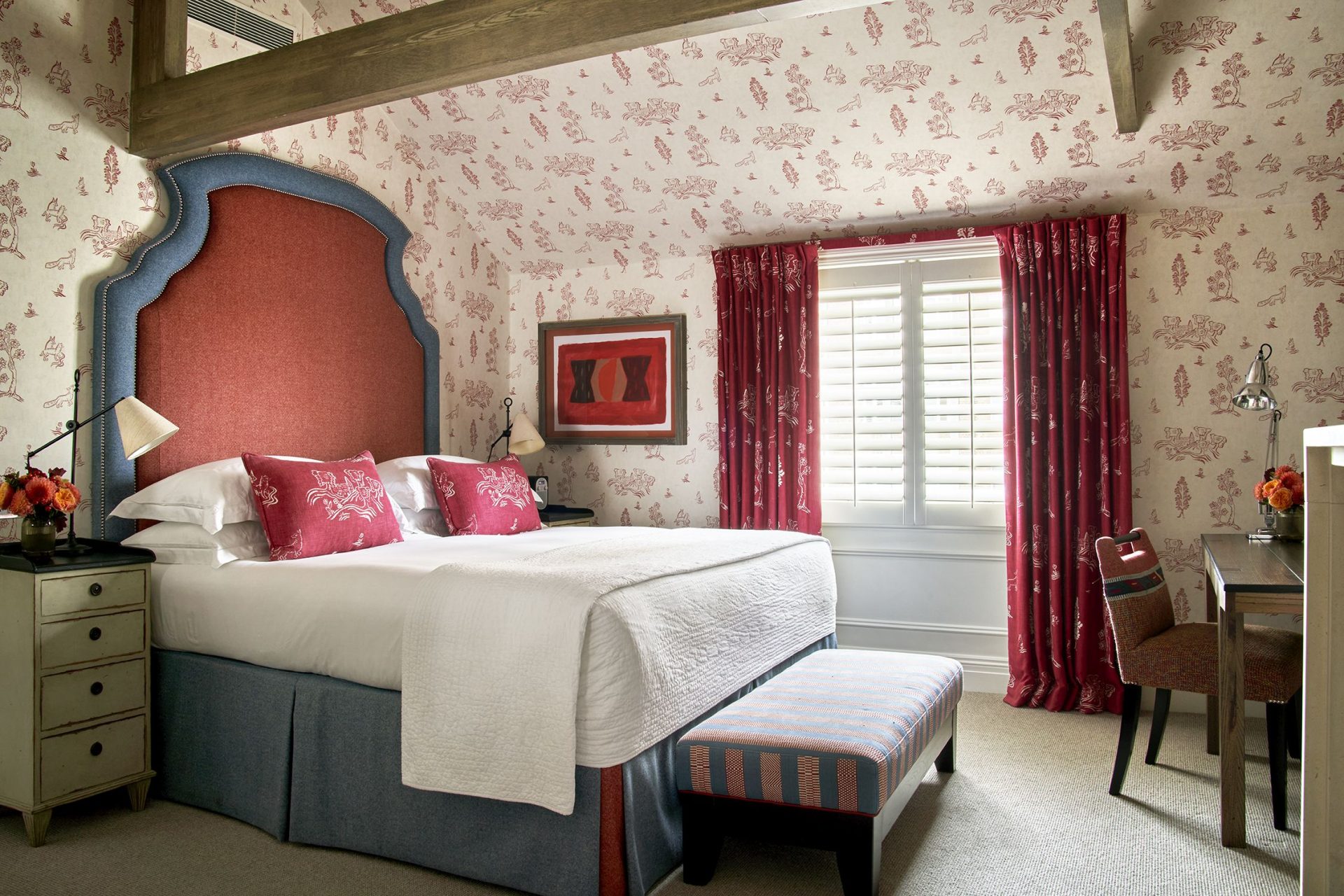 Firmdale’s Number Sixteen Hotel continues to set the bar for boutique hospitality in London. With Francesca Allison at the helm, the hotel flourishes as an inviting, stylish, and refined retreat that guests return to time and time again. This well-deserved recognition as Hotel of the Month cements its status as one of London’s most sought-after stays, where elegance meets exceptional service in a truly unique setting.
Four-Legged Guests
We open up the business case for pet-friendly hotels, examining how allowing pets can drive revenue, increase bookings, and build guest loyalty.
The hospitality industry is evolving, and one of the fastest-growing trends is pet-friendly accommodations. More travellers than ever are bringing their furry companions along for the journey, creating a lucrative opportunity for hoteliers. By welcoming pets, you can drive revenue, increase bookings, and build long-term guest loyalty at your hotel.
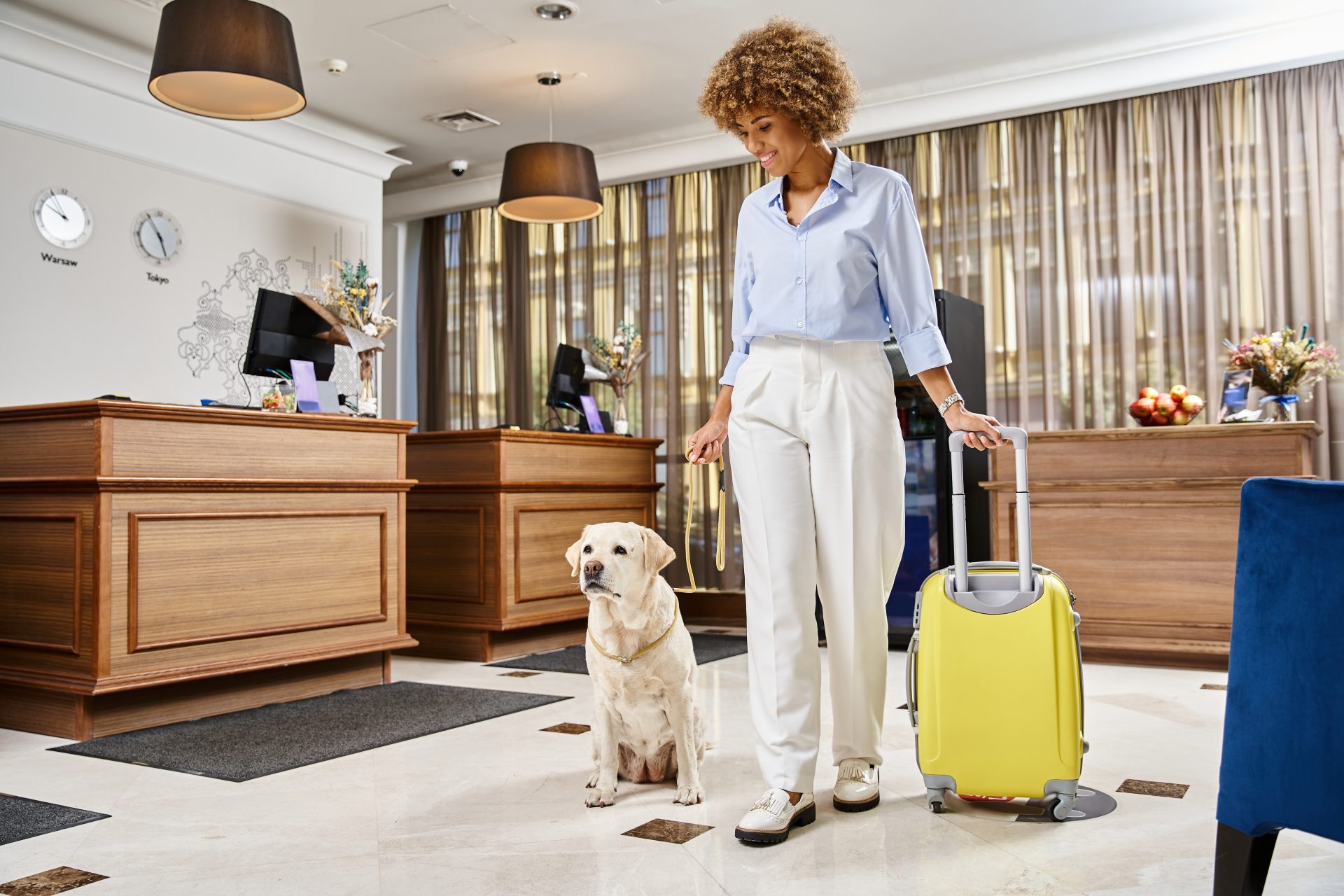 Allowing pets isn’t just a nice perk for guests—it’s a strategic move. Pet fees, deposits, and add-on services such as pet-sitting, grooming, and specialty pet menus provide additional revenue streams. Hotels that embrace pet-friendly policies can also tap into a niche market, differentiating themselves from competitors and attracting travellers who would otherwise opt for alternative lodging options, such as vacation rentals.
Also, with an increasing number of pet owners prioritising accommodations that allow their animals, hotels that adopt pet-friendly policies can experience higher occupancy rates. Families and solo travellers alike seek properties where their pets are welcome, often staying longer and booking higher-tier rooms. In fact, a survey by the American Pet Products Association found that 37% of pet owners travel with their pets, demonstrating a significant demand for pet-inclusive stays.
A pet-friendly approach fosters deeper guest relationships. Guests who find a hotel that accommodates their pets are more likely to return and recommend the property to others. Additionally, word-of-mouth and online reviews from pet owners can enhance a hotel’s reputation, driving further business. A warm welcome for pets often translates to a more memorable and enjoyable stay for the human guests as well.
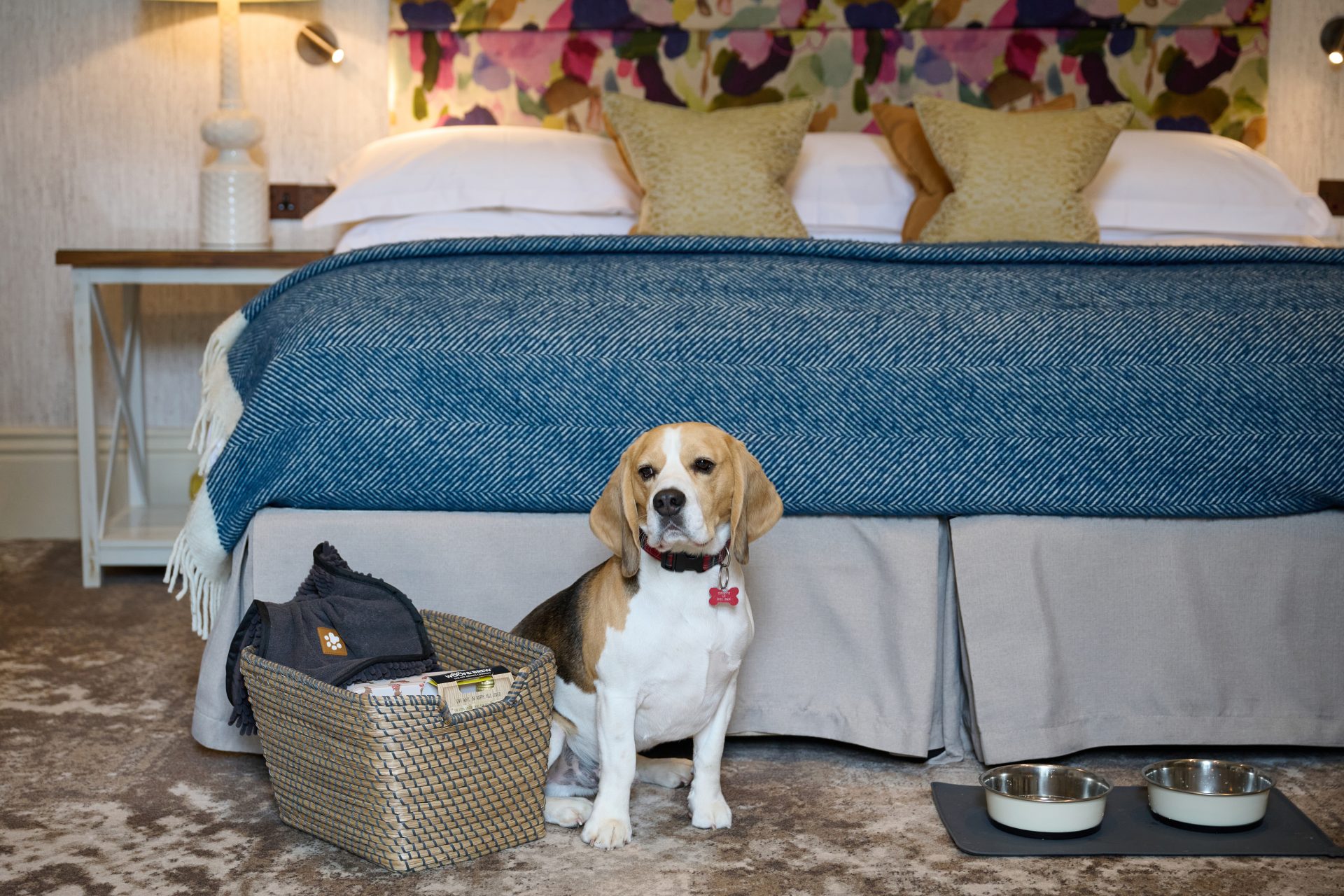
To successfully integrate a pet-friendly policy, you must establish clear guidelines, designate pet-friendly rooms, and offer amenities such as pet beds, bowls, and welcome treats. Partnering with local pet services, like dog-walking companies or veterinarians, can further enhance the guest experience.
Natalia Rakowska, Head of Marketing at room2, explained that the brand has noticed an increased demand for pet-friendly stays, which has increased year-on-year. Natalia said, “Since we opened our newest property in Belfast, a new market for us, room2 Belfast has become the number one choice for many guests who are travelling with their pets as this is still a relatively new concept in the local market.”
As part of room2’s new and improved loyalty programme, The Hometel Club, members have the option to bring along their pets to stay for free as one of the perks which Natalia explained has received positive feedback from pet owners. “Since the launch of The Hometel Club, we have seen a higher percentage of returning guests as well as an increase in five-star reviews mentioning the pet-friendly aspect of our properties,” she added.
Pet-friendly hotels are no longer a luxury but an expectation for many travellers. As more people consider pets as part of the family, they seek accommodations that welcome their furry companions.
Natalia also believes that this is something that will become a “standard expectation”. room2 hotels pride themselves on being open, accessible and welcoming to all, including four-legged friends.
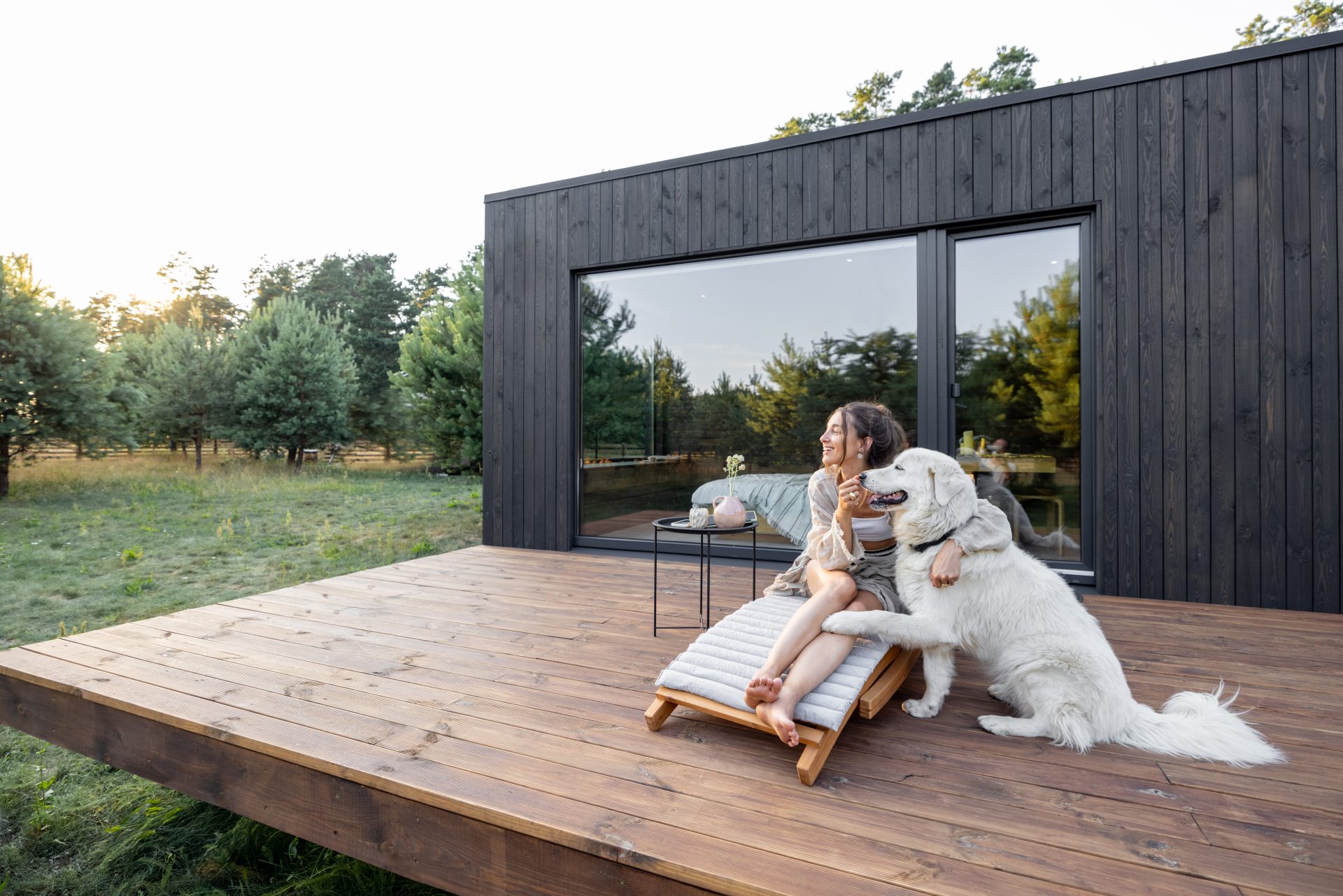 As a result of the growing demand for pet-friendly amenities, room2 introduced pet welcome registration cards, which Natalia revealed is always “appreciated by pet owners and helps to provide a warm welcome to all.” Alongside this, room2 wanted to offer guests essential pet travel products, such as treats, toys and poop bags, which led the brand to partner with fellow B Corp brand, Beco Pets. “The rise of people travelling with their pets also influenced our loyalty program offering, leading us to offer pet-free stays for our members,” added Natalia.
Kimpton BEM Budapest is another example of a venue embracing the demand for travelling with a furry companion. The hotel offers a pet-friendly policy, extending a warm welcome to all animals that comfortably fit in the elevators. At Kimpton BEM Budapest, pets receive pet-bed loaners, food, water bowls and mats and a concierge list of nearby pet-friendly destinations.
Seaham Hall, County Durham’s prestigious five-star coastal hotel, warmly welcomes dog owners seeking an unforgettable experience for themselves and their furry companions. As recent statistics reveal, 34% of households now proudly home a pet dog and an impressive 50% of owners are making plans to travel with their beloved companions. The team behind Seaham Hall therefore understand the importance of providing exceptional pet-friendly accommodation to suit this rising demand, and therefore have a range of allocated dog-friendly suites on site for visitors to enjoy. In addition, recent surveys have also shown that 85% of travellers express a preference for staycations where they can bring their pets along, highlighting the significance of creating memorable experiences closer to home.
Seaham Hall are invite guests (and their canine companions) to indulge in the serenity of County Durham's coastline, exploring picturesque coastal paths, sprawling beaches, and endless countryside vistas. Seaham Hall has carefully appointed a selection of its 21 rooms and suites to accommodate well-mannered four-legged friends.
With more than 42% of travellers with pets expressing a desire for destinations offering ample hiking opportunities, and an impressive 15% emphasising the importance of dog-friendliness on beach vacations, Seaham Hall offer a ‘paw-fect pooch stay’.
As the demand for pet accommodations continues to grow, hotels that embrace this trend will gain a competitive edge. By catering to four-legged guests, properties can boost revenue, increase bookings, and secure lasting guest loyalty—proving that pet-friendly policies aren’t just about hospitality, but also smart business.
Maximising Space
With help from industry experts, we deep dive into event spaces, as we share details on how you can optimise underutilised areas for profitable events that stand out from the crowd.
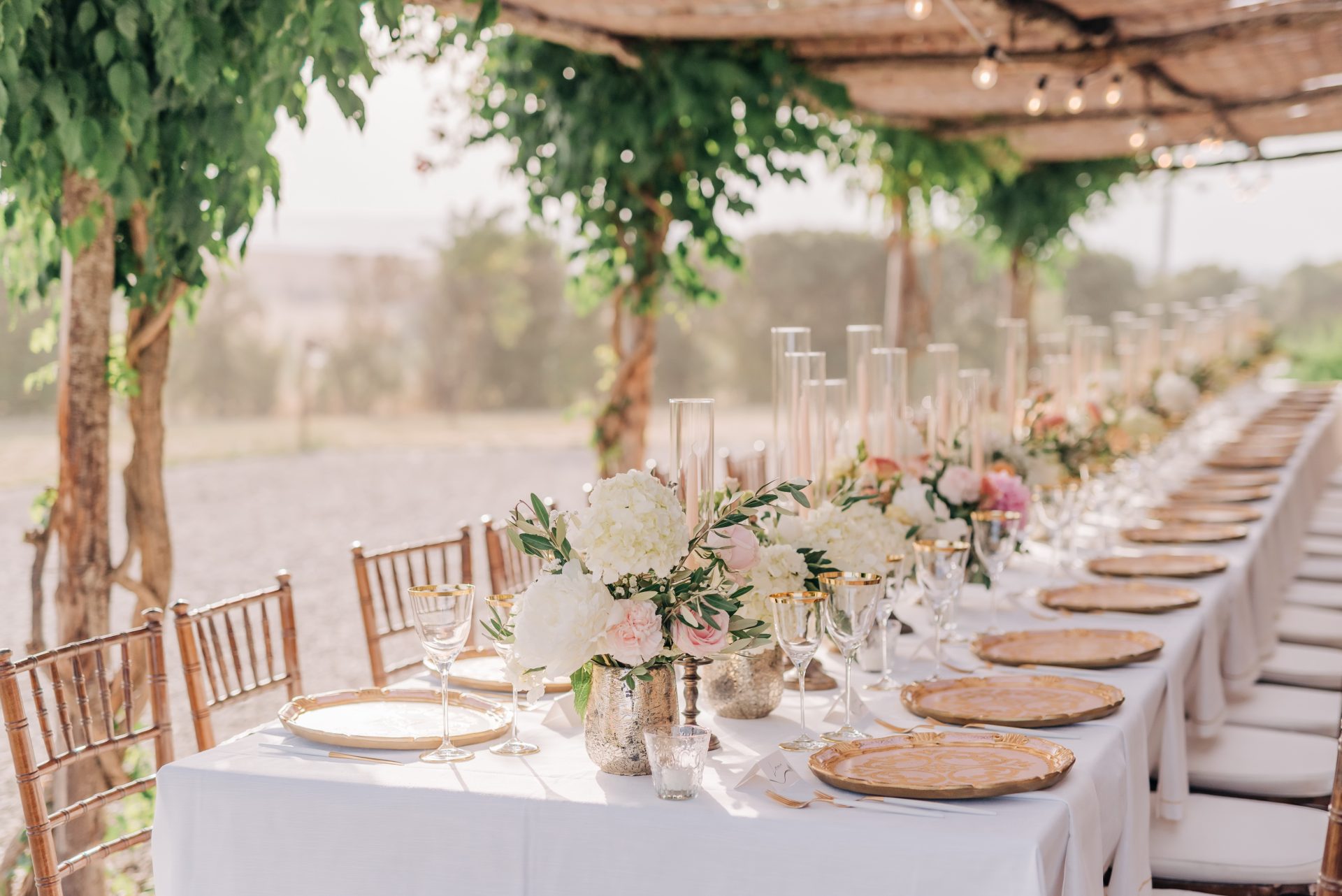 In today’s competitive hospitality landscape, hotels must find innovative ways to maximise revenue and guest experience. One powerful, yet, often, overlooked, opportunity lies in repurposing underutilised spaces—rooftops, courtyards, lobbies, and even parking areas—into unique event venues.
From immersive pop-up dining experiences to corporate networking hubs and boutique wellness retreats, this article explores creative strategies to transform these hidden gems into thriving, profit-generating event spaces that leave a lasting impression.
Exploring how can hotels assess the potential of non-traditional spaces, including rooftops, courtyards and lobbies for events, Ryan Todd, Director of Sales and Marketing at The Elser, explained that in order to determine the viability of a space, the team at The Elser evaluates guest flow and accessibility – ensuring seamless movement for attendees, aesthetic and experiential appeal – Leveraging Miami’s skyline and water views, infrastructure and logistics – checking for power sources, lighting, and seating capabilities, and, finally, revenue potential – analysing demand trends and competitive positioning.
Ryan added, “Our Multi-Level Fitness Complex and Yoga Studio are prime examples of how spaces can be activated beyond traditional use—offering curated wellness programming for corporate retreats and social groups.”

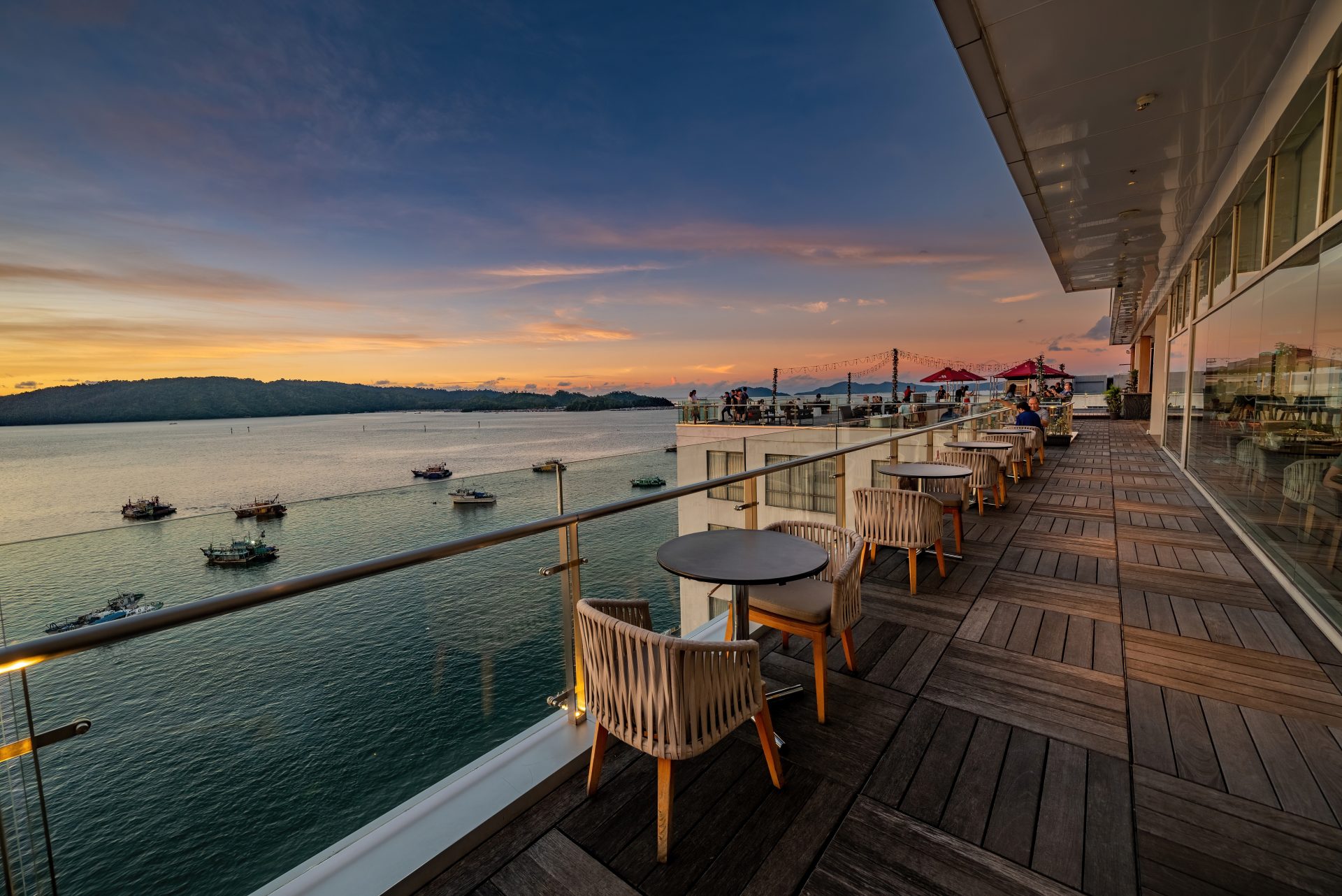
Looking into the most commonly underutilised spaces, Angie Cabral, Complex Director of Sales at The Gates Hotel South Beach and The Gabriel South Beach, explained that rooftops, pool decks, and courtyards are often overlooked but “have the potential to become high-demand event spaces with the right approach.”
Angie continued, “At The Gabriel South Beach, our rooftop, with its breath-taking ocean views, serves as an ideal setting for private dinners, cocktail receptions and brand activations. Simple upgrades like flexible seating arrangements, thoughtful lighting and curated food and beverage options can transform these spaces into sought-after venues.”
Before making any rash decisions, it’s important to assess the potential of non-traditional spaces for events, and Angie believes the key is to start by assessing the logistics - considering accessibility, layout and how the space integrates with the guest experience. “Testing the waters with pop-up activations or intimate gatherings is a great way to evaluate functionality and guest appeal,” said Angie. At The Gates Hotel South Beach, the team have successfully transformed their courtyard into a versatile event venue by incorporating movable partitions and greenery, creating an inviting and adaptable atmosphere for various events.
 Angie agrees with Ryan in terms of essential factors to consider when repurposing underused areas for events and said, “Functionality and guest flow are paramount, ensuring the event setup doesn’t interfere with regular hotel operations is critical.”
Angie also sees that comfort and logistics are “critical”. Guests should feel as though the space was purpose-built for the event, not simply adapted as an afterthought.
“Key considerations include climate control, AV capabilities and well-planned seating arrangements. Adding luxurious touches, such as creative lighting, signature welcome cocktails or interactive features, can elevate the guest experience and make the event truly memorable,” Angie finished.
At Wyndham Hotels & Resorts, the team understands that creating versatile, sustainable, and adaptable spaces is key to staying ahead in the ever-evolving world of events. With an extensive global portfolio catering to both business and leisure travel, Wyndham’s approach is designed to not only meet the needs of travellers and event planners, but to exceed their expectations.
Jackie Brown, Regional Director North & West Europe, Wyndham Hotels & Resorts, noted that hotel’s F&B outlets are often underutilised, but recognises how they present a “significant opportunity” for additional revenue-generating meeting and event spaces—especially when it comes to attracting locals.
Jackie said, “Embracing local cuisine and offering regionally inspired menus is one of the simplest ways to attract local customers. Using producers, farmers and distilleries from the region not only supports the economy of the community but also gives the restaurant a unique offering that draws in both hotel guests and locals looking for authentic dining experiences and unique meeting and event spaces in the area.”
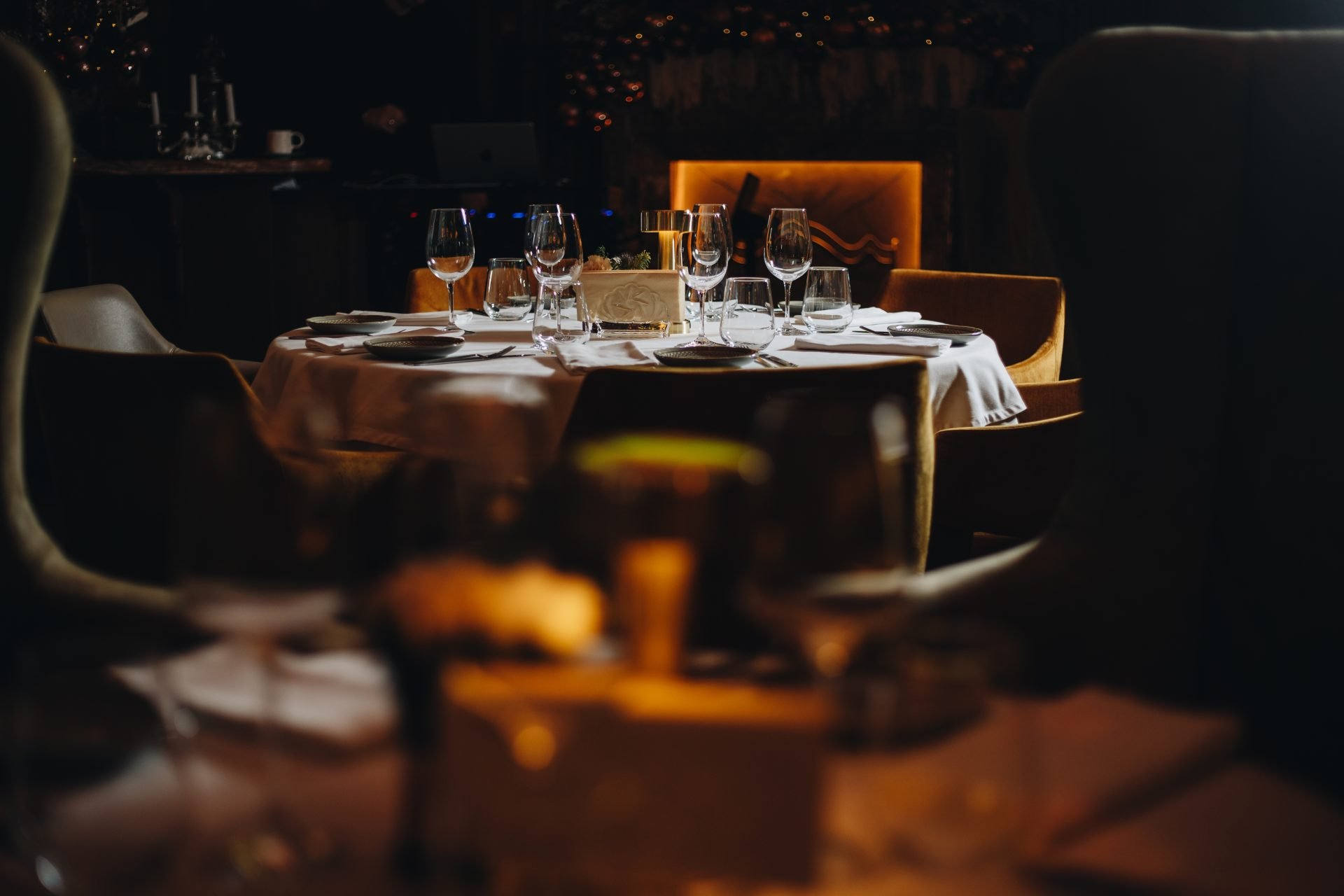
Ramada by Wyndham Tbilisi Old City offers three on-site restaurants, one of which is The Fragment Dining Club, the first dining club in Georgia, serving traditional cuisine, wine and local draft beers. Home to beautiful interiors and cosy atmosphere, the restaurant hosts live music events and chic dinner parties from Thursday-Sunday every week.
There tends to be a focus on more traditional meeting and event spaces in hotels to host groups and to mark celebrations, but there is often a missed opportunity in F&B outlets as these can easily become a hub for destination community events such as wine tastings, cooking classes or live music nights. “While creating a buzz around the brand, optimising onsite F&B options will attract more footfall to hotel restaurants and generate additional revenue through offering more exciting and interactive spaces,” added Jackie.
Setting Wyndham Hotels & Resorts apart is the brand’s ability to blend innovation with tradition, creating event spaces that not only meet the needs of event planners but also provide a memorable experience for attendees. Their portfolio includes a variety of brands, from luxurious to mid-scale, each offering unique characteristics that appeal to different event types. “Whether it’s an intimate gathering or a large corporate conference, we have the right space for any occasion,” said Jackie.
Wyndham’s Grand Palladium Select Palace Ibiza hotel is the perfect location to demonstrate this innovation, with the hotel boasting 695 square metres of event space including an amphitheatre, ballroom and a range of meeting rooms. The perfect location for both large-scale or intimate weddings, conferences and shows.
As the events industry continues to evolve, there are several trends driving demand. Hybrid and remote events have become a central aspect of the modern event landscape. As a result, Wyndham have ensured that their event spaces are equipped with state-of-the-art technology to support both in-person and virtual participants. Jackie said, “Our Vienna House properties, for example, feature high-speed Wi-Fi, integrated projectors, and video conferencing systems to make hybrid events as interactive and seamless as possible.”
Additionally, wellness-focused events are on the rise, and Wyndham are responding by offering spaces that cater to these needs. Whether it’s a corporate wellness retreat or a yoga seminar, they have flexible areas that can accommodate a range of events focused on health and wellbeing. Wyndham’s properties’ wellness offerings – including dedicated fitness areas, outdoor spaces, and even organic F&B menus – help to elevate these experiences.
The Wyndham Grand Algarve has tailored some of its outdoor areas and wellness facilities to accommodate these wellness trends, with spaces perfect for yoga retreats and other health-oriented events. Jackie said, “This ability to adapt to emerging trends ensures that the hotel remains an attractive destination for both business and leisure event planners.”
Kent’s Cave Hotel & Golf Resort offers a luxurious retreat, often visited by high-profile guests and is a great example of adapting spaces in line with boosting revenue. The hotel’s lobby was initially used for guest check-ins and as a waiting area, but the team noticed there was an opportunity to further enhance the guest experience and increase secondary revenue streams.
The introduction of self-service iPads proved to be a great solution to this, allowing guests to easily access information and order a variety of beverages and snacks without needing to interact with staff directly. Sarah Newman, Director of Operations at the Cave, said “This approach was met with huge success as it enhanced the guest experience by providing an additional layer of service and convenience while simultaneously boosting the hotel’s secondary revenue streams. ”Further to this, the Cave’s deck area has been transformed into a multi-faceted space that caters to various guest needs and elevates the overall experience. This transformation not only enhances the ambiance but also drives both customer satisfaction and additional revenue streams. The introduction of beer towers was a key move to create a unique and lively atmosphere in the deck area. Sarah explained through partnering with reputable lager suppliers, the Cave is able to offer premium drinks served through large, visually striking beer towers. “These towers aren’t just functional - they create a theatrical experience for guests, sparking interest and conversation. This adds a sense of excitement and novelty that keeps guests engaged and encourages them to stay longer,” added Sarah.
Looking into specific events that are currently in high demand, and how the Cave is tailoring their spaces to capitalise on these trends, Sarah explained that one of the most notable changes she has notices is the growing preference for intimate and personalised experiences. In line with this, for weddings, the Cave has introduced a Penthouse Package designed for up to 12 guests, allowing couples to host an exclusive and intimate celebration with a luxurious touch.
“Another rising trend we’ve observed is the increasing demand for Insta-worthy proposal settings,” added Sarah. As social media continues to play a key role in major life moments, couples want their proposal to be not only special but also shareable. In line with this, the Cave has created stunning Pergola spaces overlooking the golf course and an equally striking modern penthouse for proposals that blend natural beauty and contemporary design.Weddings themselves are evolving as well. Sarah recognises how, today, many couples are seeking experiences that feel less like a traditional ceremony and more like a vibrant celebration or party. “To cater to this shift, we’ve crafted a unique outdoor dance floor space at the Cave, designed to create an atmosphere of excitement and joy, with ample room for guests to dance and mingle,” Sarah finished.
As the hospitality industry continues to evolve, hotels must embrace creativity and adaptability to maximise their revenue potential. Repurposing underutilised spaces into dynamic event venues offers an opportunity to not only increase profitability but also enhance guest experiences in meaningful ways. From rooftops and courtyards to lobbies and F&B outlets, forward-thinking hoteliers are reimagining their properties to meet growing demand for unique, immersive, and versatile event spaces.
Industry leaders, including The Elser, The Gates Hotel South Beach, Wyndham Hotels & Resorts, and Kent’s Cave Hotel & Golf Resort, showcase the power of innovation in transforming traditional spaces into thriving hubs for social gatherings, corporate events, and wellness retreats. Their success underscores the importance of strategic planning—focusing on functionality, guest flow, and experiential appeal—to create spaces that feel intentionally designed rather than repurposed as an afterthought.
As trends continue to shift toward wellness-focused retreats, intimate celebrations, and hybrid events, hotels that remain agile and responsive will stay ahead in an increasingly competitive landscape. By leveraging local culture, enhancing technological capabilities, and prioritising guest-centric design, hoteliers can unlock new revenue streams while delivering unforgettable experiences. Ultimately, the key to success lies in viewing every space—no matter how unconventional—as an opportunity to inspire, engage, and elevate the modern hospitality experience.
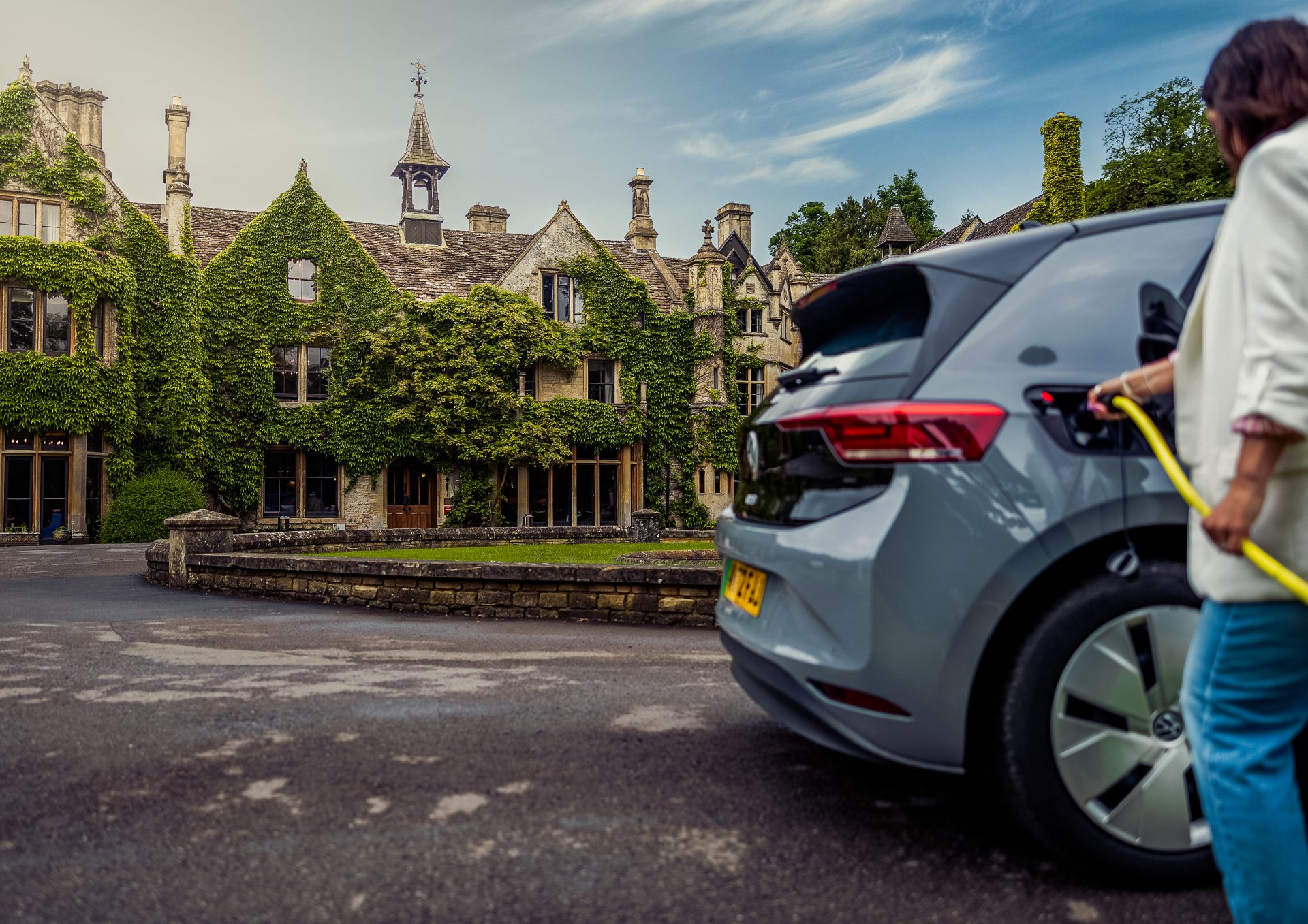
Charging Up Profits
With experts on hand, we look into how EV stations can drive revenue for hotels.
As electric vehicles (EVs) become more mainstream, travellers are seeking accommodations that cater to their charging needs. Forward-thinking hotels are capitalising on this shift by installing EV charging stations—not just as an amenity but as a strategic investment. In this article, we explore how offering EV charging can attract eco-conscious guests, enhance brand reputation, and open new revenue streams, ultimately driving higher occupancy rates and increased profits.
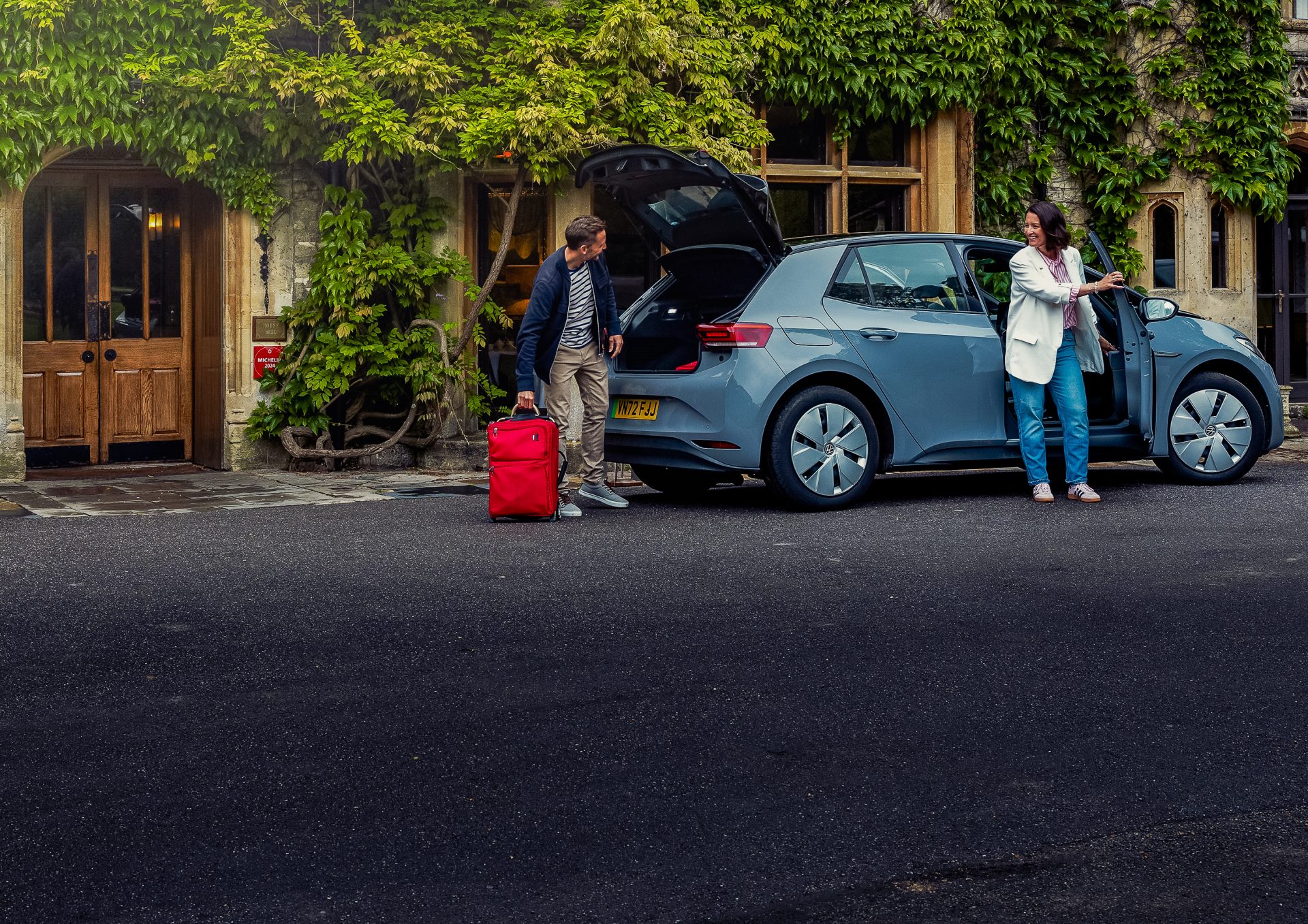 The team at RAW Charging have witnessed a real increase in demand for EV charging stations at hotels - especially in the last 24 months. This is of course being driven by the rising number of EVs on UK roads. With over 1.3 million EVs on the road in 2024 and 55% of all vehicles projected to be fully electric by 2030, there is no choice for hotels but to provide charging for their guests.
Jason Simpson, CEO of RAW Charging, also believes that guests are also driving this shift, with 48% of EV drivers now refusing to book a hotel without on-site charging, and poor charging experiences are a growing source of negative reviews.
Despite this, only 8% of the UK’s 37,000 public charge points are currently located at hotels. This mismatch between EV adoption and hospitality infrastructure creates a significant opportunity - and risk - for hotels.
In 2025 we know hoteliers are seeking to unlock more ancillary revenue streams. EV charging not only offers a way for venues to secure additional revenue, it also provides a reason for customers to select that specific venue and enjoy a better experience. For example, estimates suggest losing an EV-driving guest can cost hotels £58–£142 per night in potential RevPAR.
 Jason said, “When selecting an EV charging partner, it’s key that venues consider how they work together to unlock this value. With RAW Charging there is no charge for installation, a payable ground rent and RAW absorb all costs for maintaining charge points.”
What factors should hotels consider when selecting an EV charging provider?
Jason Simpson, CEO at RAW Charging believes that hotels should prioritise quality, reliability, and guest experience. Key factors include:
- High uptime and maintenance: Look for providers with 99%+ uptime guarantees and predictive maintenance systems.
- Ease of use: Chargers must support contactless payment and interoperability with major networks, like ChargePoint, without requiring app downloads or RFID cards.
- No-cost installation and operation: Providers like RAW offer fully funded solutions, covering installation, energy, and maintenance at zero cost to the hotel.
- Regulatory compliance: New UK regulations mandate uptime, contactless payment, transparent pricing and a 24/7 helpline for chargers over 8kW.
- Guest experience alignment: EV charging should be an extension of the hotel brand, not a bolt-on. The best providers offer design solutions that complement the venue's look and service ethos.
By 2030 and beyond, EV charging will move from amenity to necessity. Customers will expect EV charging to be provided as a standard requirement, not a premium perk, and hotels will play a key role in the UK’s broader EV infrastructure.
“We envisage EV charging to become more integrated into the booking process as well, with smart integrations connecting charging sessions to room bookings, loyalty programmes and dynamic pricing tools,” said Jason.
At Go Zero, Andy Gray, CRO & Divisional Director of go Zero, revealed that they are having more and more conversations with both independent hoteliers and hotel groups about the rising demand for EV charging. As the number of EVs on the road has grown, so too has the experience and driver confidence. More people now travel without range anxiety, knowing they can reach their destination without needing to stop at expensive DC charges located at motorway services.
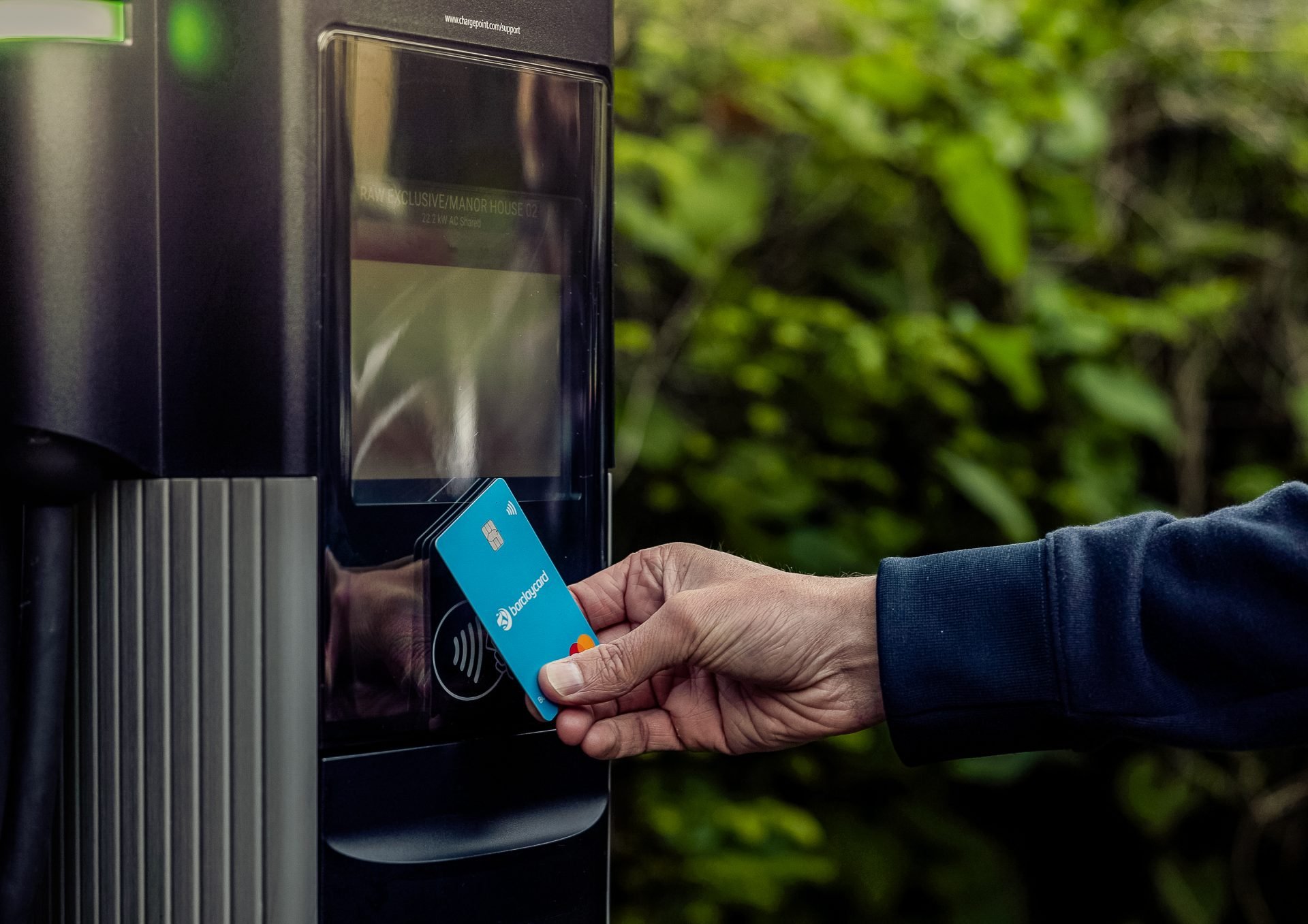 Andy explained that this has led to a big shift in how guests choose hotels, he said, “Many now use EV charging as a filter on booking platforms, and in some areas, this can eliminate up to 90% of hotels from their search results. If a hotel does not offer charging, it simply won’t appear as an option. As EV adoption continues to grow, hotels that do not provide charging risk missing out on an increasing number of bookings.”
In terms of how hotels can monetise EV charging stations beyond just charging fees - having destination chargers means that many guests no longer need to stop on route to charge. Instead, they arrive earlier, feeling less stressed, and check in sooner. Andy also recognised that for the hotel, this can lead to increased revenue per guest (RevPAG) as guests spend more on-site - whether that’s in the restaurant, bar, or spa. “If they had to stop to charge at a motorway service station, that extra spend would go elsewhere.
“Hotels can also build EV charging into premium packages, corporate deals, or loyalty programs, adding further value beyond just the charging fee,” added Andy.
Looking into how the role of EV charging in hotels will evolve over the next 5-10 years, battery technology is continually improving, and there are already EV’s hitting the market that can drive over 400 miles between charges. For hotels this means that they can capitalise on these technology improvements by providing destination charging that further negates the need for drivers to stop on route to their chosen hotel.
“As drivers become more experienced with this type of technology, their choice of destination becomes even more important, and booking choices will be directly impacted by the availability of EV charging where they are staying,” Andy said.
Hotels that invest in EV charging infrastructure today are positioning themselves for long-term success. As the number of electric vehicles continues to rise, charging facilities will shift from being a competitive advantage to an essential offering. Hotels that fail to adapt risk losing bookings, while those that embrace this change can attract eco-conscious guests, enhance their brand, and unlock new revenue streams. By selecting the right EV charging partner and integrating charging seamlessly into the guest experience, hotels can future-proof their business and drive sustained growth in an evolving travel landscape.

Independent Hotel Show announces 2025 theme of Redefining Luxury
The Independent Hotel Show, the business event for luxury and boutique hoteliers, has announced that its 2025 edition, taking place on 6-7 October at Olympia, will explore the theme of Redefining Luxury.
Glenn Wallace, Event Manager for the Independent Hotel Show, explains: “We speak to independent hoteliers every day and it’s clear that changing definitions of luxury remain high up the agenda. The evolving nature of what defines luxury today reflects broader changes in society and consumer expectations and is something that all independent hotels are tackling in their own unique way.
“It's about delivering bespoke, personalised experiences that truly resonate with the individual, rather than a one-size-fits-all approach, and we’re so excited to explore this theme at our 2025 event.”
The theme of Redefining Luxury mirrors both the wide variety of exhibitors featured at the show and the event’s own ethos: creating an inspiring, high-end trade show experience with immersive design, elegant show features and curated content that reflect the refined standards of the modern independent hotelier.
From contemporary elegance and intuitive service to sustainable innovation and heartfelt guest connection, Redefining Luxury captures a diverse range of approaches being embraced across the hospitality industry.
A broad spectrum of interpretation
The theme has already sparked conversation among the industry’s most forward-thinking hoteliers.
Jason Adams, Managing Director at The Headland, reflects: “As we celebrate 125 years of The Headland, we’re proud to be redefining what luxury means for the modern traveller. Our vision of ‘five-star Cornwall, not formal’ honours our rich heritage while embracing contemporary elegance, ensuring every guest experiences something truly timeless. For us, we define luxury by creating unforgettable, tailored experiences for our guests – whether they’re visiting our restaurants or spending time in one of our cottages with loved ones. Our aim has always been to create an atmosphere of relaxed luxury with excellent, approachable but unobtrusive service.”
Stephen Browning, Hotel Director at The Feathers adds: "For us at The Feathers, redefining luxury in 2025 means creating a guest experience that feels both deeply personal and effortlessly relaxed. It’s not about formality, but about meaningful touches, warm, intuitive service, beautifully crafted food, and spaces that invite guests to truly slow down. Luxury today is less about extravagance and more about authenticity, comfort, and connection."
Stuart Procter, Chief Executive Officer at The Beaumont Mayfair, believes the fundamentals of luxury are as relevant as ever, commenting: "In my 25 years of running hotels, luxury hasn't changed; it is about the people offering the clients extraordinary, personalised service. This is the key to luxury."
Mark Heyburn, General Manager – Pre-Opening, Sir Devonshire, adds: “Luxury in 2025 isn’t about marble floors or gold-plated doorknobs (though hey, we’re not mad at those). It’s about connection. It’s walking into a space and instantly feeling like, ‘Yep, this is my spot.’ The vibe’s easy, the welcome’s warm, and the little things – like someone actually remembering your name – make all the difference.”
Reflecting on a changing hotel landscape
This reimagining of luxury extends beyond hoteliers to the designers and industry stakeholders shaping tomorrow’s guest experience.
Marie Soliman, Founder of Bergman Interiors, notes a similar evolution in the design world: “When I think of ‘Redefining Luxury,’ I envision a shift towards authentic experiences that prioritise quality over opulence. Quite subtle luxury, exclusive approach to travellers and curated stays. Luxury interior design for hotels should celebrate tranquillity and connection, also wellness, allowing guests to appreciate the subtleties of their surroundings. It's about creating spaces that resonate with a sense of quiet elegance and innovation, inviting guests into a world of curated comfort.”
Robert Richardson, CEO of the Institute of Hospitality, contextualises the shift within broader industry and economic trends: “In a time of economic challenge, redefining luxury means offering guests meaningful, personalised experiences that go beyond opulence; experiences where comfort, sustainability, community, and authentic service are the new hallmarks of a truly luxurious stay in 2025 and beyond.”
Grace Leo, Founder & CEO of Grace Leo Consultancy, adds: “Luxury is a word that has been democratised so much that it has lost its true meaning. For me luxury in hospitality is the ability to uphold the values that differentiate a standard hotel versus an outstanding one. It is above all the human factor that defines luxury – a receptionist who provides a warm and personal welcome upon arrival, demonstrating attentiveness to guest requests and questions, delivery of service that’s beyond the line of duty executed with sincerity and style.”
Suppliers bringing luxury to life
Exhibitors at the 2025 show are ready to demonstrate how this new vision of luxury is being brought to life across the sector.
Delaine Walker, Vice President of Sales - UK & Ireland at ADA Cosmetics, shares: “Luxury hotel amenities used to focus on the prestige of the brand name. Today, luxury amenities are defined more by the guest experience, personalisation, authenticity, and ethical values. While high quality remains core, ADA Cosmetics transforms this concept by forging thoughtful partnerships between hotels and premium cosmetic brands, enhancing the guest experience from arrival to departure.”
David Baldry, Group Managing Director at Hypnos, adds: “At Hypnos, we believe the ultimate luxury for guests is a truly restorative night’s sleep. Luxury today is about more than just comfort – it’s also about care, craftsmanship, and ethical design. Every Hypnos mattress is made to the same exacting handcrafted standards.
“Through meticulous craftsmanship, thoughtful design, and a deep commitment to sustainability, we create mattresses that elevate the sleep experience and reflect the values of modern, high-end hospitality. That is how we define true luxury.”
Join the conversation around Redefining Luxury at Independent Hotel Show 2025. Visit independenthotelshow.co.uk to learn more about everything taking place as part of this year’s event on 6-7 October at Olympia.
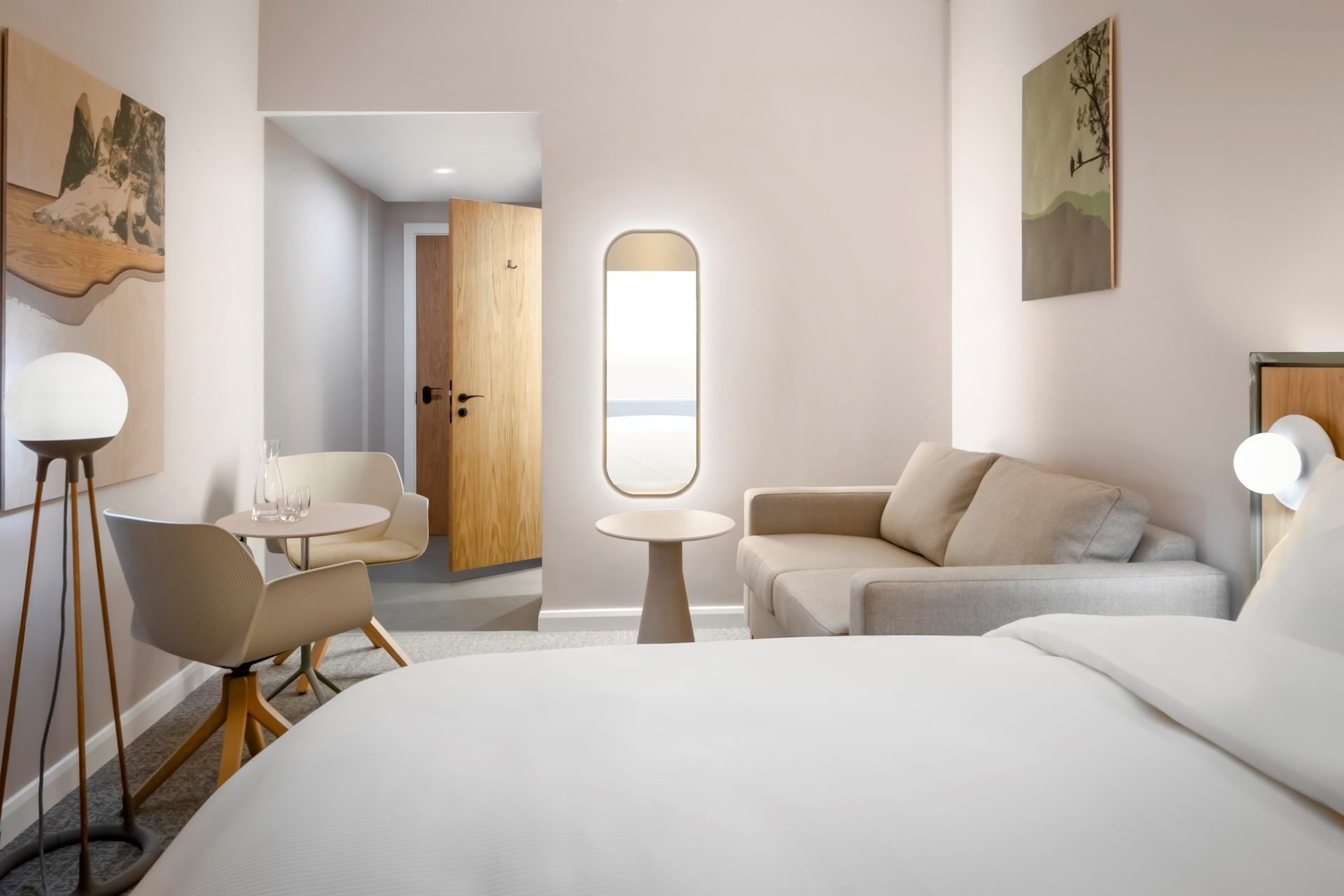
voco Zeal, Exeter Science Park
The newly opened voco Zeal Exeter Science Park, IHG’s first branded net zero carbon hotel marks a groundbreaking moment for sustainable hospitality. Every element has been carefully considered, from how the building was constructed to guest experience, all in line with voco’s commitment to innovation and sustainability and a belief that small steps collectively make a big difference.
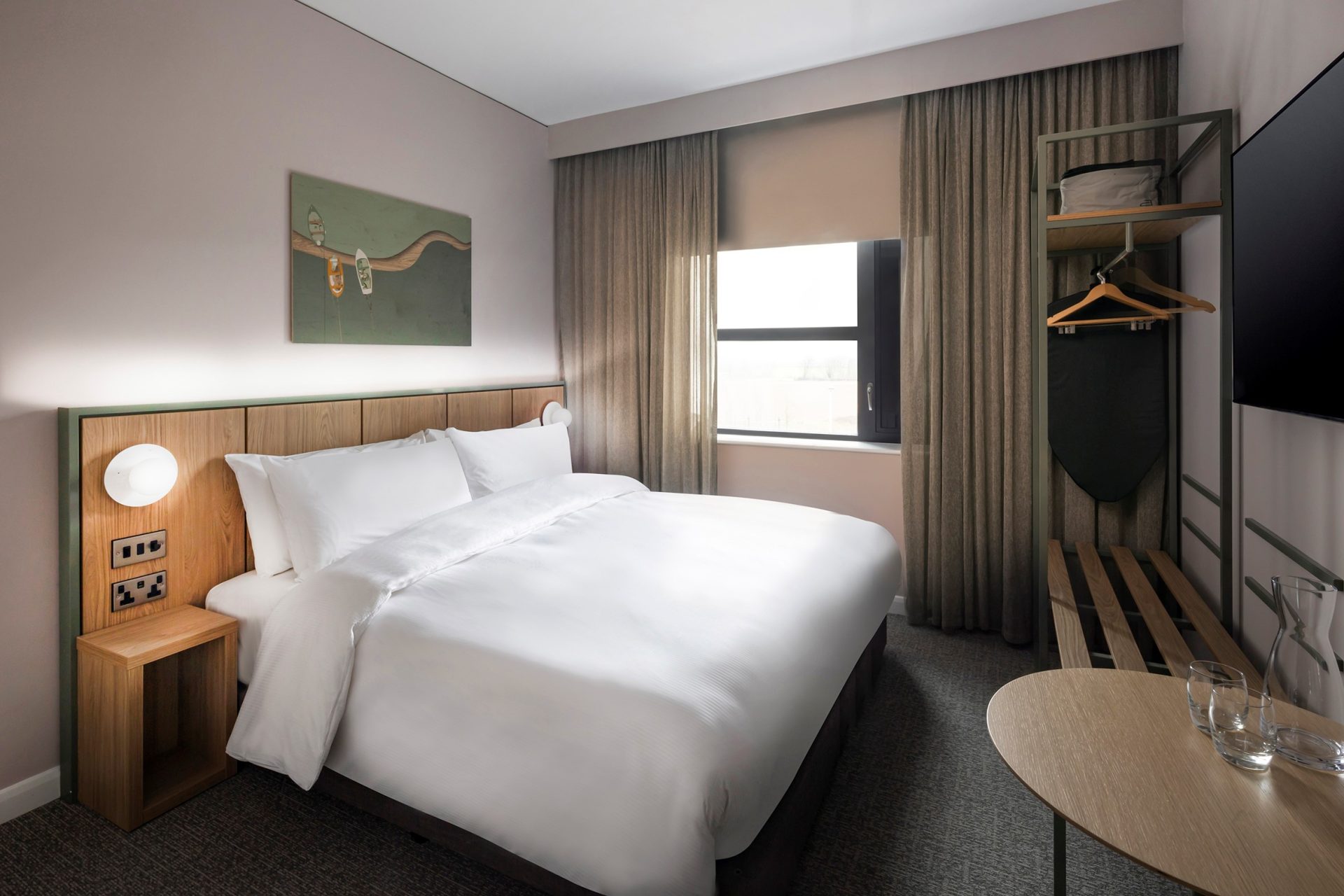

Developed in partnership with Zeal Hotels, IHG Hotels & Resorts, and Valor Hospitality, this 142-room property is the first hotel in the UK to combine net zero carbon design with the comfort and character of IHG’s fast-growing voco brand.
Setting a new benchmark for low-impact hospitality, the hotel is designed in line with Passivhaus low-energy principals, and operates entirely on renewable energy, earning it a BREEAM Outstanding rating. But its commitment to sustainability doesn’t stop at the structure, as it extends right through to the guest rooms.
Hypnos Contract Beds is proud to have supplied their Harmony mattress to this landmark development. Created in collaboration with the Eden Project, the Harmony mattress reflects the hotel’s commitment to sustainability, guest wellbeing and responsible design. Handmade in Britain using responsibly sourced materials, including fibres made from banana, orange and pineapple, Responsible Wool Standard certified wool, and ethically sourced cotton, The Eden Project Harmony mattress combines performance, provenance and comfort in a mattress hoteliers can rely on.
The hotel is designed through the lens of sustainability, from construction materials and energy use to the guest experience. The final result is a destination that helps guests to truly unwind and feel at ease, with the use of neutral tones and contemporary features throughout the guest rooms and public spaces.
Barnaby Kean, General Manager at voco Zeal Exeter Science Park, said:
“Our goal was to create a hotel that champions the future of hospitality. One that prioritises sustainability while delivering exceptional guest experience. We are passionate about offering a sustainable hotel experience without compromising on comfort. The Harmony mattress from Hypnos allows us to do exactly that, as it delivers outstanding sleep quality and supports our environmental values”.
David Baldry, Group Managing Director at Hypnos, added:
“We are honoured to support the vision of this pioneering hotel with our Eden Project Harmony mattress. Our partnership with the Eden Project helps us inspire change, and this product is a tangible way for hoteliers to take positive action for the planet while delivering premium comfort to their guests.
voco Zeal Exeter Science Park sets a bold new benchmark for the industry, as it so clearly demonstrates how guest wellbeing and responsible design can come together. It’s been a pleasure working with a partner that understands the demands of sustainable hospitality. Guests are looking for a responsible and meaningful choice when they travel, and that includes how and where they sleep.”
For more information, visit https://www.hypnoscontractbeds.com/uk/news/case-study-voco-zeal or www.hypnoscontractbeds.com or call 01332 497111
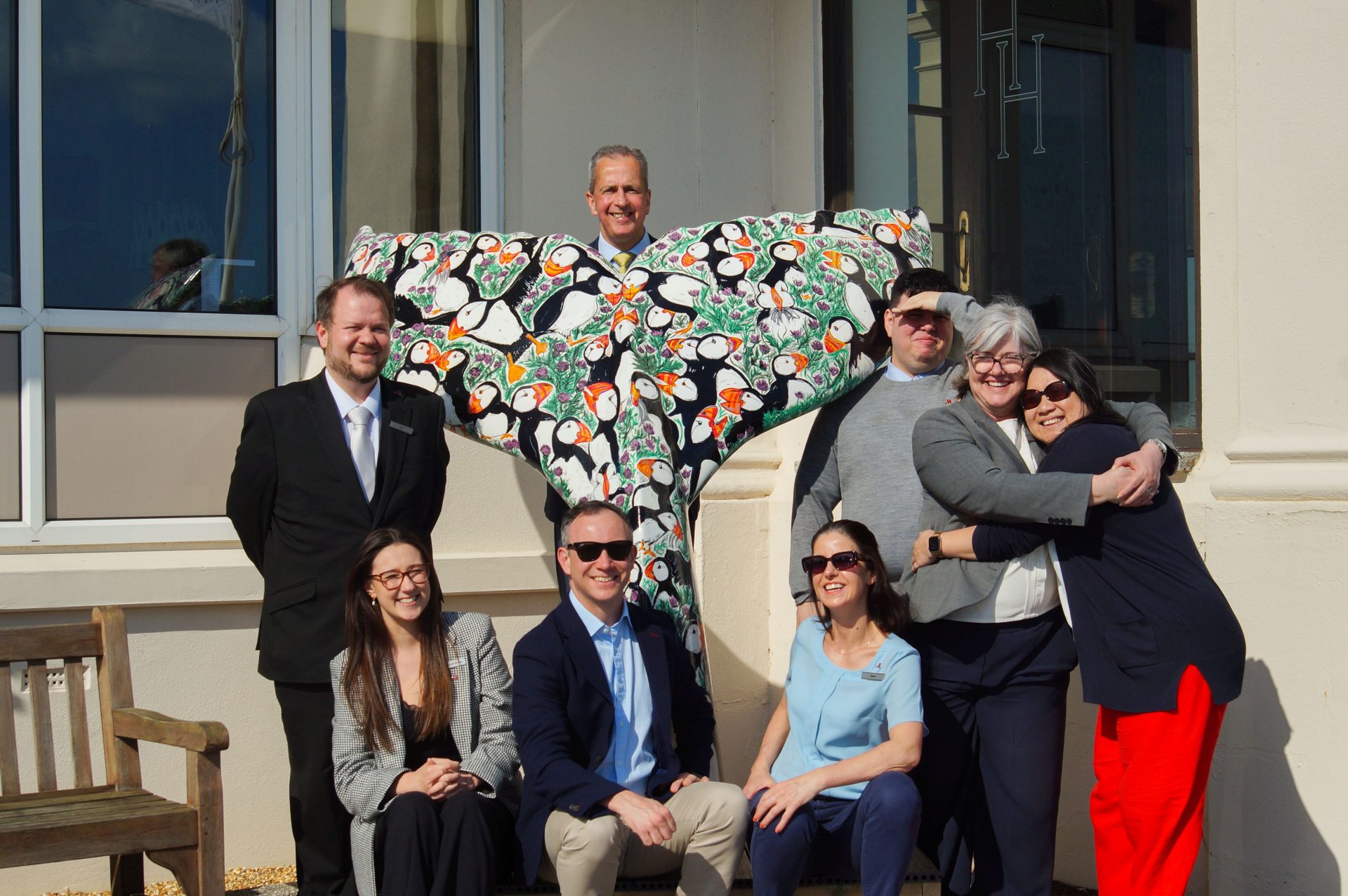
Bournemouth Highcliff Marriott Hotel Showcases Puffin Inspired Sculpture as part of Great Tail Trails Initiative
The iconic seaside hotel invites families to explore an art adventure where art, community and stunning coastal scenery come together in Dorset
Bournemouth Highcliff Marriott Hotel, an iconic British seaside retreat, offers families the chance to dive into the enchanting world of the Great Tail Trails, the UK’s first mermaid tail sculpture trail. This free, family-friendly art adventure features 45 giant mermaid tail sculptures, and 43 smaller "Tiny Tails" scattered across Bournemouth, Christchurch, and Poole, running from 5 April to 1 June 2025
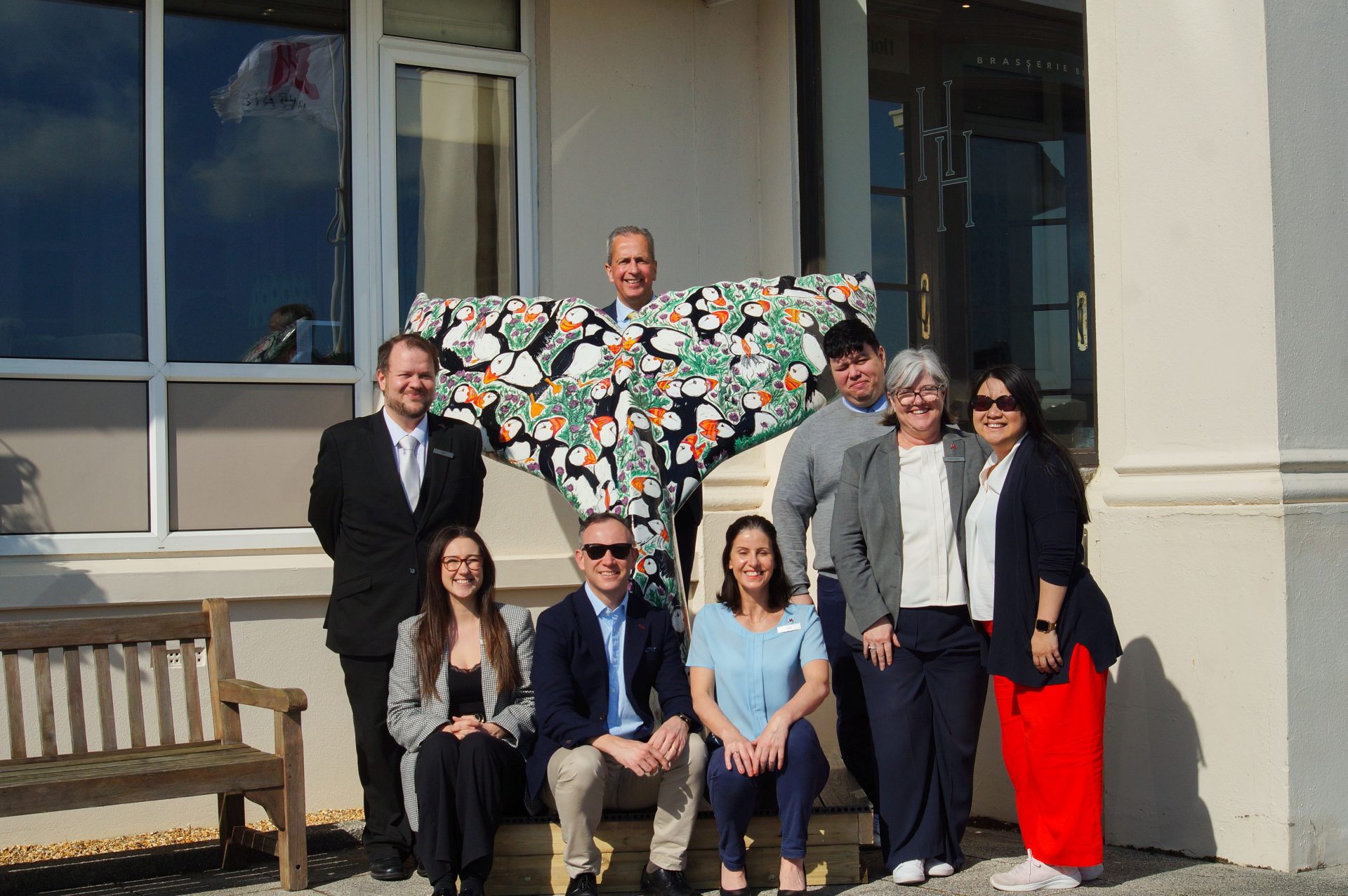
Each tail sculpture is uniquely designed by local and national artists, creating a vibrant and eye-catching display that brings the community together. The trail is organised by Julia’s House, a Dorset-based children’s hospice charity, in partnership with Wild in Art, aiming to raise vital funds to support families of children with life-limiting conditions
Bournemouth Highcliff Marriott Hotel’s Exclusive Mermaid Tail
As part of the trail, the Bournemouth Highcliff Marriott Hotel proudly showcases its very own mermaid tail sculpture. Designed by Sarah Hutchinson-Jarman, a Cotswolds-based author and illustrator known for her vibrant, nature-inspired artwork, this tail features a design focused on puffins, highlighting the drastic decline of Dorset’s Purbeck Puffins.
Trail Highlights:
- Mermaid Tail Sculptures: Discover the stunning mermaid tails at key locations, including parks, beaches, and landmarks throughout Bournemouth, Christchurch, and Poole.
- Interactive Experience: Download the Great Tail Trail app to unlock rewards, track next steps, and explore the sculptures in a fun and engaging way, running until 15th June. Printed maps are also available for a suggested donation of £2 at the hotel and from Julia’s House charity shops.
- The Great Tail Trail Auction: On 20 June 2025, the giant mermaid tail sculptures will be auctioned to raise funds for Julia’s House, allowing guests to bid on their favorite pieces and support a worthy cause.
Michael Regenhardt, General Manager at Bournemouth Highcliff Marriott Hotel, said:
“Being part of the wider local community for the past 150 years, the Bournemouth Highcliff Marriott Hotel is proud to sponsor this initiative, supporting the vital and essential assistance and services provided by the team at Julia’s House.
The Great Tail Trail is a fantastic and fun way to demonstrate our commitment to Julia’s House while being part of a fabulous trail showcasing the best that Bournemouth, Poole, and Christchurch have to offer”.
Perfect for exploration over the May half-term break, The Great Tail Trail offers a unique opportunity for families to enjoy art, nature, and community spirit while supporting a meaningful cause.
For more information, visit Julia’s House Tail Trail. To find out more or book a stay at Bournemouth Highcliff Marriott Hotel, please visit https://www.marriott.com/en-gb/hotels/bohbm-bournemouth-highcliff-marriott-hotel/overview/ . Room rates start at £84, based on two adults sharing.
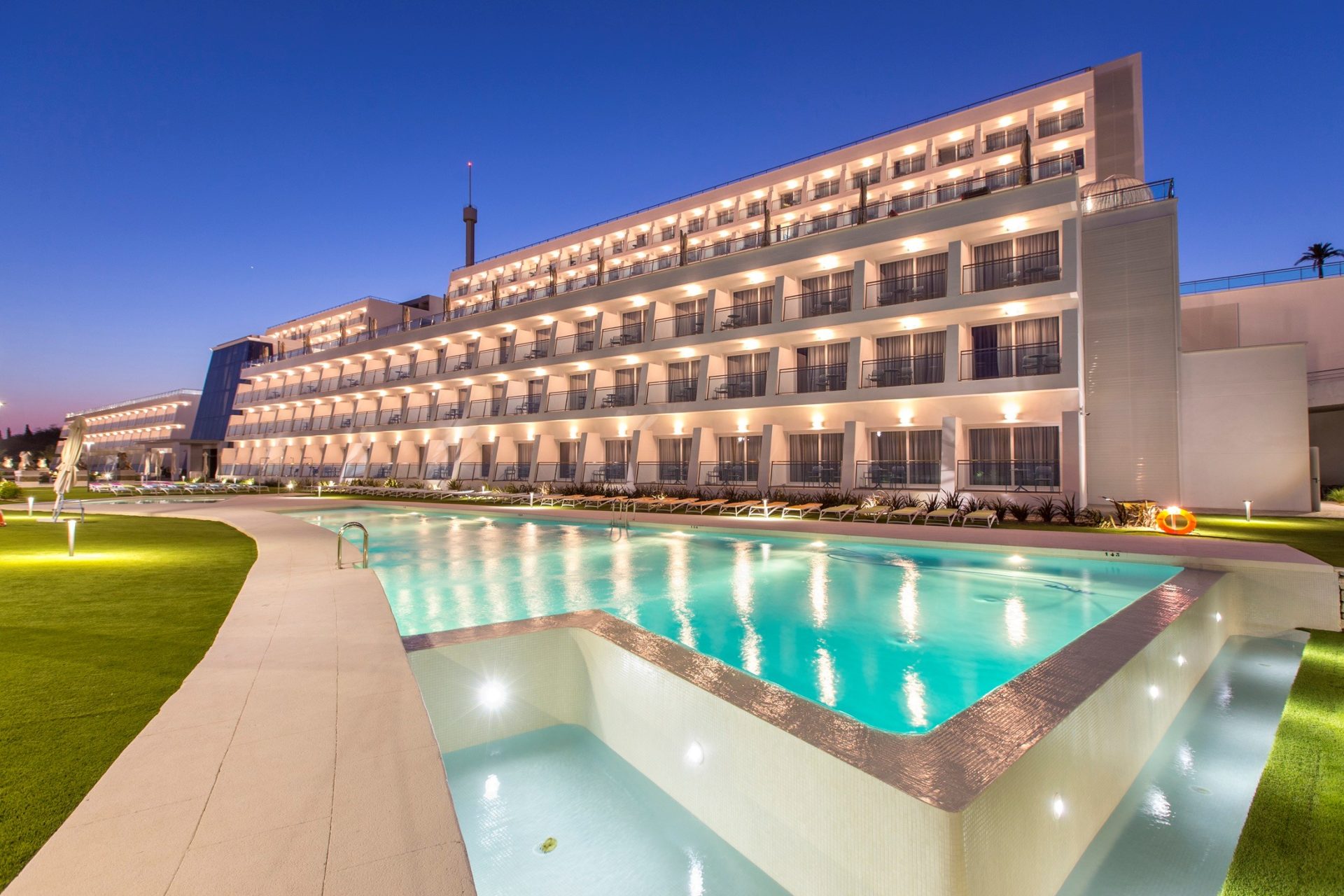
Aimbridge EMEA unveils rebranded Four Points by Sheraton Costa Blanca
Leading third-party hotel management company, Aimbridge Hospitality EMEA, has completed a major refurbishment of the Grand Luxor Hotel & Village, rebranding the 402-key resort as Four Points by Sheraton, part of Marriott Bonvoy’s global portfolio of over 30 brands.
The newly named Four Points Costa Blanca is owned by renowned tourism and real estate business Santa Maria Group and houses 300 guest rooms and 102 villas – 51 of which have a private pool, each offering stunning mountain and sea views.
Located adjacent to the Terra Mitica Theme Park and a 40-minute drive from Alicante Airport, the property has undergone a complete renovation, shifting to a more relaxed, Mediterranean concept under the Four Points brand.


Guests can now enjoy a welcoming, oasis-like atmosphere with modern design elements.
The resort's new look also includes a fully refurbished Grand Buffet Restaurant, a new Italian restaurant and two all-new bar concepts, as well as a spa, fitness centre, two outdoor pools for hotel guests, five shared pools for villa guests, mini golf, and more than 1,100 sqm of on-site meeting space across eight rooms.
Guests can directly access the world-class 12,000 sqm Terra Mitica Convention Centre for events, featuring an Iberian Village and a 3,000 sqm Circus Maximus Auditorium.
Additionally, guests receive free access to both the Terra Mitica and Mundomar theme parks during their stay.
The resort’s rebrand has been overseen by leading third-party hotel management company Aimbridge Hospitality EMEA, which took over operation of the hotel in October 2023.
David Anderson, President, Aimbridge EMEA, said: “We’re very proud to have led the rebrand and refurbishment of the new-look Four Points by Sheraton Costa Blanca.
“It’s a complete transformation of the resort and showcases our capabilities as experienced hotel operators, working alongside renowned brands such as Marriott to identify new opportunities for existing properties that will deliver outstanding guest experiences.
“Four Points by Sheraton is renowned for its style, comfort and great service – all values that we also pride ourselves on at Aimbridge EMEA. We’re looking forward to welcoming both leisure and business travellers to the newly rebranded resort as we enter the busiest period of the year for the Costa Blanca region.”
Reflecting the brand’s signature style, Four Points by Sheraton Costa Blanca also offers everything that matters for today’s independent travellers, including the Four Points by Sheraton Four Comfort Bed, fast and free Wi-Fi throughout the hotel, and an energising breakfast with fresh coffee on tap. Guests can relax and quench their thirst for local flavour with the Four Points’ signature Best Brews™ programme, a curated selection of local craft beers.
For more information about Four Points by Sheraton Costa Blanca, visit https://www.marriott.com/en-gb/hotels/alcfp-four-points-costa-blanca/overview/
For more information about Aimbridge EMEA, visit www.aimbridgeEMEA.com