

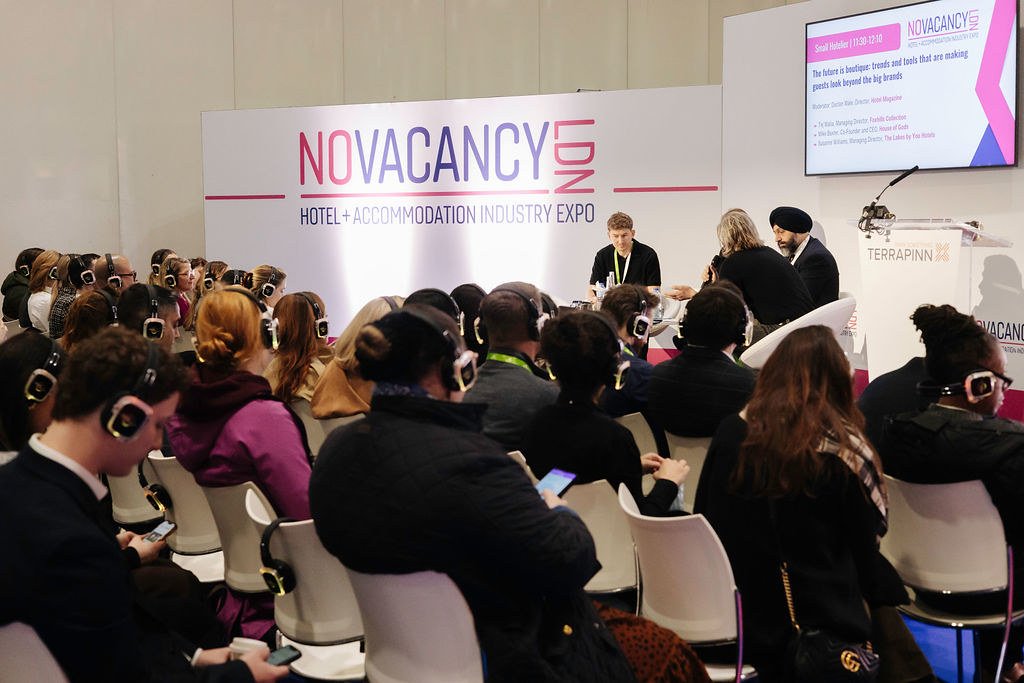
IT'S BACK
NoVacancy London returns to ExCeL London on 24–25 February 2027, bringing together the people, ideas and solutions shaping the future of hotels and the wider accommodation sector.
Following its London launch in early this year, NoVacancy London is building towards a bigger second edition, creating a meeting place for hotel owners, operators, management companies, consultants, designers and suppliers.
What makes NoVacancy London different is its breadth. Running a successful accommodation business increasingly means bringing together decisions that once sat in separate departments. Technology affects the guest experience. Design influences revenue. Sustainability impacts cost and reputation. People strategy affects service delivery. NoVacancy is designed around that reality, bringing these conversations together under one roof.
One of the few opportunities bringing an industry together through collective topics, discussion and showcases. It was managed really well, impressed.
VP Customer Engagement, ACCOR, EMEA
Across two days, visitors can discover new products and suppliers, hear from leading figures from across the sector and connect with peers facing many of the same opportunities and challenges.
The 2027 conference programme will feature more than 150 industry speakers across 5 conference theatres and 10 content tracks. Topics will span hotel technology and AI, revenue and distribution, marketing, leadership, people and culture, design and wellness, sustainability and the changing expectations of tomorrow’s guest.
Alongside the conference, the exhibition will showcase products and services from across the hospitality ecosystem, giving visitors the opportunity to compare solutions, discover new ideas and have meaningful conversations with suppliers.
NoVacancy London is one of those events that genuinely energises you, the conversations are real, the people are passionate, and the ideas keep coming long after you leave the show floor. We had a brilliant time at the first edition, and we've been looking forward to coming back ever since.
Director of Growth, UK, Alkimii
And 2027 marks another important step for NoVacancy in Europe. On 14-15 September 2027, NoVacancy Barcelona will make its debut, extending the community into continental Europe and creating a new meeting place for the Spanish and Southern European hotel and accommodation industry.
Together, London and Barcelona reflect NoVacancy’s ambition to build a European platform connecting accommodation leaders with the people, ideas and solutions shaping the future of the sector.
With six months still to go, there is plenty more to be announced, with new speakers, exhibitors, partners, features and networking opportunities joining the London edition.
NoVacancy London | 24–25 February 2027 | ExCeL London


WELLNESS, WOVEN INTO EVERY STAY
TEMPLESPA explores how hotels can extend wellbeing beyond the treatment room, creating thoughtful, sensory touchpoints that help guests relax, reconnect and feel cared for throughout their stay.
Wellness is no longer confined to the treatment room. Today’s guests are looking for experiences that make them feel cared for from the moment they arrive until long after they leave. At TEMPLESPA, every touchpoint is thoughtfully designed to transform an ordinary stay into a complete wellness journey.
It begins with an aromatic welcome. Our signature Mediterranean-inspired fragrances create an immediate sense of place and calm. Candles and diffusers are carefully selected to influence mood through scent, whether creating a feeling of peace and relaxation with our KEEP THE PEACE Relaxing Aromatic Diffuser and SIESTA FOREVER Relaxing Aromatic Candle or bringing energy and joy with LIVE WELL Invigorating Aromatic Diffuser and THE GOOD LIFE Invigorating Aromatic Candle. These considered sensory touches help set the tone for the experience ahead.
The journey continues into the spa with our award-winning treatments, combining science-led skincare with purposeful rituals to deliver visible results while restoring mind, body and soul. Every treatment has been thoughtfully developed so there is something for every guest, whether they are looking for a deeply relaxing massage, a results-driven facial or simply a quick but restorative leg and foot treatment.
Consistency is at the heart of the TEMPLESPA treatment experience. Our treatments open and close with signature rituals, creating a familiar sense of care wherever a guest experiences TEMPLESPA. Our dedicated spa trainers work closely with therapists, providing extensive training and sharing our treatment philosophy to help ensure every guest receives an exceptional experience.
There is a selection of treatments, meaning there is something for everyone. To name a few, ALL ABOUT THE GLOW, Glow & Radiance Facial is a skin-transforming facial that turns up the glow with instant and visible results, thanks to intelligent active ingredients boosted by vitamin C and a glycolic acid complex, combined with skin-lifting massage techniques.
Another treatment to mention is DRIFT AWAY Relaxing Aromatherapy Massage, a deeply relaxing top-to-toe massage with a dreamy blend of Mediterranean essential oils, guaranteed to have your guests drifting away.
And wellness doesn’t stop when the guest leaves the spa.
Throughout their stay, thoughtful moments of wellbeing can become part of the wider guest experience. Turndown treats create a small but meaningful invitation to pause and relax before sleep, an unexpected touch that makes guests feel cared for. SLEEP WELL is a carefully selected Turndown to promote a good night's sleep. It includes REPOSE Relaxing Night Cream, AAAHHH! Instant Cooling Balm, QUIETUDE Chill Out & Sleep Well Mist, ALL TALK Moisturising Lip Balm and DRIFT AWAY Relaxing Bathing & Massage Oil.
Spa at the Bar offers a completely different way to discover skincare, turning product exploration into an immersive and social experience. Guests can enjoy a delicious cocktail while discovering and sampling one of our bestselling products, creating a memorable moment that brings wellness into a more relaxed and unexpected setting.
In the guest room, beautifully curated amenities transform everyday routines into luxurious rituals, while in-room wellness gives guests the freedom to slow down, unwind and create their own “spa wherever you are” moment.
Together, these touchpoints create a seamless sensory journey that flows throughout the entire stay. Backed by over 25 years of skincare innovation, TEMPLESPA brings together cutting-edge science and Mediterranean botanicals to deliver exceptional products, memorable treatments and meaningful wellbeing experiences, TEMPLESPA is Science with Soul.
Because wellness isn’t a single treatment or product. It’s a feeling that flows through every stage of the guest journey.
At TEMPLESPA, we help our spa partners weave self-care into every stage of the guest experience turning every stay into an opportunity to relax, reconnect and live life beautifully.
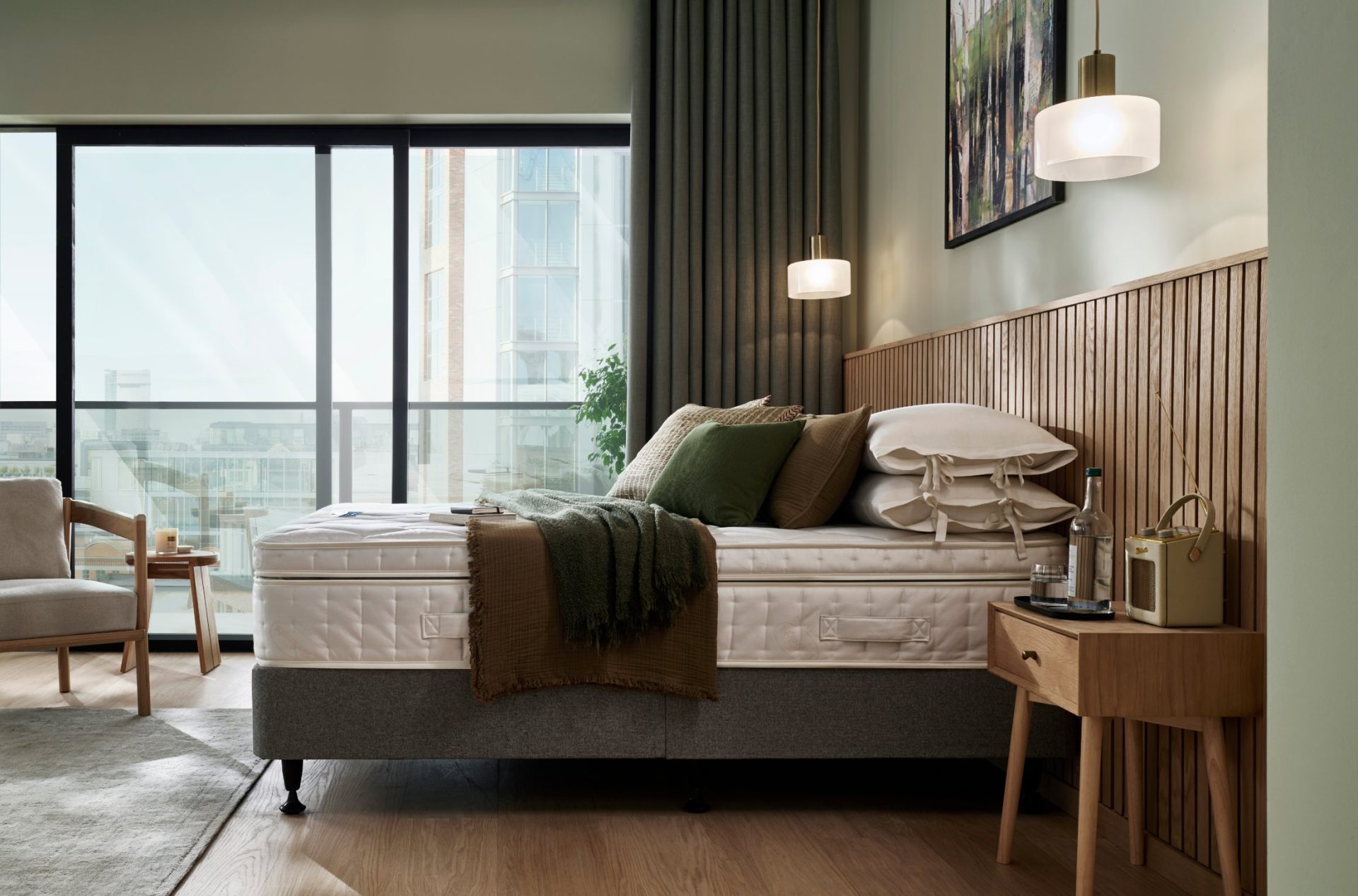
THE NIGHT NOBODY OWNS
Why hotels need to take rest more seriously, as told by the team at Silentnight Contract.
Sleep is the one part of a hotel stay that every guest has and the one they judge most honestly. A lobby can be forgotten. A slow check-in is usually forgiven. Whether a guest slept well is remembered, and increasingly it is written down.
Most properties already understand this. Sleep has moved up the agenda across the sector, and operators are investing in it seriously, from acoustic design and temperature control to the beds themselves. What has not kept pace is how that investment is organised. Rest is the outcome a hotel sells, and in most buildings, it is looked after by six different people who never discuss it with each other.
Consider a fairly ordinary night. The room runs warm because of where the limits were set on the guest controls. A door on the corridor is heavier than it needs to be. The curtains were chosen for a scheme several years ago and have never quite closed. The mattress went in during the last refurbishment and has been turned faithfully by housekeeping ever since. Every one of those people did the job they were given, and did it well. The guest still did not sleep, and four days later there is a three-star review that mentions all of it.
That is rarely a failure of care. More often it is a question of ownership.
Rest is the outcome without an owner
Rest may be the only thing a hotel is obliged to deliver that has no name against it on the org chart.
The responsibility divides naturally, and sensibly, across the building. The bed sits in the capital budget, specified during a refurbishment and then left to do its work. Blackout, acoustic separation and the position of the bed against the party wall are settled by a designer, often years before a guest lies down in the room. Air temperature belongs to engineering. Linen, mattress rotation and protector changes belong to housekeeping. Noise, whether from other guests or from deliveries at six, sits with front of house.
Each of those is a well-run function. Between them, though, they produce a single outcome that none of them is measured on. It is worth comparing that with anything else a property tracks. Revenue has a director and a daily number. Cleanliness has a head of housekeeping and an inspection score. Food safety has a named person and a legal duty. Rest is shared across all of them and held by none.
Why the complaint arrives too late
There is a good reason this has persisted for as long as it has. Rest fails silently.
A cold breakfast produces a complaint at the table, while somebody can still put it right. A slow check-in produces a queue the duty manager can see from the office. Hospitality is exceptionally good at recovering these, because the guest is standing in front of you and the fix is inexpensive.
A difficult night produces nothing at all. The guest is awake at two in the morning, and very few people ring reception to say the mattress is uncomfortable. They sleep poorly, form a quiet view of the hotel, and check out politely. The feedback surfaces days later on a platform where it can only be replied to, by which point it has become part of how the next guest chooses.
That delay is what keeps rest off the operational radar. Nothing reaches the daily report. It arrives in the review score months afterwards, mixed in with everything else, and by the time anyone traces it back the refurbishment budget has usually been committed to something more visible.
What the reviews are already saying
Operators who want to understand this in their own building can do so in an afternoon, and it is worth doing first-hand rather than taking a supplier's word for it.
Take the last couple of hundred reviews and pull out every one that mentions the night rather than the service: the bed, noise, light, temperature, the pillows, the room next door. Then separate them into two groups. The first covers things that could have been fixed during the stay had anyone known, such as a faulty thermostat or a humming fridge. The second covers what was already built into the room before the guest arrived. A mattress at the end of its working life. A corridor with no acoustic break. A curtain that has never fully closed.
The second group is the more revealing one. Those reviews were unavoidable on the night. The decision behind each was taken months or years earlier by somebody working to a different brief, and often to a budget line that rewarded spending less. That is structural rather than personal, which is also why it responds well to being addressed.
Most properties are surprised by the size of that second group, and more surprised by how it clusters. Sleep comments gather by floor, by room type, and above all by the age of the bed.
The bed as an asset, not a purchase
Of everything on that list, the bed is the element an operator has the most direct control over, and the one most often specified on purchase price alone.
That is understandable. Purchase price is the figure on the schedule and the figure procurement is measured against. The number that shapes the life of the room, though, is how the bed performs in year four and year six, under a different guest every night, turned by a housekeeper working at pace on a busy floor. Construction answers that question rather than price.
Silentnight Contract has been making mattresses for more than eighty years and fitting them into hotels for decades, and the pattern in the rooms we return to is consistent. Beds do not wear evenly. They soften on the side nearest the door, where most solo guests get in, and at the shoulder and the hip. A mattress built on individually pocketed springs, Mirapocket® in our case, holds its shape in those places for longer than a lighter build does. For the guest, that means the same support in year five as in year one. For the operator, it means a longer run before a room begins costing review points, a cost that appears on no schedule but is paid every month.
Specified on purchase price, a bed can become a five-year problem in exchange for a one-off saving. Specified on how long it holds its shape, it gives back part of the night.
What taking rest seriously looks like
The encouraging part is that most of what follows costs very little, and a growing number of operators are already doing some of it.
Give rest an owner. One person, senior enough to talk to procurement and to the designer, accountable for whether guests sleep well. In most properties that is an existing director adding it to their remit, with a standing line in the monthly review.
Spend a night in your own rooms. An inspection at eleven in the morning with the lights on tells you very little about two in the morning. A standard room on a low floor near the lift, midweek at full occupancy, with the alarm off, tells you a great deal. The teams who do this come down the next morning with a list, and it is rarely the list they expected.
Read the night out of the review data every month, using the split above, and put the second group in front of whoever holds the capital budget. It is the most reliable way that group ever gets funded.
Write rest into the refurbishment brief as a performance requirement rather than a product schedule. The brief can say what the room needs to achieve at two in the morning, and let the specification follow from that. Getting this right often comes down to how confidently the furniture, fixtures, and guest-room details are chosen in the first place.
Ask suppliers a different question. Cost is the easy one. More useful is what the bed looks like in year five, what its wear pattern is, what the warranty genuinely covers, and what happens when a mattress needs replacing in a live property with the room out of service.
The honest limits
The bed is one element of the night and nobody should pretend it is all of them. A Georgian townhouse on a main road has a problem no mattress will solve. Older buildings carry sound through the structure in ways that are expensive to address and sometimes impossible without significant work. Guests arrive with their own insomnia and their own jet lag.
The useful way to think about it is that the bed is the foundation, and the room around it either supports that or works against it. Giving rest an owner does not make every problem solvable. What it does is put one person in front of the whole night, deciding where the money goes, rather than six people each doing their part well while nobody sees the night the guest actually had.
Where this is heading
Guest expectation on sleep has moved further in the last five years than in the twenty before it. People track their own sleep, arrive with a view on temperature and light, and are far more specific in reviews than they used to be. A three-star review that mentions the bed is now often a paragraph explaining precisely what was wrong with it.
That specificity works in both directions. It makes the shortfalls harder to hide, and it makes the properties getting this right considerably easier to find. A hotel that can say with confidence that its guests sleep well has something concrete to offer in a market where many of the other differentiators have been competed away.
The properties that pull ahead here will not be the ones with the most sleep technology in the room. They will be the ones where somebody has been given the night to look after, and has been given the authority to act on what they find. It is a modest change to make, and guests tend to notice long before they can explain why.

SCREEN PILOT’S ROUTE TO RECOMMENDATION
The world of hotel marketing has shifted beneath our feet, and far too many operators are still playing by an outdated rulebook.
While marketeers obsess over basic Generative Engine Optimisation (GEO), they are missing the broader picture: in the age of artificial intelligence, a completely new guest journey has taken hold. Everything from paid media allocation to website architecture is being reshaped.
A seismic shift has occurred and the funnel has evolved: LLMs are now doing the research on people’s behalf, presenting a shortlist based on their exact needs. The pace of change is staggering. Between 30 and 40% of travellers already use AI tools to plan their itineraries, a figure that surges to roughly 55% among Gen Z and Millennials, and 68% for frequent travellers. As these figures continue to grow, getting onto that shortlist must be a priority for every commercial leader.
Winning in this landscape begins with what we call the Route to Recommendation, an in-depth product-market fit exercise that uses Data, Physical Experience and Brand to reframe your digital strategy and answers a set of key questions:
What do your guests care about?
What specifically are they looking for?
Most importantly, which factors influence where they choose to book?
To capture these high-intent guests, broad keyword bidding no longer works. You must prove your hotel is the precise answer to those specific desires.
Leverage your data
Screen Pilot has built a proprietary tool to analyse tens of thousands of AI search queries. Combining the analysis of the data that informs LLM recommendations, including guest reviews, social signals, competitor context and AI query patterns, it’s now possible to build a picture of what your hotel should be known and recommended for.
Live the guest experience
Hoteliers should walk the physical path of the guest with a recommendation mindset. Conducting walk-throughs of your property will help identify where you excel, what your guests are interested in, and what they might be including in their prompts. Whether it’s a fantastic F&B offering, family-friendly facilities, or the most luxurious spa, these are the nuances and specific details that make you the perfect fit - and more likely to be recommended, rather than simply considered.
Craft a compelling story
As we attract people deciding where to spend their hard-earned time and money, emotion matters in travel. Humans and LLMs alike respond to a compelling story, clearly told. Because booking a stay is an intensely personal investment, your brand narrative must go far beyond listing amenities. It requires weaving authentic, emotionally-resonant stories around what travellers truly care about, while bridging any proof gaps that might create hesitation. When a property communicates its identity with distinct warmth and clarity, it creates the emotional pull that sways a guest's final decision while giving AI search algorithms a rich, trusted narrative to index.
Mastering the Recommendation Funnel
Where these three circles overlap is your Recommendation Thesis - the singular, authentic positioning that defines your hotel's sweet spot. But this isn’t just a theoretical framework. It’s the essence around which you should reframe your digital strategy and the key to driving significant incremental growth in bookings.
Moving guests smoothly through the new funnel can be a marketing minefield, but there are tactics designed to help - and focussing on three key areas: technical improvements, social proof and conversion, will bring your Recommendation Thesis to life.
Firstly, technical tactics like traditional GEO feed the AI-driven Consideration and Recommendation stages. By translating your Recommendation Thesis into structured Schema code, recommendation-specific on-page copy, tailored metadata and aligned third-party listings, you ensure machine algorithms can easily parse, verify and select your hotel for that coveted shortlist.
Second, social proof tactics power the human Validation stage. Social media is no longer just a passive engagement tool - it is your ultimate validation engine. When a guest investigates an AI recommendation, your Instagram, TikTok, YouTube and CRM review streams must instantly confirm the exact attributes that earned you the recommendation in the first place.
Finally, conversion tactics capture the resulting demand through conversion-focused advertising, precise paid search and Google Maps ads, Meta remarketing, and a frictionless booking journey.
As these tactics demonstrate, integration is key. Every channel must work together in support of the Recommendation Thesis.
This budget season, leadership teams need to ensure funding is being directed towards winning in LLM search and capturing the demand it creates. Screen Pilot are working with clients to balance traditional paid media activity with AI visibility. Their Digital Brand Experience (DBX) approach brings social, paid media and the conversion journey together under the Recommendation Thesis - ensuring clients are not only considered by LLMs, but recommended, and ultimately booked. For forward-thinking operators, this shift is not a threat - it is the single greatest opportunity to capture market share in 2027 and beyond.
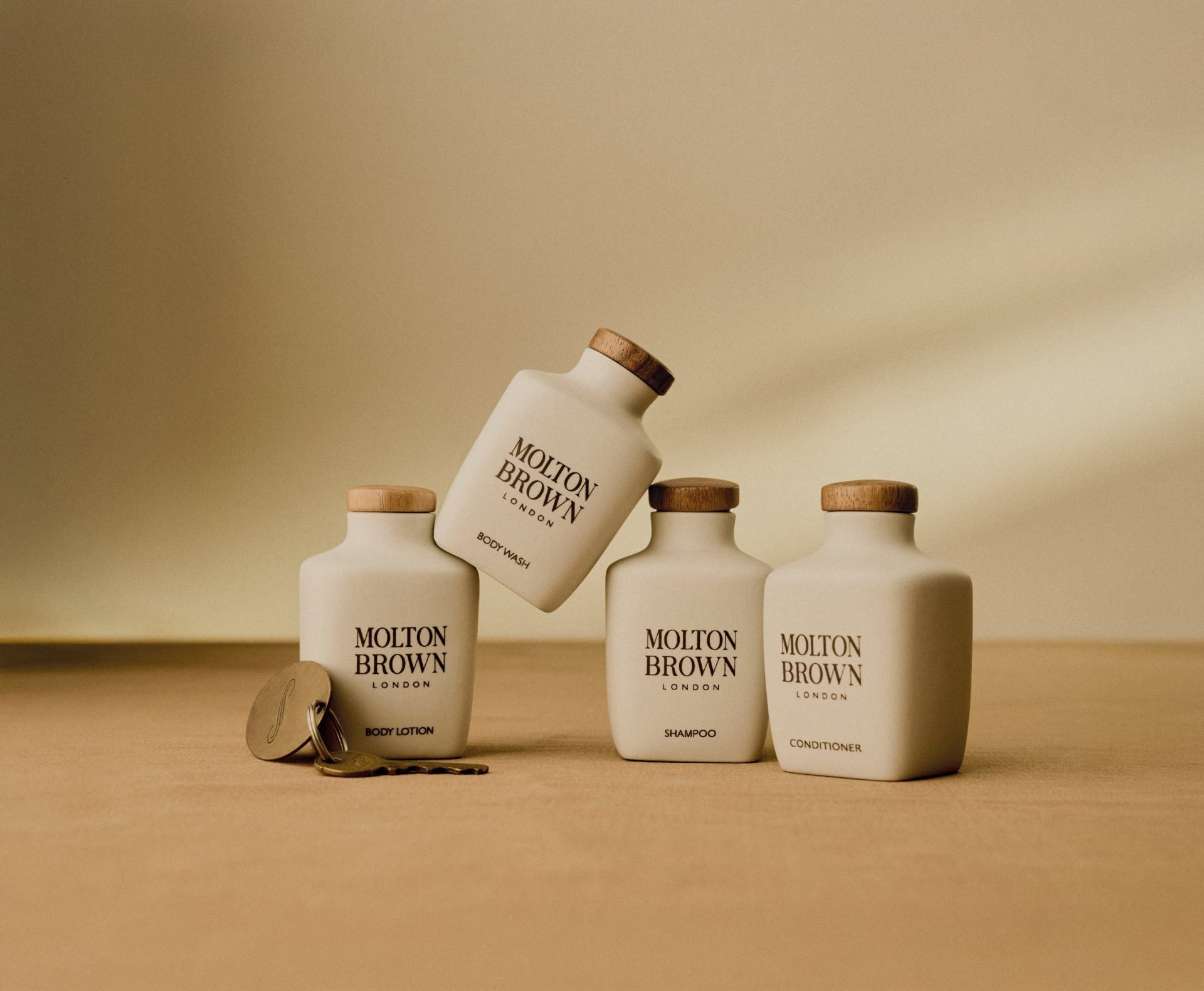
THE SCENT OF LUXURY
The team at Molton Brown explores how fragrance can create a distinctive sense of place, deepen the guest experience and leave a lasting impression long after check-out.
Luxury hospitality is no longer defined solely by beautiful spaces, exceptional service and fine dining, but by the lasting feelings and memories it creates for guests. Today, the most memorable hotels create emotional connections, offering experiences that remain with guests beyond their stay. As travellers seek authentic, immersive experiences, hotels are finding new ways to convey a sense of place and express luxury through every aspect of the guest experience.
Scent offers a powerful way to enhance an experience and create lasting memories. Its remarkable ability to evoke emotion and memory can transport us to a particular moment or destination, shaping atmosphere and creating a strong sense of place. A familiar scent can leave a lasting impression, becoming intrinsically linked to the experiences and emotions we associate with it.
For hoteliers, this creates an opportunity to build experiences that linger long after check-out. A curated scent experience can become part of a property's identity, reinforcing its character and creating a lasting association with the destination. Whether inspired by a vibrant city, coastal escape or secluded countryside retreat, scent can transform a stay into an immersive experience.
As leaders of positive luxury since 1971, Molton Brown has spent more than five decades crafting distinctive fragrances inspired by ingredients, cultures and destinations from around the world. Working with world-renowned master and next-generation perfumers, the brand's fragrance heritage is rooted in creativity, craftsmanship and storytelling.
Mark Johnson, Global President at Molton Brown commented,
We’re seeing scent become a much more considered part of the hotel experience, moving beyond simply creating a pleasant environment to becoming part of a property’s identity. When thoughtfully integrated alongside lighting, music and the wider sensory experience, scent can create a distinctive sense of place. Ultimately, it’s not just about what a hotel smells like, but what guests remember it by.
This expertise translates naturally into luxury hospitality. Through its six curated Scent Experiences, Revive, Invigorate, Radiant, Serene, Enliven and Heritage, Molton Brown enables hotels to create cohesive sensory experiences that reflect their individual character.
Today's travellers also expect visible commitments to quality, sustainability and responsible luxury. Refillable amenities, reduced single-use plastics and beautifully designed dispensing solutions demonstrate care for guests and the environment, while intuitive solutions help hotels maintain consistency and efficiency. For brands making ethical production central to their approach, this reflects a wider shift towards the most ethical choice in hotel amenities.
From the Signature Dispenser and Chrome Dispenser to the innovative Ecosystem Dispenser, Molton Brown's dispensing programme combines elegant design with practical functionality. Engineered for Efficiency, the Ecosystem Dispenser simplifies installation, streamlines replenishment and optimises performance.
Ultimately, it is the thoughtful details, from signature fragrance and luxurious amenities to intuitive design, that can transform a stay and leave a lasting impression.
BEYOND FAMILY-FRIENDLY
As family and multigenerational travel evolves, hotels are rethinking what it means to be family-friendly. We look at how Millennium Hotels and Resorts is responding with MyMillennium Kids, creating more immersive, experience-led stays designed to engage every generation.
Family travel is entering an exciting new era. As families increasingly embrace holidays as an opportunity to spend quality time together away from the demands of daily life, the way they travel and what they expect from hotels is changing too.
The continued growth of family and multigenerational travel is creating new opportunities for the hospitality industry. Parents, children, and grandparents may share the same journey, but each generation brings different interests and expectations. For hotels, this means moving beyond traditional family-friendly amenities to create more immersive, experience-led stays that give every generation something to enjoy.
Children are playing a growing role in shaping family travel and influencing holiday plans. Increasingly, hotels are considering how younger guests experience a stay, transforming the property from simply somewhere families return to after exploring a destination, into part of the holiday itself.
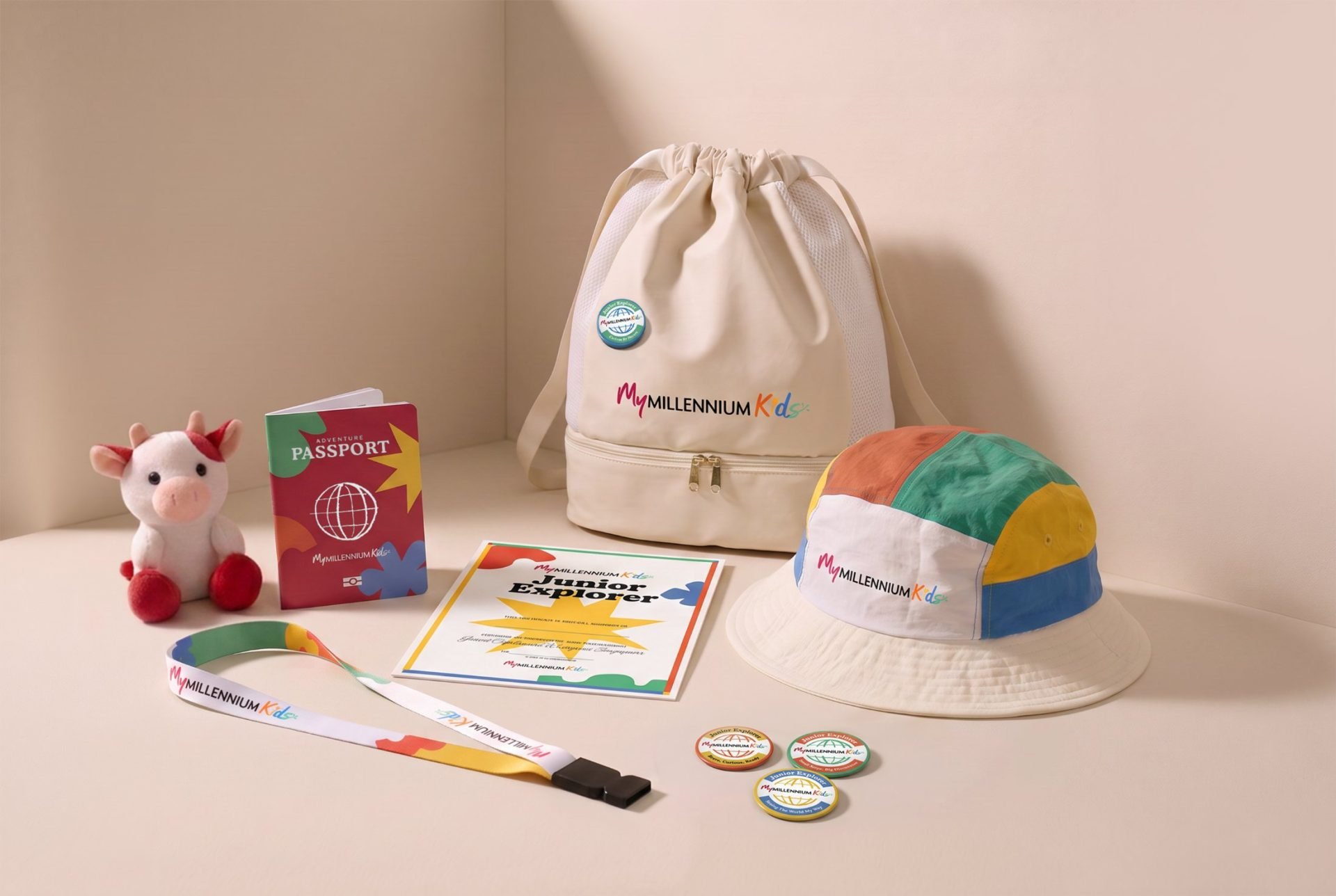
This thinking underpins MyMillennium Kids, Millennium Hotels and Resorts’ new dedicated children’s initiative within its MyMillennium loyalty ecosystem. Designed for young travellers aged five to 10, the programme gives children their own journey across participating hotels, beginning with an Adventure Passport that grows with every stay.
MyMillennium Kids marks an important evolution of our global loyalty programme, extending recognition and rewards beyond the primary member to include the whole family. By giving young guests their own programme journey and benefits, we are creating a more inclusive MyMillennium experience that delivers greater value for families across repeat stays and destinations.
said Carolyn Wishnowski, Vice President, Global Branding, Marketing and Loyalty, Millennium Hotels and Resorts.
Launched in participating Asia Pacific properties in August, with Europe and the United States planned for 2027, MyMillennium Kids allows young explorers to collect hotel-exclusive stickers, embark on Side Missions and discover Mini Magical Surprises throughout their stay.
These experiences range from surprise notes from programme mascot Muriel the Cow to creative activities and playful challenges around the hotel. As children collect stickers in their Adventure Passport, they can unlock milestone rewards including a kids’ dessert, Muriel plush toy, a room upgrade on their next stay and MyMillennium Kids merchandise.
For Millennium Hotels and Resorts, this reflects a broader approach to family hospitality, creating meaningful touchpoints for younger guests while enriching the experience for the family.
As multigenerational travel continues to grow, the opportunity for hotels extends beyond simply accommodating families. By designing experiences around how different generations travel, discover and connect, hotels can become an integral part of the family journey.
PROTECTING LUXURY STANDARDS
The modern spa experience is built on the details.
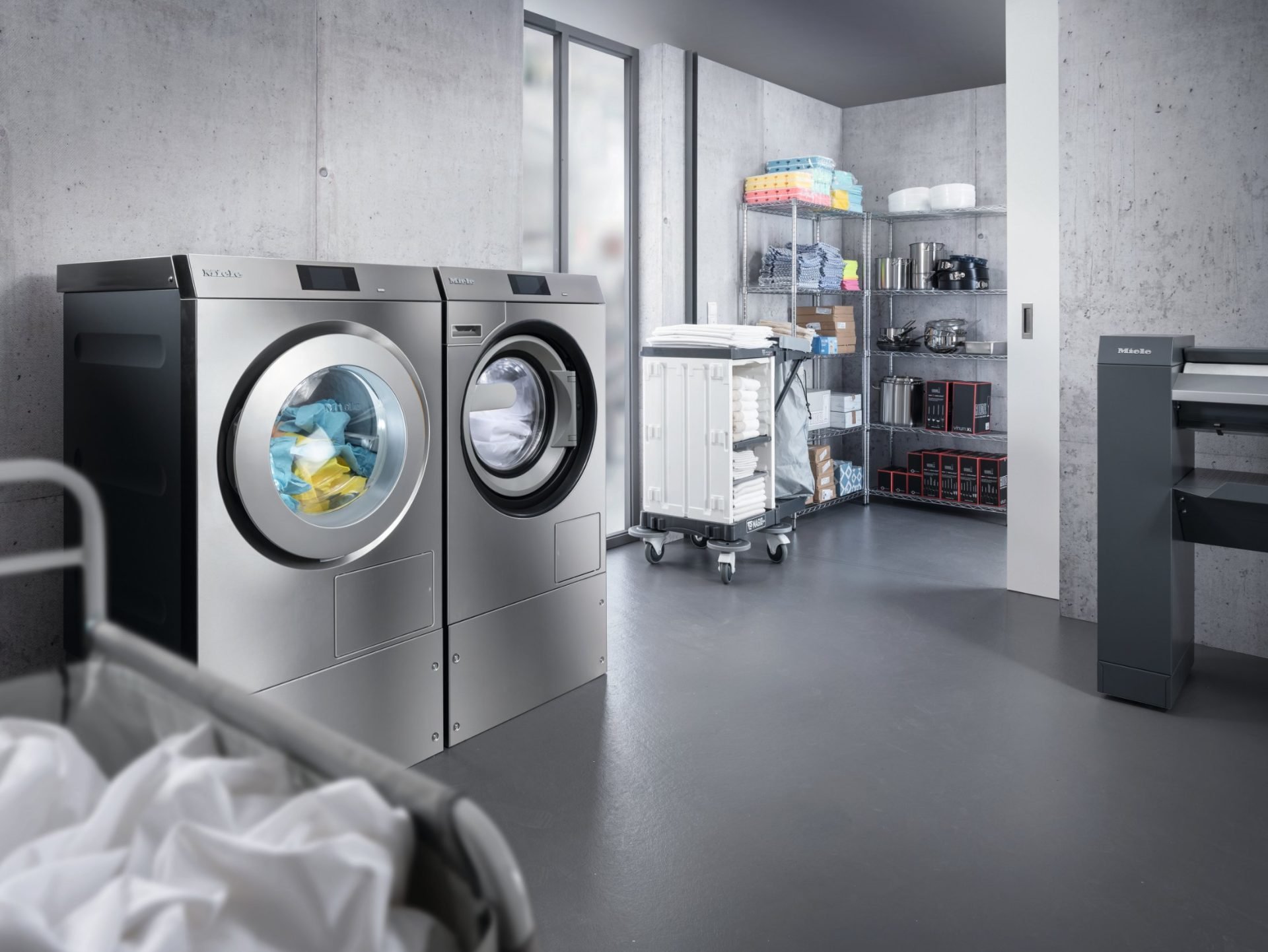
From the softness of a freshly laundered robe to the sparkle of a wine glass in a spa lounge, guests notice every touchpoint. In a highly competitive hospitality market, maintaining consistently high standards is essential, not only for guest satisfaction but also for protecting reputation.
Luxury guests expect more, and they notice the details. Research shows that 40% of hotel guests are likely to leave a review after a positive experience, while 48% will do the same following a negative one. When expectations are high, consistency becomes critical.
Behind the scenes, commercial laundry and dishwashing systems play a vital role in delivering the quality, presentation and hygiene guests expect from a premium spa and wellness environment. Miele reveal why commercial equipment matters in spa and wellness settings.
The Challenge of Spa Laundry
Spa laundry accumulates quickly. Towels, robes, treatment linens and uniforms move through the laundry cycle constantly, creating significant demands on equipment and staff.
At the same time, these textiles require specialist care. Massage oils and skincare products can be difficult to remove without affecting fabric quality.
Commercial laundry systems are designed for these demanding environments. Specialist programmes effectively remove stubborn residue while helping to protect delicate fibres. Equipment tested for up to 30,000 cycles provides the durability required for busy hospitality operations, supporting consistent performance over many years of use.
The result is efficient processing of high volumes of laundry without compromising the quality of premium textiles.
Delivering Comfort Through Textile Care
For spa guests, comfort begins the moment they pick up a towel or slip into a robe.
Textiles that feel rough, worn or poorly presented can undermine an otherwise exceptional experience. Guests expect freshness and softness, and those expectations are closely linked to perception of quality.
Tailored wash cycles and professional detergents help preserve the feel and scent of premium textiles, ensuring that towels, robes and linens continue to feel luxurious after repeated use. Specialist laundry systems provide the care needed to maintain textile quality service after service.
Consistently soft towels and fresh robes contribute significantly to the overall guest experience and help reinforce a premium impression.
Presentation Matters Beyond the Treatment Room
The role of hospitality within spa settings continues to grow. Many modern spas now incorporate lounges and dining spaces, creating additional opportunities to impress guests.
Whether serving herbal teas and refreshments or full dining experiences, spotless crockery and sparkling glassware reinforce a high standard. Even minor imperfections can be noticeable in luxury surroundings.
Commercial dishwashing technology delivers the consistency front-of-house teams rely upon. Freshwater systems, which change water between wash stages, support high-quality cleaning results while eliminating stubborn residues. Combined with high-temperature washing processes, they ensure glassware and crockery emerge impeccably clean and ready for service.
Attention to detail in these guest-facing areas supports the seamless experience spa visitors expect.
Hygiene Without Compromise
Hygiene remains one of the most important priorities in any spa or wellness environment.
Mud masks, massage oils and other treatment products can create demanding wash loads that require specialist programmes to achieve both cleanliness and hygiene objectives.
Professional disinfection programmes reach the temperatures required to eliminate harmful bacteria, protecting guests while safeguarding reputation. In an environment where trust is essential, maintaining rigorous hygiene standards provides reassurance for both visitors and staff.
Sustainability and Operational Efficiency
Alongside guest experience, sustainability remains a major focus for hospitality operators.
Today’s spas are looking for ways to reduce energy and water consumption without impacting service quality. Modern laundry systems combine energy-efficient operation with reduced water usage and quieter performance, helping facilities create a more sustainable operation behind the scenes.
For many operators, sustainability and luxury are no longer separate considerations. Guests expect both.
Reliable Support Behind the Scenes
Maintaining exceptional standards depends not only on equipment performance, but also on ongoing support.
Digital monitoring platforms now provide real-time updates and operational insights, while preventative maintenance and access to specialist engineers help minimise machine downtime and support business continuity.
Ultimately, the guest experience is shaped by countless details. From soft towels and flawless glassware to hygiene assurance and sustainable operations, professional laundry and dishwashing systems help create the consistency that luxury hospitality depends on.

BEYOND THE REVIEW
MARA Solutions co-founder Maximilian Lüders on how AI is transforming guest feedback from a reputation management task into a powerful tool for smarter hotel decisions, stronger operations and greater guest satisfaction.
When founding MARA, what gap did you originally set out to solve, and how has MARA's proposition developed in response to what hoteliers need today?
The original idea behind MARA Solutions came from a simple observation: public reviews contain an enormous amount of knowledge, and almost nobody was using it properly. Hotels were spending hours every week writing responses and getting very little back beyond a score. Reviews were treated as a checkbox: respond, report, move on. But guests were telling hotels what to fix.
So, the first gap was straightforward: help hotels write better responses, faster. Responding is the entry point. The real value is understanding feedback and making decisions with it. Today, MARA is a guest intelligence platform that helps hoteliers act on the feedback they receive, without the heavy lifting of uncovering the insights within it.
Hotels collect huge volumes of guest feedback across reviews, surveys and other channels, but turning that information into meaningful action can be challenging. How can hoteliers move beyond simply responding to reviews and use guest feedback as a tool to identify operational issues, improve service and ultimately drive guest satisfaction?
The problem is rarely a lack of data. The difficulty is understanding what is actually relevant. Knowing that “rooms” scored badly gets you nowhere. Knowing self-check-in machines that don’t work cost you 0.13 stars is the game changer.
Guests may constantly complain about slow check-in, but those reviews barely sit below the property’s average. A smaller number mention noise between rooms, but sit far below average. The second issue is mentioned less but costs more.
It becomes even more precise when you connect reviews to reservation data. You are no longer looking at “noise complaints”; you are looking at room 106. That is a maintenance decision someone can act on this week, or evidence a GM can use to justify an investment to an owner.
There is understandably still some hesitation around using AI in areas of hospitality that require a personal, human touch. How do you ensure AI-generated responses remain authentic to a hotel's brand voice, and where do you believe the human element remains essential?
AI should not mean every hotel suddenly sounds the same. With MARA, a hotel builds its Brand Voice from how it already communicates – including tone, greetings and terminology, automatically informed by previous communication. Smart Snippets then capture what is specific to that property, such as the standard response to a loud room facing the street.
Brand Voice controls how you sound. Smart Snippets control what your property needs guests to know.
What AI takes away is repetitive work, not judgement. When a situation needs a person, a person makes the call.
Looking ahead, what do you think will be the biggest opportunity for AI within hotel reputation management and guest intelligence in the future, and how can hoteliers take advantage of it?
Guests will increasingly ask AI assistants and search tools where to stay. That changes what reputation management means. It is no longer simply “reply to your reviews”. Managing your reputation means being found and recommended in AI search. We are testing this with our AI Visibility Tracker, which shows how often AI assistants recommend a hotel. This shift is part of the broader picture of the hotel of tomorrow.
What hoteliers should do now is closer to SEO than people might expect. Keep OTA, Google and review profiles consistent. Build pages for searches you should win, such as “dog-friendly hotel in Rome”. Keep managing reviews, because that is where trustworthy quality signals live.
A website can claim a rich breakfast buffet. Reviews tell AI whether it was any good. The gap between what you claim and what guests experience is about to become machine-readable. You cannot SEO your way around a bad breakfast.
VENICE HEAD SPA
We explore the evolution of the multisensory treatment.
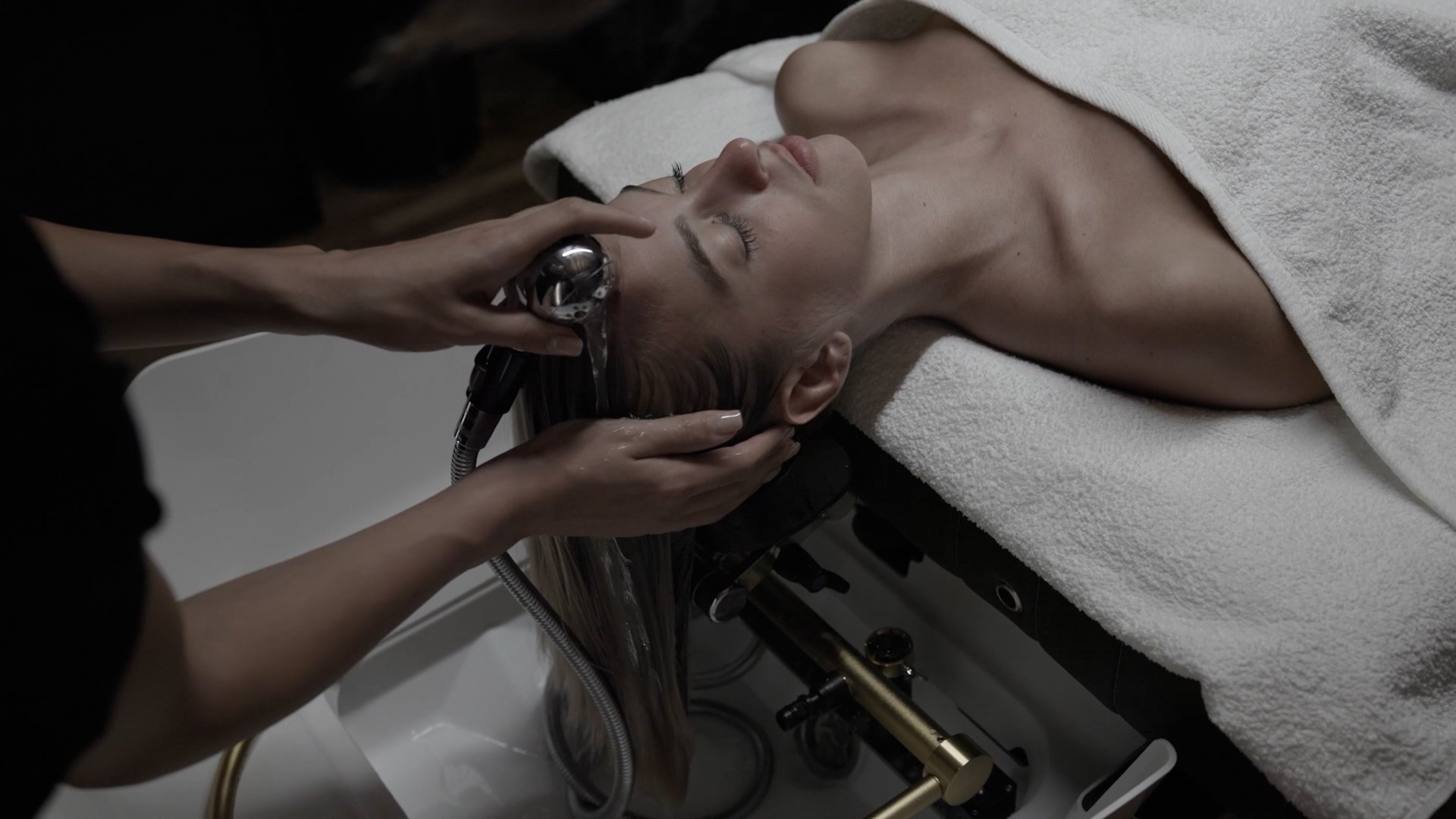
In today’s wellness landscape, where the line between ritual and technology is increasingly subtle, Venice Head Spa emerges: the multifunctional massage table by LEMI that redefines the treatment experience. Not just a working tool, but a true multisensory station designed for the most exclusive spas, able to combine refined aesthetics, functionality, and ergonomics.
Its strength lies in versatility: three functions – massage, manicure/pedicure, and Japanese Head Spa – coexist in a single station. This approach allows spas and beauty centres to optimise space without compromising on excellence, turning every treatment into a moment of complete care.
At the heart of the project is the retractable wash basin, an exclusive feature inspired by the Japanese Head Spa tradition. Thanks to a delicate and continuous water arch, the treatment is elevated into a ritual: the head is gently caressed by a steady flow that stimulates circulation, relaxes the muscles, and guides the mind into a state of deep balance. Adding to this is the pipeless pedicure tub, designed to ensure impeccable hygiene and maximum comfort, transforming every gesture into a moment of total care.
Comfort is guaranteed by a memory foam mattress developed by LEMI, antibacterial and fire-resistant, with a removable horseshoe headrest. Every adjustment – height, backrest, and leg rest – is fully electric, allowing the therapist to adapt the position to the millimeter and work in complete ergonomics. Smart functions, such as the memory setting for the ideal hair-wash position or the END function that automatically returns the table to its resting position, further simplify the operator’s work.
Yet technical innovation does not exclude aesthetic elegance. Venice Head Spa is also a design piece: compact, refined lines, premium materials, and complete customisation options make it a valuable furnishing for the most exclusive spas. The range of eco-sustainable VITA upholstery and FSC-certified wood finishes with refined metallic inserts represent the perfect synthesis of sustainability, style, and functionality.
In Venice Head Spa, technology, ergonomics, and Italian craftsmanship coexist. Every detail is conceived to turn treatment into a sensory narrative, where aesthetics, functionality, and ritual merge into an unprecedented experience. Not just a work tool, but a manifesto of intent: an invitation to rediscover the value of time, slowness, and deep care of body and mind.
With this creation, LEMI reaffirms its leadership in the sector, once again proving how innovation and tradition can come together to rewrite the codes of wellness. Venice Head Spa is not only the future of treatment, it is the promise of a new art of care.
THE ULTIMATE IN-ROOM SANCTUARY
In luxury hospitality, true distinction is rarely about grand gestures alone; it is defined by the quality of intimate, private moments.
A guest may be welcomed by an architectural atrium, curated fine dining, and intuitive concierge service, yet their lasting emotional connection to a property often forms behind closed doors. Within the privacy of a suite, every object, texture, and ritual undergoes quiet scrutiny.
For decades, the in-room coffee experience has remained an unconsidered element within the luxury suite. While five-star hotels invest heavily in bespoke linens, marble bathrooms, and rare spirits for the mini-bar, the coffee setup has too often remained a functional compromise.
In today’s experience-led market, treating in-room coffee as a secondary amenity creates a noticeable disconnect in the guest journey.
The Evolution of Guest Expectations: Elevating the Private Ritual
Modern hotel guests bring sophisticated beverage standards directly from their daily routines into their accommodation choices. Data from the Allegra Project Café UK 2026 report reveals that over 63% of UK consumers drink coffee on a daily basis, making high-quality extraction an essential fixture of modern life rather than an occasional luxury.
When a guest wakes up in a premier suite, their morning espresso is not merely a functional caffeine hit; it is the foundational ritual of their day.
Elevating this moment from routine preparation to an artisanal experience requires treating the in-room beverage station as a design-led credenza. The ritual must deliver aesthetic harmony, bespoke tactile presentation, and barista-grade coffee without demanding complex technical effort from the guest.
Case Study: Claridge’s — The Gold Standard of In-Room Curation
A benchmark execution of the in-room sanctuary is found at London’s iconic Art Deco landmark, Claridge’s in Mayfair. Rather than treating in-room coffee as a utility, the hotel has integrated the morning serve directly into its celebrated design heritage.
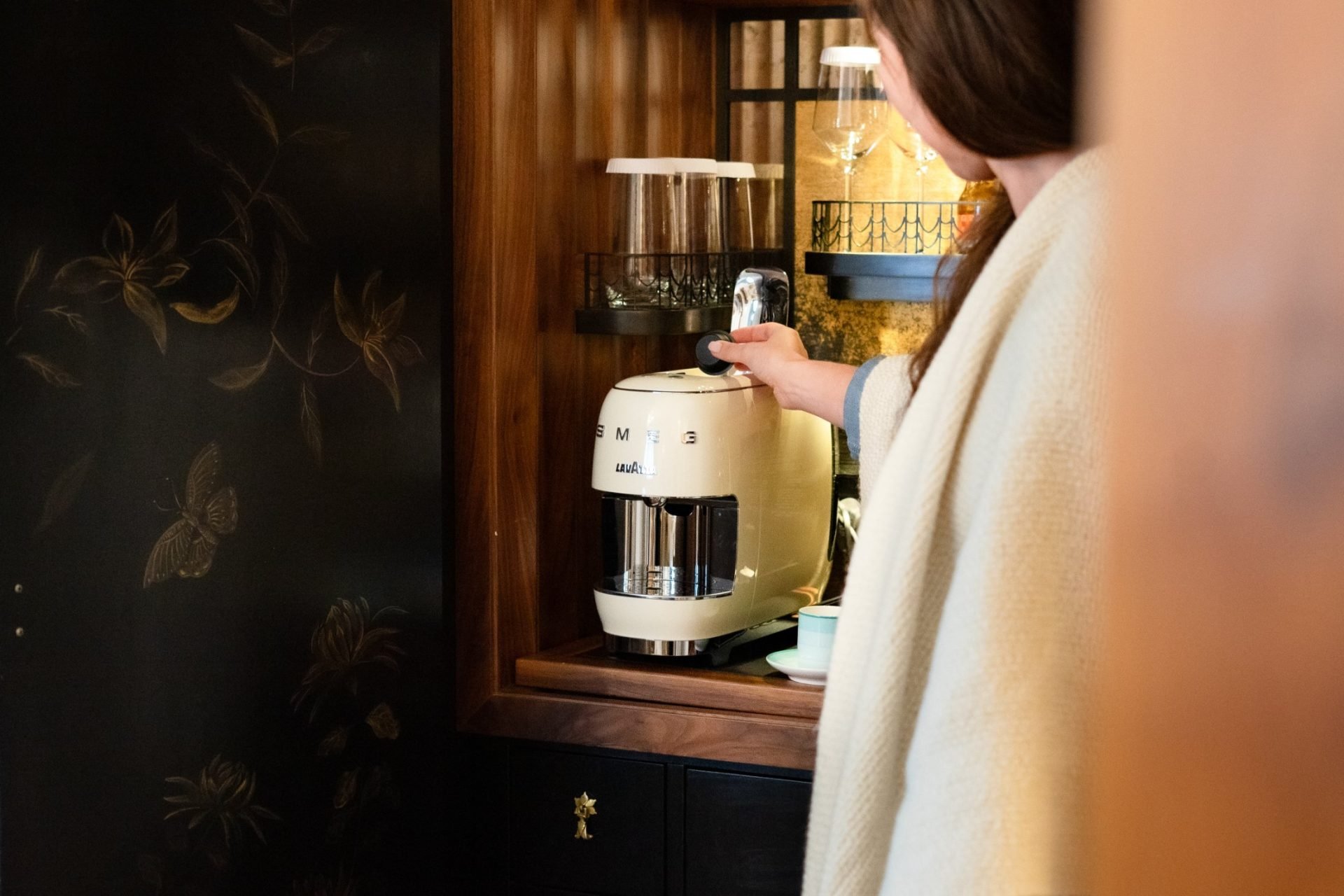
Featuring Lavazza’s A Modo Mio capsule system, Claridge’s transforms the suite beverage station into an elegant focal point:
- Design Integration with Smeg: The setup pairs high-performance capsule machinery engineered with Smeg with Claridge’s signature aesthetic. Soft curves, premium metallic finishes, and curated porcelain ensure each element complements the room's interior architecture rather than disrupting it.
- Bespoke Presentation & Packaging: Custom-designed presentation boxes display a curated selection of A Modo Mio capsules, introducing guests to distinct roast profiles ranging from intense, chocolate-forward blends to lighter, aromatic coffees.
- An Effortless, Artisanal Ritual: By combining intuitive, single-touch extraction with premium Italian coffee blends, guests achieve an authentic espresso or lungo effortlessly in the comfort of their bath robe.
This seamless alignment of iconic Italian equipment design and exceptional coffee ensures that the first five minutes of a guest's morning mirror the elegance of the wider property.
Designing the First-Class In-Room Experience
For luxury hoteliers seeking to elevate their private sanctuary spaces, success relies on three foundational elements:
- Aesthetic Cohesion: Select equipment and serving vessels that match the interior design narrative. Sleek lines, tactile materials, and fine bone china transform a countertop into an elegant hospitality bar.
- Curated Profile Variety: Provide a structured menu of roast styles. Offering distinct options—from an intense, velvet-crema Italian dark roast to a smooth, sweet medium roast—ensures varied international guest preferences are effortlessly met.
- Sensory Storytelling: Accompany the capsule collection with concise, beautifully printed tasting cards detailing roast profiles and tasting notes, inviting guests to engage with the craft behind each cup.
The Commercial Return of Subtle Luxury
Upgrading in-room coffee delivers tangible commercial advantages for luxury hoteliers. A carefully considered private coffee ritual increases guest satisfaction scores, drives repeat suite bookings, and reinforces room rate premiums. It also sets the tone for subsequent food and beverage spend across on-site restaurants and lounges.
By matching exceptional coffee quality with bespoke design theatre, forward-thinking hotels can turn the quietest in-room moment into an enduring hallmark of first-class hospitality.