


Transforming Table Service
In today’s fast-paced hospitality industry, speed, efficiency, and guest satisfaction are more crucial than ever. To explore how technology can meet these demands, we spoke with Pierre Lion, Global Director of Enterprise Sales at SumUp. In this interview, Pierre shares how the all-in-one SumUp Terminal is transforming hospitality operations - from streamlining order-taking and payment processing to enhancing customer experience and cutting costs.

How does using a SumUp handheld device improve the speed and efficiency of taking orders and processing payments in a hospitality setting?
The SumUp Terminal combines payment, ordering, and receipt printing in a single device, eliminating the need to switch between multiple tools or walk back to a central POS. Staff can take orders and process payments directly at the table or on the floor, significantly speeding up service. The intuitive touchscreen interface, fast checkout options, and always-connected dual connectivity (WiFi + 4G) ensure transactions are processed quickly and reliably, even in busy hotel environments.
How does the SumUp handheld system enhance customer satisfaction and the overall guest experience?
Guests benefit from faster service, shorter wait times, and more personalised interactions. With everything staff need in the palm of their hands, there’s no need to jot down orders on paper or walk back and forth to a central POS, reducing errors and keeping service seamless. Staff can stay attentive and responsive throughout the guest journey, from taking room service orders to settling the bill tableside. The sleek, professional design and instant receipt printing also elevate the overall experience. What’s more, any team member can pick up and process an order, even if they didn’t originally serve the table, ensuring flexibility, continuity, and a guest-first approach.
What are the cost-saving advantages of using a SumUp device compared to traditional POS systems in a hospitality environment?
Unlike many traditional POS systems that require multiple hardware components and charge monthly fees, the SumUp Terminal is available for a one-time, upfront purchase of £169 with no ongoing rental costs. It combines several devices into one (POS, receipt printer, card reader), reducing hardware investment and saving on subscription fees. Setup is also dramatically faster, thanks to the AI-powered menu digitisation feature, cutting down on onboarding and training time.
How easy is it for a venue to integrate and use a handheld payment service for transactions?
The Terminal is ready to use out of the box with no complex installation. Merchants can scan a menu or product list using the built-in camera and AI, which automatically digitises it, making setup intuitive, even for non-technical users. Staff can be trained quickly thanks to the simple interface, and the system integrates seamlessly with popular accounting software like Xero and QuickBooks for backend operations.

Behind the Scenes Excellence
How facilities management transforms guest experience.
Guests may never see your laundry facility, but they feel its impact from the moment they step into their room. That crisp bed linen, the plush towels, the spotless uniforms worn by your staff – these encounters shape perceptions of quality and attention to detail. Yet for many hotel operators, laundry remains an afterthought, often outsourced to reduce perceived complexity. In this article, Ela Hedges, business development manager GB & IE at Miele Professional explores how strategic facilities management decisions around laundry operations can elevate guest satisfaction while delivering operational advantages that directly impact your bottom line.
The hidden costs of outsourcing
Many hotels choose external laundry services believing this reduces operational complexity and capital investment. However, this approach often creates unexpected vulnerabilities. External providers operate on their own schedules, meaning urgent requirements – such as replacing soiled linens during peak occupancy – may not receive immediate attention. Transport delays, weather disruptions, or capacity constraints at external facilities can leave housekeeping teams scrambling for alternatives.
Quality control presents perhaps the greatest risk. Once linens leave your premises, you lose direct oversight of wash temperatures, detergent quality, and handling procedures. Items may be processed alongside laundry from other establishments, creating potential cross-contamination risks that could compromise your brand standards.

Regaining control through on-premise facilities
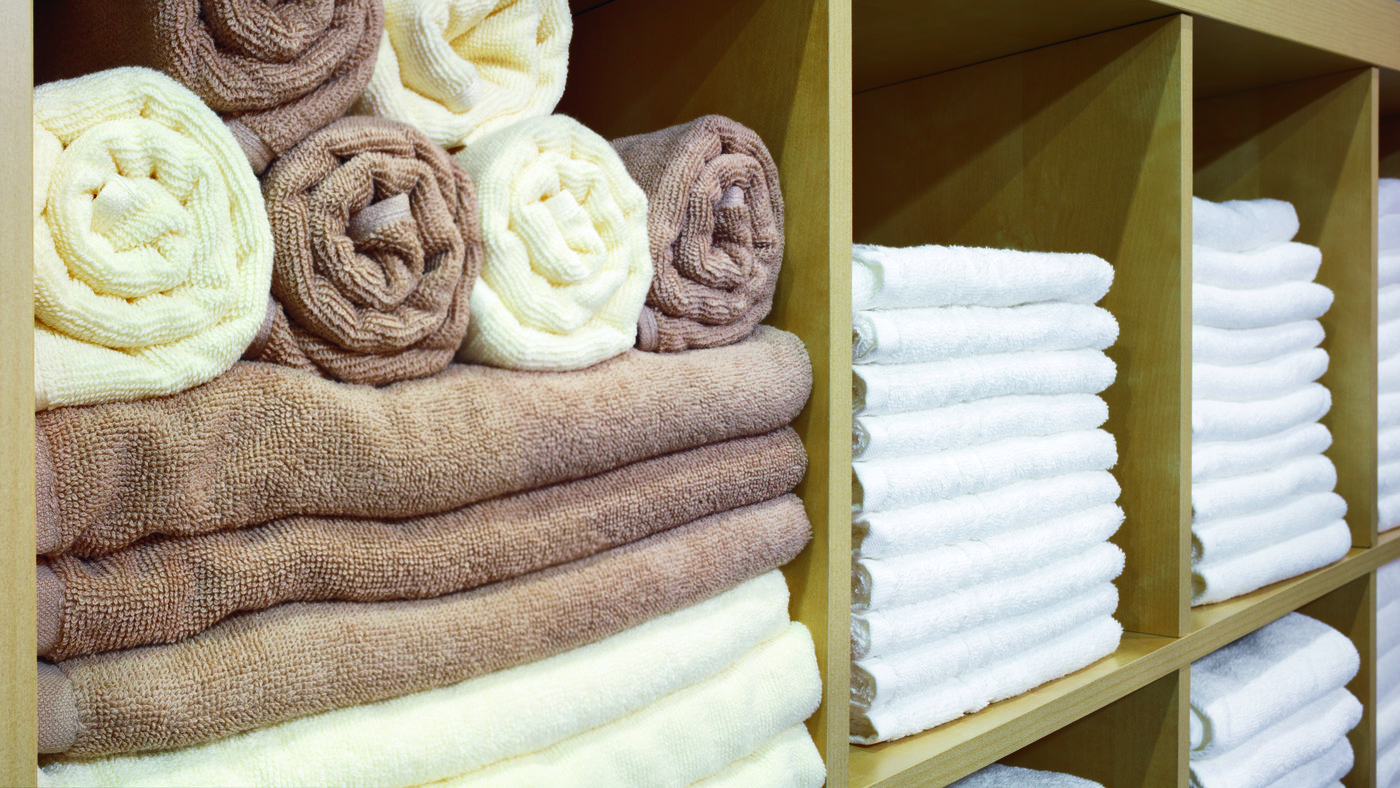
On-premise laundry (OPL) facilities offer hotel operators direct influence over every aspect of textile care. This control goes beyond simple washing and drying to encompass the entire guest experience ecosystem. Fresh, properly laundered items arrive exactly when needed, allowing housekeeping teams to maintain consistent room turnover schedules even during peak demand periods.
The responsiveness advantage proves particularly valuable for hotels managing multiple revenue streams. Spa treatments, conference facilities, restaurants, and room service all generate different types of soiling and urgency requirements. An on-premise facility can prioritise items based on immediate operational needs rather than external provider schedules.
Temperature control becomes crucial for maintaining hygiene standards that protect both guests and staff. Commercial washing machines designed for hospitality applications, such as Miele's Little Giants range, maintain precise thermal disinfection temperatures throughout wash cycles. These machines complete full wash and dry cycles in just 86 minutes, enabling rapid turnaround while ensuring items reach the 71°C thermal disinfection threshold required for eliminating harmful pathogens.
Technology driving efficiency and quality
Modern commercial laundry equipment incorporates sophisticated monitoring and control systems that optimise resource consumption whilst maintaining consistent results. Automatic detergent dosing prevents waste while ensuring optimal cleaning performance, regardless which staff member operates the machine. This consistency proves essential for maintaining brand standards across shifts and seasonal staff changes.
Energy efficiency has evolved beyond simple cost reduction to become a competitive differentiator for environmentally conscious guests. Heat-pump dryers consume approximately 60% less energy than conventional models while delivering faster cycle times. For hotels processing substantial daily laundry volumes, these savings contribute meaningfully to sustainability goals whilst reducing operational expenses.
The guest experience dividend
Superior facilities management creates tangible benefits that guests notice immediately. Properly maintained on-premise systems eliminate the transit-related wrinkles and creases that plague outsourced laundry. Linens arrive crisp and properly pressed, contributing to that "fresh room" impression that influences guest satisfaction scores.
Response capability during peak periods demonstrates operational excellence. Major sporting events, conferences, or seasonal influxes can overwhelm external laundry providers. Hotels with on-premise facilities maintain service quality regardless of external demand pressures, ensuring guest experience remains consistent during revenue-critical periods.
Implementation considerations for success
Successful OPL implementation requires careful space allocation and equipment selection. Modern commercial machines offer compact footprints that maximise processing capacity within available space. Stackable configurations and efficient layouts can accommodate substantial daily volumes without requiring extensive facility modifications.
Staff training ensures consistent results across all team members. Intuitive machine controls and automated programmes reduce the learning curve whilst preventing operational errors that could damage expensive linens or create safety hazards.
Comprehensive support services smooth the transition from outsourced to on-premise operations. Consultancy services can analyse specific hotel requirements, optimise processes, and ensure equipment specifications match actual operational demands rather than theoretical projections.
The decision to establish OPL capabilities represents more than operational efficiency – it's an investment in guest satisfaction, brand consistency, and competitive advantage. For hotels committed to delivering exceptional experiences, bringing laundry in-house offers control, quality, and flexibility that external providers simply cannot match.
To explore how Miele Professional's commercial laundry solutions can enhance your hotel's operational efficiency and guest experience, visit: https://www.miele.co.uk/p

Stand Out Snacks
Elevate your snack offering with Cheez-It.
There’s never been a better time to up your hotel’s snack game. Spend on snacks has increased by +9% YOY in Out of Home[1], with biscuits and salty snacks the top-performers, seeing a boost in value of +12% and +9% respectively[2].
Offering stand-out, quality snacking options for guests, whether that’s in the mini bar or in your on-site café, is a must for capturing additional revenue throughout the day.
One of the most exciting snacks on the scene right now, iconic US brand Cheez-It made its UK debut in June 2024. A $1 billion brand globally, the snack is on track to reach an impressive £20million brand value[3] since launch, becoming the second biggest NPD in Singles of the last four years[4].
On a mission to help foodservice operators, venues and hotels take a bigger bite of the snacking opportunity, Cheez-It partnered with Hilton London Metropole for a summer trial. The brand supplied 200 of its Double Cheese and Cheese and Chilli 40g bags, alongside impactful POS, for the hotel’s busy on-site eatery Tyburn Market Café. Perfect for the café’s meal deal proposition, the snack proved a huge hit.
Fergus Crouch, Manager of Hilton London Metropole’s Tyburn Market Café said: “As a hotel that’s well connected to Heathrow and perfectly located for exploring Central London, we welcome thousands of international guests every summer. The sight of such an iconic, globally loved brand in our café created buzz with people stopping for a quick bite, and both Cheez-It flavours sold steadily over the course of the trial.
“They were certainly a great addition to our current range, providing something new and different to elevate our meal deal offering – our regular guests enjoyed having a new type of snack to try. When people were looking for something with a kick in particular, my team and I would recommend picking up a bag of the Chilli Cheese flavour which always went down well. There’s a strong possibility we’ll be stocking Cheez-It in future!”
Interested in adding Cheez-It to your snack offering? Visit stockitcheezit.com
[1] OOH panels, Q2 2024, Kantar Worldpanel
[2] OOH panels, Q2 2024, Kantar Worldpanel
[3] Total Market, IRI Data since launch up to 14th June 2025
[4] Kantar Worldpanel, top 10 NPD ranking 2024
Preparing for the Future
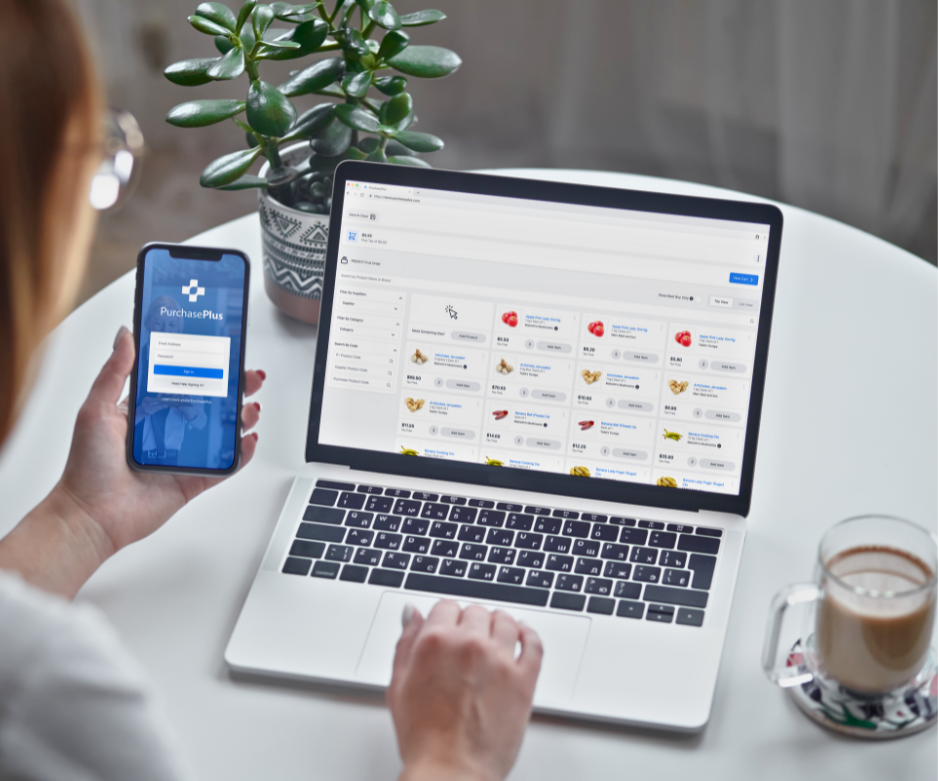
We caught up with Malcolm Jull, CEO at PurchasePlus - A Marketboomer Product, to discuss how the company’s purpose-built technology is helping hotels cut costs and streamline purchasing, while supporting sustainability goals.
For those unfamiliar with Marketboomer, can you give us a quick overview of what the company does and how it serves the hospitality industry?
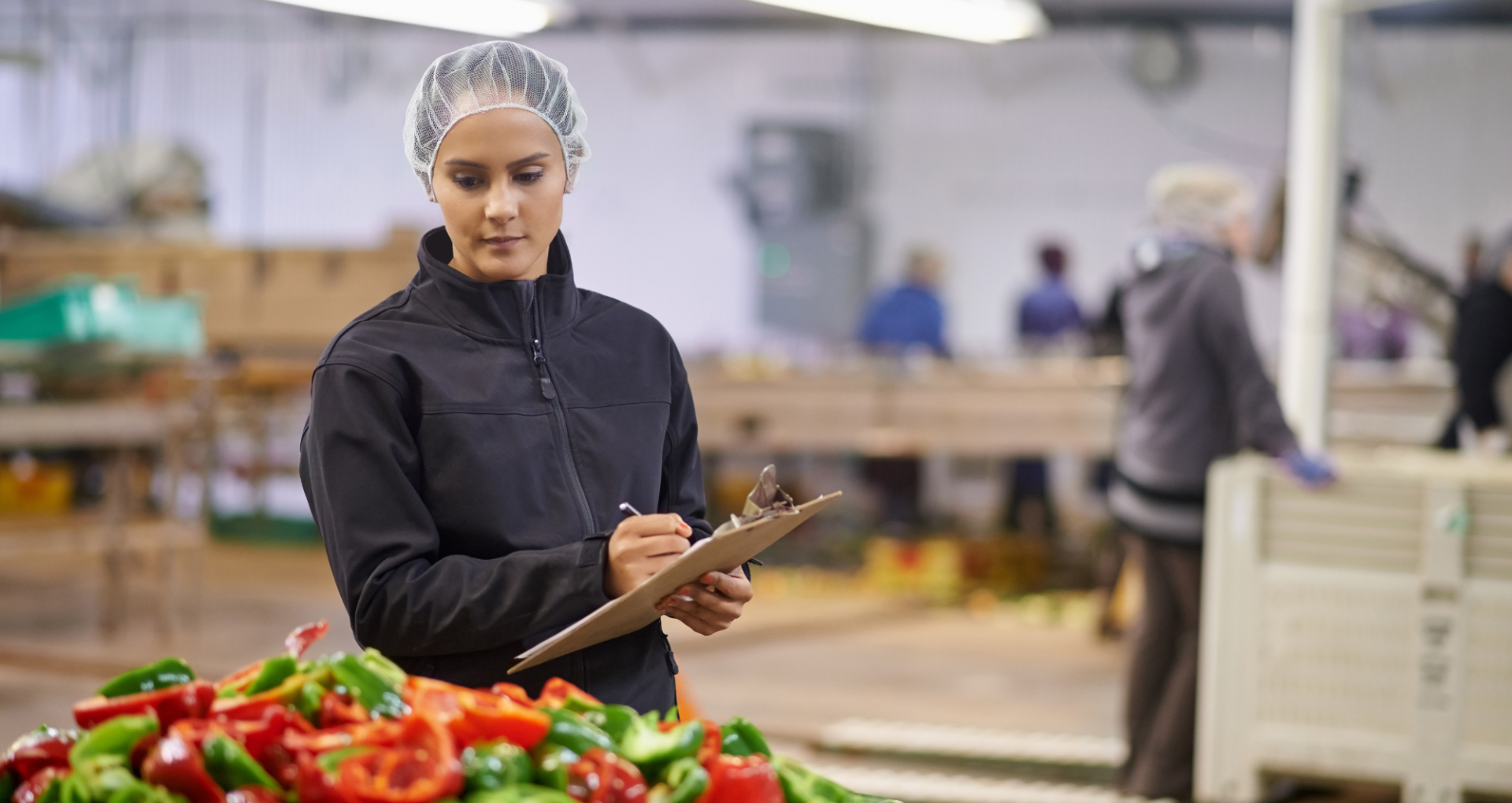
Marketboomer is a procure-to-pay technology provider purpose-built for the hospitality industry. We've been around for over 20years and after a complete rebuild have decided it's time to bring our solutions to the UK! Through our platform, PurchasePlus, we connect hotels with their suppliers, streamline purchasing, simplify invoice processing, and provide real-time visibility over spend and inventory. We help hotel operators reduce costs, gain control, and operate more efficiently - all through an intuitive, easy to use mobile/tablet and desktop solution that’s been designed with the modern hotel worker in mind.
What are some of the biggest procurement challenges hotels face today, and how does Marketboomer help solve them?
Hotels are navigating rising costs, fragmented supplier networks, inconsistent data, and the ongoing pressure to do more with less. Procurement is often manual, disconnected, and lacking visibility - and every supplier has a new system they want you to use.
PurchasePlus solves this by automating core procurement and invoice workflows, connecting directly with suppliers via API or catalogue integrations, and delivering centralised control and reporting. Our platform makes it easy to compare pricing, track compliance, and standardise purchasing - whether you’re a single property or a global group. We just do it really well, we have some bells and whistles of course, but it's the ability to do the everyday things on a no training needed platform that really sets us apart.
How does Marketboomer’s technology integrate with existing hotel operations, and what kind of results have clients seen?
We’re designed to be lightweight and fast to implement. Marketboomer integrates seamlessly with accounting systems like NetSuite and Xero, and works alongside PMS, POS, and inventory tools to create a connected back-office environment.
Our clients typically see a 20–30% reduction in purchasing admin, 80%+ invoice processing and allocation automated, and a measurable lift in gross margin through better price control. One group recently reported reducing invoice processing costs by 85% while handling 40% more volume - that’s the kind of operational efficiency we deliver.
Sustainability and cost efficiency are big themes in the hotel sector - how does Marketboomer support these priorities?
Sustainability and cost efficiency go hand in hand, and we help on both fronts. With full visibility over what’s being bought and from whom, hotels can align purchasing with ESG goals - whether that’s reducing food waste, tracking supplier compliance, or consolidating deliveries to cut emissions. Most importantly at the heart of it all we are a control tool, and control enables you to support real sustainability by ensuring the right supplier is used to source the right product at the right price. On the cost side, our platform identifies saving opportunities automatically - flagging price variations, enabling better forecasting to support smarter buying decisions.
Looking ahead, what innovations or trends is Marketboomer most excited about in the hospitality procurement space?
We’re excited by the shift towards intelligent automation - especially where AI can remove low-value admin and free teams up to focus on strategy. We’re actively building tools that help hotels forecast demand, optimise supplier relationships, and respond faster to cost pressures. We're excited about how these new tools will help even more administration and manual work to be done so hotel teams can spend more time with people.
We’re also seeing stronger demand for open integration - hotels want technology that fits together easily. That’s been a big part of our product roadmap, and we’ll continue to prioritise openness, usability and speed of implementation given everybody is busier than ever these days.
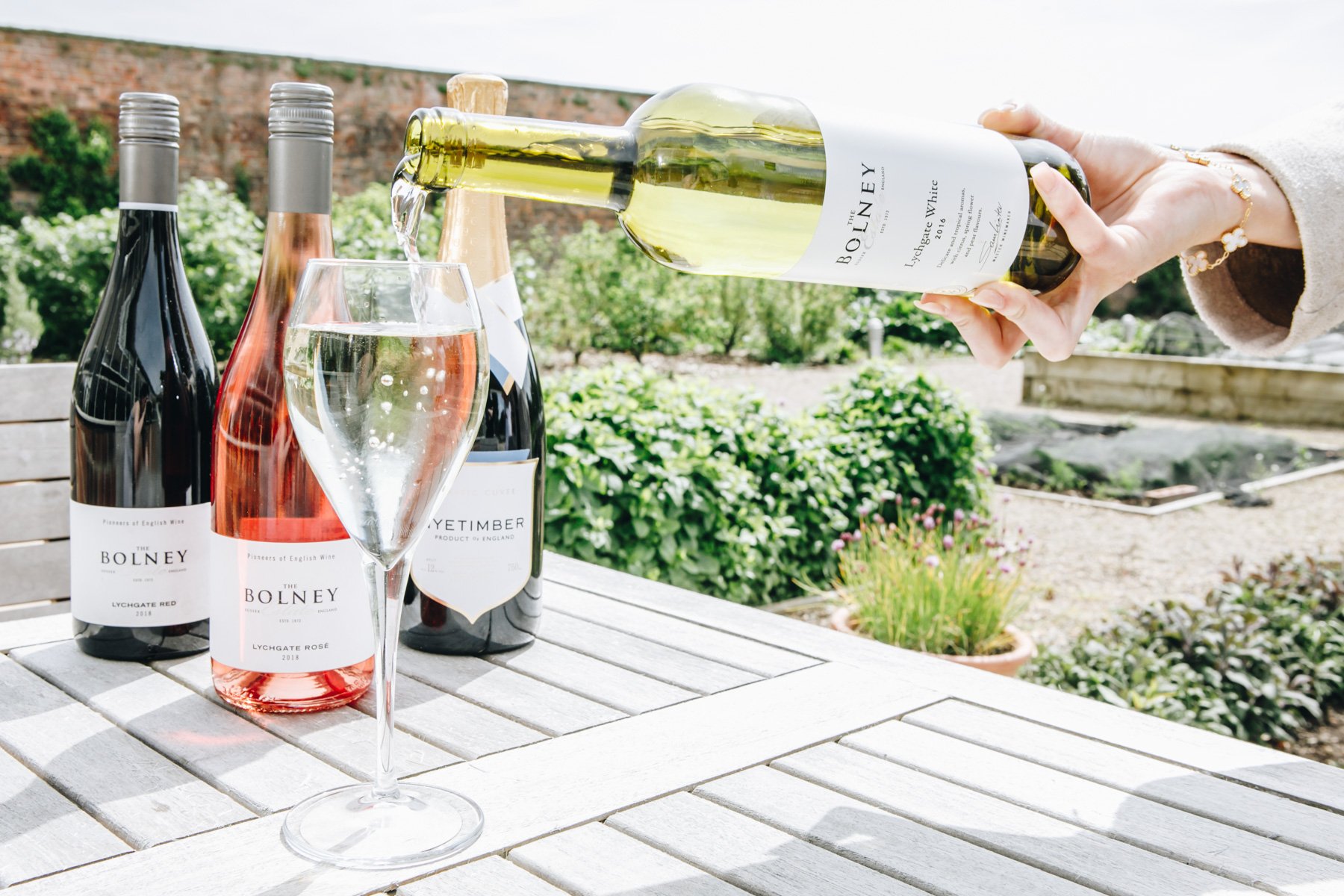
Match Made in Heaven
A Partnership That Pours Confidence: Wynyard Hall and Lanchester Wines.
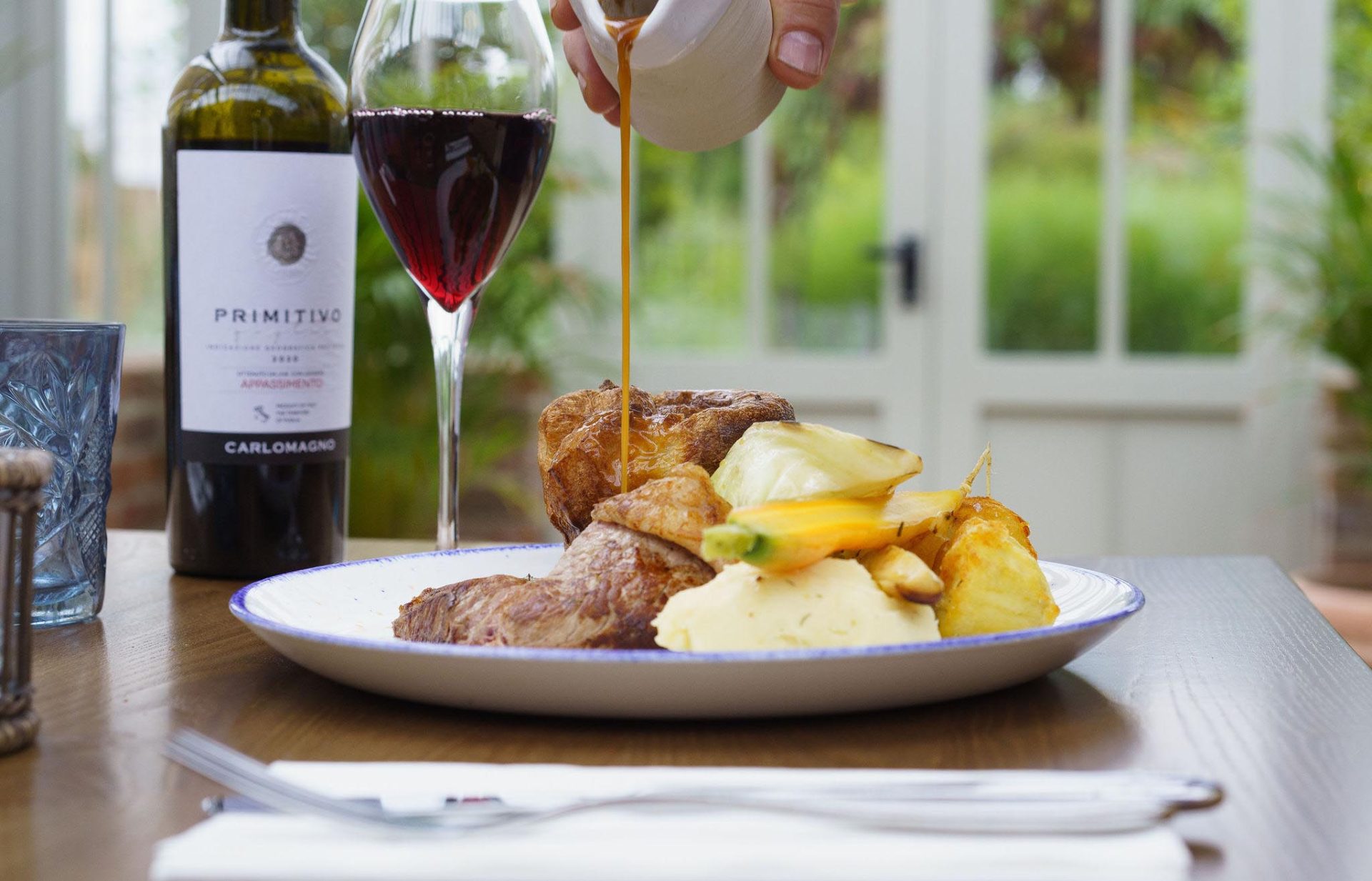
Set within 400 acres of private parkland near Stockton-on-Tees, Wynyard Hall is a magnificent 18th-century Grade II listed country house, carefully restored in the late 1980s. Today, it stands as one of the North East’s most desirable destinations for weddings, dining, spa retreats and elegant escapes. The estate encompasses an award-winning spa, luxury cottage accommodation, the renowned Glass House restaurant and the historic rose garden – home to one of the largest collections of roses in Britain.
Overseeing the estate’s diverse food and beverage offering is Food & Beverage Manager, Matthew Dahlberg, who plays a pivotal role in delivering a seamless and sophisticated guest experience. With a wide-ranging clientele – from wedding parties and corporate guests to spa visitors and farm shop patrons – Matthew works closely with trusted suppliers, including Lanchester Wines, to ensure the wine offering is expertly curated and consistently aligned with the estate’s elevated standards.
“One of our greatest strengths is that Wynyard Hall remains privately owned by Allison Antonopoulos, daughter of Sir John Hall,” Matthew explained. “Her involvement in the overall direction of the estate ensures every detail, from interior design to our wine list, is carefully considered and reflects our brand. We have a talented in-house team, but where specialist knowledge is needed, we partner with leading suppliers who bring invaluable expertise. In hospitality, we are required to be generalists by nature, but working with trusted professionals allows us to deliver excellence in every area.”
Teamwork is a guiding principle in Matthew’s approach. “My background in the Army instilled in me a deep respect for collaboration,” he said. “That ethos continues to shape my leadership style. I see our suppliers as an extension of our internal team. For example, Ben Cotts, Key Account Manager at Lanchester Wines, plays an instrumental role in advising and refining our wine offering. He’s someone I can rely on to provide honest, strategic input.”
The wine list across the estate’s venues is carefully structured to avoid overstocking while ensuring quality and variety. “It’s a considered balance,” Matthew explained. “We maintain a core selection of classic, well-loved varietals at an accessible price point, complemented by a few standout options for those seeking something special. Lanchester Wines’ extensive portfolio also allows us to tailor bespoke offerings, particularly for weddings and private events where personalisation is key.”
Supporting Matthew is a capable internal team, including Thea Linton, who leads on data and performance analysis in the restaurant; “Thea’s insights into sales trends help us make informed decisions. With weddings forming a significant part of our business, clarity, consistency and quality are at the heart of everything we do.”
As for what’s next? “A return to the classics,” said Matthew. “There’s something powerful in simplicity. At Wynyard Hall, it’s about staying true to who we are – refined, elegant and timeless.”
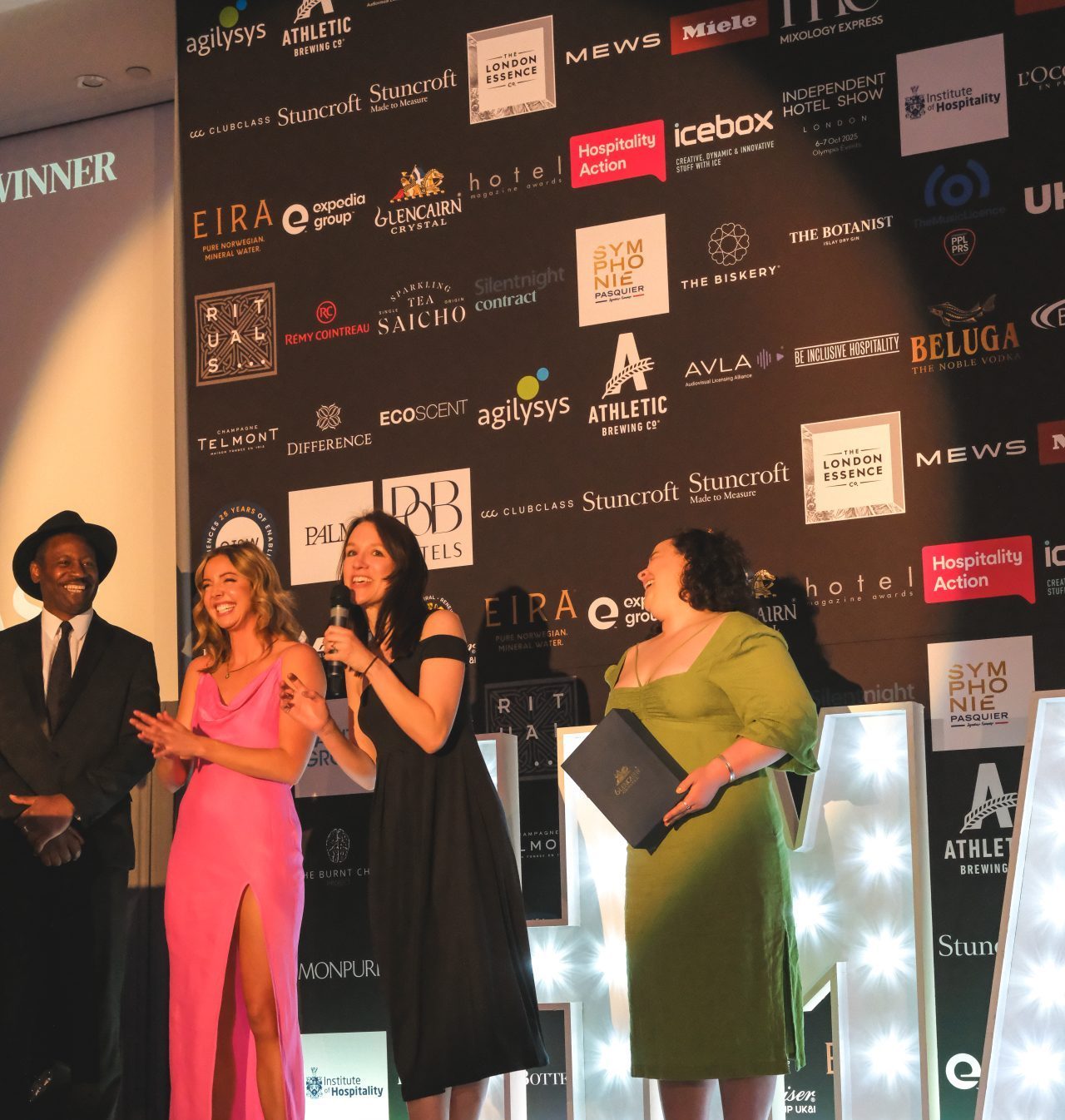
Exciting News
Hotel Magazine Awards 2026: Applications Now Open and New Website Goes Live.
The hospitality industry’s most anticipated celebration of excellence is officially underway. Hotel Magazine is delighted to announce that applications are now open for the Hotel Magazine Awards (HMAs) 2026. Alongside this exciting news, we are proud to unveil the newly launched Hotel Magazine Awards website at hotelmagazineawards.co.uk, which serves as the central hub for all things HMA - from award categories to key dates and sponsorship opportunities.
Now in its second year year, the Hotel Magazine Awards continue to spotlight the trailblazers, innovators, and visionaries shaping the future of hospitality in the UK and beyond. The 2026 awards promise to be the most ambitious and dynamic edition yet, expanding categories, refining the judging process, and deepening our commitment to inclusivity and excellence.

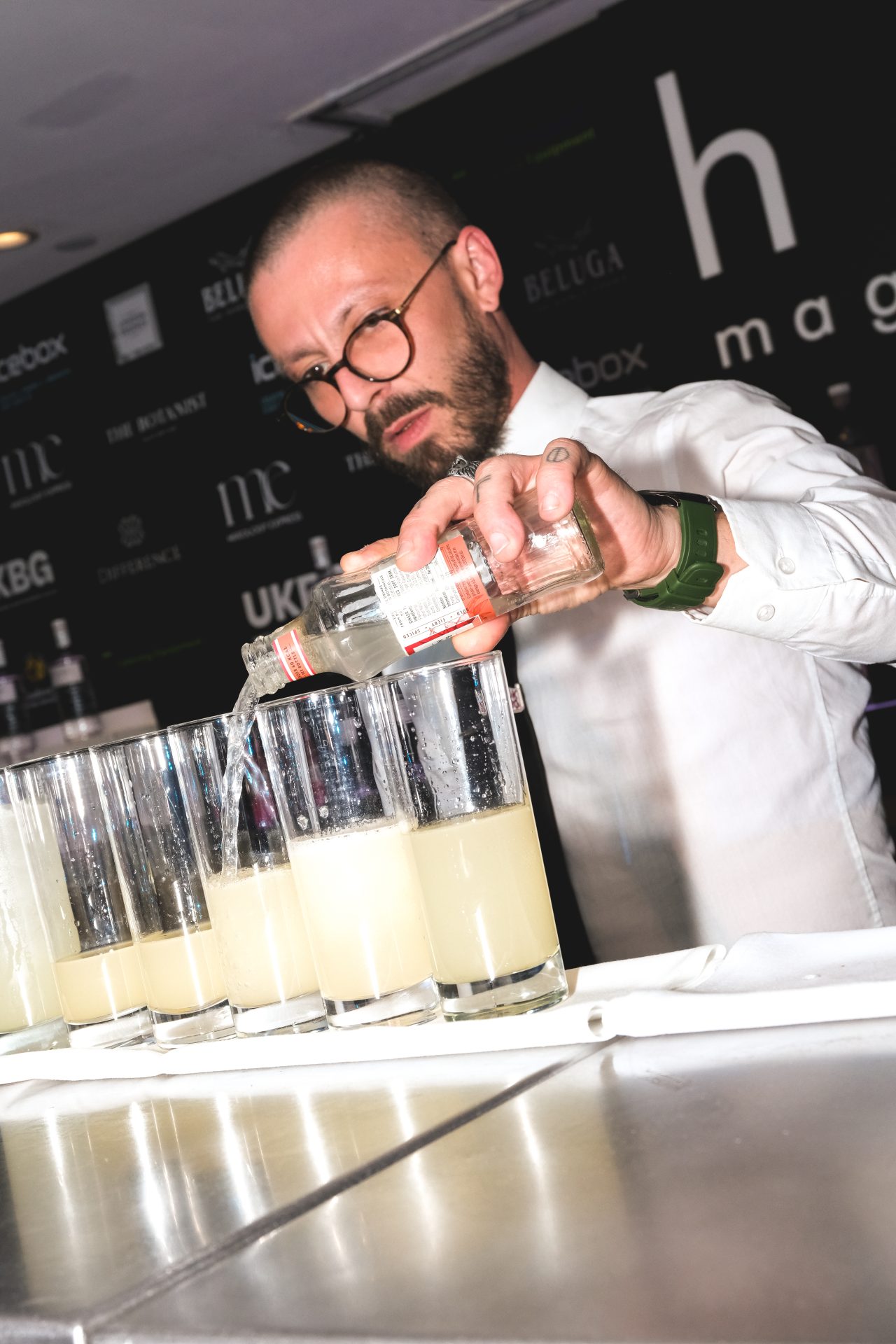
Celebrating Excellence in Hospitality
The Hotel Magazine Awards were launched to honour the outstanding achievements of individuals, teams, and businesses across the hotel sector. From boutique gems to global brands, the HMAs showcase the full spectrum of talent and creativity that makes the hotel industry so dynamic and resilient.
The 2026 awards will once again celebrate excellence across 10 categories, including returning favourites such as The Environment Award, Marketing Innovation Award, Best Spa and Wellness Venue, Hotel of the Year, Hotelier of the Year, Equity, Diversity & Inclusion Award and the much-loved Unsung Hero Award. This year also sees the introduction of exciting new categories including the Technology Award, Hotel Bar of the Year and Hotel Restaurant of the Year.
Apply Now – Your Time to Shine
Applications for the Hotel Magazine Awards 2026 are now officially open! Whether you're a boutique hotelier offering an unforgettable personalised experience or a multinational group pushing the envelope of tech and design, we want to hear from you.
Entering is simple. Visit hotelmagazineawards.co.uk where you’ll find everything you need to submit your application - from full category descriptions to eligibility criteria and helpful FAQs.
Entrants can submit in multiple categories, and the process has been streamlined to make participation more accessible than ever. Submissions must include a detailed overview of achievements, supporting materials (such as images, guest feedback, and relevant KPIs), and a short statement on why your hotel or team deserves to win.
Shortlisted finalists will be announced early next year with the winners revealed at a glamorous live awards ceremony set to take place in on April 20th 2026 at the prestigious London venue that is the InterContinental London Park Lane. Finalists will receive extensive coverage in Hotel Magazine, online features, and exclusive networking opportunities at the event.
Discover the New HMA Website
Alongside the opening of applications, we are thrilled to introduce the brand-new Hotel Magazine Awards website. Designed to offer a seamless user experience, the new site is the ultimate destination for everything related to the HMAs.
At hotelmagazineawards.co.uk, users can:
- Explore all 10 award categories with clear, detailed criteria
- Submit entries directly through the user-friendly online portal
- Access news updates and insights on past winners and success stories
- View sponsorship packages and partnership opportunities
- Find out more about the live event and how to secure tickets
Designed with feedback from previous participants in our HMA25 video, the updated platform ensures transparency, accessibility, and engagement for hotels of all sizes and stages. Whether you're submitting for the first time or returning to defend your title, the new website is your go-to tool for a successful entry.
Why Enter the HMAs?
Winning or even being shortlisted for a Hotel Magazine Award brings a host of benefits. It’s a powerful endorsement from one of the UK’s leading hospitality publications, offering:
- Industry recognition and elevated brand visibility
- Editorial coverage in Hotel Magazine and across our digital channels
- Credibility and prestige to attract top-tier talent and partners
- Networking opportunities at the live awards event
- Employee pride and morale boost for your team’s efforts
More than just trophies and headlines, the HMAs are a celebration of everything the hospitality sector does best - inspire, delight, and serve with distinction.
Ready to Make Your Mark?
The countdown to Hotel Magazine Awards 2026 starts now. With applications officially open and our all-new website live, there’s never been a better time to showcase the people and properties that make your hotel exceptional.
Visit hotelmagazineawards.co.uk to learn more, start your application, and stay up to date with the latest news.
We look forward to celebrating the best in hospitality, and perhaps celebrating you, in 2026.

A Smart Alternative
Give your guests an upgrade: the Coffee Bag revolution.
Coffee is often the first and last impression guests have of their stay. And, when guest experience defines the success of your hotel, this leaves room for a huge opportunity - and there’s a simple solution that's already having a huge impact in the UK.
The smart alternative to instant and pods
While many hotels feel they have to choose between instant sachets and pod machines, there's a third option that's gaining significant traction[1]. Taylors Coffee Bags, now the UK's No.1 Coffee Bags brand[2], deliver the rich, aromatic experience guests are looking for - without the operational complexity hotels want to avoid.
Each Coffee Bag contains 100% speciality-grade Arabica beans, expertly roasted and individually wrapped for freshness. The result? Premium coffee that your guests can brew in minutes using only a kettle, mug and spoon. This means no training required, no equipment investment and no maintenance headaches for your hotel team.
Three key moments worth upgrading
In-room excellence
Only 25% of adults rate in-room hotel coffee as good quality[3], so stand out from the crowd with the full-bodied flavour of our Rich Italian blend or the smooth and balanced taste of our Decaffé blend.
Breakfast Distinction
Having Taylors Coffee Bags at breakfast stations instead of instant coffee delivers the quality that can drive positive reviews and improve guest loyalty.
Conference Success
Impress at conferences and events with a premium quality coffee without the expensive equipment investment and staff training.
The Northcote Hotel
Lisa Goodwin-Allen, Executive Chef at Michelin-starred Northcote Hotel, witnessed firsthand the expertise that goes into every Taylors Coffee Bag during a Taylors of Harrogate factory visit. From bean selection to flavour development, she saw why Taylors Coffee Bags are the smart choice. Managing Director Craig Bancroft also praises their "quality and depth" compared to instant alternatives.
An operational advantage
Beyond premium taste and quality, Taylors Coffee Bags solve the practical challenges that some coffee solutions can create. No staff training, no confusing equipment, no mess to clean up. Your team simply replenishes bags alongside the hot beverage selection – it's that easy.
Ready to upgrade?
Whether you're looking to elevate in-room refreshments, enhance breakfast offerings or provide premium conference beverages, Taylors Coffee Bags offer the perfect blend of quality, taste and convenience.
Don't just take our word for it – experience the difference yourself. Request free samples of our Rich Italian and Decaffé blends today by visiting taylorsoutofhome.co.uk/taylorscoffeebags
[1] Tech Revolutionary, June 2025
[2] IRI Sales Value, 2025
[3] https://www.taylorsoutofhome.co.uk/sectors/hotels

Transformative Power
The Future of Hospitality Technology: Why Unified Platforms Are Winning the Guest Experience Battle - By Matthew Prosser, Senior Director, Agilysys.
The average hotel uses around 20 different software applications to manage operations. This creates a critical decision for hoteliers - continue patching together disparate systems or embrace the transformative power of unified platforms that place the guest at the centre of every interaction.
The hospitality industry stands at a technological crossroads. While sectors like retail have seamlessly integrated their operations around customer-centric platforms, hotels have traditionally operated with siloed systems that create friction points throughout the guest journey.
Whilst it is no longer necessary to choose between best-of-breed functionality and smooth integration, many properties continue to struggle with disconnected technologies that limit their ability to truly understand and serve their guests. The reality is stark: the average hotel uses around 20 different software applications to manage operations, creating a complex web of systems that often fail to communicate effectively with each other.
The great debate: best-of-breed vs unified platforms
The conversation around hospitality technology architecture has become increasingly polarised. Proponents of best-of-breed solutions argue that specialised systems excel in their specific functions. As Michael Toedt, CEO and Founder of dailypoint, argues: "The best guest experiences aren't built on compromise, and neither should your tech stack be."
Conversely, advocates for unified platforms emphasise operational efficiency and seamless integration. Adam Mogelonsky, Partner at Hotel Mogel Consulting Ltd., makes the case for all-in-one solutions: "Fewer vendors to talk to, saving time. Fewer dashboards to look at, preventing dashboard fatigue."
However, in hospitality, the guest experience isn't compartmentalised. When a guest books a spa treatment, dines in your restaurant, or requests late checkout, these aren't isolated transactions, they're interconnected moments that should inform and enhance every subsequent interaction.
The hidden costs of fragmentation
The reality of managing multiple best-of-breed systems extends far beyond initial procurement costs. Properties operating with fragmented technology stacks face ongoing challenges that compound over time:
- Data silos and missed opportunities: When guest information is scattered across multiple platforms, properties lose the ability to create comprehensive guest profiles. A guest's dining preferences captured in the restaurant POS system remain invisible to front desk staff during check-in. Each interaction becomes a missed opportunity to demonstrate genuine understanding and care.
- Integration nightmares: Ask any hotel IT manager what keeps them up at night, and "integration" is still near the top of the list. The complexity of maintaining data synchronisation between multiple systems creates ongoing technical debt, requires specialised IT resources, and often results in frustrating delays when implementing new features or resolving guest issues.
- Staff inefficiency: When team members must navigate multiple systems to access guest information or complete routine tasks, operational efficiency plummets. A simple guest request might require logging into three different platforms, manually cross-referencing information, and hoping that data discrepancies don't create service failures.
- The work around: Perhaps the most insidious cost of fragmented systems is the development of unofficial workarounds that mask underlying deficiencies. Staff develop tribal knowledge to navigate system inadequacies, easily identified by phrases like "the way we do that is..." or "Yes we know, but to get around that do this and this..." This creates operational fragility where staff departures expose critical knowledge gaps, and what appears smooth from management's perspective actually depends on complex manual interventions.
 The unified platform advantage
Forward-thinking hoteliers are recognising that unified platforms offer something far more valuable than mere convenience, they enable a fundamentally different approach to guest service. When all guest touchpoints flow through a single, integrated system, properties can deliver experiences that feel cohesive, personalised, and genuinely anticipatory.
Consider the transformation at Watergate Bay and the Another Place collection under Judi Blakeburn's leadership. Their strategic decision to implement a fully integrated resort system wasn't merely technological, it represented a philosophical shift toward guest-centricity. As Blakeburn explains: "I recall sketching a simple circle on a piece of paper and declaring, 'This is our guest. Everything we do must connect to this centre.'"
This unified approach has delivered significant results for the properties. While the global industry average for room revenue to secondary spend sits at 65/35 according to HotStats, Watergate Bay has achieved a remarkable 50/50 split. This transformation demonstrates how unified platforms enable properties to recognise and capitalise on revenue opportunities that fragmented systems simply cannot detect.
From RevPAR to RevPAG: measuring what actually matters
The shift toward unified platforms aligns with a broader evolution in how successful properties measure success. Traditional metrics like Revenue per Available Room (RevPAR) and Average Daily Rate (ADR) reflect a narrow, room-centric view of hospitality that no longer serves properties well in today's competitive landscape.
According to the Agilysys Global Hospitality Study, the RevPAG (Revenue per Available Guest) concept has gained significant traction, with overall concept scores improving by 3.8 points from 69.5 to 73.3 in 12 months. This signals a fundamental shift in how the industry conceptualises value creation.
RevPAG recognises that guests don't just book rooms; they engage with restaurants, spas, experiences, and ancillary services throughout their stay. More importantly, they continue to engage with brands long after checkout through loyalty programs, future bookings, and recommendations to others. Unified platforms make it possible to track, measure, and optimise this comprehensive guest relationship in ways that fragmented systems cannot match.
The best of both worlds
The most forward-thinking approach emerging in hospitality technology represents a "Best of Experience" philosophy that transcends the traditional either-or debate. This new approach centres on modular platforms that are designed to be modular from day one, delivering the core benefits of unified systems - single sign-on, centralised data, streamlined operations - while allowing properties to activate functionality as their needs evolve.
The key distinction lies in the architecture: rather than forcing properties to choose between best-of-breed fragmentation or comprehensive ecosystem implementation, modular platforms provide integrated guest profiles at the data level and unified interfaces at the operational level. This means staff can move seamlessly between different operational areas using consistent interfaces, making training more efficient and operations more intuitive, regardless of which modules are currently active.
This modular approach is fundamentally different from best-of-breed integration. Instead of connecting disparate systems, properties work within a single platform architecture where new capabilities are activated as modules rather than added as separate systems. This model is setting the new standard for hospitality technology, offering hoteliers the guest-centric benefits of unified platforms while maintaining complete flexibility in implementation timing and scope. Properties can maintain their core guest data, operational workflows, and reporting within a single platform while progressively expanding their capabilities through additional modules that enhance specific aspects of their operation.
The most forward-thinking approach emerging in hospitality technology represents a "Best of Experience" philosophy that transcends the traditional either-or debate. This new approach centres on open ecosystem platforms that deliver the core benefits of unified suites - single sign-on, centralised data, streamlined operations - while maintaining the flexibility to integrate specialised solutions where they add genuine value.
This approach recognises that while unified platforms provide the foundational infrastructure for seamless guest experiences, certain specialised functionalities may benefit from best-of-breed solutions. The key difference lies in the architecture: rather than forcing properties to choose between integration simplicity and functional excellence, open ecosystem platforms provide robust API frameworks that allow specialised tools to plug seamlessly into the core system.
This model is setting the new standard for hospitality technology, offering hoteliers the operational efficiency of unified platforms without sacrificing the innovation potential of specialised solutions. Properties can maintain their core guest data, operational workflows, and reporting within a single platform while selectively integrating cutting-edge specialised tools that enhance specific aspects of their operation.
The AI integration imperative
The emergence of artificial intelligence in hospitality strongly favours unified approaches. The adoption of AI in the hospitality sector is moving beyond customer service chatbots to encompass predictive analytics for demand forecasting and personalised guest experiences. However, AI's effectiveness depends entirely on data quality and accessibility.
When guest information exists across multiple, disconnected systems, AI applications must work with incomplete datasets, limiting their ability to generate meaningful insights or personalised recommendations. Unified platforms, by contrast, provide AI systems with comprehensive guest profiles that enable sophisticated personalisation, predictive service delivery, and proactive problem resolution.
This technological evolution is happening rapidly. According to a 2024 survey, 30% of respondents believe that increasing investments in leading hotel technologies would provide the highest ROI. Properties that lag in adopting integrated platforms risk finding themselves permanently disadvantaged as AI-driven personalisation becomes table stakes for guest satisfaction.
The loyalty crisis
Perhaps no statistic better illustrates the cost of fragmented guest experiences than this finding from Agilysys research: only 37% of guests return to hotels. In an industry where acquiring new customers costs significantly more than retaining existing ones, this represents an enormous, missed opportunity.
When properties can’t create seamless, personalised experiences due to system limitations, they fail to build the emotional connections that drive loyalty. Unified platforms directly address this challenge by enabling properties to remember, learn from, and anticipate guest needs across all touchpoints. Every interaction becomes an opportunity to demonstrate care and attention, building the relationship foundation that transforms one-time visitors into loyal advocates.
The management company disconnect
One of the most significant barriers to unified platform adoption comes from management companies, which often prioritise operational efficiency over guest experience optimisation. According to Agilysys data, 72% of management companies favour centralised technology approaches, yet 34% report limited effectiveness in cross-property data utilisation.
Individual properties consistently outperform management company operations in guest experience metrics, largely because they can implement unified platforms that truly serve guest needs rather than just operational convenience. The data supports this. Properties with integrated systems show significantly higher secondary revenue generation and guest retention rates.
The competitive advantage
In today's hyper-competitive hospitality landscape, where 53% of guests prioritise hotels offering contactless and digital services, unified platforms provide genuine competitive advantage.
Properties with unified systems can respond more quickly to changing guest preferences, implement new services without complex integration projects, leverage comprehensive data analytics for strategic decision-making, and deliver consistently exceptional experiences that build brand loyalty. The demand for seamless digital experiences is only growing, with 74% of hotel guests now preferring properties offering mobile key technology, a feature that requires deep integration across multiple operational systems.
The future is open and unified
The question facing hospitality leaders isn't whether to eventually adopt unified platforms, it's whether to embrace the modular approach that represents the future of hospitality technology. This new standard outdoes the traditional best-of-breed versus all-in-one debate by offering a third way: platforms that provide unified core functionality with the flexibility to activate functionality as needs evolve.
The most successful properties are already making this transition, driven by the recognition that guest experience excellence requires both technological unity and operational flexibility. As Judi Blakeburn's success at Watergate Bay demonstrates, the best platforms don't just improve operational efficiency, they transform how properties create value for guests and generate revenue for owners while maintaining the agility to evolve with changing market demands.
The hospitality industry's reputation as a technology laggard need not be permanent. Properties that choose a unified platform today position themselves to lead tomorrow's guest experience revolution, creating the seamless, personalised, and memorable experiences that turn guests into lifelong advocates while maintaining the flexibility to continuously innovate and adapt.
In the end, the best technology architecture is the one that serves guests best while empowering properties to continuously innovate. And increasingly, that means modular platforms that put the guest at the centre of every system, every interaction, and every decision, while providing the operational flexibility to activate new capabilities as business needs and market conditions evolve.
open ecosystem platforms that put the guest at the centre of every system, every interaction, and every decision, while maintaining the flexibility to integrate the specialised solutions that will allow hotels to go beyond the technology constraints of today.
The Detail Shaping Stays
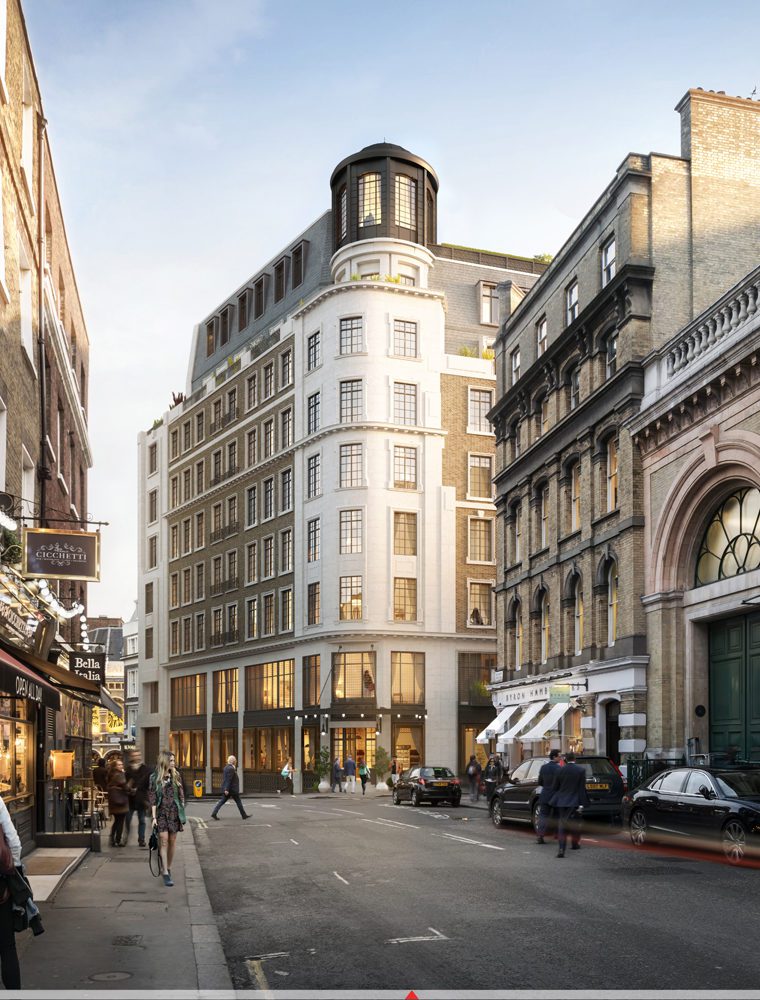
When every detail of a hotel space is curated for elegance, comfort and long-stay luxury, even the hidden systems must meet the highest standards. That’s where Ability by Dimplex came in.
The Other House Covent Garden has bold ambition: create a new kind of luxury destination for long-stay guests. The second opening in the brand after the inaugural site opened in South Kensington in 2022, The Other House Covent Garden is no exception. It aims to offer the comforts of home, the services of a hotel and members’ club and the design quality of a top-end residence. That means every interior finish, fixture and system pulls its weight, quietly and beautifully.
The heating and cooling system is no exception.
Behind the walls and ceilings of these exquisite spaces is a network of fan coil units (FCUs) from Ability. But you’d never know it. And that’s the point.
Quiet performance, hidden presence
In high-end hospitality, aesthetics is everything… so is experience. The team behind The Other House Covent Garden wanted climate control that was silent, compact and completely unobtrusive. For the project’s Senior mechanical engineer at Introba, Martin Bull, who specified Ability FCUs on the project, the priority was ensuring high-performance HVAC that didn’t detract from the room finishes.
Ability’s EVO270 horizontal and EVOVERT vertical FCUs were the perfect match. Compact and quiet, they allowed for seamless integration into tight ceiling voids and high-spec joinery. All of this without compromising airflow or acoustic performance.
Supporting complex installation
It wasn’t just about looks. The M&E installation was highly complex, with each unit in the building having different layouts, ceiling zones and service runs.
With robust technical and customer support, the installation process was streamlined despite the bespoke nature of the job.
A long-stay experience without compromise
Residents staying at The Other House Covent Garden — whether for a week, a month or more — expect high standards. That includes stable, responsive room temperatures, no matter the season. With fan coils engineered for low-noise and steady performance, the system quietly delivers year-round comfort.
But perhaps the greatest compliment to the system is that guests never notice it at all.
Final word
In a hotel that prides itself on “house-hood”, blending the luxury of a hotel with the privacy of a home, the unseen matters as much as the seen. Ability’s fan coil units helped bring that vision to life, proving that building services can be both high-performance and beautifully discreet. For more information, contact Ability technical design team.
Anantara Spa and ELEMIS Join Forces to Redefine European Spa Excellence
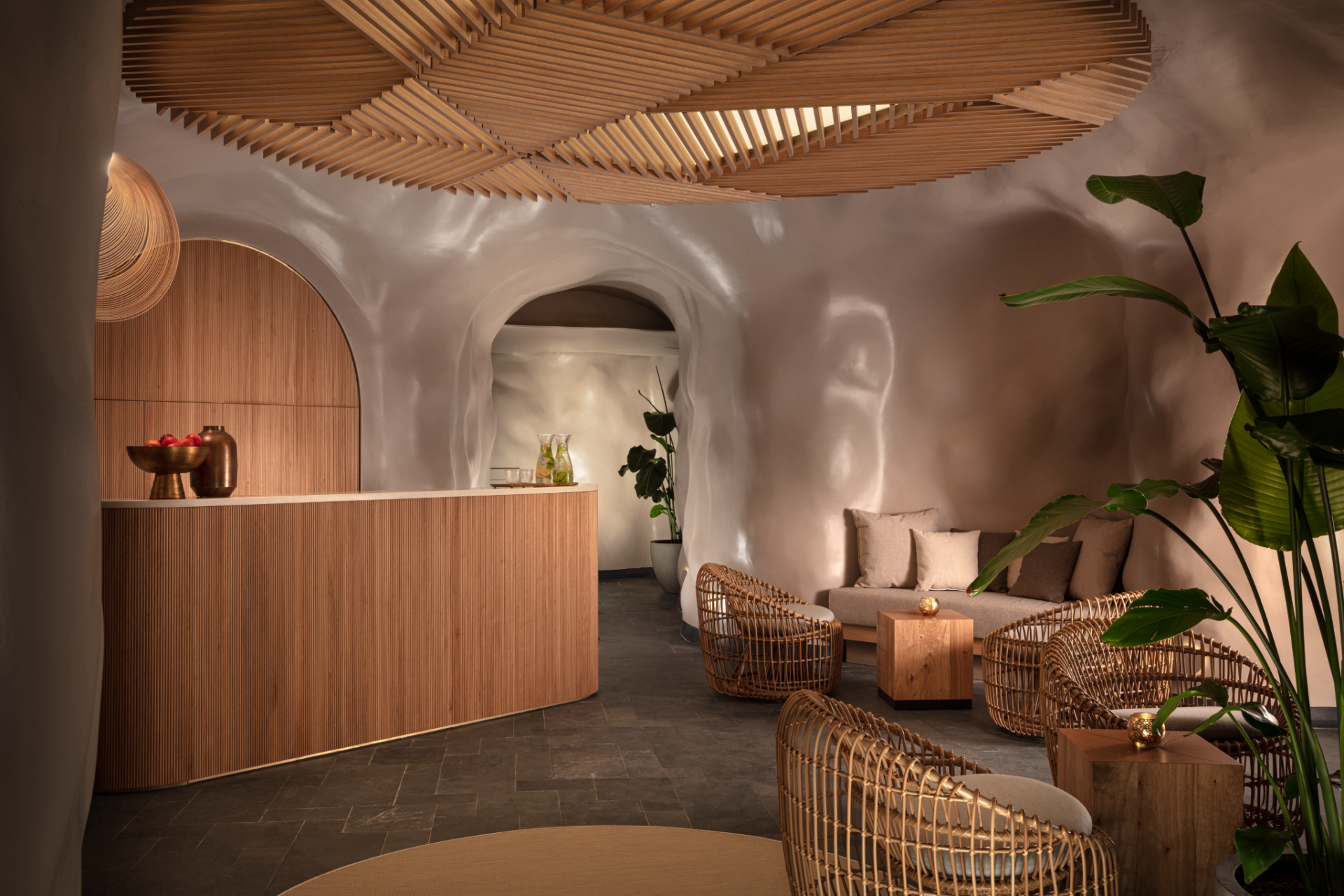
Anantara Spa, celebrated for its refined wellness experiences that honour authentic cultural traditions, has announced an exciting new partnership with award-winning British skincare brand ELEMIS. Together, they will bring ELEMIS’ high-performance treatments and innovative formulas, backed by clinical trials, to Anantara Spa locations in some of Europe’s most inspiring destinations including Vienna, Amsterdam, Dublin, Marbella, Nice, Budapest, Amalfi, Tenerife and Lisbon.
This collaboration marries Anantara Spa’s holistic, experience-led philosophy with ELEMIS’ science, nature and skin wisdom. The outcome is a seamless blend of signature hands-on therapies and advanced, results-driven treatments designed to boost skin health, restore balance, and leave guests feeling radiant inside and out.
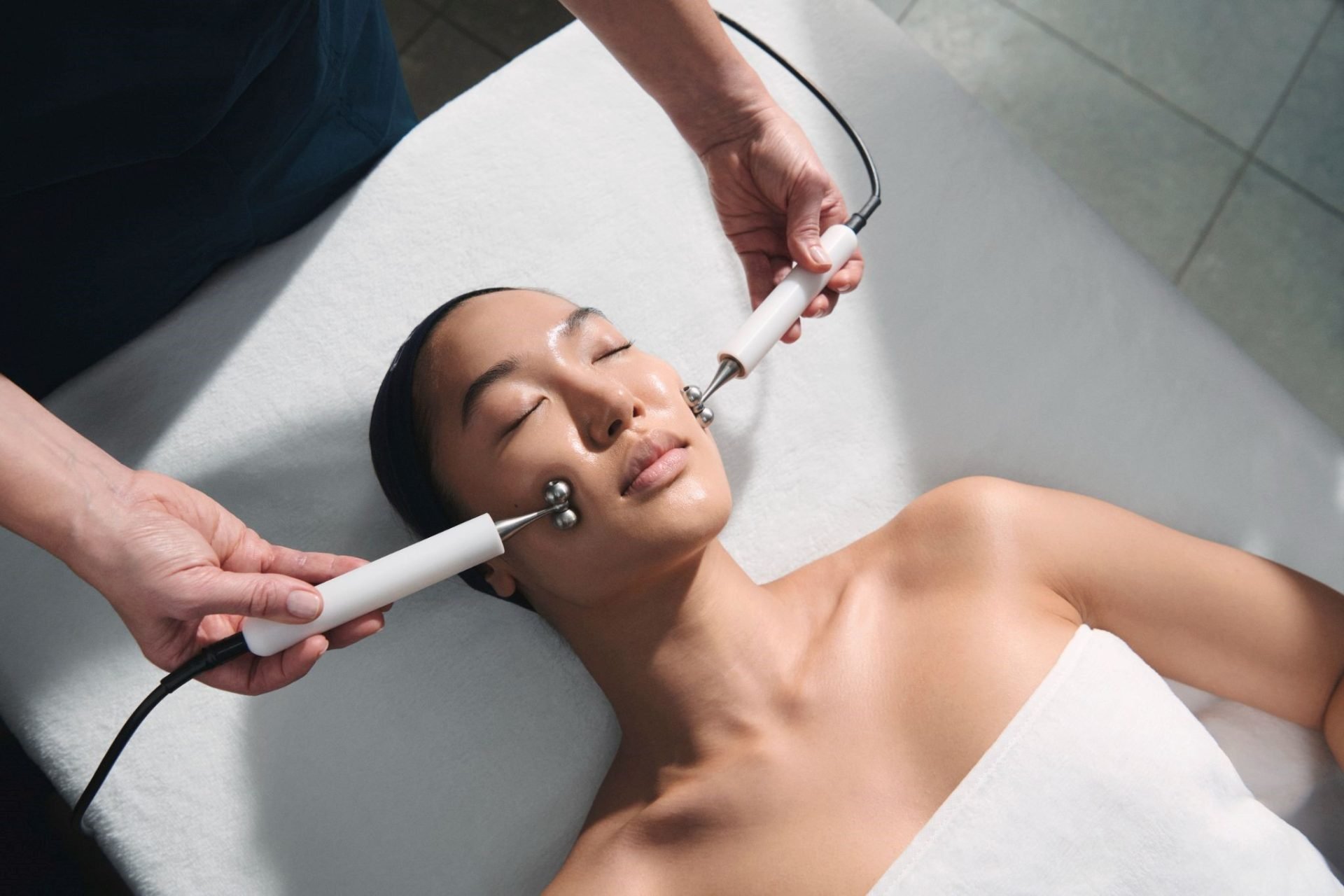
More than half of the participating spas will offer the pioneering ELEMIS EXPERTTM TECH FACIALS. These facials combine ground-breaking technology with active ingredients and transformative touch to rejuvenate the complexion. The pioneering innovation of the BIOTEC machine works in combination with your therapist to supercharge the results of your facial, delivering visible results through six targeted technologies:
- Cryotherapy for skin sculpting
- Ultrasonic Peel for a luminous glow
- Microcurrent for skin lifting
- Oxygen Infusion to plump and hydrate
- LED Light Mask to re-energise the complexion
- Galvanic Technology to restore skin balance
Select destinations will also offer the ELEMIS EXPERT™ SKINLAB with VISIA 3D — a state-of-the-art skin consultation system providing in-depth analysis and tailored treatment plans.
Every spa will introduce the Anantara Signature Journey — an exclusive ritual pairing ELEMIS’ 30+ years of formulation expertise with the soul of Thai wellness traditions. Guests can also indulge in a diverse menu of facial treatments. Powered by innovative technology, active ingredients and transformative touch, ELEMIS skin wellness facials offer a bespoke skin solution and rejuvenated results.
The ELEMIS body treatments offering will include:
- Deep Tissue Massage
- Ginger and Lime Salt Scrub
- Frangipani Nourishing Wrap
- Peaceful Pregnancy Massage
- Targeted Tightening Body Treatment
“ELEMIS shares our commitment to excellence, innovation, and delivering exceptional guest experiences,” commented Bodina Qureshi, Director of Spa and Wellness, Luxury Hotels Europe & Americas, Minor Hotels. “This collaboration allows us to combine Anantara Spa’s deep-rooted sense of place with ELEMIS’ expertise in high-performance skincare, creating a spa journey that is both culturally immersive and scientifically advanced.”
“At ELEMIS, we create cutting-edge skincare and treatments that deliver powerful, visible results.” adds Noella Gabriel, Co-founder of ELEMIS. “Together with Anantara Spa, we are setting a new standard for world-class spa experiences in Europe — uniting local cultural influences with global skincare innovation.”
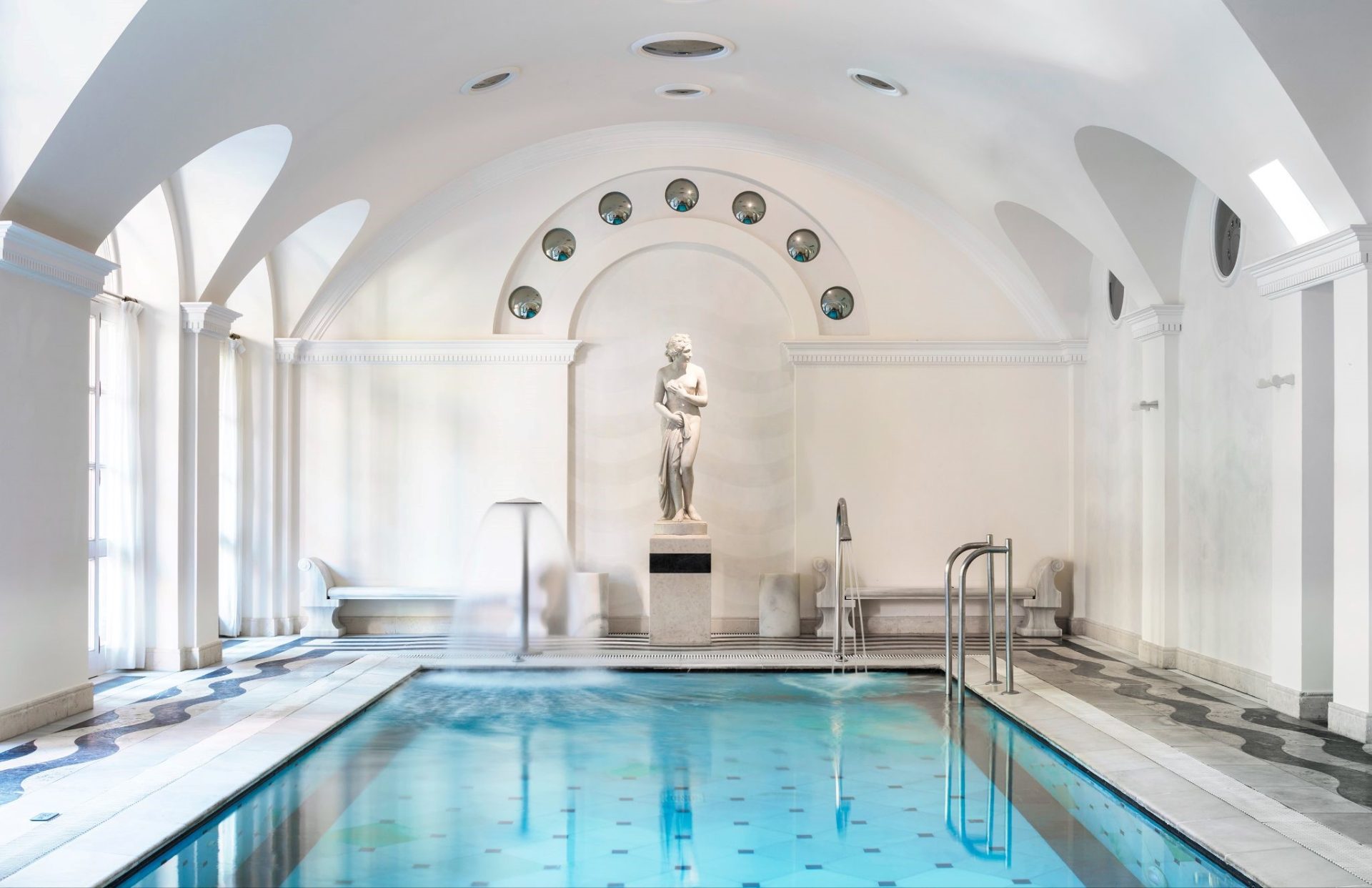
By weaving together local authenticity and world-class expertise, Anantara Spa and ELEMIS are redefining spa excellence for the modern traveller. From personalised consultations and high-performance facials to culturally inspired rituals, the partnership offers guests a comprehensive wellness journey — from their first touchpoint to bespoke aftercare, with premium ELEMIS products available to continue the experience at home.
ELEMIS treatments and products will be available at the Anantara Spas in the following hotels in Europe:
- Anantara The Marker Hotel Dublin
- Anantara Palais Hansen Vienna Hotel
- Anantara Grand Hotel Krasnapolsky Amsterdam
- Anantara New York Palace Budapest Hotel
- Anantara Convento di Amalfi Grand Hotel
- Anantara The Plaza Nice Hotel
- Anantara Villa Padierna Palace Benahavis Marbella Resort
- Tivoli Avenida Liberdade Lisboa Hotel
- Tivoli La Caleta Tenerife Resort