

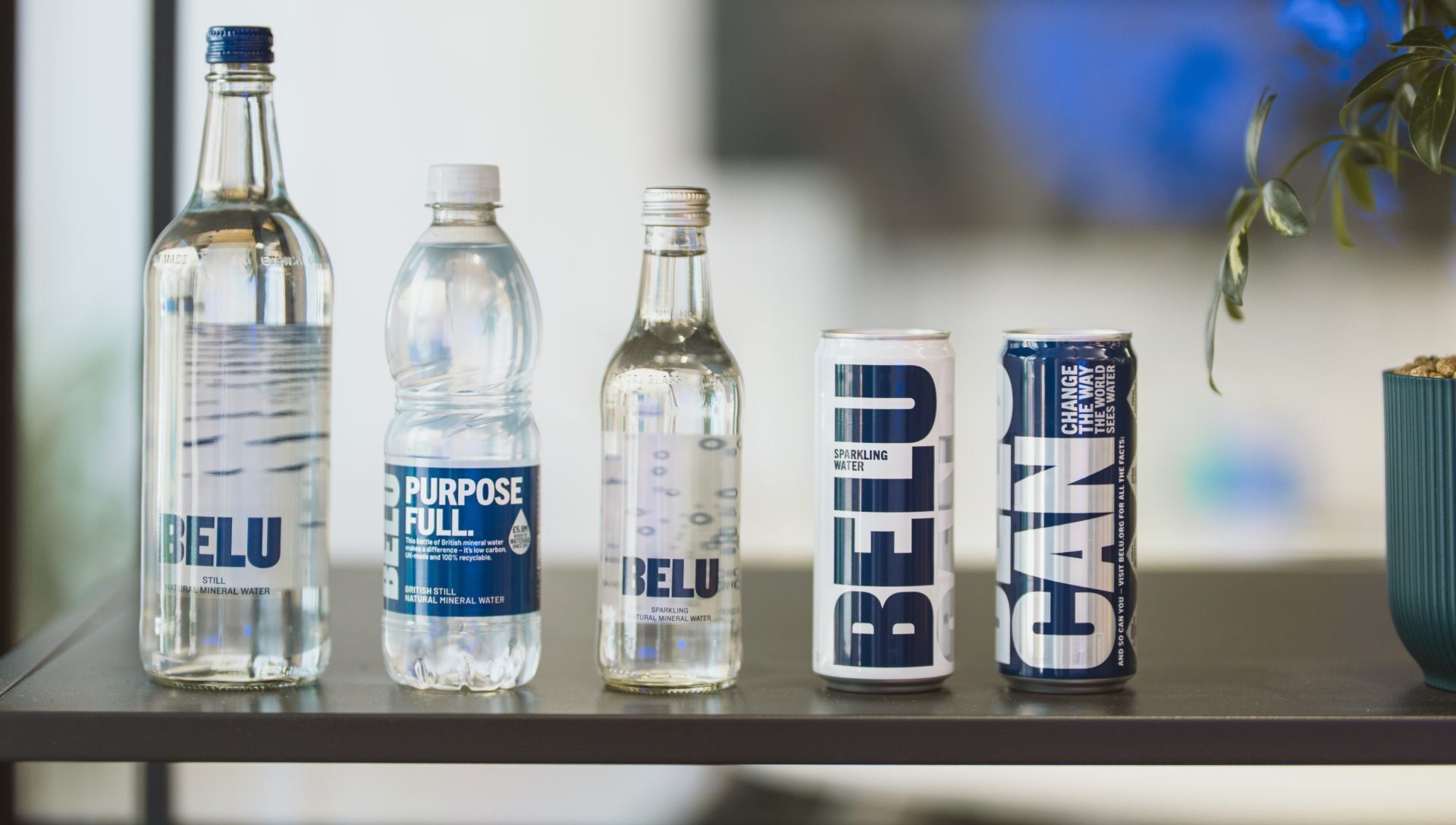
The Belu Can
Why cans, why now?
At Belu, we’ve always believed in doing things differently. From the very beginning, we’ve led with purpose, placing sustainability at the heart of every decision. We’re not driven purely by profit. We’re driven by the belief that business can be a force for good. That belief flows through everything we do, from our partnerships to our packaging, from our people to our products.
We’ve never stood still. Our glass bottles were designed to be lighter than others on the market, made in the UK and fully recyclable. Each one contains at least forty percent recycled glass, helping to support the UK’s circular economy. Our RPET bottles are made from 100% recycled and recyclable plastic and offer the lowest carbon footprint of all packaging types. While the cap isn’t quite there yet, we’re working hard to close the loop.
But the world has changed. Consumer habits continue to shift. People want convenience, reusability and expect brands to help them make environmentally conscious choices. We’ve seen the rise of canned water in the UK, driven by growing concerns over packaging waste, but we saw something missing; a brand that could offer the format without compromising on purpose. If we were going to continue to talk honestly about packaging and offer real choice, we needed to expand. And so, the Belu Can was born.

The journey into cans
We started by listening. We looked at the market, spoke to hoteliers and hospitality partners, and quickly saw two things. First, demand for canned water is rising, especially in hotels. Second, there’s a gap for a brand that offers more than just one format but one that brings a history of reliable products, purpose, transparency and sustainability to the table.
That’s why we took the leap. Not to follow a trend, but to offer a choice. A can that works for hotels, restaurants and bars, and one that helps businesses make a real difference because we invest every penny of our profit in pursuit of our purpose: to change the way the world sees water. One way we do this is through our impact partnership with WaterAid, to date we’ve contributed over £6.1m to transforming lives through clean water projects around the world. That’s not a side note, it’s central to who we are.
Developing the Belu Can was no small task. We didn’t take shortcuts. We evaluated suppliers across aluminium, water filling and printing, determined to build a supply chain that was as local and low-carbon as possible. Today, our cans are BPA-free and filled and printed in the UK. The aluminium comes from the Netherlands, and we’re hopeful a UK supplier will emerge soon.
The Belu can is also four grams lighter than standard cans. That might sound small, but across hundreds of pallets, it adds up to a meaningful reduction in carbon footprint. And we’re honest about the fact that all canned water contains a plastic liner. Many people assume cans are plastic-free which simply is not true. We believe in telling the full story, even when it’s not perfect. It’s one of the reasons we didn’t jump into ‘cans’ as a trend, we waited, we evaluated, we researched - now we feel ready to drive change in this part of the market.
With the expansion of the Belu Can, we’ve created a product mix that suits every part of a hotel. Glass bottles for restaurants and conference spaces. RPET bottles and cans for rooms, vending areas and grab-and-go. It’s a complete offering, built with purpose and designed to meet the needs of modern hospitality.
What’s the opportunity for hospitality?
We believe the relationship between hospitality and suppliers should be open, honest and collaborative. You should feel confident that your supplier has your best interests at heart. Choosing Belu is more than choosing a water supplier. It’s choosing a partner that shares your values. It’s choosing to make a difference with every sip. It’s choosing to show your guests that sustainability isn’t just a buzzword, it’s a commitment.
We know that the hospitality industry is under pressure to meet ESG goals, reduce waste and deliver exceptional guest experiences. We’re here to help you do all three. Whether it’s switching to a more sustainable format, reducing your carbon footprint or simply offering a product that looks good and does good, Belu is ready to support you.
If you’re looking to review your water offering and want to explore how a simple switch to Belu could support your sustainability goals, we’d love to talk. Let’s have a conversation.

Loved by Guests
Nourishing, carefully formulated hotel cosmetic products contribute to the guests’ well-being and play a key role in creating loyalty. Here are some of the most popular hotel cosmetic brands.
Yon-Ka: Elevating Daily Rituals with French Spa Heritage
Founded in France in 1954, Yon-Ka is a visionary spa brand and a best-kept secret of beauty connoisseurs everywhere. With decades of experience in phyto-aromatherapy, Yon-Ka encapsulates the power of nature in premium, plant-based skincare treatments that deliver proven efficacy and visible results. More than that, Yon-Ka is infused with a refreshingly modern lavender fragrance and enhanced by advanced Actimood® fragrance technology, clinically shown to enhance sleep quality, ease tension, and promote relaxation.
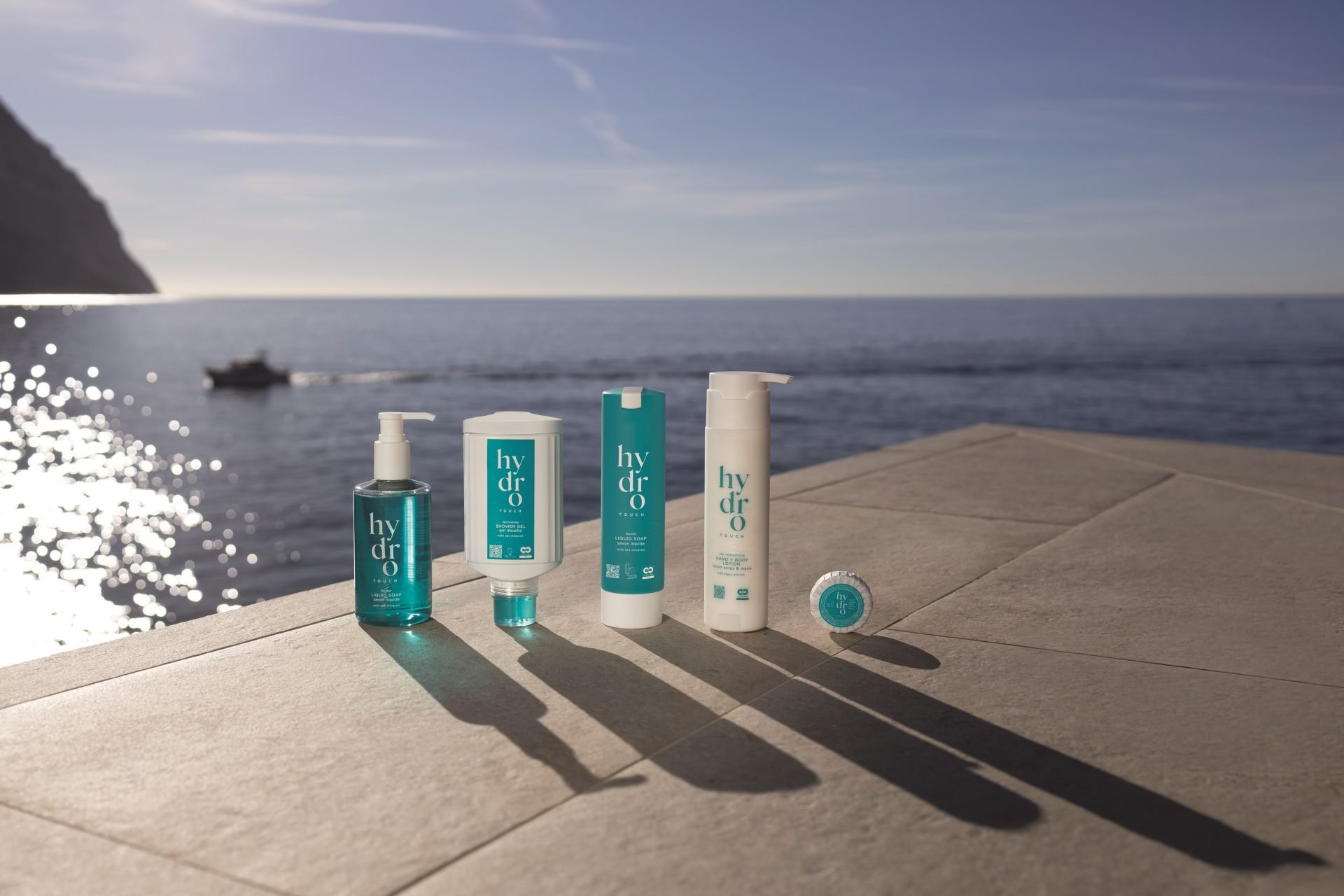
Hydro Touch: Wellness, Inspired by Water
Designed to reflect the vitality and purity of the ocean, the Hydro Touch line features a clean blue-and-white look and a refreshing aquatic fragrance. Its vegan, pH-skin neutral formulas are enriched with sea minerals and algae extracts—free from parabens, silicones, microplastics, and mineral oils. Hydro Touch pump dispensers, made from 100% recycled coastal plastic, include Liquid Soap, Hair & Body Shampoo, Conditioner, and Hand & Body Lotion, combining sustainability with high-quality guest care. The Hand & Body Lotion provides 24-hour hydration, keeping skin soft and moisturised—ideal for wellness-focused guest experiences.
The White Company: Redefining Lifestyle Luxury
For nearly 30 years, The White Company has been synonymous with everyday luxury. Guests just love the brand’s celebrated hotel collections: Lime & Bay, Flowers, and Noir. As does the historic Great Southern Killarney hotel in Ireland, a landmark in hospitality since 1854: Lime & Bay representing a perfect fusion of exotic fruits, Flowers, with a light and pretty floral blend that features uplifting notes of an English country garden, and Noir, a sophisticated scent, a blend of opulent amber entwines with flirtatiously bright mandarin and whispers of aromatic sandalwood.
Top selling dispenser system for top selling hotel cosmetics
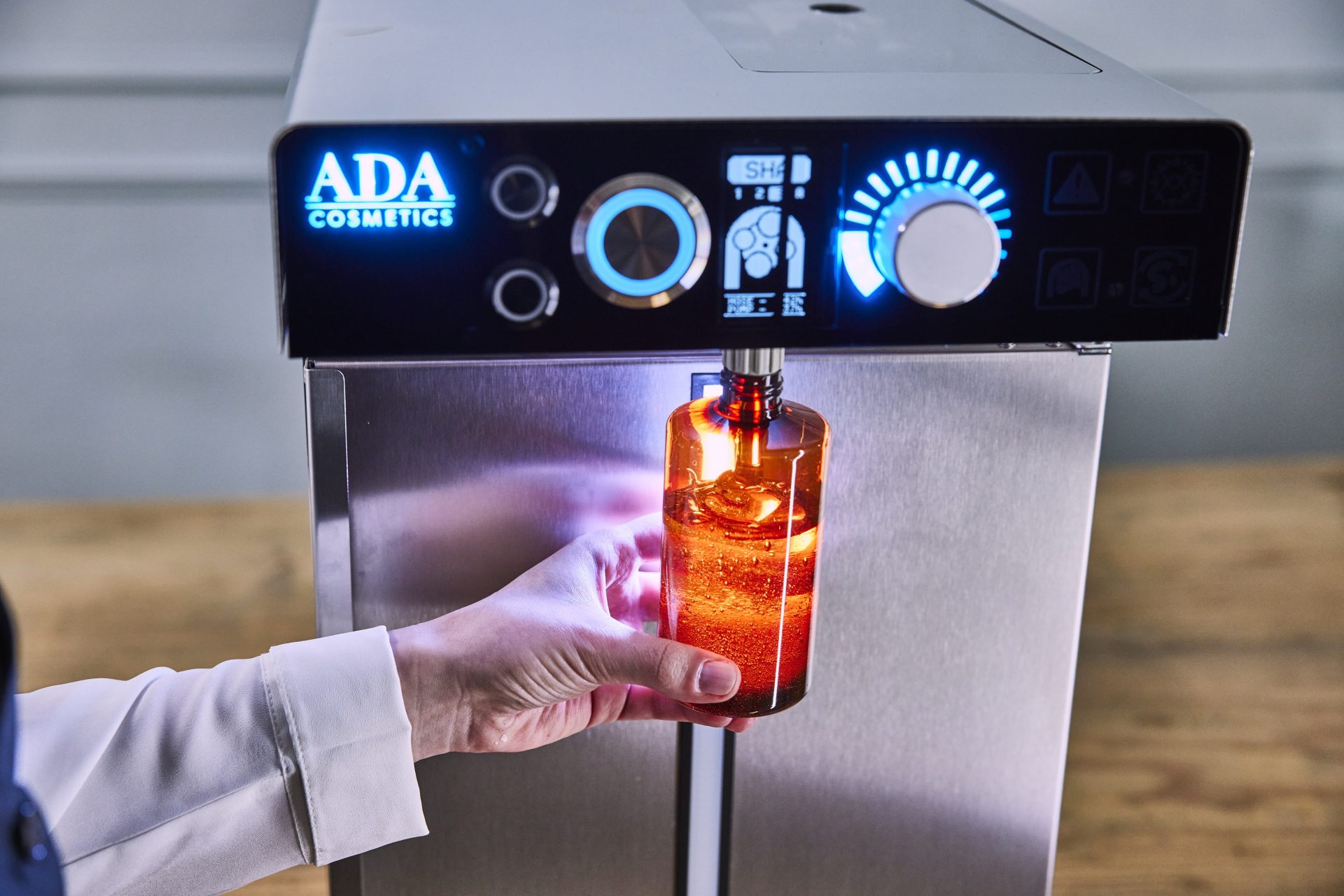
SmartCare: The world’s most hygienic dispenser system
As hygiene, packaging, and plastic waste gain importance for travellers, guests increasingly value hotels with strong environmental commitments. SmartCare by ADA Cosmetics helps hoteliers cut costs and reduce waste—saving up to 75% plastic compared to small bottles, or 3.5 kg of plastic waste per room annually. Both the bottle and cap are made from mono-material and are fully recyclable. SmartCare is compatible with ADA Cosmetics’ Refillution system, which meets EU Cosmetics Regulations, including labelling and traceability. Unlike disposable pouches, direct refilling minimises packaging waste. Refillution reduces plastic by 95%, or 4.5 kg per room per year. Notably, ADA Cosmetics was recently recognised with the Green Key certification for its Cradle to Cradle Certified® Silver product portfolio.
Stay up to date with the latest trends and products at
Meet ADA Cosmetics at the Independent Hotel Show London at stand 1900.
Bidfood announce that exciting foreign flavours, topped and loaded dishes, and gut-loving wholefoods are set to dominate menus with the launch of its 2026 Food and Drink Trends
One of the UK’s leading foodservice providers, Bidfood, has today revealed the food and drink trends it expects to shape the out-of-home market in 2026.
Alongside value, quality and elevated experiences – which continue to rank highly – this year’s trends are strongly influenced by emotional drivers such as comfort, adventure, tradition and sharing, coupled with a growing desire to make healthier and more sustainable choices. In fact, around half of consumers want to try the latest food trends when eating out, rising to 65% of 18- to 39-year-olds[1].


From exploring flavours across the globe, to gut-loving wholefoods, stacked and loaded dishes, enticing exotic desserts and refreshing, unique tea flavours, this year’s trends are perhaps the tastiest yet! And consumers are on the lookout for what’s new and exciting on menus, with around half keen to try the latest food trends when eating out, rising to 65% of 18 to 39 year olds[2].
To help the industry navigate these exciting trends, Bidfood has launched its 2026 Interactive Guide, featuring shoppable functions, bespoke consumer research, and on-trend product recommendations. These innovations enable operators not only to stay on top of shifting consumer demands and an ever-changing market, but also to make informed product choices that can be applied directly to their menus.
The guide features a visually stunning overview of each trend and includes a wealth of valuable tools, such as key stats, ways to leverage each trend, fresh additions to the Trends Safari video series, inspiring new recipes and much more. The 2026 trends are:
Topped and Loaded
In today’s world, consumers eat with their eyes, so it comes as no surprise that dishes piled high with delicious toppings are proving popular. But the Topped and Loaded trend also reflects the current consumer desire for premium dishes that remain affordable, with 42% of consumers seeing this style of dish as good value for money[3]. Think low-cost bases such as jacket potatoes, hash browns and fries, stacked with premium toppings like BBQ pulled pork, chicken katsu or comforting chilli con carne. Topped and Loaded also lends itself well to customisation, keeping consumers engaged, and is versatile enough to suit any occasion.
Fast-Forward Flavours
This trend is driven by the draw of high-quality, exciting ingredients that inspire chefs’ creativity and signal the premium experiences consumers seek when dining out. Stand-out flavours such as chilli jam, hot honey, gochujang and caramelised onion can help elevate dishes and add foodie appeal to menus – especially as 46% of consumers agree that ingredient quality is a key factor when deciding where to eat out[4].
Sweet Adventures
Sweet Adventures caters to consumers seeking exotic global desserts, viral sensations and indulgent treats to satisfy their craving for novelty and discovery. With over half (56%) of consumers expressing a desire to explore new and unique cuisines when eating out[5], this trend encourages them to experience the unfamiliar alongside the familiar. Desserts such as Japanese cloud cake and mango bingsu are sure to capture attention, while exotic flavours like Dubai chocolate bring a fresh twist to classic favourites.
Tea Tonic
Tea remains hugely popular in the UK, with 71% of consumers already enjoying it[6]. However, the Tea Tonic trend highlights the rapid evolution of the tea market, where traditional hot brews are being reimagined. Bold and innovative and refreshing teas, including bubble tea and iced tea with unique flavour pairings, are becoming increasingly popular – particularly among younger consumers and students.
Whole Lotta Goodness
Almost half of consumers (47%) are paying more attention to what they are putting into their bodies and are actively reducing their intake of ultra-processed foods when eating out[7]. Inspired by continued interest in the relationship between nutrition, health and wellbeing, Whole Lotta Goodness is a positive movement towards incorporating more wholefoods into menus and diets. Think wholegrain carbohydrates, vibrant fruit and vegetables, and protein-led dishes centred around lean meat, oily fish or plant-based alternatives.
Flavours Less Travelled
The appetite for new and unique cuisines remains strong and is a major influence on this year’s report. Flavours Less Travelled celebrates this desire for discovery, encouraging consumers to embrace authentic ingredients, bold flavour profiles and distinctive formats, while also fostering a deeper appreciation of the cultures behind them.
The global cuisines gaining momentum this year are:
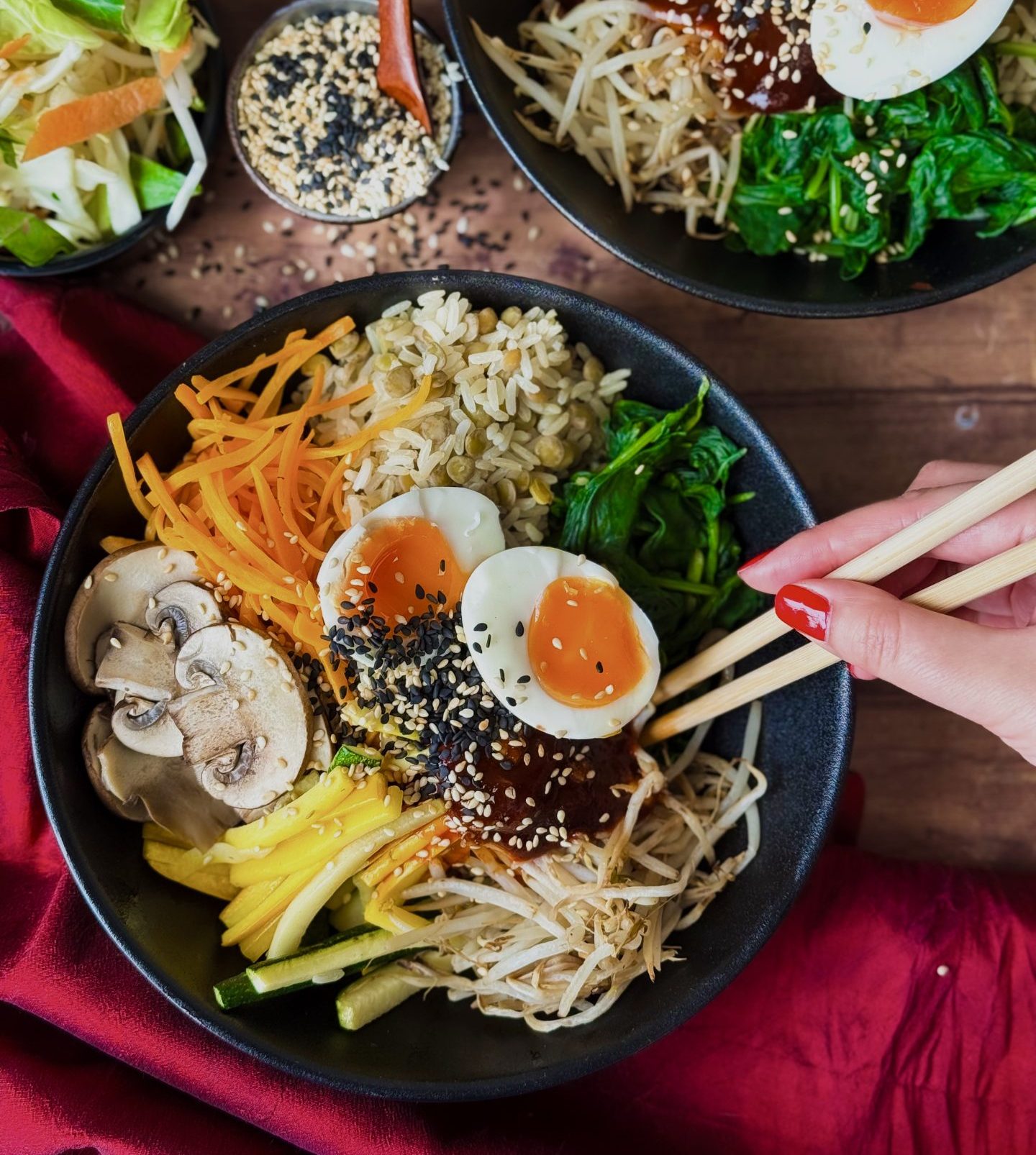
- Korean – More than half of consumers say they would be likely to try Korean cuisine within the next one to two years. While Korean fried chicken continues to prove popular, there is also growing interest in more traditional dishes featuring bold and spicy flavours in familiar formats such as bibimbap bowls, bulgogi rice dishes, noodles, pancakes and dumplings. These work well both as small plates and on-the-go options.
- Malaysian – Malaysian cuisine is gaining traction, with more than half keen to try this cuisine as it offers the perfect blend of adventure and comfort. With its bold, diverse flavours, it brings fragrant curries, vibrant noodle bowls, flaky flatbreads and street-food favourites that will excite foodies.
- South American – South American cuisine is capturing attention, with nearly half of diners keen to explore its diversity. Areas of focus include:
- Venezuelan: Comforting, versatile food in familiar formats – from slow-cooked shredded beef with plantain and sweet sauces, to skewers, grilled beef baguettes and small-plate favourites like tequeños and arepas.
- Colombian: Known for hearty and communal dining, featuring grilled dishes, loaded fried plantains, bean stews and staples such as pork belly, egg and avocado.
- Brazilian: While famed for steak and churrasco, there is rising interest in lesser-known dishes such as hearty stews, savoury and sweet pies, and sides like fried croquettes.
- Peruvian: Defined by its fresh citrus and chilli flavours – notably ceviche – Peruvian cuisine also features dishes such as fried pork, sweet potato, creamy pepper chicken, grilled skewers, and beef often served with chips and rice.
Rhia Harry, Research and Insights Manager at Bidfood, said:
“This year’s trends highlight consumers’ appetite for experimentation, adventure, experience and comfort – creating opportunities for chefs to design exciting menus that showcase premium ingredients. This not only allows operators to increase margins, but also ensures that value and quality are maintained for consumers.
“As a foodie business, it’s exciting to see bold new flavours coming to the fore, alongside a reinforced focus on health and a more conscious approach to eating.
“We once again worked with CGA by NIQ to conduct our own bespoke survey and exclusive research, as well as visiting and interviewing out-of-home operators in London and Birmingham, to understand how these trends are being adopted on the high street.”
For more on Bidfood’s 2026 food and drink trends, please visit: https://www.bidfood.co.uk/food-and-drink-trends-2026/
[1] CGA by NielsenIQ and Bidfood 2026 Food and Drink Trends consumer survey, sample size 2,000 (UK adults); data collected May 2025.
[2] CGA by NielsenIQ and Bidfood 2026 Food and Drink Trends consumer survey, sample size 2,000 (UK adults); data collected May 2025.
[3] CGA by NielsenIQ and Bidfood 2026 Food and Drink Trends consumer survey, sample size 2,000 (UK adults); data collected May 2025.
[4] CGA by NielsenIQ and Bidfood 2026 Food and Drink Trends consumer survey, sample size 2,000 (UK adults); data collected May 2025.
[5] CGA by NielsenIQ and Bidfood 2026 Food and Drink Trends consumer survey, sample size 2,000 (UK adults); data collected May 2025.
[6] CGA by NielsenIQ and Bidfood 2026 Food and Drink Trends consumer survey, sample size 2,000 (UK adults); data collected May 2025.
[7] CGA by NielsenIQ and Bidfood 2026 Food and Drink Trends consumer survey, sample size 2,000 (UK adults); data collected May 2025.
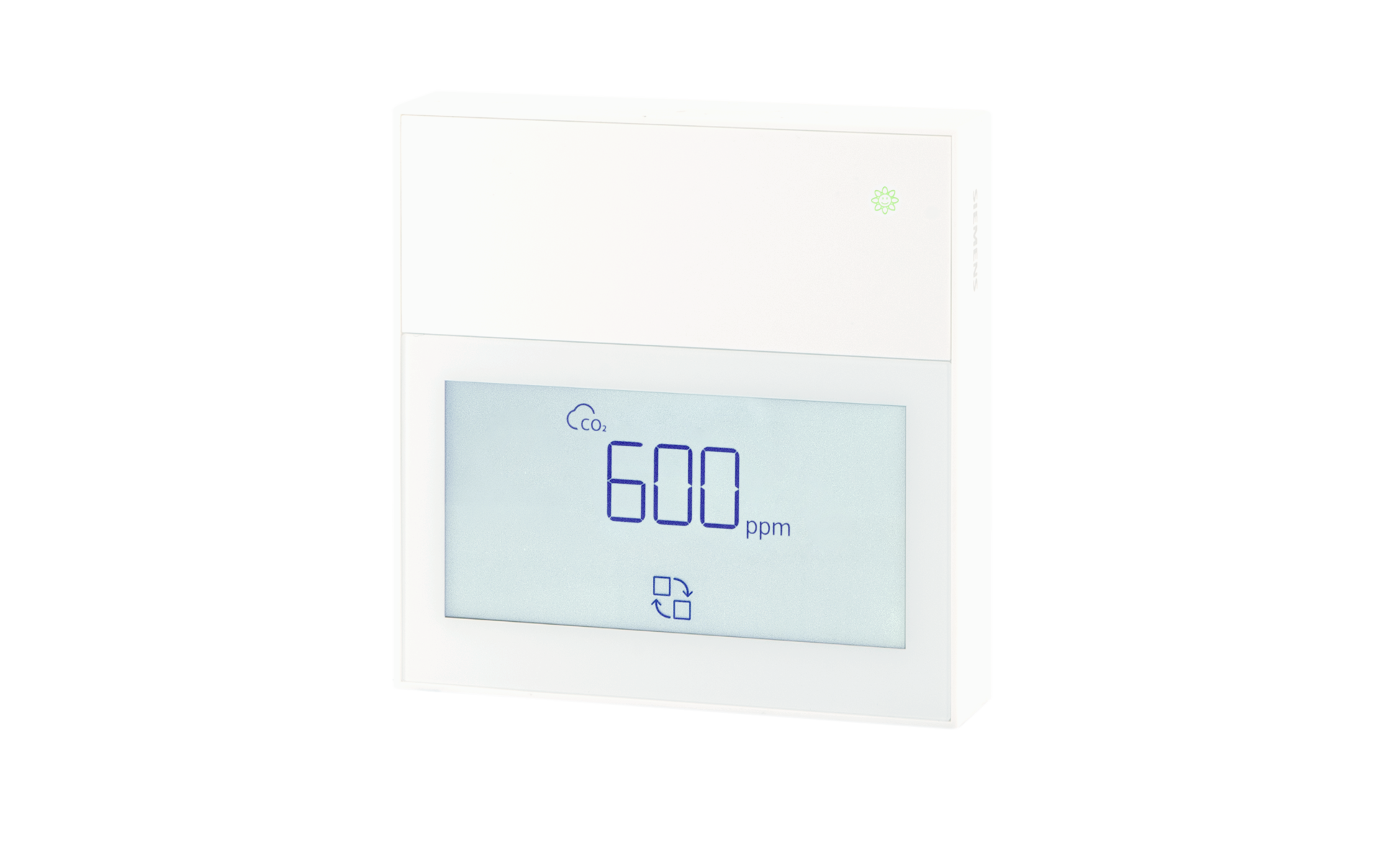
Siemens adopts traffic light approach for newly designed range of IAQ sensors
A complete redesign of the Siemens range of room sensors has indoor air quality (IAQ) as a central focus, with the introduction of a traffic light system to enable any issues to be identified at a glance
Many IAQ sensors indicate the levels of CO2 parts per million for a given environment. However, without information regarding what constitutes an ideal level in terms of air quality, this can be effectively meaningless. This has brought the introduction of a simple yet powerful tool to address this challenge: CO2 traffic light sensors, with a green, amber or red light indicating the respective good to bad levels of air quality in real time.
Ron Purcell is a Product Manager with Siemens Buildings and comments – “there are numerous applications in which this will be a real benefit in ensuring that air quality is optimised. Taking education as an example, there have been many studies which highlight how poor air quality can have a detrimental impact on the ability to learn. Research suggests that keeping CO2 levels below 1,000ppm can increase productivity by between 2-18%. However, it is unreasonable to expect a teacher to have an in-depth understanding or the time to constantly monitor CO2 levels, whereas a simple red light provides an immediate alert that the air quality is poor and that it is time to open a window or improve the air circulation through the building’s BMS. This visual cue empowers building occupants to take control of their environment without needing technical expertise. It also fosters awareness and behavioural change, encouraging proactive ventilation habits that improve IAQ without relying solely on automated systems. Hospitals and care homes are just another two examples of where this approach will allow a much quicker intervention to ensure that air quality is maintained and does not adversely affect the health of patients or residents.”
The new visual indicators are just one feature in the redesign of the next generation of Siemens room sensors which include temperature, relative humidity, CO2 and TVOC (total volatile organic compound) sensors. Available in black and white options for all models, the new range offers improved aesthetics, touch screens for easier measurement changes, mobile apps for ease of configuration and higher sensor accuracies.
For further information on Siemens Smart Infrastructure - Buildings, please see
www.siemens.co.uk/buildingtechnologies
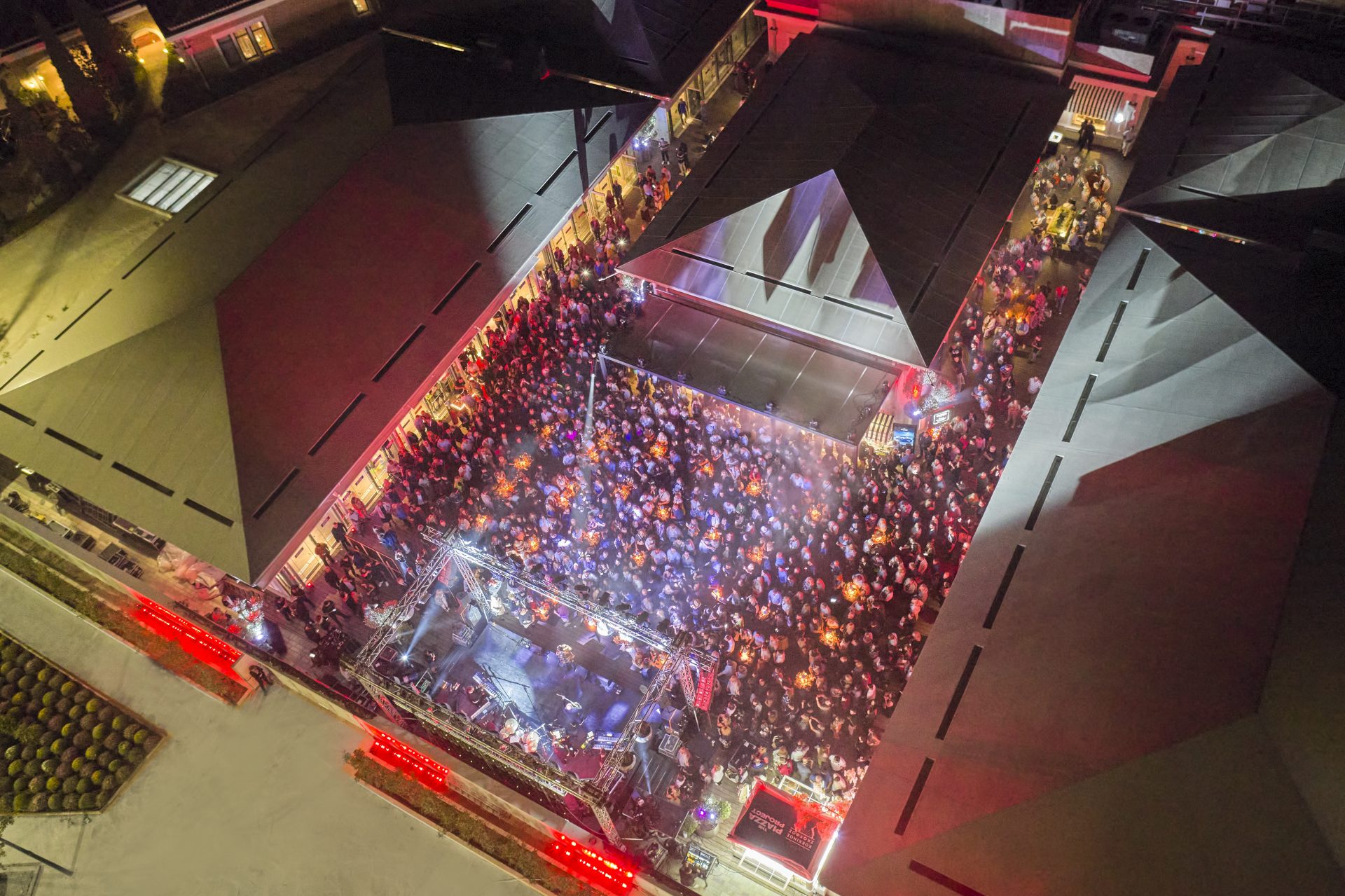
Greece Bets Big: Regency Casino Thessaloniki Launches Europe’s First Gaming Piazza With Global Giants
Regency Casino Thessaloniki has unveiled The Piazza Project, a ground-breaking gaming and leisure complex that unites three of the world’s leading slot machine manufacturers, Aristocrat Gaming, IGT, and Light & Wonder, within a unique open-air venue.
Featuring four state-of-the-art gaming halls, world-class dining, and live entertainment, The Piazza marks a first-of-its-kind destination in Europe. With its bold design and dynamic calendar of events, it promises to remain a magnet for visitors and a leisure landmark on the European stage.
The spectacular three-day launch welcomed more than 12,000 guests, who experienced world-class performances, gourmet dining, immersive cultural showcases, and exclusive VIP events.
Blending cutting-edge gaming technology with cultural programming and an open-air lifestyle, The Piazza introduces a model that industry leaders say could redefine the future of land-based casinos across Europe. This unprecedented alliance of global innovators makes it both a European first and a benchmark for integrated leisure.
“The Piazza Project represents a significant investment that brings together Aristocrat Gaming, IGT, and Light & Wonder for the first time in a single European venue. We’re not just expanding our facilities – creating a year-round entertainment hub that will attract visitors from across the region and establish Greece as a leader in the European leisure and gaming market,” said Yiannis Tsirikos, CEO of Regency Entertainment.
Positioned as a year-round international hub, The Piazza Project is Regency Casino Thessaloniki’s newest asset under its commitment to establish Thessaloniki as a must-visit destination for those seeking a unique fusion of gaming, culture, and entertainment.
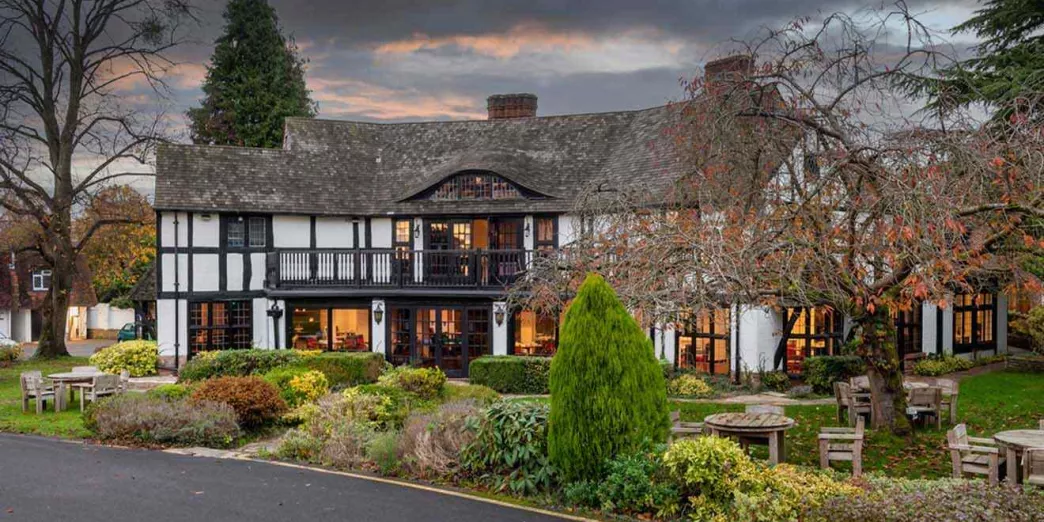
Eight heritage hotels join BWH Hotels GB as growth drive gathers pace
BWH Hotels GB has signed eight new properties into its portfolio, accelerating its ambitious expansion plans in the heritage and boutique hotel sector.
The new properties include The Brackenborough Hotel, joining imminently and The Ashbourne Hotel in North Lincolnshire which recently joined the BW Signature Collection from Classic British Hotels.
Tim Rumney, CEO of BWH Hotels, said: “BWH is proving to be the natural home for independents who want to grow. Our Power of Two model gives hoteliers the best of both worlds and that’s exactly why we’re seeing more properties choosing to make the switch.
“In today’s tough trading conditions, hoteliers want a partner that helps turn challenges into opportunities while protecting what makes them unique. Freedom and individuality is exactly what we offer, backed by the confidence, stability and bookings that come with being part of a global network.”
The Brackenborough Hotel, a boutique property set in an area of outstanding natural beauty in Lincolnshire offers a mix of modern accommodation, including 19 luxury lodges, and local character with a strong focus on leisure, dining and events. The Ashbourne Hotel, has 36 rooms and strong meetings and events capacity, is well-suited for corporate bookings.
Other new additions include the Clarence Gardens Hotel in Scarborough, Crooklands Hotel in Kendal, Thatcher’s Hotel in Surrey, Kingscliff Hotel in Clacton-on-Sea, Great Hallingbury Manor in Hertfordshire, and the Sure Studio by Best Western Doncaster, a collection of long stay apartments built on the grounds of the existing Best Western Premier Mount Pleasant Hotel.
The move builds further momentum in BWH Hotels’ five-year strategy to add 100 new properties and reach 20,000 rooms nationwide by 2029.
Richard Matthews, director at the Brackenborough & Ashbourne Hotels, said: “Partnering with BWH gives us the best of both worlds, the strength of a global brand with the freedom to retain our individuality. That balance of autonomy and backing is exactly what we need in today’s market. With BWH’s reach, loyalty network and marketing power, we can grow our audience while keeping Brackenborough and Ashbourne true to their character as stand-out destinations in Lincolnshire and North Lincolnshire.”
BWH Hotels represents Great Britain’s largest group of independent hotels, including Best Western and WorldHotels, welcomes the hotels into its portfolio of more than 230 hotels across GB.
For more information on BWH Hotels visit www.joinbwhhotels.co.uk

ZillergrundRock Welcomes Acclaimed Chef Saul Sultan as New Culinary Lead
From Spain to the Alps: Saul Sultan Brings Haute Cuisine to RockySeven

ZillergrundRock Luxury Mountain Resort has appointed Spanish chef Saul Sultan as Head Chef of its signature restaurant, RockySeven. His arrival follows the property’s recent accolade: a coveted One Key in the MICHELIN Guide to hotels.
A graduate of Le Cordon Bleu Orlando, Sultan refined his craft in Panama City, Orlando and Galicia, working alongside Michelin-starred Luis Veira. That collaboration shaped his hallmark style – “technical precision meets bold ideas” – blending international flair with creative innovation.
At ZillergrundRock, Sultan is now bringing that expertise to a new context: reinterpreting Tyrolean ingredients with fresh eyes and a deepening respect for Alpine traditions. Signature dishes already on the menu include golden trout from local streams with kohlrabi, zucchini, buttermilk and basil, and chanterelles with stone pine aroma, charcoal and Zillertal sheep’s cheese.
“Tyrol has become both my inspiration and my home – its mountains, its people and its cuisine inspire me every day,” says Sultan.
RockySeven now opens its doors exclusively on Friday evenings, welcoming both hotel guests and locals. The 12-course tasting menu is priced at €165, or €95 for in-house guests. Wine-pairings are also available.
To discover more, visit www.zillergrund.at
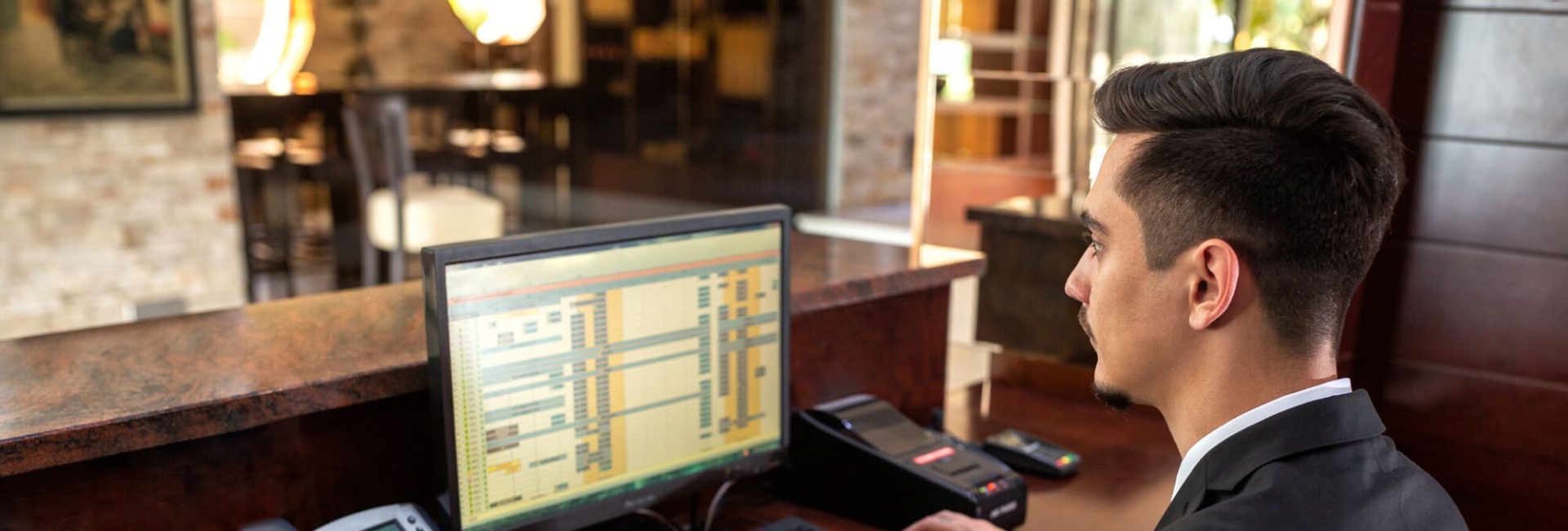
Hotel Managers Rank 4th For the UK’s Hardest Working Jobs
New research has revealed that hotel and accommodation managers rank fourth when it comes to the UK’s most demanding jobs, working an average of 63 hours per week for just £9 an hour.
The study, collated by RRC International, analysed over 330 jobs to highlight those with the most demanding work-to-reward ratio. Shop owners ranked first, working an average of 74 hours a week for an hourly pay of just £12.
Coming in at number two on the list, garage managers were found to work an average of 68 hours per week, with an average hourly pay of £11. These roles that demand exceptionally long hours for a modest hourly wage have raised significant concerns about workplace wellbeing, stress, and long-term health.
Third on the ranking are construction workers, who work an average of 64 hours per week for an average hourly pay of just £8. This group includes foundational roles that are vital to the construction industry, often undertaking intense physical work in unfit working conditions, extreme heat, and for long hours.
Hotel managers made the top 10 list, by working long hours due to the demanding nature of the hospitality industry that operates 24/7. It was found that those working in the accommodation management positions work an average of 63 hours a week for an average hourly pay of £9 – the second lowest hourly pay across all jobs analysed.
The top 10 list includes:
- Shop owners
- Garage managers
- Elementary construction workers
- Hotel and accommodation managers
- Quarry workers
- Farm workers
- Crane drivers
- Health care practice managers
- Forestry workers
- Managers in forestry, fishing and related services
Managing Director of RRC International, Richard Stockley, comments: “Our analysis has revealed an alarming trend that those working the most hours for the least pay are in roles that are physically demanding and have a potential risk to human life.”
For accommodation managers, the dangers in the workplace can be often overlooked. However these include slips, trips, and falls, injuries from manual handling and overexertion - all of which are made even more serious threat when tired or exhausted. Managers also need to be vigilant about security threats, such as harassment and violence from unpredictable guests, a health and safety risk unique to the hospitality and retail industries.
Richard continues: “But it’s not just jobs that have obvious physical hazards that put people at risk. We know how long hours, and demanding work can lead to physical and mental fatigue. That’s when health and safety mistakes all too easily creep in. That’s why we encourage all those working long hours to take regular breaks where possible and seek out further training to make sure they are best equipped to spot the danger signs and handle risks in the workplace.”
Find out more about RRC and its health and safety courses.
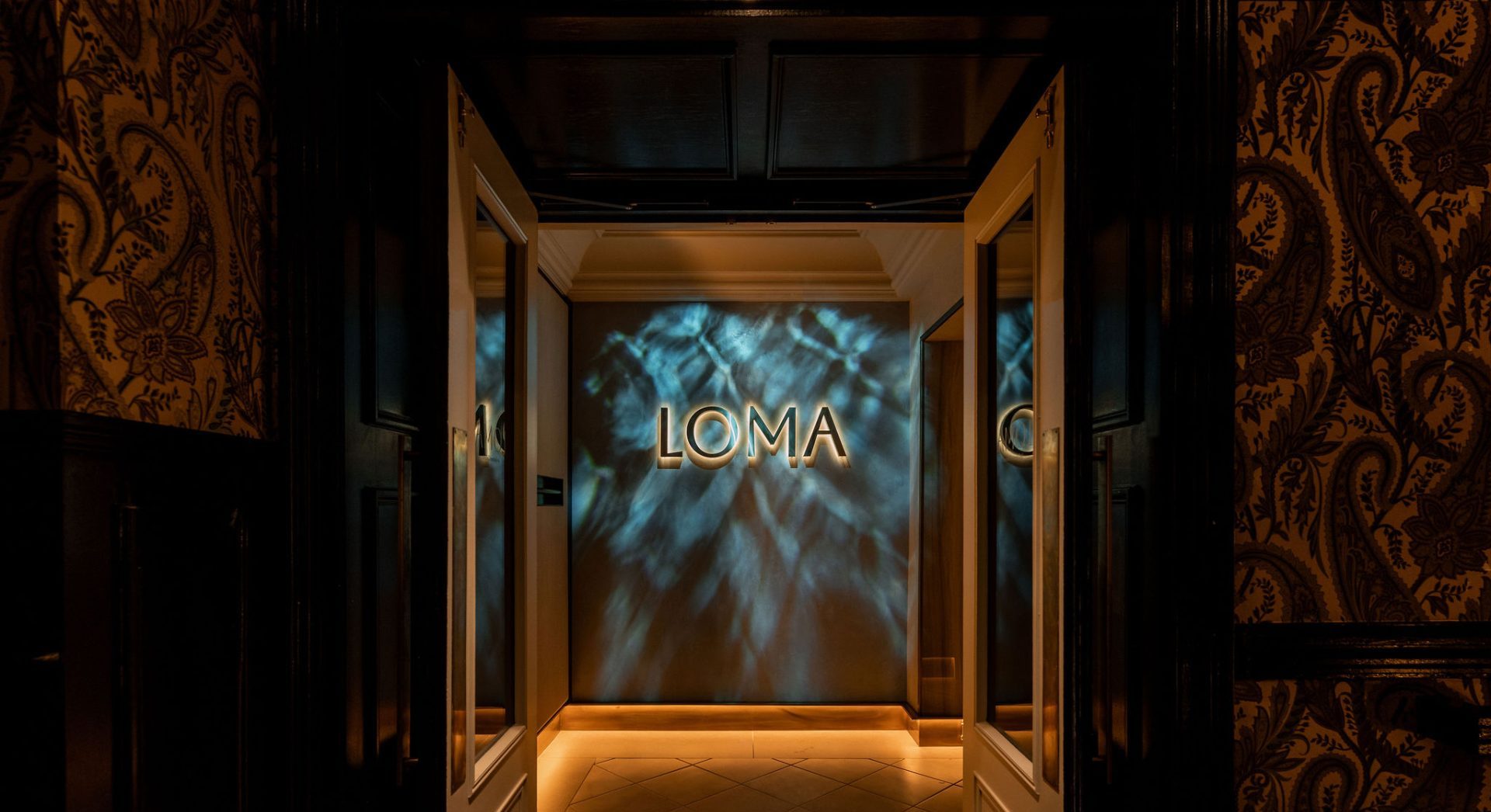
LOMA’s kitchen garden powers new era of sustainable fine dining at Cameron House Resort
Cameron House’s new fine dining restaurant, LOMA, is redefining luxury in Scotland with a bold sustainability drive, led by the creation of a kitchen garden in the hotel grounds.
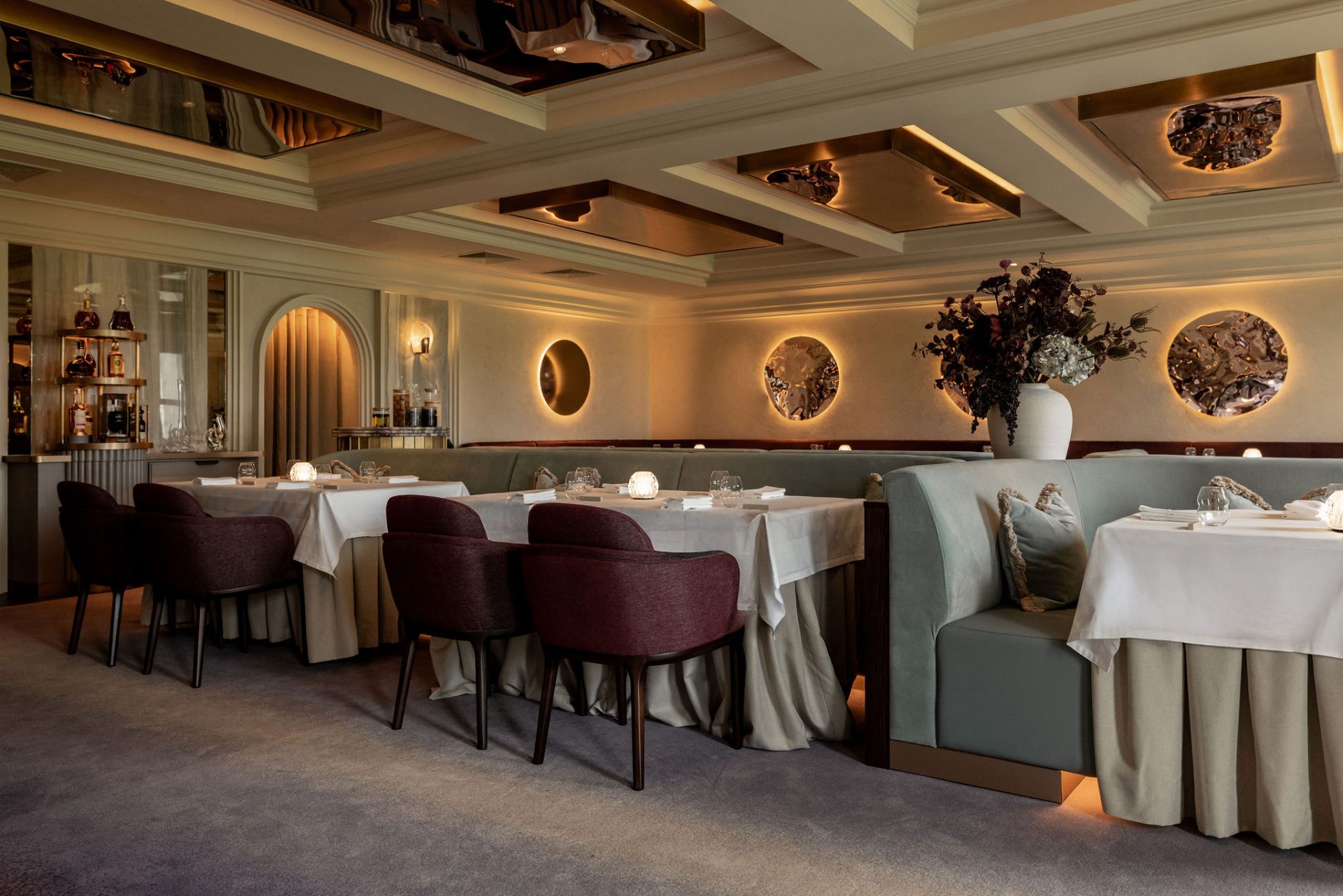
Since opening in May 2025, Michelin-starred chef Graeme Cheevers has championed a kitchen garden in the grounds of Cameron House, now supplying around 60 per cent of LOMA’s herbs, vegetables, and flowers, cutting food miles, maximising freshness, and strengthening the hotel’s award-winning sustainability programme.
The restaurant marks the next chapter in the 5-star resort’s commitment to pairing world-class hospitality with unforgettable dining. With 45 covers, guests can enjoy an eight- course tasting menu with a dedicated Chef’s Table, Champagne and cheese trolleys, to create a truly immersive culinary journey.
Cheevers, whose career spans three Michelin stars across Restaurant Martin Wishart, Isle of Eriska Hotel, and Unalome in Glasgow, combines Scottish produce with refined Japanese techniques to create lighter, flavour-led dishes.

Graeme said: “Growing more of our own ingredients is a natural step in connecting guests to the land and the seasons while promoting wellbeing. By celebrating ethically sourced produce and respecting ingredients - like using soy sauce and seaweed instead of salt - we can create vibrant flavours with a lighter touch, it’s indulgence without compromise. Every dish is crafted with this philosophy in mind, forming an integral part of the experience, whether you’re here for a single memorable meal or a break.”
LOMA’s menu reflects the growing demand for sustainable fine dining, with dishes such as Hamachi Kingfish from the North Sea, farmed using low-impact methods and prepared tableside with the traditional Japanese ‘Ike Jime’ technique to preserve freshness.
More than a standalone restaurant, LOMA complements the exceptional food and beverage offering at the resort including Cameron Grill and Italian-inspired La Vista, giving many reasons to book a getaway to the majestic hotel or modern lodges. From Champagne cruises and off-road excursions to spa relaxation and championship golf, guests can immerse themselves in a world of adventure, elevated by Graeme Cheevers’ showcase of Scotland’s natural larder at the heart of a luxury Loch Lomond escape.
Cameron House’s planet-positive approach extends beyond the plate, with on-site beehives producing honey, numerous electric vehicle charging points, pesticide-free zones, wildlife habitats, and 100% renewable electricity - initiatives that have earned the hotel a Green Tourism Gold Award.
Will Oakley, Managing Director, said: “Surrounded by the natural beauty of Loch Lomond, caring for our environment is second nature. Partnering with Graeme and the team at LOMA enhances not only our dining experiences, but the memories taken home by visitors from near and far. From bespoke activities to world-class amenities, every stay at Cameron House offers a perfect blend of elegance, comfort, and discovery, making it truly unforgettable.”
Find out more:
Cameron House - https://www.cameronhouse.co.uk
LOMA at Cameron House https://www.cameronhouse.co.uk/dine-drink/restaurants-bars/loma/

Renowned Glasgow Hotel Spa Strengthens its Luxury Offering with Senior Appointments

Two longstanding members of staff at a luxury Glasgow hotel have been promoted to senior roles.
Melissa Gibson has been promoted to Head of Spa and Leisure at Kimpton Blythswood Square Hotel & Spa, while Laura Doherty has been appointed Melissa’s previous role of Spa Treatments Manager.
Melissa has been part of the Glasgow hotel’s renowned spa team for the past seven years, joining in July 2018 as a therapist before progressing to Spa Supervisor, then taking on the role of Spa Treatments Manager, and now taking the helm of the department.
In her new role, Melissa is responsible for driving the commercial success of the spa while ensuring it remains one of the leading spas in Scotland. She will also focus on delivering excellent training and maintaining a caring, supportive working environment for her 34-strong team.
Melissa said: “One of the main reasons I have dedicated almost my entire career to-date to Kimpton Blythswood Square Hotel & Spa is because of the wonderful working environment we have, and this is something I am eager to continue.
“We have an open and honest culture where every team member is heard and has the opportunity to contribute their own ideas to enhance the guest experience.
“We are very proud of our investment in staff training. I have experienced this first-hand through completing specialist oncology training, enabling us to offer spa experiences to those undergoing oncology treatment. I am also working towards a teaching qualification, which will support me in advising my management team on delivering spa treatment training and adapting to different learning styles.
“Courses like these are not a necessity, but for us, they are just as important as regular training in health and safety, treatments, and product knowledge.”
Melissa completed a Beauty Therapy HND at City of Glasgow College and worked in salons for six months before beginning her career at the luxury city-centre hotel, part of IHG Hotels & Resorts. Her dedication saw her win ‘Rising Star’ at an internal awards ceremony during her time as Spa Treatments Manager.
Speaking about what guests can expect, Melissa added:
“The spa’s 2023 refurbishment was inspired by the Hebridean Islands and introduced features such as Scotland’s first spa snow shower and Himalayan salt room, alongside upgrades to our relaxation pool, crystal steam room, and hydrotherapy pool.
“We invested heavily in developing our spa journey concept, which combines hot and cold thermal experiences with manual treatments, aromatherapy, and visual therapy to meet our guests’ wellness needs.
“As a natural progression, we have created four distinct spa journeys: Relax, Recover, Detox, and Invigorate – each rooted in scientific research. Working with a spa consultant, we developed tailored routes through our spa rooms to achieve these outcomes.
“Watching guests arrive feeling one way and leave feeling another is one of the most rewarding aspects of this industry. These journeys will help us ensure they leave feeling wonderful.”
Laura has been part of the team for eight years, initially appointed as a spa therapist before moving to the Group spa reservations team for multiple IHG Hotels & Resorts locations. Laura will be supporting Melissa by managing the team of therapists, budgets and identifying new opportunities to grow the business and bring new treatments to guests.
Laura said: “I enjoy helping to implement new treatments, there’s always something exciting for our guests to try. At the moment, we are looking at ways to incorporate the LED face masks we have available for hotel guests to hire into our treatments.”
Melissa and Laura’s promotions further strengthens female leadership at IHG Glasgow – where women make up more than half of the management team – and reflects the company’s commitment to nurturing high-performing professionals from within.
Marcello Ventisei, General Manager, said: “It has been wonderful to watch Melissa and Laura excel in their careers.
“Melissa has worked her way through the ranks in our spa and leisure team – she truly has been a rising star. I am excited to see her passion for delivering the best guest experience and her ability to nurture her team shine through in this role. With Laura to support her, I’ve no doubt they will be an amazing duo.
“Melissa and Laura are two of several long-serving members of our spa and leisure team, which speaks to the fantastic working atmosphere and strong sense of camaraderie we have here at Kimpton Blythswood Square.”
For career opportunities with IHG Hotels & Resorts, visit: IHG Careers | Hotel Jobs & Hospitality Careers.