

STRENGTHENING THE GUEST EXPERIENCE: HOW BESPOKE HOTELS IS USING CANARY ACROSS ITS UK PORTFOLIO.
Bespoke Hotels manages 57 hotels across the UK, ranging from castles and island retreats to city center hotels. Each property has its own character, audience and operational needs, and preserving that individuality is central to the Bespoke approach.
With different technology providers in use across the portfolio, reporting and guest touchpoints were fragmented. Bespoke wanted to introduce greater consistency and visibility without imposing a one-size-fits-all experience, leading them to Canary. We spoke with their Group Revenue & Distribution Director Stephanie Carvell to learn how the experience has been.
One Platform for Every Hotel
Previously, Bespoke hotels used multiple solutions for different stages of the guest journey. This added complexity for hotel teams and made portfolio-wide reporting difficult. With Canary, the team can easily get property level data and portfolio-wide reporting through a single dashboard, giving hotel teams flexibility while providing Bespoke with more operational insight.
"I’ve tested several products during my years in hospitality," said Stephanie. "Canary brings everything together in one platform that we previously had to use multiple vendors for, without compromising on capability or guest experience."
Incremental Revenue Across the Portfolio
Each Bespoke Hotel offers unique experiences, so upsell offers need to reflect both the individual property and its guests. With Canary's Dynamic Upsells, each hotel can create tailored offers, from premium wine tastings and late check-out to off-property experiences. This allows each location to retain individuality while supporting a consistent commercial approach across the portfolio.
"At the hotels where Canary has been introduced, the cost was recovered within weeks," said Stephanie. "It puts relevant offers in front of guests in a clear, simple way and the return on investment has been very strong."
Stronger Guest Relationships From OTAs
Like many hotel groups, Bespoke receives a portion of their bookings through online travel agents (OTAs), which limit what guest information is available to the hotel. Canary's Mobile Check-In lets Bespoke capture guest data during registration, which creates an increased opportunity for future engagement.
"We now receive more complete guest information, which helps us build a direct relationship rather than relying on the OTA," said Stephanie. "Where guests have chosen to hear from us, it also creates opportunities to encourage repeat stays."
Giving Hotel Teams More Time for Guests
Across the varied portfolio, Bespoke’s teams often answer repetitive, property-specific questions. Canary's AI Guest Messaging and Digital Compendium allow each hotel to keep information current, provide answers in 100+ languages and replace printed in-room folders with digital guides. This reduces administrative tasks for teams, giving them more time to focus on guest service.
"Canary AI handles many of the routine questions our teams previously answered," said Stephanie. "With Digital Compendium, each hotel can update its own information in minutes, helping colleagues spend more time looking after guests."
Guest Feedback for Proactive Service
Reviews are extremely valuable for hotels, but asking for them at the right time is tricky. Canary’s Smart Checkout automatically includes an internal survey, and guests are prompted to post on Tripadvisor if they have positive feedback. Their review is also shared with hotel teams so they can recognize good experiences and respond quickly when something falls short.
“We’re able to connect with our guests better,” said Stephanie. “If something has gone wrong, we can respond and put it right. If they have a great stay, they can share their experience with others and the process is automatic.”

DELICE DE FRANCE UNVEILS 45 PRODUCT INNOVATIONS IN NEW AUTUMN/WINTER CATALOGUE
Delice de France, one of the UK’s leading frozen bakery specialists, has unveiled its 2026 Autumn/Winter catalogue, containing 45 on-trend, efficiency-driving new products, designed to help kitchens reduce prep time without compromising on artisanal quality.
Available to order from Delice de France now, the new additions are designed to help operators remain at the forefront of bakery trends and innovation.
The range simultaneously centres on labour-saving formats that support kitchens and cafes in combatting labour shortages and skill gaps.
The range includes four new ready-to-prove viennoiseries (Croissant, Pain au Chocolat, Pain aux Raisins and Chocolate Twist), which simply need to be proofed and baked for a golden, buttery finish. There’s also a new ready-to-bake Pistachio Croissant, which enables outlets to capitalise on this enduring flavour demand with ease.
Cafes and garden centres will benefit from a new range of 16-slice layer cakes in popular varieties including Red Velvet, Raspberry Ripple, Rainbow and Lemon & Blueberry, supporting outlets in managing waste and consistency.

Delice de France is also bolstering its afternoon tea range with a new Chocolate & Caramel Tartelette, as well as gluten-free Raspberry and Frangipane Tartelettes and Mini Carrot Cakes.
There are also premium new formats for pastry chefs – a new range of pre-filled 1kg Piping Bags in Frangipane, Crème Pâtissière, and Lemon Cream enables rapid dessert assembly.
Continuing the theme of facilitating artisanal quality with ease, kitchens can now order a ready-to-bake Fine Butter Puff Pastry Sheet – supplied unpricked for maximum rise – a ready-to-prove Butter Puff Pastry Sheet AOP, perfect for creating pastries, tarts, pies and savoury bakes with minimal preparation, and a Pure Butter Puff Pastry (disc-shaped).
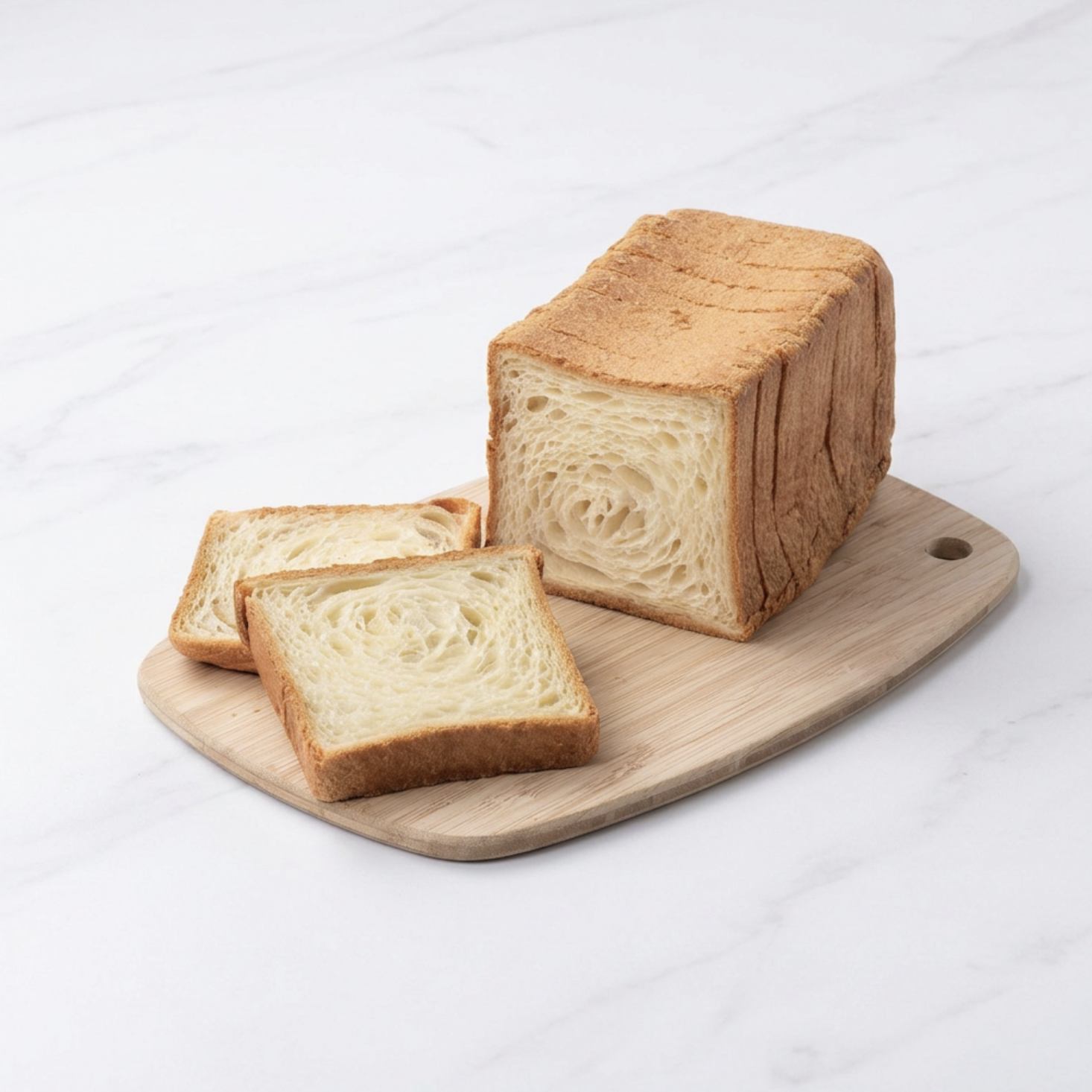
The showstopper in the new range is a Croissant Sliced Loaf – a unique loaf made from buttery croissant dough, baked with delicate flaky layers and a soft, tender centre. It is pre-sliced into 10 portions, making it perfect for toasting, sandwiches, or elevating sweet and savoury dishes, such as French toast.
In the savoury category, new pre-folded Pinsa Romana, Pinsa Sheets, and Brioche Burger Buns enable operators to build high-margin lunch offerings rapidly and consistently.
Commenting on the launch of the new range, Delice de France CEO Thierry Cacaly, said:
“Hospitality teams are under pressure like never before to maintain quality while managing kitchen efficiency. We know many outlets are suffering from skill gaps and labour shortages, which is why our focus on new products has gone beyond simply adding innovation consumers want to delivering the efficient solutions kitchens need.
“These additions fill key gaps in our foodservice offering and will set us and our customers up for continued success through this winter and into 2027.”
The Autumn/Winter 2026 catalogue is available to browse now through the Delice de France webshop.


THE KEY TO UNLOCKING HOSPITALITY'S GROWTH
UKHospitality Chief Executive Allen Simpson calls on hotels and the wider hospitality sector to keep the pressure on Government, arguing that a reduction in VAT to 10% is essential to drive investment, growth and a more competitive future for the industry.
I hope most hotels – from big chains to boutiques – are familiar by now with the #VATsTheProblem campaign.
The petition https://www.vatstheproblem.co.uk/ launched alongside it is now well past the 330,000 mark, but we simply must keep up the momentum by getting as many people as possible to sign it.
Hotels of all sizes will benefit if we’re able to encourage the Government to cut hospitality VAT from the current 20% to a level that would be a catalyst for growth – 10%.
And so will the wider hospitality sector, which chef and pub operator Tom Kerridge highlighted when he launched the campaign in the summer with an open letter to our industry:
We know that the key to unleashing hospitality’s potential to grow and thrive into the future comes through a VAT cut. We’re making sure Government knows that too, and we need your help.
As well as UKHospitality, the British Beer and Pub Association, the British Institute of Innkeeping and CODE Hospitality are all backing #VATsTheProblem, saying 10% VAT is fair for hospitality. Because at 20% the UK is at a serious disadvantage compared to Europe, where VAT is typically between 8% and 12%.
So all you hotel operators, please encourage your guests, staff, suppliers, family and friends – they’re all eligible – to put their names to the petition.
And to help you spread the word, just add this link https://www.vatstheproblem.co.uk/ to your emails, socials and website, and make use of our campaign toolkit and online shop to download free campaign collateral.
The shop https://vatstheproblem.myshopify.com/ currently features tent cards; beer mats; cards to put down with receipts, place on reception areas or in rooms; and posters for both front of house and staff rooms.
We know that the Government’s listening, but we can’t let up in our efforts to turn listening into the sort of action that will mean fair taxation for hotels, and which gives them the confidence to start investing in growth once more.
Allen Simpson
Chief Executive
UKHospitality
INSIDE THE LONDONER
Michael Cheung, General Manager at The Londoner, discusses the hotel's distinctive 'vertical city' concept, the evolving expectations of luxury travellers and the importance of empowering people to deliver genuinely personal experiences.
The Londoner has established a distinctive identity in the heart of the West End. What sets the hotel apart?
The Londoner offers an intimate, boutique-style experience at a scale most boutique hotels can't match. Our location in Leicester Square places us at the cultural and entertainment heart of London, yet guests enter a sanctuary that feels exclusive and connected to the city.
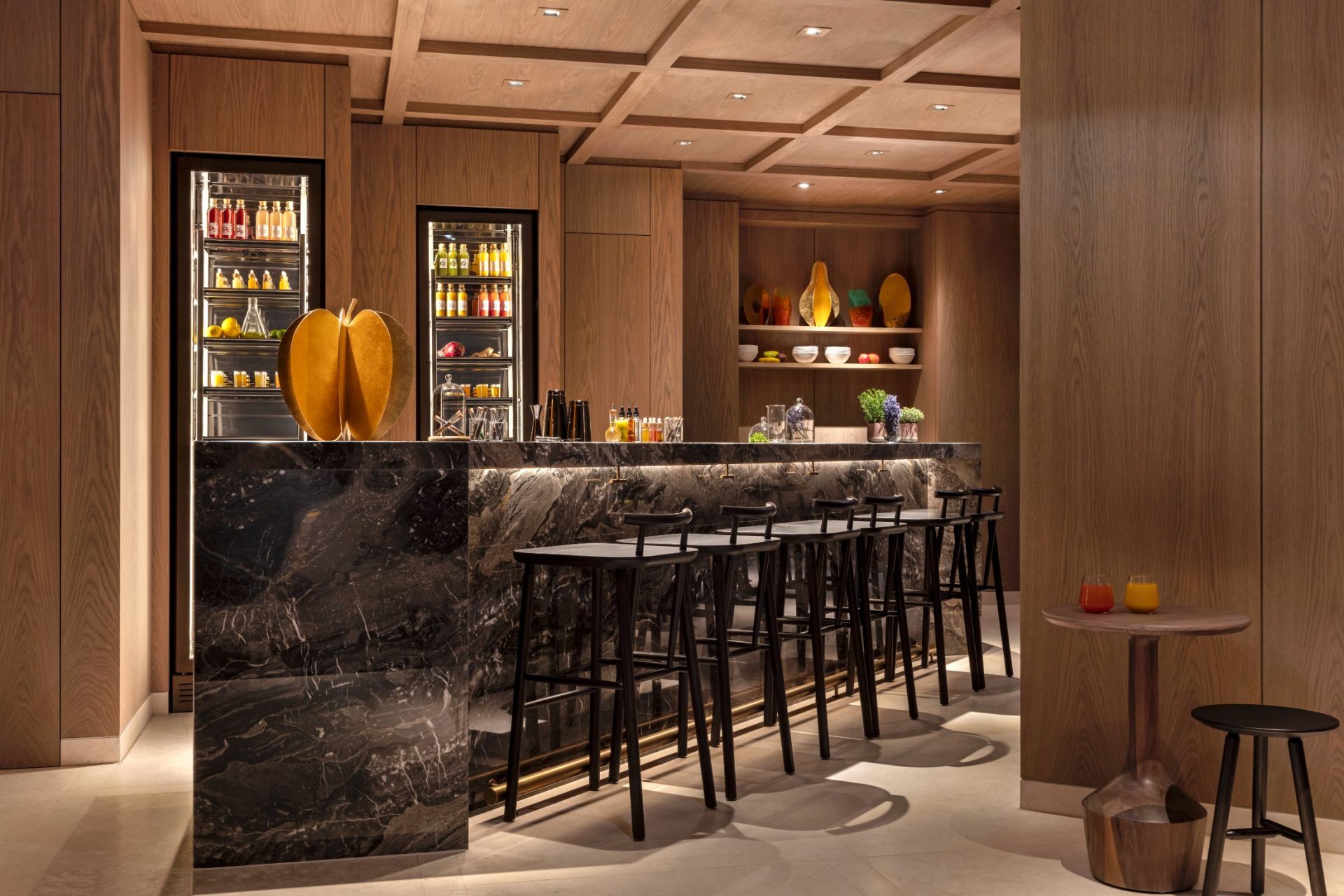
Our design, art collection, restaurants and bars, The Retreat and social spaces create a true "vertical city" experience. Guests can enjoy everything from dining and entertainment to wellness without leaving the building. But what really differentiates us is our people. Luxury today is less about grandeur and more about meaningful, personalised experiences. Our colleagues are empowered to understand each guest and create moments that feel authentic rather than scripted.
We also encourage our teams to act as ambassadors for London, from recommending hidden gems to tailoring experiences around a guest's interests. The Londoner is not simply a hotel in London; it is a gateway to experiencing the city at its best.
With so many restaurants, bars, entertainment spaces and facilities under one roof, how do you maintain consistency?
It requires tremendous collaboration across every department. While each venue has its own identity and guest profile, they are connected by a shared commitment to exceptional service, attention to detail and a humble approach to hospitality.
Training is fundamental. We invest heavily in training, communication and leadership development so every colleague understands both their departmental standards and the wider vision of the hotel.
We also listen closely to guests and employees. Maintaining quality in a complex environment isn't about rigid processes alone; it's about creating a culture where everyone takes ownership of the guest experience.
What are today's guests looking for, and how has your approach evolved?
Today's luxury traveller is seeking personalisation, authenticity, wellbeing and flexibility. They want memorable experiences, but they also want them to feel natural and effortless.
We've responded with a more intuitive style of service. Rather than simply meeting requests, we aim to anticipate needs and tailor experiences, whether through The Retreat, our cultural partnerships, our restaurants and bars or a seamless business stay.
Technology supports this, but never replaces human interaction. Guests appreciate convenience, but they still remember the warmth of a welcome, recognition from a colleague or a thoughtful gesture. Most importantly, they remember how they felt when they left.
What have you learned about leadership from running such a complex property?
The biggest challenge is balancing operational complexity with consistency. Guests experience The Londoner as one connected journey, so every touchpoint needs to work in harmony.
Leadership has reinforced the importance of visibility, communication and trust. No leader can manage a property of this scale alone. Success comes from building strong teams, empowering colleagues and creating an environment where people feel supported and accountable.
I've also learned that employee and guest experience are inseparable. When colleagues feel respected, heard and recognised, they deliver better service. Seeing team members develop their careers and take on greater responsibility is one of our proudest achievements.
What opportunities do you see for The Londoner over the next five years?
The opportunity is to build on our first five years while continuing to innovate. We see potential to further personalise the guest experience, strengthen our position as a lifestyle and entertainment destination, and deepen our connection with international visitors and the local London community.
What excites me most is our people. Buildings and facilities are important, but it is the talent, passion and creativity of our colleagues that will define our next chapter.
The next five years aren't simply about growth; they're about creating experiences guests remember and careers employees are proud to build. That combination, which echoes the qualities recognised in the latest cohort of excellence in hotel leadership, will ensure The Londoner continues to thrive.

FIVE NEW APPROACHES
Wellness is no longer confined to the spa. As travellers increasingly look to hotels to support how they feel, sleep, move and switch off, operators are rethinking wellness programming as a wider part of the guest experience. From highly personalised itineraries to experiences designed around connection and recovery, here are five approaches gaining momentum.
1. Make sleep a stay in itself
Sleep is becoming one of the most compelling wellness propositions for hotels, with programming designed to help guests rest rather than simply offering a comfortable bed. Sleep-focused stays can include pre-bed treatments, guided meditation, breathwork, sleep-enhancing menus, pillow menus and technology-free wind-down rituals.
The opportunity extends beyond the bedroom, too. Hotels can consider how lighting, temperature, sound, evening F&B and even the timing of activities contribute to better rest. By treating sleep as a complete guest journey, rather than a room feature, hotels can create a distinctive wellness proposition that requires relatively little physical infrastructure.
2. Take wellness outdoors
Wellness programming is increasingly stepping outside the spa and gym, with hotels making greater use of gardens, grounds and surrounding landscapes. Outdoor yoga, guided walks, cold-water experiences, forest bathing, running clubs and nature-based mindfulness sessions can all provide guests with a different route into wellbeing.
For hotels, this approach also offers an opportunity to turn their location into an asset. A countryside property can build programming around hiking and nature, while an urban hotel might offer sunrise runs, park workouts or walking tours. The key is to make the destination part of the wellness experience.
3. Personalise the programme, not just the treatment
The next stage of hotel wellness is moving away from one-size-fits-all programming towards experiences shaped around individual needs and intentions. Rather than simply asking whether a guest wants a massage, hotels can build a broader picture of what they want from their stay – whether that is better sleep, stress reduction, fitness, recovery or simply time to switch off.
This can translate into tailored schedules combining treatments, movement, nutrition and relaxation. Technology and guest data can support this personalisation, but the human element remains crucial. A thoughtful conversation with a therapist, concierge or wellness professional can be just as valuable as a digital questionnaire.
4. Programme for recovery, not just relaxation
Wellness is increasingly about helping guests feel physically and mentally restored. This is creating opportunities for hotels to develop recovery-led programming incorporating everything from mobility and stretching to cold and heat therapies, breathwork, meditation and post-exercise treatments.
The trend is particularly relevant to active travellers, but recovery can be positioned much more broadly. Guests arriving after a long journey, demanding work schedule or busy sightseeing itinerary may value experiences designed to reset the body and mind. Recovery therefore becomes a practical part of the stay, rather than an indulgence reserved for spa days.
5. Make wellness social
Wellness has traditionally been associated with quiet, solitary experiences, but hotels are beginning to recognise the value of connection. Group wellness experiences can bring guests together through communal yoga, running clubs, sound baths, workshops, wellness talks and healthy cooking sessions.
This approach reflects a broader understanding of wellbeing: feeling connected can be just as important as relaxation or physical health. For hotels, social wellness also creates opportunities to build community, encourage longer engagement with the property and give guests experiences they are more likely to remember.
LESSONS IN WELLBEING
The finest spas have mastered the art of creating environments where guests slow down, switch off and feel genuinely cared for. As wellness moves from hotel amenity to core hospitality proposition, we look at what the wider hotel industry can learn from their approach.
The UK’s leading spas have turned slowing down into an art form. From thoughtful design and sensory experiences to highly personalised treatments and genuinely attentive service, the best wellness destinations understand that creating a sense of calm is about far more than offering a treatment menu. As wellness becomes an increasingly important part of the hotel proposition, there is much the wider industry can learn from the spa sector’s approach to creating spaces where guests can pause, disconnect and feel truly cared for.
When it comes to the biggest shifts in consumer expectations around spa and wellness, Lesley Bacon, Spa & Wellness Director at Good Spa Guide, revealed that one of the most prominent changes is a move towards personalisation over choice. “Treatment menus are becoming shorter, with more time given to consultation so the experience can reflect what the guest actually needs, rather than simply selecting from a long list of options. The best spas are also moving this consultation to the pre-arrival stage, giving therapists valuable insight before the guest even arrives. This means the conversation begins with understanding, rather than starting from zero,” Lesley added.
Space is also becoming a premium rather than a “nice-to-have”, in Lesley’s opinion. Leading spas understand that guests are willing to pay more when they know there will be room to relax and dwell afterwards, whether that is a lounger, relaxation room or quiet space. “The experience should not end when the treatment does,” Lesley added.
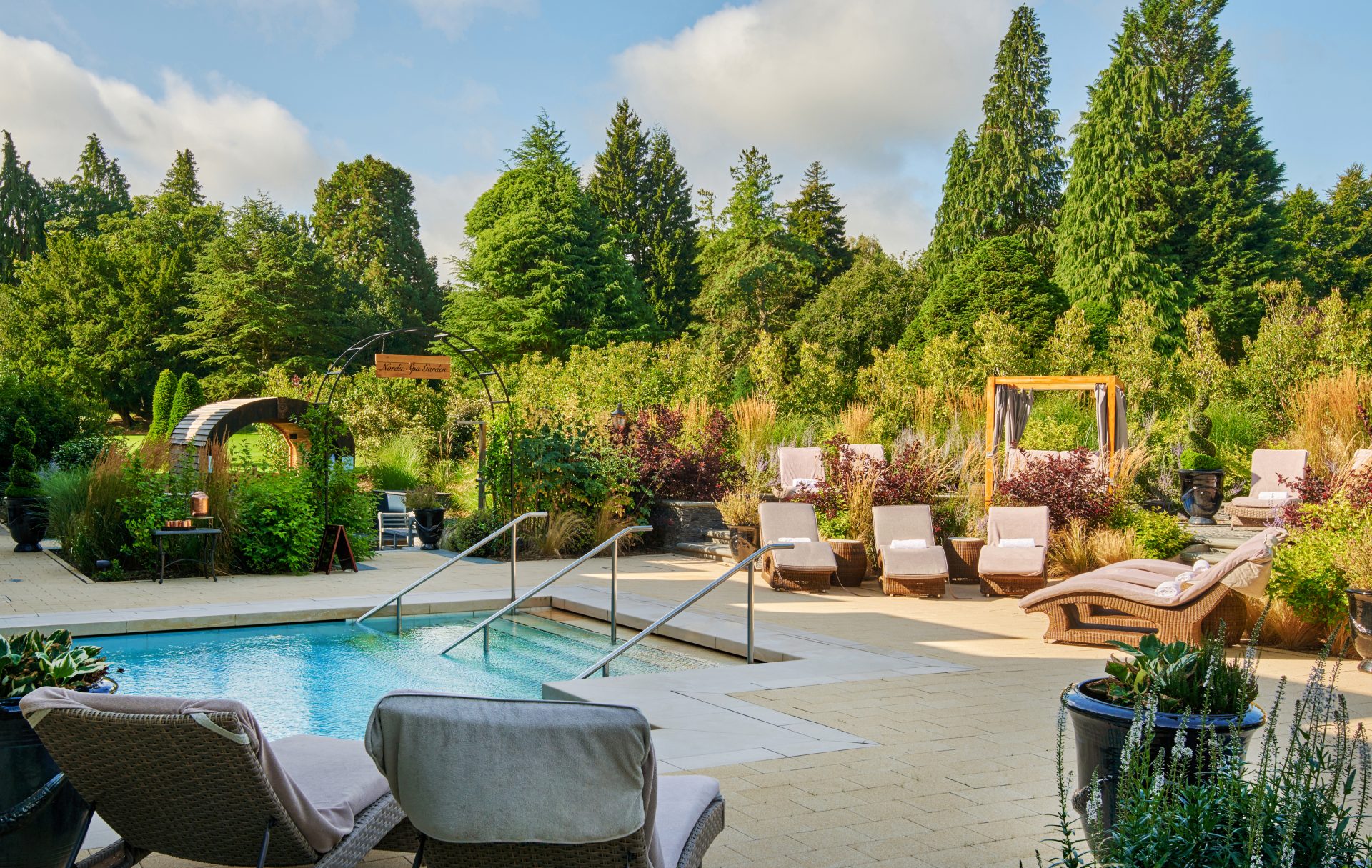
Lesley revealed that she’s also seeing the spa experience blur the boundaries between indoors and outdoors and said, “Hotels can make better use of their grounds by incorporating plants and flowers grown on site, encouraging guests to walk or sit outside, and providing blankets or shelter so changing weather does not immediately bring everyone back indoors.”
Finally, Lesley explained that wellness and indulgence can sit comfortably side by side. Spa menus are broadening rather than becoming exclusively 'healthy', with more interesting non-alcoholic drinks and nutritious dishes alongside the indulgent, celebratory food guests also want. “It doesn't have to be a choice between the two; the best experiences offer both thoughtfully,” she said.
The Good Spa Guide Awards celebrate the very best in the UK spa industry. Looking at the spas and experiences that stand out in the awards, we asked Lesley what qualities or trends she thinks the wider hotel industry should be paying closest attention to right now, to which she said, “The standout spas tend to have a clear and specific identity.
“They don't try to be all things to all guests, but instead focus on a particular proposition, understanding what they offer, why they offer it and who it is designed for.” Lesley believes that clarity should be evident from the moment a guest discovers the spa, with the website and booking journey setting clear expectations about what the experience will actually involve.
Another important trend in Lesley’s opinion is the ability to explain the 'why', not just the 'what'. Whether it is contrast therapy, thermal experiences, a sound bath, meditation or a breathing ritual, the best spas explain the purpose behind each element and the benefit it is intended to deliver. “This helps establish the spa as an expert guests can trust,” said Lesley.
She acknowledges how we are also seeing a shift towards value rather than simply ‘deals’. Guests are not necessarily looking for the cheapest experience; increasingly, they want to feel that they are making a worthwhile investment in their health and wellbeing. “Ultimately, spas don't need to do everything. The strongest operators focus on the things they know they can deliver exceptionally well, ensuring the whole team is trained to provide that experience consistently,” Lesley concluded.
Louise Molloy, Director of Spa at Park Hyatt London River Thames recognises that leading spas are highly intentional about every aspect of the guest journey. From the moment a guest arrives, the goal is to create a seamless transition away from the demands of everyday life and into a space where they can truly relax and reconnect with themselves.
“Hotels can learn from this by looking beyond individual touchpoints and focusing on the emotional journey of the guest. Small moments such as a warm welcome, intuitive wayfinding, uncluttered spaces, and a slower, more thoughtful pace of service can all contribute to a greater sense of calm,” said Louise.
Delving into the spa environment itself – from design and sensory details to lighting, sound and scent – Louise sees that these elements are “absolutely fundamental”. She said, “In a leading spa, every sensory element is carefully considered because our surroundings have a powerful impact on how we feel. Lighting, acoustics, scent, temperature, textures, and even the flow between spaces all influence whether a guest feels energised, relaxed, or overwhelmed.”
Hotels often focus on visual aesthetics but sometimes overlook the sensory experience as a whole. Noise management, scent consistency, lighting transitions throughout the day, and creating quiet spaces away from technology can make a significant difference. Louise recognises that guests are increasingly seeking refuge from constant stimulation, so designing environments that help them disconnect is becoming more important than ever.
Wellness today is no longer confined to the spa. Guests increasingly view wellbeing as something that should be woven throughout their entire stay. This means integrating wellness into every aspect of the guest journey, from nutritious dining options and quality sleep experiences to movement opportunities, mindfulness offerings, and spaces designed to reduce stress. Louise said, “It is also about recognising that wellbeing looks different for every guest. For some, it may be a fitness class or recovery treatment, for others, it may simply be having quiet time, meaningful human connection, or uninterrupted rest.
“The most successful hotels will be those that integrate wellbeing into their culture and operations, creating experiences that support guests physically, mentally, and emotionally rather than treating wellness as a standalone facility.”
At The Mandrake’s DAMU, the team has intentionally created an environment that feels distinctly separate from the world outside. From the architecture and sensory environment to sound, nature, storytelling and science, every element is designed to help guests slow down and become fully present. The entire experience is centred around rejuvenation and realignment.
The commissioned soundscape flows throughout the Spa, from reception and treatment rooms to the Tranquillity Room and Mud Cave. Rather than traditional spa music, it has been created to influence the atmosphere and gently encourage the mind and body to slow down. The Tranquillity Room, with its botanical indoor garden, provides another space to pause, reflect and release.
Nathalie Dubreu, DAMU Spa Manager, said, “Storytelling is also important
“The Mud Cave, for example, draws on ancient Mesopotamian healing traditions, while the Origin Pool combines water, low-frequency vibrations, sound, chromotherapy and visual projection to create an immersive sensory experience. We also share the stories behind our products and rituals, connecting ancient traditions with new science and technology.
“This creates a deeper connection between guest and experience. Rather than simply receiving a treatment, guests understand its purpose and journey, allowing them to become more engaged and present.”
At DAMU, personalisation begins before the treatment. Nathalie said, “From the moment a guest arrives, we want them to feel they are stepping into a journey thoughtfully created for them. The welcome, atmosphere, storytelling and introduction to each ritual all contribute to this.
“It is about understanding the individual guest: listening to what they need that day, paying attention to how they are feeling and allowing the experience to adapt. Personalisation is not simply choosing a treatment from a menu; it is creating a genuine sense of being seen, understood and cared for. Sometimes that means remembering preferences, noticing how a guest is responding, knowing when they want conversation and when they need space.”
This is where the idea of oneness becomes important. Every part of the experience should feel connected – Natalie recognises that the welcome should lead naturally into the treatment, which connects with the environment and storytelling. “When these elements align, the guest experiences one complete journey rather than a collection of separate services.”
The same philosophy can extend beyond the treatment room and across the wider hotel experience, from arrival and the room environment to food and beverage, sleep and wellness activities. When these touchpoints are connected and informed by an understanding of the individual, Natalie sees that the experience becomes much more meaningful.
As wellness becomes increasingly central to the hotel experience, the industry is moving beyond the traditional treatment-led model towards a more holistic approach. “I think wellness is evolving beyond the idea of booking an individual treatment – a massage, facial or therapy – and towards creating a wider wellness ritual,” said Natalie. “A ritual gives meaning and intention to the experience, helping guests transition away from the outside world and become fully present.”
At DAMU, the treatment is viewed as just one part of that wider journey. “Whether a guest comes for a massage, facial or technology-led treatment such as BBL, Moxi or Dermapen, we want the moments before, during and after to contribute to their overall sense of wellbeing,” Natalie explained.
“Even highly results-driven treatments can create opportunities to slow down, breathe, reconnect with the senses and feel genuinely cared for.” This means considering every element of the experience, from the welcome and atmosphere to aromatherapy, sound, touch, relaxation spaces and rituals that help guests transition into and out of their treatment.
As wellness increasingly converges with aesthetics, longevity and technology, Natalie believes hotels should also consider how different elements can work together. “It is about considering the whole person – mind, body and spirit – rather than treating each aspect of wellbeing separately.” Ultimately, the lesson for hotels is that there is no one-size-fits-all formula. “Technology can deliver remarkable results, but human connection, environment and moments of relaxation are what can transform an individual treatment into a truly complete journey.”
At Firefly Spa at Silverlake Estate (part of Habitat First Group), the team’s starting point was to ensure that every guest would feel a slower pace and a deeper sense of calm from the moment they arrive. With the 10-acre Firefly Lake and woodland on one side and the pool on the other, the Firefly Spa has been designed to connect to its natural surroundings. Unlike many spas that involve total darkness, Firefly’s facilities, including the treatment pods, cold plunge and sauna all look out onto the calm stillness of the water and the team has embraced the natural medicinal properties of the nature reserve and has integrated on-site botanicals, such as gorse, into the ESPA treatments.
Guests increasingly look for much more than a treatment menu. Wellness has become about balance, restoration and creating experiences that support both physical and mental wellbeing. For some, wellness is about movement and fitness; for others, it is about relaxation, recovery, sleep, mindfulness or spending time outdoors. Red Paxton, CEO of Habitat First Group, explained, “Firefly responds to that by offering multiple ways to engage with wellbeing. Guests can relax with therapeutic treatments, thermal experiences and a spot of lunch at the lakeside Firefly Restaurant or they can seek out active relaxation through wild lake swimming, paddleboarding or kayaking, or even combine the two.”
Specialist spas are increasingly demonstrating that personalised, restorative wellness is about far more than treatments and facilities – and hotels can take a similar approach by weaving wellbeing throughout the entire guest journey. “One of the biggest lessons is that wellness should be considered throughout the entire guest experience rather than confined to a spa menu or gym facility,” explained Red. “Guests increasingly value experiences that help them feel better during and after their stay, and that doesn’t necessarily require extensive wellness facilities.”
Instead, hotels can create a sense of wellbeing through thoughtful design, access to nature, opportunities for movement, healthier dining and genuinely attentive service. “When wellness is embedded into every touchpoint, from arrival to dining and leisure activities, it feels natural rather than transactional,” Red said. Crucially, this also means continuing to evolve the offering rather than standing still. “It is also important to keep inventing. We are continually adding to the offerings at Firefly and are looking forward to bringing even more in the coming months, including gong baths, triathlon weekends, wellness residentials and a lakeside gym.”
The team at Grantley Hall also ensures that a guest’s spa experience begins long before they enter the spa itself. Victoria Rickett, Director of Spa & Wellness at Grantley Hall, revealed that at the point of booking, the team asks thoughtful questions to understand who is visiting, why they are coming and what their individual preferences are, so the experience can be tailored from the outset.
To make things even more personal, Victoria said, “We also look at what we have learned from previous visits and no detail is considered insignificant, whether it’s a preferred room temperature or favourite therapist. Luxury is increasingly about personalisation and making the experience feel effortless, and our guests regularly tell us that attention to detail is one of the reasons they return time and again.”
Recognising that personalisation is paramount, at Grantley Hall they have a dedicated Guest Experience Team overseeing every stage of the journey. The hotel also has an internal initiative called ‘Grantley Love’, which encourages every member of the team to share small details they learn about a guest through natural conversation, allowing them to create thoughtful moments during a guest’s stay. “For example, we know the preferred treatment playlists of some of our regular guests and have them queued up ahead of their appointment – it’s often these small, highly personal touches that can make somebody feel genuinely known and cared for,” added Victoria.
At Grantley Hall, the changing expectations around wellness are influencing the guest journey far beyond the spa itself. “We’re noticing that guests are far more wellness-focused than they were even a few years ago,” said Victoria.
“While previously a hotel stay might have meant stepping away from usual routines and eating habits for a few days of indulgence, now many guests want us to help them maintain those routines while they are away.” This applies to both exercise and nutrition, with more guests looking to maintain specific regimes throughout their stay. “We recognise that wellness should be considered at every touch point for these guests, rather than confined to the spa.”
That means taking a personalised approach to the details of a stay – for one Peloton enthusiast, Grantley Hall arranged for a bike to be waiting in her suite alongside a wellness hamper containing electrolytes, BCAAs and protein shakes, as well as a yoga mat. “While we have a fully equipped, state-of-the-art gym, some guests prefer the privacy of their own suite or a private studio.”
That same understanding of individuality is central to creating a spa environment guests want to return to. “One of the biggest lessons we have learned is that wellness means something different to everybody,” Victoria explained. For some, that might mean meditation and solitude; for others, access to technology such as VO2 testing, underwater treadmills, cryotherapy, EMS or BATAK.
“For others, wellness is simply having uninterrupted time with friends or family away from the pressures of everyday life.” With guests increasingly talking about feeling burnt out by constant connectivity, even switching off a phone can become part of the experience. “Where hotels can go wrong is assuming wellness automatically means salads, detoxes and treatments when, in reality, it is about listening carefully to what each guest needs to feel restored, creating the right environment for that to happen and, wherever possible, exceeding their expectations.”
Gleddoch Golf & Spa Resort’s recent spa investment demonstrates that today’s guests are looking for experiences that help them properly disconnect and create a sense of escapism from the moment they arrive.
Tim Rumney, BWH Hotels GB CEO, explained: “The growth of thermal and contrast experiences, outdoor wellness and spaces that connect guests with nature is particularly interesting.” The outdoor sauna at Gleddoch is a great example and one of the largest of its kind in the UK. “It combines aromatic heat with an outdoor hydrotherapy pool, cold plunge, ice bath and barrel drench shower, tapping into the growing appetite for temperature-led wellness while overlooking sweeping views across the Clyde Estuary and Scottish landscape.”
For independent hotels, Tim sees that there is a real opportunity here. “They don’t necessarily need to replicate the scale of a large destination spa; the key is understanding what is unique about the property and using that to create an experience guests cannot get elsewhere.
“We are seeing wellness become more of a reason to choose a hotel in the first place. Creating experiences guests remember, talk about and want to return to.”
James Anderson, General Manager at Gleddoch Golf & Spa Resort, WorldHotels Distinctive, commented: “We have seen a strong response from guests since the Imperia Spa reopened, particularly the opportunity to combine a city or business trip with some genuine time to switch off. Just a 30-minute drive from Glasgow, we are seeing more guests choosing Gleddoch as a place to decompress before heading home, rather than simply treating wellness as an add-on to their stay.
“What has also been encouraging is how much guests are engaging with the experience as a whole, moving between thermal experiences, outdoor spaces, treatments and relaxation areas rather than simply using one facility. The feedback has reinforced that the setting is just as important: being able to step outside, take in the Clyde views and simply switch off creates a real sense of escape.
“Ultimately, guests are looking for somewhere that allows them to slow down and leave feeling genuinely restored. Working with BWH Hotels GB has allowed us to tailor that experience around our guests, while staying true to what makes Gleddoch so special.”
For The Landmark London’s Spa Manager, Hida Shuleta, the recent refurbishment was an opportunity to create more than simply a visually impressive wellness space. “I envisioned creating more than just a beautiful spa, and thought comfort, calm and personalised wellbeing should be a priority,” she explained. The result is a concept designed around giving guests the freedom to experience the spa in a way that feels genuinely restorative to them, recognising that relaxation and wellbeing can mean something different to every individual.
That philosophy extends beyond the spa itself and into the wider guest journey. “I wanted wellness to be part of the whole guest journey, not just a visit to the spa,” said Hida. Alongside the spa’s enhanced facilities and treatments, The Landmark London has introduced personalised in-room wellness experiences, including a spa minibar, yoga video sessions, Theraboot and LED mask treatments. For Hida, this demonstrates how hotels can make wellness more flexible and accessible by introducing considered touchpoints throughout the stay, rather than confining it to a dedicated facility.
Ultimately, however, she believes it is the people who make the greatest difference. “The team plays a huge part in how a guest feels,” she said, with expertise, training and genuine care enabling therapists to understand individual needs and personalise the experience. “Beautiful facilities are important, but it’s often how you make someone feel that they remember most.”
For Corinthia London, the decision to relaunch its spa concept after 15 years reflects the fundamental shift in how guests now approach wellness. “Wellness has changed enormously over the past 15 years,” said Spa Director Aysun Mut. “Guests are not simply looking for a treatment; they are looking for expertise, emotional reset, physical recovery, better sleep, stress reduction and a deeper sense of balance.” The relaunch of Biome was therefore an opportunity to move beyond the traditional spa model and create what Aysun described as “a complete wellbeing ecosystem”, combining expert-led treatments, considered rituals and an environment designed to support both stillness and transformation.
“Today’s guests want wellness to feel meaningful rather than prescriptive,” she added. “They want high levels of personalisation, credible practitioners, sensory escape and visible results, but they also want the experience to feel intuitive, nurturing and deeply human.”
That holistic approach also offers valuable lessons for hotels looking to create more restorative experiences throughout the guest journey. “The best spas and wellbeing spaces are designed to orchestrate a complete physical and sensory journey,” said Aysun, with every detail – from arrival and treatment through to relaxation and reflection – carefully considered to encourage guests to slow down. Natural materials, ambient lighting, fragrance, soundscapes, biophilic design and acoustic zoning can all help create a sense of escape, while discreet technology can support personalised wellness preferences, sleep and treatment recommendations.
Crucially, however, Aysun believes restoration is as much about service as design: “The most restorative experiences are guided intuitively rather than intrusively, with teams anticipating needs quietly and allowing guests the space to switch off.” For hotels, she said, the message is clear: “Restoration should not begin and end in the treatment room; it should be felt in the welcome, the bedroom, the bathroom, the food and beverage experience, and the way teams quietly choreograph the guest’s time.”
Ultimately, the lessons from the UK’s leading spas extend far beyond the treatment room. The most successful wellness experiences are built around understanding the individual, creating space to slow down and ensuring every touchpoint feels intentional, from arrival and design to dining, sleep and service. As guests increasingly seek meaningful ways to disconnect and restore, hotels have an opportunity to make wellbeing part of the fabric of the stay – not simply an amenity, but a philosophy that shapes how guests feel from the moment they arrive to the moment they leave.

MAKING THE MOST OF HOME
The staycation is evolving, with consumers seeking shorter, more frequent and experience-led breaks across the UK. Simon Numphud, Managing Director, AA Media, reveals what this shift means for hotels and how properties can turn their location into a compelling part of the guest experience.
The AA Media's latest consumer research suggests that UK leisure travel is holding up strongly, with more people choosing shorter, more frequent breaks closer to home. What does this tell us about the current mindset of the UK traveller, and what are the biggest opportunities this creates for hotels?
I don't think people are travelling less, they're travelling differently. What really stands out to me is the move towards shorter, more frequent breaks, with people making more of their leisure time throughout the year.
We're fortunate in the UK to have such a huge variety of destinations on our doorstep, and I think consumers are increasingly recognising that. More than a third of Britons are planning more UK leisure trips this year, and 43% are choosing UK destinations over overseas holidays, which is a pretty compelling signal.
For hotels, that means there's a real chance to be part of that choice, not just by offering a room, but by giving people a reason to choose the destination and making the stay feel worthwhile.
Value for money remains a major consideration for travellers, but the research also suggests people are prepared to spend more on memorable experiences. How can hotels strike the right balance between demonstrating value and giving guests a reason to spend more?
For me, value has never simply meant being the cheapest option. It's about whether a guest comes away feeling their stay was genuinely worth what they paid.
That might be a great breakfast, a warm welcome, a room that feels really cared for, or those little touches that make you think, 'That was really good.' Those are the things people remember.
That's particularly important now, because guests are thinking more carefully about where they spend their money. If a hotel delivers an experience that feels worth it, people are much more likely to come back and to recommend it to others.
And I think that links closely to the shift we're seeing towards experience-led hospitality. Guests increasingly want more than simply a great place to stay, they want something that feels distinctive, personal and connected to the destination.
That's where independent hotels have a particular opportunity. Local character, personality and authenticity are incredibly difficult to replicate, and I think they can be a real point of difference.
Hotels are responding by investing in everything from food and drink to wellness and more unique guest experiences. Of course, these can create additional revenue, but more importantly, they reflect what guests are looking for: memorable experiences that give them a reason to come back.
Almost half of those surveyed for the UK Leisure Travel 2026 Survey say they want to explore more of the UK. As The AA look at promoting discovery in the UK, how can hotels better leverage their location and the experiences on their doorstep to turn a stay into a wider destination experience?
I've always thought the best hotels do more than provide somewhere to sleep. They give you a real sense of the place you're visiting. That might be recommending a great local pub, pointing a guest towards a good walk or somewhere they wouldn't necessarily find themselves, or working with local businesses to create something a little more memorable.
For me, that local knowledge is a real competitive advantage. A hotel can be the starting point for discovering a destination, rather than just a base for the night.
With coastal, countryside and regional destinations proving particularly attractive, do you think the staycation opportunity is evolving beyond the traditional idea of a 'UK holiday'? And what should hotels be doing to capture demand for these shorter breaks?
What stands out to me is that we've moved beyond the traditional idea of the staycation. For many people, this is no longer a fallback option, it's a conscious choice to explore more of Britain.
And what's particularly encouraging is the breadth of that opportunity. It isn't just the obvious coastal destinations; there's growing interest in places across the North of England, Scotland and regional areas that perhaps haven't always had the same profile.
That plays to the strengths of the UK. There is an enormous variety of experiences here, and I think the hotels that really understand what makes their particular location special will be the ones that stand out.
Trust and quality remain important when consumers choose where to stay, with official ratings and reviews playing a significant role. In an increasingly crowded hotel market, how important is independent recognition in helping properties stand out and give consumers confidence?
Trust is absolutely fundamental when someone is deciding where to stay. A guest is making a decision based largely on what they believe the experience is going to be like, so reassurance matters.
The fact that 92% of people surveyed considered official ratings, user reviews or both before booking tells you just how important that reassurance has become.
For me, recognition only really matters if it reflects the quality of the operation behind it. When it does, it gives consumers confidence and gives good hotels a way to stand out in an increasingly crowded market.
Looking more broadly at the hotel landscape, what do you think are the biggest challenges and opportunities facing UK hotels over the next 12–18 months – and where do you see the businesses that will perform best differentiating themselves?
I think the next 12 to 18 months will be about getting the fundamentals right while being open to change.
People will continue to be one of the biggest challenges for the sector. Attracting and retaining great people, building a strong culture and continuing to deliver excellent service while costs are under pressure will be critical. For me, investing in people isn't optional, it's central to great hospitality.
At the same time, I'm genuinely excited by what technology and AI can do. I don't see technology replacing hospitality; I see it helping teams spend more time doing the things that guests actually value.
Ultimately, I think the businesses that will perform best are those that stay true to what makes them good at hospitality, while still being willing to evolve.
INDEPENDENT HOTEL SHOW 2026
The Independent Hotel Show, in partnership with James Hallam Insurance Brokers, returns to Olympia on 5-6 October, bringing together the people, ideas and suppliers influencing the future of the UK’s luxury, boutique and independent hotel sector.
This year’s theme, ‘Shaping Tomorrow’, will explore how independent hotels can respond to technological change, evolving guest expectations and new commercial pressures while protecting the individuality, creativity and human connection that distinguish the sector. The theme will run throughout the show’s seminar programme, design features and wider visitor experience.
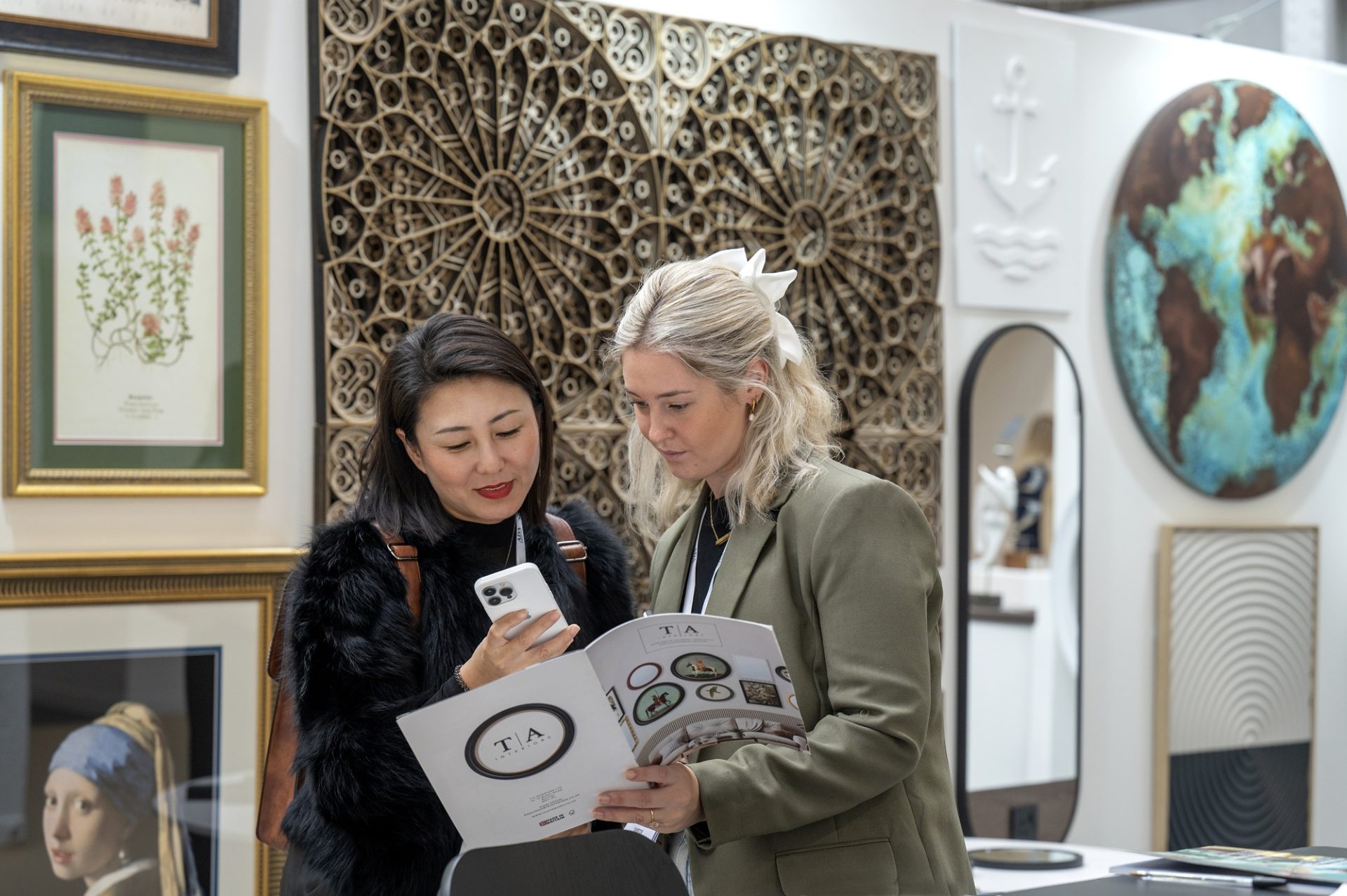
Across two days, hotel owners, general managers, designers and senior decision-makers will be able to discover new products and services, hear from leading operators and industry experts, and connect with peers facing many of the same opportunities and challenges.
Practical insight for independent hoteliers
Content will take place across three stages: the Hotel Business Stage, in partnership with eviivo and designed by Merav Bustan Design; the Innovation Stage, in partnership with Agilysys and designed by Obradov Studio; and the Social Business Space, in partnership with Zennio and designed by Design Command.
The programme will begin on the Hotel Business Stage with Davin Reid-Montanaro of Agility Research presenting ‘Booking later, spending bigger: Inside the luxury traveller’. Drawing on research among UK luxury consumers, the session will examine why some affluent travellers are booking later while remaining prepared to spend more, how their priorities are changing and what those shifts mean for independent hotels.
Reid-Montanaro says independent properties are particularly well placed to respond:
What excites me most is the opportunity to use better data and technology not to replace the human element, but to strengthen it: helping hoteliers understand their guests more deeply, anticipate changing expectations and create experiences that feel unique and not standardised.
Commercial performance will be another major focus. ‘What’s the secret ingredient to profitable F&B?’ will examine how hotels can build stronger food and beverage businesses at a time of continued pressure on staffing and margins.
Simon Elliott, Founder and Director of Profit Hound, argues that the answer lies in
great people delivering amazing hospitality, relentless focus on improvement and innovation, regimented processes and data to tie it all together
The session will encourage operators to reconsider their products, processes and working practices to create firmer commercial foundations.
Other Hotel Business Stage discussions will explore the factors driving UK and European hotel performance, how hotels can turn guest arrivals into additional revenue, the business case for connected hotels and whether the industry is prepared for the introduction of tourist taxes.
The programme will also look beyond immediate operational pressures to consider the long-term ambitions of independent business owners. In the Power Hour ‘What’s it all for? Turning your hotel into your future’, Financial Planner Rachel Toseland will discuss how owners can make their business support the lifestyle they want, including planning for changing family commitments and retirement.
As business owners, we spend so much time buried in our business, it can feel impossible to zoom out and get that clear view of where we’re heading. Attendees will leave with clear, simple steps to start planning their financial future in a way that doesn’t feel daunting or overwhelming.
she says.
From AI hype to practical action
Artificial intelligence will be examined from several perspectives, reflecting its growing influence on hotel discovery, bookings, operations and workforce skills.
On the Innovation Stage, ‘The next visitor to your site might not be a human’ will consider how AI assistants and agents are beginning to research destinations, compare properties and interpret hotel websites on behalf of travellers.
Alessandra Leoni, Head of Hospitality at Focus on Hospitality, says the question for hoteliers is no longer simply how they should use AI, but how it will alter the way guests discover and choose their properties.
We’ll explore what that means for independent hotels, from websites and booking journeys to data, integrations, content and the underlying technology infrastructure. Most importantly, we’ll look at what hoteliers should be thinking about now so they can take advantage of this shift rather than simply react to it later.
she explains.
Judi Blakeburn, Advisor to Watergate Bay Hotel, says tests involving AI agents and real hotel websites have already revealed practical barriers, including cookie banners, pop-ups and overly complicated journeys. These are often the same obstacles that frustrate human visitors.
A lot of being agent-ready turns out to be housekeeping we should be doing anyway. The part I’m most interested in is the gap between being found by an agent and being bookable by one.
she says.
The second day will open on the Hotel Business Stage with ‘Bots and beds: How far should hospitality automate?’. Moderated by Alex Burgess of eviivo, the session will move beyond predictions to examine where automation is already saving or generating money, where implementations have failed to deliver and how operators can identify tasks that no longer need to be completed manually.
Just because you can automate something, does it mean you should? We’ll be discussing how to strike the right balance between the human touch and automated efficiency.
Burgess asks.
‘The new skills stack for the future of hospitality’, moderated by Wouter Geerts of Abode Worldwide, will consider what AI literacy means for hotel employees, how jobs may change and what effective AI leadership looks like.
Designing hotels with lasting value
Design remains central to the Independent Hotel Show, both in its content programme and the spaces created throughout Olympia London.
Sessions will explore hotels that move beyond traditional boundaries, the role of sound, scent and other senses in shaping a stay, accessible design and the growing connection between interiors and physical or emotional wellbeing. ‘Designed to feel good: Putting wellbeing at the heart of hotels’ will examine how thoughtful environments can support both guests and hotel teams.
‘From refurbishment to return: Designing for long-term value’ will bring together different perspectives on investment, asking how owners, operators, designers and marketers can create projects that deliver value well beyond their launch.
Lesley Annison, Development Project Manager at RBH Hospitality, will draw on projects including the refurbishment and repositioning of The Met Hotel Leeds. The renovation took inspiration from the building’s industrial and Victorian heritage while transforming it into a contemporary lifestyle destination.
What excites us most about the future of independent hotels is the opportunity to develop spaces that differ from branded properties. The hotel now has its own personality, which tells the story of the property but also has everything that we need to continually evolve to meet the needs of tomorrow’s traveller.
she says.
Elsewhere at the show, TUNTU will design the Members Suite, providing an inviting environment for independent hoteliers to meet, work and continue conversations away from the exhibition floor.
Marketing, people and responsible business
Independent hotels possess stories and personalities that larger, standardised brands can struggle to replicate, but translating those strengths into bookings is not always straightforward.
In ‘From double taps to dream stays: How boutique hotels can win on social media’, Alison Battisby, Founder of Avocado Social, will explore how hotels can connect engagement to revenue. The session will look at short-form video, storytelling and user-generated content, with an emphasis on showing what a stay feels like rather than simply what a room looks like.
Independent and boutique hotels don’t need big-chain budgets to compete. Personality and storytelling are things smaller properties naturally have over larger groups.
Battisby says.
People and workplace culture will receive equal attention. The Social Business Space will host sessions including ‘The equipped manager: Building confidence around mental health’, presented by Hospitality Action, and ‘The happy team advantage: Empowering managers, empowering teams’.
Sustainability will be approached as an operational priority rather than a standalone initiative. Josh Chadwick, General Manager of The Tawny, will join ‘Making sustainability second nature’ to discuss the importance of staff training and giving teams the tools and confidence to make more responsible decisions in their everyday roles.
Sustainability needs to become part of everyday hotel operations, rather than something that sits separately from the business. Independent hotels can test new ideas, respond quickly and innovate without some of the layers and constraints that can come with larger corporate structures.
he says.
Products and partners for every part of your hotel
Across the exhibition floor, visitors will be able to meet suppliers covering the complete hotel experience, from interiors, furniture, beds, linen and lighting to technology, guest amenities, food and drink, staffing and professional services.
Design-led exhibitors include Coach House, Cotswold Company, Greenhome Furnishing, Kate Cledwyn Designs, Lumenform, Spark & Bell Lighting, Stoneglow Candles, Tringhams Luxury Lampshades and Wayfair Professional. Hotel bedroom and bathroom suppliers will include Harrison Spinks Beds, Sealy, BC Softwear, Christy, Richard Haworth, Mint Linen, The Fine Cotton Company, ADA Cosmetics and Groupe GM.
Technology and operational solutions will be represented by businesses including Agilysys, Access Hospitality, eviivo, Mews, Maestro PMS, SiteMinder, For-Sight CRM, Duve, HiJiffy, hotelkit, RoomPriceGenie, Workforce.com and Zennio.
Elsewhere, exhibitors including CRU Kafe, Shibui Tea, Bottleproof Cocktails, NIO Cocktails, Hawkridge Distillers and House of Sarunds will showcase products for hotel food and beverage operations.
The show has also partnered with charities Hospitality Action and Furnishing Futures for 2026. The Independent Hotel Show team will be raising money by taking part in ‘Walk it your Way’ during the event for Hospitality Action, while Furnishing Futures will be designing a bespoke bedroom for the show, with items for sale to raise money for the charity.
Celebrating independent excellence
The winners of the Independent Hotel Show Awards 2026, in partnership with Preferred Hotels & Resorts, will be revealed from on 5 October.
For the first time, Independent Hotel of the Year has been divided into Over 50 Rooms and Under 50 Rooms categories, reflecting the breadth of the market and allowing properties to be recognised alongside hotels of a similar scale.
Another Place, The Lake; Horwood House; The Grand, York; The Newman; and The Tempus are shortlisted in the Over 50 Rooms category. Calcot & Spa; Cromlix; Foxhill Manor; The Cavendish at Baslow; and The Royal Crescent Hotel & Spa will compete for the Under 50 Rooms award.
The Hotel Rising Star finalists are Isaac Arikawe of Grantley Hall, Nicole Johnson and Sandia Scott of The Newman, and Sophie Morgan of Morgans Hotel.
Hotel Design of the Year will recognise projects at Calcot Manor & Spa, Cromlix, Miiro Templeton Garden Hotel, Penmaenuchaf and The Old Bell Hotel.
The Independent Hotel Show takes place on 5-6 October 2026 at Olympia London. Registration is free for members of the hotel and hospitality industry at independenthotelshow.co.uk.
ALWAYS IN SEASON
With seasonal peaks becoming harder to rely on, hotels are rethinking how they generate demand throughout the year. Industry experts share their strategies for creating compelling reasons to book, visit and return during every season.
For hotels, the challenge of filling rooms has never simply been about attracting guests; it is about giving them a reason to visit at the right time. While peak periods will always play an important role in driving occupancy and revenue, the quieter months present an equally significant opportunity for hotels willing to think beyond traditional seasonal demand.
As guest expectations evolve and competition for attention intensifies, successful hotel marketing is increasingly about creating relevance rather than waiting for demand to arrive. A winter escape, a spring wellness break, a summer experience or an autumn culinary offering can each provide a compelling reason to book, helping hotels build a stronger proposition across the entire year.
At Beaverbrook, Rebecca Inchley, Marketing Manager, explained,
We see seasonality as an opportunity to tell a different story about the hotel, rather than simply a challenge to overcome. The starting point is understanding what is inherently special about a particular time of year and then building experiences, content and communications around that.
For Beaverbrook, the quieter months can actually be some of the most compelling times to visit. Autumn might be about the changing landscape, fireside moments and a sense of retreat; winter can be positioned around food, culture, wellbeing and time together; while spring and early summer naturally lend themselves to the gardens, countryside and the opportunity to experience a very different side of the English countryside.
Rebecca explained that the key is to give guests a positive reason to come now, rather than communicating that it is a quieter period.
We focus on creating a sense of discovery – something happening at Beaverbrook that feels particularly relevant to that moment in the year.
For Beaverbrook Town House in Chelsea, the approach is slightly different. There, the seasonal proposition is much more connected to London itself – what is happening culturally, gastronomically and creatively in the city – so the hotel becomes part of a seasonal London experience rather than simply a place to stay.
When it comes to the importance of creating experiences that are genuinely rooted in the season, rather than simply using seasonal messaging to promote an existing hotel offering, the team at Beaverbrook feel it is “absolutely fundamental”. Rebecca notes that guests are increasingly sophisticated and can tell the difference between something that has been genuinely created for a season and an existing offering that has simply been given a seasonal name.
Rebecca believes that the strongest seasonal campaigns start with the experience itself.
The marketing then becomes much more powerful because there is something authentic to talk about, photograph, share and create anticipation around,
she added.
A great example at Beaverbrook is its Balloons in Bloom outdoor dining campaign. The experience invites guests to dine in the Surrey Hills beneath beautiful, floral-inspired balloons, designed to melt into the surrounding landscape. It is a celebration of the beauty of the Great British summer, brought to life through an immersive setting, while guests enjoy its exquisite Japanese menu.
What makes it particularly effective is that the season isn't simply part of the messaging – it is fundamental to the experience itself. The landscape, the floral design, the outdoor setting and the menu all come together to create something that feels unique to summer at Beaverbrook. It also demonstrates the value of creating experiences that are inherently visual and shareable. Balloons in Bloom gives us beautiful content, a strong PR story and social media opportunities, but most importantly, it gives guests a memorable experience they cannot replicate in quite the same way elsewhere. For us, that is the distinction: the season should influence what the guest actually experiences, not just what the campaign looks like,
finished Rebecca.
At Hyatt Hotels in the UK, the team takes an always-on approach to marketing, ensuring it is continuously reaching its target audiences throughout the year. London benefits from strong year-round demand, so Rosie Bagley, Director of Marketing Communications, Hyatt UK, said,
Our focus is on adapting our messaging to different markets, seasons and guest needs, while making sure our hotels remain visible and front of mind.
The Hyatt UK team creates an annual calendar highlighting key dates, celebrations and major city events, such as Wimbledon and the Chelsea Flower Show.
This helps us identify where demand may come from at different times of the year and ensure our messaging is relevant,
said Rosie. For example, February is an important travel month for the Chinese market, so the team focuses on showcasing London and the Hyatt hotels to this audience within the right booking window.
We asked Rosie, beyond simply discounting rooms, what kinds of experiences, packages or partnerships hotels can develop to give guests a compelling reason to visit during quieter periods. She sees that the opportunities are endless, but rather than relying solely on room discounts, her team focuses on maximising value through brand-aligned partnerships and unique, property-led experiences.
For example, at our luxury property Great Scotland Yard Hotel, this could include a themed afternoon tea inspired by the hotel’s history, storytelling-led tours, river cruises, spa experiences or partnerships with local attractions. These experiences give guests an additional reason to visit during quieter periods, while also showcasing the personality of the hotel and the destination. We do not simply sell beds; we sell experiences. The aim is to take a 360-degree approach and ensure every part of the stay feels thoughtful, distinctive and memorable.
Rosie said.
Similarly, Jenny Caldecourt, Group Head of Marketing at Exclusive Collection, said,
At Pennyhill Park, it's incredibly important that each season has its own distinct personality. Guests are increasingly looking for experiences that reflect the time of year, so rather than offering the same stay year-round, we tailor our experiences to mark the seasons as they unfold.
The hotel’s food and beverage offering is a great example of this. Dining in Latymer provides a special gastronomic experience at any time of year, homing in on outstanding ingredients such as local game and Orkney scallops, which are sustainably hand-dived for when weather conditions allow.
Jenny explained that one of the biggest lessons she’s learned is that guests' priorities change with the seasons, and the weather often plays a significant role in shaping what they're looking for from a break.
People increasingly want a stay that feels truly seasonal and that draws on local heritage, artisans and makers, so our packages and experiences are designed to lean into that.
Similarly to Hyatt UK, the Exclusive Collection team also keeps an eye on what's happening in the local area and how that influences travel decisions.
Events such as Royal Ascot present a fantastic opportunity to create memorable experiences beyond simply offering accommodation,
said Jenny.
Whether that's dressing the hotel to reflect the occasion, creating themed food and beverage experiences or adding entertainment, we're focused on helping guests immerse themselves in the wider event.
When it comes to how to approach marketing to different audiences throughout the year, while ensuring the messaging feels relevant rather than simply relying on discounts or price-led promotions, Jenny revealed,
Everything we do is guided by our core promise: Indulge in the best, feel at your best, realise your potential. While the emphasis and reason to visit may shift depending on who we're speaking to and when, that brand message remains consistent throughout the year.
The Exclusive Collection hotels appeal to a broad range of audiences, from leisure guests and spa visitors to corporate clients, wedding couples and local diners. Jenny revealed that the challenge is ensuring they are sharing the right message, with the right audience, at the right time, while staying true to their overarching brand positioning.
Importantly, Jenny and her team never view their audiences in isolation. A spa day guest may also be a corporate decision-maker responsible for booking events, or someone planning a special celebration. Likewise, a leisure guest could become a wedding client in the future.
Being part of Exclusive Collection allows us to connect guests with a wider range of experiences across our collection, helping them discover new reasons to travel, celebrate and reconnect throughout the year. That's why we focus on communicating the full breadth of the Pennyhill Park experience rather than placing people into single categories. We create relevance through seasonal experiences and tapping into the emotional reasons for travel, rather than solely discounting.
Guests are increasingly looking for something memorable and meaningful, so the Exclusive Collection marketing focuses on showcasing seasonal moments, exceptional dining and wellness experiences that connect with their needs. This very much aligns with the brand’s promise to guests, which draws down into every hotel in the collection – ‘Eat well, sleep well, do you well. Take a breath from the everyday in beautiful surroundings.’
By highlighting value through experience rather than price, we're able to maintain the premium positioning of the brand while ensuring our messaging remains engaging and relevant. As a result, we have seen growth in shoulder-season visits, supporting more evenly distributed demand throughout the year,
Jenny added.
For hotels looking to build a 365-day marketing strategy and turn quieter periods into opportunities to create demand and generate revenue, Jenny’s advice is to embrace agility and understand the different demand drivers within your business, whilst staying true to your brand promise. No hotel can rely on a single market segment throughout the year, so it's important to identify the levers available to you and know when to activate them.
Jenny said,
It's also important not to see quieter periods as a problem, but as an opportunity.
Guests are often looking for different experiences at different times of year, so the key is to build compelling reasons to visit that go beyond simply lowering rates.
By creating experiences that embrace the season, responding to trends and local events, and understanding what motivates your guests at different moments throughout the year, you can generate demand in a way that supports both revenue and long-term brand value.
Clockwork Marketing has spent over 30 years helping hotels understand what drives bookings. Drawing on the experience of the brand’s marketing, search, content and account management teams, one thing remains clear: creating year-round demand is rarely about simply lowering the price.
Mark Durber, SEO & Business Marketing Manager at Clockwork Marketing, explained that creating year-round demand is “rarely about simply lowering the price”. When hotels encounter quieter periods, the natural response can be to introduce another offer or discount, but price alone rarely gives somebody a compelling reason to travel.
Good marketing starts by understanding what is driving demand at different times of the year and finding ways to make the hotel relevant to those motivations,
said Mark.
Hotels already have one of their most valuable marketing resources at their fingertips in the form of guest data. Mark recognises that when this is used thoughtfully, it can help them understand who their guests are, what interests them and when they might be ready to return.
Rather than sending everyone the same January offer, hotels can use that insight to speak to previous spa guests about a wellness escape, diners about a seasonal food event or couples about a quiet midweek break,
he added.
Knowing your audiences is central to creating demand throughout the year. It is tempting to focus on reaching as many people as possible, but relevance will almost always beat volume. Mark explained that the most effective marketing is about understanding what a particular guest is interested in and presenting them with a reason to stay that feels genuinely relevant to them.
Seasonal marketing starts with something genuine – something that gives guests a reason to travel rather than simply another reason to book a room.
That could be a food weekend with a local producer, a wellness event, walking routes from the hotel door or a partnership with a nearby attraction. The important thing is to market the experience, not simply the availability,
added Mark.
As the way guests research trips evolves, Mark believes that hotels need to make their reasons to stay much easier to discover. Travellers are increasingly asking Google and AI platforms detailed questions about where to enjoy a peaceful winter break, where to stay for great walking or which hotels are close to a particular experience.
Useful, well-structured content that explains what a hotel offers, where it is and what guests can genuinely experience gives both travellers and search platforms a much stronger reason to choose it,
he finished.
Ultimately, creating demand 365 days a year is about shifting the focus from filling rooms to giving guests a compelling reason to visit. Whether through seasonal experiences, local partnerships, targeted marketing or a deeper understanding of guest motivations, the hotels leading the way are finding ways to make every period feel distinctive. By embracing quieter months as opportunities rather than challenges, hotels can build more meaningful guest relationships, strengthen their brand and create a more consistent flow of demand throughout the year.
PEOPLE FIRST
Hospitality has long called its people its greatest asset, but does the industry truly value them that way? We spoke to LQA’s Director of Training, Diego Renda who argues that operators must rethink how they invest in, train and develop their teams – not simply as a competitive advantage, but as an opportunity to build stronger, more resilient businesses.
Hospitality often says, "People are our greatest asset". Do you think the industry really treats them that way and why?
Not consistently, no. And I don’t think it is because anyone means it dishonestly. People are the actual product in a hotel, and service matters at least as much as the building. I would argue more, in an age where everything looks the same.
The reason we don’t act on it is simpler and less sinister than hypocrisy. We cannot put a number on it. Hospitality is run largely by finance: owners, asset managers, investment committees. That is not a criticism, it is how the industry is structured. But finance decides on what appreciates visibly. A renovation appreciates, and so does a new spa, and both can be photographed and put in a report. Investment in people does not show up that way. There is no line on a balance sheet that says our team got better this year. So, the building wins the argument every time, because it is the only one that can prove itself in the language the room is speaking.
Meanwhile the cost of the alternative is enormous and almost entirely invisible. Hospitality has the highest turnover of any sector in the UK, losing around half its workforce a year against a national average closer to a third, and more than a third of the people in this industry have been in their role for less than twelve months. Every departure carries a real cost in recruitment, in training, in lost productivity, and a further cost in service while someone new learns the property. None of it ever appears as a single figure, because it sits scattered across a dozen budget headings where it looks like nothing.
Has there been a shift in how hospitality professionals are treated due to the rise in technology?
Yes, but only halfway, and the half we have not done is the more interesting one. Technology has taken some genuinely menial work away, and that is real progress. It has also created a new kind of work that nobody planned for. A receptionist now moves between half a dozen systems in a single shift, most of which do not speak to each other, and becomes the connective tissue between them: entering the same information twice, reconciling two versions of the same booking, working around a configuration nobody has revisited since it was installed. We took some manual work away, handed back a different kind, and called it modernisation.
The clearest opportunity right now is correspondence. Concierge and guest relations teams are handling volumes of email that would have been unimaginable ten years ago, and a large share of it is repetitive: confirming a transfer, answering the same question about breakfast times, chasing a restaurant that has not replied. AI handles that well already. It is a tool, and it matters for what it frees people to do rather than for what it replaces.
Most of the rest is a configuration problem. Hotels already own systems holding everything worth knowing about a returning guest, and almost none of it reaches the person standing in front of them, either because the integration was never finished or because nobody was trained to use it properly. That is not a question for some future technology. It is this year’s budget and somebody’s decision. Resolving it hands a team hours back every day, and those hours go straight into the only part of the job no machine can do, which is noticing what a particular guest needs and adjusting to it. Used well, technology does not shrink the human role in hospitality. It restores it.
Why is it so important for hospitality businesses to invest in their people now?
Because the market is saturated. Products of every shape and size, at every price point, in every city. Demand is strong at the moment, so the pressure is not visible, but demand is not permanent. There will be a stabilisation and there will be a downturn, and when it comes there will be too many hotels and too much choice for all of them to survive on product alone. At that point the question stops being what did you build and becomes why would anyone come back. The only durable answer is the people.
That is arriving at exactly the moment the industry says it cannot find anyone. We describe the talent shortage as though it were weather. It is not. Fewer young people want to build a career here, and the reasons are not mysterious: the pay, the hours, the assumption that missing Christmas every year is the natural price of admission. Previous generations accepted that as inevitable. This one does not, and I don’t think they are wrong to refuse it.
So, the answer to the shortage and the answer to saturation turn out to be the same answer. Attract the right people rather than the available ones. Deliver on what was promised at the interview. Train them properly and give them the tools to succeed rather than the tools to cope. Do that and the industry ends up with a workforce skilled where it actually matters, which is the only version of this business that thrives rather than endures.
What do people miss when they see people as a cost instead of an investment?
They miss that cost and investment are not just accounting terms. They are two different instincts, and each one shapes everything downstream. Treated as a cost, the instinct is always to reduce: fewer hours, fewer people, less training. Treated as an investment, the instinct becomes to build. Real training rather than a script. The autonomy to use judgement instead of following procedure. Recognition for the ones who do it well, publicly, rather than in a performance review nobody reads.
They also miss that this is not a spending question but a sequencing one. Judgement and recognition come first, and consistency, loyalty and performance follow from them. Bought directly, through more oversight and tighter control, consistency arrives as compliance instead, and guests can always tell the difference between compliance and the real thing.
How does investing in people help hospitality businesses perform better?
Nobody chooses a hotel for the chandelier in the lobby. If the building were the point we would sell tickets and call it a museum. A hotel is a living thing, and what makes it live is the people inside it, guests and staff alike. The person who brings breakfast can put a guest completely at ease or quietly ruin their morning, and no amount of design spend changes which one happens.
Said out loud, the current arrangement is quite strange. We sell life changing experiences at a very high price point and then ask overworked and undertrained people to deliver them. Marketing writes the promise. Delivery sits with someone on their fourth consecutive shift who was given a two hour induction. That distance between the promise and the delivery is where guests actually form their opinion of a brand, and it is almost never where the money goes.
Closing it pays. Guests who feel well looked after spend more while they are there and they come back. In a market where the products have converged, that is the only differentiator left that cannot be copied.
The hiring tells a different story though. Brands spend enormously on positioning, on saying who they are, and then recruit almost entirely on experience: years in the role, previous employer, technical competence. Whether someone is the kind of person a guest wants in front of them barely enters the conversation.
That is why at LQA we have been trying to shift how the industry thinks about training. Not as a cost to tick off or a compliance exercise before an audit, but as the way a service culture actually gets built, one person at a time.
If you could change one thing about how hospitality values its people, what would it be?
The relationship between a hotel and the people who work in it. I would make it a real one. Good managers know who is exceptional at what, but it is rare to see that understanding shape where someone goes next. Hospitality has an advantage almost no other industry can match: the range of roles is extraordinary, and there is a place here for almost every skill set and temperament. Someone can build a serious career on talent alone, which is rarer than we admit.
We are not nearly good enough at connecting those things. Progression still tends to follow vacancies and tenure rather than attitude and aptitude. Instead, we should understand what someone is genuinely good at, what motivates them and what drains them, then build their career around that rather than around a gap on the org chart.
That is a large part of what we are building towards at LQA with myLQA: putting quality in the hands of the people who actually create it.
What do you think the most successful hoteliers will do differently over the next few years?
They will redesign roles rather than trim them. The question stops being how to do more with less and becomes what people should actually be doing. That is a more demanding question, and it produces a better job at the end of it, which is what makes someone stay.
They will also close the distance between what the brand promises and what the operation delivers. Most brands articulate who they are beautifully. Far fewer have built the training and the operational infrastructure to make it true at the front desk at 11pm on a hard day. That distance is where trust is won or lost, and it is increasingly the work I find myself doing with hotels and brands directly: not assessing whether they meet a standard, but helping them operationalise the promise itself.
None of this waits on new technology or a change in the market. It is available now, to anyone prepared to do it, which is the most optimistic thing I can say about this industry and also the most demanding.
How is LQA valuing hospitality professionals?
By working at the level of the person rather than the position. What we have built, we have built for the people in this industry rather than for the properties they work in.
That runs from our Star Employees recognition, which names individuals rather than hotels, through to building an Academy in Lisbon. How we train matters as much as the fact that we train. We teach the why, not the what. Anyone can hand over a standard and ask for it to be followed, which produces compliance, and guests can always feel the difference between compliance and care. Someone who understands why something matters can handle the situation nobody wrote a standard for, and those are most of the situations that count.
Live Coaching exists for that gap. What someone is taught in induction, if they get one, and what the job asks of them in their first month on the floor are two very different things, and most programmes never meet people at the second. Ours goes to them, in the work, while it is happening, delivered by people who have run those departments themselves. Everyone doing this work at LQA came up through hospitality operations, which is less a credential than the point itself: this industry produces expertise serious enough to build a company on.
This year we launched the Sirius Awards, the first recognition of its kind to celebrate individual hospitality professionals rather than hotels or brands. That distinction matters more than it sounds. The industry has no shortage of awards for properties, and every one of them is collected by someone who did not make the bed, carry the tray, or notice that a guest was having a hard week. Sirius exists to say it was this person, in this moment.