

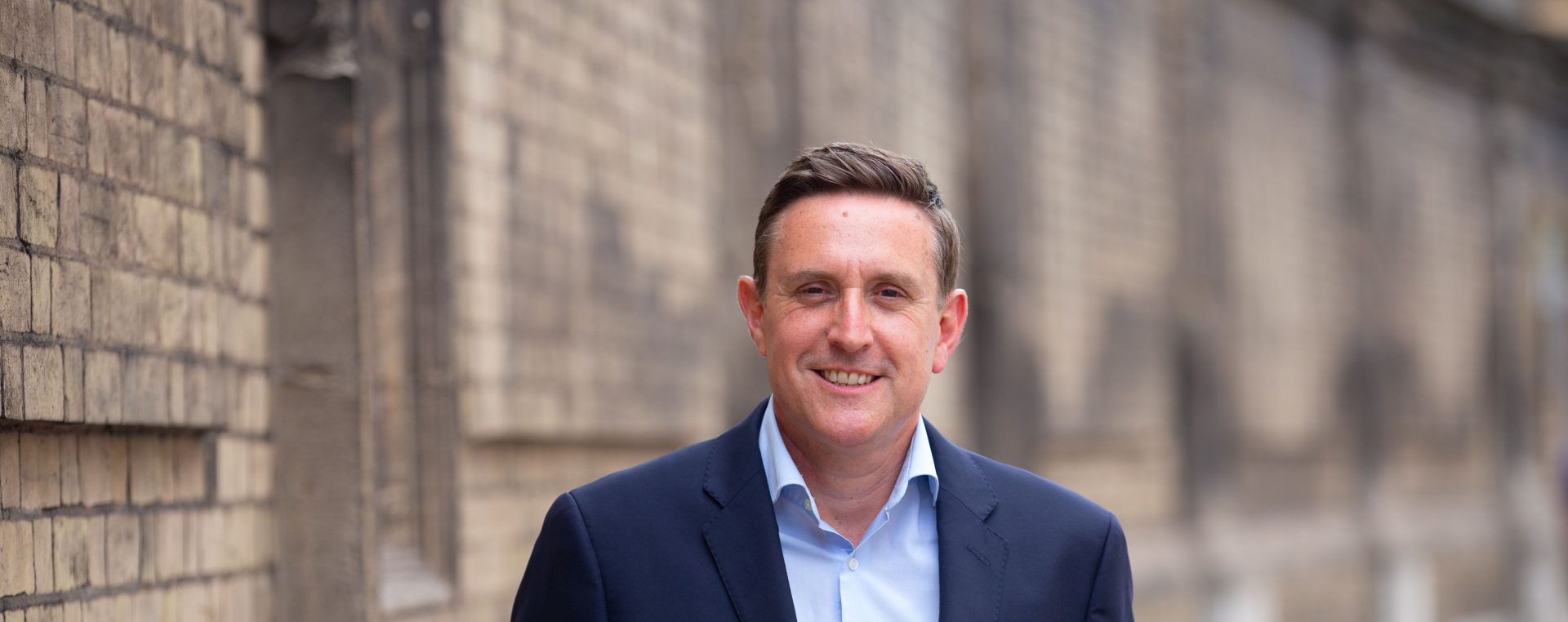
Hospitality Action’s Mark Lewis to Step Down
Mark Lewis has announced that he will step down from his role at Hospitality Action in March, following several years at the charity supporting people across the hospitality industry.
Reflecting on his time with Hospitality Action, Mark described it as “the honour of my life”, highlighting the work of the team and the charity’s support for hospitality workers facing difficult circumstances.
During his tenure, Hospitality Action launched its ‘We’ve Got You’ campaign, developed initiatives including #WalkforWellbeing, and expanded its welfare and Employee Assistance Programme services.
Mark will remain with the charity until March, with his final months including work on preparations for Hospitality Action’s 190th birthday celebrations.


INDEPENDENT HOTEL SHOW TO EXPLORE THEME OF ‘SHAPING TOMORROW’ AT 2026 EDITION
The Independent Hotel Show, in partnership with James Hallam Insurance Brokers, has announced ‘Shaping Tomorrow’ as the theme of its 2026 edition, taking place at Olympia London on 5–6 October.
The theme will explore how independent and boutique hotels can respond to technological change, evolving guest expectations and new commercial pressures while protecting the individuality, creativity and human connection that set the sector apart.
‘Shaping Tomorrow’ will run throughout the show’s seminar programme, design installations and wider visitor experience, bringing together hoteliers, designers, technology specialists and hospitality leaders to examine the ideas influencing the future of the sector.
David Todd, Event Director for the Independent Hotel Show, comments: “Independent hotels have always helped shape the future of hospitality. Their agility, creativity and close connection with guests give them the freedom to test ideas and create experiences that larger, more standardised businesses cannot easily replicate.
“Shaping Tomorrow is about celebrating that strength while addressing the major changes affecting the sector, from AI and automation to evolving definitions of luxury, wellbeing, sustainability and the continued importance of attracting and developing great people.
“We want the show to give hoteliers practical insight into what is changing, but also the confidence to shape that change on their own terms. Technology will play an important role in the future of hospitality, but the character, stories and people behind independent hotels will remain their greatest advantage.”
Innovation without losing individuality
This balance between innovation and individuality will be explored across the show’s content programme. Speakers will consider how technology can remove repetitive work, strengthen decision-making and help independent hotels compete on a larger stage without replacing the personal service at the heart of hospitality.
Alison Battisby, Founder of Avocado Social, says: “What I like about Shaping Tomorrow as a theme is that it doesn’t pit innovation against character, and that’s exactly where the opportunity sits for independent hotels.
“AI and automation can take the admin and guesswork off a hotelier’s plate, but the personality behind a property is still the reason someone chooses to stay there. That’s what excites me most: technology doing the heavy lifting so hoteliers can focus on the experience only they can offer.”
Josh Chadwick, General Manager of The Tawny, highlights the ability of independent hotels to lead change, commenting: “What excites me most about independent hotels is our ability to be agile. We can test new ideas, respond quickly and innovate without some of the layers and constraints that can come with larger corporate structures. That gives independent hotels a real opportunity to experiment, lead the way and, ultimately, shape the future of hospitality.”
Future-facing design
The theme will also be brought to life through the physical spaces at the show, with leading hospitality designers creating distinctive environments for learning, networking and conversation.
The Social Business Space, in partnership with Zennio, will be designed by Design Command. Clare McDonald, Creative Director & Founder of Design Command says: “Our Social Business Space interprets Shaping Tomorrow by bringing classic hospitality elements together in a fresh and contemporary way.
“A calming palette of blues, greens, natural woods and earthy neutrals is layered with a textured tapestry mural and our team’s handmade artwork to create warmth, character and individuality. We always encourage clients to bring their own stories, references and creative ideas into a project.
“The space has been designed as a welcome retreat from the busy exhibition hall, offering visitors a choice of places to network, meet, work or relax. Soft seating, sheer curtains and warm, layered lighting will create an intimate and comfortable atmosphere, encouraging guests to slow down and unwind.”
Merav Bustan, Founder & Creative Director of MB Design, designing the Hotel Business Stage, in partnership with eviivo, adds: “Hospitality is increasingly about creating experiences people remember, not simply beautiful spaces. For us, shaping tomorrow means combining strong storytelling and emotion with flexibility, sustainability and commercial intelligence, creating something visually impactful without losing sight of how it is built, used and reused.”
The Innovation Stage, in partnership with Agilysys, will be designed by Obradov Studio, while TUNTU will create the Members Suite. Together, the spaces will demonstrate how thoughtful design can support human connection, commercial requirements and memorable hospitality experiences.
Robert Richardson, Chief Executive of the Institute of Hospitality, says the independent sector’s ability to evolve without sacrificing its character will be central to its future success.
“What excites me most is the independent hotel sector’s ability to adapt without losing the individuality that makes it special,” he says. “Technology and AI will undoubtedly continue to change how we operate, but hospitality will always be built around human connection, experience and a sense of belonging.
“Independent hotels are particularly well placed to combine innovation with personality, creating experiences that cannot simply be replicated by an algorithm or standardised at scale.”
The Independent Hotel Show will bring the sector together at Olympia London on 5-6 October 2026. To find out more and register for your free trade ticket, visit independenthotelshow.co.uk.
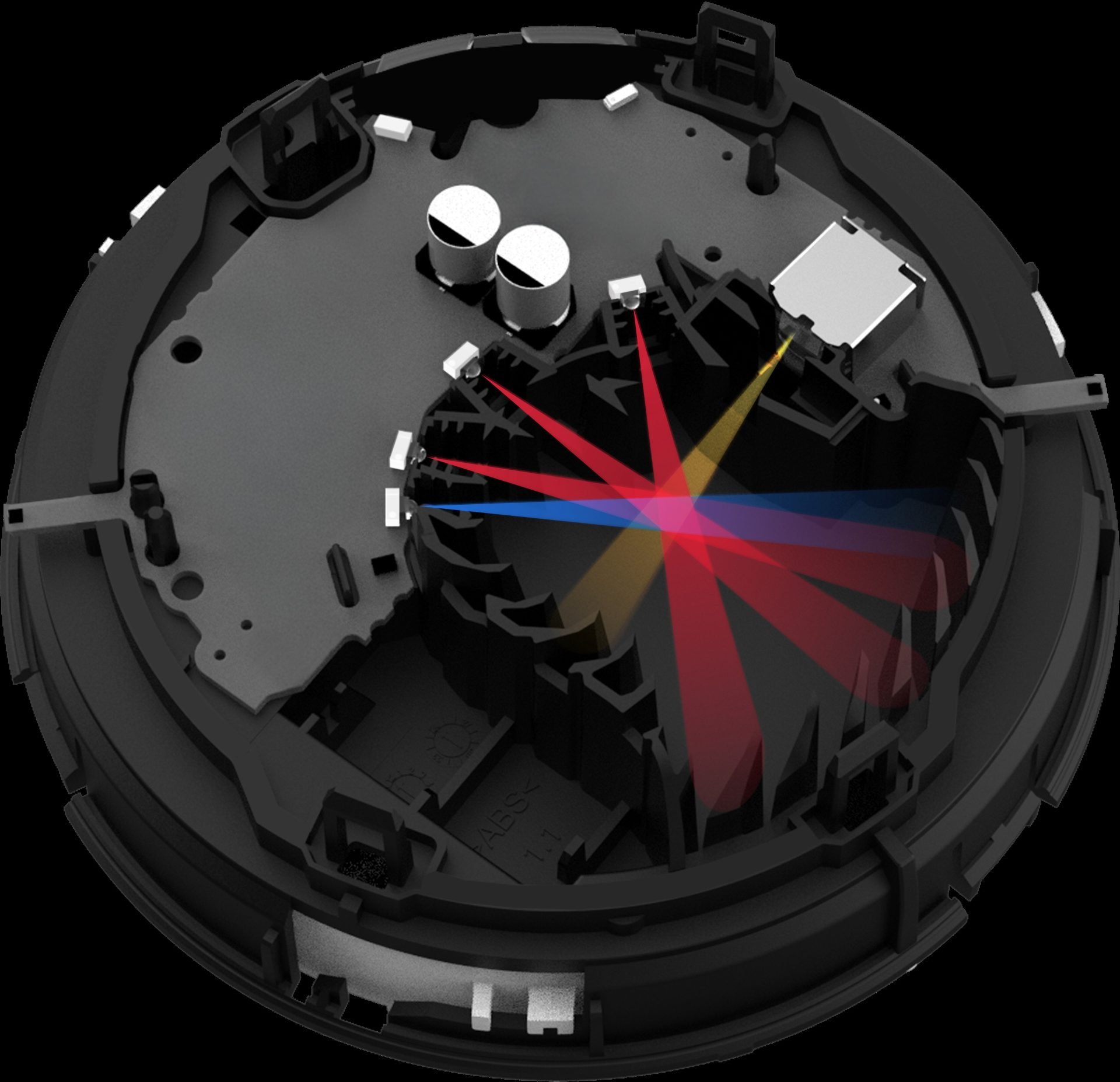
Market Welcomes New Generation of Digitally-Connected Fire Detectors
Siemens Smart Infrastructure has reported a very positive market response following the launch of its new Cerberus Nova range of fire detectors in the UK.
Robert Yates is Siemens Head of Building Products Fire Safety in the UK. He comments “the trend in fire safety is very much towards cloud-connectivity and it is evident that the market was very ready for a product that is based on creating data-driven, self-supervising systems that automatically test periodically. This provides a vital contribution to making buildings smarter and moving increasingly towards human-centric, autonomous buildings.”
Siemens Cerberus Nova detectors offer a fully IoT-connected option that enables 24/7 self-checks, real-time monitoring, remote diagnostics, and predictive maintenance.
Central to the new range are the Disturbance-Free Testing (DFT) and Smoke Entry Supervision (SES) technologies. DFT runs self-checks around the clock, reducing systems’ potential downtime and the interruptions associated with on-site service visits. SES monitors smoke entry points in real time, providing instant alerts if detector functionality is compromised and enabling immediate intervention before risks escalate. Furthermore, the detectors’ ASAplus technology - incorporating multi-wavelength optical and dual thermal detection to distinguish real fires from deceptive phenomena - minimises false alarms, thereby decreasing unnecessary evacuations.
Yates continues – “We are seeing a lot of interest from many different industries, including data centres, healthcare facilities, higher education and commercial buildings – any application where the focus in fire safety is not only on reliability but also on uptime and operational efficiency.”
Attention has also been paid to environmental and sustainability challenges. The detectors are made from recycled plastic and carry the Siemens EcoTech environmental product performance label. They also promote environmentally responsible design, resource efficiency, and circular economy principles.
For more information on the new Cerberus Nova fire detection portfolio, please see https://www.siemens.com/en-us/products/fire-detection/cerberus-nova-fire-detectors/
For more information on Siemens Smart Infrastructure, please see https://www.siemens.com/global/en/company/about/businesses/smart-infrastructure.html

Social Care, AI and the Future of Hospitality Marketing
Ahead of the Hospitality Social Media Summit, taking place in London on 3–4 September 2026, we spoke with Santiago García Solimei, a member of the summit faculty and one of the most experienced voices in hospitality social media.
Santiago is the former Global Director of Social Media and Brands PR at Meliá Hotels International. Across 18 years at the group he grew the social function from a single person into a team of thirty-five and built global social care spanning 15 brands, more than 500 profiles and 43 countries, handling over 500,000 guest conversations. In the process he turned social customer care from a complaints desk into a measurable commercial engine. He is now the founder of Unfiltered Mindsets and Unfiltered Hotels, and teaches across business schools in Spain and France.
In this interview, Santiago explains why social care sits closer to revenue than reputation, how to triage guest conversations when volume outstrips capacity, what social listening surfaces that standard reporting misses, and where AI belongs in the guest relationship. He also previews Own the Conversation, the Day 2 lab where delegates build a Social Care Action Plan. His central argument is a simple one: social care is not the unglamorous corner of social media, it is where the business is won or lost.
You came into hospitality from software. What pulled you towards social media, and towards the care side of it in particular?
I started my career in software: Andersen Consulting, then Microsoft, then Sage in Australia for about ten years. When I moved to Mallorca, the obvious pull was hospitality. It is a massive industry there. I joined a smaller tourism agency and was then hired by Meliá on the marketing side, which is where my career really turned.
After a few years leading larger campaigns, 2016 was the moment social media became a main channel. What attracted me was the chance to completely disrupt the way companies communicated. Communication had become multidimensional. Clients, associates, anyone could share opinions publicly, and I thought there was going to be a lot of innovation here. So I took the opportunity to build the social media department at Meliá from scratch. I started with one person on my team and ended with around thirty-five.
Why social care specifically? That connects to the most unexpected thing I worked on: the pandemic. With a multi-country operation and social listening in place, we could see issues emerging in China and Southeast Asia before they hit us. Then everything happened at once. Hotels closed, destinations shut, and we had to automate. We had to provide answers to people whose flights were cancelled and whose reservations had disappeared.
That led to something remarkable. We decided to show what was really happening: Meliá hotels being converted into COVID facilities for mild cases, our entertainment experts showing families what to do with their children at home, and ultimately a project where Meliá gave away 10,000 rooms to healthcare workers, doctors and security forces. We were even featured on the BBC. We doubled Meliá's brand awareness in Spain during that period, and that was when I truly understood the power of social media to do something meaningful at scale.
What is still misunderstood about social media in hospitality?
The biggest misunderstanding is that social media is a free activity. Because you do not need a budget to open a channel, a lot of smaller hotels assume it costs nothing. But the rules are set by the platform owners, Meta, TikTok, X, YouTube, Spotify, and those rules require a proper content strategy and real investment. The content landscape is more saturated than it has ever been. Getting the attention of your consumer is harder than ever.
Ten years ago, you could get noticed working organically with a modest budget. Today you have to understand how the algorithms work, what penalises you, and how quickly things change. A lot of businesses are still waiting to go viral. That is an extremely rare outcome, and it is not a strategy.
Platform behaviour also varies dramatically. On YouTube people are now consuming long-form content, over ten minutes. On Instagram you get one or two seconds at best. If you post a three or four minute video there and the viewer still does not know whether you are a hotel or a restaurant by the second minute, you have lost all credibility. People simply do not have patience.
And there is a wider opportunity being missed. Any guest today, equipped with a phone, can have a huge impact on your business. They could be a creator recording everything about your hotel and sharing it with their community, and you are not even part of that conversation.
Social care is often seen as the unglamorous part of social media. Why is that the wrong way to think about it, and what does it actually do for the bottom line?
There is a misconception that social care is just handling complaints. What people do not understand is that social care is the cornerstone of a massive business opportunity.
Imagine a guest checks into your hotel and is unhappy with their room. If you identify that in real time, while they are still on your property, you can change the problem into an opportunity. Change the room, give them what they need, and that person becomes an advocate for life. They will tell everyone about how you handled it.
The commercial case is direct. If you use social care to generate additional business, through upselling, cross-selling, directing guests to your restaurant, your terrace, your rooftop bar, or flagging a sister property in another destination, that has a measurable positive impact on your bottom line. Those opportunities are easily quantifiable, and many of them start with a complaint.
Social care also gives you direct access to your customers' pain points. Through a proper social CRM, and now AI, you can interpret everything guests are sharing: comments, reviews, what they liked, what they did not. That intelligence is incredibly valuable. We are often so caught up in the day to day operations of a hotel that we forget to actually listen to our customers, yet they hold the answers to many of our biggest opportunities.
The question is always whether you are quick enough to capitalise. If a guest has already checked out before you have seen and responded to their complaint, that is a missed opportunity you can never recover.
And most of what guests want to know is very simple. Do you offer early check-in? What time does the restaurant close? What food do you serve? These are informational needs. They do not want to queue at reception. They want the simplest possible path, and social care can give them that.
Over your years at Meliá, what changed about social care, not just the tools, but the mindset behind it?
Every large hotel chain eventually realised that a younger generation of customers would far rather contact you through a social media channel than through a call centre. The volumes arriving on social were massive, and companies simply were not equipped to respond in real time. Reply times were very long. Years ago, if you messaged a hotel on Instagram, you would often hear nothing back.
Companies gradually understood there was a huge opportunity in improving digital customer service, and social care was the solution. In the beginning it was entirely manual, agents replying one by one. Then came the first generation of chatbots, which were frankly quite frustrating: rigid decision trees that often made you feel the system did not understand you at all.
Now, with properly implemented AI-led solutions, you can hold voice conversations in multiple languages with an agent that the guest may not realise is automated at all, and those answers are genuinely valuable. The mindset shift is recognising that a quick, accurate, informative answer to a simple question is an opportunity, not just a service obligation. If a guest asks what time your restaurant opens, that tells you they are interested in dining with you. That is your cue to mention the rooftop bar, a premium experience, a special menu, and to impact your bottom line.
As head of department, how did you decide which conversations went to the social team, which went to operations, and how quickly each needed to be handled?
You need a priority framework, a decision tree of some kind, because the volume of messages means you cannot treat everything equally.
The highest priority is always a guest who is currently on your property and experiencing a problem. That must be addressed immediately. Second priority is anything operational and urgent: a guest stranded at an airport not knowing whether a transfer is arranged, a booking crisis, anything requiring a fast resolution. Complaints come next, and they need to be addressed while the guest is still at the hotel, because once they have checked out your window of opportunity is closed.
On when to involve operations: if the query requires knowledge you simply do not have on the social team, for example what the special dish is today or whether the pool level has been topped up, route it to one designated person in operations rather than bombing different departments with messages. Consistency is key.
As for channel policy, anything that originates in social should be answered in social. If someone sends a message on Instagram, that is where you respond. And you need the intelligence to recognise when the same person is asking the same question across multiple channels simultaneously, and to reply consistently.
One warning. The better your social care, the more queries you will receive. Once guests discover they get fast, accurate, helpful answers, they will keep coming back to that channel. You need to plan for scale, because the volumes will only increase.
Can you recall a situation where social listening surfaced something about the guest experience that traditional reporting missed?
You need real-time listening tools operating 24 hours a day. At Meliá we used a platform called TalkWalker, part of the Hootsuite group, which allowed us to monitor public opinion as it happened. What you are capturing can represent millions of impressions being generated without you even being aware.
Social listening is often associated with crisis management, but it is just as powerful for capturing positive moments and capitalising on them. A good example, not hospitality, but the principle applies, is Levi's Stadium during the World Cup. The regulations required them to cover the Levi's logo, but they covered it in the exact shape of the Levi's logo, so people recognised it immediately and recreated it on social media. That is smart social listening turned into brand amplification.
On the crisis side, most crises do not start on social. They build elsewhere and migrate in. If your listening tools are sharp enough, you get early warning and more time to prepare a response. That extra time to react is invaluable.
How would you prove the value of social care to leadership, beyond "we replied to 400 comments", and how would you change the mind of a general manager who still thinks social is a nice to have?
Show the impact on the bottom line. Tell them: we generated this many upsells through social care, we diverted traffic to a sister property in another destination, our TripAdvisor ranking increased by this much. Move from volume metrics to outcome metrics.
But the more powerful argument might be the risk of inaction. I would tell leadership directly: if we do not have these systems in place, we are losing customers and becoming irrelevant. Nobody under 40 is going to reach us through traditional channels alone. In my experience, practically every customer checks a hotel's social media profiles before deciding to book, and roughly one in three change their mind based on what they see there. If your presence is weak or absent, that customer will choose the competition. The journey from inspiration to booking now runs across dozens of touchpoints, and social media is definitely one of them. Your hotel is being scrutinised from A to Z.
Honestly, though, the general manager who dismisses social outright is becoming rare. Most understand it now. For the holdouts, I would put it this way: think of your social media channels the same way you think about your lobby, your reception, your rooms. You invest in those because they represent your brand. Your digital channels are an extension of exactly the same thing.
And the intelligence you get from social is irreplaceable. What do your guests appreciate most? What do they dislike? Do they think your restaurant is overpriced? Do they love your views? All of that is in social media, waiting to be extracted. Your customers are essentially telling you what you need to do. You just need to listen. The small share of clients generating most of your revenue is a good place to start. You should know their names, know their birthdays, acknowledge them when they are on your property. A lot of smaller hotels are simply not doing these basic things, and it is a huge missed opportunity.
Smaller hotels often invest far more in OTAs and paid channels than in social. How would you make them rethink that, and what is the single most important first move for a property with no dedicated social function?
I would not tell anyone to abandon OTAs, especially when entering a new destination where you have no presence. Booking.com is one of Google's largest advertising clients. You need your core business generators covered. But social deserves serious investment too. Think of social media as television primetime running 24 hours a day. People are on their phones constantly, while eating, while commuting. That is a massive opportunity to reach exactly the people who share your hotel's values and convert them into potential guests.
The landscape is also shifting rapidly. Search is increasingly driven by AI now. When people ask Claude or Gemini or Copilot for the best hotel in London, you need to understand how to appear in those results. That is a whole new avenue, and it is connected to your broader social and content strategy.
As for the first move, it is this: integrate marketing and social as one discipline, because they are one. It makes no sense today to have a marketing professional without social media knowledge, or a social media person without marketing knowledge. In smaller hotels, 70 to 80 per cent of the marketing budget often ends up going to social anyway. An ad someone sees on Instagram needs to carry the same branding, the same tone, the same identity as every other piece of collateral: your website, your email marketing, your PR. If you have two different people running those in silos, you risk losing consistency, and consistency is everything in brand building.
What you need within your marketing team is public relations, social media, digital, branding, social care, email marketing, SEO and SEM, all interconnected, all speaking the same language. It is one function, even if it is one person wearing many hats. Start there.
And never forget the most important touchpoint of all: the hotel itself. You are setting an expectation online, and when the guest arrives, that expectation has to match reality. The person who opens the door is an extension of your brand, the first real-world impression. Digital builds the desire. The experience is what earns the advocate.
AI is the shift most hospitality brands are not yet ready for. Where does it already help with social media and social care, and where do you still need a human in charge?
AI is the main revolution coming our way. You could potentially run your entire hotel marketing operation with the help of AI. We are already reaching a point where it will be genuinely difficult to distinguish AI-generated content from real content, and that is going to create significant compliance and legal challenges. The legal framework is always running behind the technology.
In social care specifically, AI is already excellent at handling volume: responding to comments, messages and questions across multiple languages, in real time. The latest models can genuinely add value to your guests in an automated way. You can even deploy voice-based customer care for an individual hotel at relatively low cost, and guests will often not realise they are talking to an AI agent.
But you always need a human responsible. The human sets the direction, defines the objectives, and makes sure the overall strategy is clear. You need someone overseeing compliance, satisfaction and escalation, and a clear escalation path so that anyone who wants to speak to a person can do so. If a conversation is becoming frustrated or heated, identify it and route it to a human immediately.
For hospitality specifically, I think the challenge and the opportunity are the same thing. Hospitality is a service-led, human-driven industry. People will increasingly crave authentic experiences precisely because so much will be AI-generated. Hotels that can maintain genuine human warmth while adopting AI for efficiency will have a significant advantage.
As a consumer, if you solve my problem, accurately, quickly, in my own language, I genuinely do not care whether it is a human or an AI. What I care about is the outcome. And that is the mindset shift. AI is not a threat to hospitality's human essence, it is what frees your people up to deliver that essence where it matters most.
Do you agree that a hotel's social care reflects the level of care at the property itself, and that potential guests make that connection directly?
It is identical. Social care and in-person care are the same thing expressed in different environments.
Imagine someone queuing at your reception desk. When it is finally their turn, the receptionist completely ignores them and says nothing. What does that communicate about your brand? Now translate that to social: a guest sends a message and gets no reply, or an unhelpful one. The impression is the same.
We all want to feel heard, valued and cared for. The best thing any hotel can do is listen, acknowledge, and, when a mistake has been made, accept it and fix it. That guest has chosen you over dozens of other options. That is precious. Treat their interaction accordingly.
The additional challenge in social is that you often do not know who you are talking to. Are they a loyalty programme member? A high-value repeat guest? A first-time visitor? You need to gather that information quickly and respond with the right tone and level of personalisation. That is why a consistent brand voice and a well-built knowledge base are so important, and that is precisely what AI can help you embed and scale. Including multilingual capability: responding to someone in their own language, instantly, signals that you truly see them. That elevates your brand in a way that is hard to replicate any other way.
When hotels want social care to become a source of business intelligence, what patterns should they be hunting for in messages, comments and reviews?
You need a system to convert big data into actionable information. The data is all there, across TripAdvisor, Google, Facebook, Instagram, TikTok, LinkedIn and more, but without a structured way to read and interpret it, it is lost data.
Start with the basics: monitor and reply to all reviews across all platforms, always. Then go deeper. What are guests consistently praising? What are they consistently criticising? If a specific dish on your menu is mentioned and praised constantly on social media, do not take it off the menu. It sounds obvious, but hotels do it all the time, without realising that dish is being talked about everywhere.
Ask yourself: what is my number one complaint? What are the recurring pain points? What do guests love about the rooms, the cleaning, the views, the food? Are people saying the restaurant is overpriced? Are there influencers already talking about my brand that I have not engaged with?
Every digital interaction is a data point. People are talking about your hotel with or without your knowledge, including on TikTok, even if you do not have a profile there. You might have thousands of mentions you have never seen. Getting a system in place to capture and analyse that is not optional. It is where your most honest customer intelligence lives. The guests who go through an experience and share it are giving you a gift. You just need to receive it properly.
What should delegates at the Hospitality Social Media Summit walk away ready to do differently?
A reality check, first of all, and I mean that positively. The greatest thing you can get from a programme like this is permission to stop, think and reflect. We are all so consumed by daily operations that we rarely get that space. If you leave with three or four concrete actions that will genuinely change the way you work, that is an enormous output.
Beyond that, I would want delegates to leave with the conviction that social care is not a secondary, unglamorous function. It is a commercial engine. And that AI is not something to wait and see on. The speed of adoption is going to create a very clear divide between the hotels that adapted early and those that did not, and that divide will show up directly in customer acquisition, retention and revenue.
The world is changing faster than most of us have time to process. The summit should be the moment you stop running and start thinking, so that when you go back, you are running in a better direction.
The Hospitality Social Media Summit takes place live in London and online on 3–4 September 2026. Across two days, delegates work with award-winning global leaders to build practical social strategies, systems and assets designed specifically for hospitality.
To explore the programme, meet the faculty and secure your place, visit hospitalitysocialsummit.com.
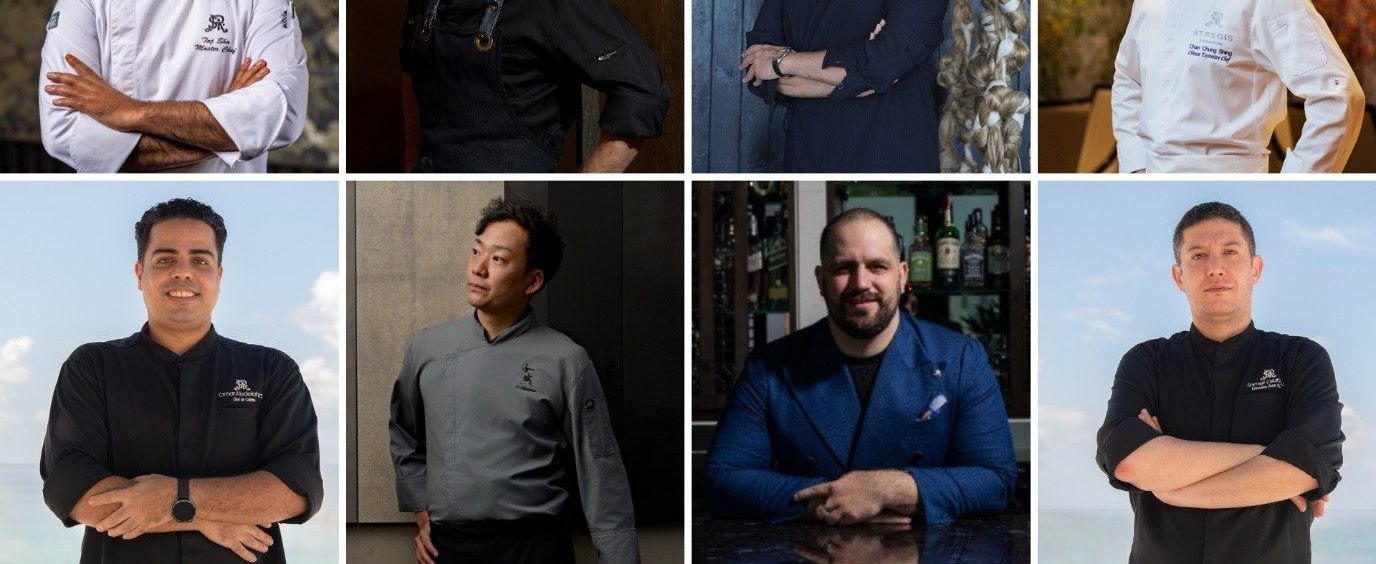
Michelin-Starred Dining Arrives at St. Regis Maldives
The Art of Gathering: August 27
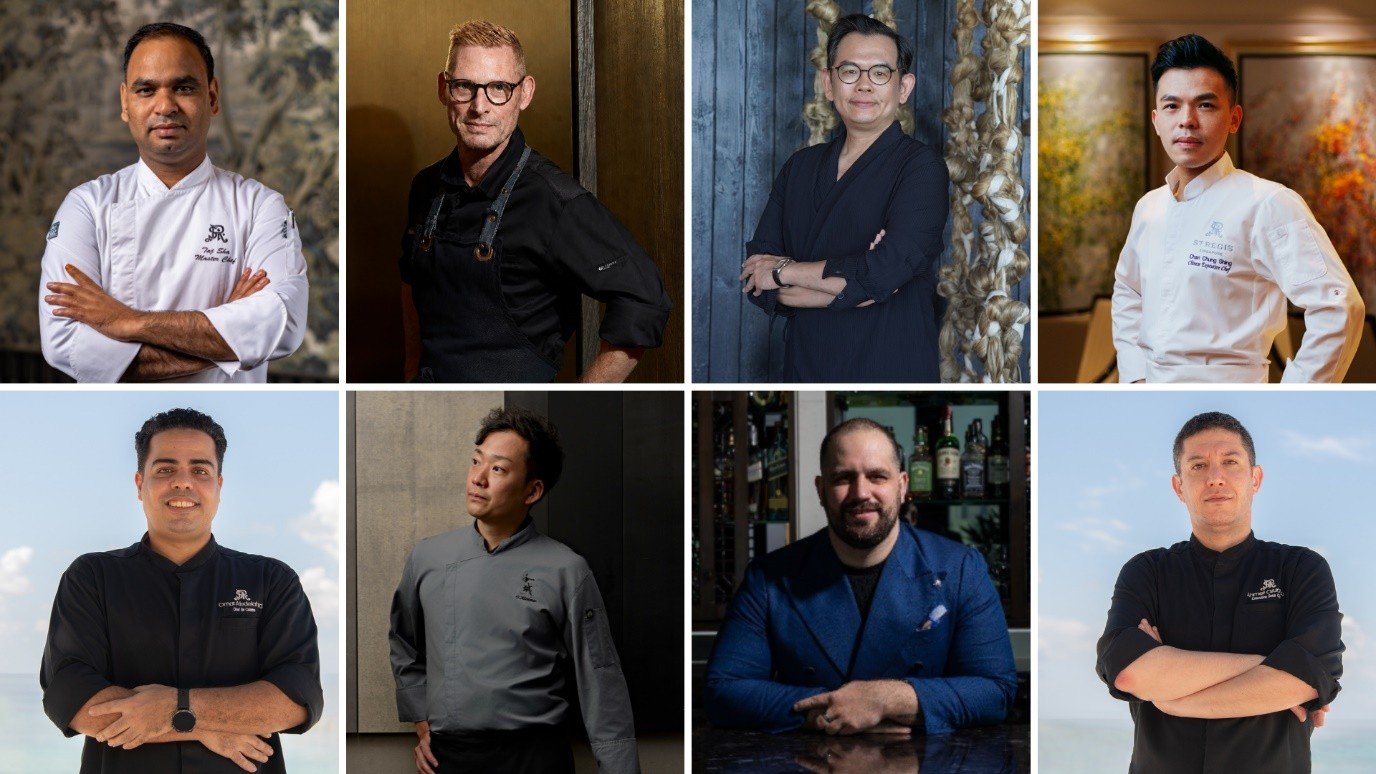
The experience begins with a curated wine tasting experience led by Thomas Ling, whose deep expertise in beverage culture brings a refined perspective to the art of pairing and craftsmanship. As dusk sets in, Brian Gonzalez from The St. Regis Bangkok presents a signature bar at The Whale Bar, bringing his globally refined approach to mixology, shaped by experience across leading European venues and recognised for creating award-winning cocktail programs.
A Mindful Contemporary Culinary Journey: August 28
Two Michelin-Starred Chef Emmanuel Stroobant leads a guided breathing yoga session, Emmanuel’s long-standing practice as a certified yoga instructor deeply immerses his culinary journey. At ALBA, guests are invited to an interactive four hands cooking class. Chef Emmanuel is joined by Chef Ahmet Özuçucu, Executive Sous Chef at The St. Regis Maldives Vommuli Resort – the evening will blend Chef Ahmet’s Mediterranean roots and refined culinary approach with Chef Emmanuel’s globally inspired techniques. Limited to 10 guests, the experience presents a rare insight into the philosophies and precision behind contemporary culinary craftsmanship.
As evening falls, Cargo welcomes Master Chef Taj Mohammed Sha of Sahib Room at The St. Regis Mumbai presenting family-style set menu. Known for his deep respect for regional Indian traditions and mastery of heritage recipes, Chef Taj crafts a menu that celebrates depth of flavour, authenticity and storytelling. The evening is complemented by cocktail pairings curated by Brian Gonzalez.
Expressions of Seasonality and Culinary Artistry: August 29
Chef Takato Kitano from The St. Regis Osaka leads a curated Omakase lunch. Having begun his culinary journey as a teppanyaki chef in Osaka, Chef Kitano has developed a distinctive style shaped by both Japanese discipline and European culinary influences.
At ALBA, Chef Emmanuel Stroobant presents a refined four course set menu shaped by over two decades of culinary excellence and innovation. A pioneer of modern French cuisine in Asia, his work bridges classical European technique with Asian influences, creating dishes defined by balance, depth and emotional resonance.
A Farewell with Flavour: August 30
Guests gather for a Mediterranean-inspired breakfast in Alba, where simplicity, freshness, and quality take centre stage. Set in a relaxed atmosphere, the experience provides a moment of reflection - bringing together the flavour, conversations and connections created over the course of the series.
Experience The Luxury Dining Series with The St. Regis Maldives Vommuli Resort and book the four-night Dine & Unwind Package which includes signature culinary moments.

Dominus Sells Oxford Hotel to Millemont Capital Partners in £74m Deal
Dominus has completed the sale of its Courtyard by Marriott Oxford hotel to Millemont Capital Partners for £74m, marking another significant transaction in the UK hotel investment market.
The 151-key property, located in Oxford’s rapidly growing business and leisure district, has been acquired by the London-based investment firm as it continues to expand its UK hospitality portfolio. Millemont has been an active buyer in the sector, recently acquiring two Crowne Plaza hotels in the Thames Valley region as part of its growth strategy.
The hotel was developed by Dominus and forms part of the group's wider hospitality platform, which includes branded assets operating under Marriott and Hilton franchise agreements. Dominus launched its dedicated hotel management business, Dominus Hospitality, in 2025 and has continued to grow its presence across the UK hotel sector through a combination of development, ownership and operations.
The Courtyard by Marriott Oxford has established itself as a key accommodation offering within the city, benefiting from strong demand driven by Oxford's academic institutions, corporate occupiers and growing visitor economy.
The transaction highlights continued investor appetite for high-quality regional hotel assets, particularly those operating under internationally recognised brands and supported by strong underlying market fundamentals.
For Dominus, the sale represents a further step in the recycling of capital into new hospitality opportunities. The company remains active across the hotel development market, with several projects underway, including major hotel schemes in London and a growing pipeline of hospitality-led developments. Recent initiatives include the acquisition and planned conversion of landmark office buildings into hotels through partnerships with institutional capital providers.
The deal also underscores the resilience of the UK hotel investment market, which continues to attract domestic and international capital seeking exposure to operational real estate sectors with strong long-term demand drivers.
Pearl to Open at Brown Hart Gardens this September
New restaurant, terrace and garden comes to one of Mayfair’s most exclusive addresses
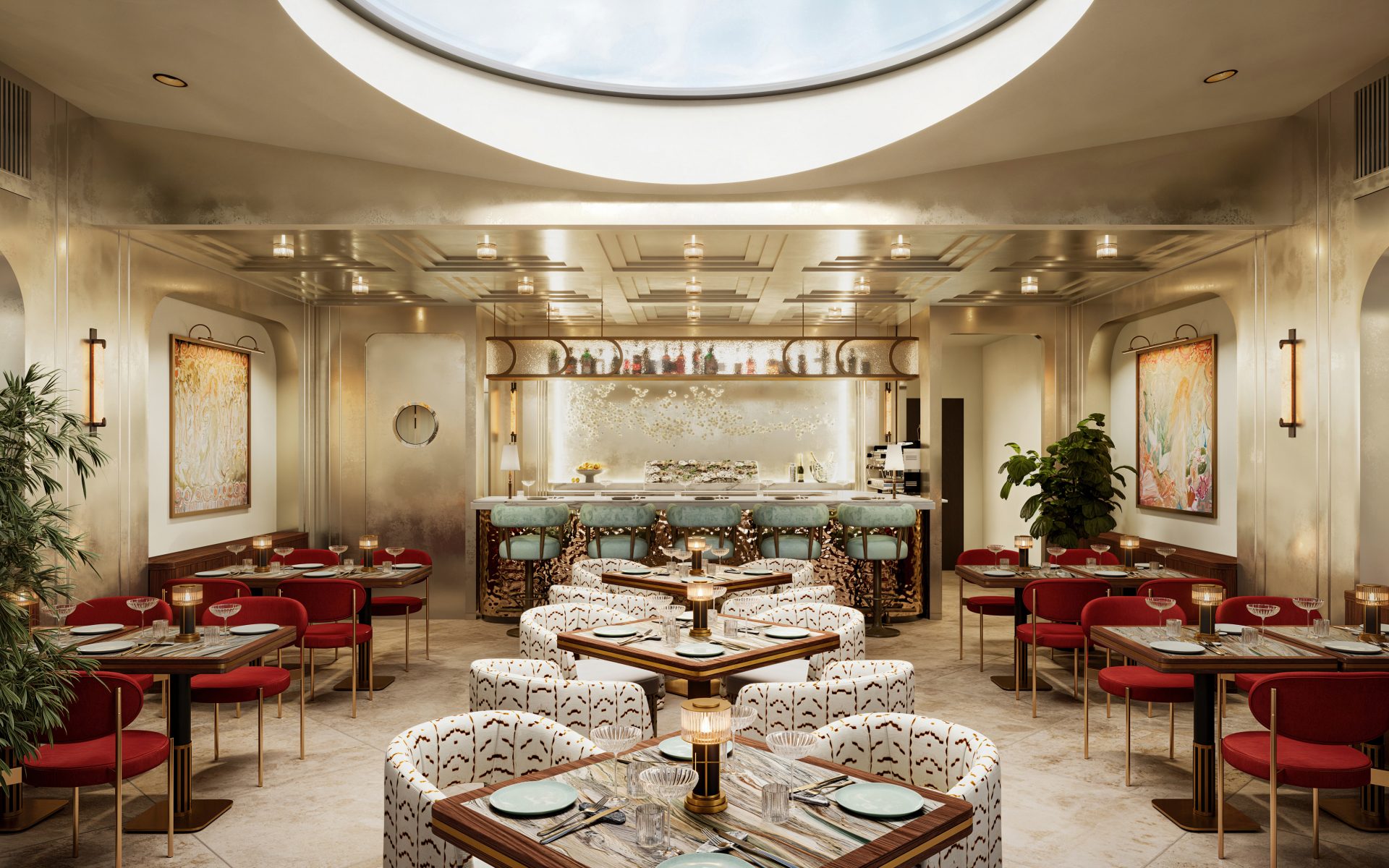
The Beaumont Mayfair is pleased to introduce Pearl, a new standalone restaurant and terrace that will open at Brown Hart Gardens this September. Set within the gardens elevated above Duke Street, Pearl will be located at one of Mayfair’s most exclusive addresses, yet will transport guests to southern Europe through menus, design details and terraces all inspired by the Mediterranean.
With a menu overseen by Culinary Director Lisa Goodwin-Allen, Pearl will draw inspiration from Italy, Spain and Greece. Open from early until late, guests will be able to enjoy morning coffee, pastries and breakfast dishes, followed by a varied a la carte menu of fresh, vibrant recipes alongside seasonal cocktails, spritzes and wines.
The elegant, bright design for Pearl has been led by EPR Architects. Central to this design and the experience at Pearl will be the expansive terrace inspired by Milanese piazzas and Riviera promenades, that will extend out onto the unique surroundings of Brown Hart Gardens. The gardens are also undergoing a transformation, with a new design by the late renowned landscape architect and horticulturalist Nigel Dunnett set to be revealed alongside Pearl.
From September 2026, Pearl will bring relaxed elegance, vibrant flavours, and European café culture to Mayfair.
Further details will be announced in due course.
BLOOMING BRITAIN: FASHION, FILM & FLOWERS
PoB Hotels announces a new seasonal initiative celebrating the nation at its most stylish, creative and cultured
As spring gives way to the first stretch of summer, PoB Hotels, the collection of the nation’s finest independent hotels, proudly unveils Blooming Britain: Fashion, Film & Flowers.
This brilliant initiative combines culture and the great British outdoors, inviting guests to enjoy the season through flower-filled estates, cinematic landscapes and the artists, makers and gardeners who bring each destination to life. Running from now until late summer, Blooming Britain unfolds across the PoB Hotels’ portfolio with a thoughtful programme of events, partnerships and activations that evolve as the months unfold.
Leading the season is The Wild Larder: A Foraging Walk & Lunch with Thomas Radford, expert forager, wild food advocate and the sort of person who can identify your lunch while walking through a hedgerow.
Launching at Bovey Castle on 5th June before continuing at Thurlestone Hotel on 23rd June, the series sees Thomas lead a journey through coastlines and countryside, uncovering overlooked ingredients, native plants and the stories quietly rooted within the landscape. Wild garlic one minute. Wine pairing the next.
Each experience ends with a thoughtfully crafted three-course lunch inspired by the morning’s discoveries, celebrating Britain’s landscapes through flavour, folklore and seasonality. Further dates at Calcot & Spa and Gilpin Hotel & Lake House will follow later in the season.
Naturally, there’s occasion dressing too. In partnership with Bicester Village, PoB Hotels presents A Blooming Good Break: Flowers, Fashion & A Forecast Worth Escaping For, a stylish multi-stop escape shaped by spa afternoons, boutique wandering and leisurely lunches that drift elegantly into evening.
Beginning at Sopwell House before unfolding through Hartwell House & Spa, Whatley Manor and Ellenborough Park, the itinerary celebrates a slower, more polished way to travel Britain.
Naturally, Blooming Britain comes dressed for the occasion. Through collaborations with Shrimps and House of Bruar, guests are invited into a more fashion-forward kind of British escape, where boutique discoveries, countryside elegance and a well-packed weekend bag all become part of the story.
Across the collection, hotels are embracing the season with florals, film, fashion and fresh-air indulgence at the forefront. Garden workshops fill the calendar, cinematic landscapes steal the scene and country estates come into their own.
At Grove of Narberth, florist Amelia leads seasonal flower workshops on 25 July alongside garden tours on 4 July and 26 September, each concluding with cream tea or a three-course lunch brimming with homegrown ingredients.
Over at Gravetye Manor, intimate flower workshops led by Head Florist Sharon Coote bring some of Britain’s most romantic gardens beautifully into focus, using blooms gathered directly from the estate itself. The sort of day that briefly convinces you to become a florist.
At Palé Hall, sculpture trails unfold against the dramatic backdrop of Eryri (Snowdonia), while Cromlix brings a more playful artistic flourish through floral embroidery and watercolour workshops inspired by the hotel’s flourishing grounds.
Along Scotland’s west coast, Hebridean Princess sets sail from Oban on 26 May to explore celebrated gardens and grand estates across Argyll and Antrim, while in Edinburgh, Fingal offers a wilder interpretation of Blooming Britain with wildflower meadows, Water of Leith views and a kitchen garden that flows straight to the plate at The Lighthouse Restaurant.
Elsewhere, Blooming Britain slips quite effortlessly into Britain’s cinematic side. At The Royal Crescent Hotel & Spa, Bath is ready for its close-up once again. The sweeping Georgian façade is instantly recognisable to anyone partial to a period drama and a scandalous whisper from Lady Whistledown, having appeared in Bridgerton, Persuasion and The Seven Dials Mystery.
Along the Jurassic Coast, The Priory combines Laura Medcalf’s landscape-led art with a partnership with the Purbeck Film Festival, celebrating its 30th anniversary this year.
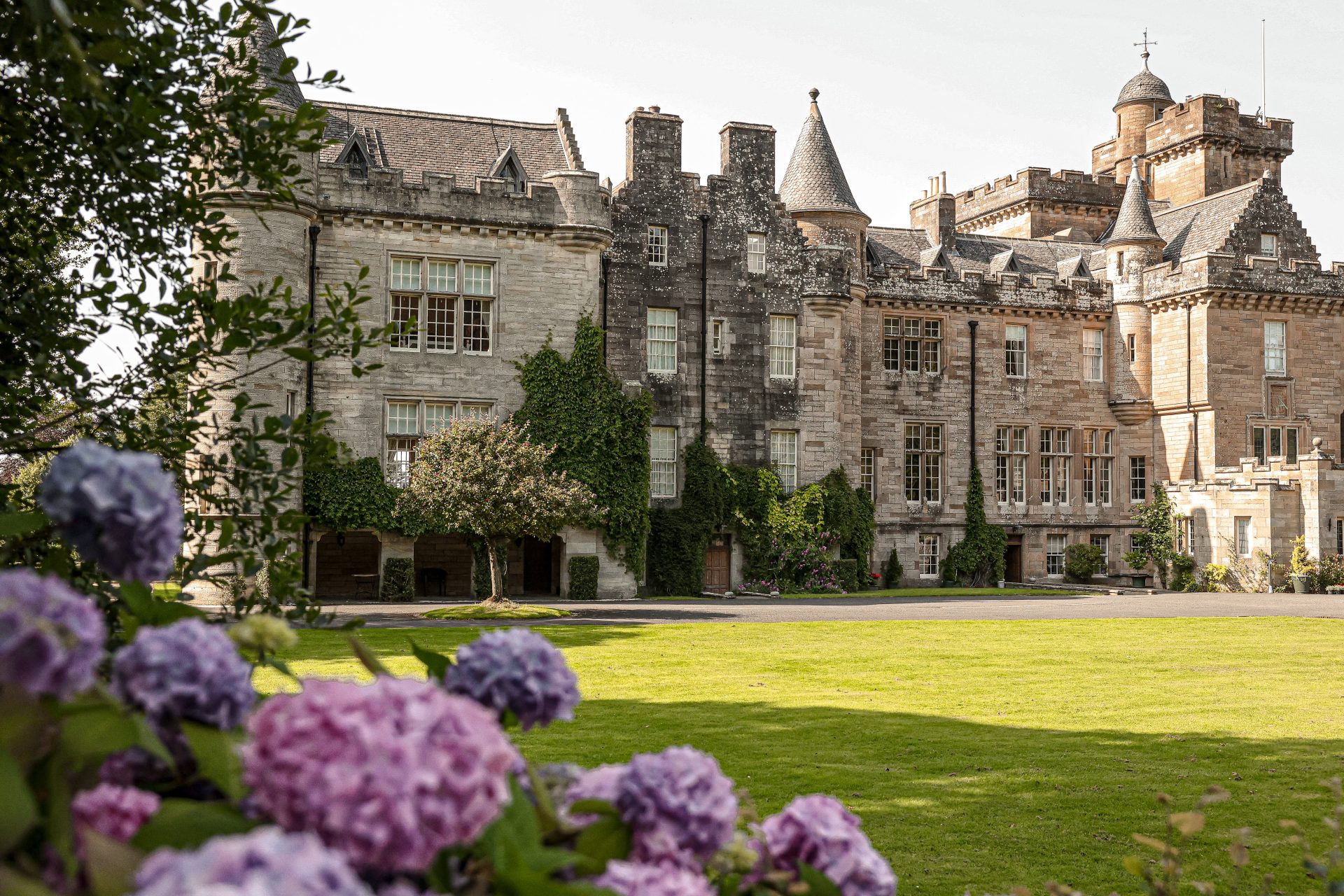
And in Scotland, Glenapp Castle pairs dramatic scenery with nearby Outlander filming locations, creating one of the collection’s most atmospheric escapes.
Because no great British summer was ever hurt by a little drama.
Occasion dressing continues the story in Sussex, where Bailiffscourt Hotel & Spa places guests close to the spectacle and style of Glorious Goodwood and Goodwood Revival, where fashion remains very much part of the theatre.
Back at Glenapp Castle, meanwhile, the concierge can arrange bespoke tartan and cashmere experiences for those looking to leave Scotland dressed slightly better than when they arrived.
Kalindi Juneja, Chief Executive of PoB Hotels, comments, “This time of year has a particular energy to it. Gardens come alive, terraces fill up and suddenly everyone becomes much better at saying yes to another night away.
“With Blooming Britain, we wanted to celebrate all those wonderfully British seasonal rituals through the individuality of our hotels. Foraging in the countryside, discovering a new designer, wandering through flower-filled gardens, stretching out a long lunch a little further than planned - this is Britain at its most joyful, expressive and beautifully unhurried.”
From Scrolling to Sales: Why Hoteliers Should Be Checking In on Influencers
Influencer marketing is reshaping how travel businesses win customers, and the opportunity is substantial. For hotels, working with the right creators can drive brand awareness at scale, attract highly qualified new audiences, fill seasonal gaps in bookings, and generate a library of authentic content that performs across paid and organic channels alike. It can do all of this at a fraction of the cost of traditional advertising, and with far greater credibility. Yet across the European travel and hospitality sector, most businesses are still operating well below the potential of what a structured influencer strategy can deliver. That gap is both a warning and an invitation.
A sector on the rise
Compared with fashion or beauty, the hospitality and wider travel industry has been relatively cautious in its approach to influencer marketing. Investment levels remain lower, and structural integration into the wider marketing mix is still catching up. But the momentum is undeniable. According to Kolsquare's 2026 European Travel & Hospitality Benchmark, 77% of brands in the sector plan to increase their influencer marketing budgets over the next 12 months, five points above the market average, making it one of the fastest-growing verticals in the space.
The formats driving that investment tell their own story. Short-form video is identified as the single biggest opportunity for 2026 by 62% of travel brands, while paid media boosting and user-generated content are seeing the sharpest budget increases. The direction of hospitality and travel is clear: scalable, visual, performance-oriented content that converts aspiration into action.
Why influencer marketing is made for hotels and travel
Travel is inherently an experience business. No product description, however well-written, replicates what a creator does when they immerse themselves in a property and destination and bring their audience along for the ride. The content resonates because it feels real, and that authenticity is precisely what drives booking decisions.
This is why travel has become the most audience-first vertical in influencer marketing. A striking 92% of hospitality and travel brands work with micro-creators, one of the highest adoption rates of any sector, prioritising engaged, trust-based communities over sheer follower numbers. When it comes to selecting creators, 62% of brands cite audience demographics as their primary criterion, more than any other sector. Who a creator reaches matters far more than how many people they reach. The opportunity for hoteliers lies in the breadth of micro-influencers to really focus on a particular service or facility and showcase that to a specific audience. Whether that is organic cooking, holistic spa treatments or hotels with history to cite just a few examples. Hoteliers and travel brands alike now have the scope to align their brand offers more closely and in a much more targeted way with content creators and guests, than ever before.
The opportunity for hoteliers
For hotels and hospitality businesses specifically, influencer marketing offers a genuinely flexible toolkit. The key is using different creator profiles to activate different parts of the business. Consider implementing distinct strategies for distinct audiences to elevate influencer impact across the brand.
Gifting-model campaigns can deliver equally impressive results. hotel and travel operators now run extended campaigns offering travel, lifestyle and gastronomy influencers exclusive experiences in exchange for content rather than fees. These can generate strong engagement rates and support brand messaging and positioning, particularly when working with influencers who go above and beyond their content commitments.
Getting it right: what to bear in mind
The most common mistake hoteliers and travel businesses make is treating influencer marketing as a series of one-off activations. Sporadic posts generate fleeting visibility; structured, continuous programmes build brand preference and, ultimately, bookings. As one industry practitioner put it in Kolsquare's benchmark: "Creating content and partnerships that feel, and are, real will be more important than ever."
Three principles underpin every successful campaign:
- Prioritise fit over fame. An influencer whose audience closely mirrors your guest profile will outperform a bigger name with a misaligned following. Reach is a vanity metric; relevance is what drives bookings. For in-person event activations, it is also worth thinking about social fit between creators themselves to ensure the group dynamic enhances both the event atmosphere and the content produced. If you are working with an influencer team be sure to ask how they filter creator profiles to deliver a truly targeted and qualified approach. Factors such as audience demographics, location, content category, engagement rate and credibility score should all be part of the review process
- Align on values from the outset. Creators who genuinely connect with your brand produce better content and more credible advocacy. Be sure to verify that alignment before a partnership is agreed, rather than discovering a mismatch after the content goes live.
- Build measurement in from the start, not as an afterthought. Engagement rates, reach, follower growth, earned media value (EMV) and real-time dashboards should all be agreed before a single post goes live. Influencer teams should have live and relevant influencer reporting tools set up to track deliverables and demonstrate ROI throughout their campaigns, automating data collection and giving clients live visibility of campaign performance. Be sure you agree and understand the metrics before you engage.
The window is open, but not for long
The hotel brands scaling their influencer programmes now are building a real competitive edge. With budgets rising, creator pools expanding and short-form video accelerating, the gap between those who commit and those who dabble will only grow. The tools, the talent and the data are all there. The only question is whether you are ready to use them.
By Alicia Van Der Meer, Field Marketing Lead & UK Marketing Manager at Kolsquare
Alicia Van Der Meer will be speaking at this year’s TravelTech Show as part of the session “The new social battleground: TikTok vs Instagram and the rise of “influencer-to-booking”
TravelTech Show takes place from 24 - 25 June 2026 at Excel, London.
To find out more and register please visit: traveltech-show.com/register
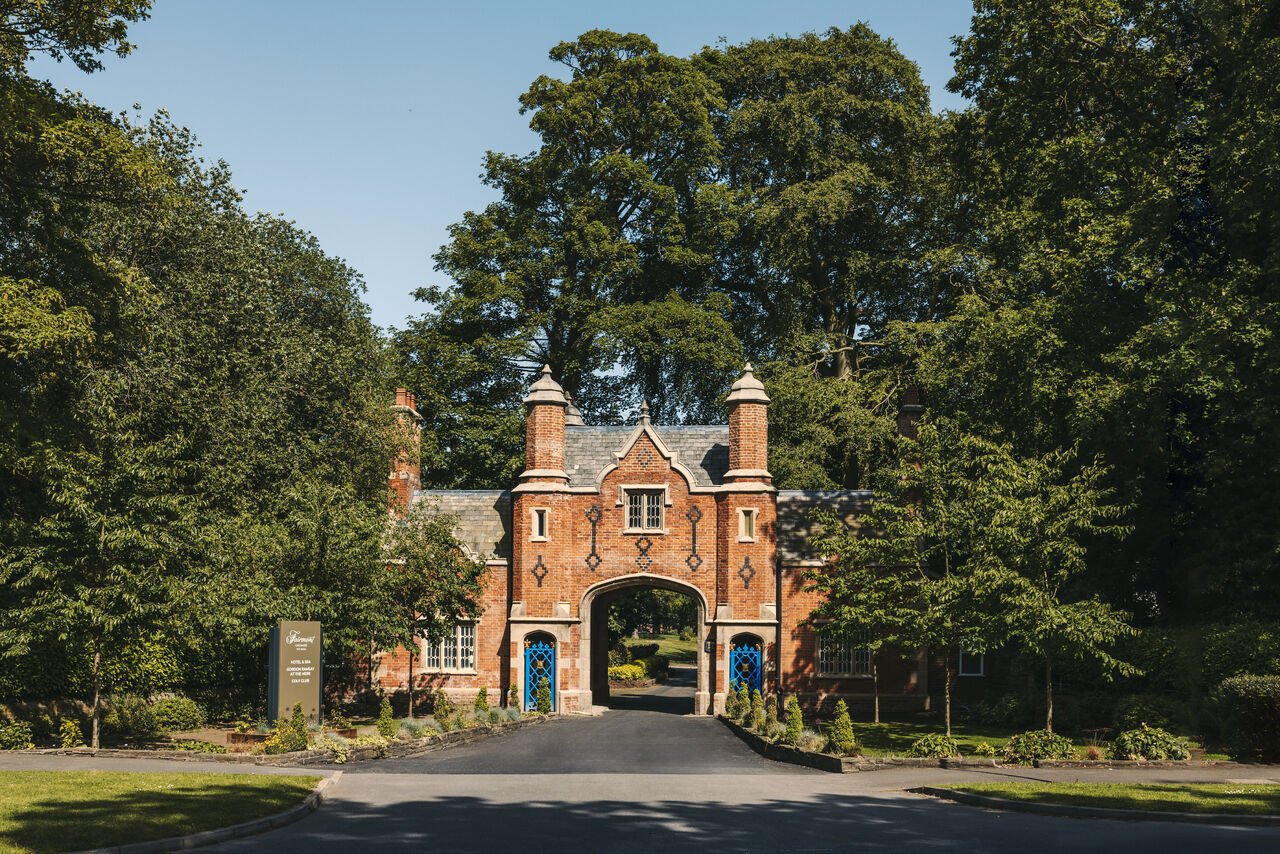
Fairmont Cheshire, The Mere Confirms July Opening Following £125m Transformation
Fairmont Hotels & Resorts has confirmed that Fairmont Cheshire, The Mere will officially open on 10 July 2026, marking the completion of a £125 million redevelopment that will bring the luxury brand to North West England for the first time.
Located near Knutsford and overlooking The Mere Lake, the 157-acre estate has undergone a significant transformation since its acquisition by Dubai-based developer Select Group in 2023. The investment included a reported £35 million acquisition cost and a further £90 million refurbishment programme designed to reposition the former Mere Golf Resort & Spa as a luxury destination resort.
The relaunched property will feature 116 guestrooms, including 23 suites, alongside an extensive leisure offering comprising an 18-hole championship golf course, spa and wellness facilities, multiple dining venues and large-scale event spaces.
A key element of the redevelopment is the introduction of Gordon Ramsay at The Mere, a signature restaurant operated in partnership with Gordon Ramsay Restaurants Global. The venue is expected to become a major draw for both hotel guests and local visitors, offering a refined British dining experience in a lakeside setting.
The hotel is also targeting the meetings, events and weddings market through a new Grand Ballroom capable of hosting up to 1,000 guests, supported by additional meeting and boardroom facilities.
According to Select Group, the project was driven by a vision to establish a new benchmark for luxury hospitality in the North West. Fairmont executives have described the property as a countryside retreat focused on wellbeing, leisure and destination dining while retaining strong connections to the local community.
The opening expands Fairmont's UK portfolio to four properties, joining The Savoy in London, Fairmont Windsor Park and Fairmont St Andrews. The launch also represents another significant investment in Cheshire's hospitality sector, with the redevelopment expected to strengthen the region's appeal as a destination for leisure travellers, corporate events and luxury weddings.
Reservations are now open ahead of the property's July debut.